

Greystone Wines
Waipara Valley, Waipara
Winery in Waipara, New Zealand
 Book with Pearl
The Read
Limestone-Driven Pinot
Price
$20–30tasting
Why go
Greystone Wines is the Waipara booking to prioritise if international vineyard recognition matters: it holds World's 50 Best Vineyards #89 for 2025. Go for a serious North Canterbury wine stop with vineyard setting and depth; keep backup plans if food, group logistics, or exact timing need to be locked in early.
About Greystone Wines
Greystone Wines in Waipara has two recognition points for planning: Pearl 2 Star Prestige (2025) and World's 50 Best Vineyards #89 (2025). That makes it a useful priority for travellers who want a Waipara stop with external recognition, while keeping the rest of the plan flexible.
The useful way to think about Greystone Wines is as a Waipara anchor rather than a stop to over-plan. Build in flexibility and check the venue directly for current pricing, hours, food format, visit structure, and capacity before committing the day around specifics. If the plan is looser, use broader Waipara research to build backups, then check other Waipara dining, hotel, and after-hours options separately.
Book this for a recognised Waipara stop, not a casual detour
The strongest reasons to choose Greystone Wines are its Pearl 2 Star Prestige (2025) recognition and its World's 50 Best Vineyards #89 (2025) placement. Those signals matter when a trip has room for only one Waipara producer. That does not automatically make it the right pick for every visitor. Travellers who want a high-recognition venue in Waipara should put it high on the list; travellers who need dining plans, published hours, or specific group logistics should keep the plan flexible and confirm details early.
Do not build a tight itinerary around assumptions about price, hours, food format, or visit structure. Treat the visit as an anchor appointment and leave space around it. For broader cross-shopping, compare the profile with Cloudy Bay Vineyards, Ata Rangi, Rippon Vineyard, and Wairau River Wines. Those names help frame the decision: Greystone Wines is for the visitor who wants Waipara in the conversation, not only better-known destinations elsewhere.
How to make the visit work
Reservations: plan ahead and confirm current access directly with the venue. Budget: confirm current pricing directly rather than assuming a specific cost. Food: confirm the current food or tasting format before visiting. Group size: confirm arrangements in advance. Dress code: smart casual. Location: Waipara.
For readers building a wider itinerary, Greystone Wines is the Waipara-focused choice, while Wairau River Wines and Cloudy Bay Vineyards can help frame a broader New Zealand comparison. If the aim is a deeper map rather than one region, use those comparisons as context, not substitutes for confirming the practical details of a Waipara visit.
Planning details
- Location
- 8 Vineyard Lane, North Canterbury, Waipara 7483
- Website
- greystonewines.co.nz
- Phone
- +64 3 314 6100
The take
The Take
The Vibe
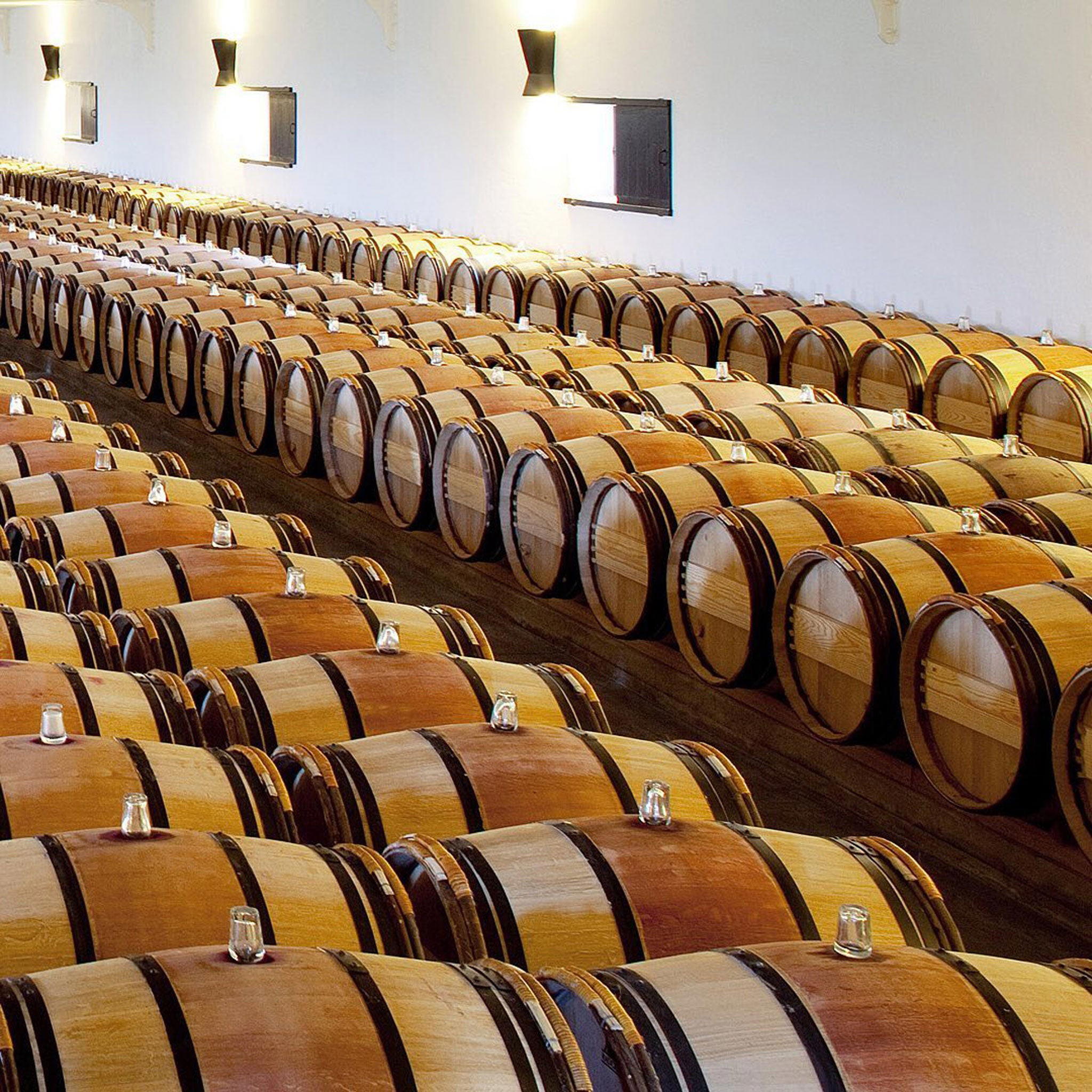
Greystone Wines reads as a quietly assured estate that favors nuance over flash. Set in Waipara’s limestone country, the winery emphasizes site fidelity and winemaking restraint, producing wines that reward close attention rather than novelty. The personality is classic and serene: thoughtful whites with bright acid tension and place-driven character reflect the valley’s cool-climate influence. Because production is allocation-driven, visits feel more intimate than commercial—a tasting focused on parcel expression rather than broad, crowd-pleasing styles. This is a stop for wine lovers who appreciate subtlety, geological specificity and a calm, contemplative tasting environment.
Best For
Greystone is best for visitors who want a terroir-forward tasting experience rather than a party atmosphere. The estate’s strengths lie in cool-climate whites and site-specific bottlings, so it suits collectors, students of place, and small groups seeking an educational visit. Recognition like the Pearl 2 Star Prestige nod signals a producer operating at a higher, allocation-oriented level—good for special-occasion tastings where the emphasis is on provenance and vintage nuance. It’s less about loud labels and more about focused conversation around blocks, seasons and varieties.
Tasting Tips
When tasting at Greystone, center the visit on site expression: ask to try block-designated or single-vineyard wines and focus on the whites that carry Waipara’s acid tension. The write-up highlights Riesling and cool-climate whites as regional strengths, so inquire about those bottlings and any small-allocation releases tied to particular seasons or blocks. Ask staff about the specific soils (limestone, greywacke) and how they influence each bottling—the description explicitly frames the conversation around which block, which season and which variety, so staff are likely prepared to speak to those distinctions.
Venue details
Ambiance
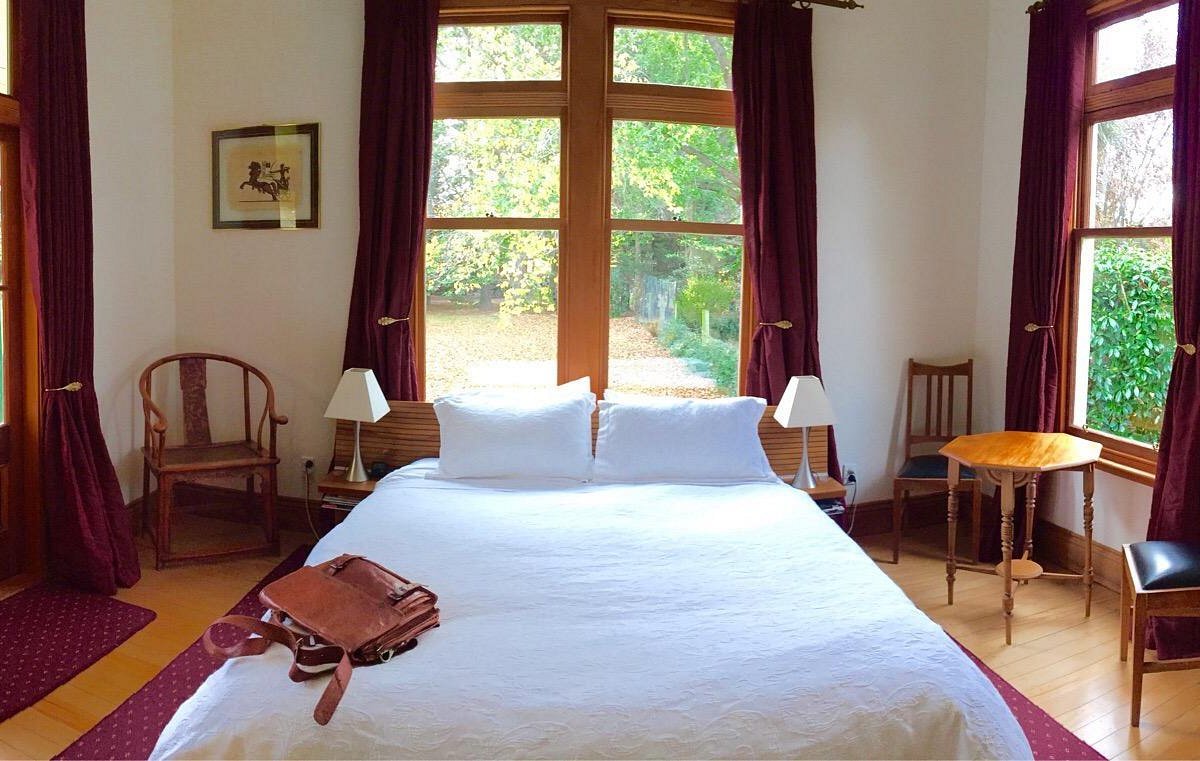
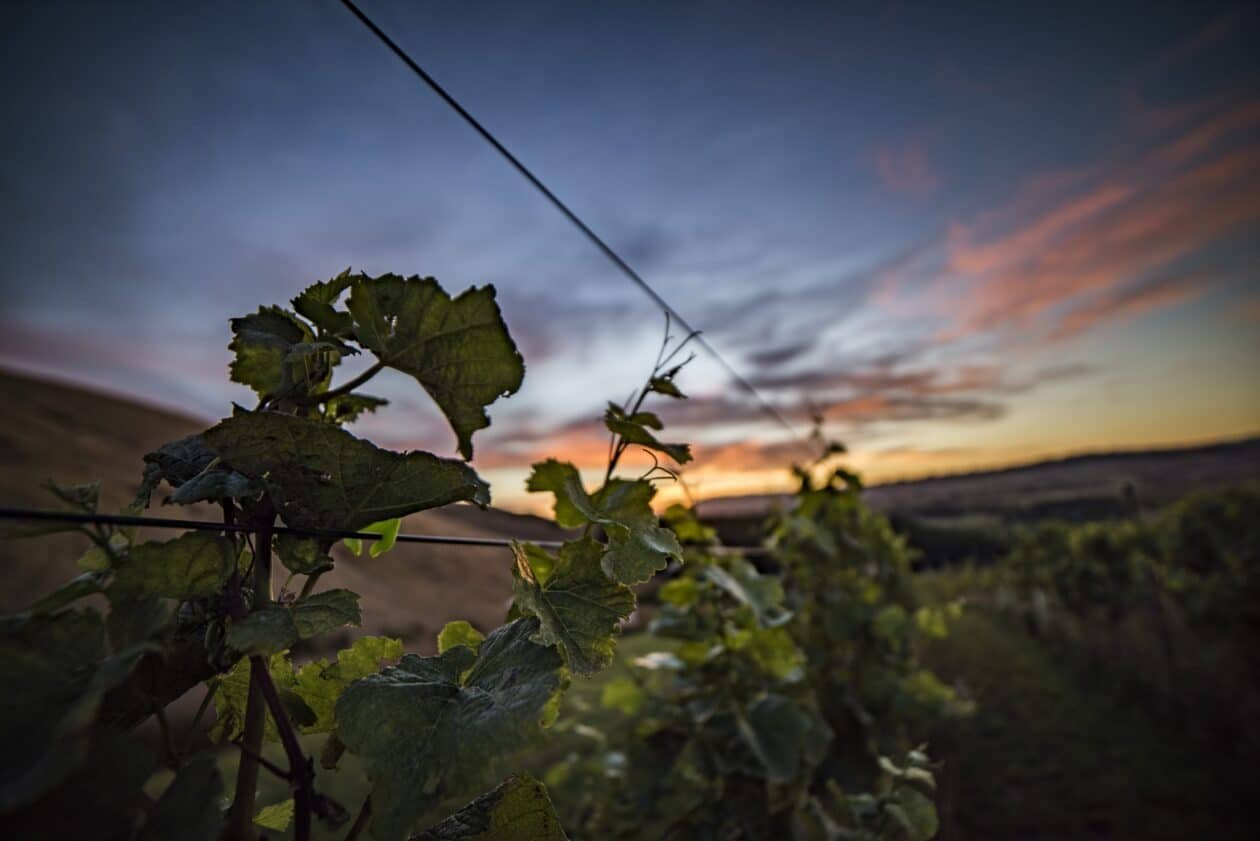
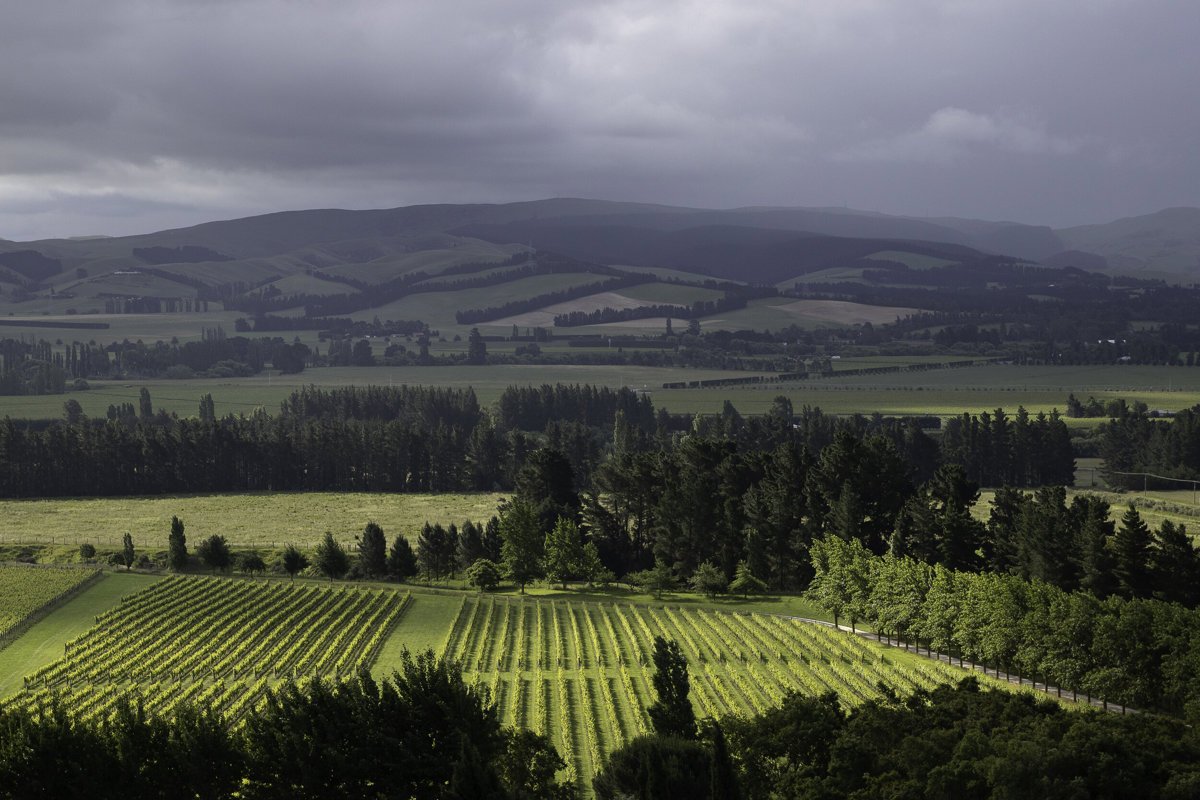
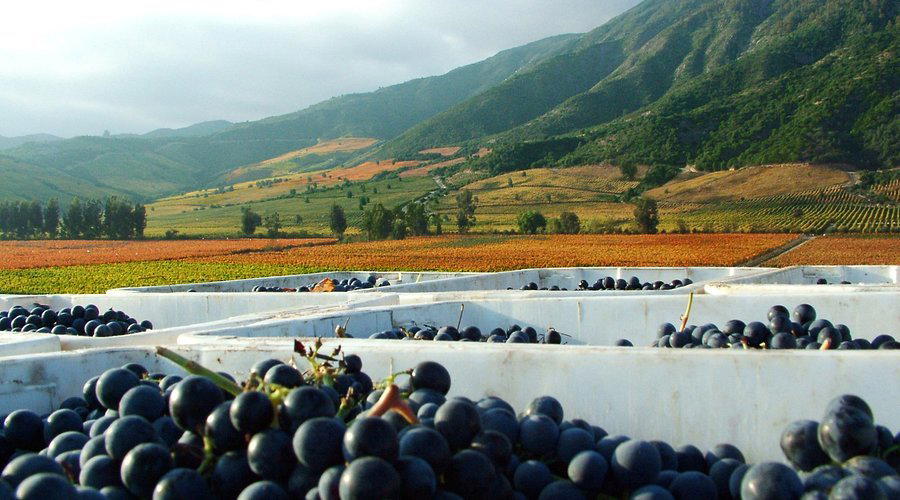
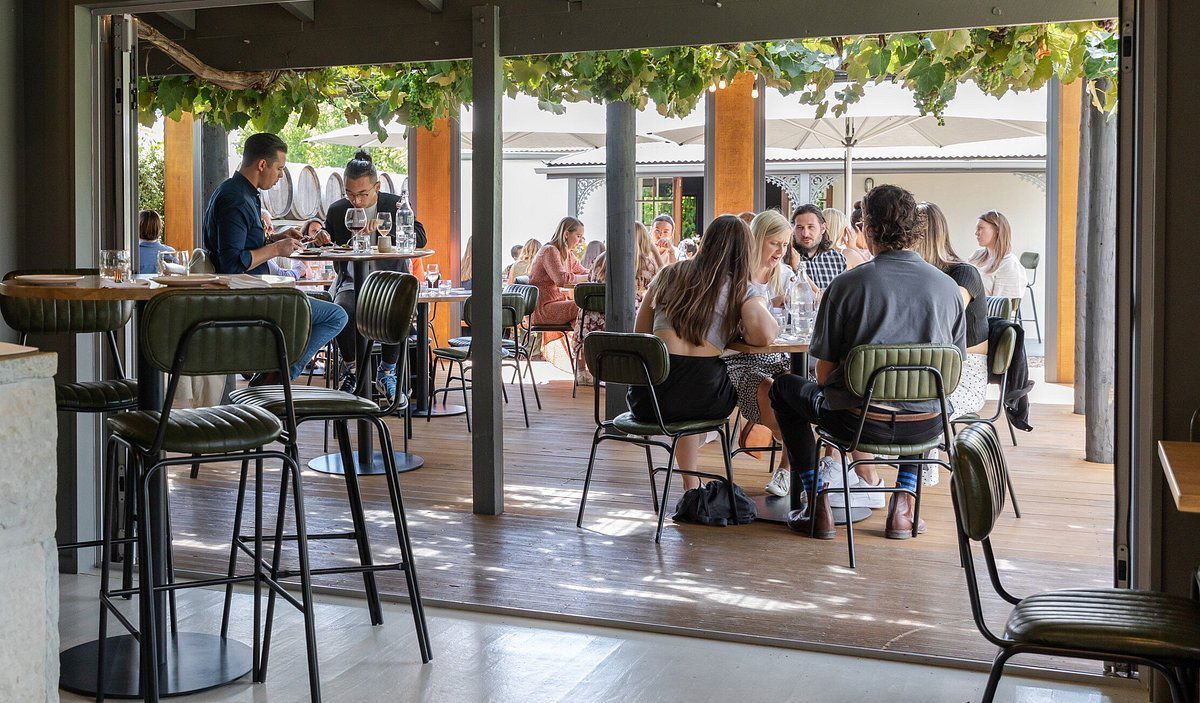
Serene and refined atmosphere with stunning views of vines and hills, natural lighting, and a relaxed yet sophisticated vibe.
Tags
Vibe
Best For
Experience
Sourcing
View
At the Vineyard
- Appellation
- Waipara Valley
- Varietals
- Pinot Noir, Chardonnay, Pinot Gris, Syrah, Rose
- Tour Duration
- 1-2 hours
- Visits
- Walk-ins welcome
- Farming
- Organic
- Production
- Small producer
- Wine Styles
- Still Red, Still White, Still Rose, Sparkling
- Food Pairing
- Offered
- Shipping
- Available
- Wine Club
- Available
Know before you go
Know Before You Go
- Getting there
- 8 Vineyard Lane, North Canterbury, Waipara 7483
Planning details
Location
Recognition and awards


Also consider
Where to look if this is hard to secure
If Greystone Wines does not fit the schedule, cross-shop Cloudy Bay Vineyards for a more recognisable Marlborough name or Wairau River Wines for another wine-country stop outside Waipara. For a different style of drinks-led visit, James Sedgwick Distillery (Three Ships & Bain's) is the category switch rather than a direct winery replacement.
Winery context
How It Compares
Greystone Wines is the Waipara pick for travellers who want a serious North Canterbury producer with a global recognition signal. Compared with Wairau River Wines and Cloudy Bay Vineyards, it reads less like the obvious Marlborough-name choice and more like the deeper regional call. If brand familiarity matters, Cloudy Bay is easier to justify; if the trip is about Waipara, Greystone is the sharper fit.
Against Ata Rangi and Rippon Vineyard, the decision is regional rather than quality-coded. Ata Rangi and Rippon make sense when the itinerary is built around Martinborough or Central Otago; Greystone is the one to choose when North Canterbury is the point of the day. Booking difficulty is the caution: keep a fallback rather than assuming last-minute access.
James Sedgwick Distillery (Three Ships & Bain's) is not a like-for-like winery alternative, but it works for travellers who want a spirits-led stop instead of another vineyard. For ambiance, Greystone's advantage is the Waipara vineyard setting; for flexibility and broader category contrast, James Sedgwick is the easier pivot.
Explore Waipara
Around this place
Discover more on Pearl
Unlock the full Greystone Wines guide in Pearl, including awards, comparisons, FAQs, planning details, and nearby places.
Compare Greystone Wines
| Venue | Location | Awards |
|---|---|---|
| Greystone Wines | Waipara | 2026 Falstaff Winery Guide2025 World's 50 Best Vineyards · #89 |
| Wairau River Wines | Rapaura | 2026 Cuisine New Zealand Good Food Guide2026 Falstaff Winery Guide2025 World's 50 Best Vineyards · #52 |
| Cloudy Bay Vineyards | Blenheim | 2026 Falstaff Winery Guide2025 World's 50 Best Vineyards · #26 |
| James Sedgwick Distillery (Three Ships & Bain’s) | Wellington | No published awards |
| Ata Rangi | Martinborough | 2026 Falstaff Winery Guide2025 World's 50 Best Vineyards · #100 |
| Rippon Vineyard | Wānaka | 2026 Falstaff Winery Guide2025 World's 50 Best Vineyards · #442023 World's 50 Best Vineyards · #112021 World's 50 Best Vineyards · #152020 World's 50 Best Vineyards · #132019 World's 50 Best Vineyards · #8 |

How Greystone Wines Waipara compares with similar nearby venues.
FAQ
Frequently Asked Questions
When is the best time to visit Greystone Wines?
Visit when you can keep the schedule flexible and confirm current details directly. The strongest case for planning Greystone Wines into a Waipara itinerary is its Pearl 2 Star Prestige (2025) recognition and World's 50 Best Vineyards #89 (2025) placement.
Can Greystone Wines handle large groups?
Is there a membership or ongoing access option at Greystone Wines?
For membership or ongoing-access details, contact the venue directly. Its Pearl 2 Star Prestige (2025) and World's 50 Best Vineyards #89 (2025) recognition make it worth researching if you are considering a closer connection with the venue.