

Ata Rangi
Martinborough
Winery in Martinborough, New Zealand
 Book with Pearl
The Read
Organic Terroir Precision
Why go
Ata Rangi is the Martinborough winery to prioritise when the trip is built around serious New Zealand wine rather than casual cellar-door hopping. Its 2025 World's 50 Best Vineyards placement and Pearl 4 Star Prestige signal make it worth planning around, especially for Pinot Noir-focused travellers who want depth and regional context.
About Ata Rangi
For a Martinborough visit where the priority is a clearly recognised venue, Ata Rangi is worth putting early in the planning conversation. It is in Martinborough, the dress code is smart casual, and its recognition includes Pearl 4 Star Prestige (2025) and World's 50 Best Vineyards #100 (2025).
That recognition gives Ata Rangi a stronger credibility signal than a generic stop in the area. For travellers comparing notable New Zealand venues, it can be considered alongside Cloudy Bay Vineyards, Craggy Range, and Greystone Wines, while keeping the planning focus on confirmed details rather than assuming a specific format, menu, service style, or availability.
Prioritise this if Martinborough is the point of the trip
Ata Rangi makes the most sense for travellers who are already building time around Martinborough and want a venue with recognised standing. The confirmed smart-casual dress code also suggests planning with a little polish rather than treating it as an entirely casual add-on. If the day is more about comparing broader New Zealand names, Craggy Range, Cloudy Bay Vineyards, and Greystone Wines are natural reference points, but they should not be described as part of Martinborough unless they are actually on the local itinerary.
Because specific hours, booking rules, tasting formats, prices, group capacity, dining, shipping, or other services are not stated here, the safest approach is to confirm practical details directly before building the rest of the day. Use the Martinborough location as the anchor, then fill the rest of the trip with other Martinborough dining, accommodation, bars, and experiences as needed.
The smart plan is a tighter, recognition-led itinerary
The most honest plan is to treat Ata Rangi as a recognised Martinborough venue and avoid overloading the schedule with assumptions. Keep the itinerary focused, confirm current details through official channels, and compare it with Wairau River Wines or Greystone Wines only as broader New Zealand references rather than substitutes with identical settings or services.
Planning details
- Location
- 14 Puruatanga Road, Martinborough 5741
- Website
- atarangi.co.nz
- Phone
- +64 6 306 9570
The take
The Take
The Vibe
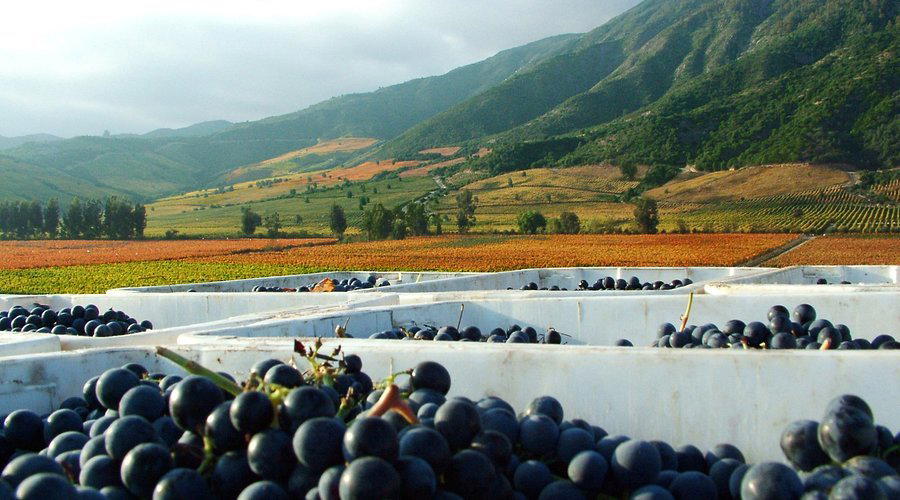
Ata Rangi presents a quietly authoritative, historic winery presence on Martinborough's gravel terrace. The estate reads as a working property rather than a showpiece: boutique in scale, focused on expressive fruit and organic practice. The narrative here is one of restraint and provenance—the free-draining soils and deep-rooted vines produce concentrated flavors that speak for themselves, and the overall feel is refined without ostentation. Visitors sense an agricultural seriousness and a long-running commitment to place; the experience favors contemplation and appreciation over spectacle, making the estate feel like a consummate, low-key classic of the region.
Best For
This estate suits visitors who are interested in learning about site-driven wines and the vine-to-bottle story. It is a destination for wine education and for collectors seeking historically significant New Zealand vintages, and it works well for solitary exploration or a considered special-occasion visit. The approach from Wellington and the compact walkable village nearby make it an appealing stop on a day of tasting or a cycling loop through Martinborough. Because the property emphasizes the vineyard as the product, expect tastings that foreground terroir and vintage expression.
Tasting Tips
Frame tastings around the terrace-driven expression of Burgundian varieties and ask about the estate’s organic approach and how it shapes each vintage. Prioritize wines that demonstrate concentration and lively acidity—those are the hallmarks the description highlights. Treat visits as conversations rather than transactions: engage with staff about soil, vine age and vintage variation to gain the fullest sense of why collectors value the estate. Because the property reads as a working vineyard, allow time to absorb the estate context when sampling.
Venue details
Ambiance
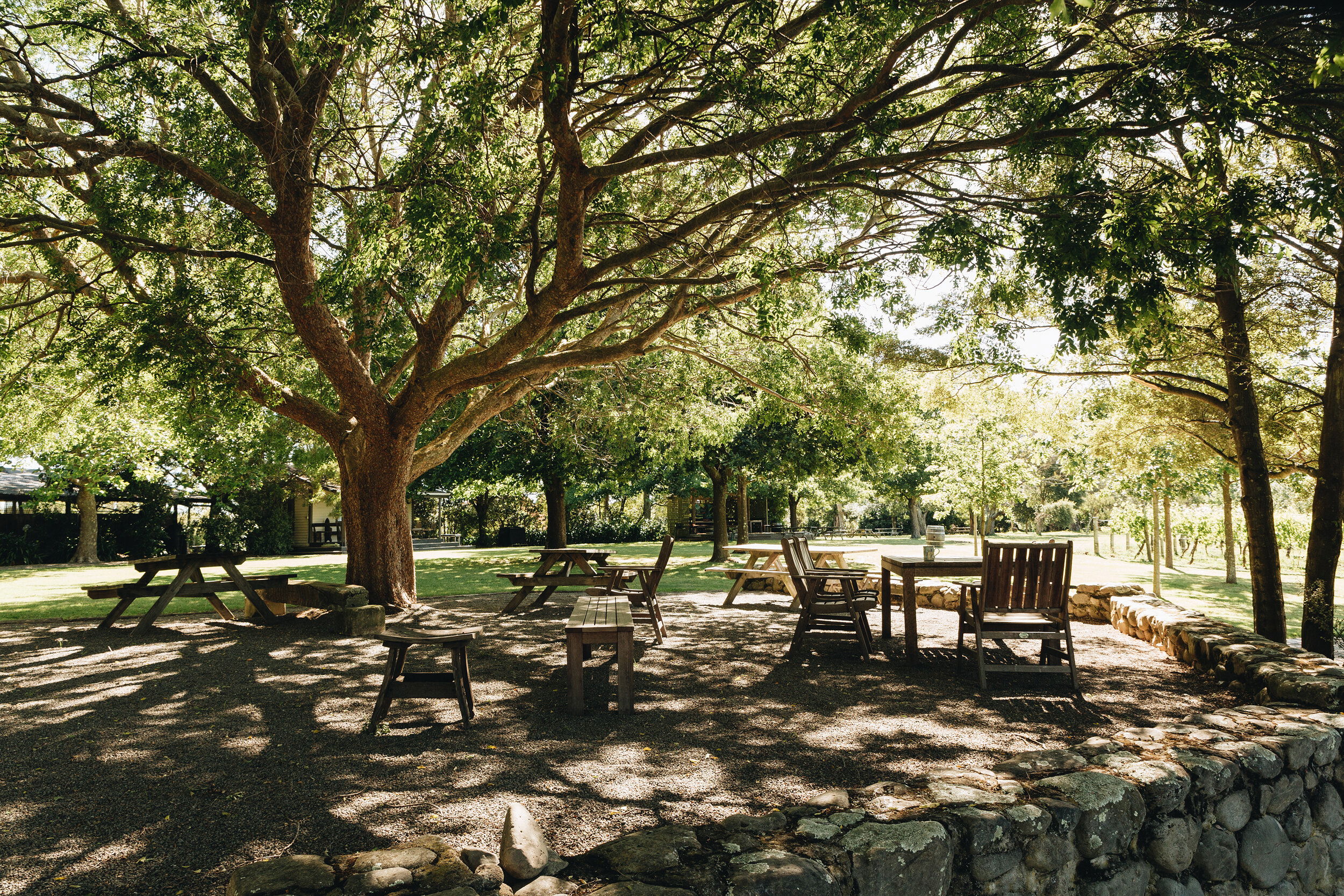
Simple elegance in a tiny wooden cabin tasting room with a serene, intimate atmosphere focused on seated wine tastings amid sustainable vineyard surroundings.
Tags
Vibe
Best For
Experience
Sourcing
View
At the Vineyard
- Appellation
- Martinborough
- Varietals
- Pinot Noir, Chardonnay, Pinot Gris, Sauvignon Blanc, Riesling
- Tour Duration
- 60-90 minutes
- Visits
- By appointment only
- Farming
- Organic
- Production
- Small producer
- Wine Styles
- Still Red, Still White, Still Rose
- Shipping
- Available
- Wine Club
- Not available
Know before you go
Know Before You Go
- Getting there
- 14 Puruatanga Road, Martinborough 5741
Planning details
Location
Recognition and awards


Also consider
If this is unavailable
Choose Greystone Wines if the priority is thoughtful New Zealand winemaking and regional character. Choose Craggy Range if the group needs a more expansive destination experience with broader appeal.
Winery context
How it compares for New Zealand wine travellers
Ata Rangi is the pick for travellers making Martinborough the centre of the itinerary, especially if the goal is a serious, wine-first visit rather than a broad hospitality stop. Craggy Range is the stronger alternative for visitors who want a more polished destination feel, while Cloudy Bay Vineyards suits anyone building a Marlborough route around a better-known label.
For value and ease, Wairau River Wines is likely the safer fallback because it fits a more relaxed tasting-day structure. Greystone Wines is the better cross-shop for visitors who care about production choices and regional character. James Sedgwick Distillery (Three Ships & Bain's) is not a like-for-like winery swap, but it works if the group is open to spirits and wants a different kind of producer visit.
Explore Martinborough
Around this place
Discover more on Pearl
Unlock the full Ata Rangi guide in Pearl, including awards, comparisons, FAQs, planning details, and nearby places.
Compare Ata Rangi
| Venue | Location | Awards |
|---|---|---|
| Ata Rangi | Martinborough | 2026 Falstaff Winery Guide2025 World's 50 Best Vineyards · #100 |
| James Sedgwick Distillery (Three Ships & Bain’s) | Wellington | No published awards |
| Cloudy Bay Vineyards | Blenheim | 2026 Falstaff Winery Guide2025 World's 50 Best Vineyards · #26 |
| Wairau River Wines | Rapaura | 2026 Cuisine New Zealand Good Food Guide2026 Falstaff Winery Guide2025 World's 50 Best Vineyards · #52 |
| Craggy Range | Hastings | 2026 Architizer A+Awards — Verified Public Venues2026 La Liste Top Restaurants2026 Falstaff Winery Guide2022 World's 50 Best Vineyards · #412021 World's 50 Best Vineyards · #112020 World's 50 Best Vineyards · #172019 World's 50 Best Vineyards · #11 |
| Greystone Wines | Waipara | 2026 Falstaff Winery Guide2025 World's 50 Best Vineyards · #89 |



How Ata Rangi Martinborough: Is It Worth Visiting? compares with similar nearby venues.
FAQ
Frequently Asked Questions
Are wine-club details for Ata Rangi?
Wine-club details are best confirmed through Ata Rangi's official channels. If you are considering joining, check current membership terms, availability, and any purchase commitments before deciding.
Are shipping details for Ata Rangi?
Can Ata Rangi handle large groups?
When is the best time to visit Ata Rangi?
Do I need a reservation at Ata Rangi?
Because Ata Rangi has confirmed recognition, including Pearl 4 Star Prestige (2025) and World's 50 Best Vineyards #100 (2025), it is sensible to check directly before planning a visit.
How long should I plan for a visit to Ata Rangi?
Build in enough flexibility for a Martinborough stop, and confirm current format and timing with Ata Rangi before finalising your plans.