
Weingut Krutzler Distillery
Deutsch-Schützen, Deutsch Schützen
Winery in Deutsch Schützen, Austria
 Book with Pearl
The Read
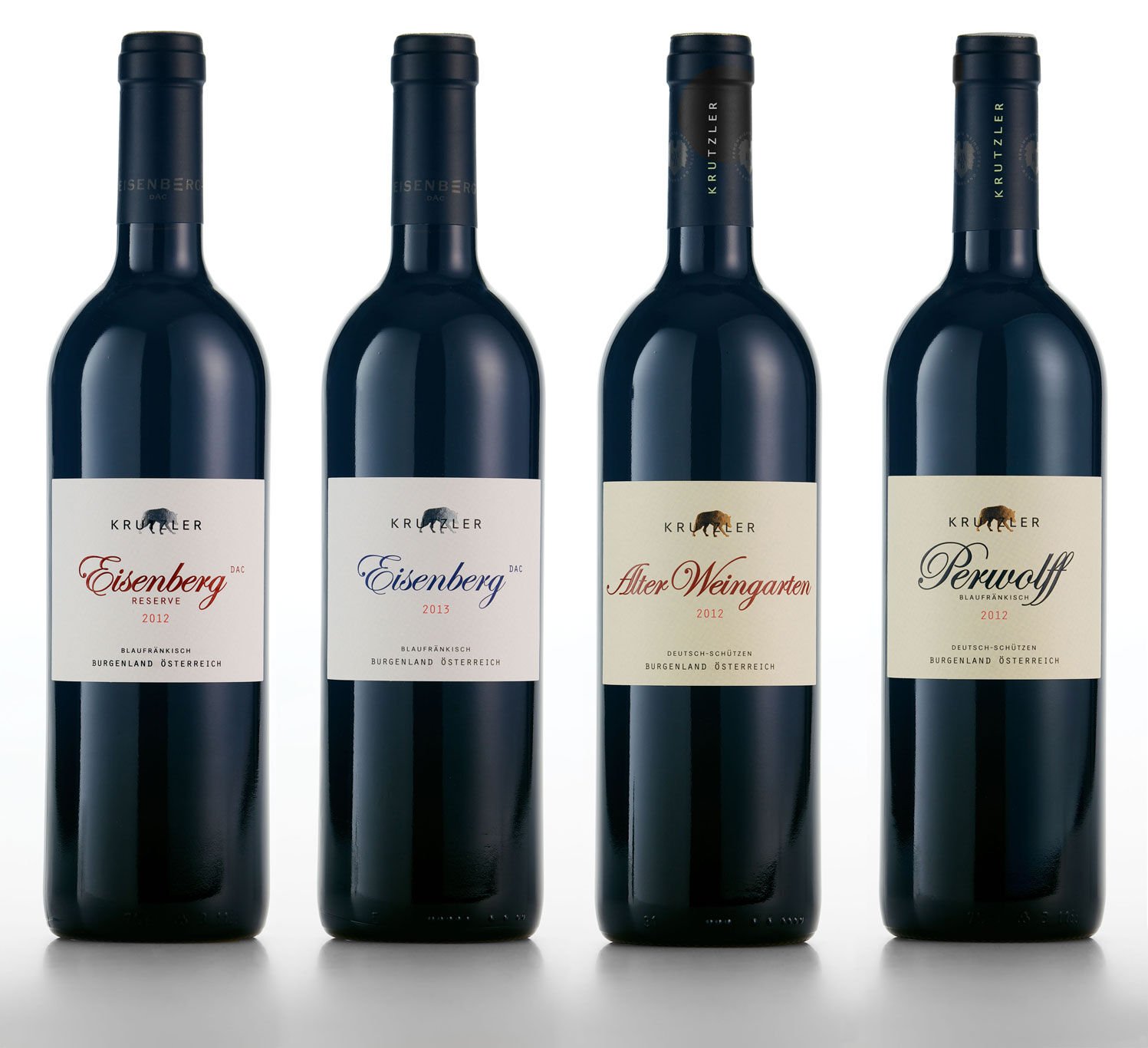
Eisenberg Iron-Soil Viticulture
Why go
A serious Deutsch Schützen stop for wine travellers who care more about producer context than built-out hospitality. Prioritise it if the visit is about bottles, cellar access, or regional depth; cross-shop Weingut Uwe Schiefer for another wine-led option and Gölles Distillery if spirits matter more to the group.
About Weingut Krutzler Distillery
Weingut Krutzler Distillery is a Deutsch Schützen venue with a smart casual dress code and Pearl 2 Star Prestige recognition for 2025. Practical visit details should be confirmed directly before making plans.
Before planning around a specific tasting, dining, or visitor format, check current hours, pricing, menus, bottle availability, shipping, and public visit options with the venue.
A serious stop if the basics fit your plans
The clearest reasons to note Weingut Krutzler Distillery are its Deutsch Schützen location, smart casual dress code, and Pearl 2 Star Prestige recognition in 2025. If those facts fit your itinerary, treat the next step as practical confirmation: when to visit, what is currently offered, and whether advance arrangements are needed.
For planning around the town, pair this listing with other Deutsch Schützen dining, lodging, bar, or experience research as needed. Build flexibility into the day rather than rely on assumed services.
How to build the rest of the itinerary
If you are comparing related venues, consider David Gölles House of Whiskey & Rum, Gölles Distillery, Weingut Uwe Schiefer, Weingut Franz Weninger, and Weingut Kerschbaum alongside Weingut Krutzler Distillery. Use each venue's current information to decide which stop best matches your route and expectations.
For a wider itinerary, keep the comparison focused on practical planning basics: location, recognition, dress code, and the details each venue currently confirms. Avoid assuming a particular tasting format, food service, retail setup, or visit length unless the venue states it directly.
Planning details
- Location
- Winzerstraße 68, 7474 Deutsch Schützen
- Website
- krutzler.at
- Phone
- +43 3365 21868
The take
The Take
The Vibe
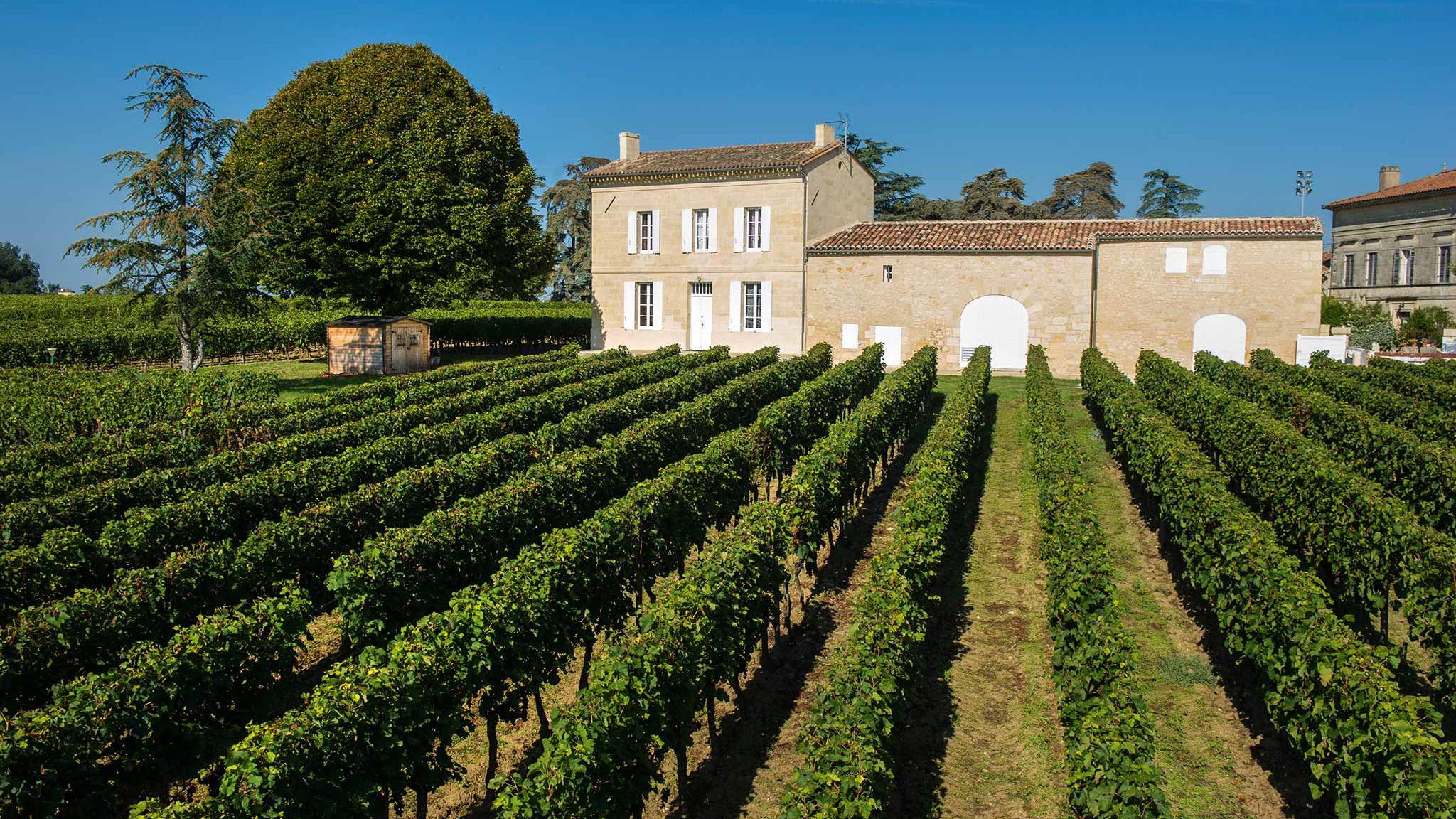
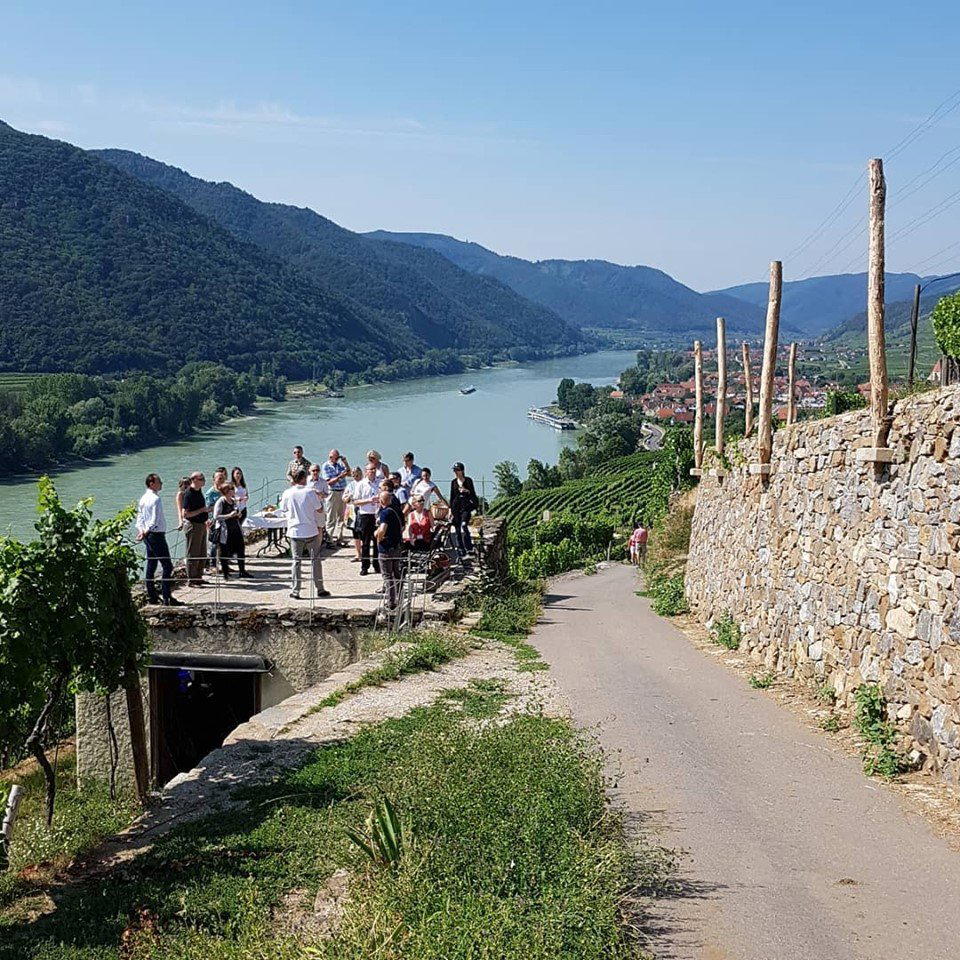
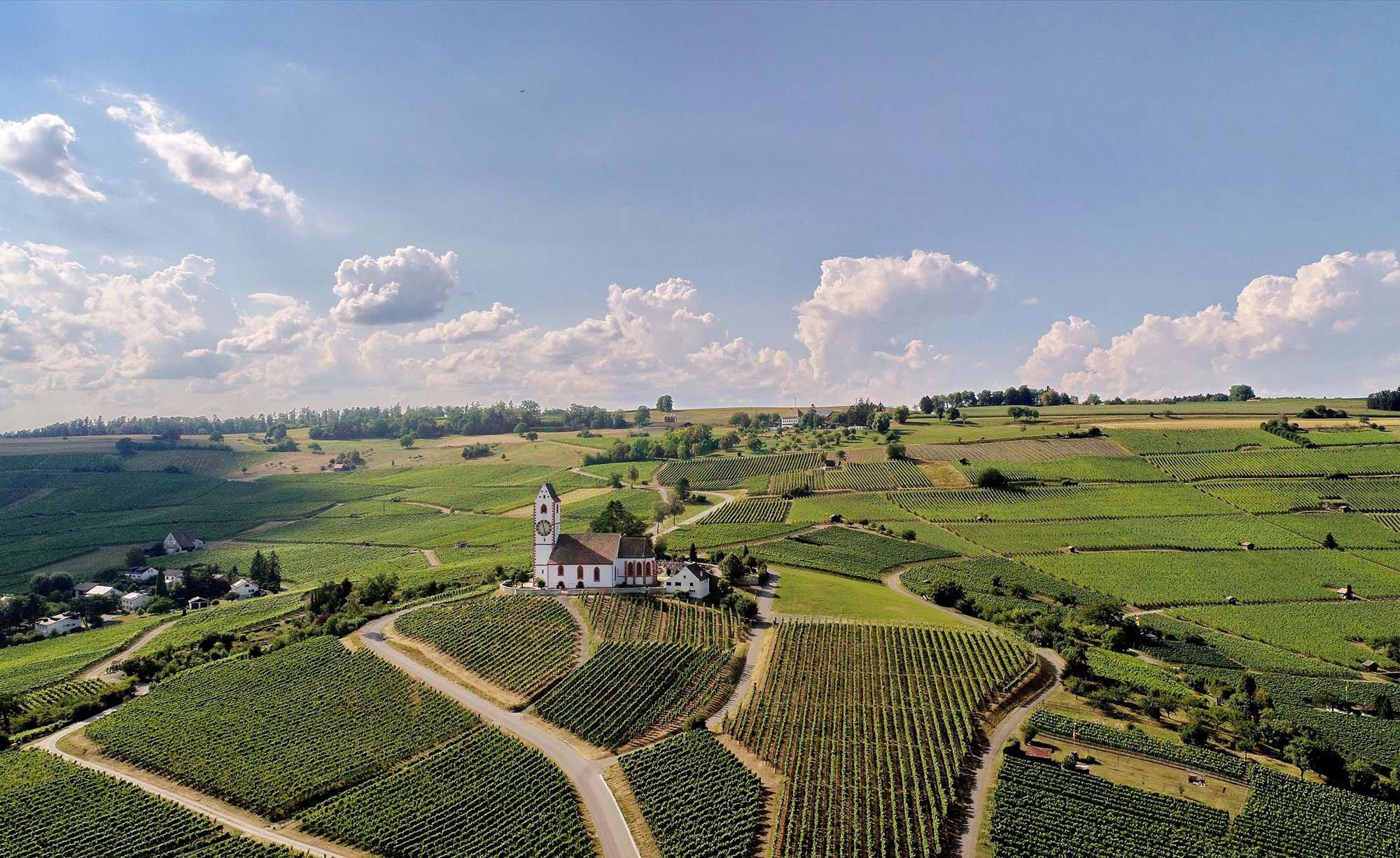
Weingut Krutzler Distillery reads like a place where geology sets the tone. Situated in the heart of Deutsch-Schützen, the estate leans on the Eisenberg’s iron-rich soils and basaltic schist to craft wines that feel like literal translations of place. The writing in the landscape — low volcanic hills meeting cooler Alpine air — gives visits a scenic, quietly focused quality: tastings center on site expression rather than overt winemaking showmanship. Guests encounter an intimate village setting and wines that speak with restraint and mineral clarity, making Krutzler a contemplative stop for anyone attuned to terroir.
Best For
Krutzler is best for visitors who come with a curiosity about terroir and regional identity. The estate’s emphasis on Eisenberg DAC and Blaufränkisch-style reds rewards those seeking educational, soil-focused tastings and comparisons within southern Burgenland. Wine students, collectors interested in site-specific expression, and travelers who prefer calm, village-based wineries will get the most out of a visit. The property’s geological story is the main draw, so plan a tasting that prioritizes the wines that showcase the iron-rich, basalt-influenced character of the slopes.
Tasting Tips
When tasting at Krutzler, prioritize the Eisenberg DAC expressions and the estate’s red wines: the description highlights Blaufränkisch and other southern Burgenland reds that show restraint and a mineral edge. Ask the host about site and soil — references to schist, basalt and iron-oxide soils are central to understanding each bottle. Sequence your tasting from lighter, more transparent bottlings toward the fuller, terroir-driven reds so you can track the mineral signature and the way Pannonian warmth is tempered by cooler Alpine air.
Venue details
Ambiance
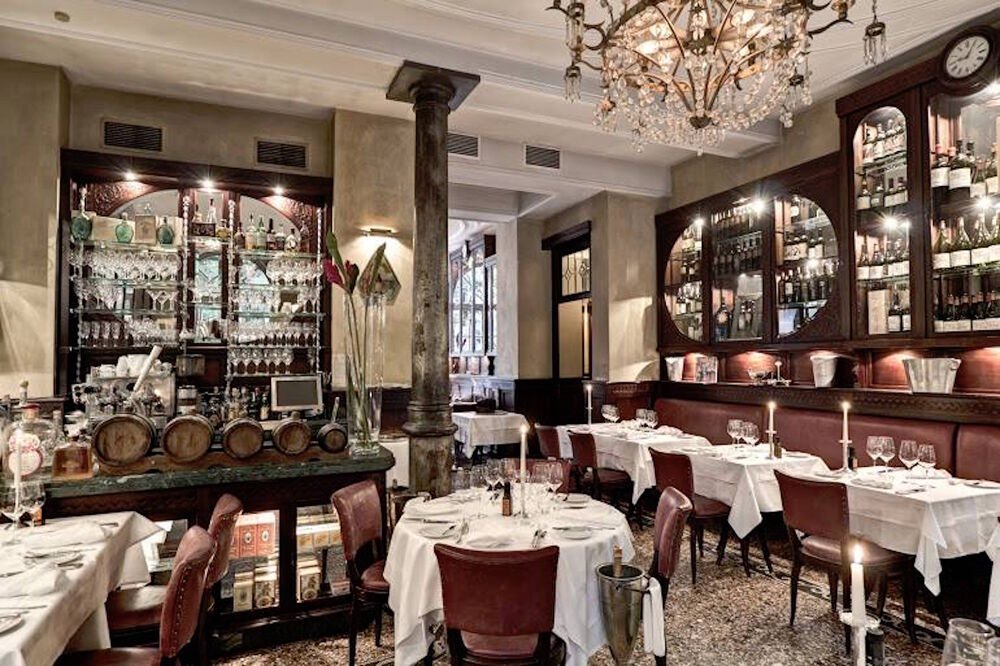
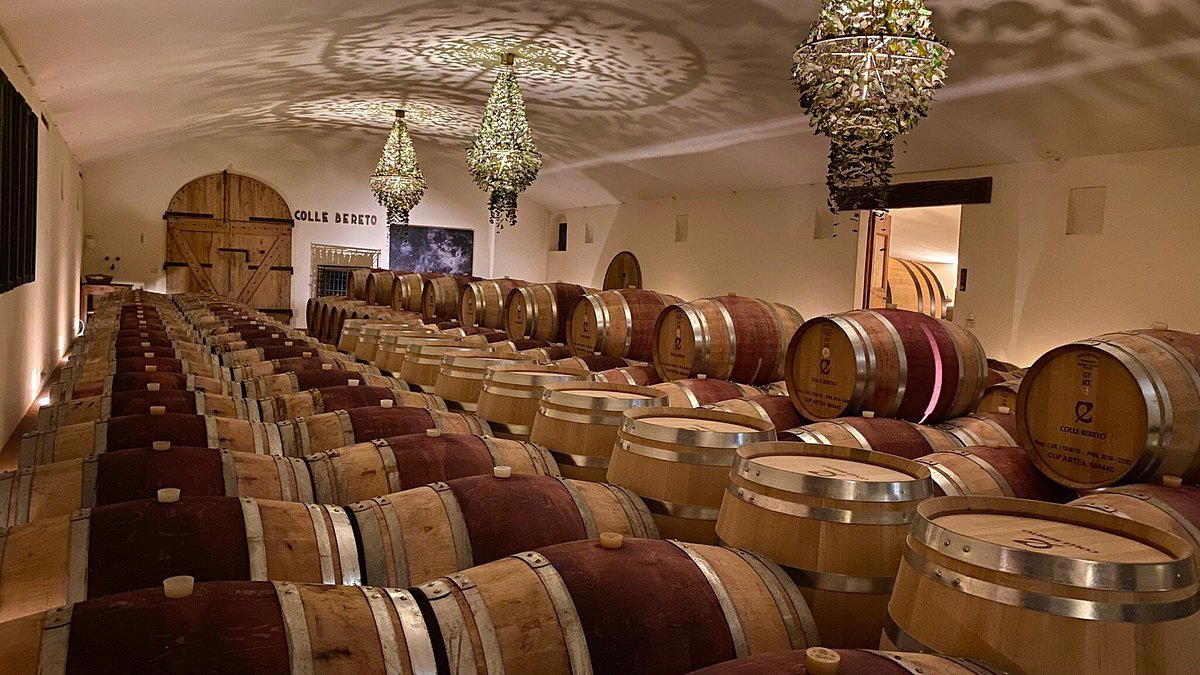
Traditional winery with heritage spanning five generations, featuring classic fermentation vats and barrel aging facilities set in the slate-soil terroir of Eisenberg.
Tags
Vibe
Best For
Experience
Sourcing
View
At the Vineyard
- Appellation
- Eisenberg DAC
- Varietals
- Blaufränkisch, Zweigelt, Merlot, Welschriesling
- Visits
- By appointment only
- Farming
- Sustainable
- Wine Styles
- Still Red
- Wine Club
- Not available
Know before you go
Know Before You Go
- Getting there
- Winzerstraße 68, 7474 Deutsch Schützen
Planning details
Location
Recognition and awards

Also consider
Where to Go If This Does Not Work
Try Weingut Uwe Schiefer first if the goal is another wine-led visit. Choose Gölles Distillery if the group is more interested in spirits than winery context.
Winery context
How It Compares
Weingut Uwe Schiefer is the cleanest wine-to-wine comparison: choose it if the group wants another producer-led stop and the day is built around regional bottles. Weingut Krutzler Distillery is the more targeted pick for travellers already committed to Deutsch Schützen, but it is not the easiest fallback if plans need to stay flexible.
Gölles Distillery and David Gölles House of Whiskey & Rum are better for mixed groups that want spirits as the headline rather than wine. They make more sense when the value equation is about a broader drinks experience; this venue makes more sense when the value comes from a focused producer stop.
Weingut Franz Weninger and Weingut Kerschbaum are stronger cross-shops for readers comparing wineries across the region. Pick them when the priority is building a multi-winery route; keep Weingut Krutzler Distillery as the higher-commitment Deutsch Schützen choice.
Explore Deutsch Schützen
Around this place
Discover more on Pearl
Unlock the full Weingut Krutzler Distillery guide in Pearl, including awards, comparisons, FAQs, planning details, and nearby places.
Compare Weingut Krutzler Distillery
| Venue | Location | Awards |
|---|---|---|
| Weingut Krutzler Distillery | Deutsch Schützen | 2026 Falstaff Winery Guide |
| Weingut Uwe Schiefer | Welgersdorf | 2026 Falstaff Winery Guide |
| Gölles Distillery | Riegersburg | No published awards |
| David Gölles House of Whiskey & Rum | Riegersburg | No published awards |
| Weingut Franz Weninger | Horitschon | 2026 Falstaff Winery Guide |
| Weingut Kerschbaum | Horitschon | 2026 Falstaff Winery Guide |
How Weingut Krutzler Distillery compares with similar nearby venues.
FAQ
Frequently Asked Questions
Does Weingut Krutzler Distillery ship products?
Does Weingut Krutzler Distillery serve food?
Plan separately for meals in Deutsch Schützen unless the venue confirms current food options.
What other venues can I compare with Weingut Krutzler Distillery?
Relevant comparison names include David Gölles House of Whiskey & Rum, Gölles Distillery, Weingut Uwe Schiefer, Weingut Franz Weninger, and Weingut Kerschbaum. Check each venue's current details before building a route.
Does Weingut Krutzler Distillery offer a membership or club?
For membership or club options, contact the venue directly. Key planning basics include the Deutsch Schützen location, smart casual dress code, and Pearl 2 Star Prestige recognition for 2025.
What is the flagship product at Weingut Krutzler Distillery?
When is the best time to visit Weingut Krutzler Distillery?
Confirm current opening hours or appointment details with the venue before travelling to Deutsch Schützen.
How long should I plan for a visit to Weingut Krutzler Distillery?
Ask the venue directly about the current visit format before setting your schedule.