
Weingut Van Volxem
Wiltingen
Winery in Wiltingen, Germany
 Book with Pearl
The Read
Saar Architectural Riesling
Price
$50–100tasting
Why go
A strong pick for wine travellers who want a Saar estate visit with real place context, not just a quick tasting stop. Prioritise it if Wiltingen itself is part of the appeal; cross-shop Weingut Egon Müller if name recognition matters more than estate atmosphere.
About Weingut Van Volxem
Weingut Van Volxem is a Wiltingen venue with Pearl 3 Star Prestige recognition for 2025. Plan with care and confirm practical arrangements directly before building a trip around it.
The strongest reason to keep it on a Wiltingen shortlist is its recognition. The dress code is smart casual, so visitors should plan accordingly.
Book it for confirmed recognition, then verify the details
Weingut Van Volxem is best treated as a planning candidate for travellers who want a recognised Wiltingen stop and are willing to confirm the specifics in advance.
Expectations should stay practical. Do not assume a food offering, tasting format, walk-in policy, opening hours, price level, or hospitality setup. Use broader Wiltingen planning resources for backup options, and confirm any visit details directly before locking the day.
How to think about the trade-off
Among recognised names connected with the wider region, Weingut Van Volxem can be considered alongside Weingut Egon Müller, Weingut Maximin Grünhaus, Weingut Nik Weis – St. Urbans-Hof, Weingut Reichsgraf von Kesselstatt, and Weingut Von Hövel. Keep the comparison general unless current official details confirm the exact experience each venue offers.
For a Wiltingen plan, the safest approach is to treat Weingut Van Volxem as a Pearl 3 Star Prestige venue and then verify access, timing, and any visit format directly. That keeps the decision grounded without assuming services that may not suit your plans.
If the day needs variety beyond Weingut Van Volxem, consider other dining or hospitality options in Wiltingen generically and confirm details before travelling. The key point is simple: prioritise the venue for its Wiltingen identity and Pearl 3 Star Prestige recognition, while checking all practical details at the source.
Planning details
- Location
- Zum Schlossberg 347, 54459 Wiltingen
- Website
- vanvolxem.com
- Phone
- +49 6501 802290
The take
The Take
The Vibe
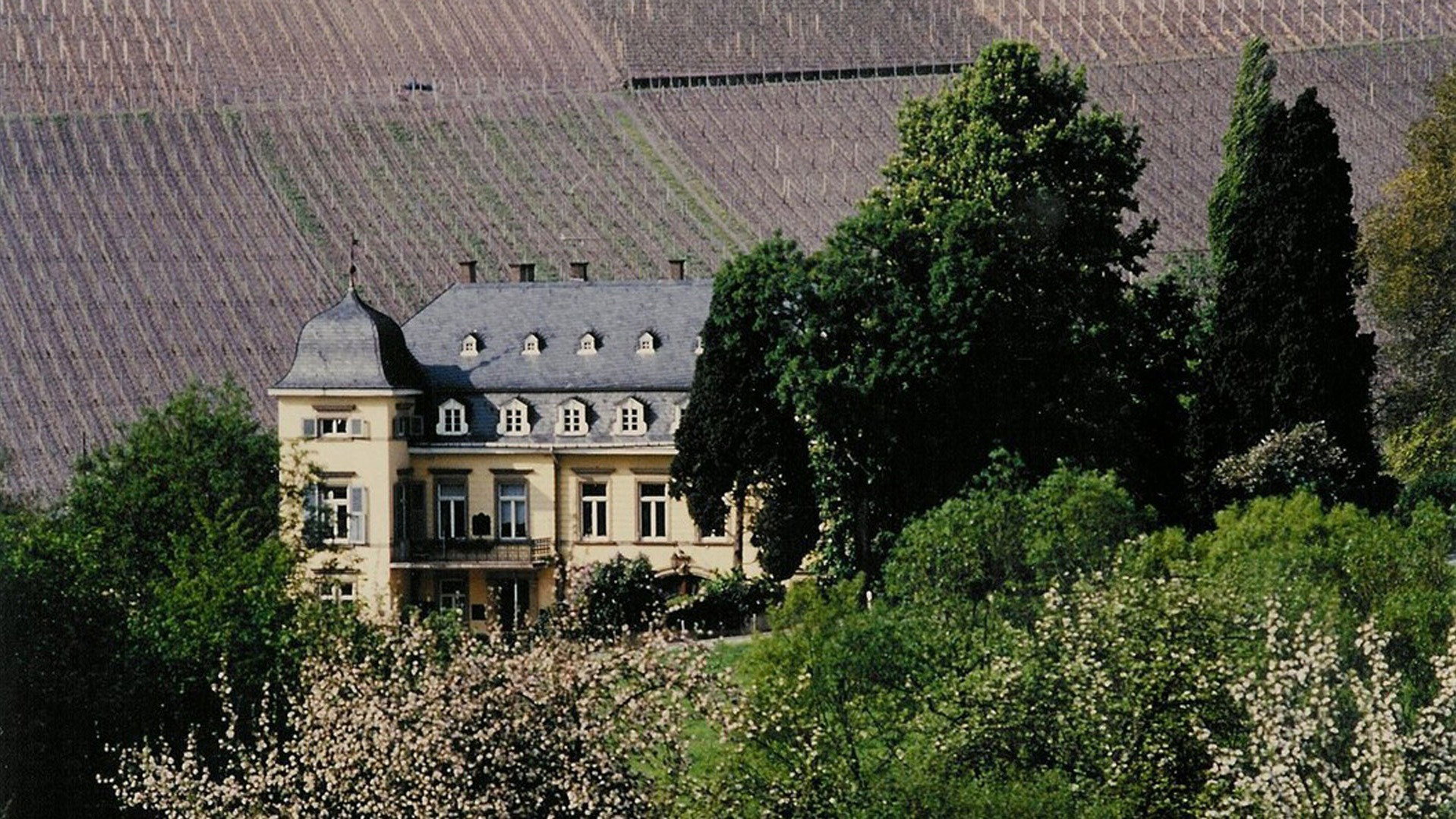
Weingut Van Volxem reads as a site-focused, vineyard-led producer that is reshaping perceptions of the Saar. The estate positions itself on the flank of the storied Scharzhofberg and emphasizes dry, structurally intense Riesling as its signature. The writing frames Van Volxem against a regional history defined by sweetness and long cellaring, and presents the winery as a deliberate, serious counterpoint—measured, rooted in place and attentive to single-vineyard logic rather than flashy trends. The overall impression is one of provenance and gravitas tied to a historically significant site.
Best For
Van Volxem is particularly well suited to visitors who want to learn about site expression and the contemporary case for dry Saar Riesling. It serves as a destination for wine education, special-occasion tastings and group outings focused on single-vineyard character. The estate’s location on Scharzhofberg also makes it a fit for quietly focused visits or a romantic getaway for couples who appreciate terroir-driven wines and discussions about classification, ripeness and stylistic evolution in the Mosel-Saar-Ruwer triangle.
Tasting Tips
When exploring Van Volxem’s wines, prioritize dry expressions and single-vineyard bottlings from Scharzhofberg and other classified sites—these exemplify the estate’s stated focus. Seek out their Großes Gewächs and site-designated Rieslings to experience the structural intensity the write-up emphasizes. Compare Van Volxem’s dry style with neighboring producers known for sweeter, late-harvest expressions to understand the regional stylistic spectrum; the text highlights this contrast as central to appreciating Van Volxem’s approach.
Venue details
Ambiance
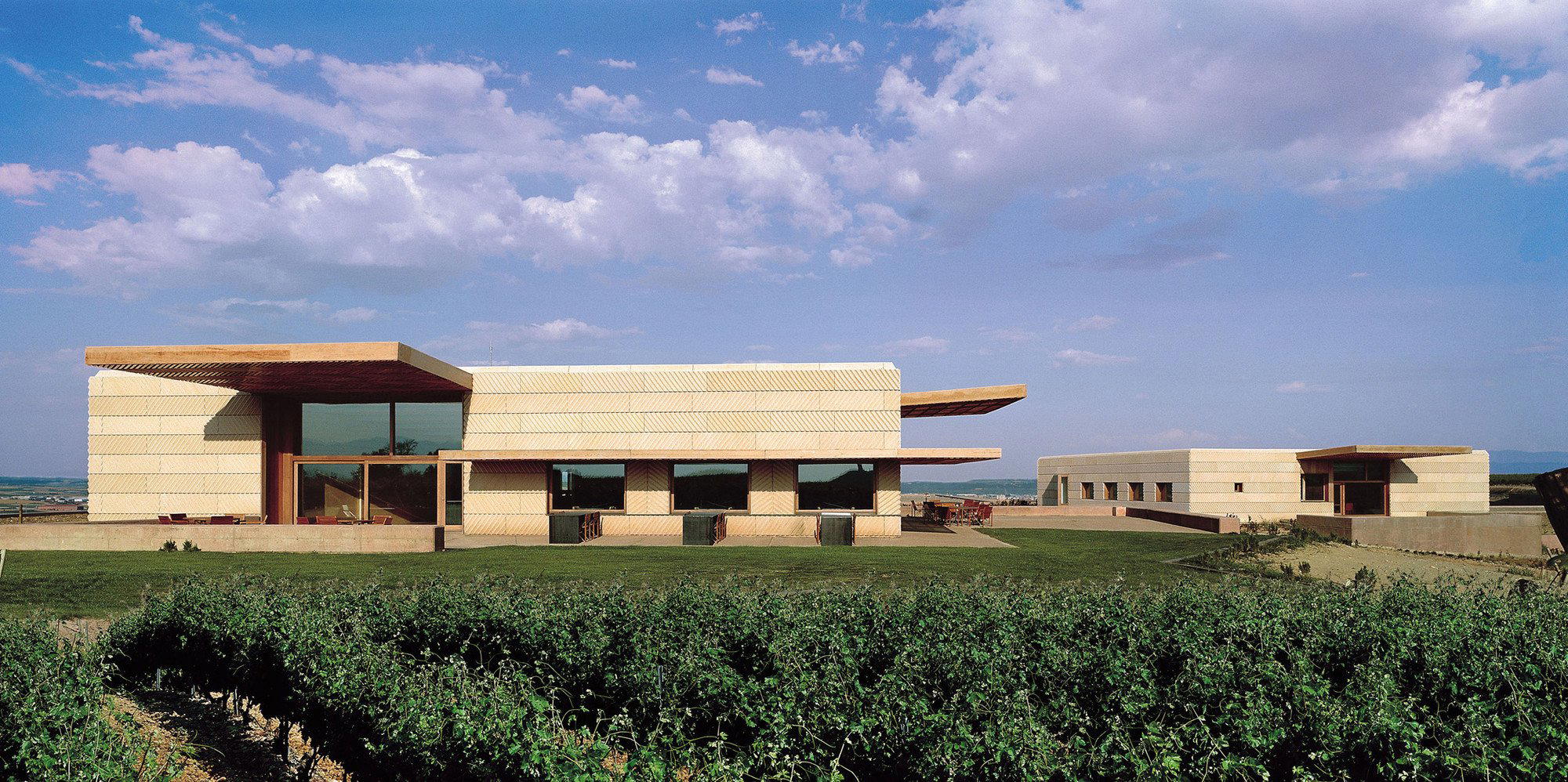
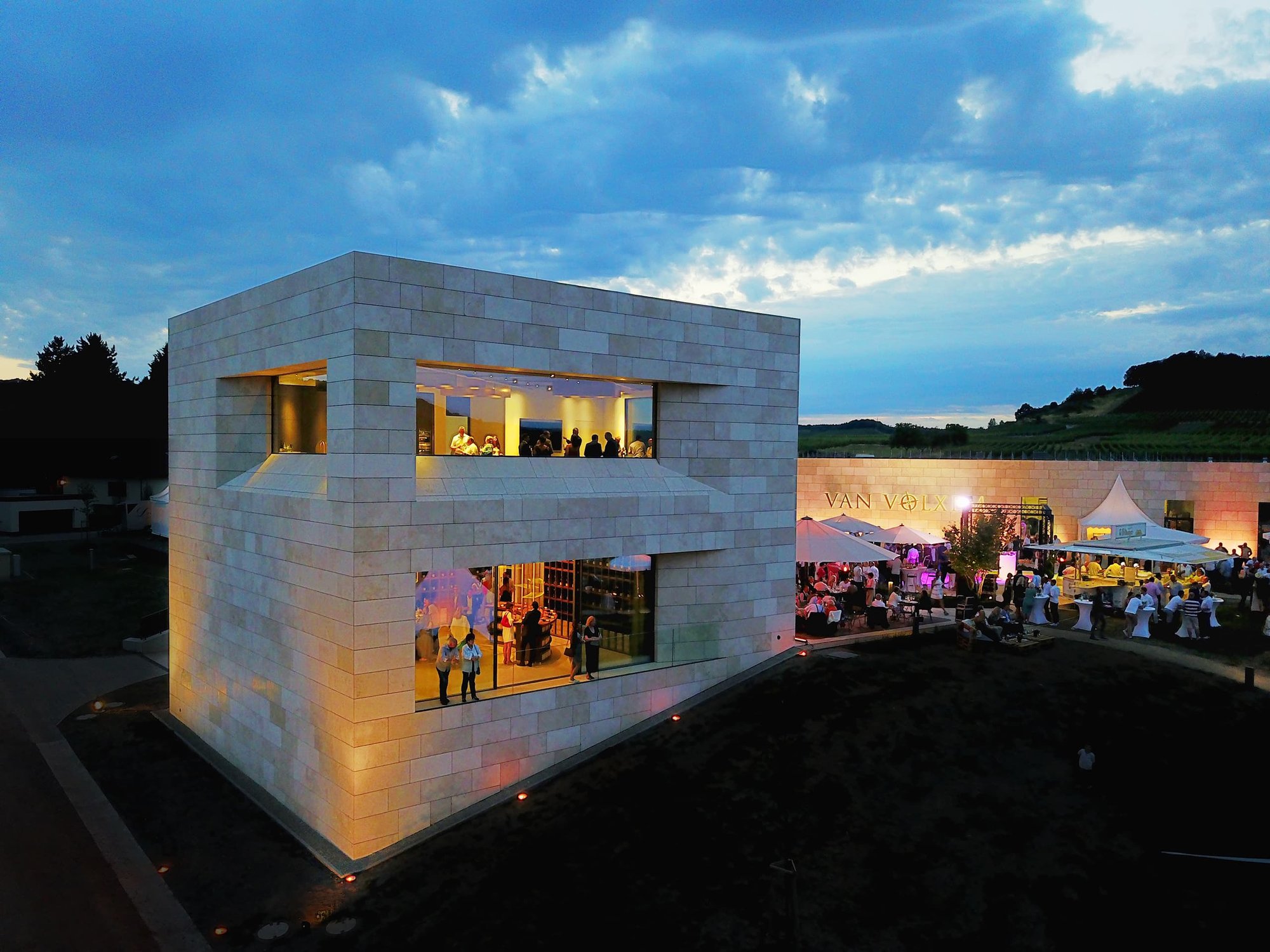
Modern architectural landmark with warm travertine facades and castle-like tower design, offering a sophisticated yet welcoming atmosphere that balances contemporary design with historic wine-making traditions.
Tags
Vibe
Best For
Experience
Sourcing
View
At the Vineyard
- Appellation
- Saar
- Varietals
- Riesling, Pinot Blanc, Chardonnay, Pinot Noir
- Tour Duration
- 90-120 minutes
- Tour Languages
- German, English
- Visits
- By appointment only
- Farming
- Biodynamic
- Wine Styles
- Still White, Sparkling
- Food Pairing
- Offered
- Shipping
- Available
- Wine Club
- Not available
Know before you go
Know Before You Go
- Getting there
- Zum Schlossberg 347, 54459 Wiltingen
Planning details
Location
Recognition and awards

Also consider
Also Consider
- Weingut Egon Müller, Notable alternative
- Weingut Von Hövel, Notable alternative
- Weingut Reichsgraf von Kesselstatt, Notable alternative
- Weingut Maximin Grünhaus, Notable alternative
- Weingut Nik Weis – St. Urbans-Hof, Notable alternative
Winery context
How It Compares
Choose Weingut Van Volxem if the priority is a serious Saar estate experience with grounds and place context built into the visit. Weingut Egon Müller is the stronger trophy booking for collectors, but it is also the more difficult target. Van Volxem is the better fit when the day is about understanding Wiltingen rather than securing the hardest name.
Weingut Von Hövel and Weingut Reichsgraf von Kesselstatt are sensible cross-shops for travellers who want Saar or Mosel context without making the entire itinerary hinge on one estate. Pick those if flexibility matters more than a single high-conviction stop.
Weingut Maximin Grünhaus and Weingut Nik Weis – St. Urbans-Hof make more sense for visitors building a wider regional route. Van Volxem is the tighter choice for an estate-led Wiltingen plan; the others are better if the brief is variety across producers and settings.
Explore Wiltingen
Around this place
Discover more on Pearl
Unlock the full Weingut Van Volxem guide in Pearl, including awards, comparisons, FAQs, planning details, and nearby places.
Compare Weingut Van Volxem
| Venue | Location | Awards |
|---|---|---|
| Weingut Van Volxem | Wiltingen | 2026 Falstaff Winery Guide |
| Weingut Egon Müller | Wiltingen | 2026 Falstaff Winery Guide |
| Weingut Von Hövel | Konz-Oberemmel | 2026 Falstaff Winery Guide |
| Weingut Reichsgraf von Kesselstatt | Trier | 2026 Falstaff Winery Guide |
| Weingut Maximin Grünhaus | Mertesdorf | No published awards |
| Weingut Nik Weis – St. Urbans-Hof | Leiwen | 2026 Falstaff Winery Guide |
How Weingut Van Volxem Wiltingen compares with similar nearby venues.
FAQ
Frequently Asked Questions
What recognition does Weingut Van Volxem have?
Weingut Van Volxem has Pearl 3 Star Prestige recognition for 2025.
What is the dress code at Weingut Van Volxem?
The dress code is smart casual. Plan accordingly when visiting Weingut Van Volxem in Wiltingen.
Does Weingut Van Volxem serve food?
Weingut Van Volxem does not have a confirmed food offering. Treat it as a Wiltingen venue and check directly before planning a meal around the visit.