
Weingut Bründlmayer
Langenlois
Winery in Langenlois, Austria
 Book with Pearl
The Read
Kamptal Site Fidelity
Why go
Choose Weingut Bründlmayer if the trip is about serious Kamptal wine buying, not a casual drop-in tasting. It is a stronger fit for collectors and focused wine travelers than for groups needing food, transparent walk-in logistics, or a light social stop. Build backup appointments in Langenlois before committing the day.
About Weingut Bründlmayer
Weingut Bründlmayer is in Langenlois and holds Pearl 3 Star Prestige (2025). The dress code is smart casual, which gives visitors at least one practical point of preparation.
For travelers comparing wineries in and around Langenlois, it can be useful to place Weingut Bründlmayer alongside other producers and then confirm current arrangements directly before setting the day. That comparison helps clarify whether the winery belongs at the center of the itinerary or as one of several possible stops. If you want a broader planning view, use the full Langenlois wineries guide.
Book for confirmed winery details, not assumptions
The safest approach is to treat any visit as something that needs current confirmation from the venue. Pearl has the Langenlois location, smart casual dress code, and Pearl 3 Star Prestige (2025), but not a specific food program, public hours, tasting format, reservation policy, pricing, delivery, or shipping details. That distinction matters: a winery can be highly relevant to a wine itinerary while still requiring direct confirmation on the practical points that shape the actual day. Before you anchor transport, meals, or other stops around the visit, make sure the venue confirms what is available and how guests should arrive.
Plan meals separately through the Langenlois restaurants guide unless the venue confirms otherwise. This is not a comment on the winery's quality; it is simply the most reliable way to avoid building a schedule around services that may differ by visit. If a meal, tasting sequence, purchase option, or visit format is important to your group, treat it as a question to settle in advance rather than something to discover on arrival.
For winery-focused planning, Langenlois offers useful context because several producers can be considered in the same trip. Weingut Jurtschitsch, Weingut Hiedler, Weingut Fred Loimer, Weingut Bründlmayer, and Schloss Gobelsburg (Weingut) are names to consider when building a wine itinerary. Seeing those names together is helpful for orientation, but it should not be read as a guarantee that every stop will be available in the same way, at the same time, or under the same conditions. Confirm each stop individually before relying on same-day availability.
The right guest is a wine traveler who verifies details first
The best guest is someone comfortable checking the latest details before arrival. That traveler will see Weingut Bründlmayer as a worthwhile name to investigate within Langenlois, while also understanding that the practical shape of the visit still needs to be confirmed. For lodging, start with the Langenlois hotels guide; for the rest of the day, plan meals and other activities separately rather than assuming they are part of the winery visit.
Skip it if your group needs fully published logistics before choosing a stop. That is especially true for travelers coordinating tightly timed days, groups that need clear expectations in advance, or anyone who prefers to compare only venues with complete public-facing visit details already available. Prioritize it if you are specifically interested in Weingut Bründlmayer, are comfortable with smart casual dress, and will confirm the practical details directly before going. In Langenlois, that verification is the difference between a smooth winery visit and an itinerary built on assumptions.
Planning details
- Location
- Zwettler Str. 23, 3550 Langenlois
- Website
- bruendlmayer.at
- Phone
- +43 2734 21720
The take
The Take
The Vibe
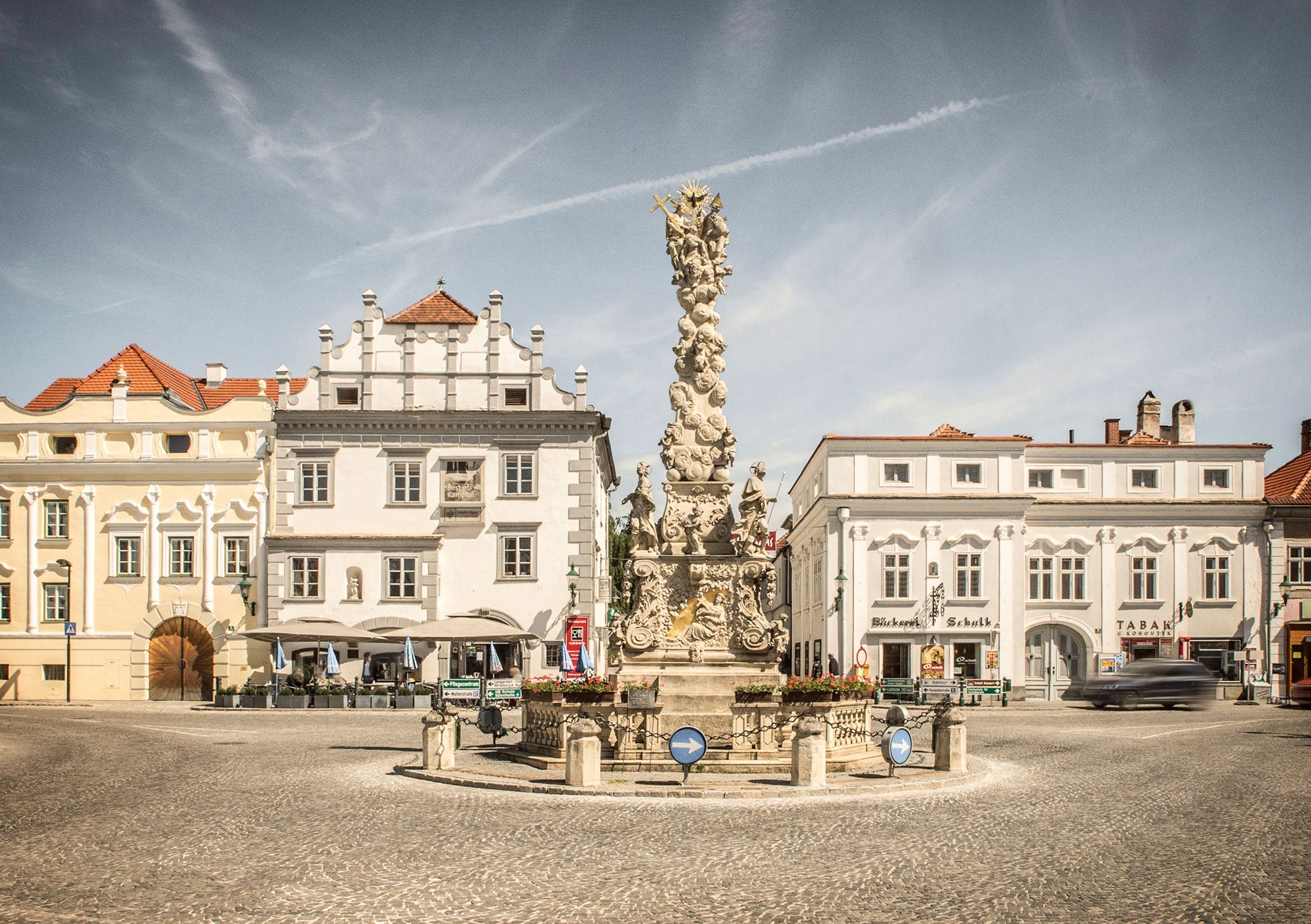
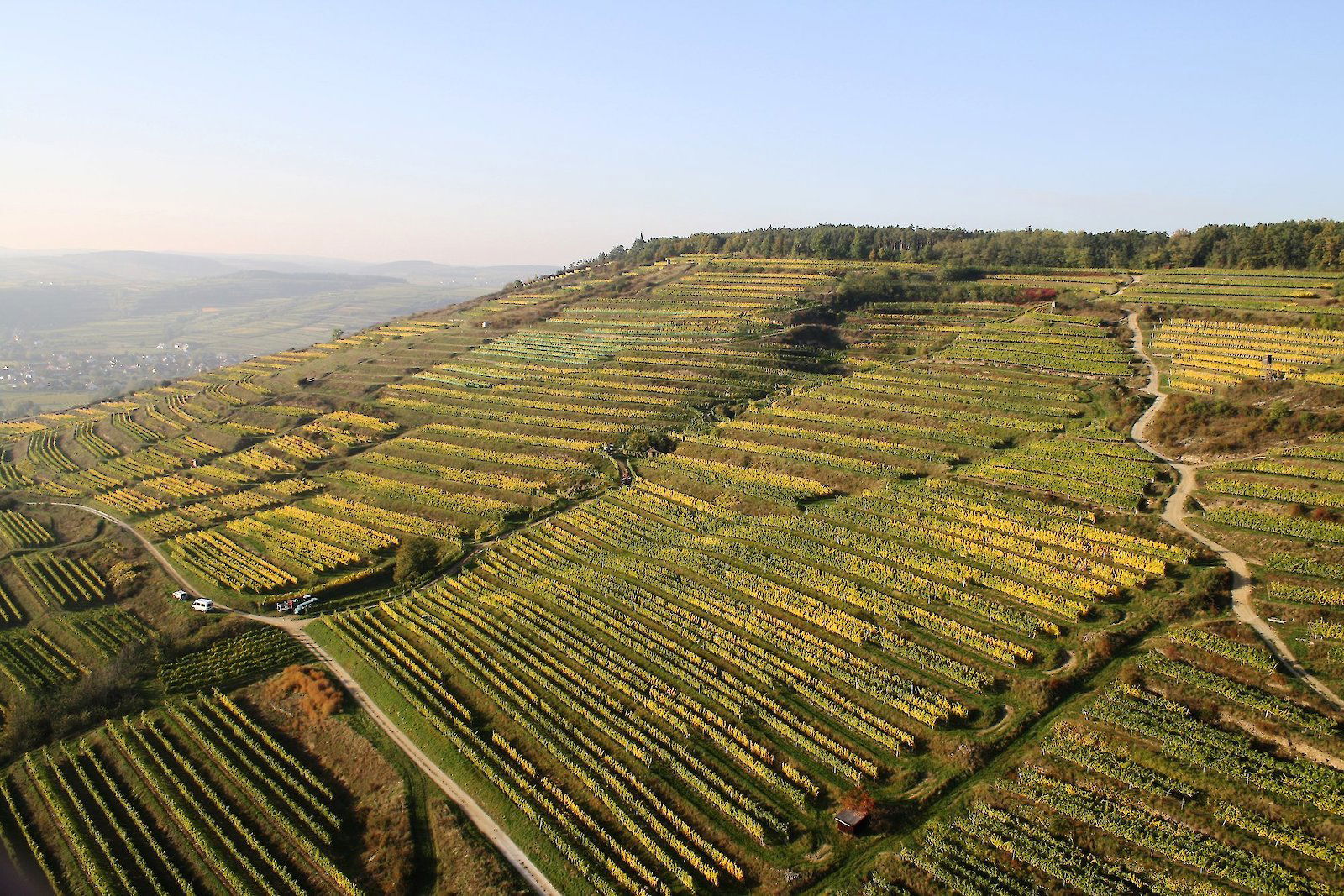
Bründlmayer reads like a study in place: the estate emphasizes geology and single-vineyard expression so that the Kamptal’s variety of soils becomes legible in the glass. The writing is focused and terroir-driven, profiling loess terraces, crystalline slopes and primary rock as the organizing principles behind its Grüner Veltliner and Riesling. Because the house sits at the centre of Langenlois, visits feel both grounded and civic — rooted in an historic wine culture while showcasing wines that reward close attention from collectors and enthusiasts. The overall impression is refined and terroir‑centric rather than flashy.
Best For
This is a destination for anyone prioritizing wine education and serious collecting. The estate’s work across multiple single‑vineyard sites and the article’s deep dive into soils make Bründlmayer especially well suited to tastings that explain site differences and to visits by students of terroir. The prestige rating and focus on distinct vineyard expression also make it appropriate for milestone visits and special‑occasion stopovers for guests who want authoritative examples of Kamptal Grüner Veltliner and Riesling. Because the property sits in town, it fits neatly into a broader Langenlois tasting itinerary.
Tasting Tips
When you visit or taste Bründlmayer wines, focus on single‑vineyard expressions and the house’s Grüner Veltliner and Riesling bottlings — these are the varieties the text highlights as reflecting local soils. Ask staff for comparisons that illustrate loess versus crystalline or primary‑rock sites so you can hear how weight, peppery texture and mineral lift shift by vineyard. Note the estate’s high Pearl 3 Star Prestige rating when selecting bottles to take home or add to a cellar, and plan to integrate a guided, site‑focused tasting to get the most context from your visit.
Venue details
Ambiance
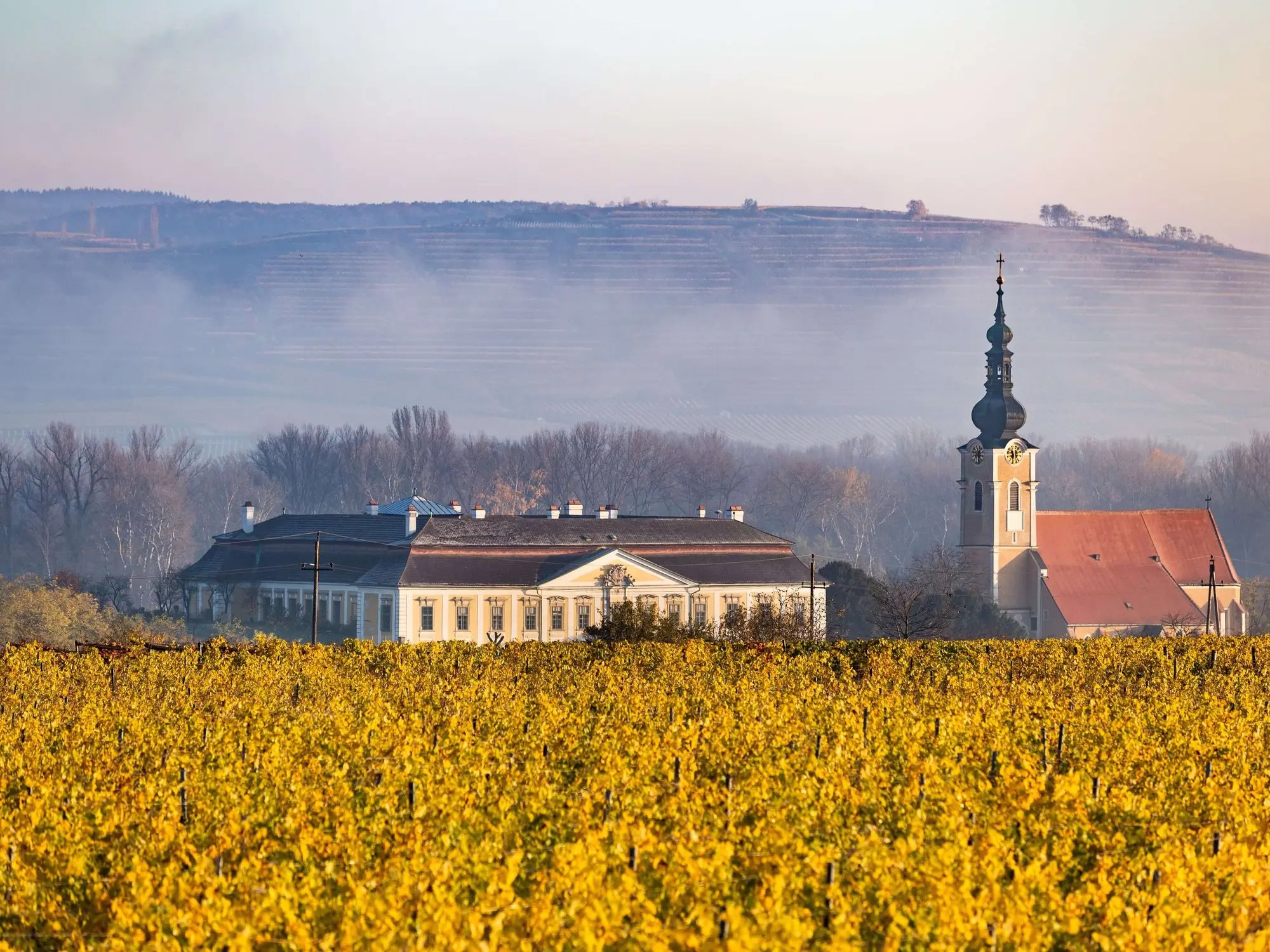
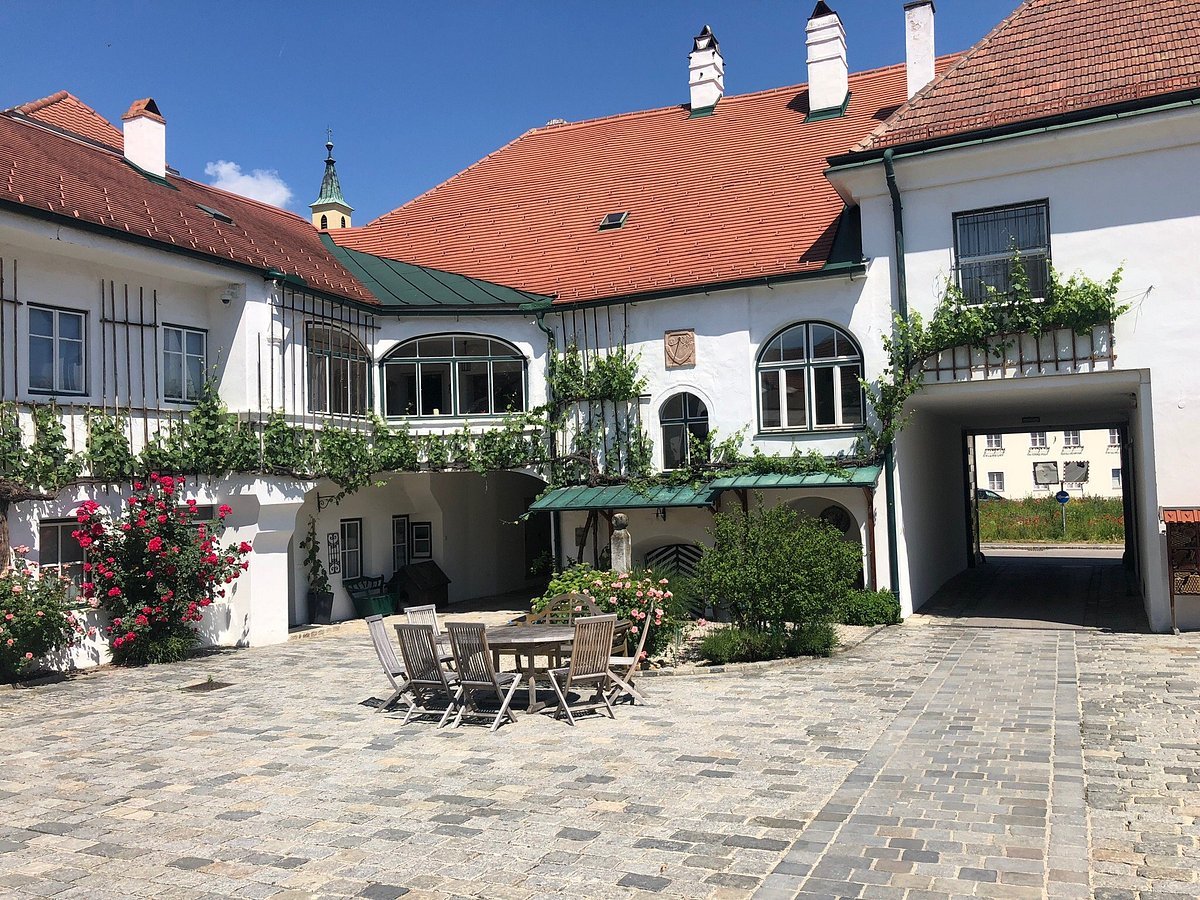
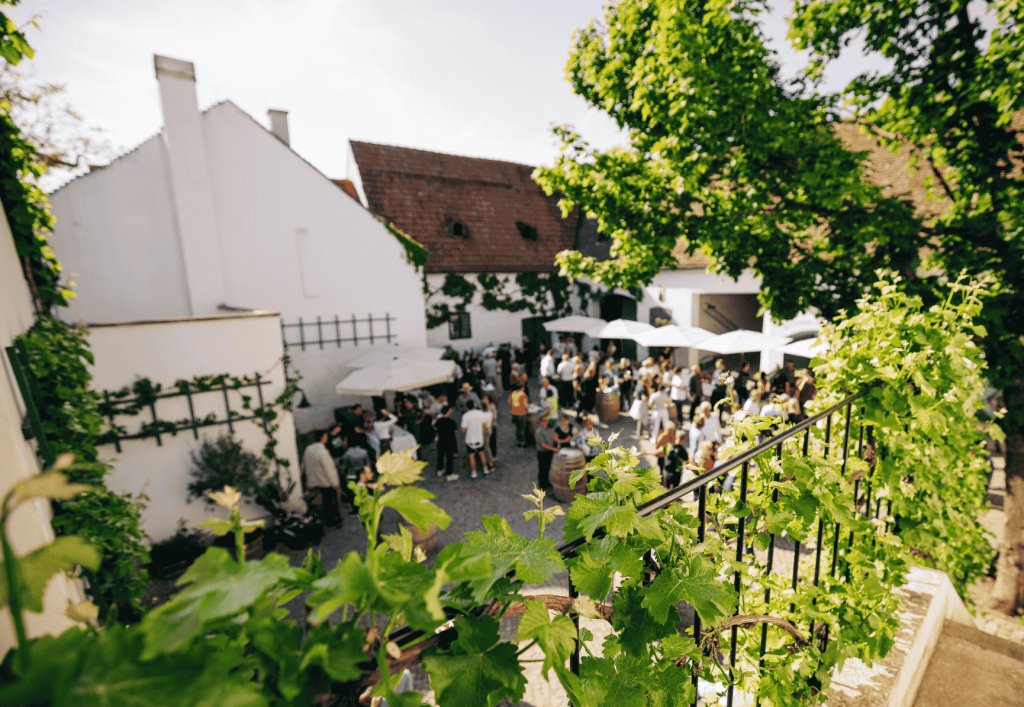
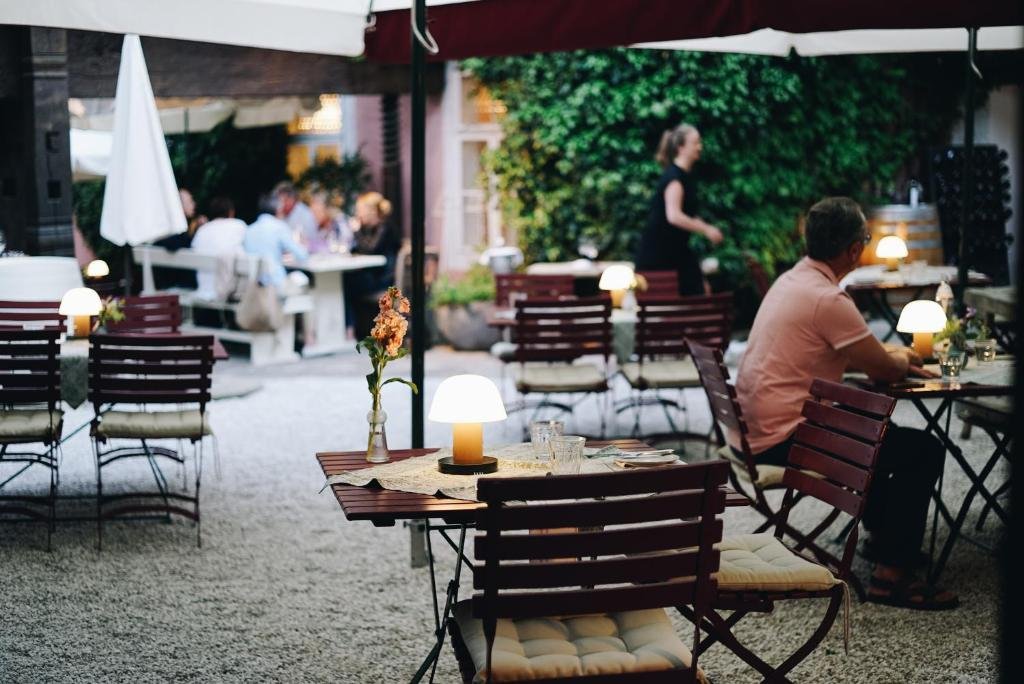
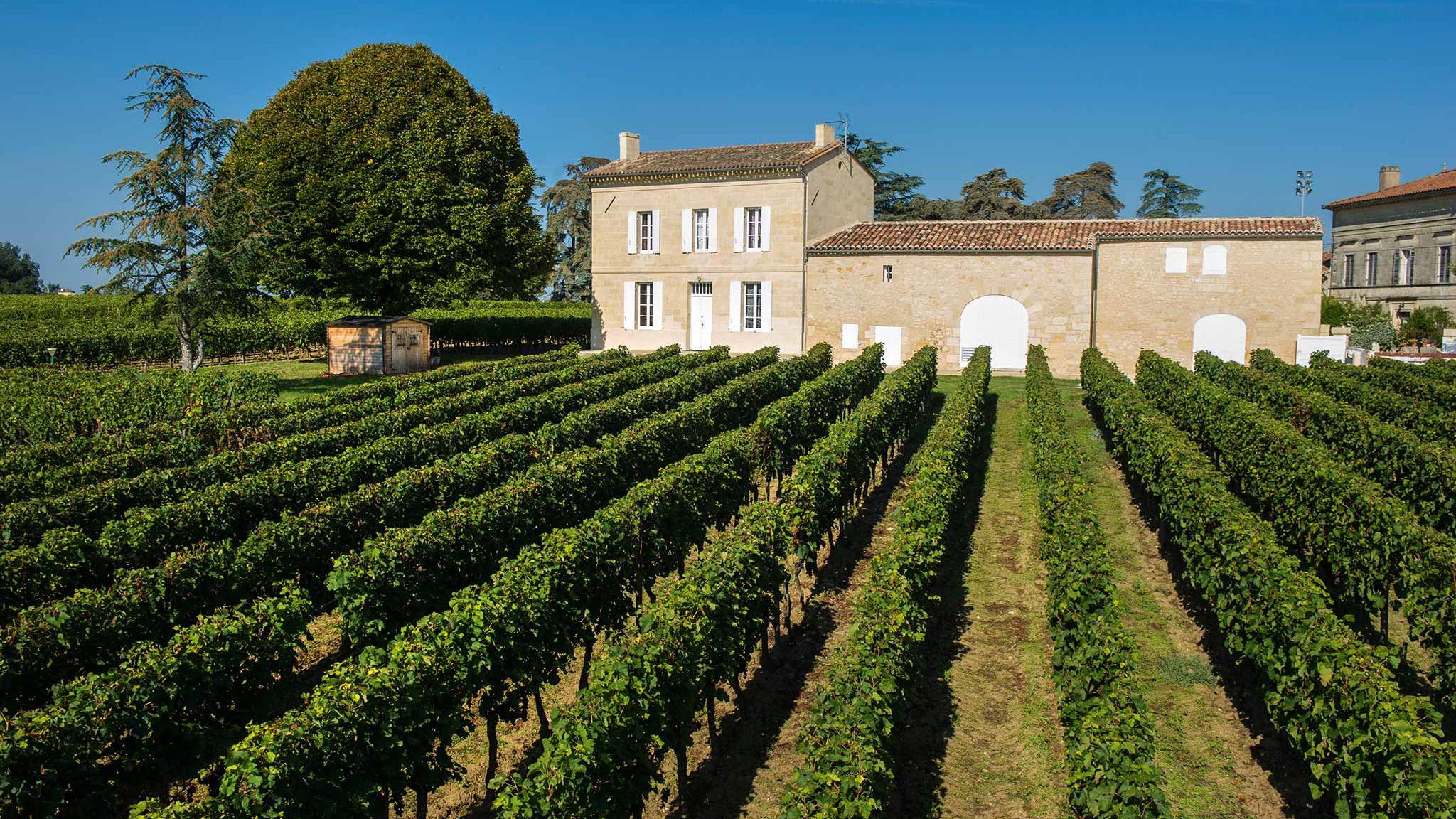
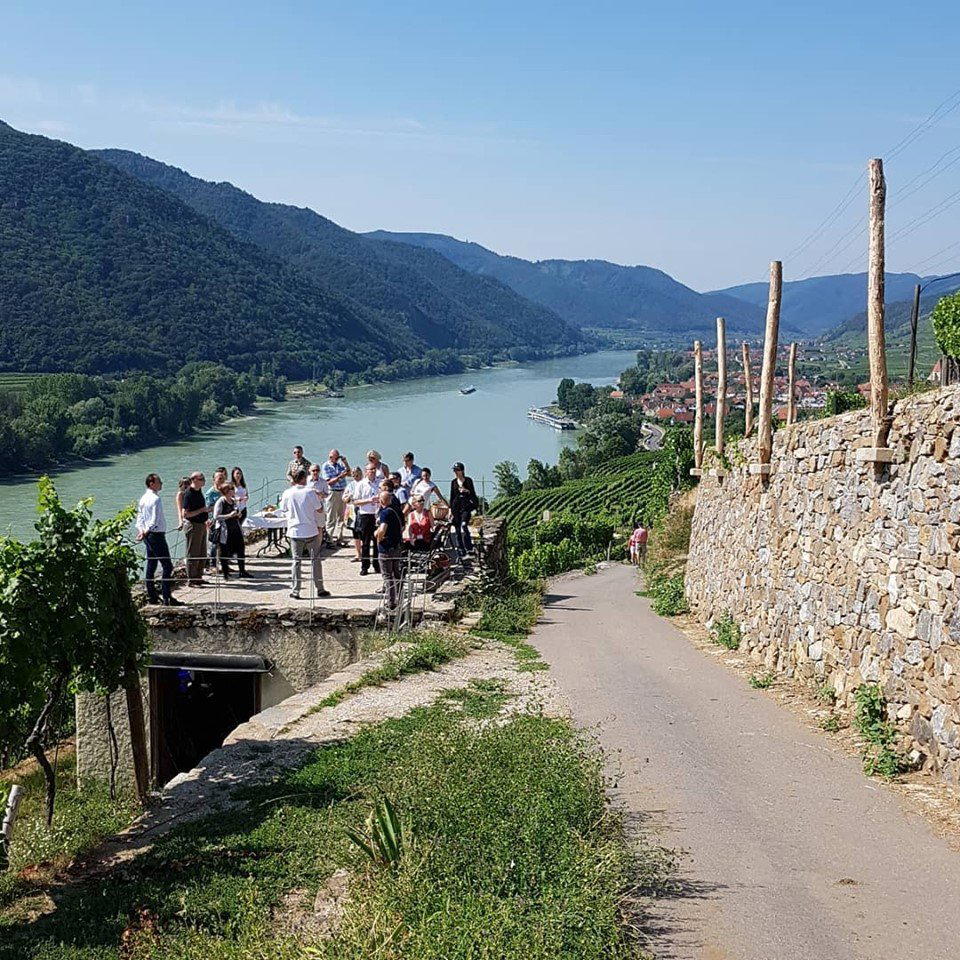
Classic and elegant atmosphere in a historic family winery surrounded by terraced vineyards.
Tags
Vibe
Best For
Experience
Sourcing
View
At the Vineyard
- Appellation
- Kamptal
- Varietals
- Grüner Veltliner, Riesling, Pinot Noir, Chardonnay, Pinot Gris
- Tour Duration
- 60-90 minutes
- Tour Languages
- German, English
- Visits
- By reservation
- Farming
- Organic
- Wine Styles
- Still White, Still Red, Sparkling
- Food Pairing
- Offered
- Wine Club
- Not available
Know before you go
Know Before You Go
- Getting there
- Zwettler Str. 23, 3550 Langenlois
Planning details
Location
Recognition and awards

Also consider
Also Consider
- Weingut Jurtschitsch, Notable alternative
- Weingut Hiedler, Notable alternative
- Weingut Fred Loimer, Notable alternative
- Schloss Gobelsburg (Weingut), Notable alternative
- Weingut Hirsch, Notable alternative
Winery context
How It Compares
Among Langenlois wineries, Weingut Bründlmayer is the higher-commitment choice: stronger for collectors and focused buyers than for visitors chasing the easiest tasting slot. Weingut Jurtschitsch, Weingut Hiedler, and Weingut Fred Loimer are the better cross-shops if your priority is building a multi-stop Langenlois day with less risk around access.
For value for money, the smarter move is to compare before buying rather than treating one producer as the automatic answer. Schloss Gobelsburg (Weingut) gives another serious benchmark nearby, while Weingut Hirsch is the better add-on for travelers willing to look beyond the immediate town. If the goal is one focused prestige visit, prioritize Bründlmayer; if the goal is a broader read on the region, split the day across two or three of these names.
Ambiance is where expectations matter. Bründlmayer is the pick for a quieter, wine-first experience; Loimer, Jurtschitsch, Hiedler, Schloss Gobelsburg, and Hirsch are the practical alternatives to keep in play when booking access, timing, or group needs matter more than chasing a single hard-to-secure appointment.
Around this place
Discover more on Pearl
Unlock the full Weingut Bründlmayer guide in Pearl, including awards, comparisons, FAQs, planning details, and nearby places.
Compare Weingut Bründlmayer
| Venue | Location | Awards |
|---|---|---|
| Weingut Bründlmayer | Langenlois | 2026 Falstaff Winery Guide |
| Weingut Jurtschitsch | Langenlois | 2026 Falstaff Winery Guide |
| Weingut Hiedler | Langenlois | 2026 Falstaff Winery Guide |
| Weingut Fred Loimer | Langenlois | 2026 Falstaff Winery Guide |
| Schloss Gobelsburg (Weingut) | Langenlois | 2026 Falstaff Winery Guide2022 World's 50 Best Vineyards · #502019 World's 50 Best Vineyards · #30 |
| Weingut Hirsch | Kammern | 2026 Falstaff Winery Guide |

How Weingut Bründlmayer Langenlois compares with similar nearby venues.
FAQ
Frequently Asked Questions
Does Weingut Bründlmayer serve food?
Plan meals separately in Langenlois unless the venue confirms otherwise.
When is the best time to visit Weingut Bründlmayer?
Visit when the venue has confirmed the current practical details for your plans. Weingut Bründlmayer is in Langenlois and holds Pearl 3 Star Prestige (2025), so it is best approached as a planned stop rather than one built on assumptions.
Do I need a reservation at Weingut Bründlmayer?
Is there a dress code at Weingut Bründlmayer?
Yes. The dress code for Weingut Bründlmayer is smart casual.