

2026 Falstaff Winery Guide: The Ultimate Wine Authority — Page 138
Falstaff's 2026 Wineries guide.

Venues on this list
Fratelli Agnes
Rovescala, Italy
Fratelli Agnes is worth booking if the goal is a quiet Oltrepò Pavese winery visit with family-estate character, local grapes, and a rural vineyard feel. The $$ positioning and Falstaff Listed 2026 recognition make it a sensible value choice for wine-focused travellers, especially small groups planning a slower Rovescala stop.
Brand Bros - Weingut Brand
Bockenheim, Germany
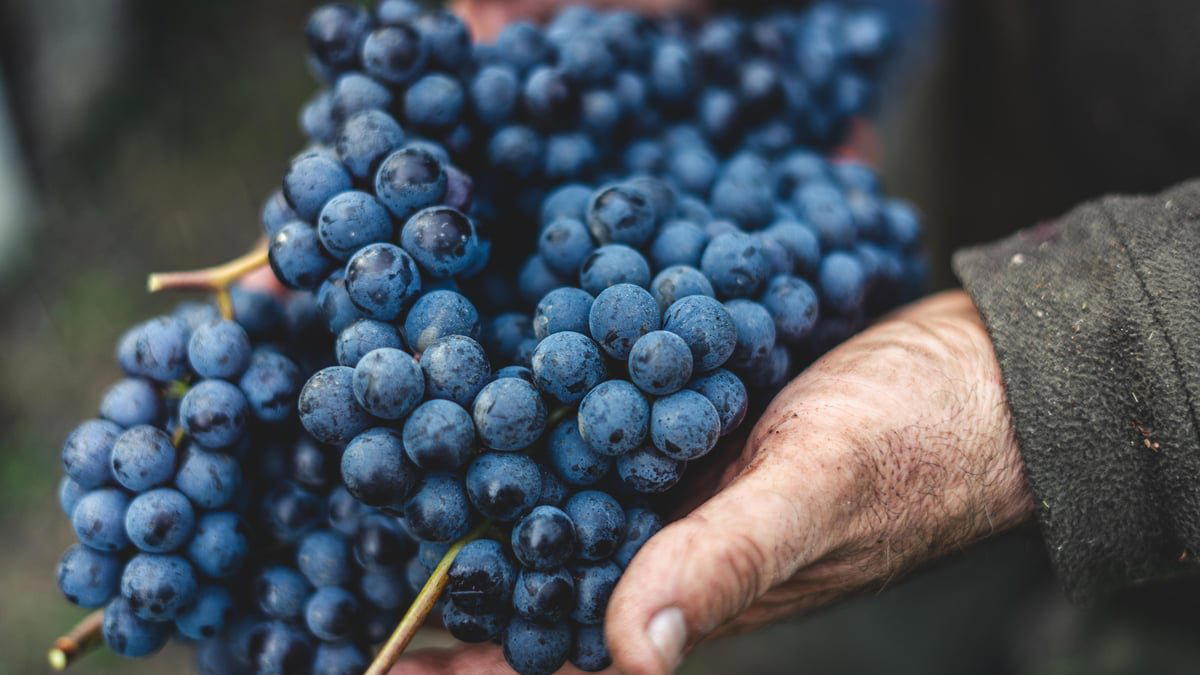
Brand Bros - Weingut Brand works as a wine-focused Bockenheim stop, especially for travelers building a Pfalz tasting route around producers with outside recognition. Treat it as a cellar or tasting appointment rather than a food-pairing meal, since menu, pricing, and hospitality details are not listed.
Azienda Agricola Musella S.S.
San Martino Buon Albergo, Italy
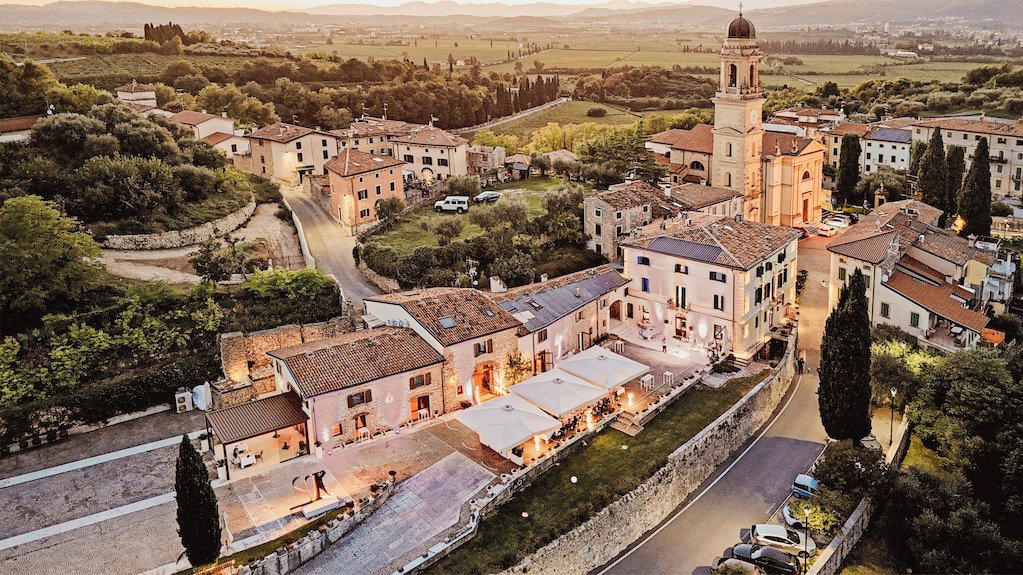
Azienda Agricola Musella S.S. works for a calm Valpolicella tasting with countryside atmosphere rather than a quick urban-style cellar stop. The strongest fit is a date, anniversary, or small-group wine day where biodynamic farming, estate vineyards, and the relais setting add value beyond the glass.
Felciano
Panzano In Chianti, Italy
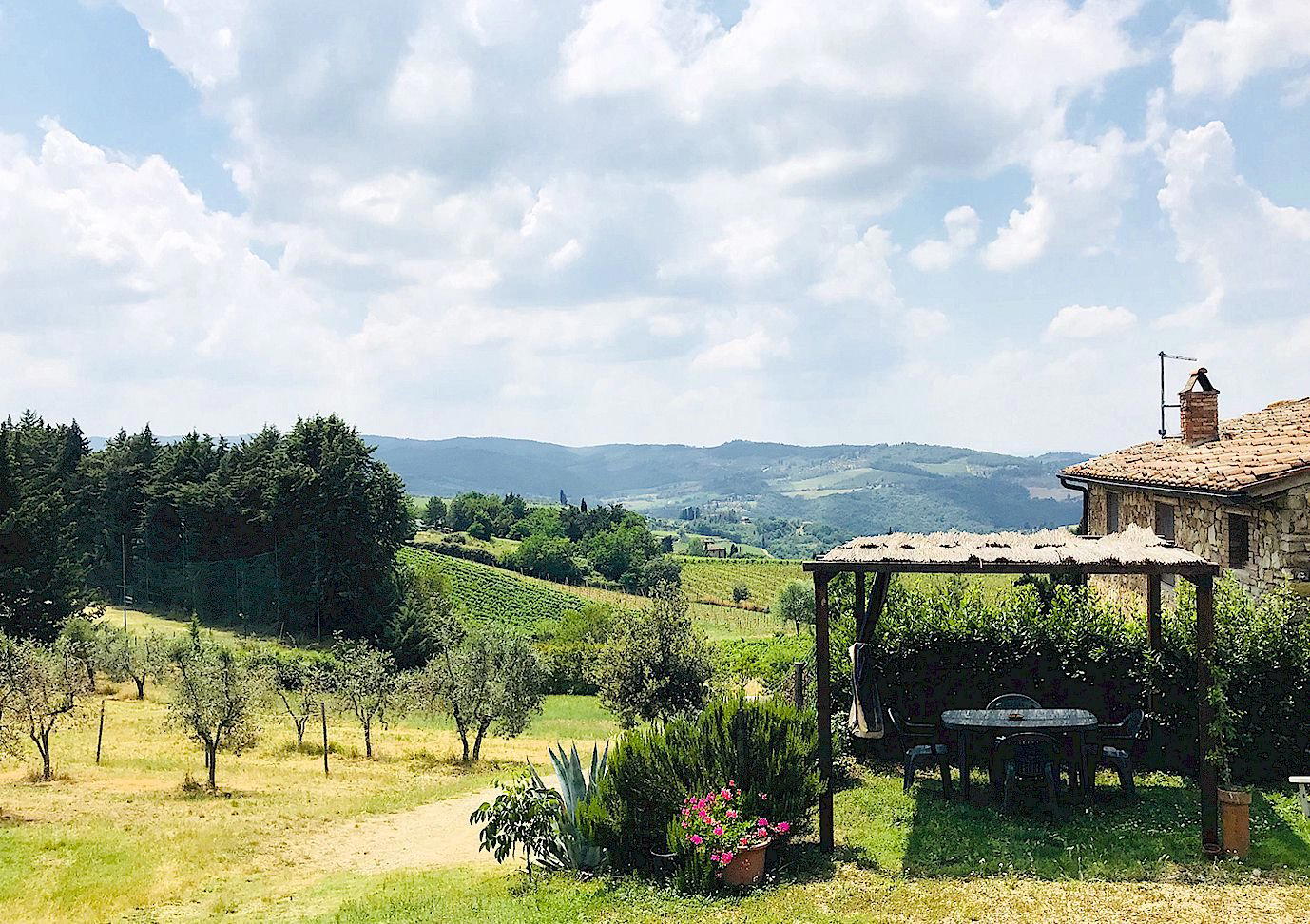
Felciano is worth booking if the goal is a quiet, self-catering Chianti farm stay for up to four guests rather than a formal winery tasting. The draw is the private farmhouse layout, terrace and gazebo, working-winery setting, and useful mobility access; skip it if the occasion needs hotel-style service, restaurant dining, or a structured cellar appointment.
Borgo Col
Follina, Italy
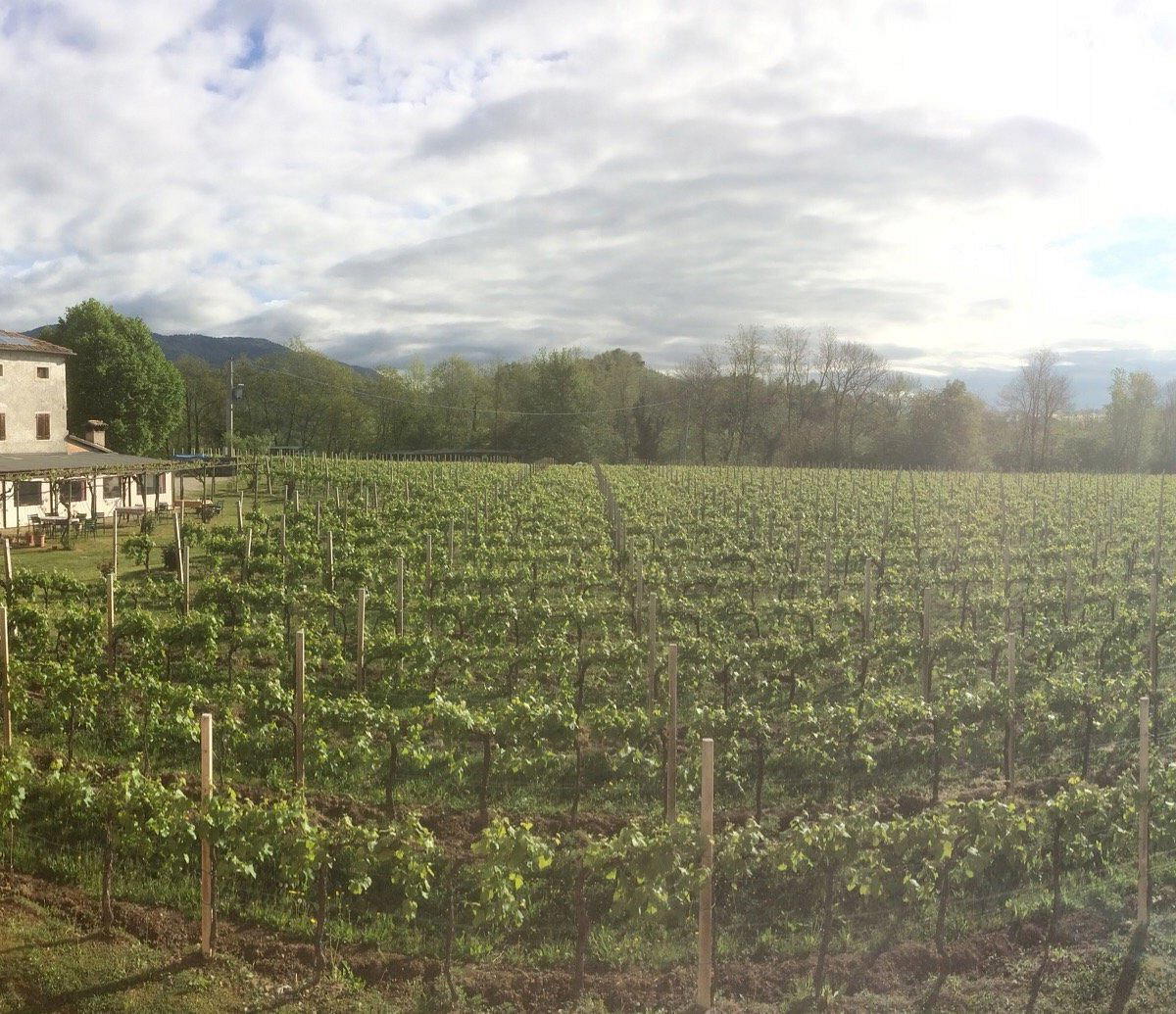
Borgo Col is worth booking if you want a relaxed agriturismo-style Prosecco Hills visit in Follina, with the strongest pull being its Valdobbiadene Prosecco Superiore DOCG range and Rive DOCG bottling. Go for countryside calm and useful first-timer context, not for a luxury cellar production.
Corvo
Casteldaccia, Italy
Corvo is a strong Casteldaccia pick for wine travelers who want Sicilian heritage over a flashy tasting-room format. Its appeal is the 1824 origin story, the Casteldaccia cellar base, and a portfolio that spans classic labels, organic varietal wines, and a premium red tier; confirm any hospitality details before building a day around it.
Champagne Tarlant
Oeuilly Epernay, France
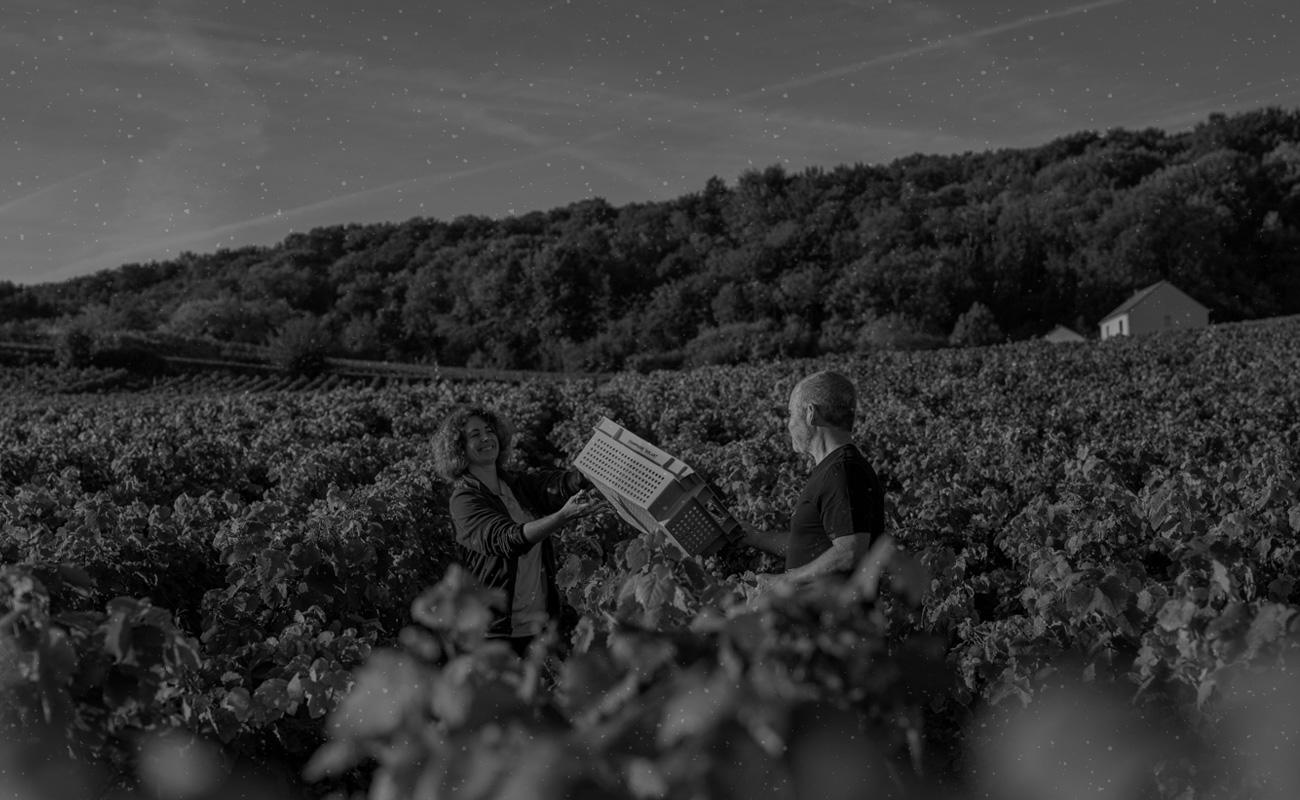
Tarlant’s Oeuilly estate makes Brut Zéro and parcel-led Champagnes. The official producer directory lists weekday vineyard and cellar tours with a Brut Nature tasting; confirm before going.
Generationengemeinschaft Koni + Matthias Hagen
Wilen Bei Neunforn, Switzerland
Generationengemeinschaft Koni + Matthias Hagen works if you want a quiet, family-run winery stop in Wilen bei Neunforn rather than a polished tasting-room experience. The case is strongest for wine travelers already exploring Thurgau, with Falstaff Listed recognition in 2026 as the main trust signal.
Il Cellese
Poggibonsi, Italy
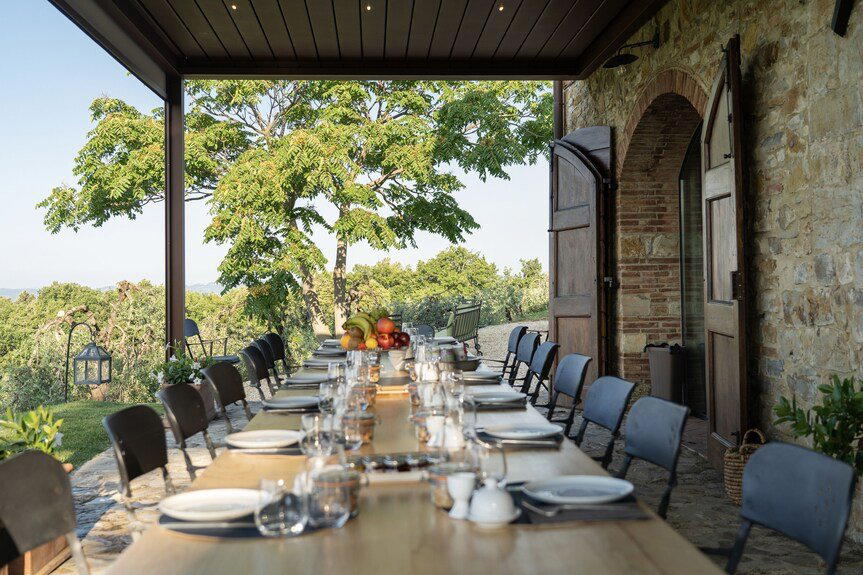
Book Il Cellese for a special-occasion winery visit where the cellar setting matters as much as the wine. Its strongest case is the underground tuff-tunnel experience and private blend program; skip it if you mainly want a casual tasting or detailed vineyard technicals before committing.
Barossa Valley Estate
Tanunda Sa, Australia
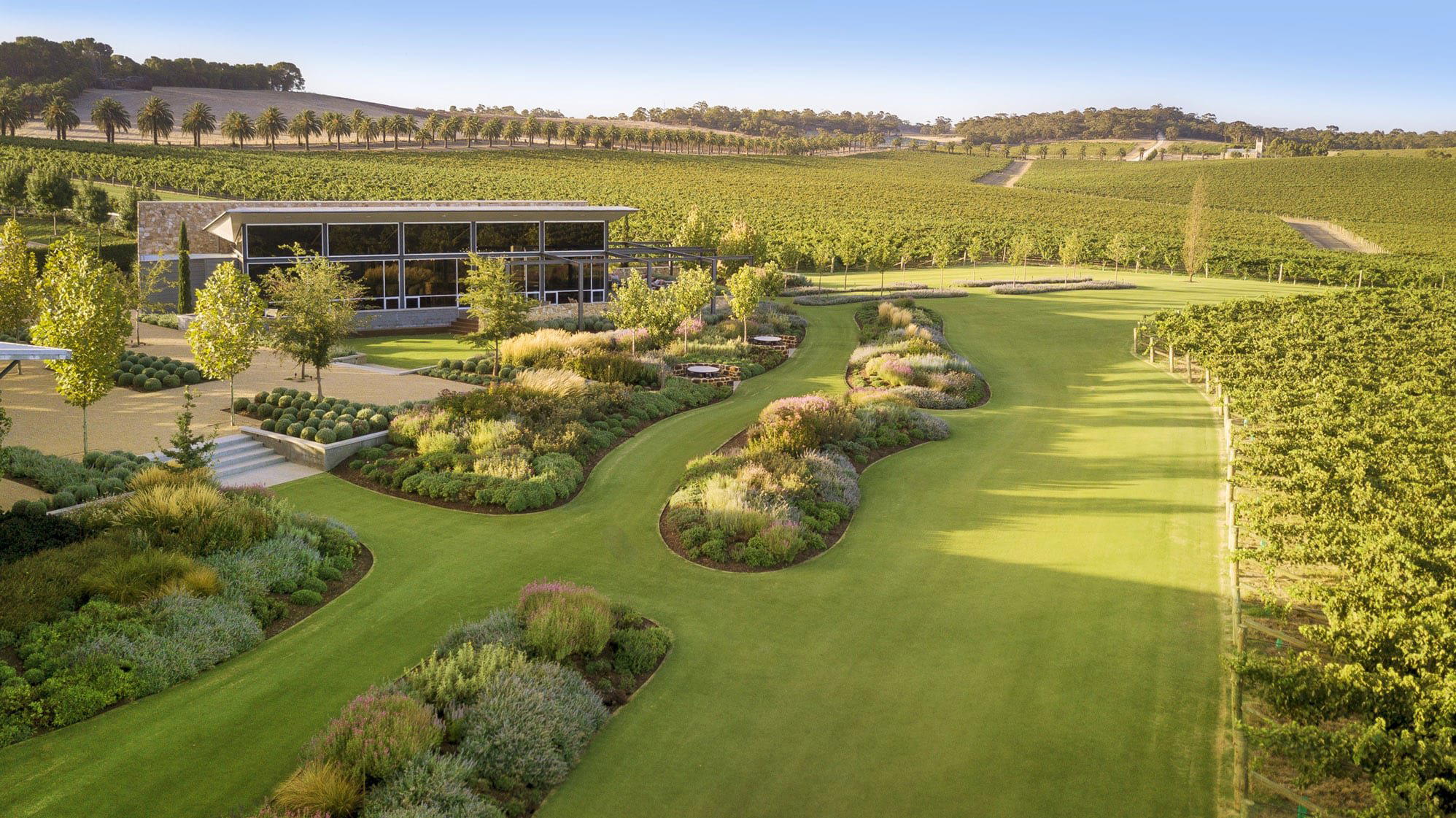
Barossa Valley Estate is worth choosing for an easy, scenic cellar-door stop focused on Barossa reds rather than a restaurant-style wine lunch. The glass-walled room, landscaped gardens, walk-in-friendly format, and $15 per person price make it a strong low-friction option, with E&E Black Pepper Shiraz and a 2026 Falstaff listing adding useful credibility.
Domaine Viticole Krier-Welbes
Ellange Gare, Luxembourg
Book Domaine Viticole Krier-Welbes if you want a quiet, organic Luxembourgish Moselle tasting with real production depth rather than a staged hospitality experience. The strongest value is tasting and buying directly at the KW3 vinotheque; there is no clearly specified wine-club or allocation model to justify joining sight unseen.
Domaine de l’Ovaille
Yvorne, Switzerland
Domaine de l’Ovaille is a sensible Yvorne shortlist pick for a focused Chablais Vaudois wine visit, especially for a couple, small celebration, or business guest. Its 2026 Falstaff listing gives useful credibility, but plan it as a confirmed appointment-style stop rather than a casual walk-in or large-group outing.
Heiri Bolleter Weinbau
Meilen, Switzerland
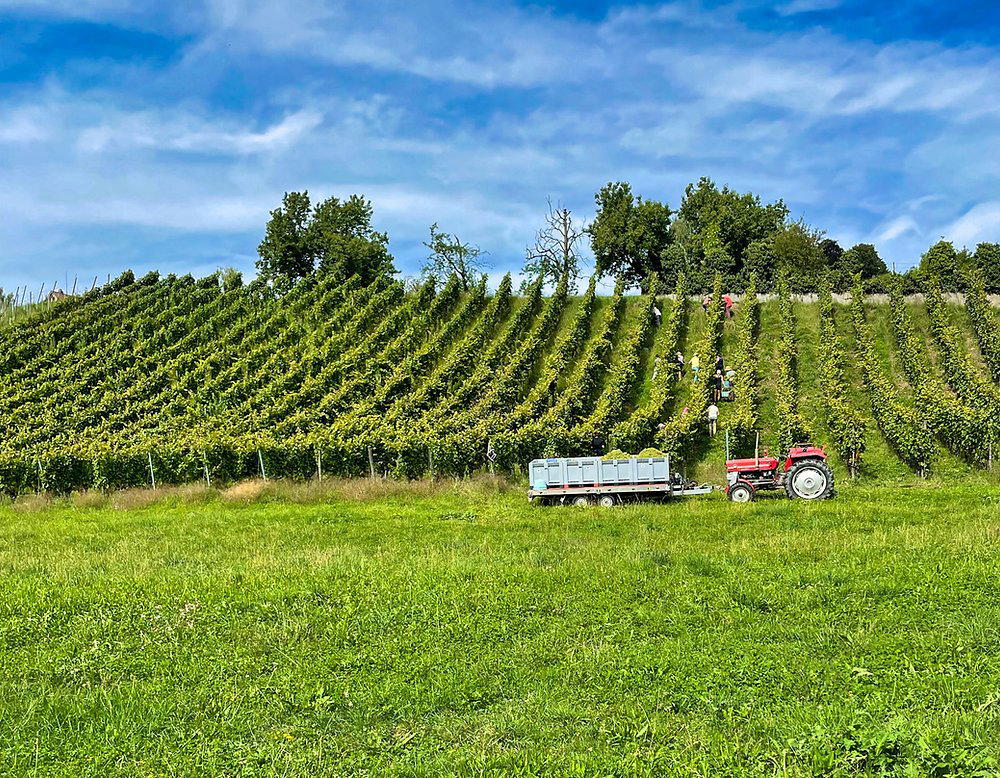
Heiri Bolleter Weinbau works for a quiet, value-conscious winery stop in Meilen, especially for small groups or a low-key special occasion. Its $$ positioning and Falstaff Listed 2026 recognition make the case, but choose it for local wine character rather than a heavily produced tasting-room experience.
Weingut Hans Tschida
Illmitz, Austria
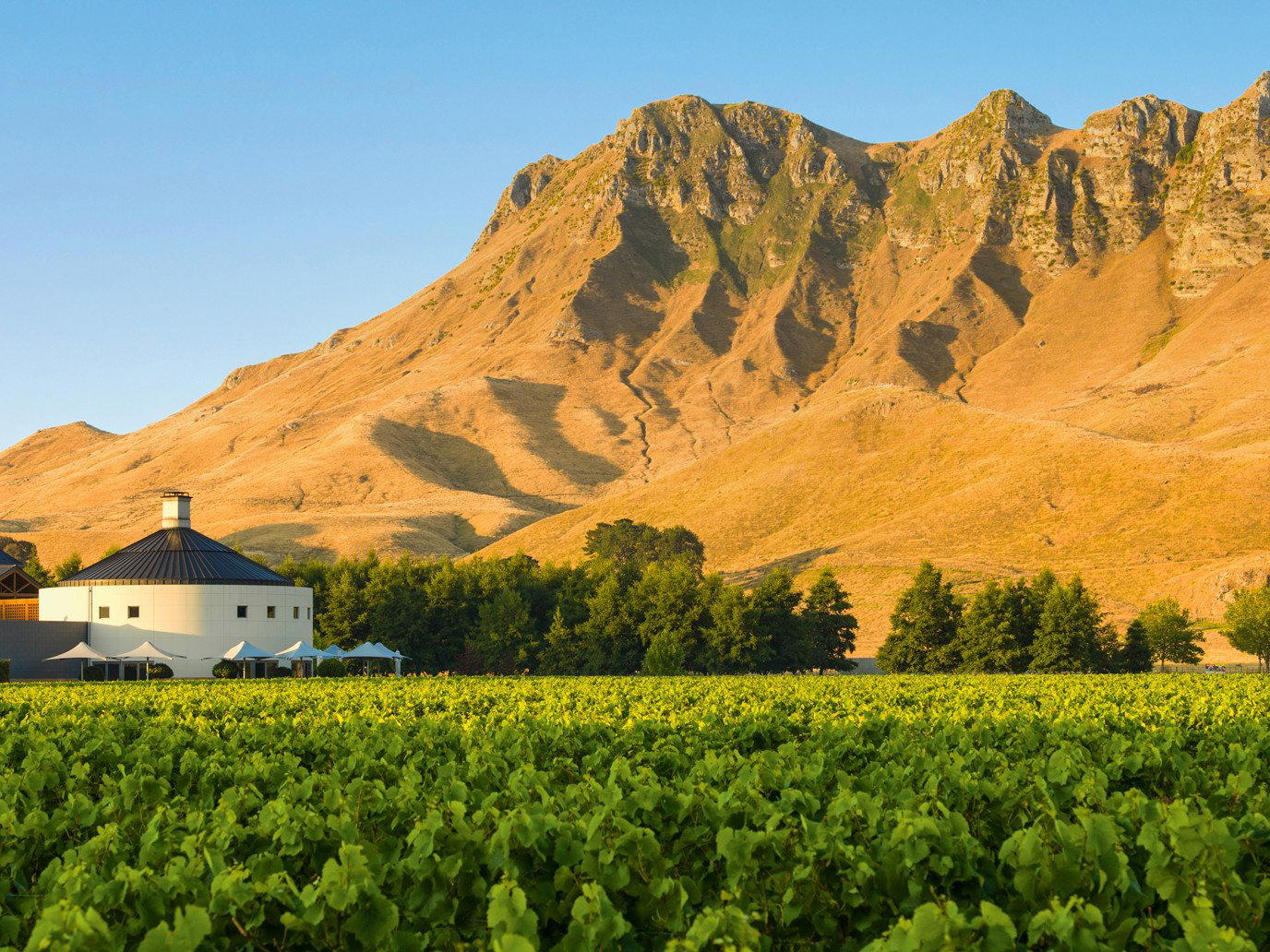
Weingut Hans Tschida is worth prioritising for serious Illmitz wine travelers, especially if access and cellar decisions matter more than a casual tasting stop. It is less suited to groups looking for food service, a published visitor program, or easy logistics. Cross-shop Weingut Kracher for another local benchmark.
Funaro Azienda Agricola
Santa Ninfa, Italy
A quiet Santa Ninfa winery pick for travelers who want a relaxed Belice Valley tasting rather than a formal collector experience. Funaro Azienda Agricola is strongest for rural atmosphere, vineyard views, casual pacing, and a simple cellar setting; it is less compelling if the trip requires detailed published wine lists, food service, or a highly structured private format.
Bodegas Piedemonte
Olite, Spain
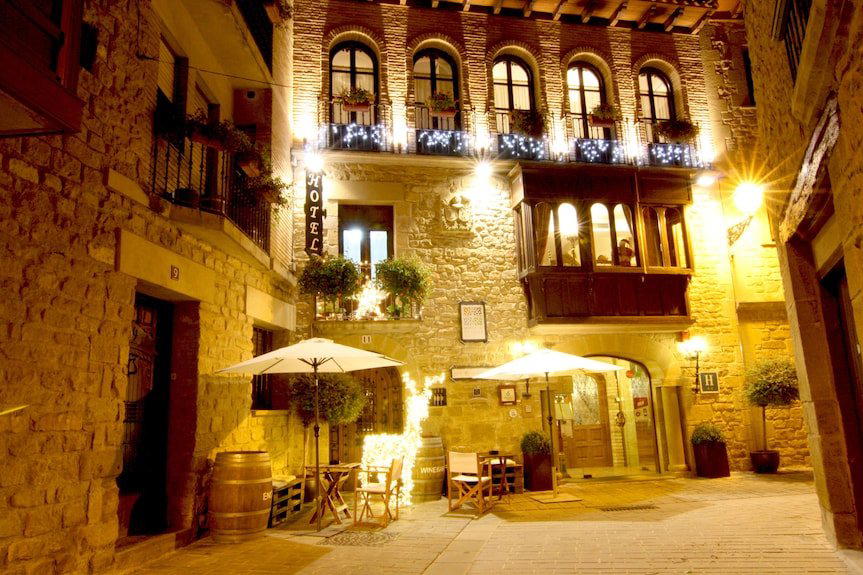
Bodegas Piedemonte is worth booking if the goal is a grounded Navarra tasting with real production context, not a luxury estate afternoon. The smart move is to compare young wines with Crianza and Reserva styles, especially if you want to understand how Olite-area fruit and cooperative winemaking translate into bottle value.
Bodegas Val De Vid
Serrada, Spain
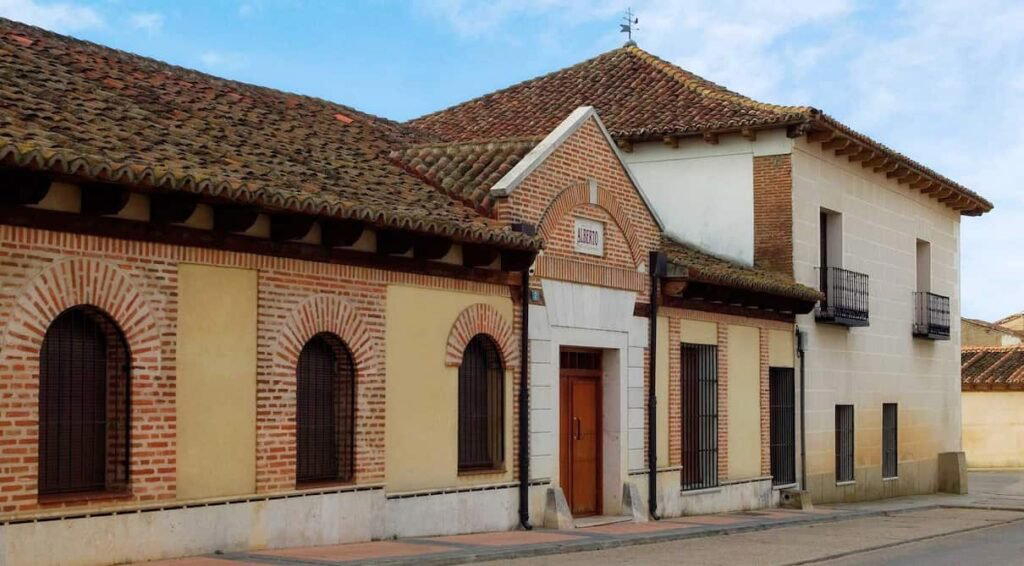
Bodegas Val De Vid works for a Serrada winery stop if wine is the priority and food is secondary. Its 2026 Falstaff 2 Stars recognition is the key trust signal; confirm any tasting, food, group, or shipping details before building the day around it.
Aglieta Roberto
Montalcino, Italy
Aglieta Roberto is a quiet, appointment-led Brunello stop for travelers who want a focused Montalcino tasting rather than a big-estate visitor experience. It is strongest for couples, collectors, or small celebration groups who care about Sangiovese Grosso and a low-key setting; skip it if the plan needs food service, a broad portfolio, or a casual walk-in format.
Bodega Roandi
Entoma, Spain
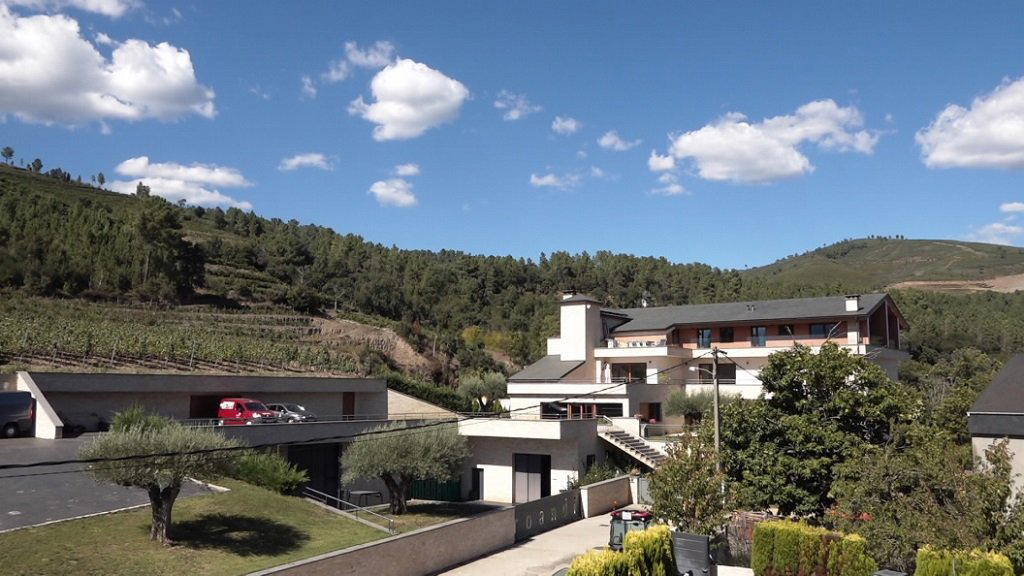
Book Bodega Roandi if the goal is a calm, appointment-only Valdeorras winery visit focused on Godello, Mencía, and family winegrowing rather than luxury tasting-room polish. The $$ price signal and Falstaff Listed 2026 recognition make it a sensible-value stop for wine travelers already exploring rural Galicia.
Château Moulin Saint-Georges
Saint-Émilion, France
Book Château Moulin Saint-Georges only if the appointment fits a serious Saint-Émilion wine itinerary; the stronger reason to care is the bottle. This Vauthier-family estate is a practical choice for Merlot-led, clay-limestone Right Bank wine with structure, freshness, and credible critic support, especially for drinkers who want restraint over richness.
Barón de Ley
Mendavia, Spain
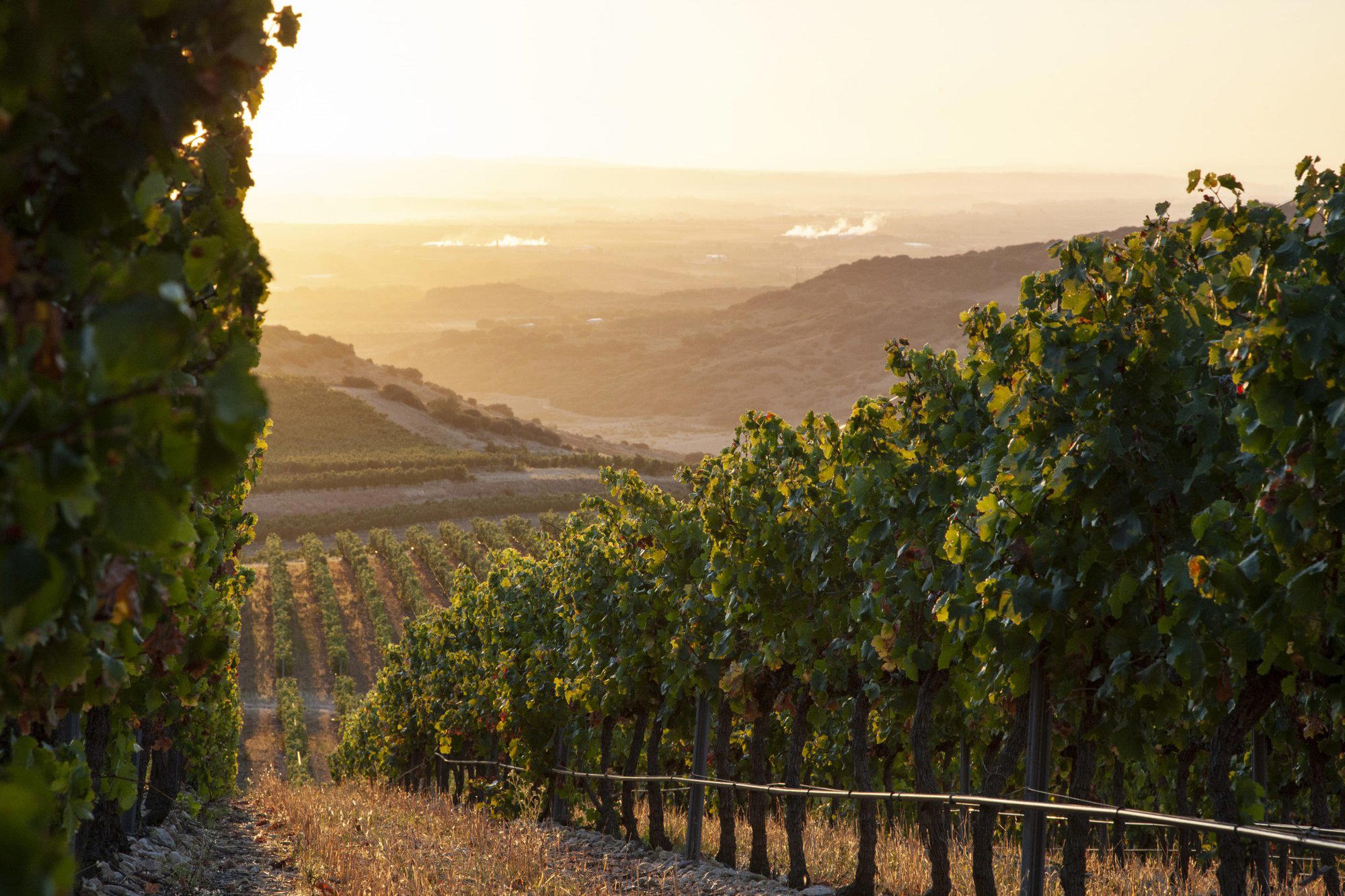
Barón de Ley is worth prioritising if you want a serious Rioja estate visit built around aged-wine production, monastery history, and vineyard control. The strongest fit is for wine travelers who care about Crianza, Reserva, Gran Reserva, oak aging, and cellar context; casual visitors looking for a quick drop-in tasting should plan carefully because reservations are recommended and access can be difficult.
Corte Fabbri
Broni, Italy
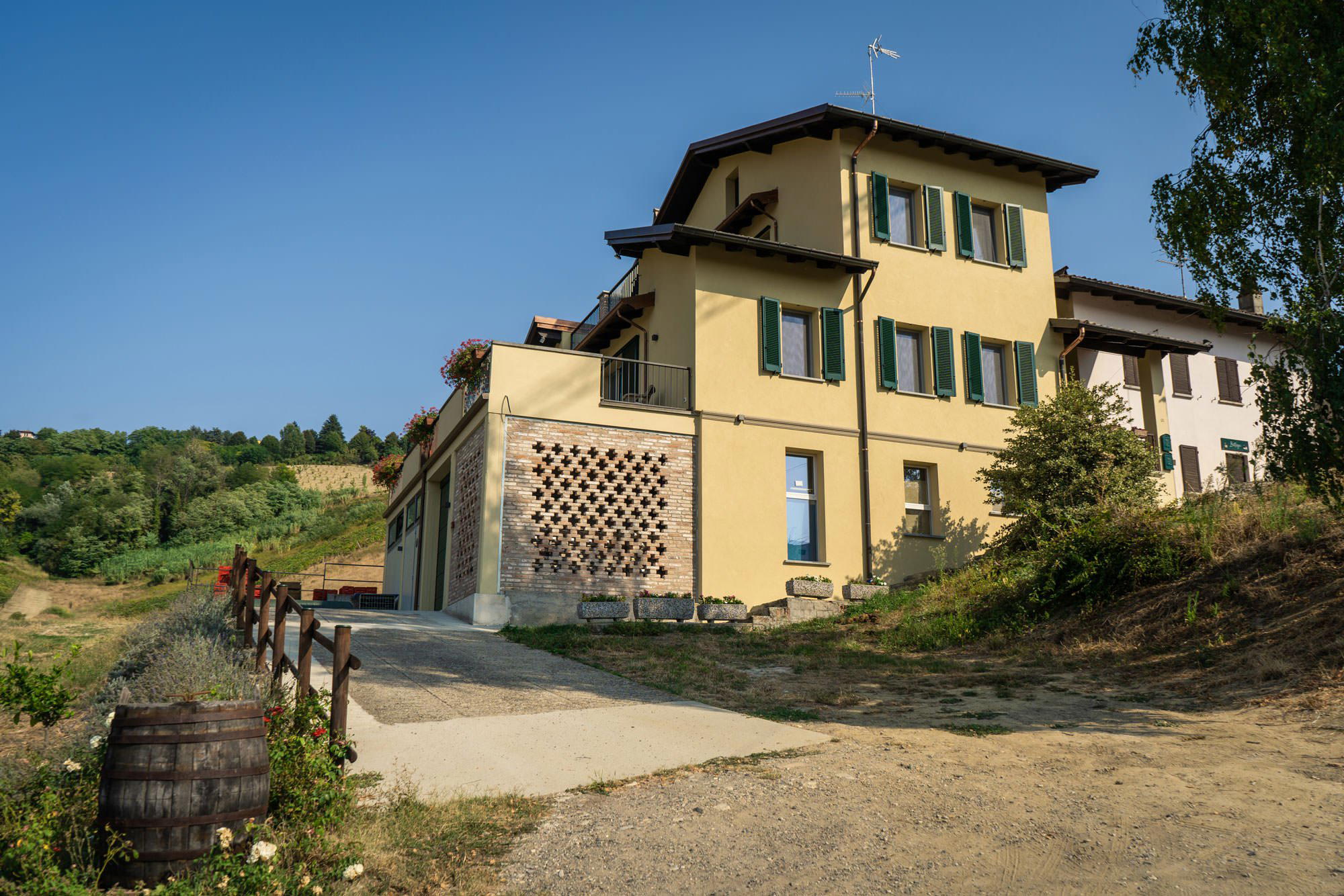
Corte Fabbri is worth booking for travelers who want a casual Oltrepò Pavese winery visit centered on local grapes, sustainable farming, and family-run agriturismo hospitality. It is a stronger choice for regional context than for polished luxury tasting-room service, with Falstaff Listed recognition in 2026 adding a useful trust signal.
Herdade do Cebolal
Setubal, Portugal
Herdade do Cebolal is worth booking if you want a calm Setúbal wine visit centered on low-intervention bottles, family continuity, and a rural coastal estate setting. It is a better fit for couples or small groups than for anyone seeking a food-led winery experience or a highly formal cellar-door format.
Weingut Kerschbaum
Horitschon, Austria
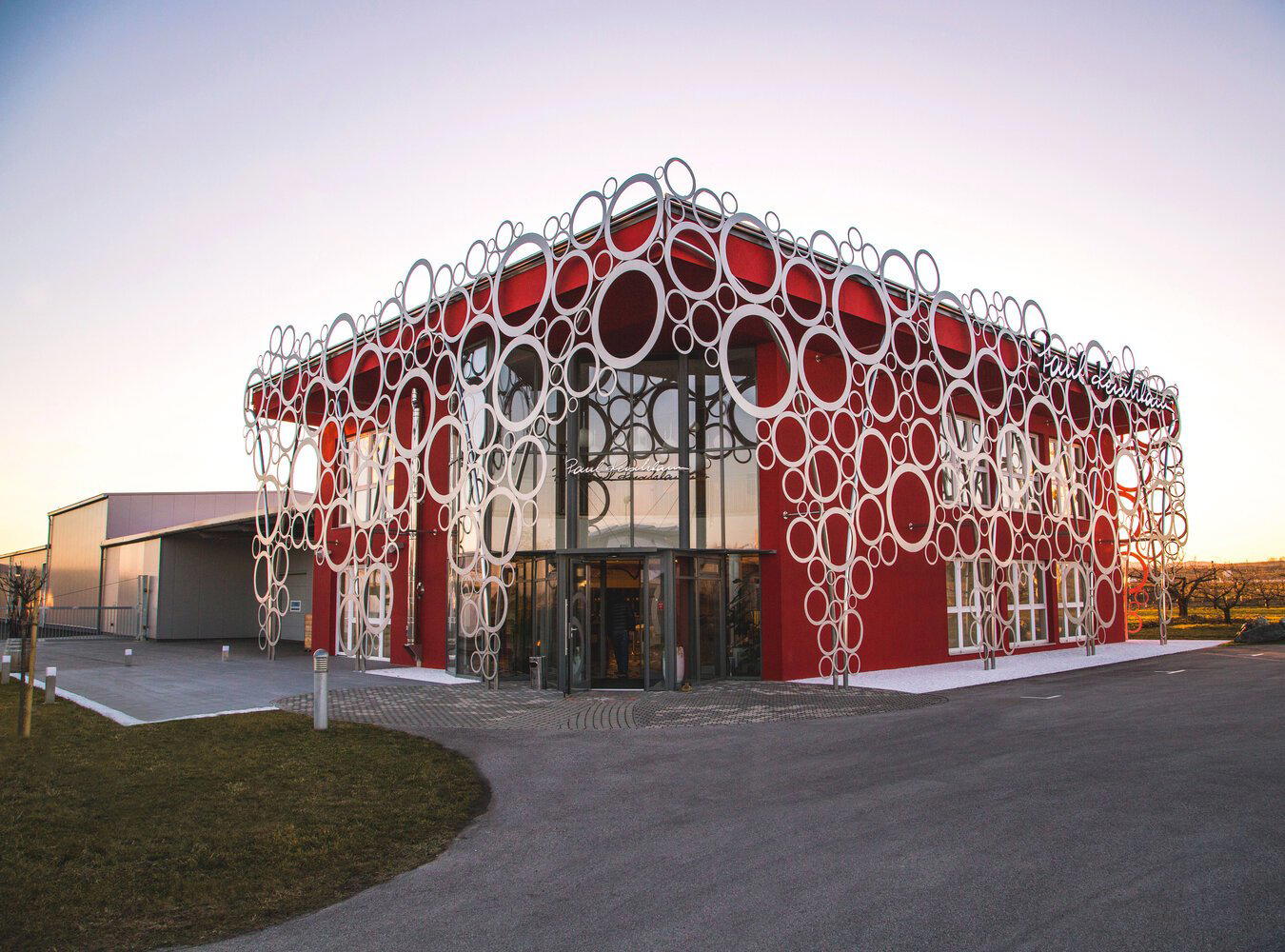
Weingut Kerschbaum is the right Horitschon pick for travellers who want a focused estate-led wine stop rather than a casual drop-in. Plan ahead, keep the group small, and treat food or broader hospitality as separate planning items. If access is tight, cross-shop nearby Horitschon and Burgenland peers instead of forcing the visit into a rushed itinerary.
Château Pabus
Sadirac, France
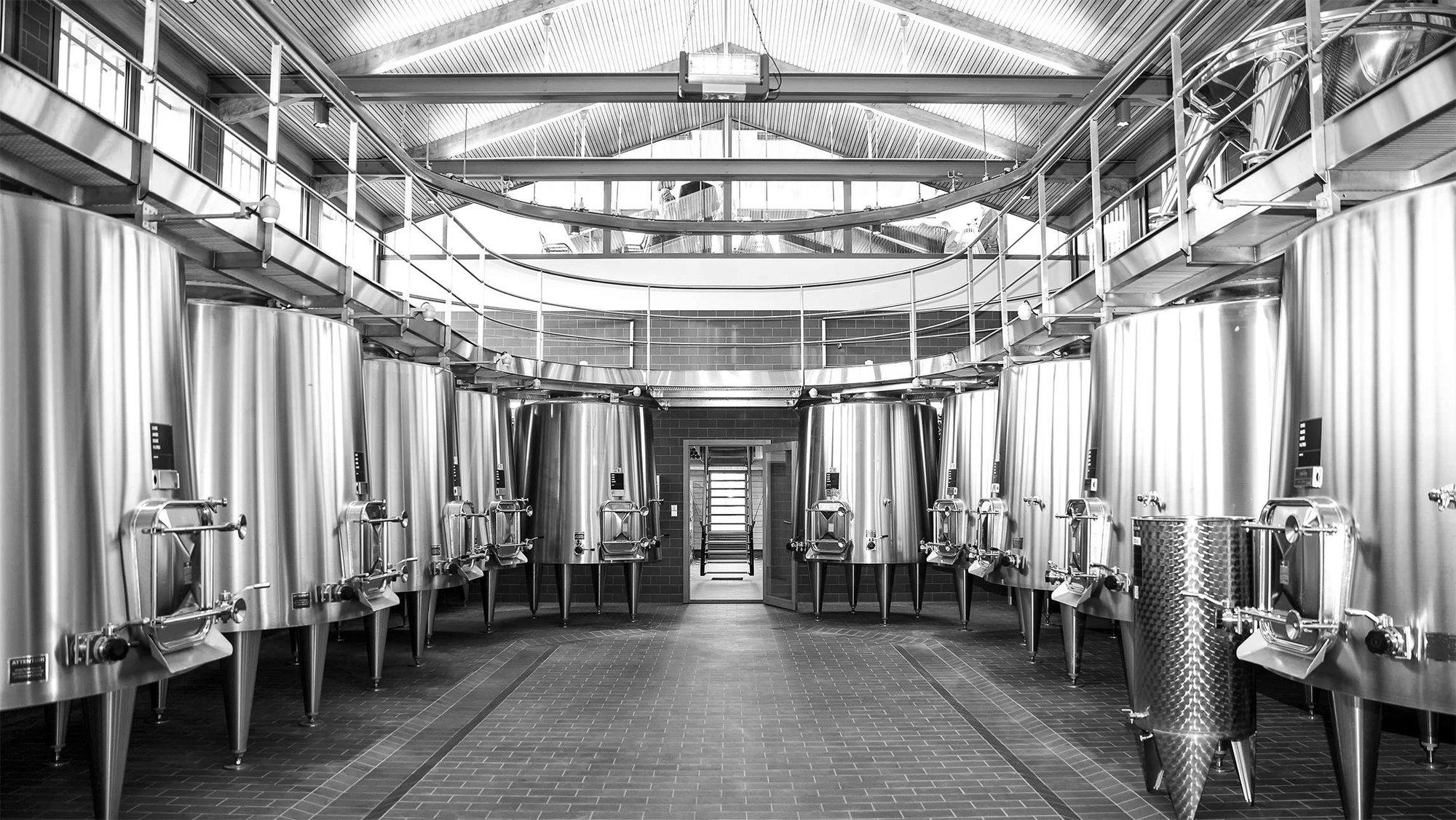
Château Pabus is worth seeking out if the draw is small-scale Bordeaux production, not a broad visitor program. The appeal is technical: 6.47 hectares, 85% Merlot and 15% Malbec, hand harvesting, 500-litre barrel vinification, and a limited annual output. The amphora-aged Argile de Pabus gives the estate a sharper reason to be on a serious Sadirac wine itinerary.
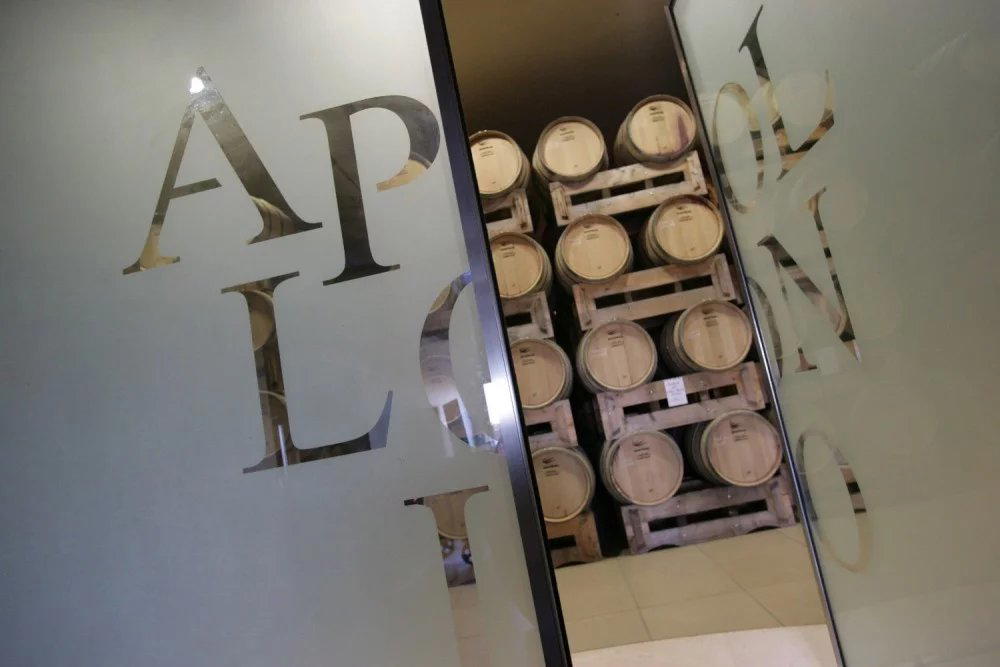
Apollonio Casa Vinicola
Monteroni Di Lecce, Italy
Book Apollonio Casa Vinicola if you want a clear, wine-first introduction to Salento through Negroamaro, Primitivo, cellar history, and guided regional context. At $35 per person, it is strongest for travellers who value an educational tasting over food pairings, with easy planning helped by advance booking and free parking.
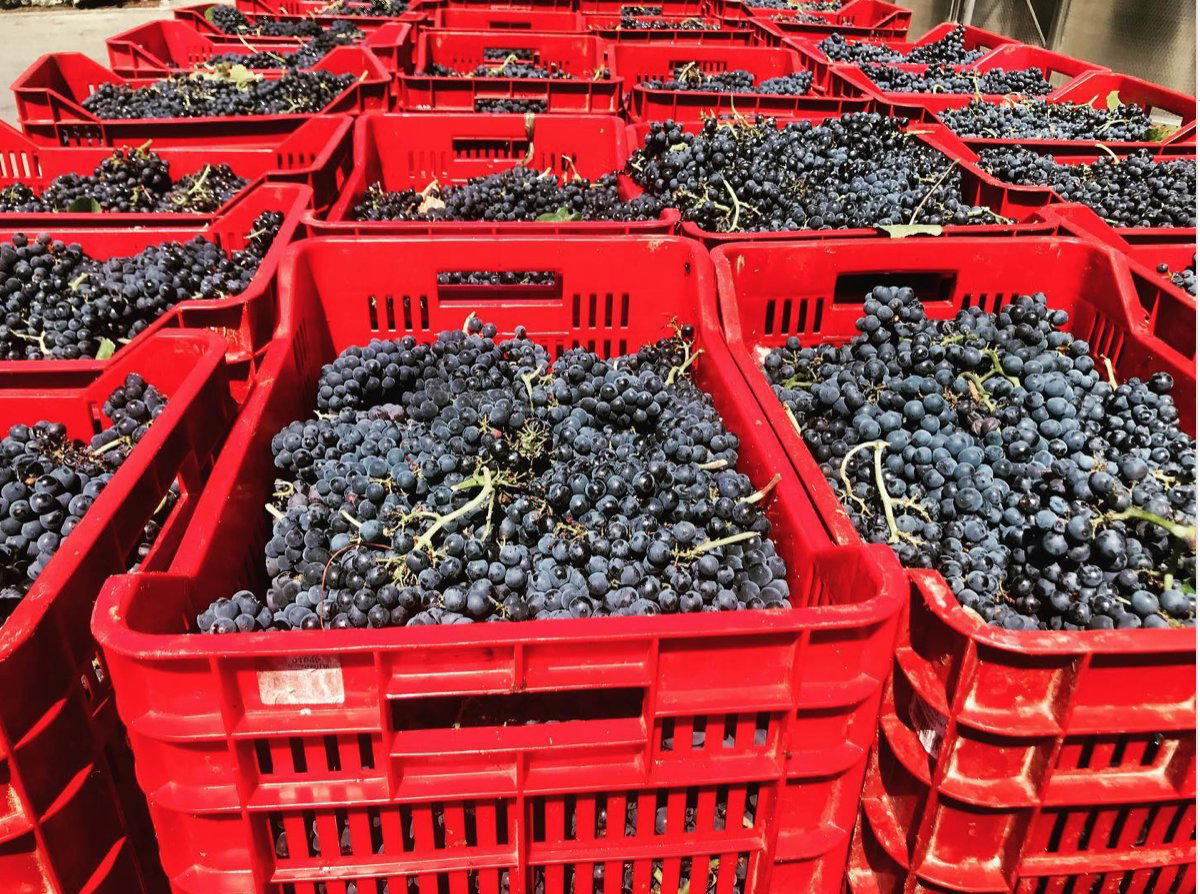
Ca' Tessitori
Broni, Italy
Worth considering if Broni is already on the route and the goal is a focused Oltrepò Pavese winery stop rather than a standalone destination. Falstaff listing for 2026 gives Ca' Tessitori a useful recognition signal, but plan conservatively around visit logistics and combine it with other Broni wine-country stops.
Comai
Riva del Garda, Italy
Comai is worth booking if the appeal is a small, family-run Garda Trentino winery focused on organic vineyard work and estate-grown Trentino DOC whites. Go for farming context, Chardonnay and Sauvignon Blanc, and a quieter visit near Riva del Garda; skip it if the priority is a broad cellar lineup or a food-led experience.
Domaine des Trois Etoiles
Satigny, Switzerland
Worth considering if the priority is a focused Satigny winery stop with a credible Falstaff 1-star signal for 2026. Domaine des Trois Etoiles is better suited to small, wine-led visits than casual large-group plans, and it makes the most sense when compared against other Satigny producers before setting the day’s route.
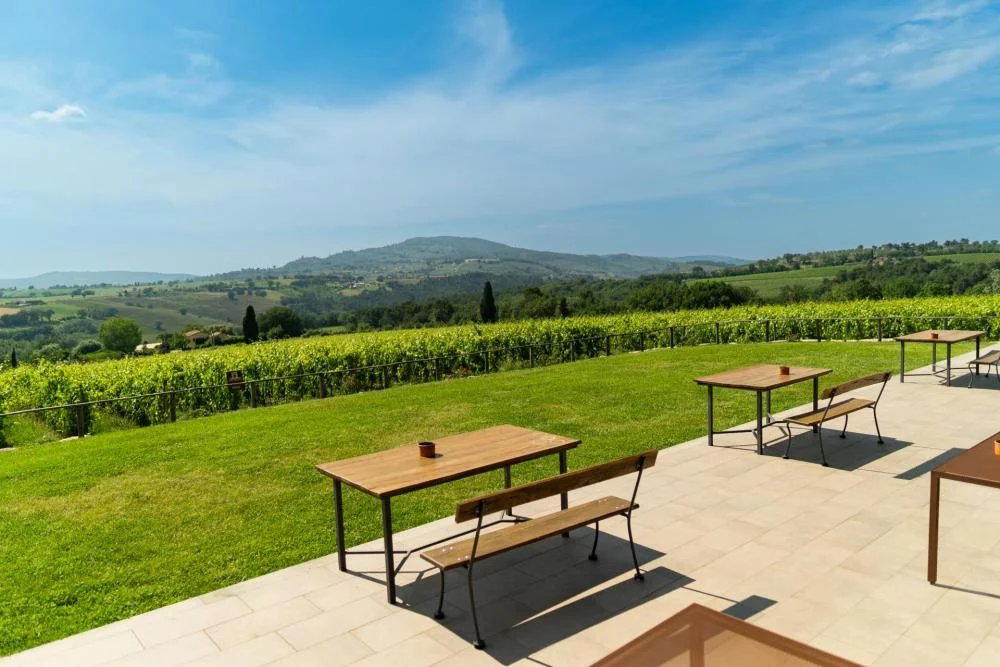
Cantine Briziarelli
Bevagna, Italy
Cantine Briziarelli is a strong Bevagna-area pick if you want a polished Montefalco winery visit rather than a casual tasting stop. The draw is the estate Sagrantino focus, contemporary vineyard architecture, and guided format with enough production context to make the wines easier to understand. Budget around $35 per person and reserve ahead.
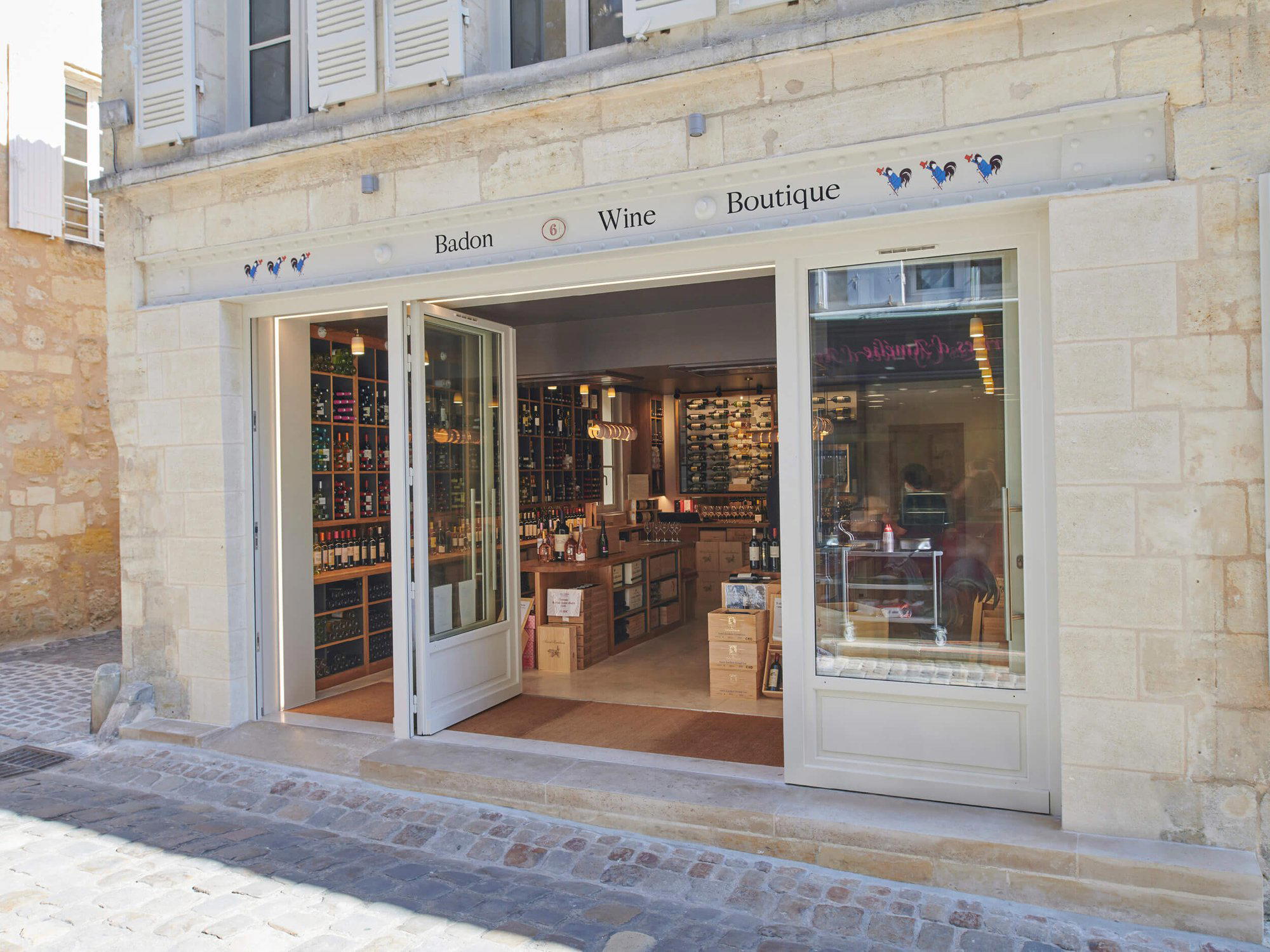
Château Clos Badon Thunevin
Saint-Émilion, France
A focused Saint-Émilion tasting for visitors who want boutique scale, serious Right Bank context, and a calm village setting. Château Clos Badon Thunevin works if the plan is wine first, food nearby second; it is less suited to travellers looking for a long pairing meal or a casual walk-in tasting.
Bioweingut Wagner
Dittelsheim Hessloch, Germany
Bioweingut Wagner is worth booking for a quiet, organic Rheinhessen tasting with a broad grape range and a rural family-winery feel. It is a stronger fit for visitors who care about farming, Riesling acidity, and village terroir than for anyone seeking a polished tasting-room production or restaurant-style pairing format.
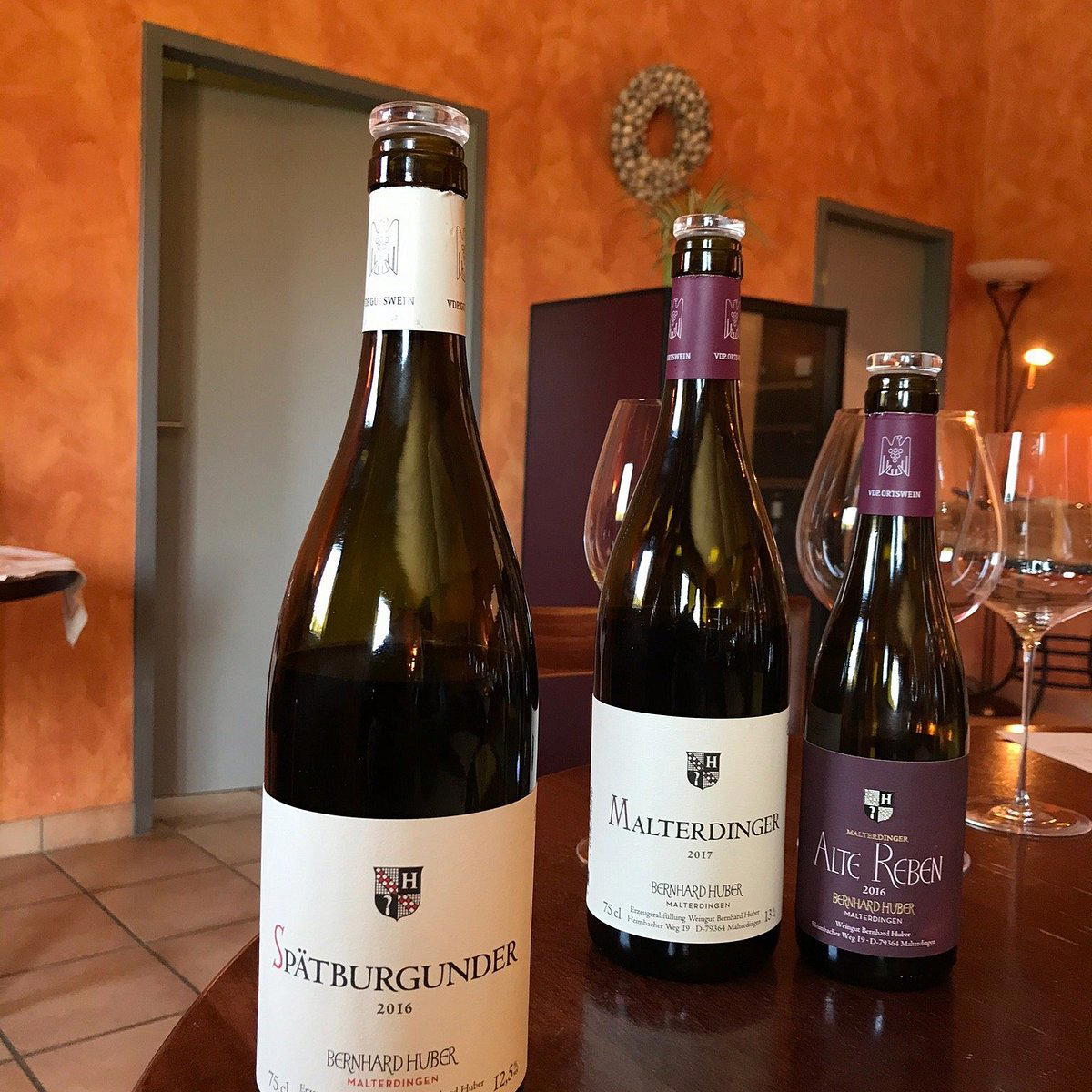
Weingut Bernhard Huber
Malterdingen, Germany
Weingut Bernhard Huber is a strong choice when wine is the point of the Malterdingen trip, especially for collectors, gifts, or a special-occasion cellar-door stop. Treat it as a planned anchor rather than a casual backup, and cross-shop Franz Keller, Dr. Heger, Salwey, Bercher, or Fritz Waßmer if flexibility matters more.
Kakhatian Traditional Winemaking
Tbilisi, Georgia
Kakhatian Traditional Winemaking works as a convenient Tbilisi winery stop, especially if the goal is a practical introduction to a traditional Georgian wine identity without leaving the city. It is less compelling as a flagship bottle hunt because named wines, tasting formats, and vineyard details are not clearly established. Keep the visit exploratory and ask specific questions before buying.
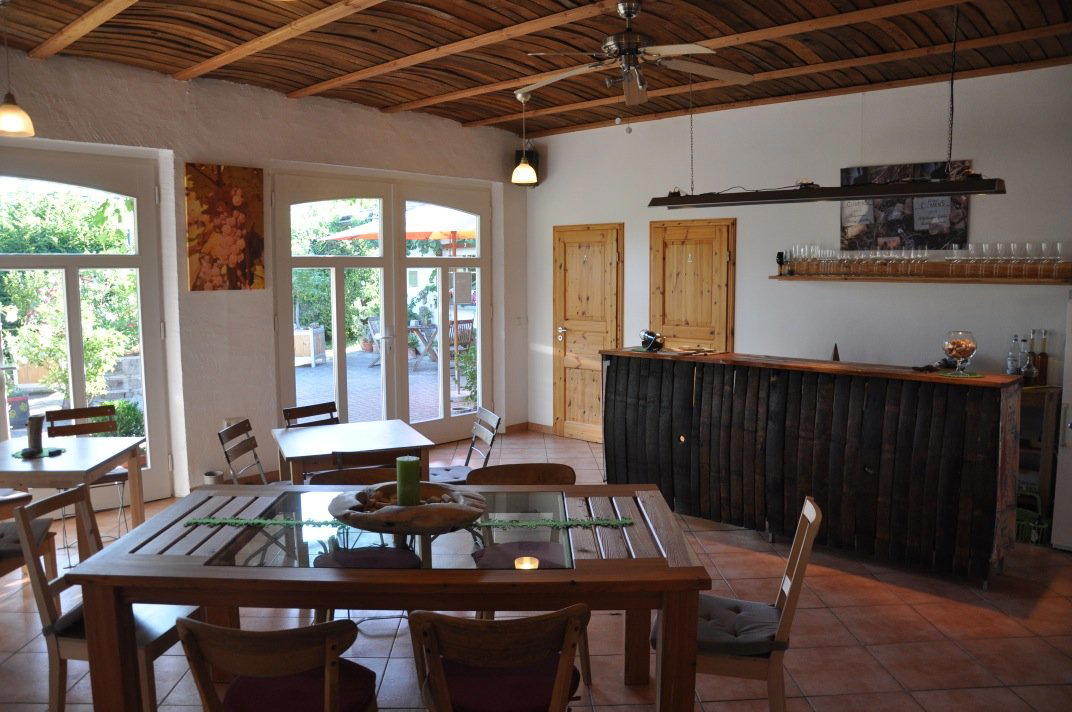
Jochen Clemens
Wintrich, Germany
A low-key Mosel winery in Wintrich with a rustic Straußwirtschaft feel and a Falstaff 2 Stars 2026 recognition signal. Worth considering for a relaxed, value-conscious wine stop, especially as part of a broader Wintrich day. Skip it if the occasion needs confirmed food, formal private tasting structure, or design-led hospitality.
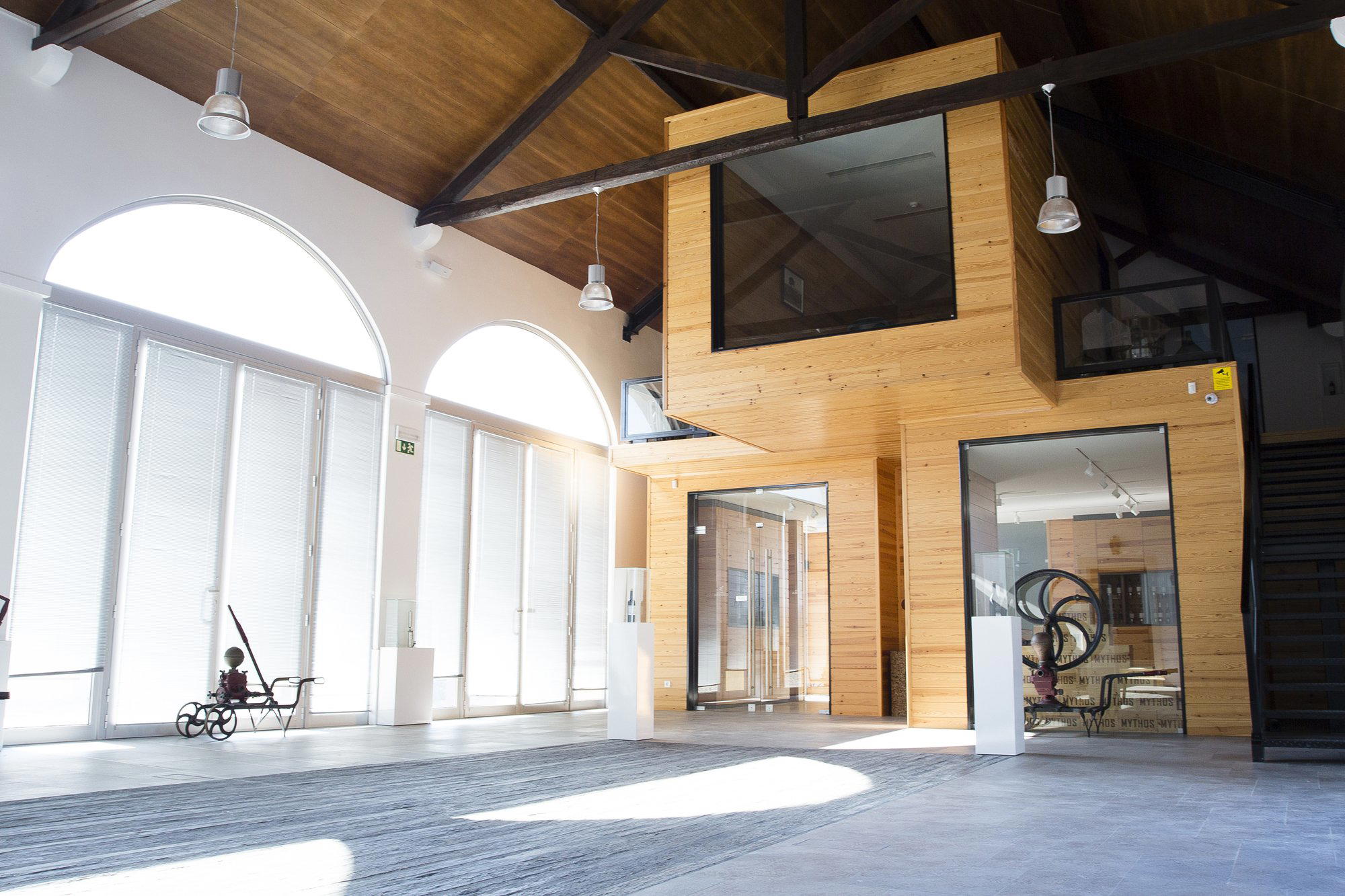
Casal da Coelheira
Tramagal, Portugal
A sensible Tramagal winery pick for travelers who want a calm, planned wine stop rather than a packed tasting-room circuit. Casal da Coelheira has a Falstaff Listed 2026 credibility signal, but visitors should confirm format, group capacity, food, and shipping before building a day around it.
Johanni Weinbau
Jenins, Switzerland
Johanni Weinbau is a quiet Jenins winery to consider for a low-key Graubünden wine stop, especially if the plan values rural atmosphere over a polished visitor-center experience. Its 2026 Falstaff listing adds a useful trust signal, but make it part of a wider Jenins itinerary rather than the sole anchor for a high-stakes celebration.
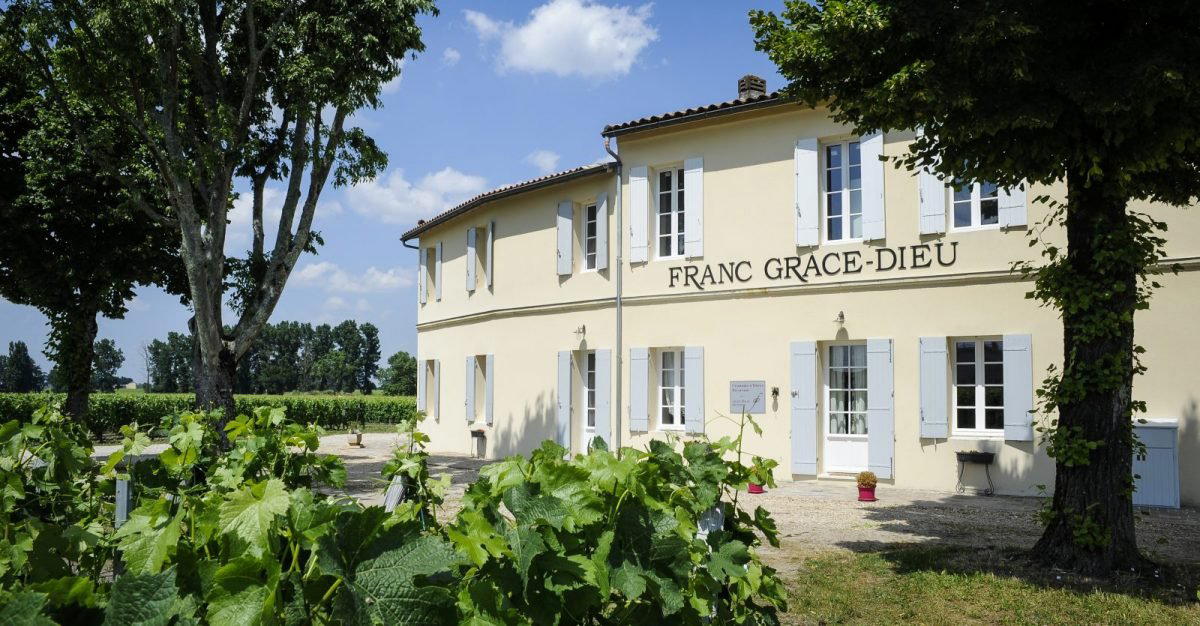
Château Franc Grâce Dieu
Saint-Émilion, France
Château Franc Grâce Dieu is a good-value Saint-Émilion pick for travelers who want a relaxed estate visit rather than a formal trophy-château appointment. Book it for a calm countryside stay, sustainable viticulture credentials, and a Merlot-led Grand Cru portfolio with enough production detail to make the visit feel substantial.
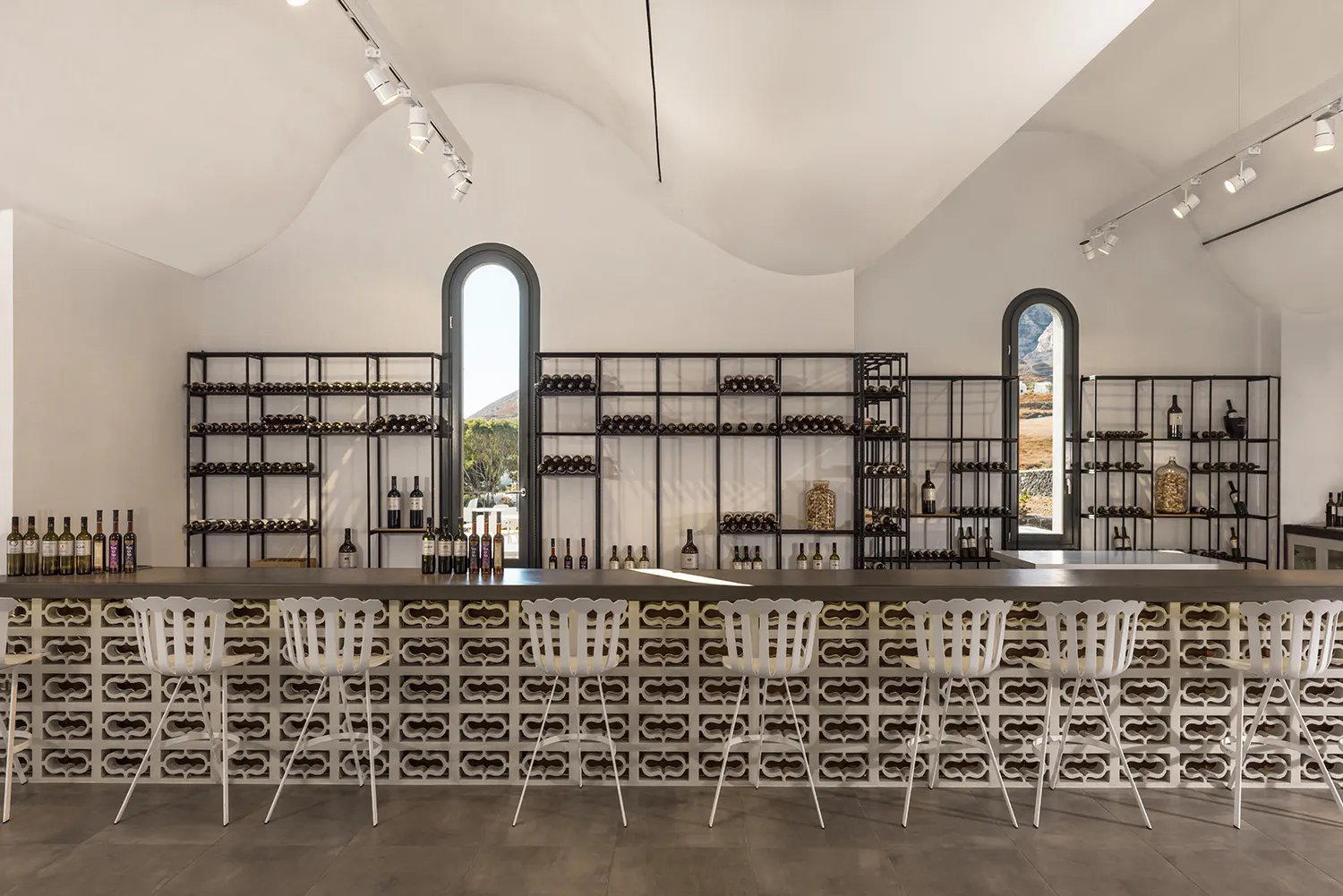
Estate Argyros
Santorini, Greece
Prioritize Estate Argyros if Santorini wine is the point of the day, not just a scenic tasting stop. Its World's 50 Best Vineyards recognition makes it a stronger fit for visitors who want a serious read on the island's wine reputation; mixed-interest groups may be happier cross-shopping SantoWines or Koutsoyannopoulos.
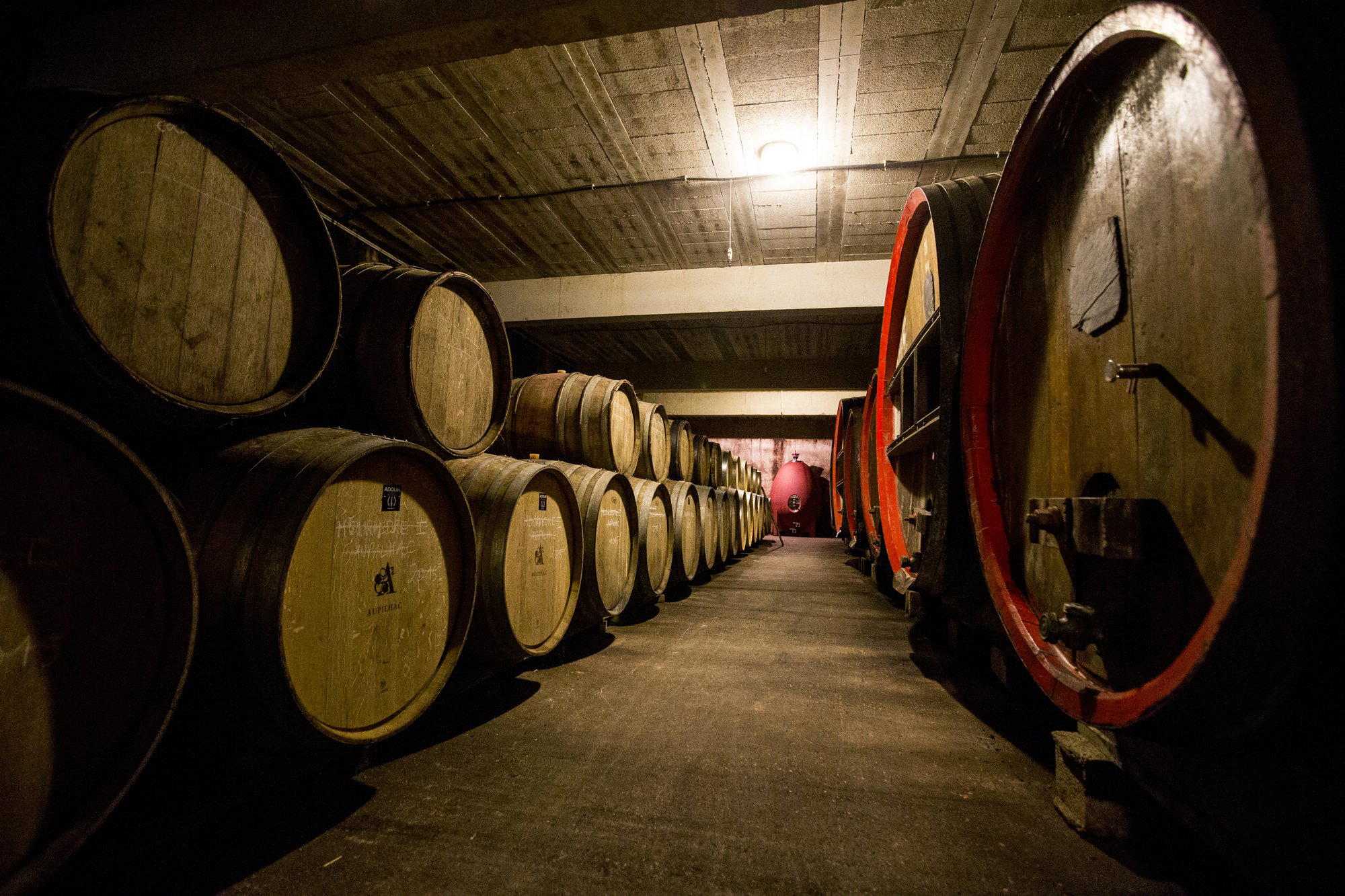
Domaine D’Aupilhac
Montpeyroux, France
A practical Montpeyroux pick for wine travelers who care more about producer depth than polished visitor theater. Domaine D’Aupilhac is worth planning around if Languedoc value is the point, especially given its Falstaff Listed recognition for 2026; treat logistics as something to arrange ahead rather than a casual drop-in.
Domaine du Burignon
Chardonne, Switzerland
Choose Domaine du Burignon if you want a quiet, appointment-led Lavaux wine experience built around Chasselas, heritage, and vineyard-stay atmosphere. The 2024 Chasselas has a 90-point Falstaff rating, and the estate’s 16-bed guesthouse format makes it stronger for slow, planned visits than quick walk-in tastings.
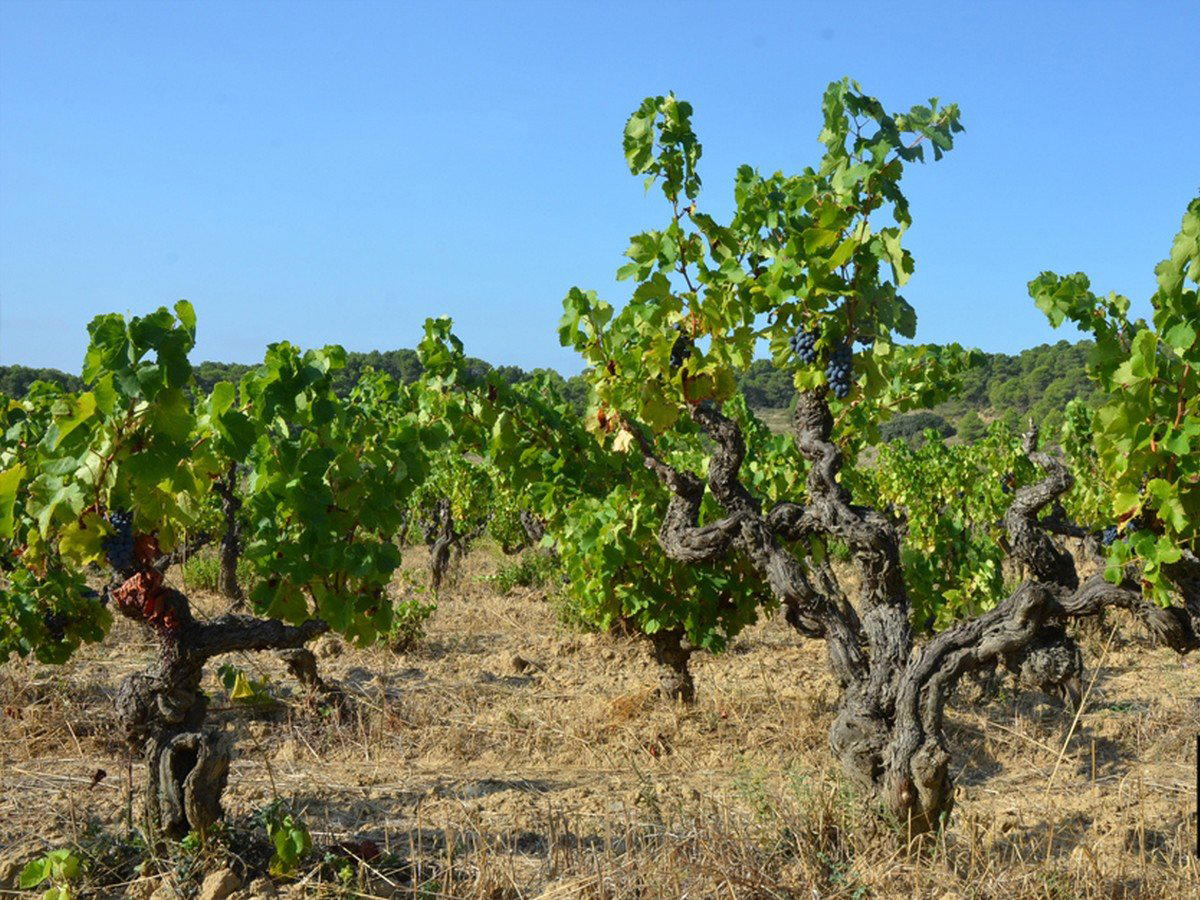
Domaine La Tour Boisée
Laure Minervois, France
Domaine La Tour Boisée works if the plan is a wine-led stop in Laure Minervois rather than a full dining experience. The strongest trust signal is its Falstaff Listed recognition for 2026, so treat it as a focused winery visit and confirm practical details before building a celebration or group itinerary around it.
Benoit Avlerie Calvet
Parempuyre, France
Benoit Valerie Calvet is a sensible Parempuyre winery stop if you want a quieter, wine-focused visit with a 2026 Falstaff listing behind it. Book it for couples or small groups, confirm tasting details in advance, and do not assume food, shipping, or a set-format experience without checking first.
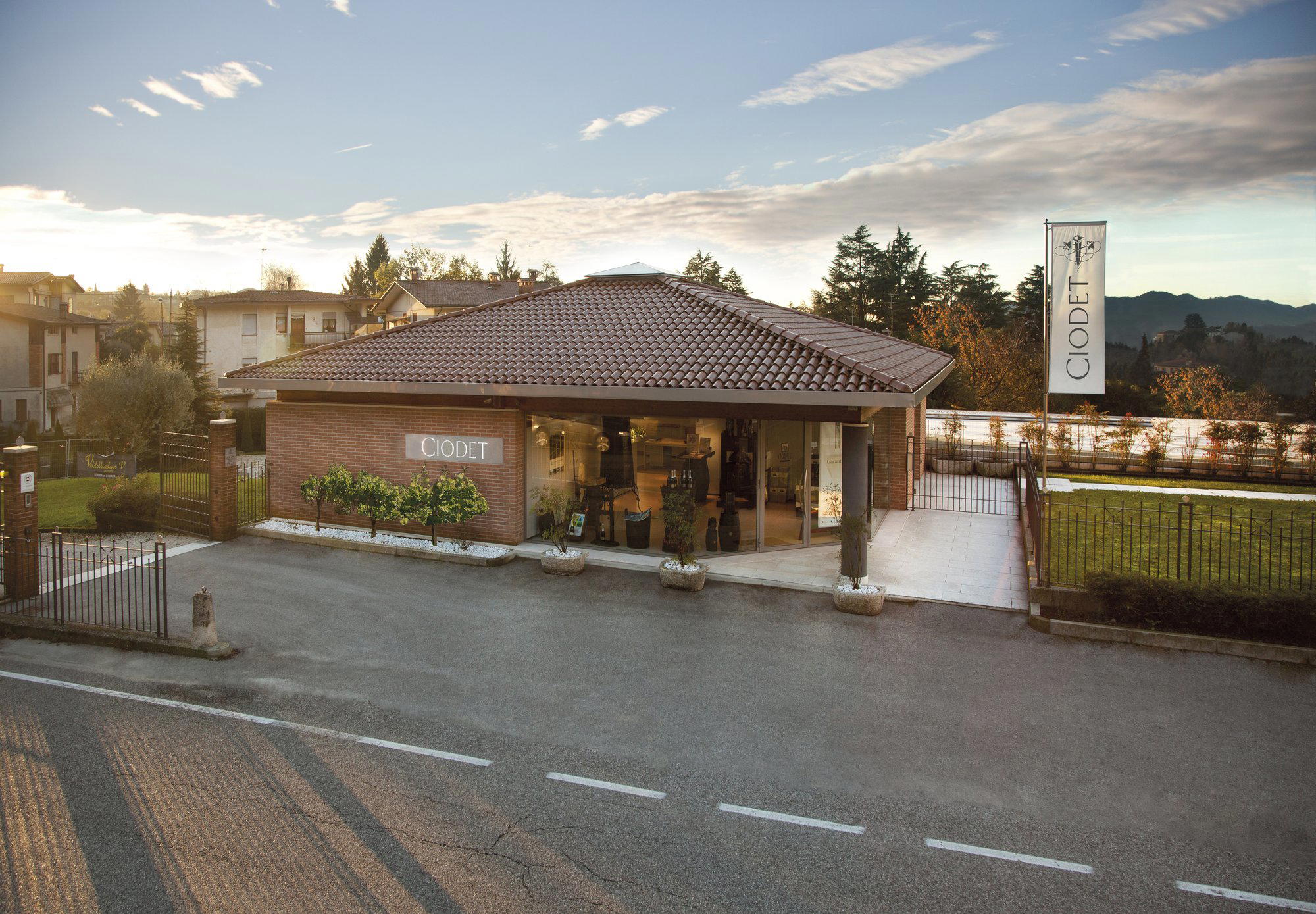
Ciodet Spumanti
Valdobbiadene, Italy
Ciodet is a cautious yes for a Valdobbiadene wine stop, mainly because its 2026 Falstaff listing gives it a useful quality signal. It is less suitable as the sole anchor for a celebration if the plan requires confirmed food, fixed pricing, or large-group logistics.
Cave Mandolé
Saillon, Switzerland
Cave Mandolé is worth booking if the goal is a personal Valais tasting rather than a formal luxury winery visit. The $$ positioning, Falstaff Listed 2026 recognition, and broad range of local grapes make it a strong Saillon stop for curious wine travelers who value context, small-producer access, and appointment-based hospitality.
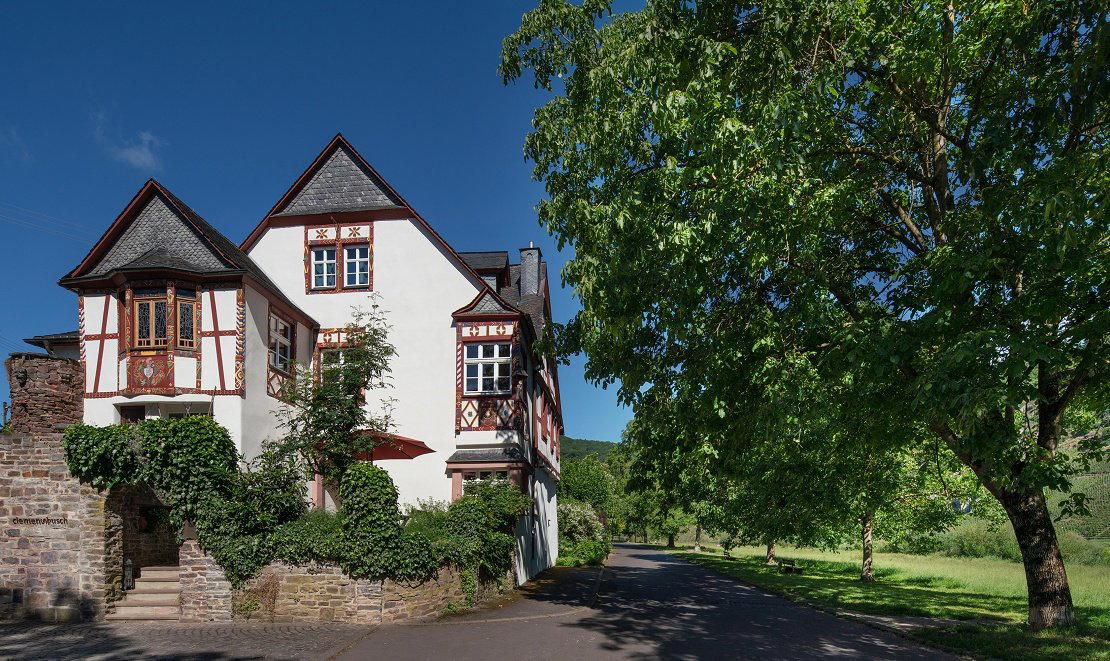
Weingut Clemens Busch
Pünderich, Germany
Prioritize Weingut Clemens Busch if the trip is built around Mosel wine rather than casual sightseeing. It is a stronger fit for collectors and serious Riesling travelers than for large groups or visitors looking for a predictable tasting-room format.
How many of these have you visited?
Find out on Pearl and keep score across every place in 2026 Falstaff Winery Guide.