

2026 Falstaff Winery Guide: The Ultimate Wine Authority — Page 137
Falstaff's 2026 Wineries guide.

Venues on this list
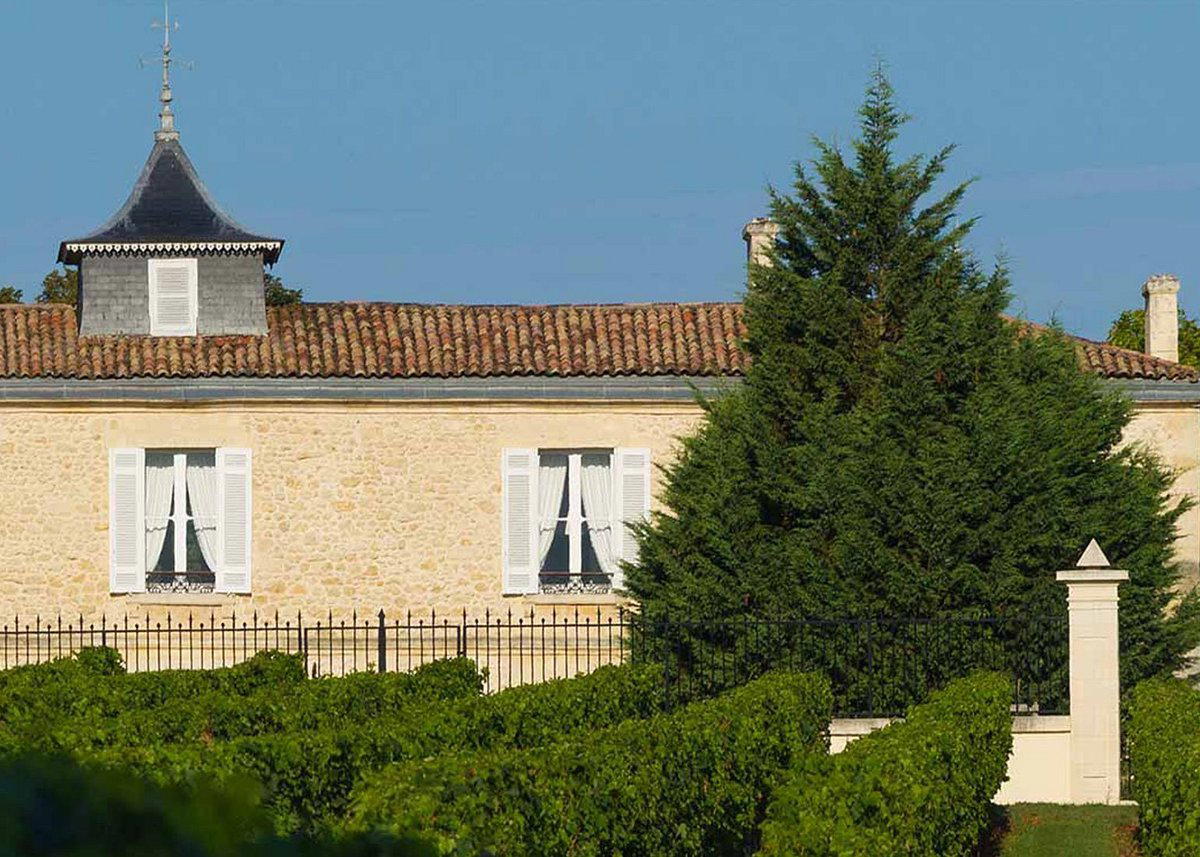
Château du Lort
Yvrac, France
Château du Lort is worth choosing for a calm, guided Bordeaux Supérieur tasting with château heritage, modern cellar design, and a sustainability angle. It suits couples, small celebration groups, and business visitors who want structure and context rather than a casual walk-in wine bar or food-led estate visit.
Cave Dubuis et Rudaz
Sion, Switzerland
Choose Cave Dubuis et Rudaz for a quiet, educational Valais tasting centered on biodynamic and natural wines. It is a stronger fit for couples, solo wine travelers, and small groups than for visitors seeking food pairings, large-scale hospitality, or a full-day winery experience.
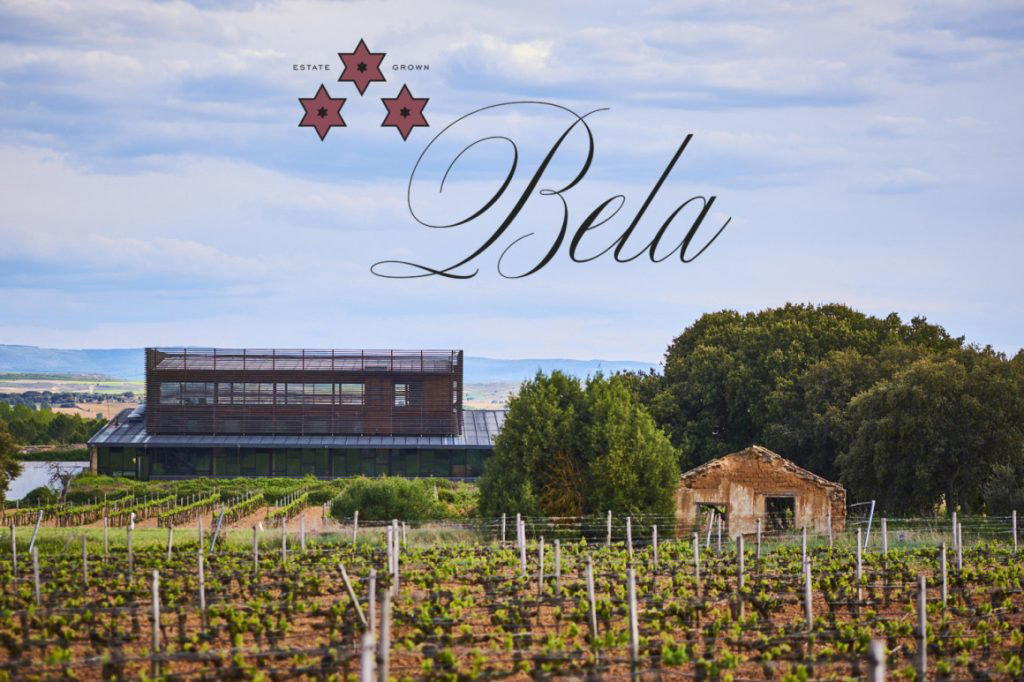
Altos Del Terral
Aranda de Duero, Spain
Altos Del Terral is worth tracking if you already like Ribera del Duero and want another Aranda de Duero producer in the rotation. The confirmed Crianza and Falstaff 2 Stars recognition make it credible, but do not assume a full visitor program or wine-club value unless the terms are clear.
Irena & Bruno Trapan
Sisan, Croatia
Book Irena & Bruno Trapan if the goal is a serious south-Istrian natural-wine tasting rather than a meal-focused winery visit. The draw is biodynamic farming, small production, skin-contact Malvazija, orange wine, and structured reds; the caution is that no specific food-pairing program is verified, so plan dining separately.
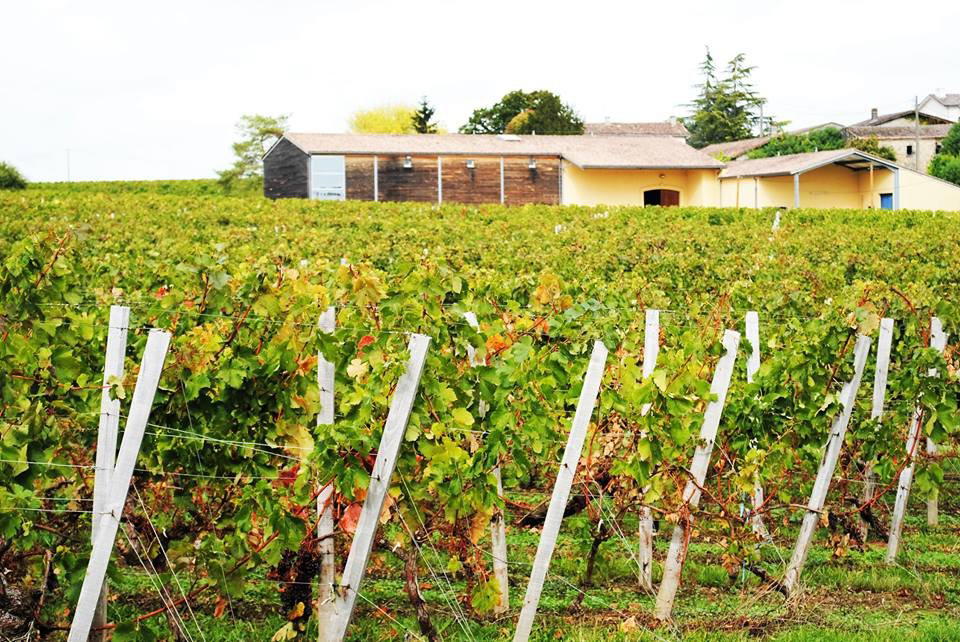
Château Clos de Boüard
Montagne, France
Château Clos de Boüard works for a focused Montagne wine stop, especially if the goal is assessing bottles rather than building a full-day hospitality experience. Go for Libournais context and current-release buying decisions; confirm format, food, shipping, and group details before planning around it.
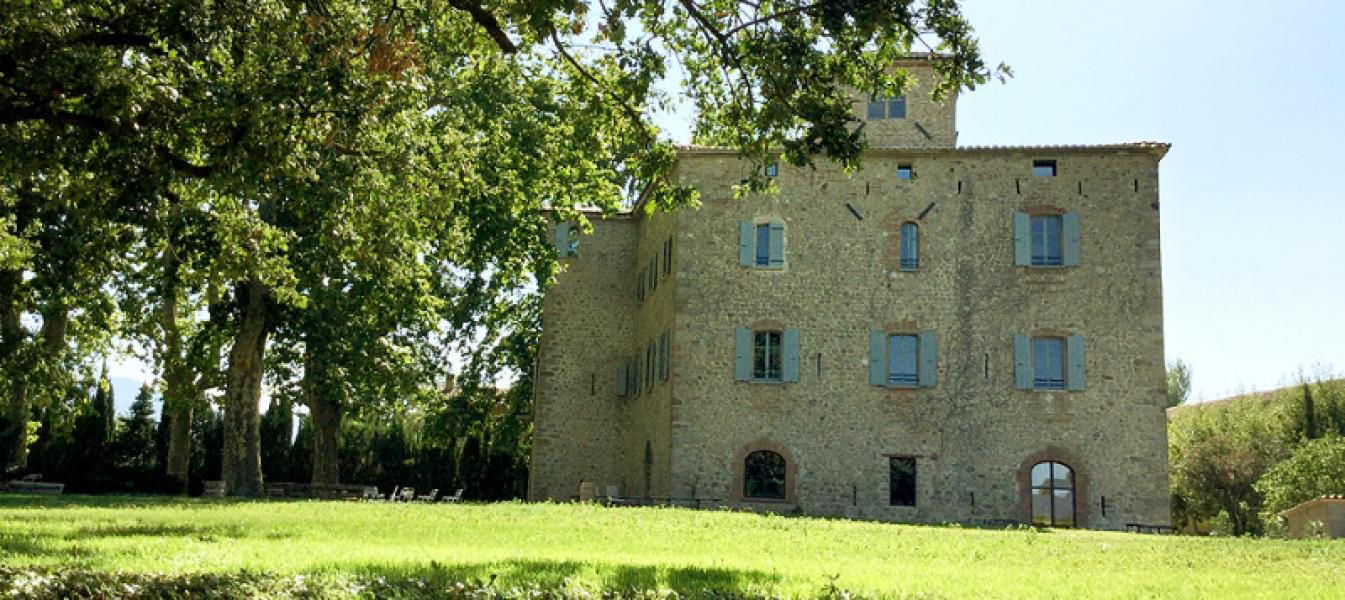
Domaine de l’Horizon
Calce, France
Book Domaine de l’Horizon if the goal is serious biodynamic Roussillon wine rather than a polished tasting-room outing. The value is in old-vine local varieties, low-intervention cellar work, and a highly focused Calce setting; casual groups wanting easy hospitality or food-led extras should look elsewhere.
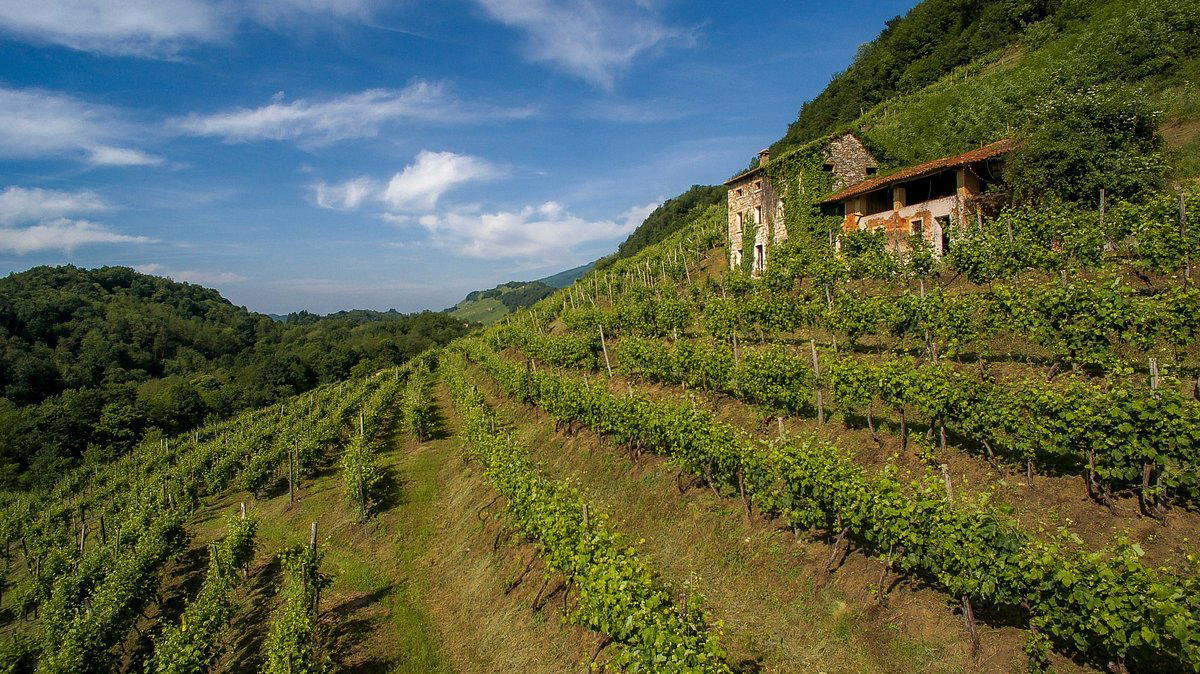
Bacio della Luna
Vidor, Italy
Bacio della Luna is a polished Prosecco tasting choice in Vidor, suited to dates, celebrations, and travelers who want clear guidance through DOC and DOCG sparkling wines. Expect an elegant contemporary cellar feel, casual dress, easy booking, and a value-led tasting format at about $30 per person, with Falstaff Listed 2026 recognition adding credibility.
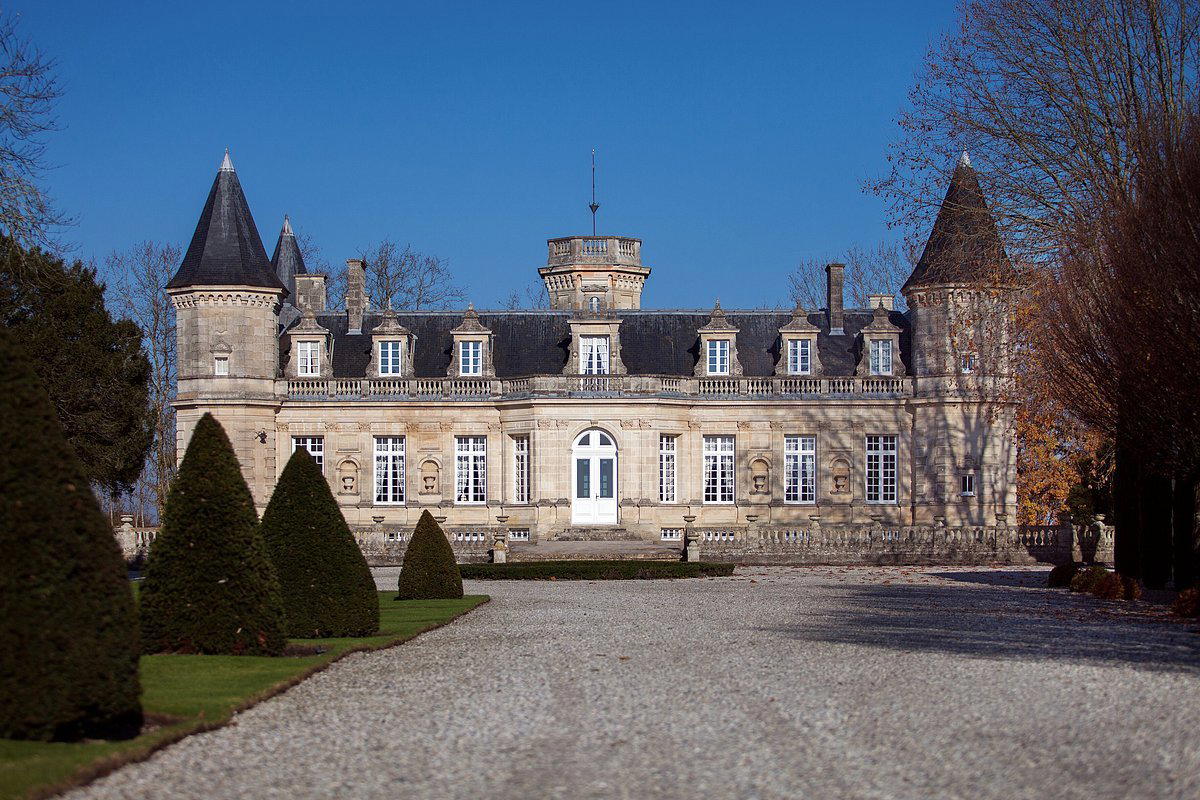
Château Beaumont
Cussac Fort Medoc, France
Château Beaumont is a worthwhile Haut-Médoc candidate if you want a planned estate visit with a credible 2026 Falstaff 1 Star signal. Treat it as a wine-focused stop rather than a food or walk-in bet, and confirm the tasting format before making it the anchor of your Cussac-Fort-Médoc day.
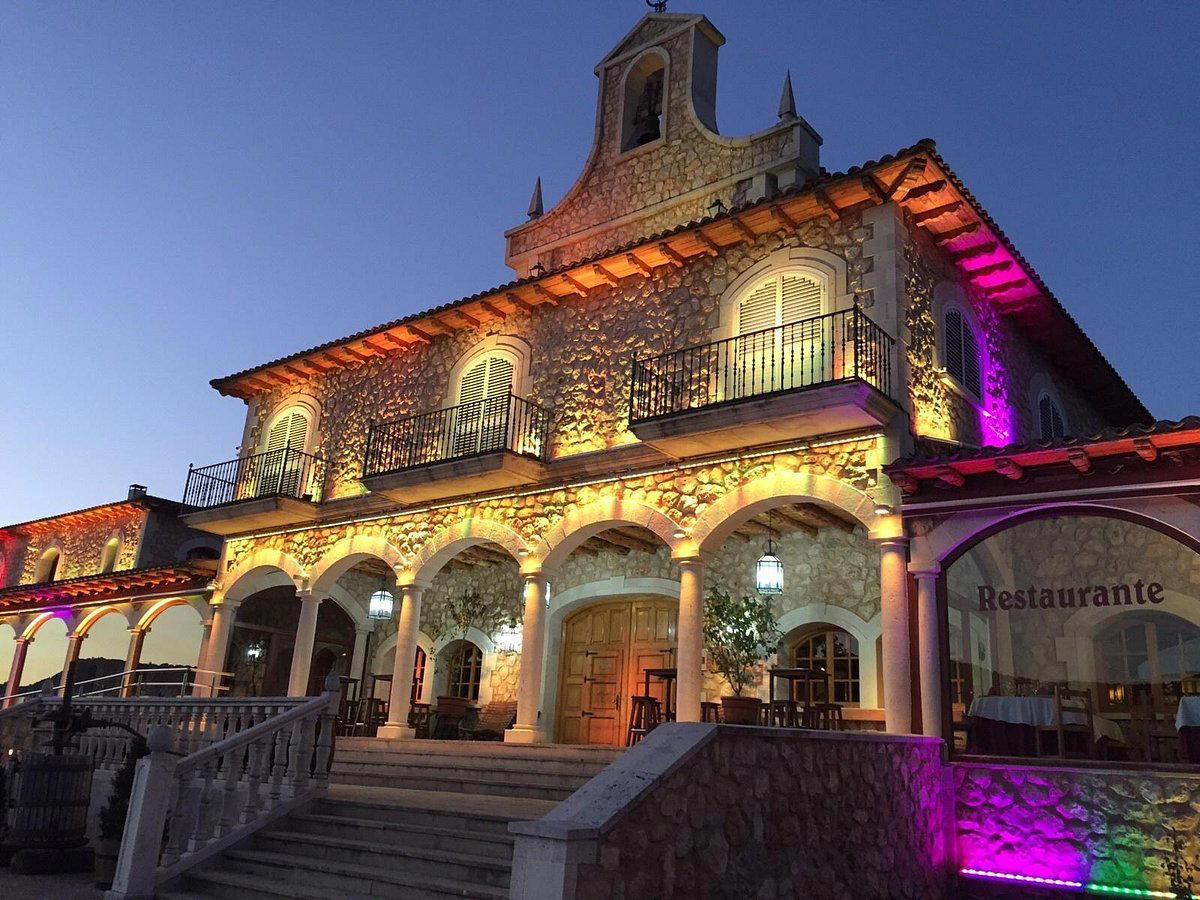
Arzuaga Navarro
Quintanilla de Onésimo, Spain
Arzuaga Navarro is the Ribera del Duero choice to book when the occasion matters more than trophy access. It has stronger fit for celebrations, hosted visits, and polished wine-country itineraries than for bargain hunting. Recognition from World's 50 Best Vineyards in 2025 gives it credible standing among serious winery stops.
Montezovo
Caprino Veronese, Italy
Montezovo works if you want a Caprino Veronese winery stop with Falstaff recognition and a quieter Veneto setting. Treat it as part of a broader wine-focused day rather than a fully documented destination experience, since visitor format, food, pricing, and flagship bottle details are not listed.
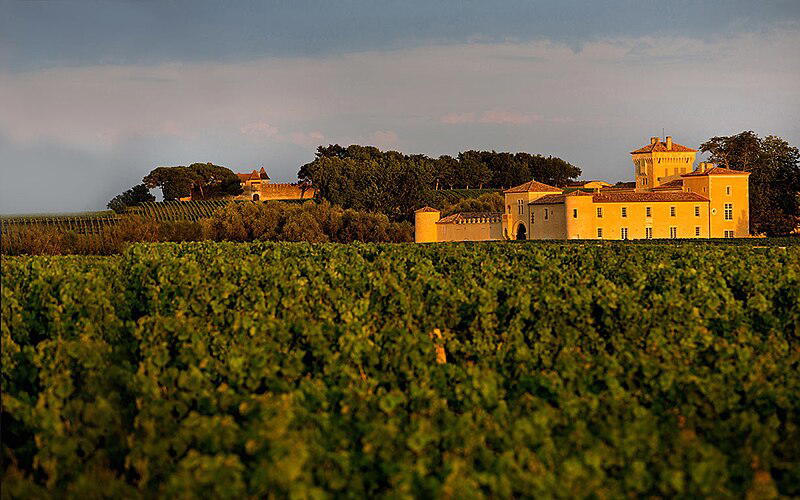
Château Lafaurie-Peyraguey
Bommes, France
Prioritise Château Lafaurie-Peyraguey if the goal is serious Sauternes context rather than a casual winery stop. The 1824 first-vintage marker gives the visit historical weight, and the strongest case is flagship sweet-wine assessment: taste, compare, then decide whether bottles are worth buying or shipping.
Durst Wein
Bockenheim An Der Weinstra E, Germany
Durst Wein works for a Pfalz wine-route day in 2026 if the priority is a focused Bockenheim winery stop, not a food-led or heavily serviced outing. Treat private or upgraded tasting plans as something to confirm before building the day around it, and pair the stop with wider Bockenheim planning.
Pascal Marchand
Nuits-Saint-Georges, France
Maison Marchand-Tawse works for a Nuits-Saint-Georges wine itinerary if recognition matters: it is Falstaff Listed for 2026. Treat it as a wine-focused stop rather than a food-pairing destination, since no cuisine or pairing program is specified. Build meals separately and confirm tasting logistics before committing the day around it.
Celler Ardèvol
Porrera, Spain
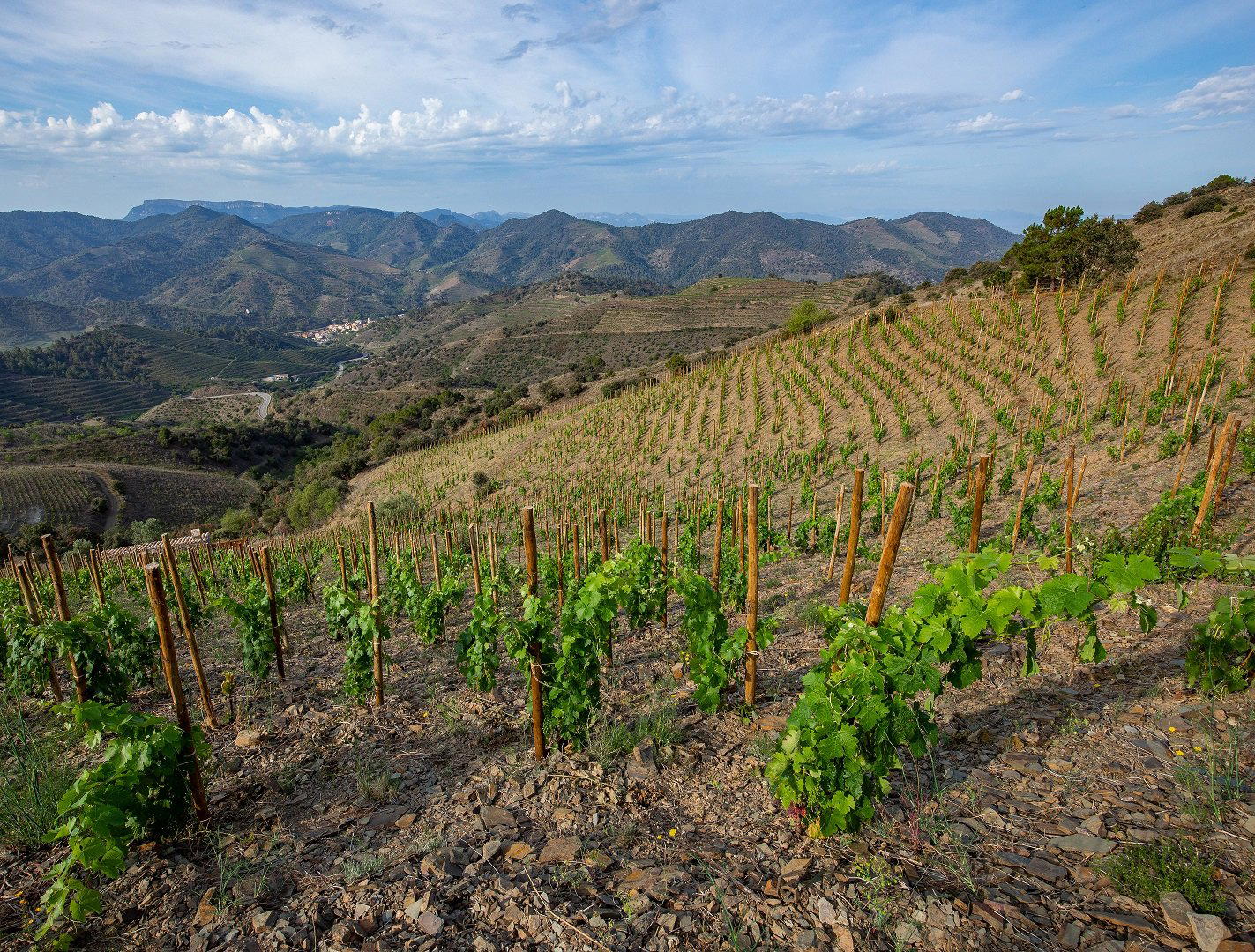
Book Celler Ardèvol if the point of the trip is serious Priorat, not a polished visitor setup. The value is in small-production, organically and biodynamically farmed reds from steep licorella parcels around Porrera, with Anjoli as the bottle to know. It suits focused wine travelers and small groups better than casual tastings or food-led outings.
Château Guiraud
Sauternes, France
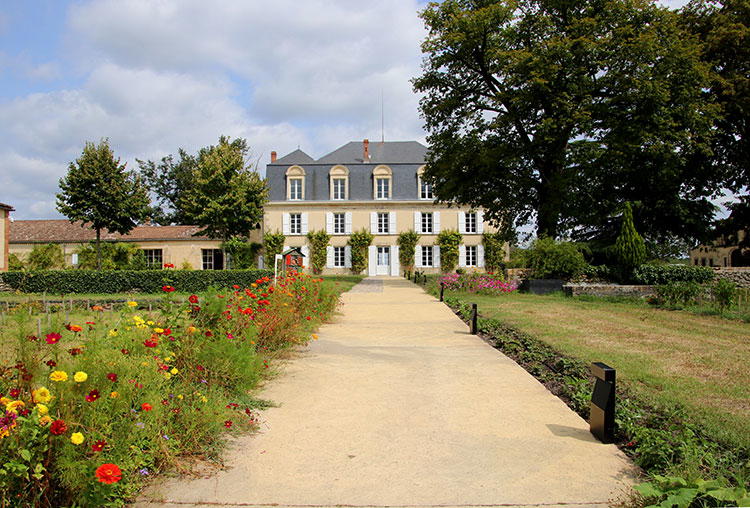
A strong choice for travelers making Sauternes the point of the day, not a quick add-on. Château Guiraud has serious historical weight, with a first vintage dating to 1771, and works better as an anchor appointment than a casual tasting stop. Cross-shop Château d'Yquem for prestige, or Château Filhot and Château d'Arche for a lower-pressure route.
Cederberg Cellars
Clanwilliam, South Africa
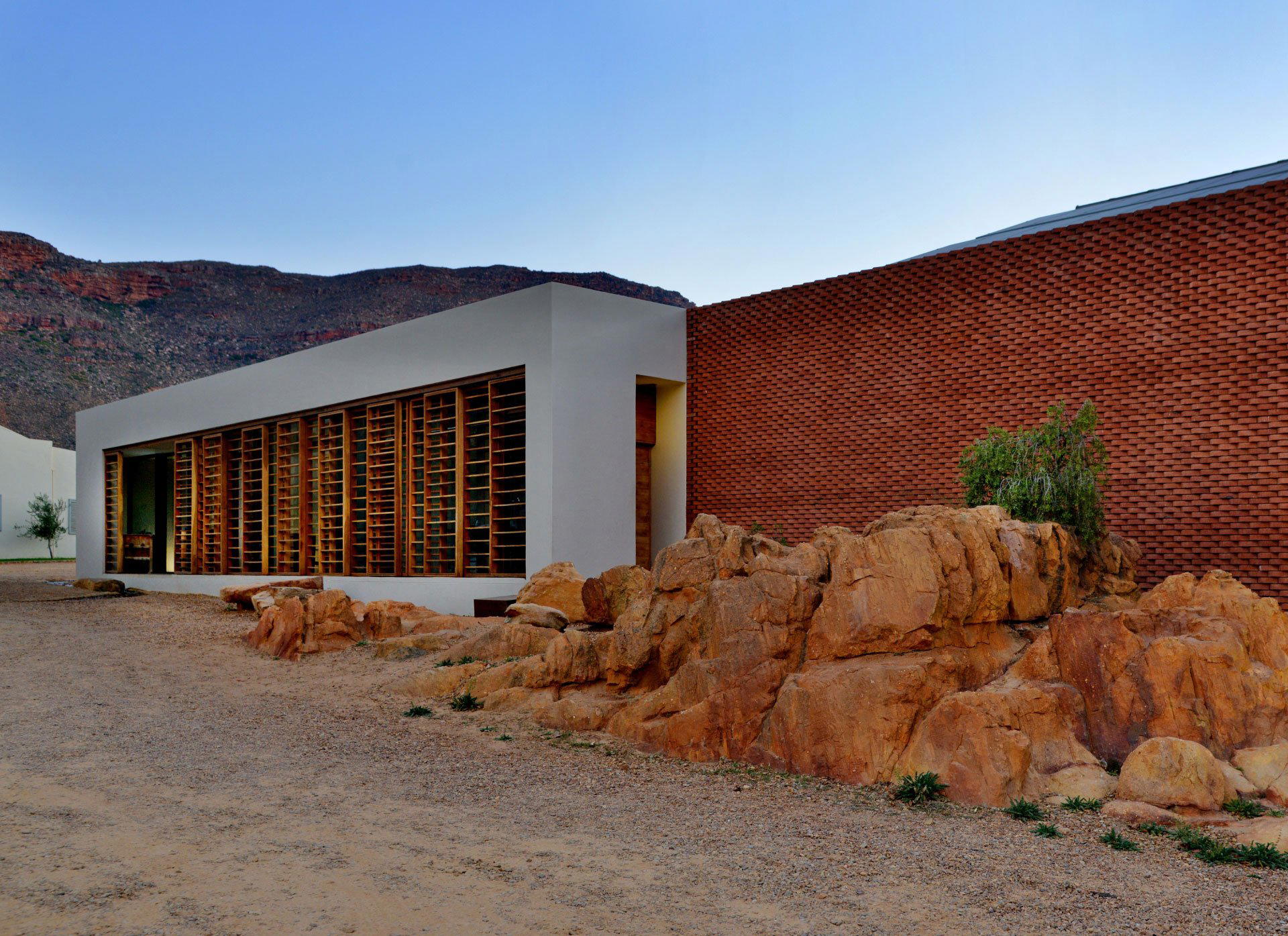
Cederberg Cellars is worth prioritising for a wine-led celebration in the Clanwilliam area, especially if a quieter, destination-style tasting suits the occasion. Do not build the plan around food unless that has been confirmed separately; the stronger play is to treat it as the anchor winery and arrange dining around it.
Berghof Dättlikon
Dattlikon, Switzerland
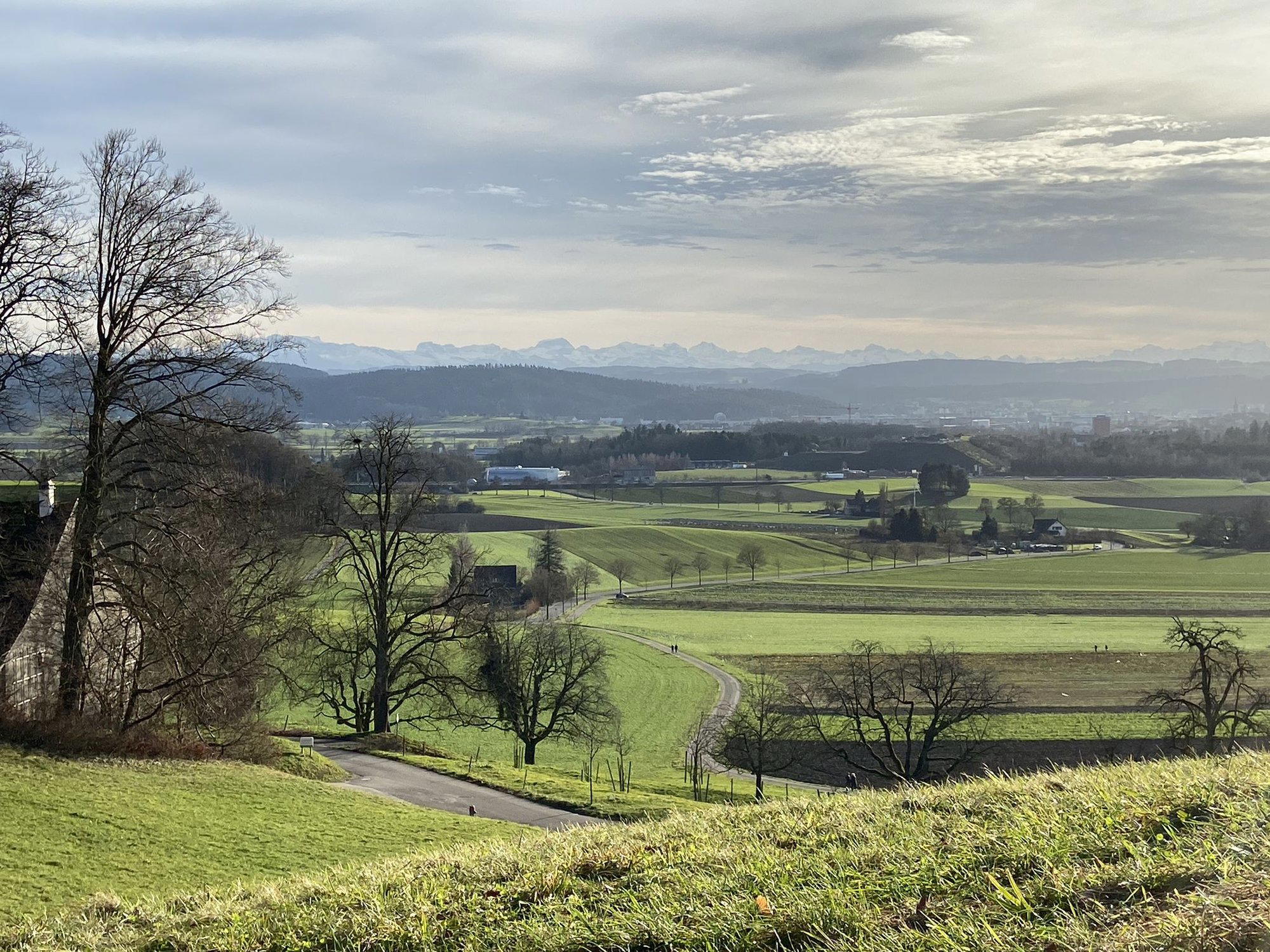
Book Berghof Dättlikon if you want a calm, organic Swiss winery visit with real farming context rather than a polished destination tasting. The strongest case is for a guided or private-style tasting focused on PIWI varieties, biodiversity, and the estate’s Bio-Suisse Knospe certification; casual visitors should keep expectations relaxed and local.
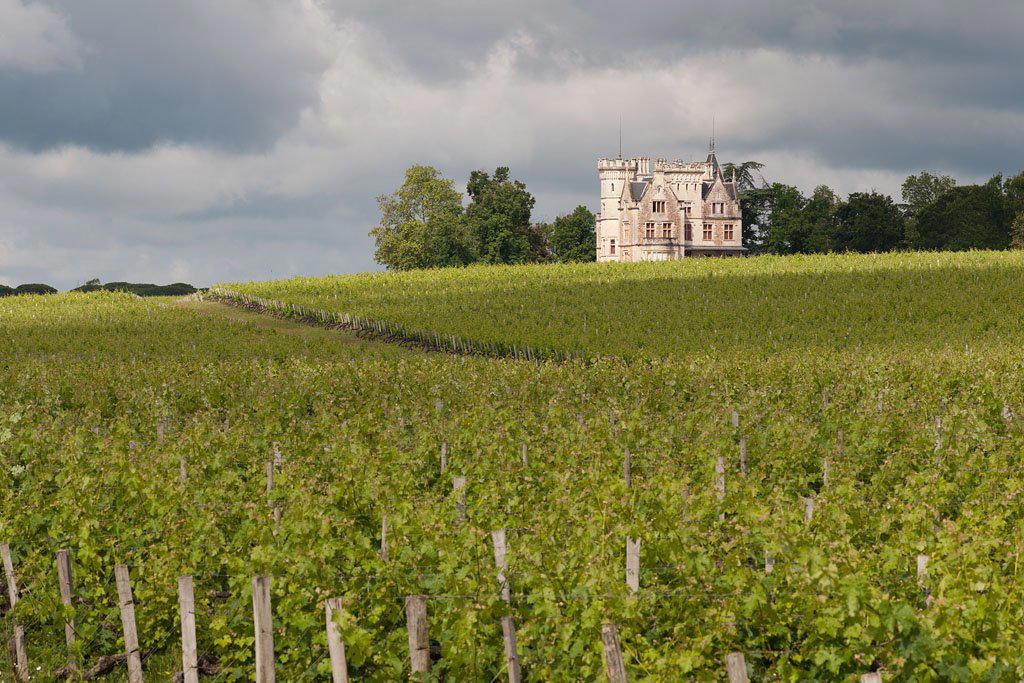
Château du Retout
Cussac Fort Medoc, France
Château du Retout works if the goal is traditional Haut-Médoc value with family-estate substance, Cru Bourgeois Supérieur credibility, and a restrained Left Bank profile. It is a stronger fit for buyers and wine-focused travelers than for anyone seeking a polished visitor experience or food-led château stop.
Domaine Muré - Clos St Landelin
Rouffach, France
Book Domaine Muré - Clos St Landelin if the priority is a serious Alsace tasting tied to a specific vineyard rather than a leisure-estate stop. The Rouffach address is strongest for wine-focused couples, collectors, and small celebration groups who value organic and biodynamic farming, family continuity, and a clear Clos Saint Landelin identity.
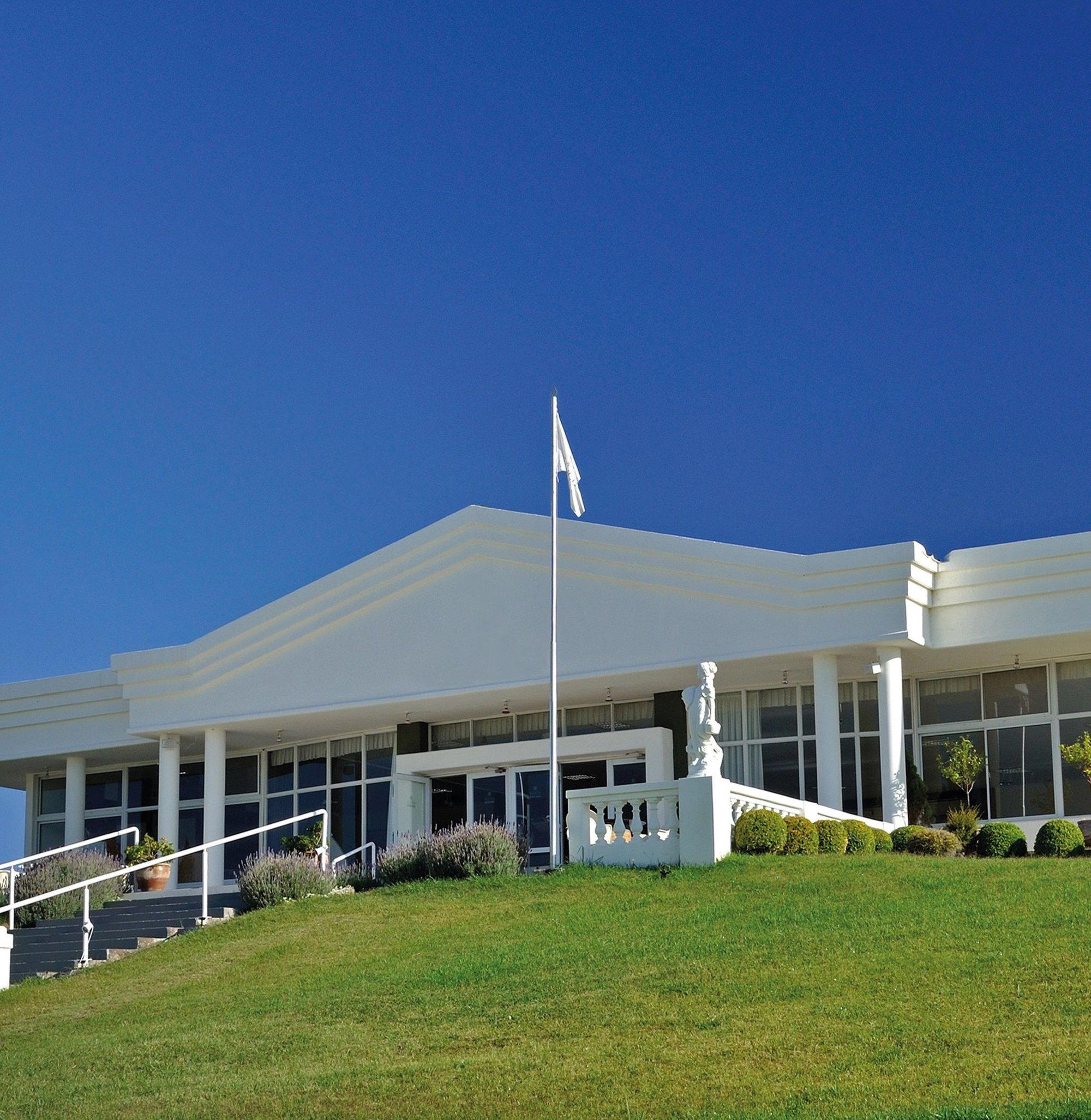
Bodega Valentín Bianchi
San Rafael, Argentina
Prioritize Bodega Valentín Bianchi if the trip needs a serious San Rafael winery anchor rather than a meal-led stop. The 2025 Pearl 1 Star Prestige signal makes it worth planning around, but build restaurants, hotels, bars, and other experiences separately.
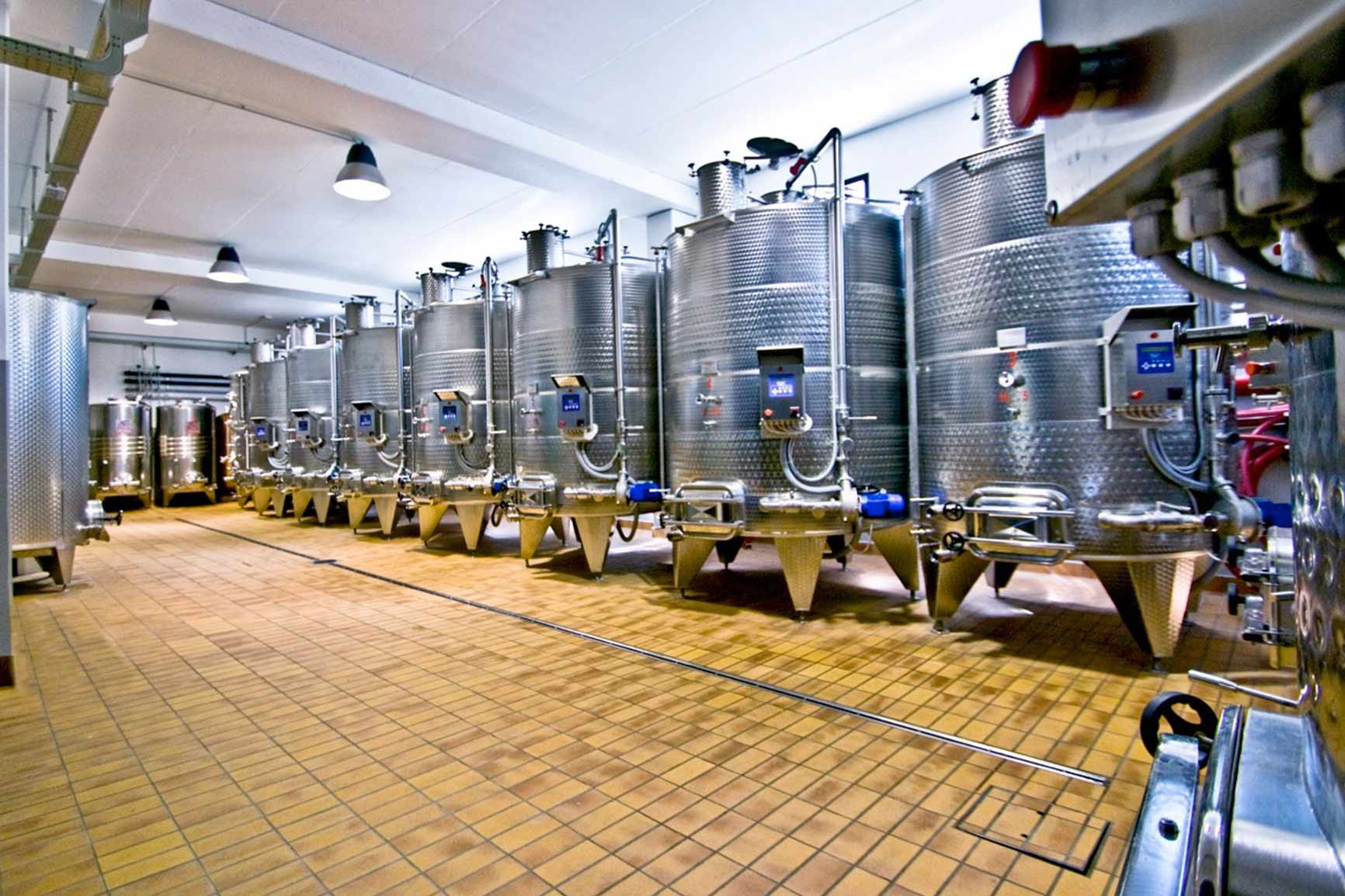
Cantina Gentili
Cetona, Italy
Book Cantina Gentili if the priority is a grounded Cetona winery visit with serious bottle value rather than a luxury tasting production. The strongest reasons to go are the Chianti Superiore, Chianti Riserva, and IGT Toscana reds, especially for travelers who want Monte Cetona context and a family-estate perspective.
Die Weinstadt
Langenlois, Austria
Book Die Weinstadt as an easy Langenlois wine-country planning stop, especially if the day is built around Kamptal tasting rather than a formal destination experience. Its Falstaff Listed 2026 recognition gives it a useful quality signal, but plan food and wider itinerary pieces separately.
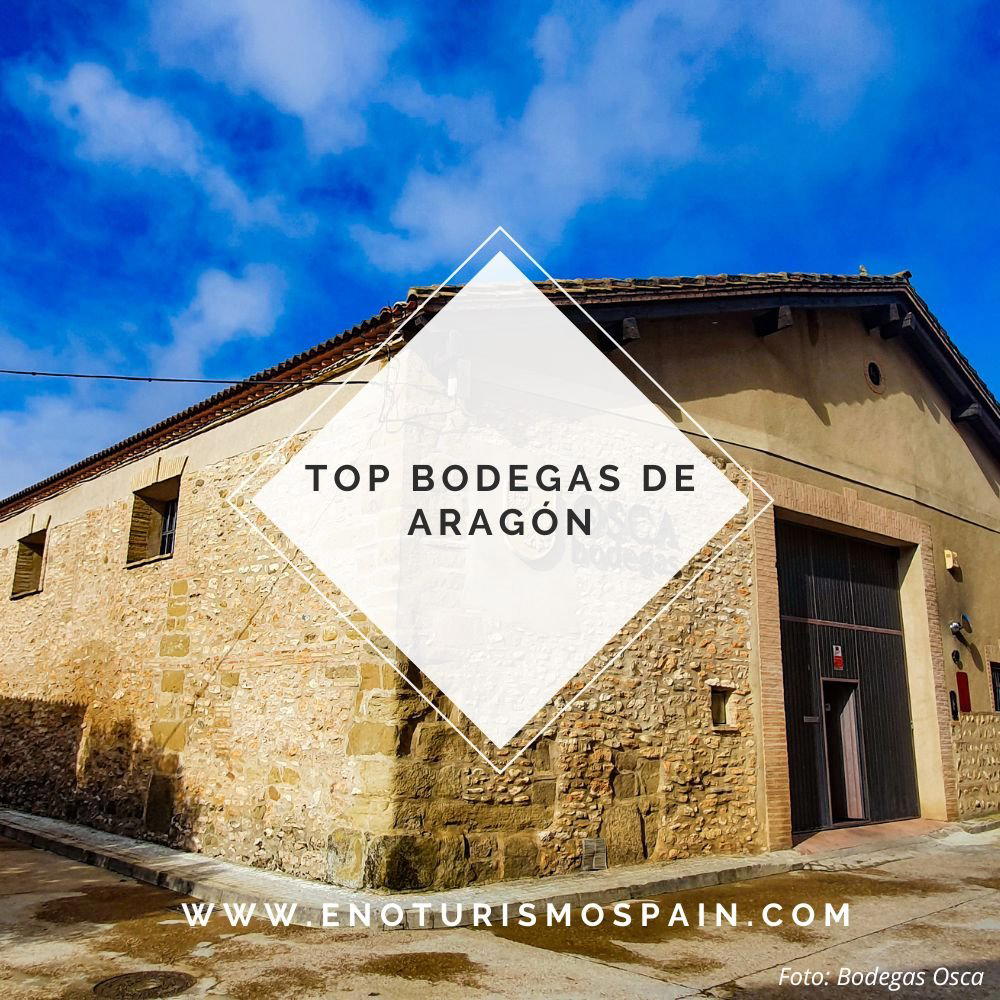
Bodegas Raices Ibericas
Maluenda, Spain
Worth booking if you want a practical, wine-focused stop in Aragón rather than a polished estate visit. Bodegas Raices Ibericas is strongest for Garnacha and native Spanish varieties, with enough Falstaff-recognized credibility to justify taking the tasting seriously before deciding which bottles to buy.
Barton Jones Wines
Upper Capel, Australia
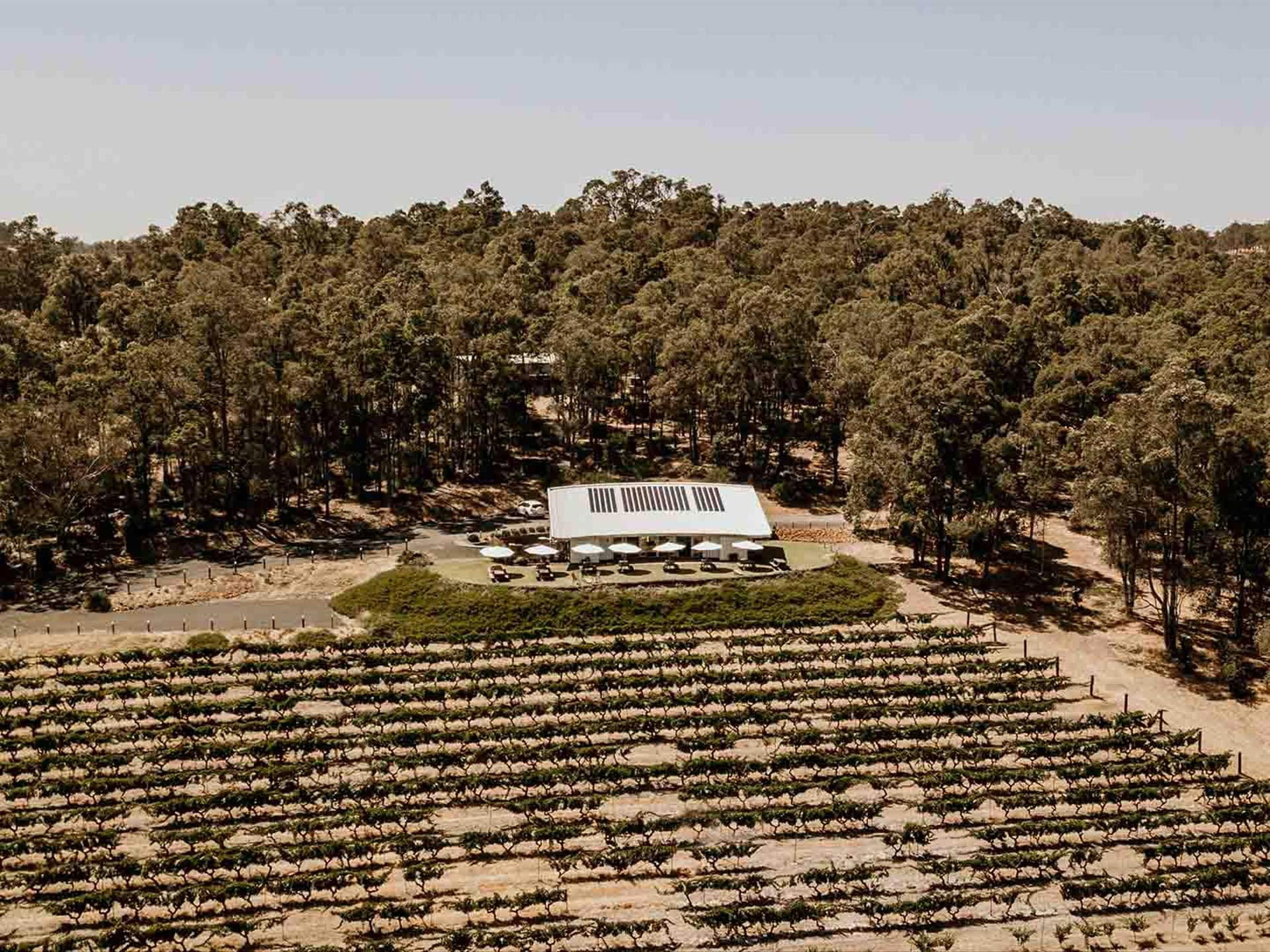
Barton Jones Wines is a good Upper Capel pick for a quiet, casual cellar-door stop with vineyard views, estate history, and a Geographe-focused portfolio. Go for Semillon, Sauvignon Blanc, and other core varietals rather than a restaurant-style winery outing; the value is strongest for travellers who want context, calm, and bottles tied to the property.
Caymus Vineyards
Rutherford, United States
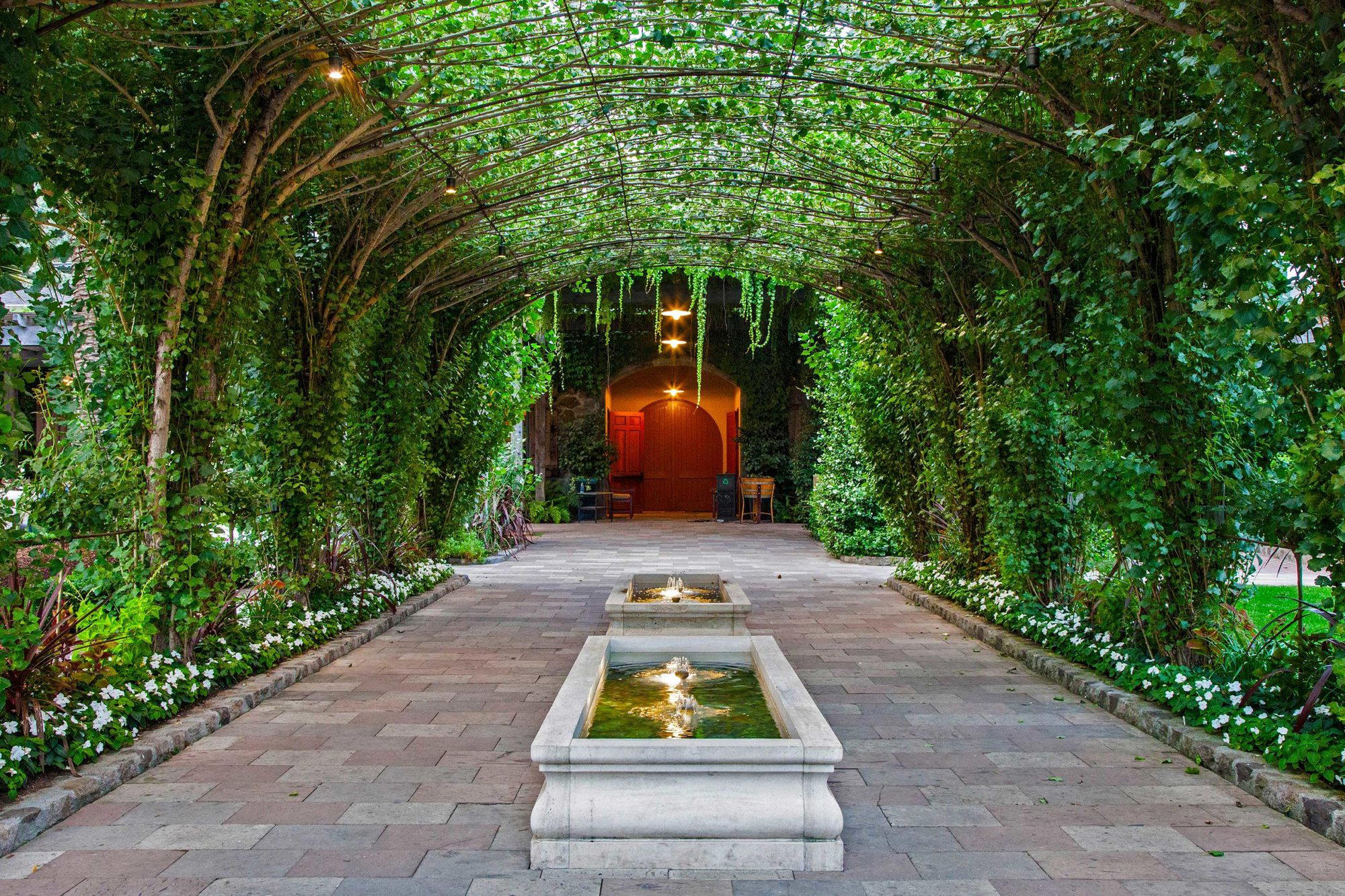
Caymus Vineyards is worth booking for a polished Rutherford tasting built around serious Napa Cabernet reputation. It is better for celebrations, date weekends, and client outings than casual group-hopping, especially given tight availability. If the schedule needs flexibility, compare nearby Rutherford wineries before locking the day.
Hungrycircle
Breganze, Italy
Hungrycircle is worth an appointment if you want to see Breganze through the lens of alcohol-free Italian beverage design rather than classic winery hospitality. Its SEEP. project uses grape must and fully dealcoholized Italian wine, with a clear focus on inclusive shared-table drinking. Skip it if you want vineyard touring or a standard tasting-flight format.
Agrilandia
Castiglioncello, Italy
Agrilandia is worth booking if you want a relaxed Castiglioncello winery visit built around vineyard time, Cabernet-led Tuscan wines, and simple al fresco hospitality. It is better for couples and small groups than for travelers chasing a formal cellar-door showpiece, and it works best as one part of a coastal Tuscany day.
Bodegas Marta Maté
Tubilla Del Lago, Spain
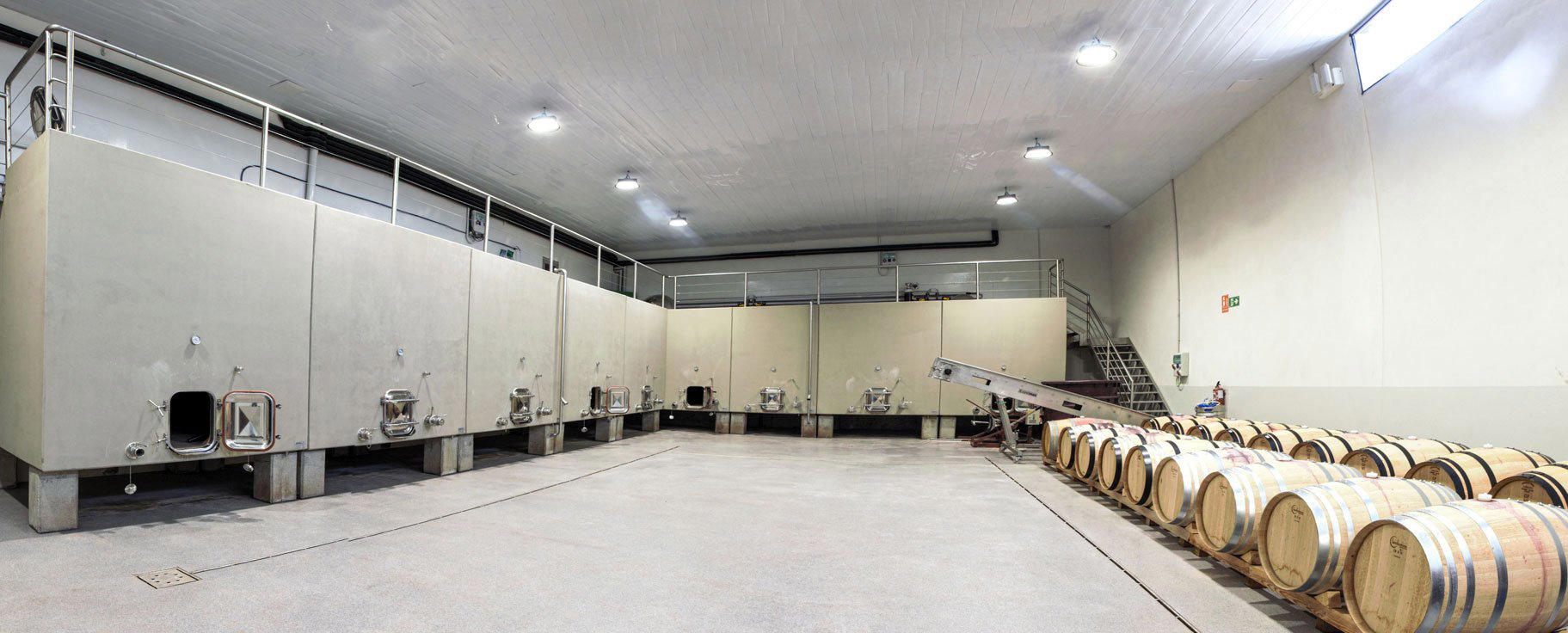
A strong choice for serious Ribera del Duero buyers who want limited-production Tinto Fino, old-vine context, and a quiet countryside winery rather than a polished visitor circuit. The case is strongest if access to bottles or allocation insight matters; casual tasters should plan carefully because visits are appointment-only and hard to secure.
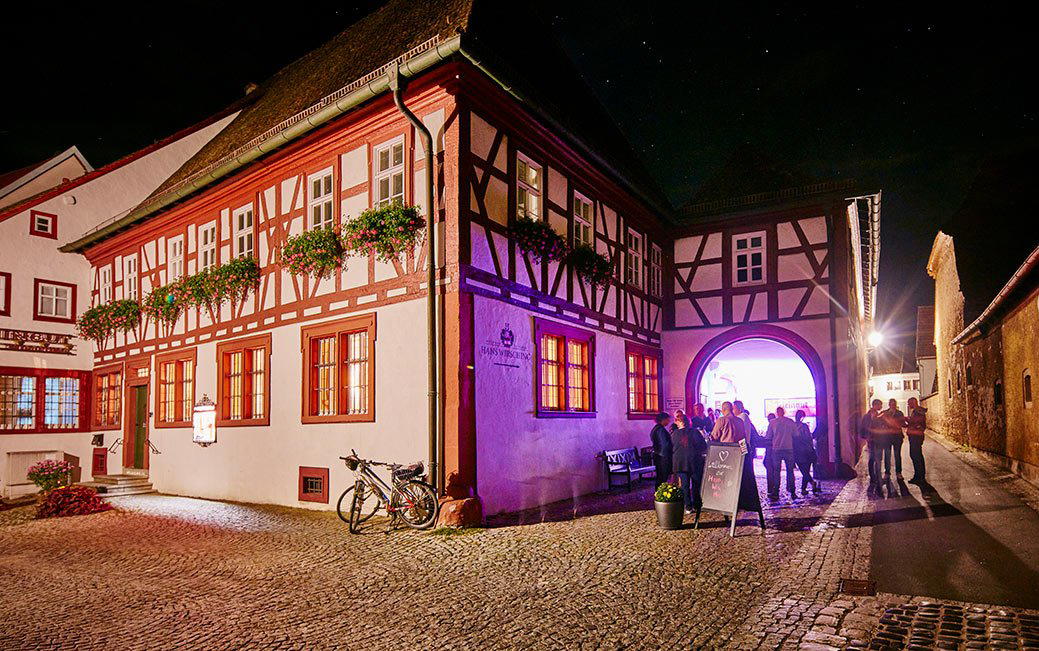
Bocksbeutel-Hof
Escherndorf, Germany
Bocksbeutel-Hof is worth booking as an easy Franconian wine stop, especially if the goal is regional Silvaner, Riesling, Scheurebe, and cooperative-village character rather than a formal food pairing. Go for a relaxed tasting-room experience in Escherndorf; plan meals separately if the occasion needs a full dining program.
Château Poitevin
Jau Dignac Et Loirac, France
Château Poitevin works if the priority is a calm Médoc estate stop rather than a restaurant-style wine experience. With Falstaff Listed recognition for 2026, it has a credible quality signal, but plan it as part of a wider Jau-Dignac-et-Loirac route and arrange food separately.
Cecchetto Giorgio
Vazzola, Italy
For a Veneto wine trip in 2026, Cecchetto Giorgio is a plan-ahead Vazzola stop with a serious quality signal: Falstaff 3 Stars. It suits travellers who value producer depth over easy logistics; skip it if the group needs visible hours, online booking, or predictable drop-in tasting details.
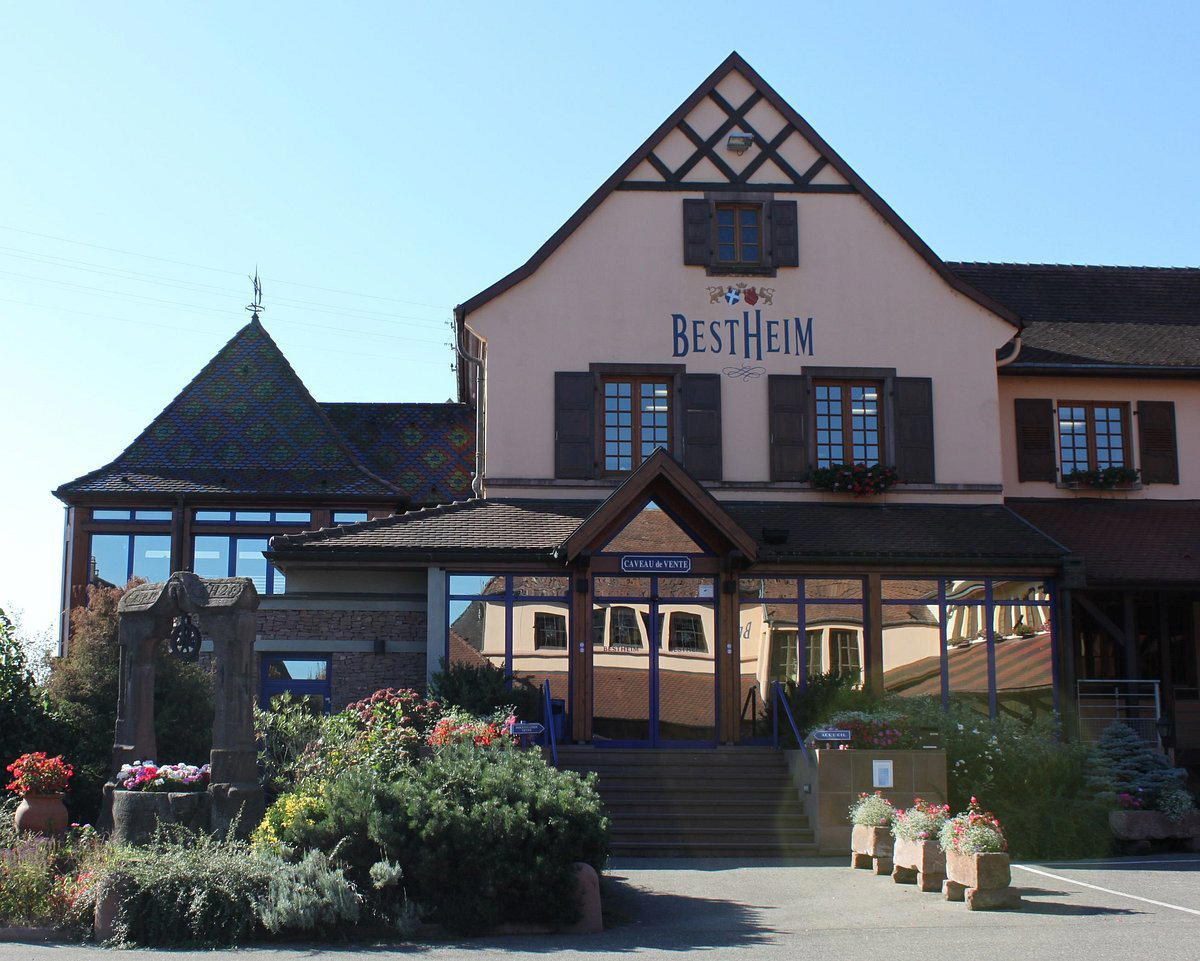
Bestheim
Bennwihr, France
Bestheim works as a practical Bennwihr winery stop with 2025 Decanter-derived recognition, especially if the itinerary already runs through central Alsace. Make it an efficient add-on rather than the single headline tasting if the group wants a more distinctive estate-led experience; Hugel, Maison Trimbach or Albert Boxler are stronger anchors for name-driven Alsace trips.
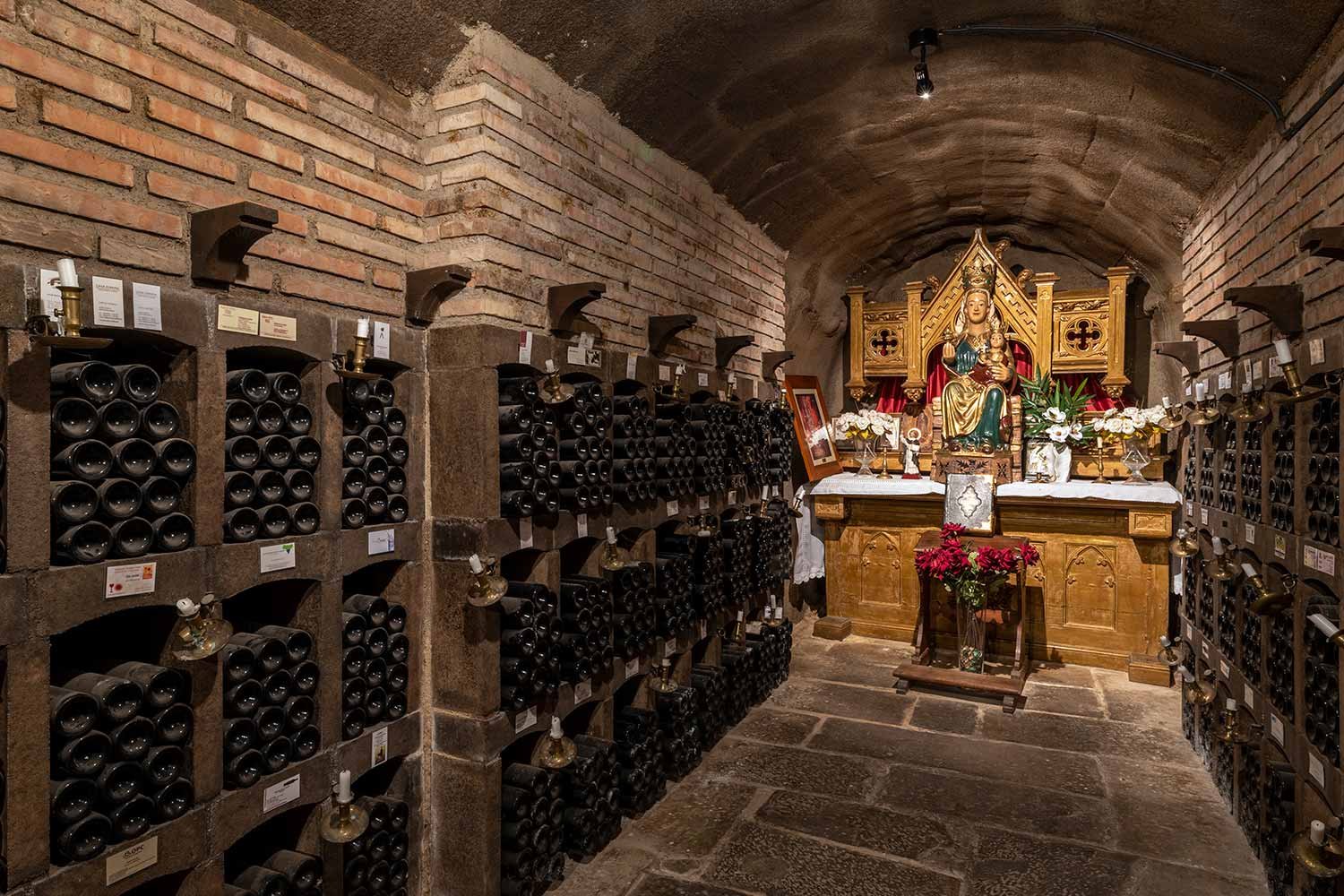
Bodegas Valdelana
Elciego, Spain
A strong pick for a focused Rioja Alavesa winery day in Elciego, especially for return visitors who want a calmer cellar-led stop rather than a spectacle-heavy itinerary. Falstaff 2 Stars in 2026 gives it a clear quality marker, but the practical move is to plan ahead and keep the day built around wine.
Joseph Castan
Gignac, France
Joseph Castan works as a low-friction Gignac wine stop, especially for travelers building a broader Occitanie itinerary. The current Falstaff listing gives it a useful trust signal, but treat the visit as regional context rather than a high-production tasting-room centerpiece.
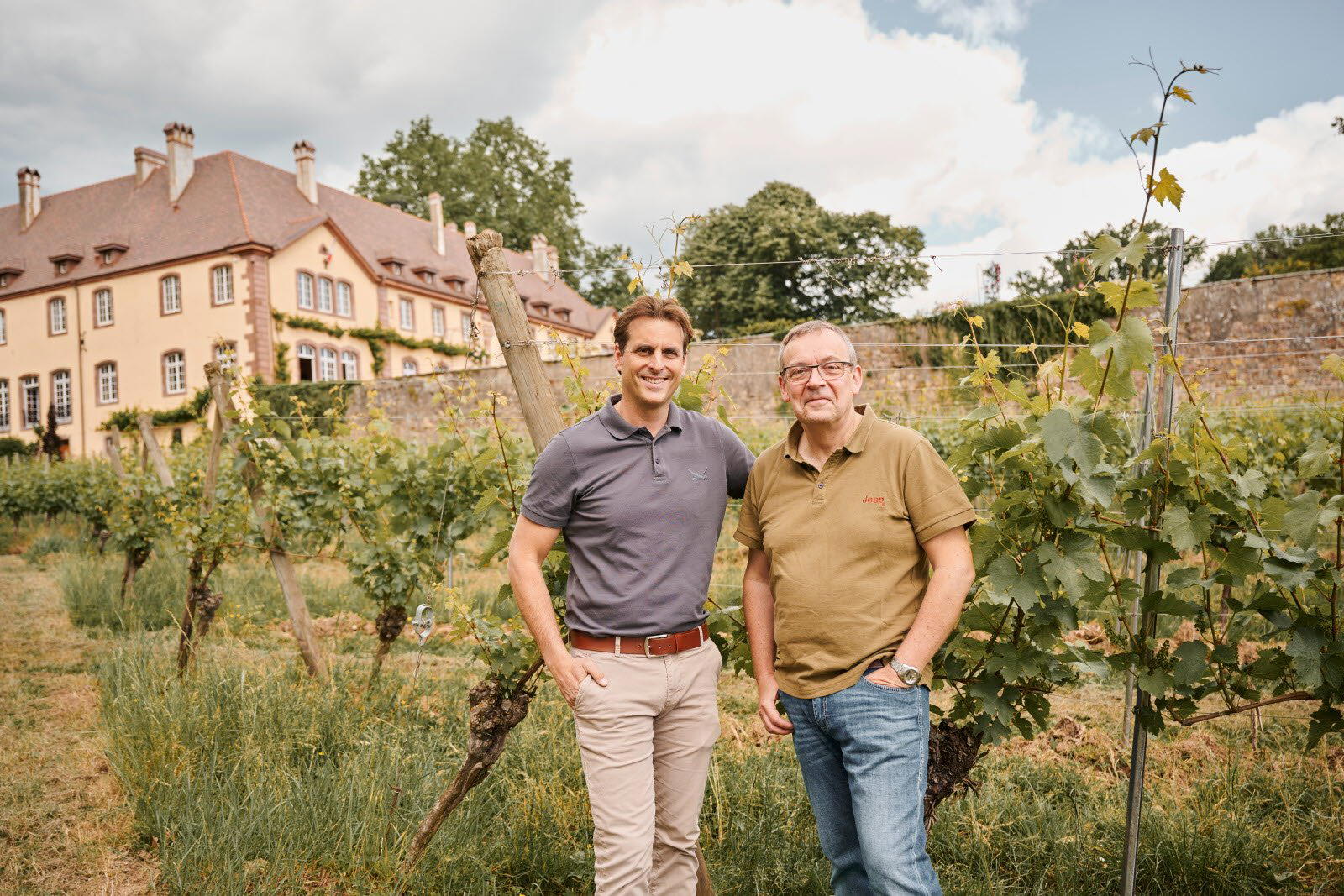
Château d’Ollwiller
Wuenheim, France
Book Château d’Ollwiller if the goal is a site-specific Alsace tasting with château history, Grand Cru context, and a calm vineyard setting near Wuenheim. It is a stronger fit for Riesling, Gewurztraminer, Pinot Gris, Muscat, and Crémant Rosé drinkers than for visitors seeking a quick casual pour.
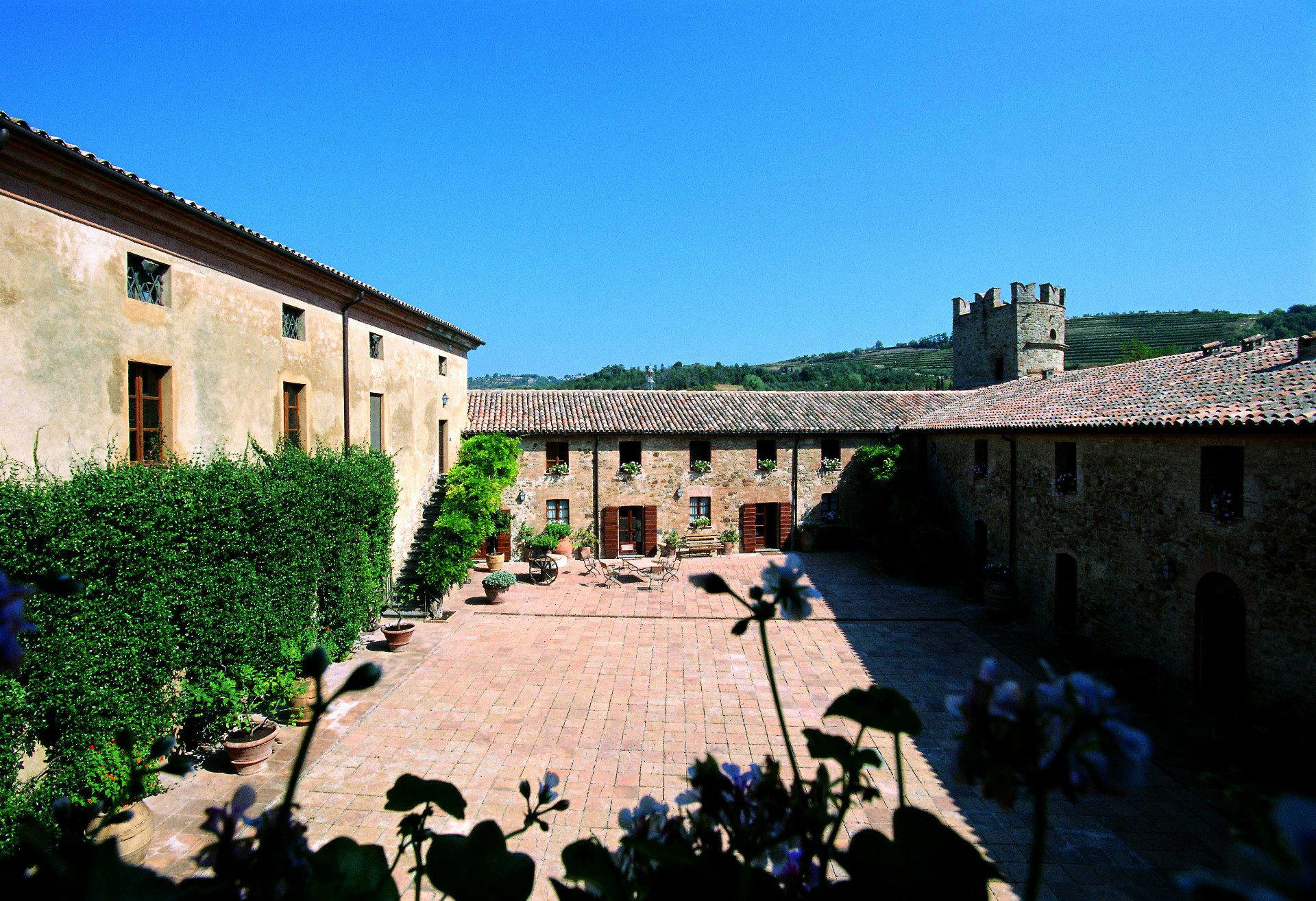
Castello della Sala - Marchesi Antinori
Ficulle, Italy
Book this for a polished Umbrian winery visit with real production substance, not just castle scenery. Castello della Sala - Marchesi Antinori is strongest for special occasions and white-wine drinkers who want to understand the estate’s cellar work, altitude, and Chardonnay-Grechetto focus; casual tasters may find the $$$ positioning more than they need.
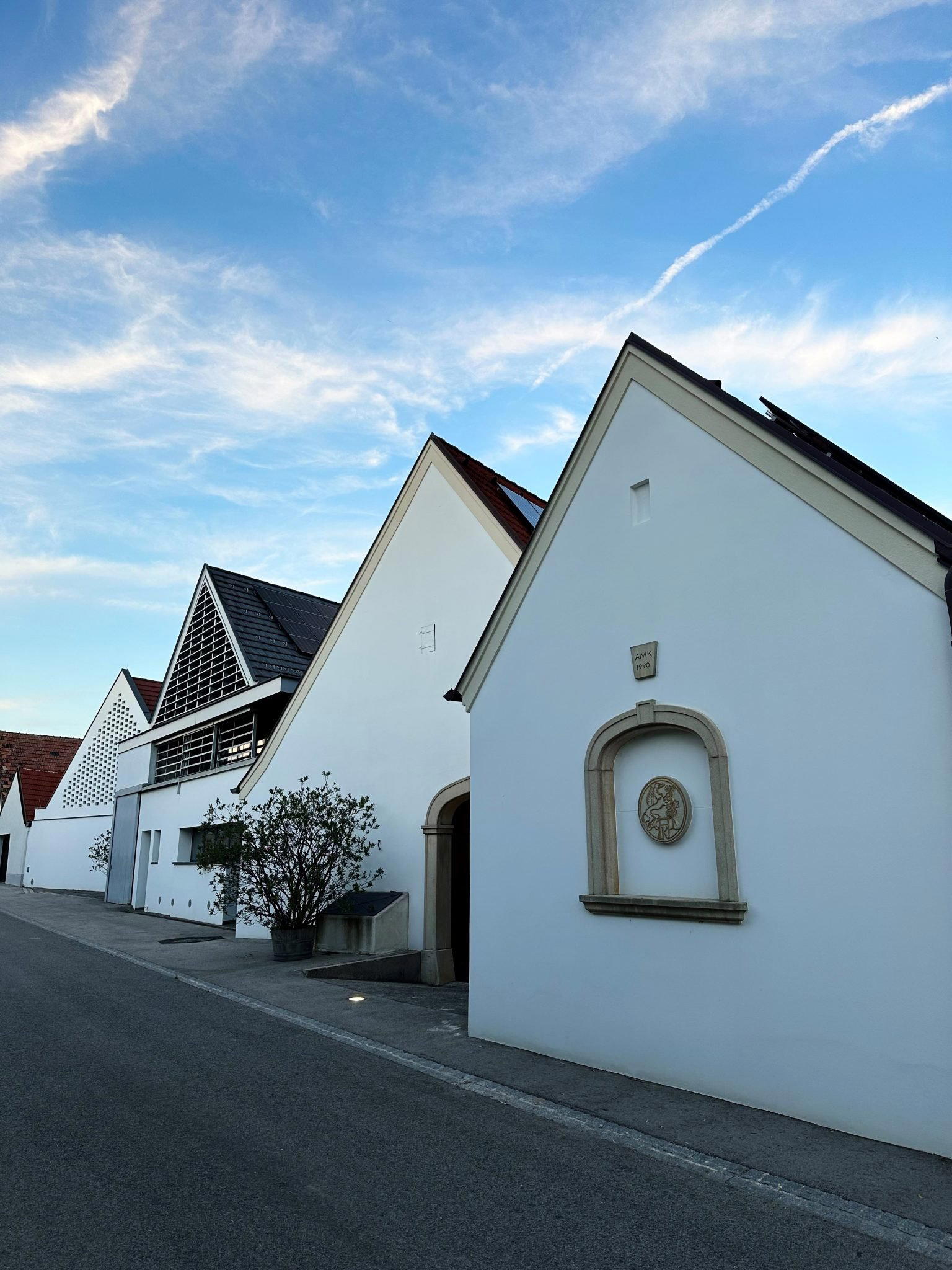
Weingut Kollwentz
Großhöflein, Austria
Weingut Kollwentz is a serious Großhöflein winery pick for travelers planning a wine-led Burgenland stop, not a casual walk-in tasting. Treat it as a special-occasion appointment: small group, advance planning, and a backup nearby if timing is tight.
Bodega Vinas dos Victorias S.L.
San Roman De La Hornija, Spain
A focused Toro winery for travellers who want depth on Tinta de Toro rather than a broad hospitality experience. The draw is its quiet, classic style, San Román de la Hornija setting, and traditional regional focus; it is less suited to casual groups looking for flexible visits or food-led programming.
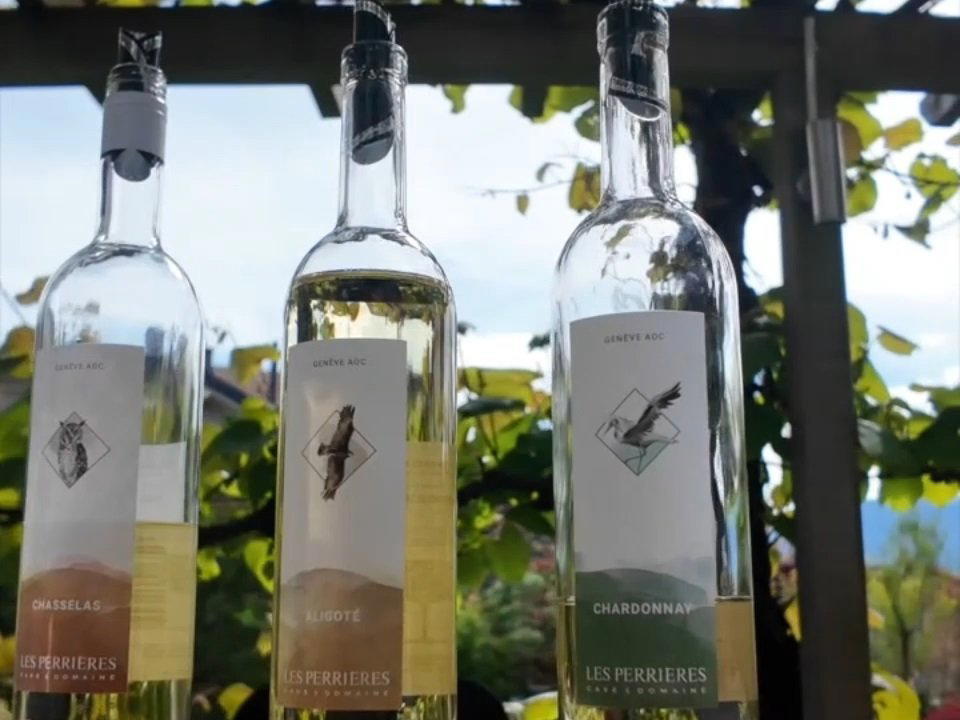
Cave & Domaine Les Perrières
Satigny, Switzerland
Go this season if you want a quiet, traditional Geneva cellar tasting with real heritage behind it. Cave & Domaine Les Perrières is a $$ Satigny winery in an eighteenth-century farmhouse setting, with Falstaff 1 Star recognition for 2026 and a broad local portfolio. Treat the food side as pairing support, not a full dining plan.
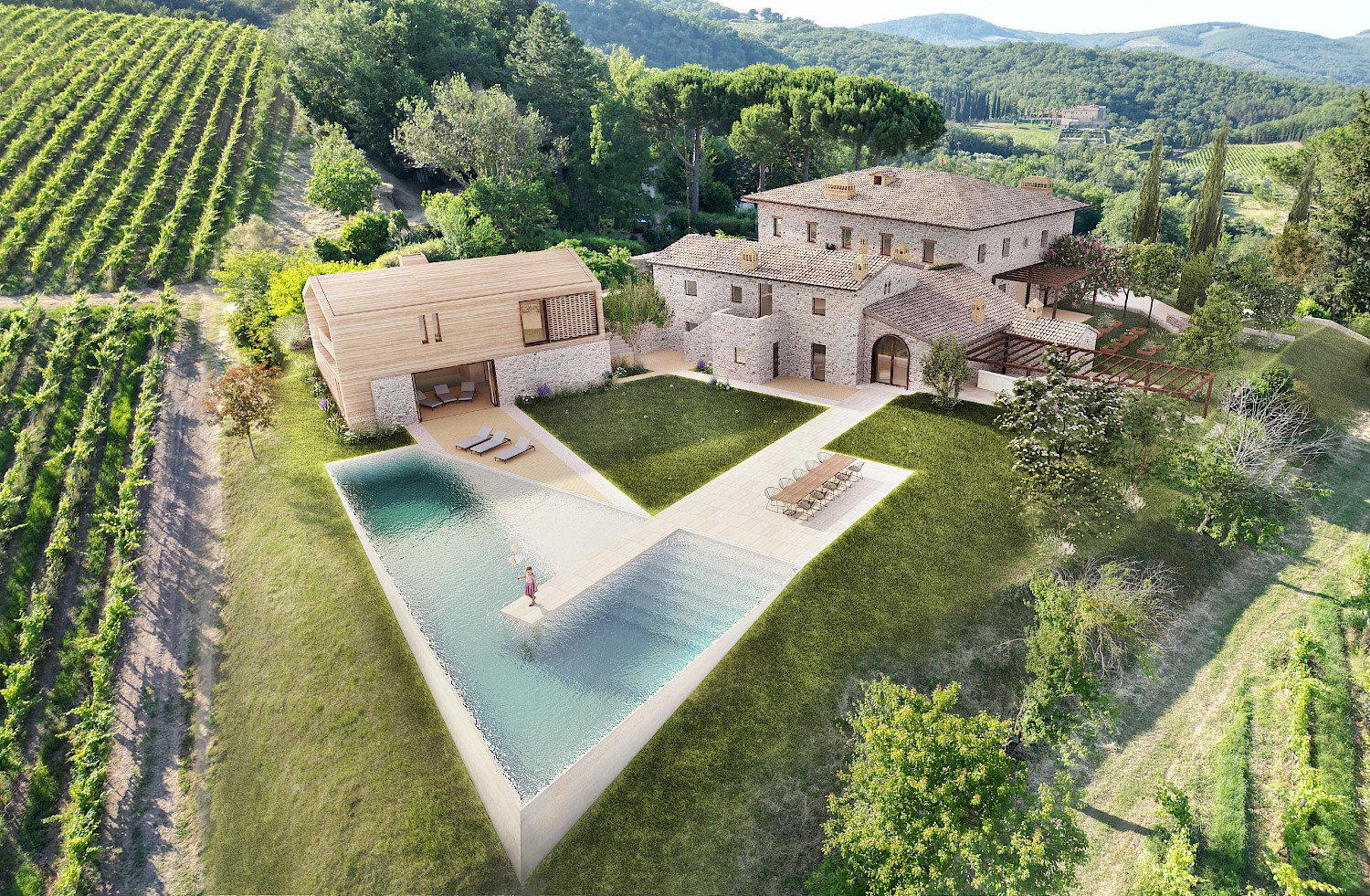
Terrabianca
Radda in Chianti, Italy
Book Arillo in Terrabianca if the setting matters as much as the tasting. This is a $$$ Chianti Classico estate for travelers who want organic Sangiovese, vineyard context and a calm Radda valley atmosphere rather than a flashy wine-tourism stop. It is strongest for couples and small groups planning a slower, terroir-focused visit.
JanotsBos
Meursalt, France
Book JanotsBos if you want a serious Meursalt cellar appointment rather than a casual tasting stop. The draw is the educational format, courtyard-and-walled-vineyard setting, possible seasonal barrel tasting, and premium Meursault Chardonnay context backed by a Falstaff listing for 2026.
How many of these have you visited?
Find out on Pearl and keep score across every place in 2026 Falstaff Winery Guide.