
Cederberg Cellars
Cederberg Wilderness Area, Clanwilliam
Winery in Clanwilliam, South Africa
 Book with Pearl
The Read
Altitude-Driven Cape Wine
Price
$10–20tasting
Why go
Cederberg Cellars is worth prioritising for a wine-led celebration in the Clanwilliam area, especially if a quieter, destination-style tasting suits the occasion. Do not build the plan around food unless that has been confirmed separately; the stronger play is to treat it as the anchor winery and arrange dining around it.
About Cederberg Cellars
Cederberg Cellars is a Clanwilliam venue with Pearl 2 Star Prestige recognition for 2025. For planning purposes, keep the brief simple and deliberately conservative: this is a venue to consider when that recognition and the Clanwilliam setting are enough to make it relevant to your trip. Confirm details such as a specific restaurant format, menu, tasting structure, price, opening hours, or booking policy directly with the venue. That restraint is useful, especially if the visit is part of a longer day, a special occasion, or a route where timing and expectations matter.
The dress code is smart casual, which makes it suitable for a considered outing rather than an overly informal stop. It suggests a visit that benefits from a little preparation, without implying anything more specific about the experience itself. If your occasion depends on food, a particular service style, timed experiences, or a broader day plan, confirm those pieces before committing. The same applies if different people in your group have different expectations of what the stop should include. If your group is comfortable planning around a recognised Clanwilliam venue and checking the practical details in advance, Cederberg Cellars can still be a purposeful part of the itinerary.
Choose it for its Clanwilliam recognition
The strongest reason to consider Cederberg Cellars is its Pearl 2 Star Prestige recognition in 2025. That is the grounded distinction to rely on, and it should remain the centre of the decision. Information regarding cuisine, chef, menu, pairing format, price, service schedule, seating count, or take-out and delivery service is not available, so those should not be assumed or treated as part of the promise. For birthdays, anniversaries, dates, or small-group plans, the practical question is whether the available details are enough, or whether your occasion needs more detail before it feels secure. A relaxed group may be satisfied with the recognition, the location, and advance confirmation of essentials. A more structured occasion may require clearer information before it deserves a firm place in the schedule.
For readers building a wider Clanwilliam plan, use the Clanwilliam hotels guide for accommodation research and check other Clanwilliam options separately. It helps separate the accommodation decision from the question of where to eat, taste, visit, or spend time. If you are comparing recognised destinations more broadly, Cederberg Cellars can be considered alongside Kloovenburg Wine & Olive Estate, Org de Rac Organic Wines, Rijk's Wine Estate, Sadie Family Wines, and Saronsberg Cellar, while confirming each venue's current details independently. The comparison is most useful when it stays disciplined: recognition can place a venue on the shortlist, but current practical details should decide whether it fits your actual plan.
The practical call: consider Cederberg Cellars when you want a Clanwilliam venue with 2025 Pearl 2 Star Prestige recognition and a smart-casual dress code. Treat it as a considered option rather than a fully defined experience. Before making a special trip, confirm any operational details that matter to your group, especially reservations, hours, food availability, accessibility, and any specific visit format. With those checks in place, the venue can be assessed on firm ground rather than hopeful assumptions.
Planning details
- Location
- Dwarsrivier Farm, Clanwilliam, 8135
- Website
- cederbergwine.com
- Phone
- +27 27 482 2827
The take
The Take
The Vibe
Cederberg Cellars feels remote and purposeful: a high‑altitude estate where mountain climate and sandstone soils shape every bottle. The writing leans on terroir — long, cool nights, water‑stress and deep vine roots — and positions the property outside South Africa’s usual coastal wine tourism loop. That distance contributes to a quiet, refined character; the estate reads as a serious, terroir‑driven producer rather than a bustling tasting‑room destination. A Platter 2 Star Prestige rating reinforces the sense of consistent quality, so visitors come for the landscape and the wines as much as for convivial hospitality.
Best For
This is a destination for people curious about how altitude and aridity influence South African wines. The estate’s remote setting and emphasis on terroir make it well suited to wine‑education visits and focused tastings where conversation centers on climate, soils and low‑yield viticulture. Its scenic, elevated location and considered production also suit intimate special occasions and romantic getaways for pairs who value landscape and provenance over crowds. Because Cederberg sits off the main Cape Winelands circuit, it particularly appeals to travelers seeking a quieter, more contemplative tasting experience.
Tasting Tips
When tasting here, orient the conversation around terroir and vintage expression: the estate’s long, cool nights and sandstone‑derived soils are repeatedly cited as primary influences. Look for wines that demonstrate mineral tension and concentrated fruit from low yields rather than overtly textured styles. The estate’s Platter 2 Star Prestige rating indicates consistent quality—ask which bottlings best exemplify elevation and age‑worthiness. Keep questions focused on site and viticultural choices to deepen your understanding of how this distinct growing environment shapes the wines you’re sampling.
Venue details
Ambiance
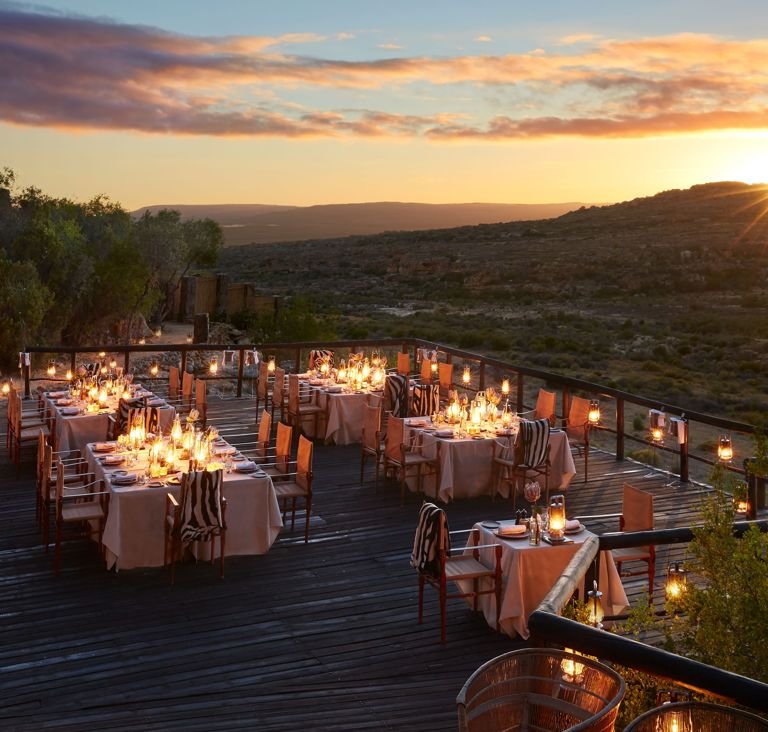
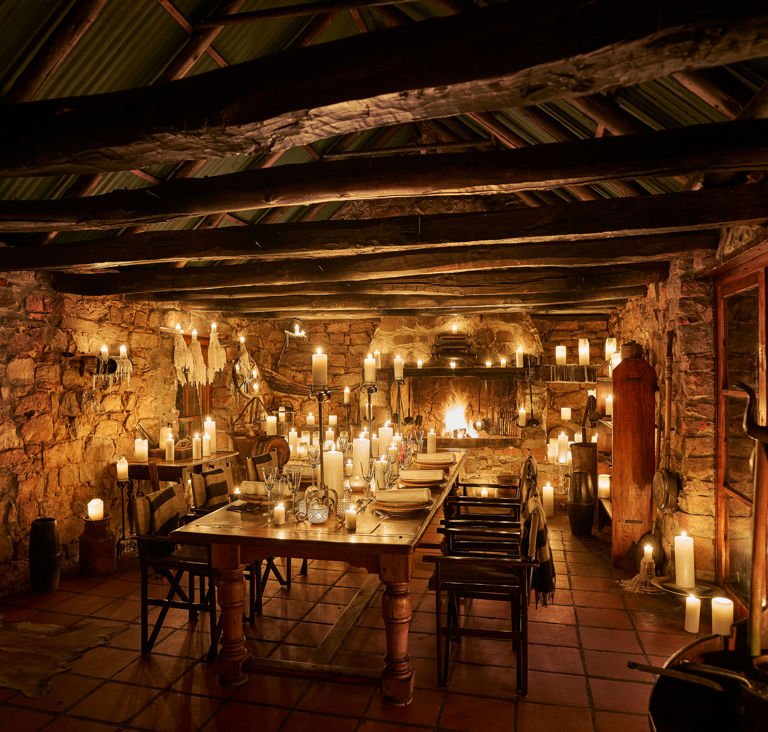
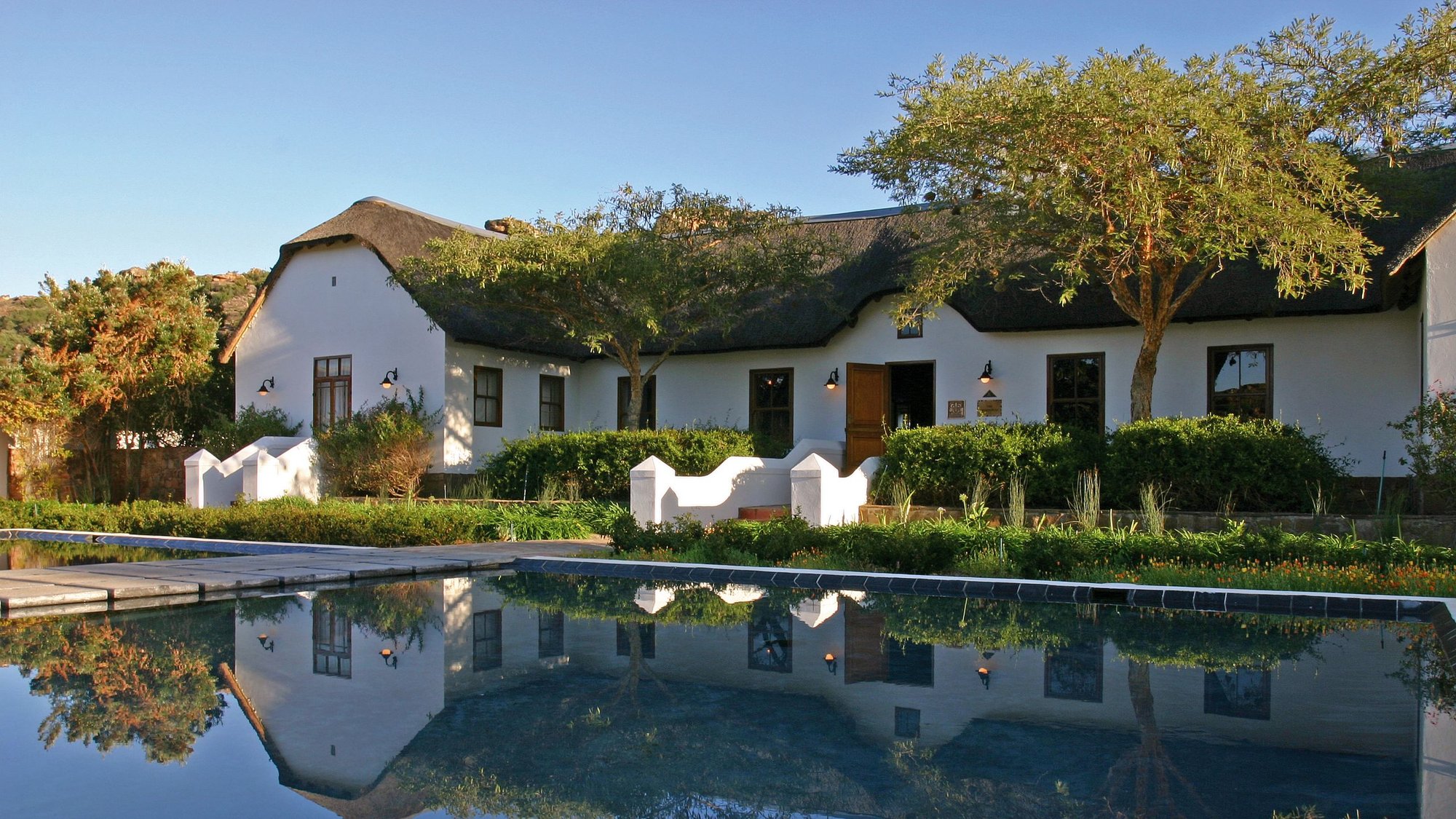
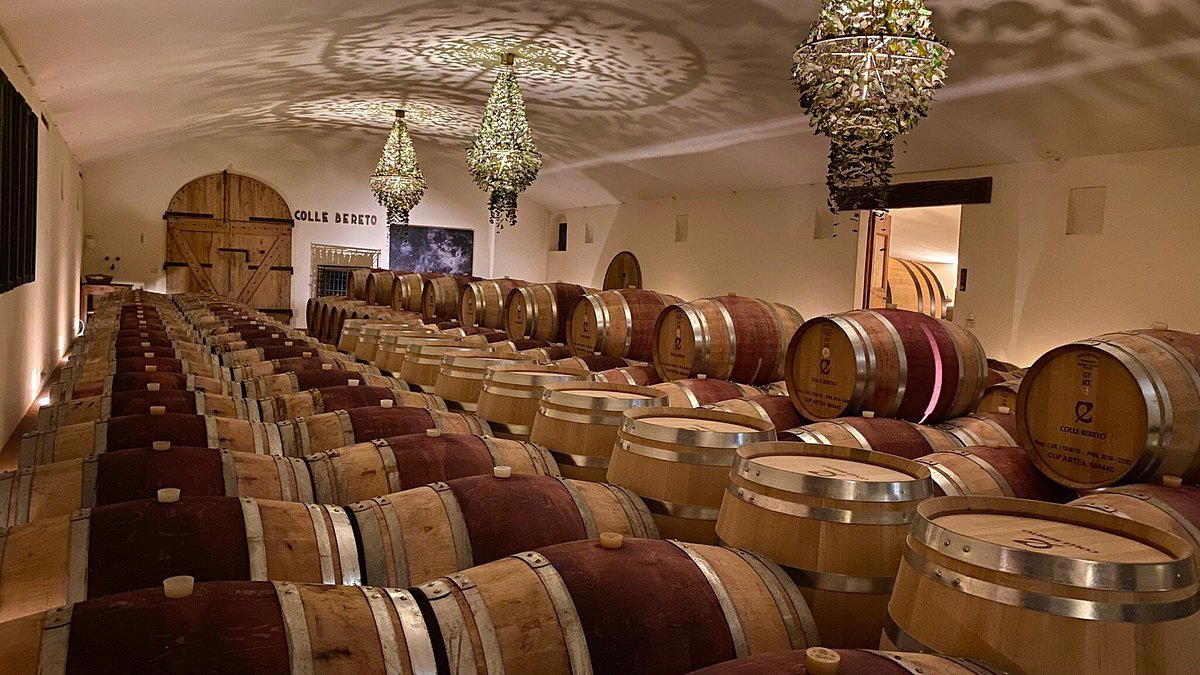
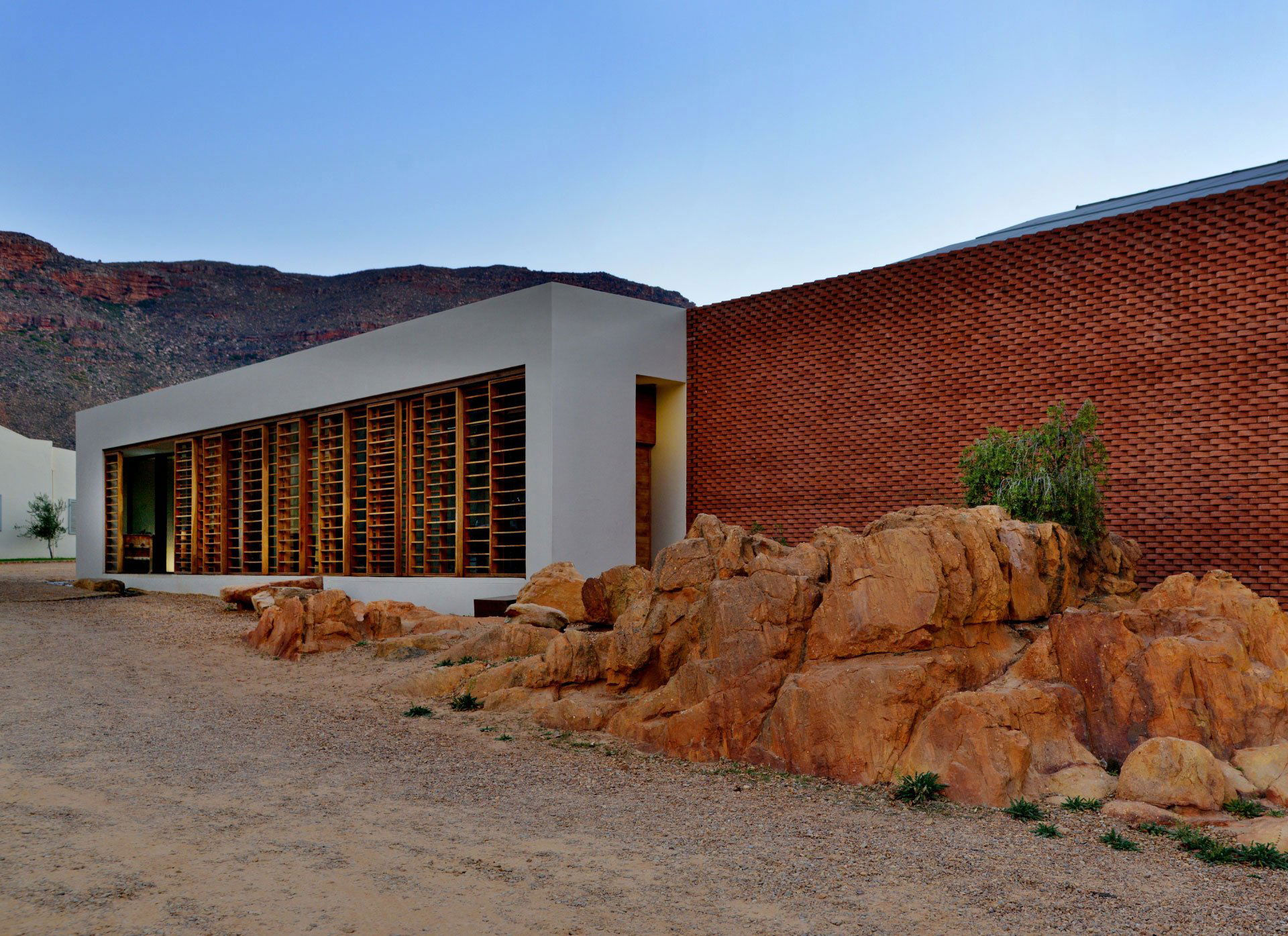
Warm and welcoming contemporary tasting room with knowledgeable staff, designed to highlight stunning vineyard and mountain surroundings in an isolated, serene setting.
Tags
Vibe
Best For
Experience
Sourcing
View
At the Vineyard
- Appellation
- Cederberg
- Varietals
- Cabernet Sauvignon, Chenin Blanc, Sauvignon Blanc, Shiraz, Bukettraube
- Tour Duration
- 90-120 minutes
- Tour Languages
- English
- Visits
- By appointment only
- Farming
- Sustainable
- Wine Styles
- Still Red, Still White, Sparkling
- Shipping
- Available
- Wine Club
- Available
Know before you go
Know Before You Go
- Getting there
- Dwarsrivier Farm, Clanwilliam, 8135
Planning details
Location
Recognition and awards

Also consider
Where to look if this does not fit the plan
If the group wants an organic-wine angle, try Org de Rac Organic Wines. If the priority is a harder-to-access, collector-minded wine stop, look at Sadie Family Wines instead.
Winery context
How it compares in the wider wine-trip set
Choose Cederberg Cellars when the priority is a quieter, destination-style wine stop rather than an easy, multi-venue day. Org de Rac Organic Wines is the more obvious cross-shop for visitors who care about organic positioning, while Saronsberg Cellar and Rijk's Wine Estate make more sense if the day needs a broader Tulbagh-style circuit with multiple nearby stops.
For ambiance, Cederberg Cellars is the better call for a low-noise, special-occasion tasting where the journey is part of the appeal. Kloovenburg Wine & Olive Estate is a stronger fallback if the group wants wine with an estate-product angle, while Sadie Family Wines is the peer to consider when the goal is cult-wine seriousness and the group is willing to deal with tougher access.
On value, the safest framing is not price per tasting, because confirmed pricing is not listed here. The value case is experience quality for travellers already committed to the area. If convenience matters more than remoteness, cross-shop Org de Rac Organic Wines or Kloovenburg Wine & Olive Estate; if prestige and scarcity matter more, compare against Sadie Family Wines.
Explore Clanwilliam
Around this place
Discover more on Pearl
Unlock the full Cederberg Cellars guide in Pearl, including awards, comparisons, FAQs, planning details, and nearby places.
Compare Cederberg Cellars
| Venue | Location | Awards |
|---|---|---|
| Cederberg Cellars | Clanwilliam | 2026 Falstaff Winery Guide |
| Org de Rac Organic Wines | Swartland | 2026 Falstaff Winery Guide |
| Saronsberg Cellar | Tulbagh | 2026 Falstaff Winery Guide |
| Rijk’s Wine Estate | Tulbagh | No published awards |
| Kloovenburg Wine & Olive Estate | Swartland | No published awards |
| Sadie Family Wines | Swartland | 2026 Falstaff Winery Guide |
How Cederberg Cellars Clanwilliam compares with similar nearby venues.
FAQ
Frequently Asked Questions
How long should I plan for a visit to Cederberg Cellars?
Information on typical visit length is not provided. If you are planning a trip to Cederberg Cellars in Clanwilliam, confirm current operating details directly with the venue before setting your itinerary.
Do I need a reservation at Cederberg Cellars?
Information on reservation policy is not provided. If you are making a special trip to Clanwilliam, contact the venue in advance rather than assuming walk-in availability.
Are there membership details available for Cederberg Cellars?
Membership details are not provided. Rely on information confirmed directly by Cederberg Cellars, and compare any current terms with other venues only after checking their official details.
What other venues can I compare with Cederberg Cellars?
Other names to research separately include Org de Rac Organic Wines, Saronsberg Cellar, Rijk's Wine Estate, Kloovenburg Wine & Olive Estate, and Sadie Family Wines. Confirm each venue's location, hours, booking requirements, and current offering before planning a route.
When is the best time to visit Cederberg Cellars?
A recommended best time to visit is not provided. Choose a time only after confirming the venue's current hours and any booking requirements directly with Cederberg Cellars.
Does Cederberg Cellars offer shipping?
Does Cederberg Cellars serve food?
Food-service details are not provided. Do not plan a food-led outing unless Cederberg Cellars confirms the current offering directly.