


Château Lafaurie-Peyraguey
Bommes
Winery in Bommes, France
 Book with Pearl
The Read
Botrytis-Driven Premier Cru
Why go
Prioritise Château Lafaurie-Peyraguey if the goal is serious Sauternes context rather than a casual winery stop. The 1824 first-vintage marker gives the visit historical weight, and the strongest case is flagship sweet-wine assessment: taste, compare, then decide whether bottles are worth buying or shipping.
About Château Lafaurie-Peyraguey
Château Lafaurie-Peyraguey is a venue in Bommes with Gabriel Vialard listed as chef/owner. Its practical notes are deliberately concise, but they are still useful for setting expectations: the dress code is smart casual, and the venue is recognised with Pearl 4 Star Prestige (2025). Those points give the listing a clear frame. For planning, confirm directly before arrival rather than relying on assumptions about menus, hours, pricing, or additional services. That direct confirmation matters because this information does not define the full experience, and a good plan should distinguish between what is known and what still needs to be checked.
Book with confirmed details, not assumptions
The strongest reasons to note Château Lafaurie-Peyraguey are its Bommes location, Gabriel Vialard as chef/owner, and its Pearl 4 Star Prestige (2025) recognition. Taken together, those details make it a serious option for anyone specifically looking at venues in Bommes, but they should not be stretched beyond what they state. Beyond that, the safest approach is to verify the current experience directly with the venue, especially if your plans depend on timing, access, or services. A brief check before committing can clarify what is available for the date you have in mind, what the venue expects from guests, and whether the visit fits the shape of your itinerary.
Dress smart casual and keep the plan flexible until the venue confirms the practical details you need. Smart casual is a helpful baseline because it suggests a polished approach without requiring the guest to infer anything more formal than the listing supports. If you are arranging the stop around other commitments, avoid building the day on guesses about service style, opening patterns, or cost. If you are comparing options, Château Rabaud-Promis, Château Rayne-Vigneau, Château Sigalas-Rabaud, Château d'Yquem, and Clos Haut-Peyraguey are natural names to consider alongside Château Lafaurie-Peyraguey. Considering them together can help you decide whether Château Lafaurie-Peyraguey is the right fit, while still keeping the decision anchored to confirmed information rather than assumption.
Who should choose it over another option
Choose Château Lafaurie-Peyraguey if you want a confirmed Bommes venue with Gabriel Vialard as chef/owner and Pearl 4 Star Prestige (2025) recognition. It suits a guest who values those markers and is willing to complete the practical picture with a direct enquiry. It is a better fit for travellers who are comfortable confirming details in advance than for anyone who needs fully published information on format, pricing, hours, or services before deciding. In other words, it rewards the planner who can work with a dependable core of facts, then ask the remaining questions before making the visit final.
Compared with Château Rabaud-Promis and Château Rayne-Vigneau, Château Lafaurie-Peyraguey is the more relevant choice when its confirmed recognition and smart-casual dress code match the tone of the visit. The point is not to rank those names on details that are not specified, but to identify when Château Lafaurie-Peyraguey's known attributes are enough to make it the preferred option. Château Sigalas-Rabaud, Château d'Yquem, and Clos Haut-Peyraguey can also be considered as part of a broader plan. When viewed this way, the decision becomes practical rather than speculative: start with the location, chef/owner listing, recognition, and dress guidance, then confirm everything else directly before arrival.
Planning details
- Location
- 1707 Route des Gourgues
- Website
- lafauriepeyragueylalique.com/en
- Phone
- +33 5 24 22 80 11
The take
The Take
The Vibe
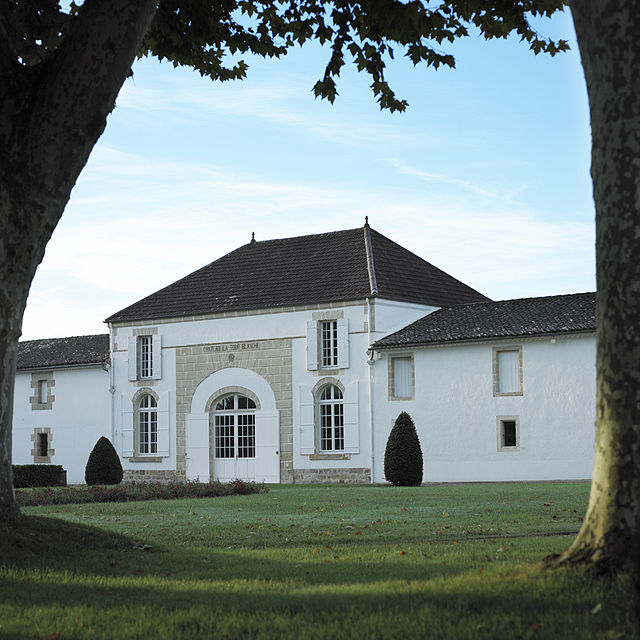
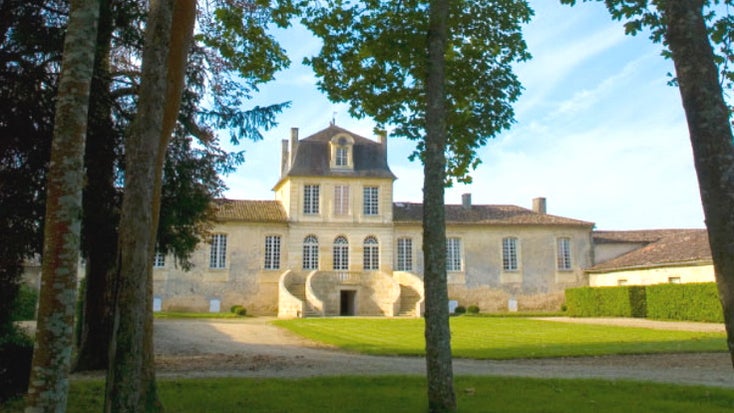
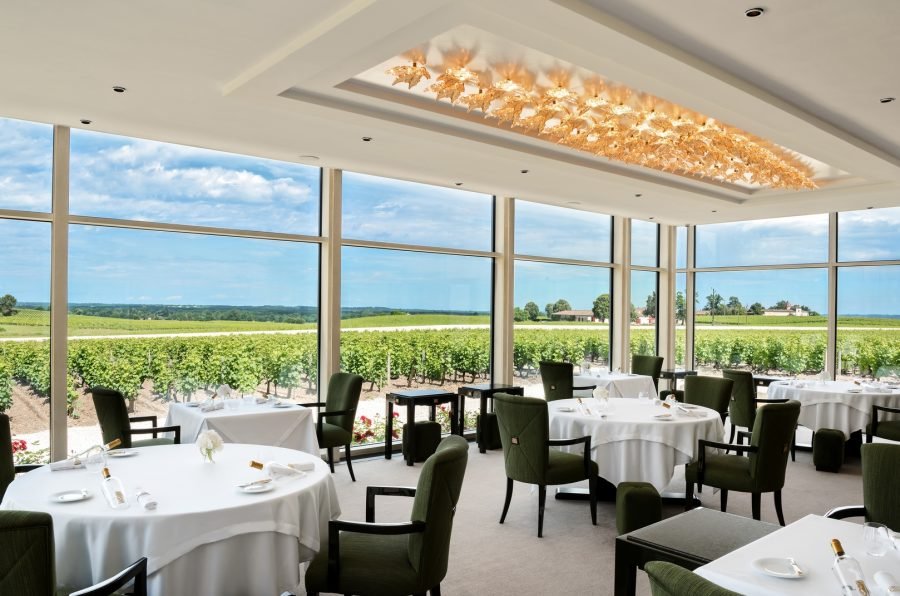
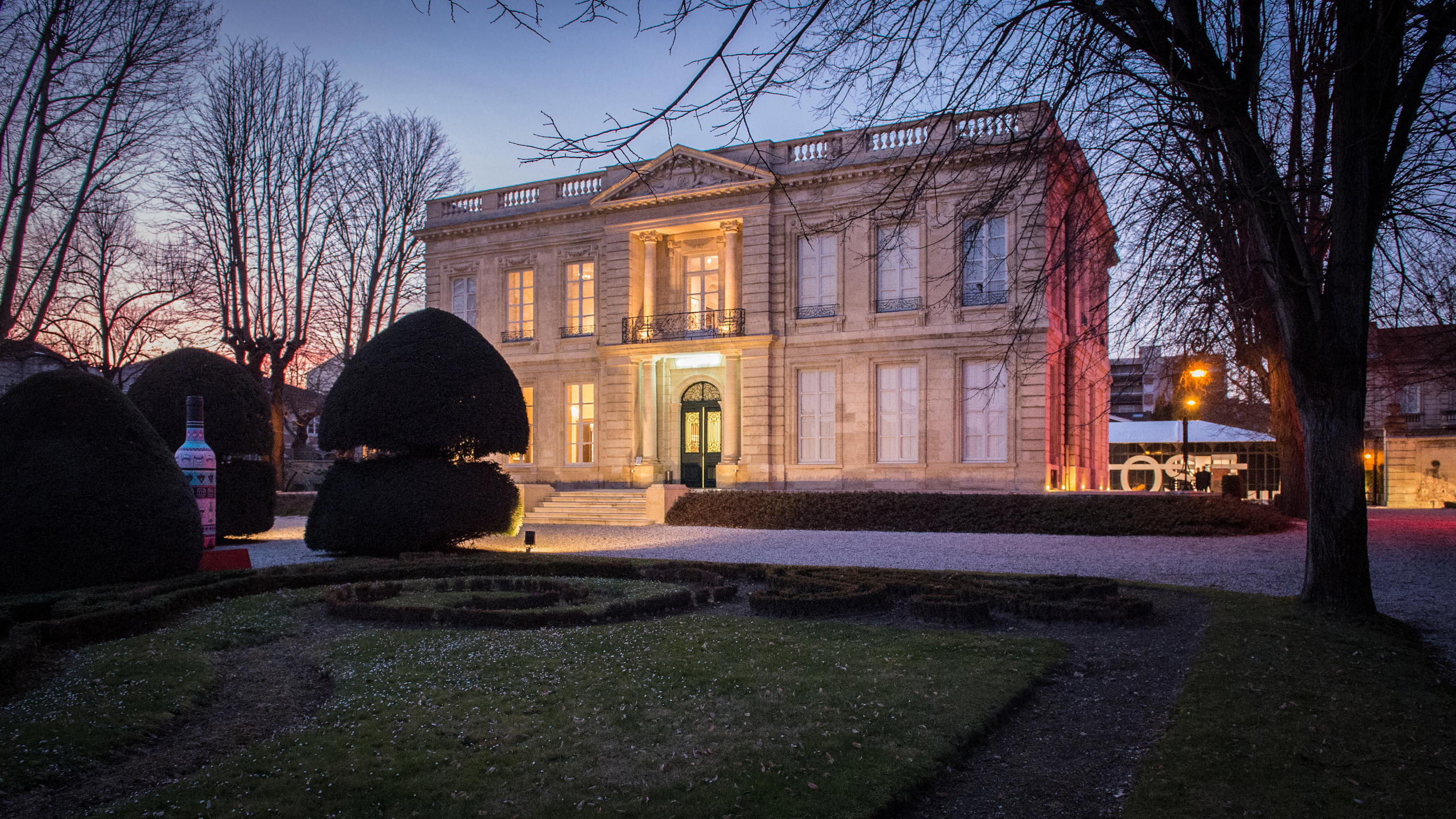
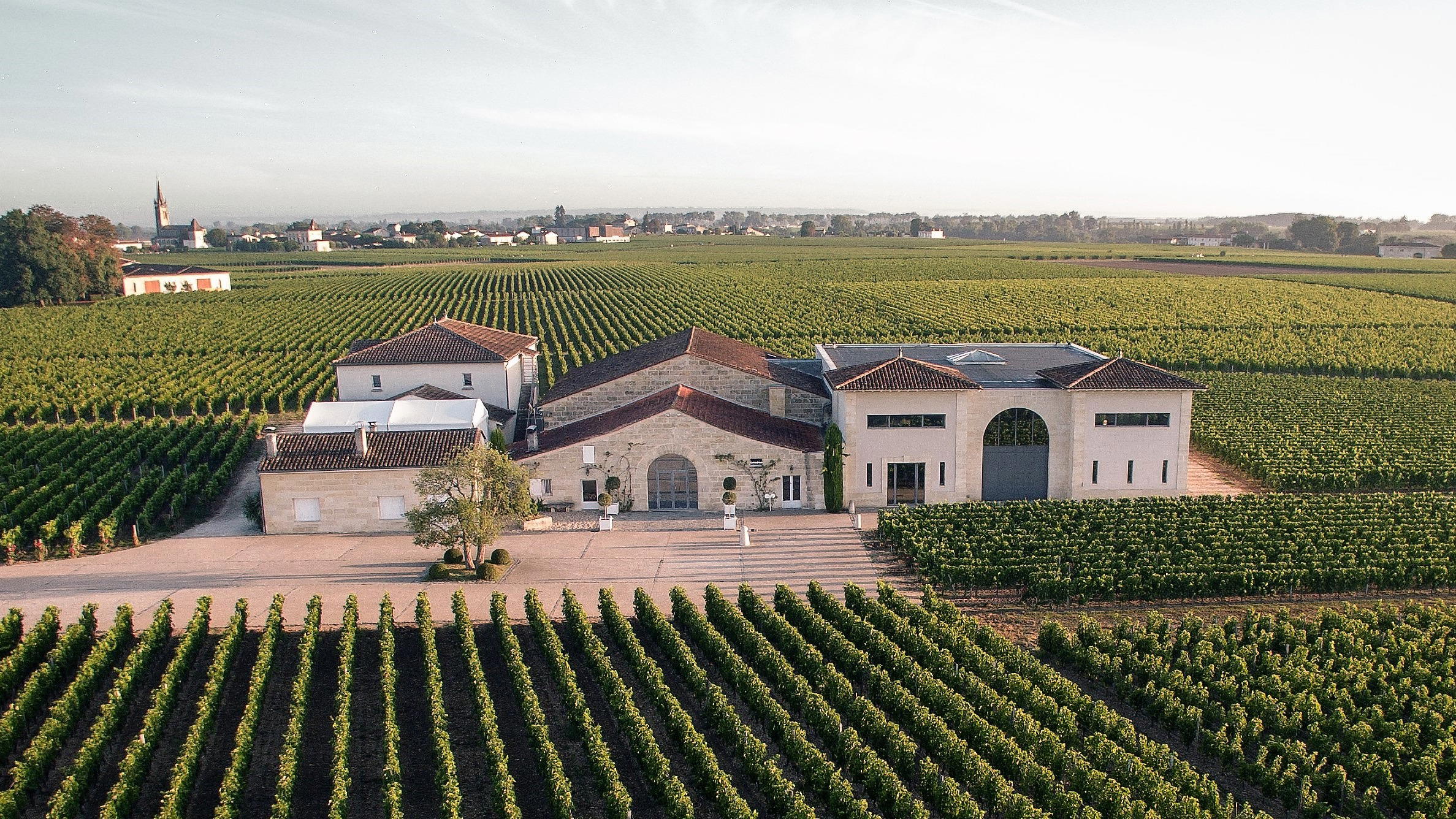
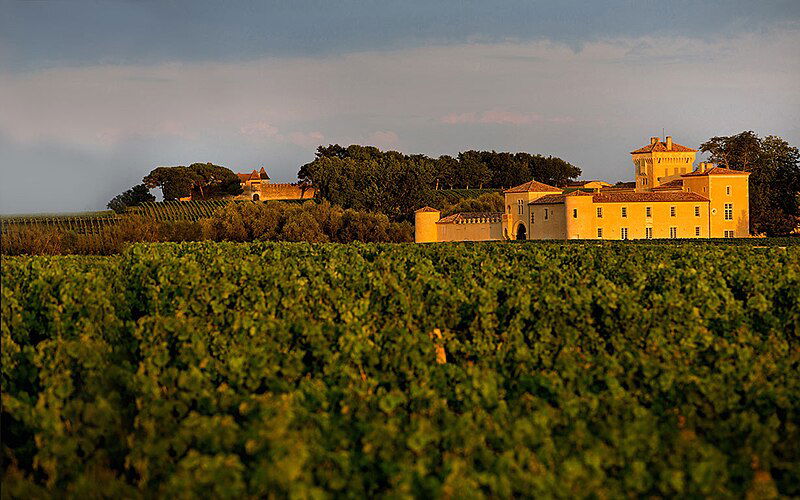
Château Lafaurie-Peyraguey presents as a historically anchored, terroir-driven Sauternes estate. Its documented history back to 1824 and Premier Cru Classé status from the 1855 Classification give the place a stately, time-honored presence. The narrative of the site is dominated by microclimate rather than architecture: cold morning mists from the Ciron and warm afternoons conspire to produce botrytis and extreme concentration in the wines. Visitors encounter vineyards, limestone and clay slopes, and an estate that reads as both scholarly and contemplative—an environment more focused on the craft and geology of sweet wine than on spectacle.
Best For
This is a destination for people who come to study and savor concentrated Sauternes: wine students, collectors and anyone drawn to the mechanics of botrytis and microclimate. The château’s Premier Cru Classé pedigree and long documented history also make it appropriate for special-occasion visits and serious tastings. Rather than a flashy, hospitality-first stop, Lafaurie-Peyraguey rewards visitors who are interested in terroir, historical context and the intense, age-worthy sweet wines that define Sauternes.
Venue details
Ambiance
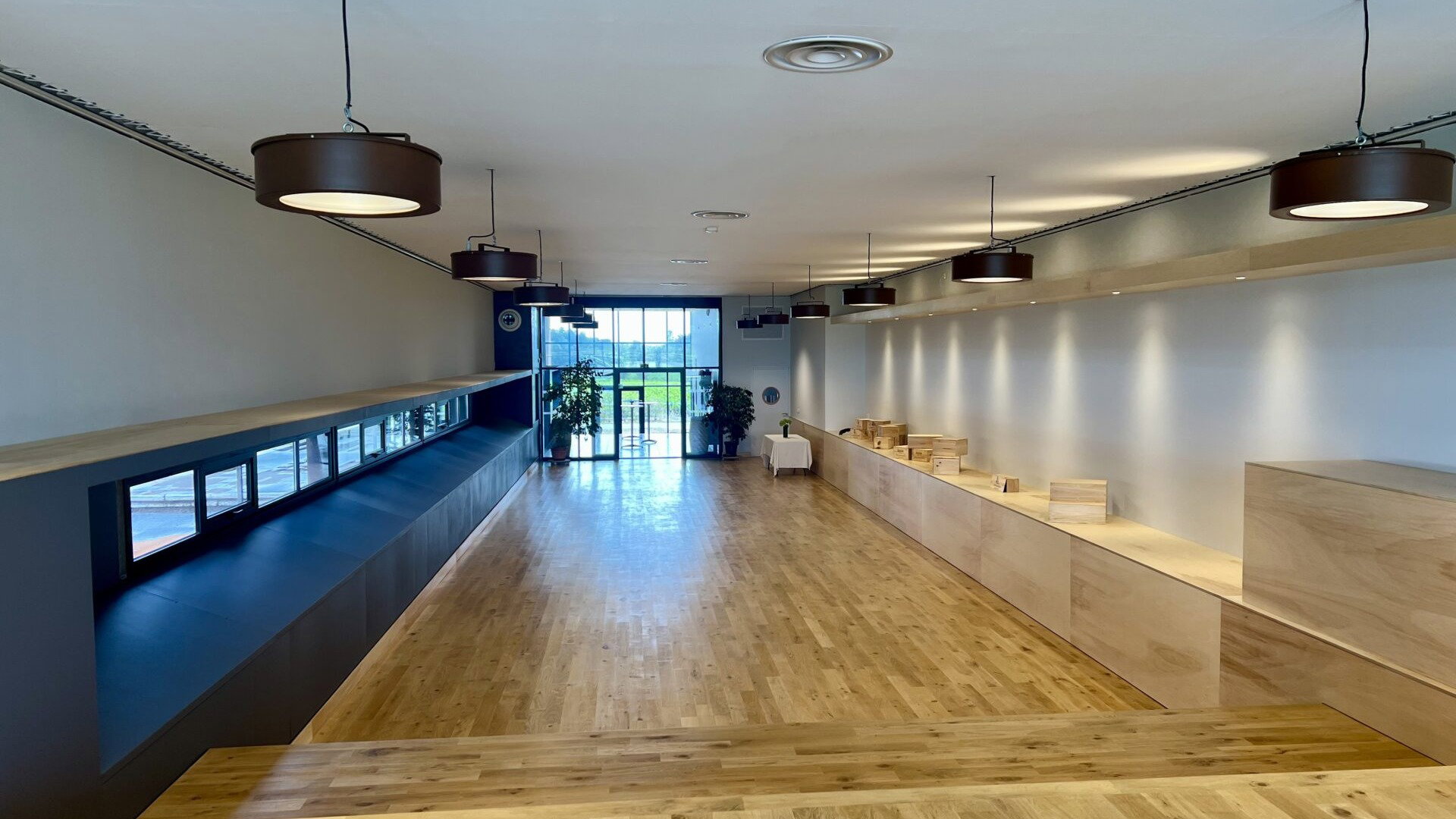
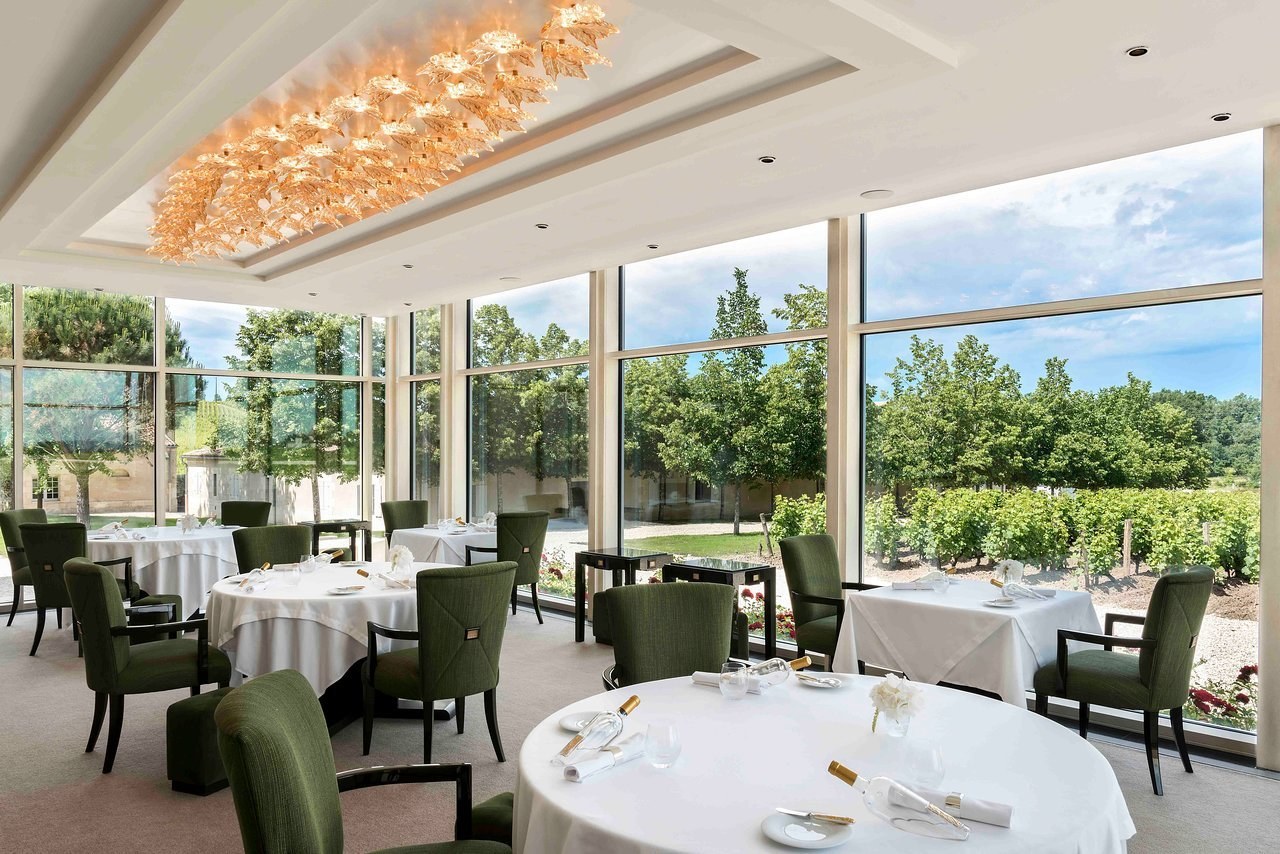
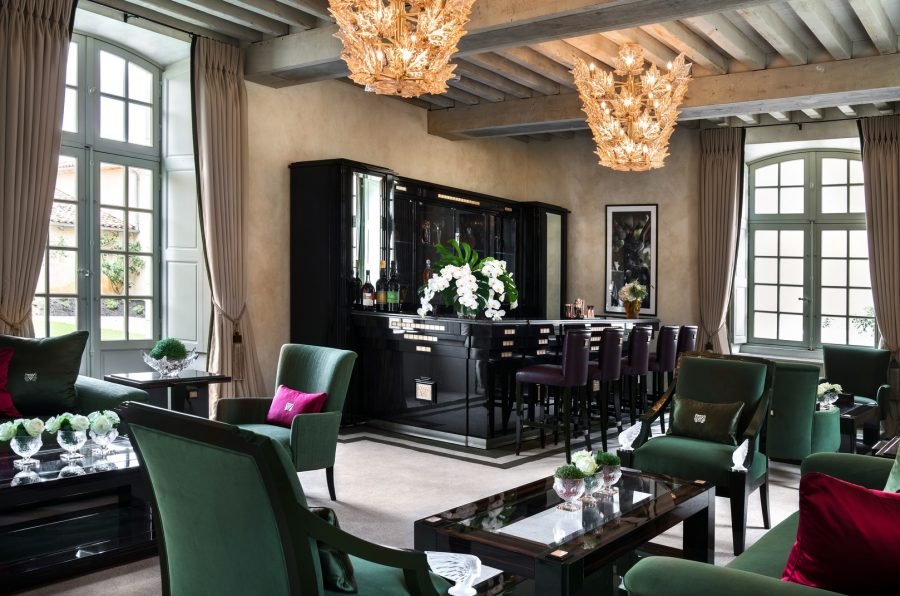
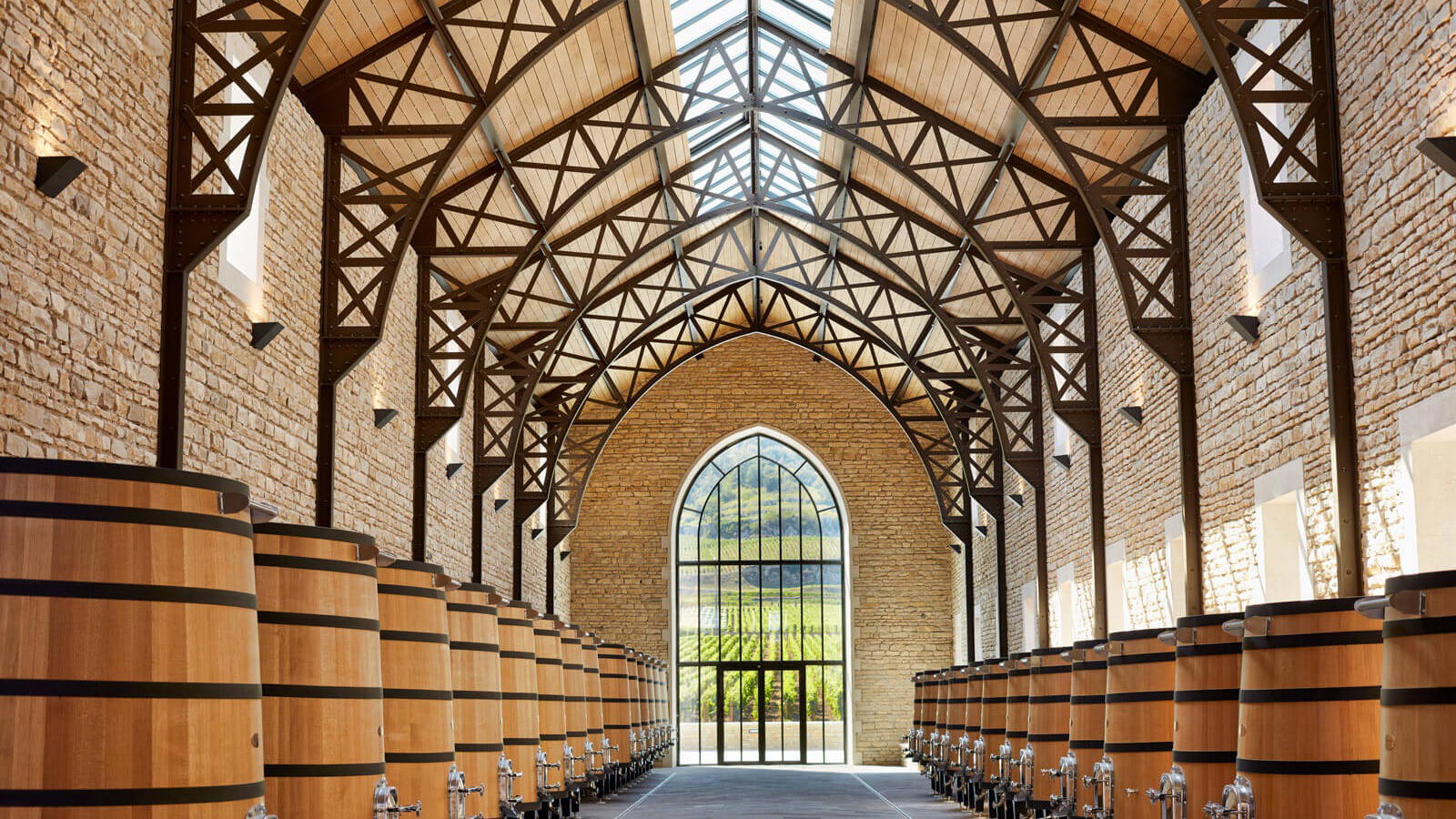
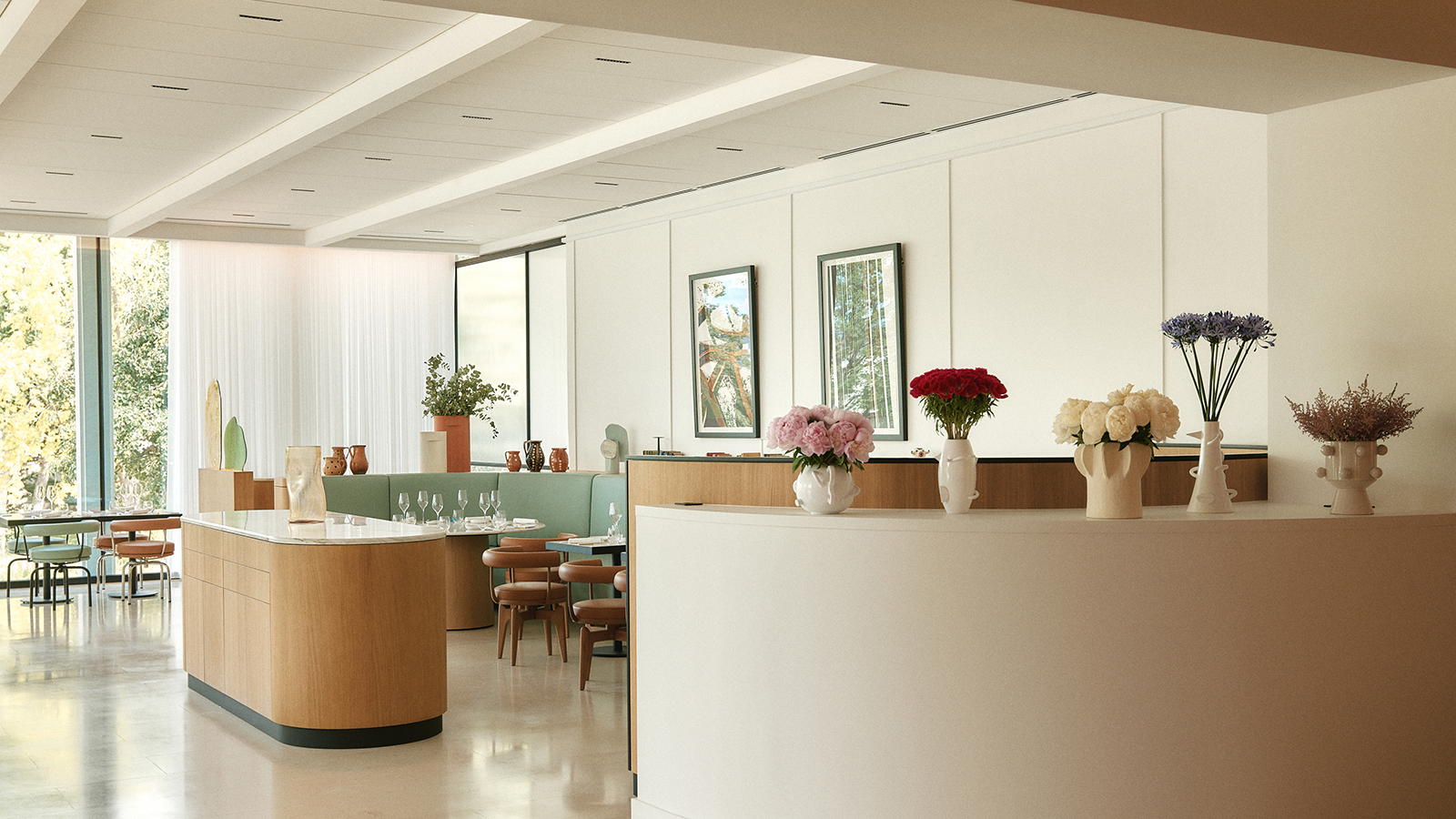
Opulent and elegant with exquisite Lalique crystal decor, creating a luxurious, artistic atmosphere praised for its beauty and attention to detail.
Tags
Vibe
Best For
Experience
Sourcing
View
At the Vineyard
- Appellation
- Sauternes AOC
- Varietals
- Sémillon, Sauvignon Blanc, Muscadelle
- Tour Duration
- 60-90 minutes
- Tour Languages
- French, English, Spanish
- Visits
- By reservation
- Farming
- Sustainable
- Wine Styles
- Dessert
- Food Pairing
- Offered
- Wine Club
- Not available
Know before you go
Know Before You Go
- Getting there
- 1707 Route des Gourgues
Planning details
Location
Recognition and awards

Also consider
Where to go if you cannot get in
Try Château Rabaud-Promis or Château Rayne-Vigneau for a nearby Sauternes comparison in Bommes. If the goal is a collector benchmark and access allows, Château d'Yquem is the more ambitious alternative.
Winery context
How it compares in Bommes
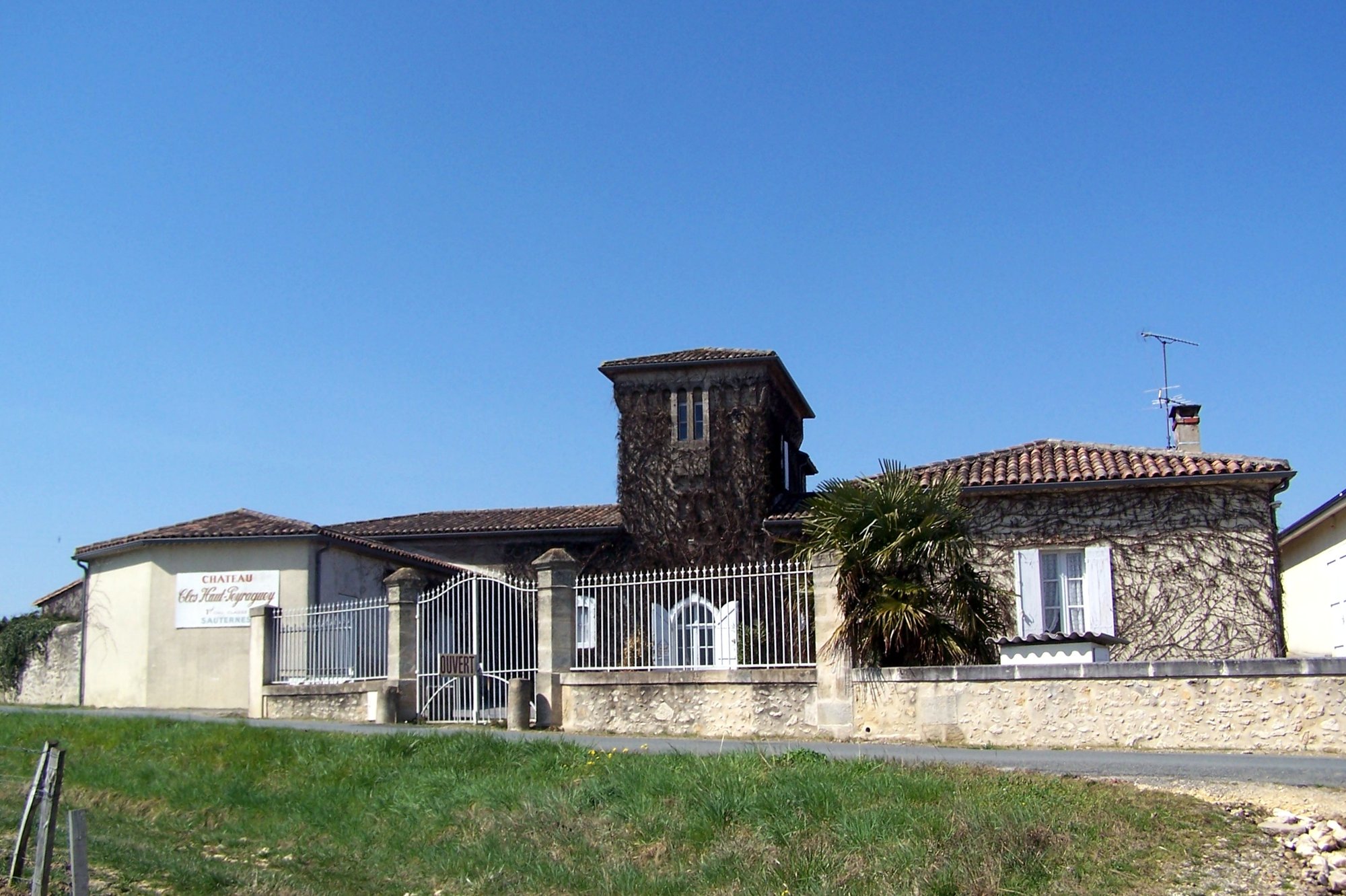
Château Lafaurie-Peyraguey is the better choice for visitors who want a prestige-led Sauternes appointment with a flagship-wine focus. Château Sigalas-Rabaud, Clos Haut-Peyraguey, Château Rabaud-Promis, and Château Rayne-Vigneau make more sense if the goal is to compare several Bommes producers in one circuit.
For a splurge-leaning sweet-wine benchmark, Château d'Yquem is the obvious cross-shop, but it sits outside the immediate Bommes and is harder to treat as a simple add-on. Château Lafaurie-Peyraguey is the practical middle ground for serious Sauternes depth without building the whole trip around one name.
If booking access is the constraint, start with the Bommes alternatives first, then use Lafaurie-Peyraguey as the priority request. For value-minded visitors, the smarter play is not chasing one label; it is comparing two or three nearby châteaux and buying only the bottle that clearly wins for the intended use.
Explore Bommes
Around this place
Discover more on Pearl
Unlock the full Château Lafaurie-Peyraguey guide in Pearl, including awards, comparisons, FAQs, planning details, and nearby places.
Compare Château Lafaurie-Peyraguey
| Venue | Location | Awards |
|---|---|---|
| Château Lafaurie-Peyraguey | Bommes | 2026 Wine Spectator Best of Award of Excellence2026 Falstaff Winery Guide2025 Pearl 4 Star Prestige |
| Château Sigalas-Rabaud | Bommes | 2026 Michelin 1 Grape - Bordeaux2026 Falstaff Winery Guide2025 Pearl 4 Star Prestige |
| Clos Haut-Peyraguey | Bommes | 2026 Falstaff Winery Guide |
| Château Rabaud-Promis | Bommes | 2026 Falstaff Winery Guide |
| Château Rayne-Vigneau | Bommes | 2026 Falstaff Winery Guide |
| Château d'Yquem | Sauternes | 2026 Michelin 3 Grapes - Bordeaux2026 Falstaff Winery Guide2025 World's 50 Best Vineyards · #92025 Pearl 5 Star Prestige2024 World's 50 Best Vineyards · #132023 World's 50 Best Vineyards · #182022 World's 50 Best Vineyards · #232020 World's 50 Best Vineyards · #31 |

How Château Lafaurie-Peyraguey compares with similar nearby venues.
FAQ
Frequently Asked Questions
Does Château Lafaurie-Peyraguey serve food?
Information about food service is not provided. If dining is important to your plans, confirm the current offering directly with Château Lafaurie-Peyraguey before you go.
What other venues can I compare with Château Lafaurie-Peyraguey?
For comparisons, consider Château Sigalas-Rabaud, Clos Haut-Peyraguey, Château d'Yquem, Château Rayne-Vigneau, and Château Rabaud-Promis, as well as other options in Bommes.
What should I confirm before visiting Château Lafaurie-Peyraguey?
Details such as hours, pricing, services, and current format are not specified. Ask Château Lafaurie-Peyraguey directly before making plans around them.
Does Château Lafaurie-Peyraguey offer delivery or shipping?
Delivery and shipping details are not available. Confirm any such terms directly with Château Lafaurie-Peyraguey before assuming purchases or other items can be sent onward.
What is Château Lafaurie-Peyraguey known for?
Château Lafaurie-Peyraguey is in Bommes, has Gabriel Vialard as chef/owner, has a smart casual dress code, and holds Pearl 4 Star Prestige (2025) recognition.
Do I need a reservation at Château Lafaurie-Peyraguey?
Reservation requirements are not specified. Because details such as hours, format, and services are not specified, contact Château Lafaurie-Peyraguey directly before visiting.
How long should I plan for a visit to Château Lafaurie-Peyraguey?
Visit length is not specified. Plan only after confirming the current arrangement directly with Château Lafaurie-Peyraguey in Bommes.