

Bestheim
Bennwihr
Winery in Bennwihr, France
 Book with Pearl
The Read
Alsace Cooperative Precision
Why go
Bestheim is worth considering as a practical Bennwihr winery stop with 2025 Decanter-derived recognition, especially if the itinerary already runs through central Alsace. Make it an efficient add-on rather than the single headline tasting if the group wants a more distinctive estate-led experience; Hugel, Maison Trimbach or Albert Boxler are stronger anchors for name-driven Alsace trips.
About Bestheim
Bestheim is a venue in Bennwihr with a casual dress code, Pearl 2 Star Prestige recognition for 2025, and Decanter World Wine Awards Derived Winery Prestige recognition for 2025. It is a concise Bennwihr stop to consider before arranging a visit.
Because visitor-format details may vary, avoid assuming a particular tasting style, food service, appointment structure, price, or length of visit. The safest way to plan is to use Bestheim as one part of a broader Bennwihr itinerary and confirm current details with the venue before you go.
Choose it for a credible Bennwihr stop, not an assumed luxury format
The strongest trust signals are Pearl 2 Star Prestige recognition for 2025 and Decanter World Wine Awards Derived Winery Prestige recognition for 2025. Those accolades give Bestheim a clear quality rationale without needing to rely on claims about menus, service format, visitor programming, or on-site amenities.
For planning, keep the brief simple: Bestheim is in Bennwihr, dress is casual, and any practical details beyond that should be checked directly. That includes opening times, booking requirements, tasting availability, food options, shipping, and purchase arrangements.
Where it fits against other serious names
Travellers comparing Bestheim with Hugel, Maison Trimbach, Albert Boxler, Domaine Zind Humbrecht and Domaine Marcel Deiss should make the choice based on confirmed logistics and the style of visit they can confirm directly. Bestheim's profile is direct: Bennwihr location, casual dress code, Pearl 2 Star Prestige recognition for 2025, and Decanter World Wine Awards Derived Winery Prestige recognition for 2025.
That makes Bestheim a practical candidate for a Bennwihr-focused plan, especially when the group wants to include a recognised venue without building the day around assumptions. If the trip has room for only one visit, confirm the current visitor experience before deciding whether Bestheim is the right headline stop.
For broader cross-shopping, compare Bestheim only with venues whose location, visit format, and current arrangements you can confirm directly. Other dining and venue options in and around Bennwihr may suit different schedules, but the details should be checked directly rather than assumed.
Planning details
- Location
- 3 Rue du Général de Gaulle, 68630 Bennwihr
- Website
- bestheim.com
- Phone
- +33 3 89 49 09 29
The take
The Take
The Vibe
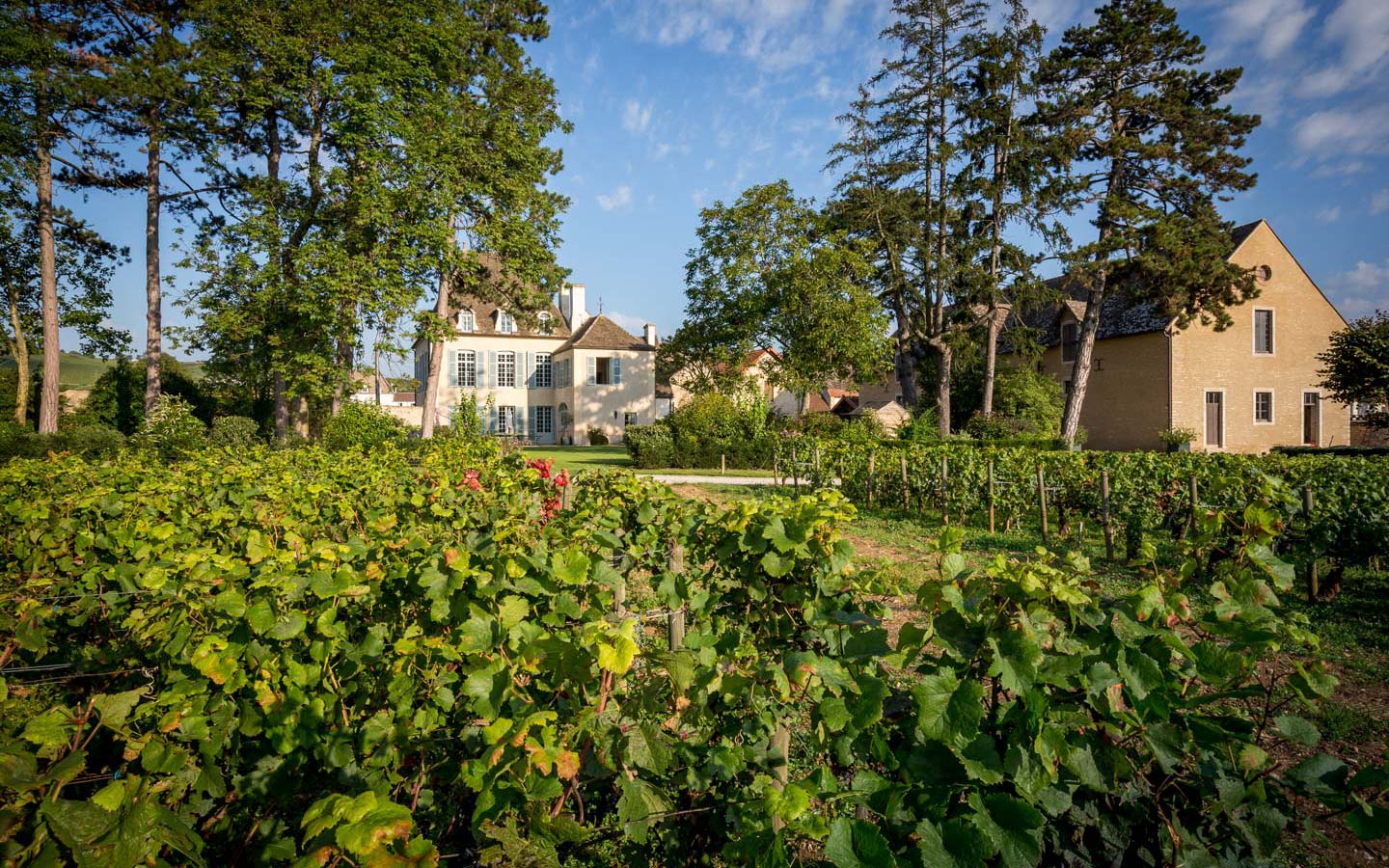
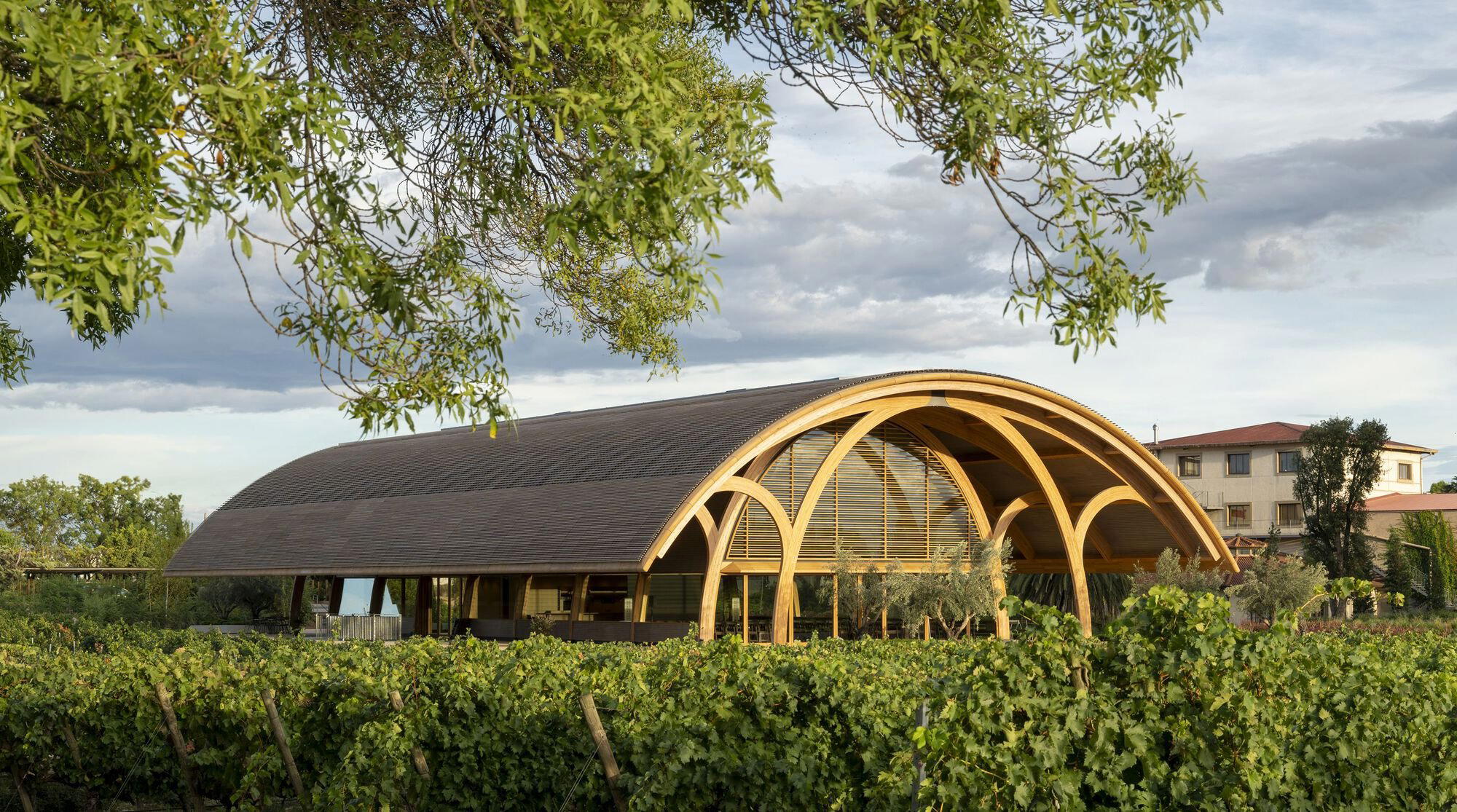
Bestheim reads like a winery defined by landscape first. The Vosges mountains and sun-drenched slopes frame a patchwork of vineyards and grand cru plots, and the prose here leans into that geological variety—granite, gneiss, limestone, sandstone and clay-limestone—more than any single house manifesto. The cooperative roots are part of the story too: a production model built for scale that nonetheless channels local terroir. Visiting feels like stepping into the working spine of Alsace wine country, where soil and aspect take center stage and the surrounding panorama is as much the attraction as the bottles themselves.
Best For
This is a stop for people who want to learn how Alsace tastes from the ground up. The description foregrounds terroir variation and grand cru plots, so tasting here suits visitors focused on education, comparative sampling and understanding site-driven differences in Riesling, Pinot Gris, Gewurztraminer and Muscat. Because Bestheim occupies a cooperative-production role on the Wine Route, it also works for group visits that want accessible access to a broad range of regional bottlings and a sense of how large-scale local production intersects with single-vineyard expression.
Tasting Tips
When tasting at Bestheim, prioritize the classic Alsace varieties mentioned—Riesling, Pinot Gris, Gewurztraminer and Muscat—and look for cuvées that call out specific soils or grand cru sites to hear the terroir distinctions discussed in the write-up. The text references single-vineyard thinking in the region and medal-winning releases, so compare any labeled single-vineyard or grand cru bottlings with the house blends to gauge how substrate and exposure alter aromatics and mineral lift. Ask staff about medal-designated wines as a shorthand for standout bottlings.
Venue details
Ambiance
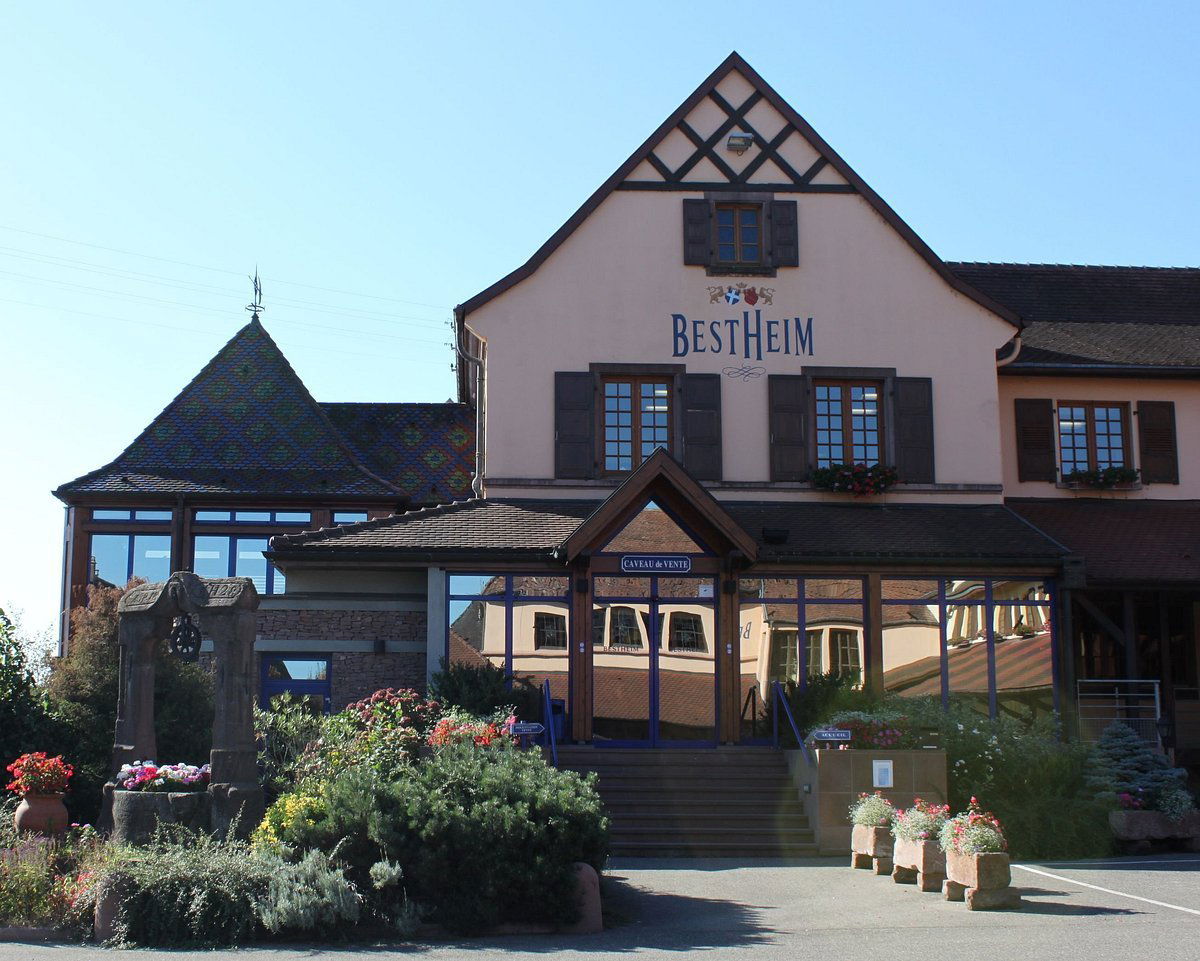
Warm and welcoming with kind, professional staff providing generous tastings in a classic winery setting.
Tags
Vibe
Best For
Experience
Sourcing
View
At the Vineyard
- Appellation
- Alsace AOC
- Varietals
- Riesling, Gewürztraminer
- Tour Languages
- French, German, English
- Visits
- By reservation
- Farming
- Sustainable
- Production
- Large producer
- Wine Styles
- Still White, Sparkling
- Wine Club
- Not available
Know before you go
Know Before You Go
- Getting there
- 3 Rue du Général de Gaulle, 68630 Bennwihr
Planning details
Location
Recognition and awards

Also consider
If Bestheim does not fit the plan
Cross-shop Hugel or Maison Trimbach if the group wants a more recognisable Alsace anchor. Pick Albert Boxler if the trip is being planned around wine depth rather than convenience.
For a more intensive estate-focused day, Domaine Zind Humbrecht and Domaine Marcel Deiss are the better alternatives. Bestheim works better when Bennwihr location and route efficiency are the deciding factors.
Winery context
How Bestheim compares in Bennwihr and nearby Alsace wine country
Choose Bestheim for convenience and recognised wine credibility rather than ceremony. Hugel and Maison Trimbach are better fits for travellers who want classic Alsace name recognition and a more obvious prestige anchor. Bestheim makes more sense when the day needs a credible, lower-friction stop around Bennwihr.
Albert Boxler is the stronger cross-shop for wine-focused visitors who care most about producer specificity. Domaine Zind Humbrecht and Domaine Marcel Deiss are more compelling if the priority is depth around site, farming and house style. Bestheim is the safer practical pick when logistics matter more than building the day around one high-expectation appointment.
On value, Bestheim's appeal is that it can support a broader route without making the whole day revolve around one cellar. For ambiance, the is stronger if the traveller wants a more distinctive estate narrative. For booking pressure, treat Bestheim as difficult enough to plan ahead for, then keep Hugel, Maison Trimbach, Albert Boxler, Domaine Zind Humbrecht or Domaine Marcel Deiss as alternatives depending on whether the group values heritage, specialist wine focus or a deeper estate visit.
Explore Bennwihr
Around this place
Discover more on Pearl
Unlock the full Bestheim guide in Pearl, including awards, comparisons, FAQs, planning details, and nearby places.
Compare Bestheim
| Venue | Location | Awards |
|---|---|---|
| Bestheim | Bennwihr | 2026 Falstaff Winery Guide2025 Decanter Winery Prestige |
| Hugel | Riquewihr | 2026 Falstaff Winery Guide |
| Maison Trimbach | Ribeauvillé | 2026 Falstaff Winery Guide |
| Albert Boxler | Niedermorschwihr | 2026 Falstaff Winery Guide |
| Domaine Zind Humbrecht | Turckheim | 2026 Falstaff Winery Guide |
| Domaine Marcel Deiss | Bergheim | 2026 Falstaff Winery Guide2020 World's 50 Best Vineyards · #45 |

How Bestheim Bennwihr compares with similar nearby venues.
FAQ
Frequently Asked Questions
Does Bestheim serve food?
Food service may be available, but check directly before assuming any on-site meal, snack, or tasting accompaniment.
Does Bestheim offer memberships or repeat-purchase benefits?
A membership offer may be available. If you are interested in repeat purchases or member benefits, ask Bestheim directly for current options and terms.
When is the best time to visit Bestheim?
Specific opening hours and booking requirements should be confirmed directly. Plan around Bennwihr, then confirm the current schedule with Bestheim before you go.
What other venues might travellers compare with Bestheim?
Travellers may compare Bestheim with names such as Hugel, Maison Trimbach, Albert Boxler, Domaine Zind Humbrecht, and Domaine Marcel Deiss. Confirm each venue's location and visit arrangements directly when building an itinerary.
How long should I plan for a visit to Bestheim?
Confirm the current format with Bestheim before deciding how much time to set aside in Bennwihr.
Does Bestheim ship purchases?
Shipping may be available. If you plan to make a purchase, ask Bestheim directly about current shipping, collection, or purchase options.
What is Bestheim best known for?
Bestheim is known for its Bennwihr location, casual dress code, Pearl 2 Star Prestige recognition for 2025, and Decanter World Wine Awards Derived Winery Prestige recognition for 2025.