
Weingut Kollwentz
Großhöflein
Winery in Großhöflein, Austria
 Book with Pearl
The Read
Pannonian Terroir Precision
Why go
Weingut Kollwentz is a serious Großhöflein winery pick for travelers planning a wine-led Burgenland stop, not a casual walk-in tasting. Treat it as a special-occasion appointment: small group, advance planning, and a backup nearby if timing is tight.
About Weingut Kollwentz
Weingut Kollwentz is a Großhöflein venue with a smart casual dress code and Pearl 2 Star Prestige recognition for 2025. For practical details such as hours, prices, tasting format, booking process, food service, shipping, and visitor capacity, check current arrangements directly before making it part of a fixed itinerary.
The best reason to consider it is simple: you are looking specifically at Weingut Kollwentz in Großhöflein and want a stop with a recognized distinction. If you need detailed public logistics before deciding, compare options first rather than assuming a particular visit format.
Book this for a focused Großhöflein stop, with logistics checked in advance
Treat the experience as one that needs confirmation in advance. Opening hours, pricing, reservation rules, tasting structure, meal availability, and group suitability should not be assumed.
For a date, anniversary, client visit, or private outing, the safest approach is to keep expectations flexible and dress smart casual. The 2025 Pearl 2 Star Prestige recognition gives the venue a clear distinction, while the practical side is best checked directly.
Where it sits among Großhöflein and comparison choices
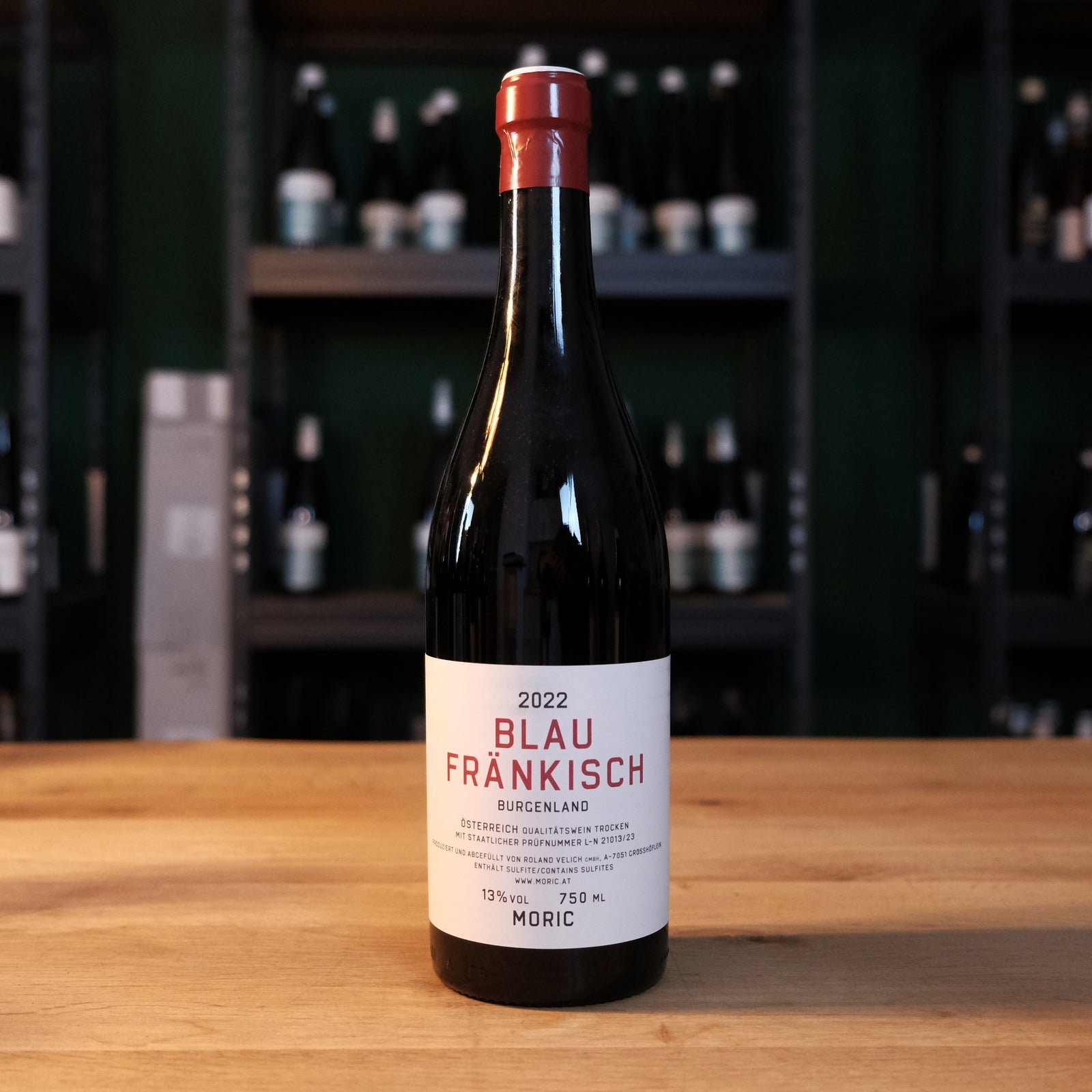
Cross-shop Weingut Moric (Roland Velich) if you want another option to compare. Esterházy Winery, Weingut Prieler, and Gut Oggau Winery are also useful comparisons, while Abfindungsbrennerei Franz offers a different kind of stop.
The verdict: consider Weingut Kollwentz if its Großhöflein setting, smart casual tone, and 2025 Pearl 2 Star Prestige recognition match what you are looking for. Skip or delay the decision if you need firm hours, prices, food service, shipping details, or a clearly stated visit format before committing.
Planning details
- Location
- Büro & Verkauf, Gartengasse 4b, 7051 Großhöflein
- Website
- kollwentz.at
- Phone
- +43 2682 651580
The take
The Take
The Vibe
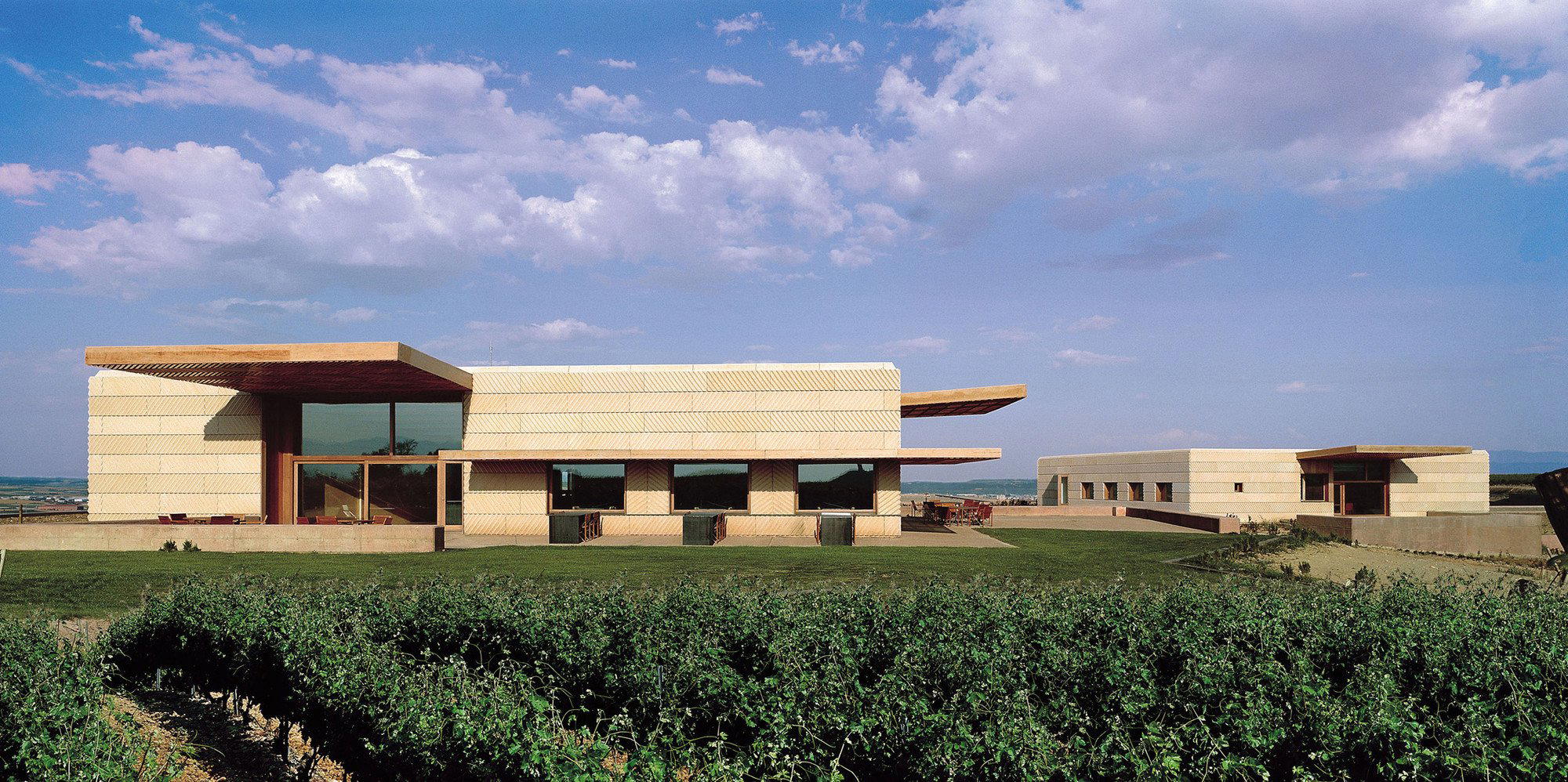
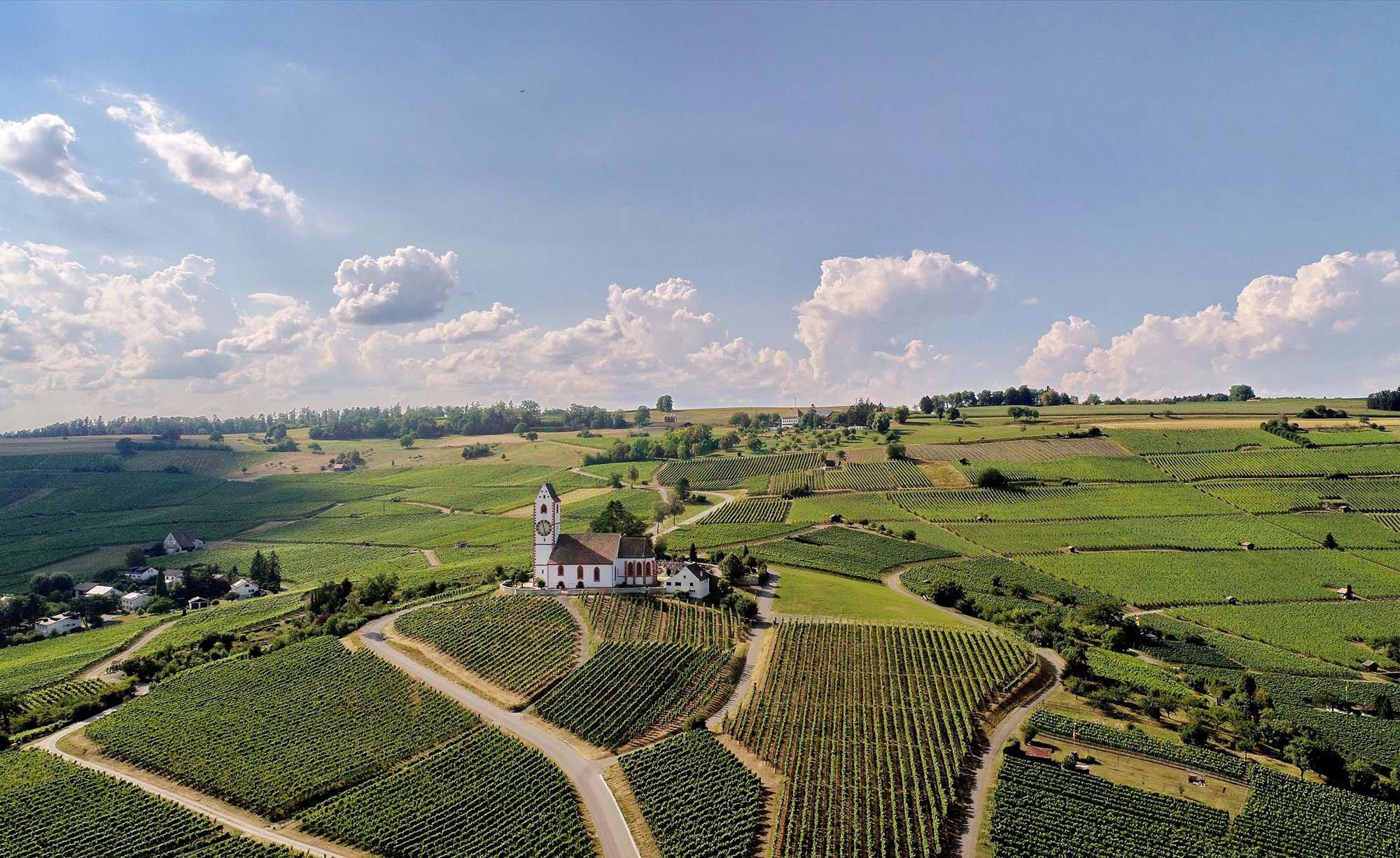
Weingut Kollwentz presents a sophisticated, terroir-forward profile: the copy situates the estate in Burgenland’s hillside sub-region and emphasizes geology, thermal variation and site-driven wines. The tone is critical and measured, highlighting placement in the "upper bracket" of Austrian reds and a Pearl 2 Star Prestige rating. Visitors can expect a producer that prioritizes structural tension and precise site expression over flash—an understated, refined winery where the vineyard and soils are the stars rather than showy production theatrics.
Best For
Kollwentz is best suited to wine-focused visits and milestone tastings. The estate’s placement within a closely watched premium tier and the detailed account of soils, old-vine parcels and stylistic intent make it a strong fit for those seeking education about Burgenland’s hillside expression and for special-occasion appointments where highly regarded bottlings are appropriate. It reads as a destination for serious tasters and collectors rather than casual drop-ins.
Tasting Tips
When engaging with Kollwentz, look for dry, site-expressive reds—particularly Blaufränkisch from hillside and old-vine parcels—that demonstrate the region’s balance of flesh and acidity. Prioritize wines from named sites or prestige allocations mentioned in tasting notes or allocation lists; the write-up frames those releases as the estate’s competitive statements. Treat visits as educational opportunities: inquire about parcel provenance, vintage-driven thermal swings and the estate’s approach to expressing limestone and volcanic substrates.
Venue details
Ambiance
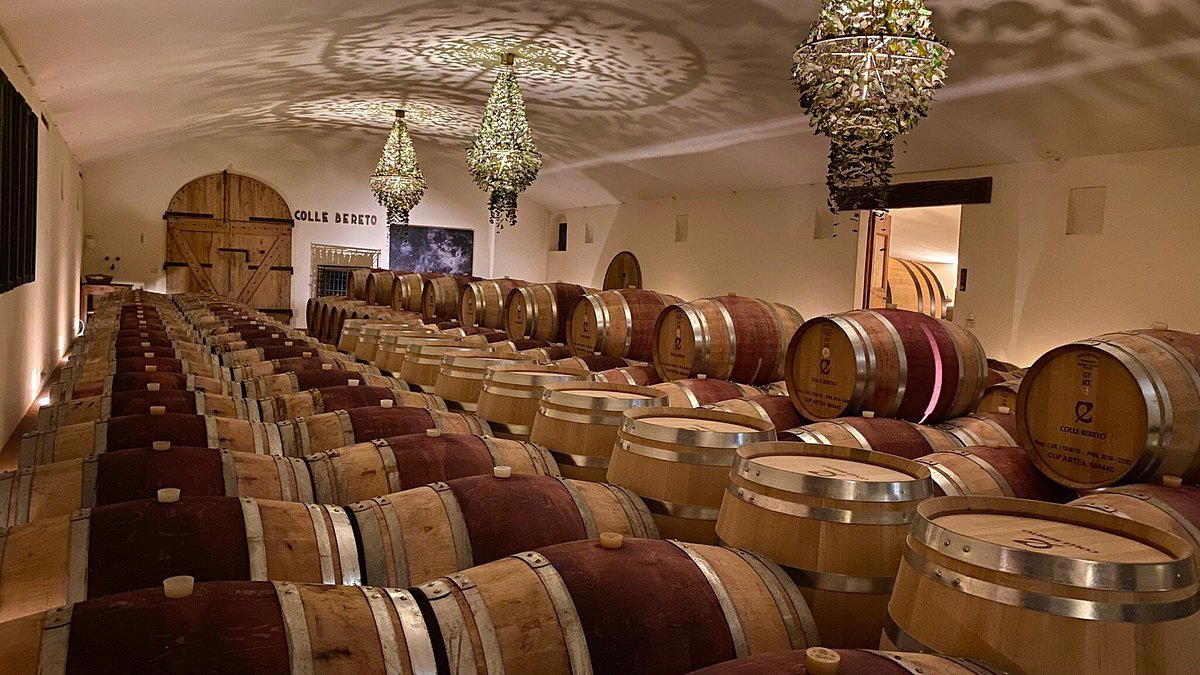
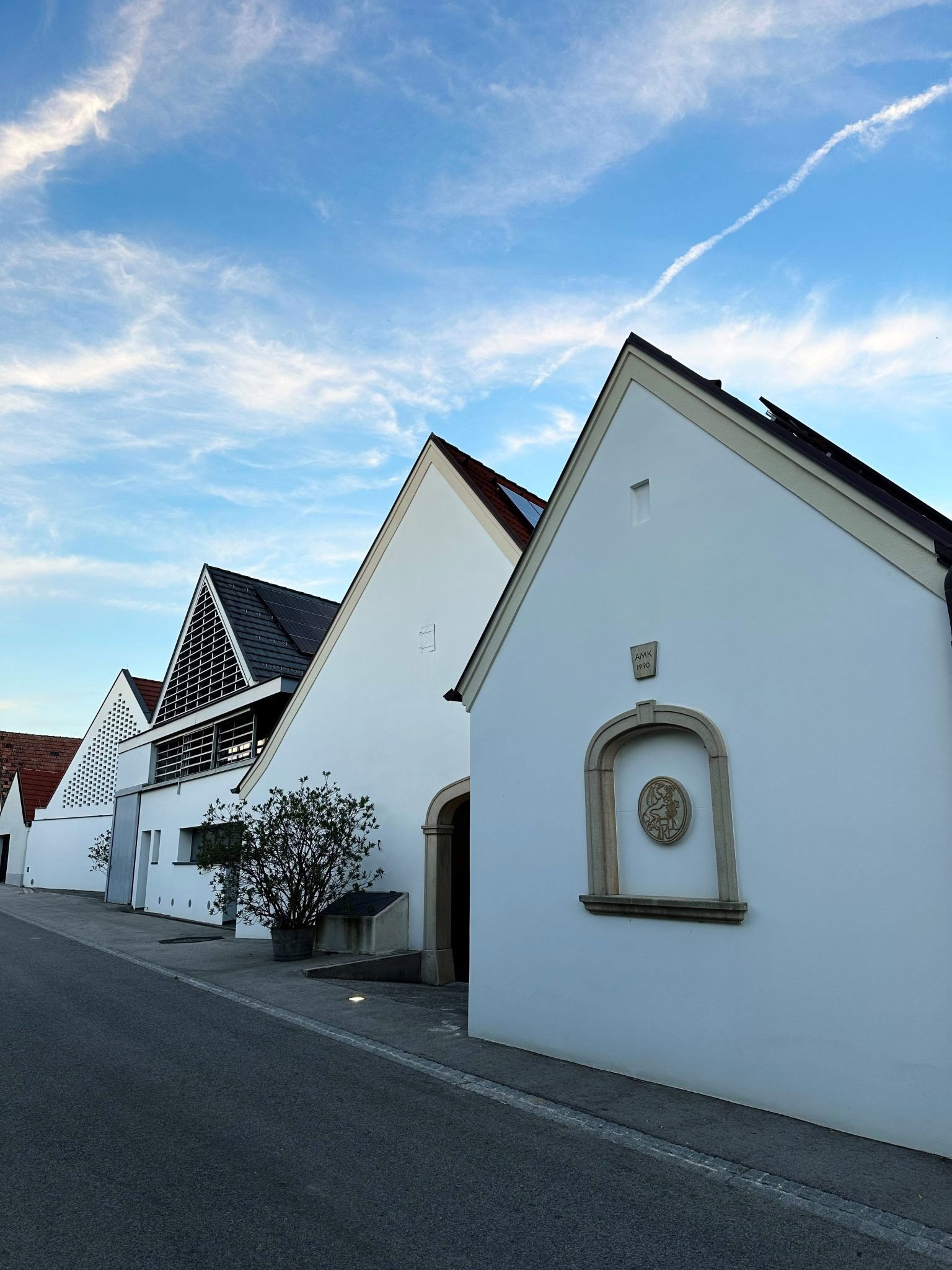
Classic, elegant, and tradition-focused, with an emphasis on historical vineyards, manual craftsmanship, and a refined tasting experience rooted in the Leitha Mountains terroir.
Tags
Vibe
Best For
Experience
Sourcing
View
At the Vineyard
- Appellation
- Leithaberg
- Varietals
- Blaufränkisch, Chardonnay, Zweigelt, Cabernet Sauvignon, Sauvignon Blanc
- Tour Duration
- 60-90 minutes
- Tour Languages
- German, English
- Visits
- By appointment only
- Farming
- Sustainable
- Production
- Small producer
- Wine Styles
- Still Red, Still White, Dessert, Fortified
- Founded
- 1775
- Wine Club
- Not available
Know before you go
Know Before You Go
- Getting there
- Büro & Verkauf, Gartengasse 4b, 7051 Großhöflein
Planning details
Location
Recognition and awards

Also consider
Also Consider
- Weingut Moric (Roland Velich), Notable alternative
- Esterházy Winery, Notable alternative
- Weingut Prieler, Notable alternative
- Abfindungsbrennerei Franz, Notable alternative
- Gut Oggau Winery, Notable alternative
Winery context
How it compares in and around Großhöflein
Choose Weingut Kollwentz when the priority is a serious, reputation-led winery stop in Großhöflein and the group can handle tighter planning. Weingut Moric (Roland Velich) is the closest cross-shop for another focused producer visit in the same town; compare both first if the itinerary only has room for one appointment.
Esterházy Winery is the better fit for visitors who want a broader estate-style experience with more predictable guest infrastructure. Weingut Prieler makes more sense if the group is willing to travel outside Großhöflein for a different Burgenland wine stop rather than concentrate the day in one village.
For a more distinctive detour, Gut Oggau Winery is the stronger cross-shop for travelers seeking a different regional personality, while Abfindungsbrennerei Franz shifts the day away from wine toward spirits. If booking ease is the deciding factor, start with the venues that publish clearer visitor logistics, then use Kollwentz as the higher-commitment target.
Explore Großhöflein
Around this place
Discover more on Pearl
Unlock the full Weingut Kollwentz guide in Pearl, including awards, comparisons, FAQs, planning details, and nearby places.
Compare Weingut Kollwentz
| Venue | Location | Awards |
|---|---|---|
| Weingut Kollwentz | Großhöflein | 2026 Falstaff Winery Guide |
| Weingut Moric (Roland Velich) | Großhöflein | 2026 Falstaff Winery Guide |
| Esterházy Winery | Trausdorf | 2026 Falstaff Winery Guide |
| Weingut Prieler | Schützen | 2026 Falstaff Winery Guide |
| Abfindungsbrennerei Franz | Leithaprodersdorf | No published awards |
| Gut Oggau Winery | Oggau | 2026 Falstaff Winery Guide |
How Weingut Kollwentz Großhöflein compares with similar nearby venues.
FAQ
Frequently Asked Questions
Do I need a reservation at Weingut Kollwentz?
For reservations at Weingut Kollwentz in Großhöflein, check the current process directly before planning around it. Weingut Moric (Roland Velich) is another useful comparison when weighing options.
Does Weingut Kollwentz serve food?
Do not assume a meal is part of the experience. If dining matters, plan that separately and check current details directly with the venue. Esterházy Winery is another comparison if you are considering broader outings.
Is Weingut Kollwentz worth prioritizing?
It may be worth prioritizing if you are specifically seeking Weingut Kollwentz in Großhöflein and value its 2025 Pearl 2 Star Prestige recognition. Check visit format, pricing, and availability before committing. Weingut Prieler is another name to compare.
Does Weingut Kollwentz ship wine?
If purchasing or delivery matters, check the current options directly before relying on them. Gut Oggau Winery is a useful comparison if you are mapping a wider day.
What other venues can I compare with Weingut Kollwentz?
Weingut Moric (Roland Velich), Esterházy Winery, Weingut Prieler, and Gut Oggau Winery are useful comparisons when planning around Weingut Kollwentz. Abfindungsbrennerei Franz is a different kind of option to consider as well.
When is the best time to visit Weingut Kollwentz?
The best time to visit depends on current hours and visit format. Check directly before going, dress smart casual, and avoid building a tight schedule around logistics that may change.