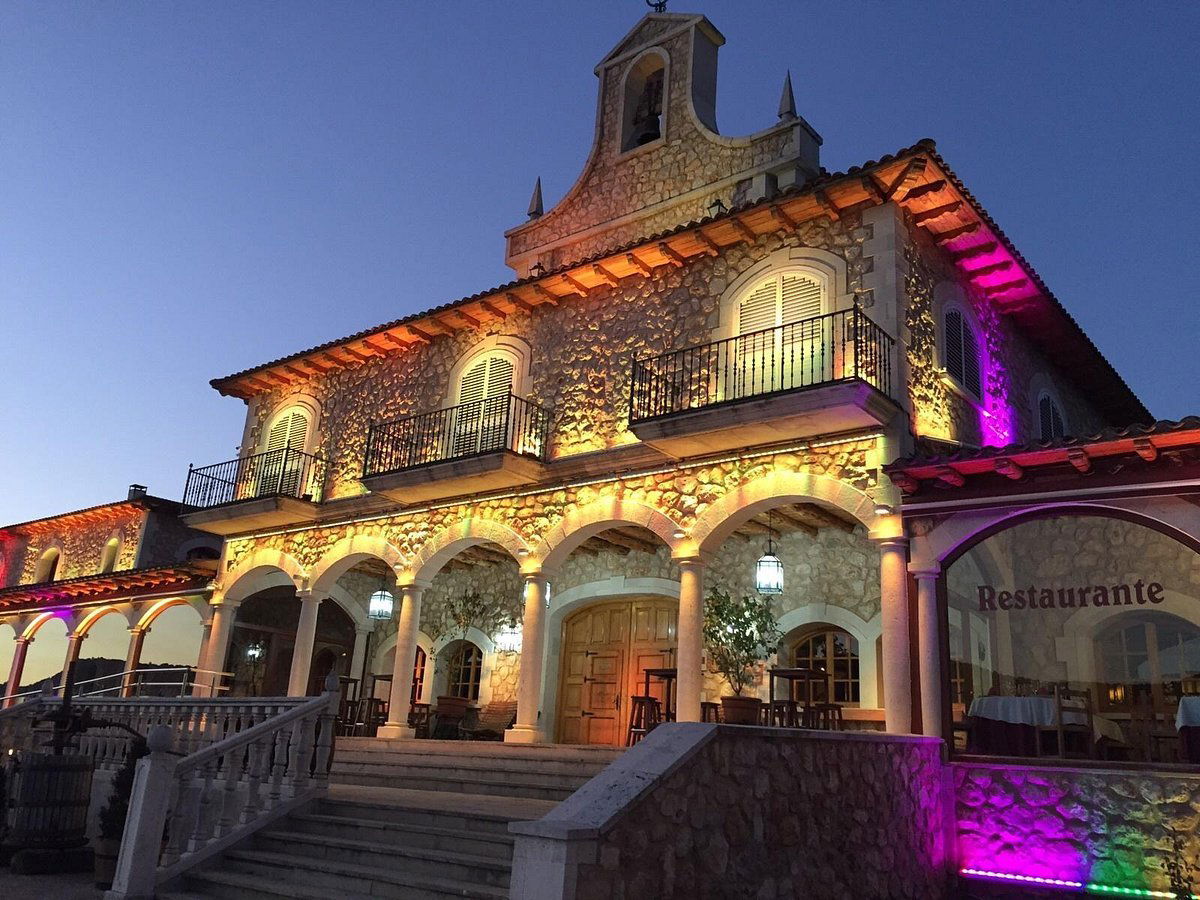


Arzuaga Navarro
Quintanilla de Onésimo
Winery in Quintanilla de Onésimo, Spain
 Book with Pearl
The Read
Plateau Terroir Authority
Price
$30–50tasting
Why go
Arzuaga Navarro is the Ribera del Duero choice to book when the occasion matters more than trophy access. It has stronger fit for celebrations, hosted visits, and polished wine-country itineraries than for bargain hunting. Recognition from World's 50 Best Vineyards in 2025 gives it credible standing among serious winery stops.
About Arzuaga Navarro
Arzuaga Navarro is a venue in Quintanilla de Onésimo with confirmed recognition from Pearl 3 Star Prestige (2025) and World's 50 Best Vineyards #64 (2025). For a celebration, client-facing trip, or regional itinerary, it is best to frame it as a recognized Quintanilla de Onésimo stop rather than to rely on details that should be confirmed directly with the venue, such as specific visit formats, menus, pricing, or services.
The dress code is smart casual. Beyond that, details such as hours, reservation requirements, visit formats, private arrangements, food options, beverage details, and group capacity should be checked directly with the venue before planning around them.
A stronger choice for a recognized Quintanilla de Onésimo stop
For a date, family celebration, or business itinerary, the key question is whether the venue fits the tone of the occasion. Arzuaga Navarro has confirmed recognition that may justify keeping it on a Quintanilla de Onésimo shortlist, especially when the group wants a recognized venue with a smart-casual standard.
Do not build the plan around assumptions that have not been confirmed. If privacy, pacing, hosted access, or a specific experience format matters, confirm those details directly before committing. A special occasion should not depend on guessed availability or assumed services.
If the trip is built around major regional names, it is reasonable to compare Arzuaga Navarro with Abadía Retuerta, Tinto Pesquera (Alejandro Fernández), Emilio Moro, Vega Sicilia, or Pingus. If the brief is a recognized venue in Quintanilla de Onésimo, Arzuaga Navarro remains a clear name to keep on the list.
How to build the rest of the day around it
Plan the day with enough flexibility to accommodate the details you confirm directly with the venue. Because public planning details can vary, avoid stacking the schedule too tightly until you know the timing, access, and any service requirements for your visit. For a broader local plan, check Our full Quintanilla de Onésimo restaurants guide and confirm any other Quintanilla de Onésimo plans directly.
For readers comparing recognized regional names, other category-relevant options to consider include Abadía Retuerta, Tinto Pesquera (Alejandro Fernández), Emilio Moro, Vega Sicilia, and Pingus. Other dining and hospitality choices in Quintanilla de Onésimo can be considered generically once the main Arzuaga Navarro plan is confirmed.
Planning details
- Location
- N-122, 325, 47350 Quintanilla de Onésimo, Valladolid
- Website
- arzuaganavarro.com
- Phone
- +34 983 68 11 46
The take
The Take
The Vibe
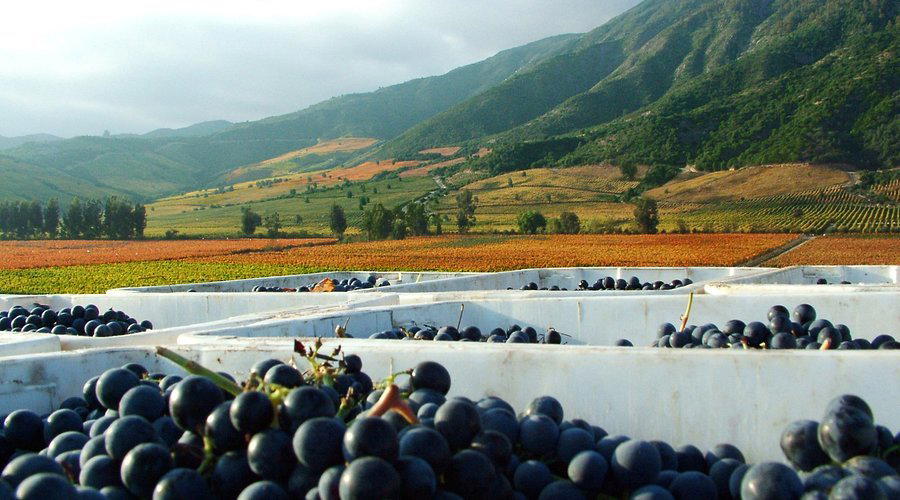
Arzuaga Navarro presents itself as an estate that channels the Duero plateau’s elemental conditions into refined wines. The copy stresses altitude-driven diurnal swings, limestone-and-clay soils and a concentrated growing season, all of which lend the property a measured, terroir-forward elegance. Its Pearl 3 Star Prestige rating positions it within the appellation’s upper tier, so the feel is attentive and purposefully cultivated rather than flashy. Visitors encounter a grounded, sophisticated estate where landscape and geology are the dominant designers of style—an experience that reads as both serious and quietly elevated.
Best For
This estate is best for visitors focused on learning about terroir and vintage expression—serious wine travellers, educational groups and celebratory parties who want context as well as taste. The copy foregrounds vintage variability and the discipline required at vineyard level, making Arzuaga Navarro ideal for guided tastings or group visits that dig into why Ribera del Duero wines from different sites and years behave differently. Its prestige standing also makes it an appropriate stop for special occasions where provenance and quality are priorities.
Tasting Tips
When tasting here, center inquiries on Tinto Fino (Tempranillo) and how elevation, temperature swings and local soils shape each vintage. The description highlights strong vintage-to-vintage variation, so compare multiple years if possible to appreciate the estate’s consistency and the influence of frost, hail or rainfall. Ask staff about parcel differences in the limestone-and-clay sites mentioned in the copy and look for estate-designated bottlings tied to that terroir—those will best illustrate the point the narrative is making about concentrated fruit and retained acidity.
Venue details
Ambiance
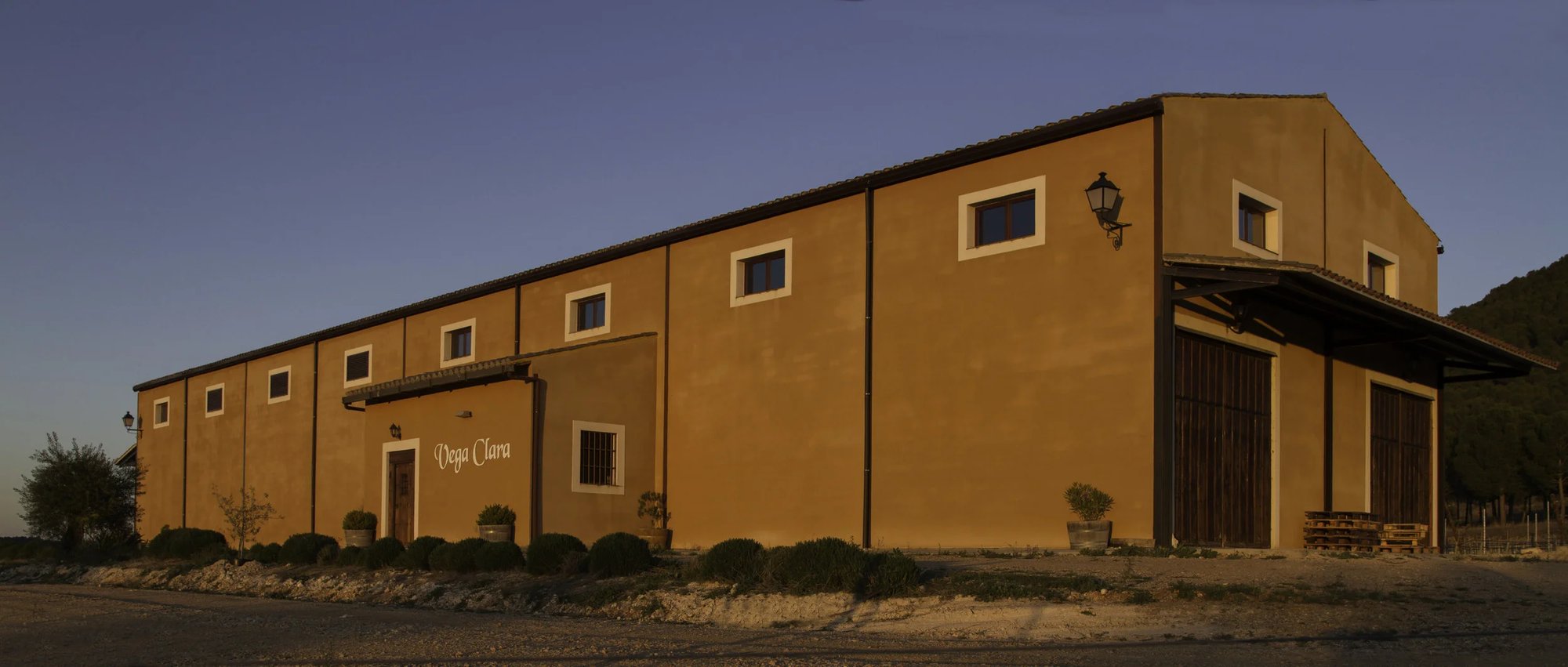
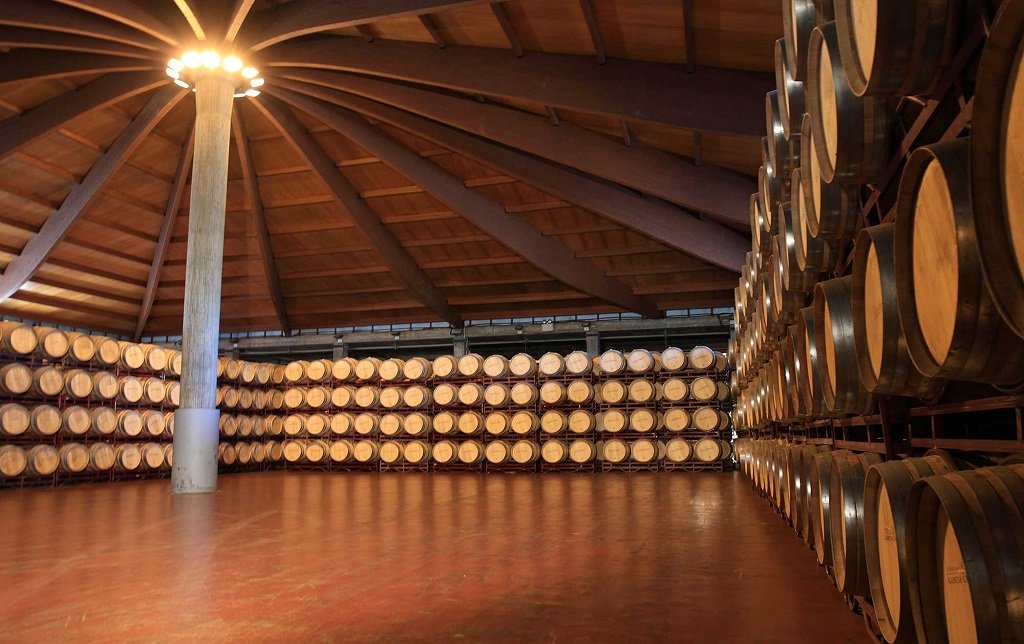
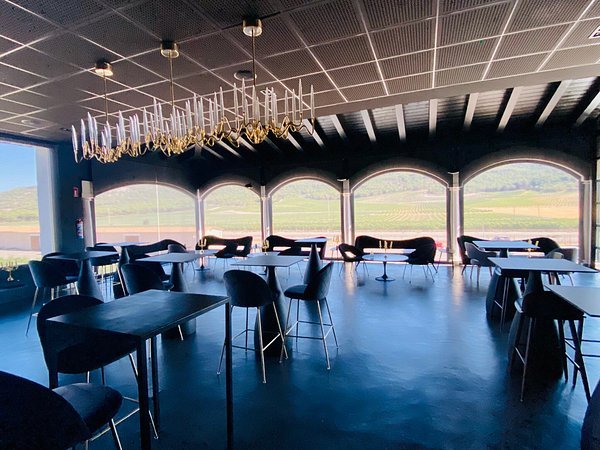
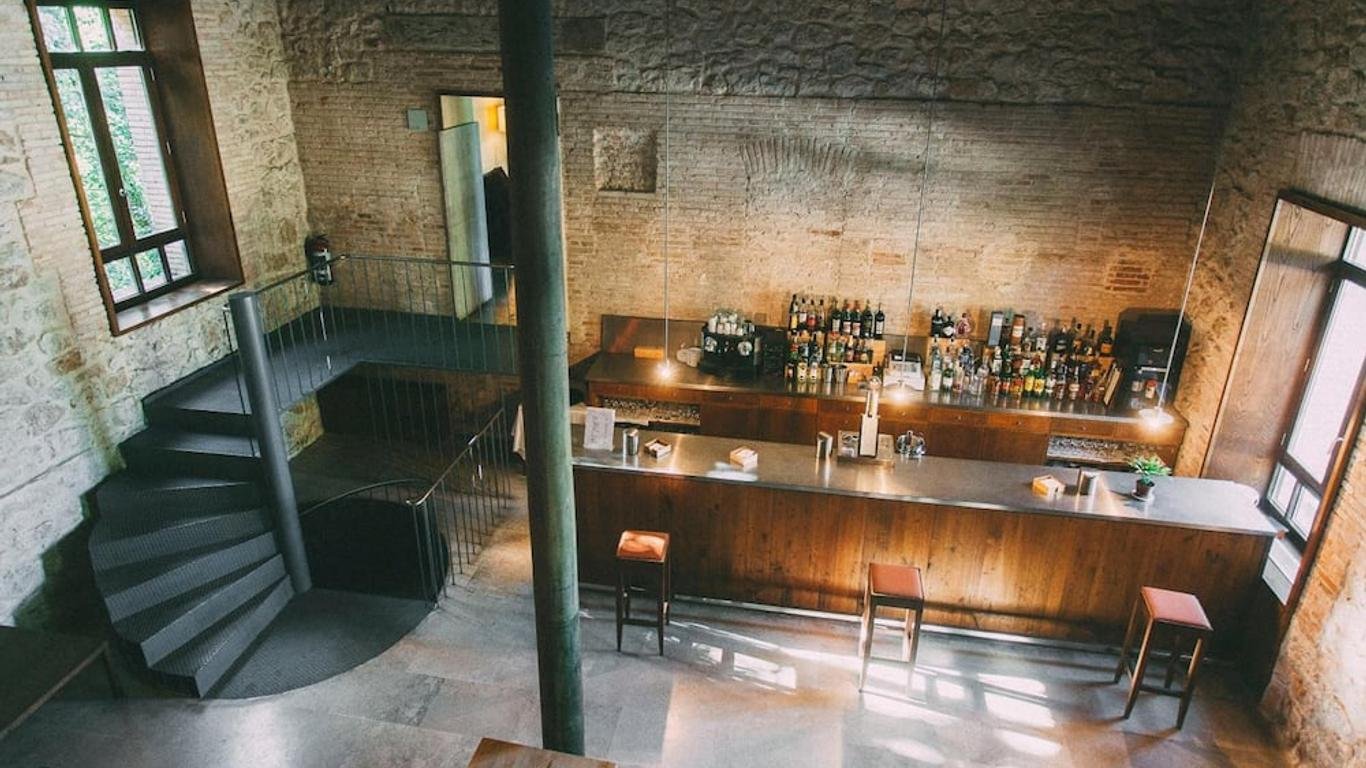
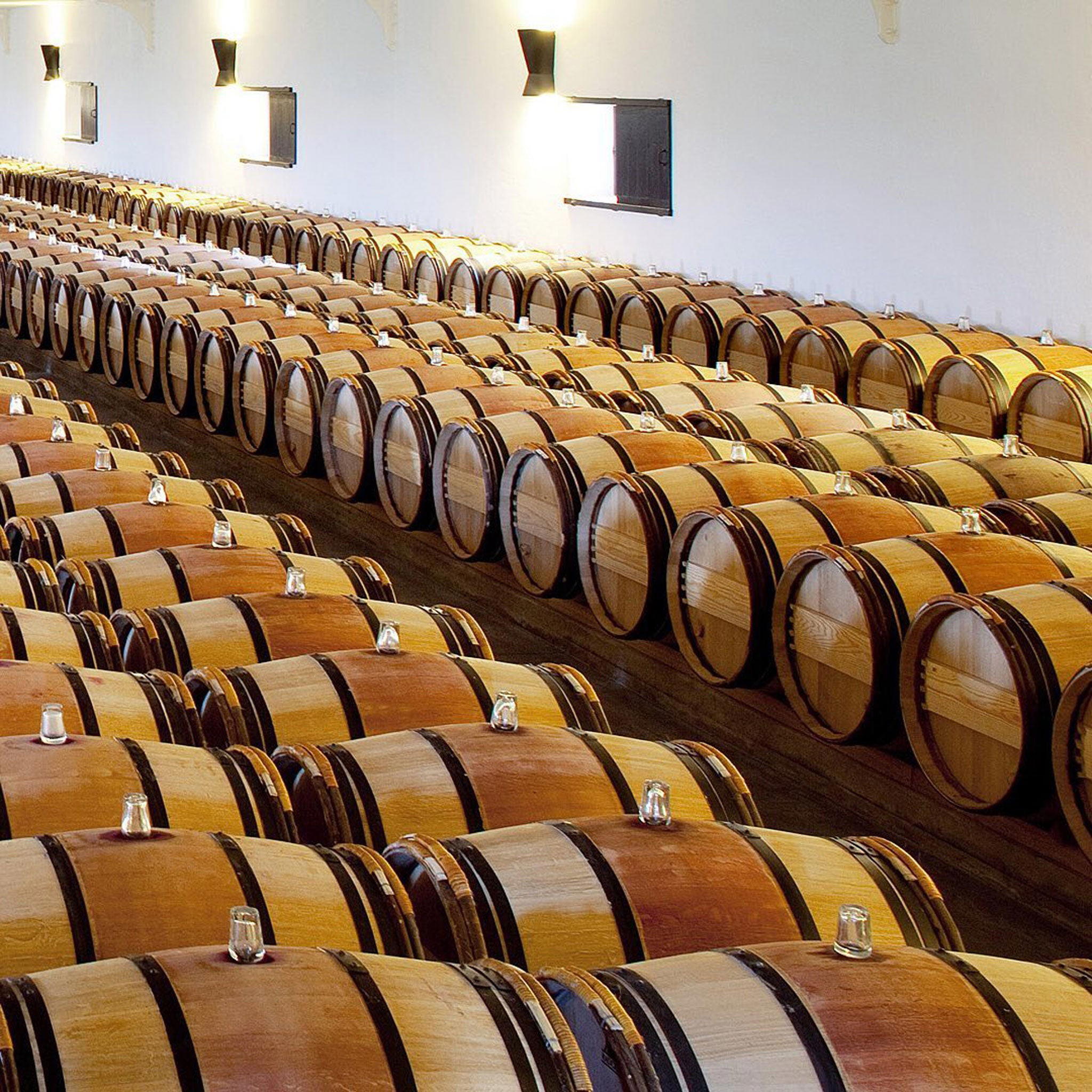
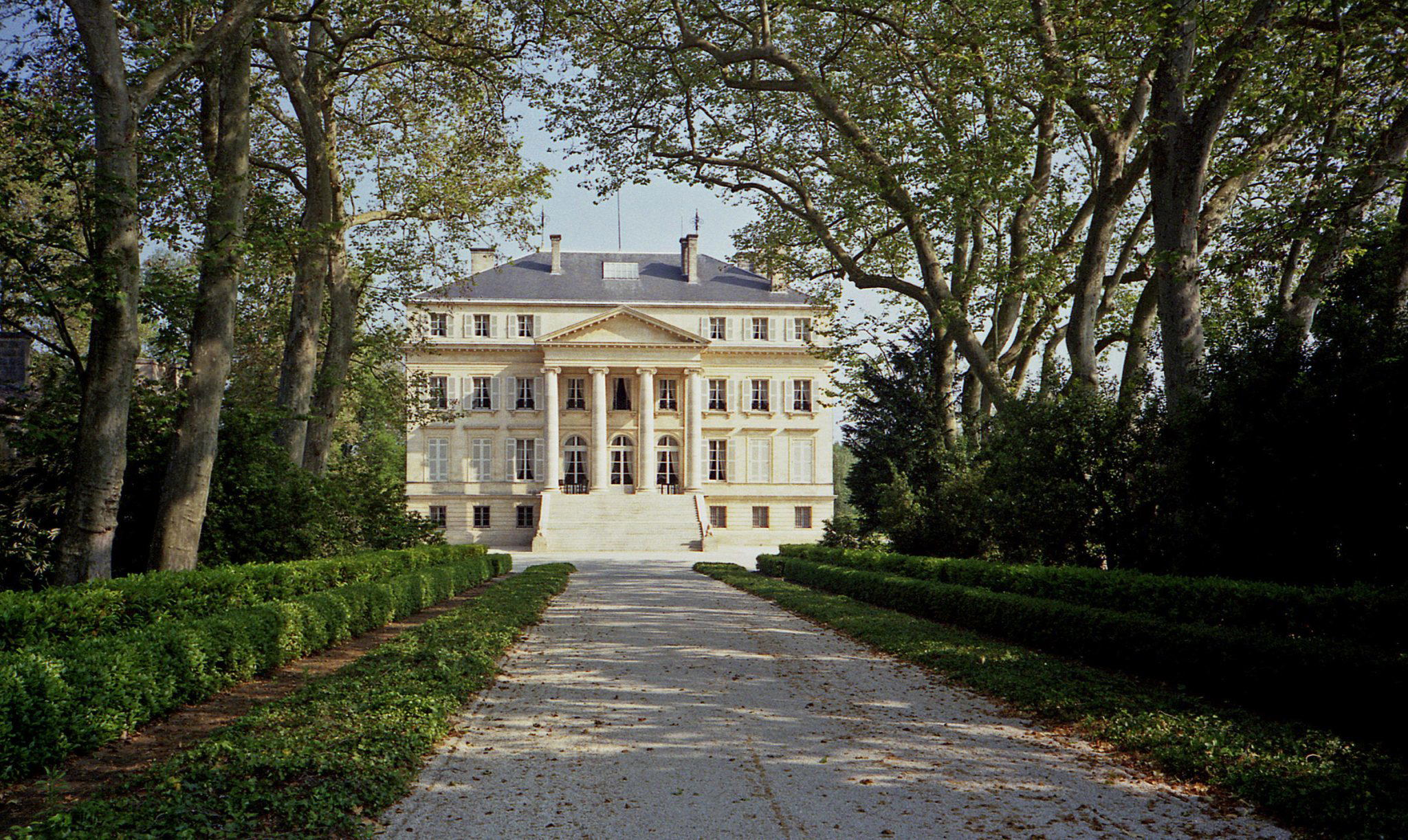
Rustic elegance with panoramic vineyard views, natural surroundings of pines and wildlife, and a sophisticated yet serene high-plateau atmosphere.
Tags
Vibe
Best For
Experience
Sourcing
View
At the Vineyard
- Appellation
- Ribera del Duero
- Varietals
- Tempranillo, Cabernet Sauvignon, Merlot, Chardonnay, Pinot Noir
- Tour Duration
- 60-90 minutes
- Tour Languages
- Spanish, English
- Visits
- By reservation
- Farming
- Organic
- Wine Styles
- Still Red
- Food Pairing
- Offered
- Wine Club
- Not available
Know before you go
Know Before You Go
- Getting there
- N-122, 325, 47350 Quintanilla de Onésimo, Valladolid
Planning details
Location
Recognition and awards


Also consider
Also Consider
- Vega Sicilia, Notable alternative
- Pingus, Notable alternative
- Abadía Retuerta, Notable alternative
- Tinto Pesquera (Alejandro Fernández), Notable alternative
- Emilio Moro, Notable alternative
Winery context
How Arzuaga Navarro compares in Ribera del Duero
Choose Arzuaga Navarro when the priority is a polished hosted visit in Quintanilla de Onésimo rather than the hardest collector appointment. Vega Sicilia and Pingus carry more trophy weight for serious collectors, but that also makes them less practical for many celebration itineraries.
Abadía Retuerta is the stronger cross-shop if the group wants a more resort-like wine-country day, while Arzuaga Navarro is easier to frame as a focused winery stop near Quintanilla de Onésimo. For classic Ribera names with broad appeal, compare Tinto Pesquera (Alejandro Fernández) and Emilio Moro; both make sense for label-driven drinkers, while Arzuaga Navarro is the better call when ambiance and hosting carry equal weight.
For value, avoid assuming the famous-name hierarchy maps neatly to the right experience. If the day is built around one meaningful appointment, Arzuaga Navarro is worth shortlisting ahead of more collector-coded peers when the group includes mixed wine knowledge levels and needs the visit to feel smooth, not intimidating.
Explore Quintanilla de Onésimo
Around this place
Discover more on Pearl
Unlock the full Arzuaga Navarro guide in Pearl, including awards, comparisons, FAQs, planning details, and nearby places.
Compare Arzuaga Navarro
| Venue | Location | Awards |
|---|---|---|
| Arzuaga Navarro | Quintanilla de Onésimo | 2026 Falstaff Winery Guide2025 World's 50 Best Vineyards · #64 |
| Vega Sicilia | Valbuena de Duero | 2026 Falstaff Winery Guide |
| Pingus | Ribera del Duero | 2026 Falstaff Winery Guide2025 Pearl 4 Star Prestige |
| Abadía Retuerta | Sardón de Duero | 2026 Falstaff Winery Guide2025 World's 50 Best Vineyards · #382025 Decanter Winery Prestige2024 World's 50 Best Vineyards · #82023 World's 50 Best Vineyards · #272022 World's 50 Best Vineyards · #292021 World's 50 Best Vineyards · #32 |
| Tinto Pesquera (Alejandro Fernández) | Pesquera de Duero | 2026 Falstaff Winery Guide |
| Emilio Moro | Pesquera de Duero | 2026 Falstaff Winery Guide |


How Arzuaga Navarro compares with similar nearby venues.
FAQ
Frequently Asked Questions
What is Arzuaga Navarro known for?
Arzuaga Navarro is a Quintanilla de Onésimo venue with confirmed recognition from Pearl 3 Star Prestige (2025) and World's 50 Best Vineyards #64 (2025).
How long should I plan for a visit to Arzuaga Navarro?
Specific visit duration should be confirmed directly with the venue before building the rest of your Quintanilla de Onésimo schedule around it.
When is the best time to visit Arzuaga Navarro?
Specific hours and best-visit timing should be confirmed directly with the venue. Plan around the details confirmed by the venue, especially if Arzuaga Navarro is the anchor of your Quintanilla de Onésimo itinerary.
Do I need a reservation at Arzuaga Navarro?
Reservation requirements should be checked directly with the venue. Because Arzuaga Navarro has confirmed recognition from Pearl 3 Star Prestige (2025) and World's 50 Best Vineyards #64 (2025), it is sensible to check directly before visiting.
Can Arzuaga Navarro handle large groups?
Group capacity and private-arrangement details should be confirmed directly with the venue. If you are planning for a company outing, family group, or hosted occasion, confirm the details directly with the venue in advance.
Where is Arzuaga Navarro?
Arzuaga Navarro is in Quintanilla de Onésimo.