

2026 Falstaff Winery Guide: The Ultimate Wine Authority — Page 136
Falstaff's 2026 Wineries guide.

Venues on this list
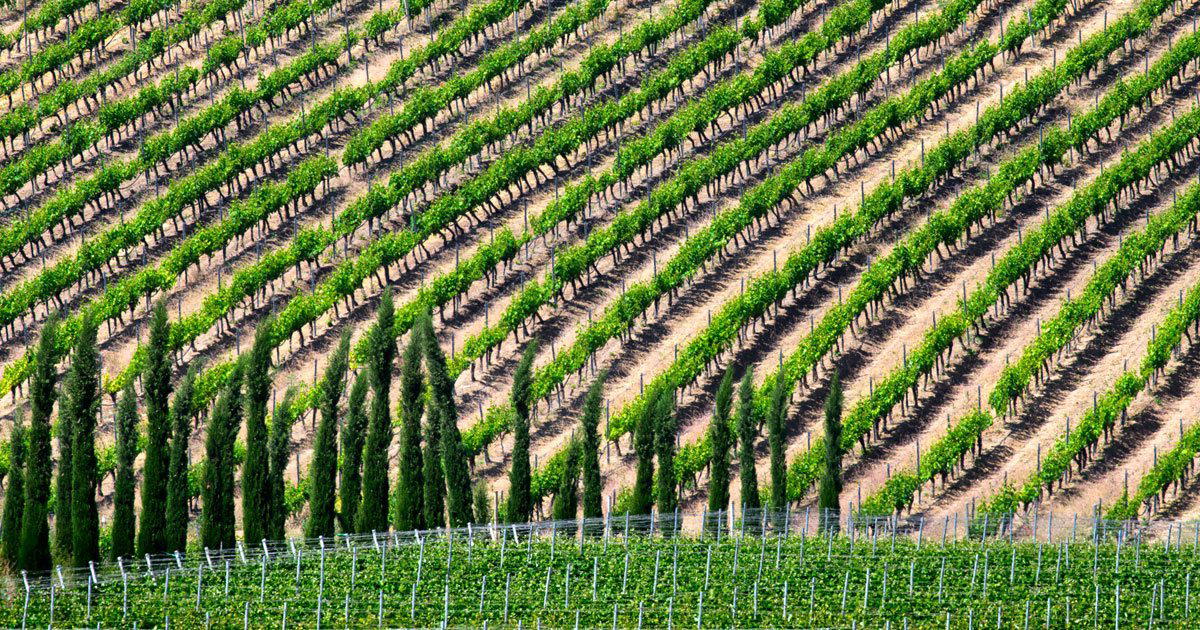
Boutari Wineries Naoussa
Veria, Greece
Book Boutari Wineries Naoussa if Xinomavro is the reason you are in the region. The visit is strongest as a serious, cellar-focused tasting with historic Naoussa context, not as a flashy hospitality stop. It suits couples, business guests, and wine-focused groups who want structured reds and a clear sense of place.
Château Monbousquet
Saint-Sulpice-de-Faleyrens, France
Book Château Monbousquet if the priority is serious Saint-Émilion wine rather than a casual tasting-room outing. The Grand Vin is the main reason to care, backed by Grand Cru Classé status, a Cabernet-accented blend, and strong vintage scores; Angélique is the easier-drinking alternative, while the dry white is the smart add-on for collectors wanting range.
Gian Luigi Montisci
Mamoiada, Italy
Book Gian Luigi Montisci only if the goal is a small Mamoiada winery stop with traditional Cannonau context and a quiet rural Barbagia feel. It is a better fit for wine-focused explorers than for travelers seeking a polished food-pairing program, broad visitor amenities, or a casual drop-in tasting.
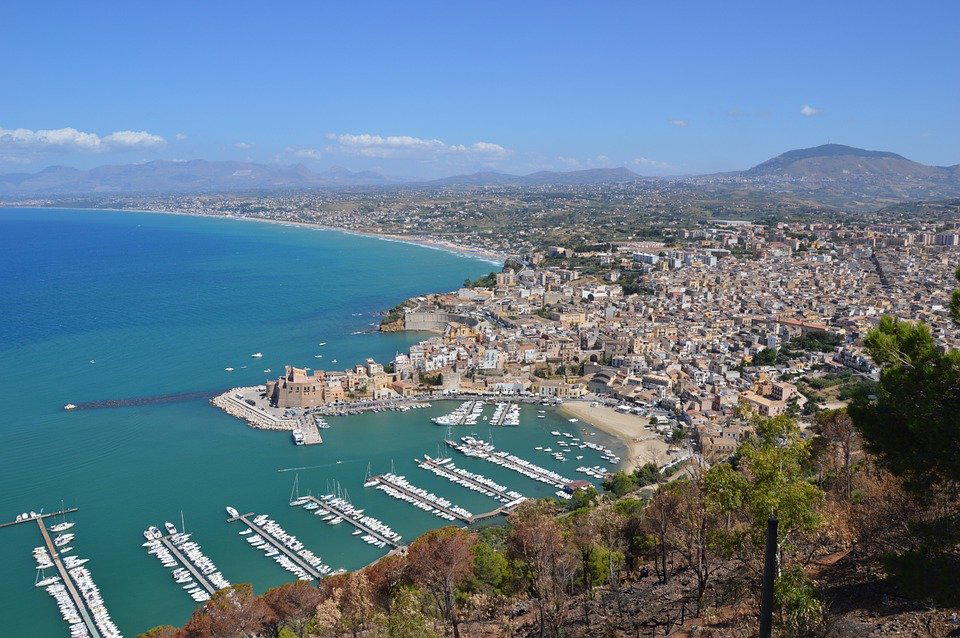
Asaro
Petrosino, Italy
Asaro works as a relaxed Petrosino winery stop, especially for a slower celebration itinerary in western Sicily. Falstaff Listed recognition for 2026 gives it a credible wine signal, but plan it as a flexible estate visit rather than a full-day destination with confirmed dining or formal tour details.
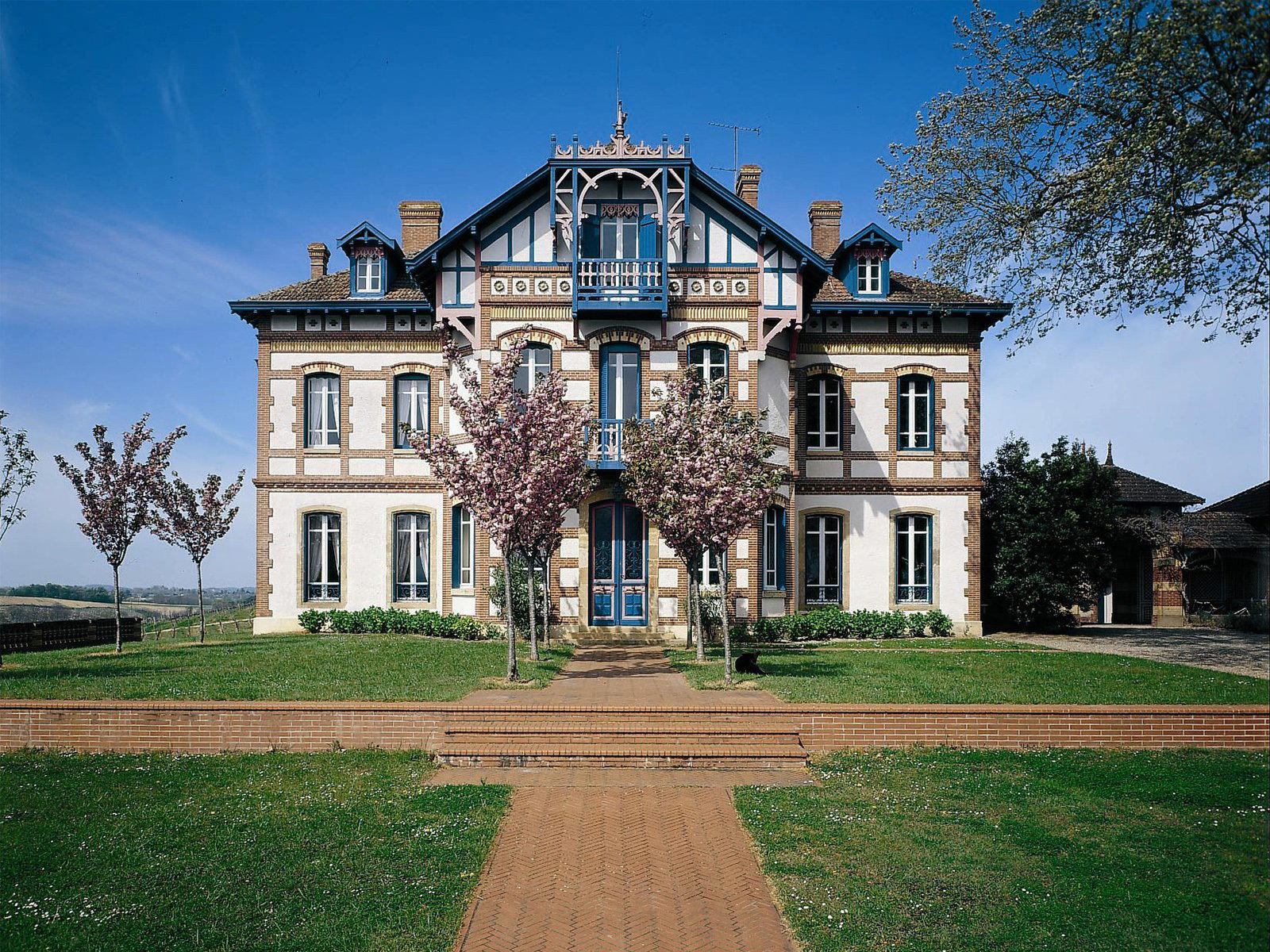
Château de Laubade
Sorbets, France
Château de Laubade is worth prioritizing if the Sorbets stop is about producer depth rather than a quick tasting-room visit. The Pearl 2 Star Prestige signal makes it a serious candidate for enthusiasts building a French wine or spirits itinerary, but plan ahead because availability should not be treated as casual.
Famiglia Anselma
Barolo, Italy
Famiglia Anselma is a practical Barolo winery pick for travelers who already plan to be in town and want a calmer addition to the day. The clearest trust signal is its Falstaff listing for 2026; use it as one part of a Langhe itinerary rather than a single-stop destination.
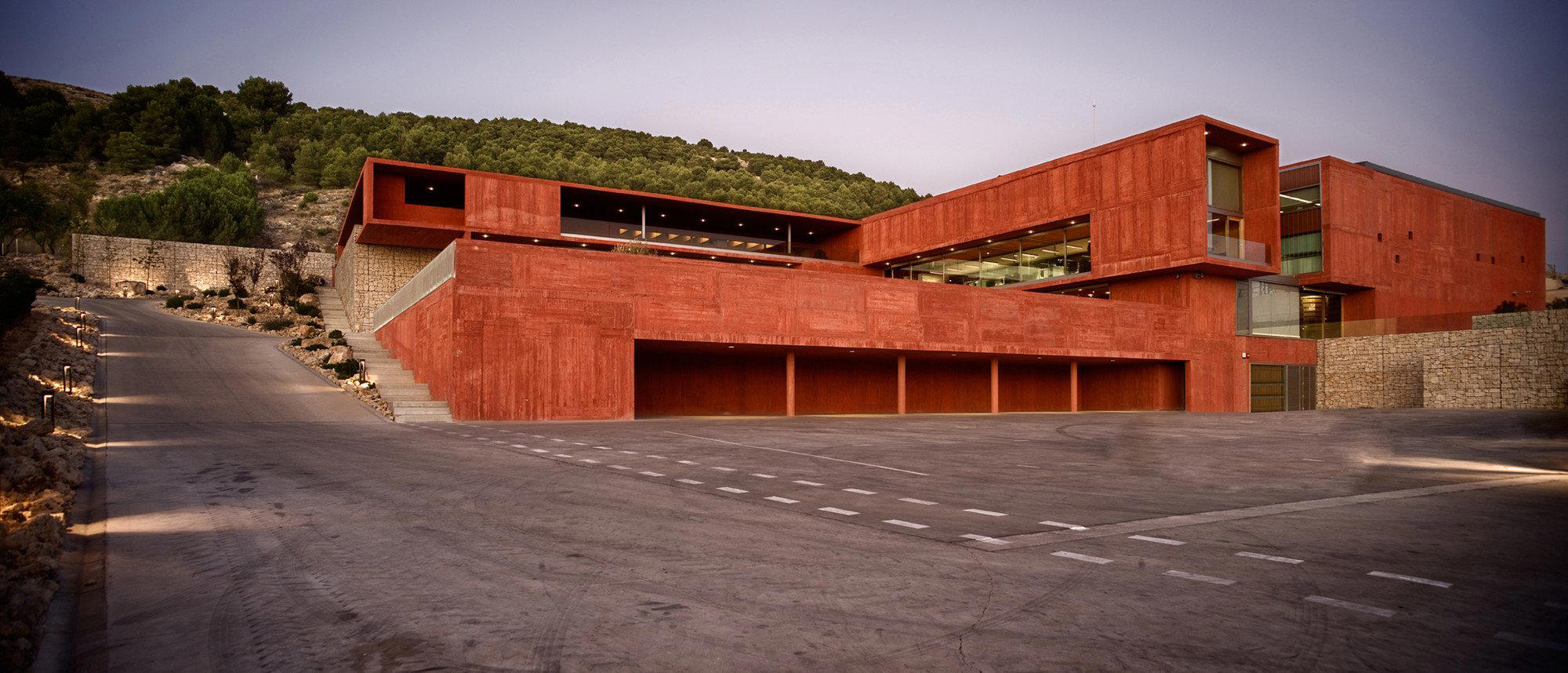
Pago de Carraovejas
Peñafiel, Spain
Pago de Carraovejas is the Peñafiel winery to prioritise when the day needs one serious Ribera del Duero anchor rather than a casual tasting crawl. Its 2025 World's 50 Best Vineyards #18 recognition supports the case for planning ahead, especially if wine context and structured tasting matter more than squeezing in multiple stops.
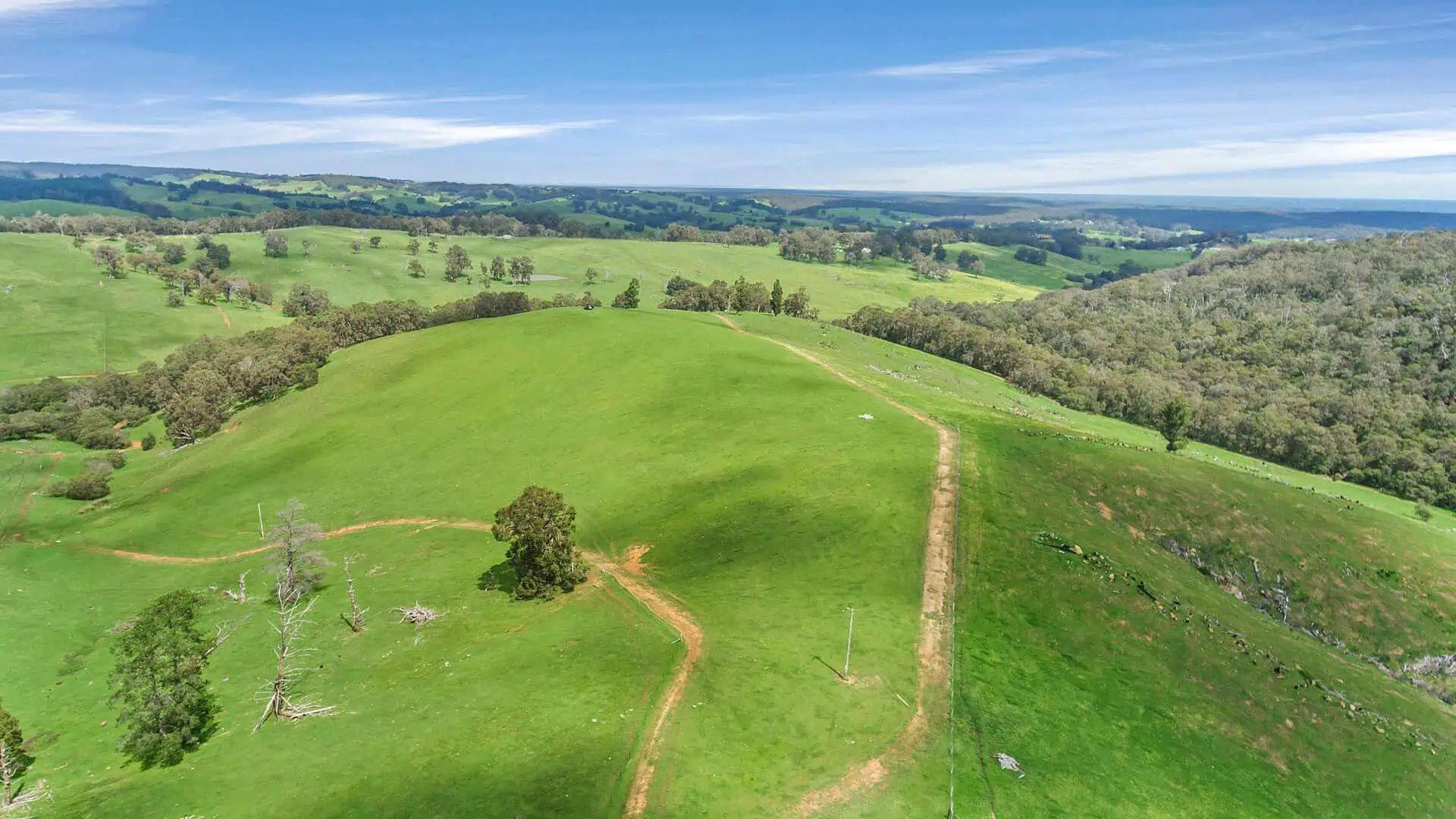
Bakkheia Wines
Wa Lowden, Australia
Bakkheia Wines works if you are already planning a Wa Lowden wine stop and want a smaller Western Australian producer with Falstaff recognition in 2026. Treat it as a flexible addition to the route, not the sole anchor for a tightly scheduled group day, since visitor details such as food service, hours, and group capacity are not clearly listed.
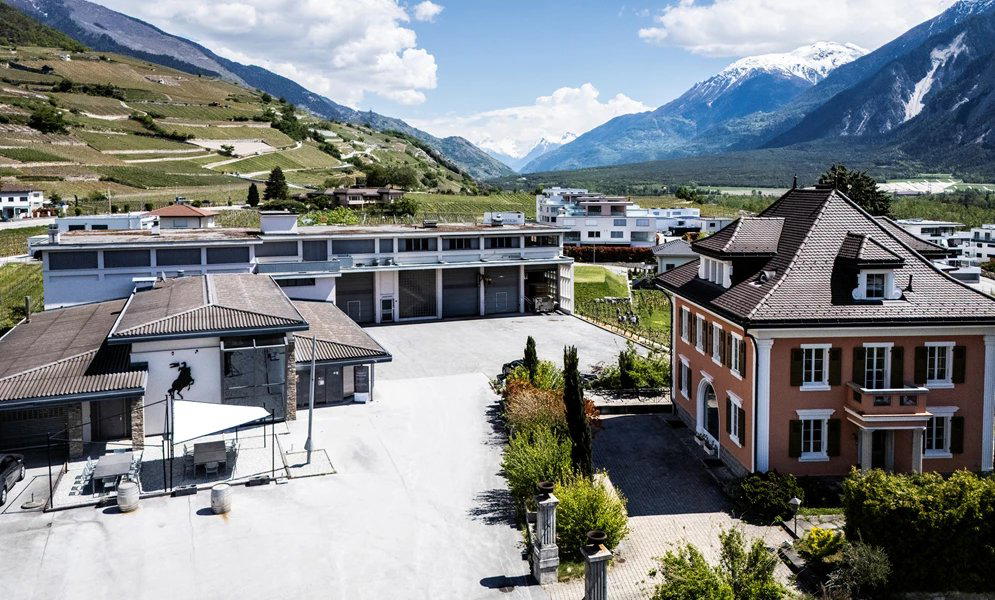
Domaines Chevaliers
Salgesch, Switzerland
Book Domaines Chevaliers if you want a relaxed Valais cellar-door tasting with personal guidance rather than a formal wine-tour production. The vinothèque setting suits first-timers, small groups, and buyers who want help comparing the estate’s Pinot Noir, Chasselas, Gamay, Syrah, Merlot, and blends. Upgrade only if the visit is your main wine appointment of the day.
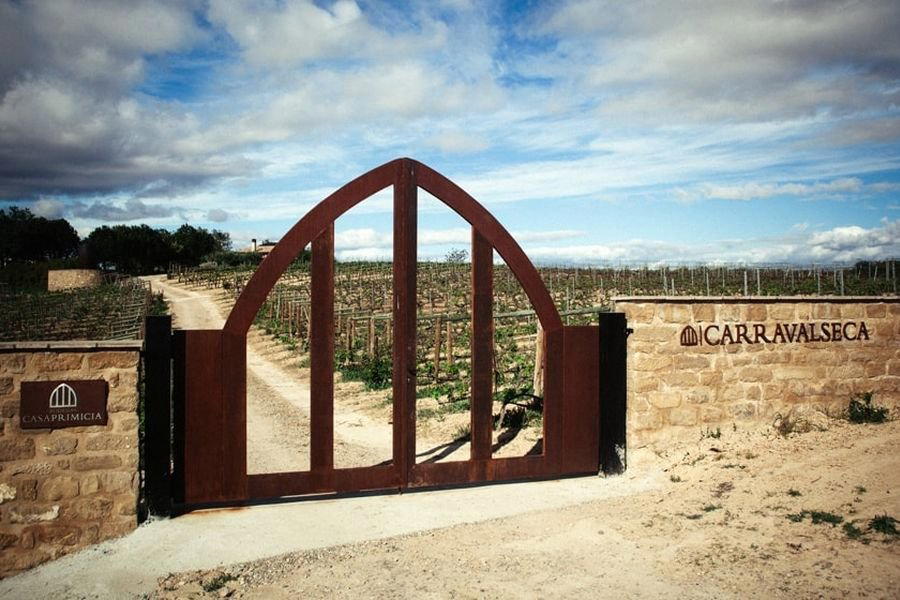
Bodegas Casa Primicia
Laguardia, Spain
Book Bodegas Casa Primicia when the setting is part of the reason for going. The medieval cellar, stone fermentation tanks, organic production angle, and family-run tone make the upgraded or private tasting the stronger choice for celebrations, dates, and small hosted groups in Laguardia.
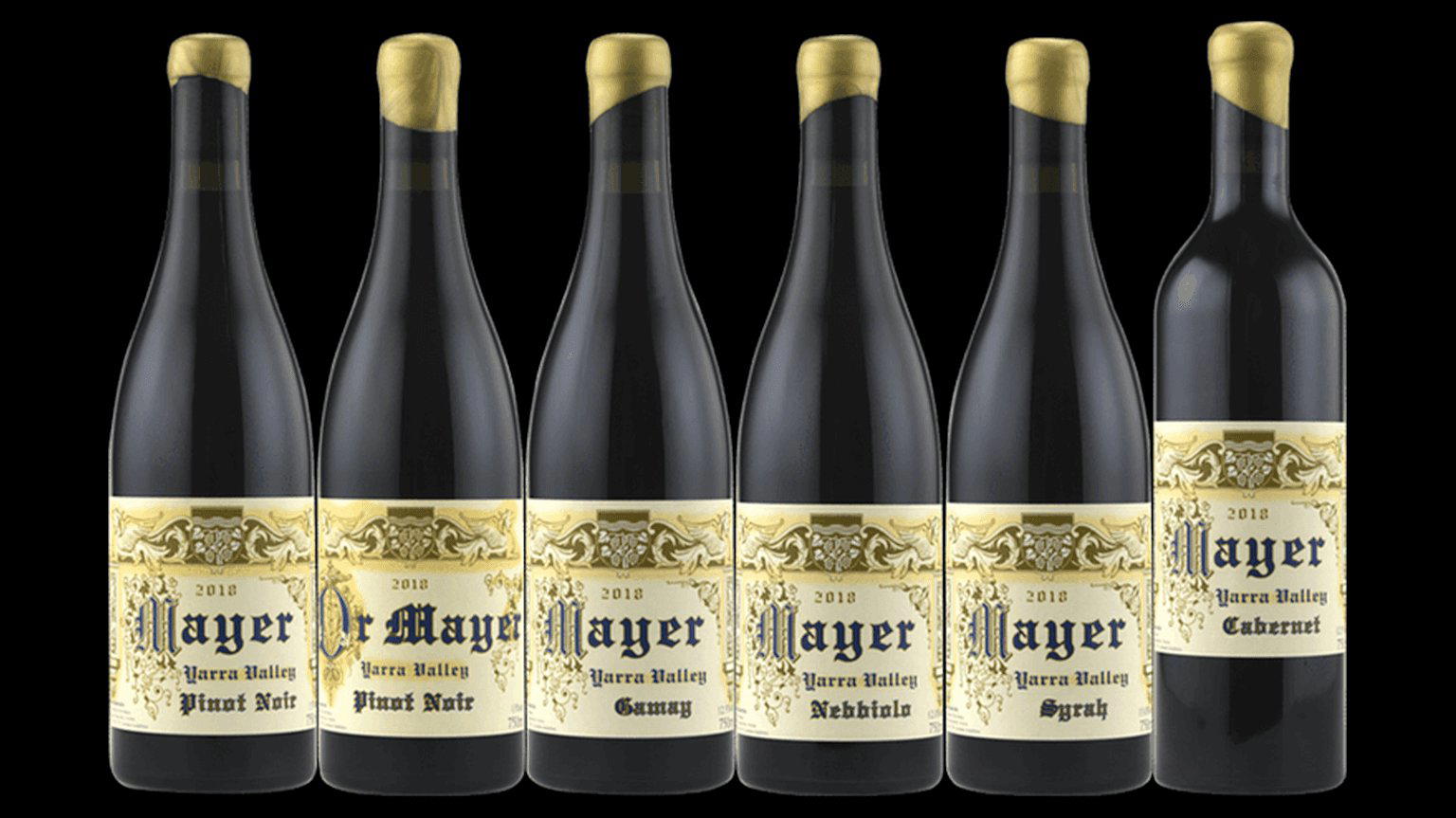
Mayer
Yarra Valley, Australia
Mayer is worth prioritising if the goal is a focused Yarra Valley wine stop rather than a large hospitality complex. It suits couples, collectors, and small celebration groups who want the producer to be the point of the visit; larger mixed-interest groups may be better served by more visitor-infrastructure-heavy peers nearby.
Kartveli
Kakheti, Georgia
Worth booking if you want a first Kakheti tasting that explains the category, not just pours wine. Kartveli is strongest for travelers interested in Georgian grapes, qvevri production, brandy, and whisky in one stop; less ideal if you want a tiny, intimate cellar visit centered on a single producer’s style.
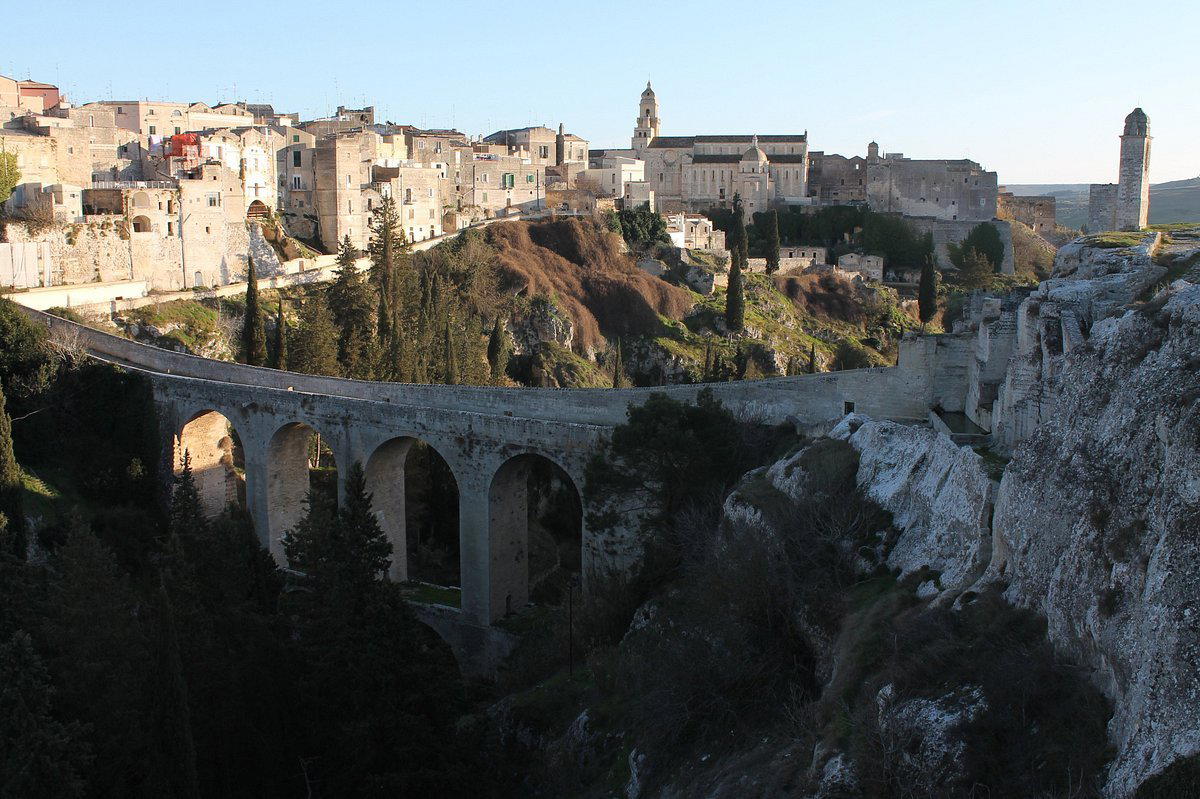
Botromagno
Gravina In Puglia, Italy
Botromagno works as a wine-first Gravina in Puglia stop, especially if the goal is local context rather than a full dining plan. Treat any wine-club or allocation decision carefully: without clear public terms, taste first, compare value, and only commit if the wines make sense for repeat buying.
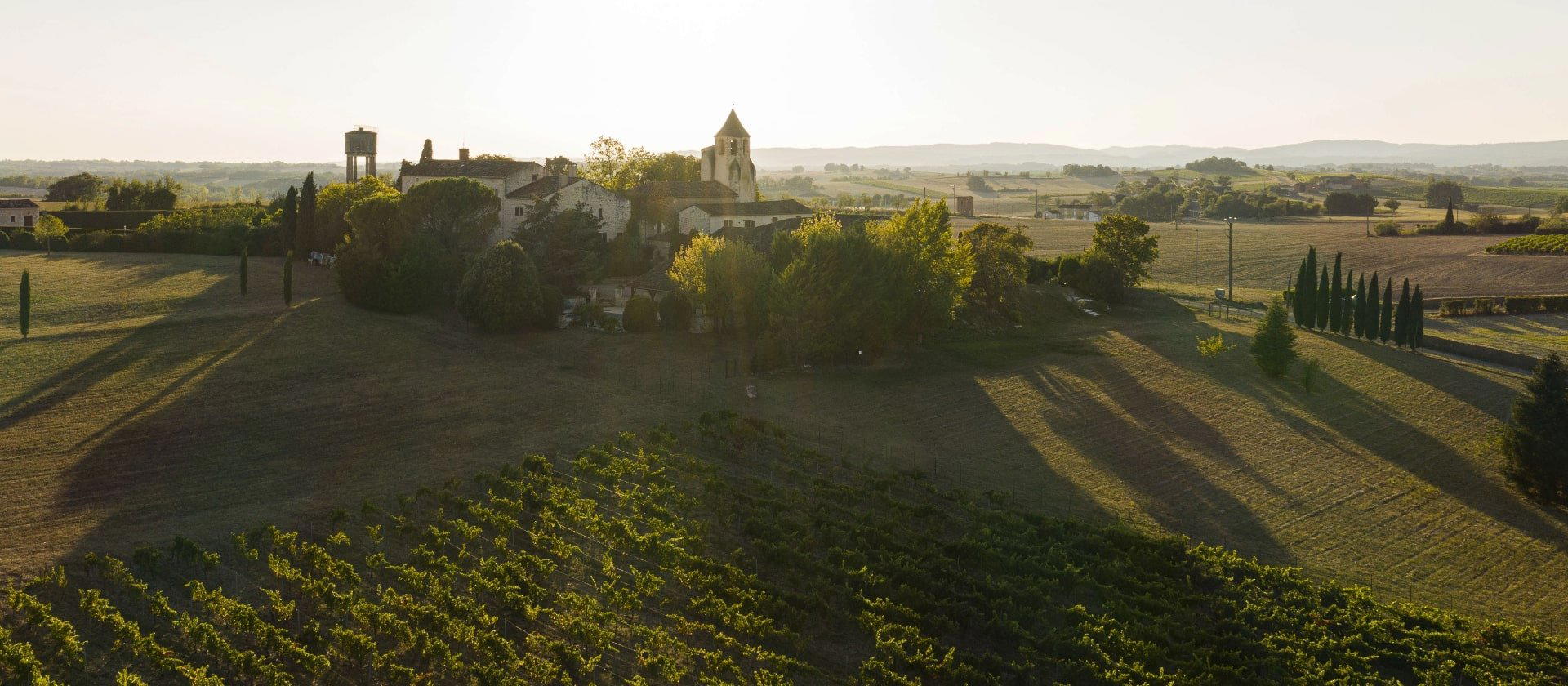
Comte de Thun
Frausseilles, France
Comte de Thun is worth booking for a quiet, educational wine stop near Gaillac, especially if structured reds and château atmosphere matter more than a busy tasting-room scene. The value is strongest for curious drinkers interested in international varieties grown on the Plateau Cordais, with a practical case for repeat buying if age-worthy reds are the priority.
Dieter Meier
Ugarteche, Switzerland
Dieter Meier works if the goal is a premium gin purchase with a clear Swiss-Argentinian production story, not a full winery-style visit. The value sits in Ojo de Agua Dry Gin’s 43% ABV, Argentine ingredient base, Swiss distillation, and Falstaff 2026 listing; for groups or food-led occasions, build the day elsewhere and treat this as the bottle decision.
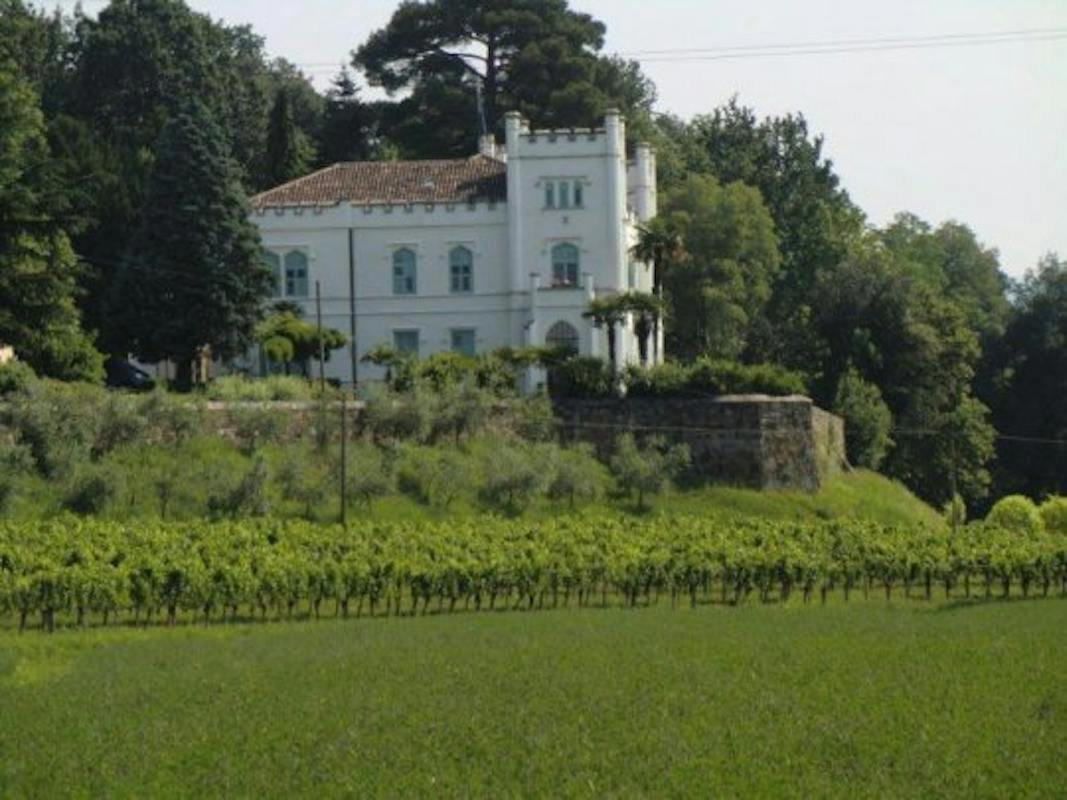
Fondazione Villa Russiz
Capriva Del Friuli, Italy
Worth booking if you want a calm, guided Collio winery visit with heritage, white-wine context and a villa-estate setting. Fondazione Villa Russiz is stronger for structured tasting and regional education than for casual drop-in drinking, and the listed $33 per person fee is easiest to justify if you value the guided format.
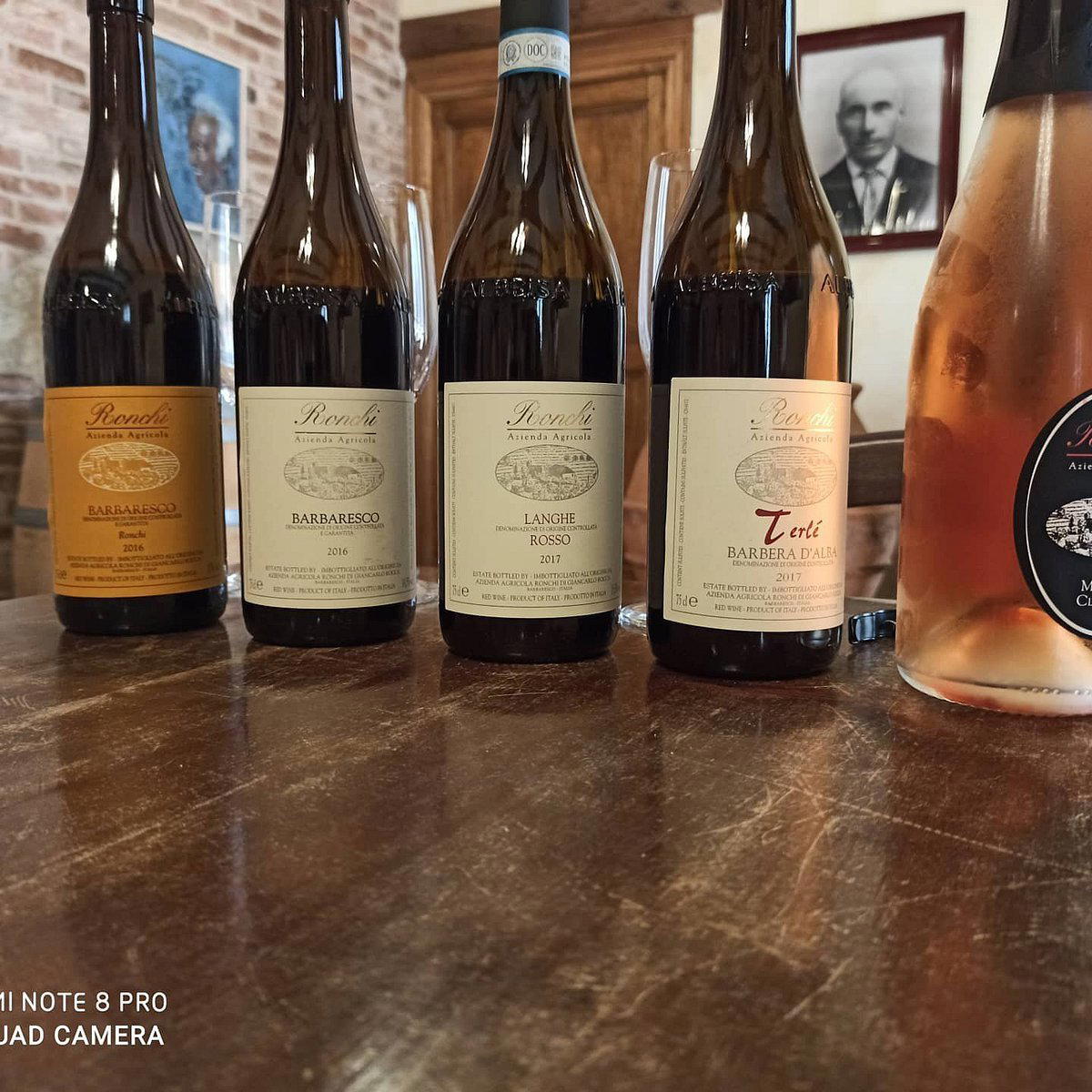
Azienda Agricol Cascina Luisin
Barbaresco, Italy
Book Azienda Agricola Cascina Luisin if the priority is traditional, single-vineyard Barbaresco in a quiet rural setting. It is better for Nebbiolo drinkers who want Rabajà, Asili, Basarin and Paolin context than for visitors seeking a polished food-pairing program or casual drop-in tasting.
Erfrischend Spritzig KG
Illmitz, Austria
A modest, appointment-only Illmitz winery suited to return visitors who want a quieter, production-led stop rather than a full hospitality experience. Worth considering as part of a broader Burgenland wine day, especially if spritz-style regional drinking is the draw; less compelling for groups seeking food, formal tasting structure, or a polished visitor setup.
Cape Point Vineyards
Cape Town, South Africa
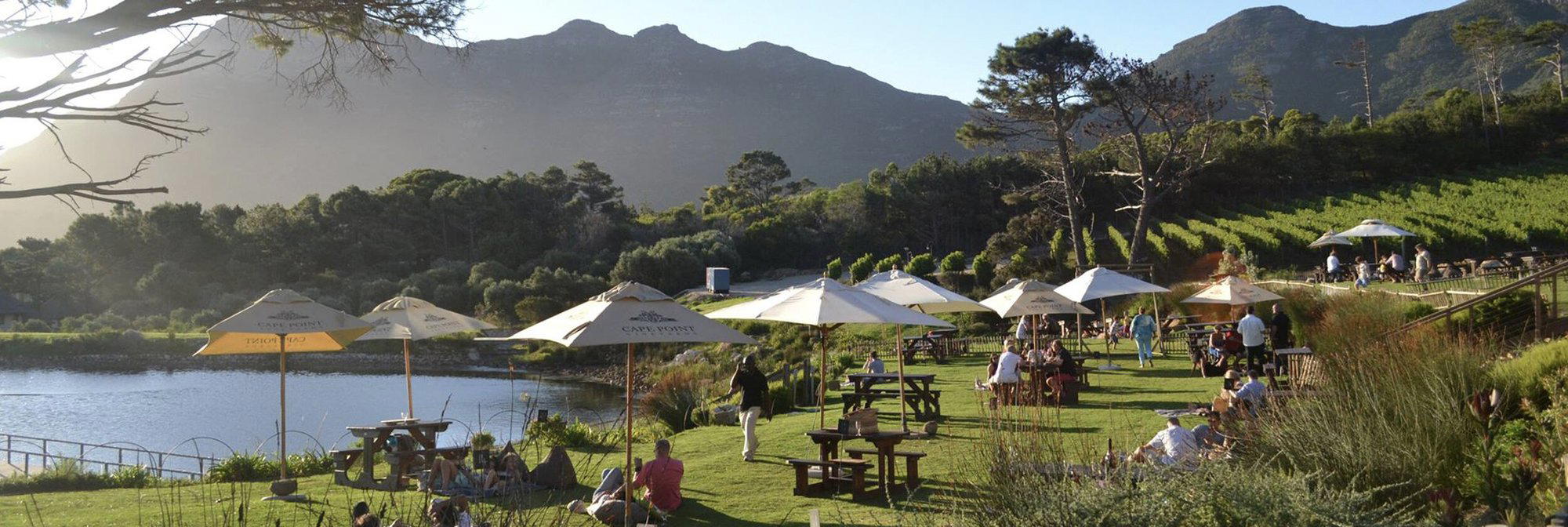
Cape Point Vineyards is worth prioritizing when the visit is about a spacious Noordhoek setting as much as wine. Choose it for a slower peninsula outing, clear-weather timing, and a more scenic Cape Town wine stop; choose Constantia peers if the goal is a tighter multi-estate tasting route.
Domaine Vincent Girardin
Meursault, France
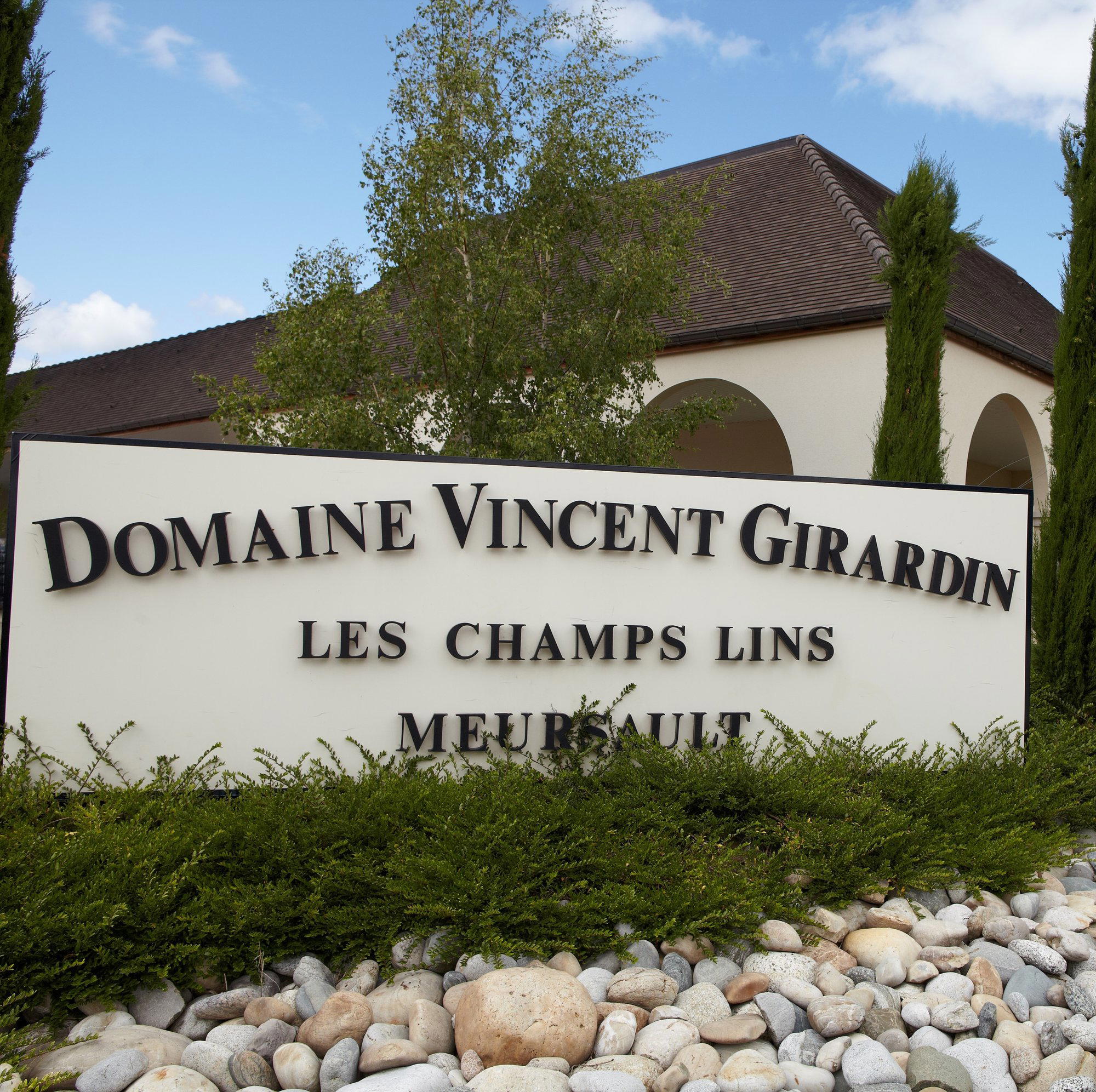
Domaine Vincent Girardin is worth pursuing for serious Meursault and Côte de Beaune Chardonnay context, especially if a private appointment can focus on sourcing, barrel regime, and production decisions. It is not the right pick for a casual drop-in tasting or food-led winery visit; book it for depth, not leisure.
Bodega Colomé
Molinos, Argentina
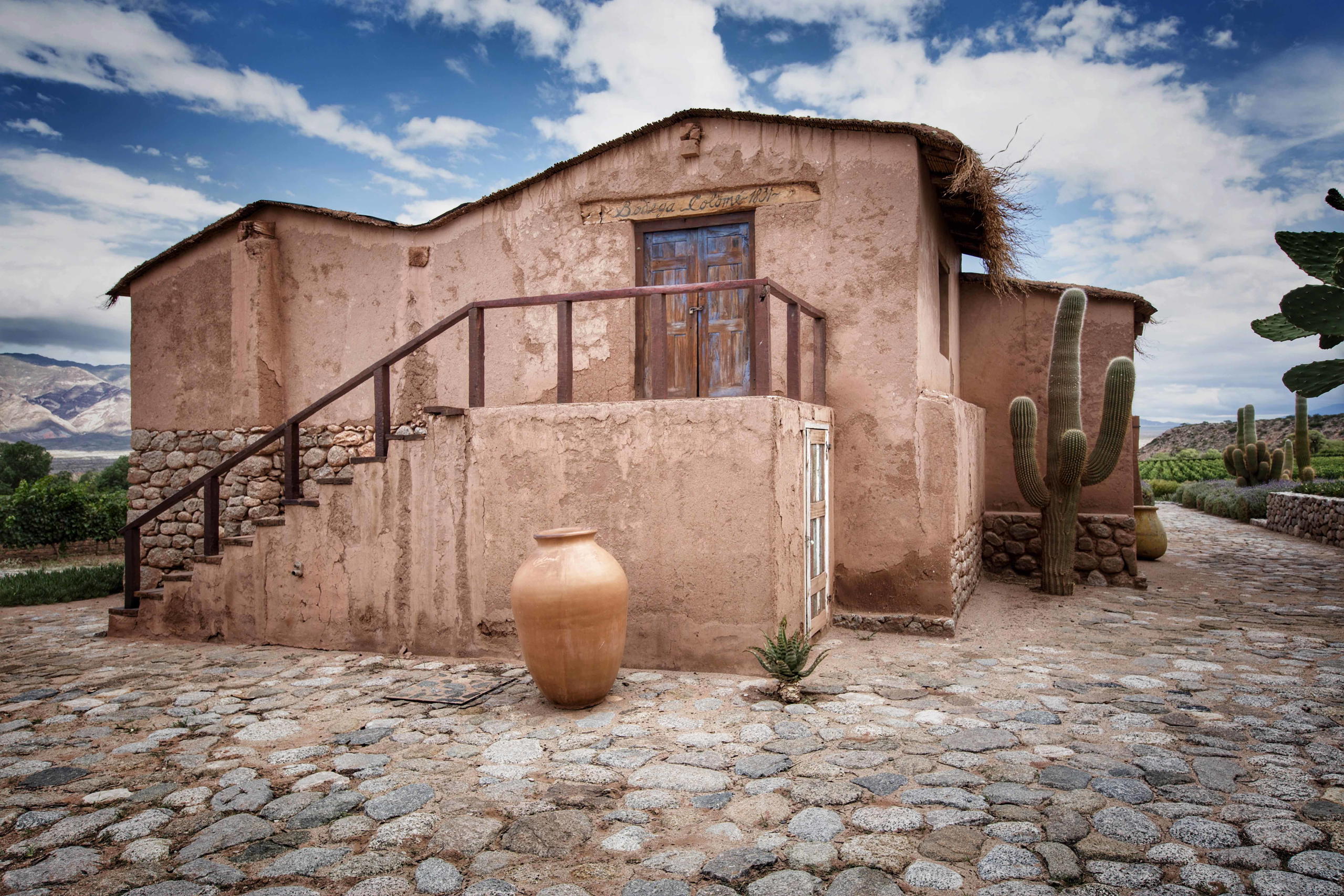
Bodega Colomé is worth targeting if the winery is the point of the day, not a casual add-on. Its international recognition gives serious wine travelers a clear reason to make the Molinos detour, but the rural location and difficult booking profile mean Cafayate alternatives may suit easier tasting itineraries better.
Champagne Alexandre Bonnet
Les Riceys, France
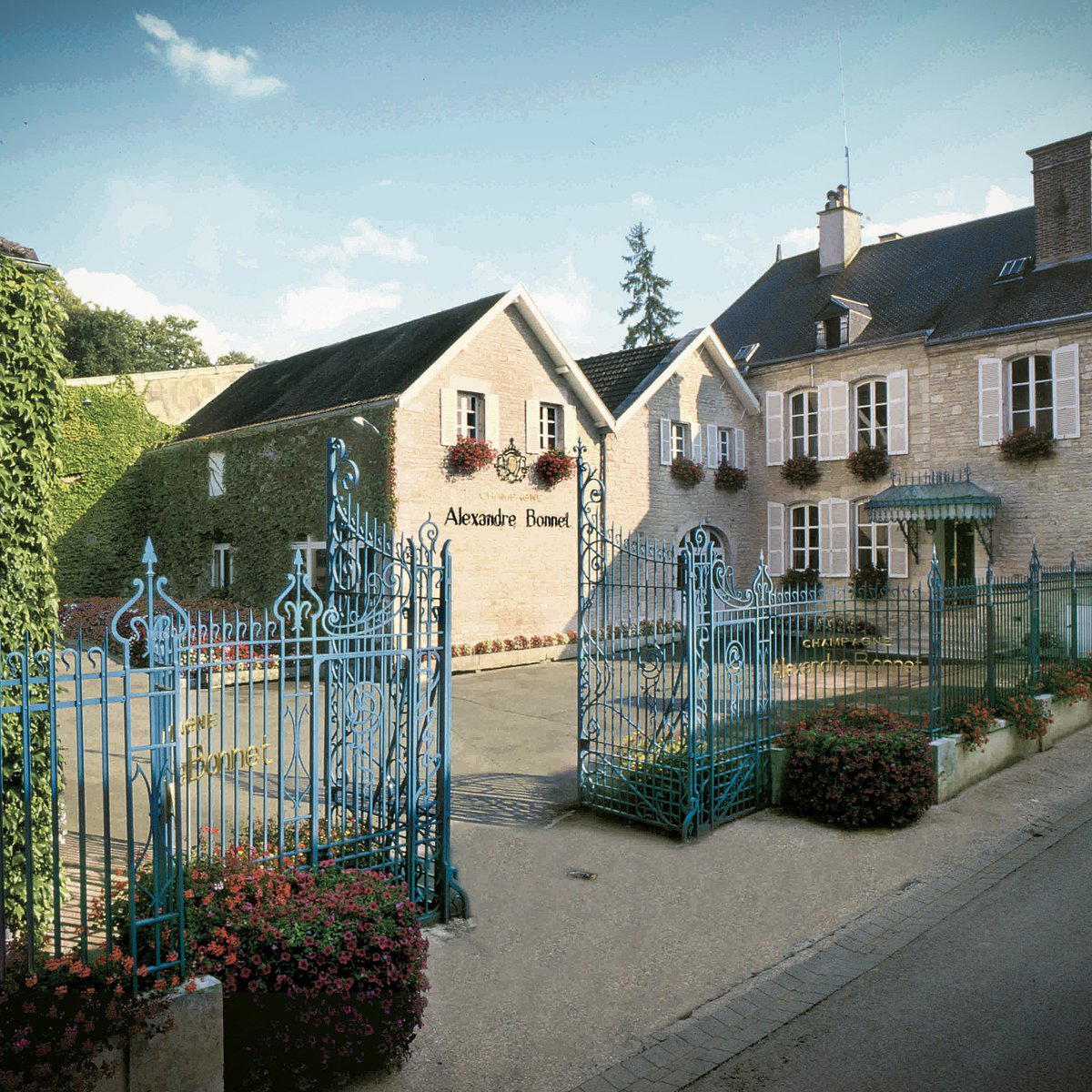
Champagne Alexandre Bonnet works for a wine-first stop in Les Riceys, especially for a quieter Côte des Bar visit built around Champagne rather than dining or nightlife. Its Falstaff Listed 2026 recognition gives it a credible quality signal, but wine club value should be judged only after checking current bottle access, pricing, and shipping terms.
Gratena
Arezzo, Italy
Gratena is worth booking if the draw is organic Tuscan farming, native grapes, and a quiet rural estate rather than a polished food-pairing format. The strongest reasons to go are its long organic timeline, Sangiovese and GRATENA NERO focus, and agriturismo setting near Arezzo.
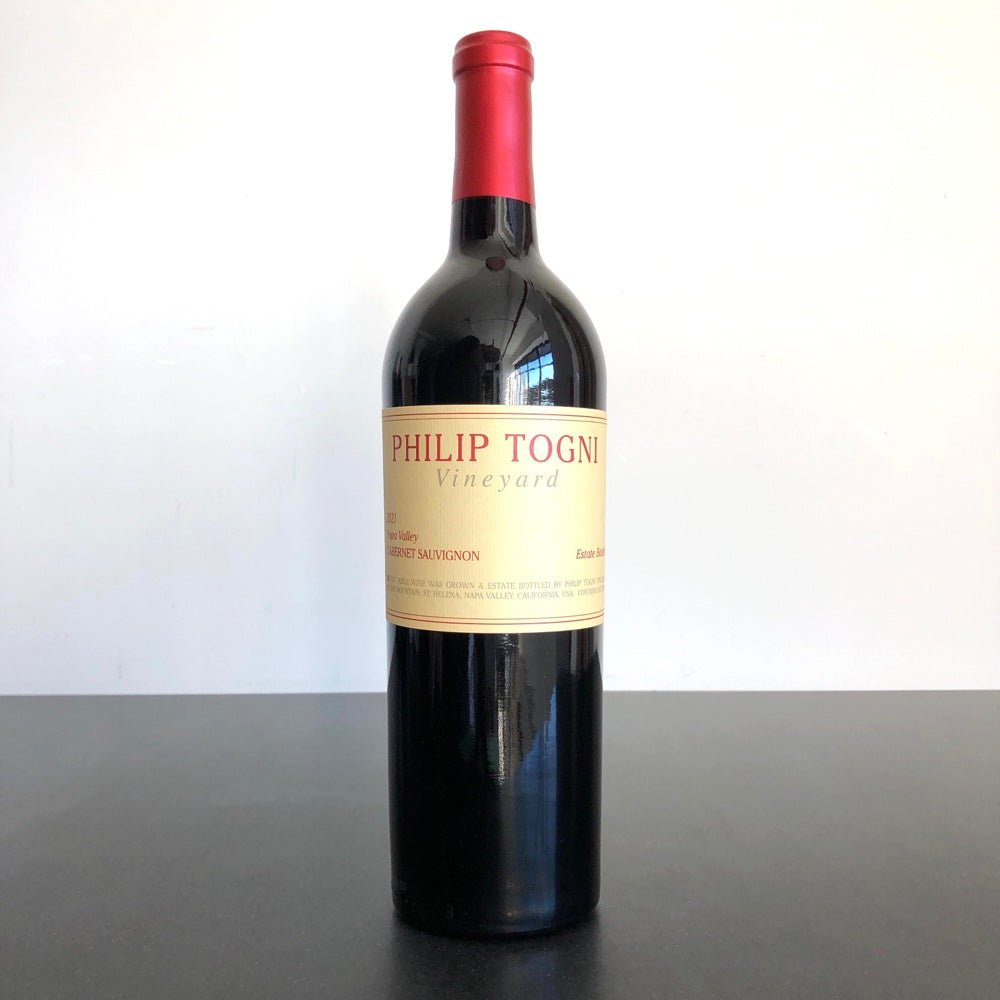
Philip Togni Vineyard
St. Helena, United States
Philip Togni Vineyard is a serious St. Helena choice for travelers prioritizing Spring Mountain wine depth over convenience. It is better treated as the anchor of a Napa day than a casual add-on, especially if timing and group logistics matter.
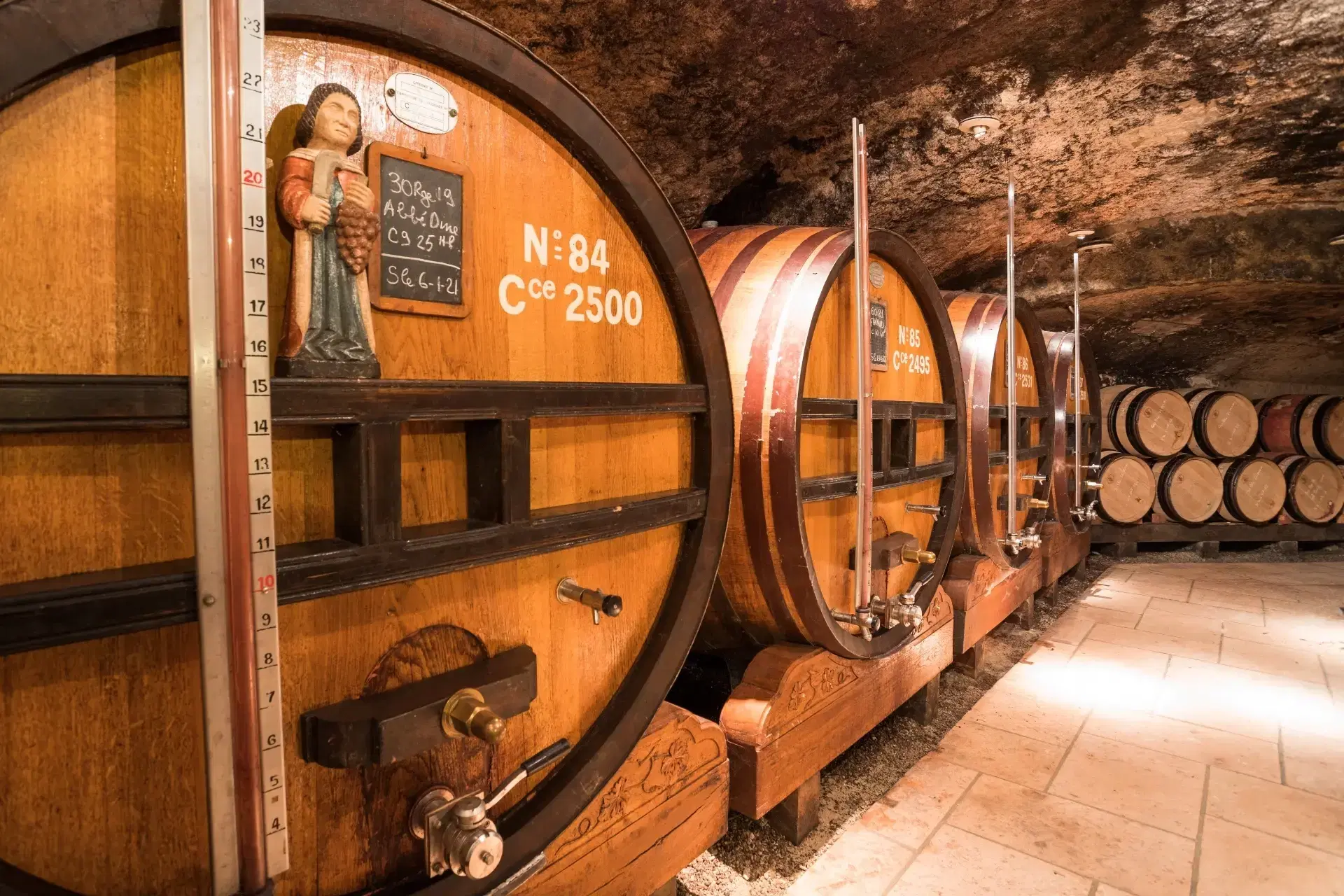
E. Guigal
Ampuis, France
Prioritise E. Guigal if the trip is built around Côte-Rôtie and producer reputation, not if the goal is a casual, flexible tasting day. Its 1946 first vintage, Philippe Guigal connection, and major vineyard recognition make it a serious Ampuis anchor, but access planning matters more here than spontaneity.
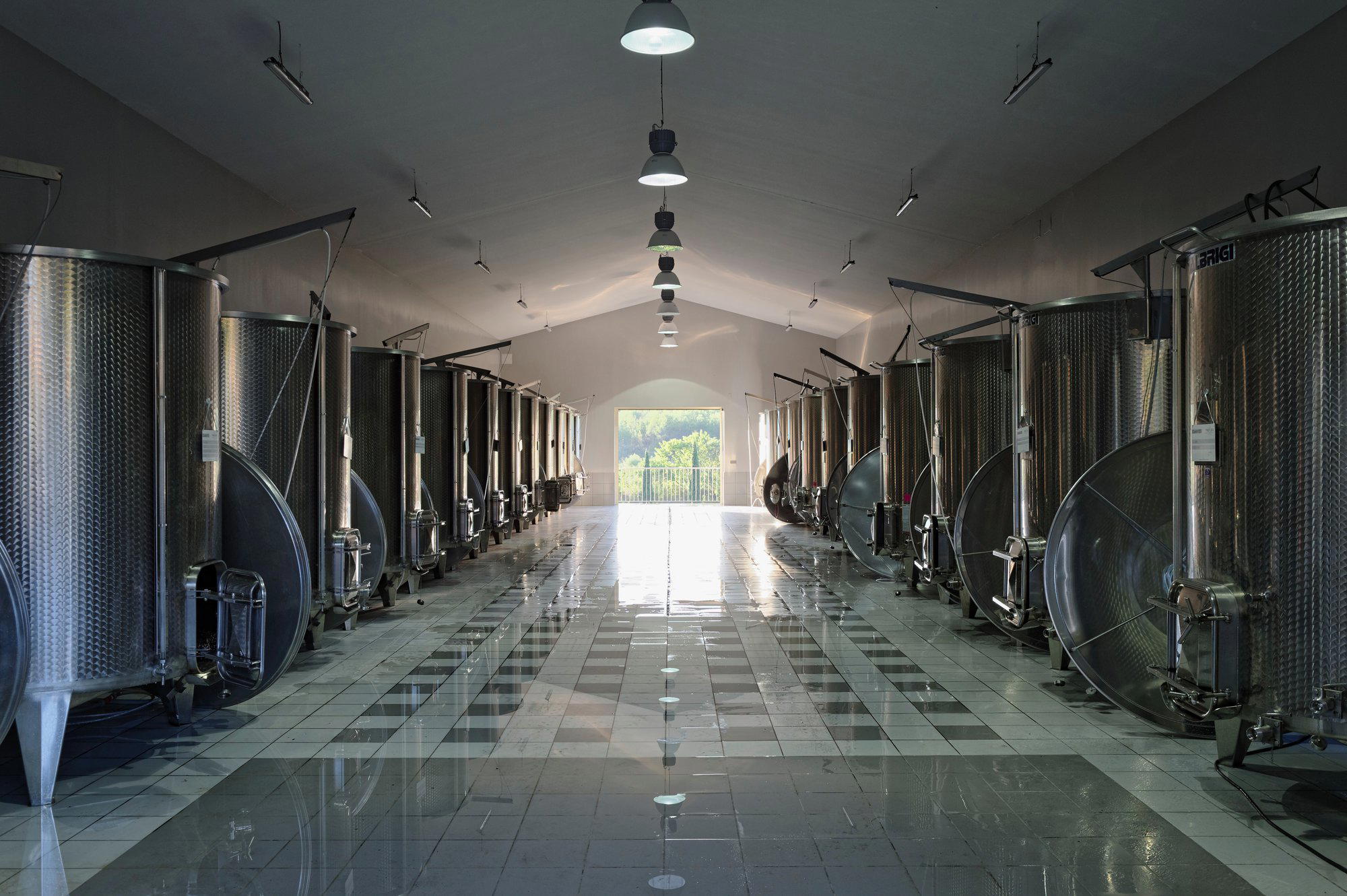
Domaine Haut-Lirou
Saint Jean De Cuculles, France
Choose Domaine Haut-Lirou for a relaxed Pic Saint-Loup winery visit where the vineyard setting is part of the value. It suits couples, small groups and low-key celebrations better than travelers chasing a fast technical tasting, with family heritage, recognized wines and outdoor hospitality giving the stop enough substance.
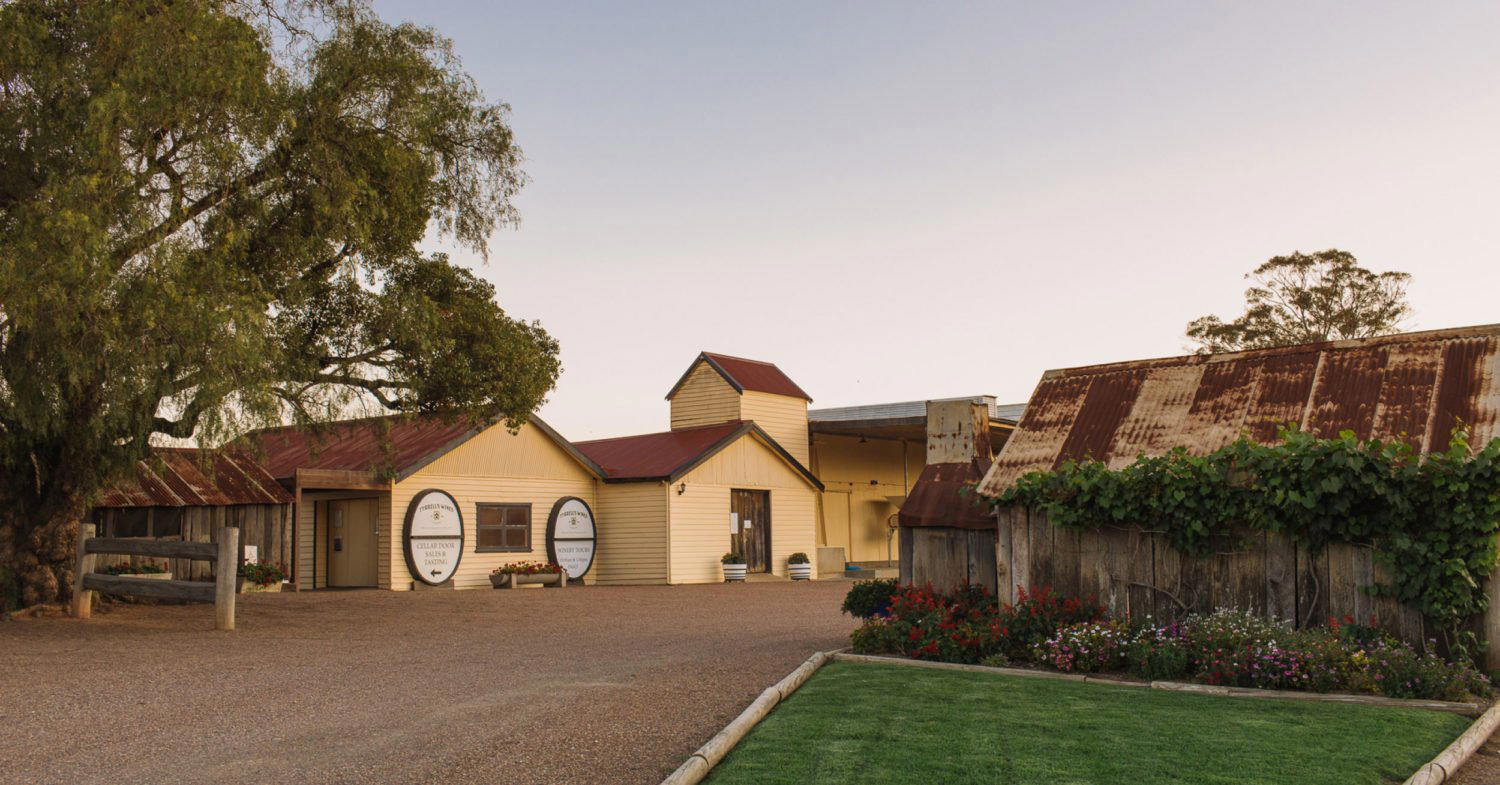
Tyrrell's Wines
Hunter Valley, Australia
Tyrrell's Wines is worth prioritising if the Hunter Valley trip is about serious wine context rather than a casual cellar-door crawl. Put it early in the itinerary, then compare it with Brokenwood, Audrey Wilkinson, De Iuliis, Lake's Folly, and Silkman Wines depending on whether the group values scenery, convenience, or a tighter producer-led tasting day.
Les Producteurs Réunis
Cebazan, France
Les Producteurs Réunis works as a flexible Cébazan wine stop, especially if the day is already built around local wineries. Falstaff listing gives it a useful credibility signal, but sparse public visitor details mean it is better for adaptable plans than tightly scheduled tasting trips.
Fratelli da Lozzo
Codogne, Italy
Fratelli da Lozzo is worth booking if organic farming and Prosecco-region context matter more than a glossy tasting room. The visit is strongest for wine travelers who want vineyard walks, cellar explanation, and a grounded tasting shaped by certified organic production, vegan wines, solar power, and FIVI independent-winegrower status.
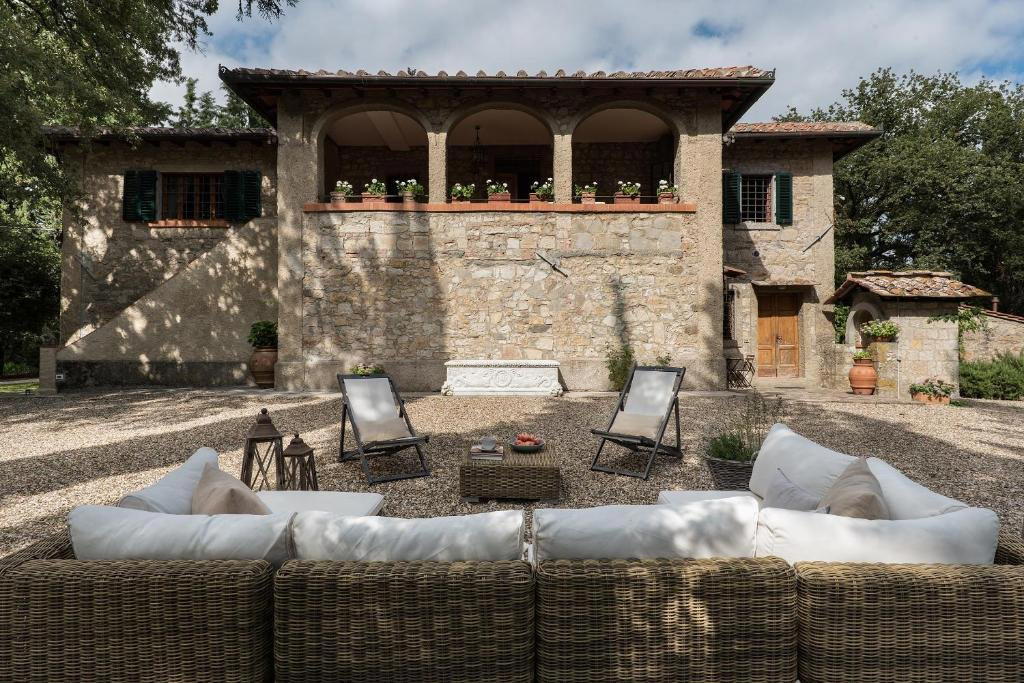
Azienda Agricola San Donatino
Castellina in Chianti, Italy
Azienda Agricola San Donatino works as a quieter Castellina in Chianti winery stop, especially if the goal is regional context rather than a heavily structured visitor experience. Confirm tasting format, food, and shipping before building a day around it; its value is strongest as one stop in a slower Chianti itinerary.
Domaine de La Renaudie
Mareuil Sur Cher, France
Domaine de La Renaudie works as a flexible Mareuil Sur Cher wine stop, especially for couples or small groups already planning time nearby. Falstaff Listed in 2026 gives it a credible recognition signal, but treat food, private tasting, shipping, and group arrangements as details to verify before building a special occasion around the visit.
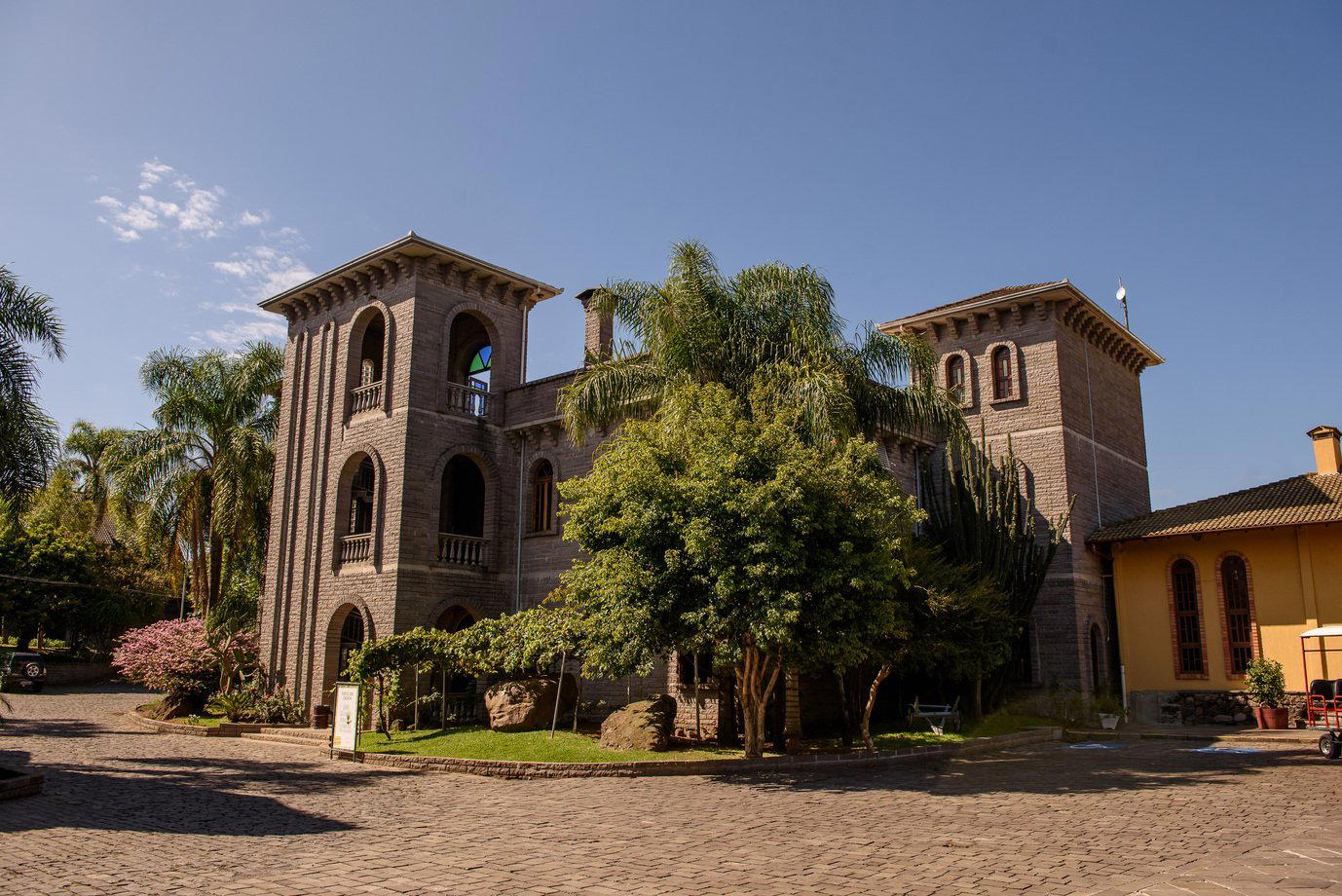
Casa Valduga
Bento Goncalves, Brazil
Casa Valduga is worth prioritizing if you want a polished Vale dos Vinhedos estate visit with serious cellar scale, structured tastings, and a strong sparkling-wine focus. It is better for a planned half-day than a quick drop-in, especially for couples or groups who want Brazilian wine context without needing a niche technical tasting.
Egon Schäffer
Volkach Escherndorf, Germany
Book Egon Schäffer if the goal is a quiet, traditional Franconian winery visit focused on dry Silvaner, Riesling, and low-intervention cellar work. It is strongest for wine travellers who want depth and a village setting at the Escherndorfer Lump, not for groups looking for a restaurant-style experience or a flashy tasting room.
Earl Anstotz et Fils
Balbronn, France
Book Earl Anstotz et Fils if you want a quiet, good-value Alsace Wine Route stop focused on organic, family-run production rather than polished wine tourism. The range covers Muscat, Pinot Blanc, Auxerrois, Crémant, and late-harvest styles, with easy booking for casual visits and reservations needed for guided formats or groups.
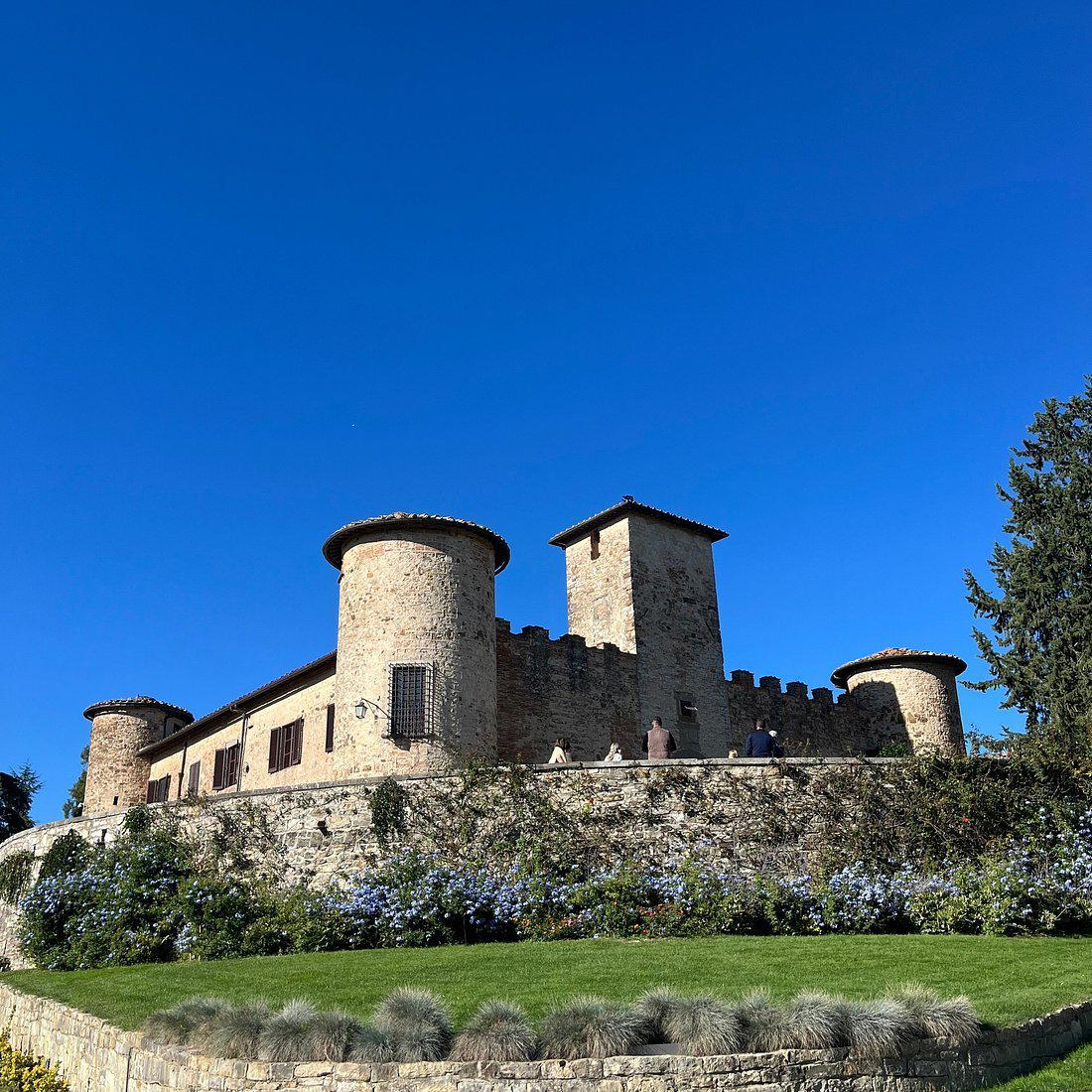
Azienda Agricola Solatione
Mercatale Val Di Pesa, Italy
Book Azienda Agricola Solatione if you want a quiet, small-scale Chianti Classico tasting with organic farming, Sangiovese focus, and a casual hilltop feel. It is better for couples or wine-curious travelers than large groups seeking a formal visitor center or broad hospitality setup.
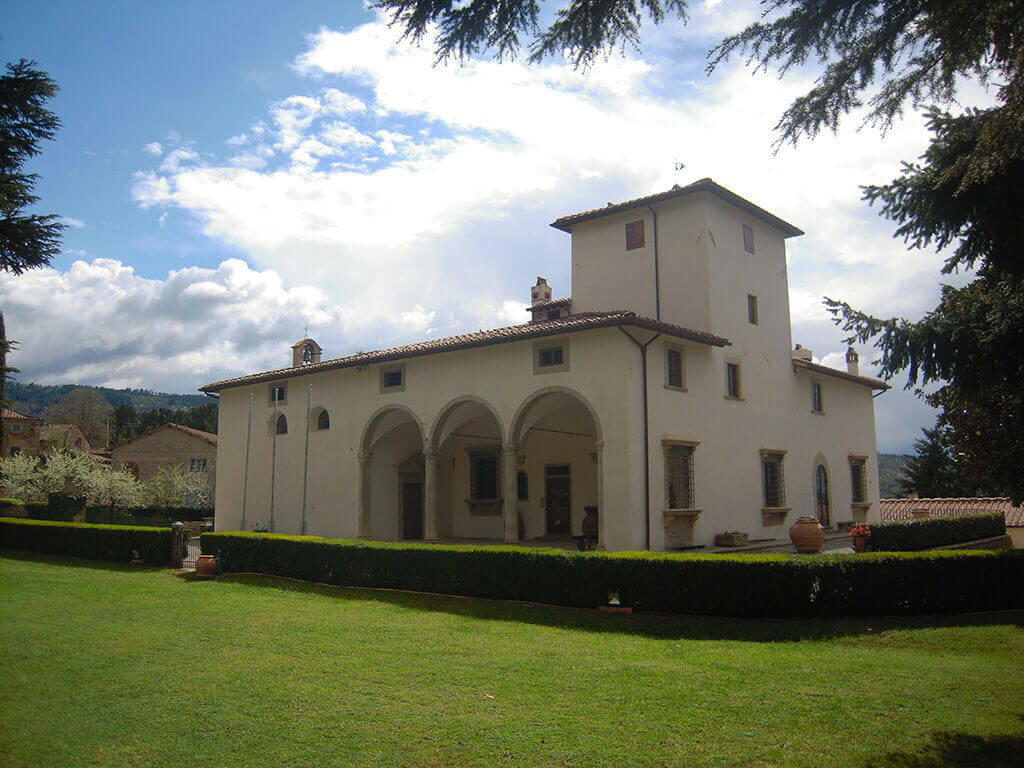
Castello Pomino
Rufina, Italy
Book Castello Pomino if you want a quieter Rufina wine visit where the castle setting and high-altitude vineyards are part of the value. It is a strong fit for travelers interested in Tuscan whites, Frescobaldi history, and a slower estate experience rather than a quick tasting-room stop.
Galić
Kutjevo, Croatia
Galić is the Kutjevo winery to prioritise if architecture, regional context, and Graševina identity matter alongside the tasting. The $$ pricing reads fair for a modern, design-led Slavonian visit with Falstaff Listed recognition in 2026, especially for travellers who want to understand the region rather than simply buy a bottle.
Bodegas Virgen De La Asunción
La Horra, Spain
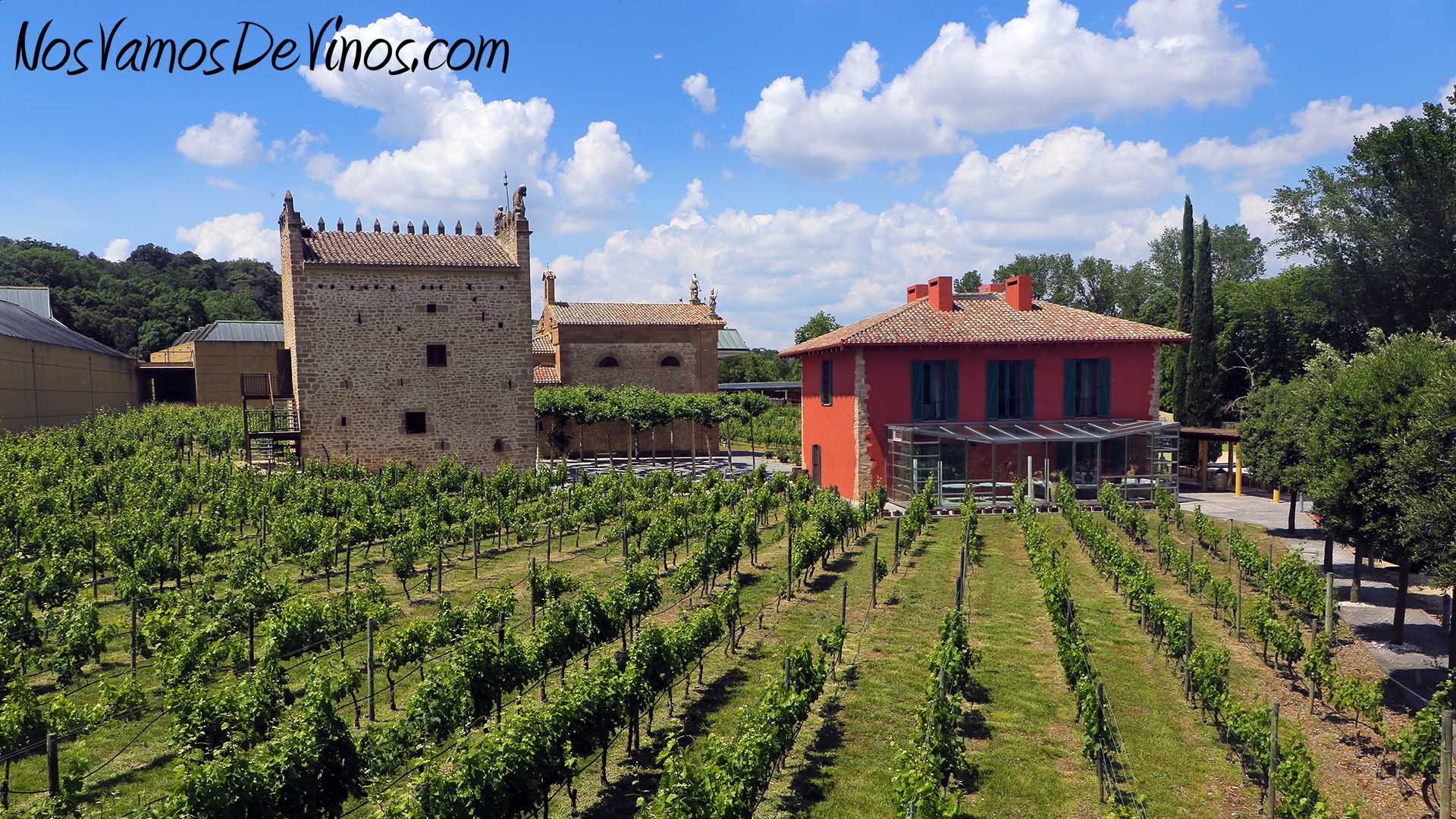
A grounded La Horra winery pick for repeat Ribera del Duero visitors who want old-vine Tempranillo context over a glossy tasting-room experience. The draw is the 1957 cooperative heritage, high-altitude estate vineyards, and Falstaff 2 Stars recognition in 2026; choose it for regional understanding, not for a food-led hospitality stop.
Château La Vieille Cure
Saillans, France
Book Château La Vieille Cure if Fronsac is the point: structured, Merlot-led Right Bank Bordeaux from a historic single-parcel estate with serious cellar appeal. It is less compelling for casual drop-in tasting plans, since the draw is the wine program rather than a documented hospitality setup.
Domaine L'Ostal Cazes
La Liviniere, France
Domaine L'Ostal Cazes is worth targeting for structured Minervois La Livinière reds, especially the Syrah-led Grand Vin, rather than for a showy hospitality setup. The $$ positioning, Falstaff Listed 2026 recognition, and documented 2023 Grand Vin scores make the value case strongest for bottle buyers and Languedoc-focused travelers.
Blacksta Vingård
Flen, Sweden
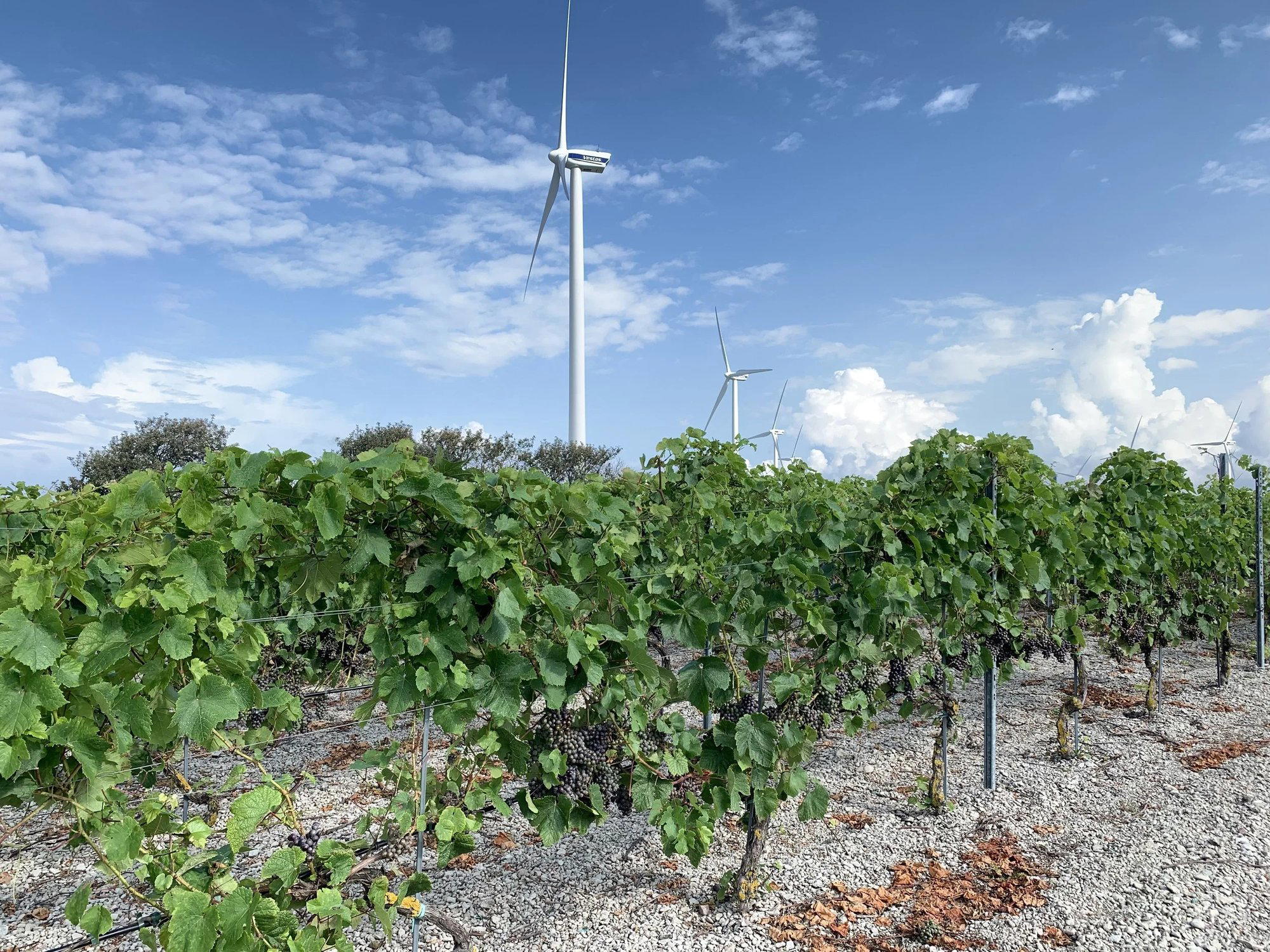
Blacksta Vingård is worth booking when the plan is a full Sörmland food-and-wine escape, not just a quick tasting. The strongest move is a structured or private format, especially for groups who want context around Swedish natural wine, estate produce, lodging, and the Lake Långhalsen countryside setting.
Capaccioli - Poggio Niccolini
San Casciano in Val di Pesa, Italy
Capaccioli - Poggio Niccolini is worth prioritizing if the goal is a focused Chianti Classico tasting built around old-vine Sangiovese rather than a broad cellar experience. The small-production format and Falstaff recognition make it a strong fit for wine-focused travelers, especially those seeking a private, educational appointment in San Casciano in Val di Pesa.
Domaine de la Rochette
Cressier, Switzerland
Domaine de la Rochette works for a low-pressure Cressier wine stop, especially if regional Neuchâtel context matters more than a highly staged visitor experience. Falstaff listing adds a credibility signal, but plan flexibly because public-facing details on tastings, food, shipping, and club access are not part of the core booking picture.
Cave Alain & Etienne Bétrisey
Ayent, Switzerland
A low-friction Ayent wine stop for travelers who want a Valais producer with Falstaff Listed recognition in 2026, not a heavily staged tasting-room experience. Best for a wine-led date, celebration, or business-hosting afternoon; confirm tasting access, food, shipping, and group needs before building the day around it.
Erhard Stacher
Bad Pirawarth, Austria
A credible Weinviertel winery stop for travelers already spending time around Bad Pirawarth, especially if the goal is a quiet wine-focused visit rather than a fully staged private tasting. The 2026 Falstaff listing is the main quality signal; plan flexibly if food, group capacity, or fixed hospitality details matter.
Cheval d’Or
Nouvelle Aquitaine, France
Cheval d’Or is not a strong pick for a wine-tourism itinerary unless there is a specific business reason to engage with the company. It is better understood as a Nouvelle-Aquitaine commercial entity than a visitor-facing winery, so travelers should prioritise clearly bookable producers or hospitality-led wine venues instead.
Hidalgo La Gitana
Sanlúcar de Barrameda, Spain
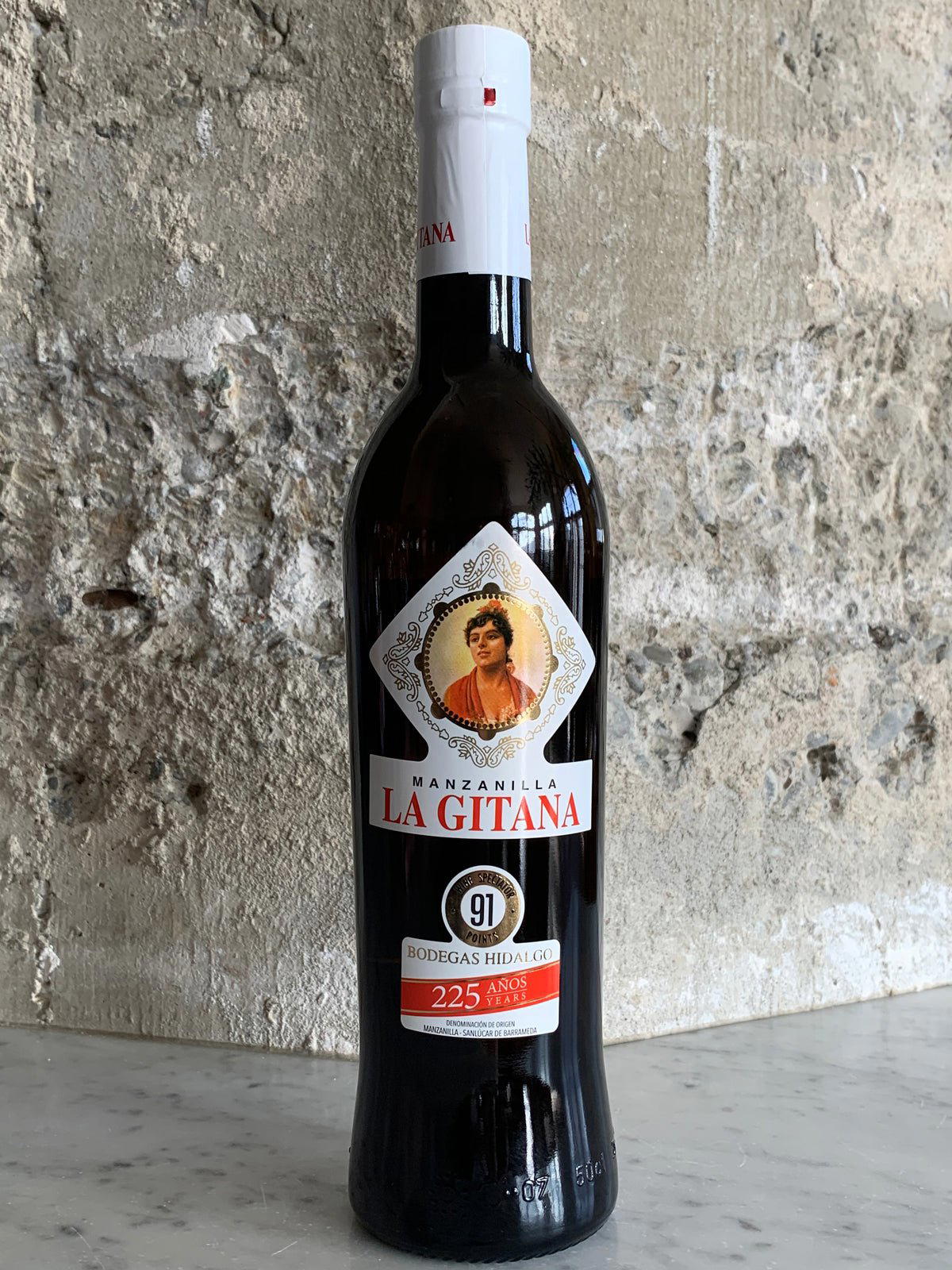
Prioritize Hidalgo La Gitana if manzanilla is the reason for visiting Sanlúcar de Barrameda. It is a focused winery choice for repeat visitors who want to compare bottles and understand the local sherry style, but casual groups may be better served by cross-shopping with larger or easier-to-frame bodega visits nearby.
How many of these have you visited?
Find out on Pearl and keep score across every place in 2026 Falstaff Winery Guide.