
Philip Togni Vineyard
Spring Mountain District, St. Helena
Winery in St. Helena, United States
 Book with Pearl
The Read
Elevation-Driven Cabernet
Why go
Philip Togni Vineyard is a serious St. Helena choice for travelers prioritizing Spring Mountain wine depth over convenience. It is better treated as the anchor of a Napa day than a casual add-on, especially if timing and group logistics matter.
About Philip Togni Vineyard
Consider Philip Togni Vineyard as a St. Helena venue to research carefully, especially if you are comparing premium options. It is listed with Pearl 2 Star Prestige (2025), and the dress code is smart casual.
For broader trip planning, use Our full St. Helena wineries guide, then cross-reference Our full St. Helena restaurants guide, Our full St. Helena hotels guide, and Our full St. Helena bars guide to organize the rest of the day.
A St. Helena venue with Pearl 2 Star Prestige
Philip Togni Vineyard’s Pearl 2 Star Prestige recognition for 2025 is a clear reason to keep it on a shortlist. Before building an itinerary around it, confirm the visit format, pricing, group policies, wines, hours, and reservation requirements directly with the venue.
If you are comparing other options, consider Keenan Winery, Schweiger Vineyards, Terra Valentine, Vineyard 7&8, and York Creek Vineyards as natural points of reference, while checking each venue's current availability and visit details directly.
How to make the day work around the visit
Before making firm plans, confirm current policies, including whether visits are available, what timing is offered, what the dress expectations are, and whether the smart casual guidance fits the rest of your day.
Quick reference: Philip Togni Vineyard is a St. Helena venue with Pearl 2 Star Prestige (2025) and a smart casual dress code; confirm all visit-specific details directly before planning around it.
Planning details
- Location
- 3780 Spring Mountain Rd, St Helena, CA 94574
- Website
- philiptognivineyard.com
- Phone
- +1 707-963-3731
The take
The Take
The Vibe
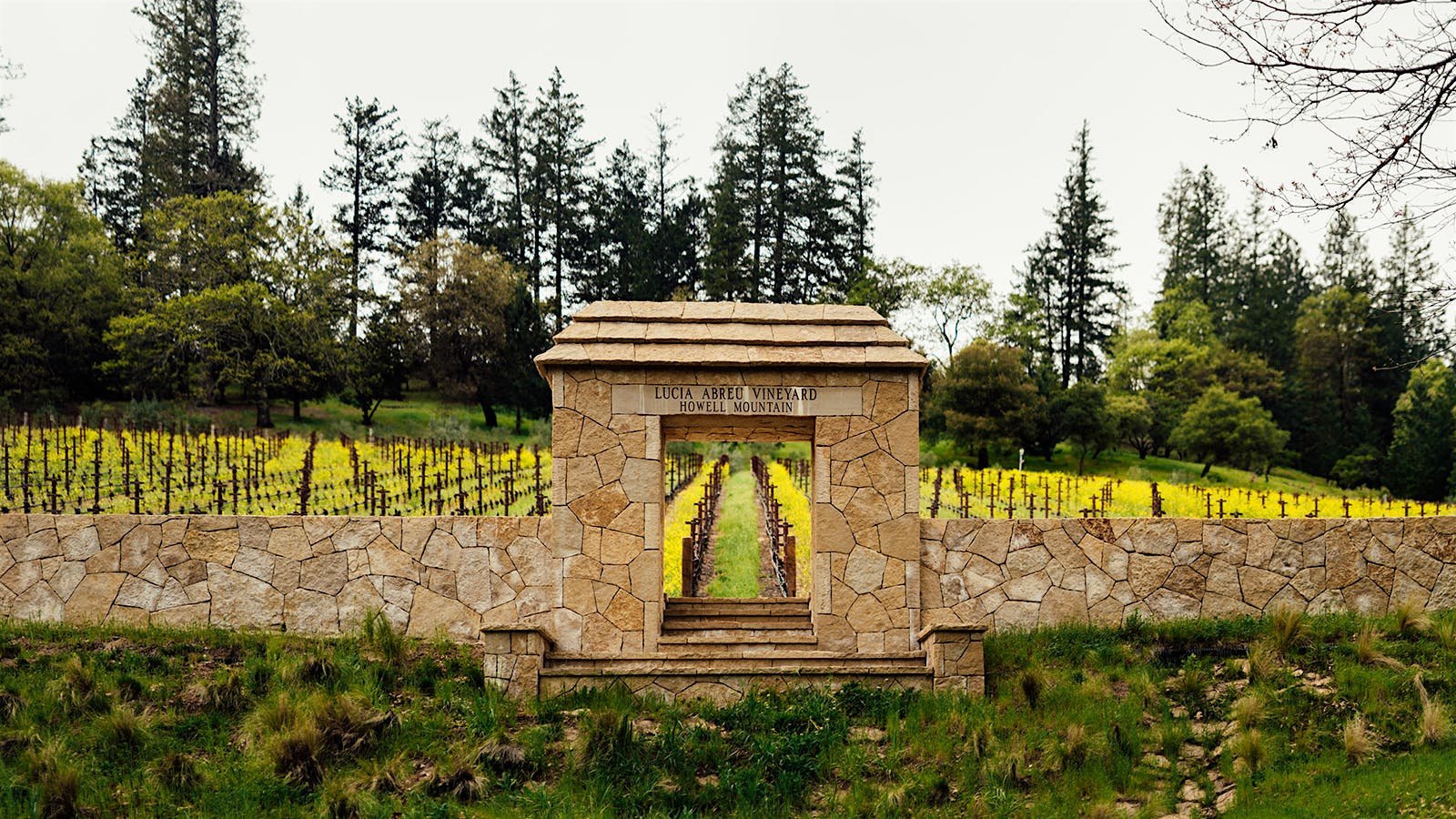
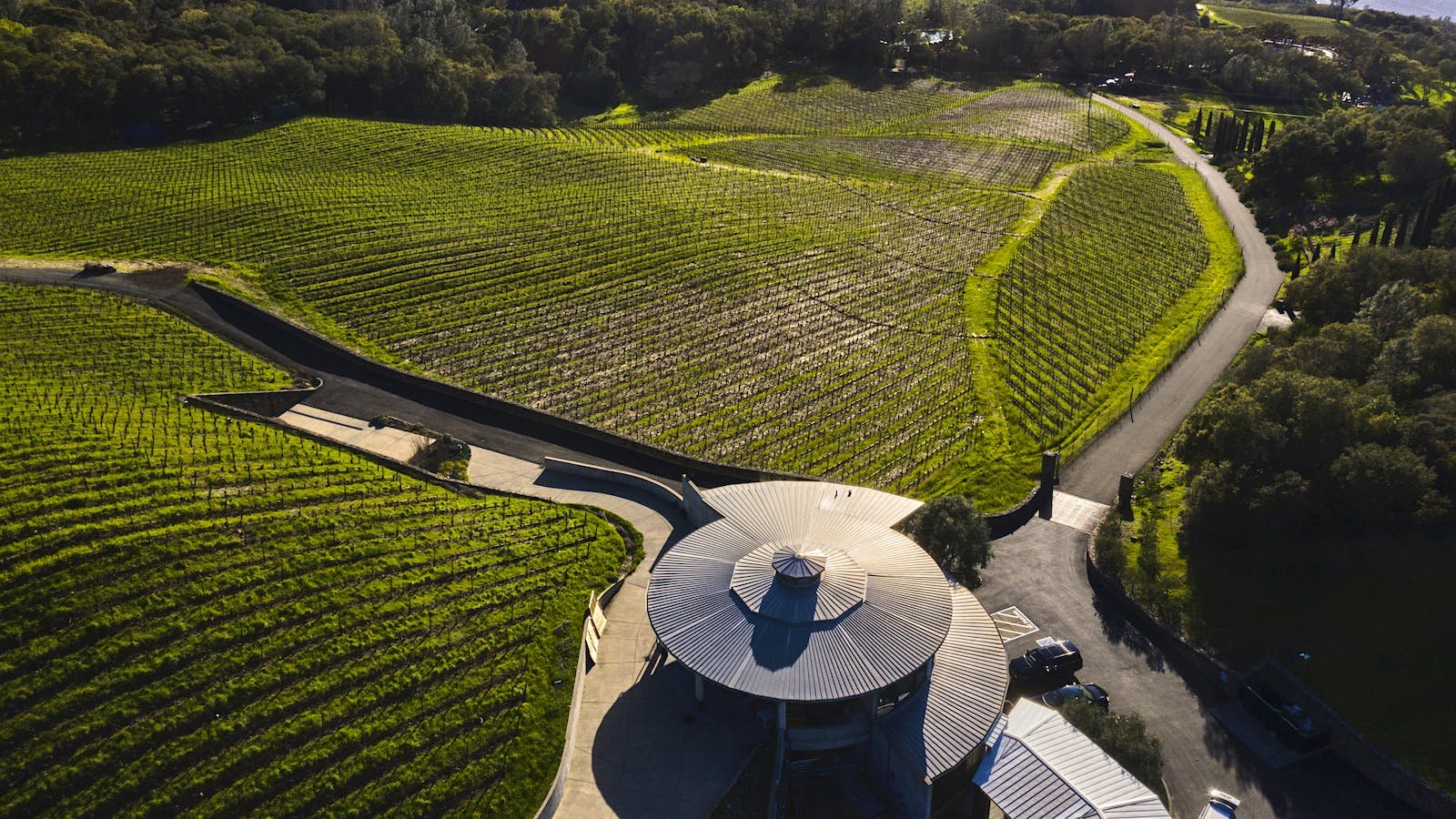
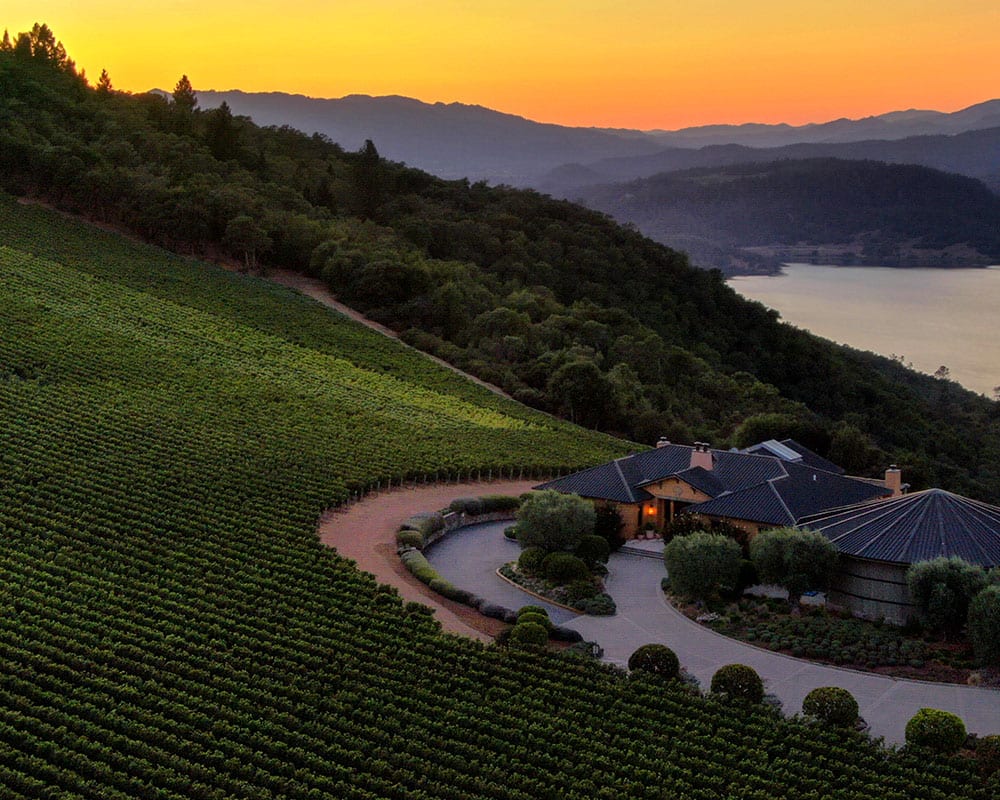
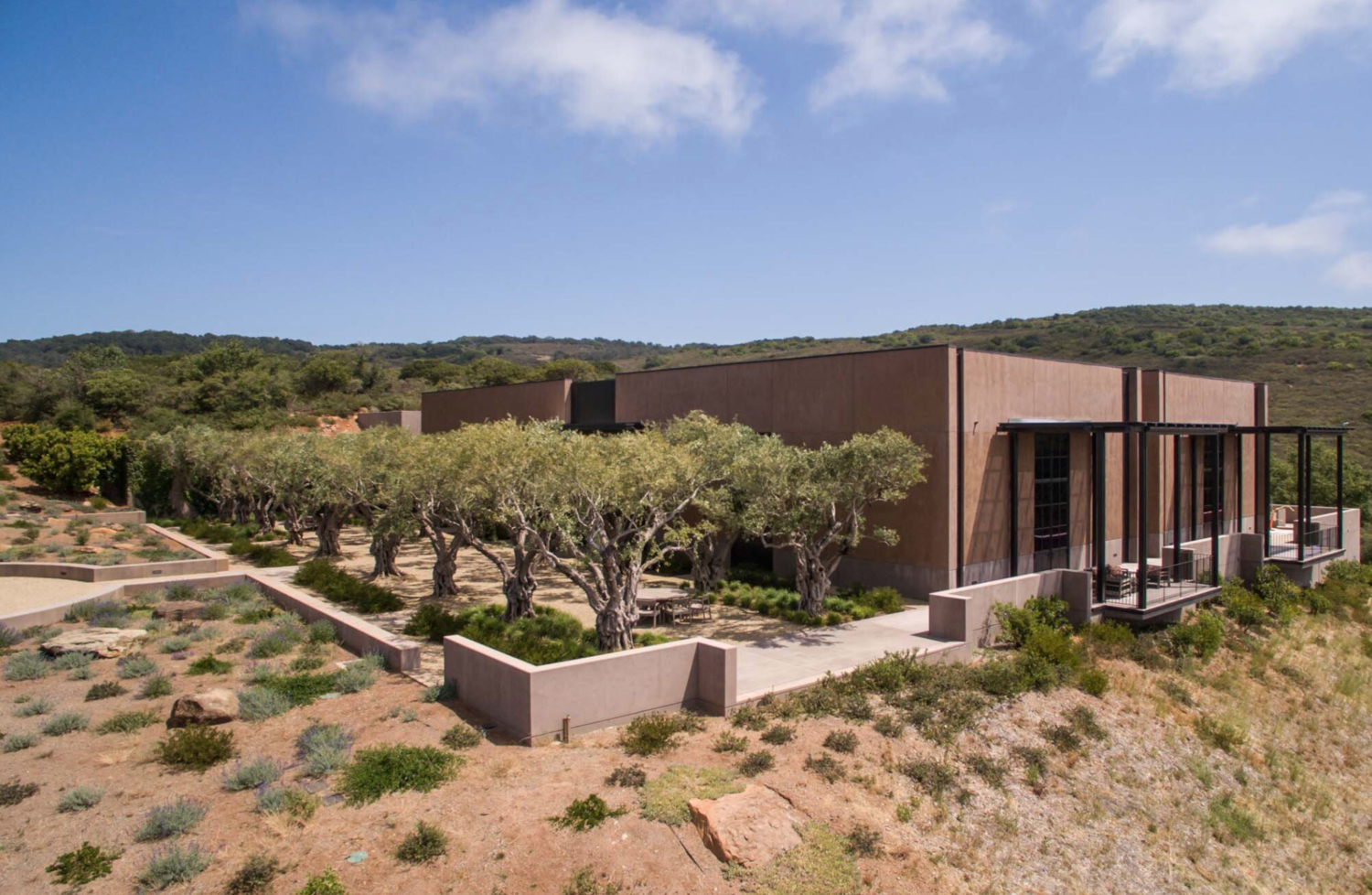
Philip Togni Vineyard reads as a refined, classic mountain estate. The profile emphasizes elevation-driven viticulture and a long-standing producer reputation, anchored by a Pearl 2 Star Prestige rating that signals consistent quality and critical attention. The narrative leans toward sophistication rather than flash: wines with structural tension and cellaring potential, a measured mountain temperament, and an estate-focused identity. Visitors can expect a thoughtful, composed atmosphere that foregrounds terroir and provenance over spectacle, making the property feel like a tasteful reference point for Spring Mountain Cabernet.
Best For
This is a stop for people interested in site-driven Cabernet and deeper wine knowledge. The copy frames Philip Togni as a teaching example of Spring Mountain’s cooler diurnal swings, volcanic soils and long cellaring horizons, so it works well for wine education and solo exploration as well as for special-occasion visits tied to collecting or cellar building. The estate’s critical standing and historical perspective also suit visitors who want to compare mountain expressions with valley-floor counterparts and understand how elevation shapes Cabernet.
Tasting Tips
Focus on the vineyard’s Cabernet expressions and ask about vintages that demonstrate the site’s elevation and cellar potential—the write-up highlights structural tension and longer aging windows. Mention the winery’s Pearl 2 Star Prestige rating when inquiring about library bottles or allocation practices to surface collector-focused releases. Because the discussion centers on site and tannin profiles rather than casual tasting room offerings, plan for a deliberate tasting visit and request context about block selection, soils and recommended cellaring timelines.
Venue details
Ambiance
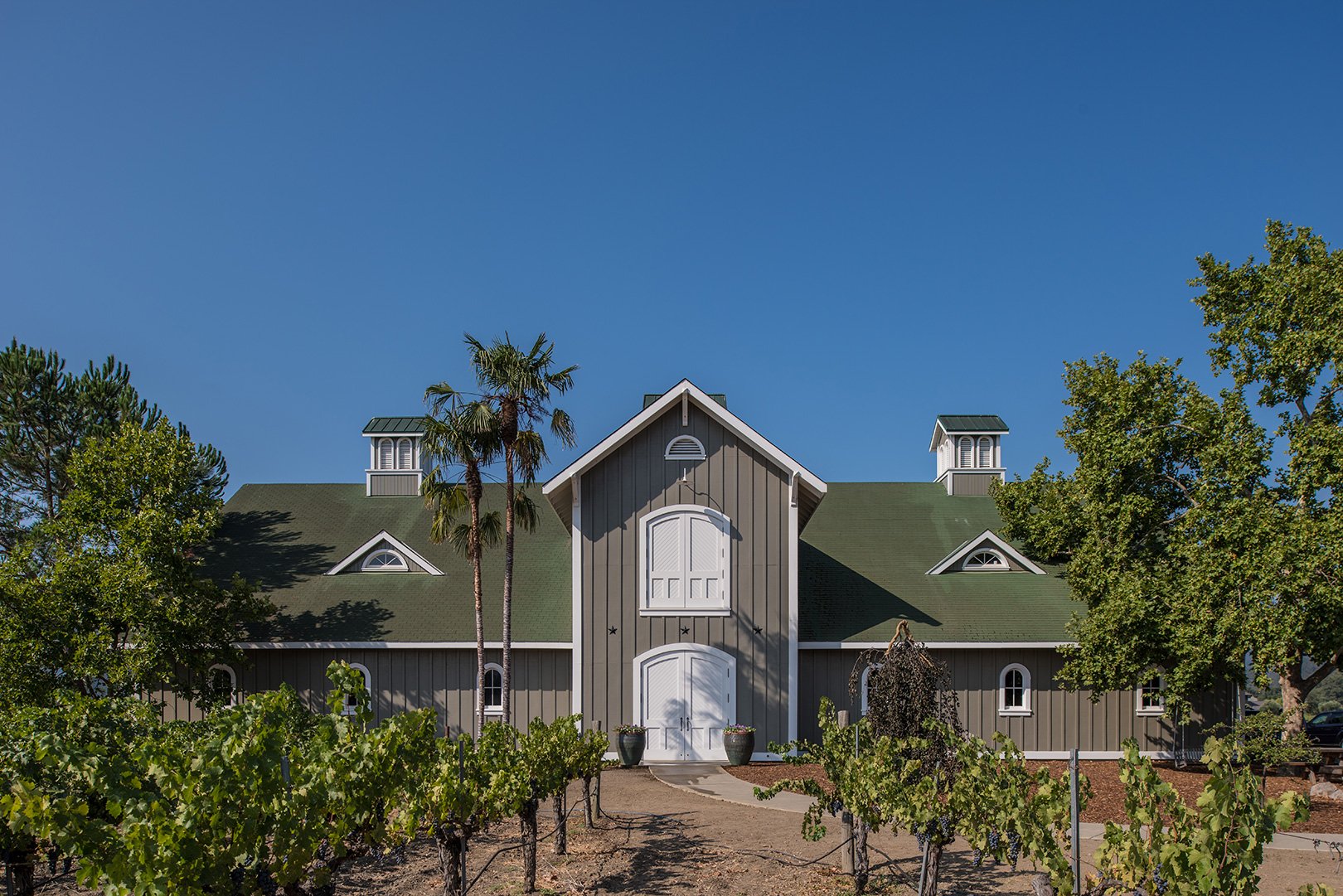
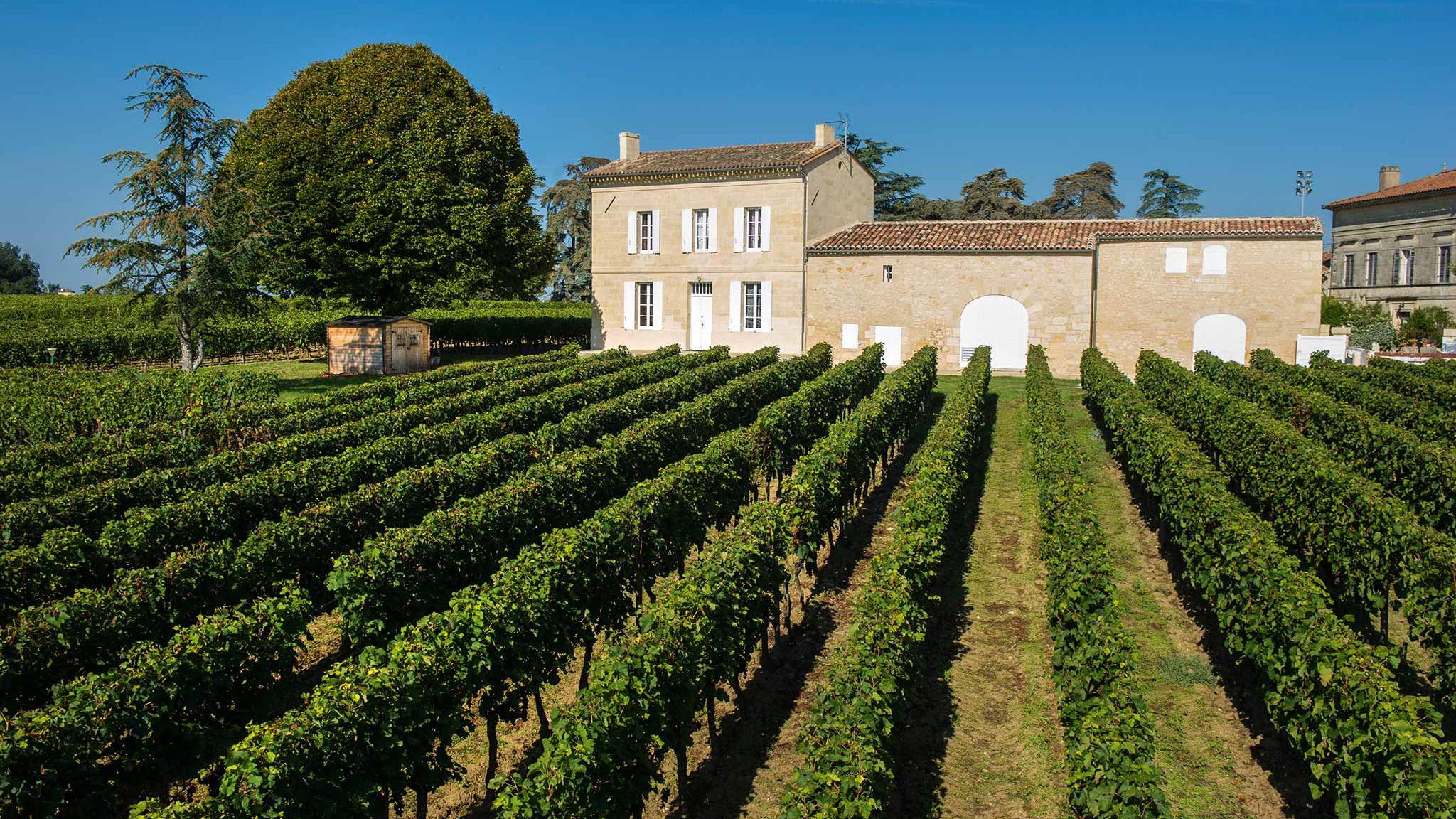
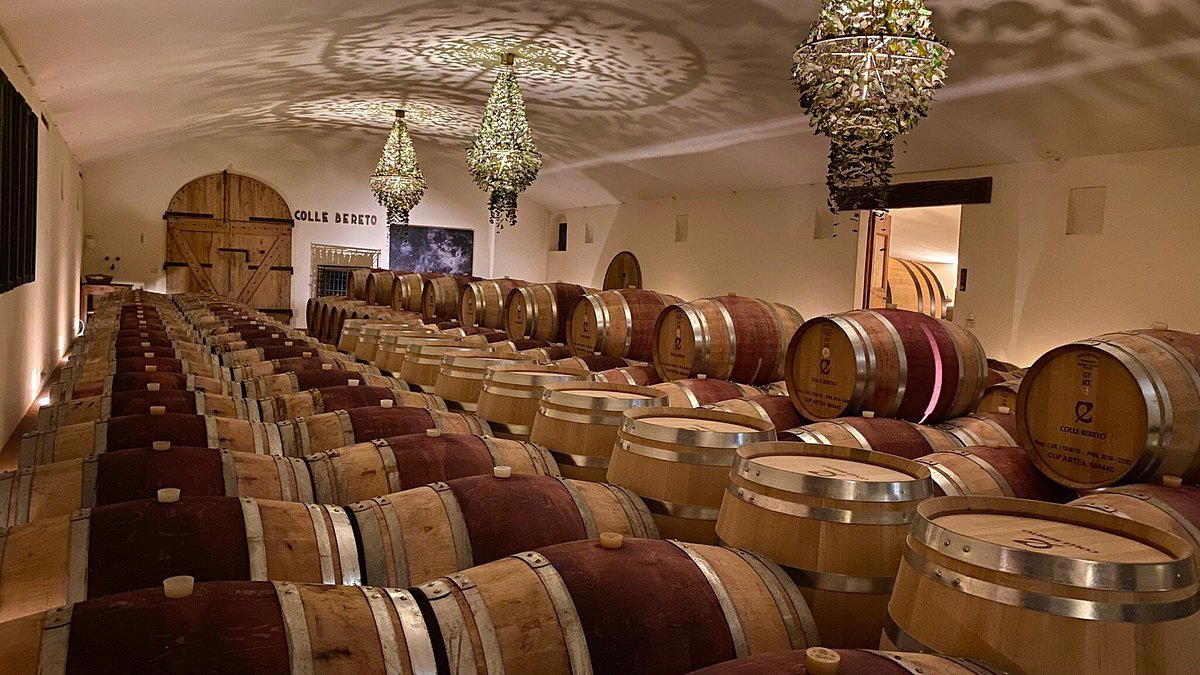
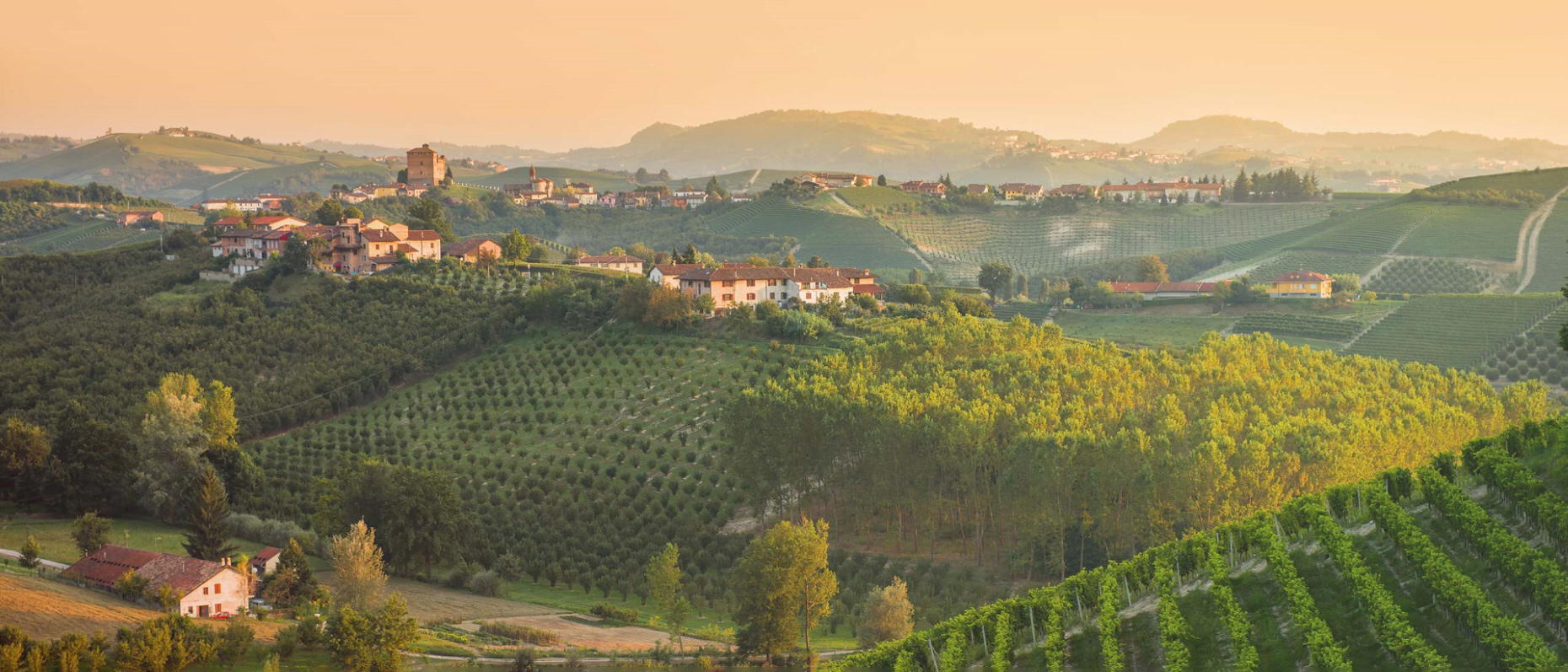
Quiet, secluded estate winery setting on a high Spring Mountain site above the Napa Valley, with a focus on ageworthy Bordeaux-style wines and a family-run atmosphere.
Tags
Vibe
Best For
Experience
Sourcing
View
At the Vineyard
- Appellation
- Spring Mountain District AVA
- Varietals
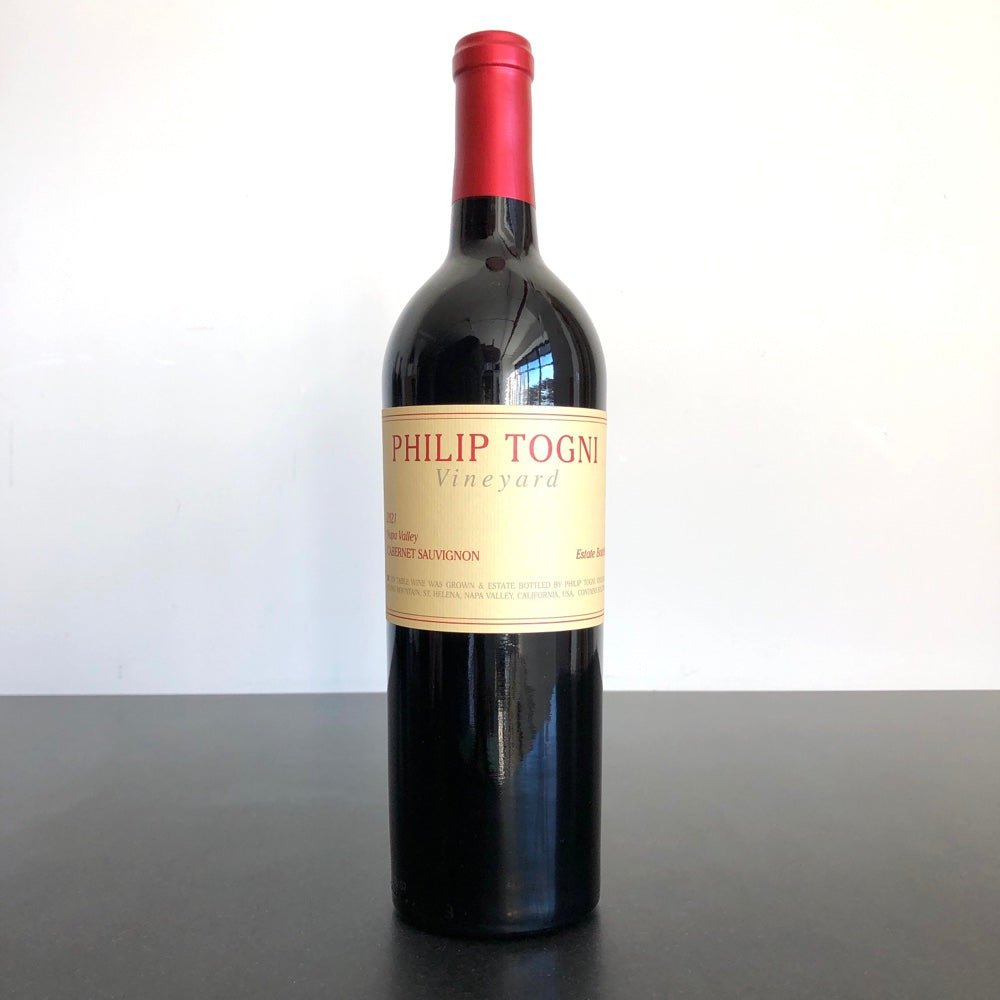
- Cabernet Sauvignon, Merlot, Cabernet Franc, Petit Verdot
- Wine Club
- Available
Know before you go
Know Before You Go
- Getting there
- 3780 Spring Mountain Rd, St Helena, CA 94574
Planning details
Location
Recognition and awards

Also consider
Also Consider
- Keenan Winery, Notable alternative
- Schweiger Vineyards, Notable alternative
- Terra Valentine, Notable alternative
- York Creek Vineyards, Notable alternative
- Vineyard 7&8, Notable alternative
Winery context
How It Compares
Choose Philip Togni Vineyard when the priority is a focused, collector-leaning St. Helena tasting. For an easier mountain-winery day, Keenan Winery, Schweiger Vineyards, and Terra Valentine are the more practical cross-shops because they keep the itinerary in the same general St. Helena orbit without making the target feel like a casual fallback.
If the decision is ambiance, Vineyard 7&8 is the stronger name to compare for a polished mountain setting, while York Creek Vineyards is useful for travelers who want another Spring Mountain reference point. Philip Togni Vineyard is the pick for wine-first intent; Vineyard 7&8 is the safer choice when the setting needs to carry more of the experience.
For value, the answer depends on what the group values. If a difficult-to-secure, high-focus tasting is the point, Philip Togni Vineyard earns the slot. If the group wants a smoother day with less scheduling pressure, start with Keenan Winery or Schweiger Vineyards and save the harder booking for a more wine-serious trip.
Around this place
Discover more on Pearl
Unlock the full Philip Togni Vineyard guide in Pearl, including awards, comparisons, FAQs, planning details, and nearby places.
Compare Philip Togni Vineyard
| Venue | Location | Awards |
|---|---|---|
| Philip Togni Vineyard | St. Helena | 2026 Falstaff Winery Guide |
| Keenan Winery | St. Helena | No published awards |
| Schweiger Vineyards | St. Helena | No published awards |
| Terra Valentine | St. Helena | No published awards |
| York Creek Vineyards | St. Helena | No published awards |
| Vineyard 7&8 | St. Helena | No published awards |
How Philip Togni Vineyard St. Helena compares with similar nearby venues.
FAQ
Frequently Asked Questions
Are membership or buying details available for Philip Togni Vineyard?
For membership terms, allocation details, and buying options, check directly with the venue. Philip Togni Vineyard is listed with Pearl 2 Star Prestige (2025).
When is the best time to visit Philip Togni Vineyard?
Can Philip Togni Vineyard handle large groups?
Contact Philip Togni Vineyard directly to discuss group policies before planning for a party, and compare options such as Vineyard 7&8 if you are considering another venue.
How long should I plan for a visit to Philip Togni Vineyard?
Do I need a reservation at Philip Togni Vineyard?
Plan ahead by checking reservation requirements directly with Philip Togni Vineyard before arriving.
What other venues should I compare with Philip Togni Vineyard?
Keenan Winery, Schweiger Vineyards, Terra Valentine, York Creek Vineyards, and Vineyard 7&8 are useful named comparisons when researching options. Confirm each venue's current visit details directly.