

2026 Falstaff Winery Guide: The Ultimate Wine Authority — Page 135
Falstaff's 2026 Wineries guide.

Venues on this list
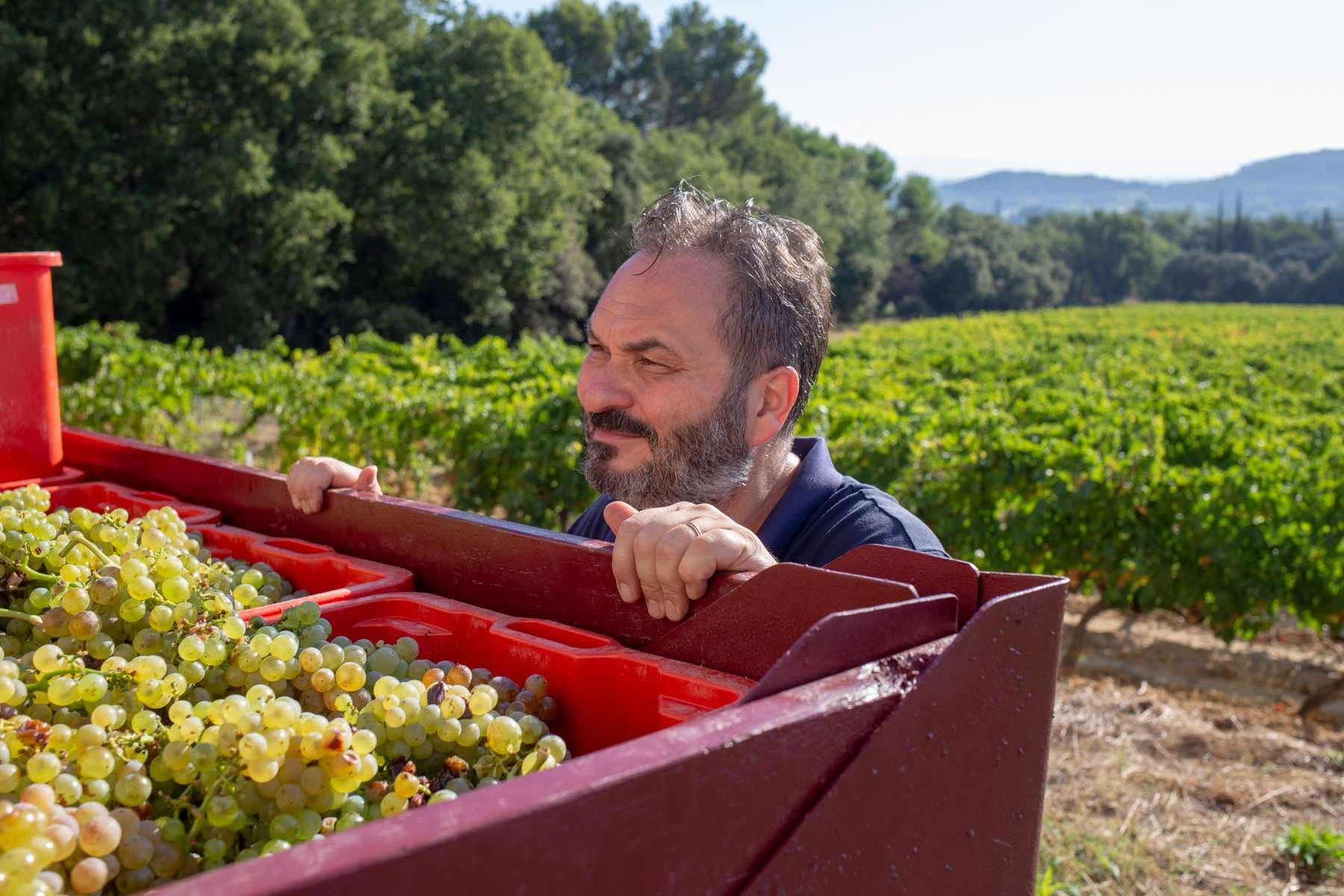
Domaine des Maravilhas
Saint Laurent Des Arbres, France
Domaine des Maravilhas works as a focused Saint Laurent Des Arbres winery stop, especially for travelers building a broader Occitanie wine route. The 2026 Falstaff listing gives it a useful credibility marker, but plan practically: confirm tasting, food, and group details before making it the anchor of the day.
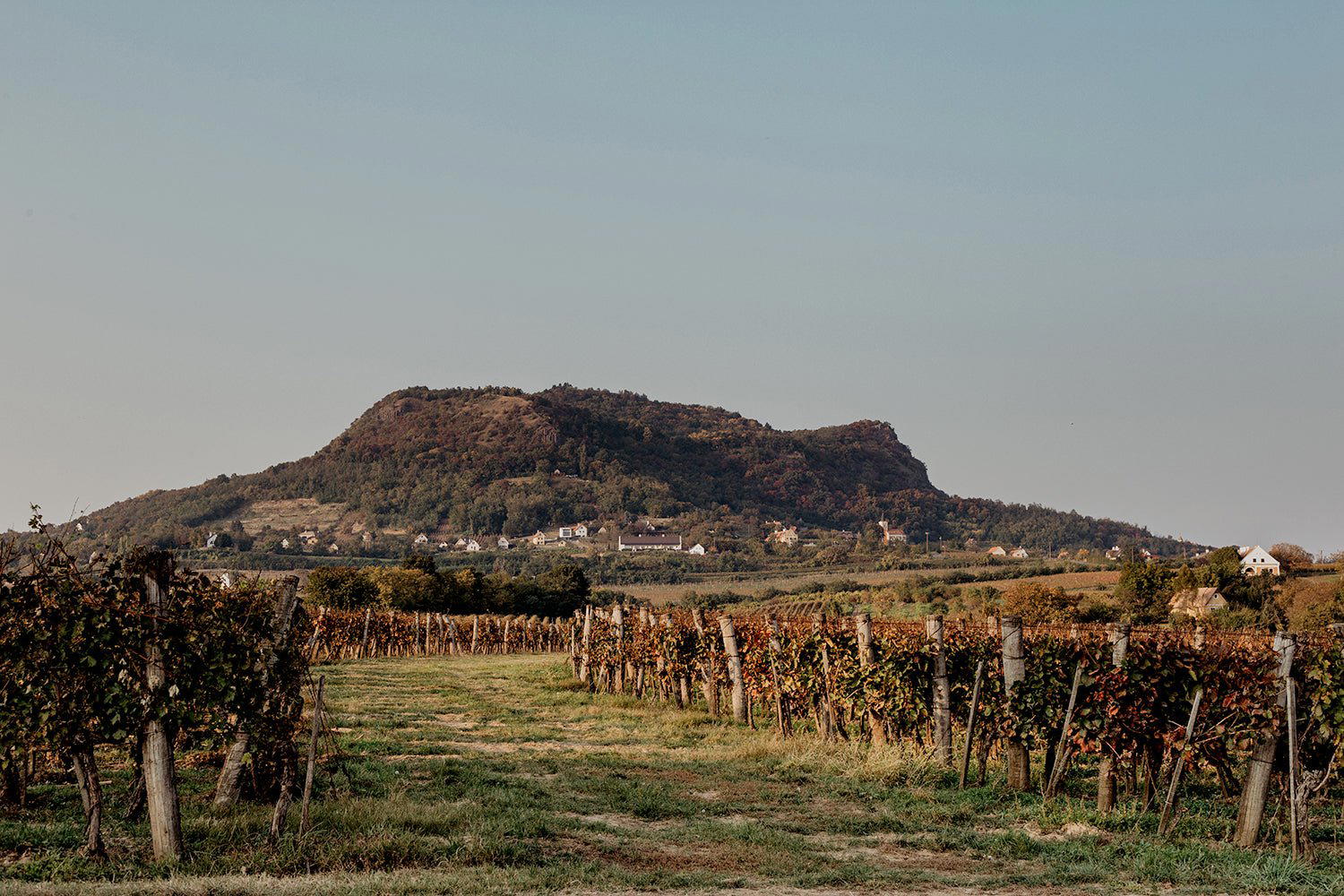
Gilvesy Winery
Hegymagas, Hungary
Gilvesy Winery is worth prioritizing for a focused Hegymagas tasting, especially if a private or tailored visit can be confirmed. It is less suited to loose, walk-in-style planning; the payoff is strongest for wine travelers building a serious Lake Balaton route around depth rather than convenience.
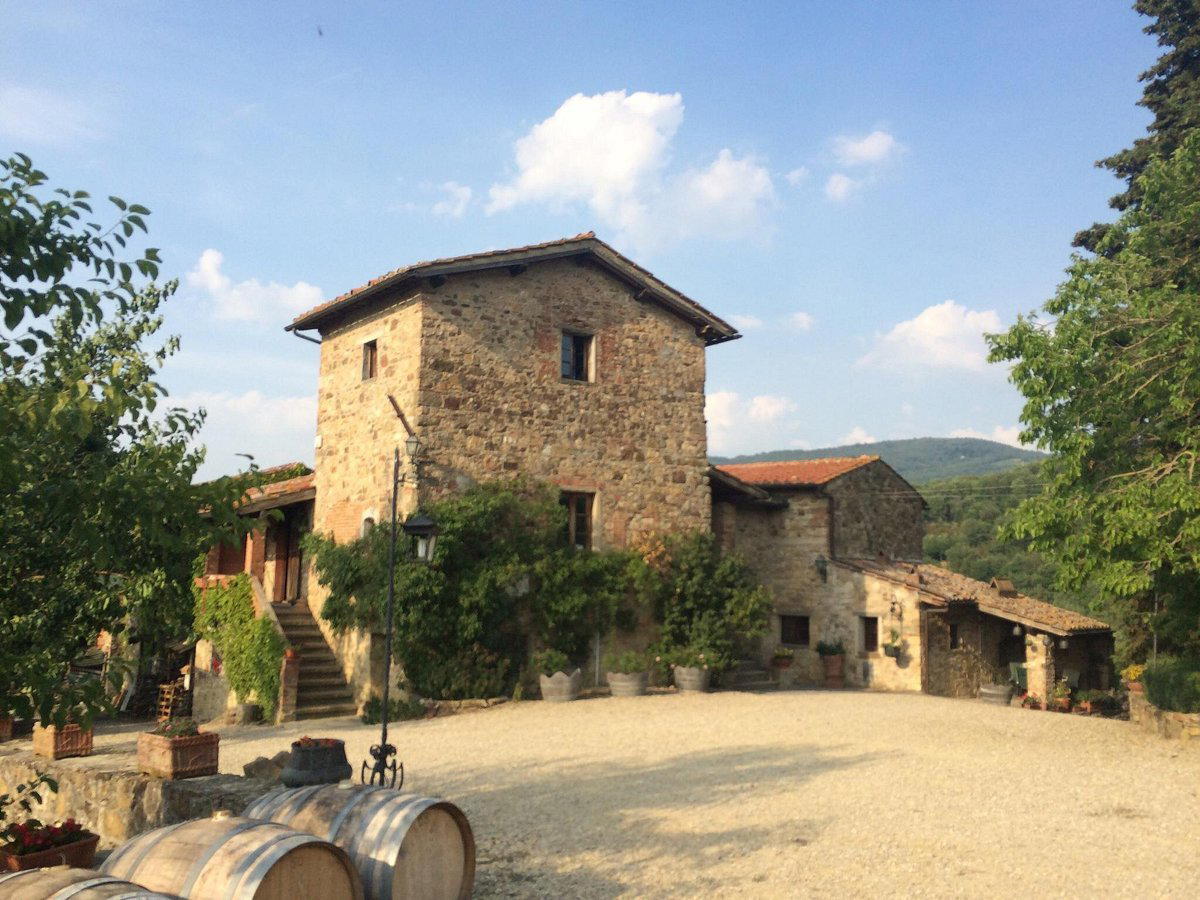
Casaloste
Panzano In Chianti, Italy
Casaloste is a smart Panzano pick for visitors who want a more confidence-led Chianti tasting rather than a casual countryside stop. The 2026 Falstaff 3 Stars recognition helps justify making it part of a celebration itinerary, especially for couples or small groups focused on buying well.
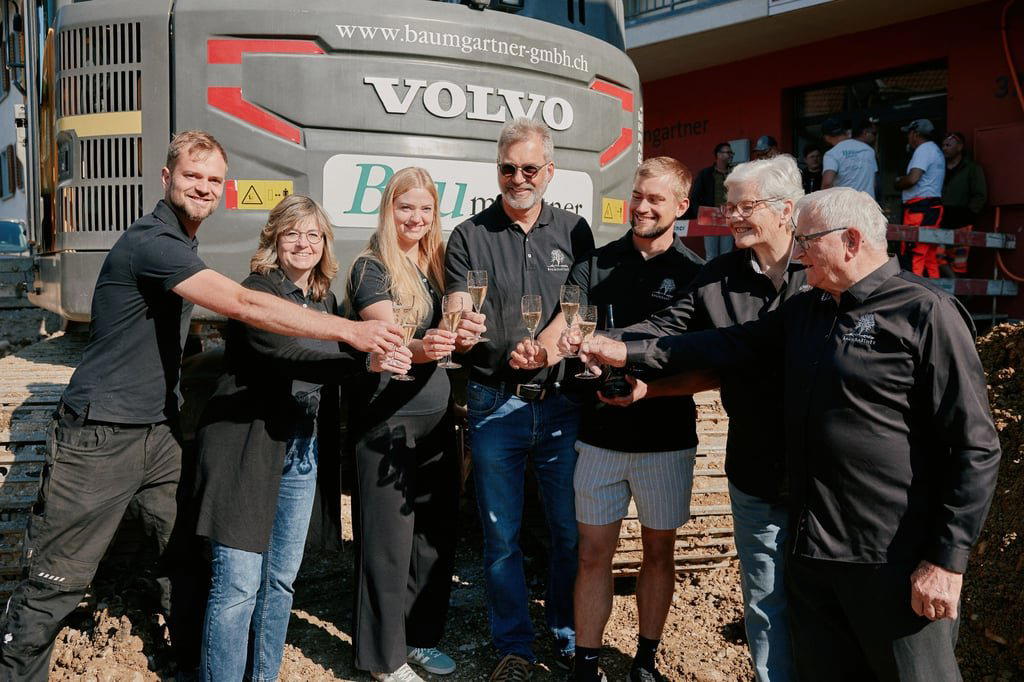
Baumgartner Weinbau
Tegerfelden, Switzerland
Baumgartner Weinbau works for a focused Lower Aare Valley wine stop, especially if the trip is built around Swiss producers with credible external recognition. Plan ahead rather than treating it as a casual walk-in, and use Tegerfelden as the base for a compact wine-country itinerary.
Château Lamothe-Bergeron
Cussac Fort Medoc, France
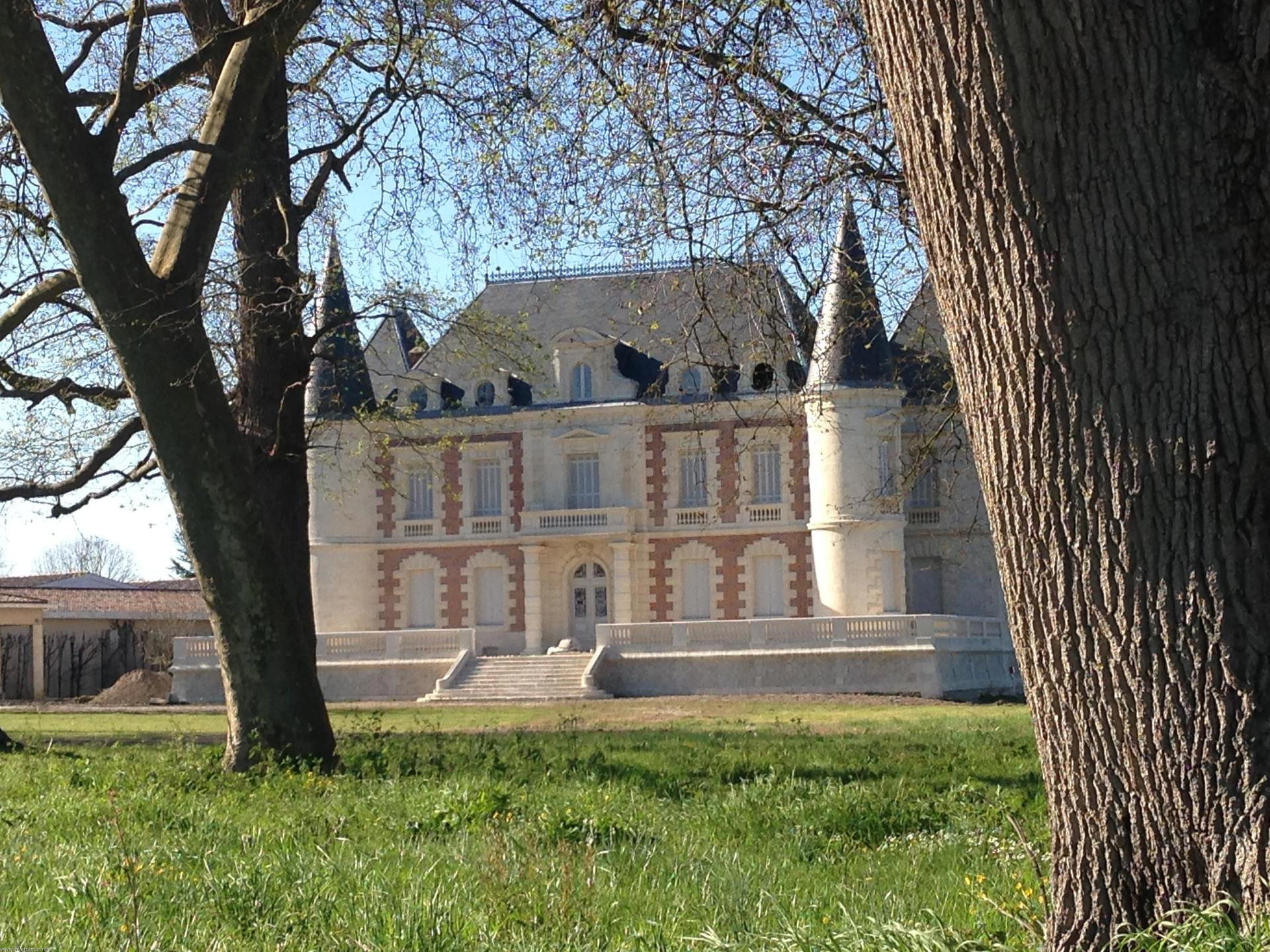
Worth booking if you want a Haut-Médoc château visit that is polished, educational, and easy to understand without feeling basic. The appeal is the mix of restored 19th-century setting, interactive tour format, Cru Bourgeois context, and sustainable viticulture credentials. Choose it as a regional anchor for a Cussac-Fort-Médoc wine day, especially with mixed-interest travellers.
Casa Belfi
San Polo di Piave, Italy
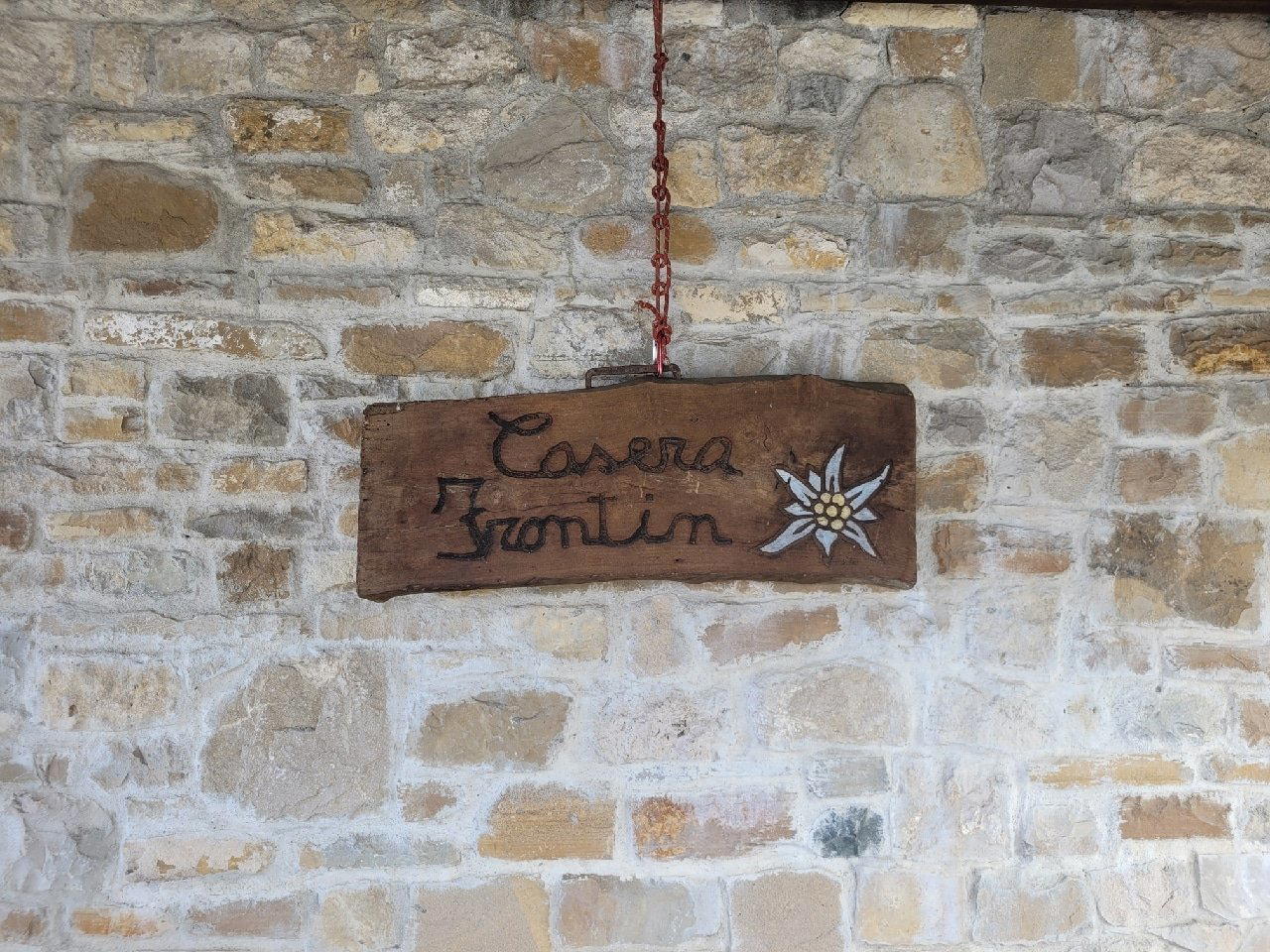
Casa Belfi is a strong pick for visitors who want biodynamic, unfiltered Veneto sparkling wine rather than standard Prosecco polish. Go for Col Fondo, native-yeast fermentation, amphora-influenced frizzante styles, and a quiet rural setting tied closely to the Piave flatlands. Skip it if the group wants a formal, glossy tasting-room experience.
Campbells Wines
Rutherglen, Australia
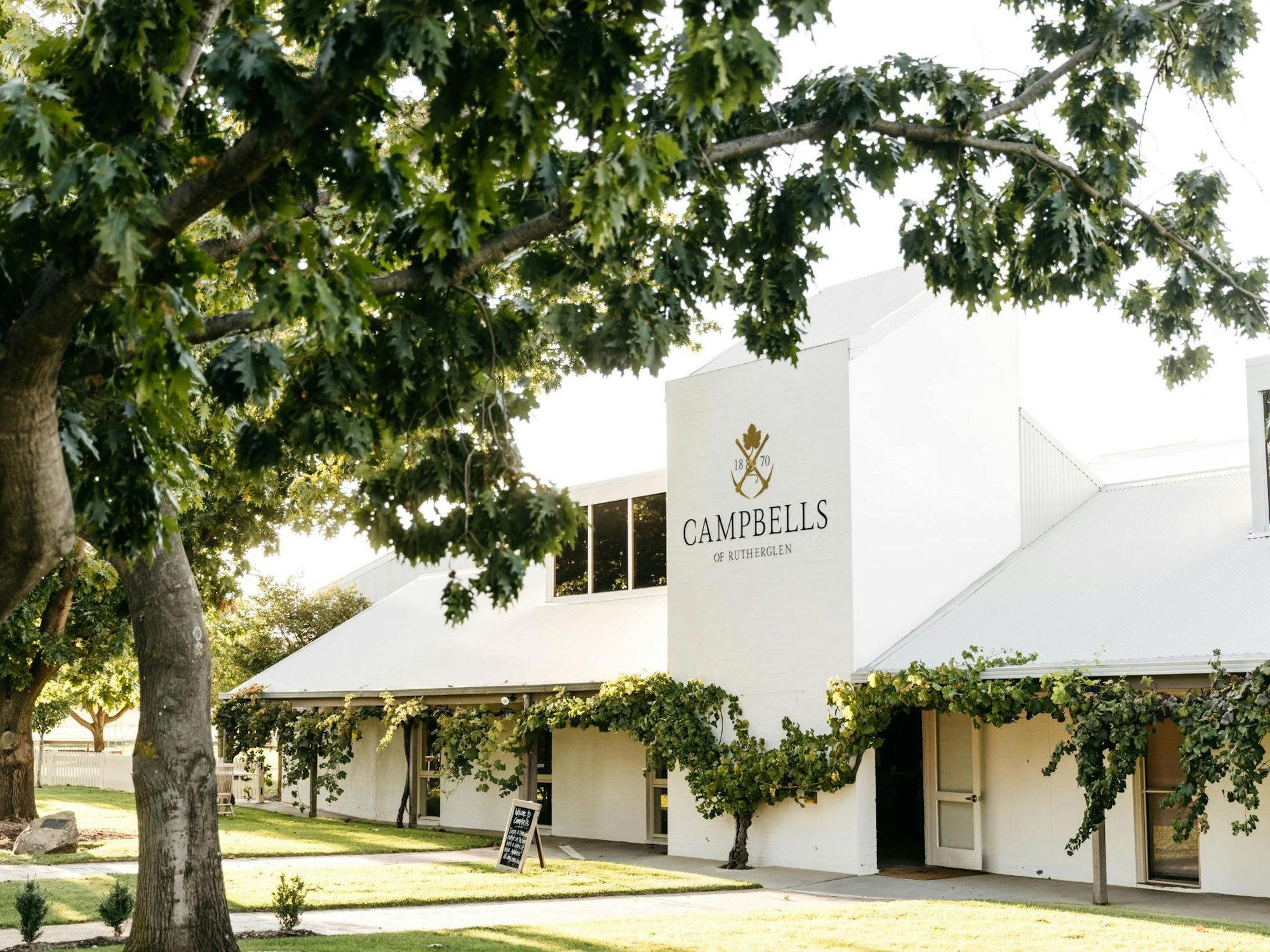
Campbells Wines is worth prioritising if the Rutherglen trip is about classic wine-country context rather than a casual drop-in. Plan it alongside Chambers Rosewood, All Saints Estate, or Morris Wines for a tighter read on the region, and treat booking as something to sort early rather than on the day.
Bodegas Altocedro
La Consulta, Argentina
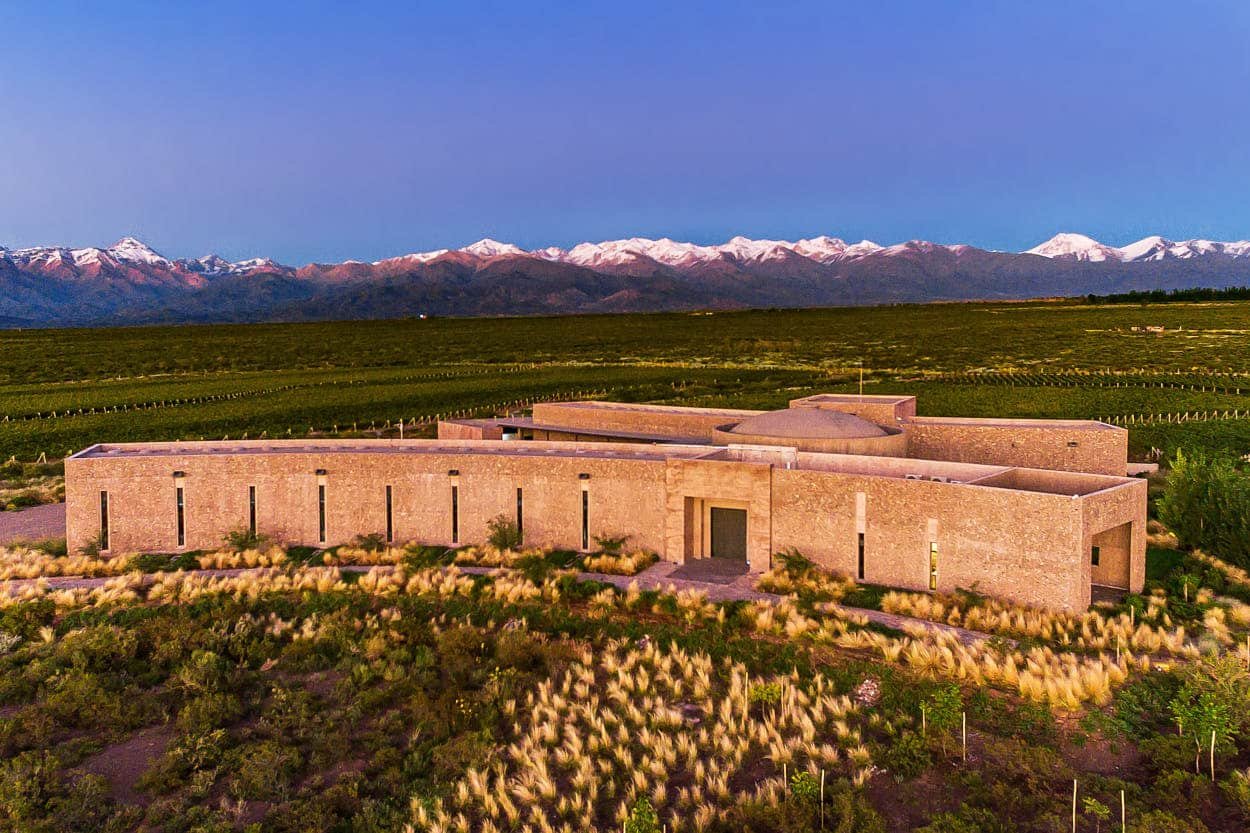
Bodegas Altocedro works if the goal is a focused La Consulta winery stop with a credible 2026 Falstaff listing behind it. Treat it as a wine-led visit rather than a guaranteed food or full-day hospitality plan, and confirm the format before building a celebration itinerary around it.
Domaine Georges Vernay
Condrieu, France
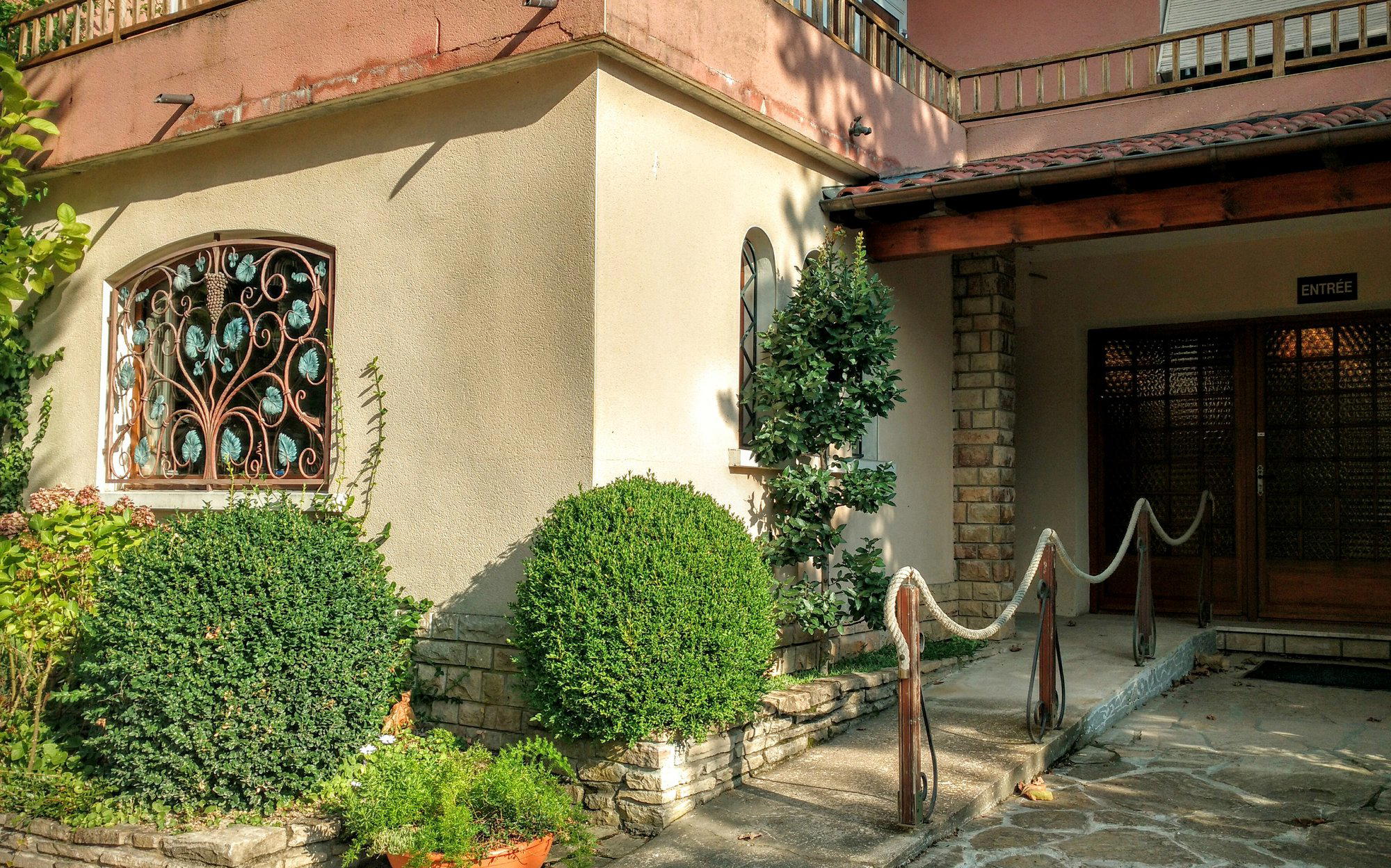
A serious Condrieu appointment for collectors and special-occasion Rhône trips, especially if Viognier is the priority. Expect a refined, wine-first estate rather than a casual visitor-centre experience; the appeal is heritage, scarce cuvées, organic viticulture, and Christine Vernay’s precise style.
Weingut Höpler
Breitenbrunn, Austria
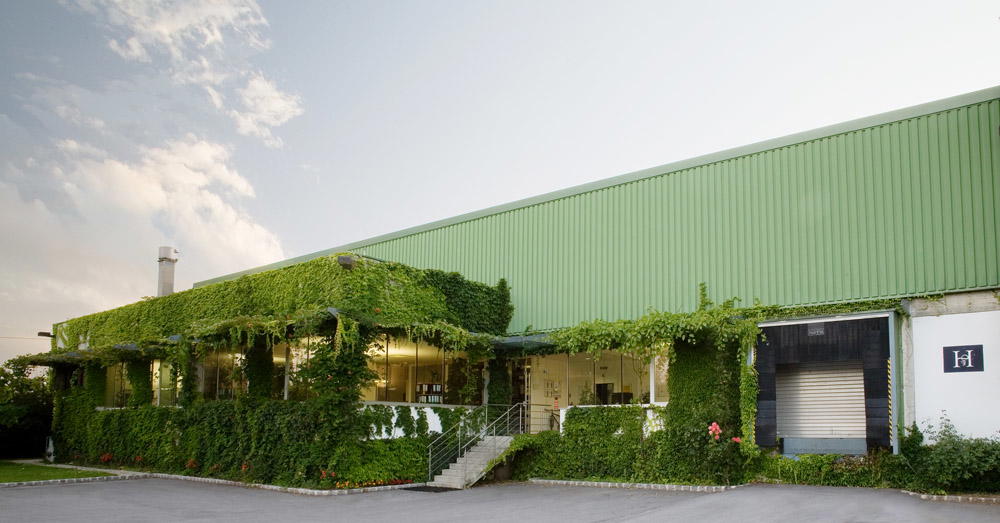
Weingut Höpler is worth prioritizing for a planned Breitenbrunn wine-country stop, especially if access to the producer matters more than walk-in ease. Treat it as a hard-to-secure appointment and compare nearby wineries before committing the day; casual visitors who need confirmed food, hours, or a simple tasting format may prefer a more flexible route.
Domaine Girard
Alaigne, France
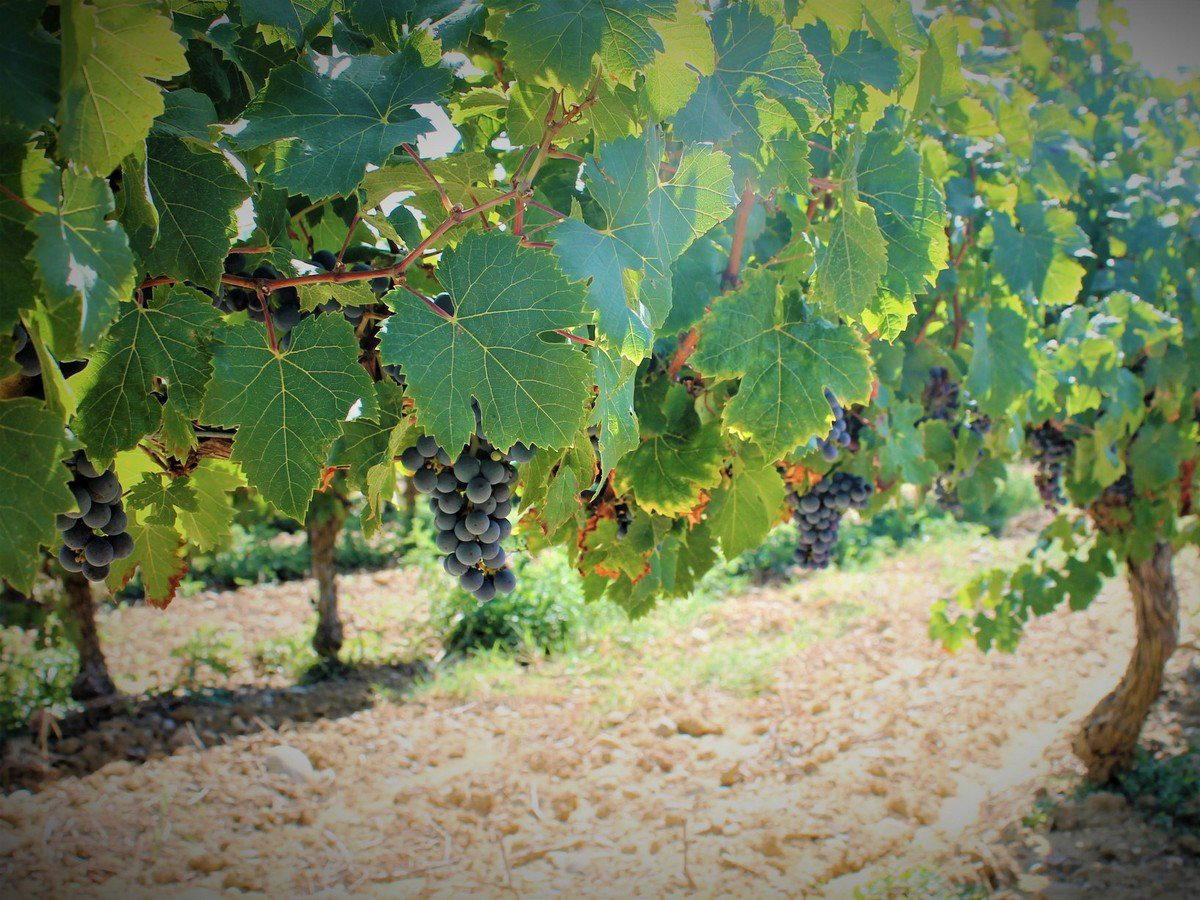
Domaine Girard works as a quiet Alaigne wine stop, especially for travelers building an Occitanie route around producer discovery. Falstaff listing in 2026 gives it a credible recognition signal, but confirm visit details before planning around it, since published hospitality specifics are thin.
Jacques Frelin Vignobles
Montpellier, France
Jacques Frelin Vignobles is a better target for organic-wine discovery than for a classic winery visit. The draw is certified organic Languedoc production, biodiversity work, and a broad trade-facing portfolio, including a Hachette-recognized Sauvignon, not a confirmed public tasting room or estate-led food pairing program.
Gualdo del Re
Suvereto, Italy
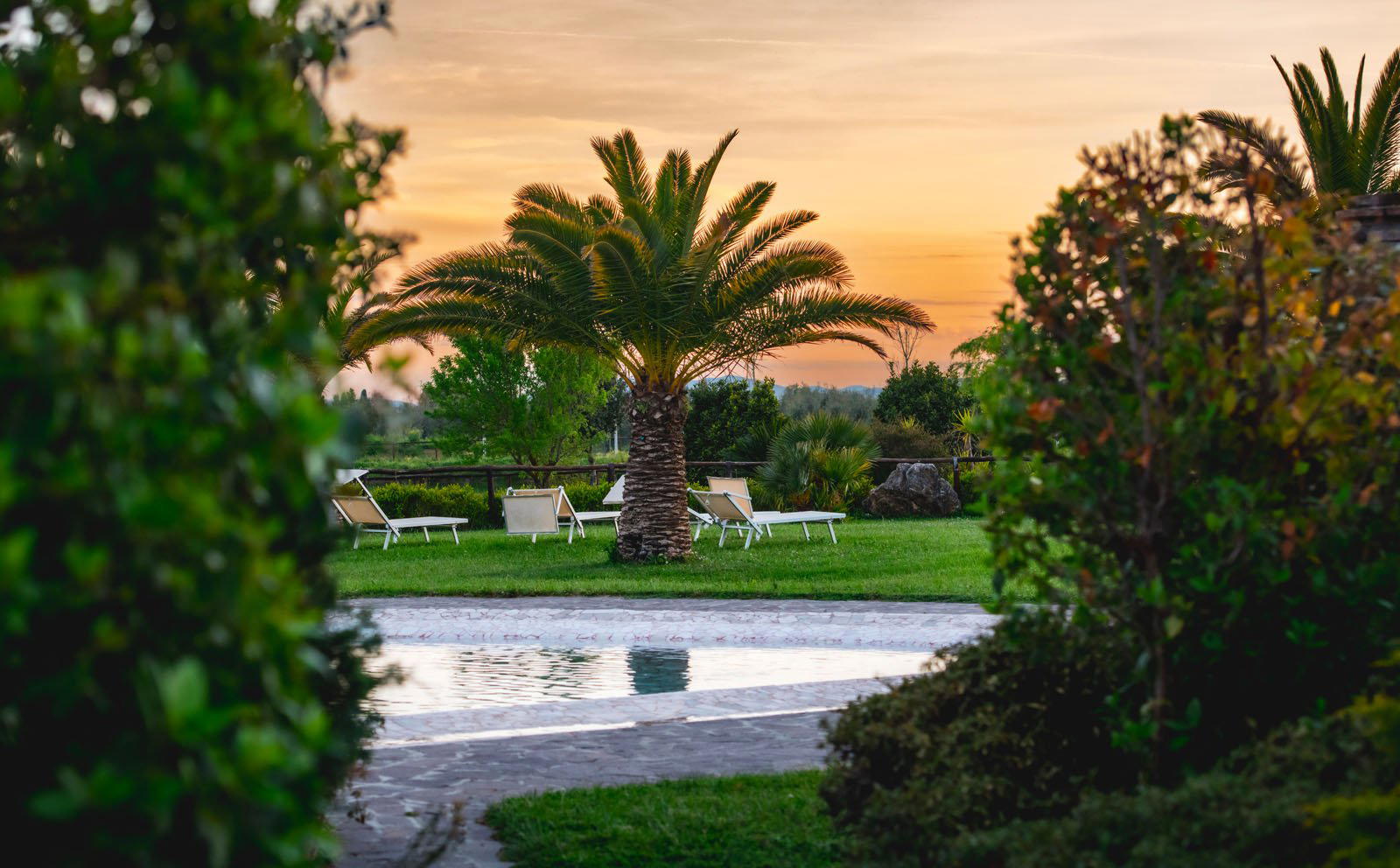
Gualdo del Re is a strong Suvereto pick when the plan is wine-first and the group values a credible quality signal: Falstaff awarded it 3 Stars for 2026. Treat it as a focused winery stop rather than a fully specified hospitality booking, especially for celebrations that depend on food, group handling, or detailed visitor logistics.
Fleur du Cap
Stellenbosch, South Africa
Fleur du Cap is worth booking if you want an accessible Stellenbosch tasting with real cellar heritage rather than a high-spend estate lunch. The draw is Die Bergkelder, broad Cape vineyard sourcing, and a portfolio built around familiar varieties such as Chardonnay, Sauvignon Blanc, Cabernet Sauvignon, Merlot, Pinotage, and Shiraz.
Viña Casa Silva
San Fernando, Chile
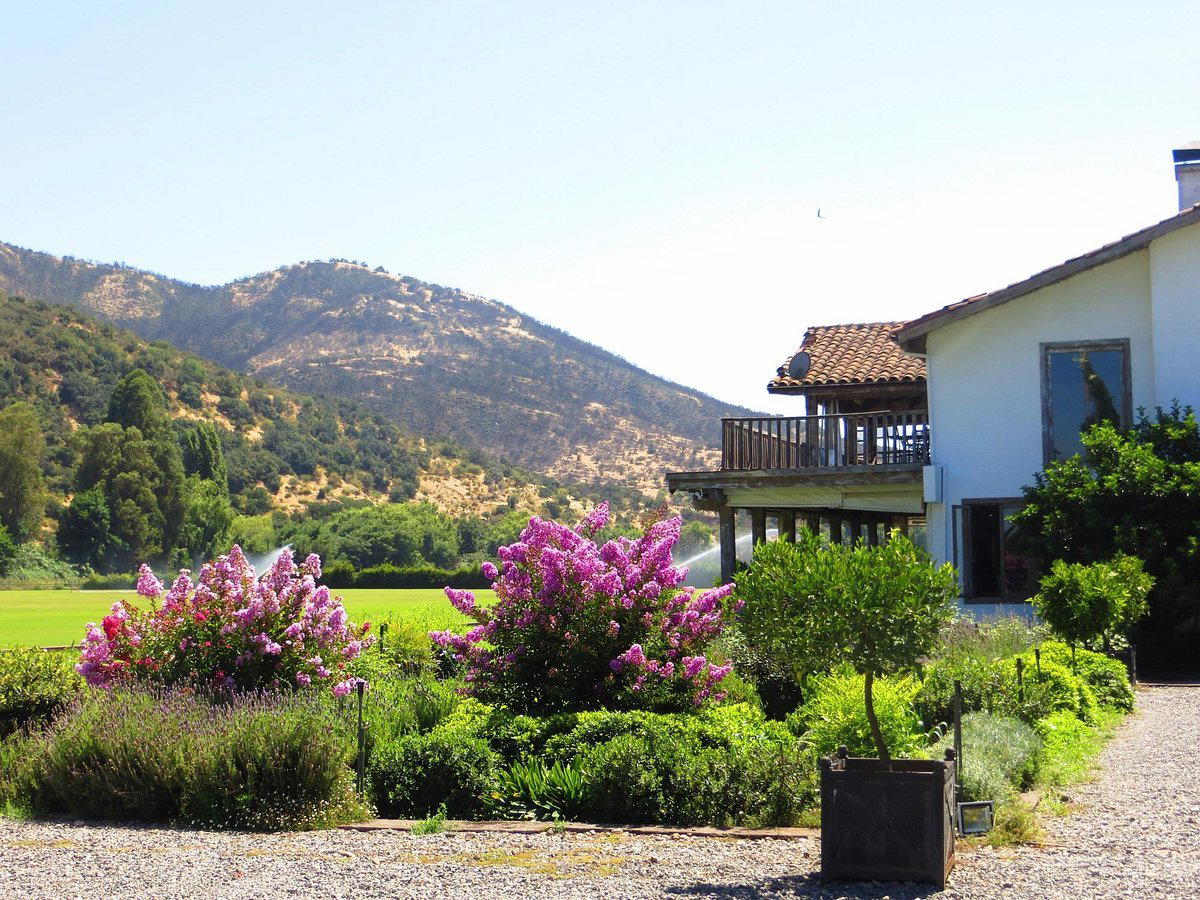
Viña Casa Silva is worth prioritizing if San Fernando is the center of a serious Colchagua wine day, not if the plan needs flexibility. Treat it as an anchor booking with difficult access, then build the meal, hotel, and timing around that commitment rather than trying to squeeze it between other stops.
Domaine Combier
Pont-de-l'Isère, France
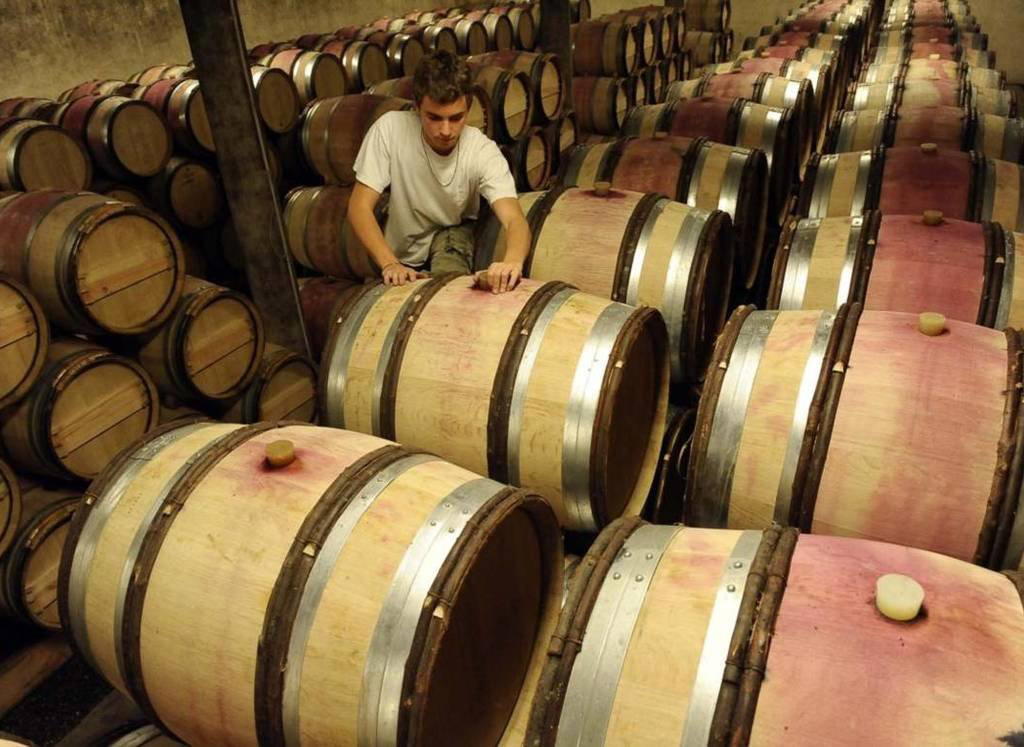
Domaine Combier is worth booking if the trip is about Crozes-Hermitage Syrah, organic farming, and a working-cellar visit rather than polished wine tourism. It suits couples, collectors, and small groups planning a serious Northern Rhône day; casual visitors wanting food pairings or a high-design tasting room should build the occasion elsewhere.
Château La Croix Younan
Saint Pey D Armens, France
Château La Croix Younan works as a focused Saint-Pey-d’Armens wine stop, especially for visitors building a Right Bank day around regional context. Its 2026 Falstaff listing gives it a useful recognition signal, but treat it as part of a wider winery itinerary rather than a standalone food or hospitality destination.
Springfield Estate
Robertson, South Africa
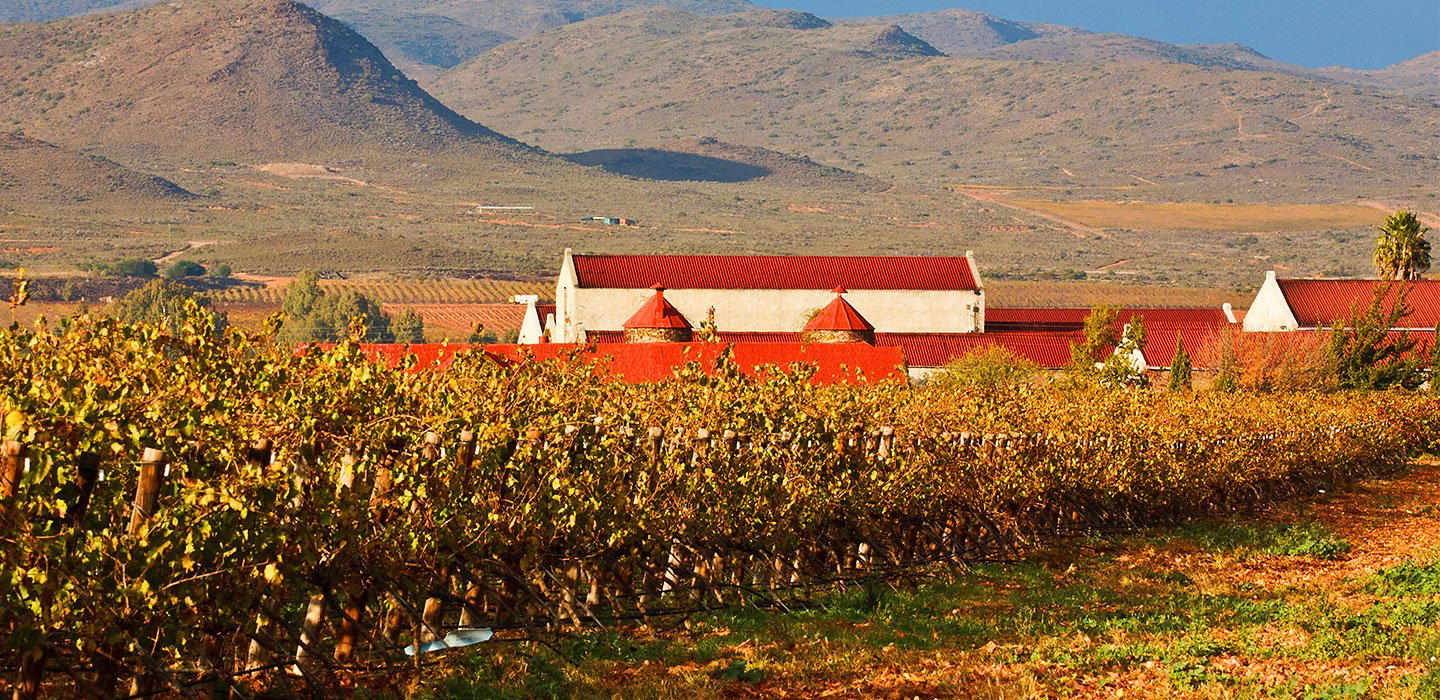
Springfield Estate is worth prioritising for a focused Robertson wine itinerary, especially if the aim is deciding what to buy or ship rather than finding a full-service estate day. It is less suitable for large groups or visitors who need confirmed food, fixed hours, or easy logistics, so pair it with more predictable nearby stops.
Hispanobodegas
Madrid, Spain
Hispanobodegas is a good Madrid pick when the goal is Spanish wine with tapas in a central, social setting rather than a formal winery tasting. Go for the Plaza de Santa Ana terrace, the $$ price tier, and a list that points toward Ribera del Duero, Rioja, and Rueda.
Earl Domaine Salmon
Château-Thébaud, France
A rustic, easygoing Muscadet stop in Château-Thébaud for travelers who want terroir clarity rather than a polished wine-tourism show. Go for Melon de Bourgogne, sur lie context, seafood-pairing usefulness, and a calm rural cellar setting; skip it if the plan needs formal dining, design drama, or a highly staged tasting.
Domaine Jean Foillard
Villié-Morgon, France
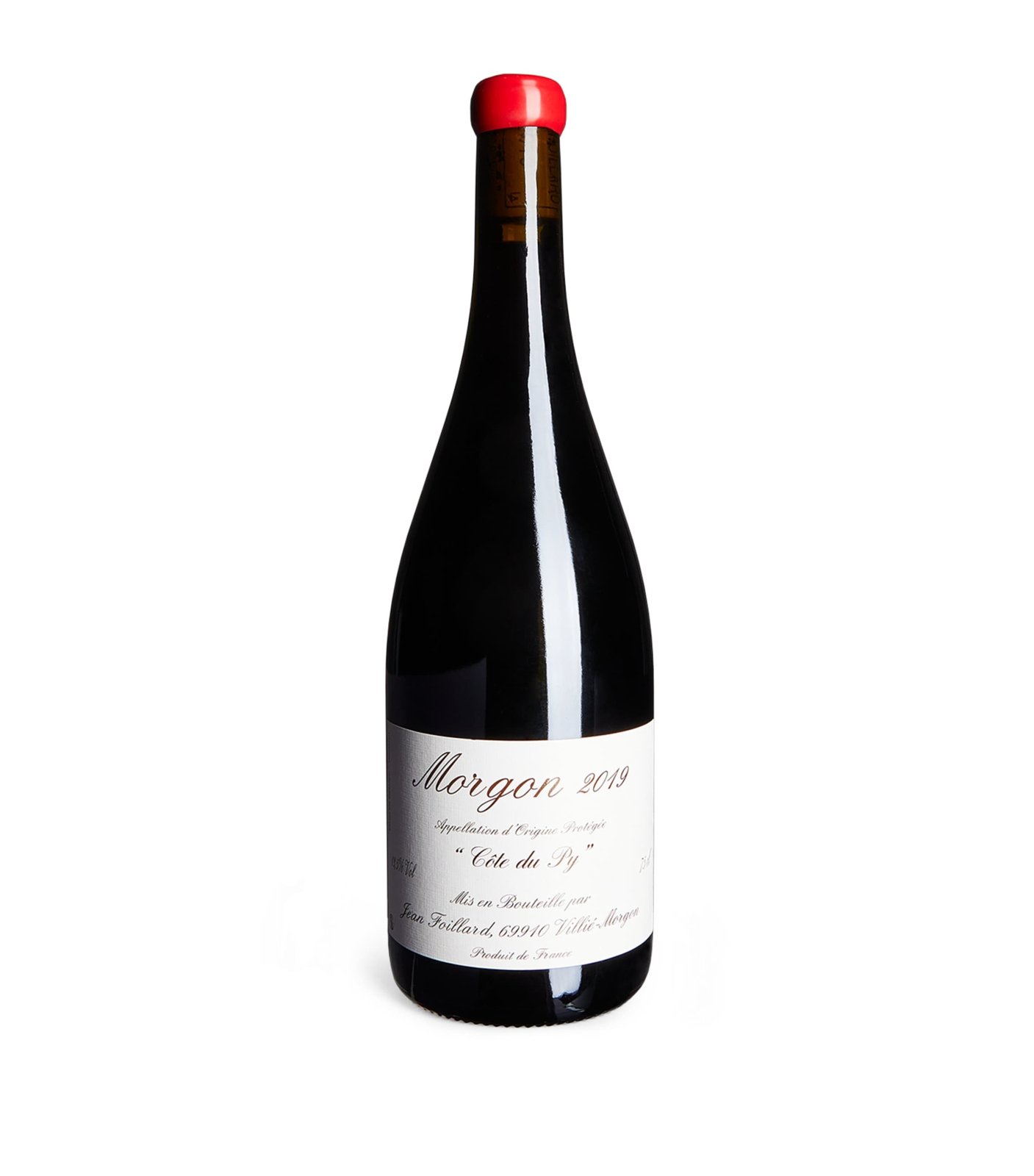
Prioritize Domaine Jean Foillard if Morgon is the reason for the trip and the group is comfortable planning around a difficult appointment. It is a wine-depth choice rather than a polished food-pairing stop, so arrange meals and overnight logistics separately before building the day around it.
Coopers Creek Vineyard
Huapai, New Zealand
A relaxed Huapai cellar door with a stronger bottle case than the casual setting might suggest. Prioritise the Chardonnay, Albarino, Syrah, and Red Blend if tasting to buy; the garden atmosphere suits an easy afternoon rather than a formal wine itinerary.
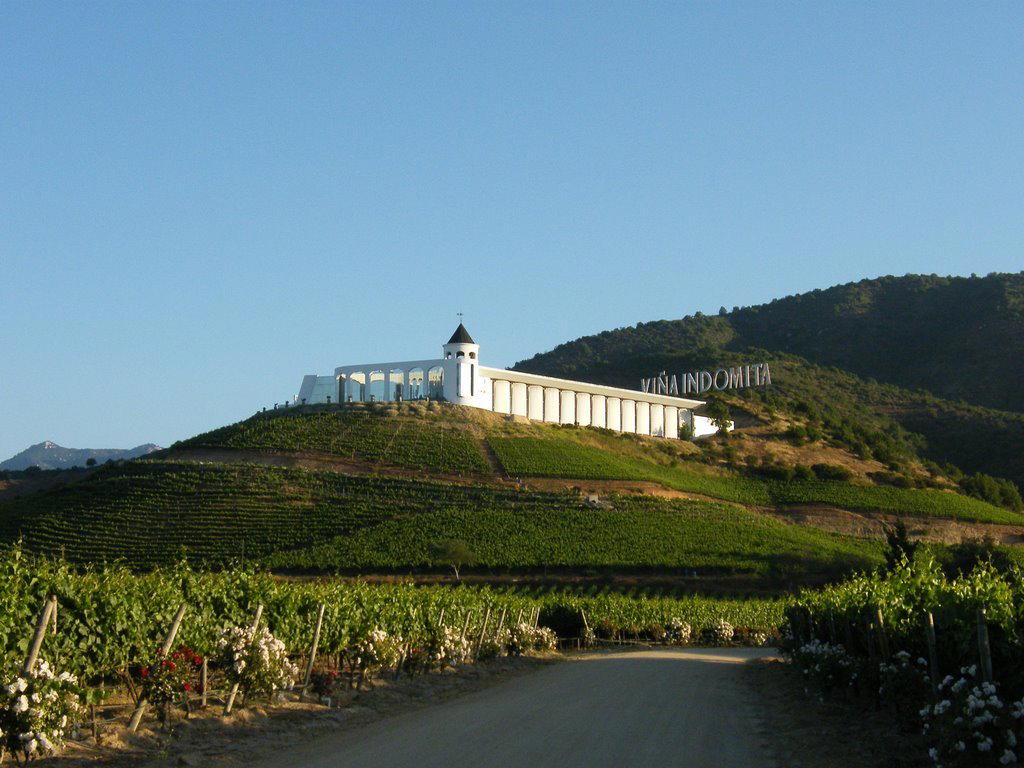
Indomita
Casablanca, Chile
Choose Indómita when the occasion calls for a more considered Casablanca wine stop rather than a casual drop-in. Its Pearl 1 Star Prestige recognition for 2025 makes it a safer celebration choice, but plan ahead because confirmed public details on format, pricing, and timing are thin.
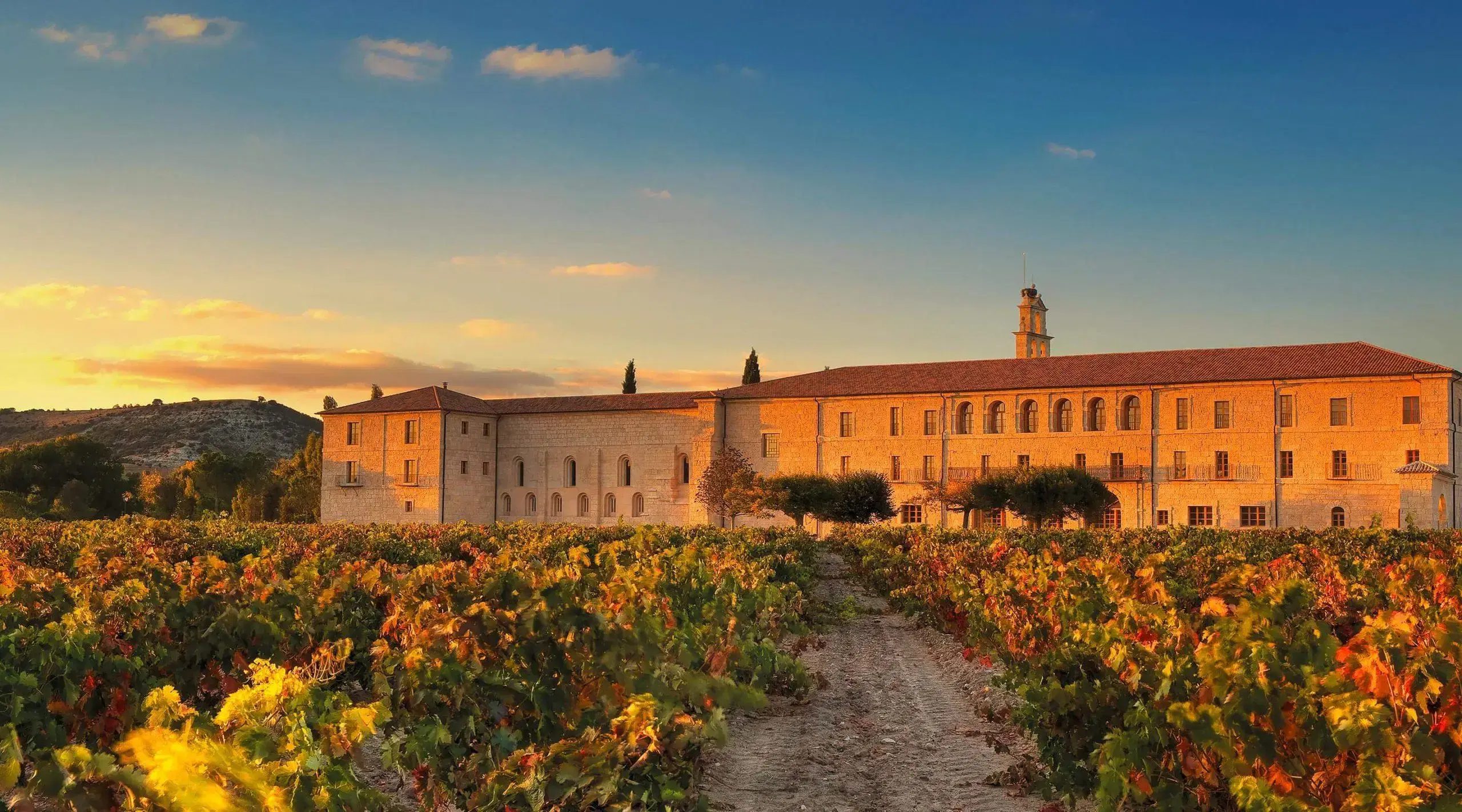
Abadía Retuerta
Sardón de Duero, Spain
Abadía Retuerta is a winery in Sardón de Duero, Spain.
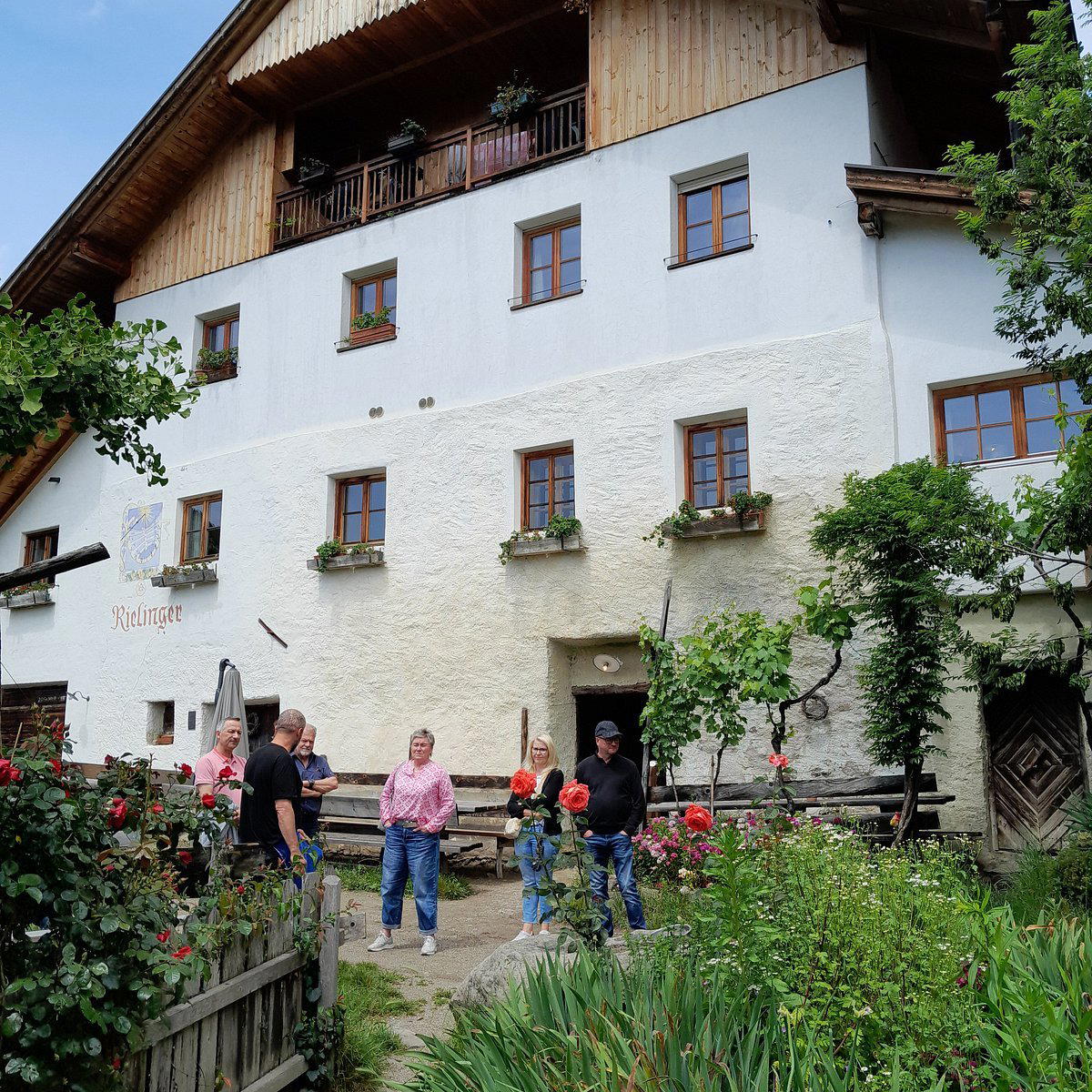
Rielingerhof
Ritten, Italy
Rielingerhof works for a relaxed countryside meal in Ritten, especially if the setting is part of the plan. It is less suited to diners who need a fully documented menu, chef profile, or award-backed reason to book. Treat it as a sit-down choice rather than a takeout-first option.
Earl Vaudoisey-Creusefond
Pommard, France
Book Earl Vaudoisey-Creusefond if the goal is a quiet, appointment-only Pommard tasting with a family grower rather than a polished visitor center. The value is strongest for Burgundy drinkers who want vineyard range across Pommard, Volnay, Meursault, and Auxey-Duresses, with Falstaff 2026 recognition adding a useful quality signal.
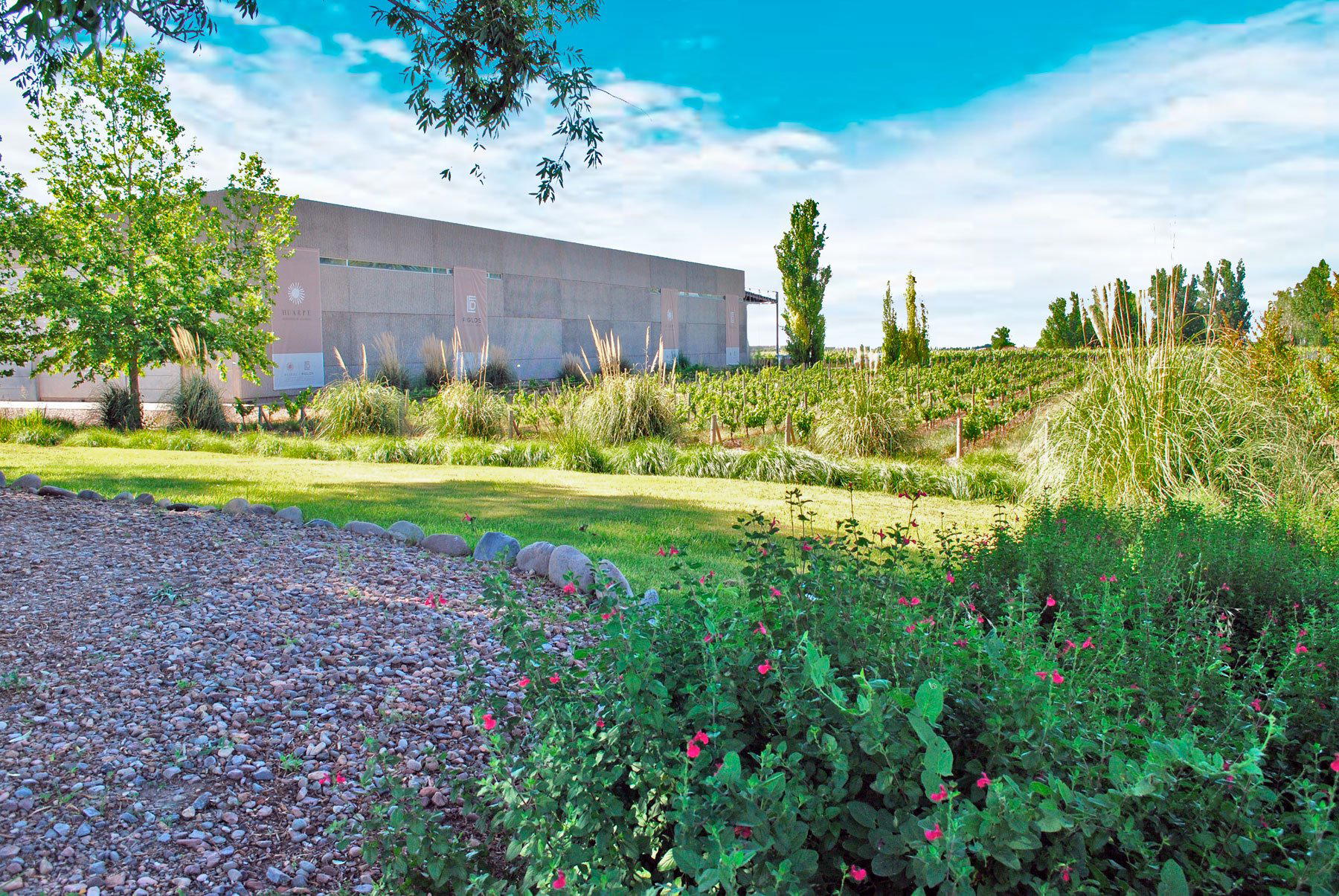
Huarpe Wines
Agrelo, Argentina
Huarpe Wines works for a polished Agrelo winery visit built around balanced wines, Andes foothill context, family heritage, and Argentine contemporary art. It is a stronger fit for travelers who want culture and place alongside tasting than for anyone seeking a clearly published wine-club or allocation model.
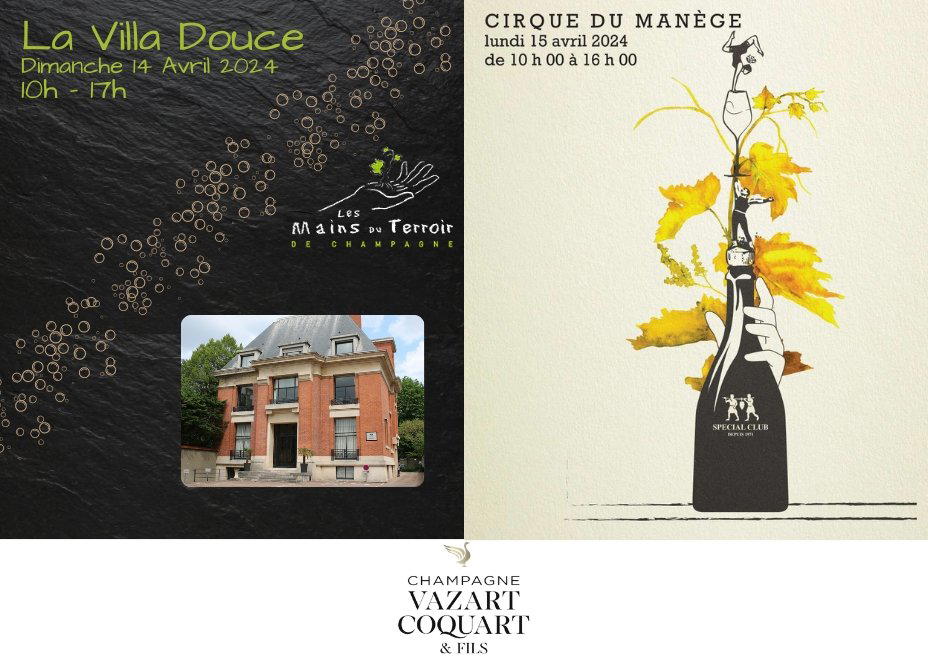
Champagner Vazart-Coquart & Fils
Chouilly, France
A serious Chouilly pick for Champagne drinkers who want a producer-led visit rather than a broad hospitality setup. The Falstaff 3 Stars recognition in 2026 gives it a useful trust signal, but plan this as a focused winery stop: confirm arrangements ahead and handle food, timing, and group logistics elsewhere.
Fantinel
Spilimbergo, Italy
Prioritise Fantinel if the trip is about understanding Friuli through a broad estate rather than chasing a tiny cellar experience. Its strength is the range: native Friulian whites, Collio-linked reserve bottlings, Prosecco and enough critic recognition to justify making it a main Spilimbergo-area wine stop.
Cave de la Fournaise Sàrl
Veyras, Switzerland
Book Cave la Fournaise Sàrl if you want a small, family-run Valais tasting in Veyras rather than a grand estate experience. The $$ price tier and Falstaff Listed 2026 recognition make it a sensible stop for curious wine travelers, especially first-timers trying to understand local terroir without committing to a more formal program.
Freisingerhof Weinbau Leitner
Wei Enkirchen In The Wachau, Austria
Freisingerhof Weinbau Leitner is worth prioritizing if you want a small, family-run Wachau winery with village-specific Grüner Veltliner and Riesling rather than a formal luxury tasting setup. The draw is the compact Weißenkirchen vineyard base, courtyard guesthouse atmosphere, and heritage depth, with tastings better planned in advance than treated as a drop-in stop.
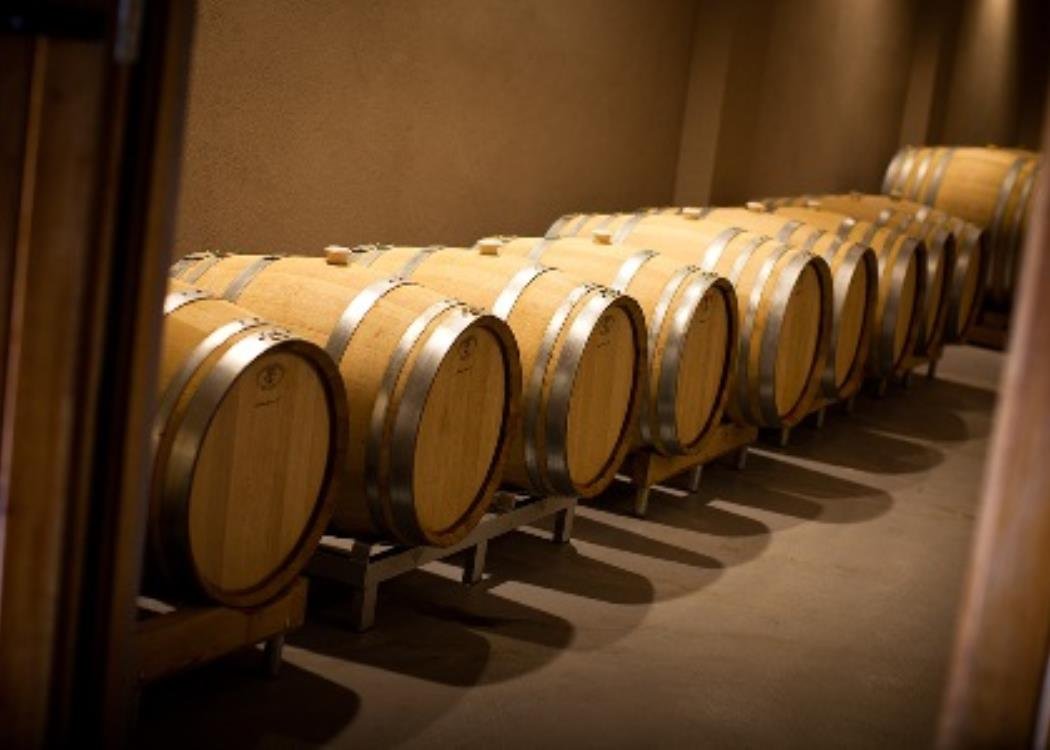
Champagne Le Brun de Neuville
Bethon, France
A sensible Bethon choice for a wine-first Champagne stop, especially for couples or small celebrations that do not need a full restaurant experience attached. The 2026 Falstaff listing adds a useful trust signal; plan around it as a focused producer visit and confirm any food, timing, or group needs before building the day around it.
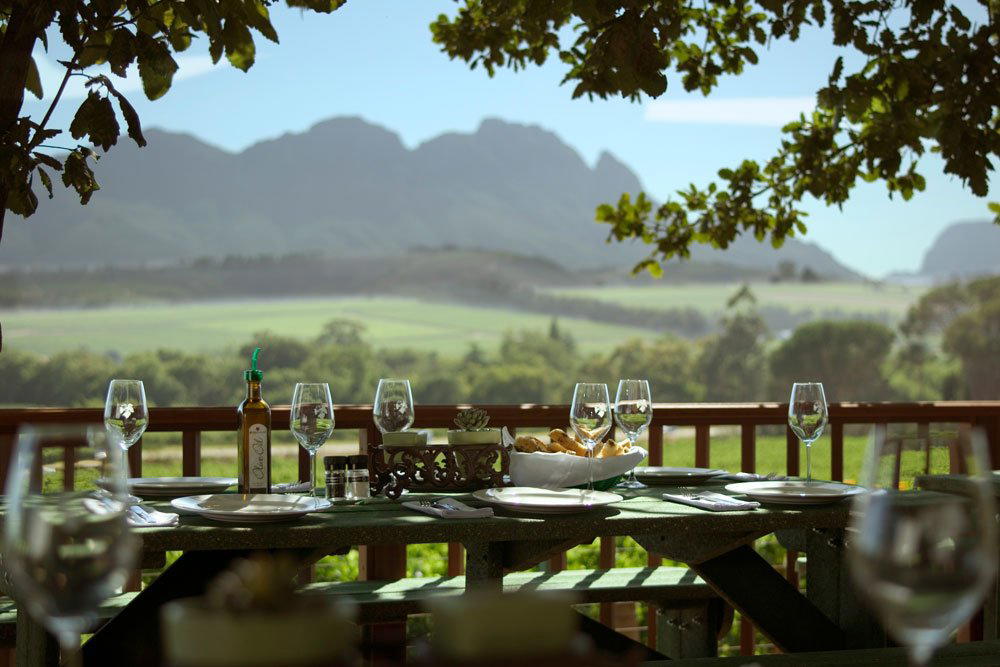
Beyerskloof
Stellenbosch, South Africa
Beyerskloof is worth booking for a wine-first Stellenbosch itinerary, especially if you are exploring producers around the Koelenhof and R304 side of town. Do not treat it as a confirmed restaurant stop; plan it as a focused tasting visit and build food, hotels, or bars elsewhere in the day.
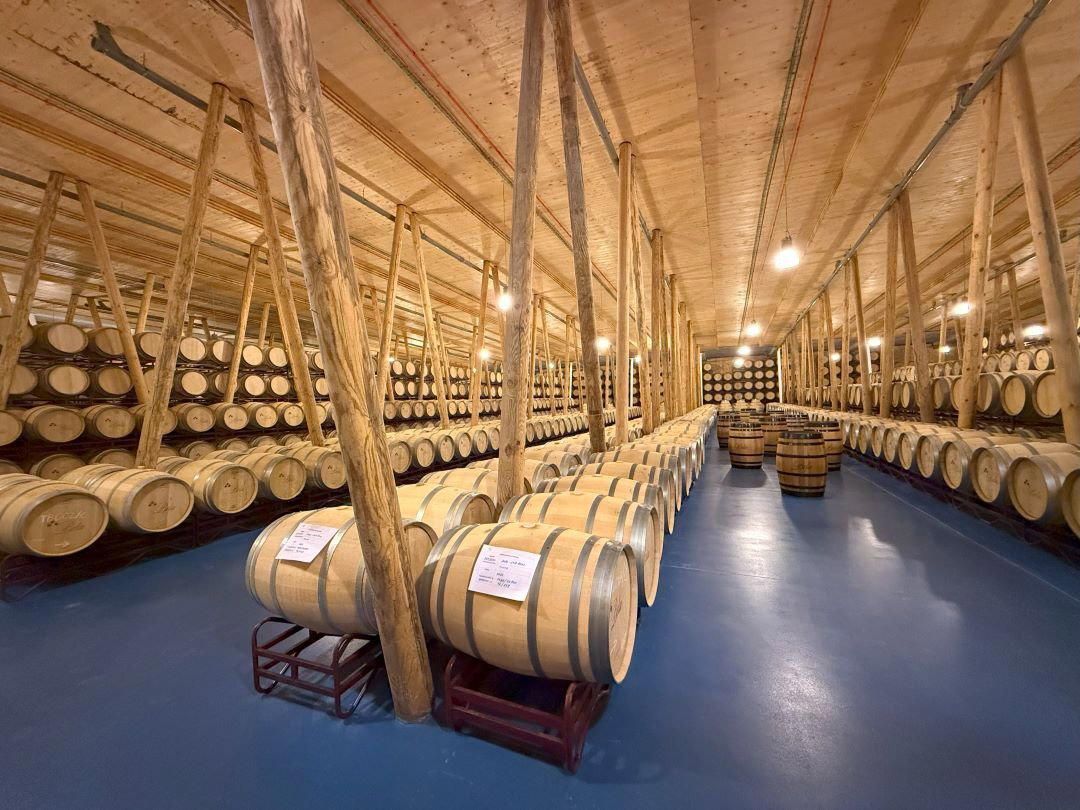
Bodegas Dominio De ES
San Esteban De Gormaz, Spain
Book Bodegas Dominio De ES if the priority is a serious Ribera del Duero wine stop in San Esteban De Gormaz, not a casual food-led outing. Falstaff 5 Stars (2026) gives it a clear quality signal, but plan meals and timing around the visit rather than expecting a broad hospitality setup.
Cantine Cavallotti
Milan, Italy
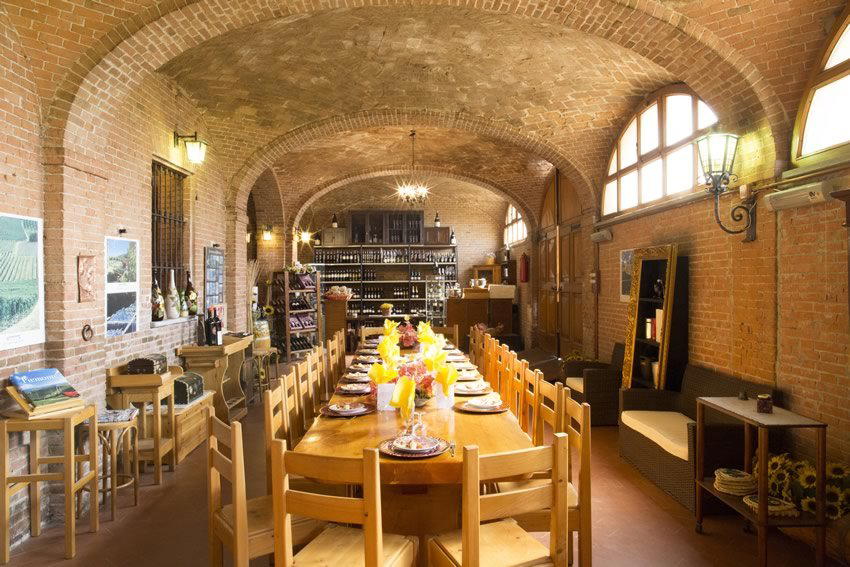
A practical pick for Milan wine explorers who want Oltrepò Pavese context without committing to a full countryside estate visit. Cantine Cavallotti is strongest for Pinot Nero-focused tastings and direct bottle buying, with a friendly Wine Point format and Falstaff recognition in 2026.
Domaine Vieux Vauvert
Rochecorbon, France
A worthwhile appointment-led stop if Vouvray Chenin Blanc is the point of the visit. Domaine Vieux Vauvert is better for focused wine buyers than casual groups seeking food, scenery-led hospitality or a long tasting-room experience.
Domaine Sarda-Malet
Perpignan, France
Book Domaine Sarda-Malet if the goal is a practical Roussillon wine stop with a credible 2026 Falstaff listing, not a fully staged luxury tasting. It works well for Perpignan visitors who value regional context and flexible planning, especially as part of a broader wine-focused itinerary.
Comincioli
Puegnago sul Garda, Italy
Book Comincioli if you want a serious Lake Garda estate visit built around wine, denocciolated extra virgin olive oil, and spirits rather than a quick tasting-room stop. The value is strongest for travelers who care about production context and family-run agricultural heritage; skip it if you only want a fast pour before moving on.
Weingut Graf Neipperg
Schwaigern, Germany
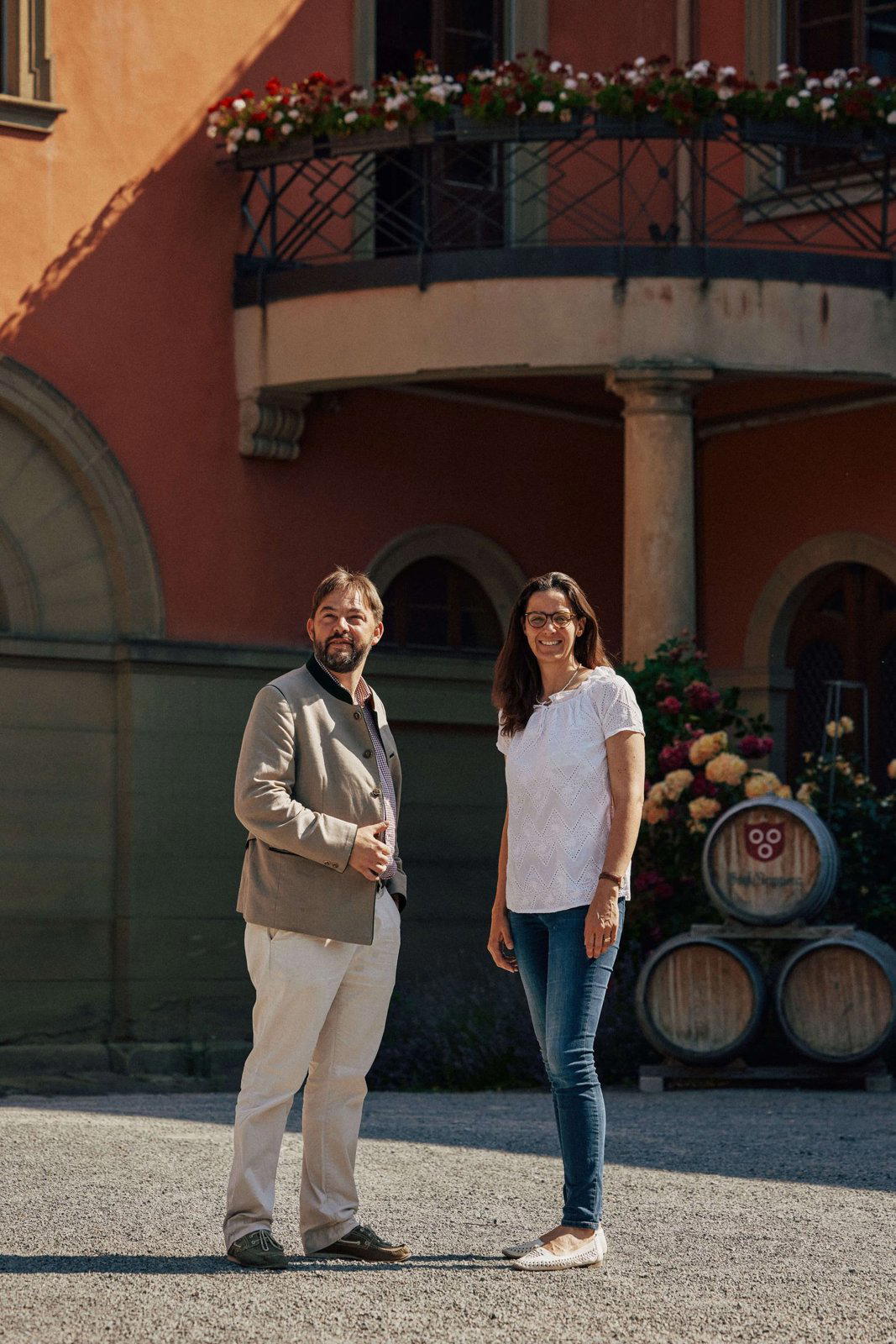
Weingut Graf Neipperg is worth prioritising if Schwaigern is a deliberate wine stop, not a casual add-on. The booking hurdle makes it better for focused wine travelers and small groups than flexible tasting crawls, with Weingut Dautel, Weingut Klumpp, Weingut Aldinger, Weingut Rainer Schnaitmann, and Weingut Karl Haidle as sensible fallbacks.
Corte Fusia
Coccaglio, Italy
Corte Fusia is a strong second-stop choice in Franciacorta for drinkers who want a smaller, terroir-led tasting rather than a polished large-house experience. The draw is Monte Orfano fruit, classic-method sparkling wine, and an appointment format that suits focused visits more than large groups.
Bioweingut Landauer-Gisperg Winzerhof
Tattendorf, Austria
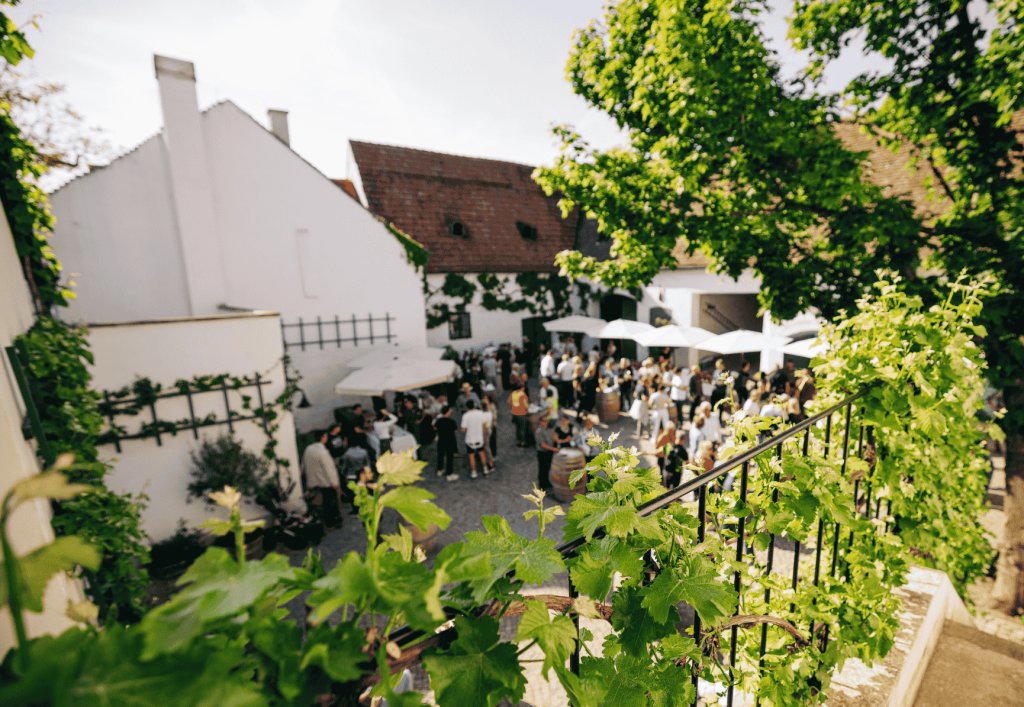
Book Bioweingut Landauer-Gisperg Winzerhof if you want an organic Thermenregion tasting with a relaxed family-run feel, not a formal restaurant-style wine experience. The strongest fit is a date, small celebration, or vineyard afternoon built around regional grapes, picnic backpacks, and take-home food extras.
Domaine des Moriers
Lancie, France
Domaine des Moriers is worth targeting if the goal is serious cru Beaujolais buying rather than a full-service winery day. The draw is focused Gamay from Fleurie, Morgon, Moulin-à-Vent, and Beaujolais-Villages, backed by organic certification, manual vineyard work, and 2026 Falstaff recognition.
& Handwein
Mannheim, Germany
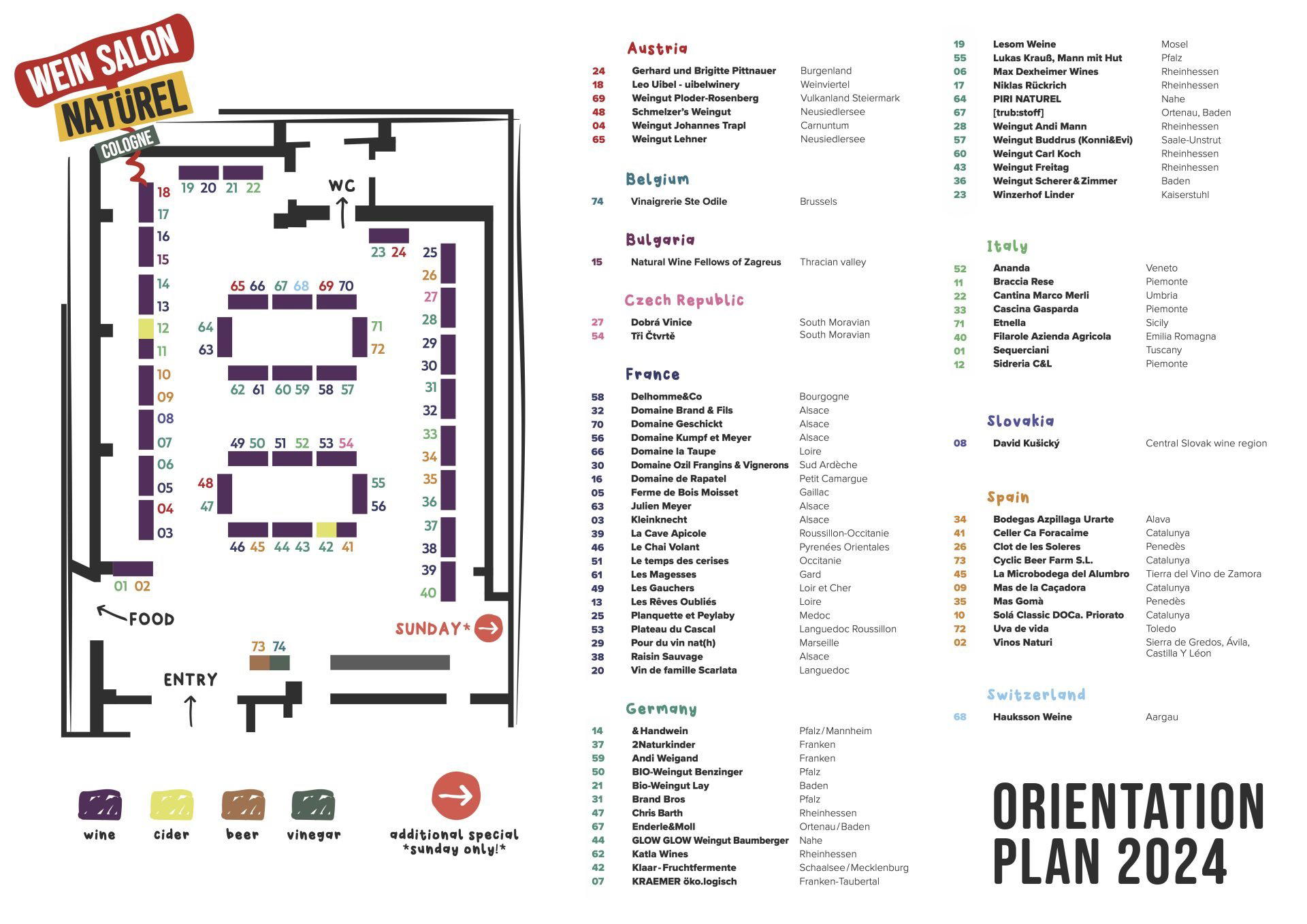
Against conventional rural winery visits, & Handwein is the Mannheim pick for natural-wine drinkers who want an urban cellar perspective rather than a polished estate day. The $$$ positioning makes sense if cloudy, unfined, orange, and small-batch wines are the draw; skip it if you want a classic tasting-room setup with broad visitor infrastructure.
Fattoria Giuseppe Savini
Morro D Oro, Italy
Fattoria Giuseppe Savini is worth booking if the point of the visit is estate-grown Abruzzo wine rather than luxury hospitality. Go for Montepulciano, Pecorino, and a rural Colline Teramane setting, with a practical tasting mindset and advance coordination for any tour-style experience.
Domaine Lignier Michelot
Morey-Saint-Denis, France
Domaine Lignier Michelot is a better fit for Burgundy-focused collectors than casual drop-ins. Its Morey-Saint-Denis setting and Falstaff Listed recognition make it worth pursuing for a serious wine-led appointment, but plan ahead and do not assume food, large-group handling, or a structured visitor program without confirmation.
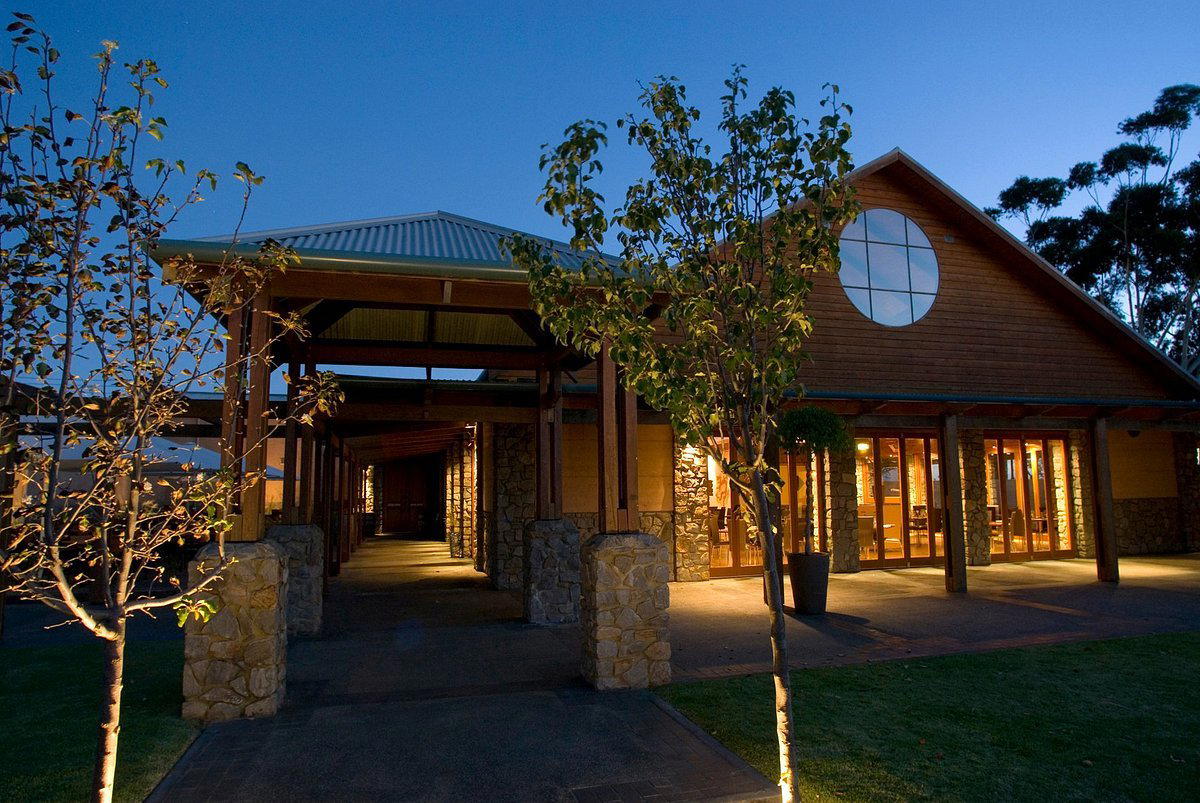
Xanadu Wines
Margaret River, Australia
Xanadu Wines is worth prioritising if the plan is a serious Margaret River wine day rather than a quick cellar-door tick. It works especially well as an anchor stop near town, paired with one or two other wineries, with enough time left for lunch or a coastal detour.
How many of these have you visited?
Find out on Pearl and keep score across every place in 2026 Falstaff Winery Guide.