
Domaine Jean Foillard
Villié-Morgon
Winery in Villié-Morgon, France
 Book with Pearl
The Read
Volcanic Gamay Precision
Why go
Prioritize Domaine Jean Foillard if Morgon is the reason for the trip and the group is comfortable planning around a difficult appointment. It is a wine-depth choice rather than a polished food-pairing stop, so arrange meals and overnight logistics separately before building the day around it.
About Domaine Jean Foillard
Should you prioritize Domaine Jean Foillard? Yes, if you are looking for a Villié-Morgon venue with confirmed recognition and a casual dress code.
The clearest confirmed hook is its Pearl 2 Star Prestige recognition for 2025. Plan with the essentials in mind: the venue is in Villié-Morgon, the dress code is casual, and any practical details should be checked directly before you build a day around it.
Prioritize confirmed recognition, not unverified extras
The right reason to keep Domaine Jean Foillard on a shortlist is its confirmed 2025 Pearl 2 Star Prestige status. Do not assume a particular format, tasting structure, drinks program, price level, or service style from this page alone. If you need those details, confirm them with the venue before committing your schedule.
For comparison planning, consider other named options such as Domaine Marcel Lapierre, Château Thivin, Domaine J.-A. Ferret, Georges Duboeuf, and Mommessin. Use them as broader points of reference rather than as proof of a specific experience at Domaine Jean Foillard.
Who should prioritize it
Prioritize Domaine Jean Foillard if you want a Villié-Morgon venue with a confirmed Pearl 2 Star Prestige designation and you are comfortable checking practical details in advance. The casual dress code makes the wardrobe expectation direct, but it does not verify anything about timing, availability, food, or service format.
Skip building a rigid plan around unconfirmed assumptions. Treat Domaine Jean Foillard as a recognized Villié-Morgon venue, then verify the current arrangements directly. If you want to compare it with other regional names, keep the shortlist to Château Thivin, Domaine J.-A. Ferret, Domaine Marcel Lapierre, Georges Duboeuf, and Mommessin, plus other Villié-Morgon options described generically.
Planning details
- Location
- 38 Le Clachet, 69910 Villié-Morgon
- Website
- leclachet-foillard.com
- Phone
- +33 4 74 04 24 97
The take
The Take
The Vibe
Domaine Jean Foillard reads as a terroir-first address that prizes geological specificity and restrained practice over showmanship. The text frames the domaine within Morgon’s most consequential plots, where decomposed granite, schist and manganese-rich volcanic soils coax Gamay toward uncommon mineral tension and longevity. Rather than trendy gimmicks, Foillard is described through pedigree—ratings, precision viticulture and low-intervention work—so the overall impression is one of focused sophistication and quiet expertise. The estate appeals to people who are drawn to texture, soil-driven expression and wines that reveal themselves gradually rather than demanding instant attention.
Best For
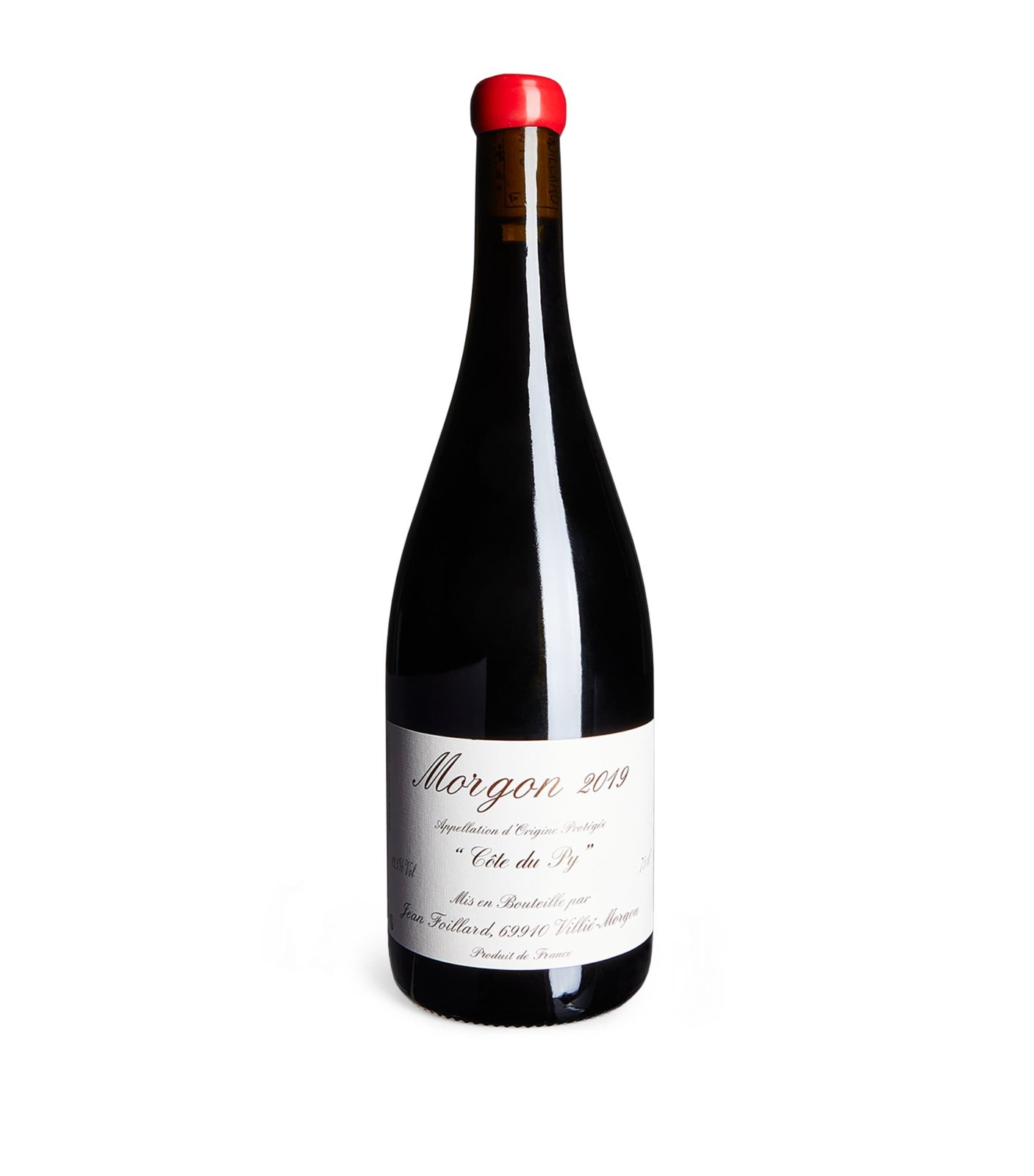
This domaine is best suited to visitors whose priority is learning about terroir and long-term ageing potential. The write-up emphasizes geology, vine stress and the ways Morgon’s soils burgundify Gamay over years, so it naturally serves wine-minded solo explorers, students of terroir and collectors sizing potential cellaring candidates. It’s not pitched as a party stop; instead it rewards deliberate attention to site and vintage. If you want to study how Côte du Py’s rotten rock and mineral spine shape the grape, Foillard provides a concentrated example in an appellation-focused setting.
Tasting Tips
Focus on bottles that reference Morgon or Côte du Py and plan for patience: the profile is explicitly described as developing savoury, Pinot-like complexity after five to ten years in bottle. Given the domaine’s emphasis on precision viticulture and low-intervention techniques, expect mineral tension and structural lines that benefit cellaring. For collectors or curious buyers, prioritise village- and lieu-dit-level cuvées from Foillard’s holdings and consider purchasing younger releases to cellar; the estate’s strength lies in wines that reward time rather than immediate hedonism.
Venue details
Ambiance
Rustic and traditional with a focus on purity and terroir expression in a family-run winery setting.
Tags
Vibe
Best For
Experience
Sourcing
View
At the Vineyard
- Appellation
- Morgon AOC
- Varietals
- Gamay
- Tour Duration
- 60-90 minutes
- Visits
- By appointment only
- Farming
- Natural wine
- Production
- Small producer
- Wine Styles
- Still Red
- Wine Club
- Not available
Know before you go
Know Before You Go
- Getting there
- 38 Le Clachet, 69910 Villié-Morgon
Planning details
Location
Recognition and awards

Also consider
Where to look if this does not work
Try Domaine Marcel Lapierre first if the goal is to stay in Villié-Morgon. For a more accessible regional stop, Georges Duboeuf is the safer fallback.
Winery context
How it compares in and around Villié-Morgon
Domaine Jean Foillard is the stronger pick for travelers who want a serious Morgon-focused stop and are willing to deal with a hard booking. Domaine Marcel Lapierre is the closest peer for the same village logic, so compare those two first if the trip is centered on Villié-Morgon rather than a broader Beaujolais sweep.
Georges Duboeuf and Mommessin make more sense for travelers who want a simpler, more accessible regional stop. They are better fallbacks when the priority is ease, group-friendliness, or a less appointment-driven day. Foillard is the choice when wine specificity matters more than convenience.
Château Thivin and Domaine J.-A. Ferret are better cross-shops for travelers expanding beyond Morgon. Choose them when the itinerary is about comparing appellations or building a longer Burgundy-Beaujolais route; stay with Foillard when the decision is a concentrated Morgon visit.
Explore Villié-Morgon
Around this place
Discover more on Pearl
Unlock the full Domaine Jean Foillard guide in Pearl, including awards, comparisons, FAQs, planning details, and nearby places.
Compare Domaine Jean Foillard
| Venue | Location | Awards |
|---|---|---|
| Domaine Jean Foillard | Villié-Morgon | 2026 Falstaff Winery Guide |
| Domaine Marcel Lapierre | Villié-Morgon | No published awards |
| Georges Duboeuf | Romanèche-Thorins | No published awards |
| Mommessin | Côte de Nuits | 2025 Pearl 3 Star Prestige |
| Château Thivin | Saint-Lager | 2026 Falstaff Winery Guide |
| Domaine J.-A. Ferret | Fuissé | No published awards |

How Domaine Jean Foillard Villié-Morgon compares with similar nearby venues.
FAQ
Frequently Asked Questions
How long should I plan for a visit to Domaine Jean Foillard?
Plan directly with the venue for current timing and service format. Domaine Jean Foillard is a Villié-Morgon venue with 2025 Pearl 2 Star Prestige recognition.
What is Domaine Jean Foillard known for?
The confirmed facts are the venue name, its Villié-Morgon location, its casual dress code, and its 2025 Pearl 2 Star Prestige recognition.
What other venues can I compare with Domaine Jean Foillard?
For comparison planning, consider Château Thivin, Domaine J.-A. Ferret, Domaine Marcel Lapierre, Georges Duboeuf, and Mommessin. Check current details before making plans.