
Weingut Graf Neipperg
Schwaigern
Winery in Schwaigern, Germany
 Book with Pearl
The Read
Noble-Estate Württemberg Reds
Why go
Weingut Graf Neipperg is worth prioritising if Schwaigern is a deliberate wine stop, not a casual add-on. The booking hurdle makes it better for focused wine travelers and small groups than flexible tasting crawls, with Weingut Dautel, Weingut Klumpp, Weingut Aldinger, Weingut Rainer Schnaitmann, and Weingut Karl Haidle as sensible fallbacks.
About Weingut Graf Neipperg
Weingut Graf Neipperg is best approached as a Schwaigern venue with limited public detail. It holds Pearl 2 Star Prestige for 2025, and the dress code is smart casual. Beyond that, treat it as a cautious planning aid rather than a source for specifics about tastings, pricing, opening hours, or visitor format.
The value case therefore depends on what you can confirm directly before going. If the aim is to include a recognised Schwaigern venue in an itinerary, Weingut Graf Neipperg is worth shortlisting. If the plan depends on exact prices, availability, group capacity, or a specific visit format, verify those details with the venue before building the day around it. For broader local planning, use general Schwaigern resources for meals, stays, evening plans, and experiences.
Book this as a recognised Schwaigern stop, with details confirmed directly
Decision comes down to intent. If Schwaigern is a deliberate destination on the itinerary, Weingut Graf Neipperg can be treated as a serious candidate because it holds Pearl 2 Star Prestige recognition for 2025. If the day is built around precise timing, exact visit format, or firm group logistics, confirm those points directly rather than relying on assumptions.
For comparison, Weingut Dautel, Weingut Klumpp, Weingut Aldinger, Weingut Rainer Schnaitmann, and Weingut Karl Haidle are useful names to cross-shop if the priority is a wider venue shortlist. Choose Graf Neipperg when the appeal is a Schwaigern venue with its recognition; compare the others when you want to understand the broader set.
How to think about value when prices are not the headline
The right value question is not “cheap or expensive?” because public pricing is not readily available. The safer question is whether Weingut Graf Neipperg fits the role you need it to play in the itinerary. For a traveler who wants to include a recognised Schwaigern venue, it belongs on the shortlist. For anyone who needs confirmed prices, opening hours, visit structure, or group arrangements before committing, those details should be checked directly.
Use this as one Schwaigern reference point rather than the only basis for a day out. Important details are intentionally narrow: venue name, Schwaigern location, smart casual dress code, and Pearl 2 Star Prestige recognition for 2025. Keep the rest of the plan flexible until current visit details are known.
Quick reference: Weingut Graf Neipperg is a Schwaigern venue with Pearl 2 Star Prestige recognition for 2025 and a smart casual dress code; confirm practical visit details directly.
Planning details
- Location
- Schloßstraße 12, 74193 Schwaigern
- Website
- graf-neipperg.de
- Phone
- +49 7138 941400
The take
The Take
The Vibe
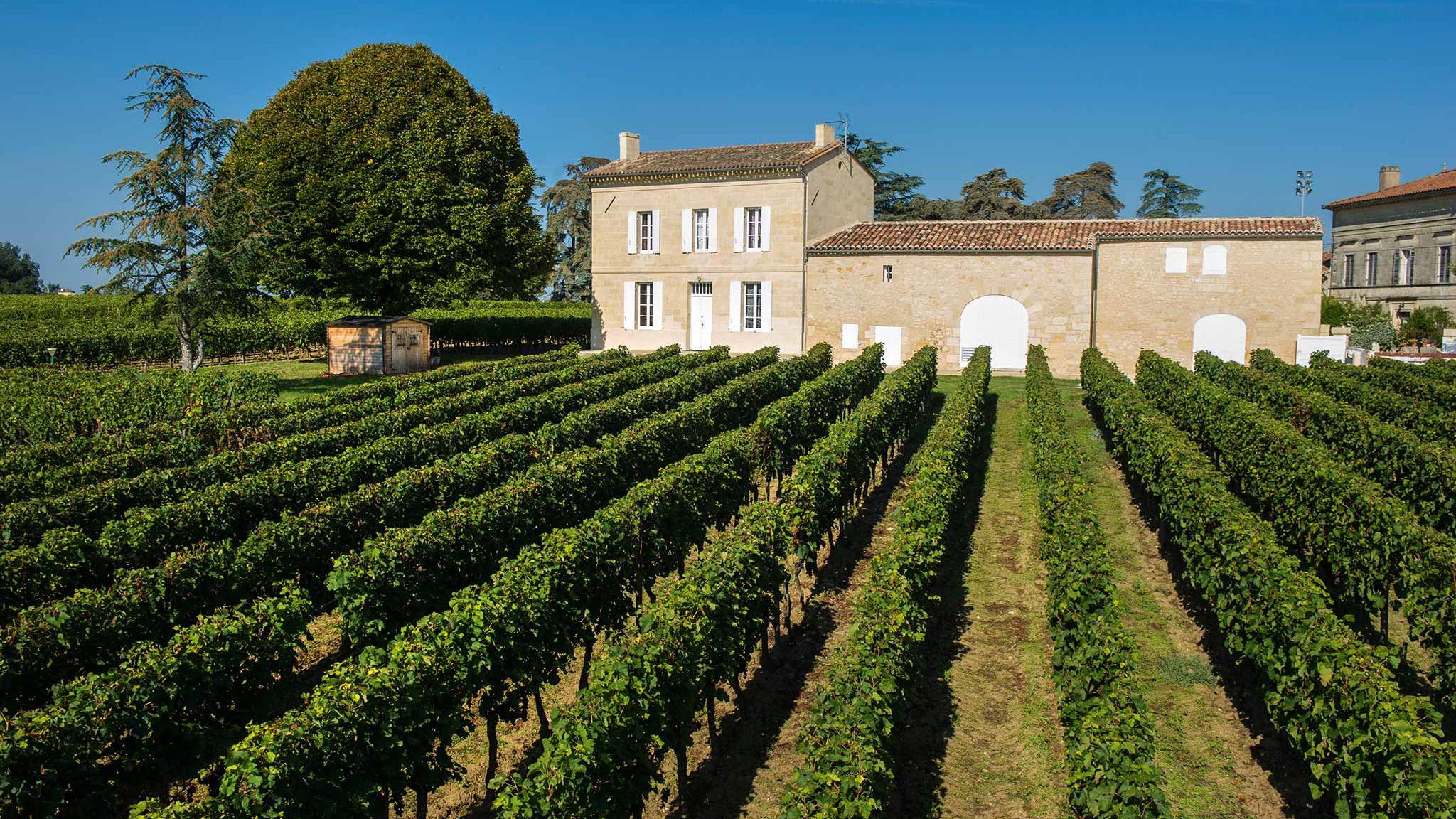
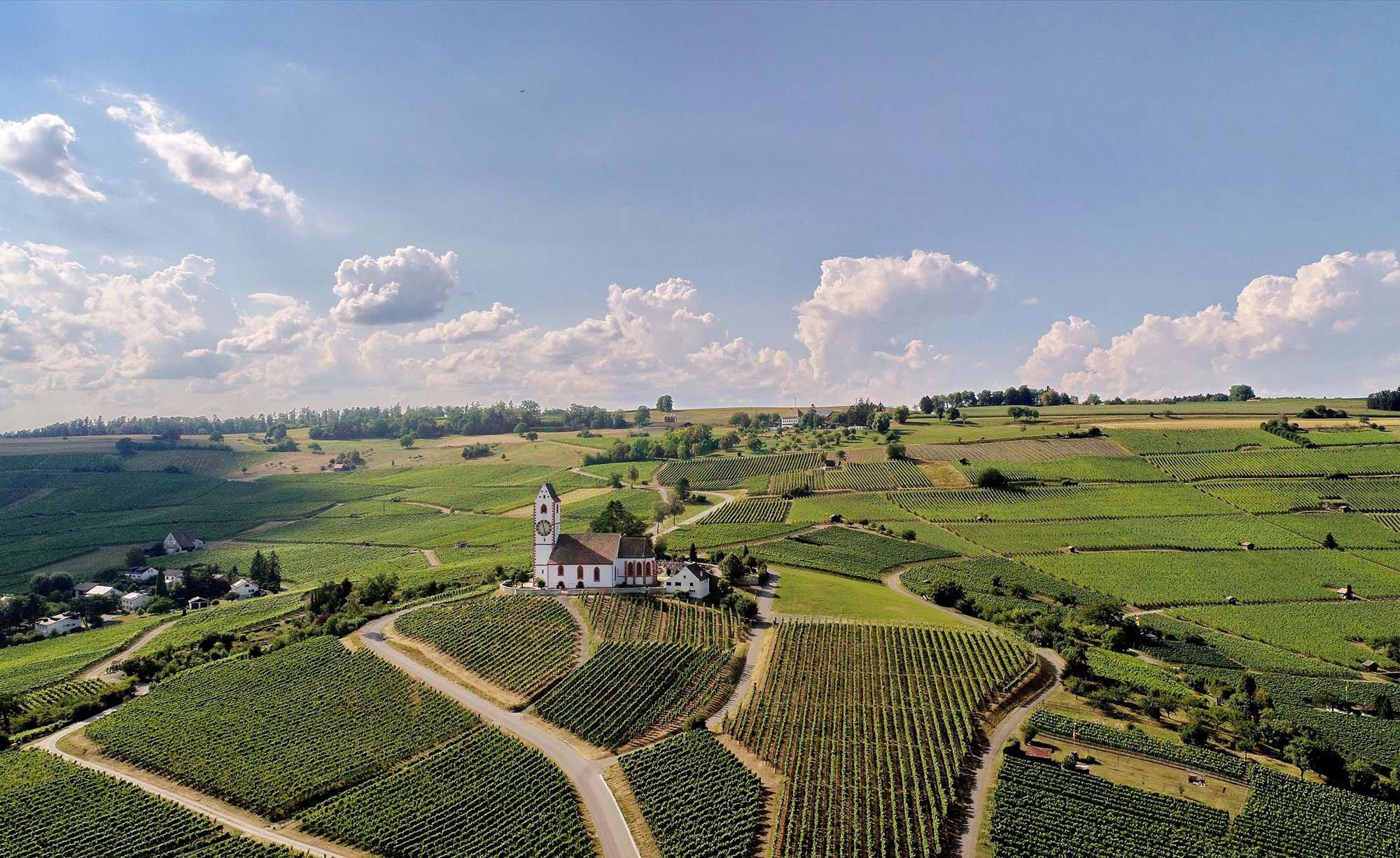
Graf Neipperg sits quietly within Württemberg’s less-hyped wine country, combining the gravitas of an estate address with the calm of rural vineyards. The write-up positions the property as part of a long local tradition — an established, historic wine producer rather than a trend-driven newcomer. Recognition like the 2025 Pearl 2 Star Prestige award reinforces a sophisticated, premium feel, while the region’s small-scale reds and distinctive soils lend a scenic, quietly rewarding atmosphere. Visitors should expect a contemplative, discovery-oriented experience anchored in terroir and craftsmanship.
Best For
This estate is best for focused wine exploration and milestone visits. The description speaks directly to readers piecing together a fuller view of German wine beyond Riesling orthodoxy, making Graf Neipperg a strong stop for educational itineraries and tastings that emphasise regional varieties. Its prestige-level recognition also makes it an apt choice for special-occasion visits where a sense of provenance and quality matters. The tone of the piece suggests a measured, thoughtful outing rather than a boisterous group party.
Tasting Tips
When engaging with wines from Graf Neipperg, lean into the regional specialties referenced in the text: Lemberger, Trollinger and Schwarzriesling. Ask about how Muschelkalk and Keuper clay-marl soils influence those varieties and request any wines highlighted by the estate’s 2025 Pearl 2 Star Prestige recognition. Treat the visit as a terroir lesson—allow time to discuss vine-growing practices and how Württemberg’s continental climate shapes ripeness and style. Prioritise estate-labeled bottlings that speak to site and vintage to best understand this corner of southern Germany.
Venue details
Ambiance
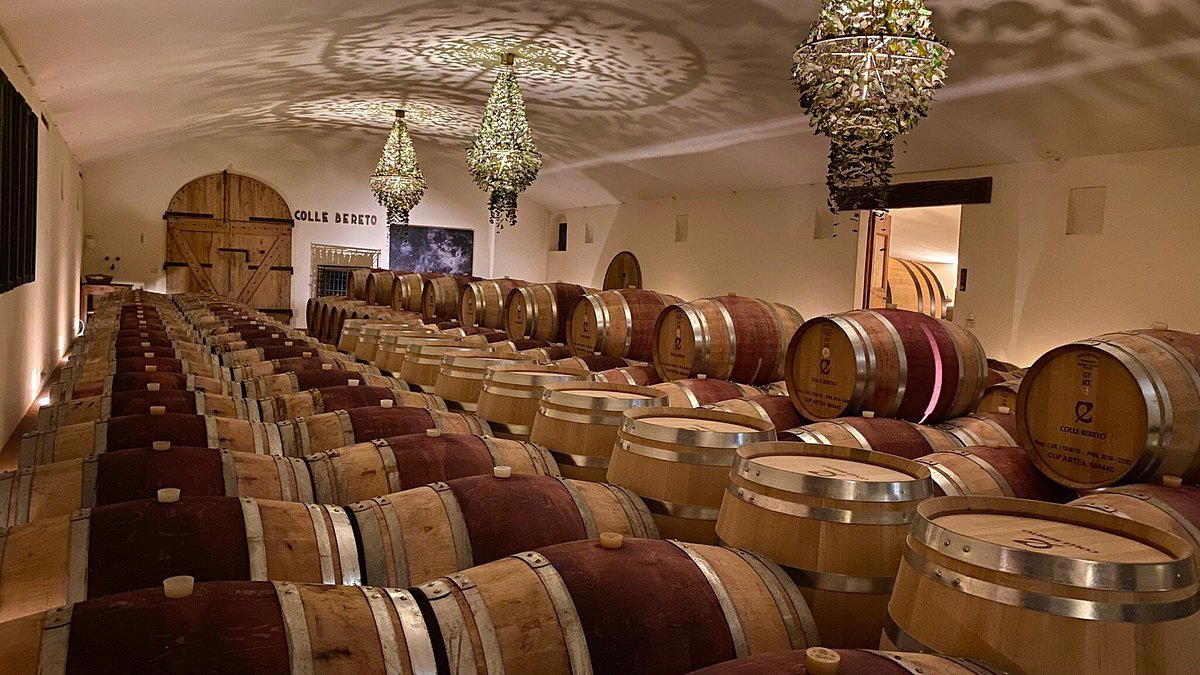
Traditional vinification in vaulted cellars with a classic, elegant atmosphere rooted in noble heritage.
Tags
Vibe
Best For
Experience
Sourcing
View
At the Vineyard
- Appellation
- Württemberg
- Varietals
- Lemberger, Riesling, Spätburgunder, Trollinger, Syrah
- Tour Duration
- 60-90 minutes
- Wine Club
- Not available
Know before you go
Know Before You Go
- Getting there
- Schloßstraße 12, 74193 Schwaigern
Planning details
Location
Recognition and awards

Also consider
Also Consider
- Weingut Dautel, Notable alternative
- Weingut Klumpp, Notable alternative
- Weingut Aldinger, Notable alternative
- Weingut Rainer Schnaitmann, Notable alternative
- Weingut Karl Haidle, Notable alternative
Winery context
How It Compares
Against Weingut Dautel and Weingut Klumpp, Weingut Graf Neipperg is the more deliberate choice: better for a tightly planned Schwaigern-focused visit, weaker for travelers who want a flexible tasting route. With no public price tier to compare directly, value here is about whether the access effort supports the purpose of the trip.
Weingut Aldinger, Weingut Rainer Schnaitmann, and Weingut Karl Haidle make better cross-shops if the priority is a broader Württemberg itinerary rather than one hard-to-secure stop. Pick Graf Neipperg when the day is built around Schwaigern and appointment quality; pick the peers when booking flexibility and itinerary resilience matter more.
For ambiance, the safer assumption is to choose by trip style rather than imagined scenery: Graf Neipperg suits serious wine travelers who prefer a focused estate visit, while the is more useful for building a multi-stop day with backup options.
Explore Schwaigern
Around this place
Discover more on Pearl
Unlock the full Weingut Graf Neipperg guide in Pearl, including awards, comparisons, FAQs, planning details, and nearby places.
Compare Weingut Graf Neipperg
| Venue | Location | Awards |
|---|---|---|
| Weingut Graf Neipperg | Schwaigern | 2026 Falstaff Winery Guide |
| Weingut Dautel | Bönnigheim | 2026 Falstaff Winery Guide |
| Weingut Klumpp | Bruchsal | 2026 Falstaff Winery Guide |
| Weingut Aldinger | Fellbach | 2026 Falstaff Winery Guide |
| Weingut Rainer Schnaitmann | Fellbach | 2026 Falstaff Winery Guide |
| Weingut Karl Haidle | Kernen-Stetten | 2026 Falstaff Winery Guide |
How Weingut Graf Neipperg Schwaigern compares with similar nearby venues.
FAQ
Frequently Asked Questions
What is known about Weingut Graf Neipperg?
Limited public information is available about Weingut Graf Neipperg. The venue is in Schwaigern, has Pearl 2 Star Prestige recognition for 2025, and lists a smart casual dress code. For a broader comparison, Weingut Aldinger and Weingut Rainer Schnaitmann are useful names to consider in a wider venue shortlist.
How long should I plan for a visit to Weingut Graf Neipperg?
Visit-duration information for Weingut Graf Neipperg is not available. Treat it as a Schwaigern venue to research directly before setting a schedule. Its Pearl 2 Star Prestige recognition makes it worth considering, but timing, format, and availability should be checked with the venue.
What other venues can I compare with Weingut Graf Neipperg?
For comparison, look at Weingut Dautel, Weingut Klumpp, Weingut Aldinger, Weingut Rainer Schnaitmann, and Weingut Karl Haidle. Use them as reference points when deciding how Weingut Graf Neipperg fits into a wider itinerary.
Do I need a reservation at Weingut Graf Neipperg?
Reservation requirements for Weingut Graf Neipperg are not available. Confirm current arrangements directly with the venue before planning around a visit in Schwaigern. Key details include Pearl 2 Star Prestige recognition for 2025 and a smart casual dress code.
When is the best time to visit Weingut Graf Neipperg?
Opening hours or seasonal visit guidance for Weingut Graf Neipperg are not available. The best time to visit is the time you can confirm directly with the venue. If your route also includes Weingut Klumpp or Weingut Dautel, verify each stop separately before finalising the schedule.
Can Weingut Graf Neipperg handle large groups?
Group-capacity information for Weingut Graf Neipperg is not available. If group size matters, confirm directly with the venue before committing. For wider planning comparisons, Weingut Rainer Schnaitmann and Weingut Aldinger can be considered as part of a broader shortlist.