
Gilvesy Winery
Hegymagas
Winery in Hegymagas, Hungary
 Book with Pearl
The Read
Basalt-Driven Viticulture
Price
$30–50tasting
Why go
Gilvesy Winery is worth prioritizing for a focused Hegymagas tasting, especially if a private or tailored visit can be confirmed. It is less suited to loose, walk-in-style planning; the payoff is strongest for wine travelers building a serious Lake Balaton route around depth rather than convenience.
About Gilvesy Winery
Gilvesy Winery is a winery in Hegymagas. Dress is casual, and the venue carries Pearl 2 Star Prestige recognition for 2025.
Before making plans around a visit, check current hours, tasting formats, food service, reservation rules, prices, and bottle offerings directly with the winery. If the day also includes other stops in Hegymagas, confirm each place directly before building the rest of the itinerary.
Worth targeting if the winery is the point of the trip
Gilvesy Winery is a Hegymagas winery with casual dress and Pearl 2 Star Prestige recognition for 2025. Those are strong reasons to keep it on a shortlist, especially for travelers comparing venue options rather than looking for a fully documented dining or hospitality stop.
Before visiting, confirm the current visitor arrangements directly with the winery. Do not rely on assumptions about walk-ins, private tastings, food availability, or specific bottle offerings unless Gilvesy Winery has confirmed them for your date.
How to fit it into a wider route
Use Gilvesy Winery as one Hegymagas point in a broader itinerary, then compare it with other named venues such as Laposa Estate, Légli Ottó Pincészet, Szeremley Estate, Varga Pincészet, and Villa Sandahl. Keep those comparisons focused on planning and personal preference, and check current details for each venue.
The verdict: Gilvesy Winery is a grounded pick for travelers specifically interested in a Hegymagas winery with Pearl 2 Star Prestige (2025) recognition. Confirm the practical details before going, and keep the plan flexible if you need guaranteed hours, food service, pricing, or a particular tasting format.
Planning details
- Location
- Hegymagas, Hegymagas Hrsz.: 028/10, 8265
- Website
- gilvesy.hu
- Phone
- +36 20 249 7707
The take
The Take
The Vibe
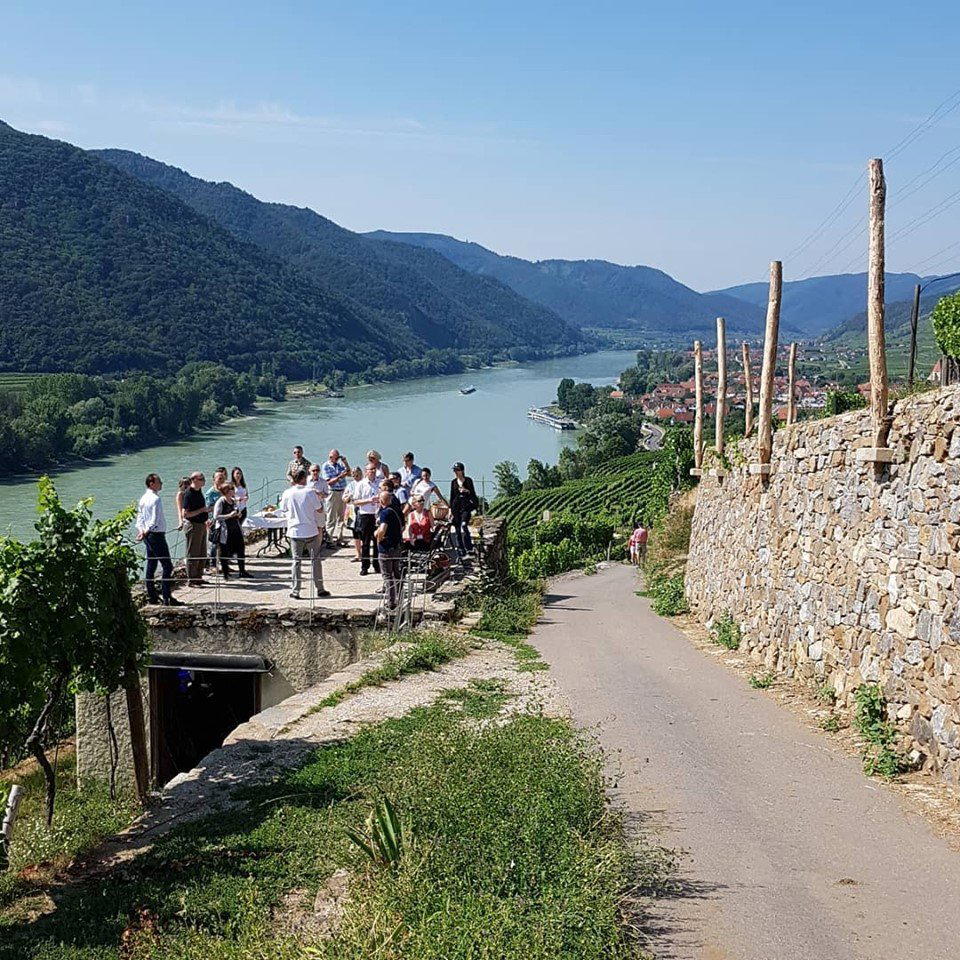
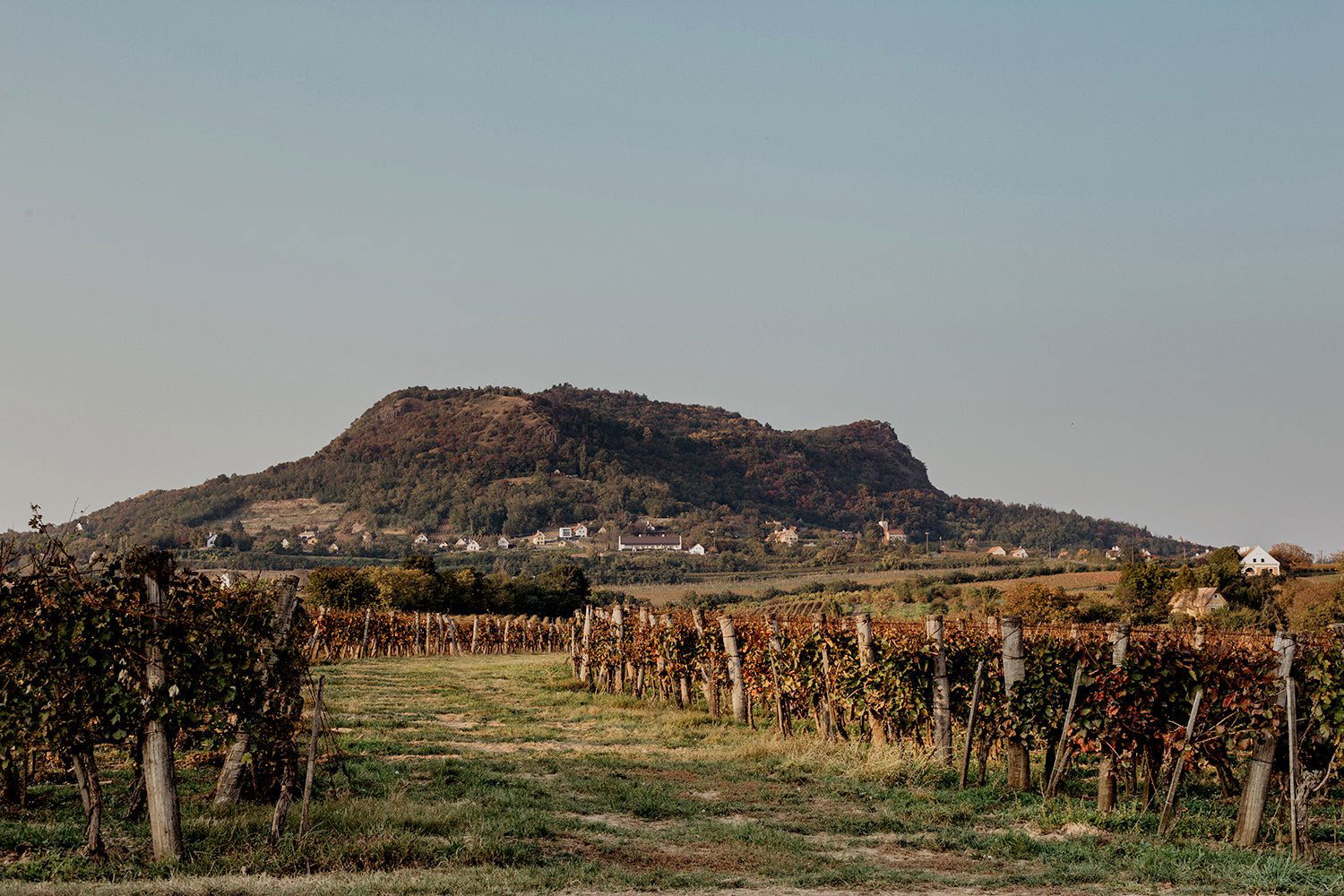
Gilvesy Winery reads like a study in geological elegance: basalt underfoot, an elevated perch above Lake Balaton, and an approach to viticulture that privileges precision over volume. The estate’s recent Pearl 2 Star Prestige award signals a producer oriented toward careful winemaking rather than mass-market output, and the copy leans into terroir as the organizing principle. Visiting feels deliberate and quietly serious—this is a place for people who appreciate the technical side of wine and the subtle influence of site. The tone is informed and measured, with scenery and soil working together to shape a refined, sophisticated character.
Best For
This is a stop for travelers who want to deepen their understanding of Hungarian terroir. The winery’s emphasis on basalt soils, altitude and the lake’s moderating influence makes it particularly rewarding for visitors interested in wine education and focused tasting. It suits small, purposeful visits—think tasting flights that illustrate site-driven differences rather than loud social gatherings. Because the narrative centers on geology and precision, it also appeals to travelers mapping broader regional contrasts across western Hungary and the Balaton Highlands.
Tasting Tips
When choosing wines here, prioritize bottles highlighted for site expression and any cuvées linked to the Hegymagas basalt plots; the estate’s notes emphasize slow ripening and retained acidity, so look for wines that showcase freshness and mineral drive. The winery’s Pearl 2 Star Prestige award flags its more carefully crafted releases—those are good starting points for understanding how basalt and the lake influence style. Ask staff (or notes) about which bottlings best illustrate the diurnal moderation and basalt-derived character rather than searching for heavily oaked or high-alcohol examples.
Venue details
Ambiance
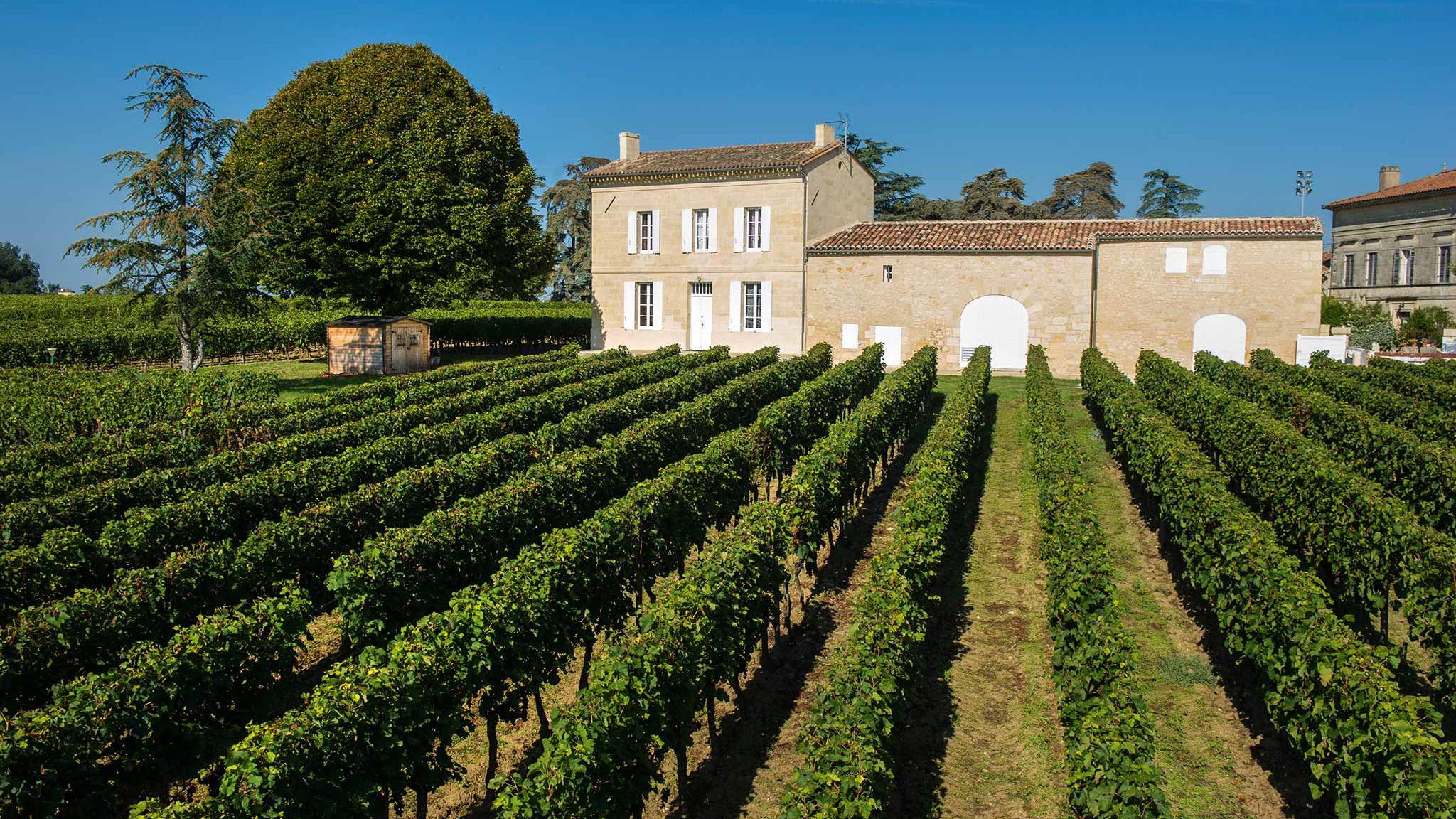
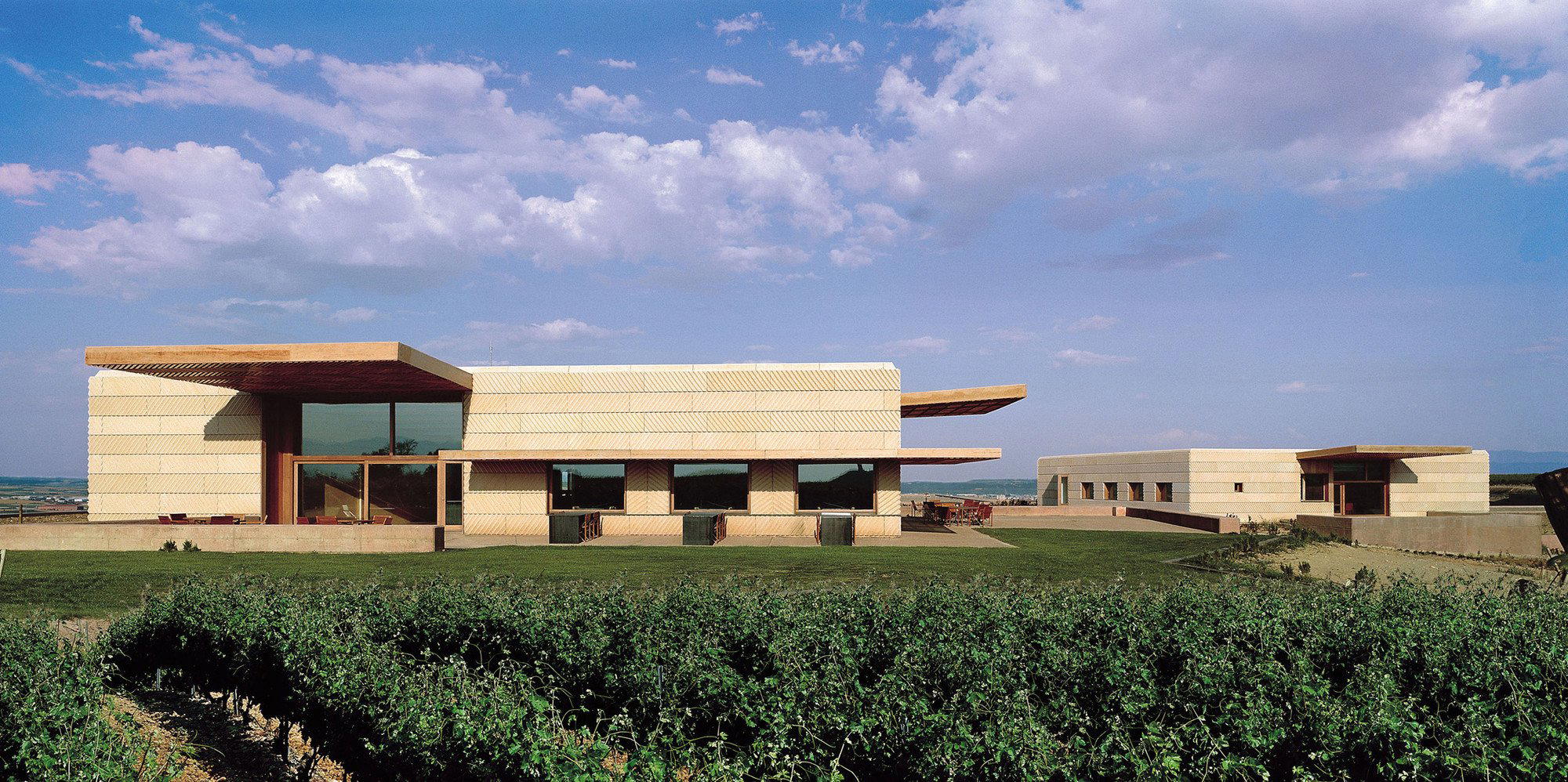
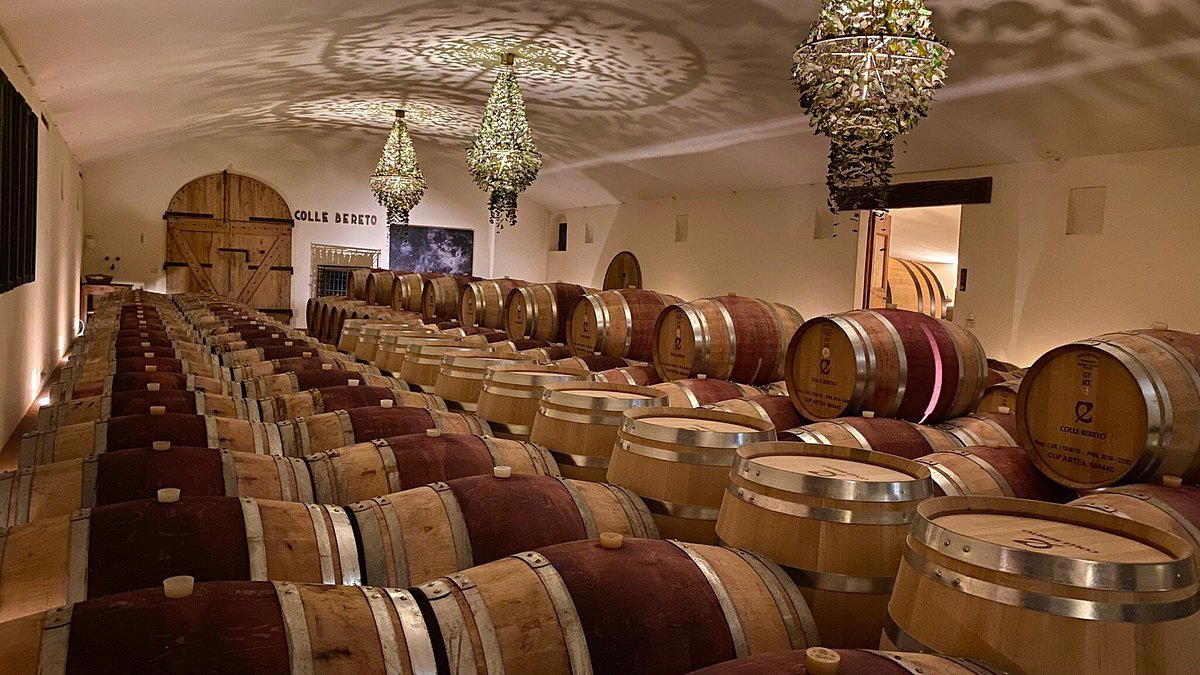
Historic 18th-century estate with restored white facade and contemporary architecture, featuring a working cellar where fermentation takes place in a minimalist, natural setting with views toward Lake Balaton and Mount Badacsony.
Tags
Vibe
Best For
Experience
Sourcing
View
At the Vineyard
- Appellation
- Balatoni
- Varietals
- Olaszrizling, Riesling, Sauvignon Blanc, Furmint, Kadarka
- Tour Duration
- 90 minutes
- Tour Languages
- English, Hungarian
- Visits
- By appointment only
- Farming
- Organic
- Wine Styles
- Still White, Sparkling
- Shipping
- Available
- Wine Club
- Not available
Know before you go
Know Before You Go
- Getting there
- Hegymagas, Hegymagas Hrsz.: 028/10, 8265
Planning details
Location
Recognition and awards

Also consider
Where to Go If You Can't Get In
If Gilvesy Winery is unavailable, try Laposa Estate for a more expansive Lake Balaton wine stop, or Légli Ottó Pincészet for a producer-led alternative that keeps the day wine-focused.
Winery context
How It Compares
Choose Gilvesy Winery when the goal is a quieter, more focused Hegymagas-area tasting and the schedule can support advance planning. Laposa Estate is the easier cross-shop for travelers who want a broader, more hospitality-forward stop, while Varga Pincészet is the more practical fallback for groups who care more about access and range than intimacy.
Szeremley Estate and Villa Sandahl make sense if the priority is comparing established regional names rather than chasing a harder-to-secure appointment. For a more classic producer-led visit, Légli Ottó Pincészet is the better alternative when Gilvesy is unavailable or the day needs a less fragile plan.
Explore Hegymagas
Around this place
Discover more on Pearl
Unlock the full Gilvesy Winery guide in Pearl, including awards, comparisons, FAQs, planning details, and nearby places.
Compare Gilvesy Winery
| Venue | Location | Awards |
|---|---|---|
| Gilvesy Winery | Hegymagas | 2026 Falstaff Winery Guide |
| Villa Sandahl | Badacsonytomaj | 2026 Falstaff Winery Guide |
| Szeremley Estate | Badacsonytomaj | No published awards |
| Laposa Estate | Badacsonytomaj | No published awards |
| Varga Pincészet | Badacsonytomaj | No published awards |
| Légli Ottó Pincészet | Balatonboglár | No published awards |
How Gilvesy Winery Hegymagas compares with similar nearby venues.
FAQ
Frequently Asked Questions
Do I need a reservation at Gilvesy Winery?
Contact Gilvesy Winery directly before visiting Hegymagas, especially if your schedule depends on a specific time or format.
When is the best time to visit Gilvesy Winery?
Plan around the winery’s current schedule rather than assuming hours, tasting availability, or walk-in access.
What is the flagship wine at Gilvesy Winery?
If you want a bottle-led visit, ask Gilvesy Winery directly what they are currently highlighting.
Is the wine club at Gilvesy Winery worth joining?
Does Gilvesy Winery serve food?
Do not plan on dining at Gilvesy Winery unless the winery confirms current food availability.
What other venues can I compare with Gilvesy Winery?
For planning comparisons, consider Laposa Estate, Légli Ottó Pincészet, Szeremley Estate, Varga Pincészet, and Villa Sandahl. Confirm current visitor details with each venue before building an itinerary.