
Weingut Höpler
Breitenbrunn
Winery in Breitenbrunn, Austria
 Book with Pearl
The Read
Neusiedlersee Terroir Precision
Why go
Weingut Höpler is worth prioritizing for a planned Breitenbrunn wine-country stop, especially if access to the producer matters more than walk-in ease. Treat it as a hard-to-secure appointment and compare nearby wineries before committing the day; casual visitors who need confirmed food, hours, or a simple tasting format may prefer a more flexible route.
About Weingut Höpler
For a visit to Breitenbrunn, consider Weingut Höpler with the basics in mind. The venue is in Breitenbrunn, the dress code is casual, and it holds Pearl 2 Star Prestige recognition for 2025. Beyond that, specific practical claims such as hours, visit format, food service, pricing, reservations, or access arrangements should be checked directly with the venue before planning around them.
The main reason to prioritize it is its recognition. If you are comparing nearby or regional venues, use that accolade as one signal rather than assuming a particular service style or visitor experience. For a broader regional plan, keep the schedule flexible and compare Weingut Höpler with other relevant venues before locking the route.
Worth planning for if access matters more than convenience
Visitors should not assume a specific booking process, fee, food offering, or walk-in format. The safest approach is to contact the venue directly and confirm what is available for the date you have in mind.
For a repeat visit, make the plan more targeted. Decide whether Weingut Höpler fits the purpose of the trip, then confirm the practical details before committing travel time. If the needed details are not available, compare it with other venues and keep the day flexible.
Build the day around Breitenbrunn, not just one stop
Breitenbrunn can work as a base for a focused day out, but the itinerary should not depend on assumptions about one stop. Pair the venue decision with practical local planning, and confirm any meals, transport, timing, or visits separately.
Visitors building a wider route can compare Weingut Höpler with other relevant venues such as Weingut Birgit Braunstein, Weingut Leo Hillinger, Weingut Markus Altenburger, Weingut Prieler, and Weingut Gerhard Markowitsch. Keep the final decision grounded in direct availability and the time you want to spend in Breitenbrunn.
Planning details
- Location
- Heideweg 1, 7091 Breitenbrunn
- Website
- hoepler.at
- Phone
- +43 2683 239070
The take
The Take
The Vibe
Weingut Höpler reads like a study in place. The narrative centers on Pannonian climate — a reed-fringed, shallow lake that moderates heat and lifts a unique silver light — and the text ties that environment directly to the character of the wines. Höpler is presented as an earnest, technically minded producer whose recognition (a Pearl 2 Star Prestige award) places it among the region’s upper tier. The tone is quietly authoritative: this is a winery where geography, accumulated heat and mineral soils are the protagonists, and the finished wines are evaluated as structural, terroir-driven statements rather than mere stylistic gestures.
Best For
Höpler is best for focused wine study and solo exploration. The description frames the estate within an active regional debate about dry versus sweet styles and highlights soil, microclimate and quality rankings, which appeals to visitors intent on learning how Neusiedlersee’s western shore produces structured dry wines. Travelers who enjoy parsing terroir-driven differences, tasting award-recognized bottlings and following regional conversations about subzones will find this stop rewarding. It suits thoughtful, education-minded visits rather than casual, large-group socializing.
Tasting Tips
When approaching Höpler’s wines, prioritize examples that show the Pannonian imprint: bottles that articulate heat accumulation and mineral load rather than overt sweetness. The text contrasts the region’s botrytis-affected sweet reputation with the western shore’s dry, structured expressions, so compare those stylistic poles if possible. Look for the estate’s Pearl 2 Star Prestige selections as markers of the producer’s top-tier work, and ask about parcels or bottlings that demonstrate how the lake’s thermal influence and reed-lined soils translate into acidity, texture and ripeness.
Venue details
Ambiance
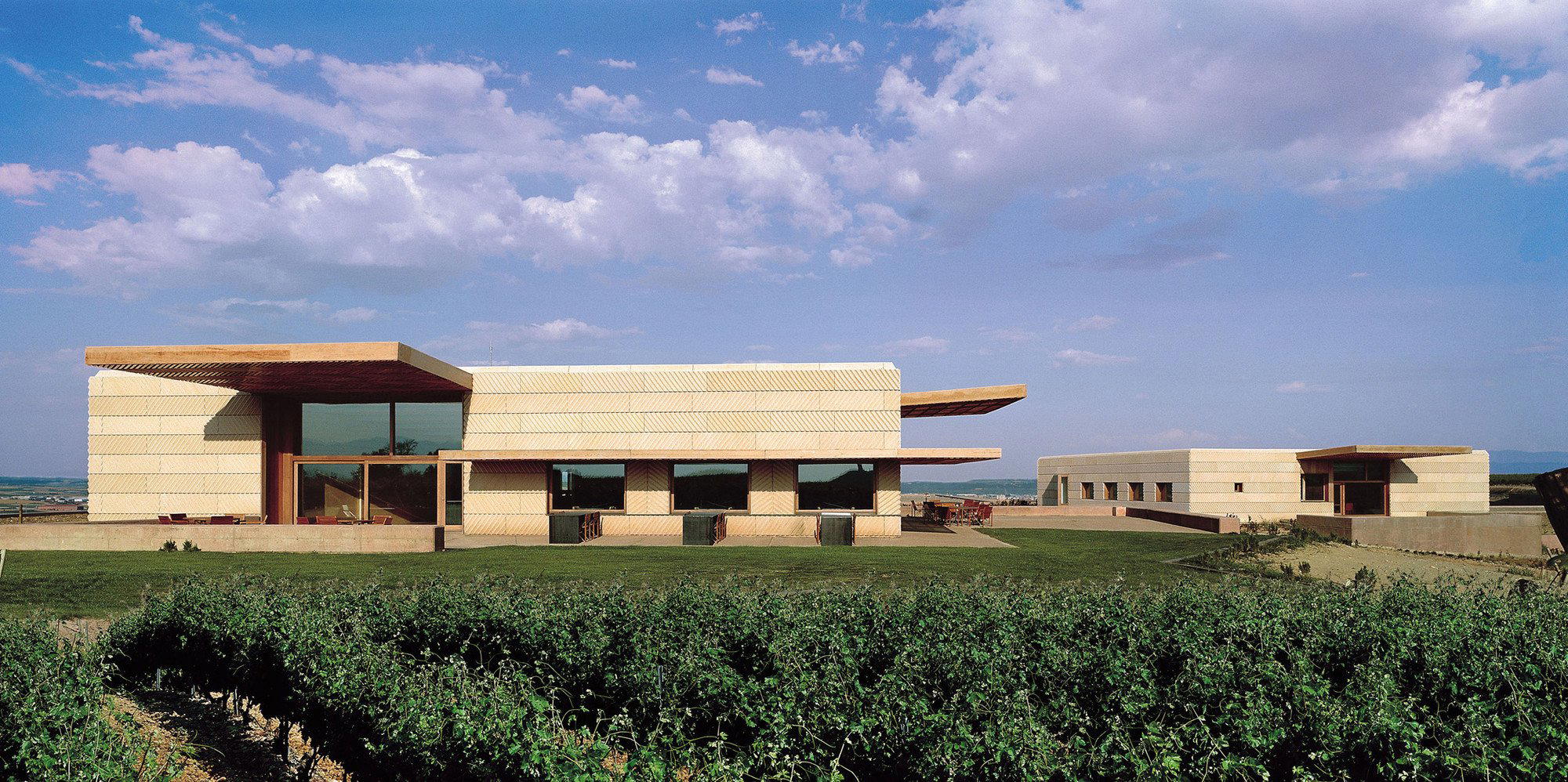
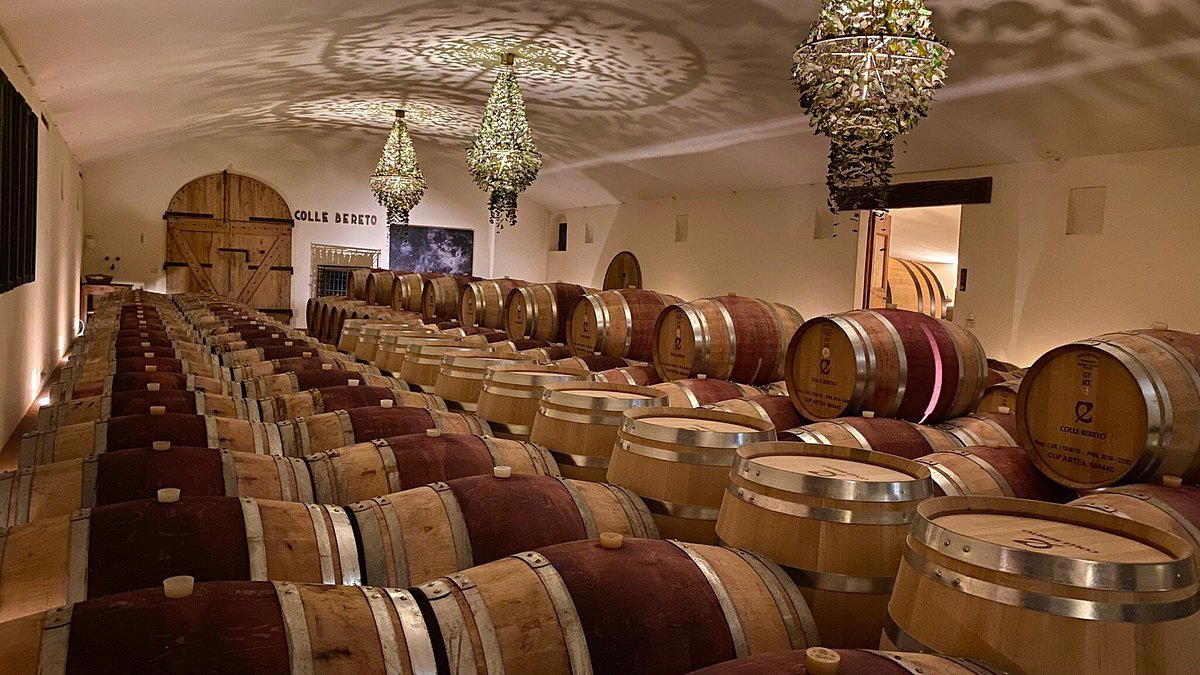
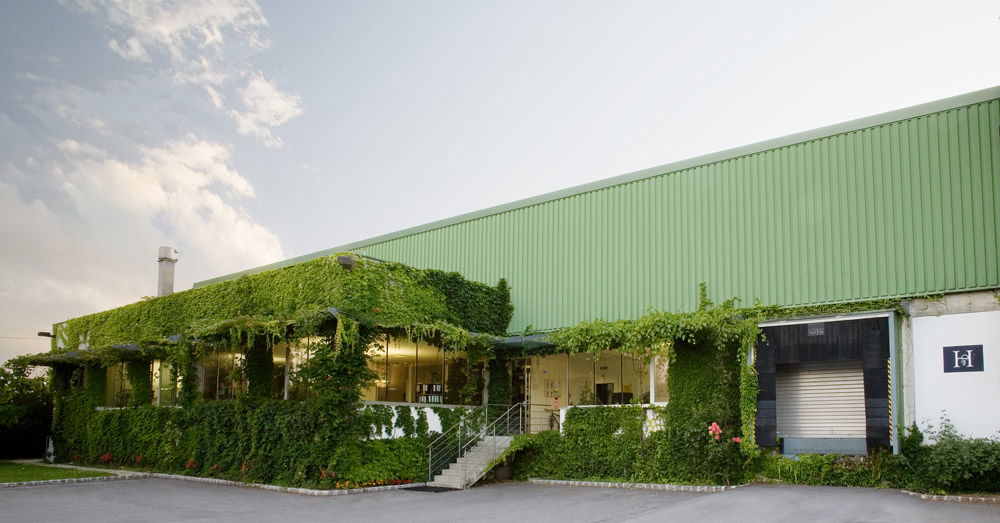
Light and airy modern winery facility powered by solar energy, providing a great working environment.
Tags
Vibe
Best For
Experience
Sourcing
View
At the Vineyard
- Appellation
- Leithaberg DAC
- Varietals
- Grüner Veltliner, Pinot Noir, Blaufränkisch, Pinot Blanc, Sauvignon Blanc
- Tour Duration
- 60-90 minutes
- Visits
- By reservation
- Farming
- Sustainable
- Wine Styles
- Still White, Still Red, Still Rose
- Shipping
- Available
- Wine Club
- Not available
Know before you go
Know Before You Go
- Getting there
- Heideweg 1, 7091 Breitenbrunn
Planning details
Location
Recognition and awards

Also consider
Where to look if this is not available
If access does not work, cross-shop Weingut Birgit Braunstein or Weingut Prieler first for another serious Burgenland winery stop. Add Weingut Leo Hillinger if the group wants a broader producer comparison rather than a single-cellar day.
Winery context
How it compares in the Breitenbrunn wine set
Choose Weingut Höpler if the priority is a focused Breitenbrunn winery appointment and the schedule can handle a difficult booking. Weingut Birgit Braunstein, Weingut Leo Hillinger, Weingut Markus Altenburger, and Weingut Prieler are the right cross-shops if the goal is to compare Burgenland producers before deciding where to spend the main tasting slot.
For value, the safer play is to avoid overcommitting until the visit format and any purchase expectations are clear. Weingut Höpler makes more sense for buyers thinking about repeat access or cellar building; Weingut Gerhard Markowitsch is a useful alternative to keep in the plan if the itinerary extends beyond Breitenbrunn and availability matters more than staying local.
For ambiance, decide by trip style. If the draw is a compact Breitenbrunn day with lake-country pacing, keep Weingut Höpler high on the list. If the group wants multiple confirmed stops with less booking pressure, build around two or three of the peer wineries instead of making one difficult appointment carry the whole day.
Explore Breitenbrunn
Around this place
Discover more on Pearl
Unlock the full Weingut Höpler guide in Pearl, including awards, comparisons, FAQs, planning details, and nearby places.
Compare Weingut Höpler
| Venue | Location | Awards |
|---|---|---|
| Weingut Höpler | Breitenbrunn | 2026 Falstaff Winery Guide |
| Weingut Birgit Braunstein | Purbach | 2026 Falstaff Winery Guide |
| Weingut Leo Hillinger | Jois | 2026 Falstaff Winery Guide |
| Weingut Markus Altenburger | Jois | 2026 Falstaff Winery Guide |
| Weingut Prieler | Schützen | 2026 Falstaff Winery Guide |
| Weingut Gerhard Markowitsch | Göttlesbrunn | 2026 Falstaff Winery Guide |
How Weingut Höpler Breitenbrunn compares with similar nearby venues.
FAQ
Frequently Asked Questions
What other venues can I compare with Weingut Höpler?
Relevant comparison options include Weingut Birgit Braunstein, Weingut Leo Hillinger, Weingut Markus Altenburger, Weingut Prieler, and Weingut Gerhard Markowitsch. Use them as context when deciding how to structure an itinerary.
When is the best time to visit Weingut Höpler?
No specific visiting hours or seasonal guidance is confirmed. Plan around Breitenbrunn, confirm details directly with the venue, and note that the dress code is casual.