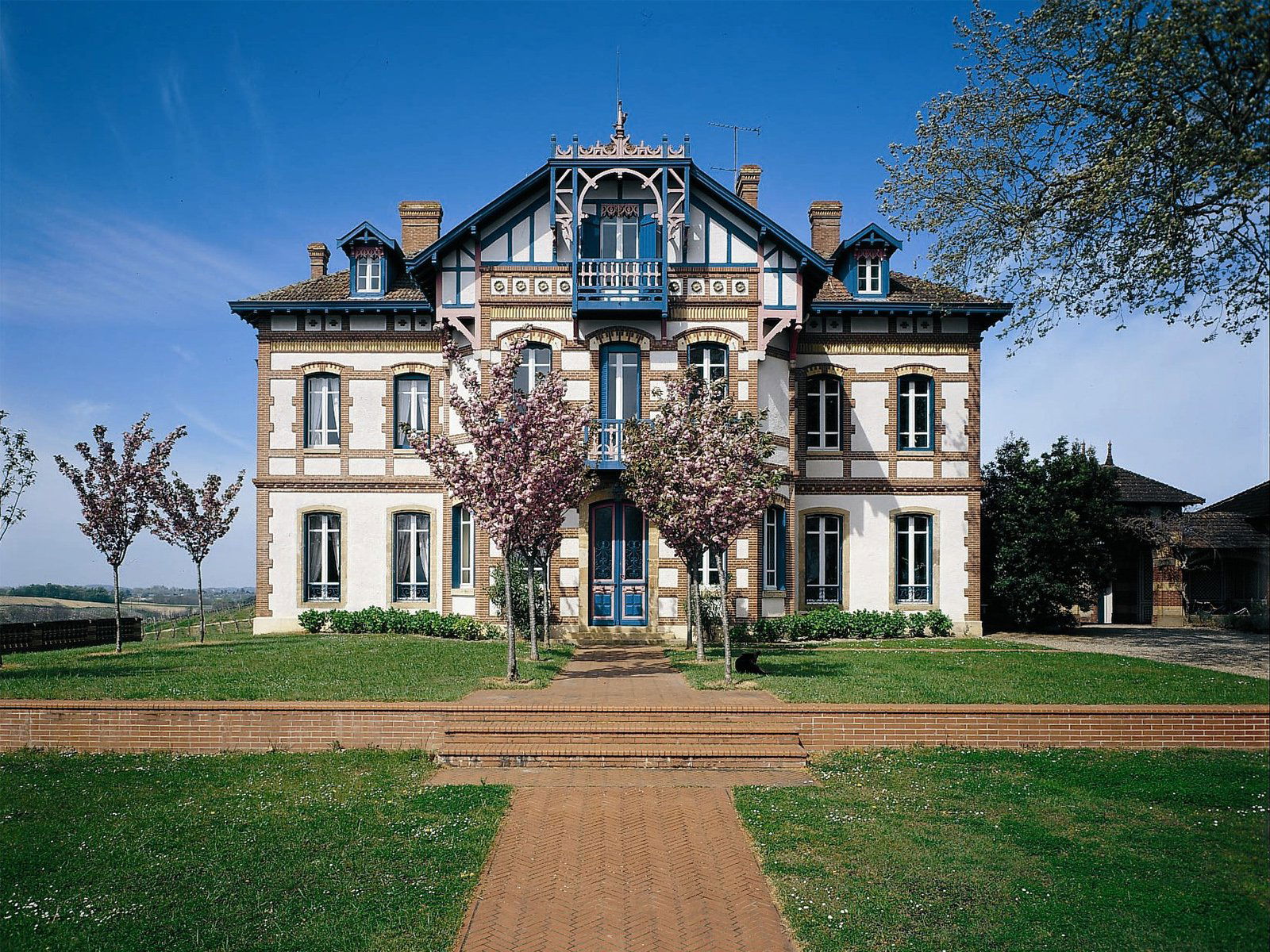

Château de Laubade
Sorbets
Winery in Sorbets, France
 Book with Pearl
The Read
Vintage-Declared Bas-Armagnac
Why go
Château de Laubade is worth prioritizing if the Sorbets stop is about producer depth rather than a quick tasting-room visit. The Pearl 2 Star Prestige signal makes it a serious candidate for enthusiasts building a French wine or spirits itinerary, but plan ahead because availability should not be treated as casual.
About Château de Laubade
Château de Laubade is a venue in Sorbets with Pearl 2 Star Prestige recognition for 2025. It is best approached as a concise Sorbets reference for its location, smart casual dress code, and recognition.
For practical planning, check opening hours, visit format, menu or tasting structure, pricing, reservations, group capacity, and beverage program directly before making plans.
Plan around confirmed recognition and a smart casual dress code
The clearest grounded reason to prioritize Château de Laubade is its Pearl 2 Star Prestige recognition in 2025. Dress expectations are smart casual, so plan for a polished but not formal visit.
If you are building a wider Sorbets itinerary, compare your plans with other options in the area, while confirming any practical details directly with the venue.
What to cross-shop if the itinerary is broader than Sorbets
If the trip extends beyond Sorbets, compare Château de Laubade with Château Filhot, Château Guiraud, Château Rieussec, Château de Fargues, and Château d'Arche. Treat these as broader château comparisons rather than as Sorbets dining options.
Château de Laubade remains the Sorbets reference point. For any other planning question, rely on details from the venue rather than assumptions about format, pricing, or services.
Planning details
- Location
- Château de Laubade, 32110 Sorbets
- Website
- chateaudelaubade.com
- Phone
- +33562090602
The take
The Take
The Vibe
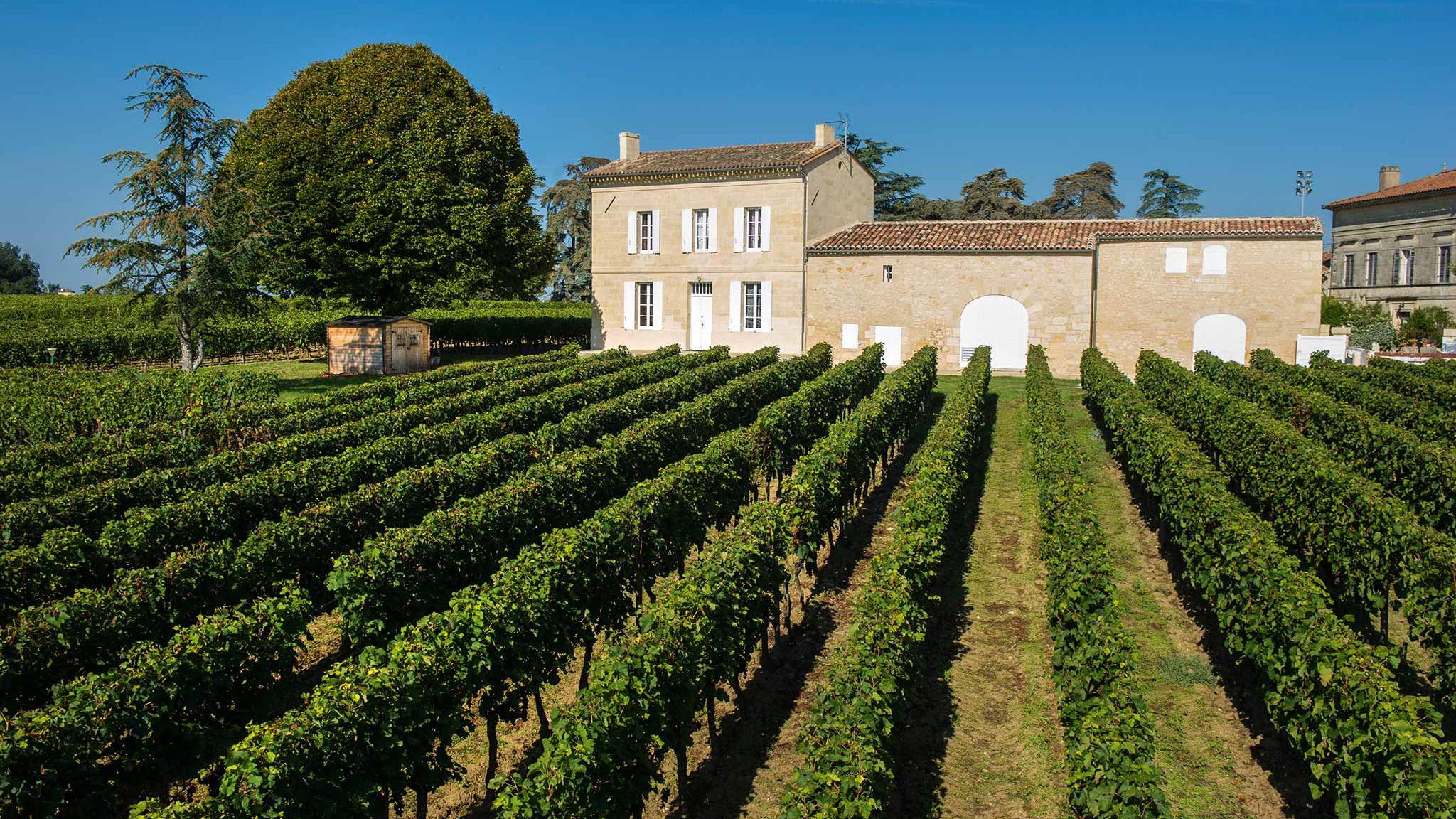
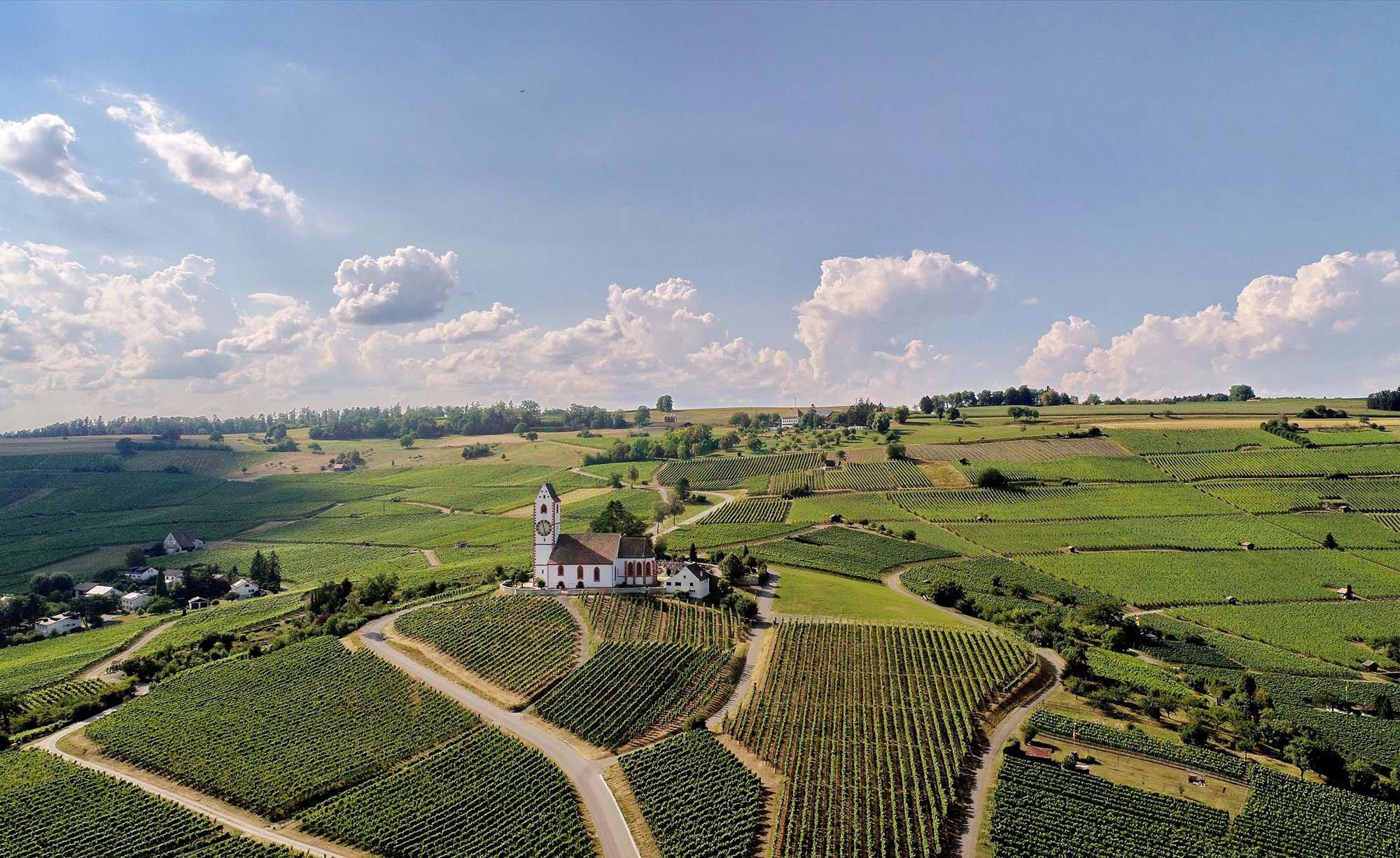
Château de Laubade reads like an argument made in stone and vine: a working château set against rolling Bas-Armagnac hills, where scale and terroir shape everything. The estate’s presence—long approach, contiguous vineyards and an anchored château—creates a historic, scenic atmosphere that feels measured rather than flashy. The prose emphasizes texture and regional character in the spirit, so the overall mood is quietly refined and contemplative: rustic agricultural roots meet a polished, estate-focused production, making the property feel both elegant and grounded in place.
Best For
Laubade is particularly well suited to people who come to learn as much as to taste. The text foregrounds terroir, single-vintage estate bottlings and the alambic armagnacais distillation method, so visitors seeking an educational experience about Bas-Armagnac’s soil, grape growing and distillation find a rich site. The property’s scale and gravitas also make it a fitting stop for special-occasion visits—those looking for a memorable encounter with place-driven spirits, rather than a casual tasting, will get the most out of a visit.
Tasting Tips
When exploring Laubade’s offerings, prioritize bottlings that emphasize estate-grown, single-vintage expressions: the château’s identity is tied to its contiguous vineyard and the way the still treats that base wine. Pay attention to explanations of the alambic armagnacais (continuous still) versus double distillation, and compare expressions that showcase Bas-Armagnac’s lighter, more aromatic profile. Ask about vineyard parcels and vintages to understand how clay-and-sand soils influence aromatics and texture; approaching the tasting with terroir and distillation in mind reveals what makes Laubade distinctive.
Venue details
Ambiance
Elegant and historic atmosphere in a magnificent mansion surrounded by vineyards, blending tradition with a serene, family-oriented setting.
Tags
Vibe
Best For
Experience
Sourcing
View
At the Vineyard
- Appellation
- Bas Armagnac
- Varietals
- Ugni Blanc, Baco, Colombard, Folle Blanche
- Visits
- Walk-ins welcome
- Farming
- Sustainable
- Wine Styles
- Fortified
- Wine Club
- Not available
Know before you go
Know Before You Go
- Getting there
- Château de Laubade, 32110 Sorbets
Planning details
Location
Recognition and awards

Also consider
Where to Look If You Cannot Get In
If Château de Laubade is unavailable, try Château Filhot or Château d'Arche first for a more conventional château-wine alternative. For a more serious cellar-focused comparison, prioritize Château Guiraud or Château Rieussec.
Winery context
How It Compares
Château de Laubade is the better fit if the brief is producer depth in Sorbets and a château-led countryside visit. Château Filhot, Château de Fargues, Château Guiraud, Château Rieussec, and Château d'Arche make more sense for readers building a Sauternes-focused comparison set rather than a Gers-led itinerary.
For value, choose the estate that matches the bottle goal. Château de Laubade is the practical pick when the visit is about Armagnac-country context and a slower rural stop. Château Guiraud or Château Rieussec are better cross-shops when the priority is sweet-wine cellar benchmarking; Château Filhot and Château d'Arche are better if the plan needs a more conventional château-wine route.
Booking difficulty is the main caution. Treat Château de Laubade as a plan-ahead stop, not a same-day fallback. If timing is tight, cross-shop Château Filhot or Château d'Arche first; if the itinerary can absorb a harder reservation, Château de Fargues and Château Rieussec belong on the serious collector shortlist.
Explore Sorbets
Around this place
Discover more on Pearl
Unlock the full Château de Laubade guide in Pearl, including awards, comparisons, FAQs, planning details, and nearby places.
Compare Château de Laubade
Comparison Snapshot
Compared with Château Filhot, Château de Fargues, Château Guiraud, Château Rieussec, and Château d'Arche, Château de Laubade is the pick for a Sorbets-centered countryside visit rather than a Sauternes-led tasting run. Choose it for producer context and setting; choose the Sauternes peers for a tighter sweet-wine comparison.
FAQ
Frequently Asked Questions
When is the best time to visit Château de Laubade?
Château de Laubade is in Sorbets and holds Pearl 2 Star Prestige recognition for 2025. Confirm current timing directly before planning a visit.
Can Château de Laubade handle large groups?
If you are planning for a party, contact Château de Laubade directly to confirm capacity and arrangements before visiting Sorbets.
What other château venues can I compare with Château de Laubade?
If your route is broader than Sorbets, cross-shop Château Filhot, Château de Fargues, Château Guiraud, Château Rieussec, and Château d'Arche. Treat these as broader château comparisons rather than as Sorbets dining options.
Are membership or special access details available for Château de Laubade?
For membership or special access, contact Château de Laubade directly before assuming specific benefits or entry arrangements.