

Estate Argyros
Episkopi Gonia, Santorini
Winery in Santorini, Greece
 Book with Pearl
The Read
Centuried Vine Viticulture
Price
$20–30tasting
Why go
Prioritize Estate Argyros if Santorini wine is the point of the day, not just a scenic tasting stop. Its World's 50 Best Vineyards recognition makes it a stronger fit for visitors who want a serious read on the island's wine reputation; mixed-interest groups may be happier cross-shopping SantoWines or Koutsoyannopoulos.
About Estate Argyros
Estate Argyros in Santorini is a strong venue to shortlist, with two clear signals: Pearl 2 Star Prestige in 2025 and a #40 placement on World's 50 Best Vineyards in 2022. Those recognitions are the grounded reason to put it on a Santorini shortlist.
Book this for confirmed recognition, not assumptions
Estate Argyros can make sense as a Santorini stop for travelers comparing recognized venues on the island. If you are planning a broader itinerary, consider it alongside Artemis Karamolegos Winery, Hatzidakis Winery, Koutsoyannopoulos Winery, or SantoWines (Santorini Coop), depending on what kind of day you want.
The most reliable planning advice is to confirm availability, timing, and the nature of any visit with the venue before you go, then dress smart casual and leave enough flexibility in the day.
Who should choose a peer instead
If you want to compare Estate Argyros with other Santorini names, SantoWines (Santorini Coop), Koutsoyannopoulos Winery, Hatzidakis Winery, and Artemis Karamolegos Winery are natural alternatives to research. If your plans point toward a distillery, Canava Santorini Distillery (1974) is another nearby option.
For a wider Santorini day, keep the confirmed facts in mind: Estate Argyros is in Santorini, has Pearl 2 Star Prestige for 2025, was #40 on World's 50 Best Vineyards in 2022, and has a smart-casual dress code. Anything beyond that should be confirmed directly before you plan around it.
Planning details
- Location
- Episkopi Gonias 847 00
- Website
- estateargyros.com
- Phone
- +30 2286 031489
The take
The Take
The Vibe
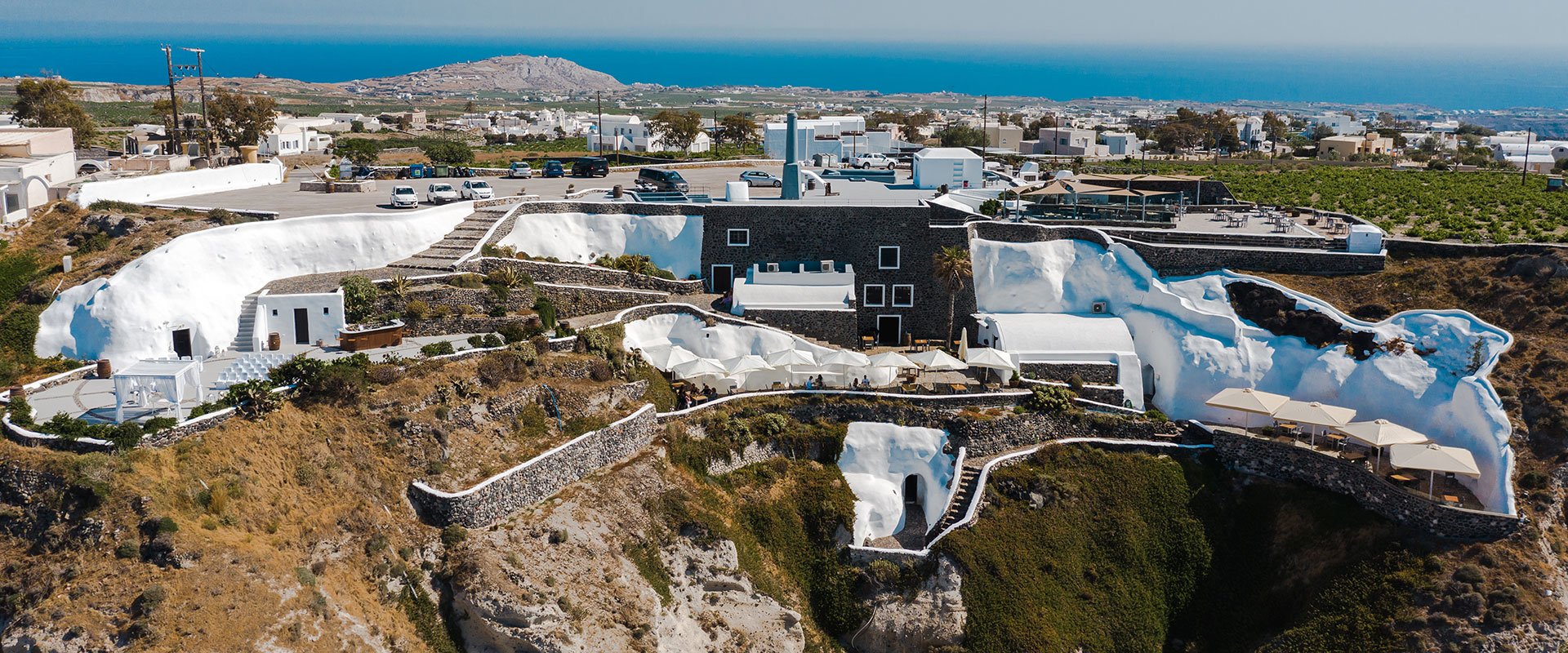
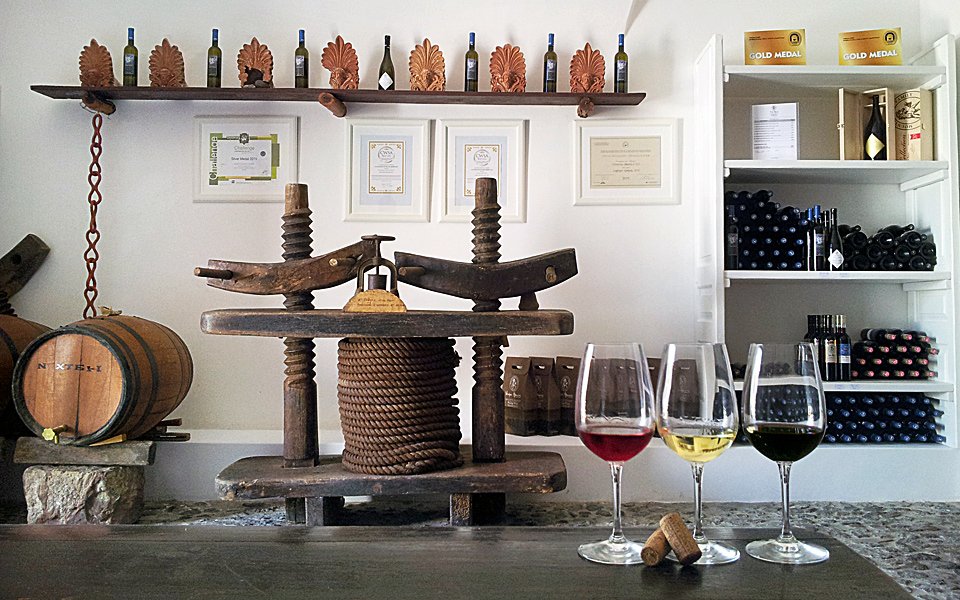
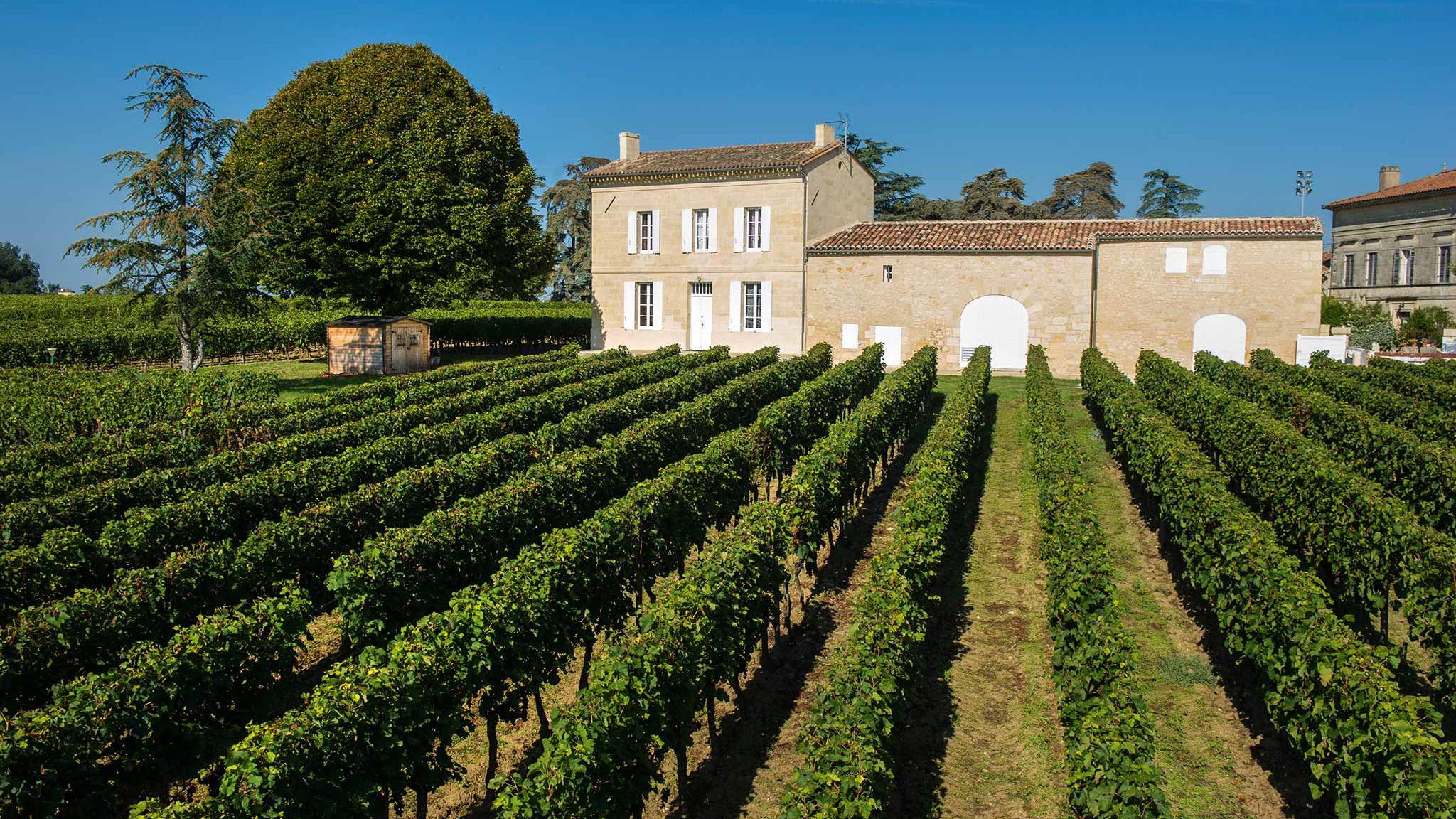
Estate Argyros presents a historically grounded, quietly refined experience that emphasizes terroir over tourism. The property sits in a low, volcanic plateau where pre-phylloxera vines—some exceeding two centuries—are trained in the traditional kouloura basket form to withstand the Aegean wind. The writing foregrounds geology and viticulture as the estate’s personality: no sunset terraces or infinity pools, but a focus on mineral expression, concentrated fruit and structural wines. That sense of provenance and seriousness gives the place a sophisticated, contemplative air that appeals to visitors who want to study wines and landscapes rather than chase postcard views.
Best For
Estate Argyros is best for travelers and wine professionals who prioritize vineyard history, minerality and education over resort-style amenities. The estate’s narrative and its 2025 Pearl 2 Star Prestige award underline its appeal to sommeliers, students and serious tasters seeking examples of old-vine Assyrtiko and terroir-driven whites. It’s also well suited to solo explorers and small groups interested in quiet, agricultural settings—people who value close attention to vine age, soil and winemaking technique rather than sunset-focused tourism or lively nightlife.
Tasting Tips
When tasting at Estate Argyros, center your focus on Assyrtiko and any cuvées that cite old-vine parcels—the copy highlights how deep-rooted vines yield intensely mineral, saline, high-acid wines. Ask staff about the estate’s Pearl 2 Star Prestige recognition and which bottlings showcase pre-phylloxera material. Prioritize wines described as coming from kouloura-trained vines or older plantings to experience the island’s distinct volcanic influence; the description emphasizes minerality and structure over fruity or flashy styles.
Venue details
Ambiance
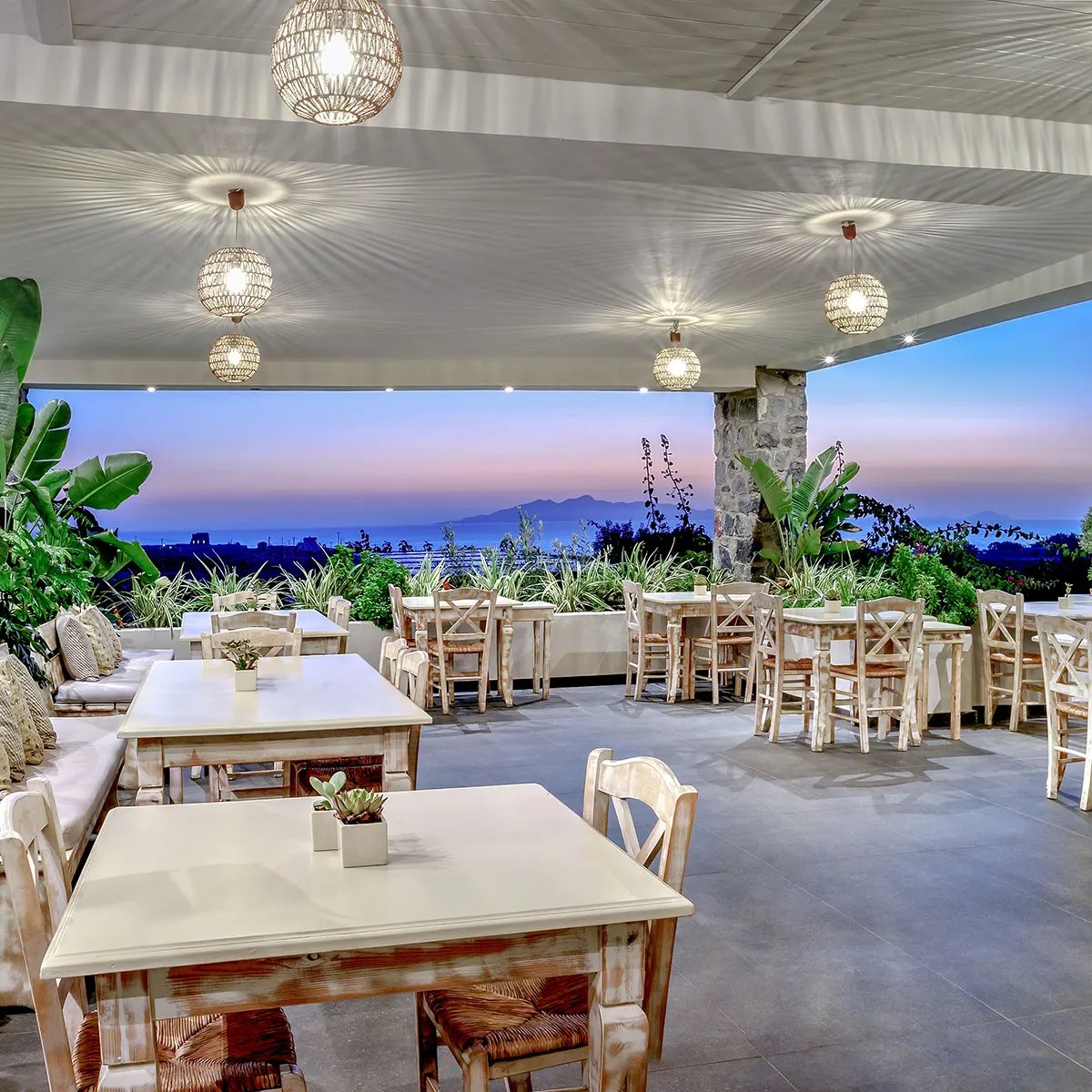
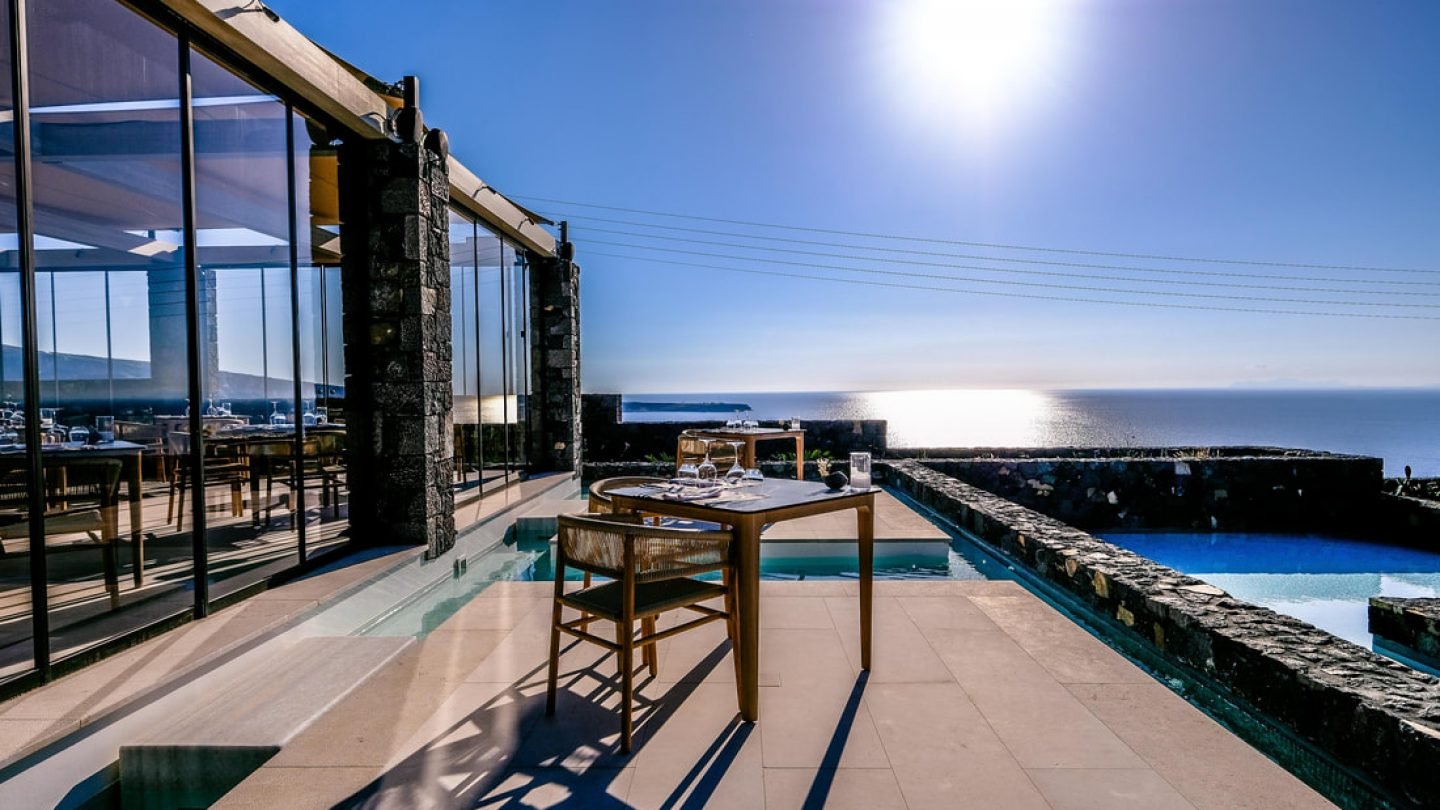
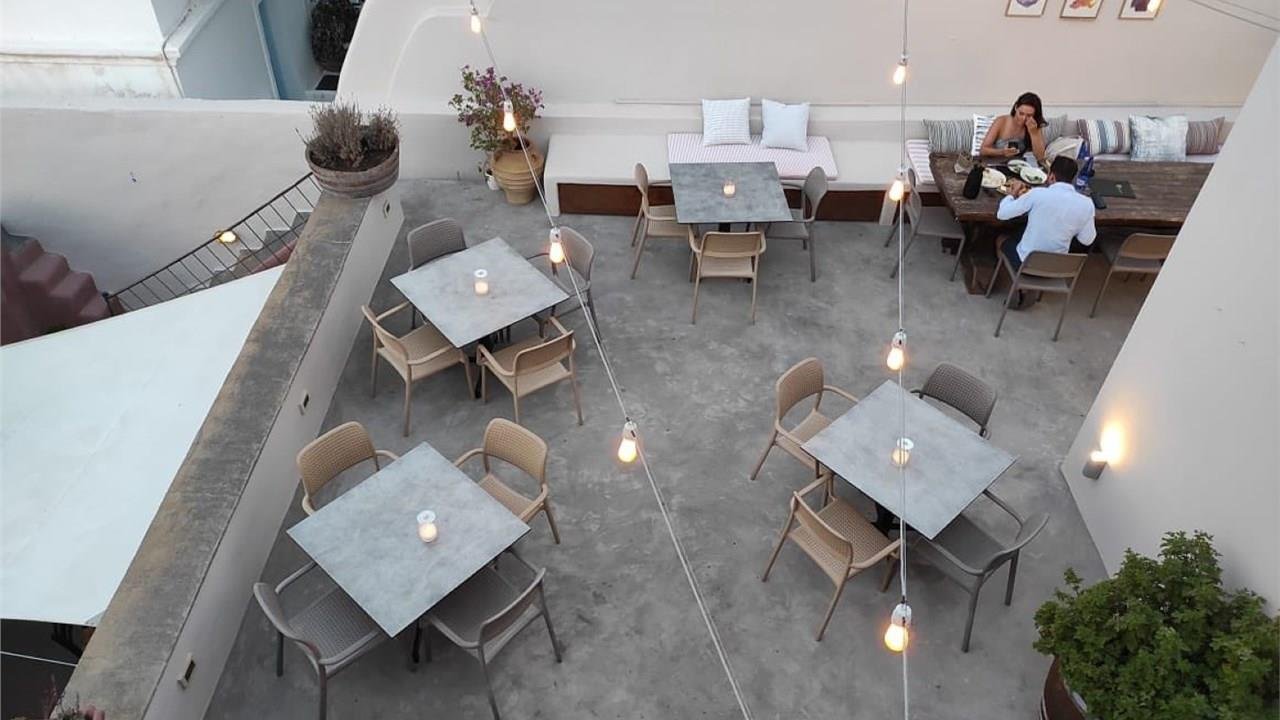
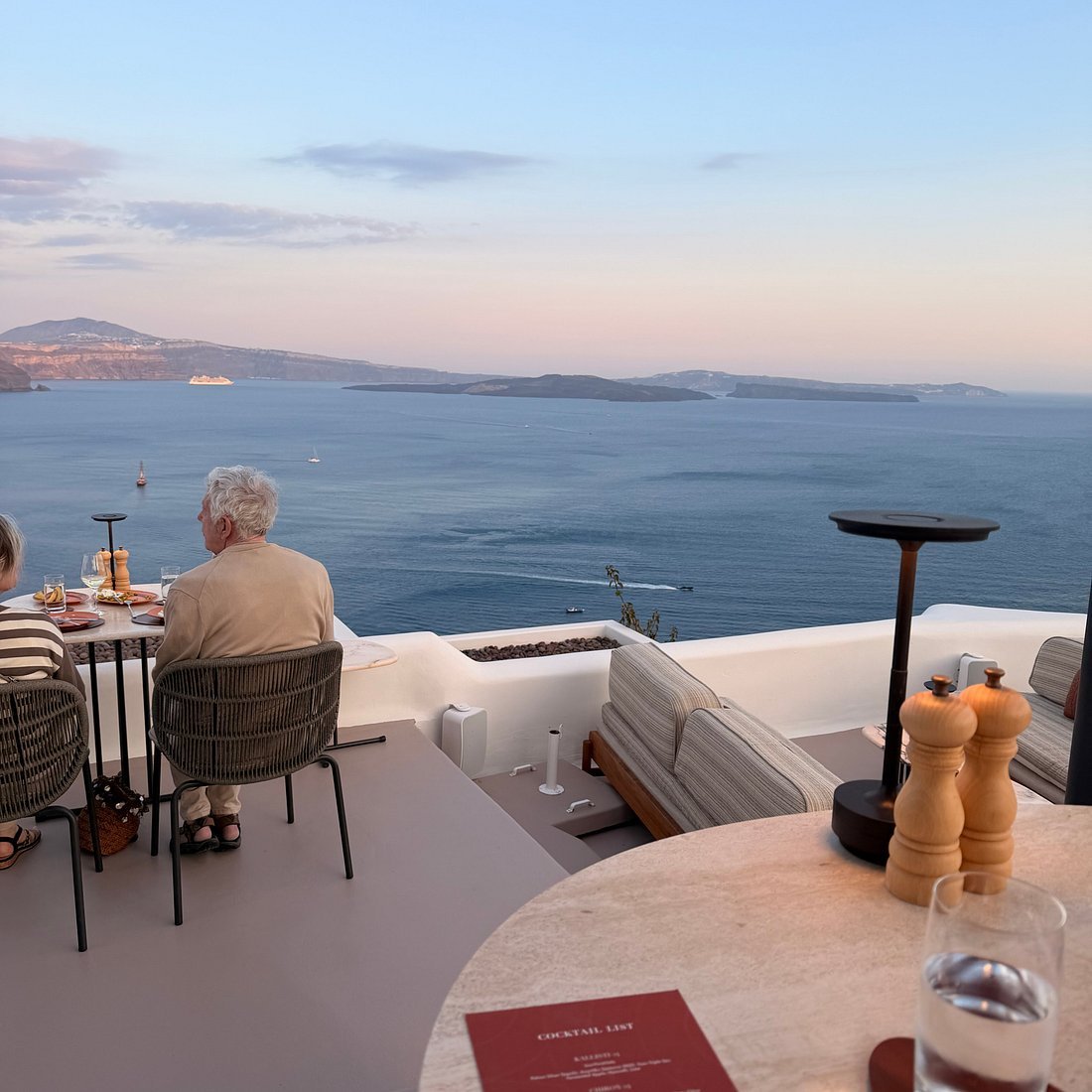
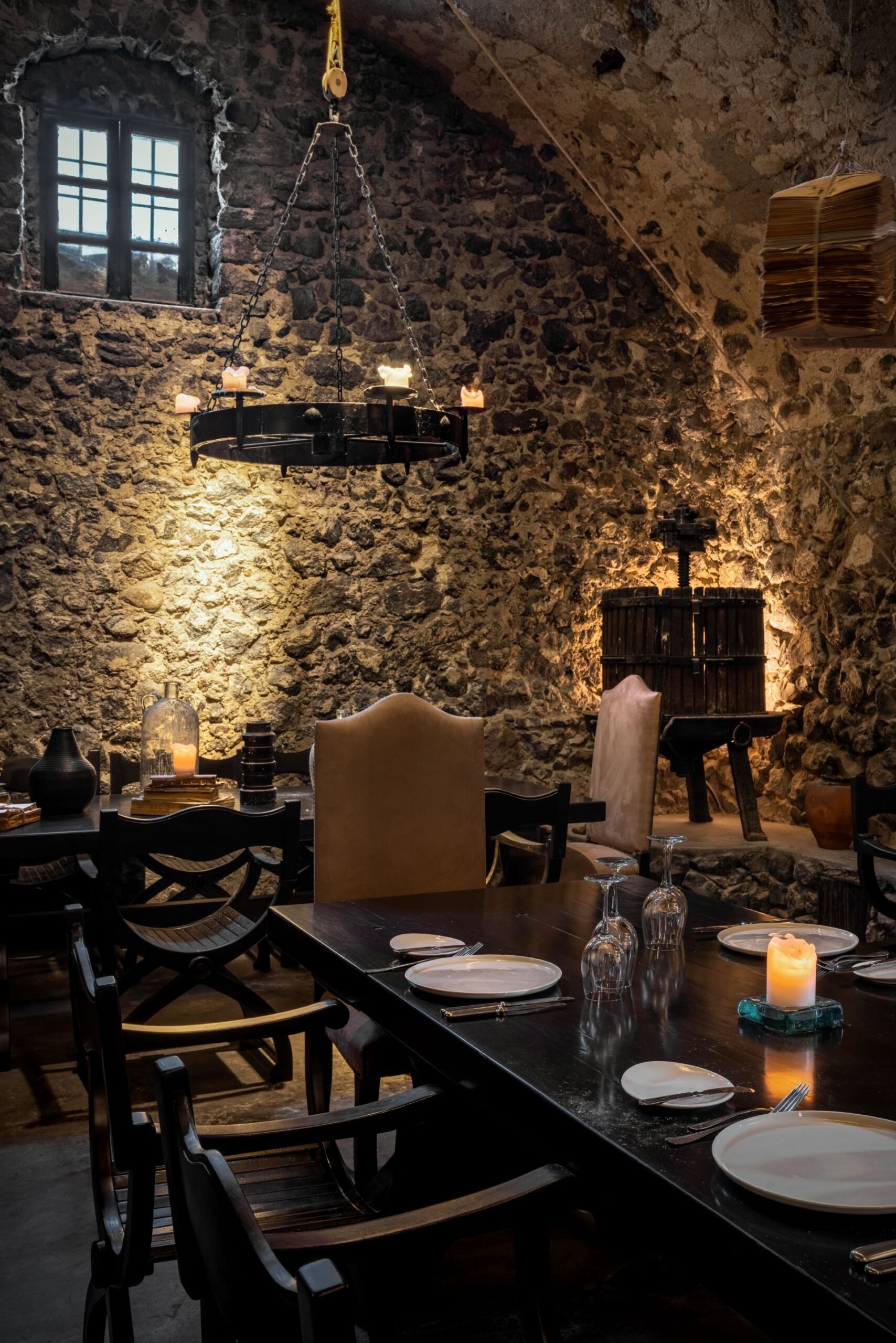
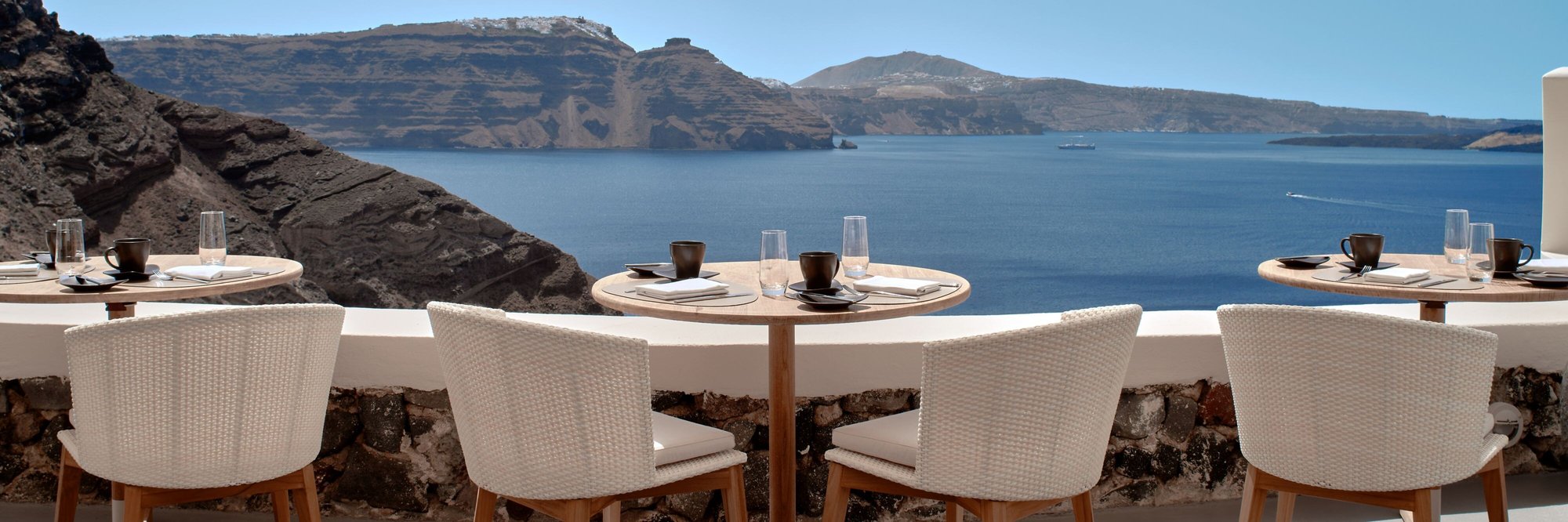
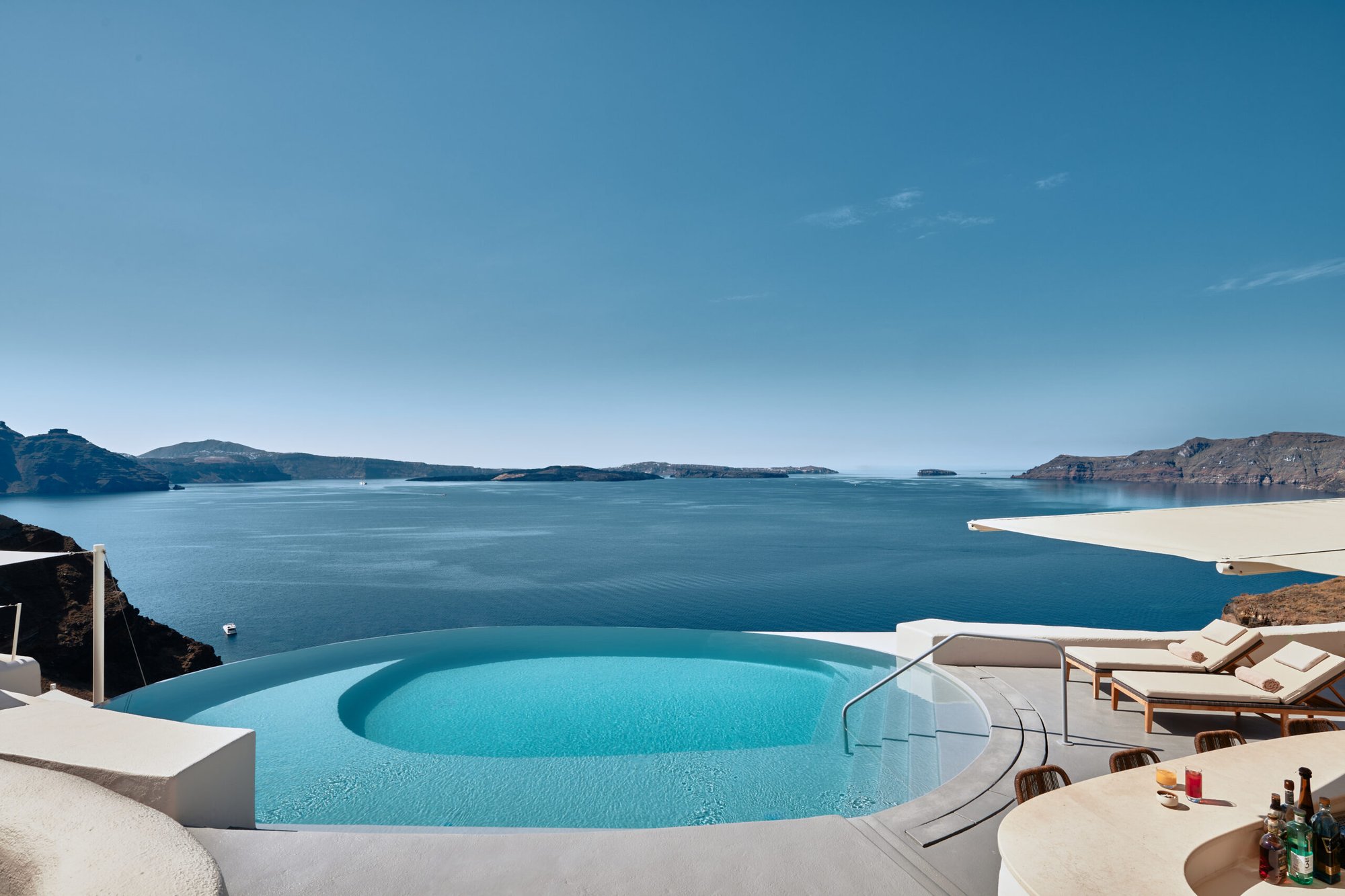
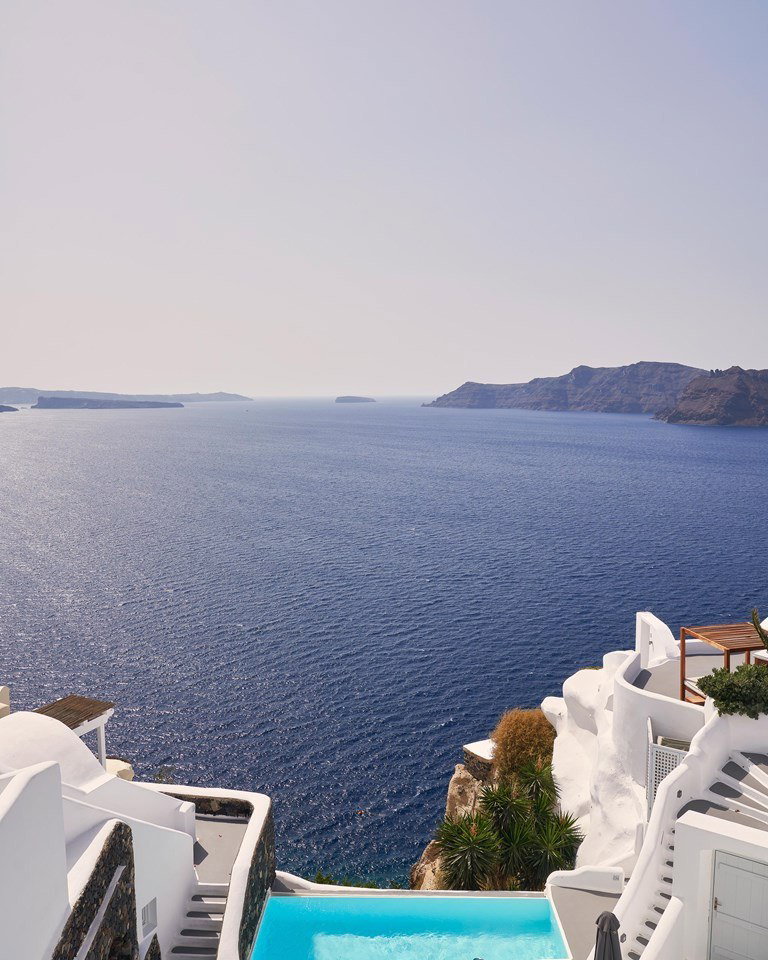
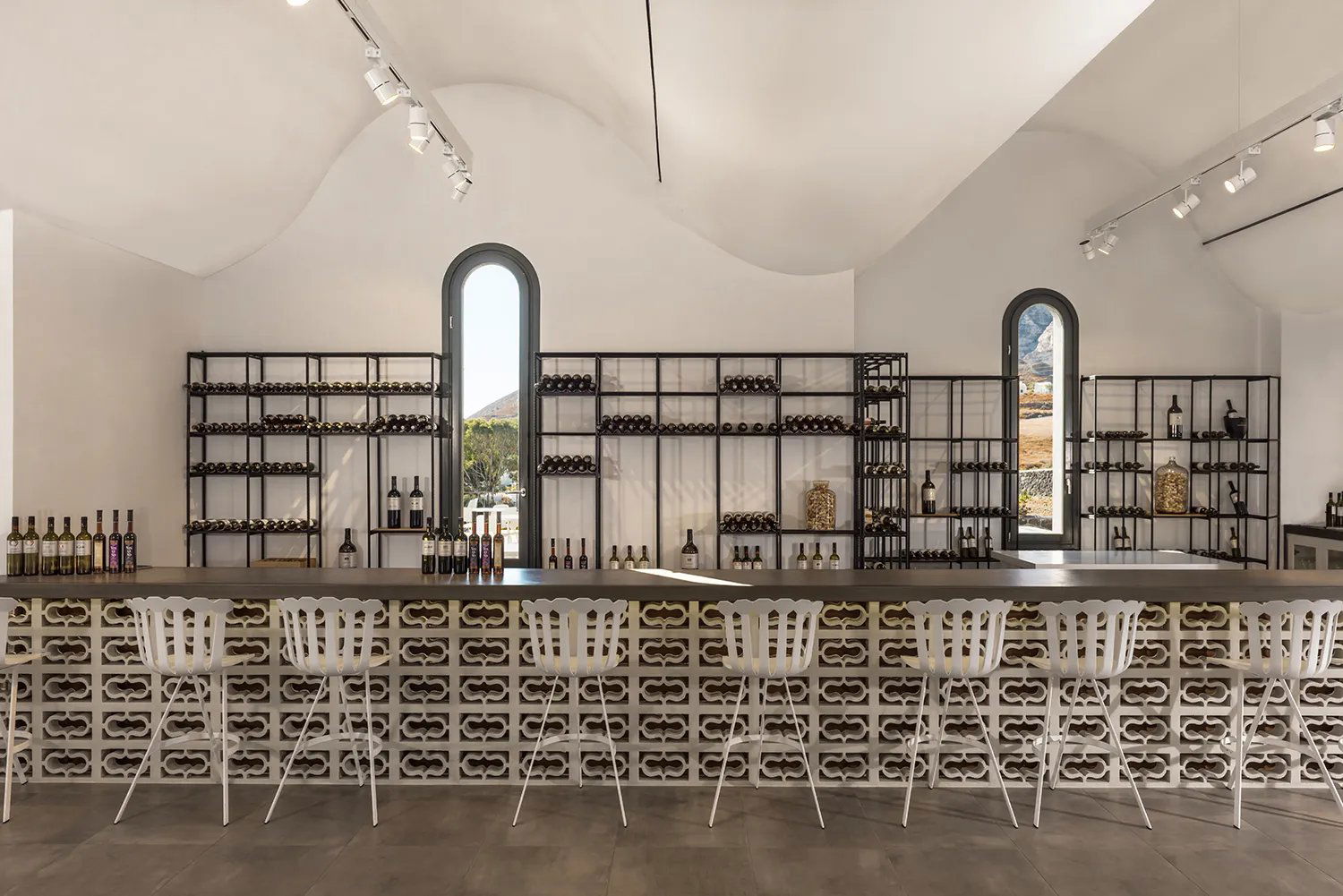
Spacious, modern tasting room nestled in the heart of the vineyard with stunning ocean views, airy and relaxing atmosphere.
Tags
Vibe
Best For
Experience
Sourcing
View
At the Vineyard
- Appellation
- Santorini
- Varietals
- Assyrtiko, Aidani, Athiri, Mavrotragano
- Tour Duration
- 60-90 minutes
- Visits
- By reservation
- Farming
- Organic
- Wine Styles
- Still White, Dessert
- Food Pairing
- Offered
- Wine Club
- Not available
Know before you go
Know Before You Go
- Getting there
- Episkopi Gonias 847 00
Planning details
Location
Recognition and awards


Also consider
Also Consider
- Artemis Karamolegos Winery, Notable alternative
- Koutsoyannopoulos Winery, Notable alternative
- SantoWines (Santorini Coop), Notable alternative
- Hatzidakis Winery, Notable alternative
- Canava Santorini Distillery (1974), Notable alternative
Winery context
How it compares in Santorini
Estate Argyros is the stronger pick for travelers who want the serious-wine version of Santorini. Compared with Artemis Karamolegos Winery, it is the more credential-led choice, while Artemis Karamolegos is the easier cross-shop for visitors who want another focused producer without making the day feel too formal.
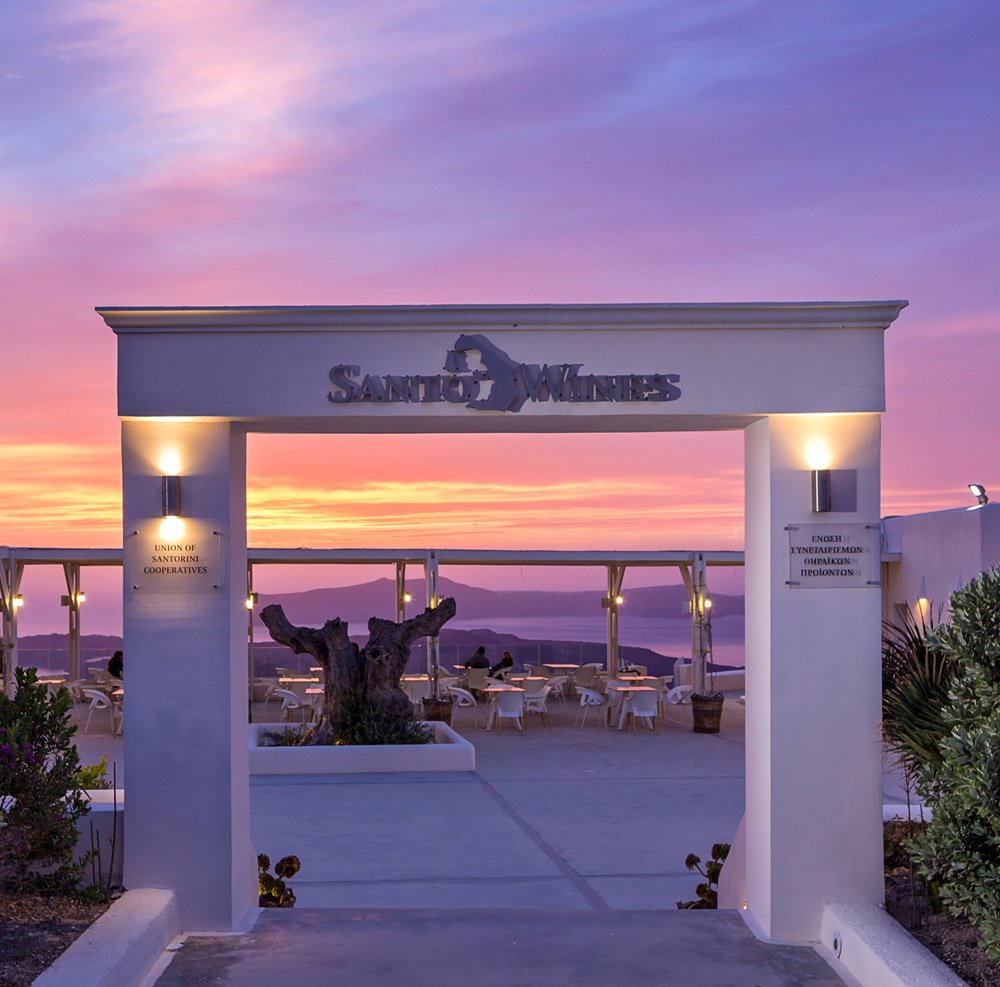
Koutsoyannopoulos Winery is better for groups that want history and a more explanatory format. SantoWines (Santorini Coop) is the safer group choice when ambiance and broad appeal matter more than producer depth. If the group is split between wine people and casual drinkers, those two are easier consensus picks.
Hatzidakis Winery is the peer to consider if the group wants another serious producer outside the main in-metro circuit. Canava Santorini Distillery (1974) is not a like-for-like substitute; choose it when the brief is spirits, local distilling, or a lower-commitment stop rather than a wine-led visit.
Around this place
Discover more on Pearl
Unlock the full Estate Argyros guide in Pearl, including awards, comparisons, FAQs, planning details, and nearby places.
Compare Estate Argyros
| Venue | Location | Awards |
|---|---|---|
| Estate Argyros | Santorini | 2026 Falstaff Winery Guide2022 World's 50 Best Vineyards · #40 |
| Artemis Karamolegos Winery | Santorini | 2026 Falstaff Winery Guide |
| Koutsoyannopoulos Winery | Santorini | No published awards |
| SantoWines (Santorini Coop) | Santorini | 2026 Falstaff Winery Guide |
| Hatzidakis Winery | Pyrgos Kallistis | 2026 Falstaff Winery Guide |
| Canava Santorini Distillery (1974) | Santorini | No published awards |
How Estate Argyros Santorini compares with similar nearby venues.
FAQ
Frequently Asked Questions
Are membership details at Estate Argyros ?
Estate Argyros does have confirmed recognition, including Pearl 2 Star Prestige in 2025 and a #40 placement on World's 50 Best Vineyards in 2022, but any membership details should be confirmed directly with the venue.
Does Estate Argyros offer shipping?
Can Estate Argyros handle large groups?
Contact Estate Argyros directly before planning for a group, and compare with other Santorini options such as SantoWines (Santorini Coop) if you need to research alternatives.
How long should I plan for a visit to Estate Argyros?
Does Estate Argyros serve food?
Do I need a reservation at Estate Argyros?
Because Estate Argyros has confirmed recognition from Pearl and World's 50 Best Vineyards, it is sensible to check directly before visiting rather than assume drop-in availability.
When is the best time to visit Estate Argyros?
Confirm current availability with Estate Argyros, then compare the plan with other Santorini options such as Hatzidakis Winery or Artemis Karamolegos Winery if you are building a wider itinerary.