Kakhatian Traditional Winemaking
Saburtalo, Tbilisi
Winery in Tbilisi, Georgia
 Book with Pearl
Why go
Kakhatian Traditional Winemaking is worth considering as a convenient Tbilisi winery stop, especially if the goal is a practical introduction to a traditional Georgian wine identity without leaving the city. It is less compelling as a flagship bottle hunt because named wines, tasting formats, and vineyard details are not clearly established. Keep the visit exploratory and ask specific questions before buying.
About Kakhatian Traditional Winemaking
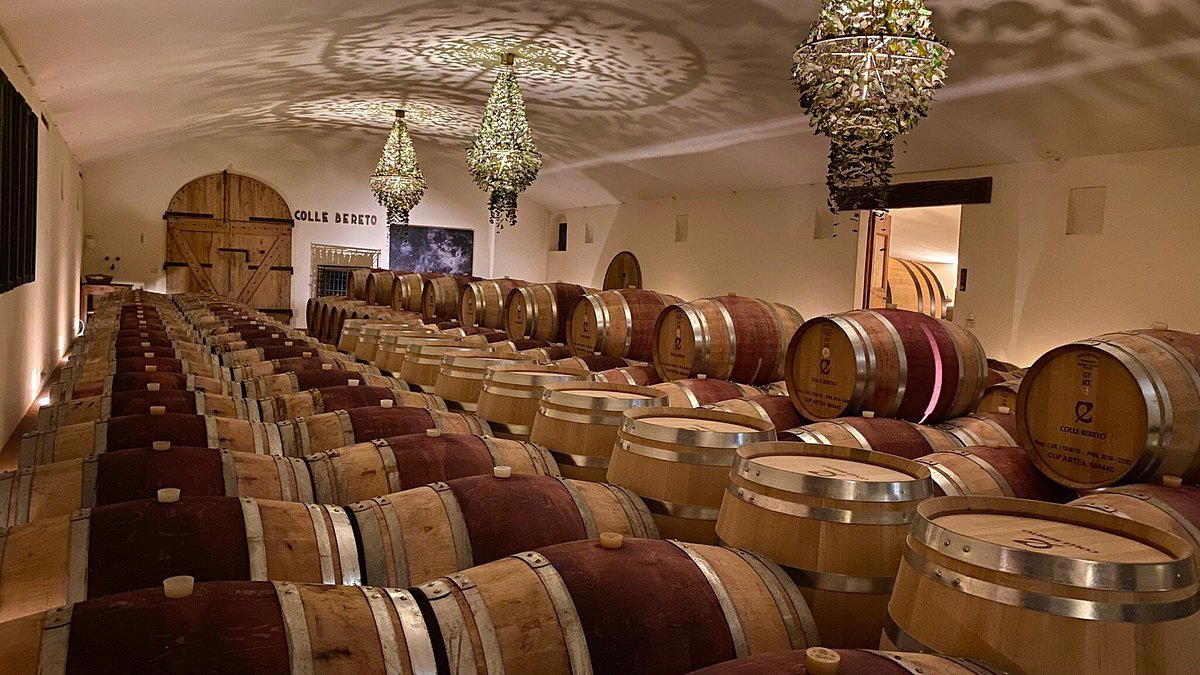
For Tbilisi wine planning, Kakhatian Traditional Winemaking is best understood as a functional, educational winery stop rather than a leisurely restaurant-style venue. The profile points to an industrial winery headquarters and production facilities focused on traditional Georgian winemaking, combining modern equipment with heritage qvevri techniques.
That makes it most relevant for visitors who want context on Georgian winemaking within Tbilisi. The available information supports the venue’s city setting, $$ price level, traditional-winemaking focus, and Falstaff Listed (2026) recognition. It does not verify a specific bottle list, menu, food service, opening hours, seat count, or detailed hospitality format, so plans should stay flexible unless confirmed directly with the venue.
Worth considering if convenience matters more than a flagship bottle hunt
The strongest case here is access to a Tbilisi-based production setting with a heritage-facing Georgian wine identity. For travelers who want a practical wine-related stop in the city, Kakhatian Traditional Winemaking may fit better than a day built around a rural estate visit.
For collectors or highly technical wine travelers, the decision should be more cautious. If those details matter, ask the venue directly what is currently available and how visits are structured before building a day around it.
How to use it in a Tbilisi itinerary
Plan around this as one part of a wider city day. Pair it with broader research from Our full Tbilisi wineries guide, then build the rest of the day using Our full Tbilisi restaurants guide, Our full Tbilisi bars guide, Our full Tbilisi hotels guide, and Our full Tbilisi experiences guide. That approach keeps expectations grounded: if the visit is brief or production-focused, the day still works.
The right guest is an explorer who wants a Tbilisi-based look at a winery with traditional Georgian positioning and qvevri heritage in the picture. The wrong guest is someone expecting a fully documented estate experience, a published bottle hierarchy, or a confirmed food-and-wine format. Go in with questions, not assumptions, and confirm the current visitor options directly before you go.
Planning details
- Location
- Tbilisi, Georgia
Venue details
Ambiance
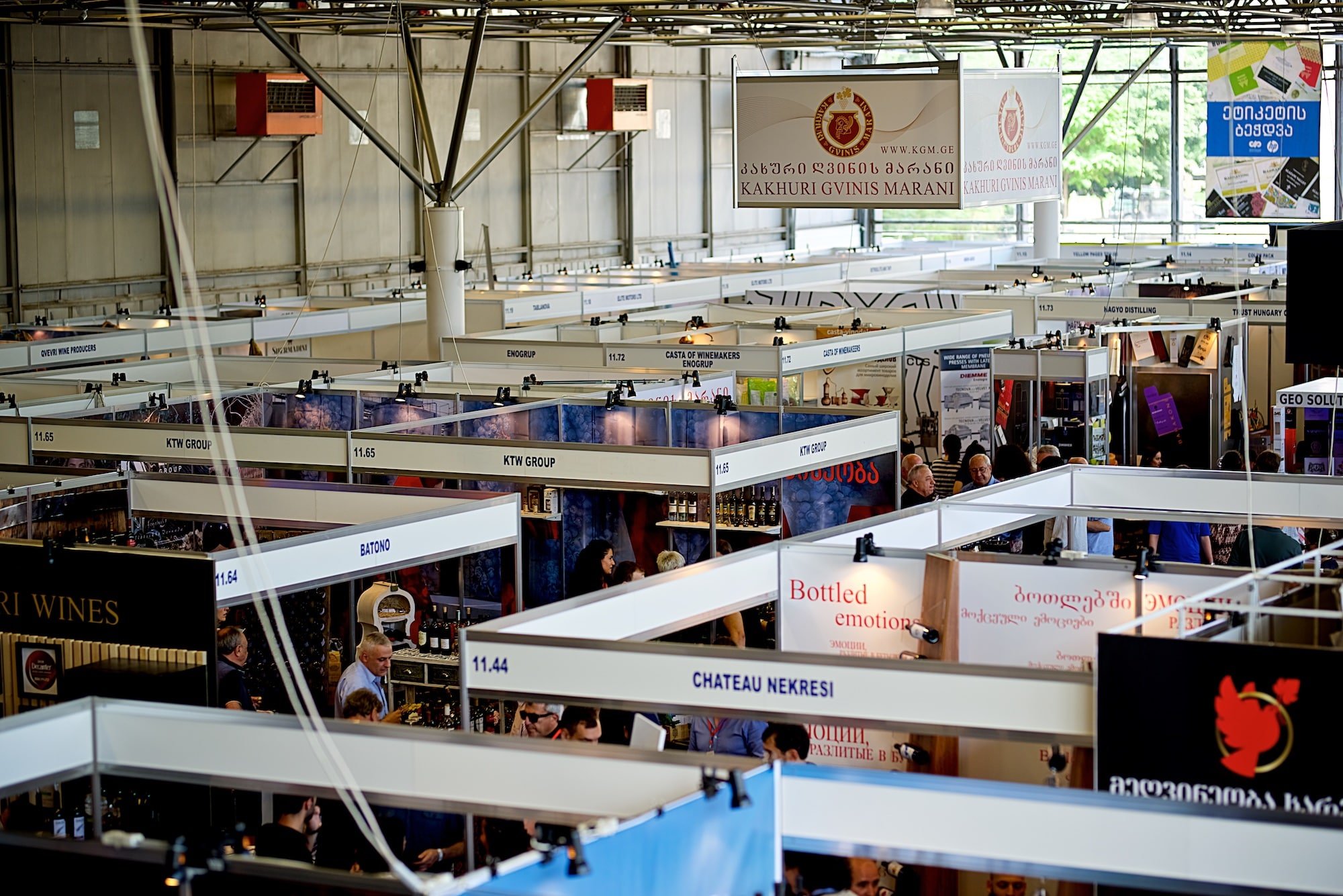
Industrial winery headquarters and production facilities focused on traditional Georgian winemaking, combining modern equipment with heritage qvevri techniques; atmosphere is more functional and educational than leisurely, with tours and tastings centered on explaining the production process and showcasing robust, traditional wines.
Tags
Vibe
Best For
Experience
At the Vineyard
- Appellation
- Kakheti
- Wine Club
- Not available
Know before you go
Know Before You Go
- Getting there
- Tbilisi, Georgia
Planning details
Location
Tbilisi, Georgia
Recognition and awards

Around this place
Discover more on Pearl
Unlock the full Kakhatian Traditional Winemaking guide in Pearl, including awards, comparisons, FAQs, planning details, and nearby places.
FAQ
Frequently Asked Questions
Does Kakhatian Traditional Winemaking serve food?
Treat Kakhatian Traditional Winemaking as a wine-focused production venue in Tbilisi unless the venue confirms current food options directly.
What other wineries are near Kakhatian Traditional Winemaking?
Use Kakhatian Traditional Winemaking as a Tbilisi winery reference point, then compare it with other wineries in the city through current local research.
Is Kakhatian Traditional Winemaking more of a winery or a restaurant?
The profile emphasizes an industrial winery headquarters and production facilities focused on traditional Georgian winemaking, so it should not be treated as a confirmed restaurant-style venue.
Is Kakhatian Traditional Winemaking worth considering?
The venue’s $$ price range and production-focused, traditional Georgian winemaking profile make it worth considering for wine-interested visitors, but confirm the current visit format and cost directly.
How long should I plan for a visit to Kakhatian Traditional Winemaking?
Plan conservatively and confirm the current format with the venue, since the profile emphasizes an industrial winery headquarters and production facilities rather than a leisurely dining setting.