
Weingut Kerschbaum
Horitschon
Winery in Horitschon, Austria
 Book with Pearl
The Read
Mittelburgenland Blaufränkisch Precision
Why go
Weingut Kerschbaum is the right Horitschon pick for travellers who want a focused estate-led wine stop rather than a casual drop-in. Plan ahead, keep the group small, and treat food or broader hospitality as separate planning items. If access is tight, cross-shop nearby Horitschon and Burgenland peers instead of forcing the visit into a rushed itinerary.
About Weingut Kerschbaum
Weingut Kerschbaum is a Horitschon venue with Pearl 2 Star Prestige recognition for 2025. For travellers comparing possible stops, that distinction is a clear reason to keep it on the shortlist.
Beyond the venue name, Horitschon location, casual dress code, and recognition, practical visitor details should not be assumed. If timing, visit format, food, group suitability, or access matters, confirm directly with the venue before building the day around it. Other venues to compare include Weingut Franz Weninger, Weingut Gager, Weingut Strehn, Weingut Gesellmann, and Pfneiszl Winery.
Choose it for a focused Horitschon stop, and confirm additional services
Weingut Kerschbaum is a recognised Horitschon venue. Dining, seating, tour format, or hospitality programming are not specified. The dress code is casual, and it holds Pearl 2 Star Prestige recognition for 2025.
Plan with these details in mind. For broader planning, use Our full Horitschon guide and compare other options generically alongside the named venues above.
How to decide if it belongs on the itinerary
Choose Weingut Kerschbaum if a Horitschon venue with Pearl 2 Star Prestige recognition is the kind of stop you want to prioritise. If you need food service, a particular visit structure, group arrangements, or a specific visit length, verify those details directly rather than relying on assumptions.
For a simple comparison, consider it alongside another named venue such as Weingut Franz Weninger, Weingut Gager, Weingut Strehn, Weingut Gesellmann, or Pfneiszl Winery, while checking each venue's current visitor information separately.
Quick reference: Weingut Kerschbaum is in Horitschon, has a casual dress code, and holds Pearl 2 Star Prestige recognition for 2025; confirm all practical visit details directly.
Planning details
- Location
- Hauptstraße 111, 7312 Horitschon
- Website
- kerschbaum.at
- Phone
- +43 2610 42392
The take
The Take
The Vibe
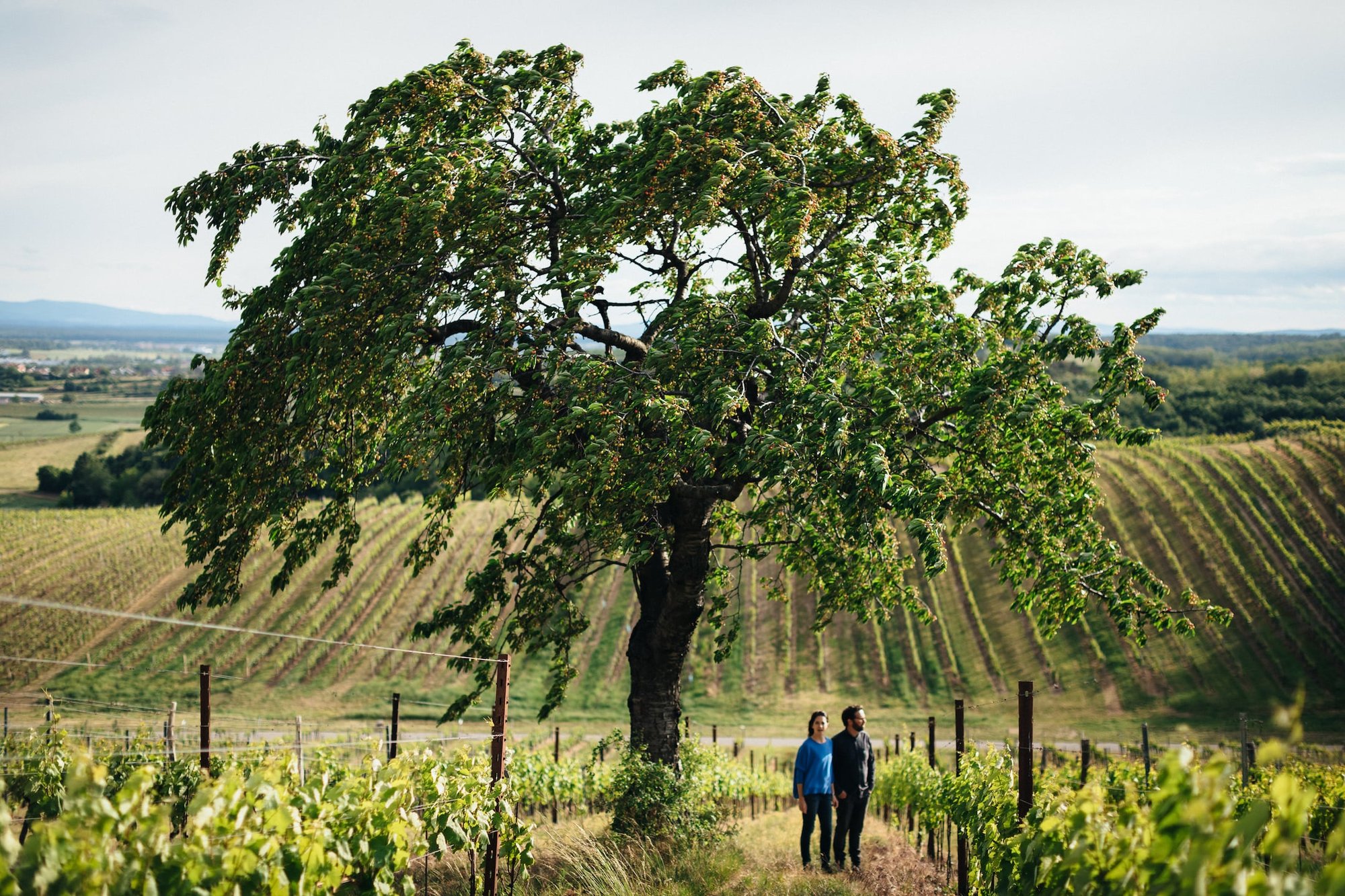
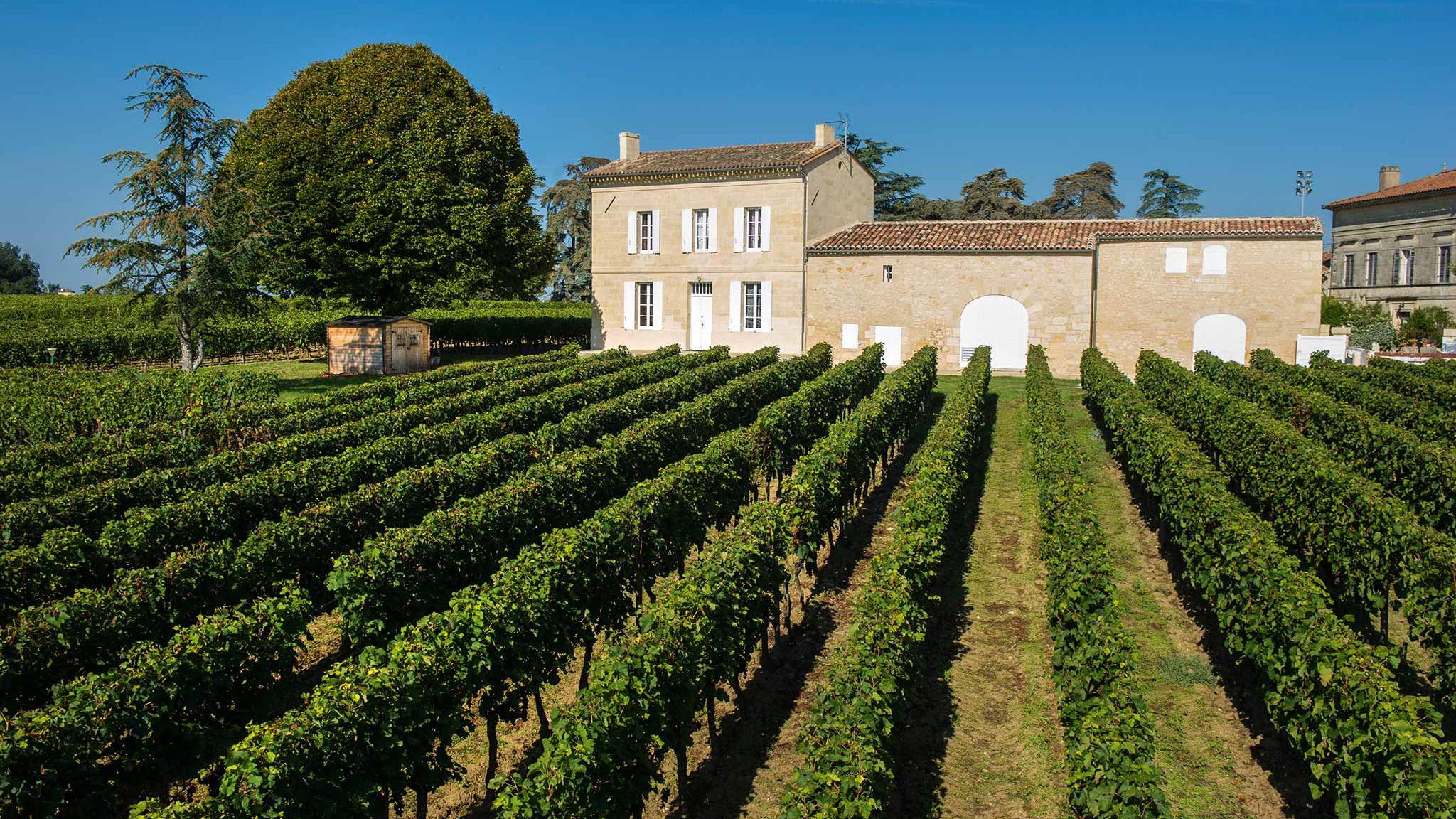
Weingut Kerschbaum reads like a serious, measured presence in Mittelburgenland. The profile emphasizes Blaufränkisch as a site-specific statement — concentrated, mineral-driven and built for aging — and the estate’s Pearl 2 Star Prestige recognition positions it among the region’s more accomplished producers. The tone is reserved rather than flashy: this is wine made with structure and longevity in mind, aimed at drinkers who value cultivar expression and terroir clarity over novelty. The overall impression is refined and purposeful, a sophisticated house grounded in Mittelburgenland’s red-wine tradition.
Best For
Kerschbaum is best suited to visitors wanting to learn about Blaufränkisch and the Mittelburgenland identity — collectors, students of Austrian reds, and solo explorers who appreciate focused, age-worthy wines. The description stresses the region’s distinct stylistic case for Blaufränkisch and the estate’s recognized standing, making it a fit for those prioritizing education, comparative tasting of durable red wines, or assembling cellar-worthy bottles. It’s less about casual crowd-pleasing and more about deliberate tasting and understanding how this terroir shapes powerfully structured red wines.
Tasting Tips
When engaging with Kerschbaum’s wines, prioritize Blaufränkisch expressions and the estate’s higher-tier bottlings mentioned in the profile; the Pearl 2 Star Prestige award highlights where the producer’s most serious work sits. Look for DAC-designated wines or single-vineyard and prestige labels that illustrate the region’s acidity, dark-fruit concentration and mineral grip. If you’re buying, consider bottles that will reward short- to medium-term cellaring; when tasting, ask about vintage variation and the estate’s approach to ripeness and oak so you can gauge structure and aging potential.
Venue details
Ambiance
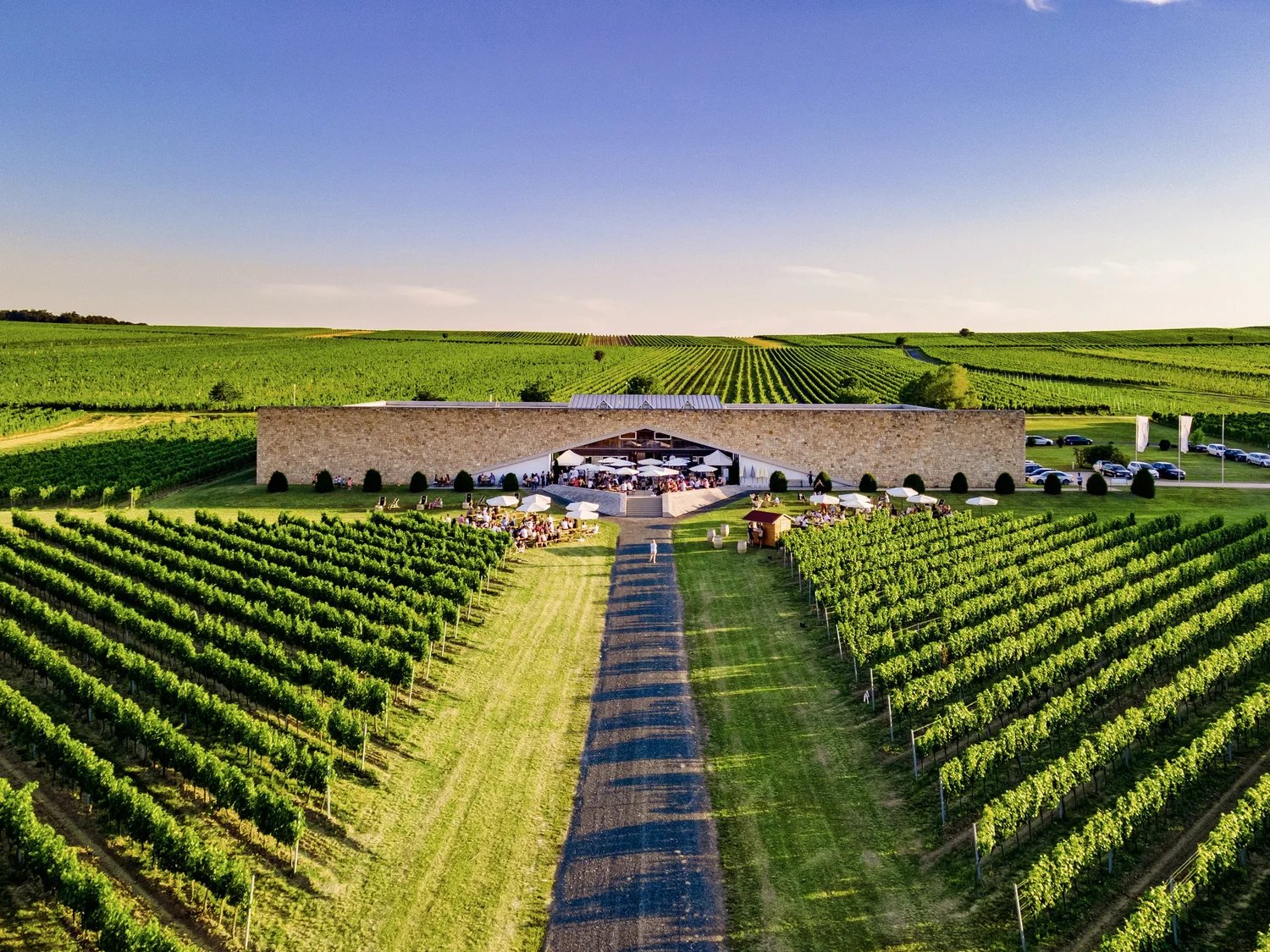
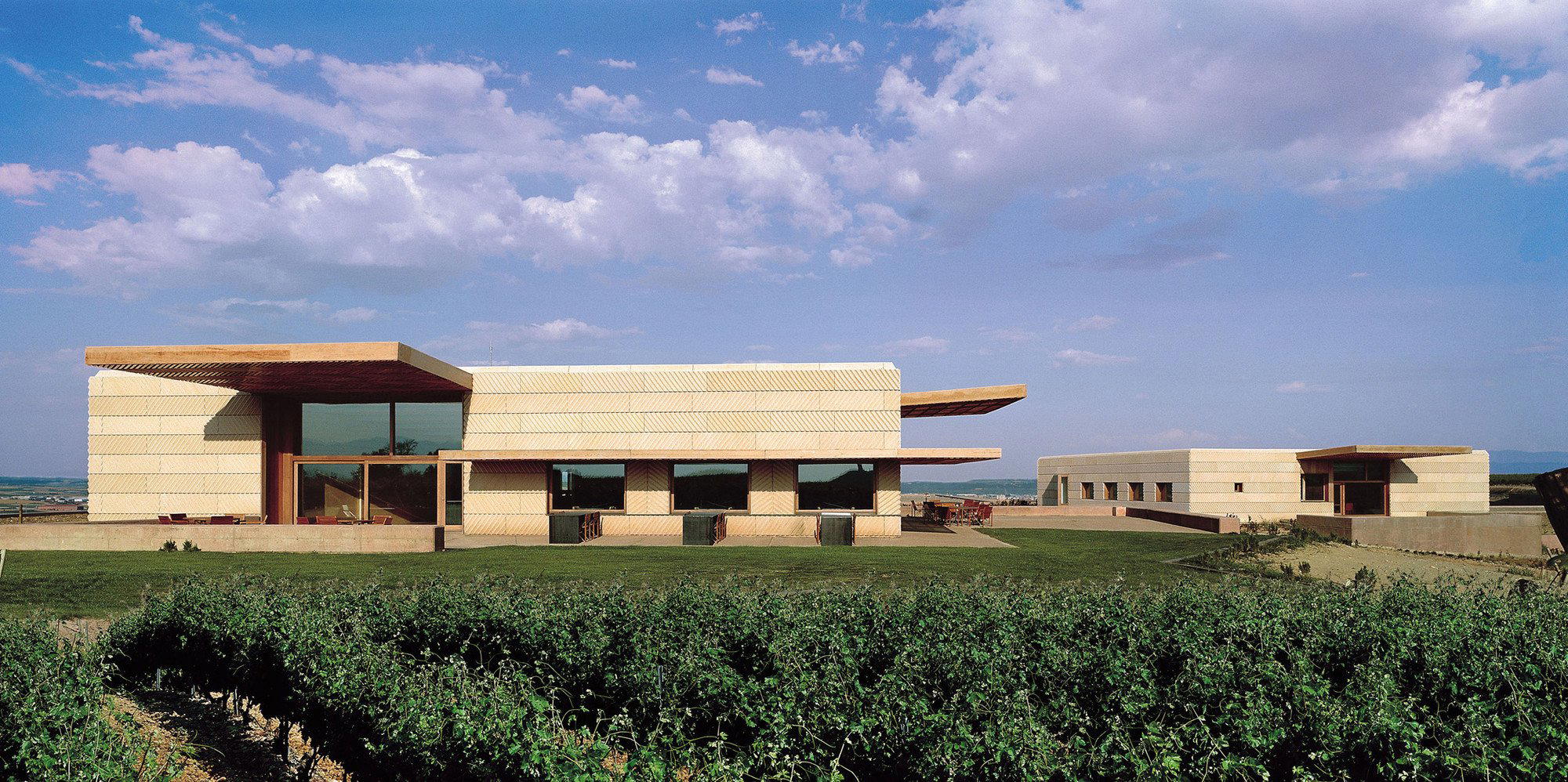
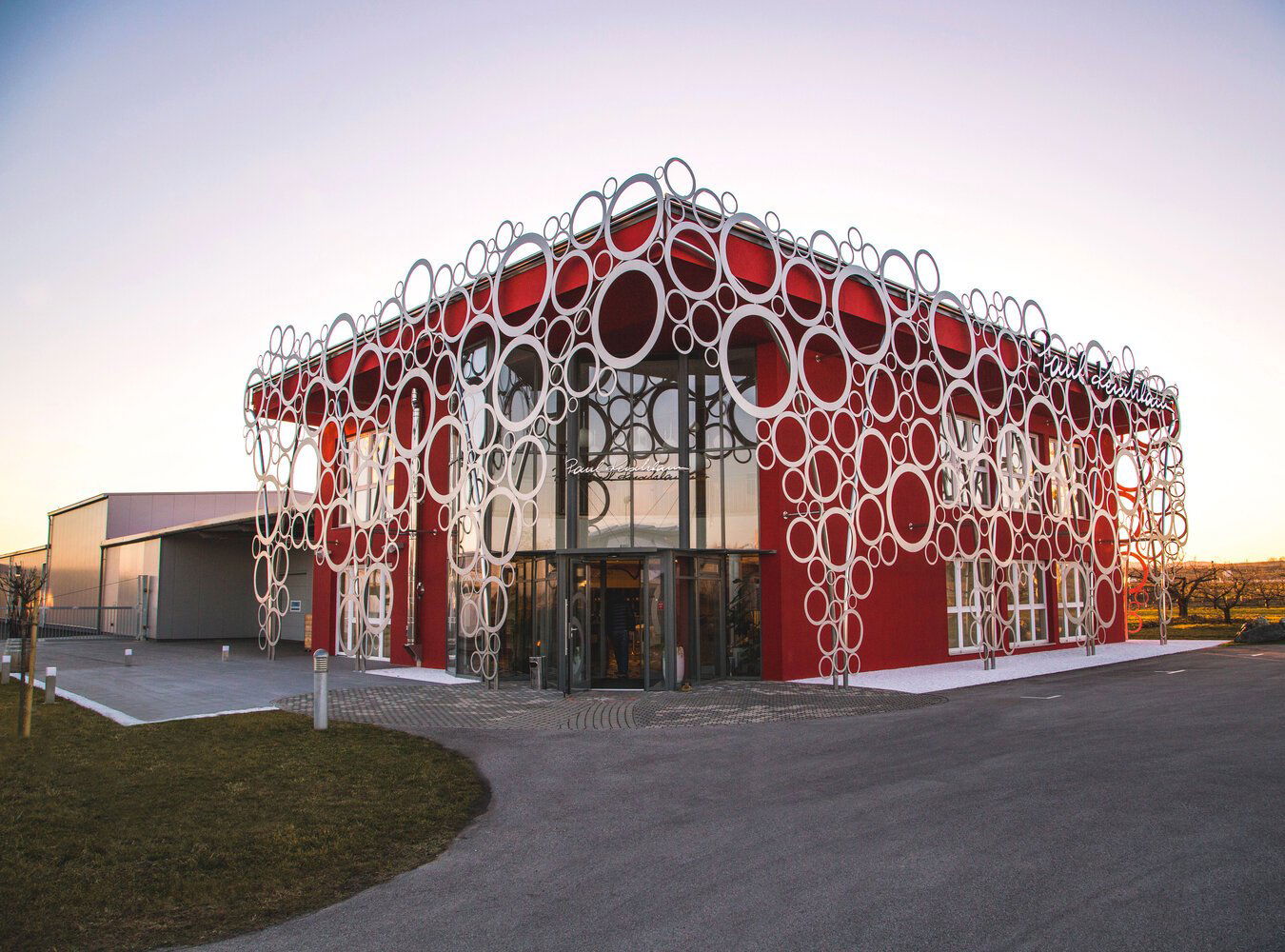
Sympathetic ambience with modern design in the tasting and sales room, inviting guests to linger.
Tags
Vibe
Best For
Experience
Sourcing
View
At the Vineyard
- Appellation
- Mittelburgenland
- Varietals
- Blaufränkisch, Zweigelt, Merlot, Cabernet Sauvignon, Weißburgunder
- Tour Duration
- 60-90 minutes
- Visits
- By reservation
- Farming
- Sustainable
- Wine Styles
- Still Red
- Shipping
- Available
- Wine Club
- Not available
Know before you go
Know Before You Go
- Getting there
- Hauptstraße 111, 7312 Horitschon
Planning details
Location
Recognition and awards

Also consider
Also Consider
- Weingut Franz Weninger, Notable alternative
- Weingut Gager, Notable alternative
- Weingut Gesellmann, Notable alternative
- Weingut Strehn, Notable alternative
- Pfneiszl Winery, Notable alternative
Winery context
How It Compares
Against Weingut Franz Weninger, this is the choice for travellers who want a more appointment-led estate stop and are willing to plan around it. Franz Weninger is the cleaner cross-shop if the priority is keeping the day flexible within Horitschon, especially for visitors trying to fit more than one winery into a short window.
Weingut Gager, Weingut Gesellmann, and Weingut Strehn are better backups when booking friction becomes the deciding factor. Use them as practical alternatives rather than consolation picks: the value is in preserving a coherent Burgenland wine day instead of overcommitting to one difficult appointment.
Pfneiszl Winery is the sensible cross-shop for travellers who care as much about ambiance as producer comparison. If the brief is a serious Horitschon-focused visit, keep Weingut Kerschbaum high on the list; if the brief is a relaxed group outing, start with the peer that can support the schedule and mood more easily.
Explore Horitschon
Around this place
Discover more on Pearl
Unlock the full Weingut Kerschbaum guide in Pearl, including awards, comparisons, FAQs, planning details, and nearby places.
Compare Weingut Kerschbaum
| Venue | Location | Awards |
|---|---|---|
| Weingut Kerschbaum | Horitschon | 2026 Falstaff Winery Guide |
| Weingut Franz Weninger | Horitschon | 2026 Falstaff Winery Guide |
| Weingut Gager | Deutschkreutz | 2026 Falstaff Winery Guide |
| Weingut Gesellmann | Deutschkreutz | 2026 Falstaff Winery Guide |
| Weingut Strehn | Deutschkreutz | 2026 Falstaff Winery Guide |
| Pfneiszl Winery | Sopron | No published awards |
How Weingut Kerschbaum Horitschon compares with similar nearby venues.
FAQ
Frequently Asked Questions
Can Weingut Kerschbaum handle large groups?
Information on group capacity is not available. If you are planning for a larger party, contact Weingut Kerschbaum directly before making it part of the itinerary.
Do I need a reservation at Weingut Kerschbaum?
Does Weingut Kerschbaum serve food?
What practical details should I confirm before visiting Weingut Kerschbaum?
Visitor details beyond the Horitschon location, casual dress code, and Pearl 2 Star Prestige recognition for 2025 are not specified. Confirm current arrangements directly with Weingut Kerschbaum and compare separately with other venues such as Weingut Gesellmann and Weingut Franz Weninger.
What is available at Weingut Kerschbaum?
How long should I plan for a visit to Weingut Kerschbaum?
A specific visit length is not specified. Confirm the current format directly with Weingut Kerschbaum, especially if you are comparing it with another venue such as Weingut Strehn or Weingut Gesellmann.