
Weingut Bernhard Huber
Malterdingen
Winery in Malterdingen, Germany
 Book with Pearl
The Read
Breisgau Pinot Precision
Price
$50–100tasting
Why go
Weingut Bernhard Huber is a strong choice when wine is the point of the Malterdingen trip, especially for collectors, gifts, or a special-occasion cellar-door stop. Treat it as a planned anchor rather than a casual backup, and cross-shop Franz Keller, Dr. Heger, Salwey, Bercher, or Fritz Waßmer if flexibility matters more.
About Weingut Bernhard Huber
Weingut Bernhard Huber is a Pearl 2 Star Prestige venue in Malterdingen for 2025. Plan around the venue name, its Malterdingen location, its recognition, and a smart-casual dress code. For practical details such as public hours, visit format, food service, prices, shipping, seat count, or reservation requirements, check directly with the venue.
That makes the safest planning approach simple: treat Weingut Bernhard Huber as a premium Malterdingen venue to check directly before building a full itinerary around it. The dress code is smart casual, so visitors should aim for polished but relaxed attire rather than assuming a formal restaurant setting.
Book this for its recognition, not assumed extras
The strongest reason to keep Weingut Bernhard Huber on a shortlist is its Pearl 2 Star Prestige recognition for 2025. Beyond that accolade and the Malterdingen location, avoid assuming a particular tasting style, bottle range, dining setup, or visitor experience.
For planning, use the core facts as the anchor and check any operational details directly before visiting. If timing, food, shipping, accessibility, or group arrangements matter, confirm them with the venue rather than inferring them from the venue category or from other itineraries.
Smart casual is the dress-code guidance. That gives enough direction for a polished visit without overstating the level of formality or suggesting specific amenities.
Who should choose it, and who should cross-shop
Choose Weingut Bernhard Huber when a Pearl 2 Star Prestige-recognized Malterdingen venue is the specific target. It is best approached with direct confirmation of the practical details that matter to your visit, especially format, food, pricing, or availability.
For comparison, consider Weingut Franz Keller, Weingut Dr. Heger, Weingut Salwey, Weingut Bercher, and Weingut Fritz Waßmer. Use those names as broader references rather than assuming they offer the same format, location, or visit structure as Weingut Bernhard Huber.
The bottom line: Weingut Bernhard Huber is a Pearl 2 Star Prestige venue in Malterdingen with a smart-casual dress code. Confirm all visit-specific details directly before making it the anchor of a day.
Planning details
- Location
- Heimbacher Weg 19, 79364 Malterdingen
- Website
- weingut-huber.com
- Phone
- +49 7644 9297220
The take
The Take
The Vibe
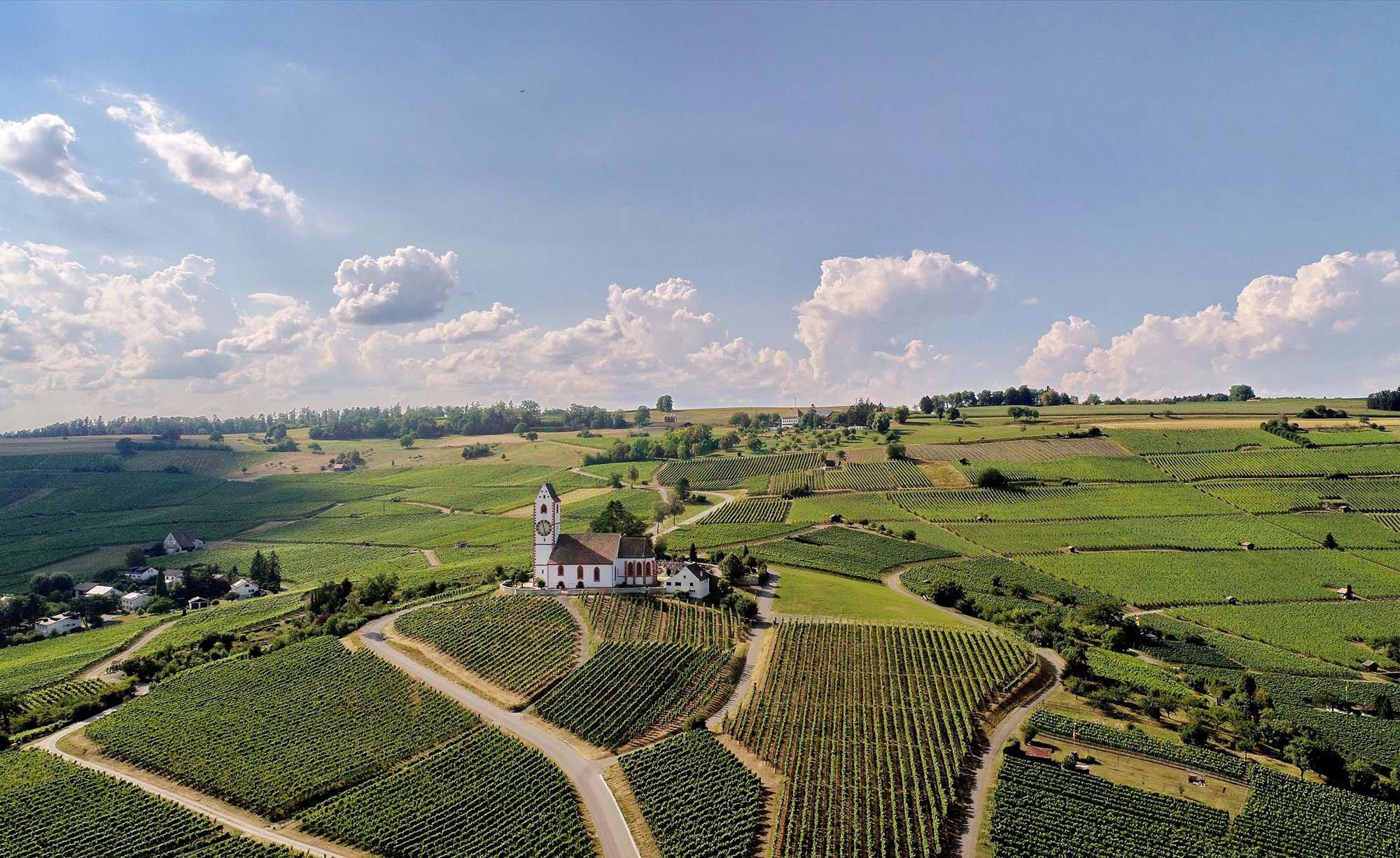
Weingut Bernhard Huber feels deliberate and terroir-focused rather than theatrically touristic. The estate sits embedded in village agriculture, and visiting is framed as an exercise in paying attention to soil, aspect and microclimate. The writing positions the wines as arguments—Pinot Noir shaped by warm loess, limestone-influenced marl and cool air from the Schwarzwald—so the overall mood is contemplative, understated and quietly authoritative. This is not a bustling tasting-room; it is a place where provenance and vintage detail dominate impressions, drawing visitors who value geological nuance and stylistic restraint over hospitality spectacle.
Best For
This estate is best for visitors seeking a deep, terroir-driven wine encounter. It suits wine education and collector-minded tastings, where the focus is on how latitude, subsoil and microclimate shape Baden Pinot Noir. The relative obscurity of Malterdingen also makes it appropriate for a quiet romantic getaway or a special-occasion visit for aficionados who appreciate focused discussion of vintage variation and site expression. Small, attentive visits that prioritize tasting notes and vineyard context are the natural fit, rather than casual walk-ins or high-volume tourism.
Tasting Tips
When tasting at Bernhard Huber, prioritize the estate Pinot Noir bottlings that highlight single-vineyard character and vintage differences—the text frames the wines as examples of a climatic tension between warmth and freshness. Ask specifically about sites planted on loess versus limestone-influenced marl and clay to understand how soils drive texture and minerality. Inquire about recent vintages and any older releases that have appeared at auction, since the description notes the wines regularly surface on allocation lists and in secondary markets; these details reveal the estate’s age-worthiness and stylistic evolution.
Venue details
Ambiance
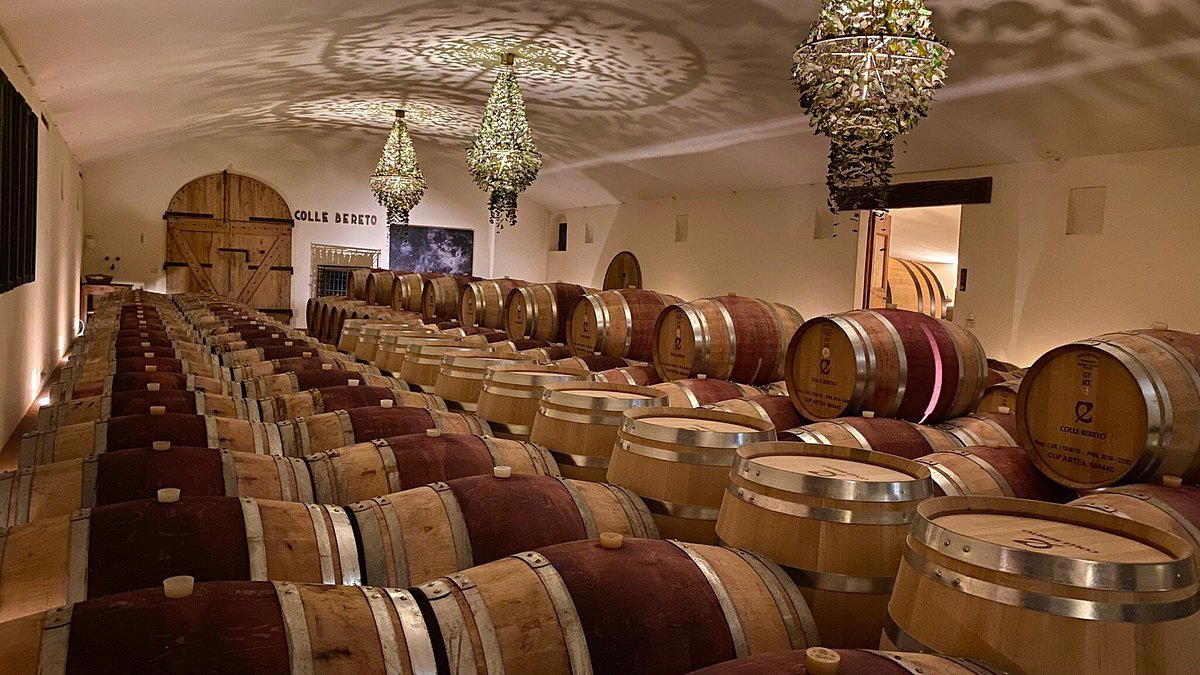
Refined and minimalist estate atmosphere reflecting the winemaker's philosophy of 'less is more,' with focus on terroir expression rather than opulence.
Tags
Vibe
Best For
Experience
Sourcing
View
At the Vineyard
- Appellation
- Baden
- Varietals
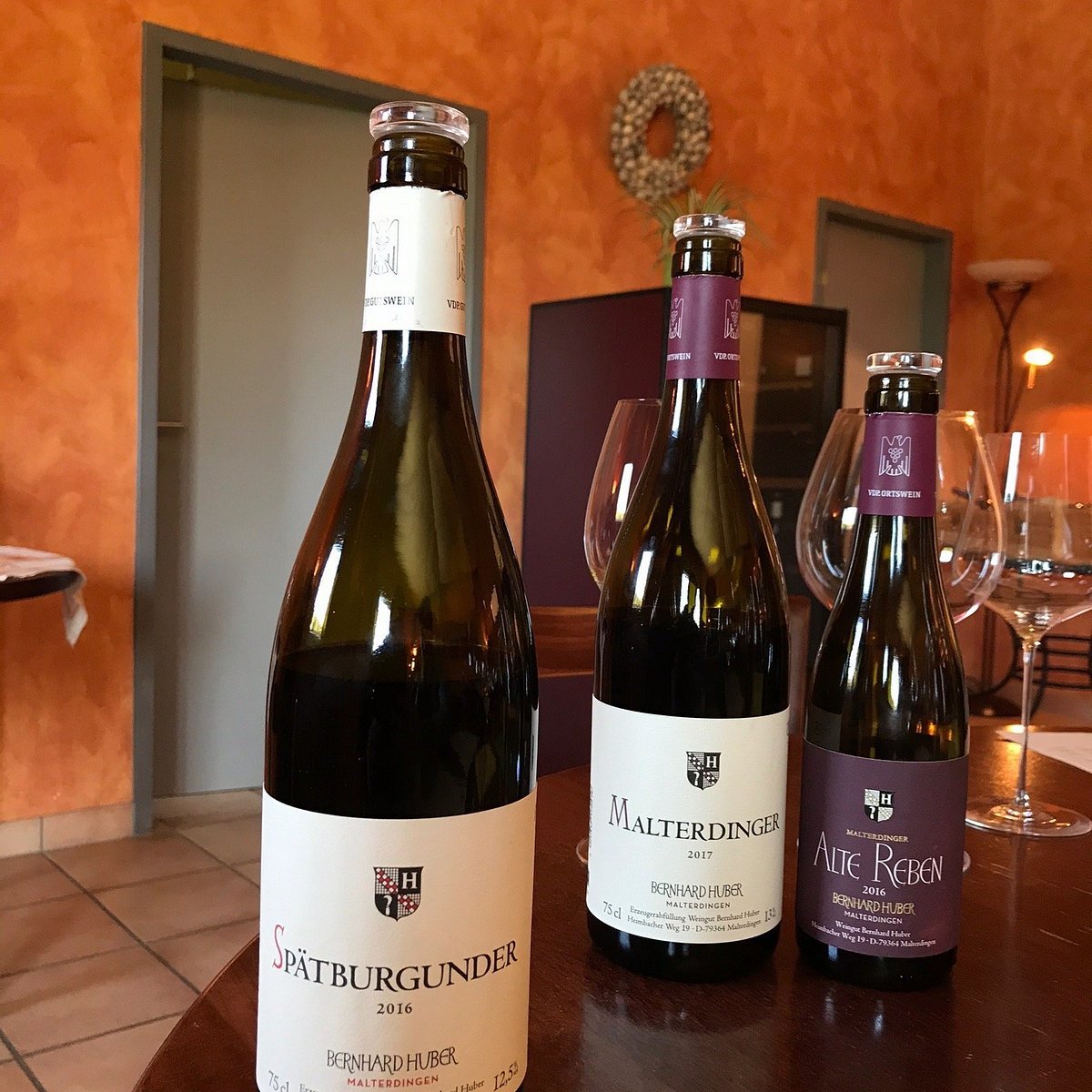
- Spätburgunder (Pinot Noir), Chardonnay, Weissburgunder (Pinot Blanc), Grauer Burgunder (Pinot Gris), Muskateller
- Tour Duration
- 90-120 minutes
- Tour Languages
- German, English
- Visits
- By appointment only
- Farming
- Organic
- Wine Styles
- Still Red, Still White, Sparkling
- Shipping
- Available
- Wine Club
- Available
Know before you go
Know Before You Go
- Getting there
- Heimbacher Weg 19, 79364 Malterdingen
Planning details
Location
Recognition and awards

Also consider
Also Consider
- Weingut Franz Keller, Notable alternative
- Weingut Salwey, Notable alternative
- Weingut Bercher, Notable alternative
- Weingut Dr. Heger, Notable alternative
- Weingut Fritz Waßmer, Notable alternative
Winery context
How It Compares
Choose Weingut Bernhard Huber when the visit needs to feel wine-first and occasion-worthy. Compared with Weingut Franz Keller, it reads as the more focused stop for serious buyers, while Franz Keller is the easier cross-shop for travelers who want a broader hospitality day around the wine.
For Burgundy-minded Baden comparison shopping, Weingut Dr. Heger is the closest serious alternative in spirit: better as a backup for collectors than for casual visitors. Weingut Salwey and Weingut Bercher make sense if the priority is building a wider regional tasting route rather than betting the day on one hard-to-secure stop.
Weingut Fritz Waßmer is the practical cross-shop when timing or access drives the decision. The clearest recommendation: prioritize Huber for a special purchase or celebration bottle, Franz Keller for a fuller visitor itinerary, and Dr. Heger for a second serious Baden name if the trip can support two winery appointments.
Explore Malterdingen
Around this place
Discover more on Pearl
Unlock the full Weingut Bernhard Huber guide in Pearl, including awards, comparisons, FAQs, planning details, and nearby places.
Compare Weingut Bernhard Huber
| Venue | Location | Awards |
|---|---|---|
| Weingut Bernhard Huber | Malterdingen | 2026 Falstaff Winery Guide |
| Weingut Franz Keller | Vogtsburg im Kaiserstuhl | 2026 Falstaff Winery Guide |
| Weingut Salwey | Oberrotweil | 2026 Falstaff Winery Guide |
| Weingut Bercher | Vogtsburg | 2026 Falstaff Winery Guide |
| Weingut Dr. Heger | Ihringen | 2026 Falstaff Winery Guide |
| Weingut Fritz Waßmer | Bad Krozingen-Schlatt | No published awards |
How Weingut Bernhard Huber compares with similar nearby venues.
FAQ
Frequently Asked Questions
Does Weingut Bernhard Huber serve food?
Does Weingut Bernhard Huber ship wine?
Do I need a reservation at Weingut Bernhard Huber?
Because Weingut Bernhard Huber is a Pearl 2 Star Prestige venue in Malterdingen, it is sensible to confirm access, timing, and any visit requirements directly before going.
Is the wine club at Weingut Bernhard Huber worth joining?
If membership, allocations, or repeat-purchase access matters to you, ask Weingut Bernhard Huber directly and compare the terms with other venues such as Weingut Franz Keller or Weingut Dr. Heger.
When is the best time to visit Weingut Bernhard Huber?
Contact the venue for current hours or seasonal visit guidance, and dress smart casual for the visit.
What other venues can I compare with Weingut Bernhard Huber?
For broader comparison, consider Weingut Franz Keller, Weingut Salwey, Weingut Bercher, Weingut Dr. Heger, and Weingut Fritz Waßmer. Confirm each venue's location, hours, and visit format directly rather than assuming they match Weingut Bernhard Huber.