

2026 Falstaff Winery Guide: The Ultimate Wine Authority — Page 139
Falstaff's 2026 Wineries guide.

Venues on this list
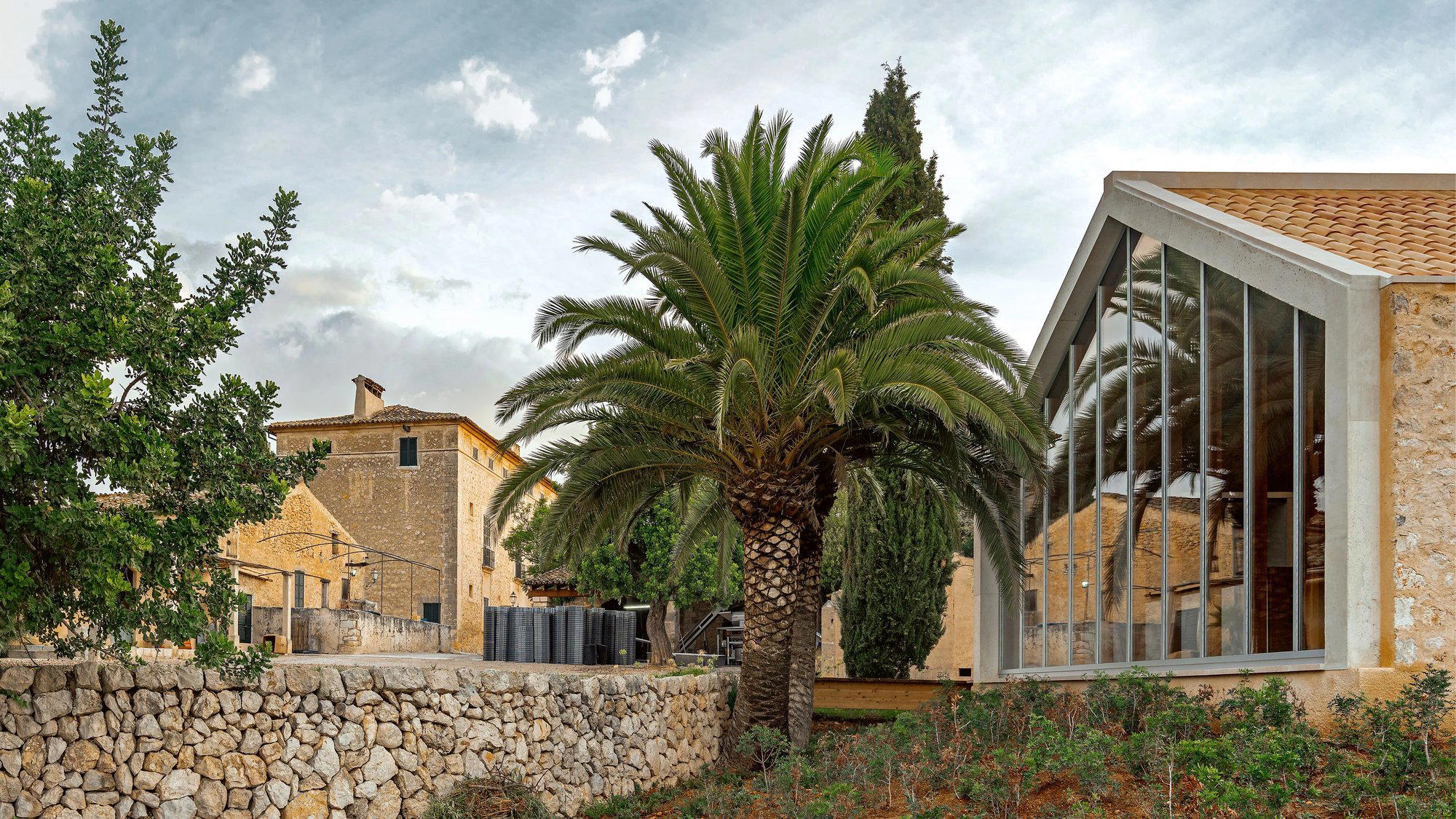
Bodega Ribas
Consell, Spain
A Consell winery to prioritize for Mallorcan wine context, especially if the trip is built around recognized producers rather than casual drop-ins. Falstaff’s 2 Stars for 2026 is the clearest quality signal; confirm tasting format, food, group suitability, and shipping details before building a day around it.
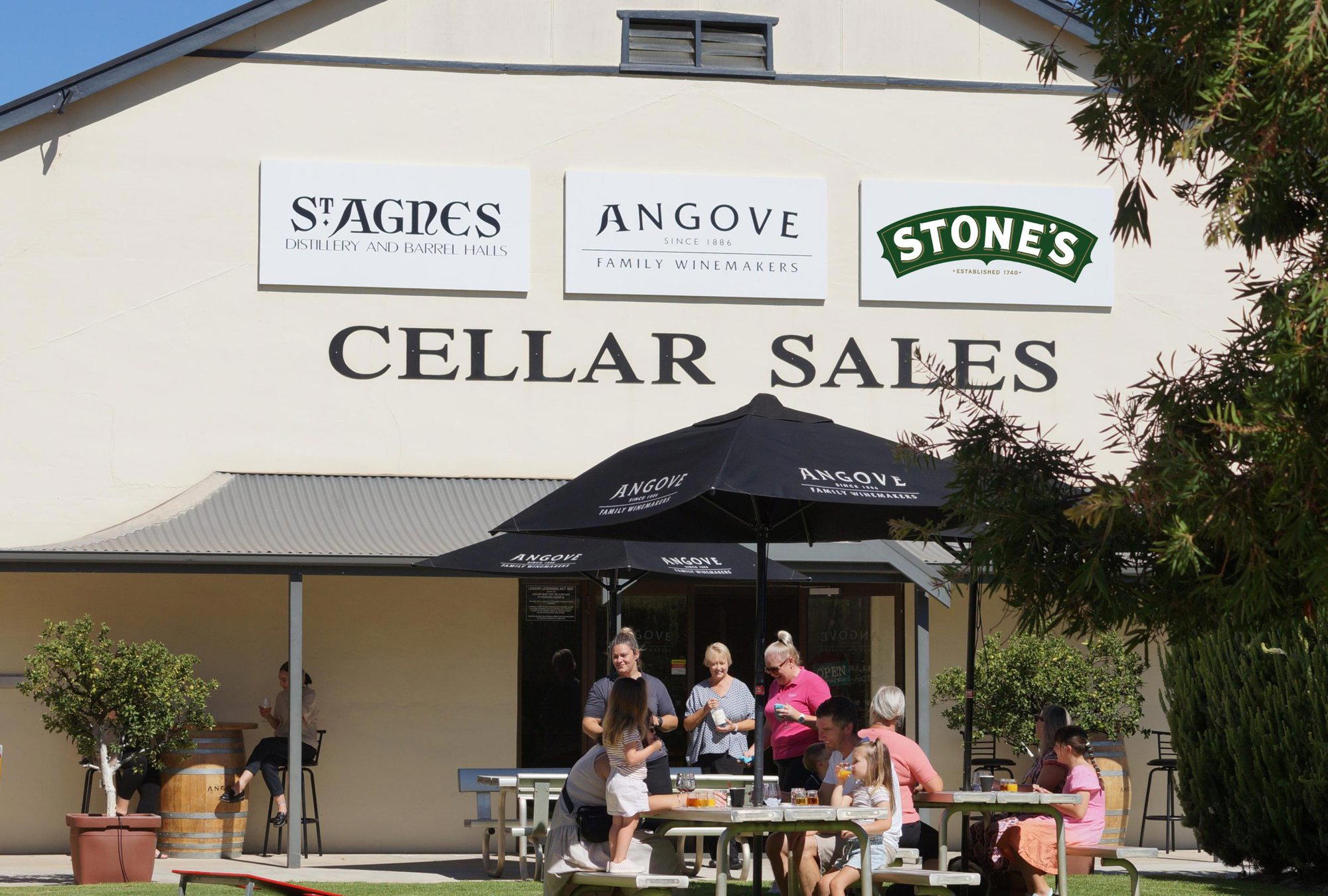
Angove Family Winemakers
Renmark, Australia
Choose Angove Family Winemakers when the priority is a wine-led Renmark stop rather than a full dining itinerary. It works best as the anchor of a Riverland tasting day, with St Agnes Distillery or Twenty Third Street Distillery as better add-ons for groups that want spirits as well as wine.
Kamkoutis Vineyards
Velventos, Greece
Kamkoutis Vineyards works if Velventos wine identity is the point of the trip: Tsapournakos, P.G.I. Velvento, and a foothill setting give it a clear regional reason to go. Treat it as a bottle-first winery rather than a wine-club or luxury-hospitality play, especially for a quiet celebration built around Greek varieties and food pairing.
Dogliotti 1870
Castagnole Delle Lanze, Italy
Book Dogliotti 1870 for a focused Moscato d’Asti tasting in Castagnole delle Lanze with real family heritage and an accessible €20 entry point. It is strongest as a compact, reservation-led winery stop, especially for travelers building a Piedmont day around Moscato, cellar history, and local pairings rather than a long, collector-style tasting.
Fritz - Weingut Dr. Fritz Herberger
Forst, Germany
A good fit for wine travelers building a low-key Forst itinerary, especially if the priority is a grounded Pfalz producer rather than a highly staged tasting-room experience. Go for regional context and a modest cellar-door feel; skip it if the day needs luxury hospitality, a named flagship tasting, or extensive visitor programming.
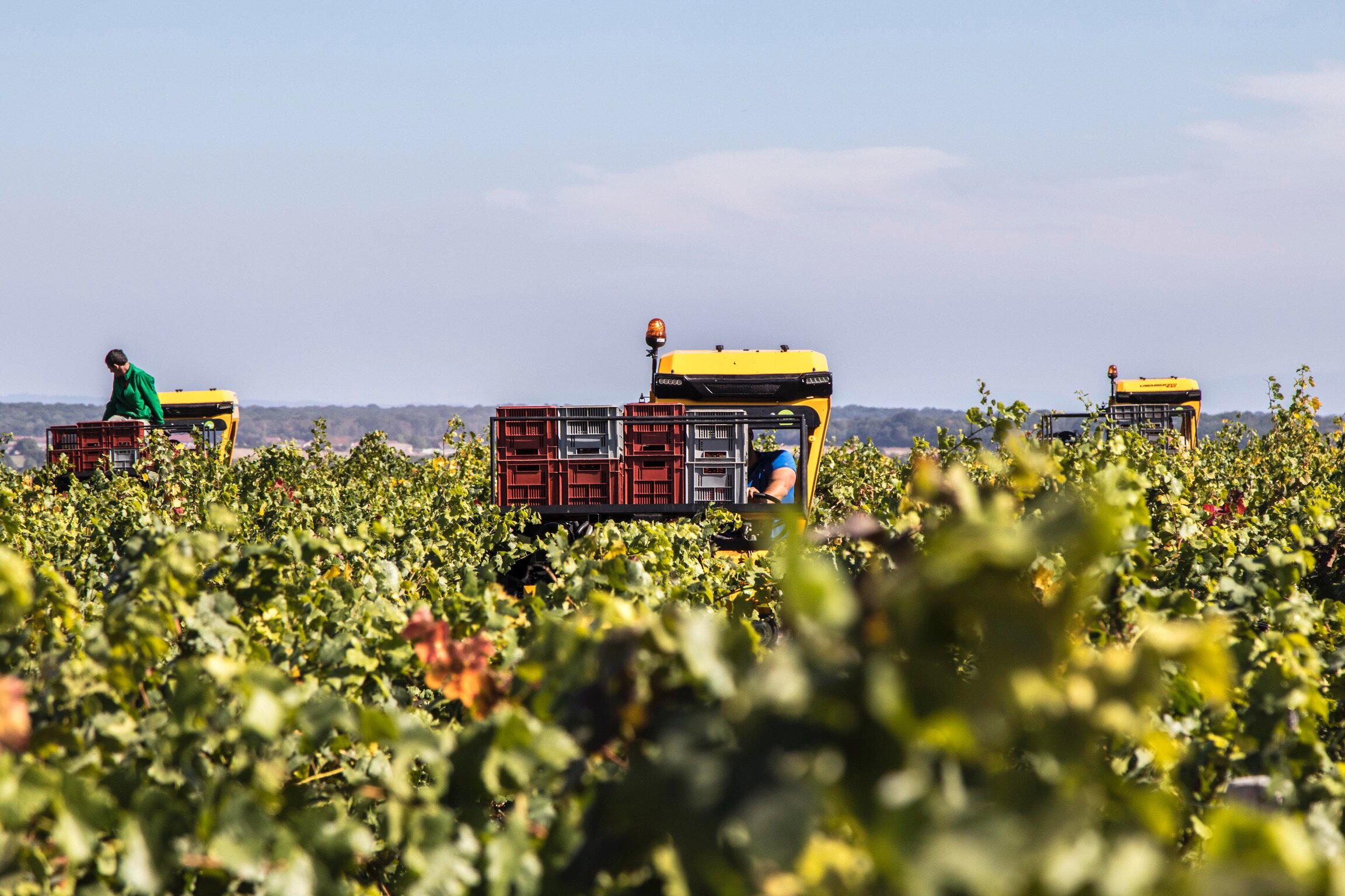
Domaine Leroy
Vosne-Romanée, France
Domaine Leroy is a wine estate in Vosne-Romanée, Burgundy.
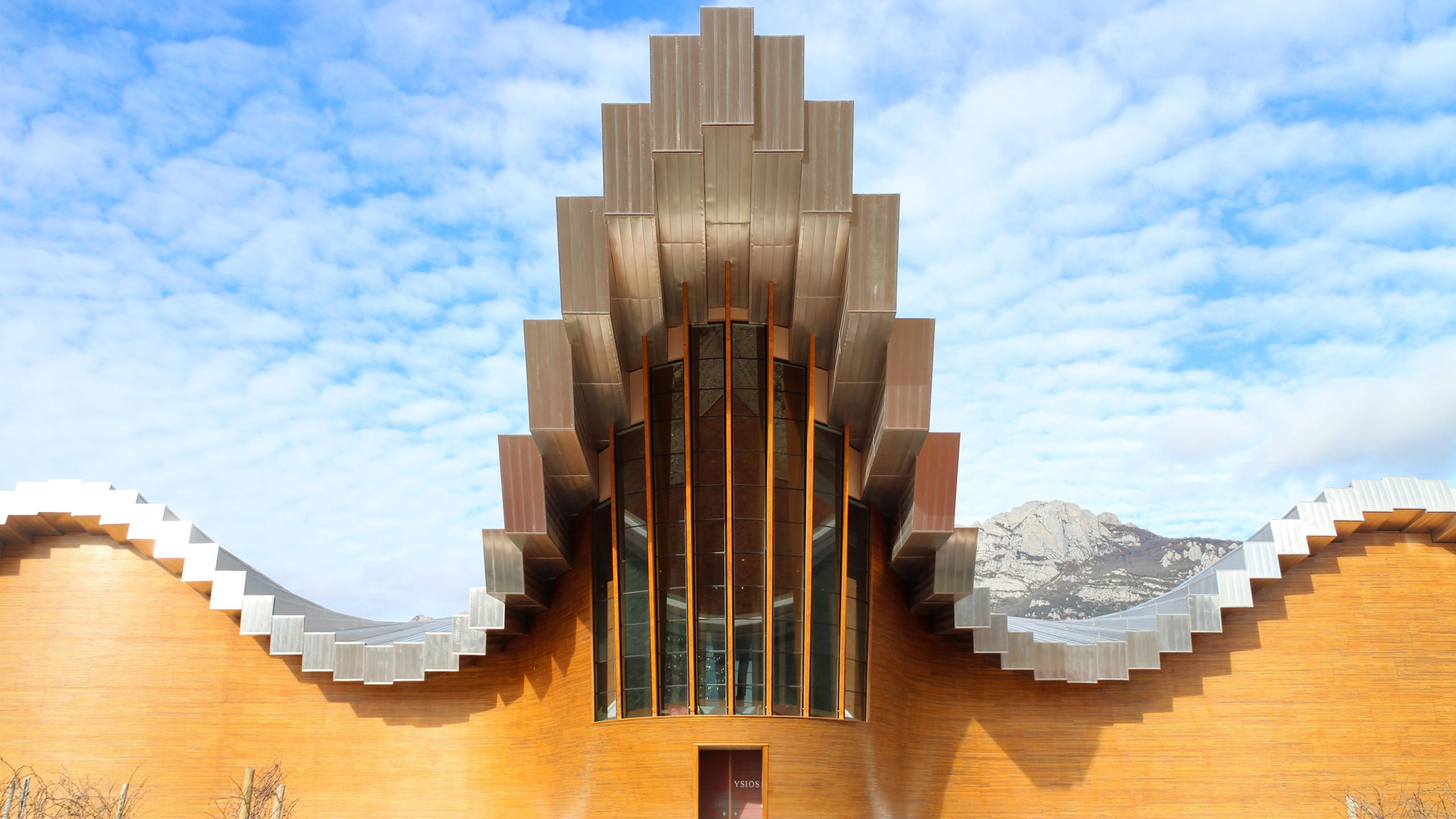
Bodegas Ysios
Laguardia, Spain
Bodegas Ysios is worth prioritizing if the winery setting is part of the point, not just the tasting. Treat it as a planned Rioja anchor with high booking pressure; travelers who want a looser day should cross-shop nearby peers before locking hotels, restaurants, or a wider Laguardia itinerary.
Badia a Coltibuono
Gaiole in Chianti, Italy
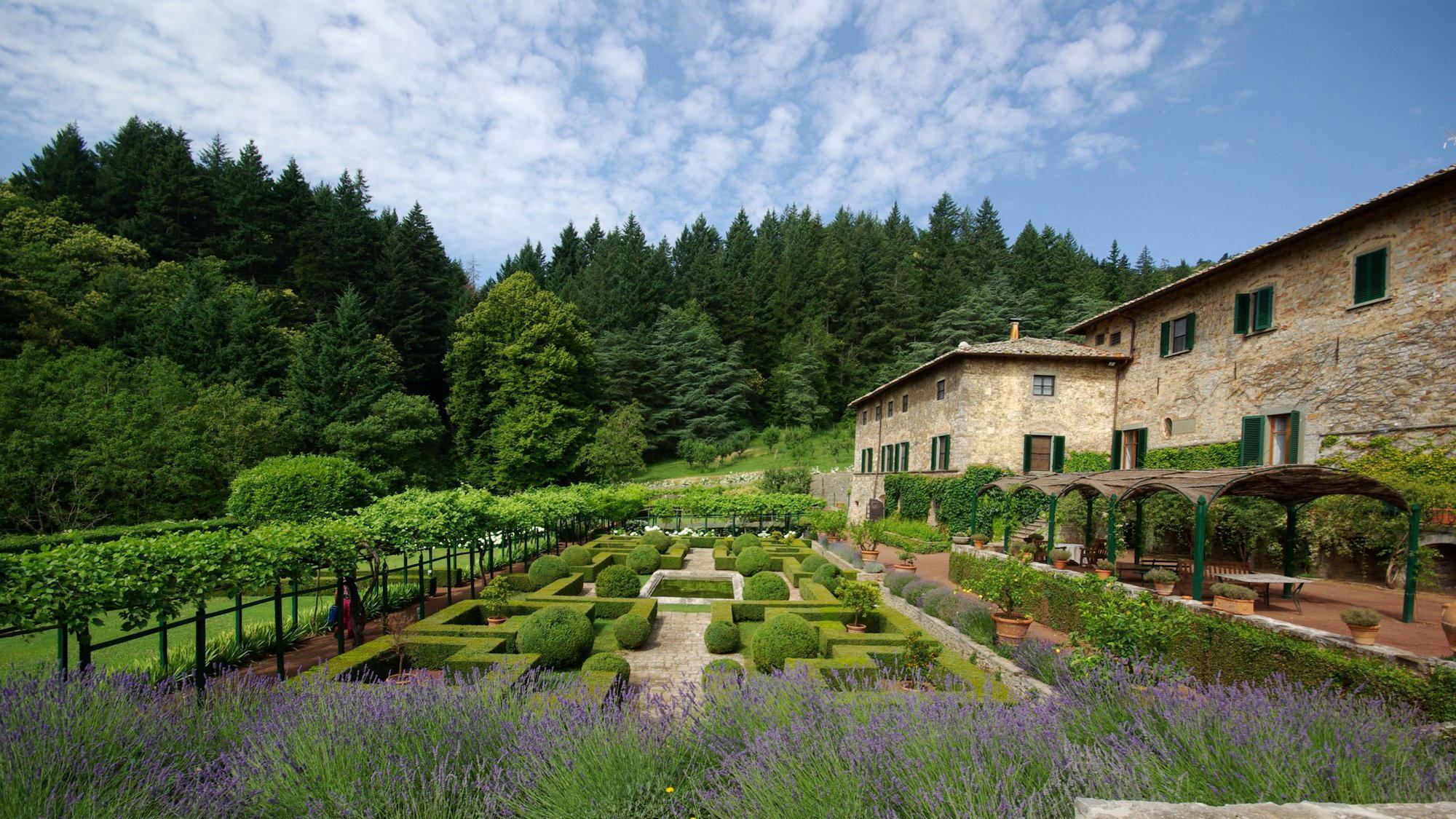
Prioritize Badia a Coltibuono if a Chianti Classico day should feel rooted in place rather than rushed. The former abbey setting, organic farming history, restaurant, tastings, and broader estate activities make it a strong half-day anchor for travelers who want wine context, not just a cellar stop.
Bouwland
Stellenbosch, South Africa
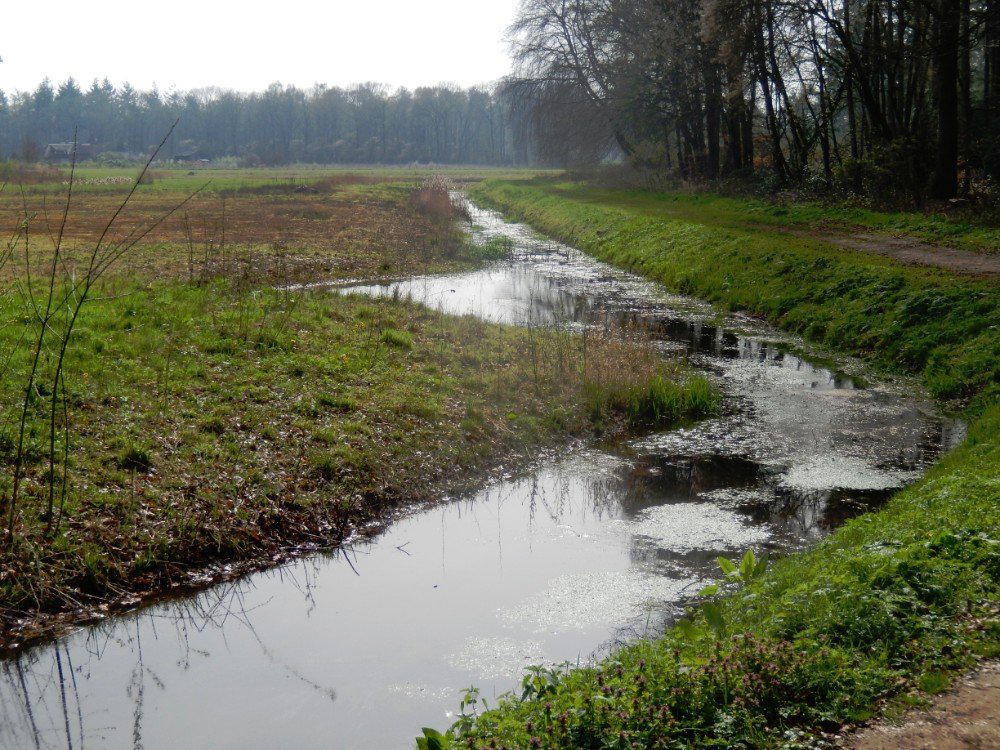
Bouwland is a measured add-on for repeat Stellenbosch visitors, not the obvious centerpiece for a private tasting day. Its Falstaff Listed 2026 recognition gives it a credible reason to be on a wine-route shortlist, but the lack of confirmed hospitality details makes it better for flexible planners than large groups or milestone tastings.
Domaine Vincent Ricard
Thesee, France
Silex-grown Sauvignon Blanc, old vines, and organic farming make Domaine Vincent Ricard a strong Thésée pick for Loire drinkers who care more about what is in the glass than a glossy visitor format. Book with intent: the value is strongest if the tasting covers the contrast between Le Petiot, Les Trois Chênes, and Tasciaca.
Azienda Agricola Tenuta Cucco
Serralunga d'Alba, Italy
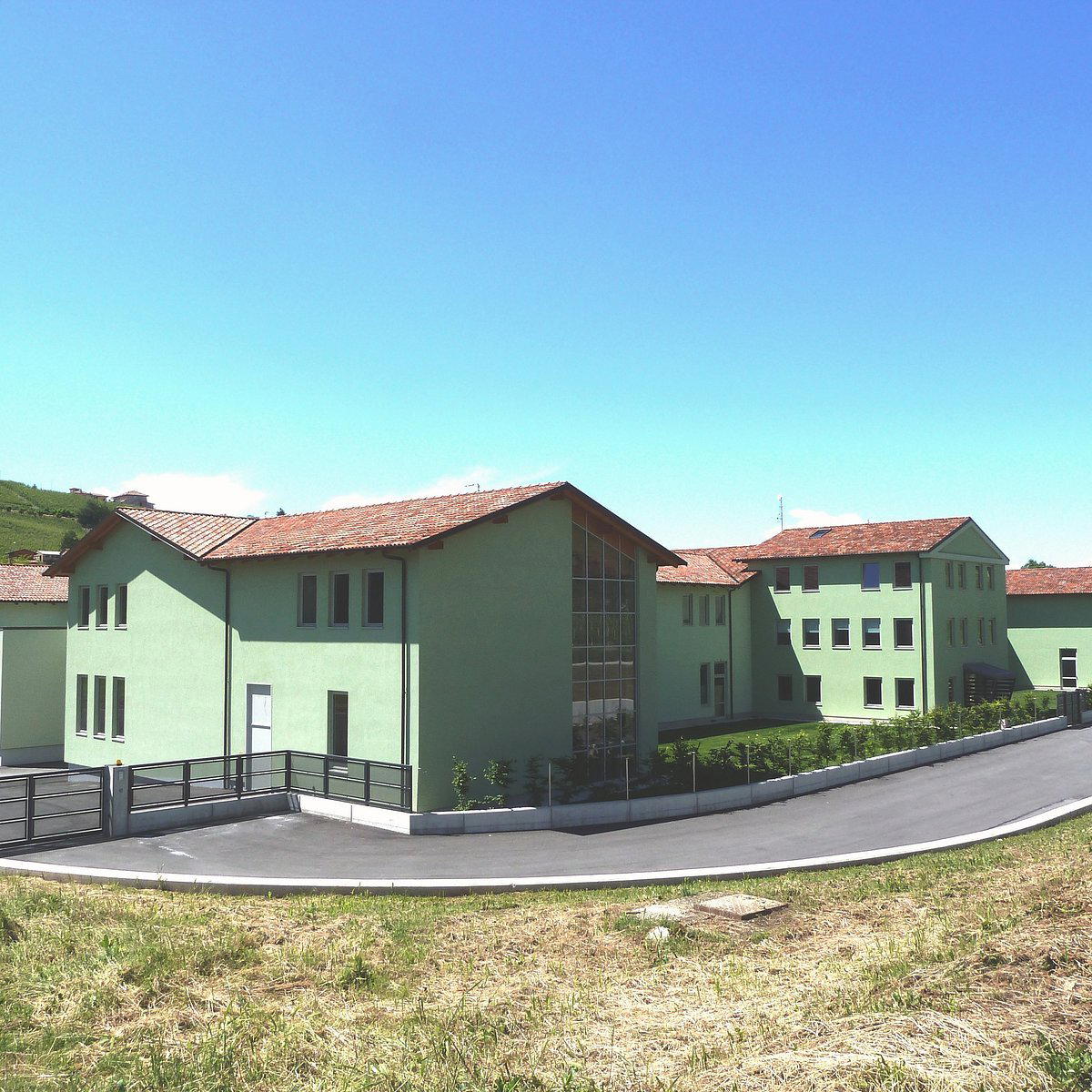
Azienda Agricola Tenuta Cucco is worth booking for a calm, scenic Serralunga d’Alba tasting focused on organic Barolo and vineyard context. Choose it for a date, anniversary, or thoughtful Langhe itinerary where the castle-side setting and Nebbiolo detail matter more than a long food-led experience.
Château Magrez-Trivoli
Medoc, France
Château Magrez-Trivoli works for a Médoc-focused wine itinerary if the goal is Bordeaux context rather than a showy visitor experience. Its Cuvée d’Exception positioning and 2026 Falstaff listing make it more interesting for collectors and serious Left Bank drinkers than for casual groups looking for food pairings or a long hosted tour.
Scharffenberger Cellars
Philo, United States
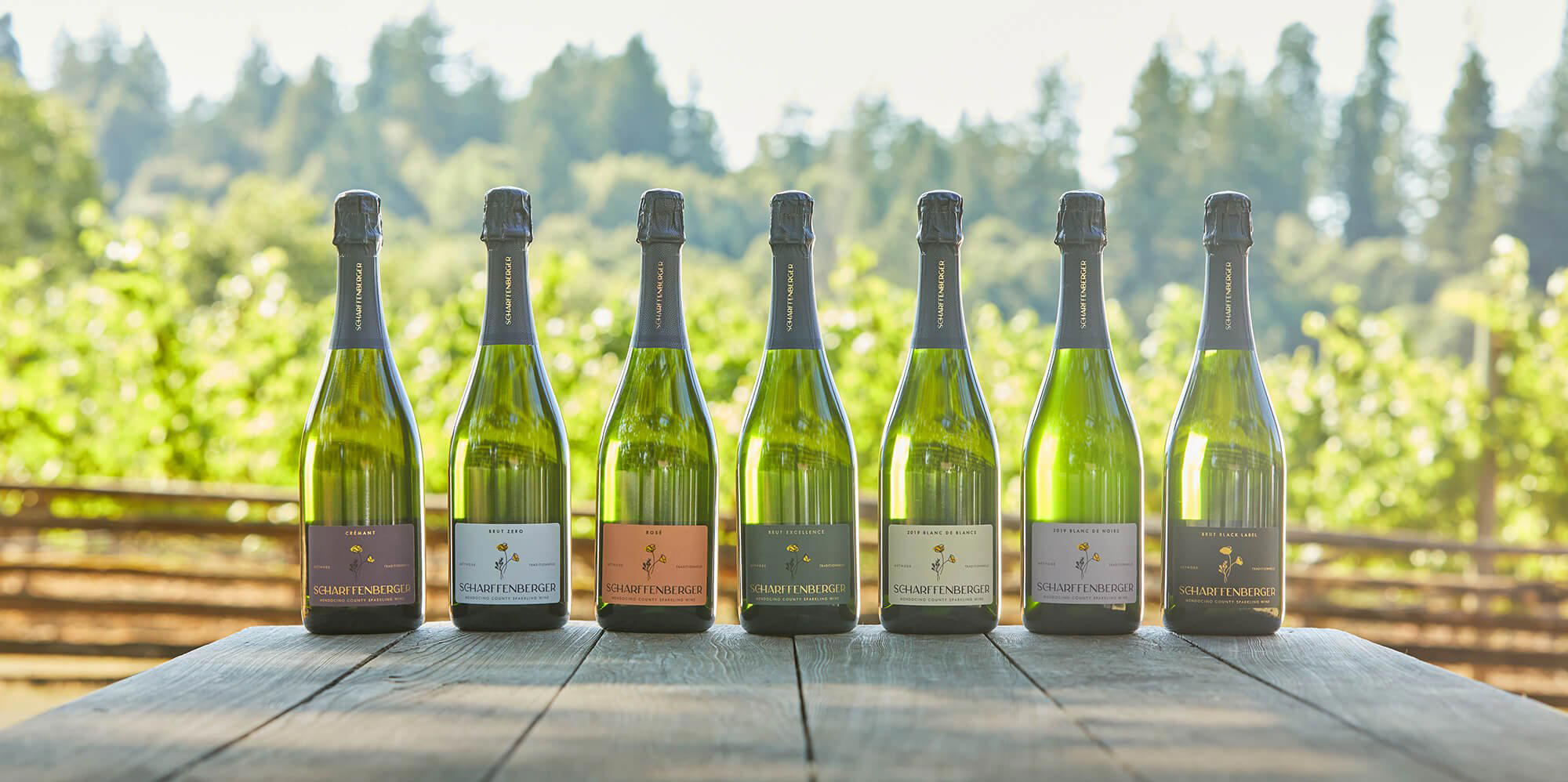
Scharffenberger Cellars works for a focused Philo wine itinerary, especially if Anderson Valley is the anchor of the day. Treat it as a wine-first stop rather than a meal or full-service hospitality plan, and cross-shop nearby Philo producers if timing or access becomes difficult.
Juferweine
Remigen, Switzerland
Book Juferweine if the aim is a simple Remigen producer visit built around single-varietal Swiss wines and grape-based spirits. It suits repeat buyers deciding what to take home more than visitors seeking a staged winery experience, food service, or a formal allocation-style club.
Château Les Grands Chênes
Saint Christoly Medoc, France
Book Château Les Grands Chênes if the goal is a serious Médoc stop with historic architecture and structured Left Bank reds. It is better suited to couples, small celebrations, and business wine days than to a casual tasting crawl, with the strongest appeal for guests who care about ageworthy Bordeaux and estate heritage.
Newton Vineyard
Calistoga, United States
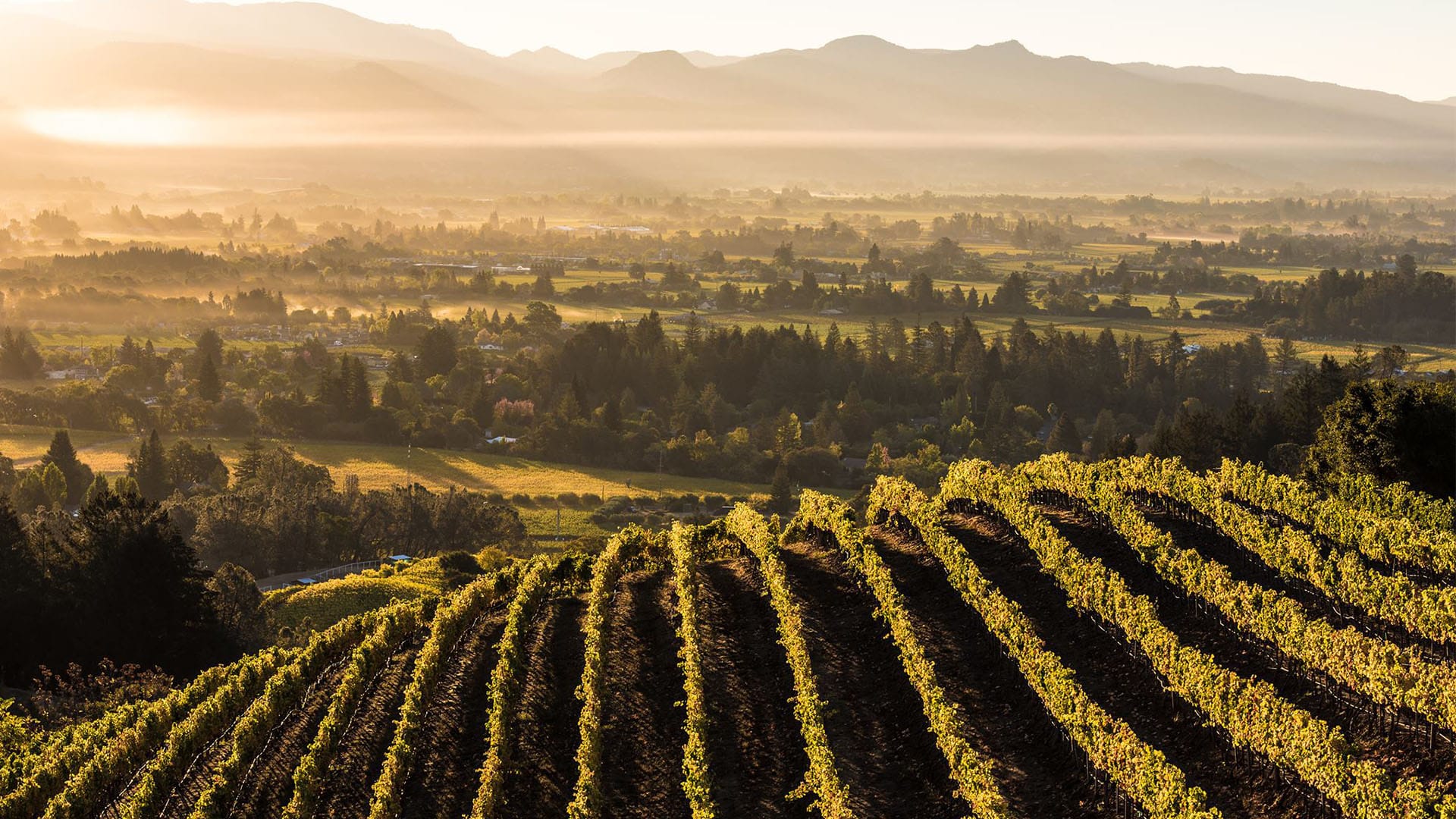
Newton Vineyard is worth prioritizing for a serious Calistoga wine itinerary, especially if the goal is estate history and a focused tasting rather than a food-led visit. Plan the meal separately, keep the day lightly scheduled, and treat this as a hard-to-secure anchor appointment rather than a casual add-on.
Fattoria Nicodemi
Notaresco, Italy
Book Fattoria Nicodemi if the goal is a focused Abruzzo winery visit rather than a high-volume tasting room. The draw is a quiet Notaresco estate with organic viticulture, native varieties, olive oil tasting, and Falstaff 3 Stars recognition in 2026; the fit is strongest for small, wine-curious groups willing to plan ahead.
d'Arenberg
McLaren Vale, Australia
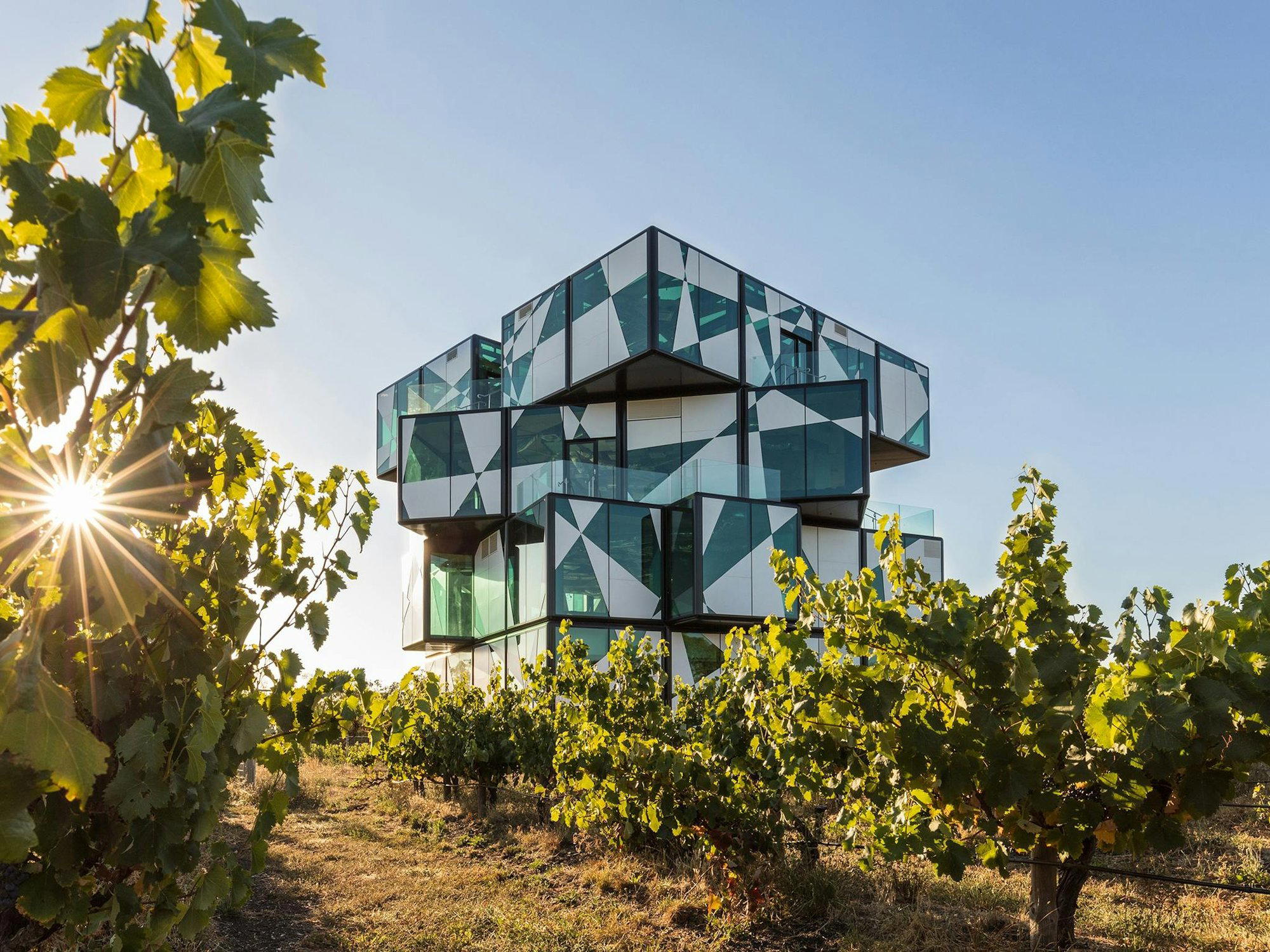
d'Arenberg is worth prioritising if you want a recognised McLaren Vale winery to anchor the day, especially for a first visit or wine-focused itinerary. It is less suited to a loose, low-commitment tasting crawl; cross-shop S.C. Pannell, Kay Brothers, Mollydooker, or Oliver's Taranga if flexibility matters more.
Turkey Flat
Barossa Valley, Australia
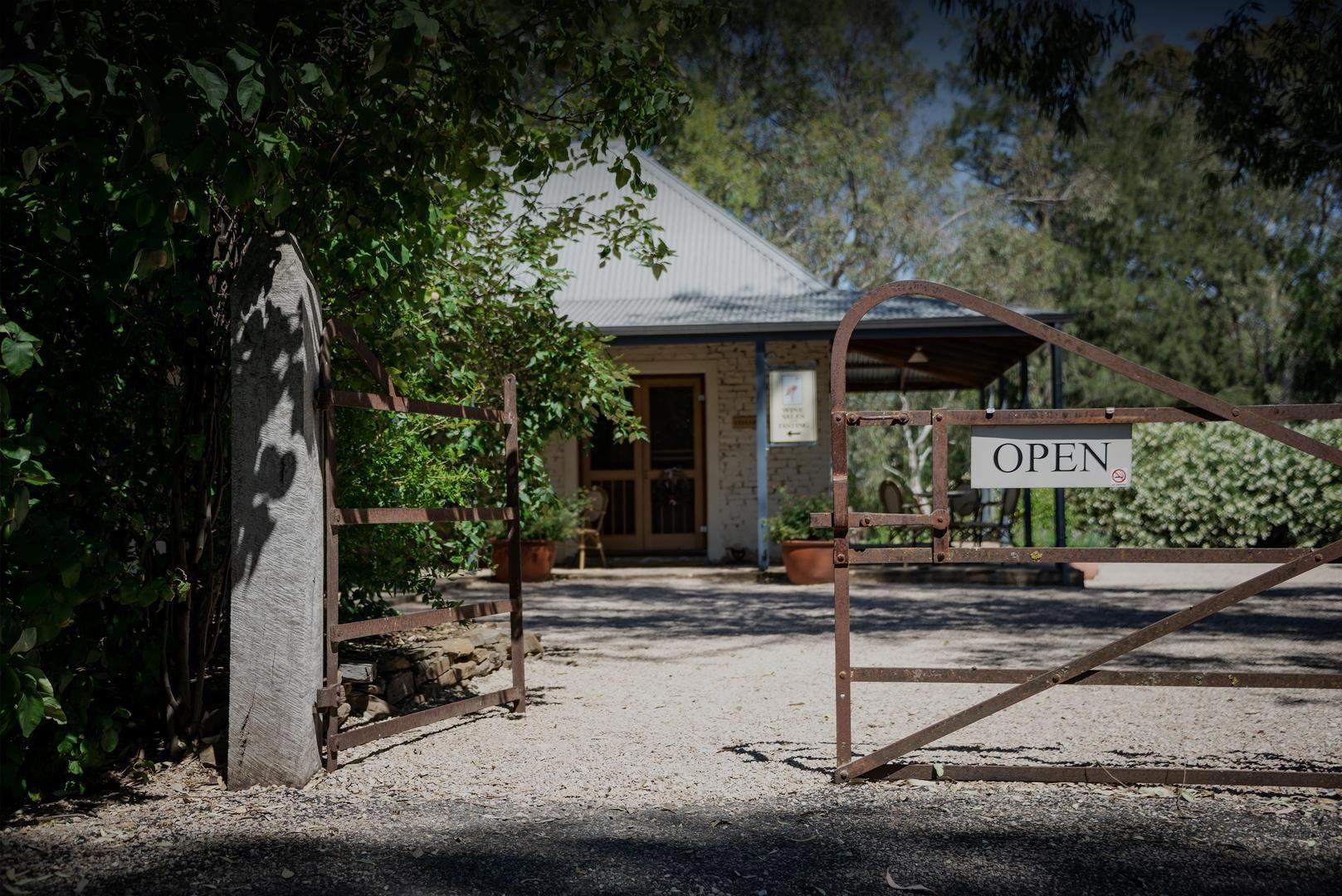
Turkey Flat is a strong Barossa Valley pick when the estate setting is part of the occasion, not just a backdrop to tasting. Prioritise it for a date, celebration, or client-friendly winery stop in Tanunda, and plan food separately if a meal is central to the day.
Armea
Desenzano del Garda, Italy
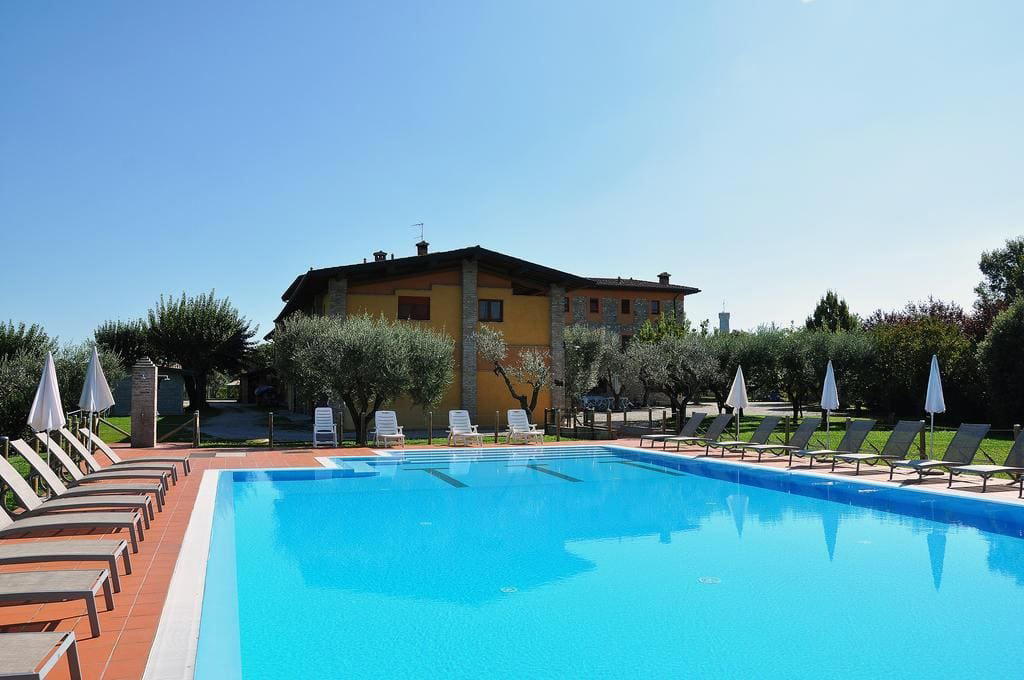
Armea works for a relaxed Valtenesi wine stop near Lake Garda, especially if a rustic farmhouse setting matters as much as the tasting itself. At $$, the value is strongest for couples or small groups who want a calm, local-feeling visit centered on Riviera del Garda Morus rather than a formal flight.
Bodega Renacer
Luján de Cuyo, Argentina
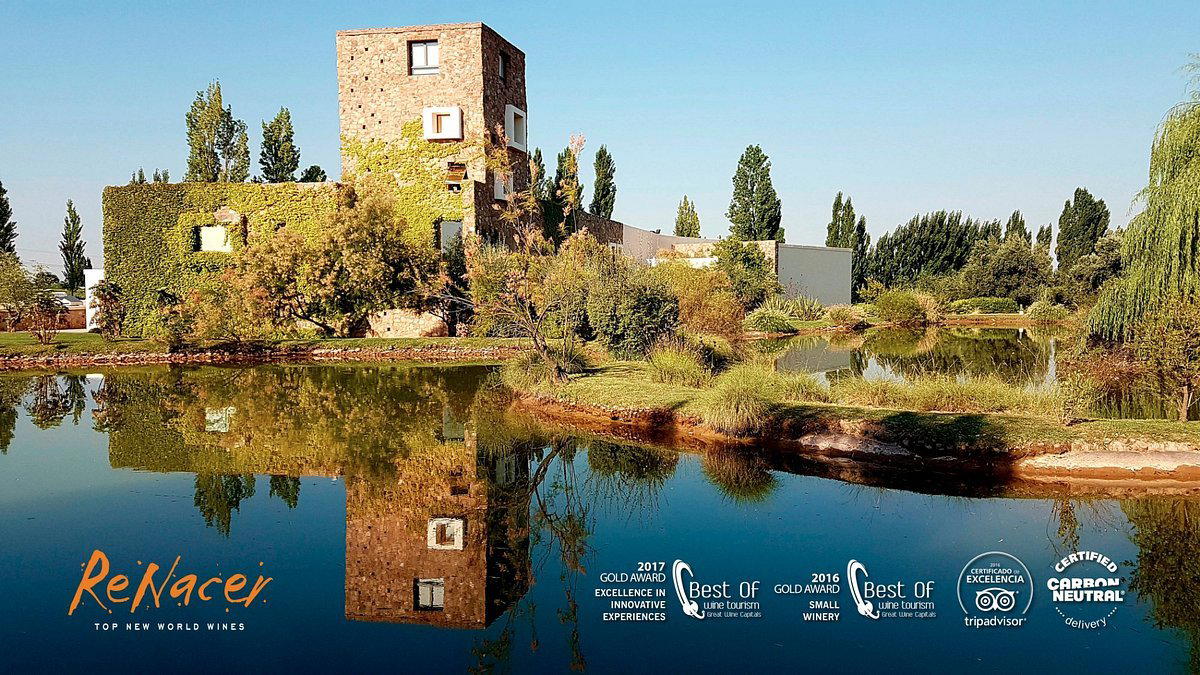
Bodega Renacer is worth booking when you want a polished Luján de Cuyo winery visit with a strong sense of occasion, not just a fast tasting. The draw is the full estate rhythm: Andes setting, cellar context, Malbec-and-Cabernet focus and a restaurant terrace suited to dates, celebrations or hosted clients. Falstaff Listed in 2026, it is an easy choice for a slower Mendoza day.
Idyll Wine
Geelong, Australia
Idyll Wine works if the appeal is Geelong wine production at scale rather than a boutique tasting-room experience. The draw is its Moorabool Valley heritage, broad value-led portfolio, and large automated winemaking operation; first-timers seeking a polished hospitality stop may want a more visitor-focused winery day.
Jakopić Winery
Strigova, Croatia
Jakopić Winery is a good fit for a relaxed Štrigova wine-country stop with a family-run, traditional feel and a more refined setting than a basic cellar visit. At $$ with easy booking and casual dress, it works well for dates, small celebrations, or a low-pressure tasting day, especially if controlled-origin Croatian wines are the draw.
Almázcara Majara
Almazcara, Spain
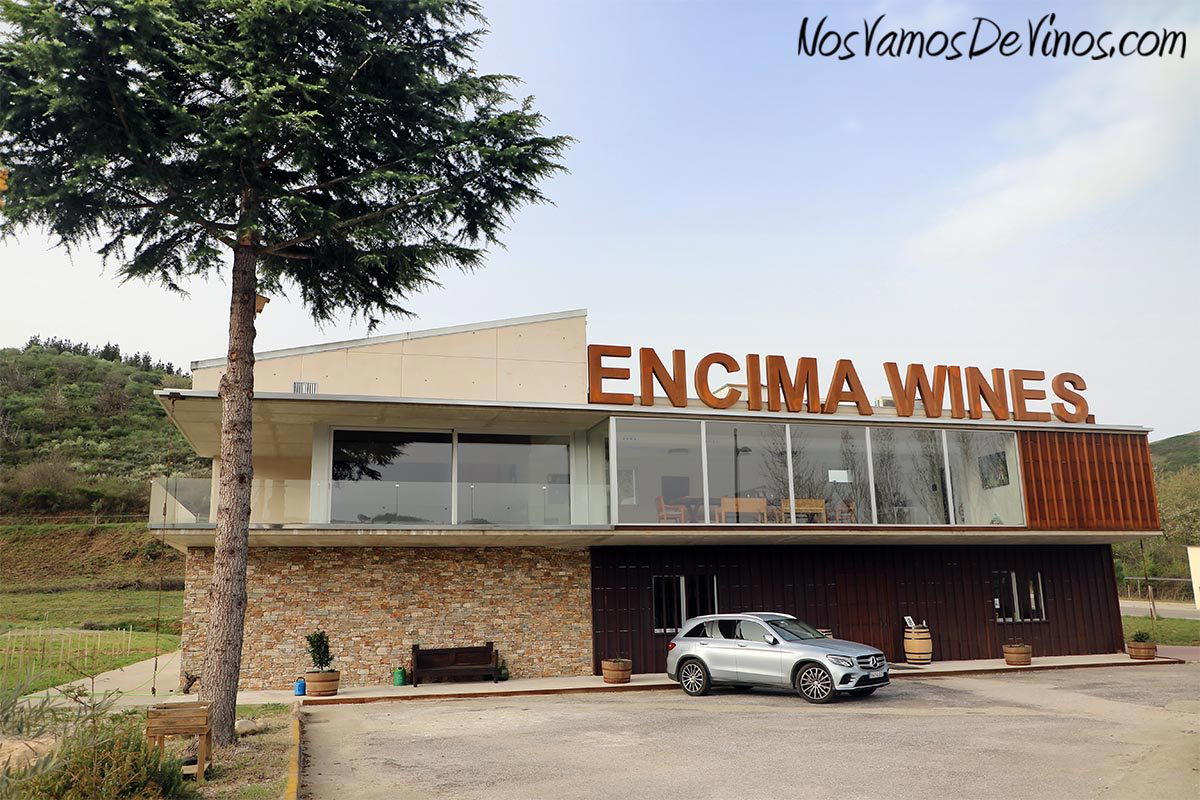
A strong fit for a small, wine-focused Bierzo stop if old-vine Mencía, Godello, and producer-led tastings matter more than a polished visitor complex. The $$$ positioning and Falstaff 2 Stars signal a serious cellar, but plan carefully: this is better for a date or small celebration than a casual walk-in group outing.
Bodegas Vetus
Villabuena Del Puente, Spain
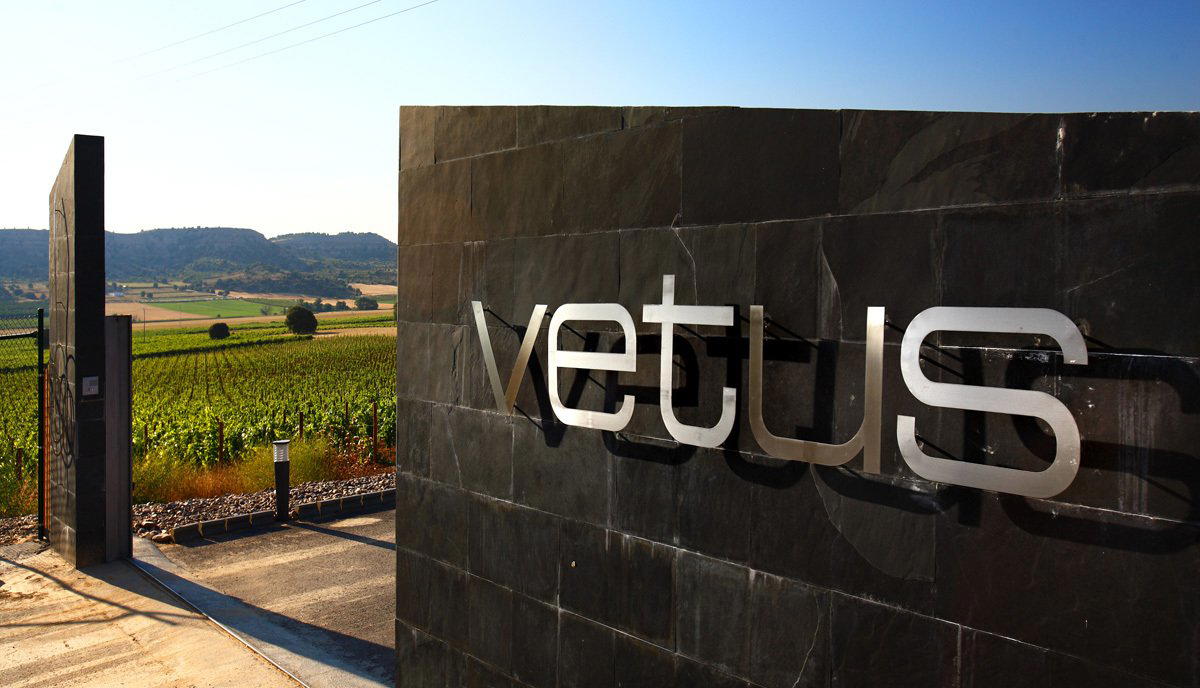
Bodegas Vetus is worth planning around if you want a serious, appointment-only Toro estate visit focused on Tinta de Toro, vineyard context, and controlled red-wine power. It is less suited to casual walk-ins or groups seeking a full hospitality setup, but the ridge setting, 20-hectare estate, and Falstaff 4 Stars recognition make it a strong choice for wine-focused travelers.
Henschke
Keyneton, Australia
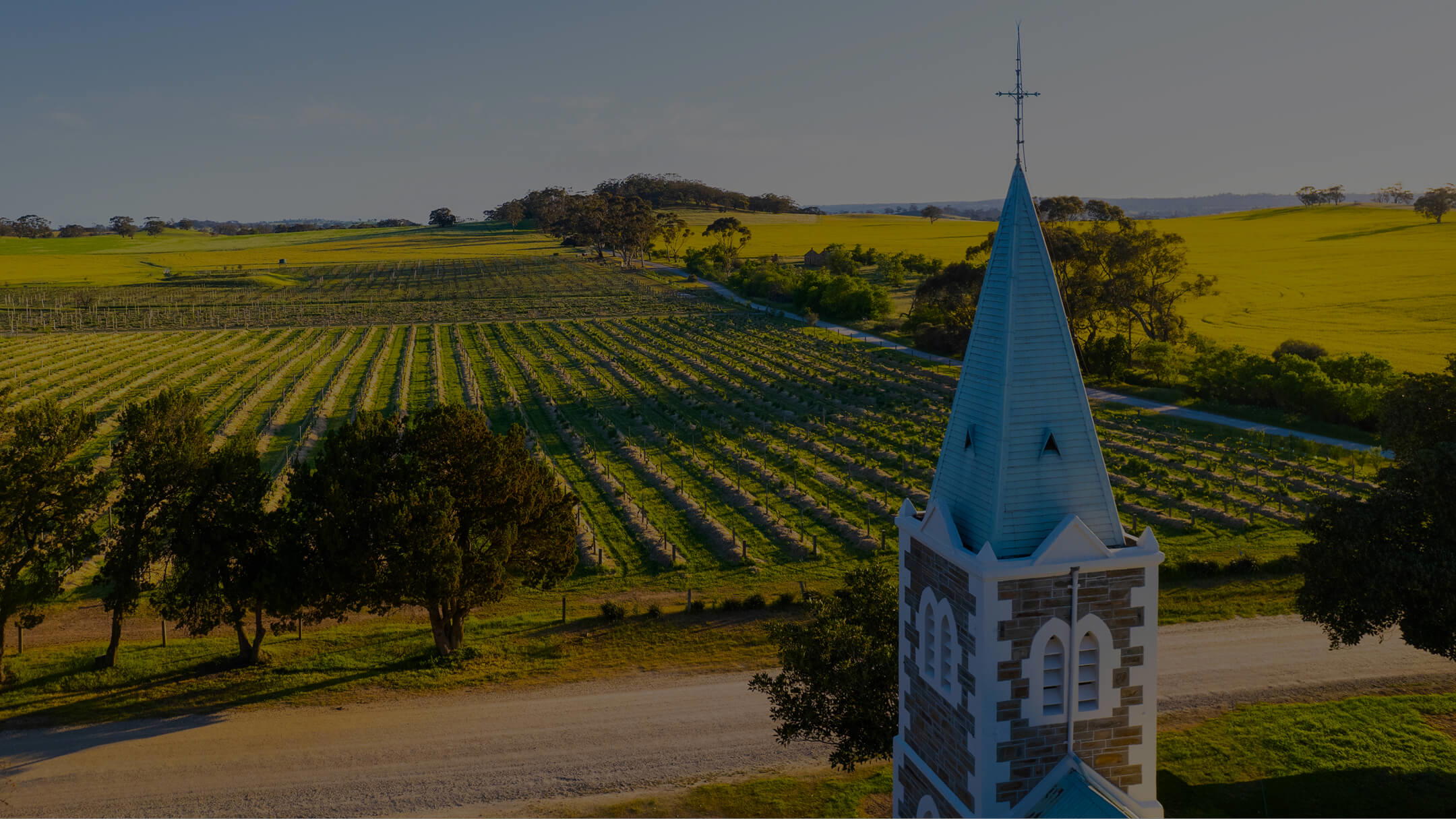
Henschke is the Keyneton pick for a serious wine-led occasion, not the easiest casual winery stop. Prioritise it if access to the producer matters more than flexible logistics; cross-shop Yalumba or Wolf Blass if the group needs a broader, easier day out.
Domaine de Majas
Caudies De Fenouilledes, France
Worth arranging for serious natural-wine drinkers who want a quiet, organic Côtes Catalanes tasting rather than a polished visitor center. Domaine de Majas is strongest for couples or small special-occasion stops focused on terroir, old vines and family-run production; less suited to large groups or travelers who need formal hospitality infrastructure.
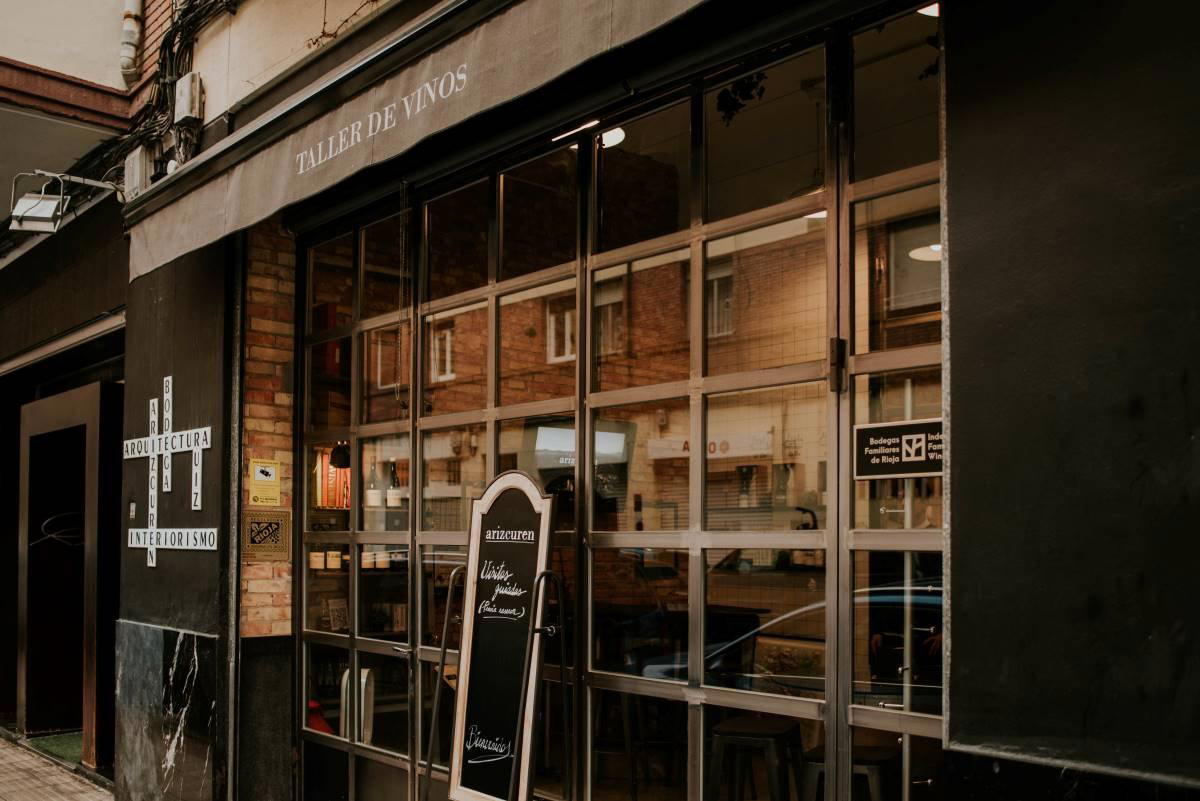
Arizcuren Bodegay Viñedos
Logroño, Spain
A smart pick for wine travelers who want a focused Rioja Oriental tasting without leaving Logroño. Arizcuren Bodegay Viñedos is better for small groups seeking old-vine context, minority varieties, and an educational urban-winery format than for anyone chasing vineyard views or a grand estate experience.
Domaine de Montbourgeau
L Etoile, France
A sensible L’Étoile pick for wine travelers who want Jura context rather than a packaged visitor attraction. Domaine de Montbourgeau is strongest as a focused winery stop, especially for first-timers using the village as an entry point to the appellation. Falstaff listing in 2026 adds a useful recognition signal, but plan flexibly if visitor logistics matter.
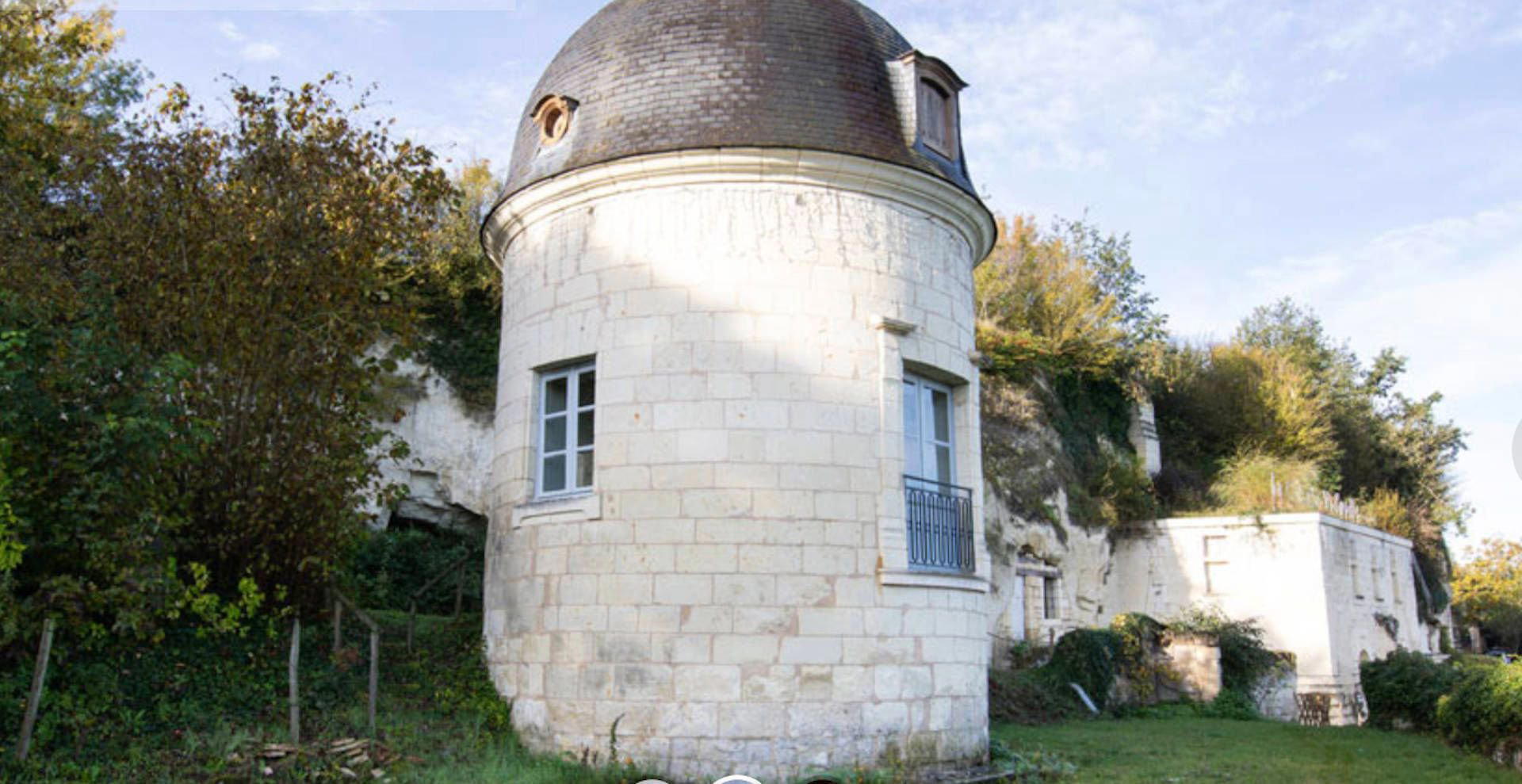
Domaine Filliatreau
Turquant, France
A strong Turquant pick if the winery setting matters: Domaine Filliatreau pairs accessible Saumur and Saumur-Champigny wines with a rock-carved La Grande Vignolle visit. Go for the sensory tour or a small-group tasting; add the charcuterie, cheese, or picnic option only when the visit needs to feel like a longer stop.
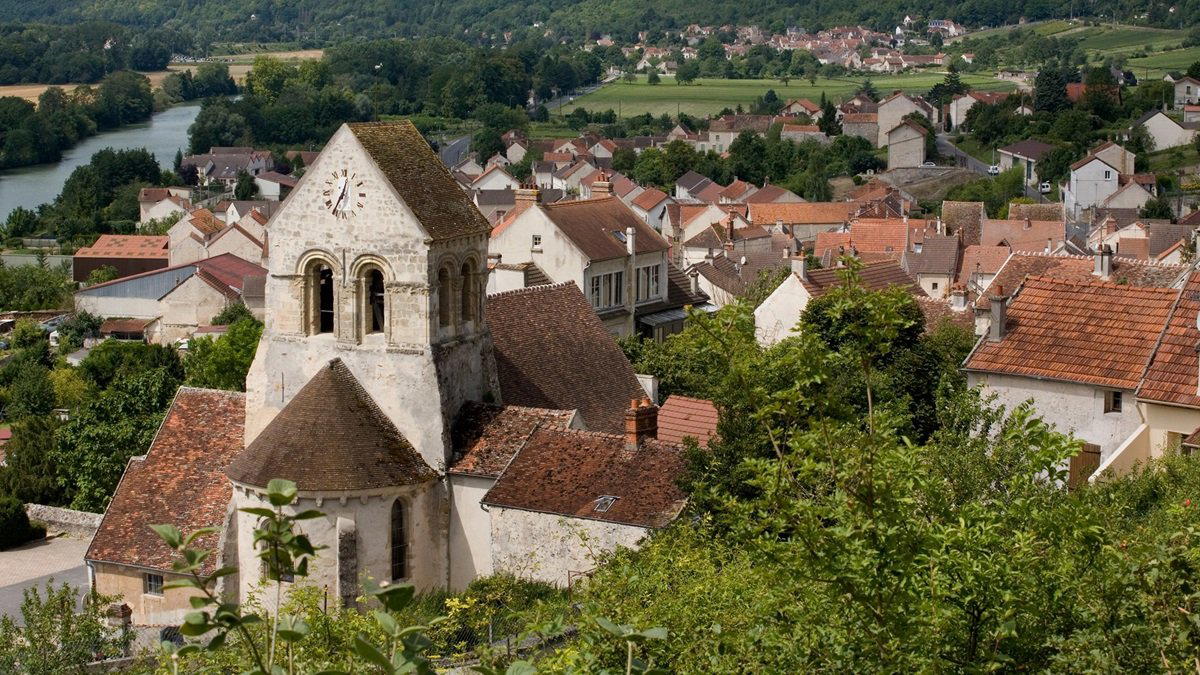
Champagne Françoise Bedel
Crouttes Sur Marne, France
Book Champagne Françoise Bedel if you want a quiet, serious grower-Champagne visit centred on biodynamic farming, Pinot Meunier, and long-aged cuvées. It is better for focused couples or small wine-minded groups than for casual drop-ins or large celebrations needing food service and flexible hospitality.
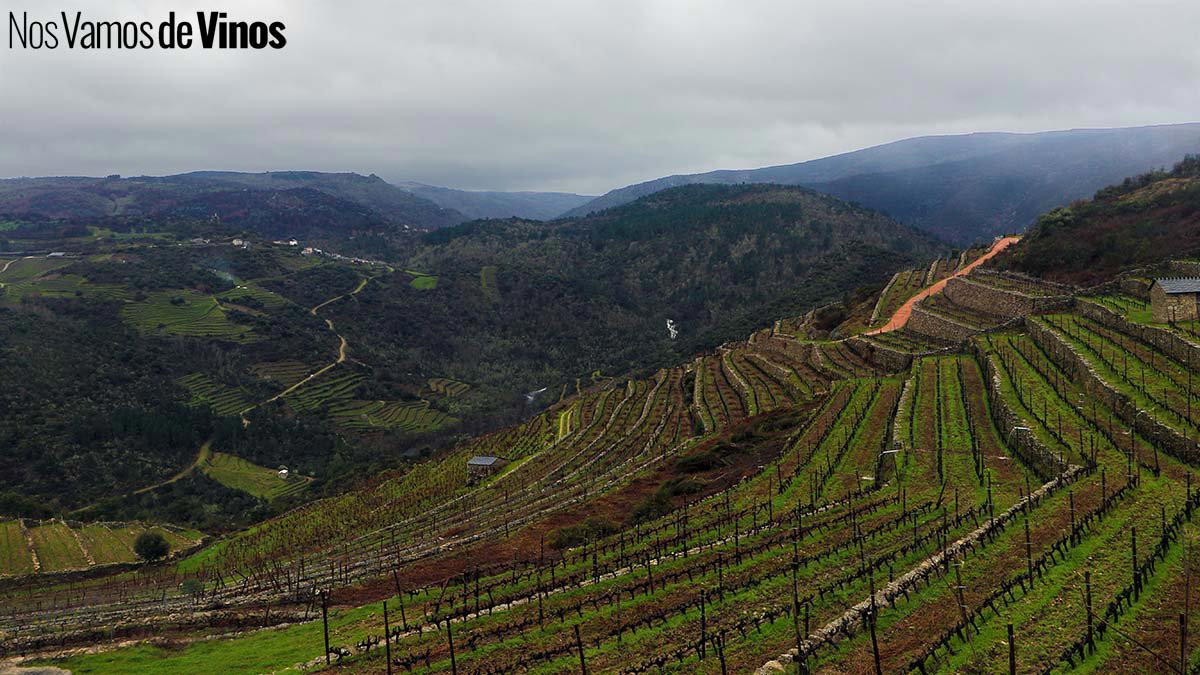
Bodegas Teodoro Recio
La Seca, Spain
A focused choice for travellers who want traditional La Seca Verdejo rather than a polished wine-tourism production. Bodegas Teodoro Recio suits small, wine-curious groups building a Rueda itinerary around family-run estates, rural atmosphere, and varietal clarity. Falstaff 1 Star (2026) gives it a credible quality signal, but the fit is strongest when the wine, not the amenities, is the reason to go.
Finca Sophenia
Tupungato, Argentina
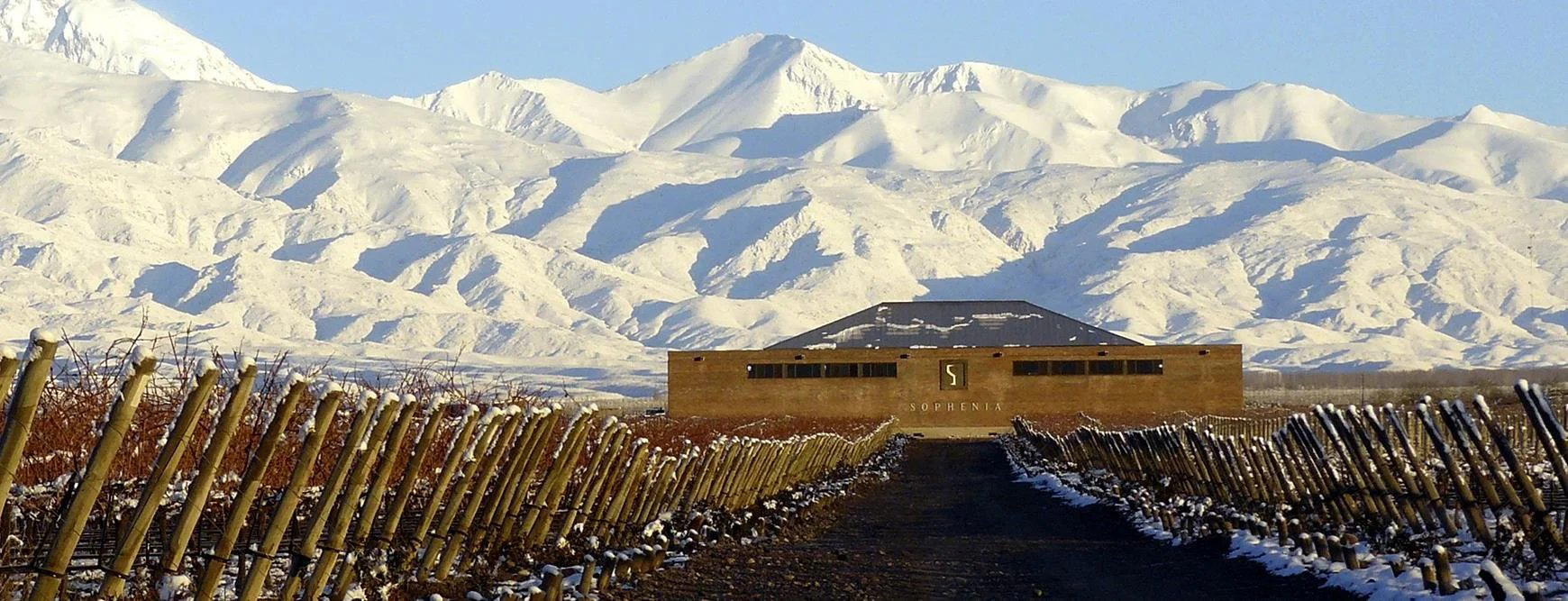
Prioritize Finca Sophenia if your Tupungato day is about a serious Gualtallary wine stop rather than a flexible tasting crawl. Availability is the main constraint, so plan around it early and compare nearby options if the schedule cannot absorb a hard-to-secure booking.
Château La Grave
Badens, France
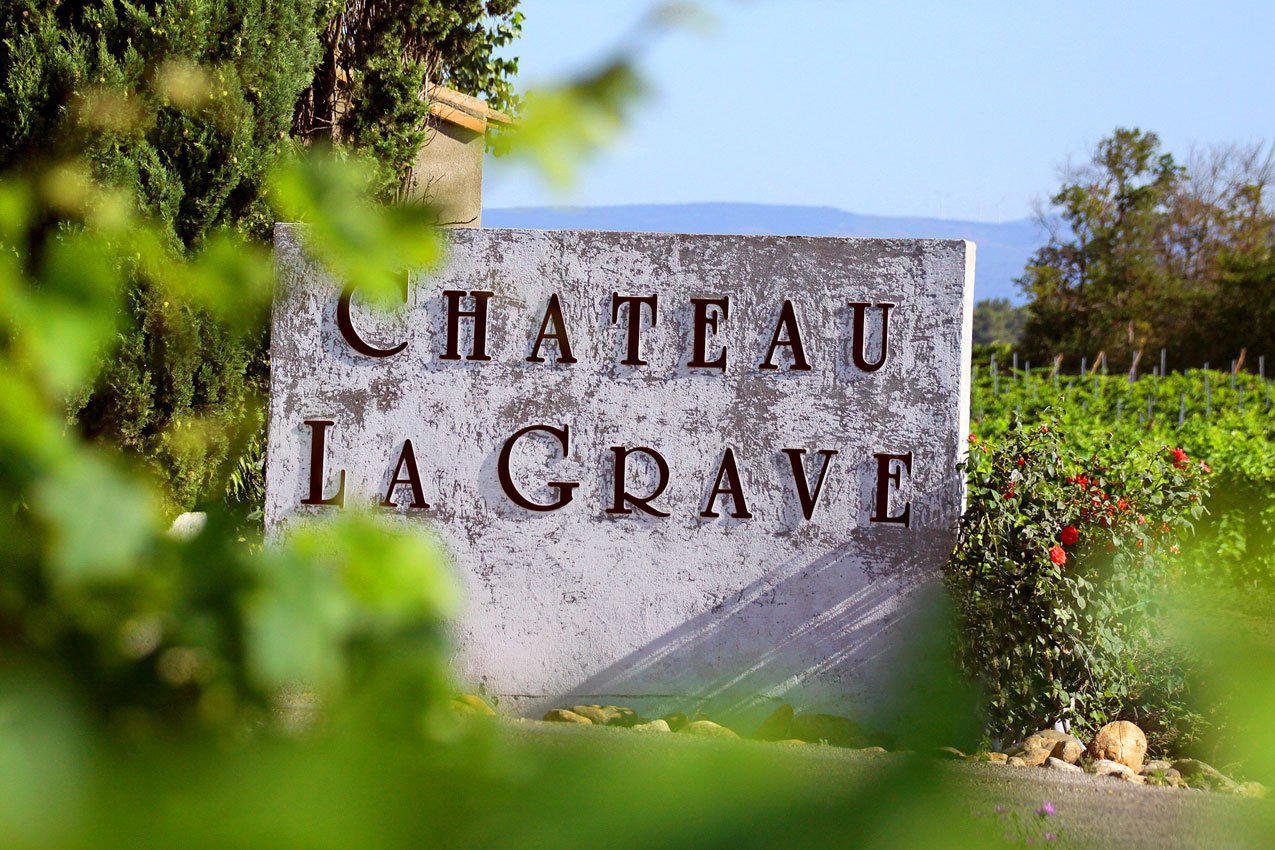
Château La Grave is worth shortlisting for a Badens wine route, mainly because its Falstaff 2026 listing gives it a credible recognition signal. Book with flexible expectations: verified details on tasting format, food, hours, and flagship bottles are not part of the available profile, so it works better as one stop in a broader Occitanie itinerary than as the anchor of a tightly scheduled day.
Castello di Bibbione
San Casciano V P, Italy
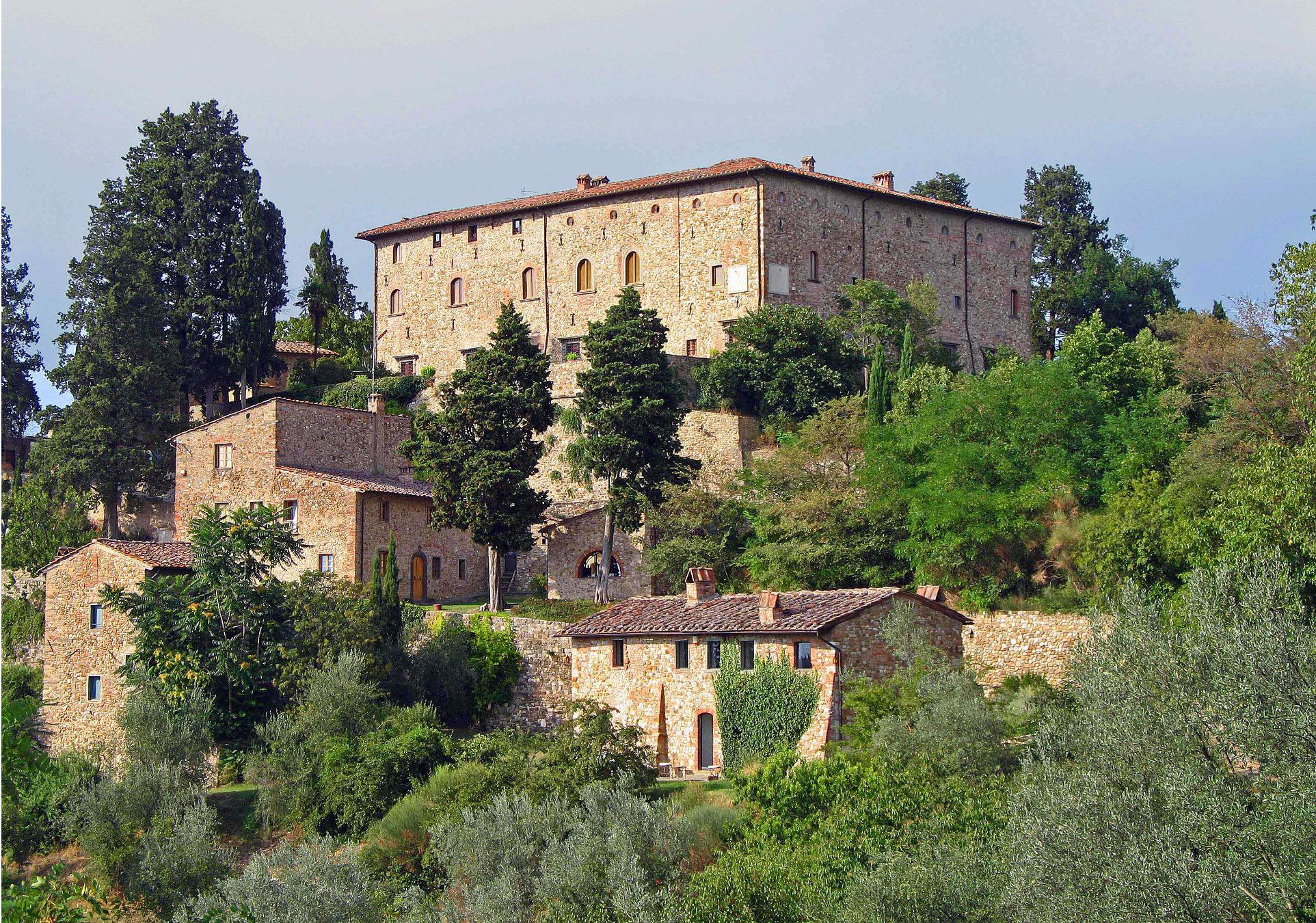
Castello di Bibbione is a strong choice for a romantic or celebration-led Chianti Classico visit, especially if the plan includes time for the castle setting, gardens, and a slower estate experience. At $$$, value depends on booking a guided or more complete visit rather than treating it as a quick tasting stop.
Cavaliere del Garda
Desenzano del Garda, Italy
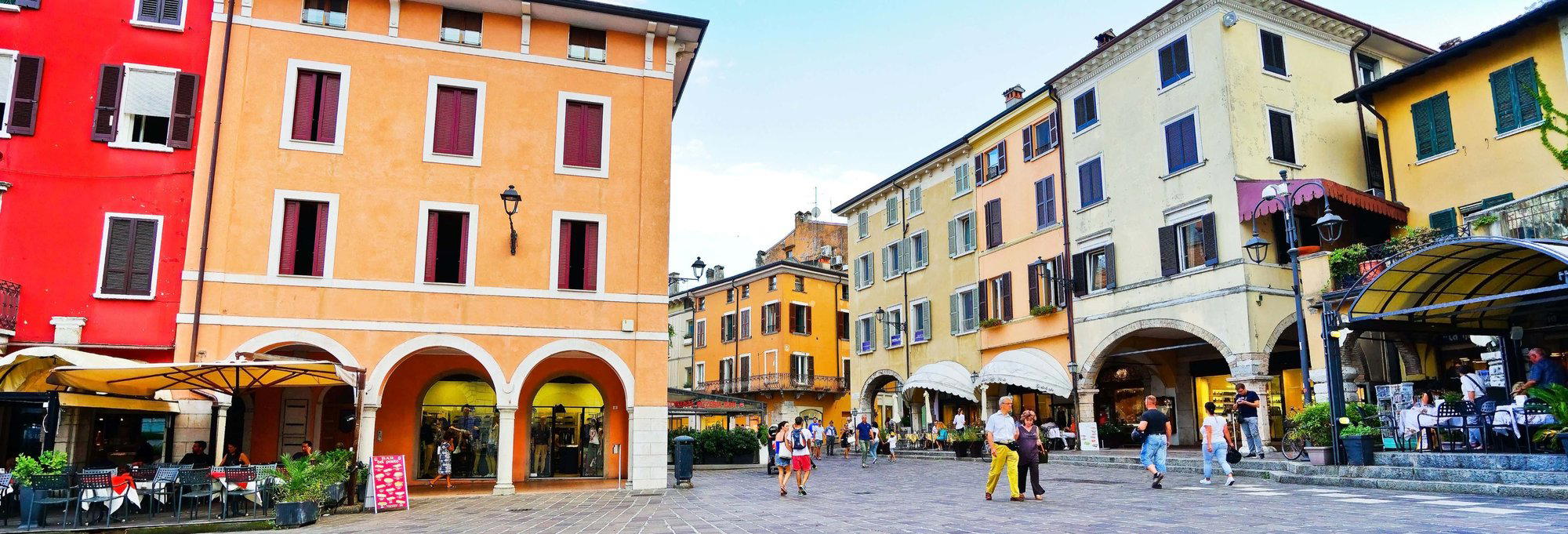
Cavaliere del Garda is a sensible add-on for a Desenzano del Garda wine day, especially if the goal is to taste before deciding what is worth carrying or shipping. Treat it as a flexible stop rather than the main reason to plan a trip, since pricing, hours, food format, and flagship bottles are not published here.
Kattra
Etyek, Hungary
Kattra works for a relaxed Etyek winery stop when the goal is scenery, rustic atmosphere, and easy planning rather than a highly formal tasting. The $$ price tier and Falstaff Listed 2026 recognition make it a credible low-pressure option, but confirm the tasting format if food, private hosting, or a special-occasion structure matters.
Celler Tianna Negre
Binissalem, Spain
Book Celler Tianna Negre if the goal is a focused Binissalem winery visit with organic Mallorcan reds, modern cellar facilities, and a terrace setting. Quattour Insulae is the bottle to pay attention to, while Bocchoris Blanco and Red Velonegre make the tasting more useful for mixed preferences.
Brancott Estate
Riverlands, New Zealand
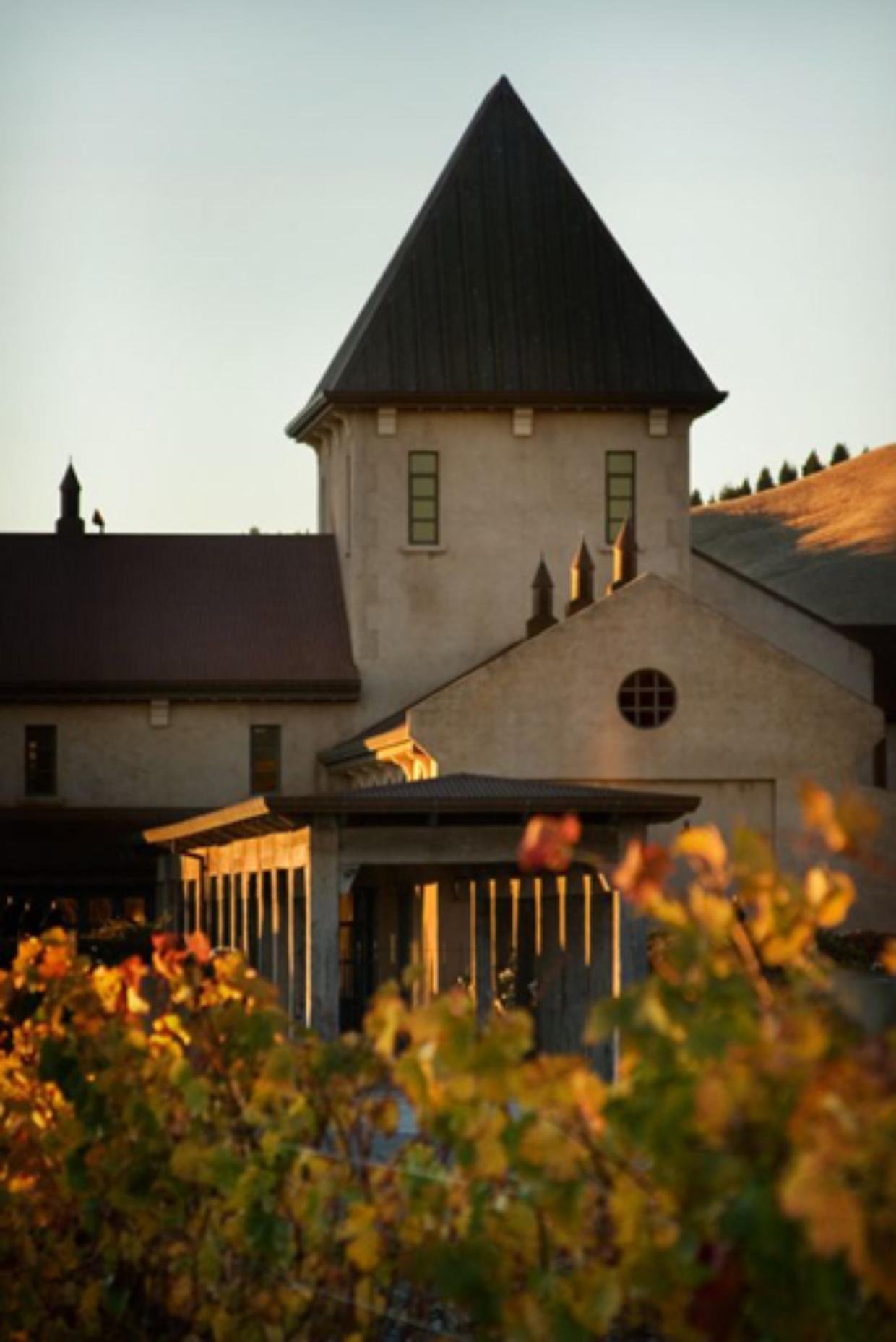
Brancott Estate is the Riverlands pick for travelers who want a recognized Marlborough winery where the estate setting matters as much as the tasting. The Falstaff 2 Stars signal gives it credibility, but the stronger reason to plan around it is the chance to make one winery stop feel like a proper destination rather than a quick pour.
Hangartner Weinbau
Eglisau, Switzerland
Hangartner Weinbau works if the goal is to explore Eglisau’s Zürich-region wine scene, especially still wines and sparkling wines. It is not the right choice to join blind as a wine club or allocation commitment; taste first, then decide once pricing, release access, and visit format are clear.
Château Chadenne
Fronsac, France
Book Château Chadenne if you want classic Fronsac red Bordeaux with a value-first Right Bank angle. It suits cellar-minded buyers, celebration bottles, and structured red-wine drinkers better than visitors looking for a highly programmed tasting-room experience.
Enrico Serafino
Canale, Italy
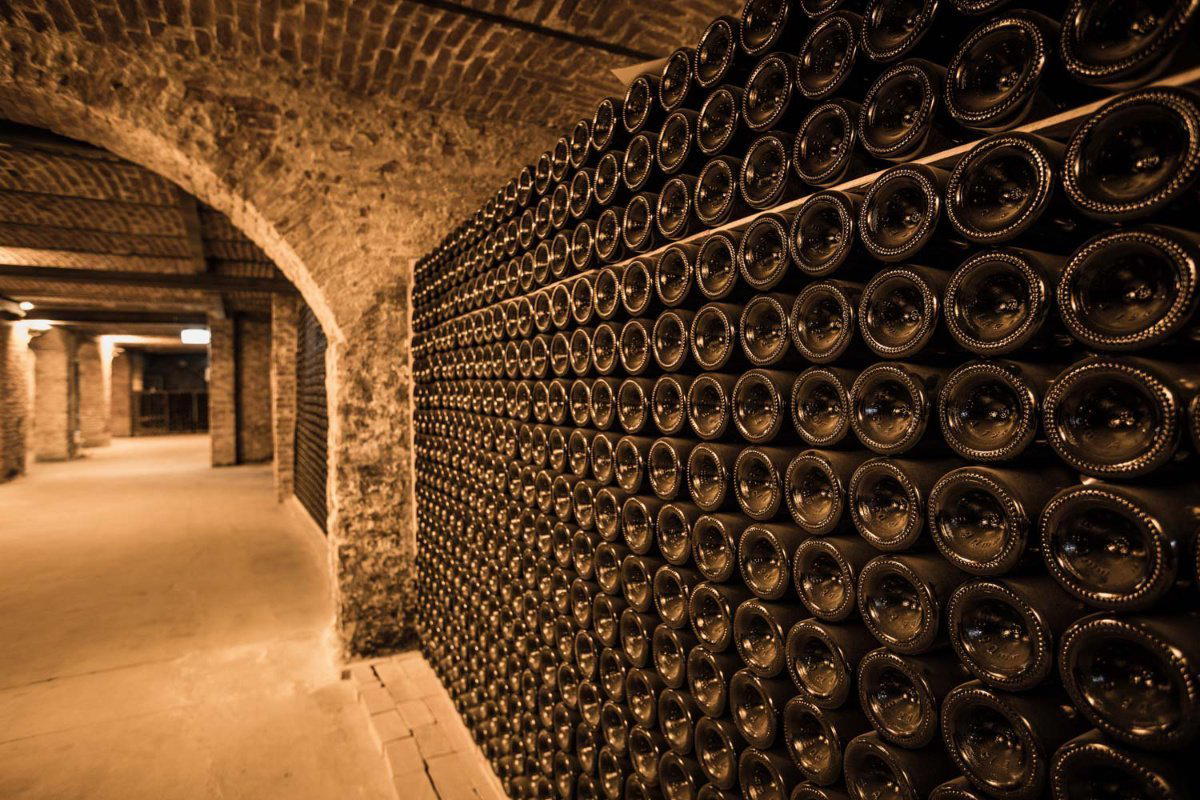
Book Enrico Serafino if you want a polished Canale winery tasting with real Piedmont range: Nebbiolo, Barolo-Barbaresco context, and Metodo Classico under one historic roof. It is strongest for couples, celebrations, and mixed-knowledge groups who want a calm cellar-led experience rather than a casual drop-in tasting.
Azienda Agricola Rivetti Massimo
Neive, Italy
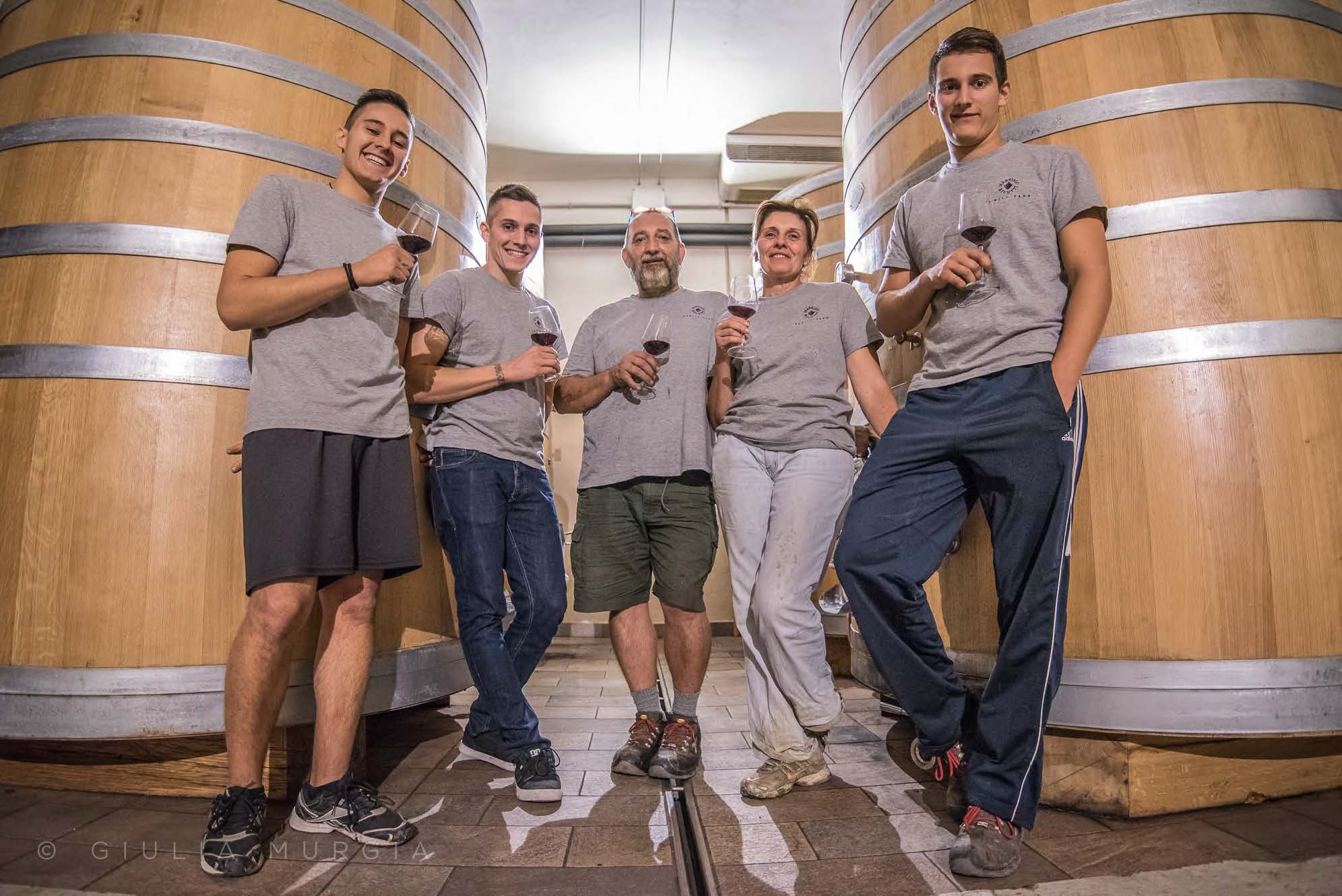
Azienda Agricola Rivetti Massimo is a credible Neive wine stop for travelers building a focused Langhe itinerary, especially if the goal is a quieter producer visit rather than a high-polish hospitality experience. Falstaff Listed in 2026, it is worth considering, but plan around confirmed visit details before making it the centerpiece of a special occasion.
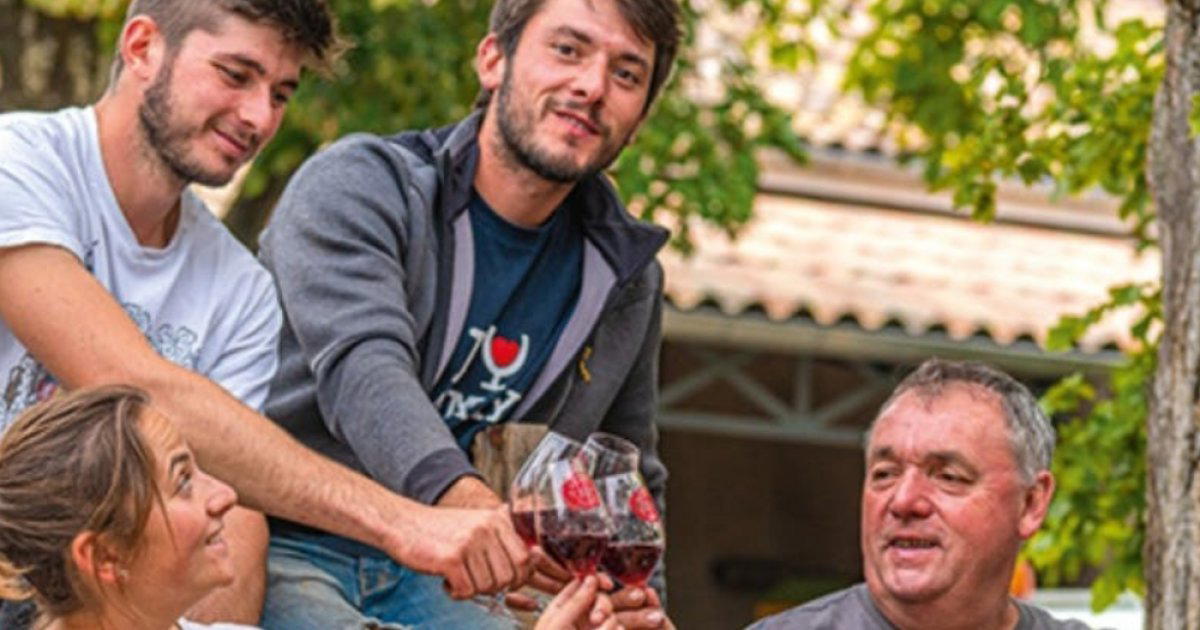
Domaine de la Grand'Cour
Fleurie, France
Domaine de la Grand'Cour is worth seeking out if organic Fleurie Gamay, old vines, and low-intervention winemaking matter more than polished visitor amenities. The value is strongest in the bottles, especially for buyers who want Burgundy-adjacent detail without jumping into much higher pricing. Treat any visit as producer-led and appointment-dependent, not a casual tasting-room stop.
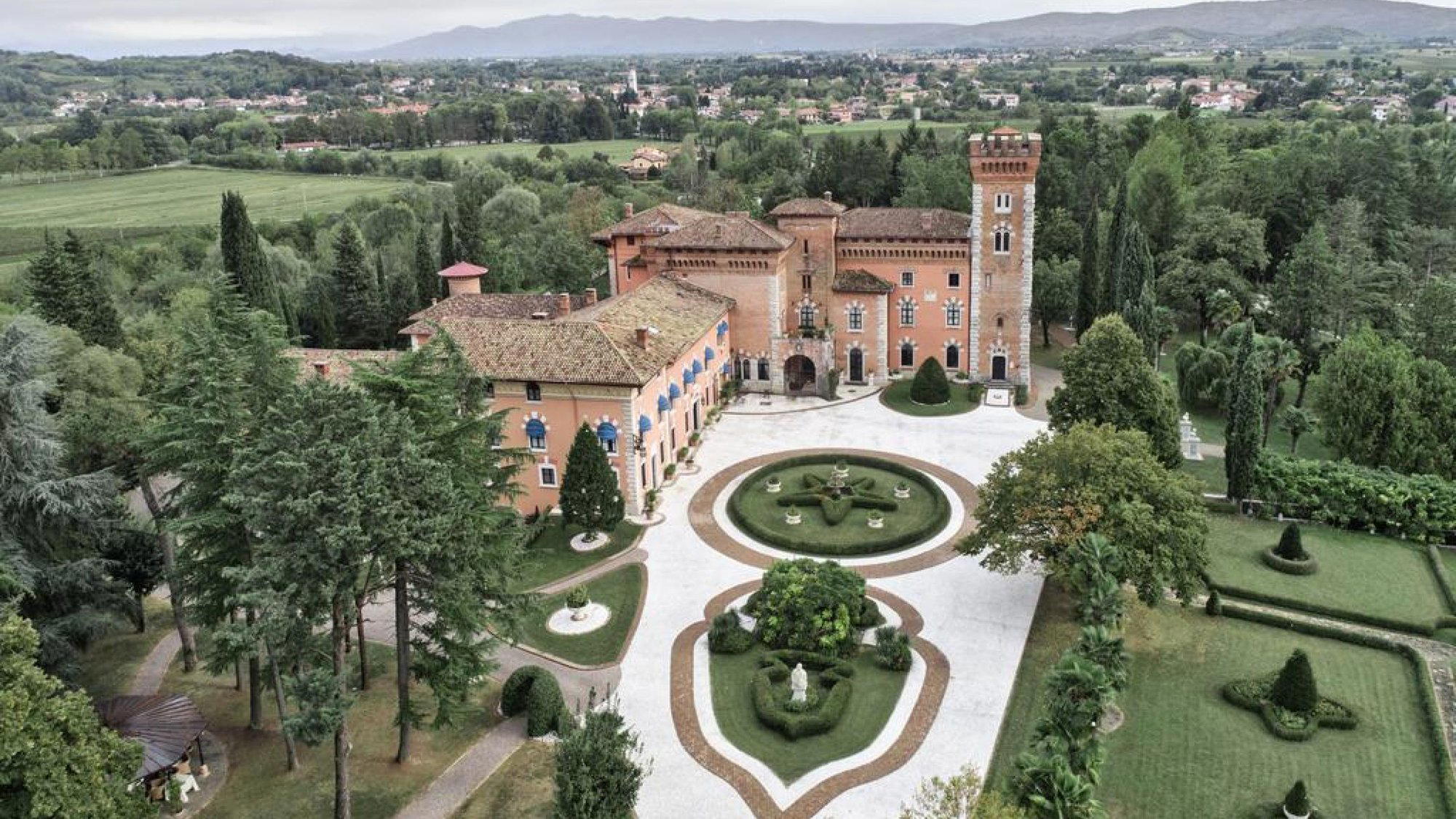
Castello di Spessa
Capriva Del Friuli, Italy
Castello di Spessa is worth planning around if you want a Collio winery visit where the castle, gardens, cellars, and bunker add real context to the tasting. It is better for a deliberate wine-country stop than a casual drop-in, with a luxury price signal, smart casual dress, and strongest appeal for travelers interested in Friuli whites and estate heritage.
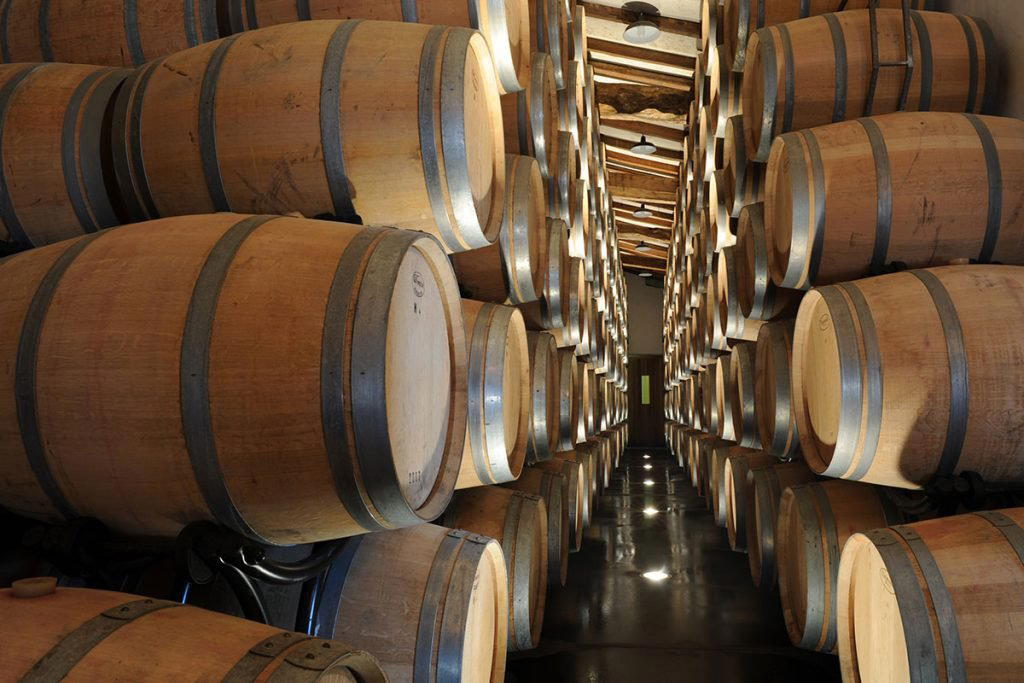
Château Roquetaillade La Grange
Mazeres, France
Château Roquetaillade La Grange works for a wine-focused Mazères stop, especially if the plan is a Graves tasting day rather than a fully serviced château experience. Its 2026 Falstaff listing gives it a useful quality signal, but with few public practical details, it is better suited to flexible couples or small groups than rigid large-party planning.
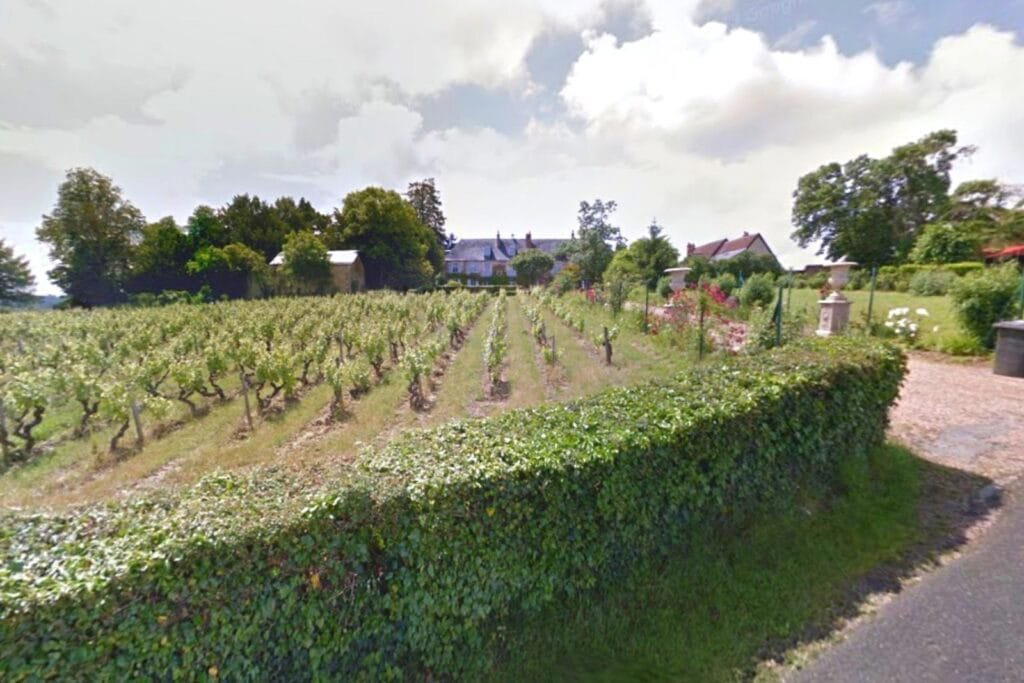
Domaine Vigneau Chevreau
Chancay, France
Book this for a compact, high-value Vouvray cave visit rather than a formal winery production. Domaine Vigneau Chevreau is strongest for Chenin Blanc range, biodynamic farming credentials, and the tuffeau cellar setting; it works well for couples or small wine-minded groups who want a practical tasting with a clear sense of place.
Champagne EPC
Vindey, France
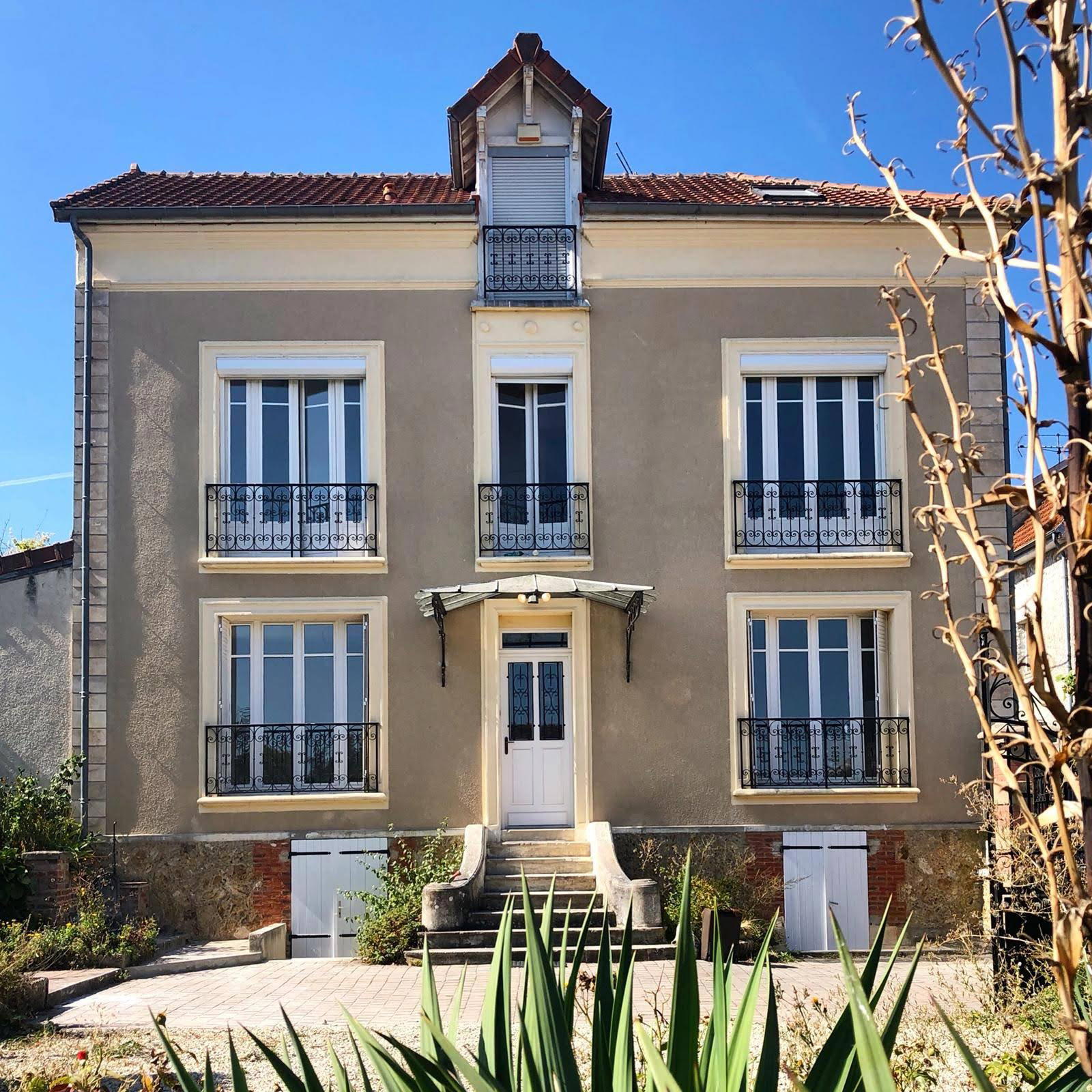
A restored countryside house in Vindey gives Champagne EPC a more personal feel than a formal Champagne visitor circuit. Go if you want a relaxed, appointment-led tasting with village context, grower-collaboration detail, and a casual atmosphere; skip it if you need fixed hours, a large public tasting room, or a conventional grand-house experience.
Château Bel-Air
Pomerol, France
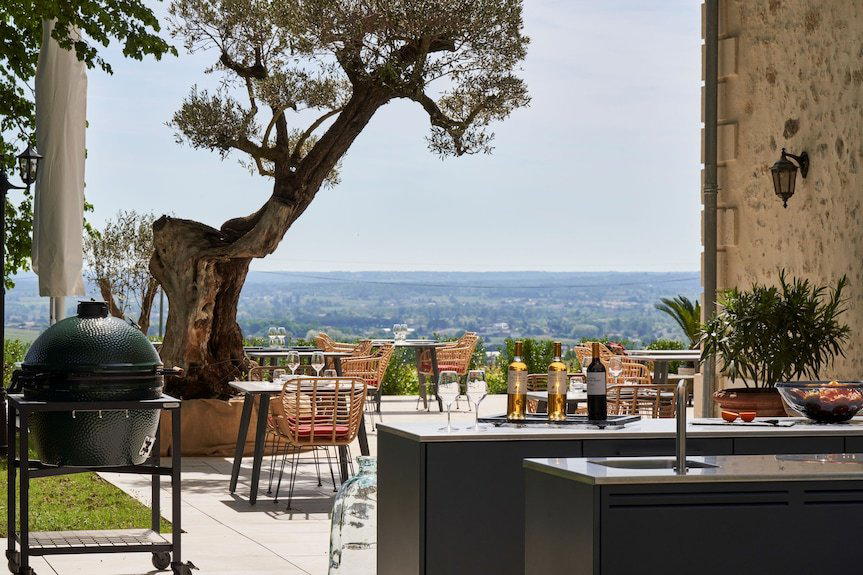
Book Château Bel-Air if the priority is a serious, wine-led Pomerol stop with family continuity and a Merlot-dominant Right Bank profile. It is better suited to focused tastings, anniversaries, and business wine days than to groups looking for a heavily packaged visitor experience with published hospitality details.
How many of these have you visited?
Find out on Pearl and keep score across every place in 2026 Falstaff Winery Guide.