
Angove Family Winemakers
Renmark
Winery in Renmark, Australia
 Book with Pearl
The Read
Murray Riverland Generational Viticulture
Price
$10–20tasting
Why go
Choose Angove Family Winemakers when the priority is a wine-led Renmark stop rather than a full dining itinerary. It works best as the anchor of a Riverland tasting day, with St Agnes Distillery or Twenty Third Street Distillery as better add-ons for groups that want spirits as well as wine.
About Angove Family Winemakers
For a first Renmark stop focused on Angove Family Winemakers, plan around the essentials rather than assume a full dining or programmed experience. Treat it as a Renmark visit centred on the venue, and check practical details directly before building the rest of the day around it.
The appeal is decision clarity: Angove Family Winemakers is best considered for its identity and Renmark setting. Avoid making it the only meal-dependent plan of the day. The dress code is casual, and the venue is recognised with Pearl 3 Star Prestige (2025).
Use it as the Renmark anchor, not the whole itinerary
Renmark works well when the day is planned with practical flexibility. If Angove Family Winemakers is the priority, keep the surrounding schedule simple and check visit details in advance. If the group wants to compare different named stops, St Agnes Distillery and Twenty Third Street Distillery can be considered as separate options rather than assumptions about the same kind of experience.
For a broader trip, separate the Angove Family Winemakers visit from the practical parts of the stay. Use current Renmark dining information for meal planning, Renmark accommodation information for overnight options, and other planning resources if the trip needs more than one stop.
Who should choose this over a wider detour
Choose Angove Family Winemakers when Renmark is already part of the plan and the group wants a visit tied to this specific venue. Henschke, Yalumba, and Sami-Odi may suit travellers building a wider itinerary around multiple named stops; Angove Family Winemakers is the more direct fit when the focus is Renmark.
The caution is expectation-setting. Value comes from fit rather than extras: it suits a visitor who wants to include Angove Family Winemakers in a Renmark plan, not a group that needs a set dining format or a long programmed experience.
How to widen the route if Renmark is only one stop
If this visit is part of a wider Australian itinerary, compare Angove Family Winemakers with other named venues as separate trip decisions rather than substitutes for a Renmark plan. Henschke, Yalumba, Sami-Odi, St Agnes Distillery, and Twenty Third Street Distillery can each be considered on their own terms, with Angove Family Winemakers remaining the Renmark focus here.
Planning details
- Location
- 271 Bookmark Ave, Renmark South SA 5341
- Website
- angove.com.au
- Phone
- +61 8 8580 3100
The take
The Take
The Vibe
Angove Family Winemakers reads as a historically grounded Riverland producer with deep institutional roots. The narrative centers on landscape and production rather than flash; warm, dry growing seasons and long ripening shape wines with concentrated, approachable fruit. The tone is informed and regional — this is a place defined by irrigation schemes, the Murray River and pragmatic viticulture. Recognition such as the Pearl 3 Star Prestige rating underscores a quietly serious commitment to quality within a region better known for volume than fine-wine cachet. Overall the impression is of a heritage-minded operation embedded in its working agricultural landscape.
Best For
This operation suits people interested in regional wine styles and the practicalities of warm-climate viticulture. It is well matched to educational visits and small group outings focused on terroir, varieties and vineyard practice, and to family groups looking to understand how the Murray River shapes wine production in the Riverland. The Pearl 3 Star Prestige recognition makes Angove relevant to anyone seeking producers that bridge volume heritage and higher-tier quality, so it appeals to learners, regional explorers and those tracing Australian wine history rather than those seeking a purely scenic or hospitality-first destination.
Tasting Tips
When exploring Angove bottlings, prioritize wines that reflect Riverland’s hallmark traits—ripe, concentrated fruit and a sense of warmth rather than the leaner profiles of cooler regions. Look for any Pearl 3 Star Prestige–labelled releases as indicators of the estate’s higher-quality tiers. Ask about the varieties the winery commits to and how canopy and irrigation influence ripeness and texture; those answers clarify stylistic intent. Comparisons with wines from cooler South Australian regions (Adelaide Hills, Coonawarra) help highlight what makes the Riverland expression distinct.
Venue details
Ambiance
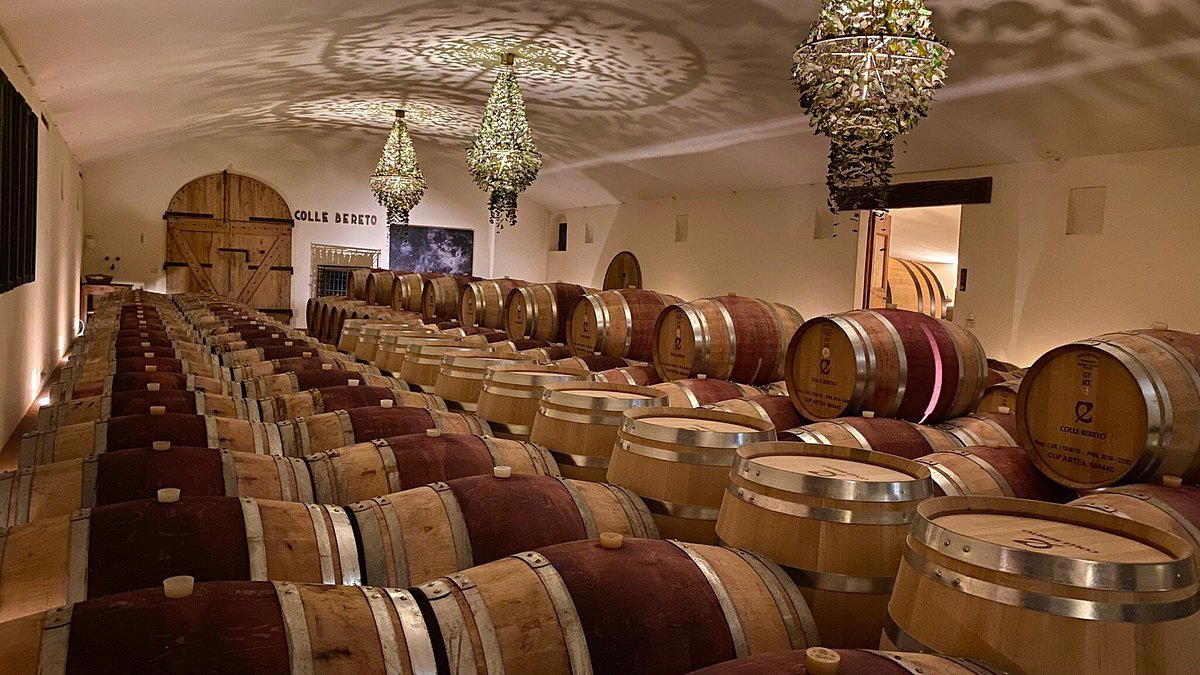
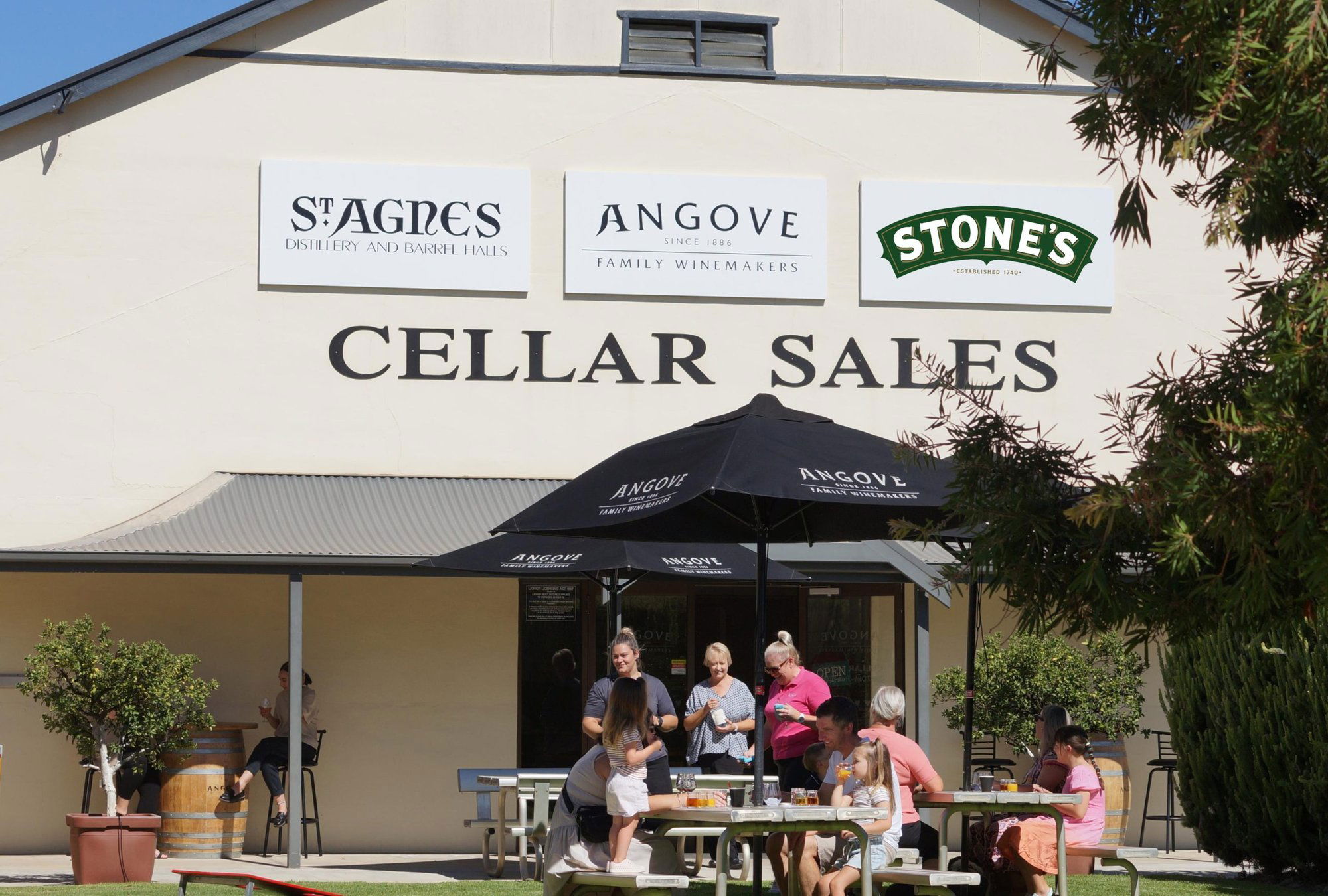
Historic working winery atmosphere in the heart of the Riverland with a focus on family-friendly tastings and premium organic wines.
Tags
Vibe
Best For
Experience
Sourcing
View
Accessibility
At the Vineyard
- Appellation
- Riverland
- Varietals
- Shiraz, Chardonnay, Grenache, Chenin blanc, Sangiovese
- Tour Duration
- 45 minutes
- Visits
- Walk-ins welcome
- Farming
- Organic
- Production
- Large producer
- Wine Styles
- Still Red, Still White, Still Rose, Sparkling
- Shipping
- Available
- Wine Club
- Not available
Know before you go
Know Before You Go
- Getting there
- 271 Bookmark Ave, Renmark South SA 5341
Planning details
Location
Recognition and awards

Also consider
Also Consider
- St Agnes Distillery, Notable alternative
- Twenty Third Street Distillery, Notable alternative
- Henschke, Notable alternative
- Yalumba, Notable alternative
- Sami-Odi, Notable alternative
Winery context
How it compares in and beyond Renmark
Against St Agnes Distillery and Twenty Third Street Distillery, Angove Family Winemakers is the wine-first choice. Pick it when the group wants a producer-led winery stop; choose the distilleries when spirits, cocktails, or a less wine-specific tasting format will keep more people engaged.
Henschke, Yalumba, and Sami-Odi are stronger fits for travellers building a whole itinerary around benchmark wine names outside Renmark. For a Riverland-based day, Angove is the more convenient anchor; for a destination wine trip where travel time is part of the plan, cross-shop those larger out-of-metro names first.
On value, the decision is less about a published price and more about itinerary efficiency. If staying in Renmark, this is the lower-friction wine option. If availability is tight or the group wants a different tasting mood, St Agnes Distillery and Twenty Third Street Distillery are the practical local backups.
Explore Renmark
Around this place
Discover more on Pearl
Unlock the full Angove Family Winemakers guide in Pearl, including awards, comparisons, FAQs, planning details, and nearby places.
Compare Angove Family Winemakers
| Venue | Location | Awards |
|---|---|---|
| Angove Family Winemakers | Renmark | 2026 Falstaff Winery Guide |
| St Agnes Distillery | Renmark | No published awards |
| Twenty Third Street Distillery | Renmark | No published awards |
| Henschke | Keyneton | 2026 Falstaff Winery Guide2025 World's 50 Best Vineyards · #472025 Pearl 3 Star Prestige2023 World's 50 Best Vineyards · #262022 World's 50 Best Vineyards · #362021 World's 50 Best Vineyards · #252020 World's 50 Best Vineyards · #25 |
| Yalumba | Eden Valley | 2026 Falstaff Winery Guide |
| Sami-Odi | Barossa Valley | No published awards |


How Angove Family Winemakers Renmark compares with similar nearby venues.
FAQ
Frequently Asked Questions
How long should I plan for a visit to Angove Family Winemakers?
Plan with flexibility rather than assuming a fixed visit length. Angove Family Winemakers is in Renmark, has a casual dress code, and holds Pearl 3 Star Prestige (2025); check current timing and visit arrangements directly before you go.
Does Angove Family Winemakers offer delivery or shipping?
Does Angove Family Winemakers serve food?
Do not assume a food program is part of the visit. Make separate meal plans in Renmark if food is important.
Does Angove Family Winemakers offer memberships or visitor programs?
If memberships or visitor programs matter to you, check directly with Angove Family Winemakers and decide based on the current terms rather than assuming a standing program.
When is the best time to visit Angove Family Winemakers?
Go when your day is already pointed toward Renmark and check current visit details in advance. The safest plan is to check directly before setting your itinerary.