
Finca Sophenia
Gualtallary, Tupungato
Winery in Tupungato, Argentina
 Book with Pearl
The Read
Gualtallary Altitude Viticulture
Why go
Prioritize Finca Sophenia if your Tupungato day is about a serious Gualtallary wine stop rather than a flexible tasting crawl. Availability is the main constraint, so plan around it early and compare nearby options if the schedule cannot absorb a hard-to-secure booking.
About Finca Sophenia
Finca Sophenia is a Pearl 2 Star Prestige venue in Tupungato for 2025. Dress smart casual.
Prioritize this for a focused Tupungato plan
For travelers building a Tupungato itinerary, Finca Sophenia can be considered alongside Andeluna Cellars, Domaine Bousquet, Rutini Wines (La Rural), and Sitio La Estocada. Use current availability and logistics to decide how it fits into the day.
Treat visit details as subject to direct confirmation. The key planning points are the venue name, Tupungato location, smart casual dress code, and Pearl 2 Star Prestige recognition for 2025; more specific planning details should come from the venue's current channels.
The value question comes down to fit
For pricing, menus, hours, and service format, check current details with the venue. Consider Finca Sophenia if its Tupungato location and Pearl 2 Star Prestige recognition match the kind of stop you want to prioritize. For hotels and broader planning around the same base, use the Tupungato hotels guide and confirm venue-specific details separately.
If you are comparing options, keep the comparison simple and grounded: Andeluna Cellars, Bodega La Azul, Domaine Bousquet, Rutini Wines (La Rural), and Sitio La Estocada are natural names to review alongside Finca Sophenia, depending on confirmed availability and the shape of your itinerary.
Planning details
- Location
- Km 12.5, Ruta 89, M5561 Tupungato, Gualtallary, Mendoza
- Website
- sophenia.com.ar
- Phone
- +54 2622 59-6011
The take
The Take
The Vibe
Finca Sophenia reads as an intimate, terroir-forward estate where altitude and geology set the tone. The property sits at Km 12.5 in Gualtallary, surrounded by calcareous, thin soils and high-elevation blocks; those conditions shape both the wines and the visitor experience. Tastings are framed as close, focused encounters with vineyard specifics rather than broad tourist-facing presentations. That combination—remote high-altitude setting, direct proximity to vines, and a conversational tasting format—creates a quietly intense, intimate vibe aimed at guests who want to understand how place influences wine.
Best For
This is a destination for people who come to learn. The tasting culture at Sophenia favors small groups and extended discussion about vineyard parcels, making it ideal for wine education and focused solo exploration. Travelers interested in altitude-driven viticulture, soil expression, and the nuances of Gualtallary will find the setting especially rewarding. Because the estate places guests close to the vines and highlights block-level differences, visitors who prefer thoughtful, slower-paced tastings over buzzy, high-volume winery tours will get the most from a visit.
Tasting Tips
Book with the intention of a focused tasting and ask about visits that bring you near the estate blocks. The property emphasizes smaller-group formats and conversation about vineyard specifics, so request a tasting that includes block-level interpretation or a walk among the vines if available. Come prepared to talk terroir—questions about elevation, soil, and diurnal range will yield substantive answers. Avoid assuming a large, tourist-style tasting; the experience here rewards curiosity and time rather than a quick walkthrough.
Venue details
Ambiance
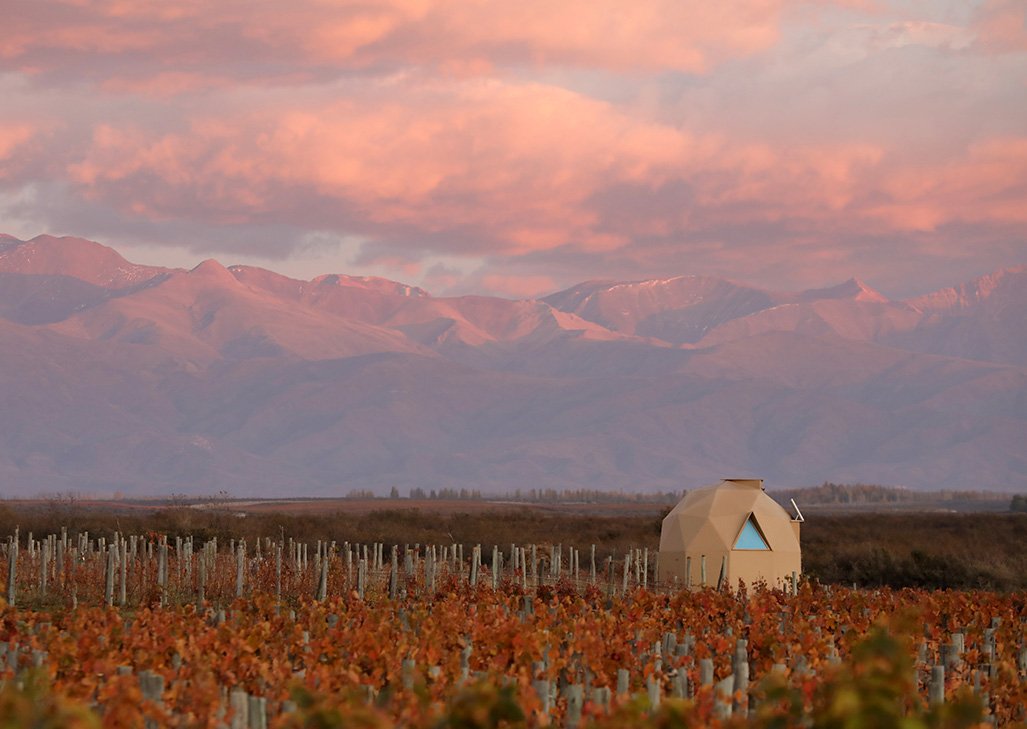
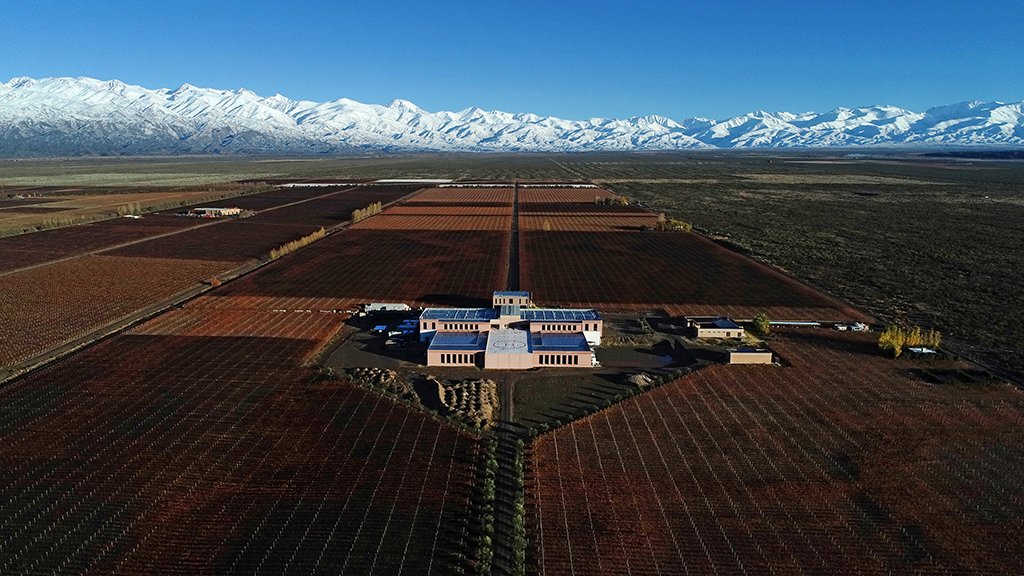
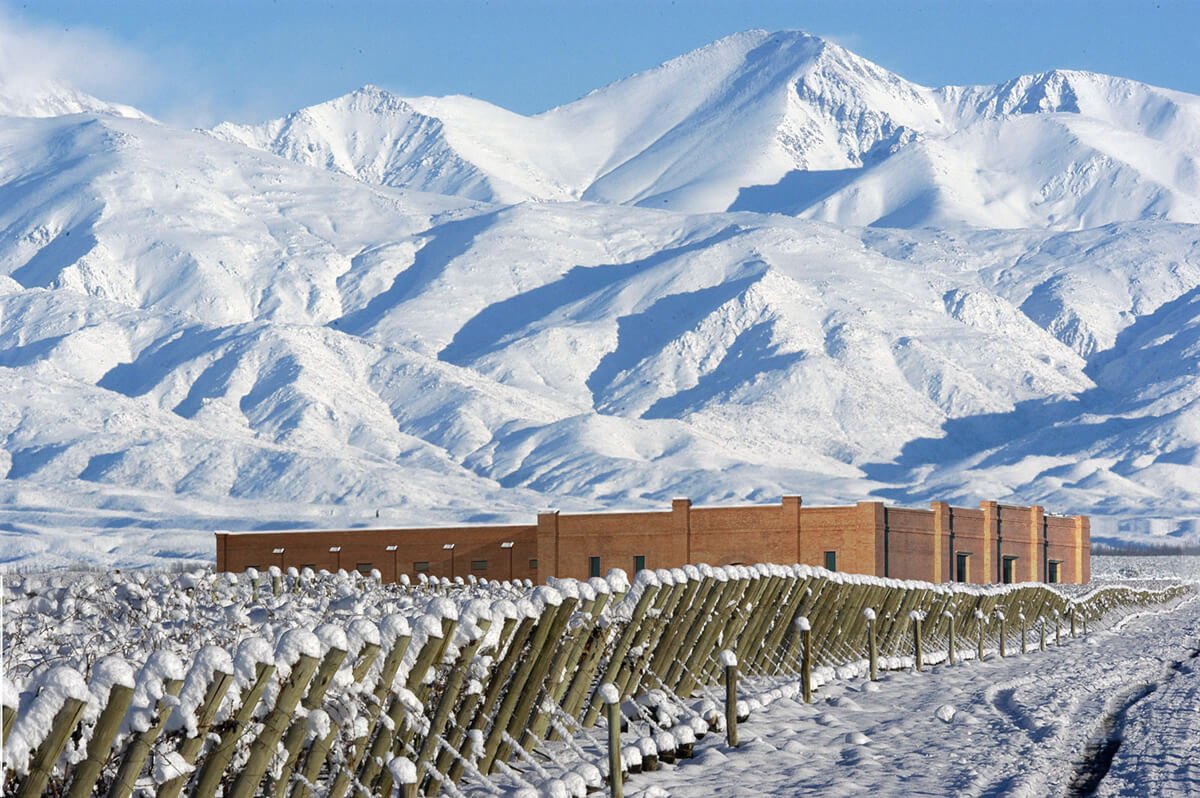
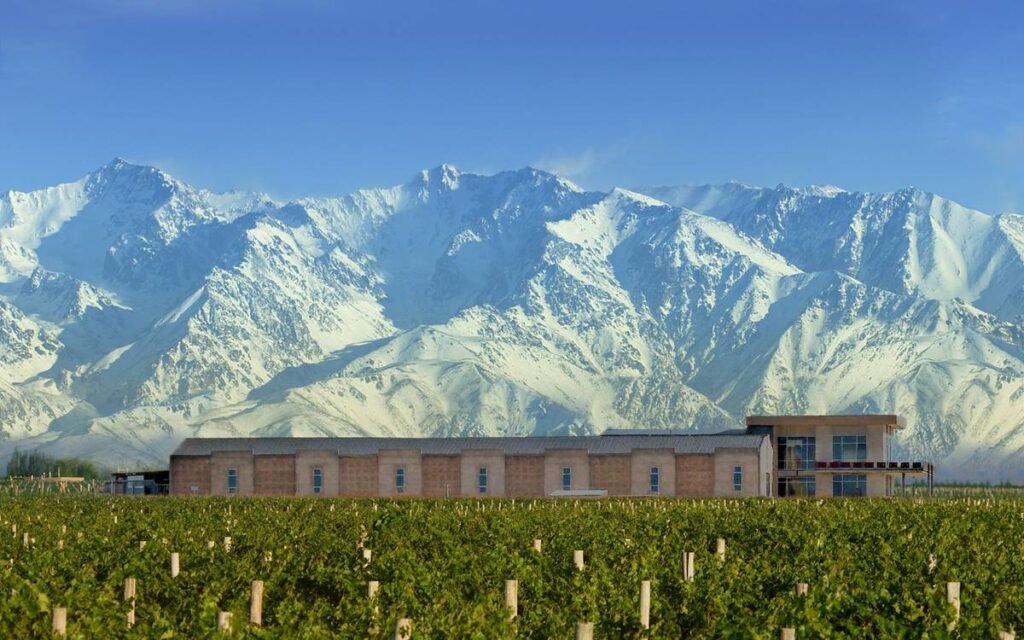
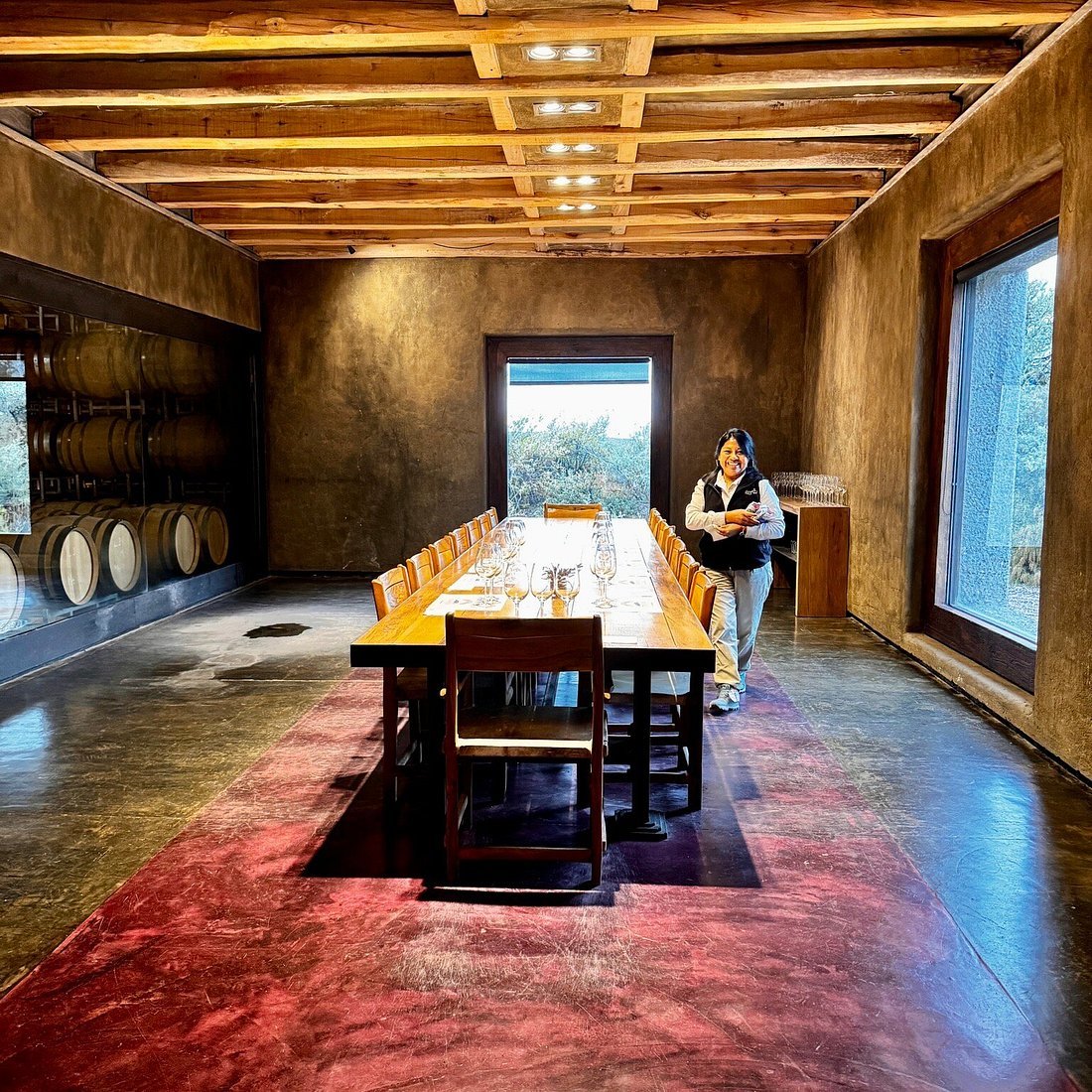
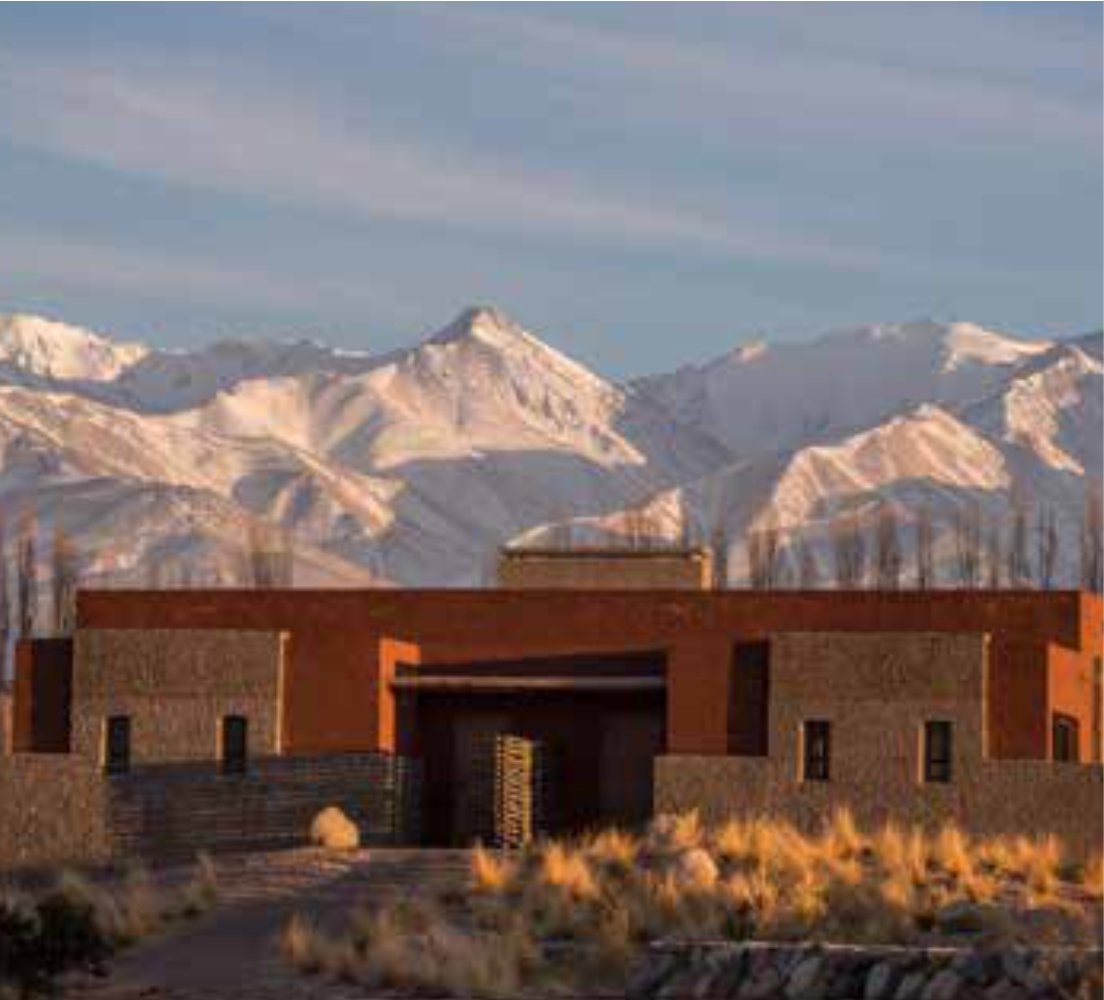
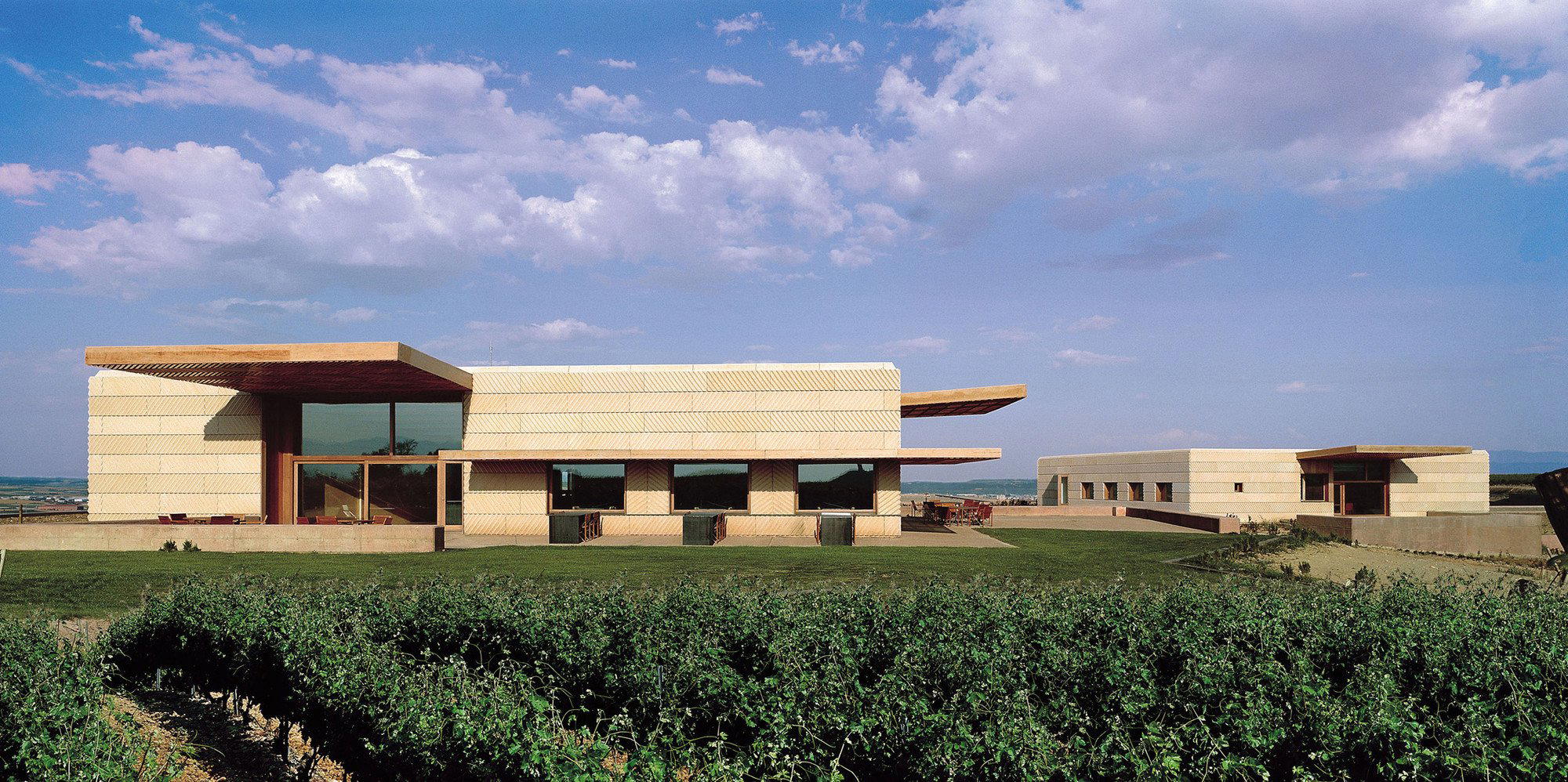
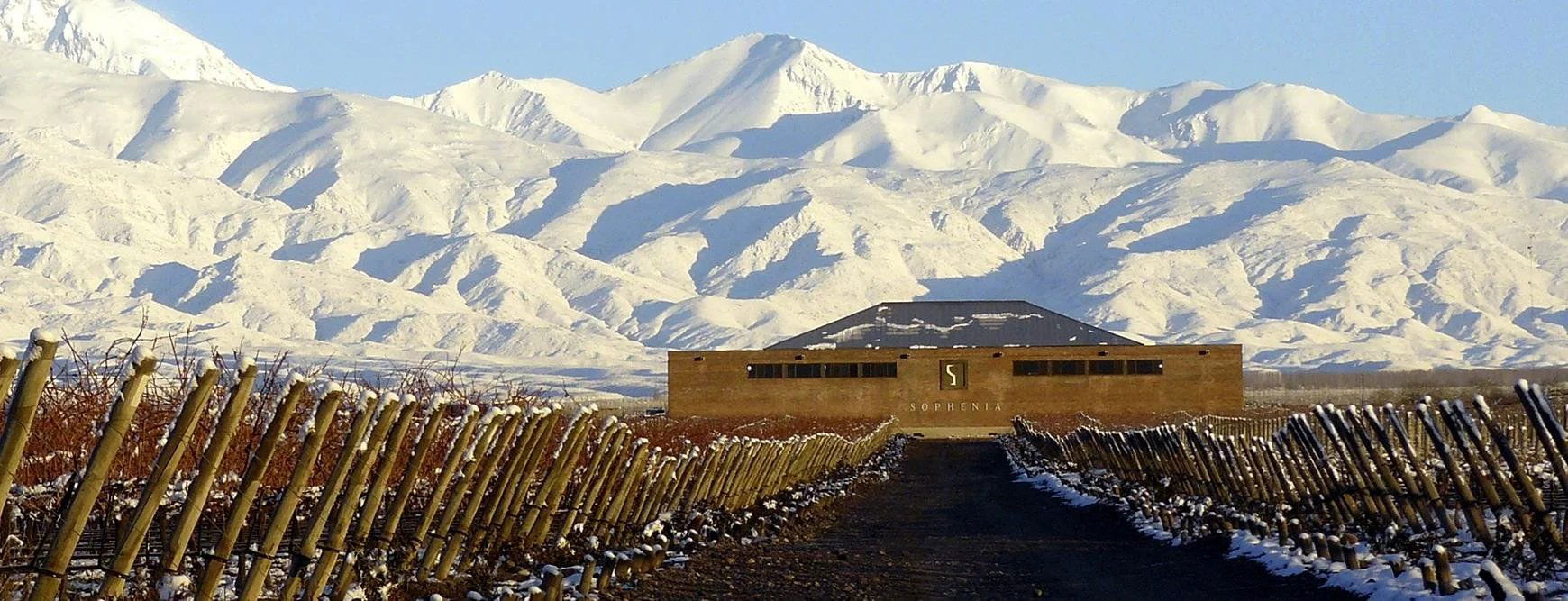
Spacious modern winery with stunning Andean mountain views and intimate tasting experiences.
Tags
Vibe
Best For
Experience
Sourcing
View
At the Vineyard
- Appellation
- Tupungato
- Varietals
- Malbec, Cabernet Franc, Chardonnay, Cabernet Sauvignon, Merlot
- Tour Duration
- 60-90 minutes
- Visits
- By reservation
- Farming
- Sustainable
- Wine Styles
- Still Red, Still White, Still Rose, Sparkling
- Wine Club
- Not available
Know before you go
Know Before You Go
- Getting there
- Km 12.5, Ruta 89, M5561 Tupungato, Gualtallary, Mendoza
Planning details
Location
Recognition and awards

Also consider
If you cannot secure it
Start with Domaine Bousquet or Andeluna Cellars if the goal is to stay in Tupungato and avoid rebuilding the full day. Add Sitio La Estocada when the itinerary can handle another local winery comparison.
Winery context
How it compares in Tupungato
Finca Sophenia is the tighter fit for travelers who want a focused Gualtallary stop and are willing to plan around access. Andeluna Cellars, Rutini Wines (La Rural), Sitio La Estocada, and Domaine Bousquet are the more useful cross-shops if availability or logistics become the deciding factor.
For value, the safer move is to compare total day cost rather than tasting fee alone: transfer time, meal plans, and how many winery stops can fit without rushing. Bodega La Azul may suit travelers looking outside the immediate Tupungato set, while Domaine Bousquet and Andeluna Cellars are better practical fallbacks for keeping the day concentrated in the area.
Explore Tupungato
Around this place
Discover more on Pearl
Unlock the full Finca Sophenia guide in Pearl, including awards, comparisons, FAQs, planning details, and nearby places.
Compare Finca Sophenia
| Venue | Location | Awards |
|---|---|---|
| Finca Sophenia | Tupungato | 2026 Falstaff Winery Guide |
| Andeluna Cellars | Tupungato | 2026 Falstaff Winery Guide |
| Bodega La Azul | Tunuyán | 2026 Falstaff Winery Guide |
| Rutini Wines (La Rural) | Tupungato | No published awards |
| Sitio La Estocada | Tupungato | 2025 World's 50 Best Vineyards · #91 |
| Domaine Bousquet | Tupungato | 2026 Falstaff Winery Guide |

How Finca Sophenia Tupungato compares with similar nearby venues.
FAQ
Frequently Asked Questions
How long should I plan for a visit to Finca Sophenia?
Confirm timing directly with the venue before setting your schedule. Treat Finca Sophenia as a Tupungato venue with Pearl 2 Star Prestige recognition for 2025.
When is the best time to visit Finca Sophenia?
Confirm current hours and availability with the venue before building it into a Tupungato plan.
Are membership or club options at Finca Sophenia worth considering?
If you are considering a membership or club option, judge it based on the current terms from the venue and whether you expect to use the benefits regularly. For broader comparison, you can also review venues such as Bodega La Azul.