
Weingut Clemens Busch
Pünderich
Winery in Pünderich, Germany
 Book with Pearl
The Read
Slate-Site Differentiation
Why go
Prioritize Weingut Clemens Busch if the trip is built around Mosel wine rather than casual sightseeing. It is a stronger fit for collectors and serious Riesling travelers than for large groups or visitors looking for a predictable tasting-room format.
About Weingut Clemens Busch
Weingut Clemens Busch is a venue in Pünderich with a casual dress code and Pearl 3 Star Prestige recognition for 2025. Beyond those confirmed details, the public venue data available here is limited, so plan with care and confirm practical arrangements directly before making the visit a key part of your day.
Use this page as a conservative planning note rather than a source for visitor details. Specifics such as opening hours, tasting format, group capacity, food service, pricing, and appointment requirements are not confirmed in the data.
Book for a focused Pünderich stop, not assumptions
The safest approach is to treat Weingut Clemens Busch as a Pünderich venue to check in advance. If timing, group size, purchases, or a particular visit format matters, confirm those details directly before you build the rest of the day around it.
Because structured visitor details are limited, keep the surrounding plan flexible. Avoid relying on assumptions about availability, service style, or on-site amenities, and make separate arrangements for anything essential to your itinerary.
Who should prioritize it
Prioritize Weingut Clemens Busch if you are specifically seeking a Pearl 3 Star Prestige venue in Pünderich and are comfortable confirming details directly. It is less suitable as a low-planning stop if your group needs fully confirmed logistics in advance.
For broader comparison, travelers may also consider Weingut Immich-Batterieberg, Weingut Joh. Jos. Prüm, Weingut Markus Molitor, Weingut Selbach-Oster, and Weingut Willi Schaefer. Treat each as a separate planning decision and confirm current visitor details directly.
Quick reference: choose this for a Pearl 3 Star Prestige Pünderich venue with casual dress; confirm all visit logistics before relying on specific timing, format, or services.
Planning details
- Location
- Kirchstraße 37, 56862 Pünderich
- Website
- clemens-busch.de
- Phone
- +49 6542 1814023
The take
The Take
The Vibe
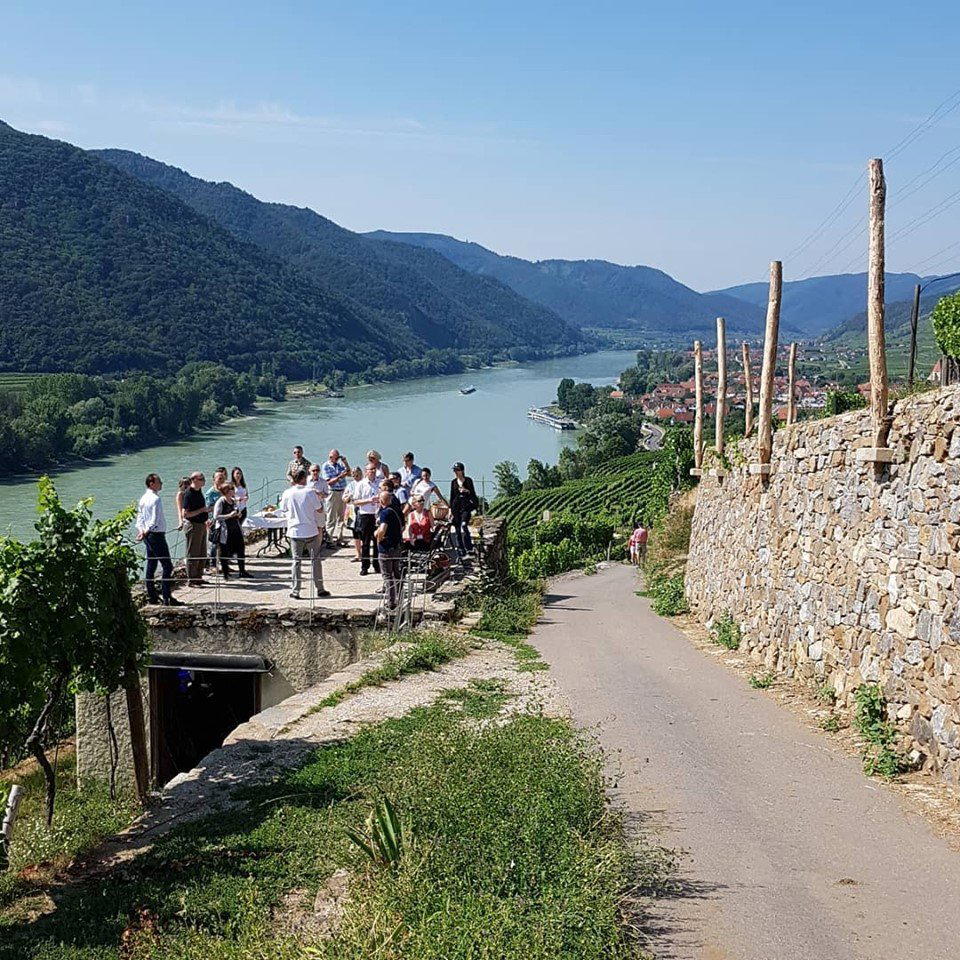
Weingut Clemens Busch presents a quietly sophisticated winery rooted in the specific geology of the Middle Mosel. Perched in Pünderich with steep, south‑facing slate slopes above the village, the estate feels like an earnest study in place: restrained, mineral-driven Rieslings and a long lineage of site fidelity. Visits are unostentatious rather than theatrical — the focus is on the vineyards, the slate soils and the logic that ties geology to glass. The overall impression is elegant and contemplative, a measured experience for visitors who appreciate terroir-forward wines over spectacle.
Best For
This estate is best for people who come to learn. Wine students, collectors and curious travelers on the Mosel wine route find Clemens Busch especially rewarding: the write-up highlights the Marienburg monopole and the estate’s clear demonstration of slate-driven acidity and minerality. Solo visitors who want to read landscape in a glass and those planning a focused tasting or a special, intentional visit are well served here. The producer’s placement among the region’s top artisan houses makes it a reference stop for anyone cataloguing serious German Riesling.
Tasting Tips
When you visit or taste wines from Clemens Busch, prioritize examples that showcase site expression. The text singles out the Marienburg monopole and notes Devonian blue‑grey slate, so ask to taste the Marienburg and any single‑site Rieslings first to experience the mineral intensity and pronounced acidity described. Inquire about recent vintages and how the estate interprets slate influence through fermentation and ageing; framing questions around site and geology will yield the most instructive pours.
Venue details
Ambiance
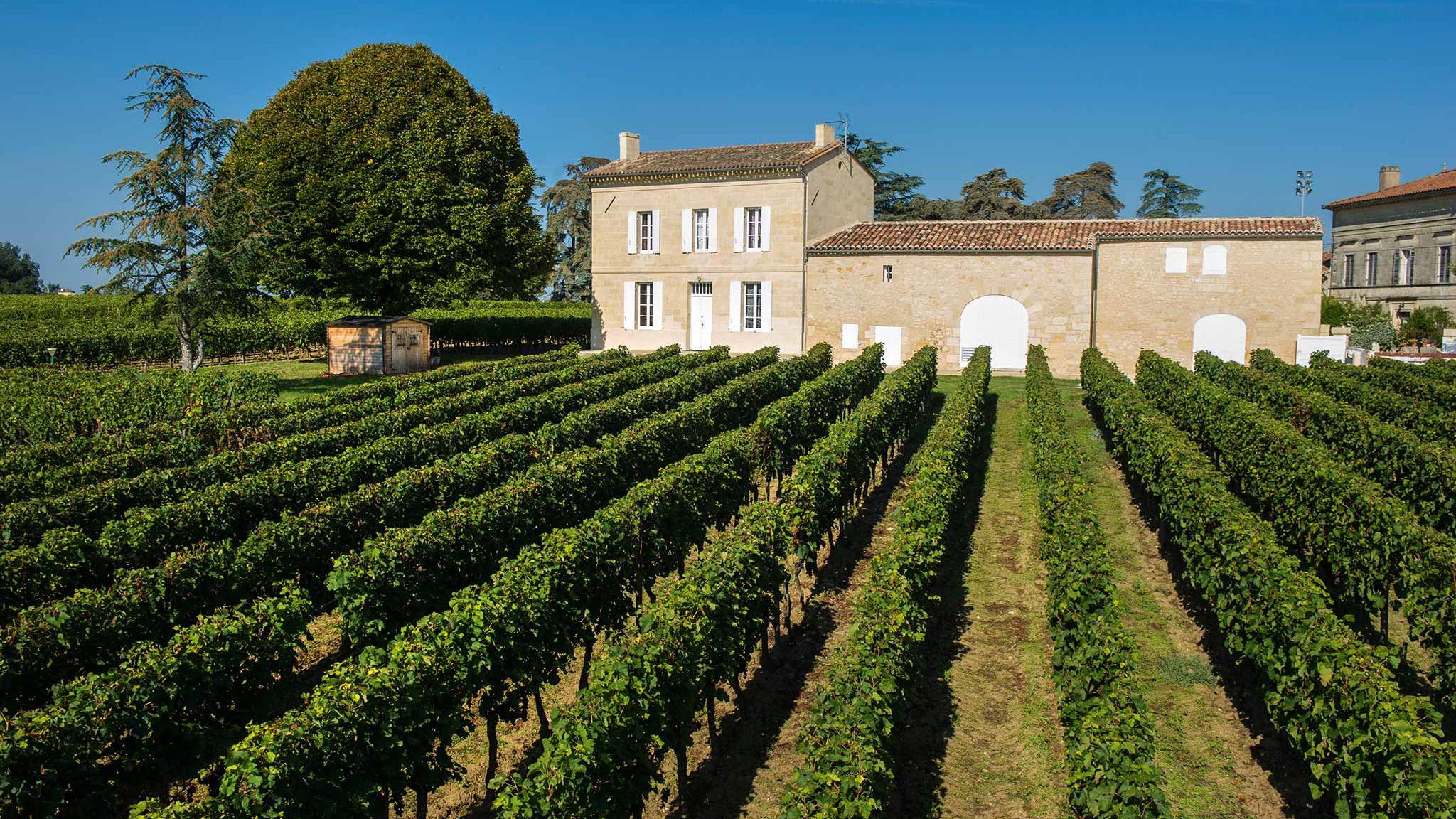
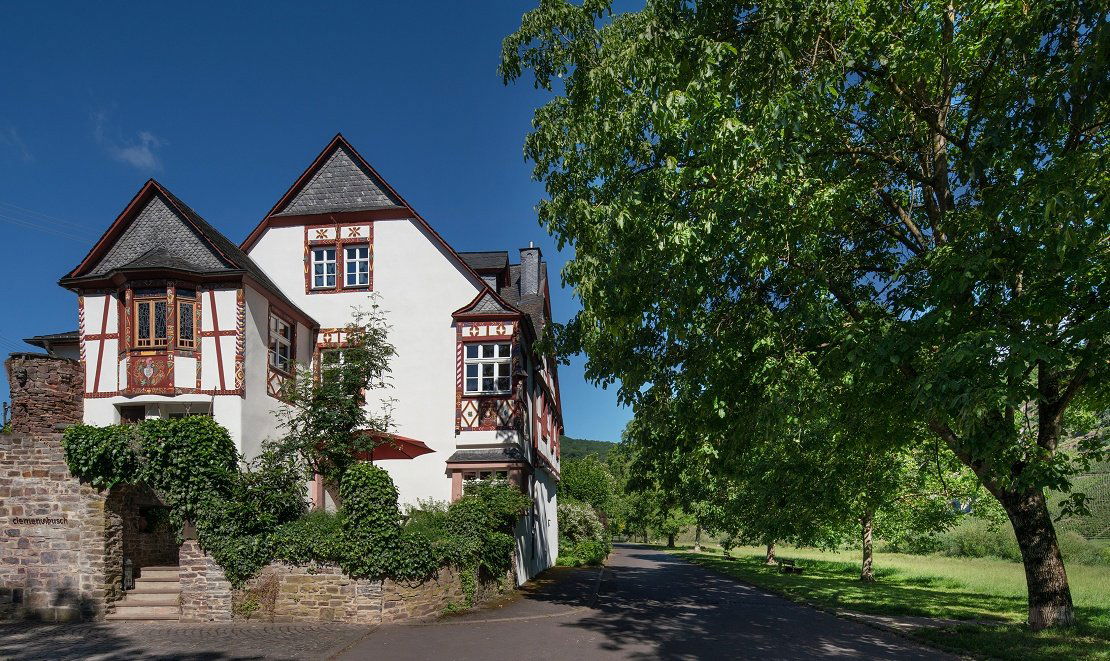
Rustic and elegant atmosphere in an old manor with views of steep vineyards and the Mosel river.
Tags
Vibe
Best For
Experience
Sourcing
View
At the Vineyard
- Appellation
- Mosel Bernkastel
- Varietals
- Riesling, Pinot Noir
- Visits
- By appointment only
- Farming
- Biodynamic
- Wine Styles
- Still White
- Wine Club
- Not available
Know before you go
Know Before You Go
- Getting there
- Kirchstraße 37, 56862 Pünderich
Planning details
Location
Recognition and awards

Also consider
Also Consider
- Weingut Immich-Batterieberg, Notable alternative
- Weingut Selbach-Oster, Notable alternative
- Weingut Joh. Jos. Prüm, Notable alternative
- Weingut Willi Schaefer, Notable alternative
- Weingut Markus Molitor, Notable alternative
Winery context
How It Compares
Among serious Mosel options, Weingut Clemens Busch is the Pünderich pick for travelers who want a focused producer visit rather than a broad, easy-tasting itinerary. Weingut Immich-Batterieberg is the closer cross-shop if the priority is another compact, producer-led Mosel stop, while Weingut Markus Molitor is the better fit for travelers who want a larger-name Mosel comparison with wider recognition.
If booking access is the pressure point, compare against Weingut Selbach-Oster before locking the day around one address. For prestige-led collectors, Weingut Joh. Jos. Prüm and Weingut Willi Schaefer are the sharper reference points, but they suit a trip where the goal is benchmarking Mosel producers rather than keeping logistics simple.
Value depends less on posted tasting cost and more on what the visit replaces. Choose Weingut Clemens Busch when one serious Pünderich stop is enough. Cross-shop Selbach-Oster or Markus Molitor when the group needs a broader, more flexible Mosel day.
Explore Pünderich
Around this place
Discover more on Pearl
Unlock the full Weingut Clemens Busch guide in Pearl, including awards, comparisons, FAQs, planning details, and nearby places.
Compare Weingut Clemens Busch
| Venue | Location | Awards |
|---|---|---|
| Weingut Clemens Busch | Pünderich | 2026 Falstaff Winery Guide |
| Weingut Immich-Batterieberg | Enkirch | 2026 Falstaff Winery Guide |
| Weingut Selbach-Oster | Zeltingen-Rachtig | 2026 Falstaff Winery Guide |
| Weingut Joh. Jos. Prüm | Bernkastel-Wehlen | 2026 Falstaff Winery Guide |
| Weingut Willi Schaefer | Graach an der Mosel | 2026 Falstaff Winery Guide |
| Weingut Markus Molitor | Bernkastel-Wehlen | 2026 Falstaff Winery Guide |
How Weingut Clemens Busch Pünderich compares with similar nearby venues.
FAQ
Frequently Asked Questions
What other venues can I compare with Weingut Clemens Busch?
For comparison, consider Weingut Immich-Batterieberg, Weingut Selbach-Oster, Weingut Joh. Jos. Prüm, Weingut Willi Schaefer, and Weingut Markus Molitor. Confirm current visitor details directly with each venue.