

2026 Falstaff Winery Guide: The Ultimate Wine Authority — Page 109
Falstaff's 2026 Wineries guide.

Venues on this list
JJ Leitz GmbH
Rüdesheim am Rhein, Germany
JJ Leitz GmbH works for direct Rheingau wine buying, not as the centerpiece of a tasting-room itinerary. The value is its Rüdesheim base, Weingut Leitz-linked retail identity, and modern sales setup, including an alcohol-free seasonal product signal. Travelers who need a hosted tasting or cellar visit should confirm plans before building a day around it.
Bodegas del Muni
Villatobas Toledo, Spain
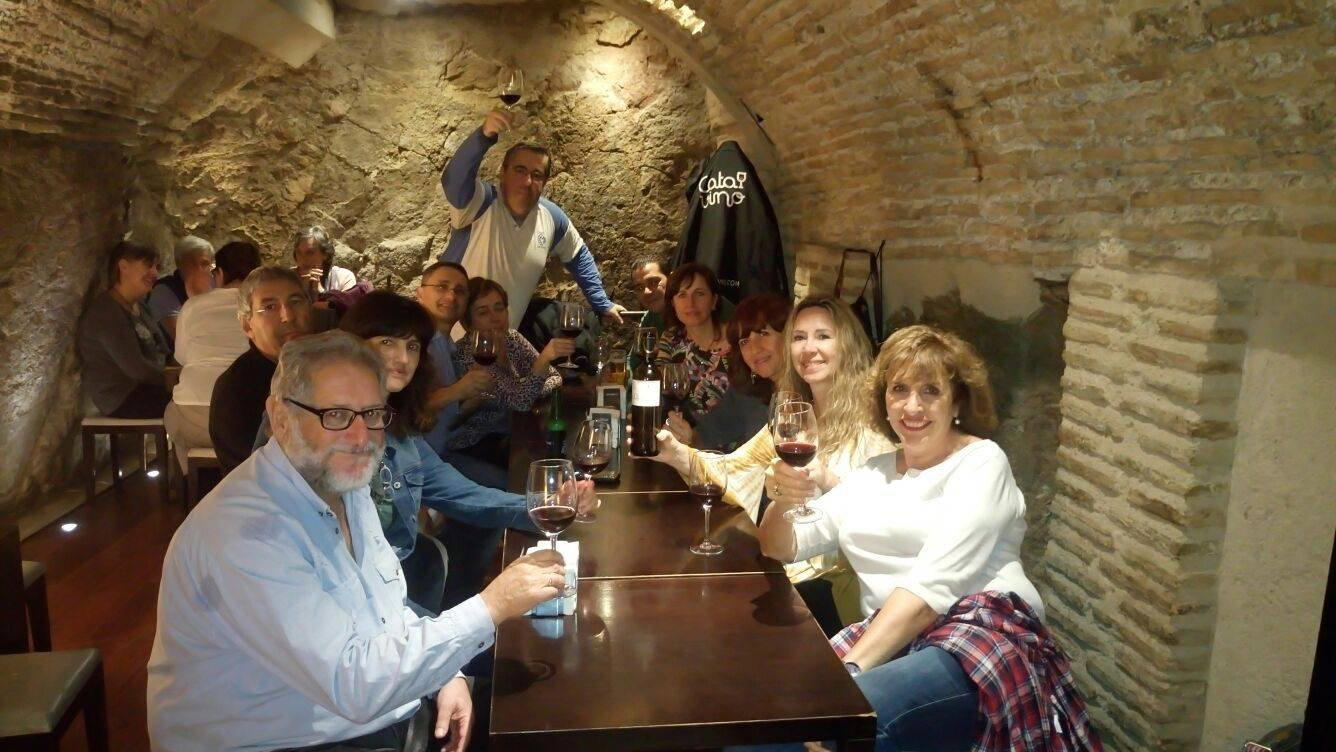
Worth booking for an intimate La Mancha winery visit with family-run hospitality and a clear educational angle. The value is strongest if choosing a hosted tasting with pairing or vineyard context, especially for a date, celebration, or small client outing. Skip it if the group wants a large-scale winery spectacle or a casual drop-in tasting.
Château de Villeneuve
Souzay Champigny, France
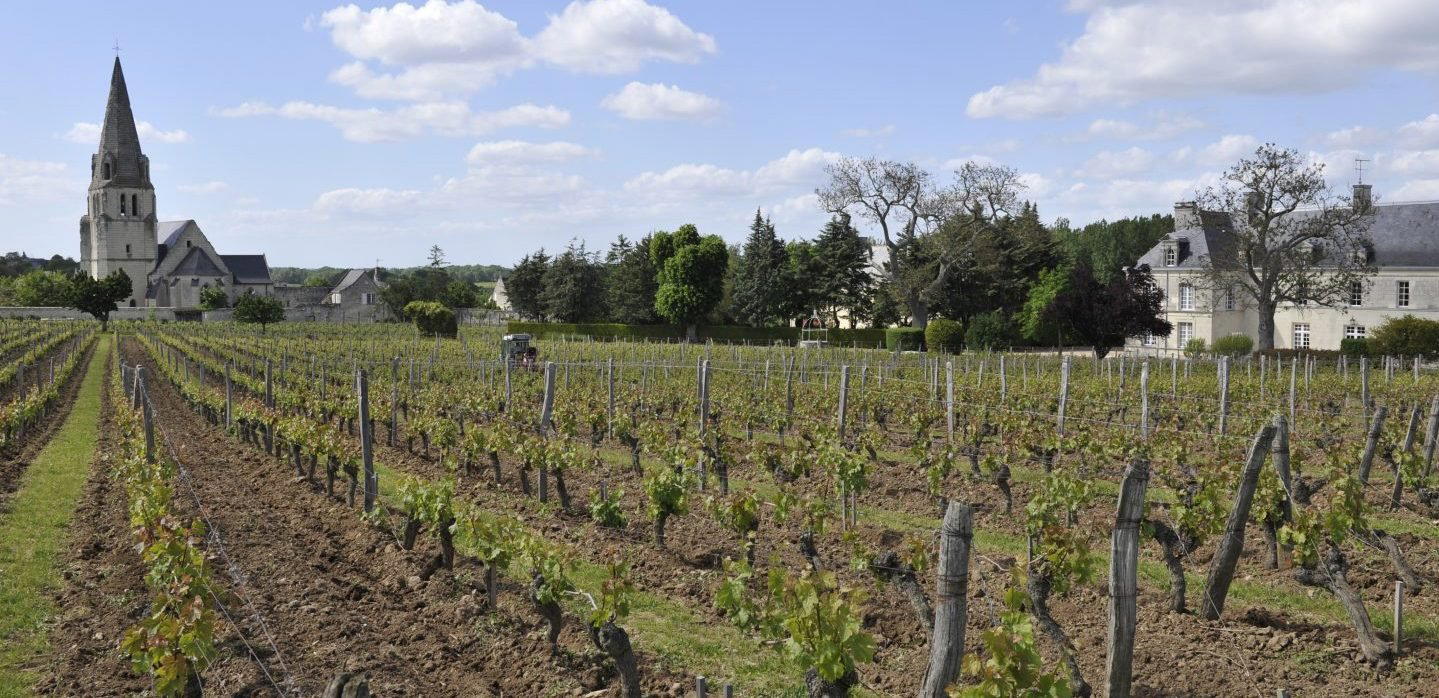
Château de Villeneuve works as an easy Loire wine-country stop in Souzay Champigny, especially for a quiet celebration itinerary. Treat it as part of a planned route rather than the single anchor of the day, since tasting format, food, pricing, and visit structure are not clearly disclosed here.
Allée Bleue
Groot Drakenstein, South Africa
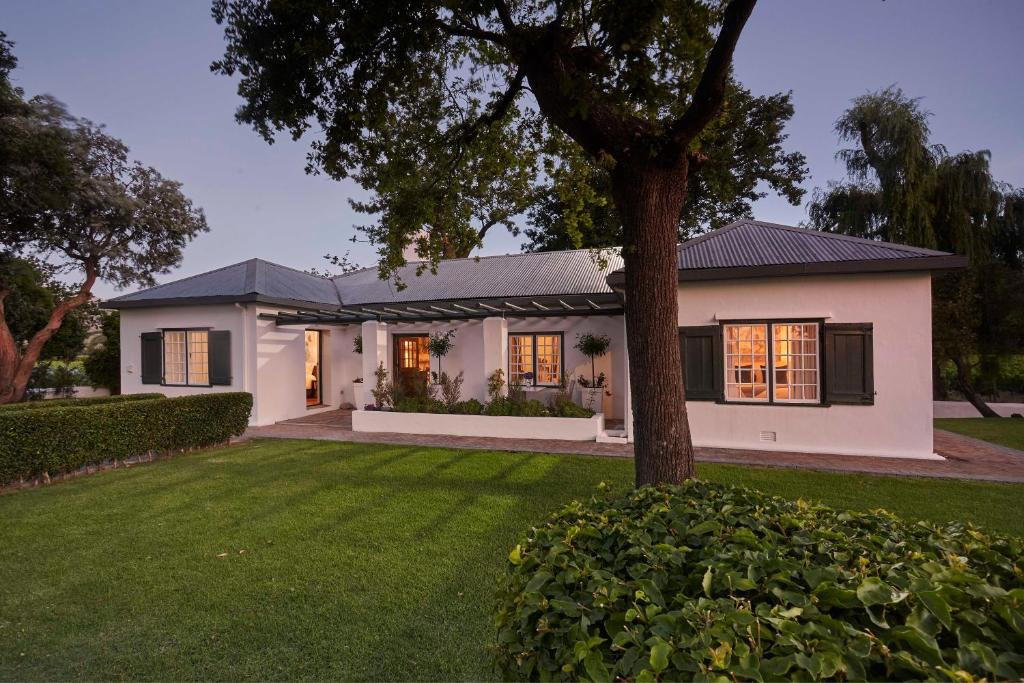
Book Allée Bleue for a relaxed Franschhoek Valley wine-farm day where the value is the full package: tasting, bistro or seasonal picnic, lawns, vineyards, and Cape Dutch atmosphere. It is better for casual groups, couples, and return visitors wanting breadth across South African styles than for collectors chasing a highly technical tasting.
Fazenda da Boavista da Mata Artur Pinto
Cortegaca Ovr, Portugal
Book this only if the draw is Vinho Verde context and the documented 2010 Azal white wine, not a guaranteed hosted tasting experience. Fazenda da Boavista da Mata Artur Pinto has a Falstaff Listed 2026 signal, but the stronger fit is for wine-focused travelers building a regional day around Cortegaca Ovr.
Forward Kidd
St. Helena, United States
Forward Kidd works if the goal is Napa proprietary red-blend depth rather than a big estate-hospitality day. Its strongest signal is the Merryvale Family of Wines connection and a documented Bordeaux-leaning blend style; it is a narrower fit for visitors who want scenery, food pairings, or a broad tasting-room experience.
Mollydooker
McLaren Vale, Australia
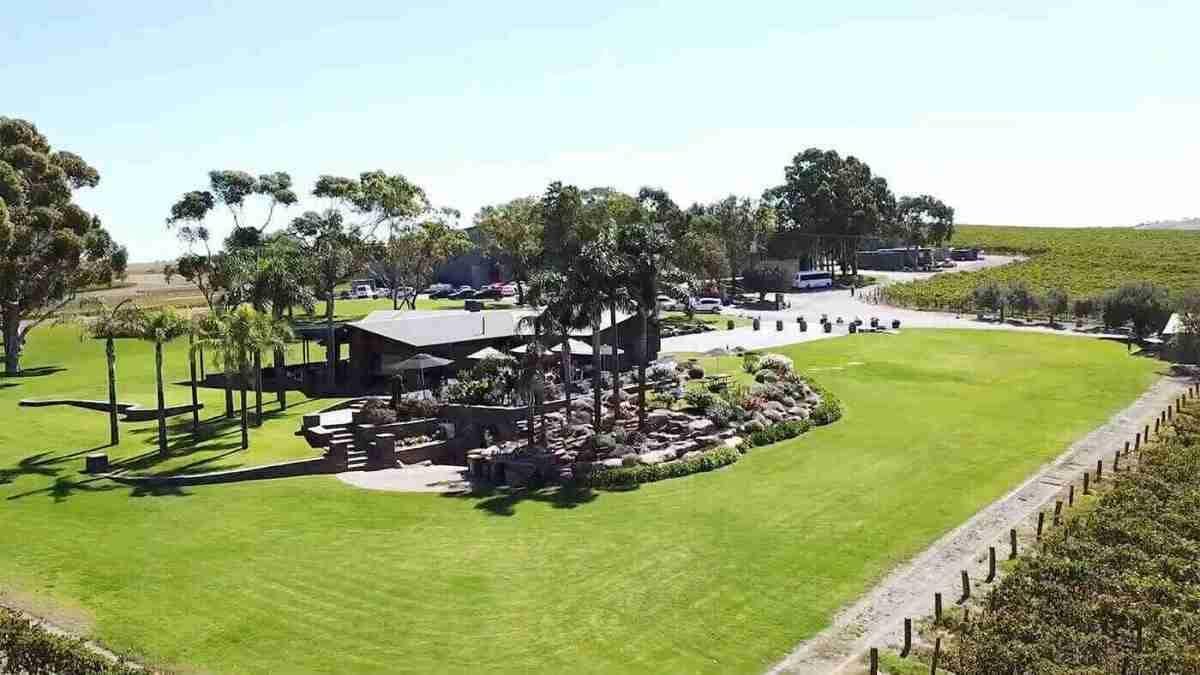
Book Mollydooker if the priority is a serious McLaren Vale wine visit and potential allocation value, not a food-led stop. Access is difficult enough that it should anchor the day rather than sit as a flexible extra, with d'Arenberg, Dandelion Vineyards, and Bondar Wines working as useful alternatives if plans need to stay easier.
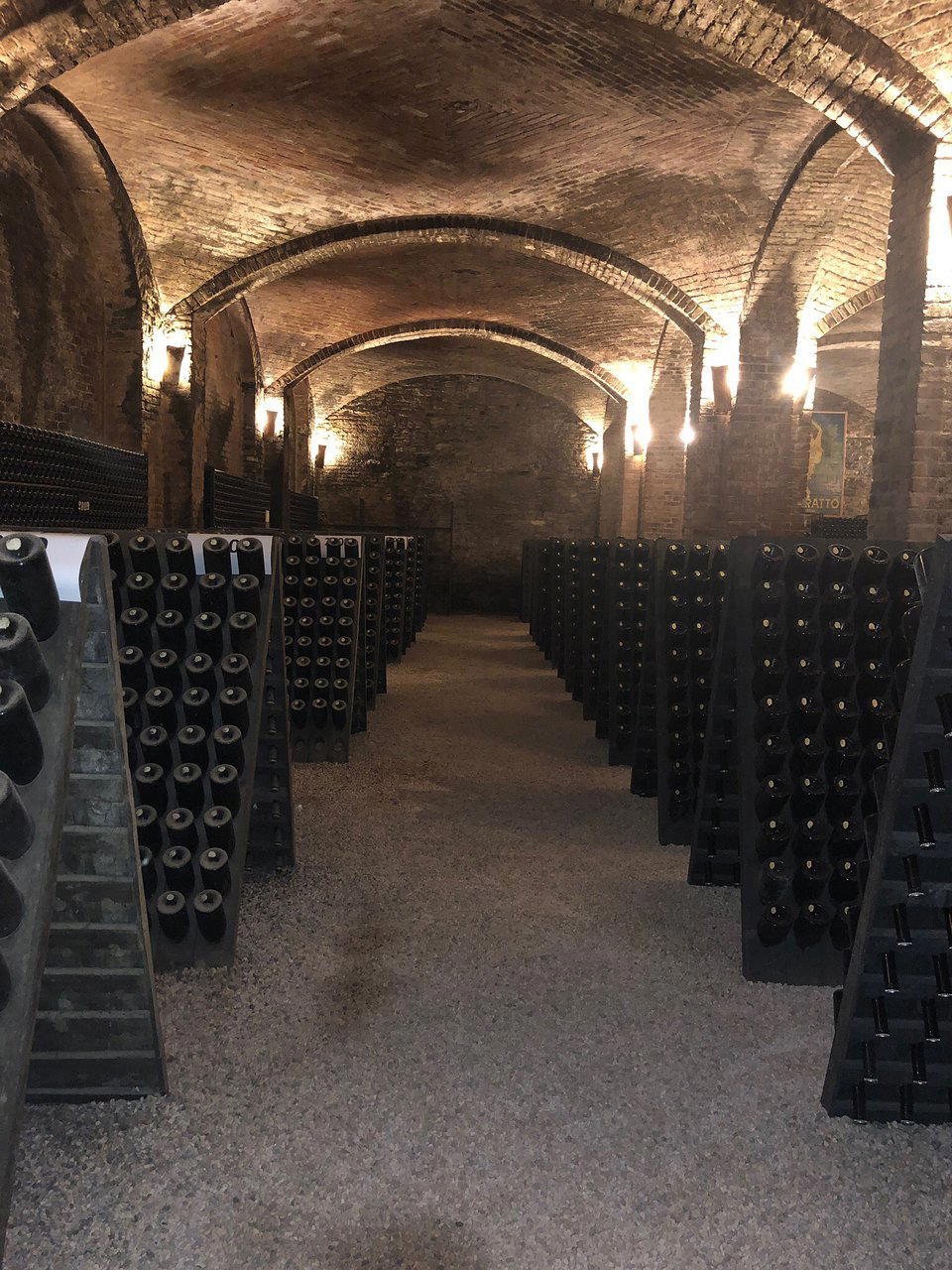
Cantina Contratto
Canelli, Italy
A strong Canelli pick for first-timers who want the cellar setting to carry the visit. Cantina Contratto is most worth booking if Metodo Classico sparkling wine, historic underground cellars, and the town’s Spumante heritage are the draw; skip it if the group wants a quick, casual outdoor tasting.
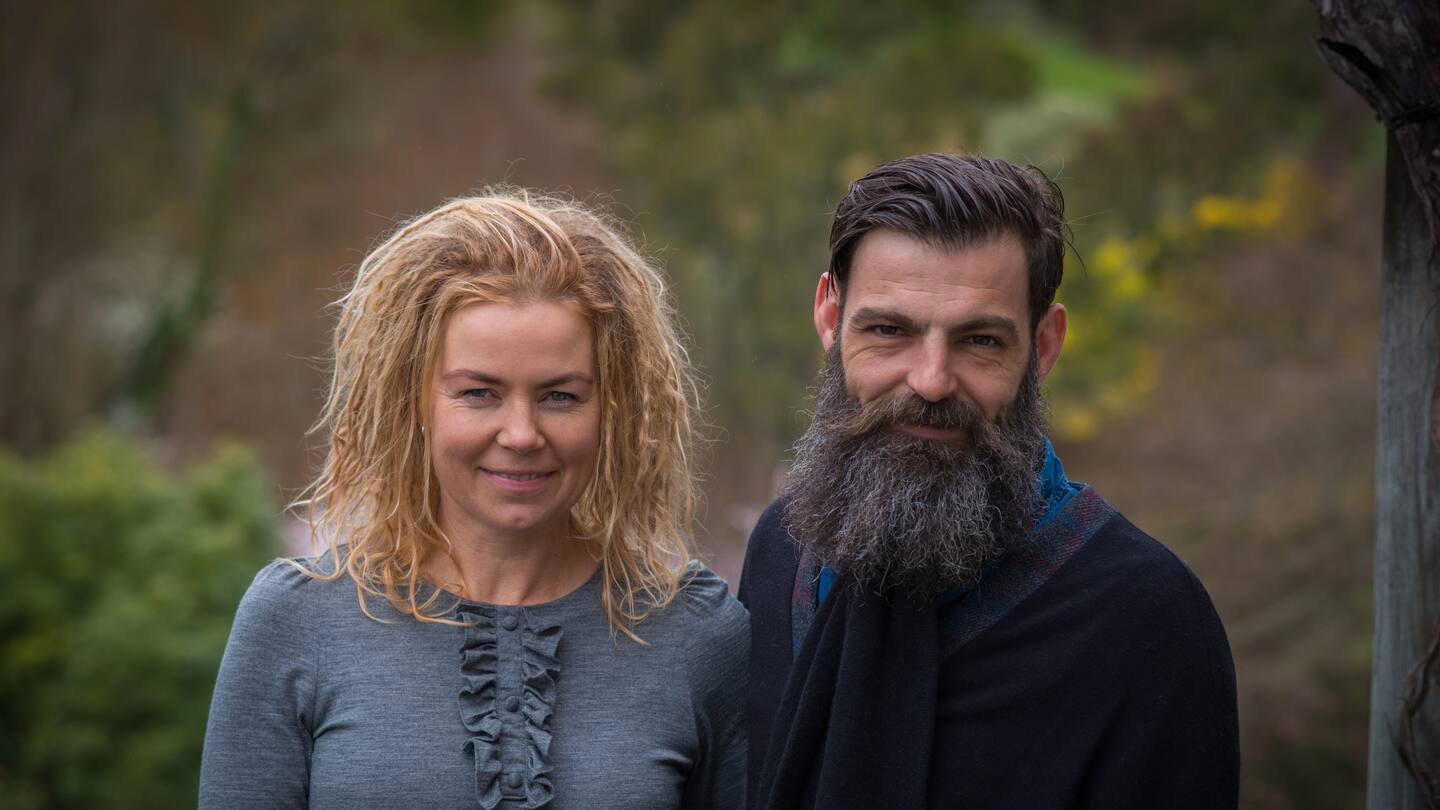
Alpha Domus Winery
Hastings, New Zealand
Book Alpha Domus Winery if the priority is a wine-first Hastings stop with a credible 2026 Falstaff 3 Stars signal. It is less suited to travellers who need confirmed food service, group logistics, or published visitor details before committing, so build meals and timing around it rather than relying on it as a full-service outing.
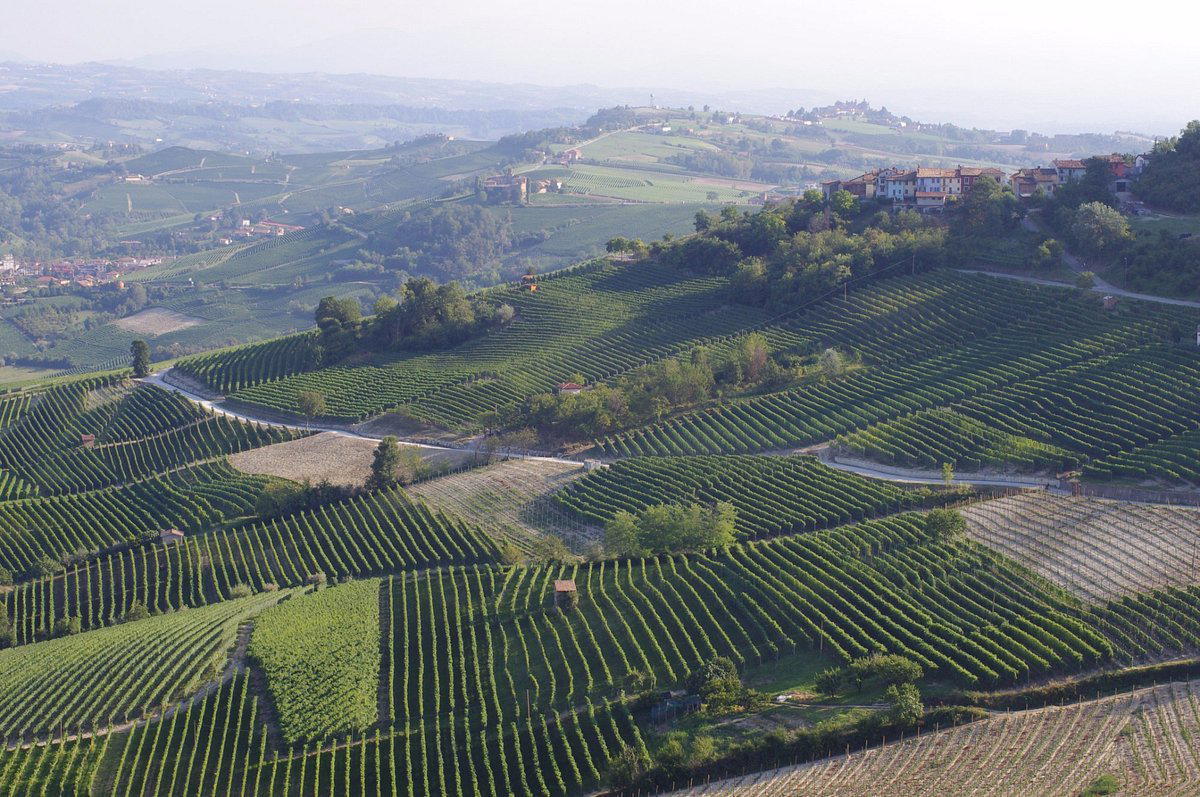
Cantina Stroppiana SSA
La Morra, Italy
Book Azienda Agricola Stroppiana if the goal is a quiet, family-run Barolo visit focused on traditional Nebbiolo rather than polished luxury hospitality. The main reason to go is the San Giacomo thread, supported by a 2026 Falstaff listing and a per-person price that works well inside a multi-winery La Morra day.
Cortonesi
Montalcino, Italy
Cortonesi is a better fit for travelers using Montalcino as a wine-focused base than for visitors looking for a polished food-and-wine package. Its main appeal is regional context in Brunello country, supported by Falstaff listing recognition for 2026, so plan it as part of a wider local winery day.
I Tamasotti
Mezzane Di Sotto, Italy
Book I Tamasotti for a quiet Veneto countryside stay where the six-room relais, vineyard setting, terrace, gardens, pool, breakfast, and regional food matter more than a formal winery tasting. At $$$, it is strongest for couples and special-occasion overnights near Verona, less useful for travelers seeking a documented cellar program or large-group flexibility.
Château Reillanne
Le Cannet Des Maures, France
Worth considering for a flexible Le Cannet Des Maures wine stop, especially if the priority is an easy estate visit with a 2026 Falstaff listing behind it. Do not treat it as a guaranteed private-tasting destination unless that format is confirmed ahead of time; plan it as part of a wider winery day.
Francesco Iandolo
Brignano Frascata, Italy
Francesco Iandolo works as a low-friction winery stop in Brignano Frascata, especially for a slower countryside plan rather than a restaurant-led occasion. Go in for the setting and wine-country pacing, and confirm food, group size, and shipping expectations before building a celebration around it.
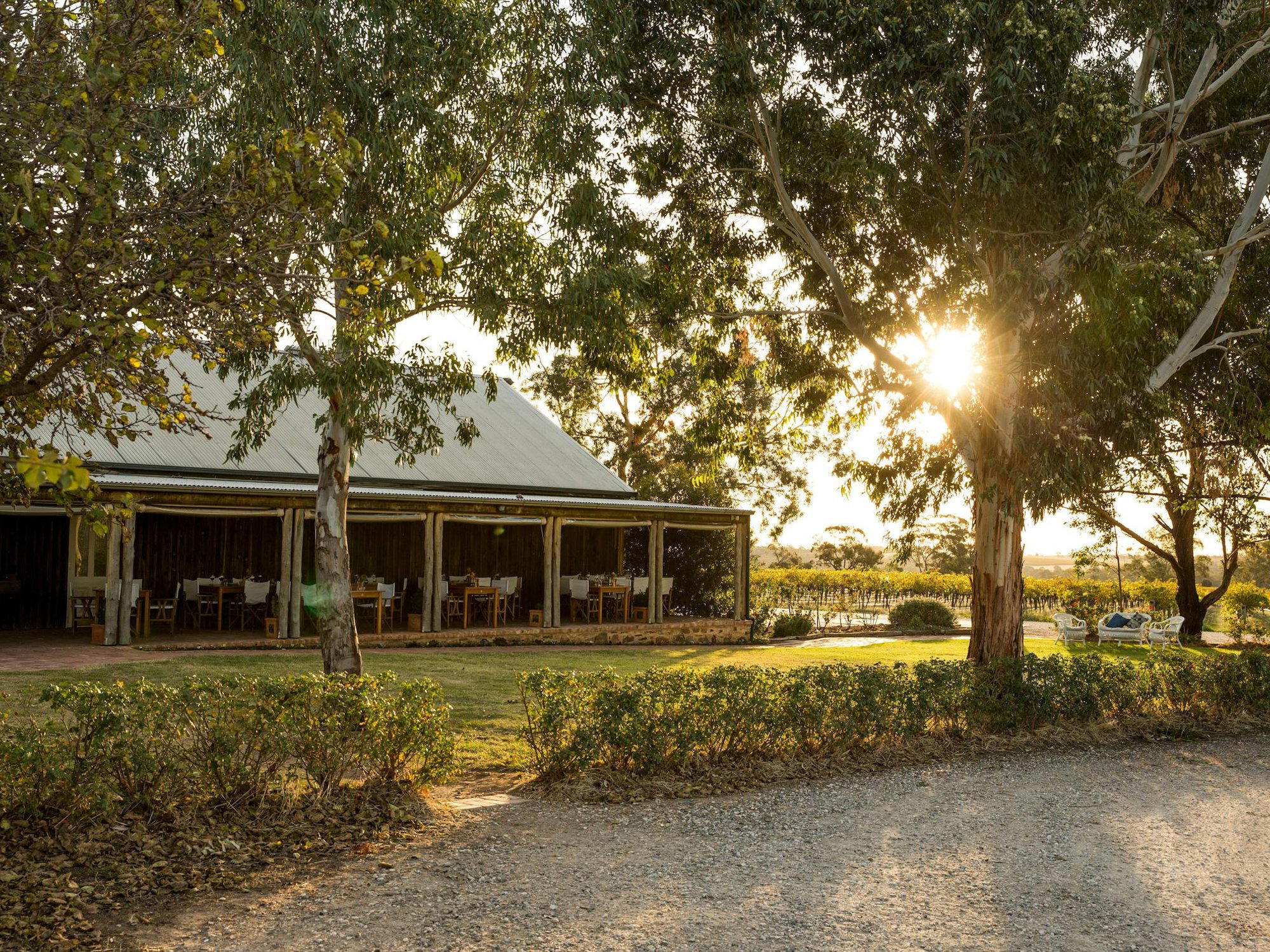
Charles Melton Wines
Barossa Valley, Australia
Book Charles Melton Wines if the goal is a serious Barossa Valley tasting with a quieter, more focused feel. It is a stronger fit for couples, small groups, and special-occasion wine planning than for a loose, large-group cellar-door crawl. Cross-shop Rockford for old-Barossa character and Grant Burge for a broader, easier-format visit.
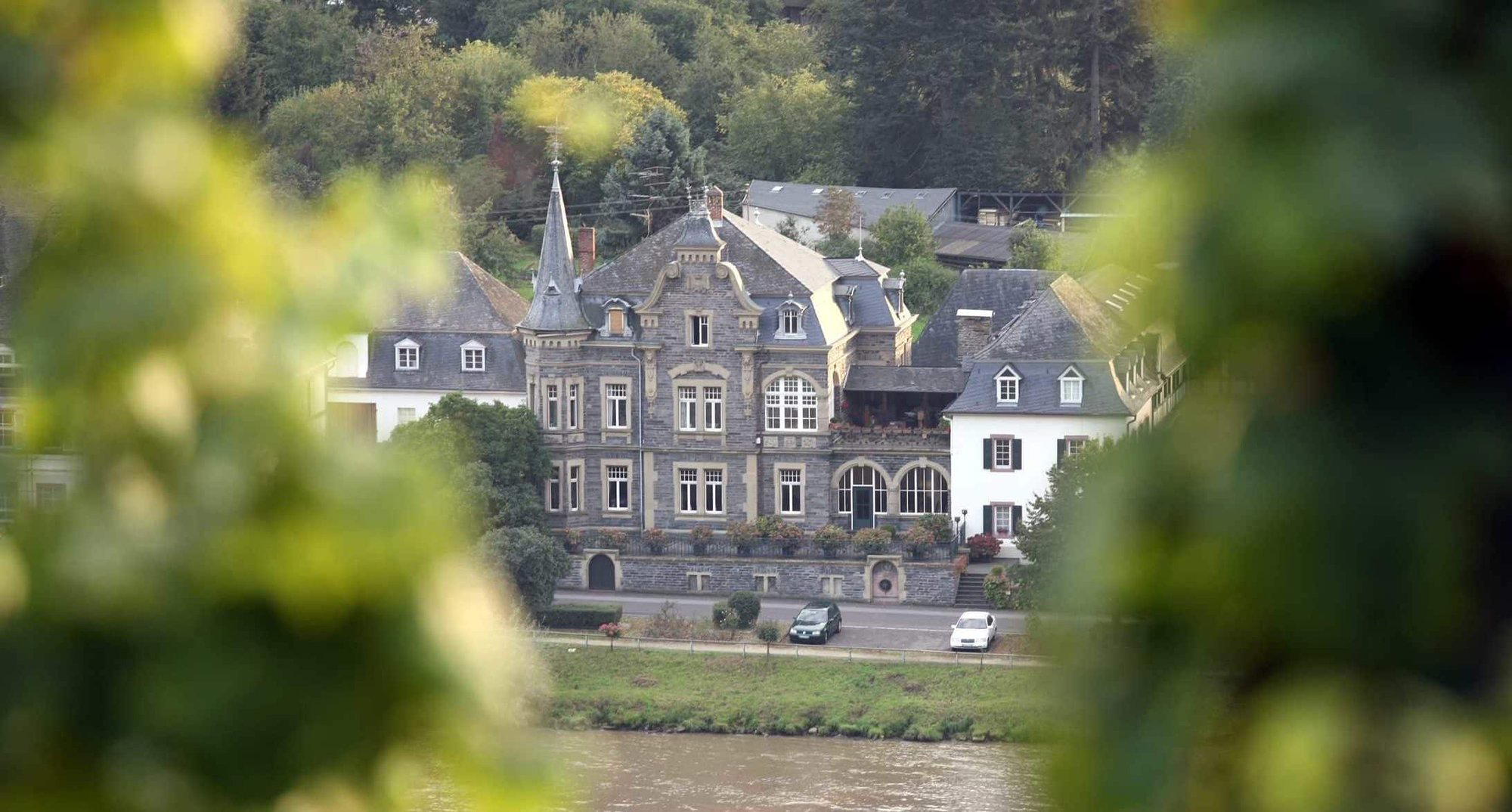
Weingut Joh. Jos. Prüm
Bernkastel-Wehlen, Germany
Prioritize Weingut Joh. Jos. Prüm if your Mosel trip is built around serious Riesling rather than easy tasting-room convenience. It is a strong fit for small, wine-literate groups who can plan ahead and want context; less suitable for casual drop-ins, large parties, or travelers who need predictable visitor logistics.
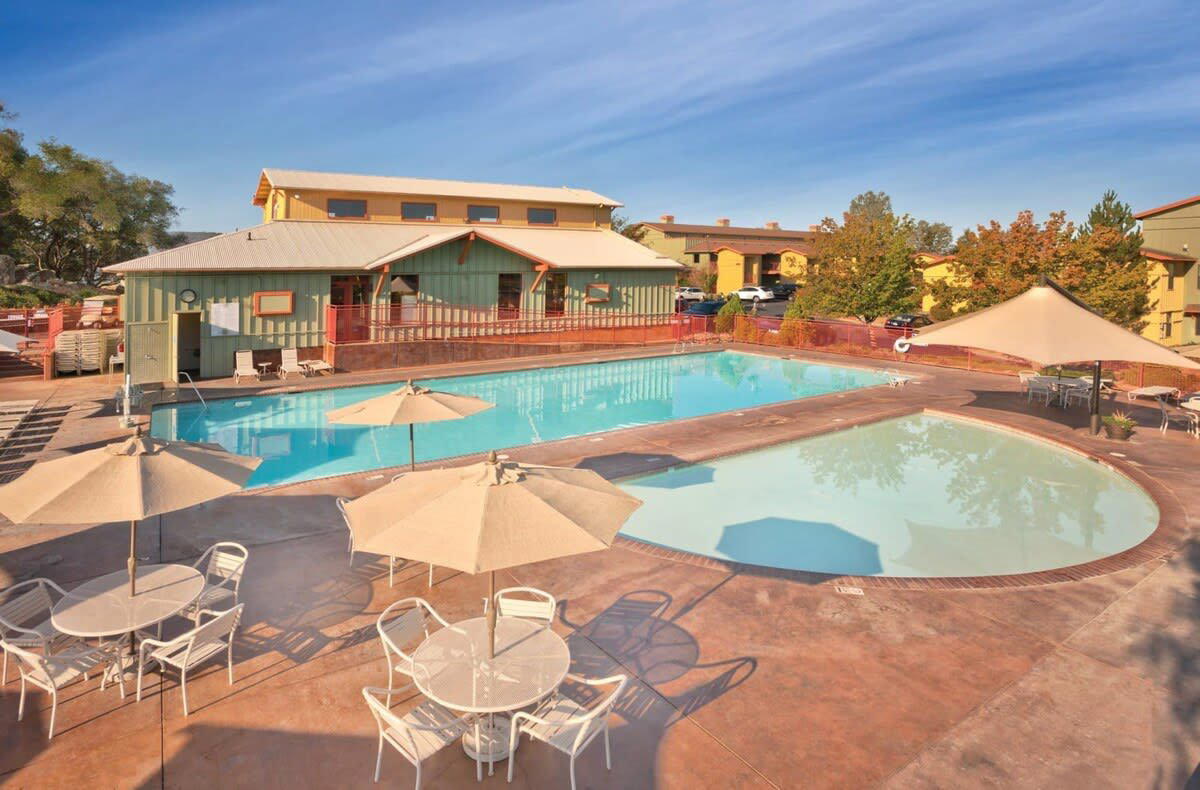
Ironstone Vineyards
Murphys, United States
Ironstone Vineyards is worth booking when the goal is an easy, scenic Murphys winery visit with more than a tasting counter. At $10 per person and walk-in-friendly, it works well for groups, celebrations, and concert-day plans, especially if the wine caverns, deli, and amphitheater matter as much as the pours.
Domaine Jaume
Vinsobres, France
Domaine Jaume works if the goal is a focused Vinsobres winery stop rather than a restaurant-style visit. With Falstaff listing recognition in 2026, it has enough credibility to include in a southern Rhône tasting day, but plan food, timing, and any structured tasting expectations separately before making it the anchor of the itinerary.
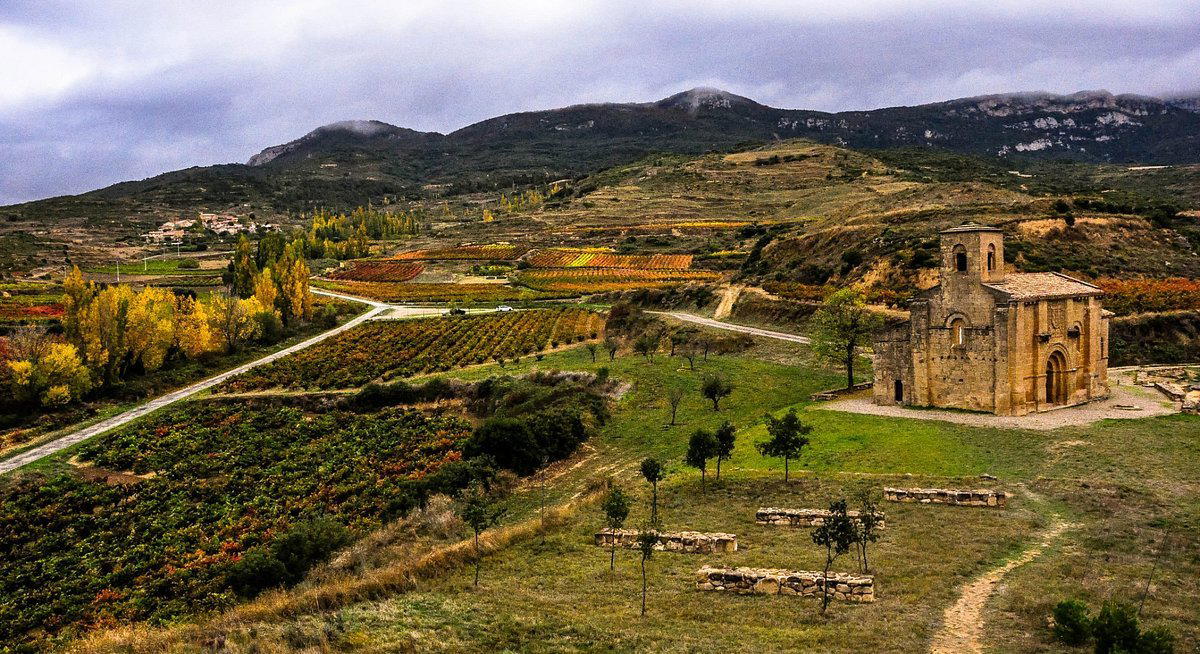
Bodega Classica
San Vincente De La Sonsierra, Spain
Book Bodega Classica for a polished Rioja Alta tasting with a strong old-vine and gran reserva angle. The upgraded or private-style visit is the smarter choice for return visitors who want deeper context, while casual drinkers can keep it simple and use the hilltop setting as the main event.
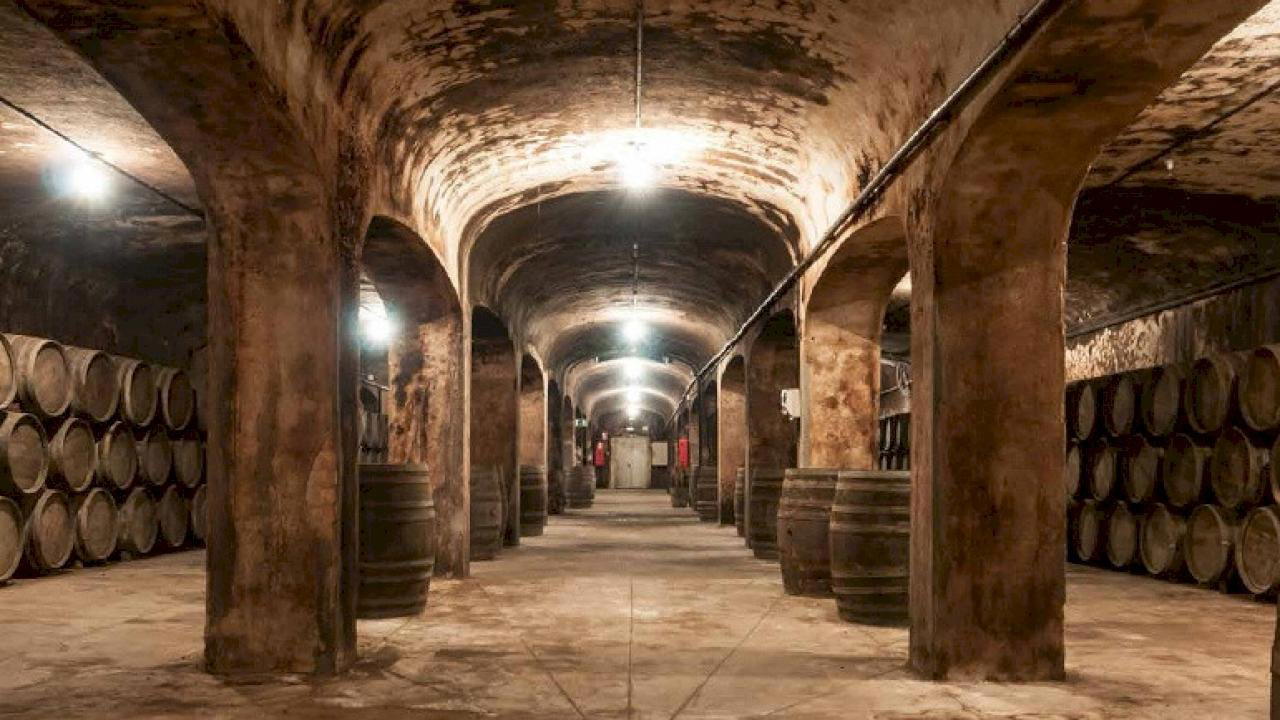
Bodegas y Viñedos del Mediterraneo
Yecla, Spain
Monastrell is the reason to put Bodegas y Viñedos del Mediterraneo on a Yecla wine plan. Book it for a focused, small-group tasting around modern Murcia reds, especially Lujuria, Terroso and Cueva de los Secos; skip it if the priority is a heavily programmed visitor experience with clearly published hospitality extras.
Enzmann Winery
Hagnau Am Bodensee, Germany
Enzmann Winery works as an easy, small-format Hagnau am Bodensee stop, especially if you prefer boutique producers over large visitor operations. Go for flexible discovery at a $$ price signal, not for a confirmed flagship wine, published tasting format, or proven wine club value.
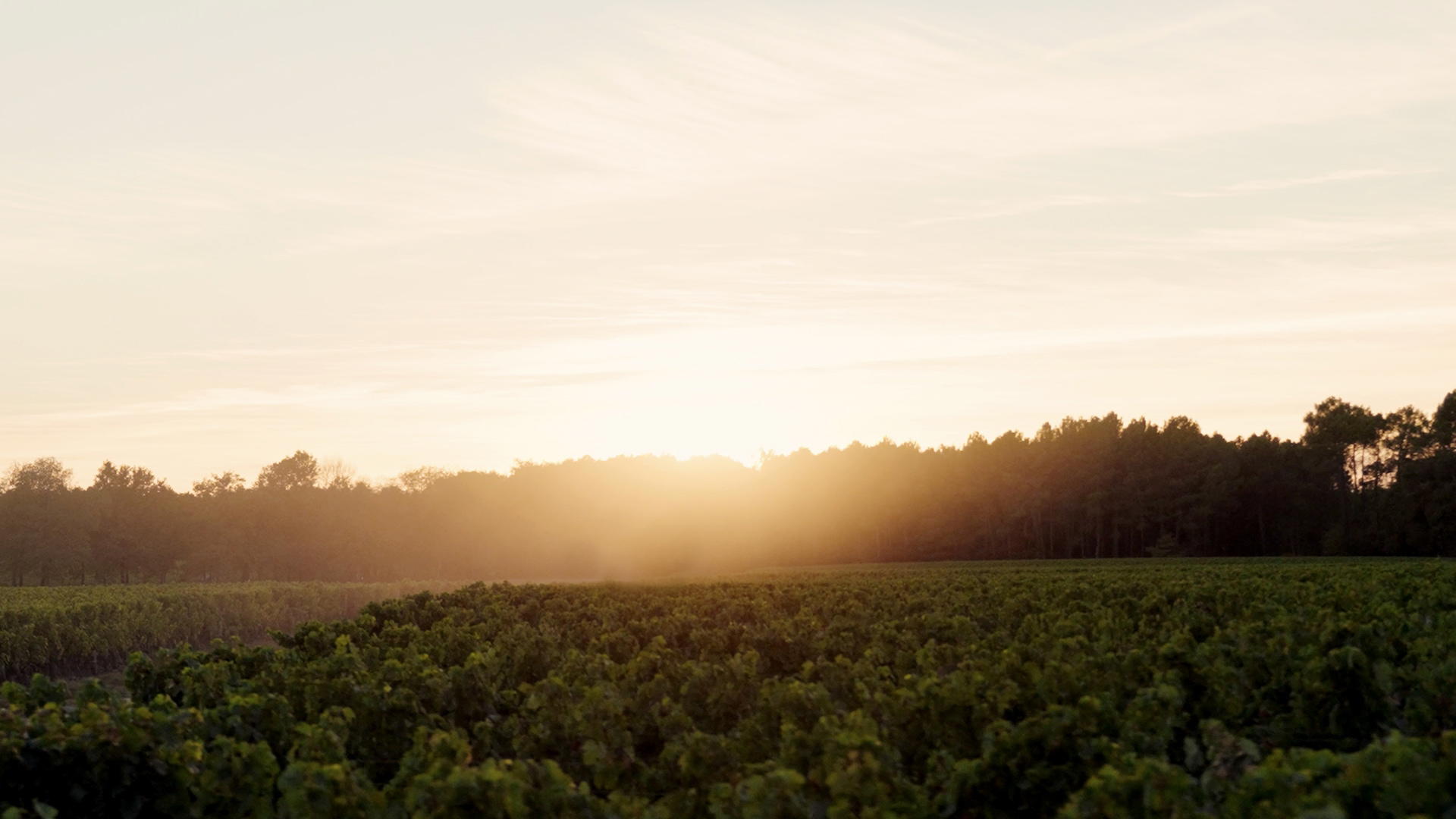
Domaine de Chevalier
Léognan, France
Book Domaine de Chevalier if the goal is a serious Léognan winery visit built around wine context rather than hospitality add-ons. It is better suited to focused enthusiasts than groups looking for a restaurant-driven château day, and it cross-shops most naturally with Château Haut-Bailly and Château Smith Haut Lafitte.
Domaine Ricardelle De Lautrec
Coursan, France
Worth booking if biodynamic farming and low-sulfite Languedoc wines are the point of the visit. Domaine Ricardelle De Lautrec is better suited to curious drinkers who want a small-group, working-vineyard tasting than to travelers looking for a luxury hospitality stop or food-led winery experience.
Damilano
La Morra, Italy
Book Damilano if the goal is a polished, structured Barolo tasting with serious MGA context rather than a casual cellar stop. The private format works for Nebbiolo-focused visitors who want time on Cannubi, Liste, Brunate, Cerequio, and Raviole; casual tasters can likely stay with the standard visit.
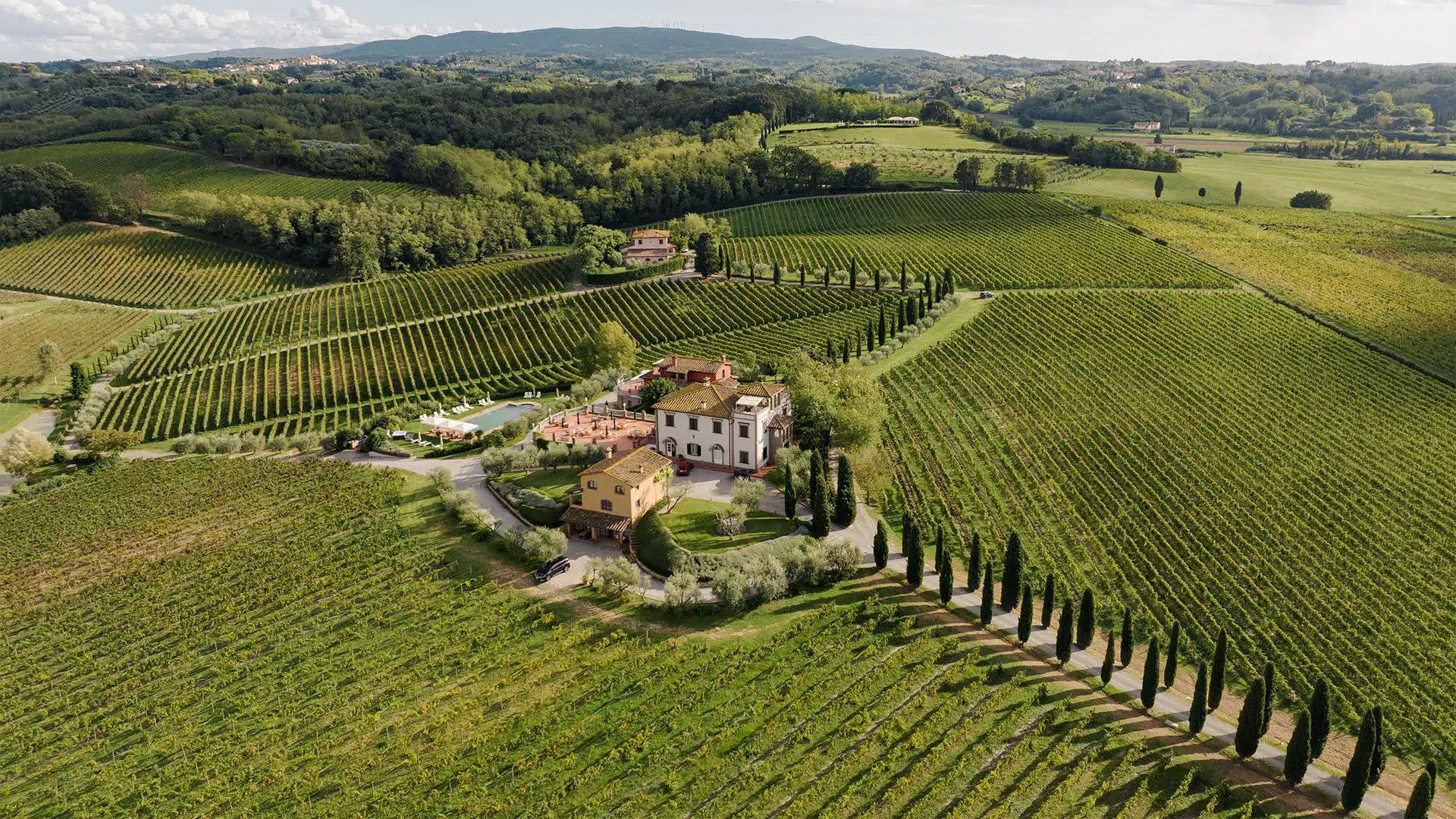
Castellani
Pontedera, Italy
Castellani is a practical Pontedera wine stop for travelers who want Tuscan context without building the whole day around one producer. Its Falstaff listing gives it a credible quality signal, but confirmed visitor details are sparse, so treat it as a flexible addition to a wider Pontedera or Tuscany itinerary rather than a tightly planned destination tasting.
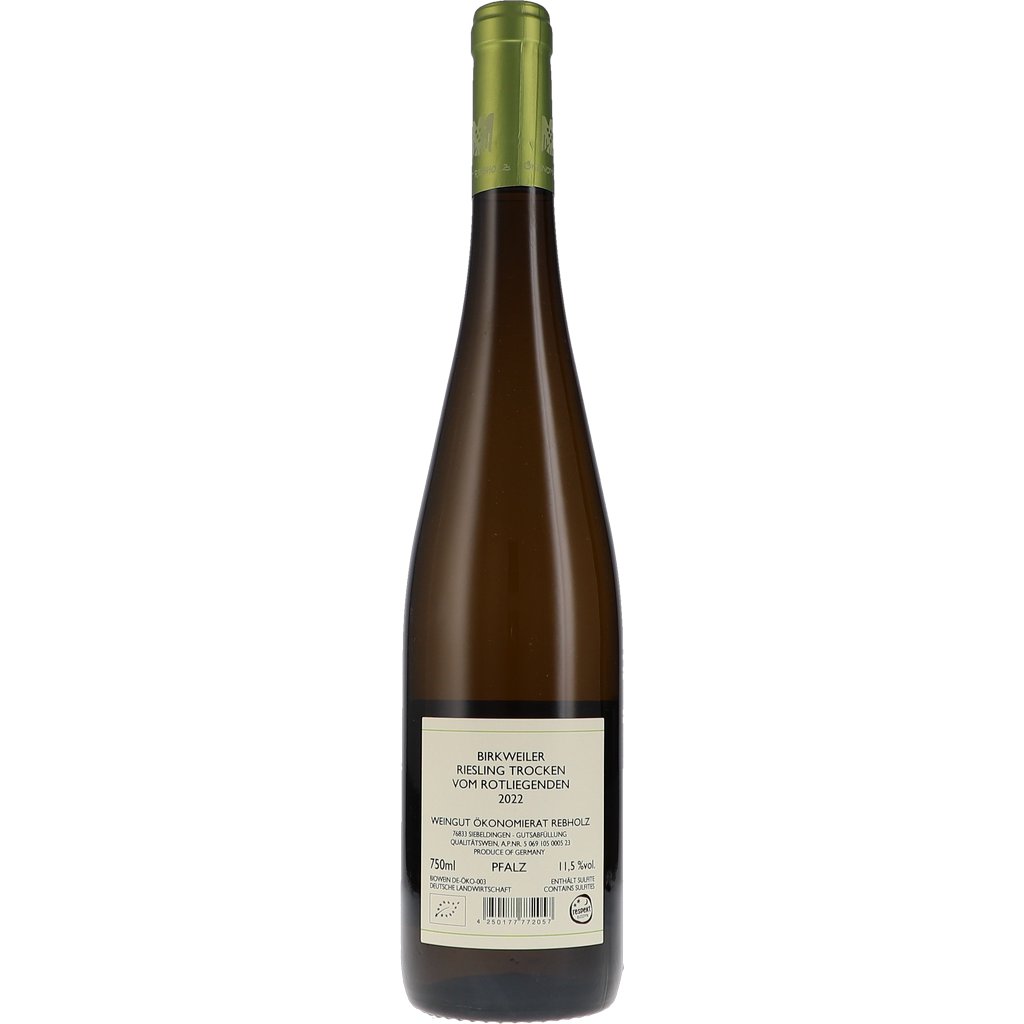
Weingut Ökonomierat Rebholz
Siebeldingen, Germany
Weingut Ökonomierat Rebholz is worth prioritizing for a serious Pfalz winery stop in Siebeldingen, especially if the visit is about understanding and buying bottles rather than casual tourism. Plan with a backup: compared with nearby Pfalz peers, this is a better fit for focused wine travelers than for large groups or flexible drop-ins.
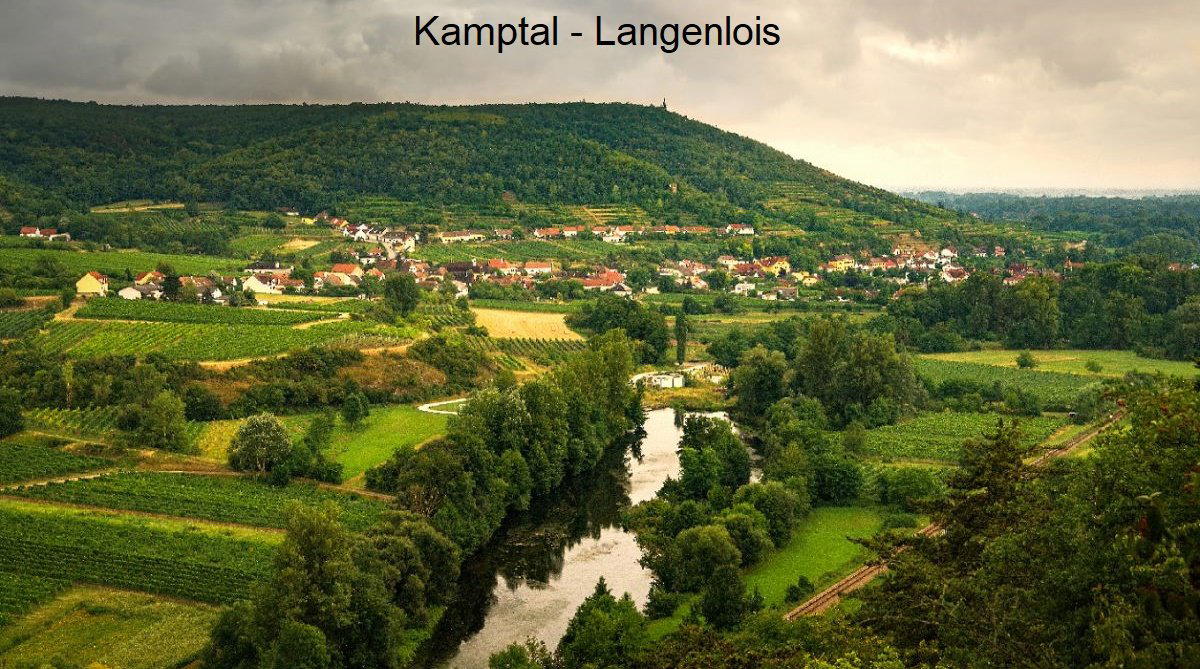
Alfred Markus Deim
Schonberg, Austria
A strong choice for a serious Kamptal tasting if you value family-run heritage, Grüner Veltliner, Riesling, and an intimate cellar-room format over polished tourism infrastructure. Go by appointment and treat it as a planned stop, not a flexible backup; the appeal is focused regional context, hand-harvested estate wines, and a traditional vaulted-cellar setting.
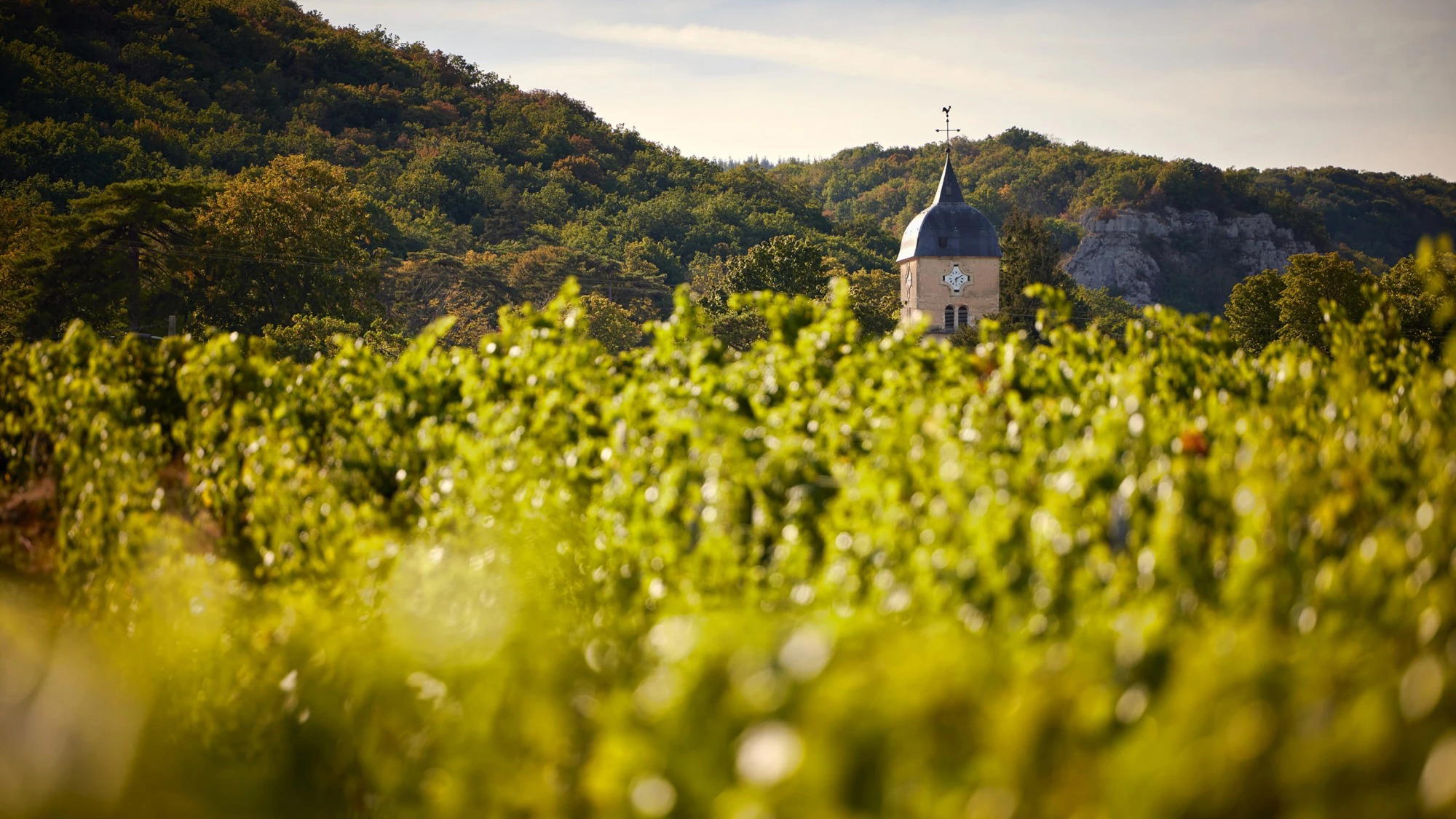
Domaine Georges Roumier
Chambolle-Musigny, France
Domaine Georges Roumier is a winery on Rue de Vergy in Chambolle-Musigny.
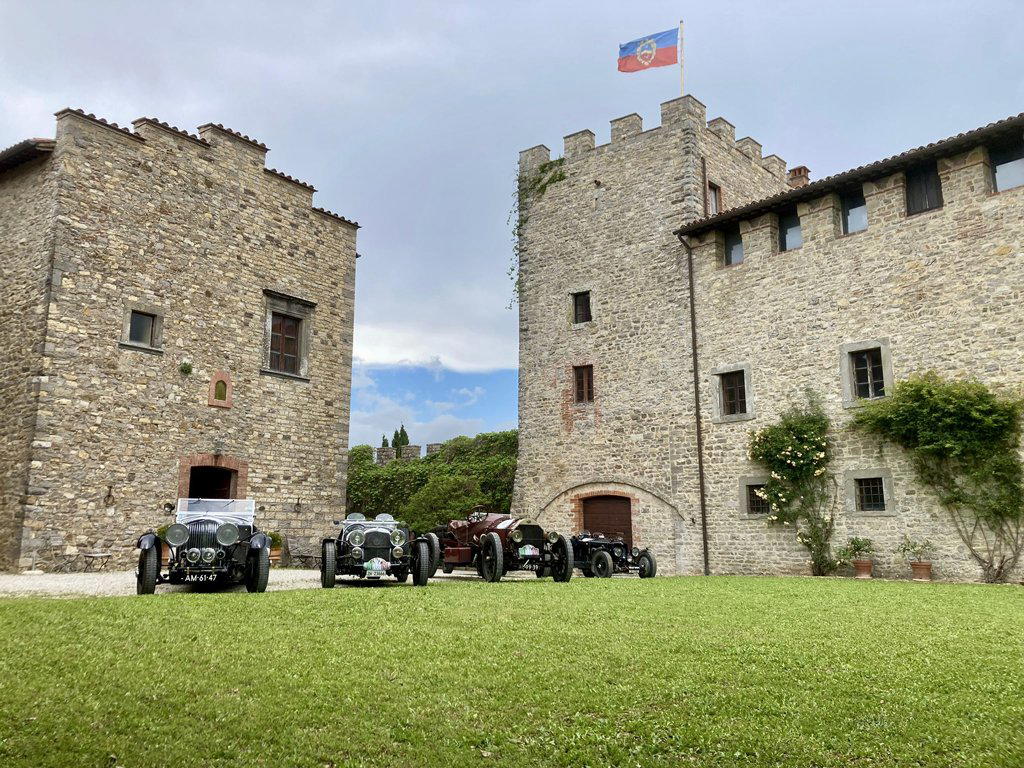
Castello di Montegiove
Montegabbione, Italy
Castello di Montegiove is a stronger choice for a slower, wine-led occasion around Montegabbione than for travelers who need a fully priced, restaurant-style plan in advance. Its Falstaff listing adds credibility, but confirm tasting format, timing, food availability, and bottle options before treating it as the anchor of the day.
Château La Rousselle
Saint Ciers De Canesse, France
Book Château La Rousselle if you want a relaxed Right Bank Bordeaux stop where the hillside setting adds real context to the wine. The appeal is the small-estate feel, Côtes de Bourg focus, Merlot-led red, casual atmosphere, and credible history, not a broad flight or restaurant-style experience.
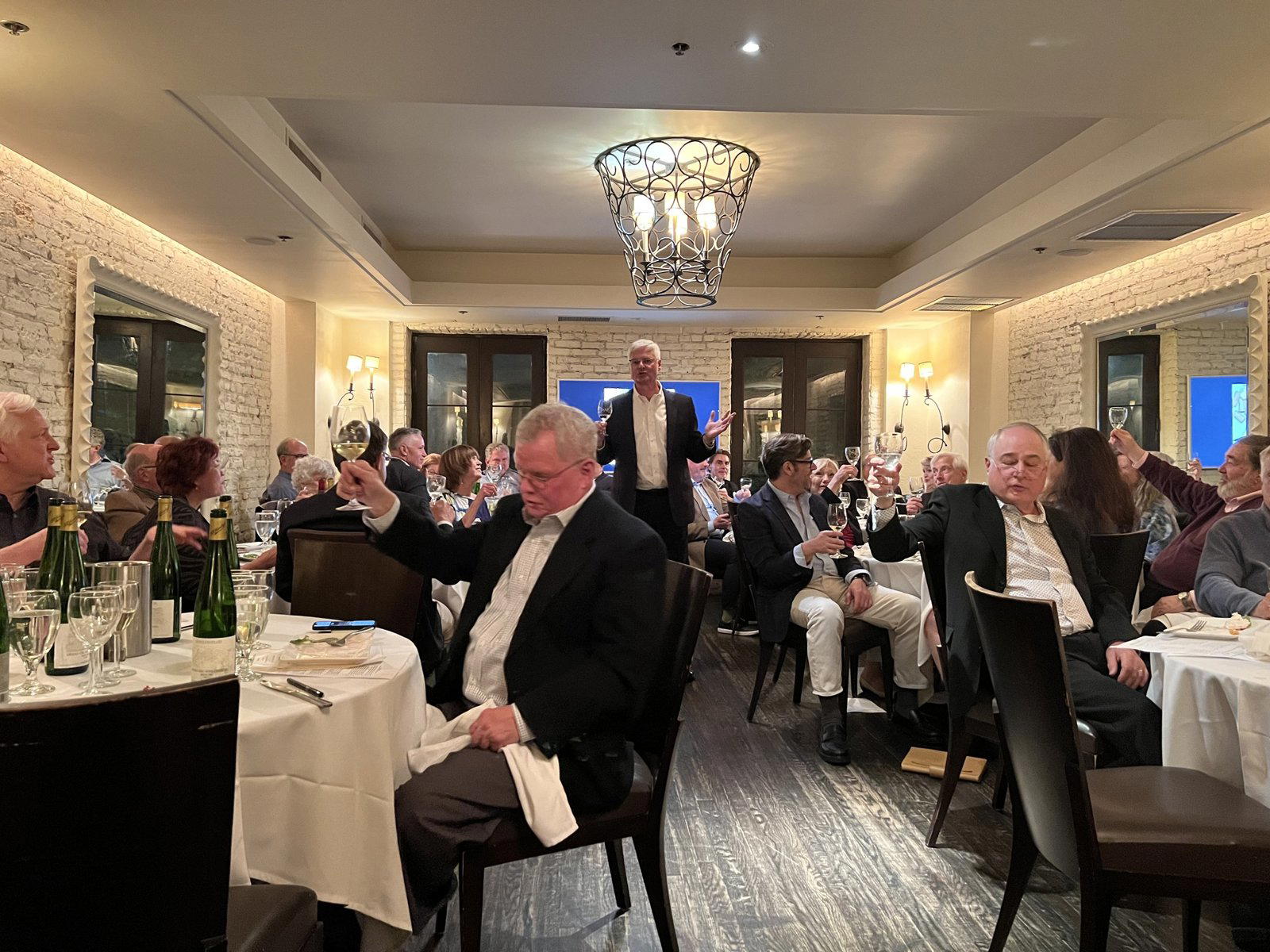
Maison Trimbach
Ribeauvillé, France
Maison Trimbach is worth prioritizing if your Ribeauvillé plan is built around serious Alsace wine rather than casual village browsing. Treat it as an anchor stop with backup options nearby, especially if your group needs flexible timing or easier access.
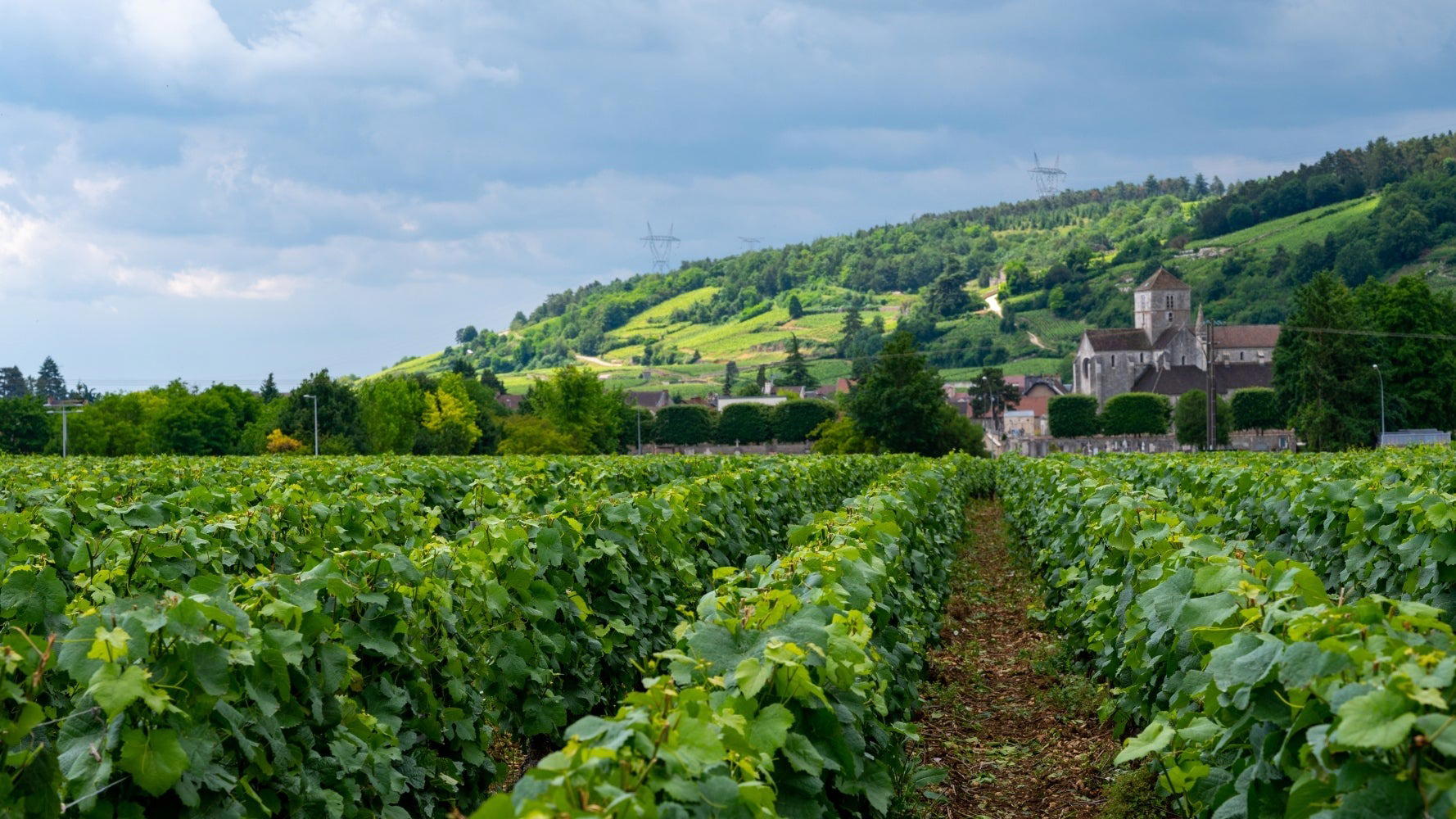
Domaine Comte Georges de Vogüé
Chambolle-Musigny, France
Domaine Comte Georges de Vogüé is a wine estate in Chambolle-Musigny, Burgundy.
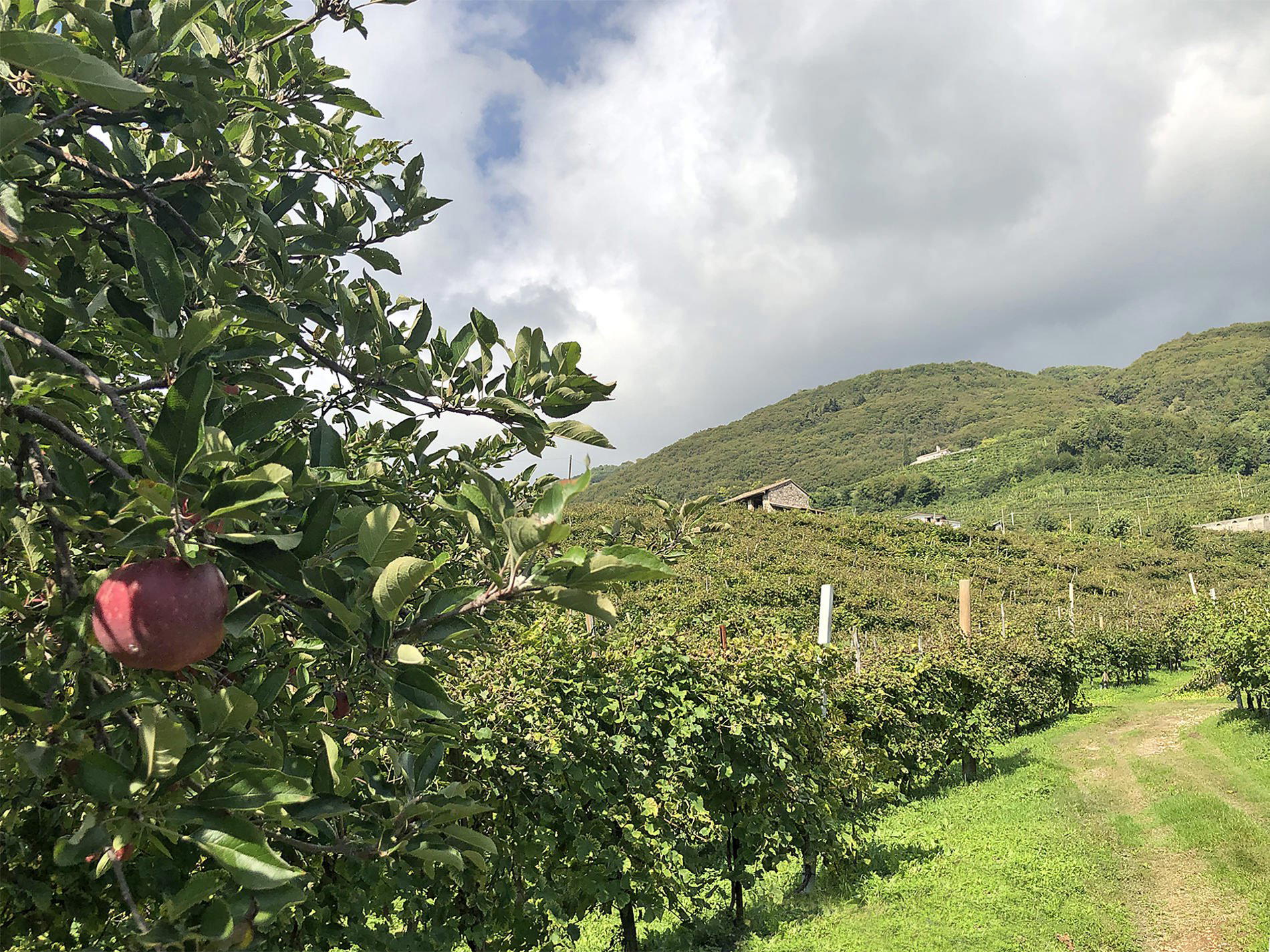
Ca' dei Berti
Valdobbiadene, Italy
Book Ca' dei Berti if you want a relaxed, family-run Prosecco Superiore DOCG tasting in the hills around Santo Stefano rather than a polished showroom experience. It is strongest for small groups, drier styles like Brut and Brut Nature, and simple food pairings that make the wines easier to read.
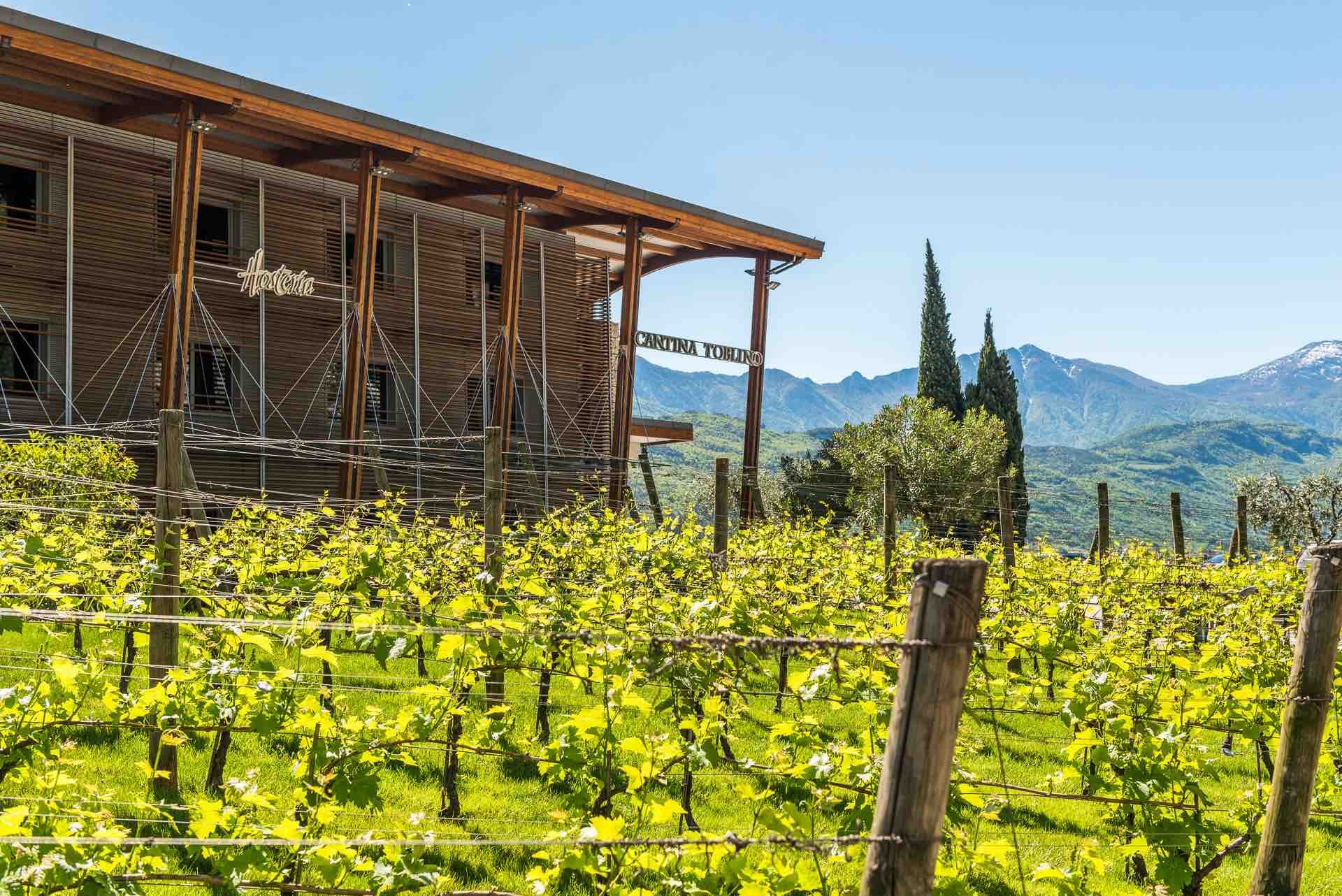
Cantina Toblino
Madruzzo, Italy
Book Cantina Toblino if the winery setting is part of the decision: lake-and-vineyard scenery, a modern visitor center, wine shop, and attached Hosteria make it a strong relaxed celebration stop in Madruzzo. It suits couples and small groups who want Valle dei Laghi context, Trento DOC, Nosiola, and Vino Santo without a high-pressure collector tasting format.
Frank & Serafìco
Alberese, Italy
Book Frank & Serafìco if you want a relaxed Maremma wine-country stop built around a casual farm setting, outdoor seating, food, beer, distillates, and an easygoing atmosphere. It is a better fit for explorers than for collectors seeking detailed cellar data or a formal tasting script.
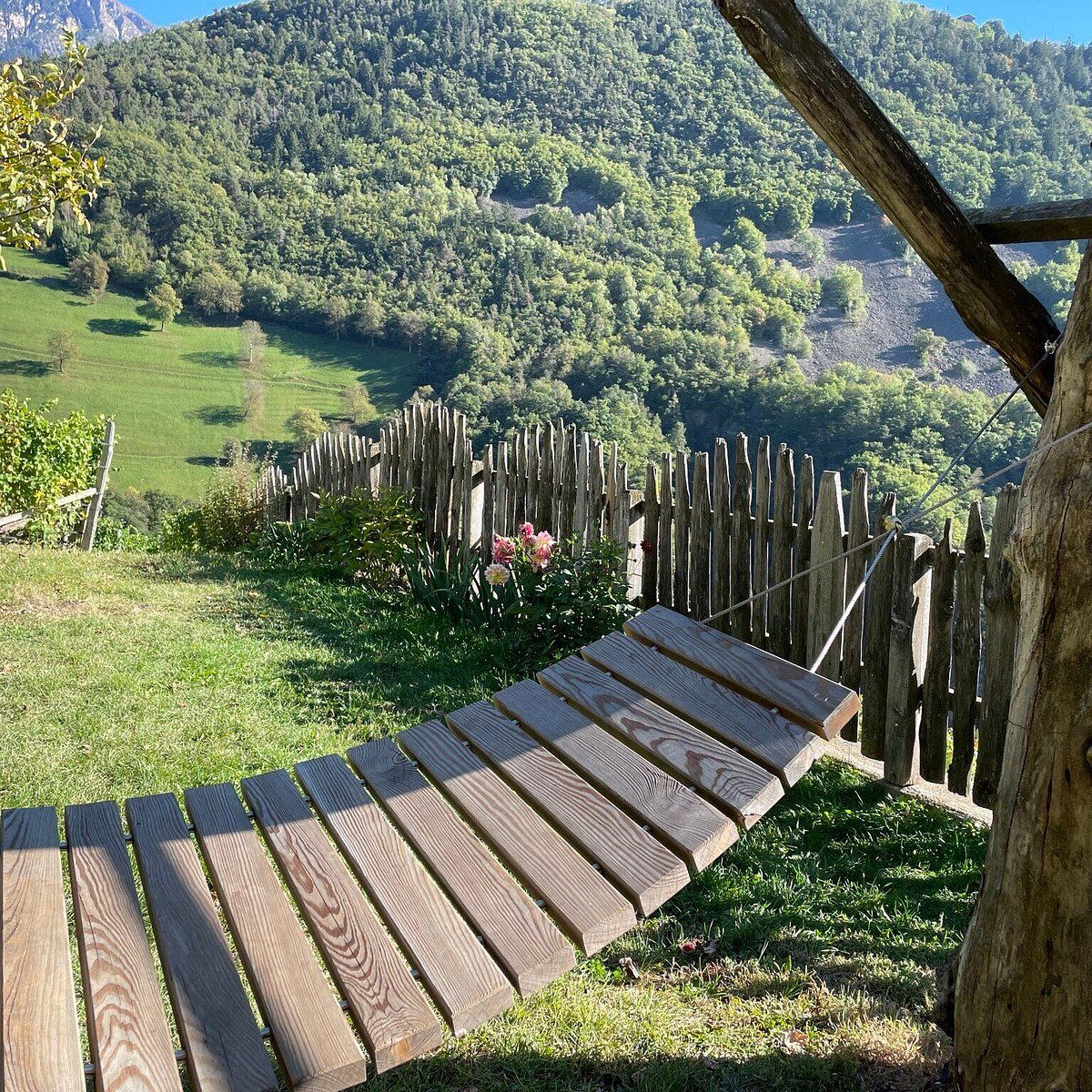
Weingut Ebner
Ritten, Italy
Weingut Ebner is a practical Ritten pick for a relaxed rural meal, especially if ease matters more than a formal dining format. Book it for a low-key return visit or daytime stop; compare Rielingerhof if the group wants a more restaurant-led choice.
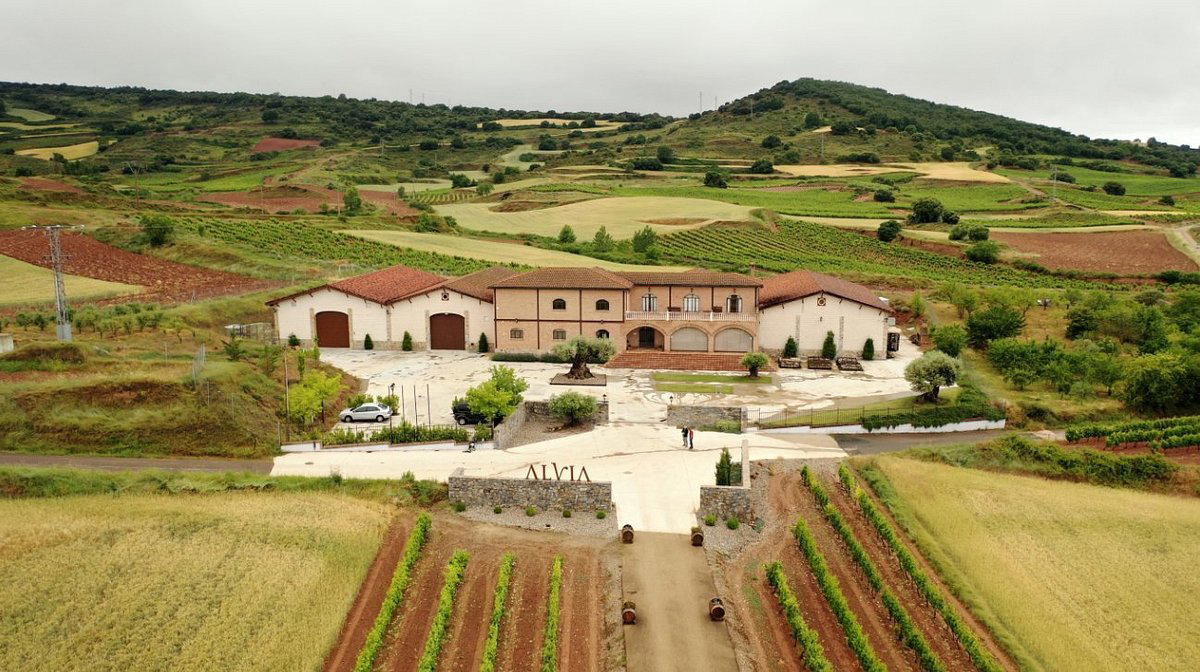
Bodegas Alvia
Ventosa, Spain
Book Bodegas Alvia if you want a focused Rioja Alta winery visit built around old vines, barrel rooms, and a guided tasting rather than a restaurant-style experience. The fee is reasonable for a cellar-led visit with simple local food pairings, and the 2026 Falstaff 1 Star adds a useful quality signal.
Edi Simčič Wine Estate
Dobrovo, Slovenia
Book Edi Simčič Wine Estate when you want a polished Goriška Brda tasting with serious Rebula focus, cellar context, and a design-forward setting. It is better for couples, small celebrations, and wine-curious guests than for a casual bargain crawl, because the value comes from the hosted experience as much as the pours.
Château Rauzan-Despagne
Naujan And Postiac, France
Book Château Rauzan-Despagne if you want a quieter southern Bordeaux winery stop with family history, vineyard context, and a rustic setting. It is a better fit for couples or small groups than for travelers seeking a polished luxury tasting or dining-led estate visit. Appointment-only planning is the main practical point.
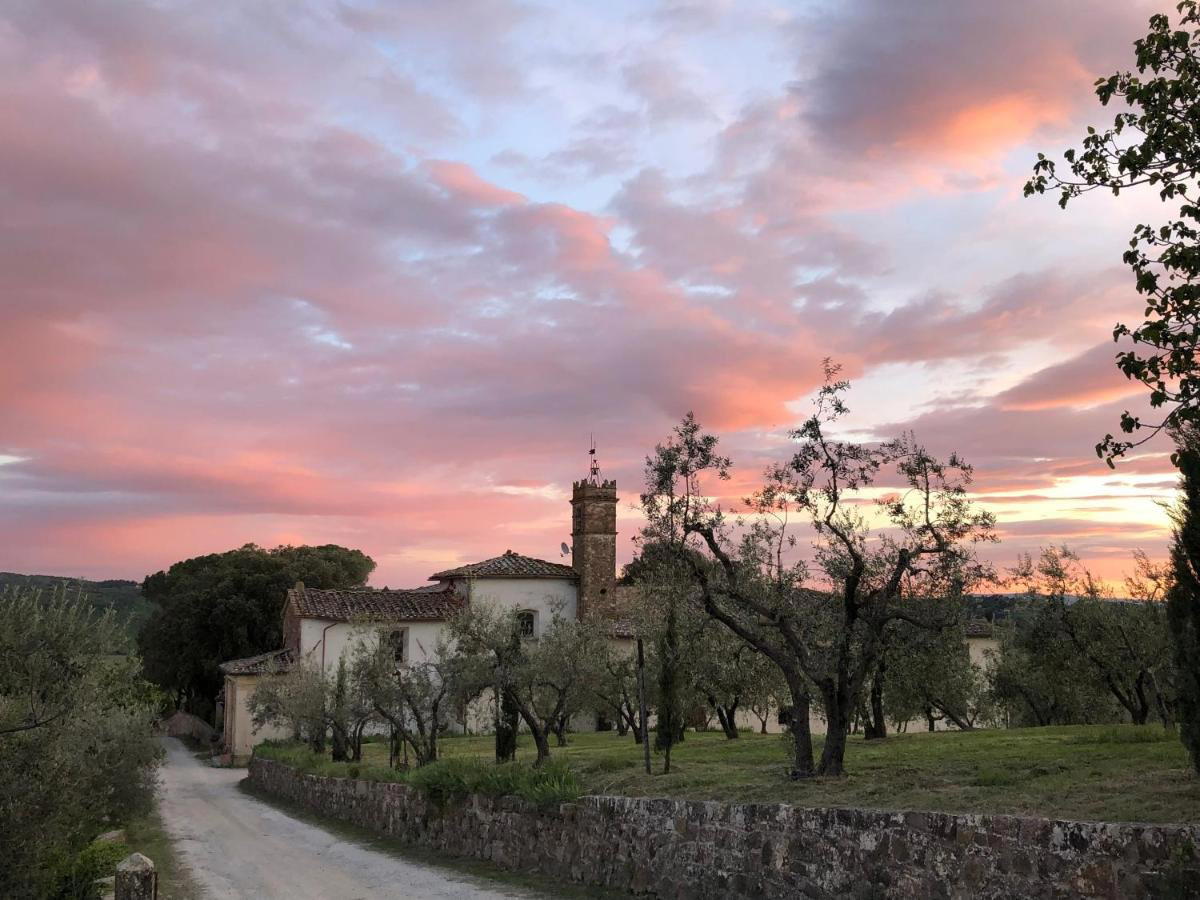
Fattoria di Rignana
Greve in Chianti, Italy
A good choice if you want a Chianti estate stay rather than a quick tasting stop. Fattoria di Rignana is strongest for its farmhouse-and-villa setup, organic wine and olive oil production, and seasonal Tuesday tasting dinners; treat any club-style buying decision cautiously until you have tasted the wines and understand the purchasing terms.
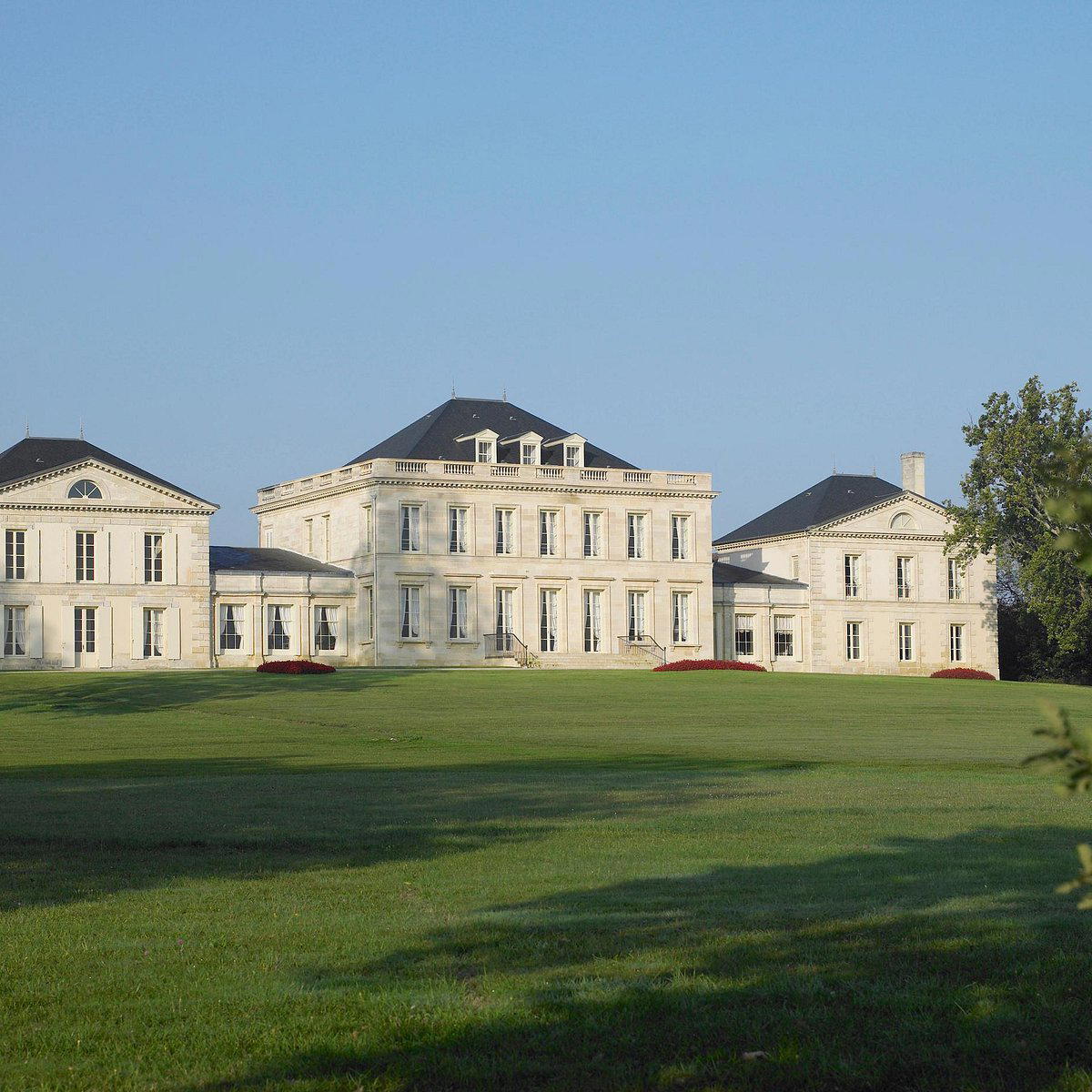
Château Phélan Ségur
Saint-Estèphe, France
Worth prioritizing if Saint-Estèphe is the point of the trip, especially for travelers who want château context rather than a quick tasting stop. Plan it as an anchor visit with enough time around it, not as one more name in an overloaded Médoc day.
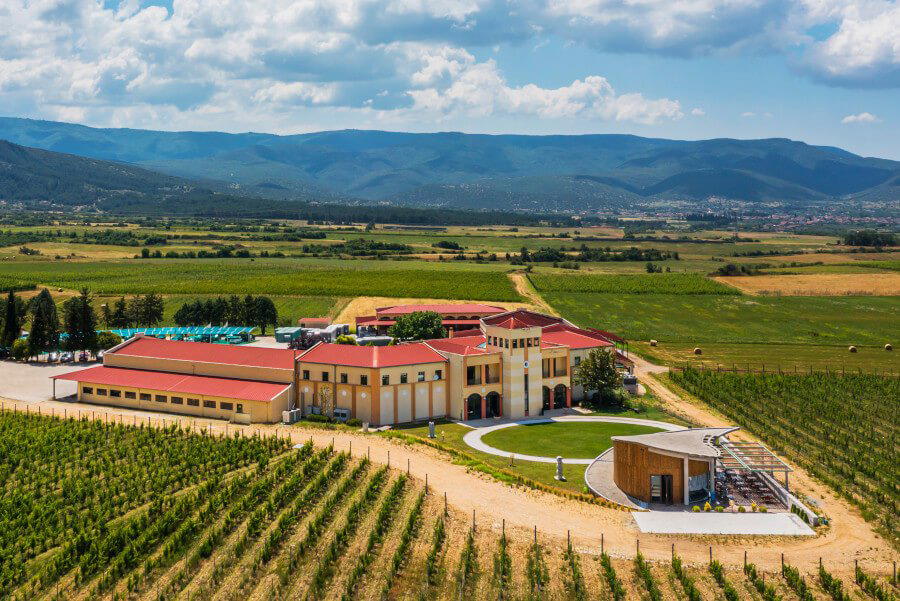
Château Nico Lazaridi
Drama, Greece
Book Château Nico Lazaridi if your Drama itinerary is built around serious wine context rather than a casual tasting stop. Its strongest appeal is as an anchor producer in the region, especially when paired with Oenops Wines or Costa Lazaridi Distillery for contrast. Plan carefully, since public-facing visit details are thin and this works better as a scheduled stop than a spontaneous detour.
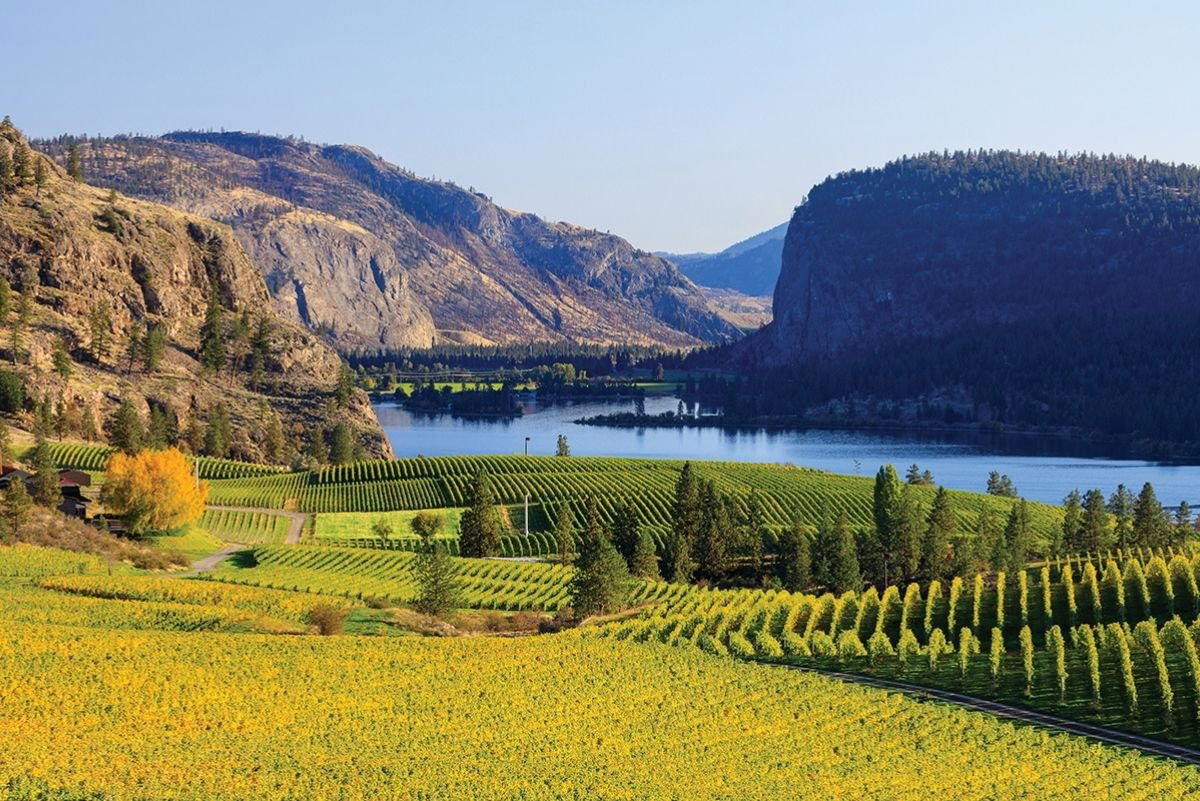
Blue Mountain Vineyard
Okanagan Falls, Canada
Blue Mountain Vineyard is worth planning around if the goal is a quieter, wine-focused Okanagan Falls stop rather than a high-energy tasting crawl. Verified public detail is lean, so treat it as a wine-first visit and use nearby Pearl guides to build meals, stays, and the rest of the day around it.
Cecilia Beretta
Verona, Italy
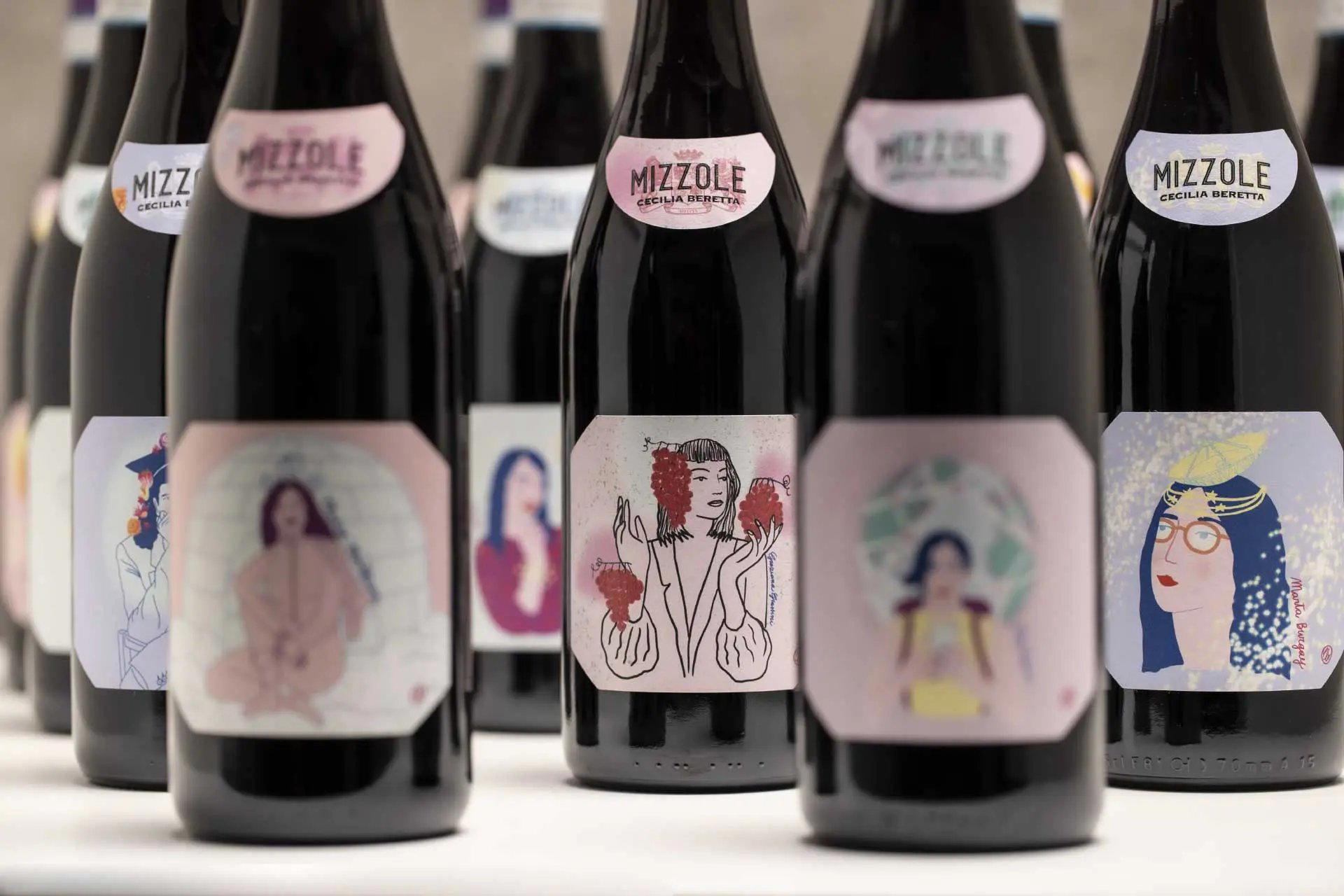
Book Cecilia Beretta if Veneto wine depth matters more than a heavily packaged tasting experience. The draw is a Pasqua-family research estate working across Amarone, Ripasso, Soave, Prosecco, and IGT wines, with enough recognition to justify serious buyer attention.
Bioweingut Jakob
Mautern, Austria
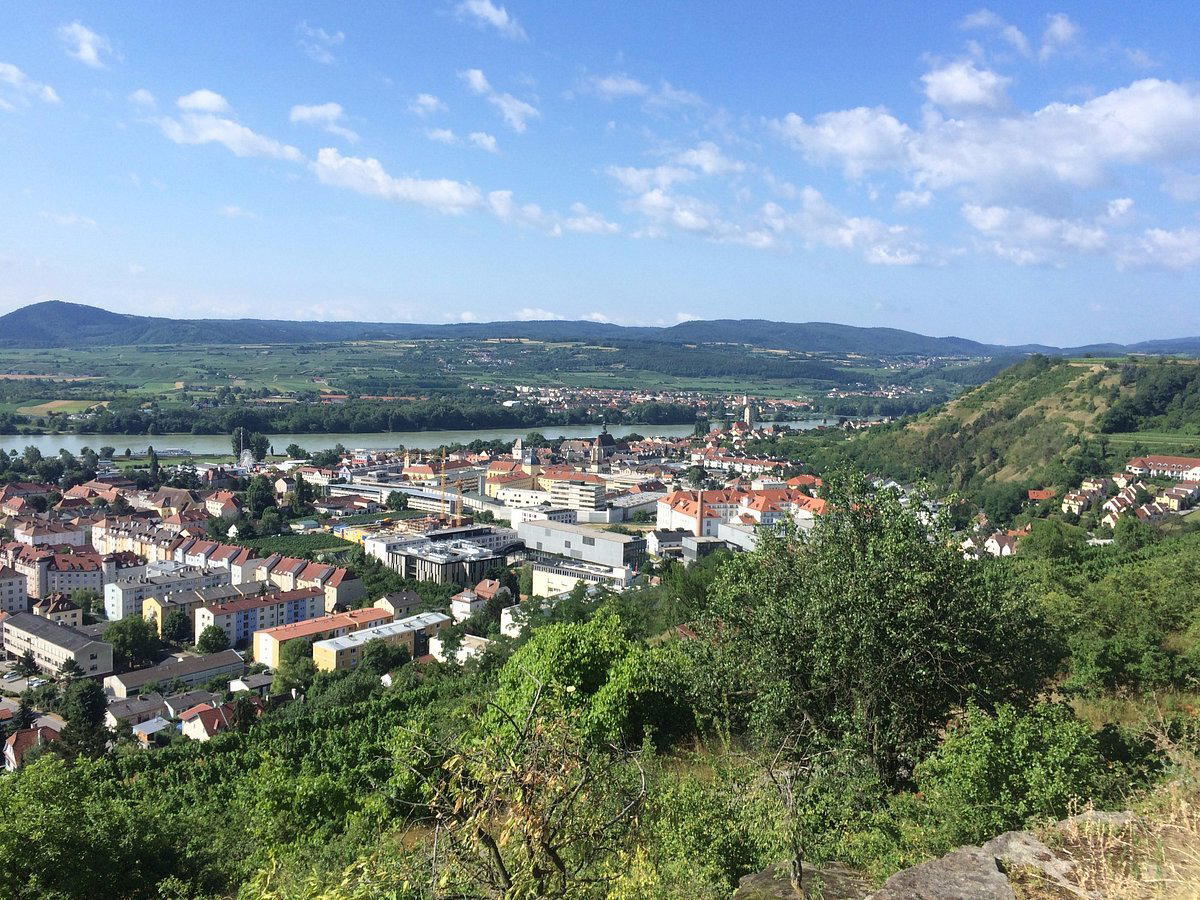
Choose Bioweingut Jakob for a quieter Mautern wine stop where the Wachau setting matters more than big-estate amenities. It suits couples, small celebrations, and low-key business tastings; larger groups should confirm logistics before building a day around it.
Keet Wines
Stellenbosch, South Africa
Keet Wines is worth targeting if you want a serious, appointment-led Stellenbosch red-wine experience centered on FIRST VERSE, a five-varietal Bordeaux-style blend. It is less suited to groups looking for a broad tasting lineup or full estate amenities. The $$$ positioning makes the strongest sense for collectors, special occasions, or focused wine travel.
Doga delle Clavule
Montalcino, Italy
Book Doga delle Clavule if the setting is part of the point: a rural Maremma estate with stone farm buildings, vineyard scale, and a clear Morellino di Scansano focus. It suits couples and small celebration groups looking for a scenic, regional tasting rather than a highly polished luxury appointment.
Garrone
Grana Monferrato, Italy
Worth considering if Grana Monferrato is already on the route and the trip is about Piedmont wine context rather than a high-production visitor experience. Garrone has a Falstaff Listed 2026 signal, but published visitor details are thin, so treat it as a flexible regional stop rather than the whole plan.
Château Olivier
Léognan, France
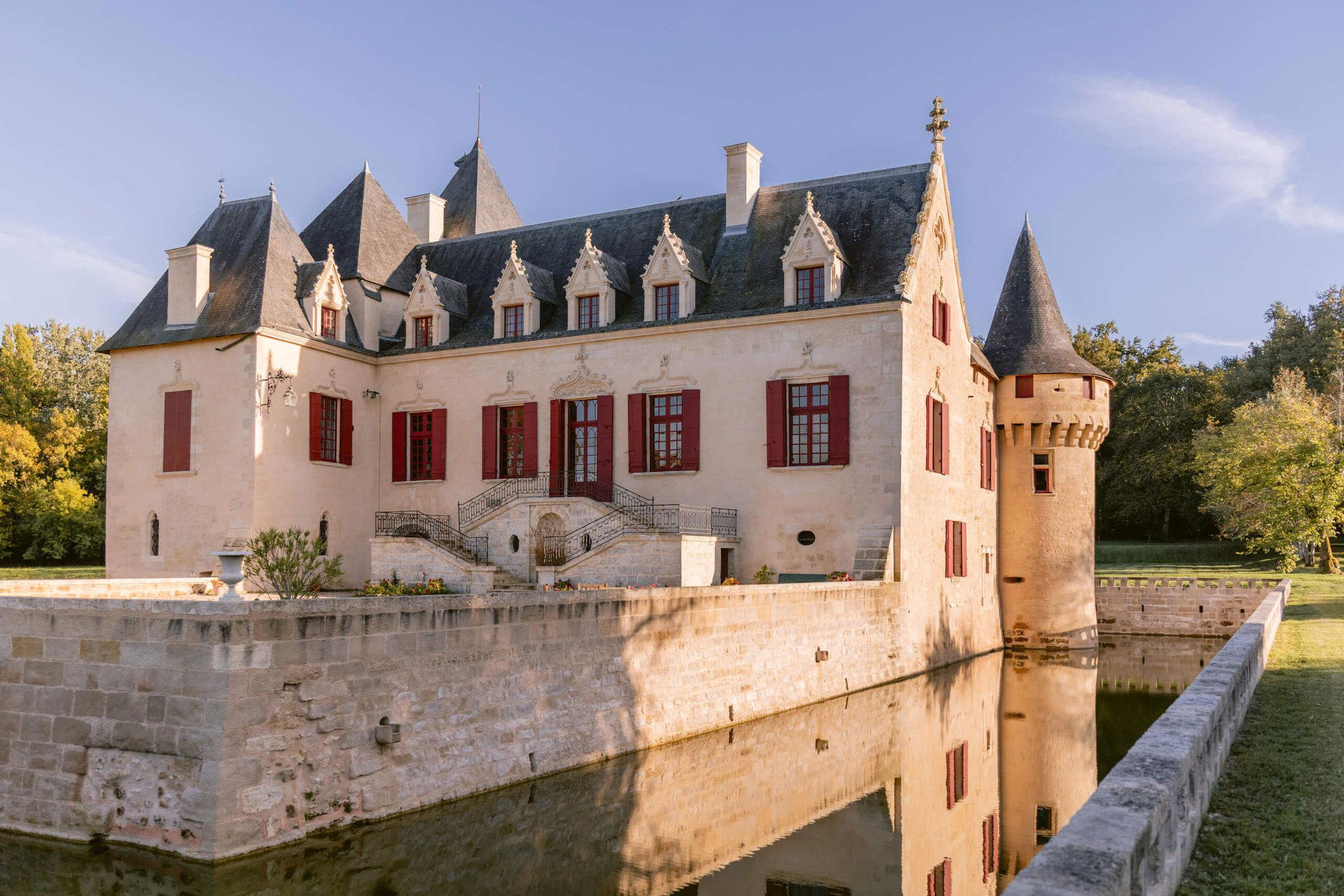
Against Léognan’s wider winery circuit, Château Olivier is strongest as a wine-focused château stop for a special occasion, not as a meal-led pairing destination. The Falstaff 2 Stars recognition for 2026 gives it a credible reason to shortlist, but plan food separately and build the day around a focused Pessac-Léognan itinerary.
Domaine Bruno Colin
Chassagne-Montrachet, France
Choose Domaine Bruno Colin for a serious Chassagne-Montrachet wine stop where the village setting is part of the appeal. It suits a celebration or business itinerary built around Burgundy rather than a casual drop-in with food, cocktails, or broad sightseeing attached.
Domaine de la République
Bernex Lully, Switzerland
Domaine de la République works if the priority is a serious Bernex Lully winery with a clear external quality signal: Falstaff 2 Stars in 2026. It is less useful for casual planning because public visitor details are thin, so treat it as a targeted wine inquiry rather than an easy tasting-room stop.
Duca di Dolle
Cison Di Valmarino, Italy
Book Duca di Dolle if the priority is an intimate Prosecco Superiore stay with food pairing and a restored hermitage setting in the UNESCO-listed Conegliano-Valdobbiadene Hills. It is strongest for couples, celebrations and slow wine-country itineraries, less compelling for visitors seeking a quick tasting or a broad portfolio beyond Prosecco.
Ashton Hills Vineyard
Adelaide Hills, Australia
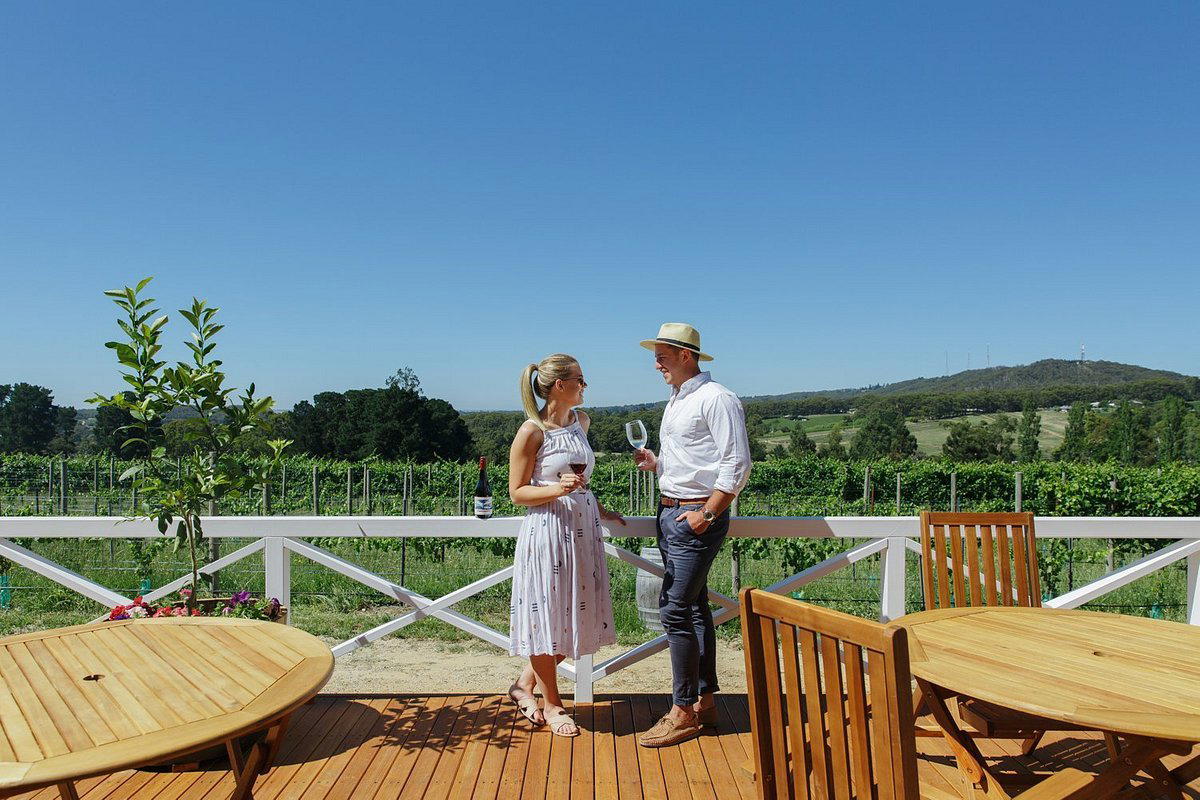
Ashton Hills Vineyard is worth prioritising for Adelaide Hills visitors who care more about focused wine access than a broad hospitality setup. Treat it as an early-planning booking, especially if the wine club or allocation angle is the draw; keep a nearby backup in place if timing does not work.
Firmino Miotti
Breganze, Italy
Book Firmino Miotti if the goal is a quiet, wine-led Breganze tasting with family heritage and regional specificity. The strongest draw is the contrast between structured DOC reds and more local expressions such as Gruajo, making it better for curious drinkers than for guests seeking a restaurant-style winery day.
Domaine Chante-Perdrix
Châteauneuf-du-Pape, France
Book Domaine Chante-Perdrix if you want a traditional Châteauneuf-du-Pape estate focused on old-vine, Grenache-led wines rather than a polished hospitality production. The appeal is the Southern Rhône context: galets roulés soils, family continuity since 1896, and a rich, layered Provençal style that suits serious wine travelers.
Brunelli
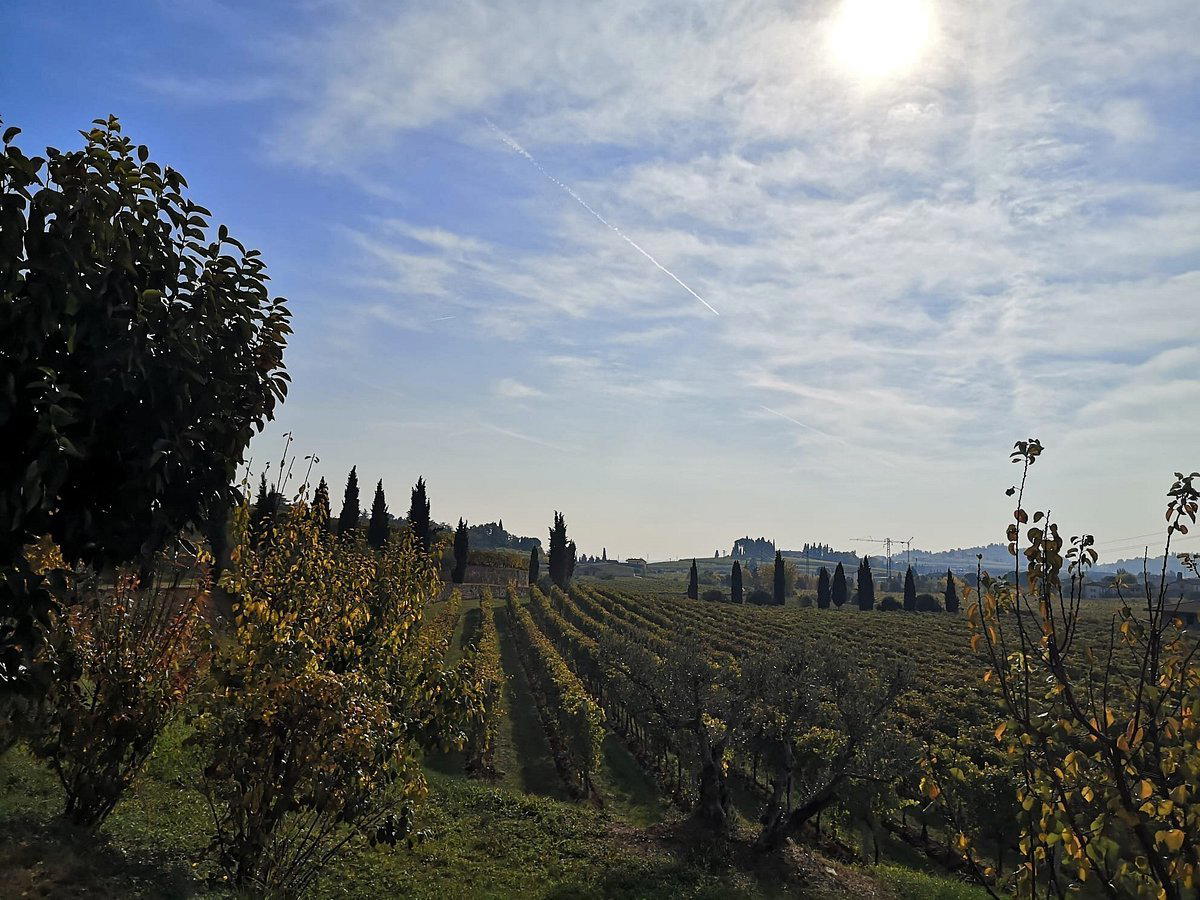
San Pietro In Cariano, Italy
Brunelli is a smart pick for a quiet Valpolicella Classica tasting built around Amarone, family history, and restored 18th-century cellar atmosphere. Choose it for a date, anniversary, or small-group wine stop where the production method matters as much as the setting; skip it if the goal is a fast, high-energy tasting crawl.
Bodegas Ramon Roqueta
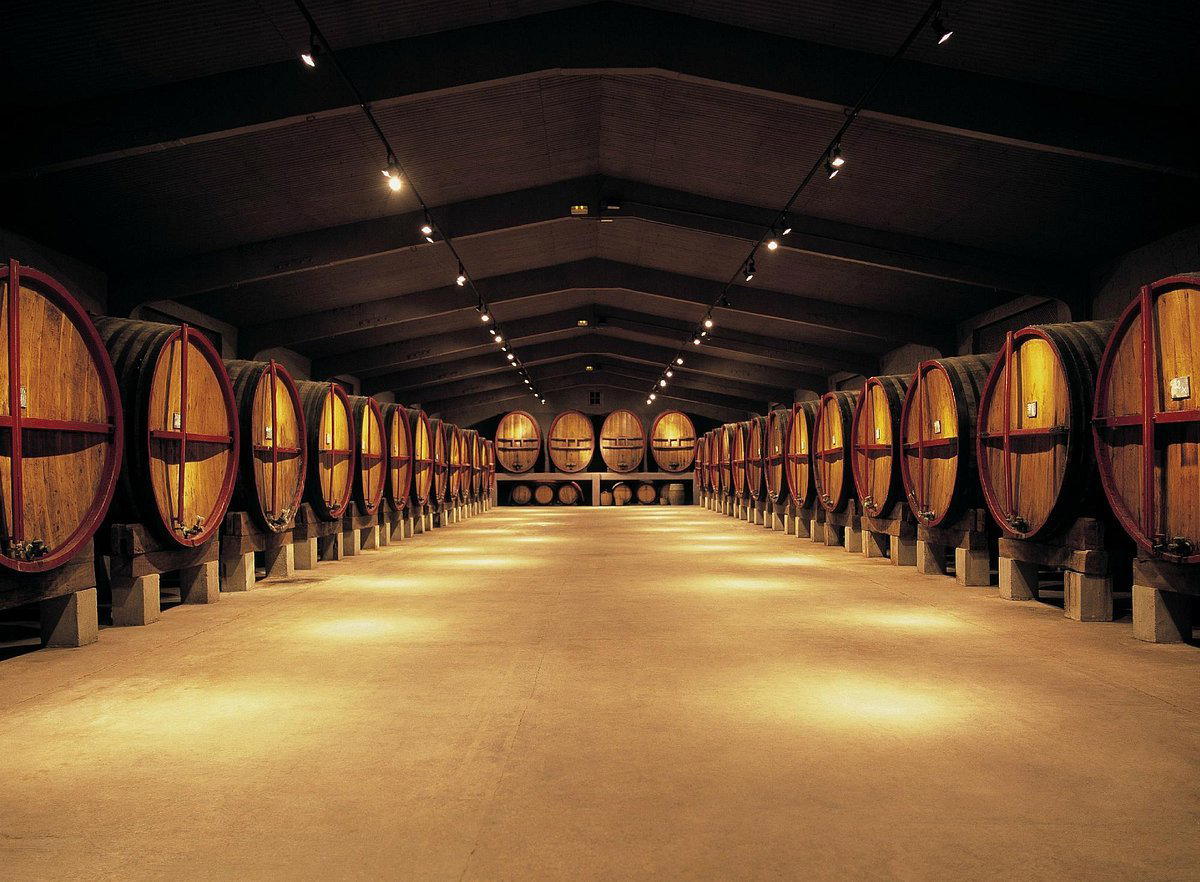
Santa Maria D Horta D Avinyo, Spain
Choose Bodegas Ramon Roqueta if the goal is a focused Catalan wine producer with outside recognition, not a fully packaged hospitality experience. It suits wine travelers who value producer context and are willing to confirm logistics before committing; groups needing food, large-party certainty, or easy walk-in planning should choose a more documented option.
Château Picque Caillou
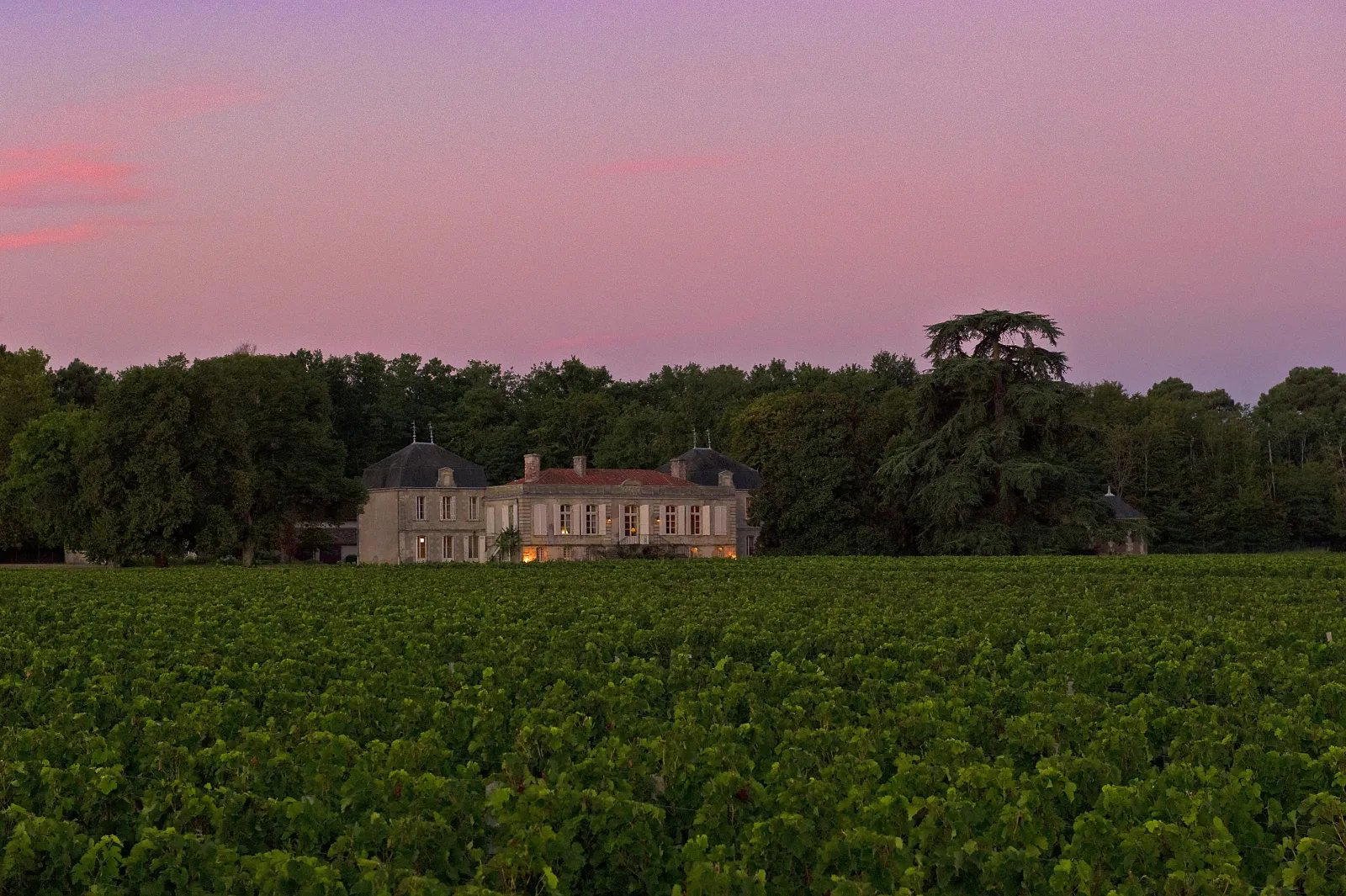
Mérignac, France
A strong choice for a calm, wine-first Pessac-Léognan visit in Mérignac. Château Picque Caillou is worth prioritising if you care about gravel soils, structured red Bordeaux, and the 2026 ownership shift; skip it if you want a food-led winery day or a broad hospitality setup.
Champagne Palmer & Co
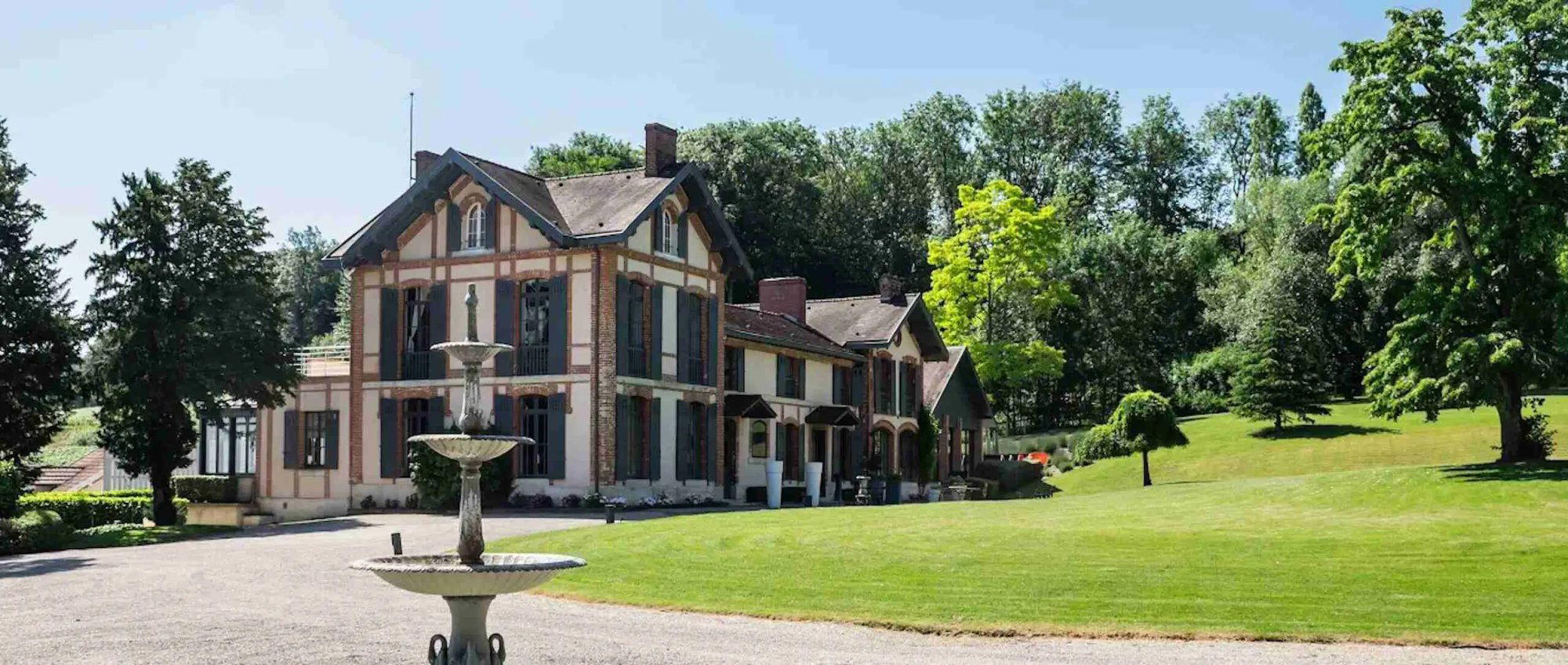
Reims, France
Champagne Palmer & Co is worth prioritizing if the goal is a polished Reims tasting with real blending depth rather than label-chasing. The value case rests on Premier and Grand Cru sourcing, extended lees aging for Brut Réserve, and a cooperative model that gives the cellar team a wide blending palette.
How many of these have you visited?
Find out on Pearl and keep score across every place in 2026 Falstaff Winery Guide.