

2026 Falstaff Winery Guide: The Ultimate Wine Authority — Page 110
Falstaff's 2026 Wineries guide.

Venues on this list
Fritz Huber Weinbau
Regensdorf, Switzerland
Book Fritz Huber Weinbau as a simple Regensdorf cellar-door stop, not a formal tasting-room experience. The appeal is low-friction access to a heritage Swiss farm winery with red, white, rosé, sparkling wine, and fine brandies; the tradeoff is limited verified hospitality detail beyond direct sales.
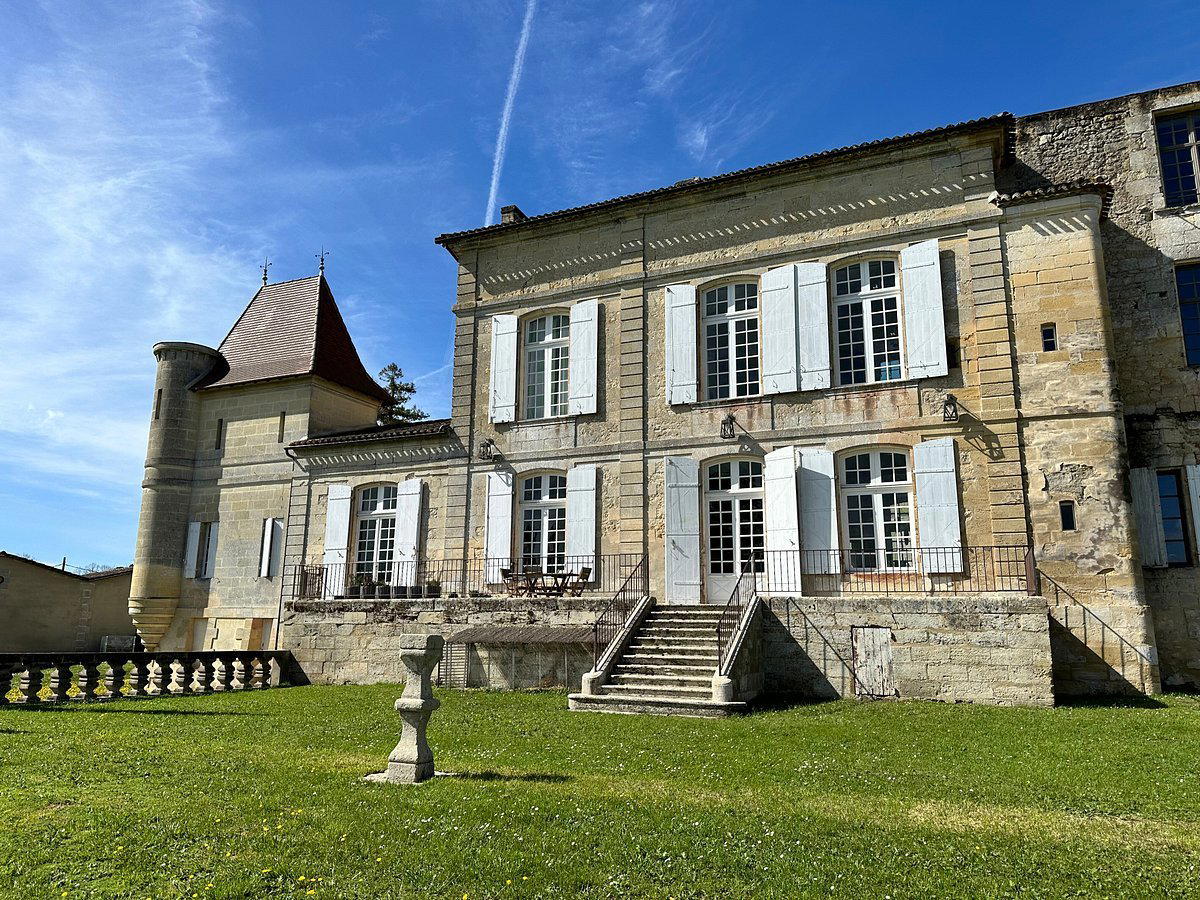
Château Ad Francos
Francs, France
Worth booking if the setting matters: Château Ad Francos pairs a historic castle visit with a focused Francs wine tasting rather than a quick tasting-room stop. The strongest fit is a curious wine traveler who wants Merlot-led Bordeaux, countryside views, and a quieter appointment-based experience.
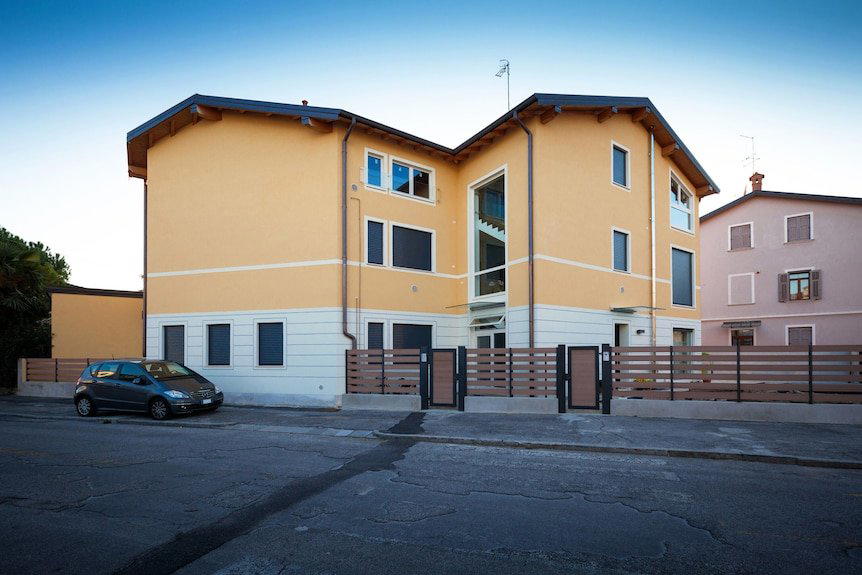
Azienda Agricola Damijan Podversic
Gorizia, Italy
Azienda Agricola Damijan Podversic is worth prioritising if the trip is built around serious Gorizia wine rather than casual drop-in tasting. The 2026 Falstaff listing gives it a useful credibility signal, but sparse public visitor detail means it suits planners comfortable arranging the wider day around confirmed logistics elsewhere.
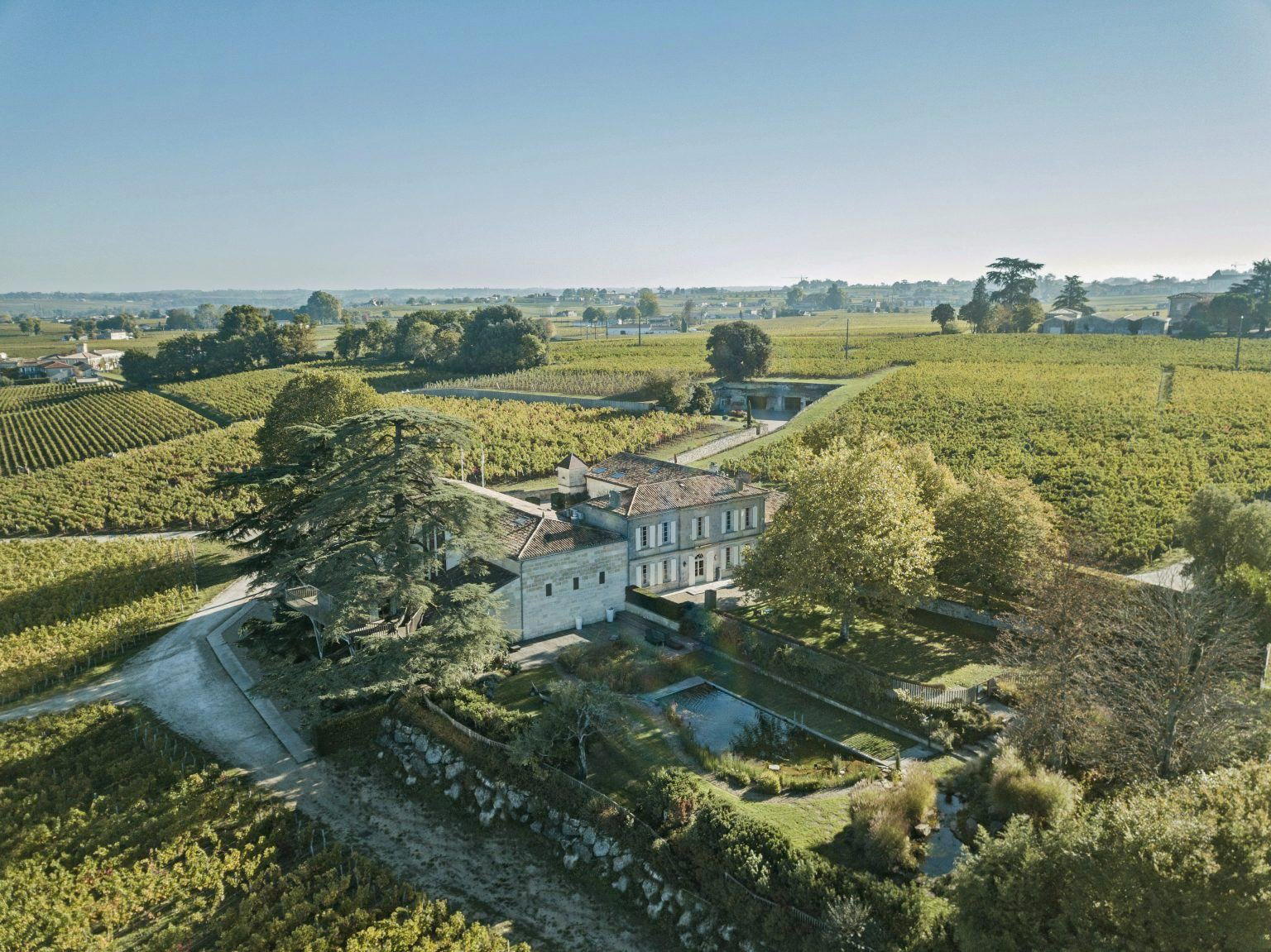
Château Franc Mayne
Saint-Émilion, France
Book Château Franc Mayne if you want a calm, polished Saint-Émilion tasting with more substance than a quick pour. The Grand Cru Classé status, organic vineyard, limestone caves, and 2026 Ilex non-alcoholic launch make the fee feel justified, especially for couples or small celebration groups.
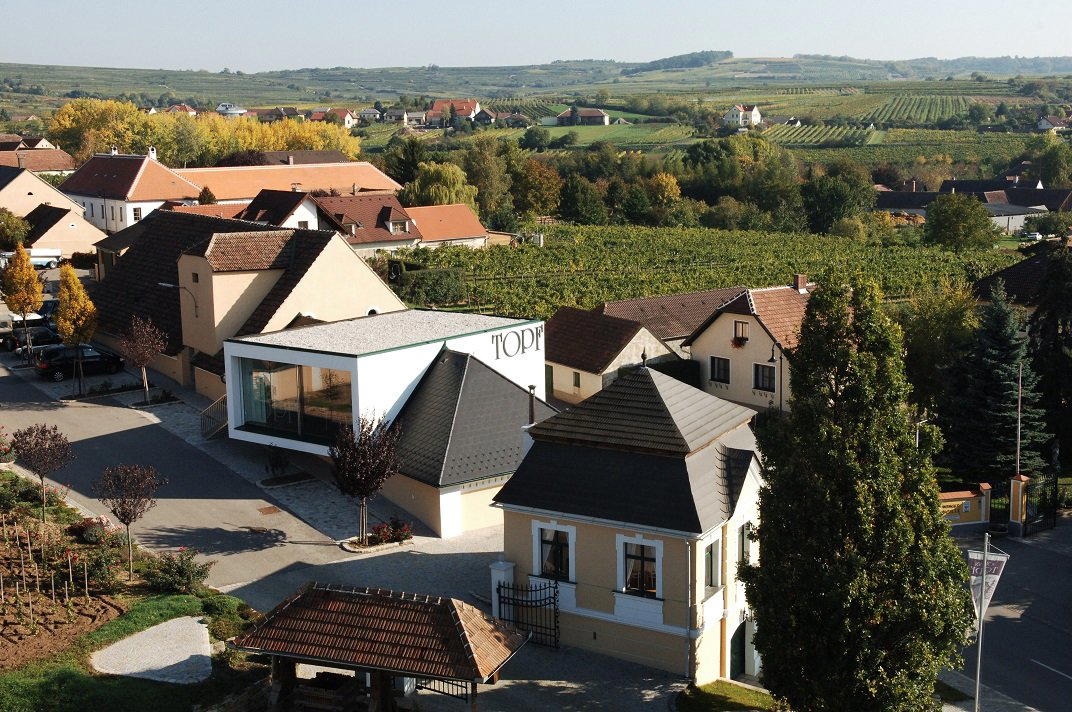
Weingut Johann Topf
Straß im Straßertale, Austria
A serious Straß im Straßertale winery pick for first-timers who want a planned tasting rather than a casual drop-in. Prioritize it if Austrian wine is already part of the cellar conversation; otherwise, cross-shop nearby Allram or Arndorfer for an easier same-village comparison.
Caves Bernard-Massard
Grevenmacher, Luxembourg
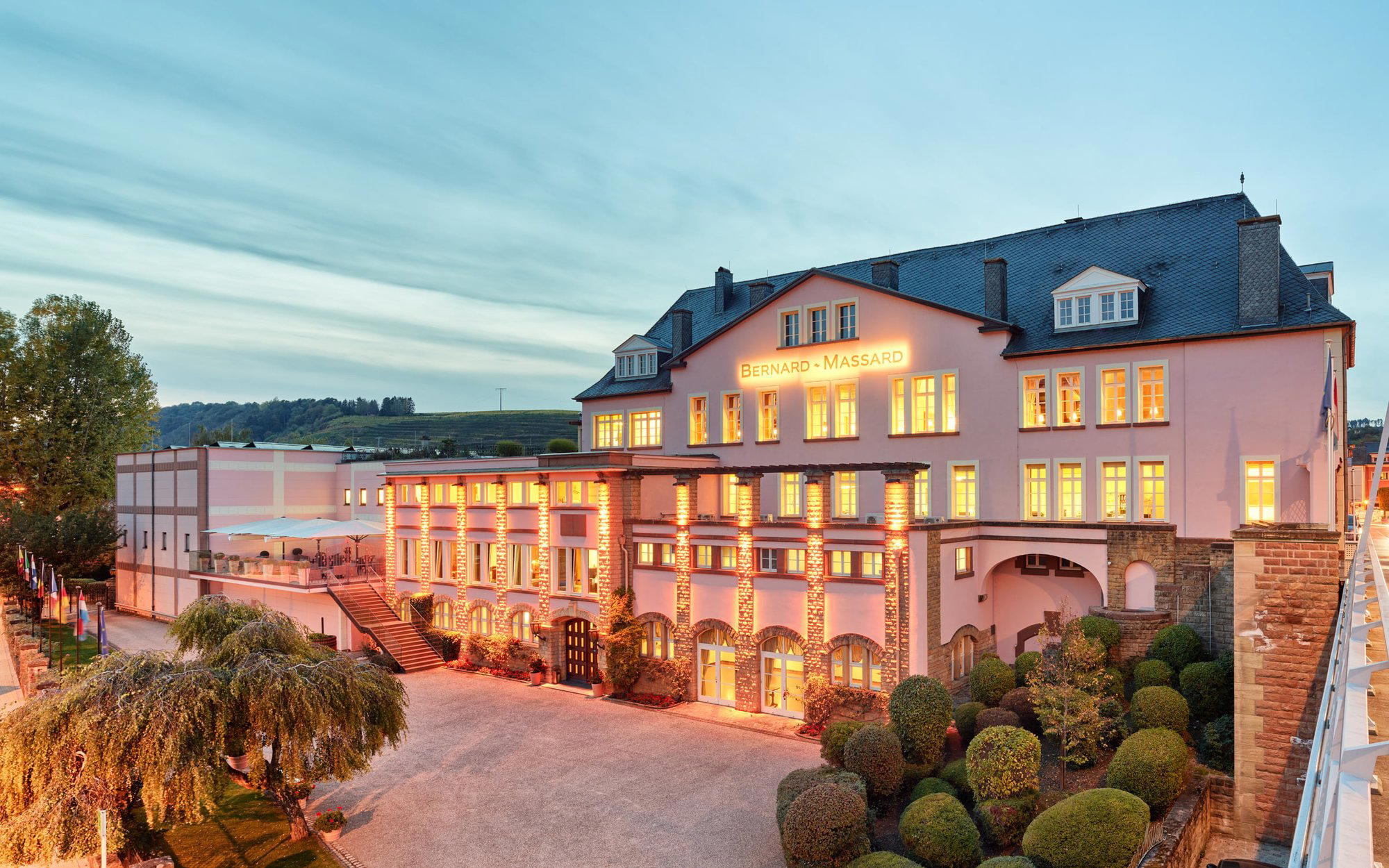
Book Caves Bernard-Massard if you want a polished, easy introduction to Luxembourg’s Moselle sparkling-wine culture. It is strongest for first-time Grevenmacher visitors, mixed-interest groups, and travelers who want cellar context without a high-commitment tasting format. Skip it if you are mainly looking for food or a small-grower private tasting.
Felsengartenkellerei Besigheim
Hessigheim, Germany
A practical, value-led winery stop in Hessigheim at $39 per person, with Falstaff listing recognition for 2026 and an easy booking profile. Book it for regional context, cooperative breadth, and Neckar Valley steep-vineyard scenery; skip it if the priority is a highly private or technical cellar session.
Adega Portalegre
Portalegre, Portugal
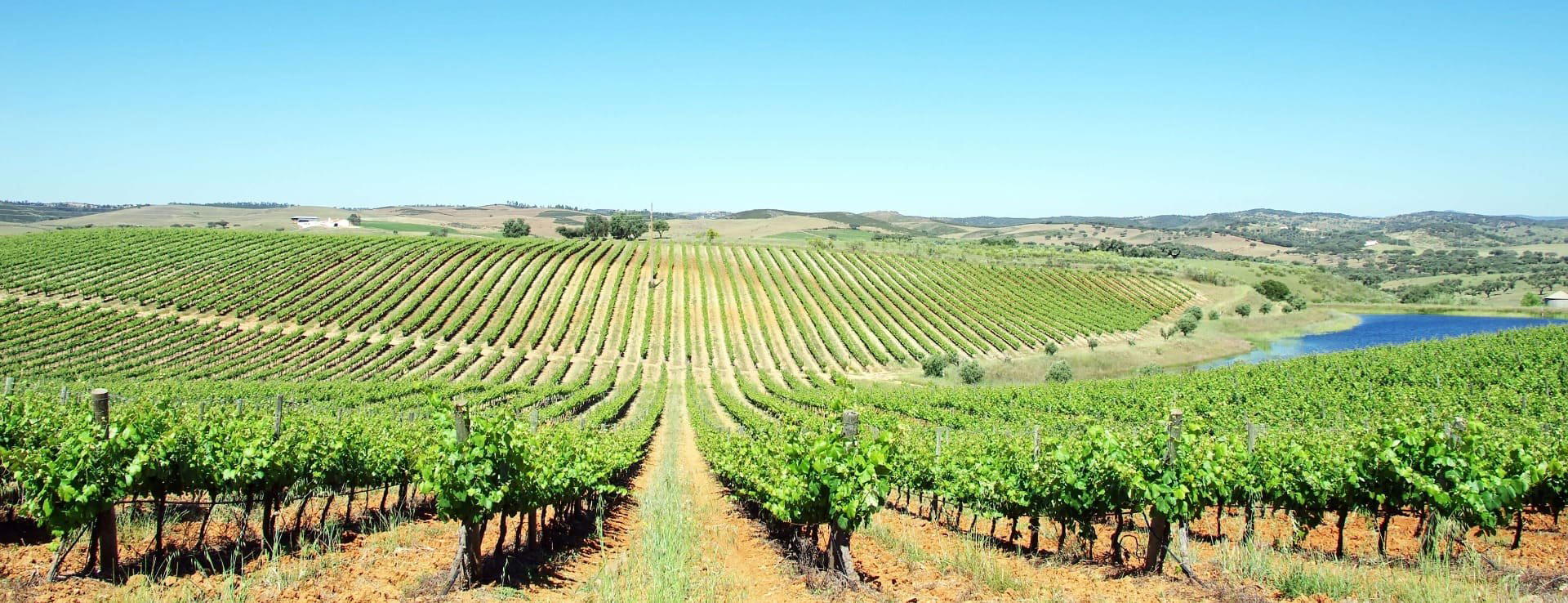
A strong Portalegre pick for wine travelers who care about terroir, cooperative history, and cooler-climate Alentejo rather than luxury tasting-room polish. Go for the Serra de São Mamede context, the classic regional portfolio, and the chance to understand why Portalegre DOC feels distinct from the broader Alentejo plain.
Artemis Karamolegos Winery
Santorini, Greece
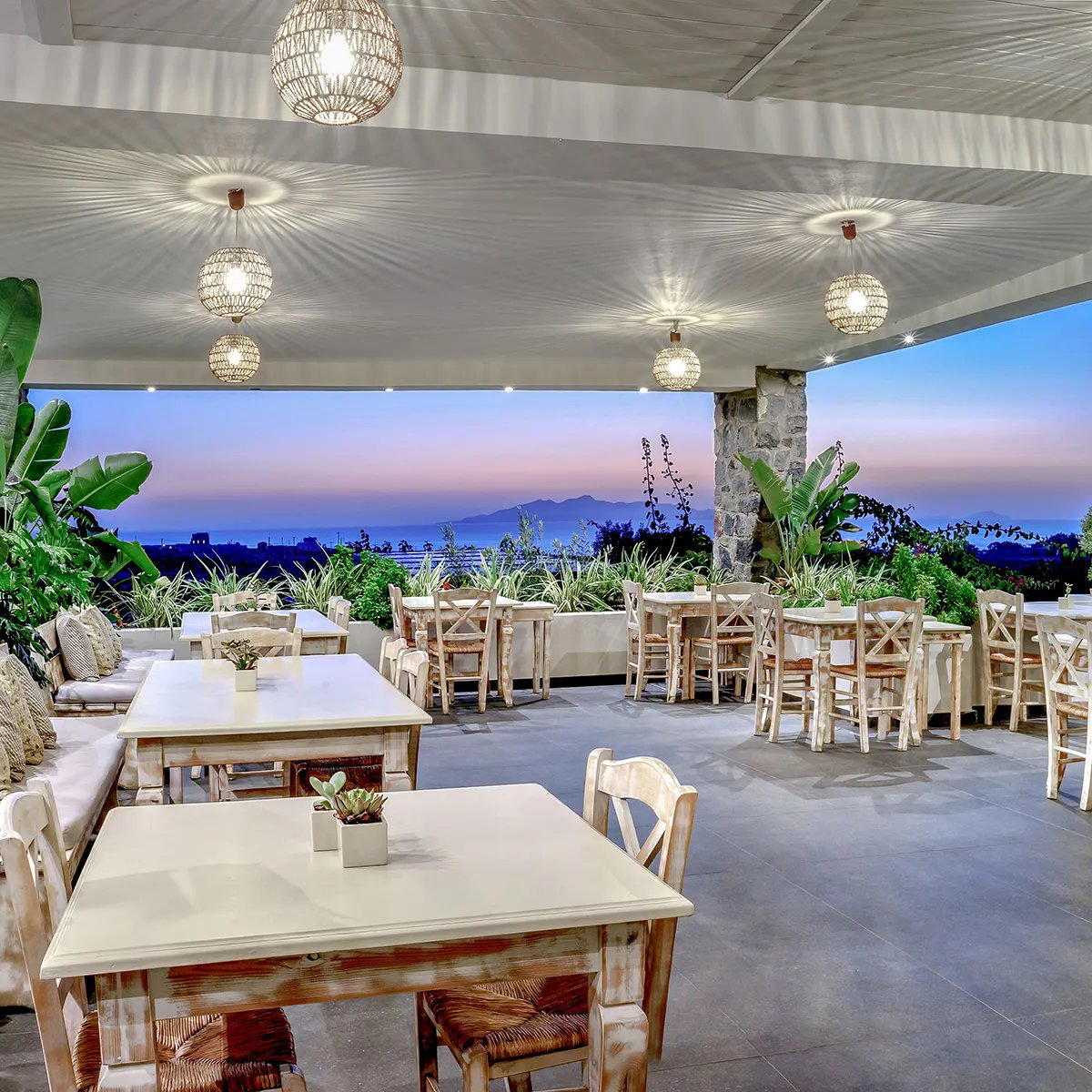
Book Artemis Karamolegos Winery if the priority is serious Santorini wine rather than a view-first tasting stop. Its Pearl 2 Star Prestige recognition makes it a strong anchor for travelers comparing island producers, especially those interested in Assyrtiko and volcanic-vineyard context.
Fattoria Montignana
San Casciano Val Di Pesa, Italy
Book Fattoria Montignana if the priority is a quiet Tuscan farmhouse base near San Casciano Val di Pesa, with apartment-style stays, countryside scenery, and a relaxed pool setting. Do not choose it for a confirmed production-led winery visit; plan tastings separately and use the property as a calm Chianti-area home base.
Domaine des Tourelles
Jdita, Lebanon
Worth booking for Lebanese wine history, relaxed Bekaa Valley atmosphere, and a broad portfolio that includes wine, arak, gin, whiskey, and liqueurs. Domaine des Tourelles is better for a casual celebration or date than for a polished luxury tasting; plan ahead for private visits and aim for a weekend if Tawlet Tourelles is part of the day.
Domaine Calvet-Thunevin
Maury, France
Domaine Calvet-Thunevin is a fit for travelers building an estate-led Maury wine itinerary rather than seeking a highly programmed visitor experience. Book it as a focused Roussillon stop, especially if the setting and appellation context matter more than formal hospitality extras.
Chateau Spencer la Pujade
Ferrals Les Corbieres, France
Book Chateau Spencer la Pujade if you want a rustic, appointment-only Corbières estate focused on old-vine Carignan and working-vineyard character. It is stronger for small wine-minded occasions than for groups seeking polished tasting-room hospitality, with Falstaff Listed recognition in 2026 adding a useful quality signal.
Domaines Loupier
San Martin De Unx, Spain
Book Domaines Loupier if the goal is serious old-vine Navarra Garnacha rather than casual cellar-door tourism. The $$$, appointment-only setup is most compelling for collectors and wine travelers who care about Atlantic-style Garnacha, organic farming, and a focused two-cuvée portfolio led by El Terroir and La Dama.
Château Rauzan-Gassies
Margaux, France
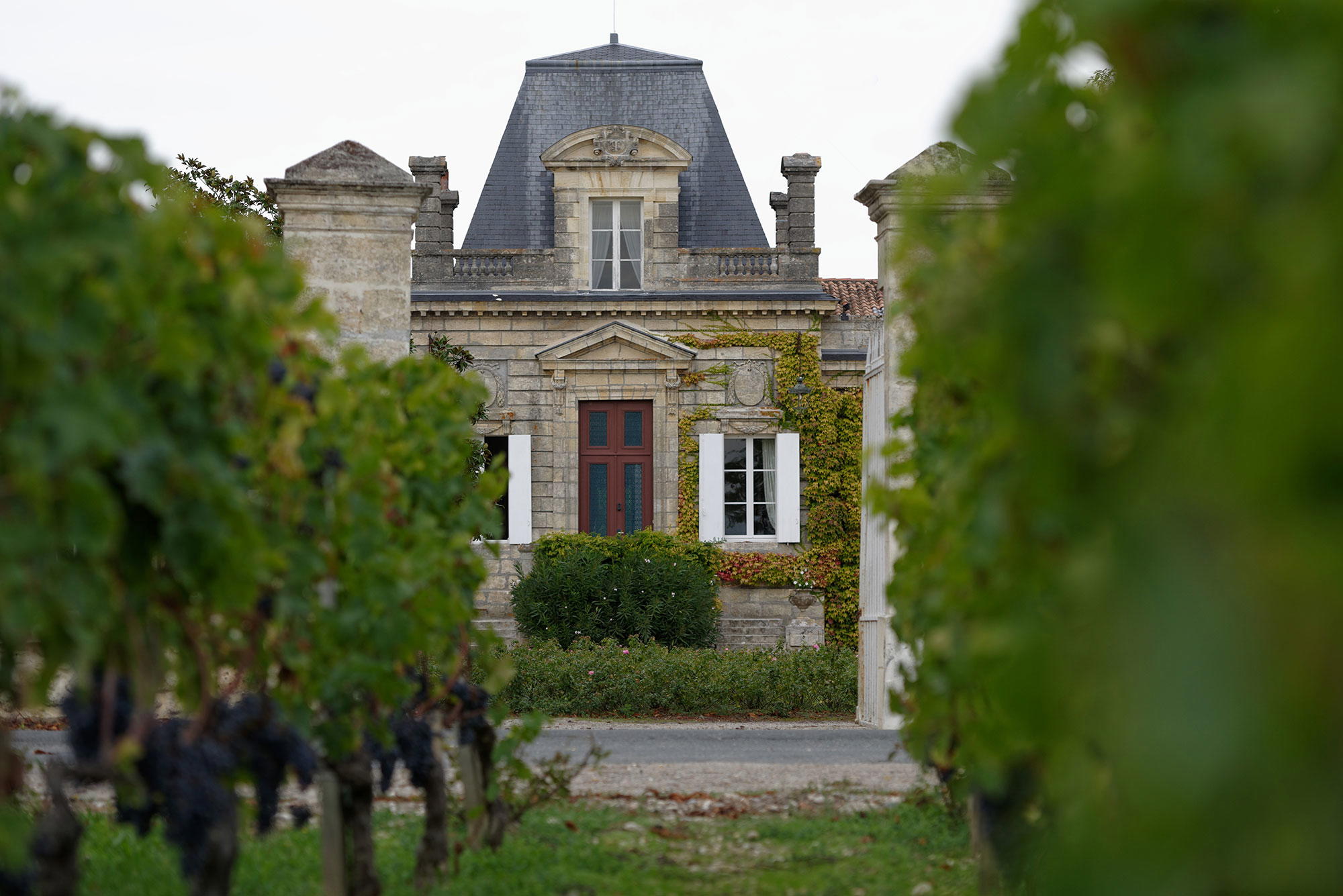
Château Rauzan-Gassies is worth pursuing for serious Margaux context, especially if the goal is to compare flagship wines across neighboring estates. Booking should be treated as difficult, so build a backup plan with Château Marquis-de-Terme, Château Marquis-d'Alesme, or Chateau Malescot St. Exupery rather than relying on one appointment.
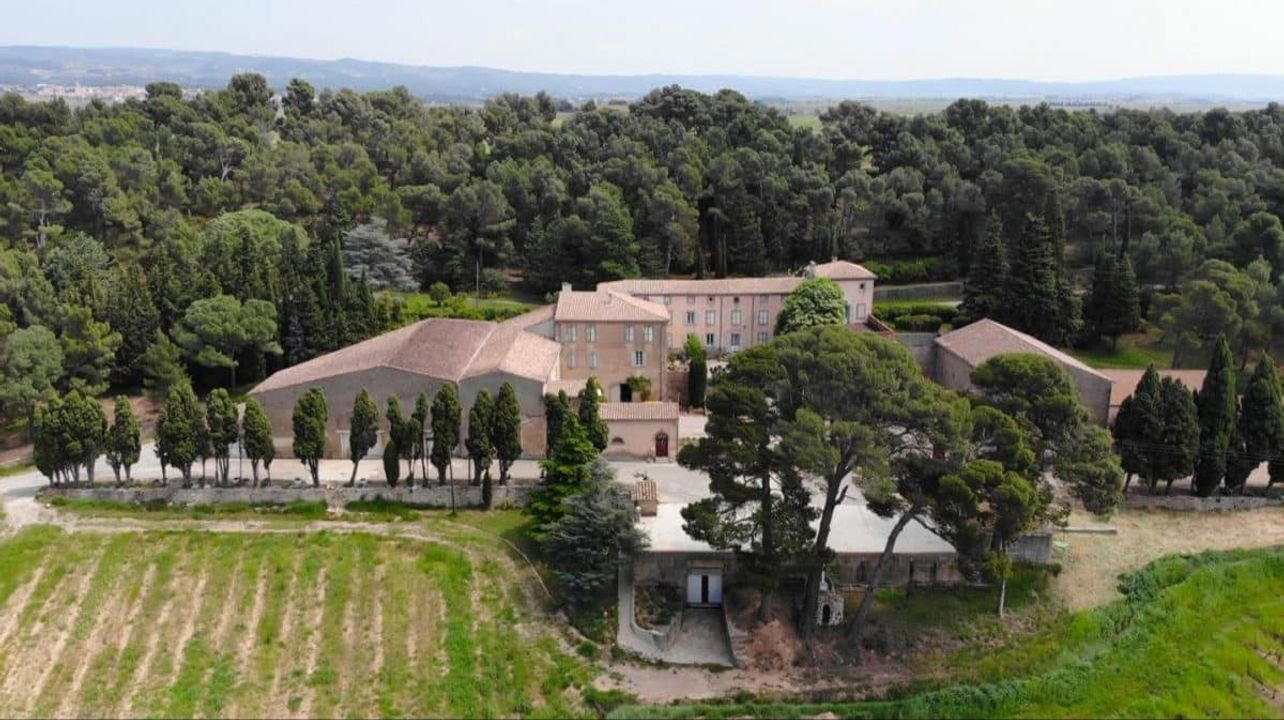
Château de Gourgazaud
La Liviniere, France
Château de Gourgazaud is worth booking for a calm, instructive Minervois tasting focused on Syrah, Mourvèdre, and the estate’s role in La Livinière’s red-wine identity. Go for context and structured bottles rather than luxury-hospitality polish; the two-hour tasting format with food makes it a useful anchor for a wine-focused day.
Napa Cellars
Napa, United States
Napa Cellars is a sensible pick for an easy Napa winery stop, especially if the day needs flexibility rather than a highly scripted private tasting. Use it as part of a broader valley itinerary, not as the sole anchor for a major celebration unless the format, timing, and group arrangements are confirmed in advance.
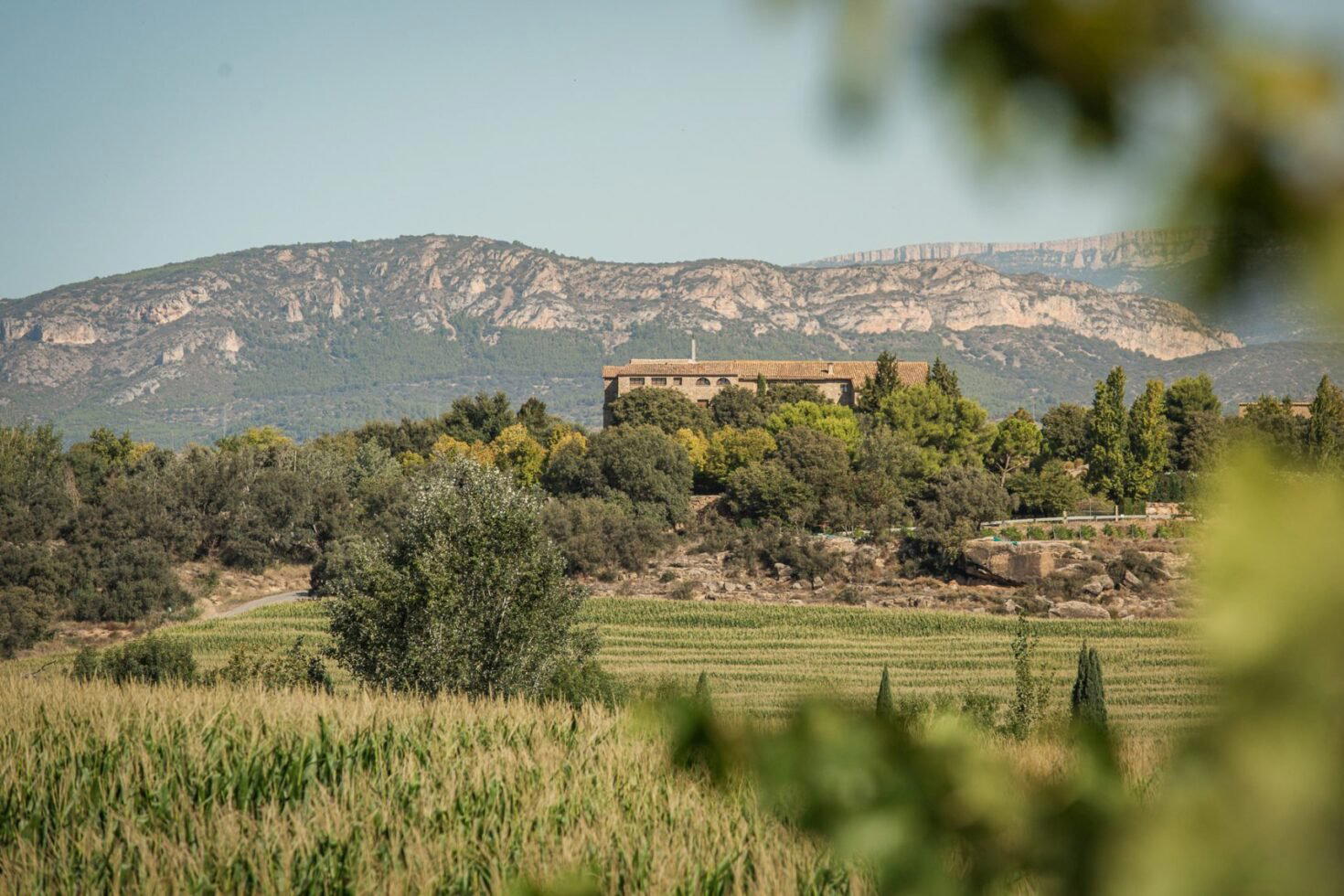
Bodegas Costers del Sio
Balaguer, Spain
Book Bodegas Costers del Sio if you want a quiet, educational Catalan winery visit focused on organic farming, cellar work, and red blends rather than a polished hospitality show. The strongest case is the estate’s Costers del Segre context, its family-run farming story, and Falstaff 1 Star recognition in 2026.
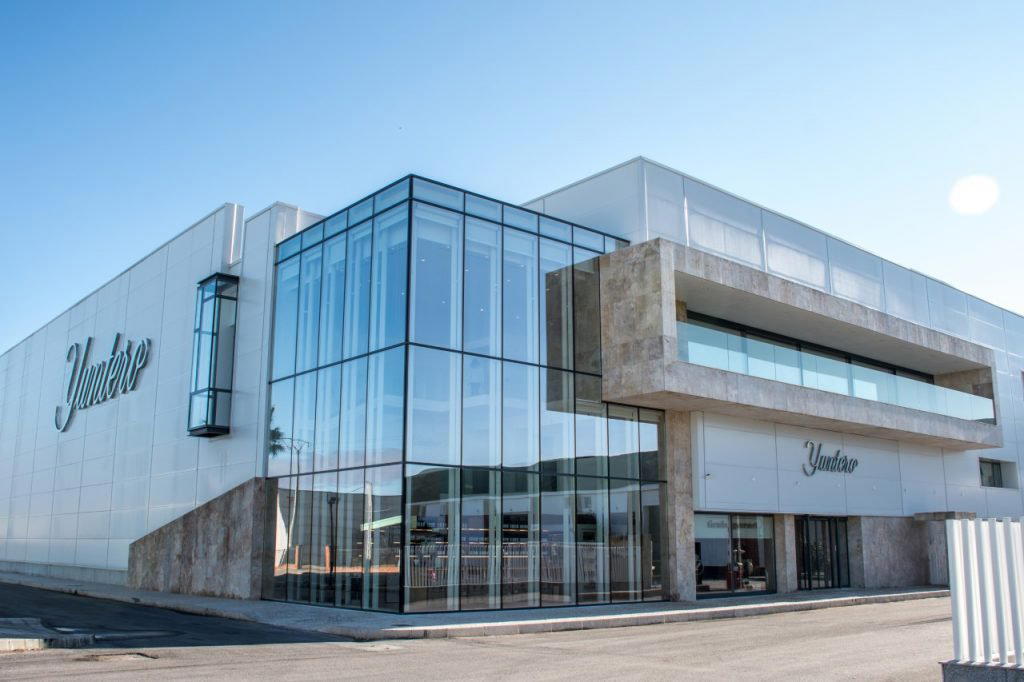
Bodegas Isidoro Milagro – La Mancha
Manzanares, Spain
Book this only if the draw is La Mancha wine context and a production-led operation, not a polished tasting-room day. Bodegas Isidoro Milagro – La Mancha is strongest for Tempranillo-focused reds, broad Spanish portfolio range, and value-minded buyers assessing recurring access or allocations.
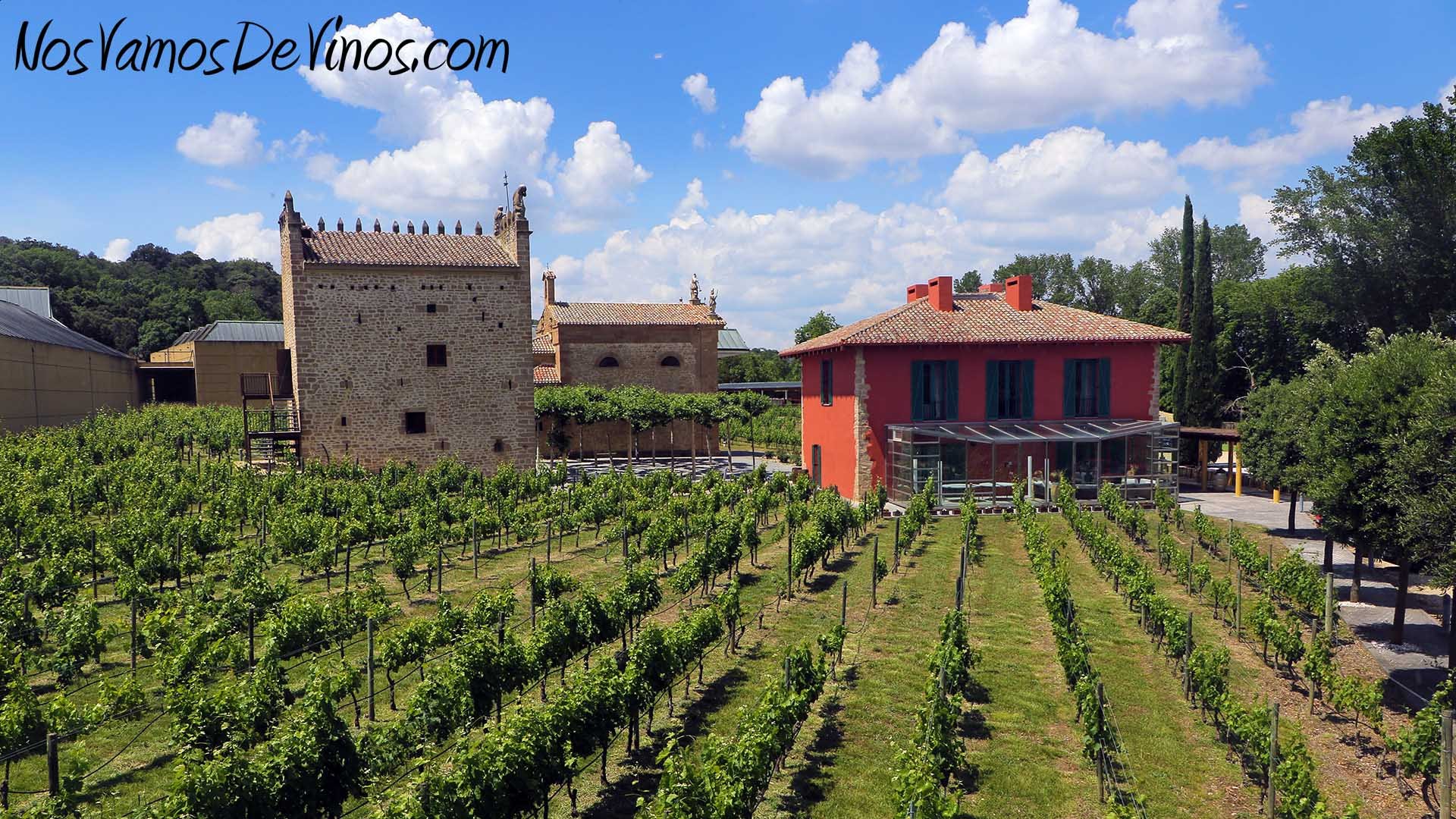
Bodegas Frontonio
Saragossa, Spain
Choose Bodegas Frontonio if the priority is serious Aragón Garnacha, old-vine farming, and cellar-focused winemaking rather than an easy walk-in tasting experience. It is strongest for wine travellers who want Valdejalón context, single-parcel detail, and a producer with recognised technical credibility, but less suited to large groups or casual touring plans.
Azienda Agricola Pecchenino
Dogliani, Italy
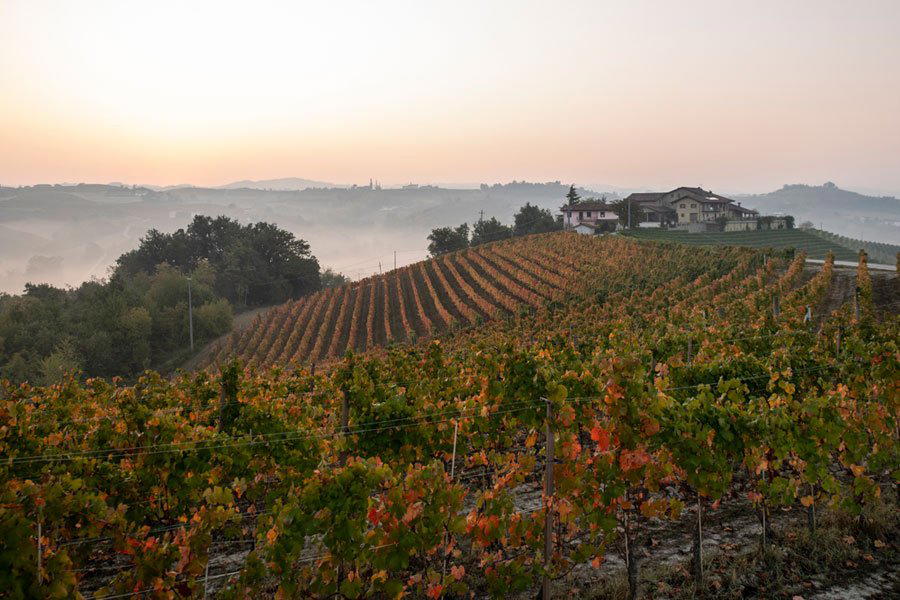
Azienda Agricola Pecchenino is a strong Dogliani choice if the priority is tasting Dolcetto with real regional context, then checking the estate’s Barolo and Alta Langa range. The farmhouse setting is quiet and rural rather than polished or restaurant-led, so it suits wine-focused travellers who want bottles, vineyard context, and a slower Langhe stop.
Domaine Chervet
Praz Vully, Switzerland
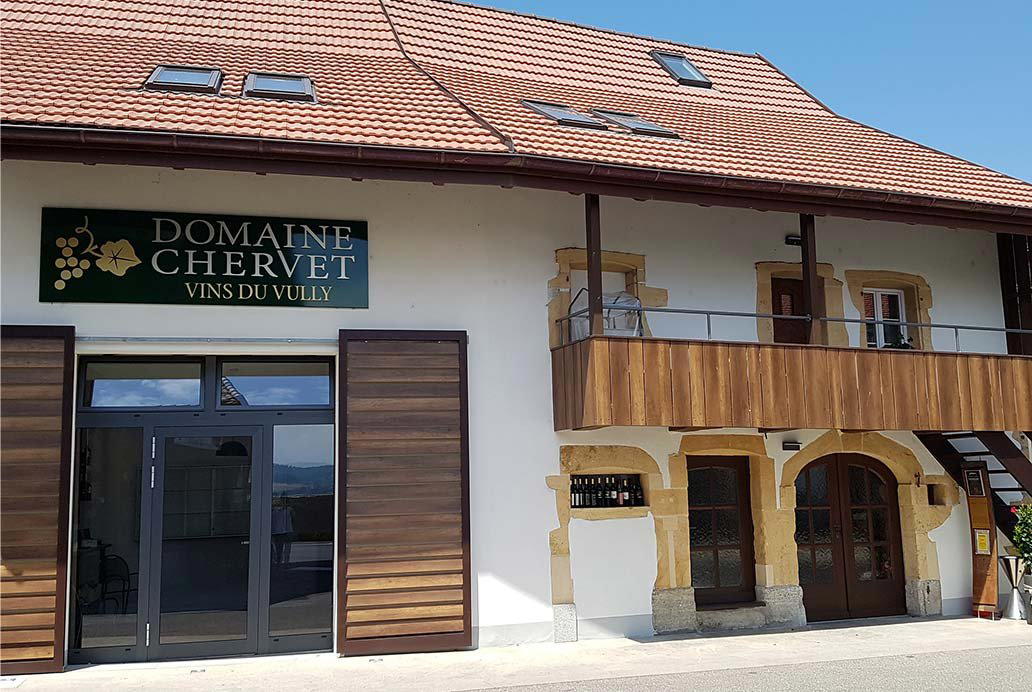
Domaine Chervet works if the draw is Vully itself: Chasselas, Pinot Gris, family-run hospitality, and a relaxed Mont Vully setting near Lake Murten. It is a stronger fit for intimate tastings and low-key celebrations than for travelers seeking a formal château-style program. Falstaff 3 Stars in 2026 adds a useful quality signal.
Bronzato
Verona, Italy
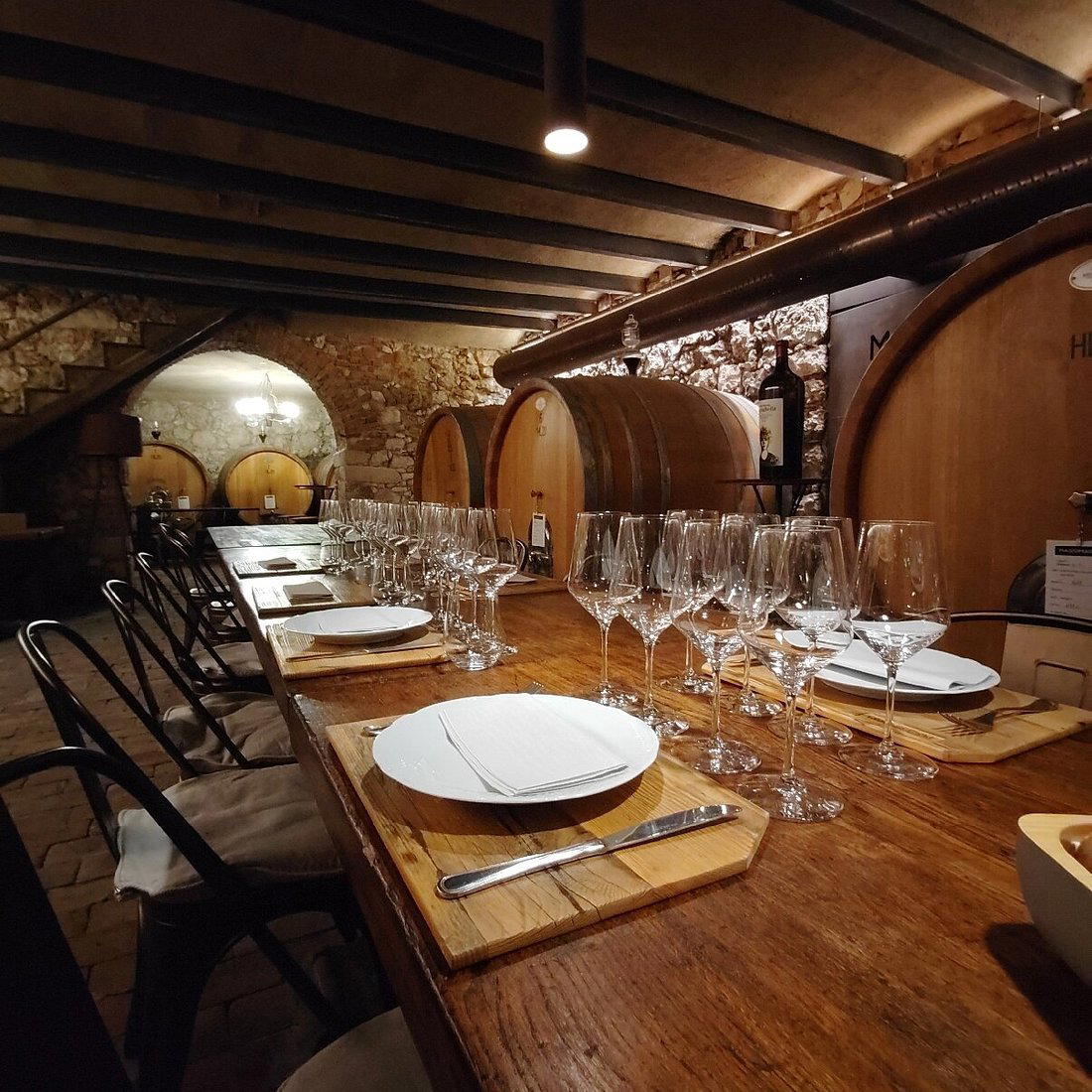
Bronzato is a cautious yes for Verona wine travelers who want a locally recognized producer on the itinerary, but not a venue to over-plan around. Book it as a focused wine stop if it fits your Verona route cleanly; use broader Pearl guides if you need a fuller restaurant, hotel, bar, or winery plan around it.
Geniesserhof Haimer
Poysdorf, Austria
Book Geniesserhof Haimer if you want a quiet Poysdorf wine-country base with guesthouse intimacy and a credible winery identity. It is a better value play for relaxed first-timers than for collectors looking for named bottlings, formal tasting menus, or a heavily documented cellar program.
Clos Dubreuil
Saint-Christophe-des-Bardes, France
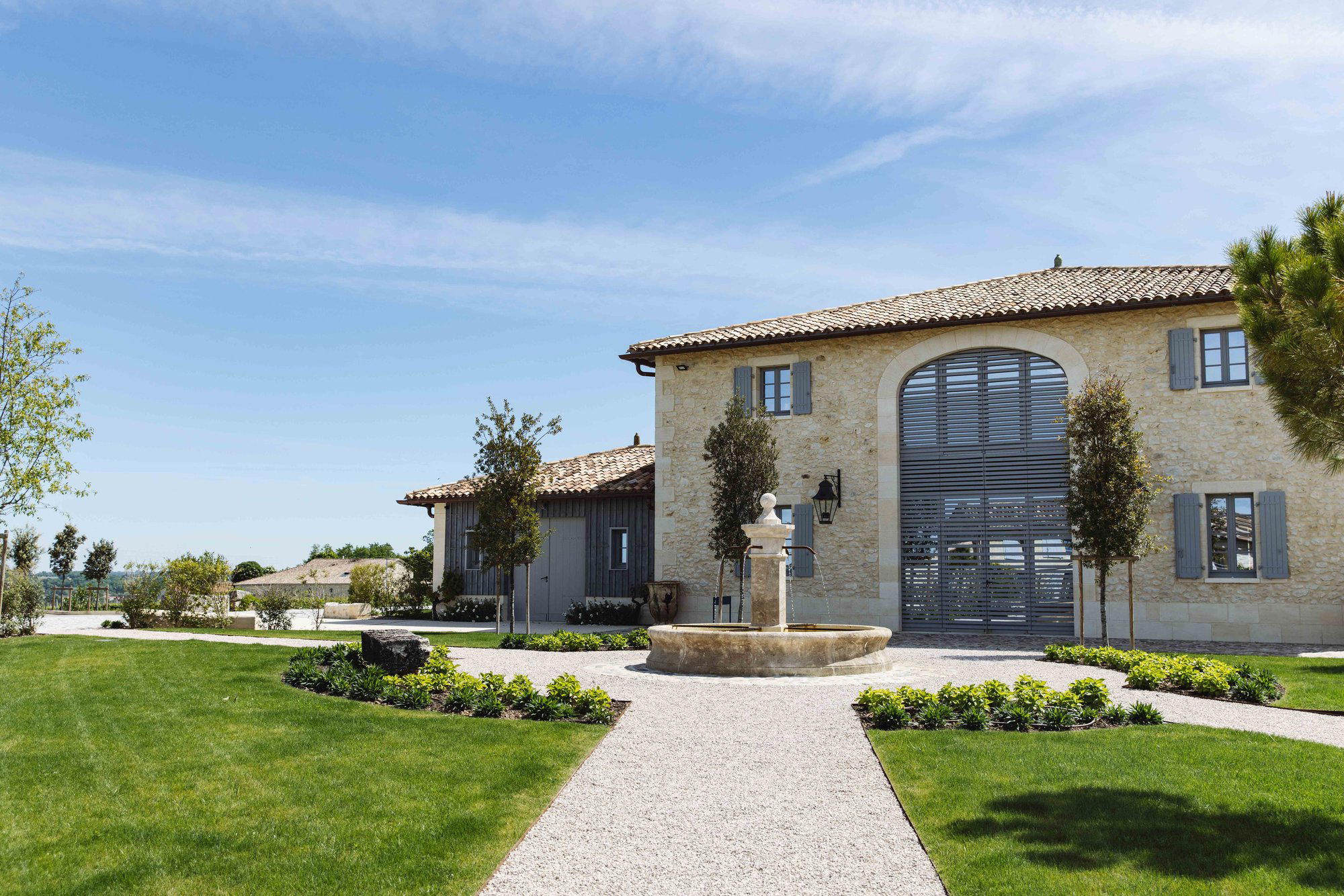
Clos Dubreuil is a wine-first Saint-Christophe-des-Bardes choice with Falstaff 3 Stars recognition for 2026. Prioritize it if the trip is built around serious Right Bank tasting; do not treat it as a food-led stop unless a specific hosted format is confirmed.
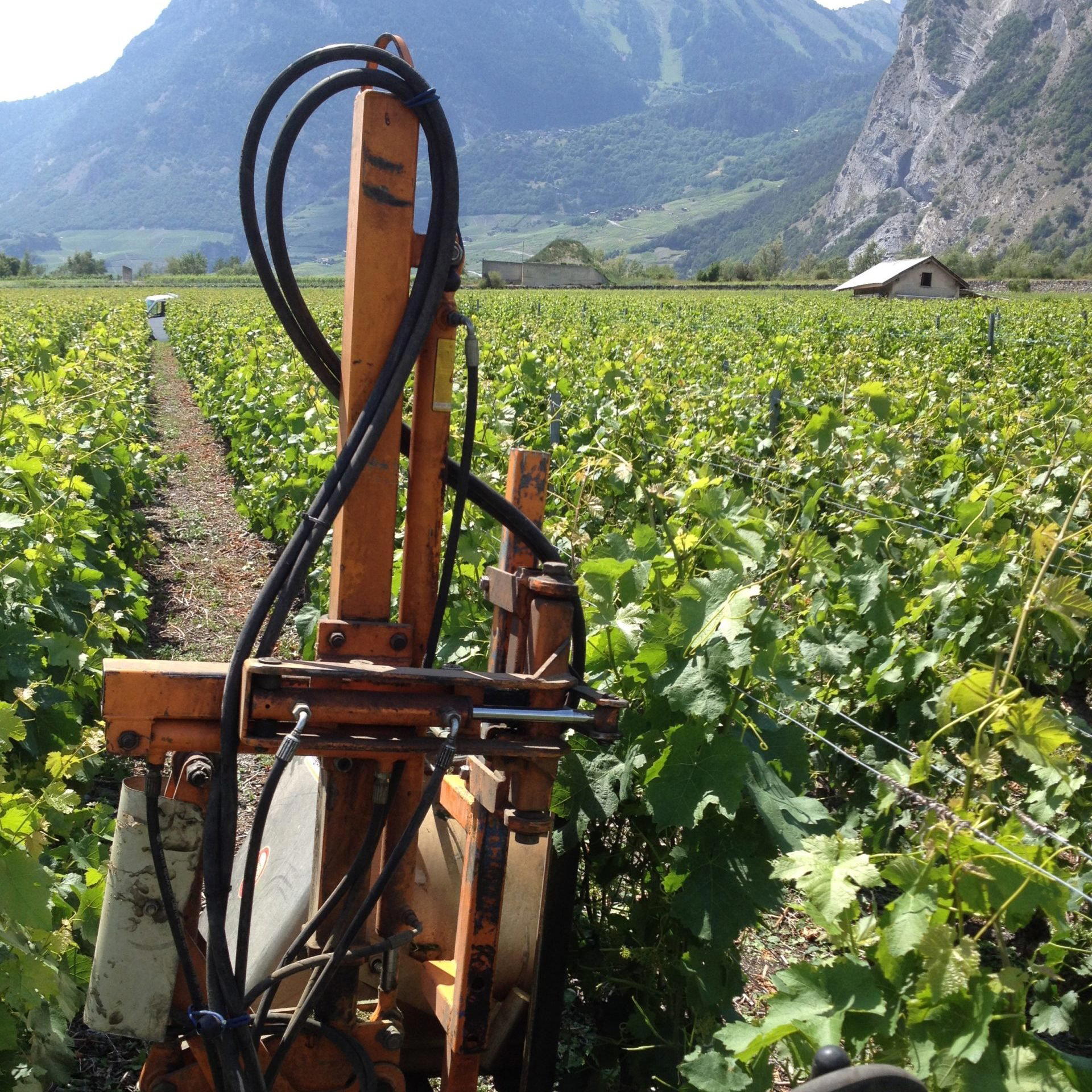
Cave David Rossier
Leytron, Switzerland
Cave David Rossier works for a focused Leytron wine stop, especially if the plan is a small celebration or Valais-focused tasting day rather than a full hospitality production. Its 2026 Falstaff listing gives it a useful external quality signal, while the village setting keeps the visit practical for a compact winery itinerary.
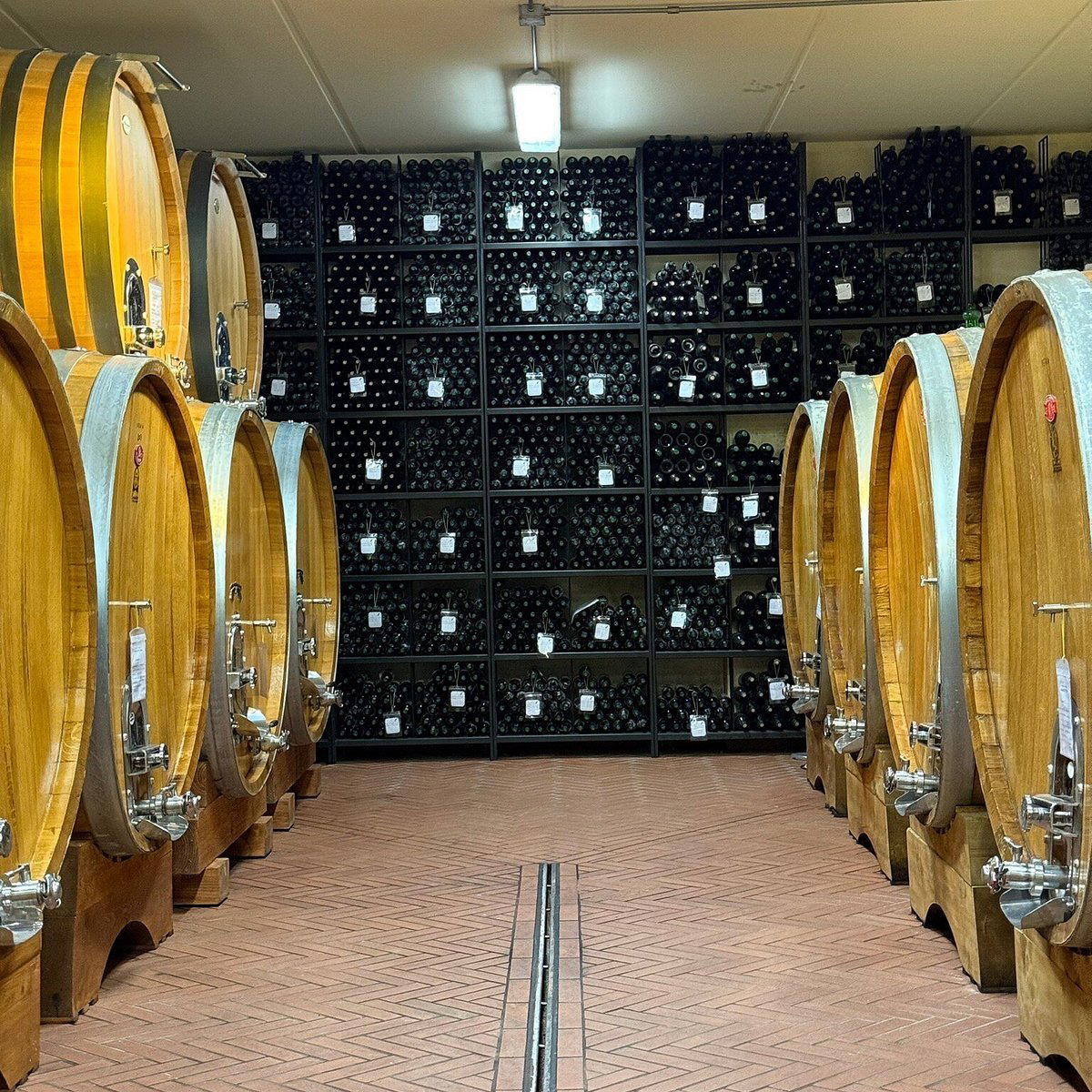
Azienda Agricola Josetta Saffirio
Monforte d'Alba, Italy
A focused Monforte d’Alba winery choice for travelers who want the wine and vineyard setting to drive the visit, not a meal or broad hospitality program. Stronger for couples, small groups, or celebration tastings than for anyone seeking a drop-in format. Falstaff Listed for 2026, which gives it a useful external recognition signal in a serious Piedmont wine area.
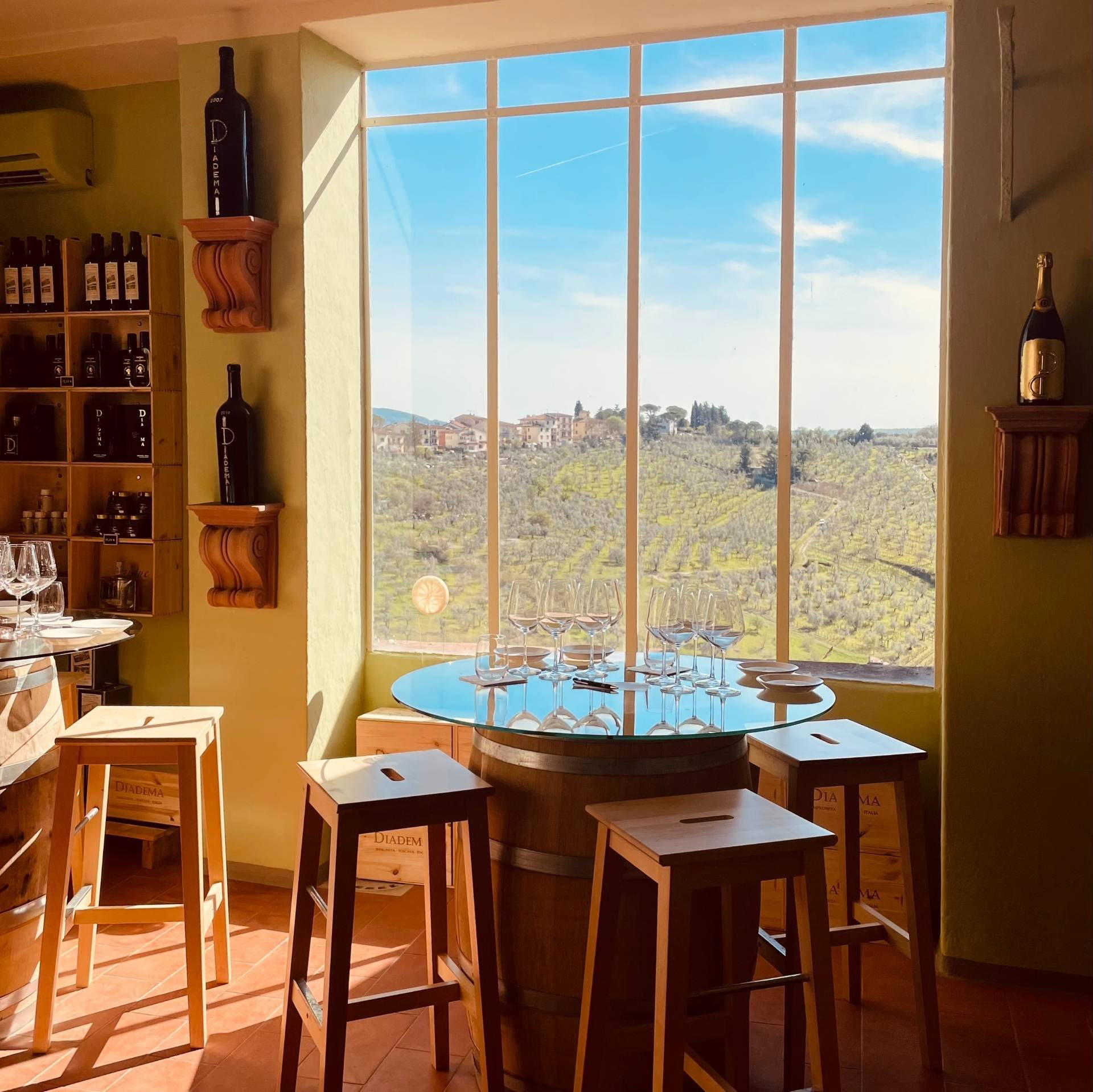
Champagne Diadema
Impruneta, Italy
Diadema Wine & Evo is worth booking if you want an Impruneta winery visit where the estate setting, olive oil tasting, and luxury bottle presentation are part of the appeal. It suits couples and small groups better than large parties, with Villa L’Olmo and the aqueduct-aging story giving the visit substance beyond the view.
Edetària
Gandesa, Spain
Book Edetària if the goal is a focused Terra Alta winery visit with guided context, small-group pacing, and a food-friendly tasting option. The strongest reason to go is its local-variety lens, especially Garnacha Blanca, backed by Falstaff 2 Stars in 2026; skip it if the plan needs casual walk-in flexibility.
De Riz
San Pietro Di Feletto, Italy
De Riz is worth booking for a relaxed, family-run Prosecco Superiore tasting in San Pietro di Feletto, especially for couples or small celebrations. The value is strongest if you want to taste across Brut, Extra Brut and Extra Dry before buying direct, not if you are chasing a formal allocation-style wine club experience.
Domaine du Clos de l'Élu
Saint Aubin De Luigne, France
A focused pick for Loire wine buyers who care more about bottle assessment than a fully scripted hospitality experience. Domaine du Clos de l'Élu works for couples or small groups using the visit to decide what to carry home or ship, with Falstaff Listed recognition in 2026 adding a useful trust signal.
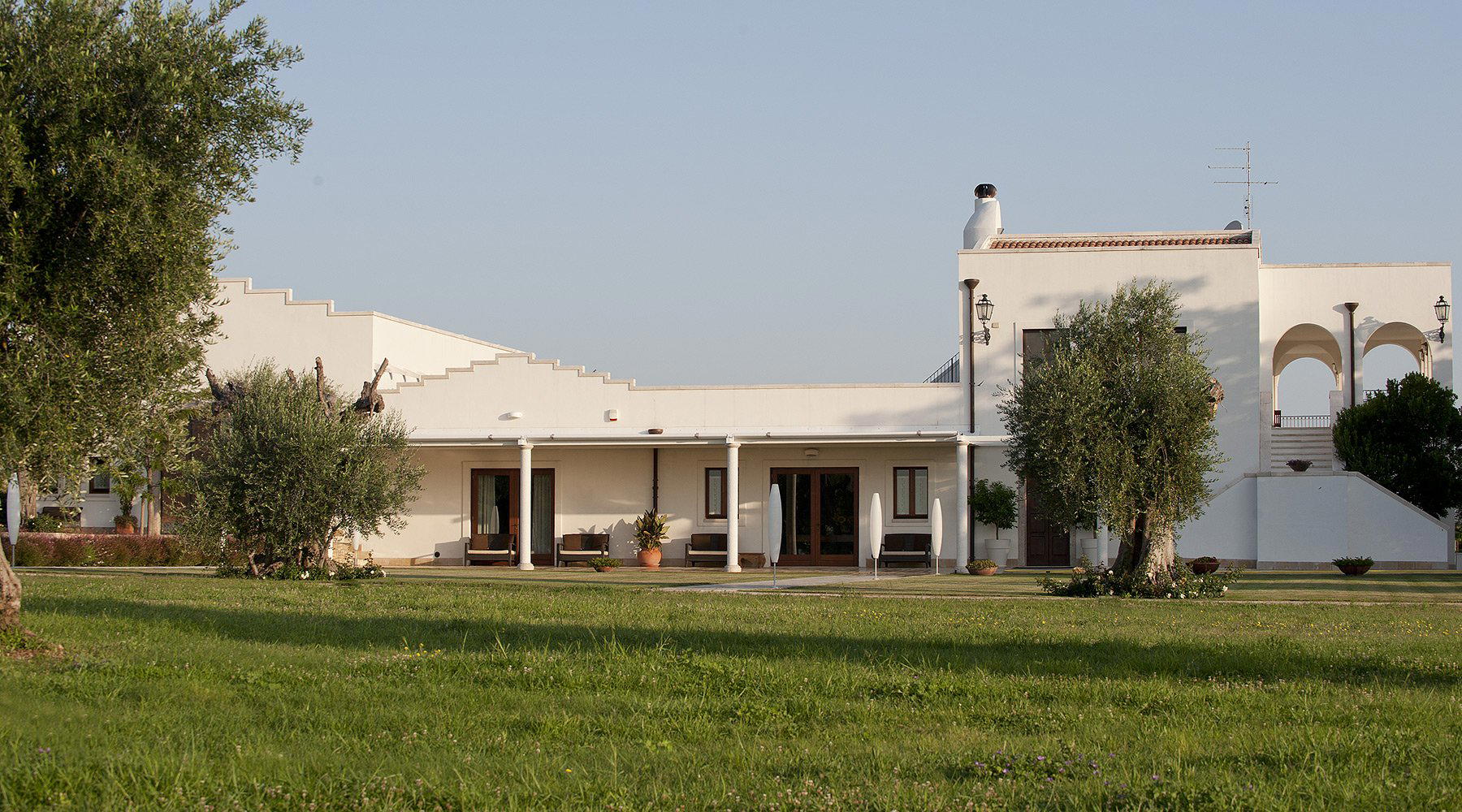
Borgo di Colloredo
Campomarino, Italy
A sensible Campomarino pick for a wine-led stop, especially if Falstaff 2026 recognition matters to the decision. Book it for a small tasting-focused visit, not for a confirmed food-pairing meal or restaurant-style celebration; plan dining separately through Pearl’s Campomarino guides.
Colutta
Manzano, Italy
Colutta is worth booking for a small, guided winery tasting in Manzano, especially if the group wants Friulian whites, cellar context, and a family-estate setting rather than a drop-in glass. The $$ price signal and easy booking make it a low-friction choice, but the experience works best when arranged ahead and kept to a small group.
Bodren
Hum Na Sutli, Croatia
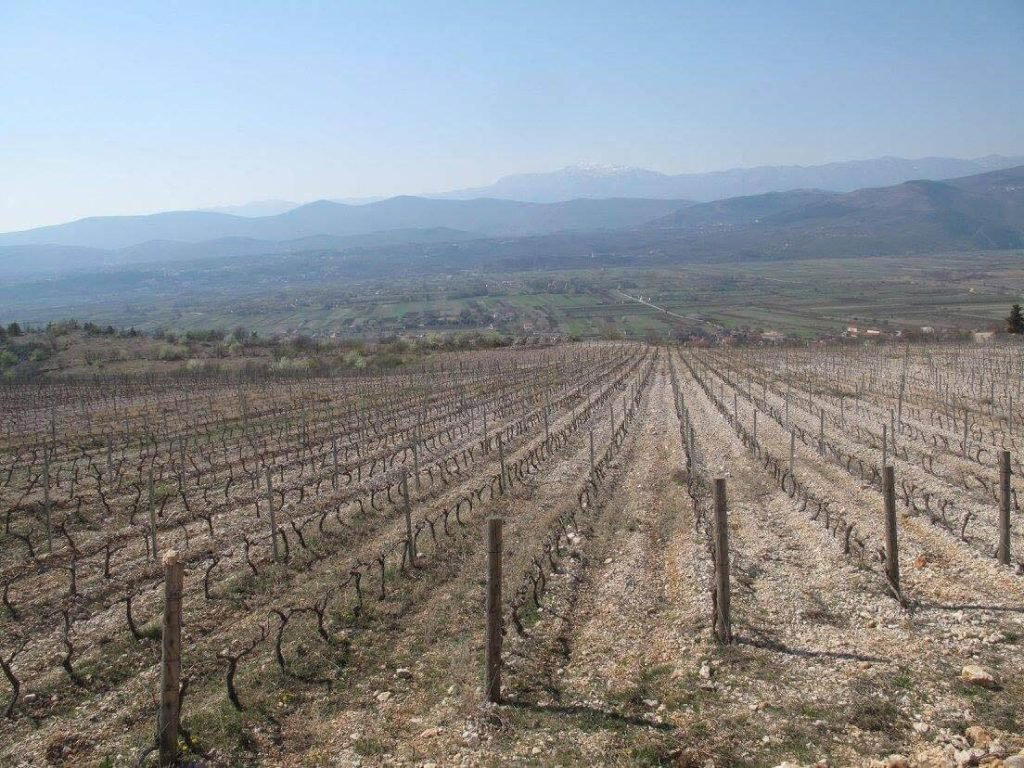
Bodren is worth prioritizing if sweet predicate wines are the reason for the trip, not just a side interest. Its $$$ positioning makes sense for drinkers who value ice-harvest and dried-grape selection styles, while casual tasters may find the focus too narrow for a general winery outing.
Château Martinolles
Saint Hilaire, France
Book Château Martinolles if the goal is a quiet Limoux estate visit centered on traditional-method sparkling wine. The strongest draw is the production story: Crémant de Limoux, Blanquette de Limoux, hand-harvested fruit, sustainability credentials, and a rural Pyrenean foothills setting. Skip it if the priority is a highly structured hospitality experience with lots of published visitor detail.
Weingut August Kesseler
Rüdesheim (Assmannshausen), Germany
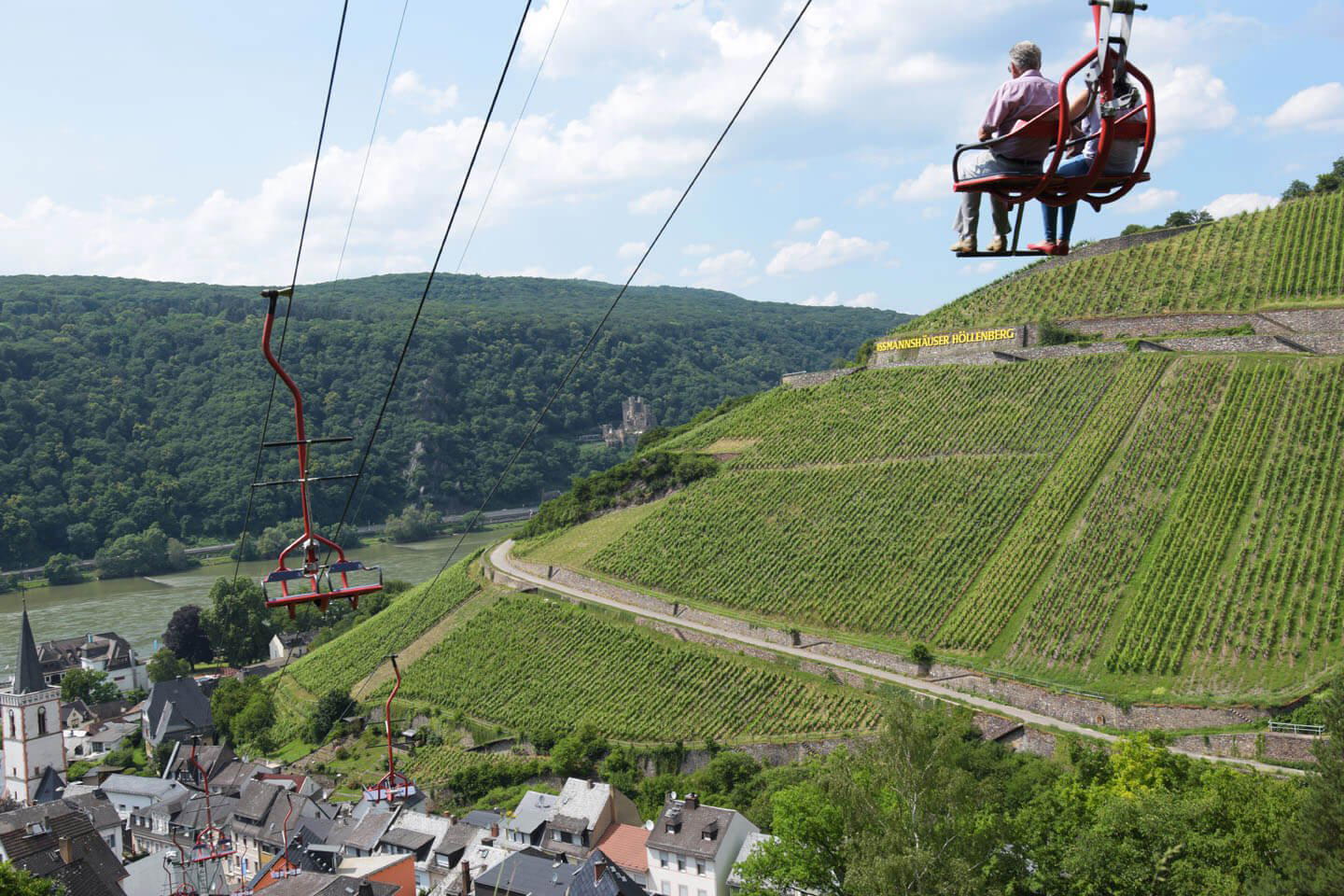
Weingut August Kesseler is a serious pick for a Rheingau visit built around wine rather than scenery alone. It suits first-timers who want Assmannshausen context and a producer-led stop, but the booking difficulty means it should anchor the day rather than sit as a flexible backup.
Bodegas Heredad de Aduna
Samaniego, Spain
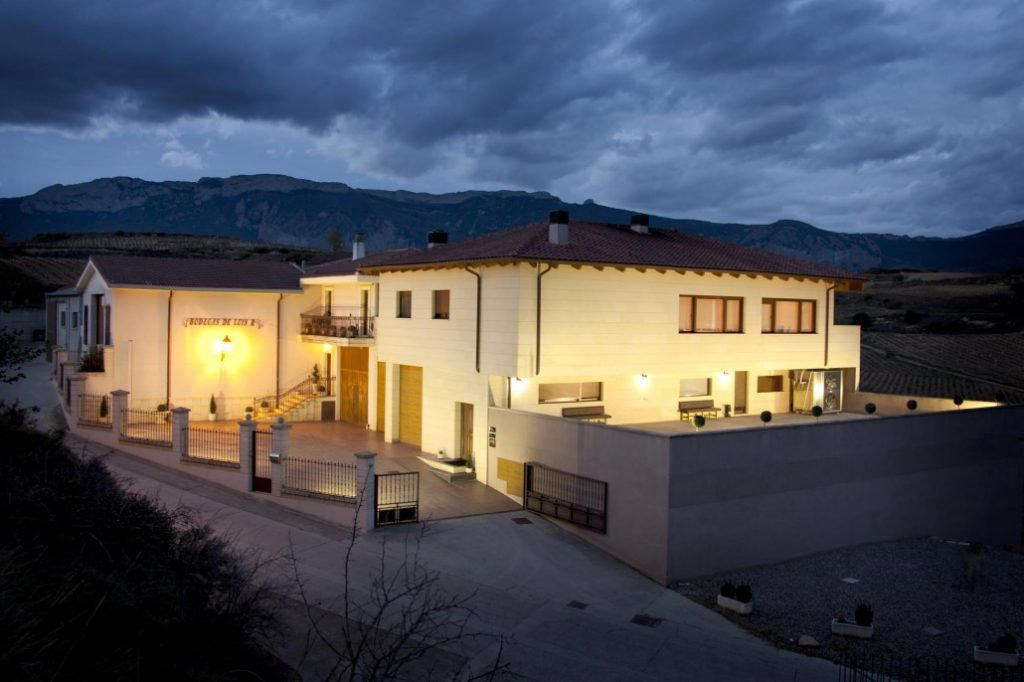
Worth prioritizing if the goal is a quieter Rioja Alavesa winery visit with family heritage, 16th-century cellars, and a value-minded look at Tempranillo and Viura styles. It suits planners and wine travelers who want context over spectacle, not visitors looking for a drop-in tasting-room scene.
Abrigo Orlando
Treiso, Italy
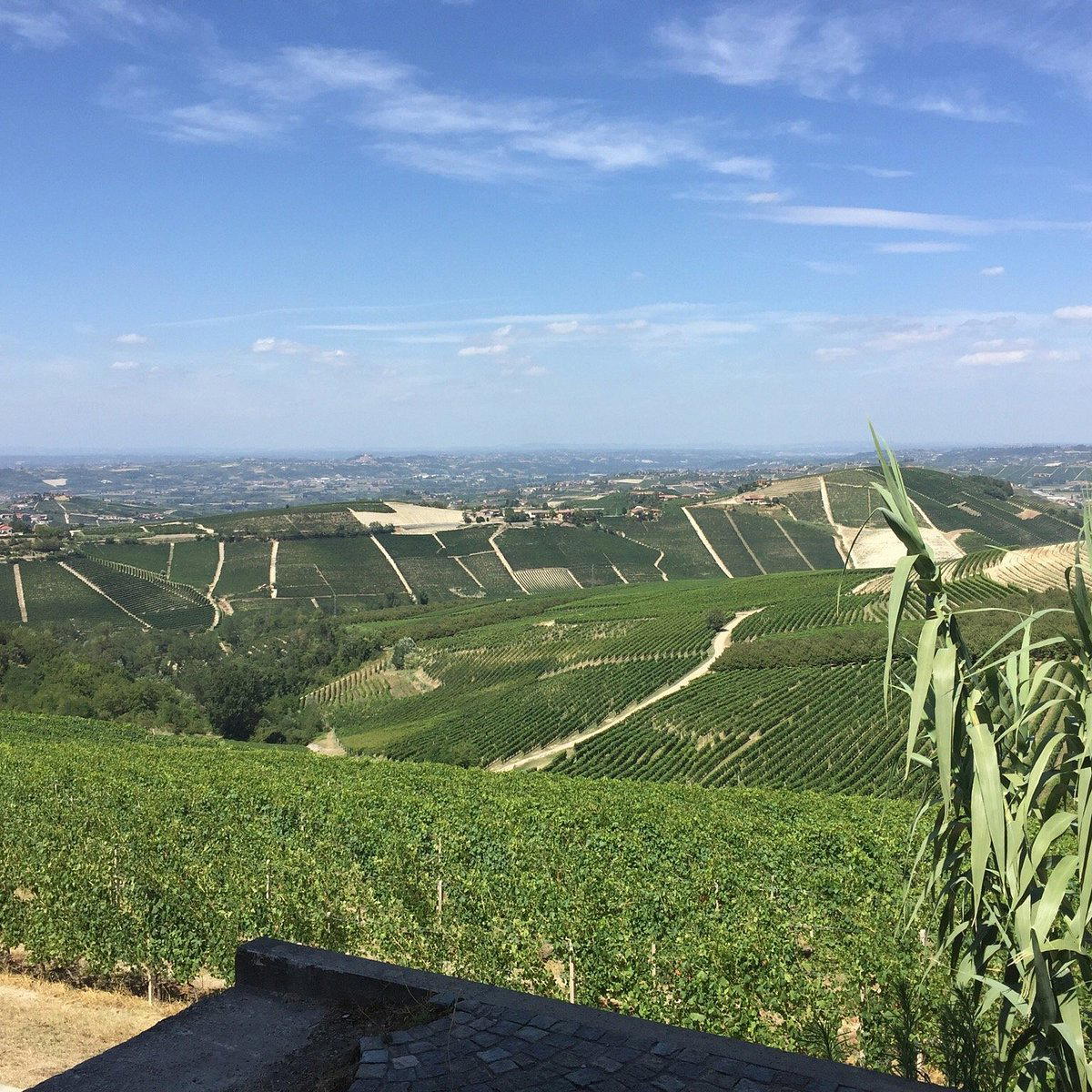
Abrigo Orlando works as a Treiso winery stop if the goal is comparison across local producers rather than a polished destination tasting. The 2026 Falstaff listing gives it a useful credibility signal, but sparse public detail means it works better as part of a weekday winery route than as the anchor of a Langhe trip.
Kadum Winery
Porec, Croatia
Book Kadum Winery for a calm, family-run Istrian tasting near Poreč, especially if Malvasia Istriana is the draw. The value is in the on-site visit and small-estate feel, not in a published wine club or allocation model. First-timers should treat it as a relaxed countryside stop rather than a formal tasting-room production.
Domaine Philippe Charlopin-Parizot
Gevrey-Chambertin, France
A serious Gevrey-Chambertin choice for Burgundy collectors, not casual tasting-room browsing. Domaine Philippe Charlopin-Parizot is worth prioritizing if Grand Cru Pinot Noir, traditional estate production, and a broad Côte d’Or footprint matter more than polished visitor amenities. Build it into a wider village itinerary rather than treating it as a standalone leisure stop.
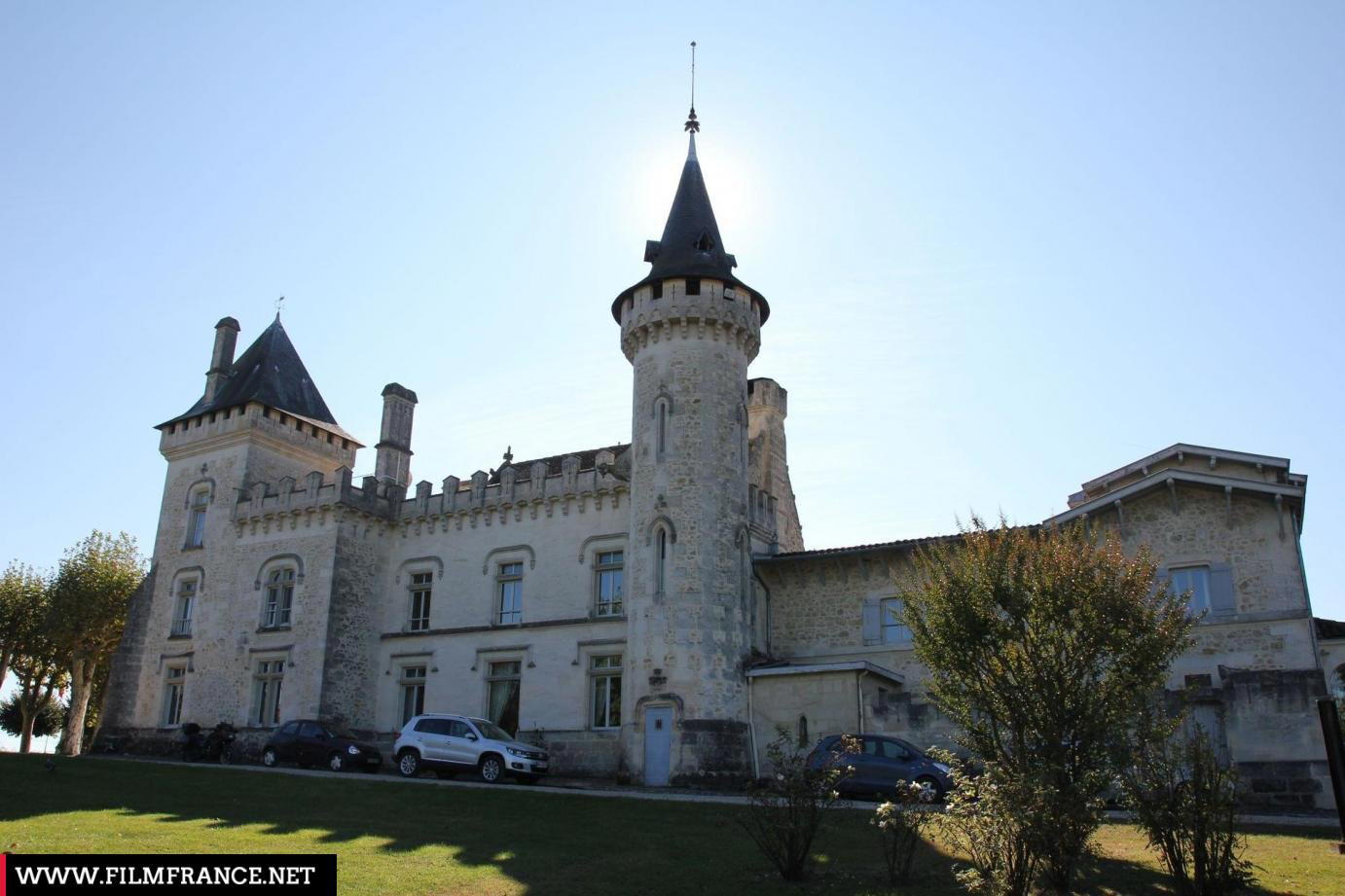
Château Carignan
Carignan De Bordeaux, France
Château Carignan is worth planning for if the goal is a calm Bordeaux estate visit focused on classic dry red blends rather than a busy tasting-room circuit. The draw is the combination of Right Bank setting, 65 hectares of vines, and a verified flavor profile built around tannin, cassis, blackberry, cocoa, and spice.
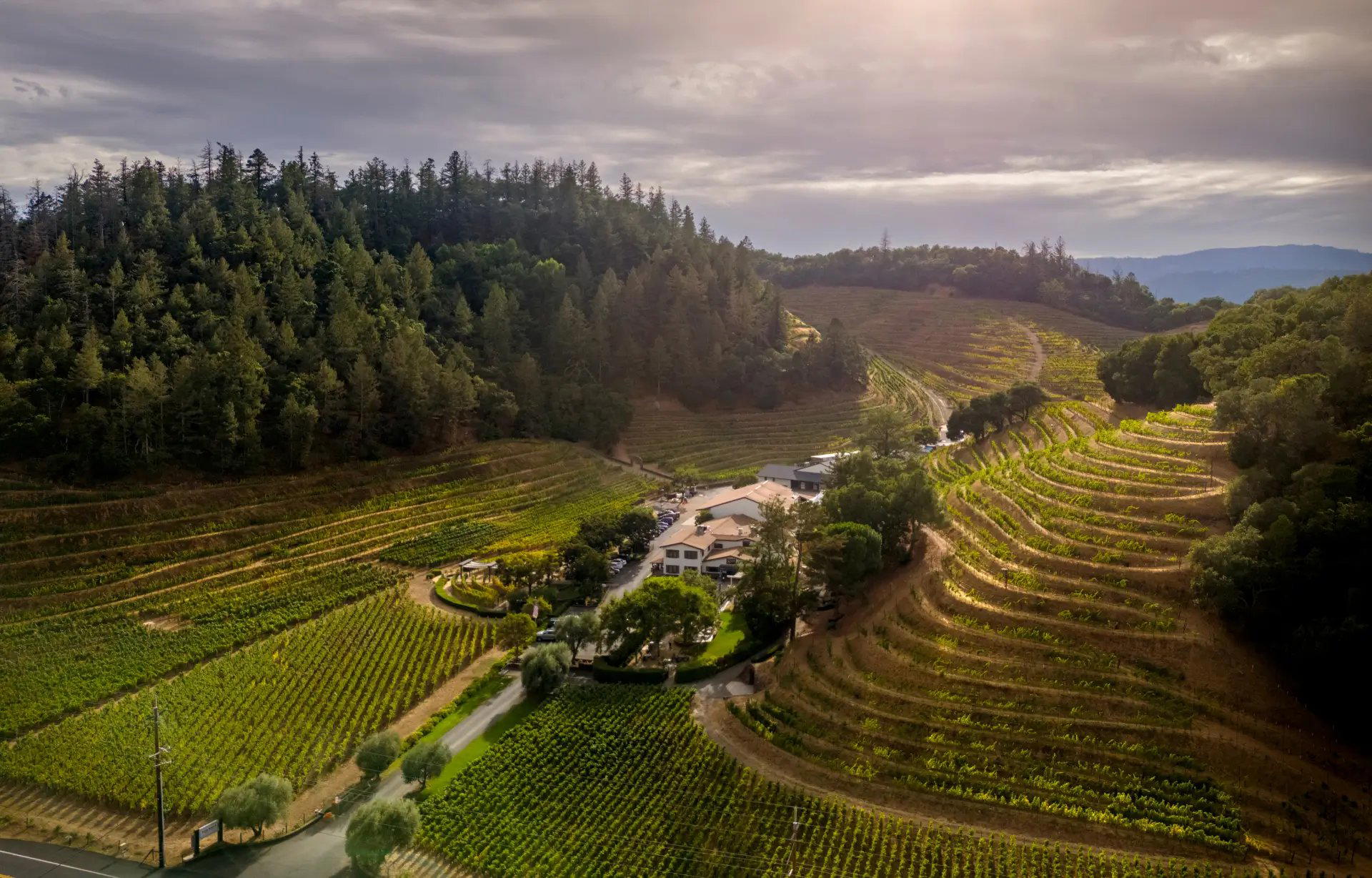
Pine Ridge Vineyards
Napa, United States
Pine Ridge Vineyards is worth prioritizing for a focused Silverado Trail tasting, especially if the group wants a more structured or private-style Napa visit. It is a stronger fit for wine travelers seeking depth than for casual tasting crawls, and it should be planned as an anchor stop rather than a quick add-on.
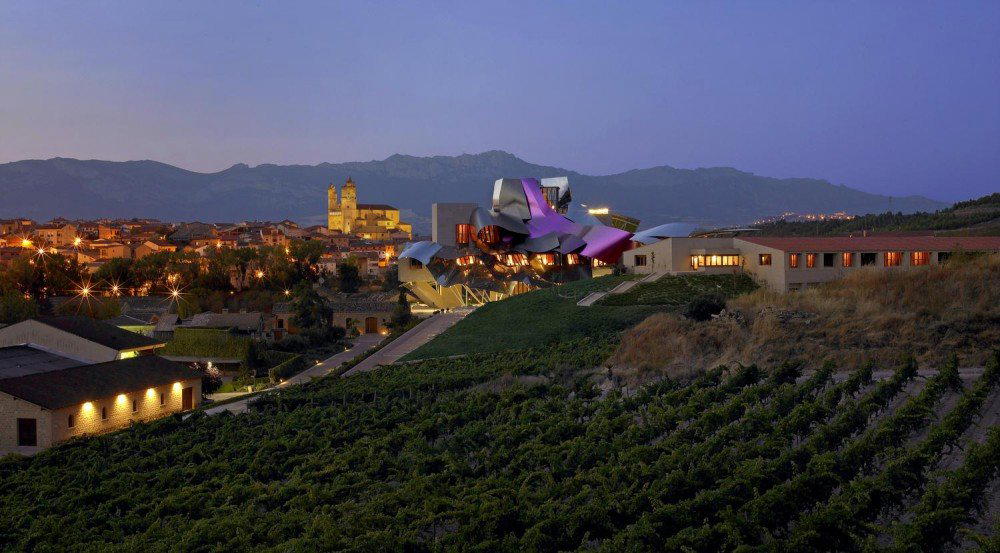
Bodegas Dominio de Eguren S.L.
Valdefinjas, Spain
Bodegas Dominio de Eguren S.L. is worth prioritizing if the goal is a serious, value-minded Toro visit rather than a luxury tasting-room experience. The draw is Tinta de Toro shaped by Eguren family know-how, a working winery atmosphere, and Falstaff 4 Stars recognition at a $$ price tier.

Château Castel Frères
Blanquefort, France
Book Château Castel Frères if the goal is a serious Bordeaux-linked winery appointment with a production and trading angle, not a small-estate leisure tasting. The $$ price tier and Falstaff Listed (2026) recognition make it a sensible pick for wine-focused visitors, collectors, or business groups who care about how a large French portfolio is built.
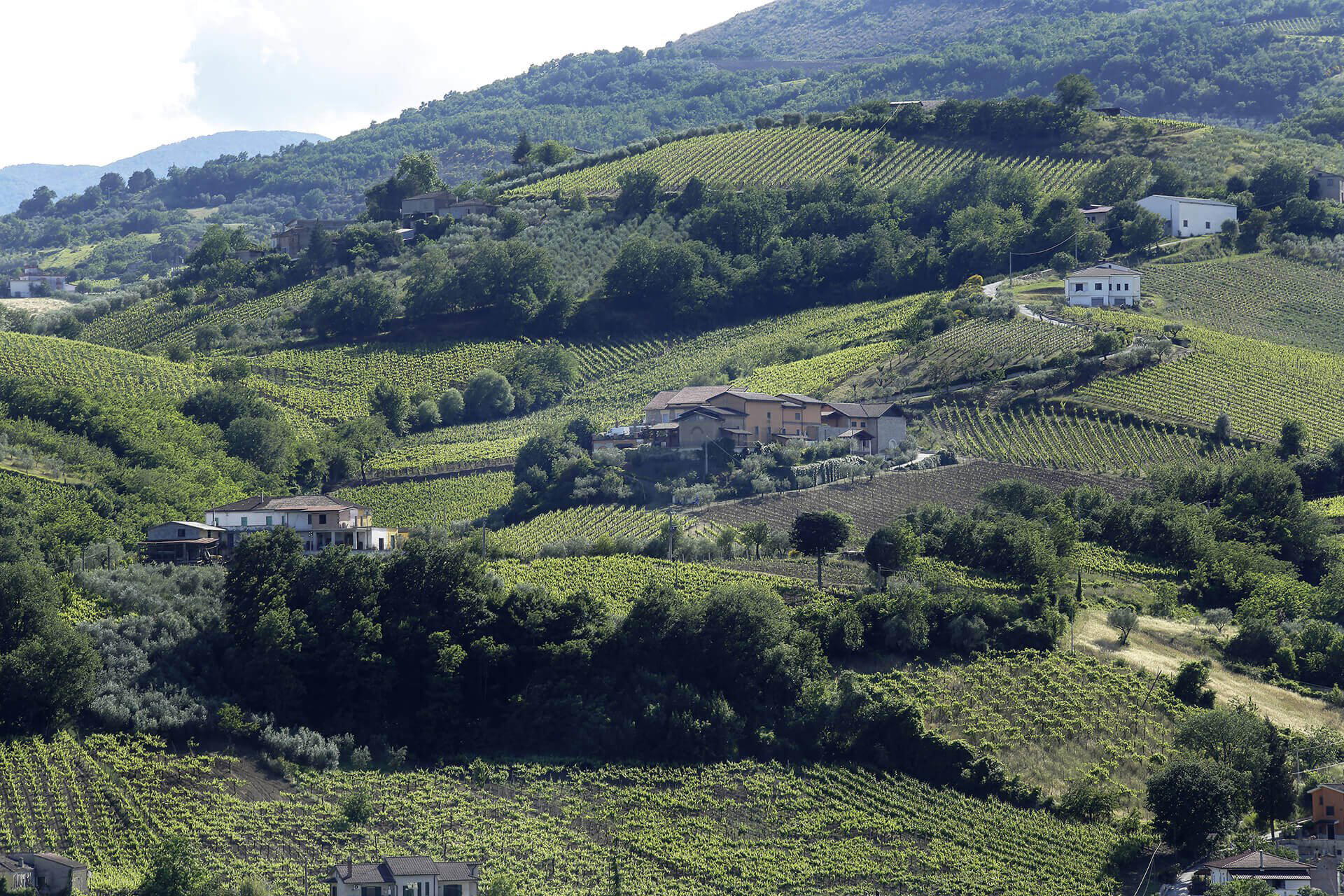
Fontanavecchia
Torrecuso, Italy
Fontanavecchia is a stronger fit for serious Campania wine travellers than for casual drop-ins. The Torrecuso address puts the focus on Aglianico del Taburno context, and Falstaff 4 Stars in 2026 gives it a clear quality signal, but plan ahead rather than relying on walk-up hospitality details.
Domaine Roger Belland
Santenay, France
A practical Santenay winery pick for Burgundy buyers who care more about bottle selection than a staged visitor experience. Use Domaine Roger Belland as a focused village stop for Côte de Beaune planning, especially when the goal is to understand Santenay rather than chase a long hospitality program.
Cuatro Pasos – el Vino del Oso
Cacabelos, Spain
Book Cuatro Pasos – el Vino del Oso if you want a focused Bierzo Mencía visit in a historic Cacabelos setting, not a broad estate tasting. The value is in the guided context, the 18th-century manor-house atmosphere, and a clear read on 100% Mencía from El Bierzo DO.
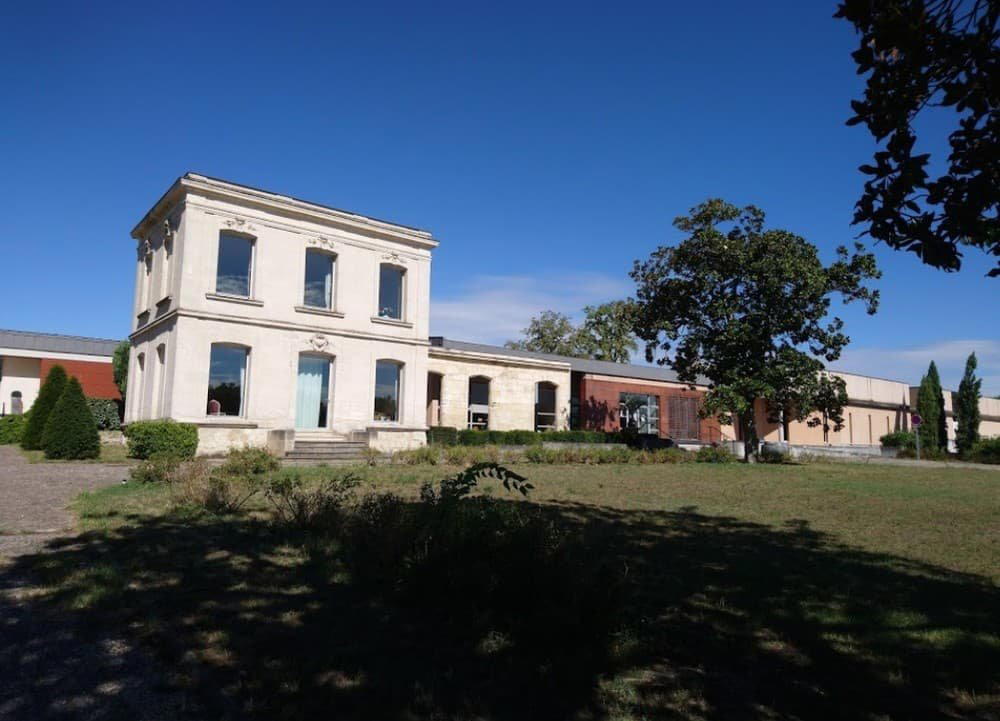
Chateau Luchey Halde
Mérignac, France
Worth booking if you want an educational Pessac-Léognan tasting without leaving the Bordeaux urban area. Château Luchey Halde is strongest for sustainability, vineyard context and accessible guided formats, not for grand château spectacle or collector-driven prestige.
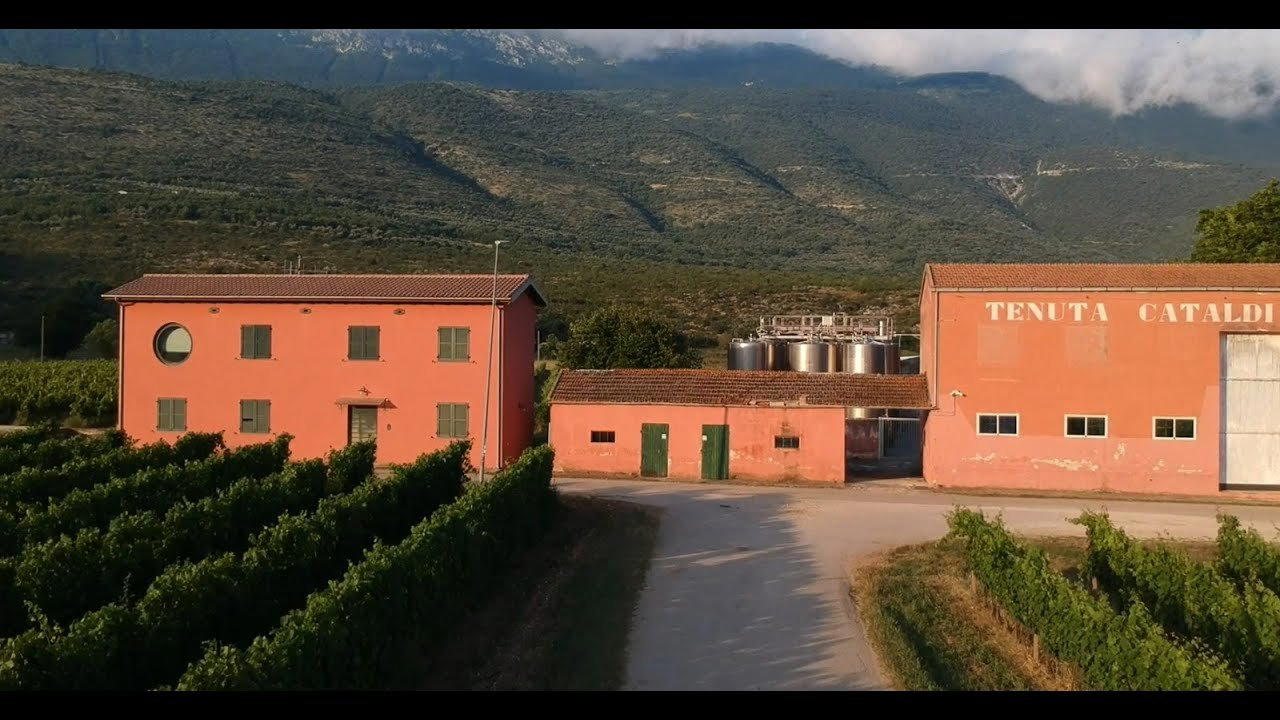
Cataldi Madonna
Ofena, Italy
Cataldi Madonna is worth booking if the goal is a serious Abruzzo tasting focused on Pecorino, Cerasuolo, Trebbiano, and Montepulciano rather than a polished resort-style winery visit. The $$ estate is appointment only and Falstaff Listed for 2026, making it a strong pick for buyers who want native-grape depth in Ofena.
Domaine Bernard Gripa
Mauves, France
Domaine Bernard Gripa works for a focused Mauves wine stop rather than a showpiece hospitality visit. The Falstaff Listed 2026 signal gives it credibility, and the easy booking profile makes it a practical add to a Rhône itinerary, especially for smaller groups that can stay flexible on timing.
Domaines Bournet-Lapostolle
Cunaquito, Chile
Worth booking if the goal is a serious Apalta wine visit rather than a casual pour. Domaines Bournet-Lapostolle gives you old-vine Carmenère, French-Chilean heritage, and a scenic estate format with enough context to justify the premium positioning; plan ahead, allow time, and choose a guided or private format if wine depth matters.
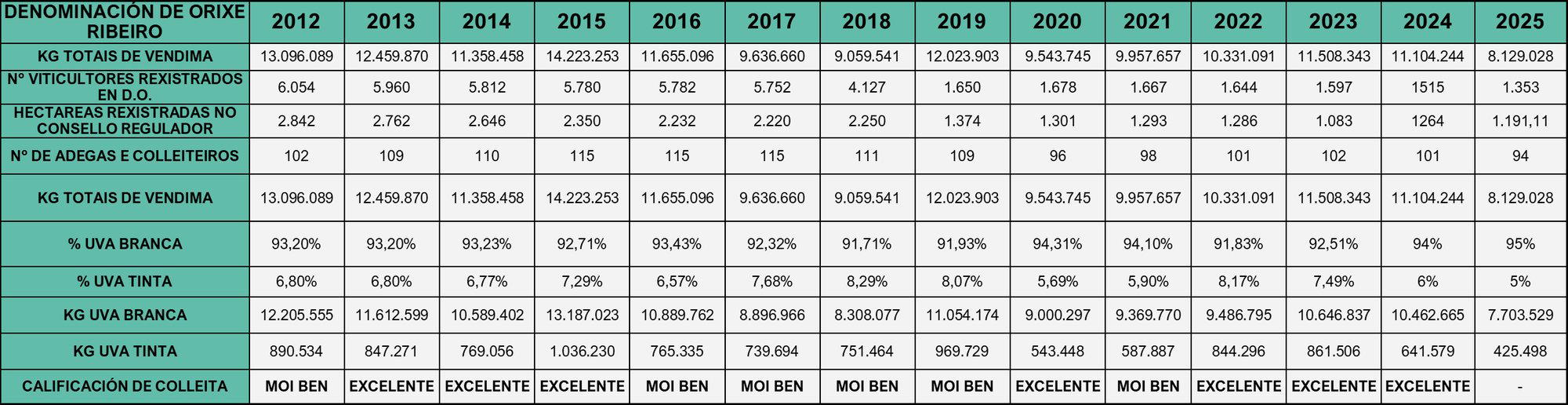
Bodegas El Paraguas
Cenlle, Spain
Bodegas El Paraguas is worth prioritizing if the trip is built around Ribeiro wine rather than general Galicia sightseeing. Plan it as the anchor of a Cenlle day, with meal and transport logistics arranged around the visit instead of treating it as a flexible add-on.
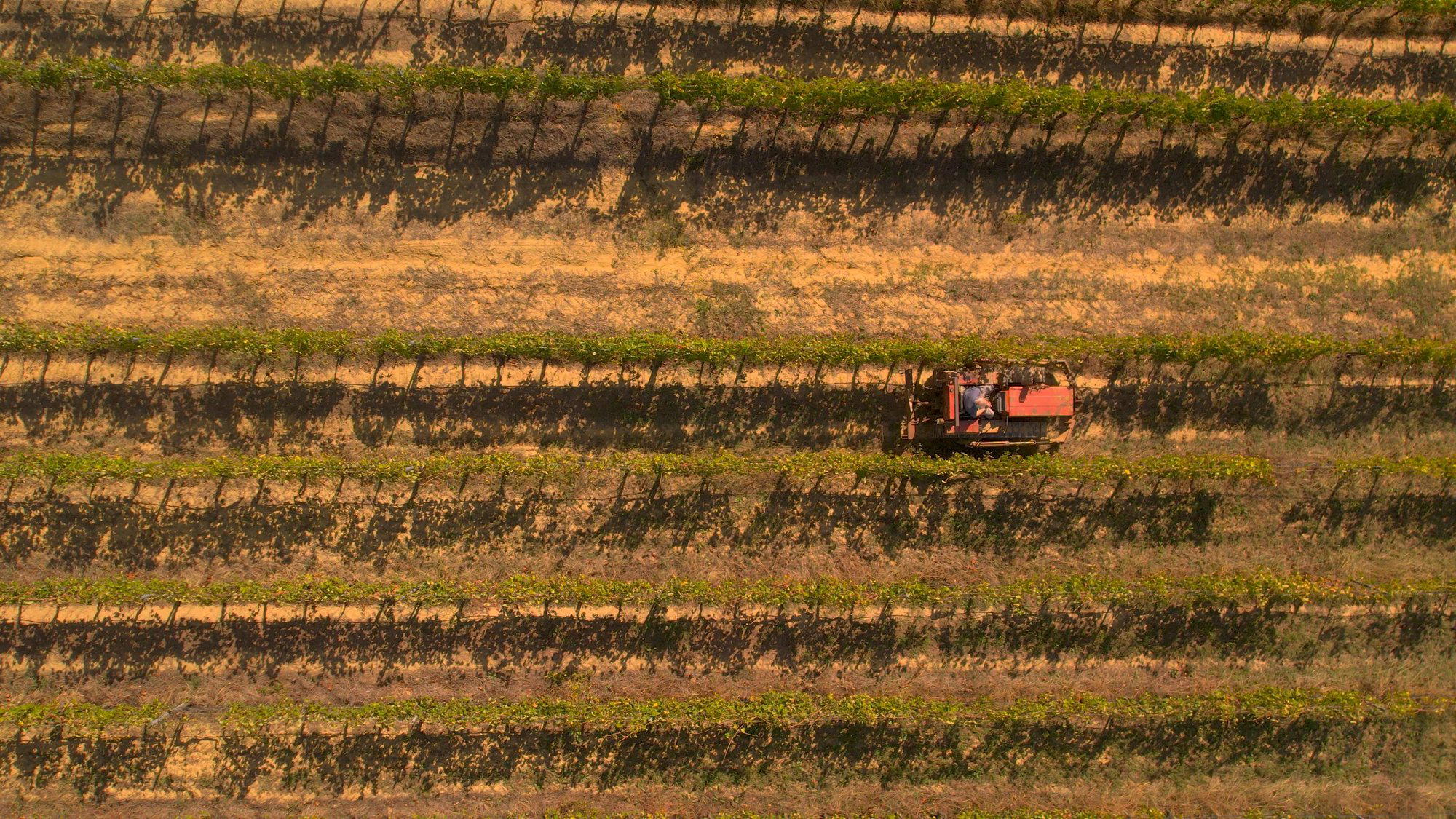
Campo del Monte
Terranuova Bracciolini, Italy
Book Campo del Monte if you want a quiet Tuscan winery-agriturismo visit built around countryside atmosphere, estate wines, and time to talk. It is better for couples, small celebrations, and slower Valdarno di Sopra itineraries than for rushed tasting crawls or large groups chasing famous-label stops.
Collosorbo
Castelnuovo Dell Abate Si, Italy
Book Collosorbo if the priority is classic southern Montalcino Sangiovese in a rustic, personal winery setting rather than a polished hospitality production. It is strongest for Brunello-focused travelers, food-and-wine explorers planning a Tuscan meal around the tasting, and visitors who value organic-certified estate-grown fruit and family continuity.
Château Lesparre
Beychac Et Caillau, France
Book Château Lesparre if you want a relaxed Entre-Deux-Mers tasting with real family-estate context and a broad Bordeaux portfolio. It is better for curious couples and small groups than for travelers chasing famous-label grandeur, with Falstaff Listed recognition in 2026 adding a useful trust signal.
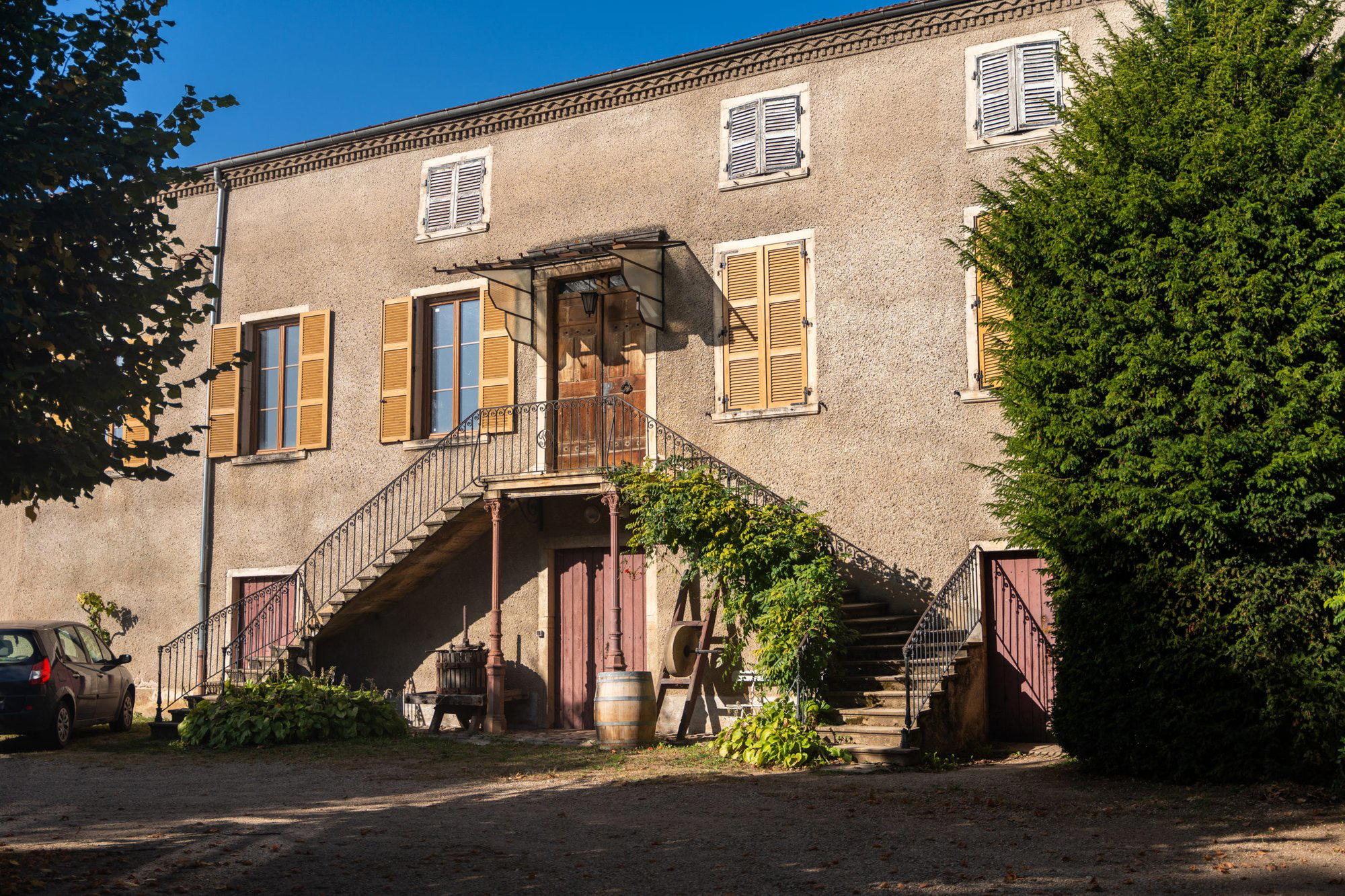
Château Cambon
Belleville-en-Beaujolais, France
Falstaff-listed Château Cambon is worth booking for a quiet, wine-led Beaujolais visit focused on natural winemaking, old vines, and Gamay. It is better for couples or small groups than large celebrations, and the value sits in the producer access rather than polished hospitality extras.
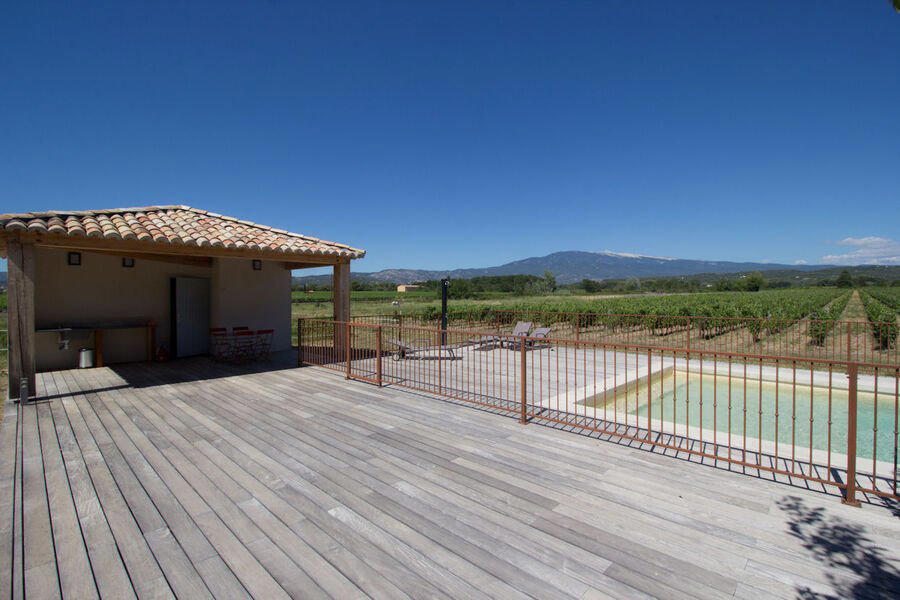
Château La Croix des Pins
Mazan, France
Worth booking if the goal is an easy, informative organic Rhône tasting near Mazan rather than a high-ceremony winery visit. Château La Croix des Pins is strongest for curious drinkers who want Ventoux, Gigondas, and Beaumes de Venise in one stop, with a comfortable historic setting and enough range to satisfy mixed red, white, and rosé preferences.
Katharina Krieger Weine
Rhodt Unter Rietburg, Germany
Katharina Krieger Weine is worth a look for travelers who want a small, focused Pfalz winery stop built around site-linked dry Spätburgunder rather than a large estate visit. The private or more personal format makes sense for serious wine drinkers seeking context; casual groups may get better value from a shorter purchase-led stop.
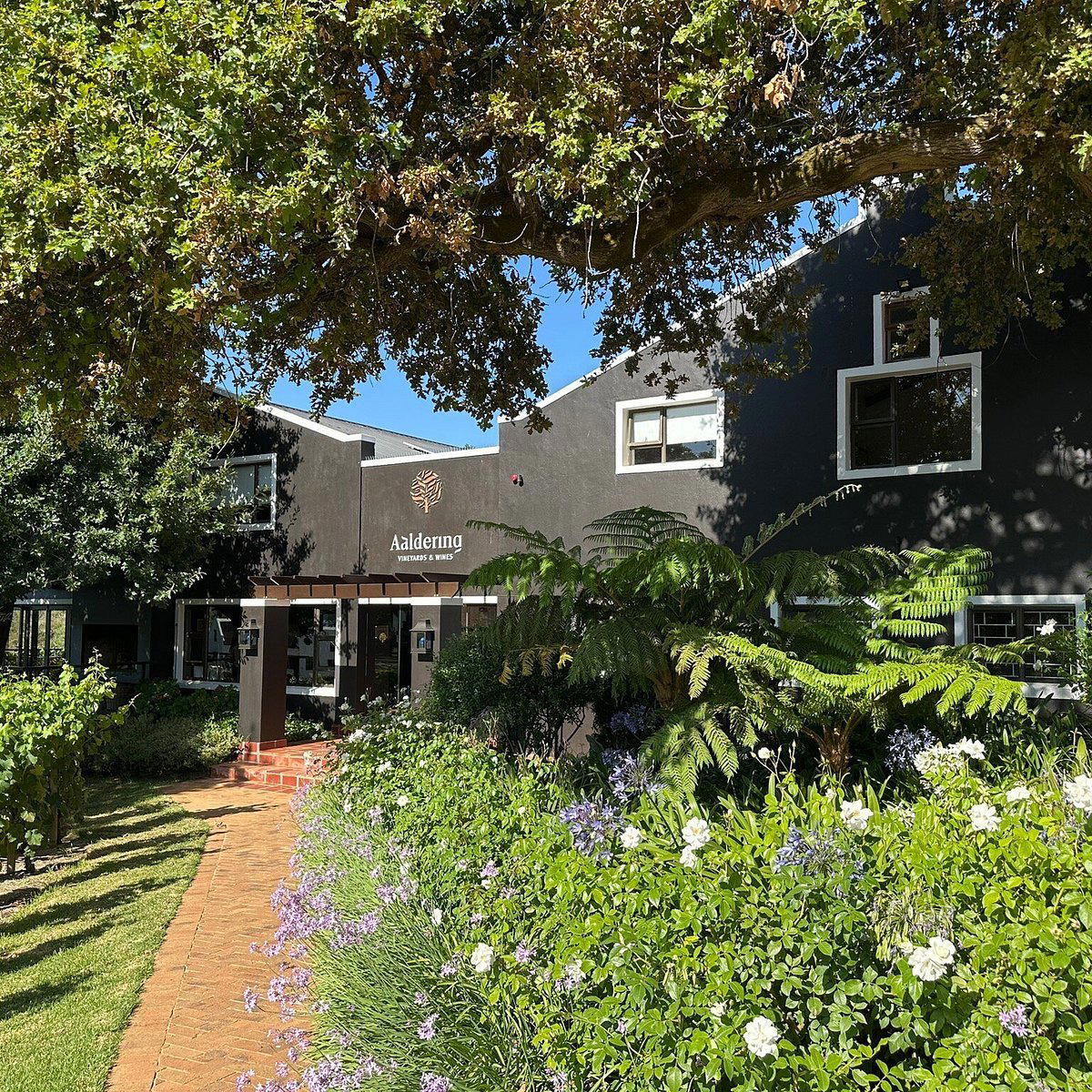
Aaldering Estate
Stellenbosch, South Africa
Aaldering Estate is worth booking if you want a calmer Stellenbosch tasting with polished grounds, terrace views, and a boutique estate feel. The draw is the combination of Devon Valley scenery and a focused estate-grown wine portfolio, backed by Falstaff Listed recognition for 2026. It suits couples and small groups better than a high-energy wine crawl.
How many of these have you visited?
Find out on Pearl and keep score across every place in 2026 Falstaff Winery Guide.