
Adega Portalegre
Portalegre
Winery in Portalegre, Portugal
 Book with Pearl
Why go
A strong Portalegre pick for wine travelers who care about terroir, cooperative history, and cooler-climate Alentejo rather than luxury tasting-room polish. Go for the Serra de São Mamede context, the classic regional portfolio, and the chance to understand why Portalegre DOC feels distinct from the broader Alentejo plain.
About Adega Portalegre
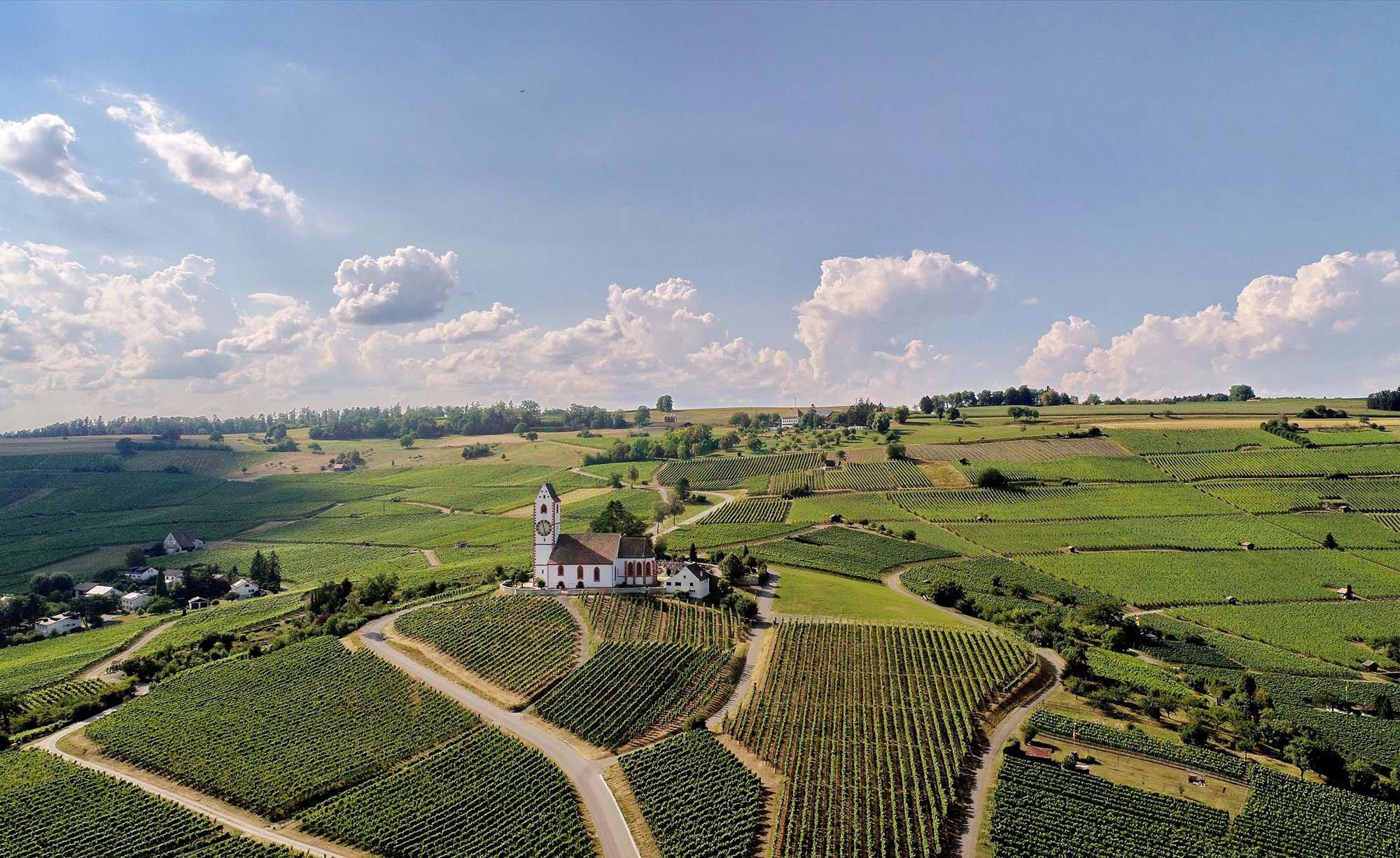
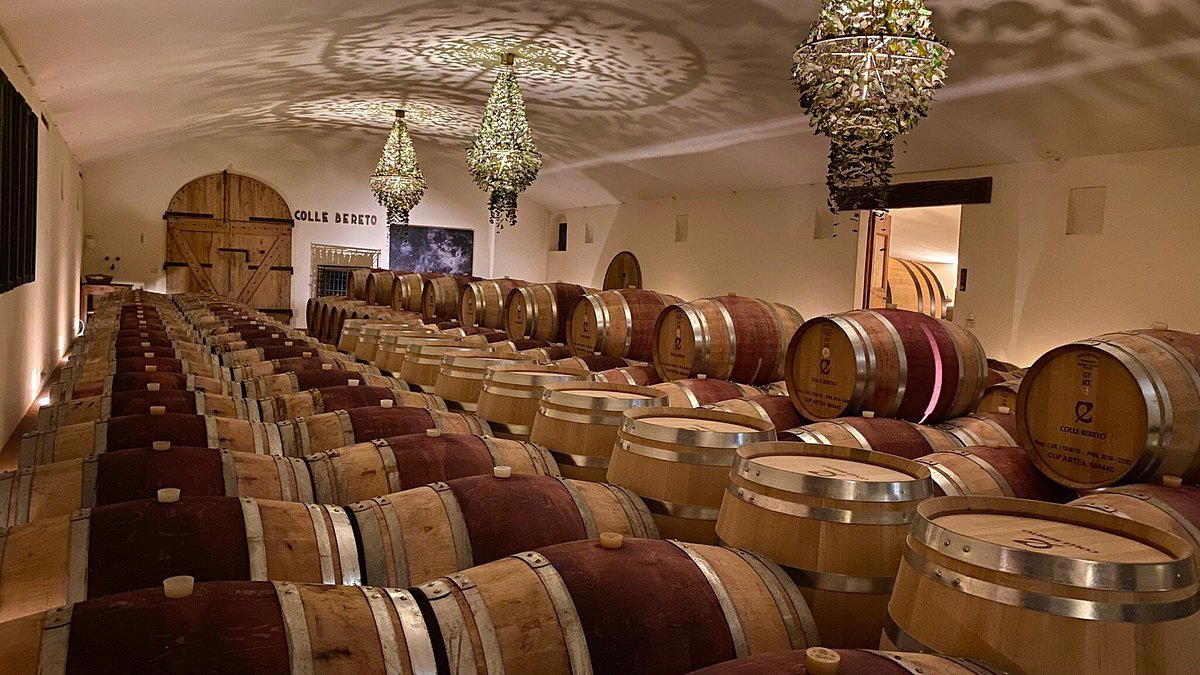
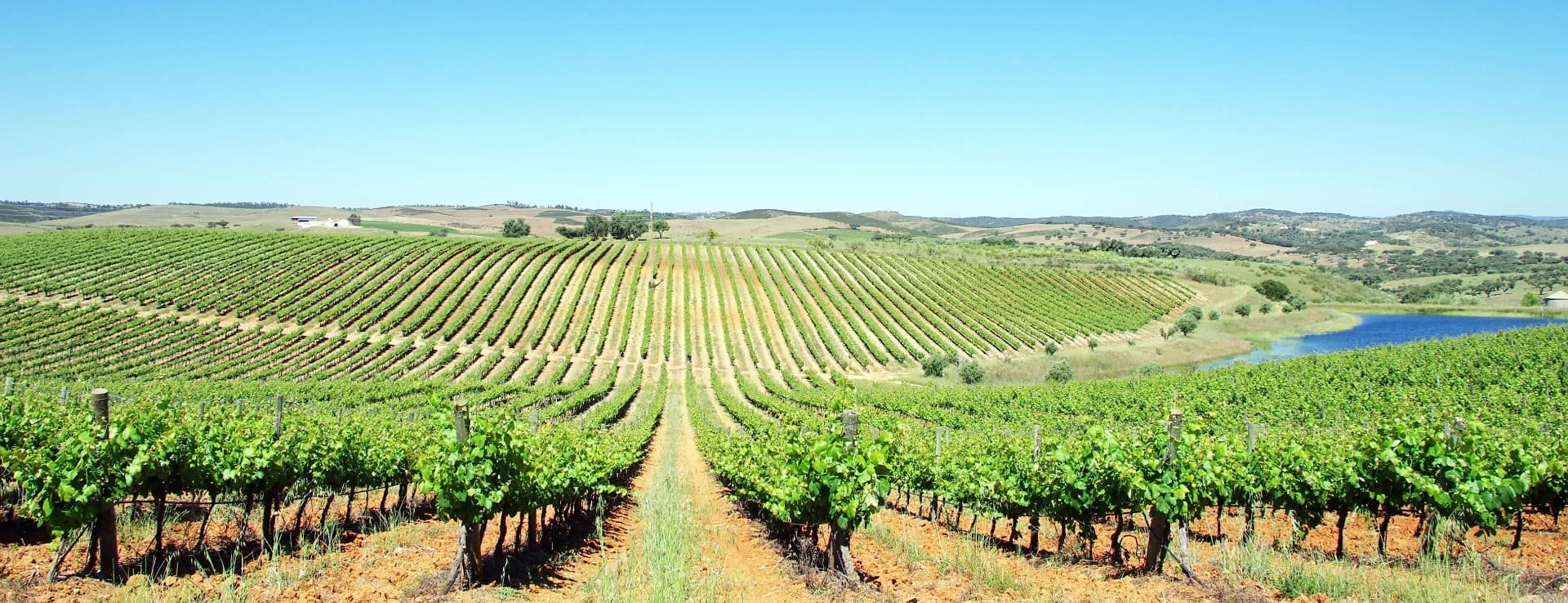
For a wine-focused Portalegre stop, Adega Portalegre is the right call if the draw is Portalegre terroir rather than a polished luxury tasting circuit. Its identity is specific: a historic, terroir-driven winery in the Natural Park of Serra de São Mamede, with a heritage narrative dating to 1954 and a focus on distinctive Portalegre wines.
Adega Portalegre is better suited to travelers who want regional context than to visitors looking for a long list of confirmed hospitality extras. The reason to go is the combination of winery heritage, a mountain-park setting, and a classic, quiet, rustic feel. The available details support a visit framed around place and Portalegre wine identity, not around tasting formats, menus, or visitor amenities.
Plan it as a terroir stop, not a resort-style tasting
The visit works well as a focused waypoint on a Portalegre day rather than the only reason to build a full itinerary. Pair it with the broader local research in Pearl’s Portalegre wineries guide, then round out the trip using Pearl’s Portalegre restaurants guide, Pearl’s Portalegre hotels guide, Pearl’s Portalegre bars guide, and Pearl’s Portalegre experiences guide. That structure makes more sense than treating the winery as a standalone, all-day destination.
The strongest case for going is regional context. Falstaff Listed recognition in 2026 gives the winery a current signal, but the more useful reason to consider it is its role as a Portalegre winery with a historic, terroir-led identity. Expect a classic, rustic, quiet experience rather than assuming a high-design tasting room or an extensive visitor program. If the priority is understanding Portalegre through wine, this is a worthwhile stop.
What to pay attention to in the glass
Information points to distinctive Portalegre wines rather than a specific confirmed tasting lineup. Approach the visit by paying attention to how the winery presents its local identity, its connection to Serra de São Mamede, and its heritage narrative. Avoid planning around particular bottles, grape varieties, or tasting formats unless you confirm those details directly before visiting.
For wider Portugal planning, compare the regional logic here with Adega Cooperativa de Borba in Borba and Adega do Monte Branco in Estremoz. You can also consider other established Portuguese wine references such as Herdade do Mouchão, Luís Pato, and Quinta do Carmo when thinking about how different producers express place.
Who should choose this over another winery day
Choose this if the trip is built around wine geography, Portalegre identity, and a classic winery setting with a sense of place. It is less convenient for weekend travelers, since the hours are Monday to Friday, 8:30 AM to 5:30 PM, with Saturday and Sunday closed. At $$, Adega Portalegre reads as a practical, regionally focused stop rather than a luxury destination built around confirmed premium hospitality extras.
Planning details
- Location
- R. do Ribeiro do Baco de Baixo S/N, 7300-261 Portalegre, Portugal
- Website
- adegaportalegre.pt
- Phone
- +351 245 300 530
Venue details
Ambiance
A historic, terroir-driven winery set in the Natural Park of Serra de São Mamede, with a focus on distinctive Portalegre wines and a heritage narrative dating to 1954.
Tags
Vibe
Best For
Experience
View
At the Vineyard
- Appellation
- Portalegre DOC
- Visits
- Walk-ins welcome
- Production
- Mid-size producer
- Wine Styles
- Still Red, Still White, Still Rose
- Founded
- 1954
- Wine Club
- Not available
Know before you go
Know Before You Go
- Getting there
- R. do Ribeiro do Baco de Baixo S/N, 7300-261 Portalegre, Portugal
Planning details
Location
R. do Ribeiro do Baco de Baixo S/N, 7300-261 Portalegre, Portugal · Directions
Recognition and awards

Also consider
Good alternatives if this does not fit the trip
If Portalegre timing is awkward, cross-shop Adega do Monte Branco for an Estremoz-oriented Alentejo stop or Herdade do Mouchão for a more estate-driven visit. If the point is comparing cooperative wineries, Adega Cooperativa de Borba is the closest thematic alternative.
Winery context
How it compares in and around Portalegre
Adega Portalegre is the practical choice for a focused, value-conscious Portalegre wine stop: easy booking, a $$ price signal, and a quieter rustic setting. Adega do Monte Branco is the better cross-shop if the trip is already leaning toward Estremoz and a more contemporary small-producer feel, while Herdade do Mouchão is the stronger pick for travelers who want a more established Alentejo estate reference.
Adega Cooperativa de Borba makes sense for visitors comparing cooperative models across Alentejo; choose it for scale and Borba context, choose Adega Portalegre for mountain-influenced Portalegre identity. Quinta do Carmo is a better fit if the aim is a more estate-led Alentejo visit, while Adega Portalegre is the sharper choice when the question is specifically what Serra de São Mamede does to the wines.
Luís Pato is the outlier in this set: useful for travelers building a broader Portugal wine itinerary, but not a direct substitute for a Portalegre day. If convenience and local context matter, stay with Adega Portalegre; if the trip is about comparing Portuguese regional identities over several stops, add Luís Pato as a separate benchmark rather than a replacement.
Explore Portalegre
Around this place
Discover more on Pearl
Unlock the full Adega Portalegre guide in Pearl, including awards, comparisons, FAQs, planning details, and nearby places.
Compare Adega Portalegre
Where it fits among similar wineries
Adega Portalegre is the easier, more locally grounded choice for visitors already in Portalegre, especially if value and regional context matter more than a destination-estate feel. Adega do Monte Branco and Quinta do Carmo suit travelers building a wider Alentejo route, while Herdade do Mouchão is the better fit for a more established estate stop.
Against Adega Cooperativa de Borba, the distinction is regional focus: Borba gives a broader cooperative Alentejo comparison, while Adega Portalegre gives a clearer read on the cooler, higher Serra de São Mamede profile. Luís Pato belongs on a broader Portugal itinerary, not as a like-for-like Portalegre substitute.
FAQ
Frequently Asked Questions
Does Adega Portalegre ship wine?
Do I need a reservation at Adega Portalegre?
The hours are Mon–Fri from 8:30 AM to 5:30 PM, with Saturday and Sunday closed.
Is a tasting at Adega Portalegre worth it?
The details support Adega Portalegre as a historic, terroir-driven winery in Portalegre with a quiet, rustic, classic character.
Is Adega Portalegre good value?
At $$ and with weekday daytime hours, Adega Portalegre makes sense for travelers who want a focused Portalegre winery stop. It is best approached for its regional identity and setting rather than for extras such as memberships, special tastings, or additional services.