Adega Cooperativa de Borba
Borba
Winery in Borba, Portugal
 Book with Pearl
The Read
Marble-Country Cooperative
Price
$30–50tasting
Why go
Adega Cooperativa de Borba is worth considering if the goal is a practical, wine-focused stop in Alentejo rather than a luxury estate experience. It suits visitors already planning time in Borba who want regional context and a cooperative perspective; for a polished celebration, compare it with larger Alentejo winery destinations first.
About Adega Cooperativa de Borba
Adega Cooperativa de Borba is a Borba venue with a casual dress code and Pearl 2 Star Prestige recognition for 2025. Beyond those basics, public-facing planning details should be treated carefully: this guide does not confirm a menu, visit format, opening hours, prices, reservations policy, or specific visitor services.
The safest way to evaluate it is as a Borba stop whose confirmed profile is limited rather than as a page built around promises. If you are planning a special occasion, confirm the current experience directly with the venue before building a day around it.
Choose this for Borba context, with practical details confirmed directly
The strongest case is simple: Adega Cooperativa de Borba is in Borba and carries Pearl 2 Star Prestige recognition for 2025. That makes it relevant for travelers comparing notable venues, but it does not by itself confirm a luxury hospitality format, guided visit, meal service, or destination-style experience.
If you are comparing broader options, natural reference points include Adega Cartuxa (Fundação Eugénio de Almeida), Herdade do Esporão, Herdade do Mouchão, Luis Pato, and Quinta do Carmo. Treat those as broader planning comparisons rather than proof that Adega Cooperativa de Borba offers the same kind of visit.
Who should put it on the itinerary
Put Adega Cooperativa de Borba on the shortlist if you are already spending time in Borba and are comfortable confirming practical details directly before you go. The dress code is casual, so the baseline is not formal; however, that does not confirm the availability of tastings, dining, tours, or private experiences.
For a date, celebration, or tightly scheduled itinerary, avoid assuming anything beyond the confirmed facts. Check the venue's official channels for current arrangements, then compare the plan with other options in Borba and with broader names such as Adega Cartuxa (Fundação Eugénio de Almeida), Herdade do Esporão, Herdade do Mouchão, Luis Pato, and Quinta do Carmo if you are building a wider route.
Quick reference: best considered as a Borba venue with casual dress and Pearl 2 Star Prestige recognition in 2025; confirm all practical details before planning around it.
Planning details
- Location
- Largo Gago Coutinho e Sacadura Cabral 25, 7151-913 Borba
- Website
- adegaborba.pt
- Phone
- +351 268 891 660
The take
The Take
The Vibe
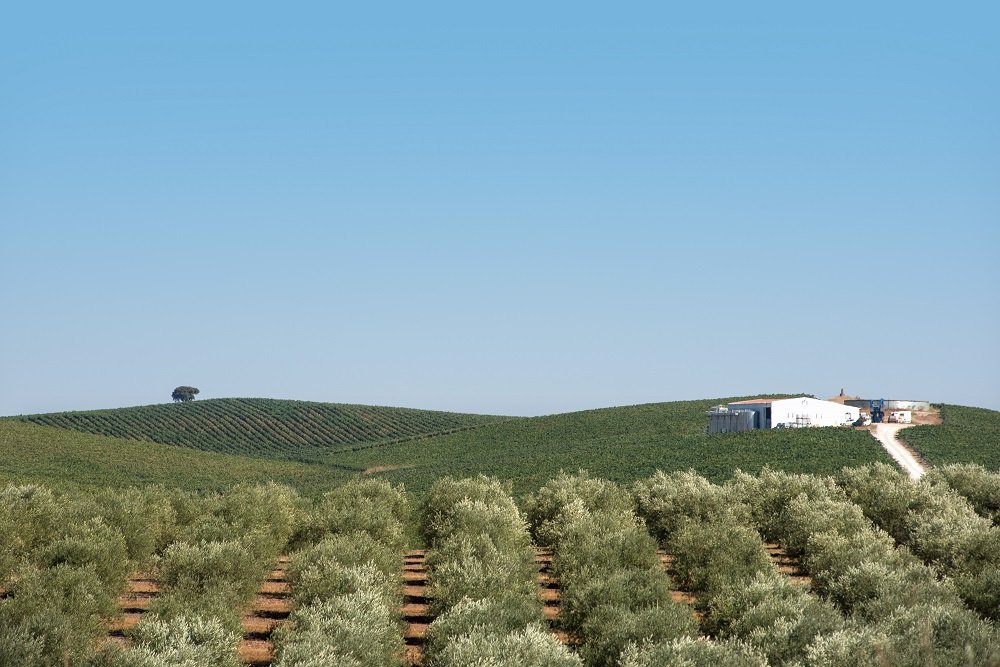
Adega Cooperativa de Borba reads as a quietly historic producer rooted in place. Set in the Alentejo interior, the cooperative’s story is inseparable from the limestone and marble that shape the vineyards and the wines they produce. The tone is measured rather than showy: this is viticulture explained through geology and decades of collective practice. Visitors encounter an institutional, community-minded atmosphere—less boutique glamour than a living regional archive—where soil-driven character and cooperative history form the core of the winery’s identity.
Best For
This cooperative is best for visitors who come to learn and to put terroir at the center of the tasting experience. Educational groups and organized outings benefit from the site’s focus on the link between Borba’s limestone soils and the wines in the glass. It also suits small celebrations that prize authenticity and sense of place over flash; the setting is evocative rather than ostentatious, offering a grounded backdrop for people who want to mark an occasion with regional character and thoughtful, mineral-driven wines.
Tasting Tips
When tasting here, prioritize wines that emphasize soil and texture over oak-driven styles: look for examples that showcase limestone influence, bright acidity and structural tension. Compare Borba bottlings with neighboring subzones to appreciate the regional micro-expressions the write-up highlights. Ask staff about how the cooperative sources and blends fruit from local smallholders and how the marble-rich geology translates into the glass—those conversations illuminate what to order and help frame each pour within Borba’s defining terroir.
Venue details
Ambiance
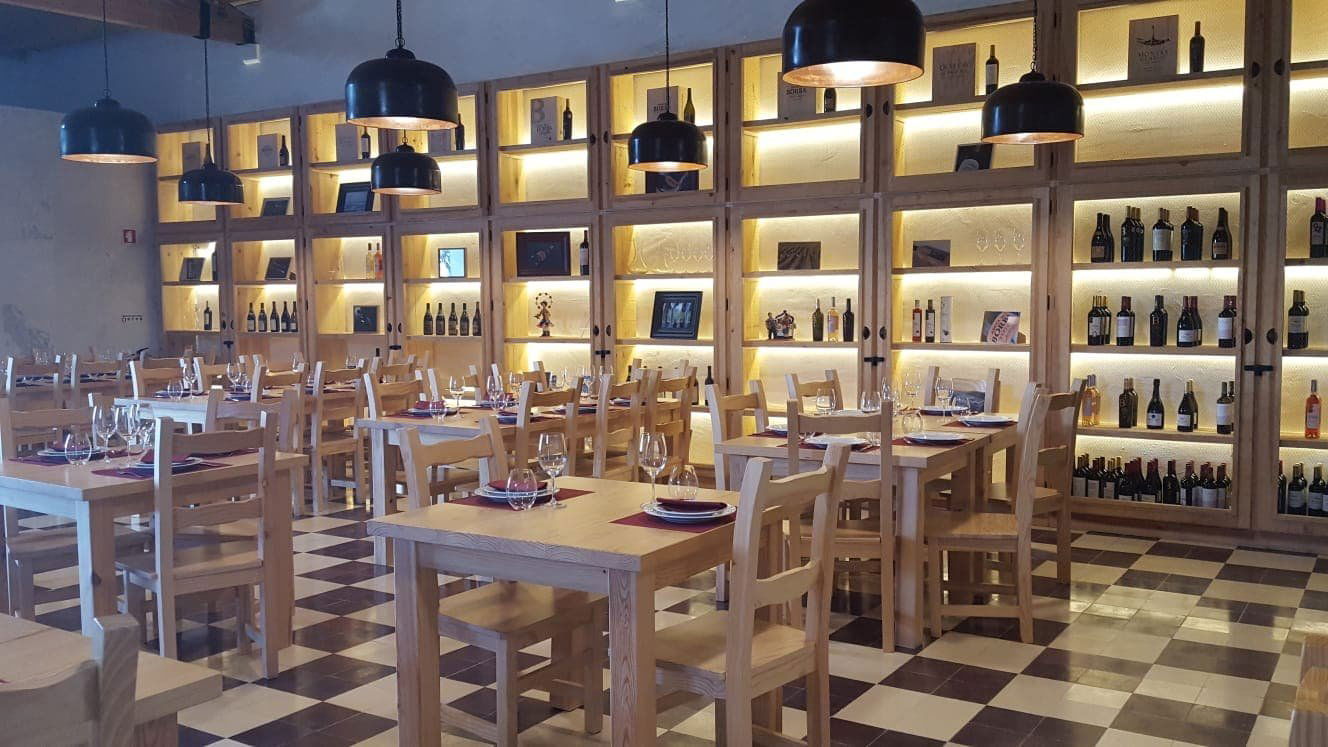
Industrial-meets-traditional atmosphere with visible fermentation tanks, wooden vats, and barrels showcasing both contemporary vinification technology and heritage cellar techniques.
Tags
Vibe
Best For
Experience
Sourcing
View
At the Vineyard
- Appellation
- Alentejo DOC
- Varietals
- Aragonez, Trincadeira, Touriga Nacional, Castelão, Tinta Caiada
- Tour Duration
- 90-120 minutes
- Tour Languages
- Portuguese, English
- Visits
- By reservation
- Farming
- Sustainable
- Wine Styles
- Still Red, Still White, Fortified, Dessert
- Shipping
- Available
- Wine Club
- Not available
Know before you go
Know Before You Go
- Getting there
- Largo Gago Coutinho e Sacadura Cabral 25, 7151-913 Borba
Planning details
Location
Also consider
Also Consider
- Quinta do Carmo, Notable alternative
- Herdade do Mouchão, Notable alternative
- Luis Pato, Notable alternative
- Adega Cartuxa (Fundação Eugénio de Almeida), Notable alternative
- Herdade do Esporão, Notable alternative
Winery context
How it compares with other Alentejo and Portugal winery choices
Adega Cooperativa de Borba is the more practical Borba-context choice, while Quinta do Carmo and Herdade do Mouchão are better fits if the priority is a more estate-led visit. Choose Borba's cooperative address when value, regional range, and a focused tasting stop matter more than ambiance.
For a celebration itinerary, Adega Cartuxa (Fundação Eugénio de Almeida) and Herdade do Esporão are stronger cross-shops because they read more clearly as destination wineries. They are the safer picks for guests who want the visit itself to carry the occasion, not just the tasting.
Luis Pato is the better comparison for travelers building a broader Portugal wine route rather than staying tightly in Alentejo. If Borba is already on the plan, Adega Cooperativa de Borba makes sense; if the trip is being built around one winery day, choose the peer whose setting and hospitality format match the occasion.
Explore Borba
Around this place
Discover more on Pearl
Unlock the full Adega Cooperativa de Borba guide in Pearl, including awards, comparisons, FAQs, planning details, and nearby places.
Compare Adega Cooperativa de Borba
| Venue | Location | Awards |
|---|---|---|
| Adega Cooperativa de Borba | Borba | No published awards |
| Quinta do Carmo | Estremoz | 2026 Falstaff Winery Guide |
| Herdade do Mouchão | Casa Branca | 2026 Falstaff Winery Guide |
| Luis Pato | Anadia | No published awards |
| Adega Cartuxa (Fundação Eugénio de Almeida) | Évora | 2026 Falstaff Winery Guide |
| Herdade do Esporão | Reguengos de Monsaraz | Michelin Guide Portugal 20262026 Falstaff Winery Guide2026 La Liste Top Restaurants2025 World's 50 Best Vineyards · #692025 The Best Chef One Knife2025 Michelin 1 Star2024 Michelin 1 Star |






How Adega Cooperativa de Borba compares with similar nearby venues.
FAQ
Frequently Asked Questions
Does Adega Cooperativa de Borba serve food?
Food service details are not here. If your priority is a meal, make a separate dining plan in Borba and confirm any current offering directly with the venue.
What other venues should I compare with Adega Cooperativa de Borba?
For broader planning, compare it with Adega Cartuxa (Fundação Eugénio de Almeida), Herdade do Esporão, Herdade do Mouchão, Quinta do Carmo, and Luis Pato. Do not assume they offer the same format; use them as reference points when deciding what kind of visit you want.
Is there a membership program at Adega Cooperativa de Borba?
How long should I plan for a visit to Adega Cooperativa de Borba?
When is the best time to visit Adega Cooperativa de Borba?
Opening hours and best-visit timing are not here. Treat the venue as a Borba option to confirm in advance rather than assuming a particular time of day or service window.