
Quinta do Carmo
Glória, Estremoz
Winery in Estremoz, Portugal
 Book with Pearl
The Read
Estremoz Terroir Viticulture
Price
$30–50tasting
Why go
Quinta do Carmo is worth prioritizing for an Estremoz wine itinerary when the goal is a quieter estate-led stop rather than a high-volume tasting. It works better as the centerpiece of a special-occasion Alentejo day than as a casual walk-in plan, especially if the rest of the trip is built around nearby restaurants, hotels, and wineries.
About Quinta do Carmo
For a visit in Estremoz, treat Quinta do Carmo as a planning-led stop rather than a casual drop-in. The safest approach is to build the itinerary around these basics: the venue is in Estremoz, the dress code is smart casual, and it holds Pearl 2 Star Prestige (2025).
Detailed service, hours, pricing, menu, and visitor-format information are not available, so keep the rest of the day flexible. Use Our full Estremoz restaurants guide and other current planning resources to keep the rest of the trip efficient.
Plan your visit to this Estremoz stop with limited public detail
The strongest reason to keep Quinta do Carmo on the shortlist is its Pearl 2 Star Prestige (2025) recognition. Beyond that, avoid assuming a specific service style, visit format, menu, tasting structure, or opening schedule unless the venue confirms it directly.
For a date, anniversary, or business-adjacent plan, smart casual dress is the clearest practical guidance. If the visit is part of a broader Estremoz itinerary, contact the venue before finalizing timing so the day is not built around uncertain details.
Where to cross-shop before committing
If availability or planning details are unclear, compare Quinta do Carmo with other options that may fit a similar itinerary. Adega Cooperativa de Borba and Adega Cartuxa (Fundação Eugénio de Almeida) can be useful comparison points when deciding how to structure the broader plan.
For a wider route, Herdade do Esporão, Herdade do Mouchão, and Luis Pato are also useful points of comparison, depending on what kind of stop you want to prioritize.
Against that wider set, Quinta do Carmo is best treated as the Estremoz-specific choice: keep it on the itinerary when the location and the Pearl 2 Star Prestige (2025) recognition are enough reason to investigate further, then check current details directly before committing.
Planning details
- Location
- Herdade das Carvalhas, Quinta do Carmo, 7100-040
- Website
- bacalhoa.pt/pt/quinta-do-carmo-196
- Phone
- +351 914 232 377
The take
The Take
The Vibe
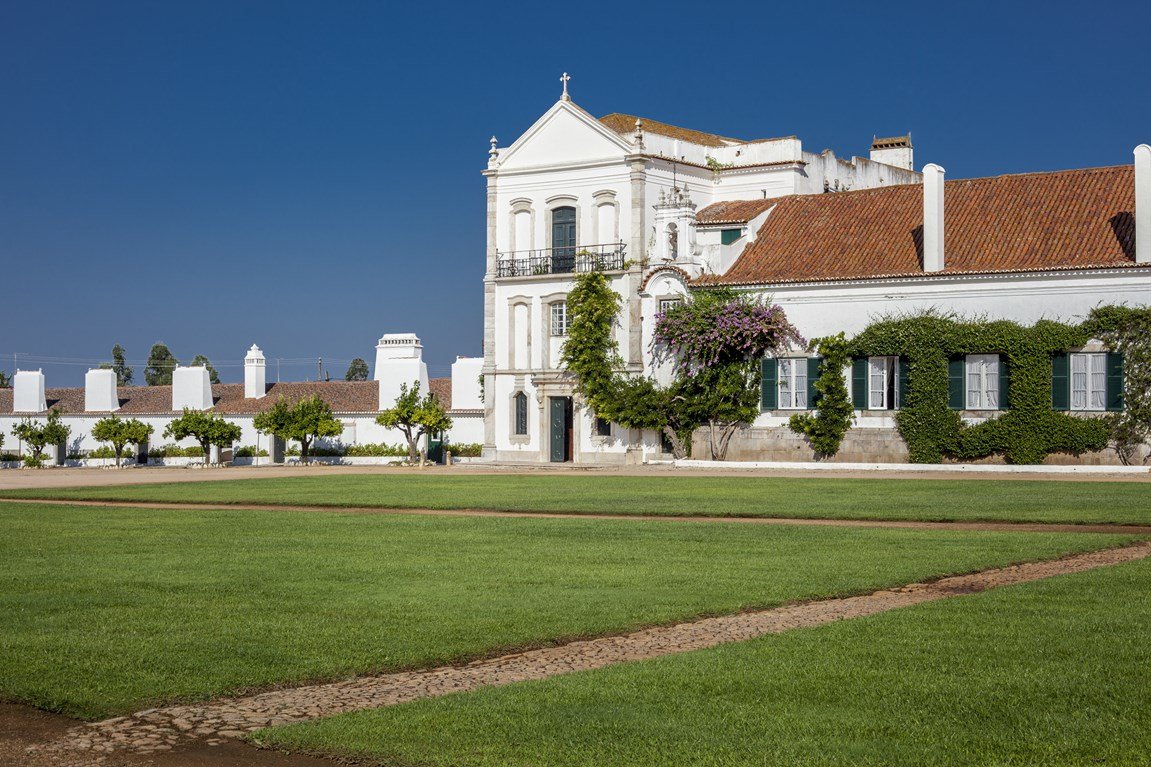
Quinta do Carmo reads as a historic, classic estate that approaches winemaking with a deliberate, sophisticated eye. The property sits on the Herdade das Carvalhas within an Alentejo landscape strewn with white marble outcrops, and the copy repeatedly ties the wines to long-standing local practice—medieval walls, Roman-era farming and an emphasis on indigenous varieties. That sense of continuity is reinforced by contemporary recognition: a 2025 Pearl 2 Star Prestige award frames the estate as a serious national player rather than a regional curiosity. The overall impression is measured, rooted and culturally resonant rather than trend driven.
Best For
This estate is best for visitors interested in regional wine narratives and group exploration of terroir-driven wines. The copy foregrounds the relationship between the land and the vine—marble soils, prolonged dry heat and late diurnal swings—making Quinta do Carmo particularly relevant for educational visits that examine how specific soils and climate shape indigenous varieties. The working-town context and references to broader Estremoz food-and-wine culture also make it a natural stop for groups tracing the corridor of estates east from Estremoz toward Borba and Reguengos de Monsaraz.
Tasting Tips
When engaging with Quinta do Carmo's wines, orient your curiosity toward the estate's expression of indigenous varieties and the mineral signature imparted by the marble-rich soils. The property's 2025 Pearl 2 Star Prestige recognition flags particular bottlings as noteworthy; prioritize those when comparing estate character to neighboring Alentejo producers. Because the text emphasizes terroir and traditional practice over international trends, expect wines that foreground acidity, minerality and varietal authenticity rather than overt oak or international stylistic cues.
Venue details
Ambiance
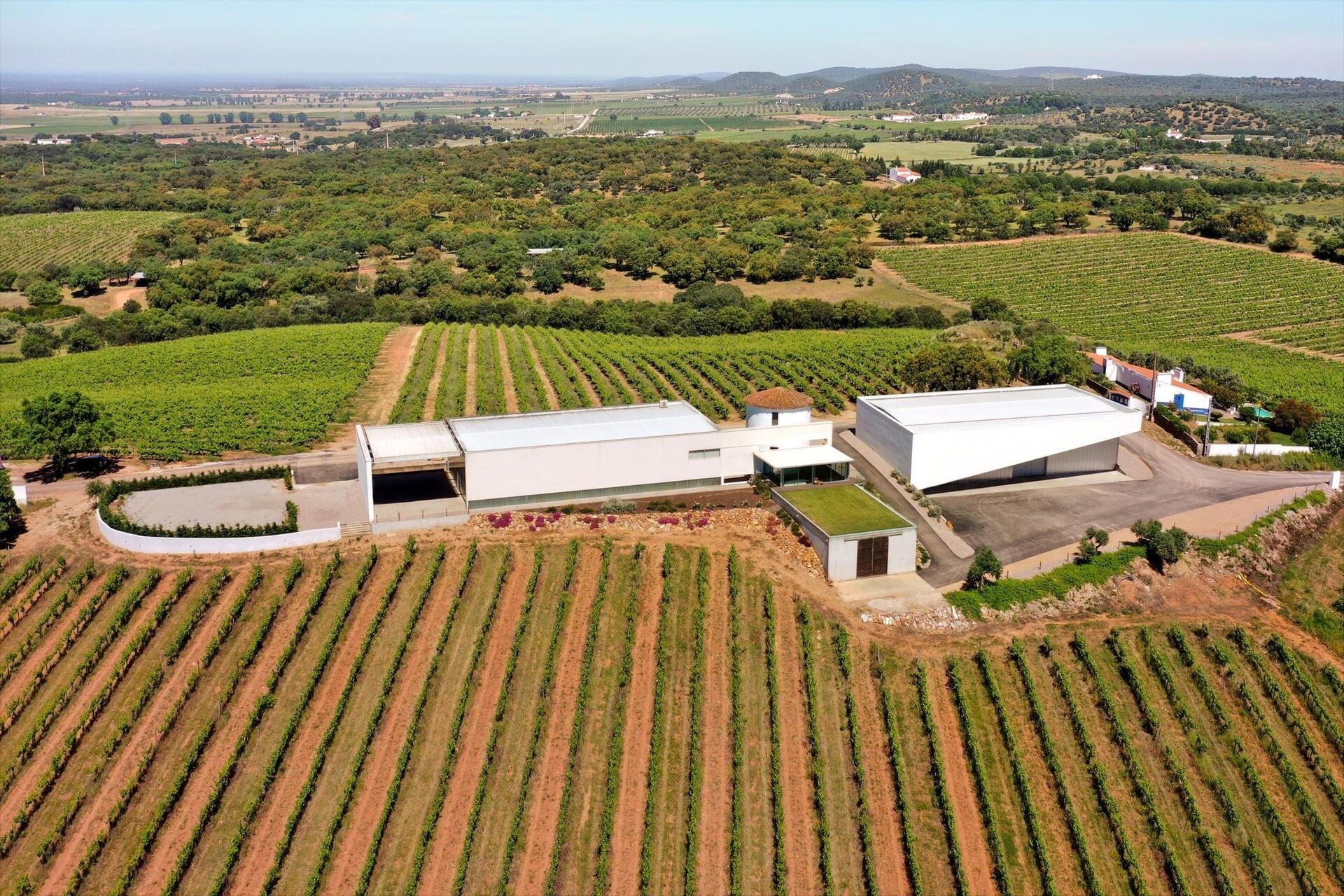
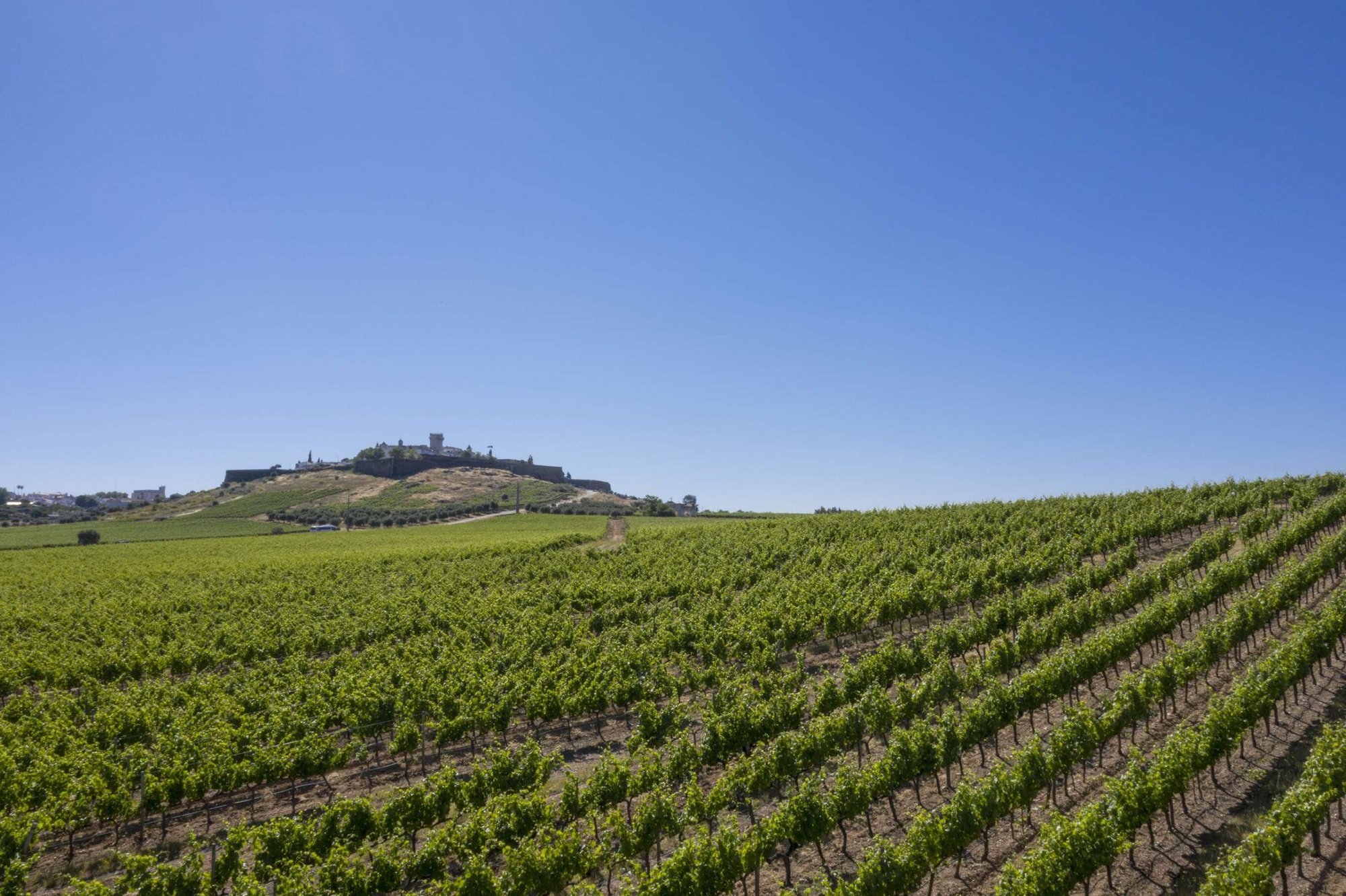
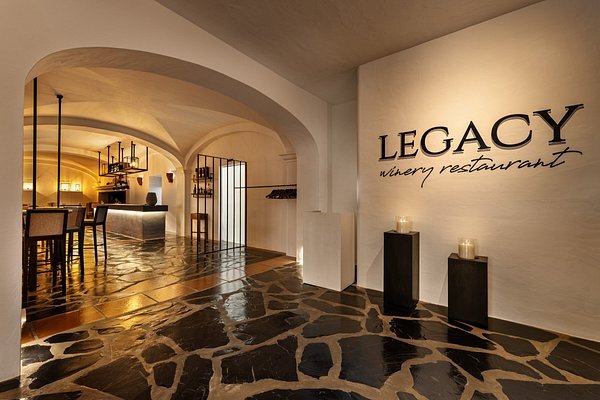
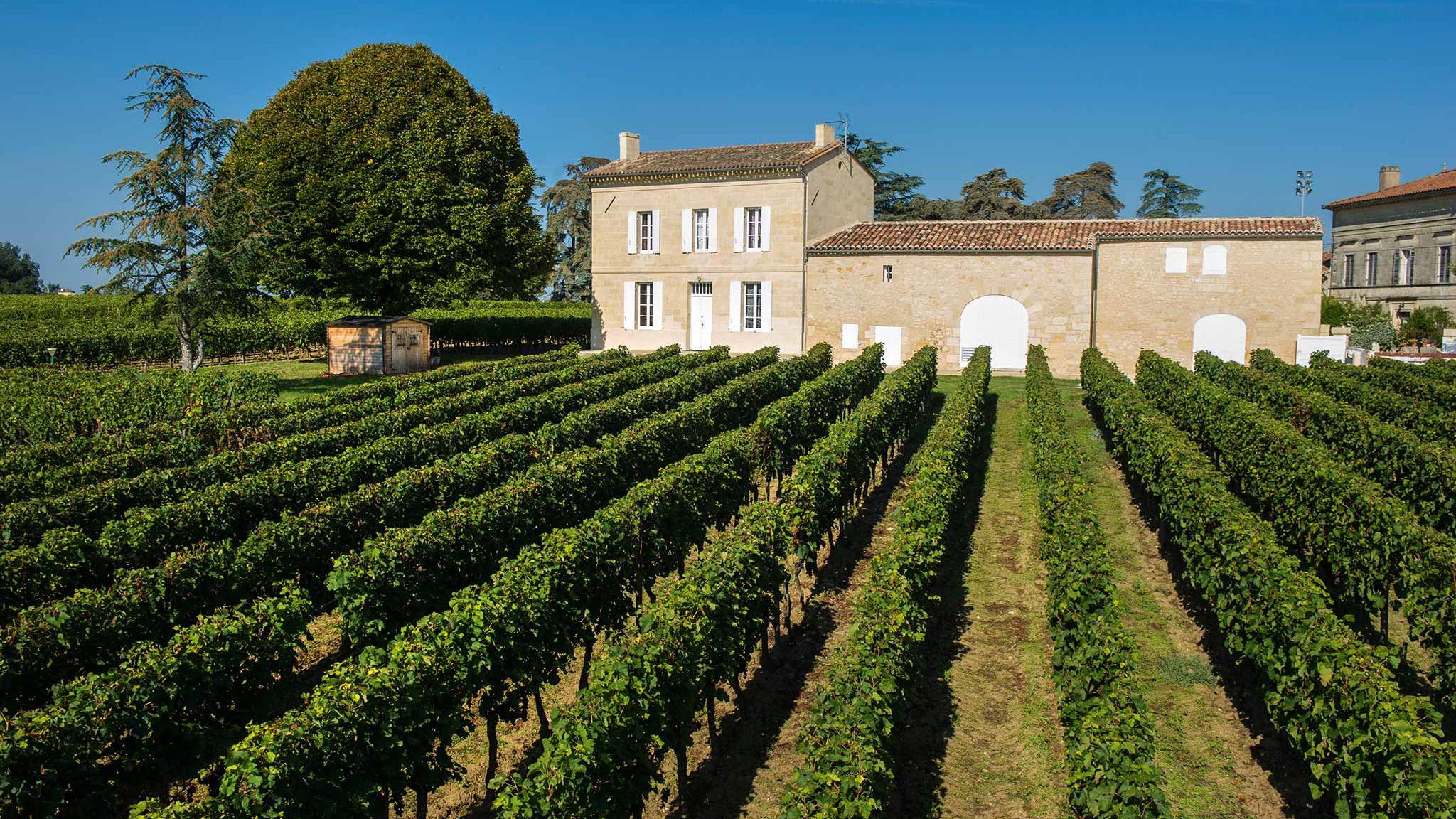
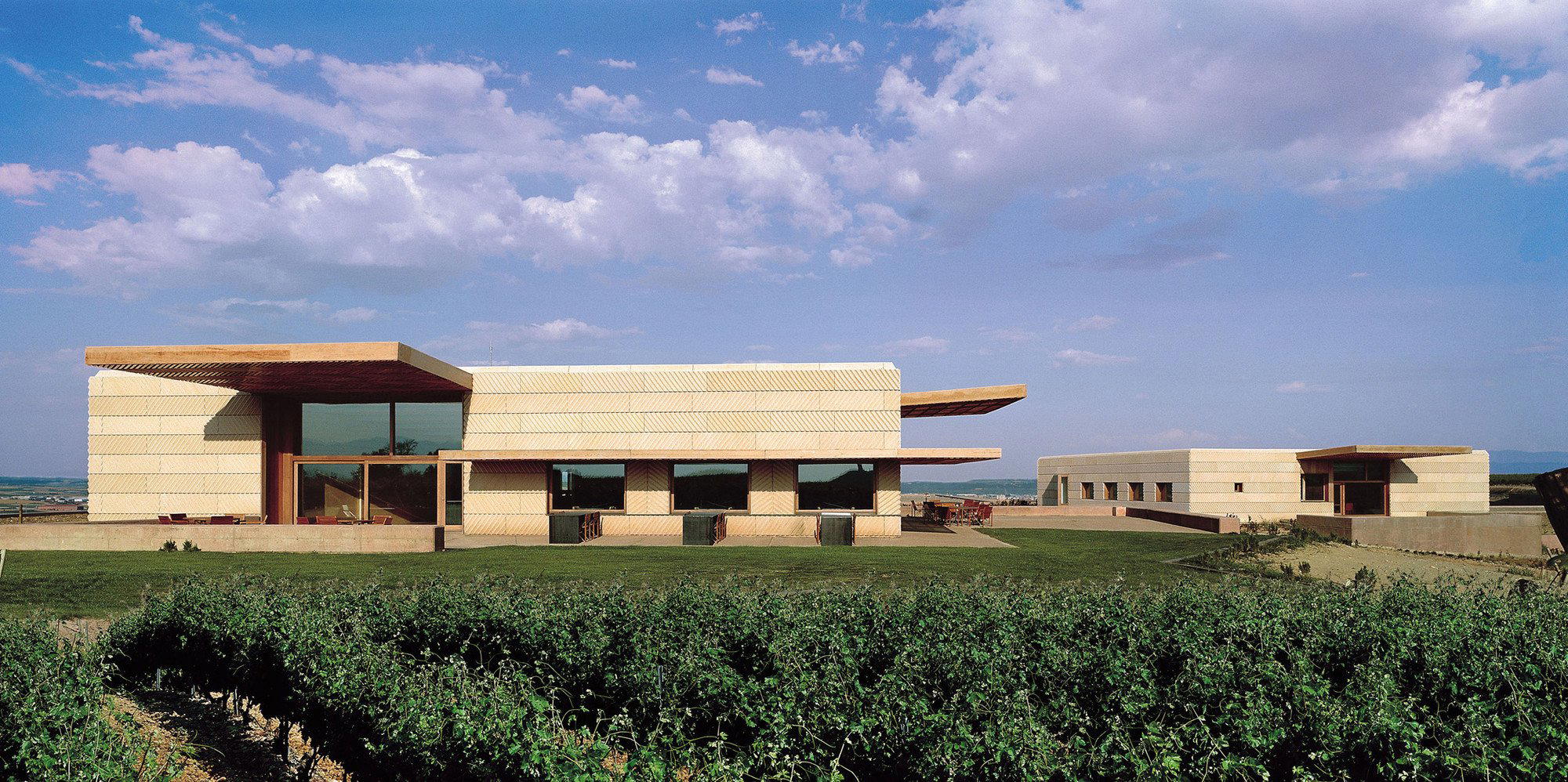
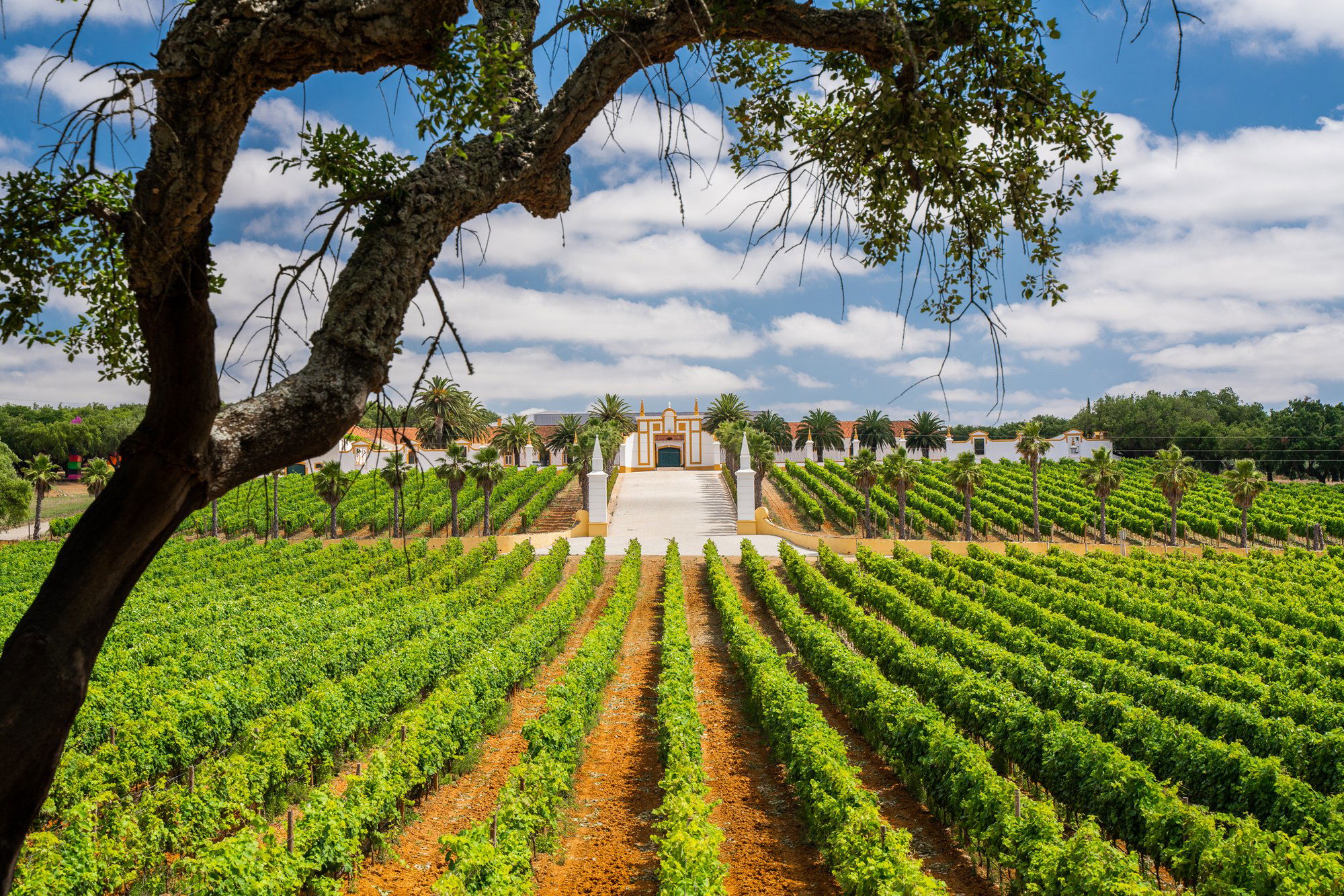
Serene and enchanting atmosphere amid expansive vineyards, olive groves, and cork oaks, blending natural beauty with modern winery elegance.
Tags
Vibe
Best For
Experience
View
At the Vineyard
- Appellation
- Regional Alentejano
- Varietals
- Aragonez, Trincadeira, Alicante Bouschet, Cabernet Sauvignon, Roupeiro
- Tour Duration
- 2 Hours
- Tour Languages
- Portuguese, English, Spanish
- Visits
- By reservation
- Wine Styles
- Still Red, Still White, Still Rose
- Food Pairing
- Offered
- Wine Club
- Not available
Know before you go
Know Before You Go
- Getting there
- Herdade das Carvalhas, Quinta do Carmo, 7100-040
Planning details
Location
Herdade das Carvalhas, Quinta do Carmo, 7100-040 · Directions
Recognition and awards

Also consider
If you cannot get in
For the closest practical alternative, try Adega Cooperativa de Borba if the goal is a regional tasting stop with less emphasis on occasion mood. If the trip can shift toward Évora, Adega Cartuxa (Fundação Eugénio de Almeida) is the more useful replacement for a structured Alentejo wine day.
Winery context
How it compares in and around Estremoz
Choose Quinta do Carmo when the brief is a quieter estate visit near Estremoz with a special-occasion feel. Adega Cooperativa de Borba is the more practical cross-shop if value, regional range, and easier group logistics matter more than atmosphere. For travelers who want the day to feel polished and less transactional, Quinta do Carmo is the stronger fit.
Herdade do Mouchão and Herdade do Esporão are better comparisons for travelers planning a destination wine day rather than a quick local stop. If the priority is a broader visitor infrastructure and a more expansive estate experience, cross-shop those first. If the priority is staying close to Estremoz and keeping the day calm, Quinta do Carmo is easier to justify.
Adega Cartuxa (Fundação Eugénio de Almeida) is the right alternative when Évora is already part of the itinerary. Luis Pato makes more sense for travelers comparing Portuguese wine regions rather than building a tight Alentejo route. The practical call: book Quinta do Carmo for an Estremoz-centered celebration, and cross-shop Cartuxa or Esporão if the day needs a larger destination anchor.
Explore Estremoz
Around this place
Discover more on Pearl
Unlock the full Quinta do Carmo guide in Pearl, including awards, comparisons, FAQs, planning details, and nearby places.
Compare Quinta do Carmo
| Venue | Location | Awards |
|---|---|---|
| Quinta do Carmo | Estremoz | 2026 Falstaff Winery Guide |
| Adega Cooperativa de Borba | Borba | No published awards |
| Herdade do Mouchão | Casa Branca | 2026 Falstaff Winery Guide |
| Luis Pato | Anadia | No published awards |
| Adega Cartuxa (Fundação Eugénio de Almeida) | Évora | 2026 Falstaff Winery Guide |
| Herdade do Esporão | Reguengos de Monsaraz | Michelin Guide Portugal 20262026 Falstaff Winery Guide2026 La Liste Top Restaurants2025 World's 50 Best Vineyards · #692025 The Best Chef One Knife2025 Michelin 1 Star2024 Michelin 1 Star |





How Quinta do Carmo Estremoz compares with similar nearby venues.
FAQ
Frequently Asked Questions
What are good alternatives to compare with Quinta do Carmo?
For broader planning, compare Quinta do Carmo with options such as Herdade do Esporão, Herdade do Mouchão, Adega Cooperativa de Borba, Adega Cartuxa (Fundação Eugénio de Almeida), or Luis Pato. Check each venue's official channels for the latest details.