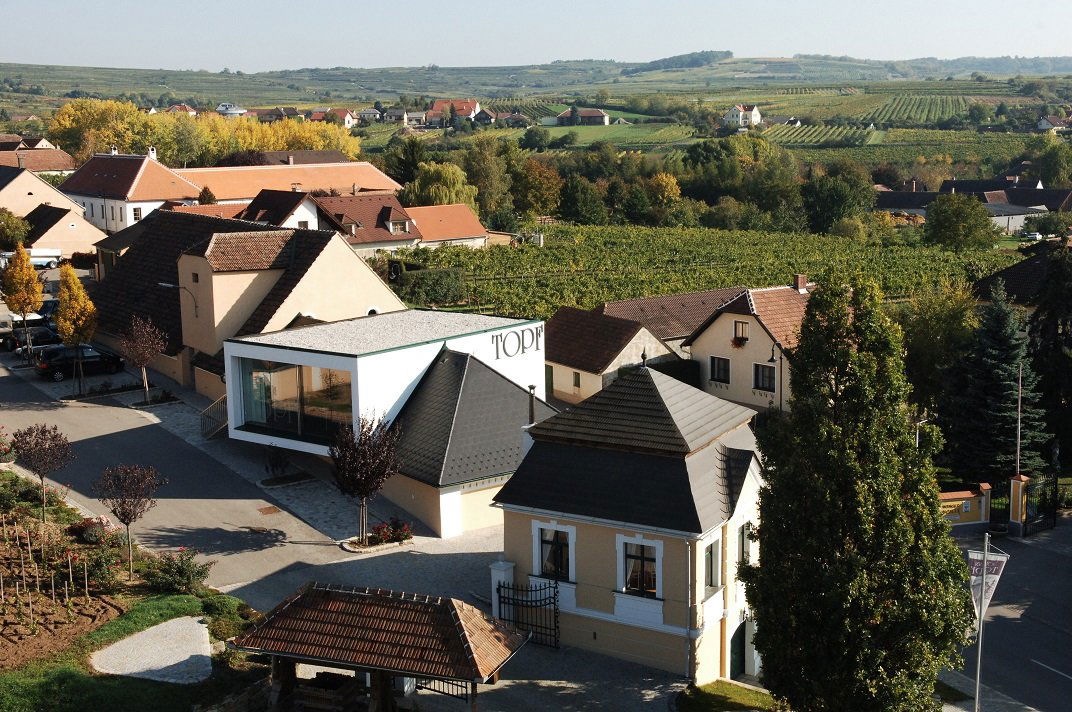

Weingut Johann Topf
Straß im Straßertale
Winery in Straß im Straßertale, Austria
 Book with Pearl
The Read
Kamptal Loess Terroir
Why go
A serious Straß im Straßertale winery pick for first-timers who want a planned tasting rather than a casual drop-in. Prioritize it if Austrian wine is already part of the cellar conversation; otherwise, cross-shop nearby Allram or Arndorfer for an easier same-village comparison.
About Weingut Johann Topf
Weingut Johann Topf is a winery in Straß im Straßertale with Pearl 2 Star Prestige recognition for 2025. For planning purposes, the essentials are intentionally concise: the venue is in Straß im Straßertale, the dress code is casual, and its confirmed recognition makes it a notable stop to consider when shaping a wine-focused visit. Those facts are enough to put it on a shortlist, but they are not enough to define the entire experience in advance.
That restraint is important: a winery visit can vary meaningfully depending on how visits are structured, whether appointments are expected, how much time is needed on site, and what kind of hospitality is available on a given day. Treat the listing as a starting point for planning and confirm current visit details directly before building an itinerary around it.
Plan this as a Straß im Straßertale winery stop
The strongest confirmed reason to prioritize Weingut Johann Topf is its Pearl 2 Star Prestige (2025) recognition. That recognition gives the winery a clear reason to stand out during the planning stage, especially for visitors who want their route to include venues with editorial distinction. Beyond that, the guide does not verify specific visit arrangements, group policies, food service, bottle pricing, or a flagship wine, so the practical approach is to keep plans flexible until details are confirmed.
Dress is casual, so there is no need to plan around a formal code. In practice, that makes the stop easier to fold into a relaxed day in Straß im Straßertale, without treating wardrobe as a barrier or making the visit feel overly staged. Casual dress does not, however, answer the operational questions that matter most for timing. If the visit is part of a wider wine day, allow enough time for travel and confirmation rather than relying on assumptions about walk-in availability or visit length.
A sensible plan is to use Weingut Johann Topf as a defined anchor rather than as a fully scripted appointment until the missing details are checked. Confirm what is available, how visitors are received, and whether any advance arrangement is needed. That keeps the experience aligned with what is actually offered, and it avoids overbuilding the day around details that have not been.
How to cross-shop the day
For comparison while planning, Weingut Allram and Weingut Arndorfer are natural names to consider alongside Weingut Johann Topf. They give visitors a way to think about additional winery options without turning the day into an overly broad itinerary. This kind of comparison is useful when the goal is not simply to add more stops, but to understand how focused or expansive the day should feel.
For a broader winery itinerary, Schloss Gobelsburg (Weingut), Weingut Hirsch, and Weingut Fred Loimer can also be part of the same planning conversation. Choose those when the goal is a wider wine route; keep the focus on Weingut Johann Topf when simplicity matters most. The distinction is practical: a wider route can create variety, while a simpler plan leaves more room for confirmation, travel time, and a less hurried pace.
Quick reference: Weingut Johann Topf is in Straß im Straßertale, has Pearl 2 Star Prestige (2025), and has a casual dress code. Confirm all operational details directly before visiting, including anything that would affect timing, availability, or expectations on the day. With those details checked, the listing can function as a clear and manageable winery stop rather than a plan built on assumptions.
Planning details
- Location
- Talstraße 162, 3491 Straß im Straßertale
- Website
- weingut-topf.at
- Phone
- +43 2735 2491
The take
The Take
The Vibe
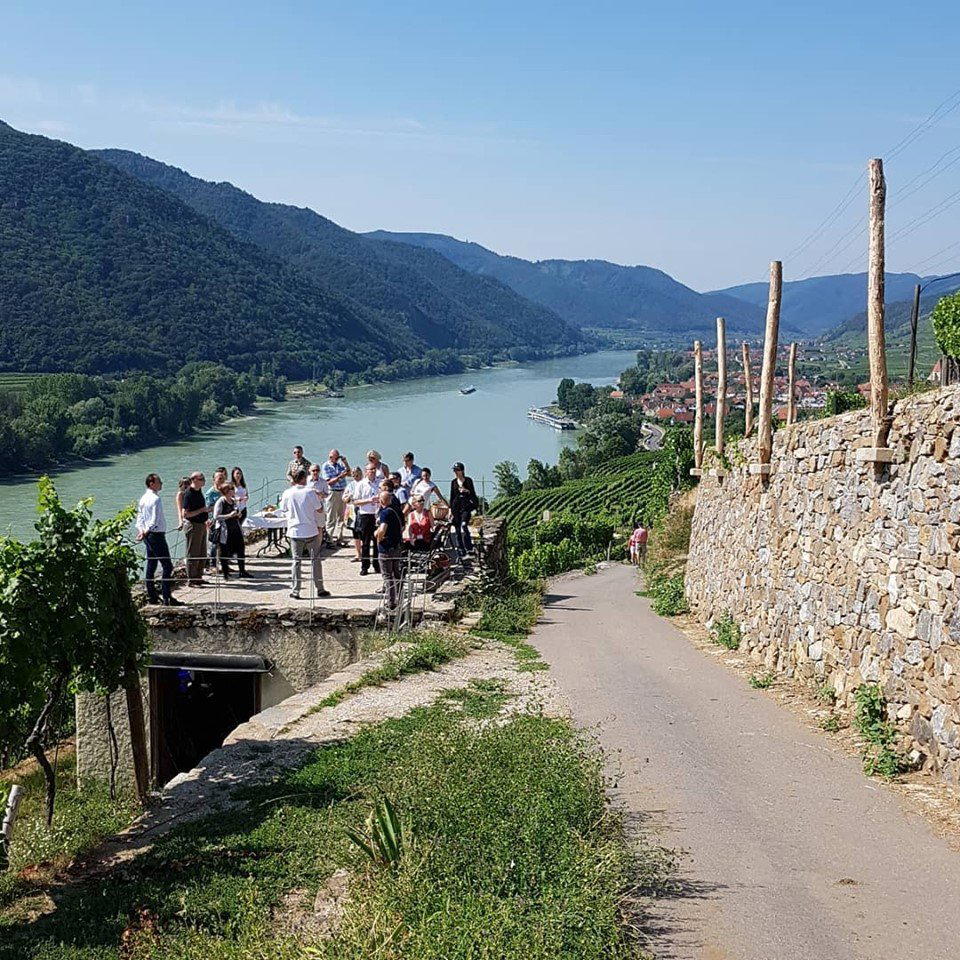
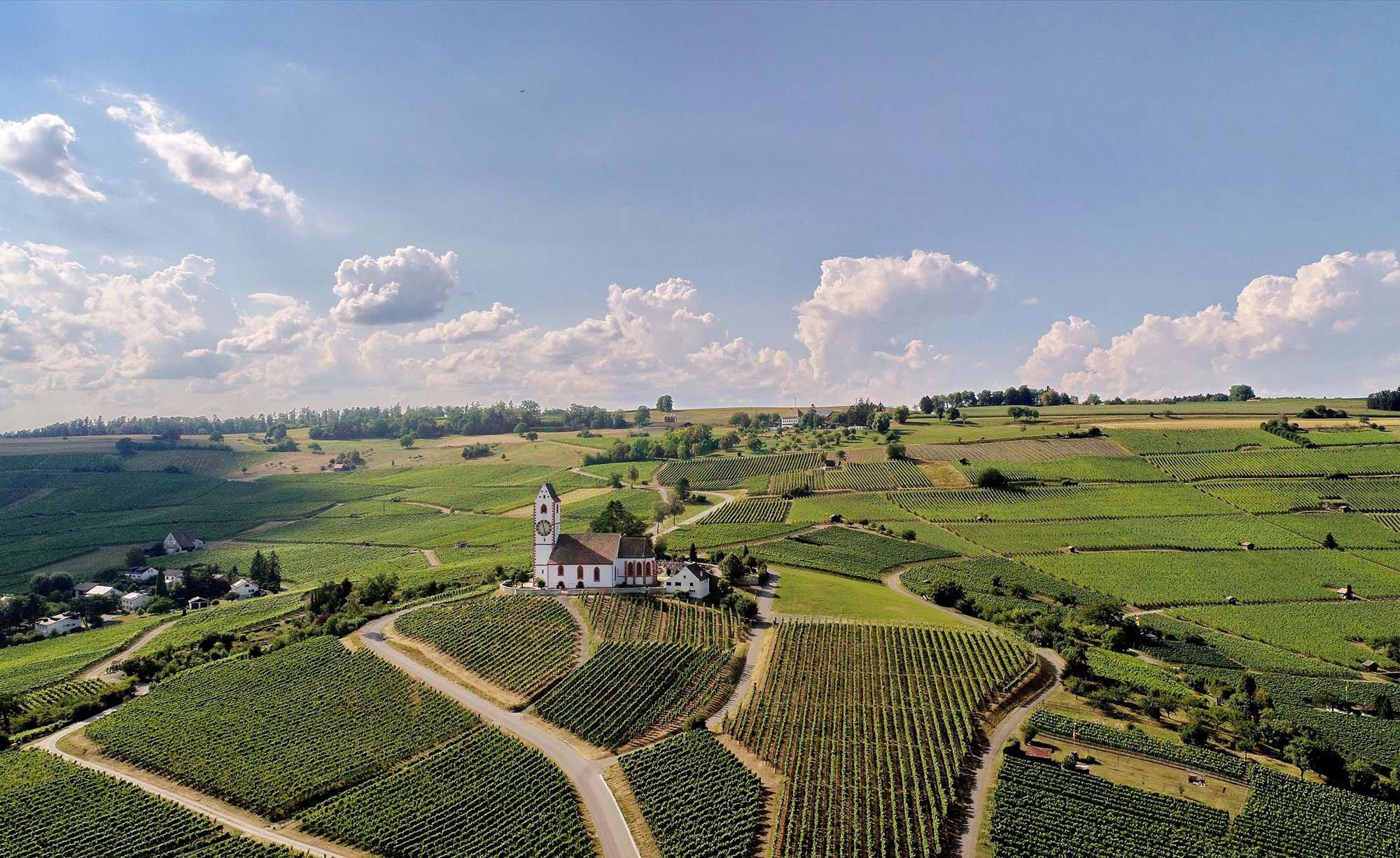
Weingut Johann Topf sits quietly in the Straßertal, presenting an understated presence rather than a spectacle. The write-up stresses valley-floor vineyards, cool-climate ripeness and loess and crystalline soils; those technical details translate into a composed, terroir-forward atmosphere rather than overt tourism theatre. The estate’s Pearl 2 Star Prestige rating for 2025 signals recognized quality, but the location’s limited visitor infrastructure keeps crowds thin. Visitors encounter a serene, small‑scale winery where craft and place take precedence — a calm, low-key stop for people who prefer substance over show.
Best For
This estate is best for people focused on wine and place: tasters looking to compare cool‑climate, Kamptal-adjacent expressions; students of terroir seeking benchmark examples; and solo travellers who value quiet tasting environments. The profile emphasizes that Straß produces wines that stand up to better-known neighbours, so it suits anyone chasing high-quality Austrian Grüner Veltliner and Riesling without the crowds. Because the property sits in a working wine landscape rather than a tourist hub, it rewards visitors who come with curiosity about soils, climate and stylistic precision.
Tasting Tips
Plan ahead rather than assume walk‑in availability. The text notes an absence of tourism infrastructure and says local wineries ‘operate on a rhythm that assumes visitors already know why they came,’ which implies limited on-the-day hospitality. Contact the estate before you arrive to confirm tastings or appointments, and be prepared to discuss the wines and sites rather than expecting a glossy visitor centre. Treat visits as focused, appointment-driven encounters with the vineyards and the winemaker’s work.
Venue details
Ambiance
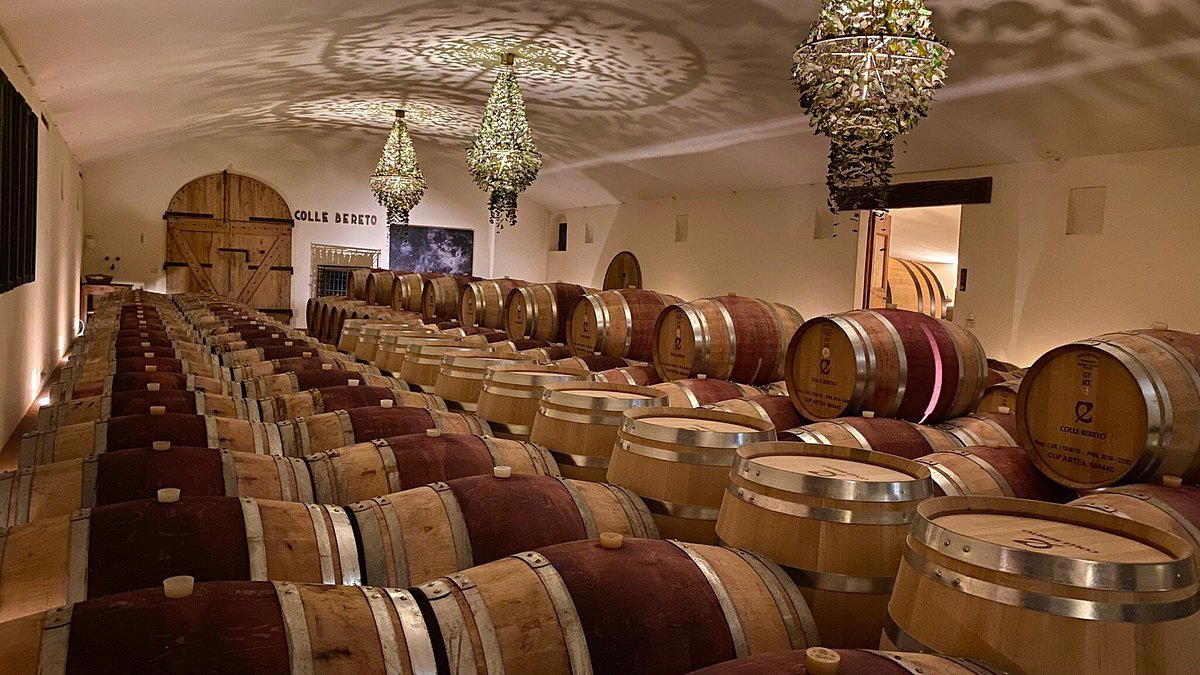
Historic, traditional winery atmosphere with a private vinothek and cellar-aged wines; the estate emphasizes heritage, craftsmanship, and origin-driven production.
Tags
Vibe
Best For
Experience
Sourcing
View
At the Vineyard
- Appellation
- Kamptal DAC
- Varietals
- Grüner Veltliner, Riesling, Chardonnay, Weißburgunder, Sauvignon Blanc
- Tour Duration
- 60-90 minutes
- Wine Club
- Not available
Know before you go
Know Before You Go
- Getting there
- Talstraße 162, 3491 Straß im Straßertale
Planning details
Location
Recognition and awards

Also consider
If You Can't Get In
Try Weingut Allram first if the priority is staying in Straß im Straßertale with minimal itinerary friction. Choose Weingut Arndorfer if the group wants another local producer with a different point of view rather than simply filling time nearby.
Winery context
How It Compares
Against Weingut Allram and Weingut Arndorfer, Weingut Johann Topf is the choice to prioritize when the visit is meant to feel more appointment-driven and wine-focused. Allram is the practical same-village fallback if the schedule needs to stay simple, while Arndorfer is the better second stop for drinkers who want contrast without leaving Straß im Straßertale.
Weingut Hirsch, Schloss Gobelsburg (Weingut), and Weingut Fred Loimer make more sense if the day is built around a wider Kamptal comparison rather than village convenience. Choose those when regional breadth matters more than minimizing transfers; choose Johann Topf when the priority is a serious Straß anchor.
For value, the strongest case is not casual tourism but repeat buying: if an allocation or wine-club relationship is on the table, it should be judged against how often Austrian wine actually gets opened at home. For a one-off visit, Allram or Arndorfer may be simpler backups; for a more deliberate cellar-minded stop, Johann Topf deserves first scheduling priority.
Explore Straß im Straßertale
Around this place
Discover more on Pearl
Unlock the full Weingut Johann Topf guide in Pearl, including awards, comparisons, FAQs, planning details, and nearby places.
Compare Weingut Johann Topf
| Venue | Location | Awards |
|---|---|---|
| Weingut Johann Topf | Straß im Straßertale | 2026 Falstaff Winery Guide |
| Weingut Allram | Straß im Straßertale | 2026 Falstaff Winery Guide |
| Weingut Arndorfer | Straß im Straßertale | 2026 Falstaff Winery Guide |
| Weingut Hirsch | Kammern | 2026 Falstaff Winery Guide |
| Schloss Gobelsburg (Weingut) | Langenlois | 2026 Falstaff Winery Guide2022 World's 50 Best Vineyards · #502019 World's 50 Best Vineyards · #30 |
| Weingut Fred Loimer | Langenlois | 2026 Falstaff Winery Guide |

How Weingut Johann Topf compares with similar nearby venues.
FAQ
Frequently Asked Questions
What other wineries can I compare with Weingut Johann Topf?
Weingut Allram and Weingut Arndorfer are useful comparisons when planning around Weingut Johann Topf. Schloss Gobelsburg (Weingut), Weingut Fred Loimer, and Weingut Hirsch can also be considered for a broader wine itinerary.
Do I need a reservation at Weingut Johann Topf?
Because Weingut Johann Topf has Pearl 2 Star Prestige (2025), it is sensible to confirm current visit arrangements directly before planning around it.
How long should I plan for a visit to Weingut Johann Topf?
Is the wine club at Weingut Johann Topf worth joining?
If ongoing access is important to you, ask the winery directly about current options before making plans.
Can Weingut Johann Topf handle large groups?
Does Weingut Johann Topf serve food?
What is the flagship wine at Weingut Johann Topf?
Ask the winery directly for current recommendations or featured bottlings.