
Château Rauzan-Gassies
Margaux
Winery in Margaux, France
 Book with Pearl
The Read
Classified Gravel Terroir
Why go
Château Rauzan-Gassies is worth pursuing for serious Margaux context, especially if the goal is to compare flagship wines across neighboring estates. Booking should be treated as difficult, so build a backup plan with Château Marquis-de-Terme, Château Marquis-d'Alesme, or Chateau Malescot St. Exupery rather than relying on one appointment.
About Château Rauzan-Gassies
Château Rauzan-Gassies is a Margaux venue. The basics are direct: it is in Margaux, the dress code is smart casual, and it holds Pearl 3 Star Prestige (2025). Confirm visit formats, prices, hours, capacity, and services directly with the venue before planning around them.
For travelers comparing venues, Château Rauzan-Gassies can be considered alongside other named points of reference. The strongest planning approach is to confirm current arrangements directly with the venue before building a day around it.
Book it for a Margaux-focused plan
The practical verdict is simple: Château Rauzan-Gassies is a Margaux stop to confirm directly before visiting. If you are comparing options, Château Marquis-de-Terme or Château Marquis-d'Alesme may also be worth considering as part of the same research.
For specific offerings, prices, terms, visitor capacity, or hospitality format, contact the venue directly before finalizing plans.
Where it fits in a Margaux day
Château Rauzan-Gassies fits naturally into a broader comparison for a Margaux plan. Château Rauzan Ségla is another relevant reference for travelers researching the Rauzan context. Château Palmer, Chateau Malescot St. Exupery, Château Marquis-de-Terme, and Château Marquis-d'Alesme are also useful points of comparison when thinking about Château Rauzan-Gassies.
Plan conservatively and confirm details directly before arranging a route. For a broader Margaux itinerary, use Our full Margaux wineries guide to build alternates, then layer in meals or lodging from Our full Margaux restaurants guide and Our full Margaux hotels guide. If the day extends beyond a single stop, Our full Margaux bars guide and Our full Margaux experiences guide can help broaden the plan.
Quick reference: Château Rauzan-Gassies is in Margaux, has a smart casual dress code, and holds Pearl 3 Star Prestige (2025). Confirm all visit-specific details directly before planning around it.
Planning details
- Location
- 1 Rue Alexis Millardet, 33460 Margaux-Cantenac
- Website
- domaines-quie.com/rauzan-gassies
- Phone
- +33 5 57 88 71 88
The take
The Take
The Vibe
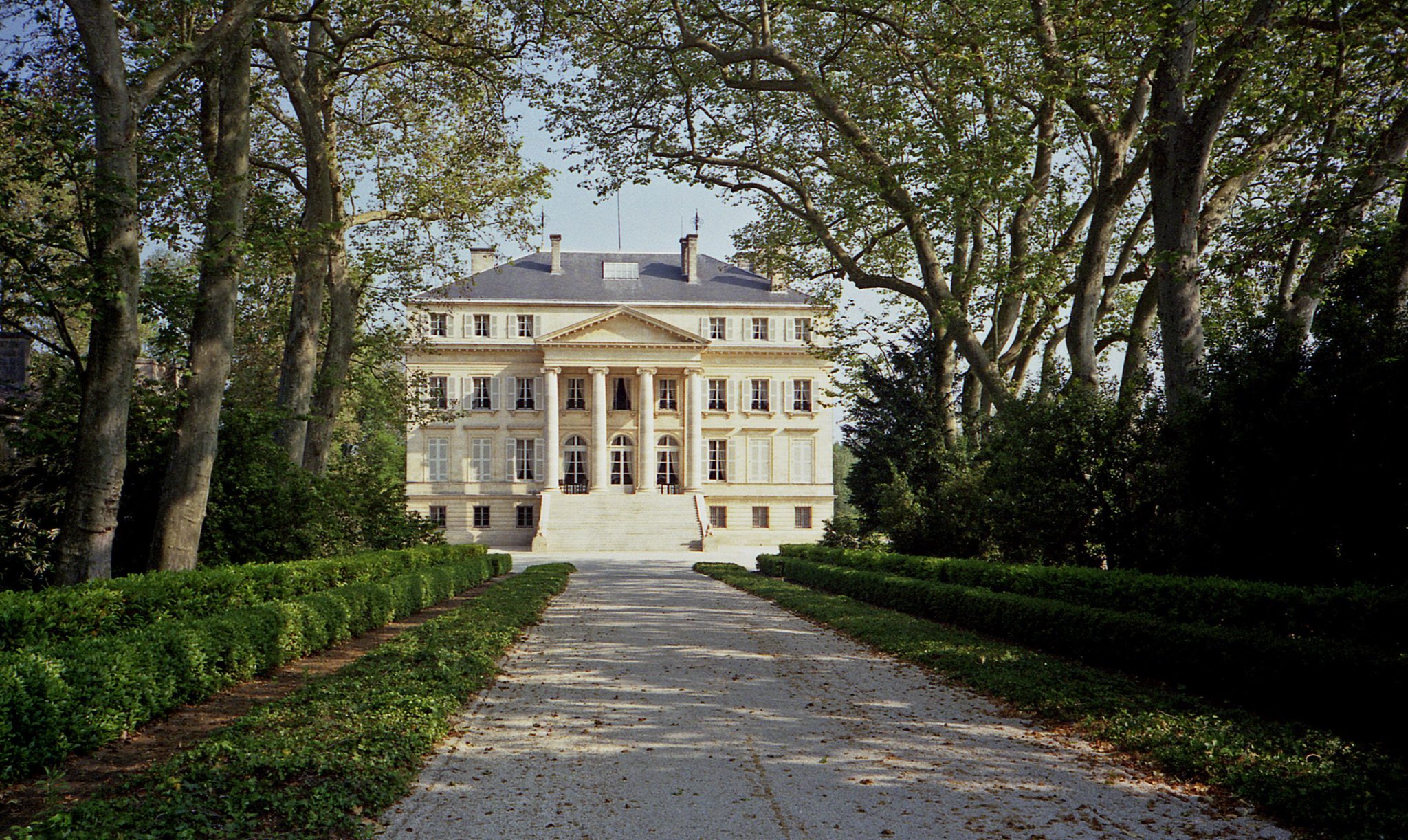
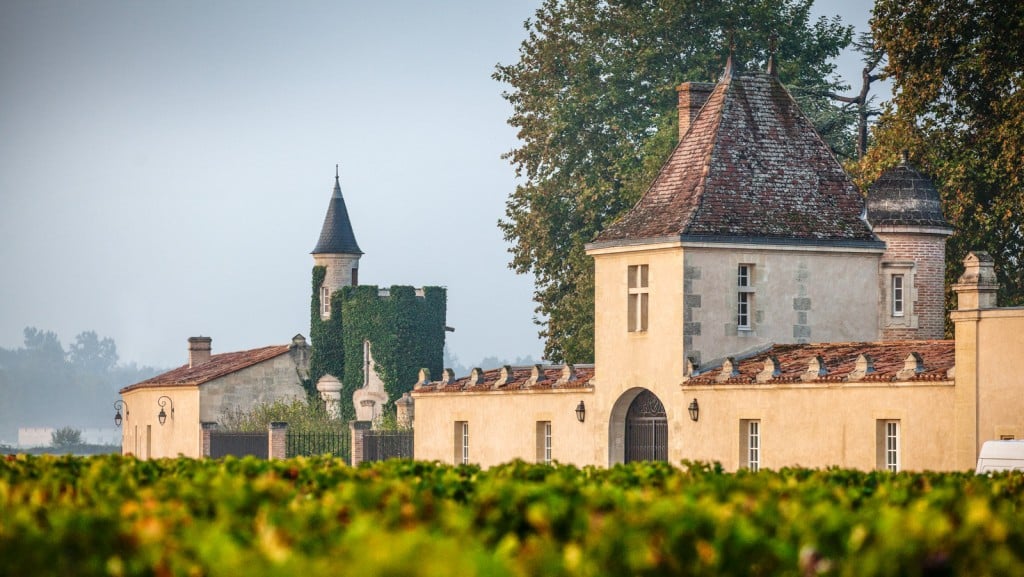
Château Rauzan-Gassies presents a quietly scenic, historically rooted personality. The copy foregrounds the estate's gravel terraces, maritime light and deep Günzian gravel over limestone — landscape details that give the wines a precise, structured character rather than overt exertion from cellar work. The 1855 Second Growth status anchors the property in Médoc history, while modern recognition (EP Club’s 2025 Pearl 3 Star Prestige) signals contemporary relevance. Overall the estate reads as serene and scenic: a place where terroir does the talking and where restraint and mineral definition define the experience.
Best For
This estate is best approached by collectors, students and visitors interested in terroir-driven study and milestone purchases. The write-up emphasizes geology, classification and comparative context among Margaux Second Growths, making the château a natural stop for wine-education visits or for sourcing bottles for special occasions. Visitors who value historical pedigree, structured wines shaped by gravelly soils and a contemplative tasting environment will find Rauzan-Gassies particularly rewarding.
Tasting Tips
When considering purchases, treat the château as a terroir-led, ageworthy Margaux; the text stresses drainage, limestone subsoil and maritime influence as primary determinants of style. Note the estate’s Second Growth status and the EP Club 2025 Pearl 3 Star Prestige rating as context for market positioning. Compare offerings with neighboring Second Growths named in the copy to weigh stylistic differences across vintages. For tasting or buying, focus on wines that show the appellation’s balance of aromatic precision and structure — the vineyard-driven examples will best reflect the estate’s character.
Venue details
Ambiance
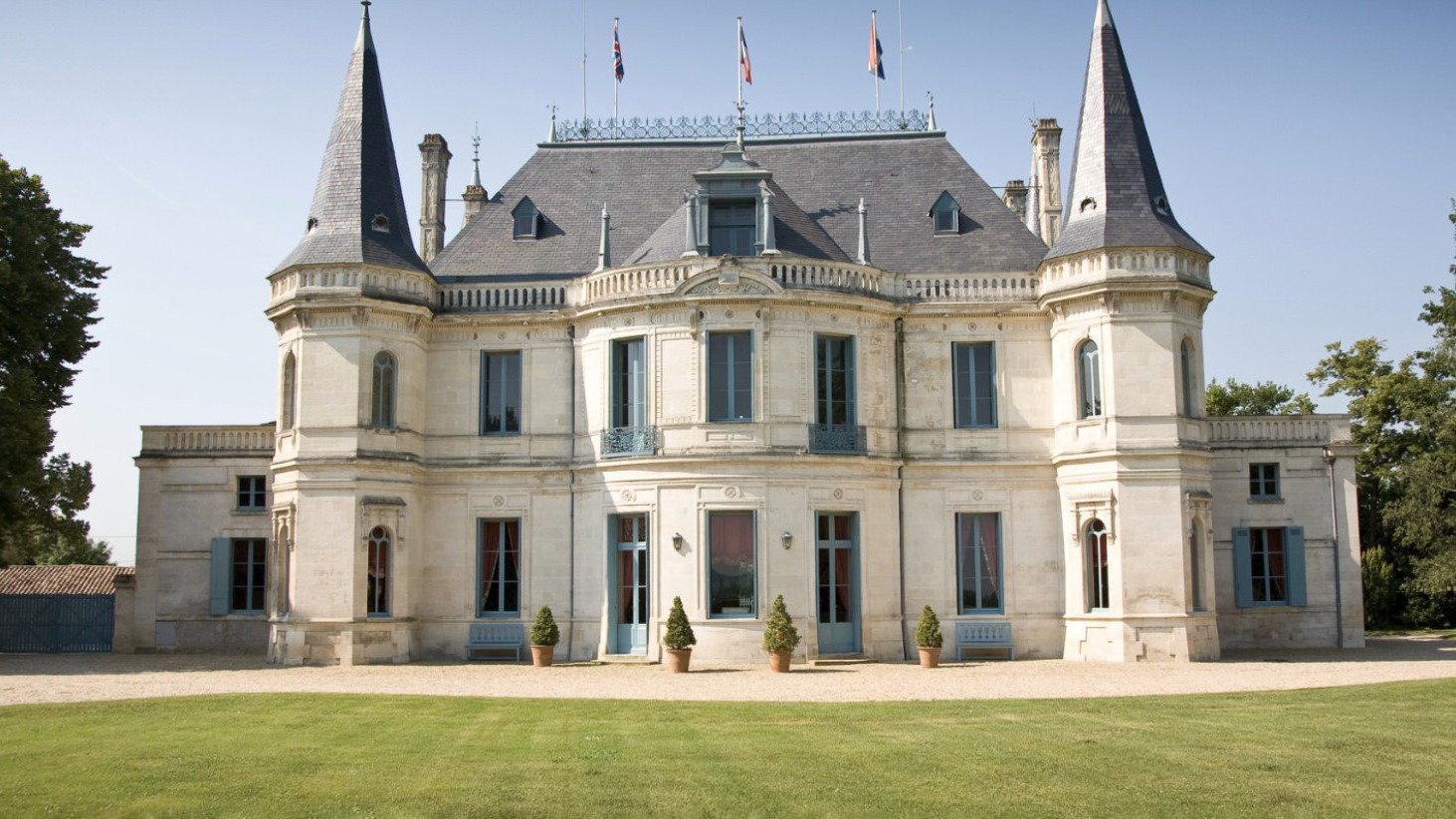
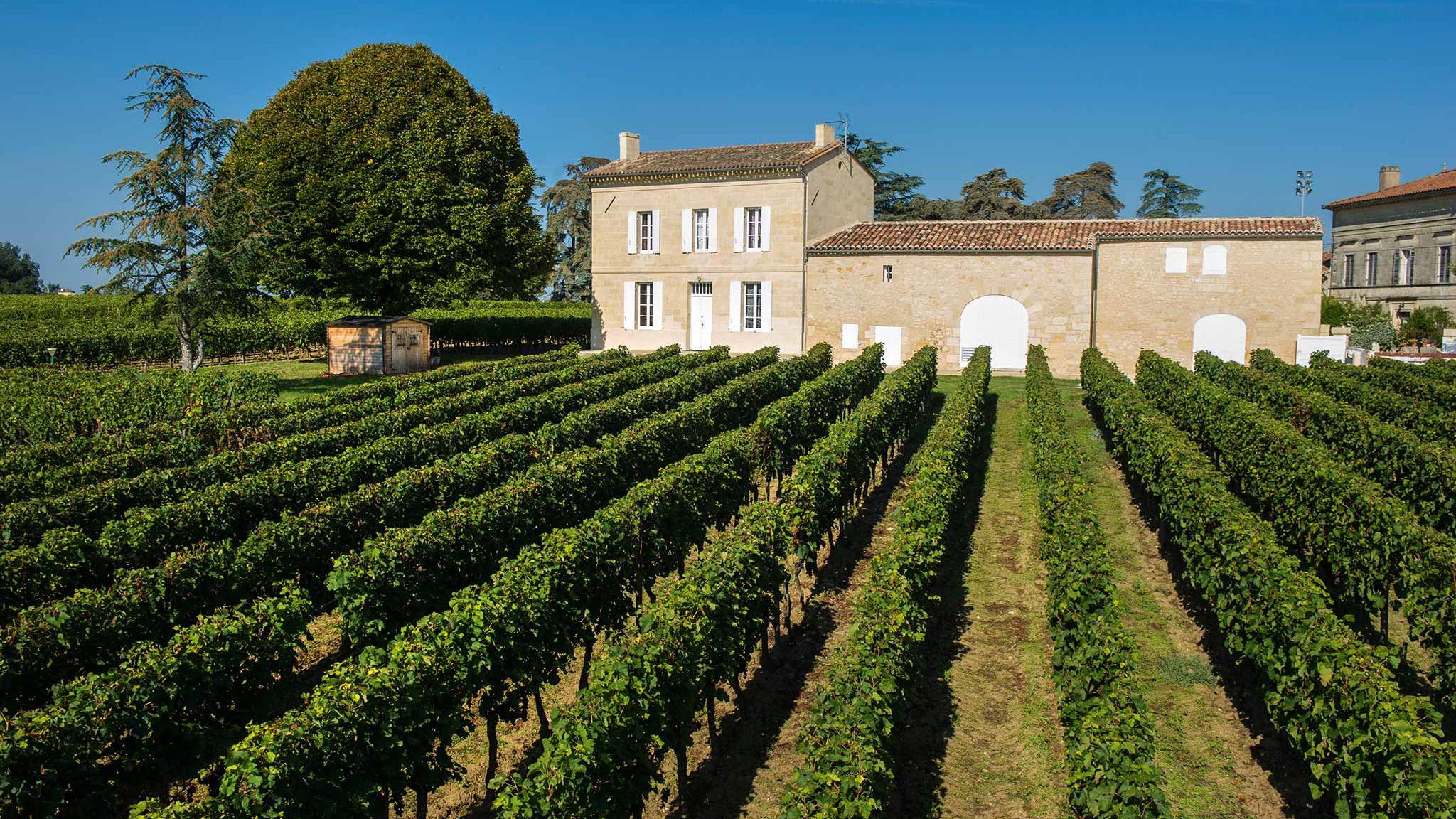
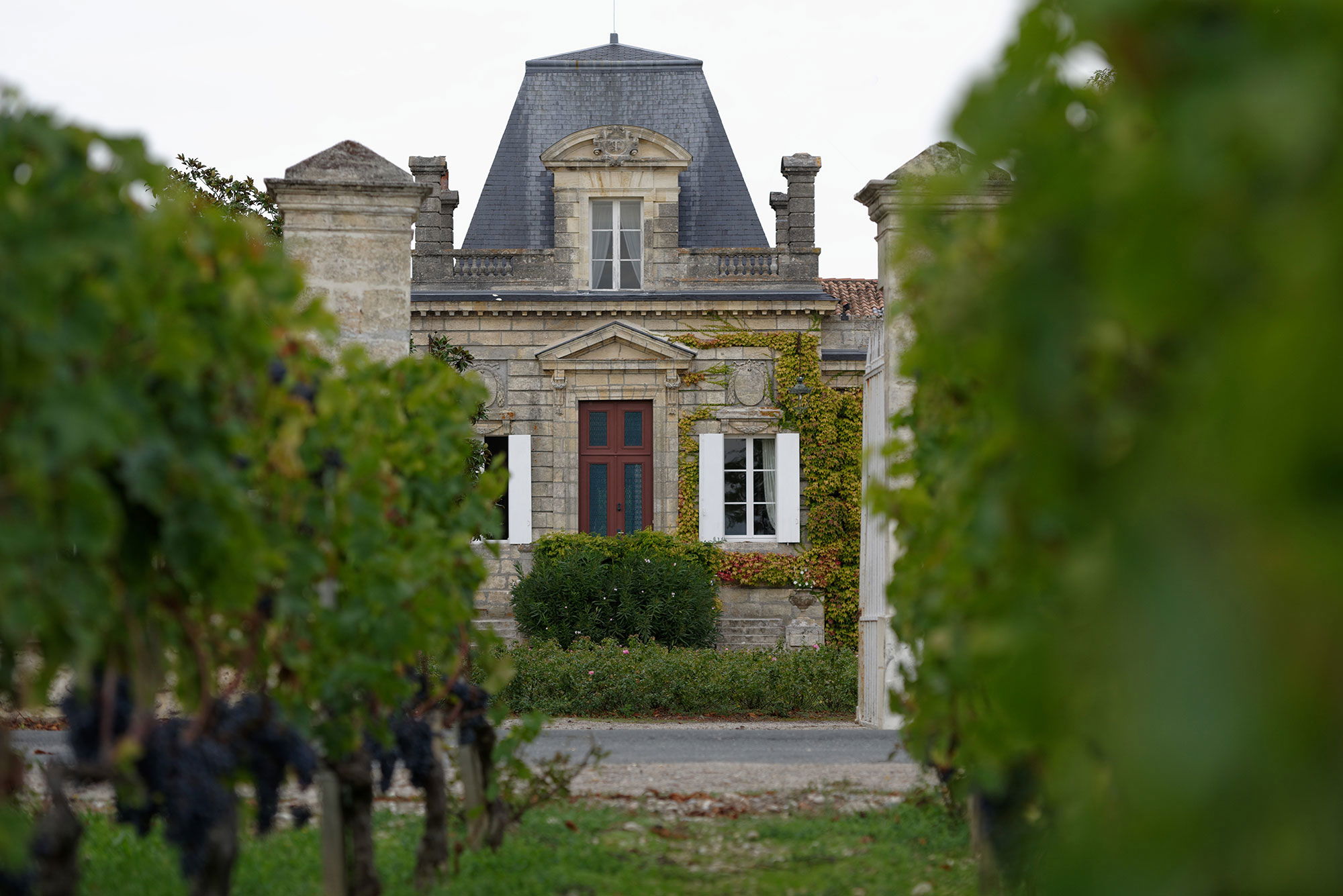
Elegant and refined historic château atmosphere overlooking the vineyard.
Tags
Vibe
Best For
Experience
Sourcing
View
At the Vineyard
- Appellation
- Margaux AOC
- Varietals
- Cabernet Sauvignon, Merlot, Petit Verdot
- Tour Duration
- 60-90 minutes
- Tour Languages
- French, English
- Visits
- By appointment only
- Wine Styles
- Still Red
- Wine Club
- Available
Know before you go
Know Before You Go
- Getting there
- 1 Rue Alexis Millardet, 33460 Margaux-Cantenac
Planning details
Location
1 Rue Alexis Millardet, 33460 Margaux-Cantenac · Directions
Recognition and awards

Also consider
Also Consider
- Château Rauzan Ségla, Notable alternative
- Château Palmer, Notable alternative
- Château Marquis-de-Terme, Notable alternative
- Chateau Malescot St. Exupery, Notable alternative
- Château Marquis-d'Alesme, Notable alternative
Winery context
How it compares in Margaux
Choose Château Rauzan-Gassies if the priority is a focused Margaux assessment rather than the flashiest name in the set. Château Palmer is the stronger splurge play for travelers chasing prestige, while Château Rauzan Ségla is the closest name-based comparison for visitors weighing neighboring classified-growth options.
For practicality, keep Château Marquis-de-Terme and Château Marquis-d'Alesme on the shortlist if Château Rauzan-Gassies is unavailable. They make sense for the same Margaux day and reduce the risk of building an itinerary around a hard-to-secure appointment.
Chateau Malescot St. Exupery is the useful cross-shop for readers who want another serious Margaux lens without defaulting to the highest-profile estate. The practical move is to request the preferred château first, then hold one of these alternatives so the day still works if access falls through.
Explore Margaux
Around this place
Discover more on Pearl
Unlock the full Château Rauzan-Gassies guide in Pearl, including awards, comparisons, FAQs, planning details, and nearby places.
Compare Château Rauzan-Gassies
| Venue | Location | Awards |
|---|---|---|
| Château Rauzan-Gassies | Margaux | 2026 Falstaff Winery Guide |
| Château Rauzan Ségla | Margaux | 2026 Falstaff Winery Guide2026 Michelin 1 Grape - Bordeaux2025 Pearl 4 Star Prestige |
| Château Palmer | Margaux | 2026 Michelin 2 Grapes - Bordeaux2026 Falstaff Winery Guide2025 Pearl 4 Star Prestige |
| Château Marquis-de-Terme | Margaux | 2026 Falstaff Winery Guide |
| Chateau Malescot St. Exupery | Margaux | 2026 Michelin Grape Main Selection - Bordeaux2025 Pearl 4 Star Prestige |
| Château Marquis-d’Alesme | Margaux | No published awards |




How Château Rauzan-Gassies Margaux compares with similar nearby venues.
FAQ
Frequently Asked Questions
How long should I plan for a visit to Château Rauzan-Gassies?
When is the best time to visit Château Rauzan-Gassies?
What is the dress code at Château Rauzan-Gassies?
The dress code for Château Rauzan-Gassies is smart casual.
Can Château Rauzan-Gassies handle large groups?
If you are planning for a group, contact Château Rauzan-Gassies directly before making arrangements.
What other venues can I compare with Château Rauzan-Gassies?
Relevant comparison venues include Château Rauzan Ségla, Château Palmer, Château Marquis-de-Terme, Chateau Malescot St. Exupery, and Château Marquis-d'Alesme. These can help frame Château Rauzan-Gassies within a broader plan.
Do I need a reservation at Château Rauzan-Gassies?
Contact Château Rauzan-Gassies directly before visiting, especially if you are coordinating it with other stops such as Château Rauzan Ségla or Château Palmer.
What recognition does Château Rauzan-Gassies have?
Château Rauzan-Gassies holds Pearl 3 Star Prestige (2025).