
Artemis Karamolegos Winery
Exo Gonia, Santorini
Winery in Santorini, Greece
 Book with Pearl
The Read
Volcanic Terroir Precision
Price
$10–20tasting
Why go
Book Artemis Karamolegos Winery if the priority is serious Santorini wine rather than a view-first tasting stop. Its Pearl 2 Star Prestige recognition makes it a strong anchor for travelers comparing island producers, especially those interested in Assyrtiko and volcanic-vineyard context.
About Artemis Karamolegos Winery
Santorini winery planning is easier when the basic details are clear. Artemis Karamolegos Winery is a Santorini venue with daily hours from 11 AM to 8 PM and a smart casual dress code.
A straightforward reason to include it in an itinerary is its Pearl 2 Star Prestige recognition for 2025. Travelers should confirm current visit formats, availability, and any specific tasting details directly with the venue before making plans.
Choose this for a Santorini winery stop with clear planning basics
The Pearl 2 Star Prestige recognition gives Artemis Karamolegos Winery a useful quality signal for 2025. Key planning details include the daily 11 AM–8 PM schedule and smart casual dress code.
That makes Artemis Karamolegos Winery a practical candidate for travelers comparing Santorini stops. Use broader Santorini planning resources if building a multi-stop route, then confirm each venue's current details directly before making firm plans.
How to cross-shop the Santorini wine day
If the priority is comparing Santorini venue options, consider Estate Argyros, Koutsoyannopoulos Winery, SantoWines (Santorini Coop), Venetsanos Winery, and Canava Santorini Distillery (1974) alongside Artemis Karamolegos Winery. These give travelers a useful Santorini shortlist for comparing different stops.
Travelers building a wider itinerary can use Artemis Karamolegos Winery as a Santorini reference point and compare it with other venues in the area. The key is to confirm current offerings directly before scheduling, especially if the group needs a specific tasting format, food service, or accessibility detail.
The final call: include Artemis Karamolegos Winery if you want a Santorini winery stop with daily hours and Pearl 2 Star Prestige recognition for 2025. If your plans depend on a particular menu, tasting structure, group setup, or reservation policy, check with the venue before committing.
Planning details
- Location
- Exo Gonia Santorini, Greece 84700
- Website
- artemiskaramolegos-winery.com
- Phone
- +302286033395
The take
The Take
The Vibe
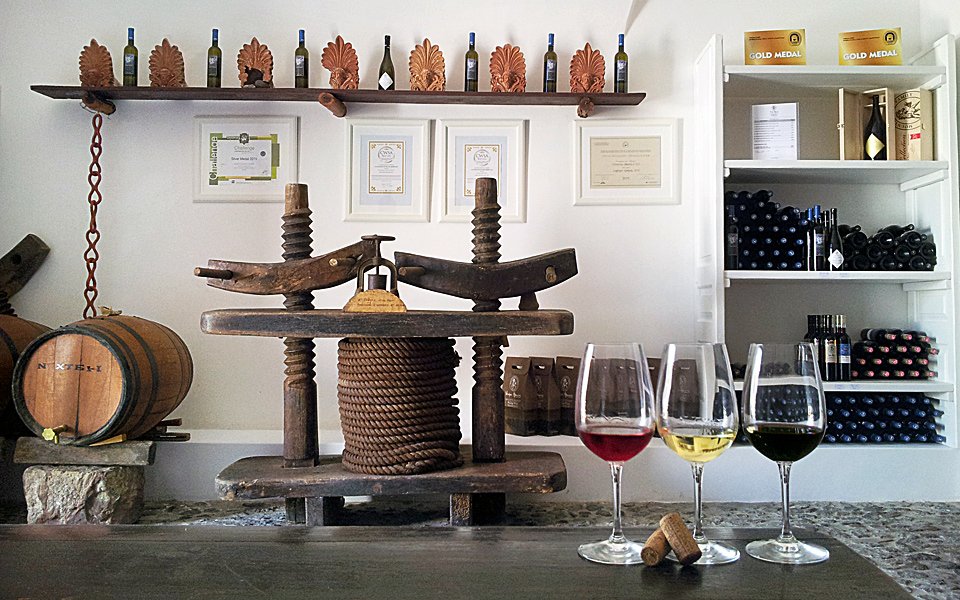
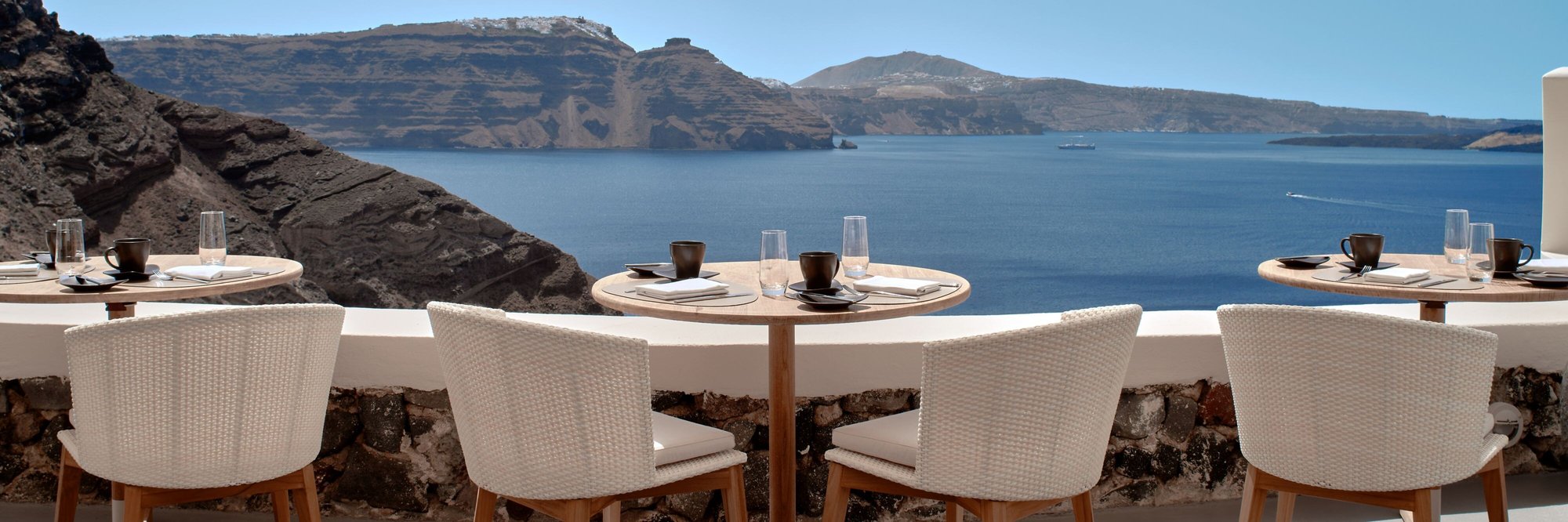
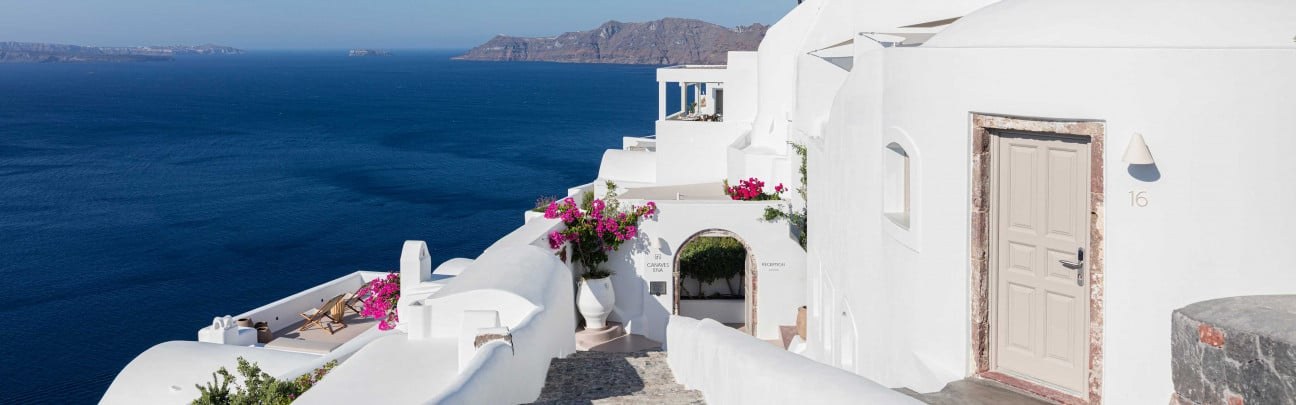
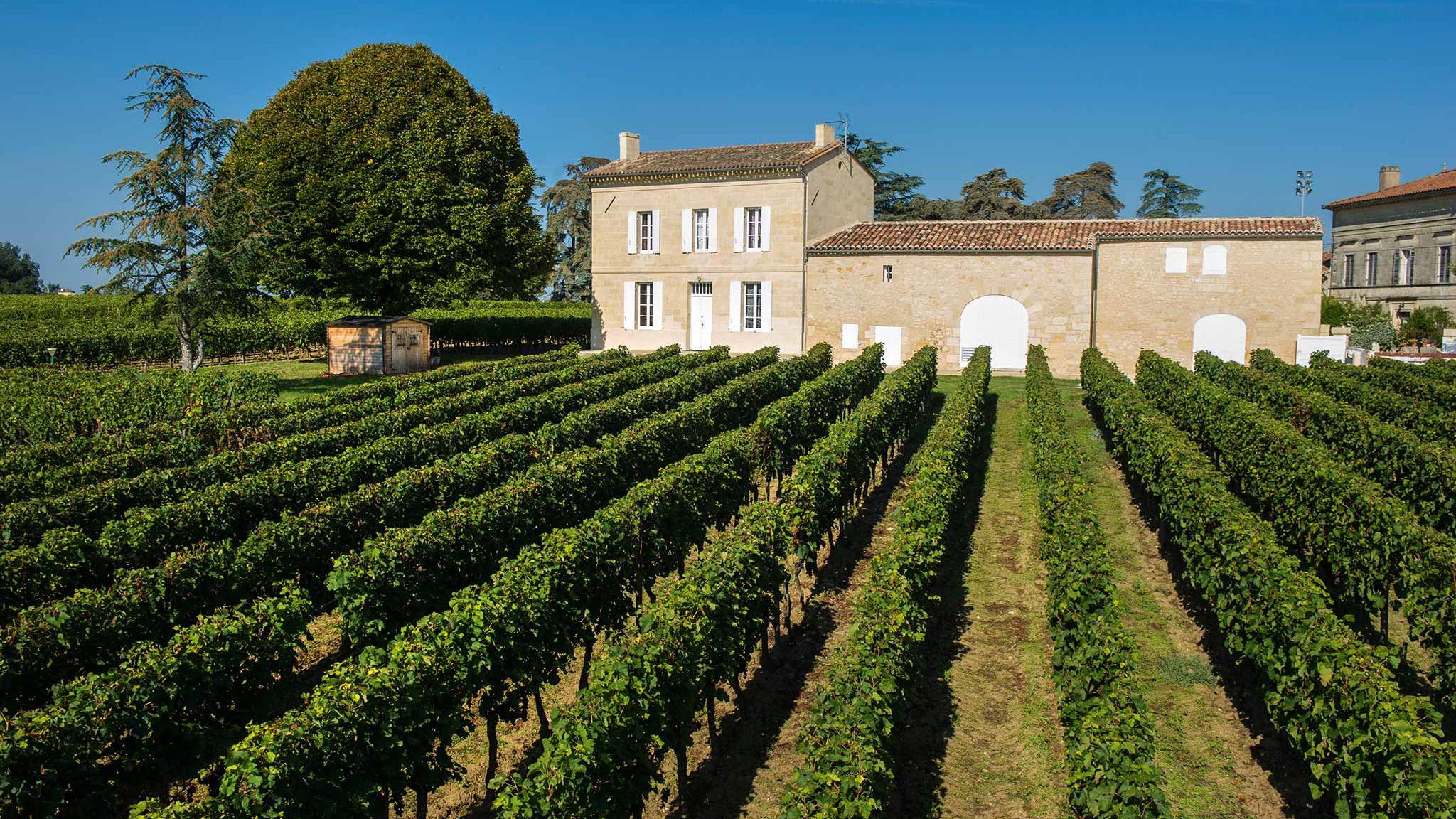
Artemis Karamolegos Winery reads like a study in place. The narrative foregrounds Santorini’s volcanic geology and ancient, ungrafted vines trained in the traditional kouloura basket, so the estate feels rooted in agricultural history rather than tourist spectacle. The setting sits inland from the caldera bustle, where wind-sculpted terraces and ashen pumice soils shape both landscape and wine. That combination — centuries-old plantings, mineral-dense soils and a quiet, removed location — gives the property a historic, contemplative character: restrained and matter-of-fact, with elegance that emerges from provenance rather than polish.
Best For
This is a destination for people who come to learn as much as to taste. The copy frames the winery as a place to explore Santorini’s singular Assyrtiko expressions and the island’s volcanic terroir, so it suits wine-education visits, focused tastings and small group outings interested in viticulture and history. Because the estate sits off the main caldera circuit, it also works for quieter special occasions where the emphasis is on thoughtful, provenance-driven wines rather than showy views or high-energy hospitality.
Tasting Tips
Prioritize Assyrtiko when ordering here: the description positions it as Santorini’s defining variety and highlights how island-grown examples retain high acidity and pronounced minerality. Ask which wines come from the oldest ungrafted vines and request comparisons that illustrate the influence of the volcanic soils and terraced training. If available, sample multiple expressions to hear the conversation between concentration and acidic tension that the text emphasizes; and invite the host to explain the kouloura vine training and site-specific terroir while you taste.
Venue details
Ambiance
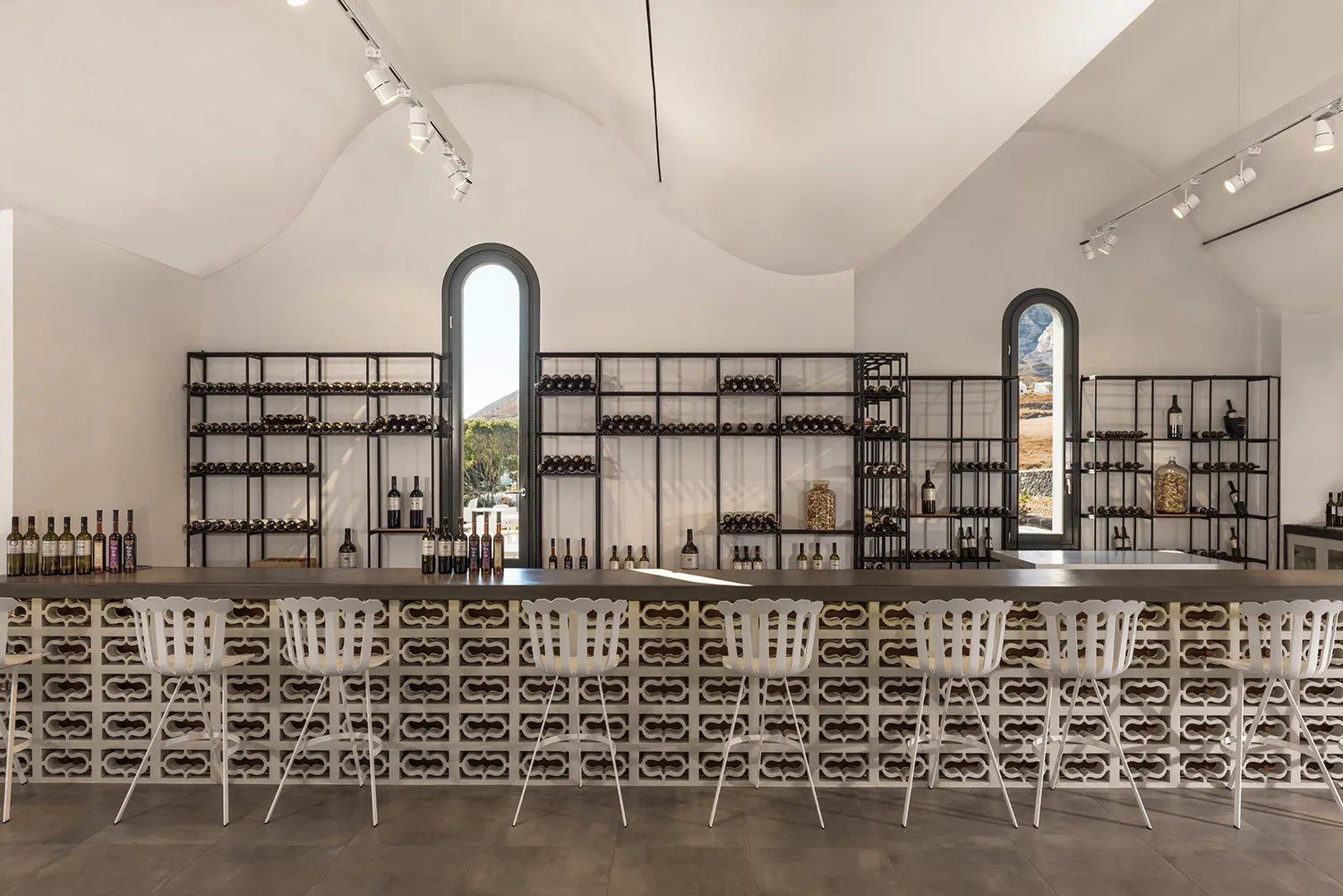
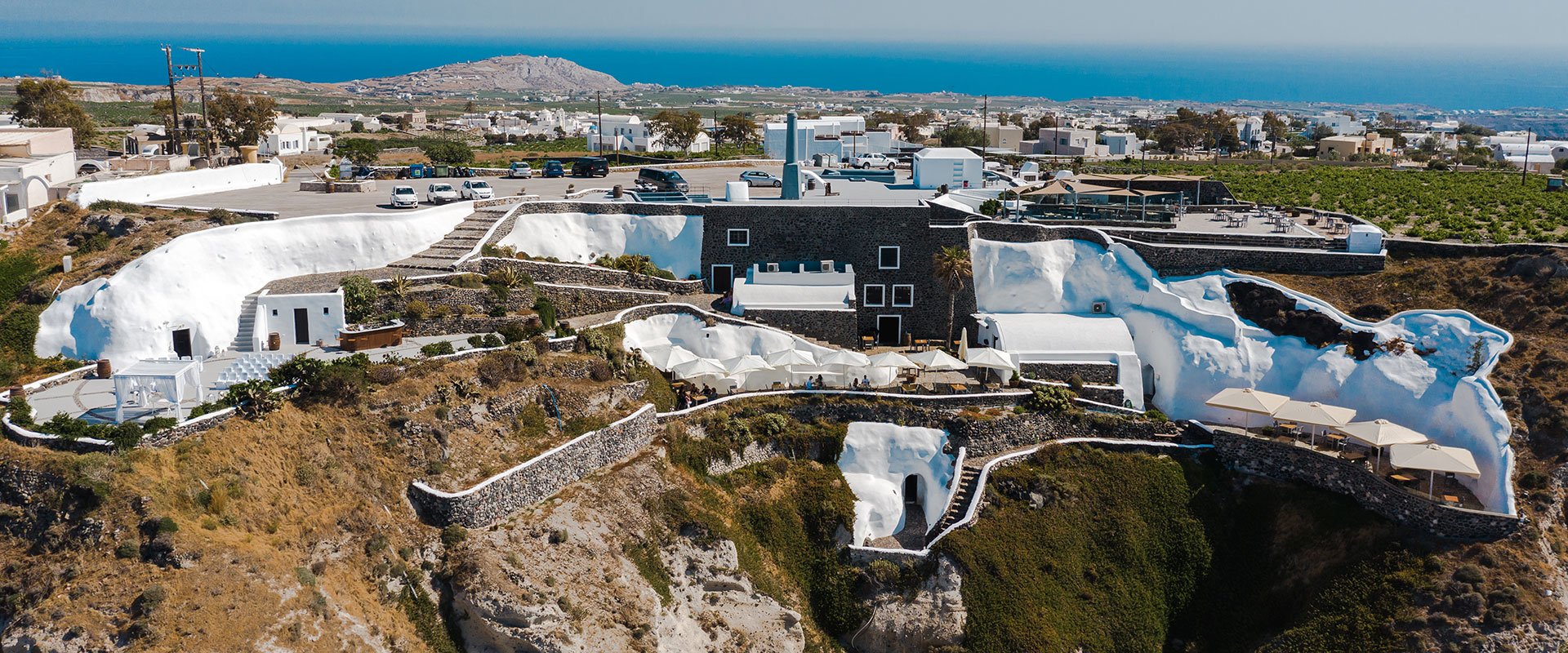
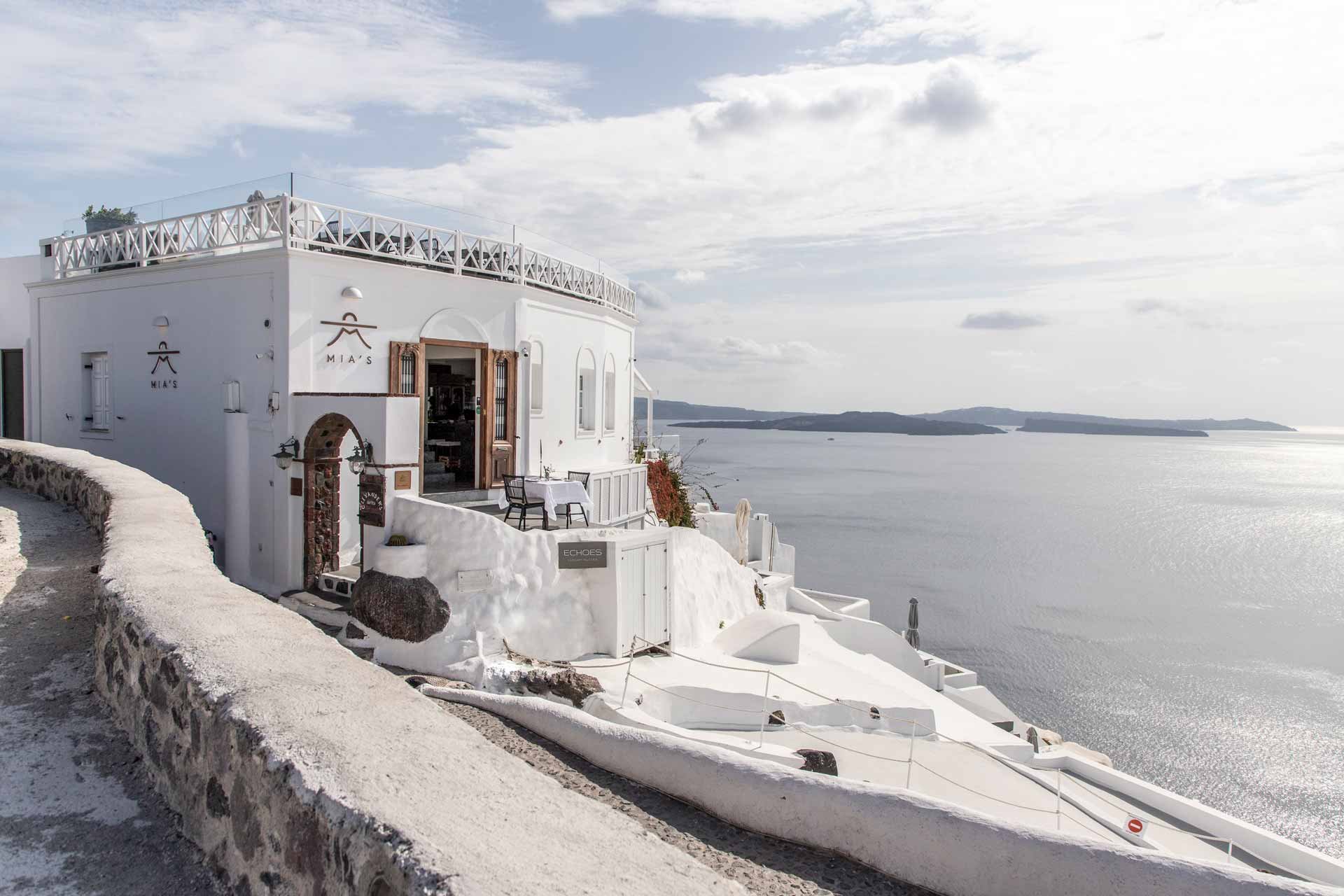
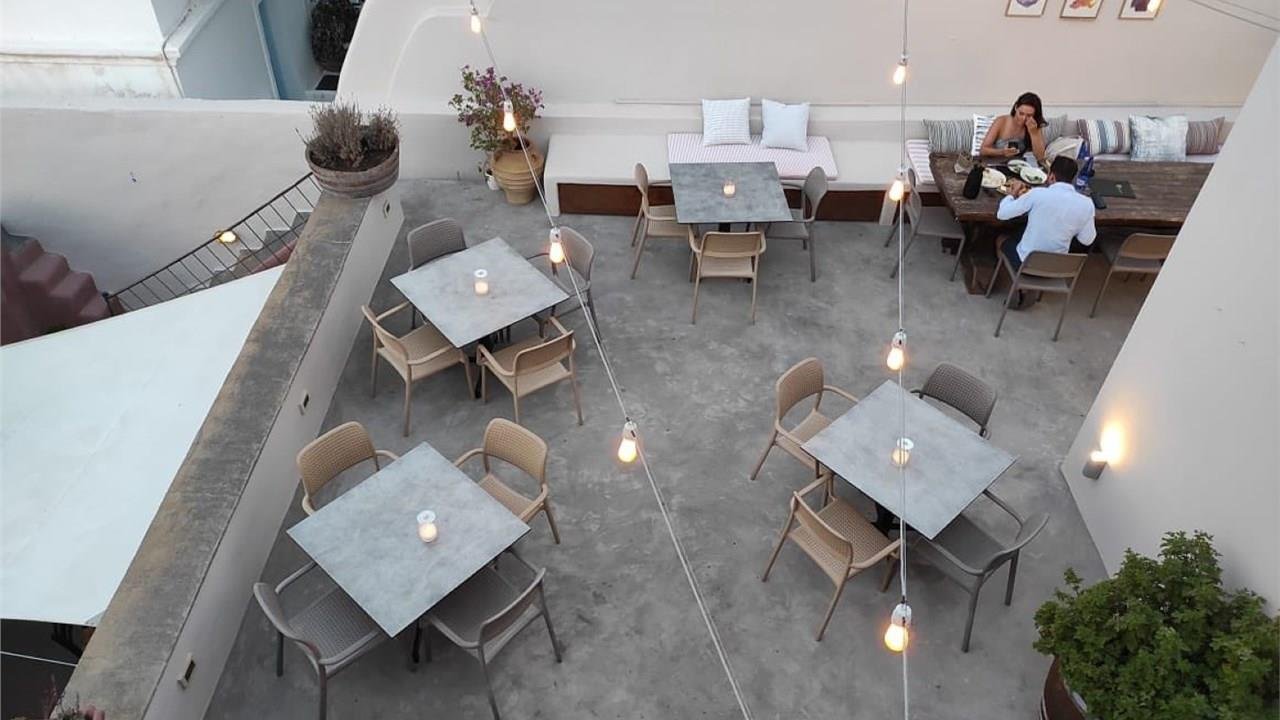
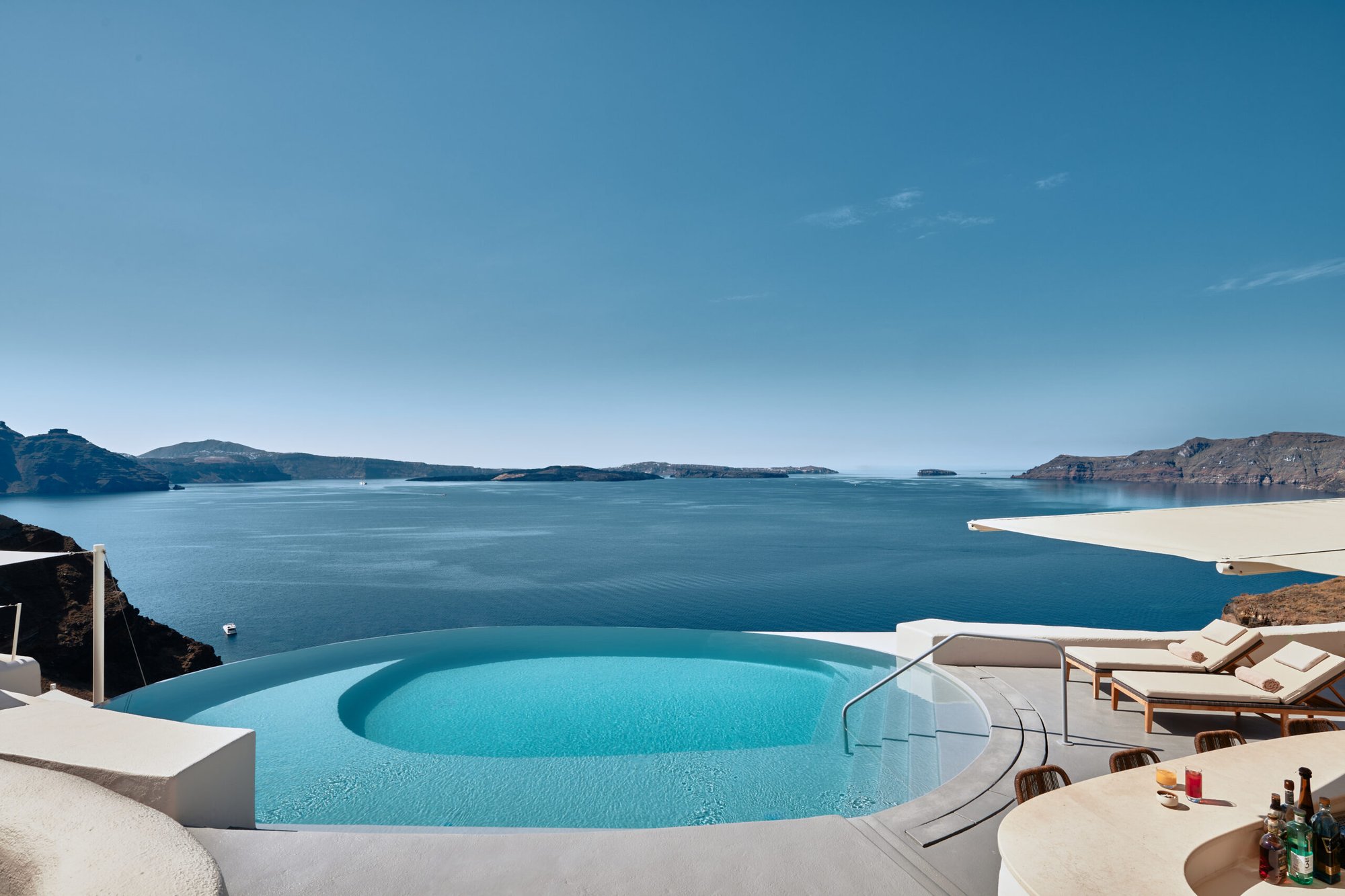
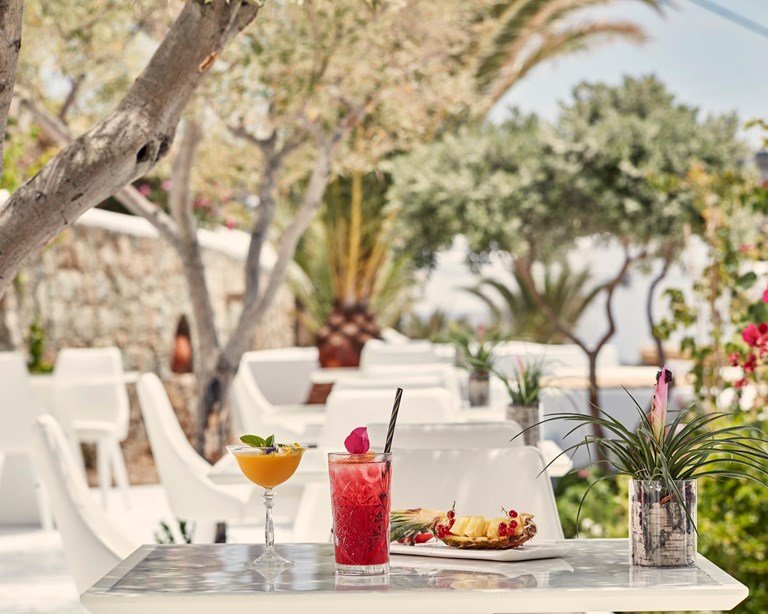
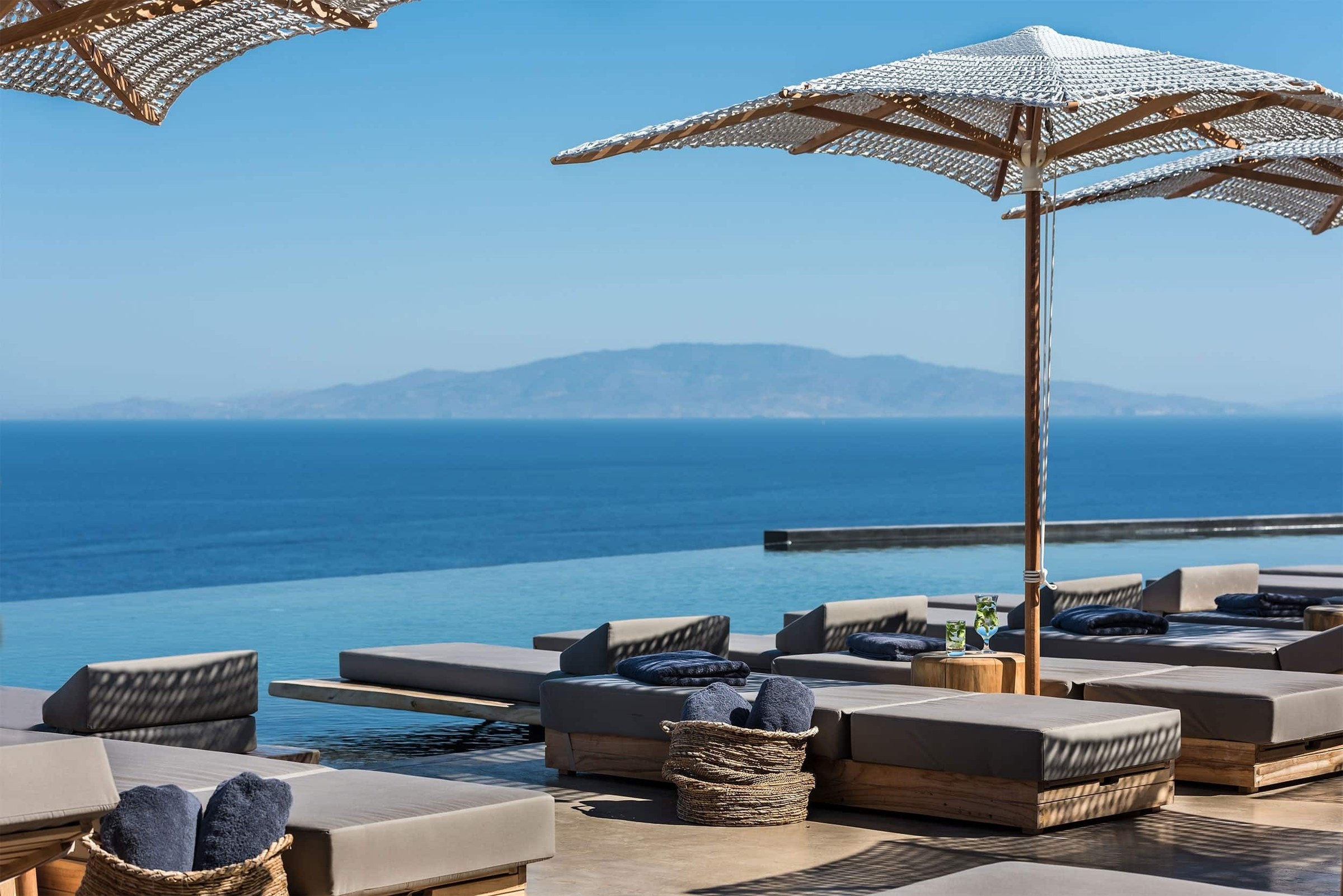
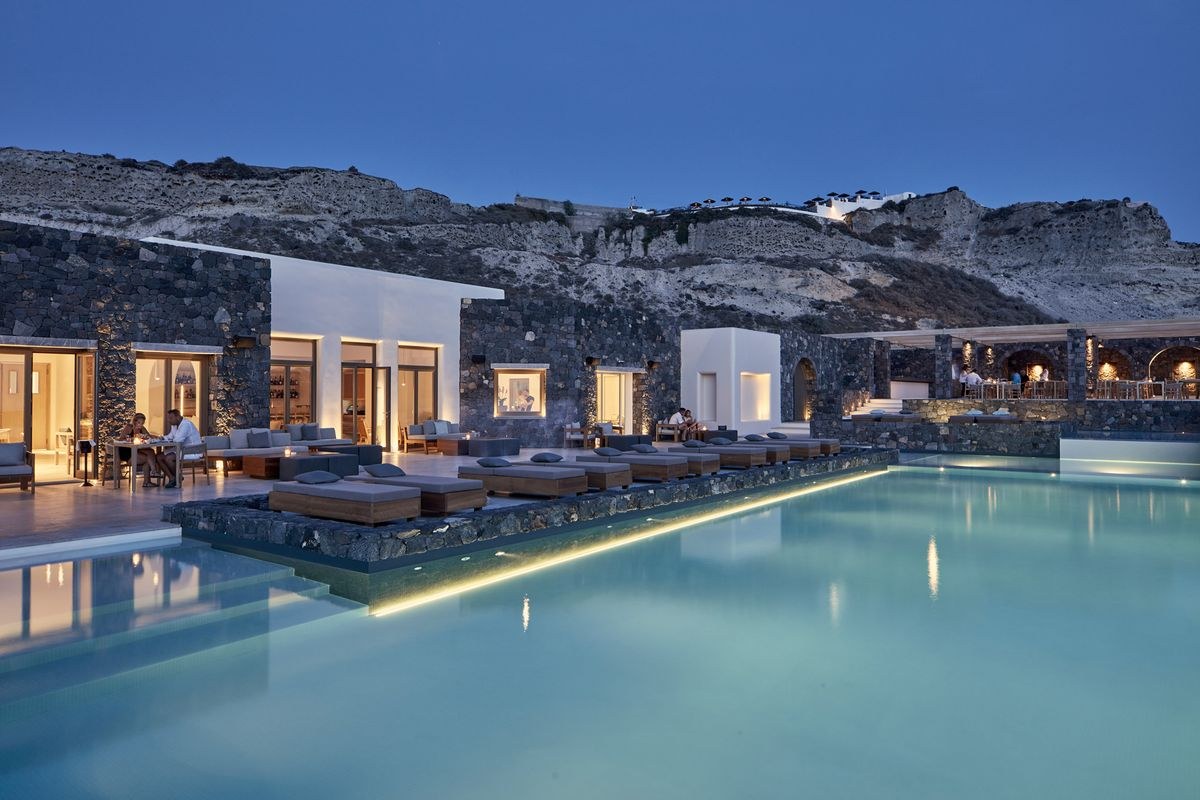
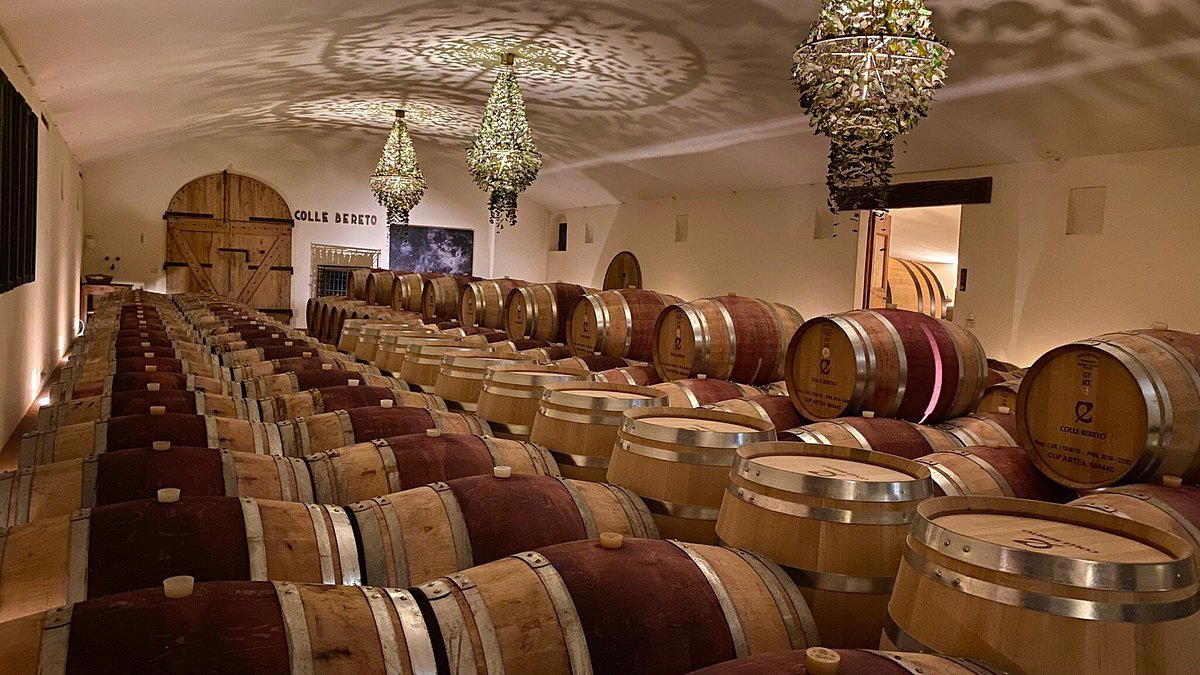
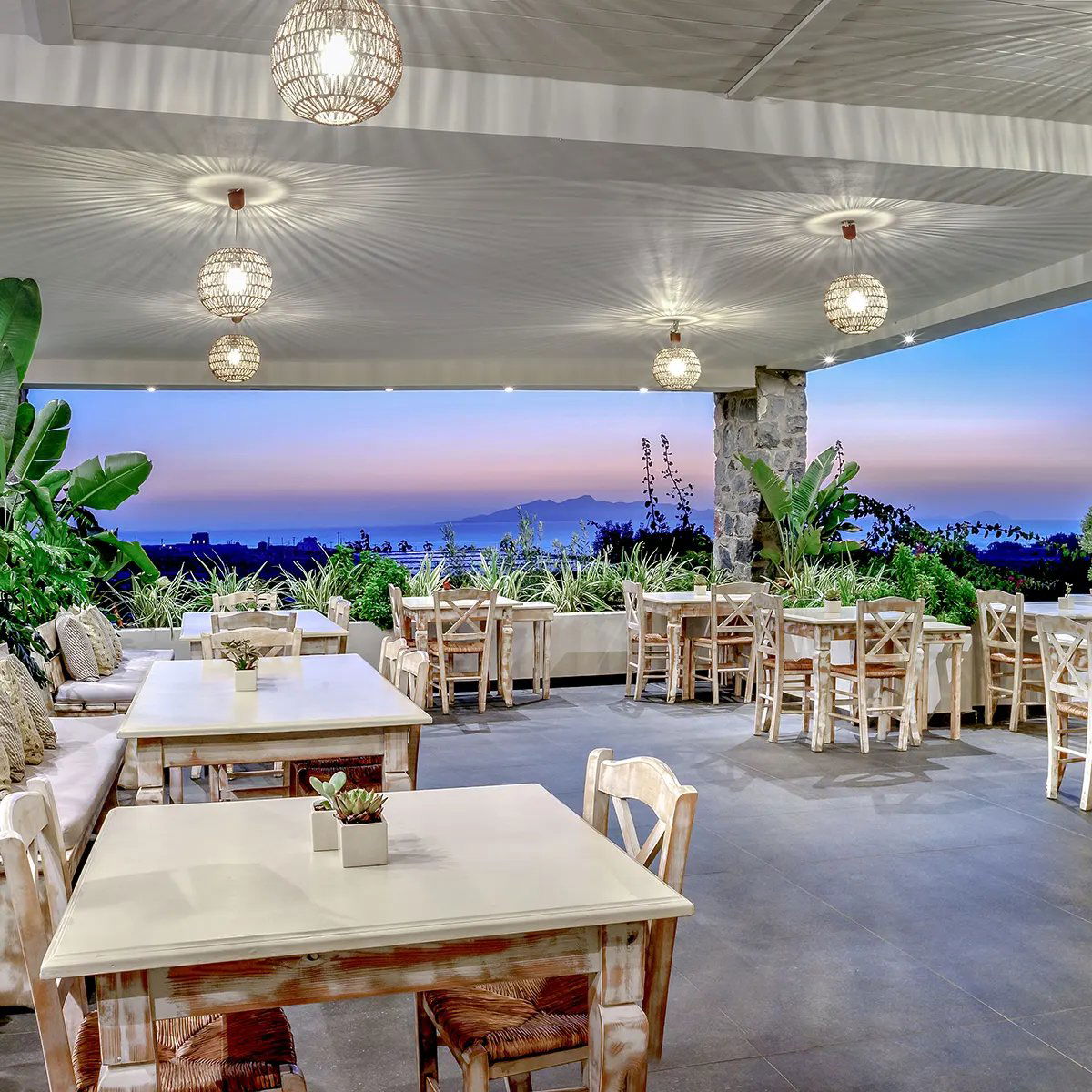
Welcoming atmosphere in a charming modern setting with lovely courtyard, garden views, and natural aromas from herbs and plants.
Tags
Vibe
Best For
Experience
Sourcing
View
At the Vineyard
- Appellation
- PDO Santorini
- Varietals
- Assyrtiko, Aidani, Athiri, Mavrotragano, Pyritis
- Tour Duration
- 60-90 minutes
- Tour Languages
- English
- Visits
- By reservation
- Farming
- Sustainable
- Production
- Mid-size producer
- Wine Styles
- Still White, Skin Contact
- Food Pairing
- Offered
- Wine Club
- Not available
Know before you go
Know Before You Go
- Getting there
- Exo Gonia Santorini, Greece 84700
Planning details
Location
Recognition and awards

Also consider
Also Consider
- Estate Argyros, Notable alternative
- Koutsoyannopoulos Winery, Notable alternative
- SantoWines (Santorini Coop), Notable alternative
- Canava Santorini Distillery (1974), Notable alternative
- Venetsanos Winery, Notable alternative
Winery context
How It Compares
Artemis Karamolegos Winery is the stronger pick for travelers who want the tasting itself to carry the visit. Estate Argyros is the closest cross-shop for a serious Santorini wine day, while SantoWines (Santorini Coop) is a better fit when the group wants a broader, easier crowd-pleaser with more emphasis on setting.
Koutsoyannopoulos Winery makes more sense for mixed-interest groups because the museum-style angle can carry non-wine obsessives. Venetsanos Winery is the one to consider when ambiance matters more than wine depth. For a change of category, Canava Santorini Distillery (1974) works better as a spirits detour than as a direct replacement.
Value comes down to intent: choose Artemis Karamolegos Winery for a focused Santorini wine decision, Estate Argyros for another serious producer comparison, Koutsoyannopoulos for group flexibility, and SantoWines or Venetsanos when the room and view matter as much as the glass.
Around this place
Discover more on Pearl
Unlock the full Artemis Karamolegos Winery guide in Pearl, including awards, comparisons, FAQs, planning details, and nearby places.
Compare Artemis Karamolegos Winery
| Venue | Location | Awards |
|---|---|---|
| Artemis Karamolegos Winery | Santorini | 2026 Falstaff Winery Guide |
| Estate Argyros | Santorini | 2026 Falstaff Winery Guide2022 World's 50 Best Vineyards · #40 |
| Koutsoyannopoulos Winery | Santorini | No published awards |
| SantoWines (Santorini Coop) | Santorini | 2026 Falstaff Winery Guide |
| Canava Santorini Distillery (1974) | Santorini | No published awards |
| Venetsanos Winery | Santorini | No published awards |

How Artemis Karamolegos Winery Santorini compares with similar nearby venues.
FAQ
Frequently Asked Questions
Can Artemis Karamolegos Winery handle large groups?
Artemis Karamolegos Winery is open daily from 11 AM to 8 PM in Santorini, but groups should confirm availability and any booking requirements directly with the venue. SantoWines (Santorini Coop) is another Santorini option to compare when planning a visit.
Do I need a reservation at Artemis Karamolegos Winery?
The venue is listed with daily 11 AM–8 PM hours, but travelers who want a specific time should contact Artemis Karamolegos Winery directly before visiting.
Are there membership details for Artemis Karamolegos Winery?
If membership is important to your decision, ask Artemis Karamolegos Winery directly and compare any terms with other Santorini options such as Estate Argyros.
What other Santorini venues should I compare with Artemis Karamolegos Winery?
Estate Argyros, Koutsoyannopoulos Winery, SantoWines (Santorini Coop), Canava Santorini Distillery (1974), and Venetsanos Winery are useful Santorini comparisons when planning around Artemis Karamolegos Winery.
How long should I plan for a visit to Artemis Karamolegos Winery?
Artemis Karamolegos Winery is open daily from 11 AM to 8 PM in Santorini, so plan timing around your booking or the latest guidance from the venue.