
Weingut Ökonomierat Rebholz
Siebeldingen
Winery in Siebeldingen, Germany
 Book with Pearl
The Read
Southern Pfalz Terroir Precision
Why go
Weingut Ökonomierat Rebholz is worth prioritizing for a serious Pfalz winery stop in Siebeldingen, especially if the visit is about understanding and buying bottles rather than casual tourism. Plan with a backup: compared with nearby Pfalz peers, this is a better fit for focused wine travelers than for large groups or flexible drop-ins.
About Weingut Ökonomierat Rebholz
Weingut Ökonomierat Rebholz is a Siebeldingen venue with Pearl 3 Star Prestige recognition for 2025. For planning purposes, the dress code is smart casual. Visitors should check current visit format, pricing, hours, menus, availability, and group policies directly before making plans.
Choose this for a focused Siebeldingen stop
The grounded case for Weingut Ökonomierat Rebholz is direct: it is a recognized Siebeldingen venue, and its Pearl 3 Star Prestige recognition makes it a notable name to consider. The safest approach is to plan with flexibility and check the venue's official channels before committing to a visit.
Siebeldingen can also be planned alongside other local dining and hospitality options. For wider trip planning, use our full Siebeldingen restaurants guide and confirm current details directly with each venue.
What to cross-shop if the visit is hard to plan
If you are comparing notable regional names, consider Weingut Ökonomierat Rebholz alongside Weingut A. Christmann, Weingut Bassermann-Jordan, Weingut Friedrich Becker, Weingut Müller-Catoir, and Weingut Reichsrat von Buhl. Treat those as separate planning options and check each venue's current access, hours, and visit requirements independently.
Bottom line: prioritize Weingut Ökonomierat Rebholz if you want a Siebeldingen venue with Pearl 3 Star Prestige recognition and are comfortable confirming the practical details yourself. It is less suitable for plans that require format, pricing, timing, or group handling to be settled before inquiry.
Planning details
- Location
- Weinstraße 54, 76833 Siebeldingen
- Website
- oekonomierat-rebholz.com
- Phone
- +49 6345 3439
The take
The Take
The Vibe
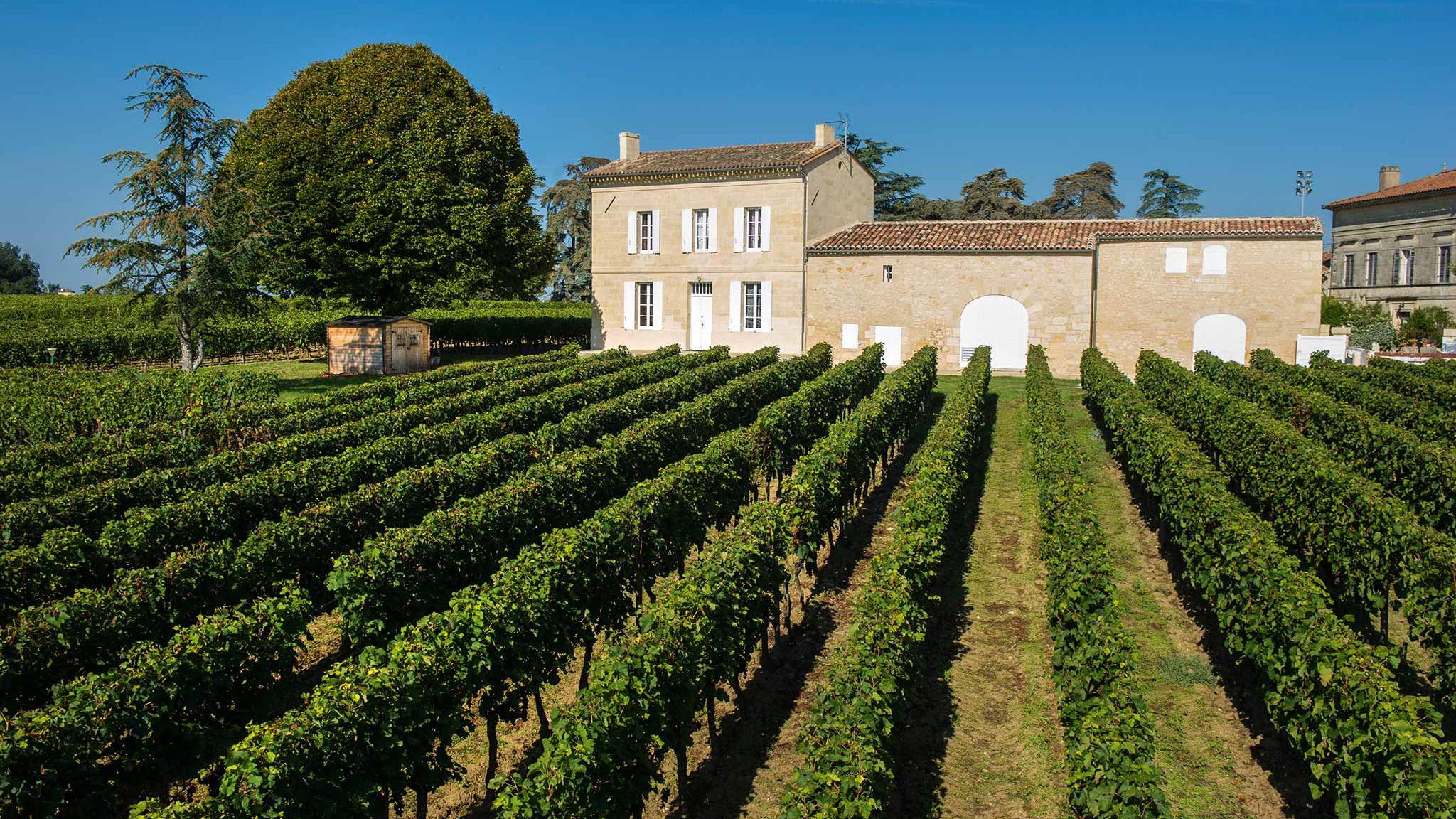
Weingut Ökonomierat Rebholz is presented as a terroir-first Pfalz estate that reads like a study in geological nuance. Set in Siebeldingen at the foot of the Haardt mountains, the estate emphasizes vineyard expression — sandstone, limestone and red slate lend precision to its whites and a finer tannic architecture to its reds. The writing frames the producer as measured and accomplished rather than flashy: an internationally recognized name for readers who prize site specificity. The overall impression is thoughtful and sophisticated, with an earthy, classical sense of place anchored by rigorous viticultural claims.
Best For
This estate is best for serious drinkers and students of terroir who want to explore how the southern Pfalz diverges from the region’s northern houses. The description and recent Pearl 3 Star Prestige award position Rebholz as a destination for wine education and deep tasting, and its village setting suits solitary exploration or quieter special occasions. Travelers seeking wines defined by mineral precision and structural clarity find this producer especially rewarding; it’s less about spectacle and more about comparative study of site-driven German wines.
Tasting Tips
Look for wines that showcase the geological contrasts the write-up highlights: sandstone- and red-slate–influenced bottlings and those from limestone-rich pockets. Expect Rieslings with sharpened acidity and mineral resolution, and reds with comparatively finer tannins and structural focus. Seek labels or bottlings that reference named sites — the text cites Im Sonnenschein as a notable site — and prioritize cuvées that emphasize vineyard origin and vintage clarity to experience the estate’s terroir argument most directly.
Venue details
Ambiance
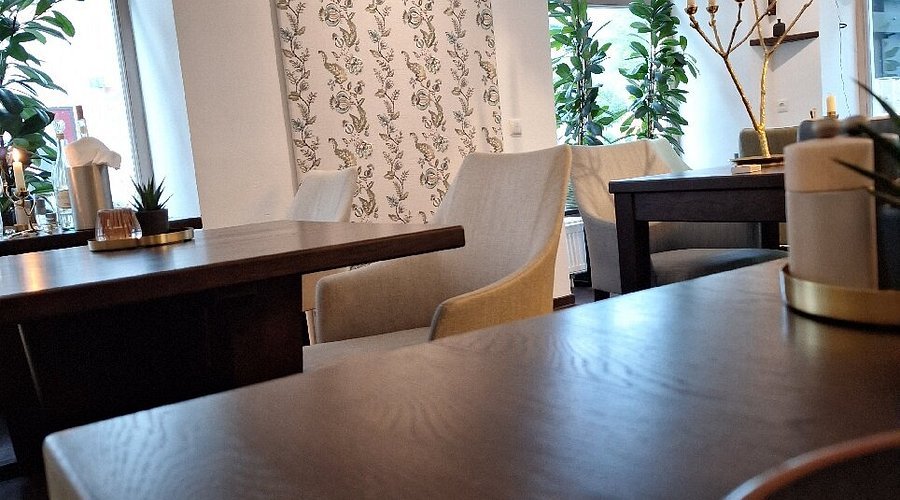
Refined and harmonious atmosphere reflecting minimal-intervention winemaking in harmony with nature.
Tags
Vibe
Best For
Experience
Sourcing
View
At the Vineyard
- Appellation
- Pfalz
- Varietals
- Riesling, Pinot Blanc, Spätburgunder, Chardonnay, Gewürztraminer
- Visits
- By appointment only
- Farming
- Biodynamic
- Wine Styles
- Still White, Still Red
- Wine Club
- Not available
Know before you go
Know Before You Go
- Getting there
- Weinstraße 54, 76833 Siebeldingen
Planning details
Location
Recognition and awards

Also consider
Also Consider
- Weingut Müller-Catoir, Notable alternative
- Weingut Friedrich Becker, Notable alternative
- Weingut A. Christmann, Notable alternative
- Weingut Bassermann-Jordan, Notable alternative
- Weingut Reichsrat von Buhl, Notable alternative
Winery context
How it compares in the Pfalz set
Choose Weingut Ökonomierat Rebholz when the priority is a focused, bottle-led visit in Siebeldingen. Weingut Müller-Catoir and Weingut A. Christmann are the closest comparisons for travelers building a serious Pfalz route, but Rebholz is the sharper pick when the visit is meant to answer what to buy, not just where to taste.
Weingut Friedrich Becker is the better cross-shop for readers who want a different Pfalz lens, while Weingut Bassermann-Jordan and Weingut Reichsrat von Buhl make more sense if the group wants a broader historic-estate feel. For value, compare bottle availability and tasting access before committing; for ease, keep at least one of the Deidesheim peers as a fallback.
The practical recommendation: make Rebholz the anchor if wine depth matters more than ambiance, then use Müller-Catoir or A. Christmann as the closest style-driven alternatives. For larger groups or a less rigid day, Bassermann-Jordan and Reichsrat von Buhl are safer names to check alongside it.
Explore Siebeldingen
Around this place
Discover more on Pearl
Unlock the full Weingut Ökonomierat Rebholz guide in Pearl, including awards, comparisons, FAQs, planning details, and nearby places.
Compare Weingut Ökonomierat Rebholz
| Venue | Location | Awards |
|---|---|---|
| Weingut Ökonomierat Rebholz | Siebeldingen | 2026 Falstaff Winery Guide |
| Weingut Müller-Catoir | Neustadt an der Weinstraße | 2026 Falstaff Winery Guide |
| Weingut Friedrich Becker | Schweigen-Rechtenbach | 2026 Falstaff Winery Guide |
| Weingut A. Christmann | Neustadt an der Weinstraße | 2026 Falstaff Winery Guide |
| Weingut Bassermann-Jordan | Deidesheim | 2026 Falstaff Winery Guide |
| Weingut Reichsrat von Buhl | Deidesheim | 2026 Falstaff Winery Guide |
How Weingut Ökonomierat Rebholz compares with similar nearby venues.
FAQ
Frequently Asked Questions
When is the best time to visit Weingut Ökonomierat Rebholz?
What is Weingut Ökonomierat Rebholz best known for?
Weingut Ökonomierat Rebholz is in Siebeldingen and holds Pearl 3 Star Prestige recognition for 2025.
Do I need a reservation at Weingut Ökonomierat Rebholz?
Contact Weingut Ökonomierat Rebholz directly before assuming walk-in access or appointment availability.