

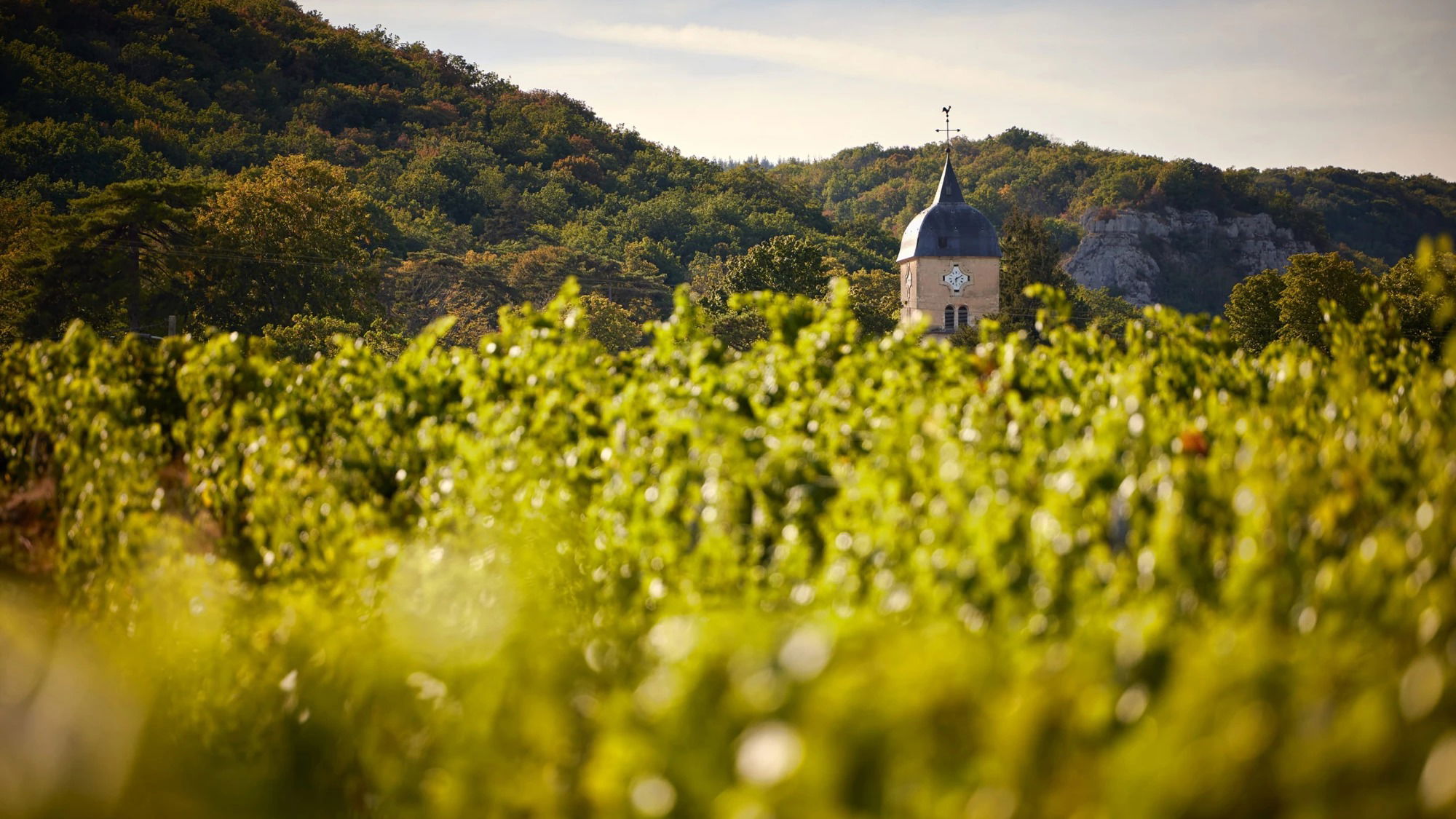



Domaine Georges Roumier
Chambolle-Musigny
Winery in Chambolle-Musigny, France
 Book with Pearl
The Read
Appointment-Only Grand Cru Access
Why go
Domaine Georges Roumier is a winery on Rue de Vergy in Chambolle-Musigny.
About Domaine Georges Roumier
Domaine Georges Roumier is a Chambolle-Musigny venue associated with Christophe Roumier and recognized with Pearl 4 Star Prestige (2025). It is important to plan carefully rather than assuming a specific visit format, schedule, menu, availability, or hospitality style.
The case for prioritising it is direct: if Chambolle-Musigny is central to the trip, Domaine Georges Roumier is one of the names to know. Treat the planning process carefully, and build the rest of the day around Chambolle-Musigny context rather than relying on assumptions.
Plan around Chambolle-Musigny context
This is a sensible choice for travellers who want their Chambolle-Musigny planning to focus on a recognised venue rather than a broad overview. Christophe Roumier is attached to the venue, the dress code is smart casual, and Pearl lists it as 4 Star Prestige for 2025.
For comparison, Domaine Comte de Vogue, Domaine Ghislaine Barthod, and Domaine Hudelot-Baillet are natural names to keep in mind. Domaine Amiot-Servelle and Domaine Hudelot-Noëllat may also be useful reference points when shaping a wider plan.
How to think about the visit if this is your first trip
Avoid making assumptions when planning your day. Keep the focus on Chambolle-Musigny, dress smart casual, and use Domaine Georges Roumier as a serious anchor in the itinerary if the village itself is the point of the trip.
For planning around the village, use our full Chambolle-Musigny wineries guide first, then pair the day with our full Chambolle-Musigny restaurants guide, our full Chambolle-Musigny hotels guide, our full Chambolle-Musigny bars guide, and our full Chambolle-Musigny experiences guide. If the plan expands beyond the village, compare Domaine Georges Roumier with other venue pages and regional guides without assuming the same visit format applies everywhere.
The verdict: prioritise Domaine Georges Roumier if Chambolle-Musigny is central to the itinerary and you are comfortable planning with the available information. If the day needs more certainty, compare it with other venues before building travel around a single stop.
Planning details
- Location
- 4 Rue de Vergy, 21220 Chambolle-Musigny
- Website
- roumier.com
- Phone
- +33 3 80 62 86 37
The take
The Take
The Vibe
Domaine Georges Roumier reads like a quietly consequential address in Chambolle‑Musigny. The domaine’s century-plus of continuous production and its holdings in Musigny and Bonnes‑Mares give it a gravity that is felt more than broadcast: there is no flashy signage or tourist tasting room, only the hush of a tiny village and the focus of a house long watched by the trade. Visiting the subject in writing is to encounter restraint — wines built for precision and attention rather than instant spectacle — and an atmosphere that favors contemplation and close attention to terroir.
Best For
This domaine is best for serious wine lovers, collectors and those seeking deeper study of Côte de Nuits Pinot Noir. Its reputation and grand cru holdings make it a destination for learning about terroir and for sourcing bottles that belong in allocation lists and cellar programs rather than casual consumption. It is less a place for drop‑in tasting and more a reference point for special purchases, comparative tastings among Burgundy greats, and occasions when provenance and pedigree matter as much as the bottle itself.
Tasting Tips
Don't expect a tourist‑style tasting counter or walk‑in sales — the domaine does not maintain a tasting room geared to passing visitors. Roumier’s wines circulate primarily through trade and allocation channels and are often discussed in collector and critic circles. If you’re pursuing bottles, search allocation lists, specialist merchants and reputable auction or collector markets; prepare to document your interest and to work through established trade channels rather than seeking casual on‑site purchases.
Venue details
Ambiance
Warm and welcoming family-run estate with meticulous attention to detail; visitors describe the proprietors as very sympathetic and the experience as magnificent, though production is almost entirely pre-allocated.
Tags
Vibe
Best For
Experience
Sourcing
View
At the Vineyard
- Appellation
- Côte de Nuits AOC
- Varietals
- Pinot Noir, Chardonnay
- Visits
- By appointment only
- Farming
- Sustainable
- Wine Styles
- Still Red, Still White
- Wine Club
- Available
Know before you go
Know Before You Go
- Getting there
- 4 Rue de Vergy, 21220 Chambolle-Musigny
Planning details
Location
Recognition and awards

Also consider
Also Consider
- Domaine Comte de Vogue, Notable alternative
- Domaine Hudelot-Baillet, Notable alternative
- Domaine Ghislaine Barthod, Notable alternative
- Domaine Amiot-Servelle, Notable alternative
- Domaine Hudelot-Noëllat, Notable alternative
Winery context
How It Compares in Chambolle-Musigny
Domaine Georges Roumier and Domaine Comte de Vogue sit in the reputation-led tier of Chambolle-Musigny, so choose either when the trip is built around producer prestige rather than convenience. For value-for-effort, Domaine Hudelot-Baillet and Domaine Amiot-Servelle are better backup targets if the main priority is securing a Chambolle-Musigny visit without making one address carry the whole day.
Domaine Ghislaine Barthod belongs on the same shortlist for visitors who want a focused village comparison rather than a wider Côte de Nuits tour. Domaine Hudelot-Noëllat is the better cross-shop if the itinerary can stretch beyond a single Chambolle frame while staying in the serious Burgundy lane.
For first-timers, the practical recommendation is to request the highest-priority producer first, then hold one or two Chambolle alternatives in reserve. If access is the deciding factor, do not wait for a single difficult appointment before contacting peers.
Explore Chambolle-Musigny
Around this place
Discover more on Pearl
Unlock the full Domaine Georges Roumier guide in Pearl, including awards, comparisons, FAQs, planning details, and nearby places.
Compare Domaine Georges Roumier
| Venue | Location | Awards |
|---|---|---|
| Domaine Georges Roumier | Chambolle-Musigny | 2026 Falstaff Winery Guide2026 Michelin 3 Grapes - Burgundy2025 Pearl 4 Star Prestige |
| Domaine Comte de Vogue | Chambolle-Musigny | No published awards |
| Domaine Hudelot-Baillet | Chambolle-Musigny | 2025 Pearl 4 Star Prestige |
| Domaine Ghislaine Barthod | Chambolle-Musigny | 2026 Falstaff Winery Guide2026 Michelin 1 Grape - Burgundy |
| Domaine Amiot-Servelle | Chambolle-Musigny | No published awards |
| Domaine Hudelot-Noëllat | Chambolle-Musigny | 2026 Michelin 1 Grape - Burgundy2026 Falstaff Winery Guide2025 Pearl 4 Star Prestige |

How Domaine Georges Roumier compares with similar nearby venues.
FAQ
Frequently Asked Questions
Do I need a reservation at Domaine Georges Roumier?
Plan ahead if you want to include Domaine Georges Roumier in a Chambolle-Musigny itinerary. Details available include Christophe Roumier, a smart casual dress code, and Pearl 4 Star Prestige (2025), but specific visit arrangements should not be assumed.
What other venues are near Domaine Georges Roumier?
Domaine Comte de Vogue and Domaine Ghislaine Barthod are relevant comparison names. Domaine Hudelot-Noëllat, Domaine Amiot-Servelle, and Domaine Hudelot-Baillet may also be useful reference points when planning a wider itinerary.
What is Domaine Georges Roumier known for?
Domaine Georges Roumier is a Chambolle-Musigny venue associated with Christophe Roumier and recognized by Pearl as 4 Star Prestige in 2025.
Where is Domaine Georges Roumier located?
Domaine Georges Roumier is located in Chambolle-Musigny.