
Maison Trimbach
Ribeauvillé
Winery in Ribeauvillé, France
 Book with Pearl
The Read
Alsace Riesling Precision
Price
$30–50tasting
Why go
Maison Trimbach is worth prioritizing if your Ribeauvillé plan is built around serious Alsace wine rather than casual village browsing. Treat it as an anchor stop with backup options nearby, especially if your group needs flexible timing or easier access.
About Maison Trimbach
Maison Trimbach is a Ribeauvillé venue with Pearl 3 Star Prestige recognition for 2025. Before building plans around tastings, hours, prices, menus, group capacity, or visitor format, check the current arrangements directly.
Plan around the essentials: it is in Ribeauvillé, it carries Pearl 3 Star Prestige (2025), and the dress code is smart casual. If the day includes food, hotels, bars, or a broader itinerary, pair the stop with our full Ribeauvillé restaurants guide, our full Ribeauvillé bars guide, and other Ribeauvillé planning resources.
Why this is a Ribeauvillé venue to plan around
Maison Trimbach is a notable Ribeauvillé listing. The Pearl 3 Star Prestige (2025) recognition makes it worth noting in a premium itinerary; check visitor access, appointment rules, opening times, prices, and service format directly before making plans.
For travelers comparing notable names, Maison Trimbach can be considered alongside Albert Boxler, Bestheim, Domaine Marcel Deiss, Domaine Zind Humbrecht, and Hugel. Those comparisons should be used for itinerary research only; confirm each venue's current access, timing, and visitor details directly before building a day around it.
Best timing: confirm details before building the day
The safest timing advice is simple: do not rely on assumptions. Before you go, check current hours, booking requirements, and expected visit length directly with Maison Trimbach. Smart casual dress is the dress-code guidance.
If Maison Trimbach cannot fit your schedule, keep the comparison set broad and check alternatives individually. Albert Boxler, Bestheim, Domaine Marcel Deiss, Domaine Zind Humbrecht, and Hugel are useful reference points, while other Ribeauvillé dining and travel plans should be handled generically and checked separately.
Quick reference: Maison Trimbach is in Ribeauvillé, has Pearl 3 Star Prestige (2025), and lists smart casual dress; check all visit-specific details directly.
Planning details
- Location
- 15 Rte de Bergheim, 68150 Ribeauvillé
- Website
- trimbach.fr
- Phone
- +33 3 89 73 60 30
The take
The Take
The Vibe
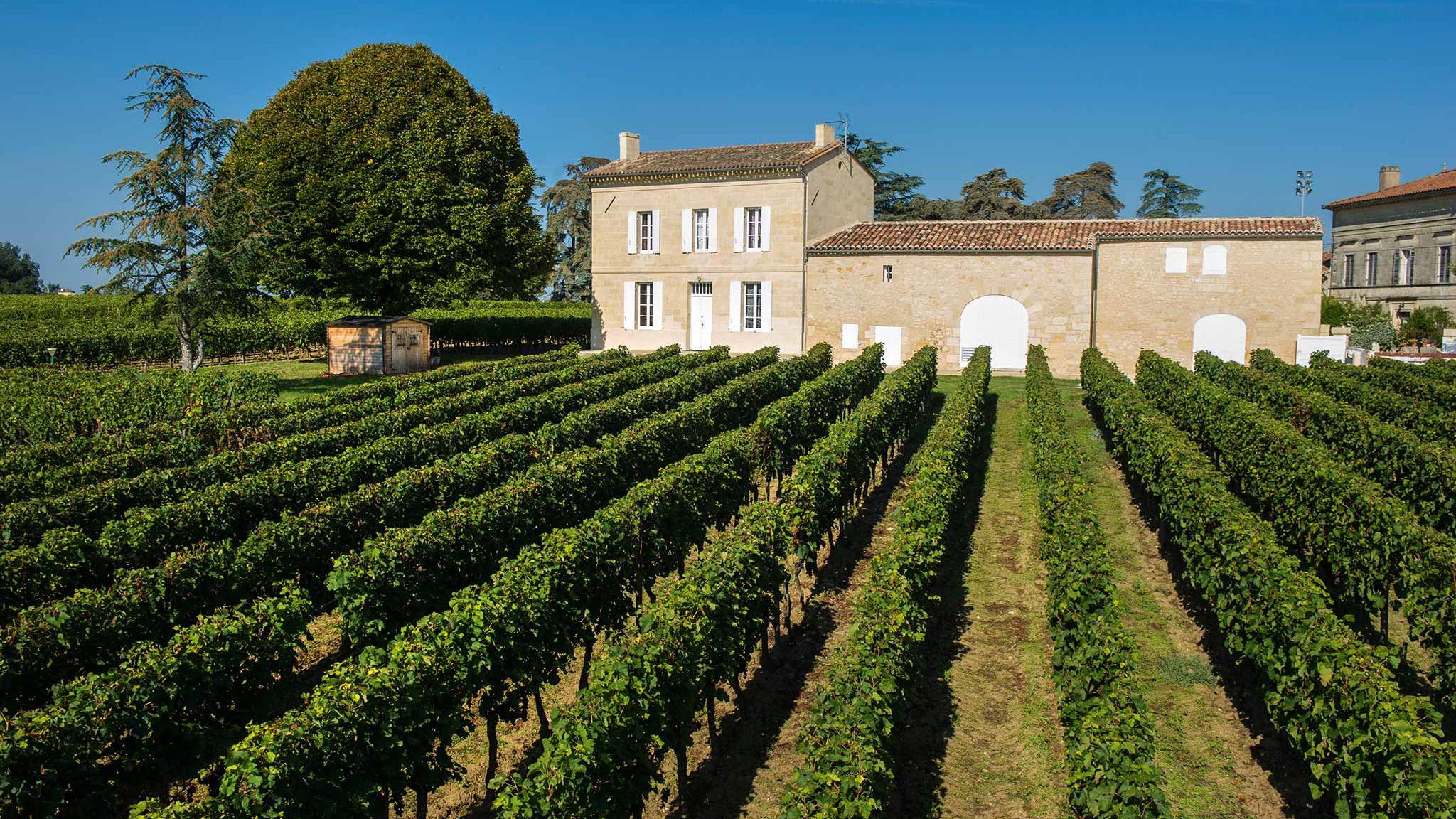
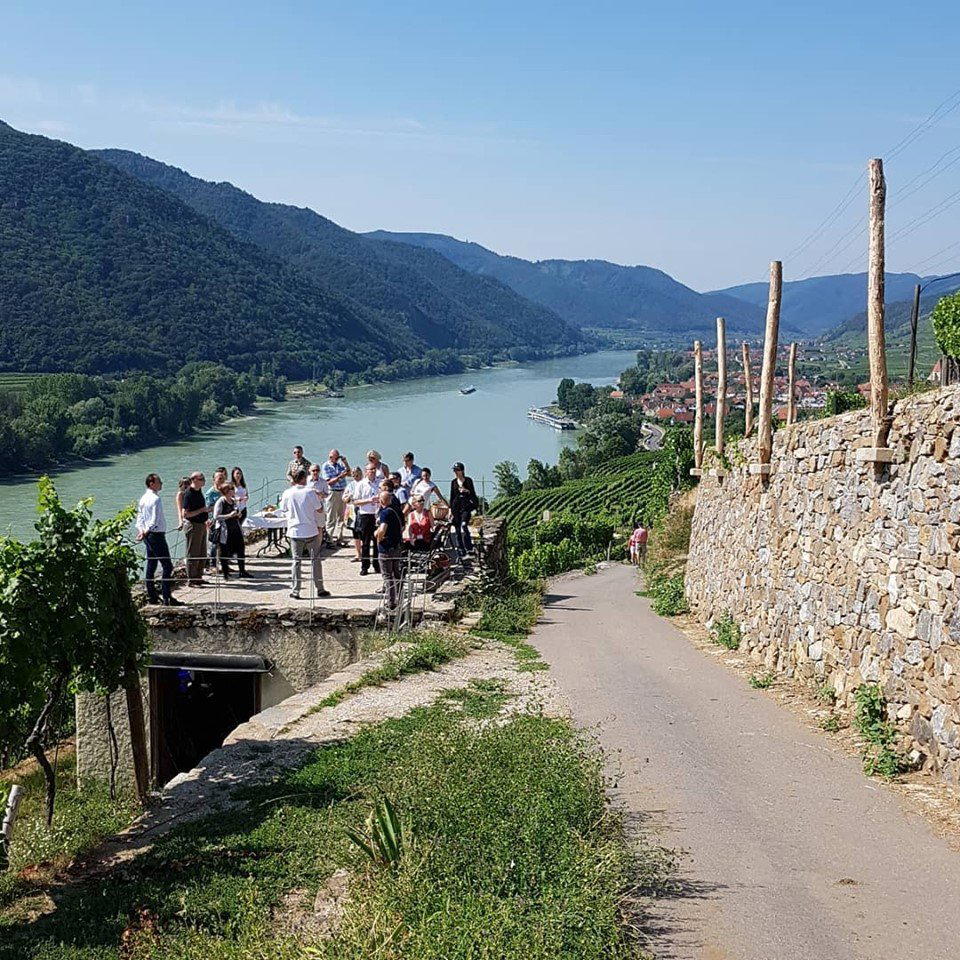
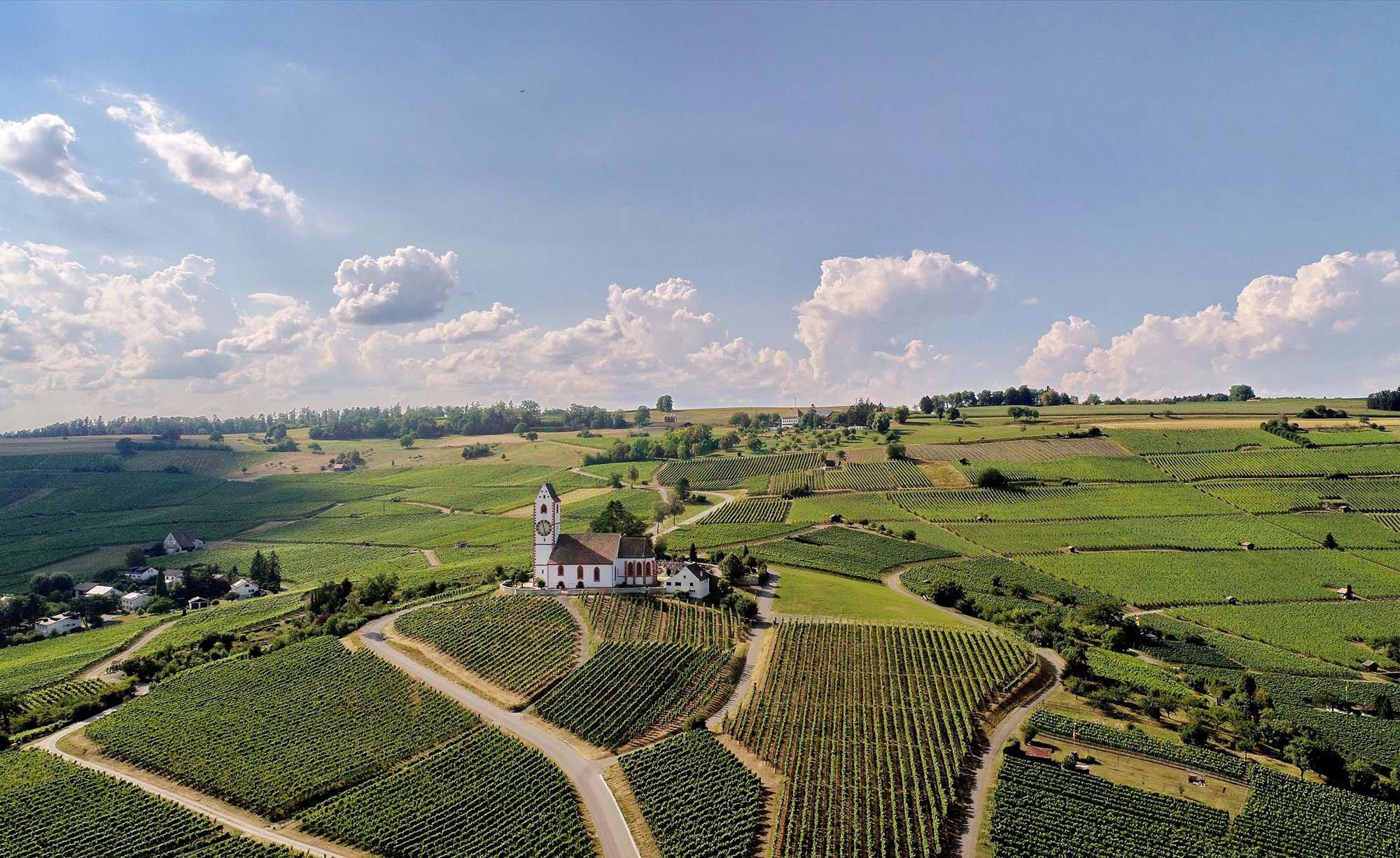
Maison Trimbach sits where the Vosges meet the vineyards, framed by medieval towers and the Rhine plain. The copy presents a terroir-first identity—dry mesoclimates, alluvial and granite soils, and an emphasis on mineral-driven white wines—so the house reads as a landscape-anchored, historically rooted producer. The Pearl 3 Star Prestige distinction and references to grands crus give the place an austere seriousness: this is an estate defined by geological specificity, structural wines and patience rather than by flash. The overall impression is scenic and historic, with a measured, reverent tone toward place and precision.
Best For
Maison Trimbach is especially well suited to visitors focused on wine education and special occasions. The description foregrounds grand cru sites (Osterberg, Geisberg) and Rieslings designed for slow evolution and extended cellaring, so the estate appeals to people interested in studying site expression, ageability and technical terroir differences. Its noted prestige and demanding approach suggest it attracts collectors, students of Alsace and celebratory visits that prioritize focused tasting and context over casual, trend-driven drinking.
Tasting Tips
Prioritize Riesling and the named grand cru lieu-dits when sampling Trimbach: the text specifically highlights Osterberg and Geisberg and contrasts the region’s mineral whites with softer styles. Seek bottlings from specific sites or aged releases that show the tension between ripeness and acidity described here—wines built for structure and long cellaring. Opt for expressions that emphasize crystalline acidity and geological clarity rather than rounded, fruit-forward formats; the house’s strength is in precise, terroir-driven whites that reward patience.
Venue details
Ambiance
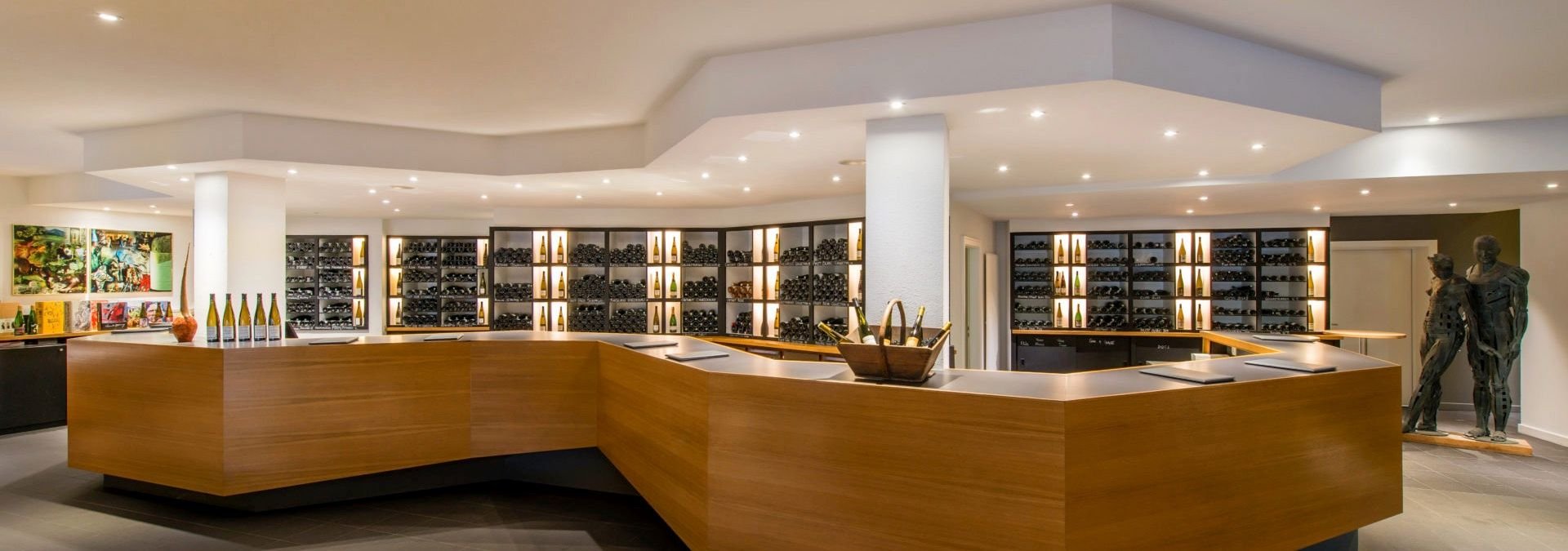
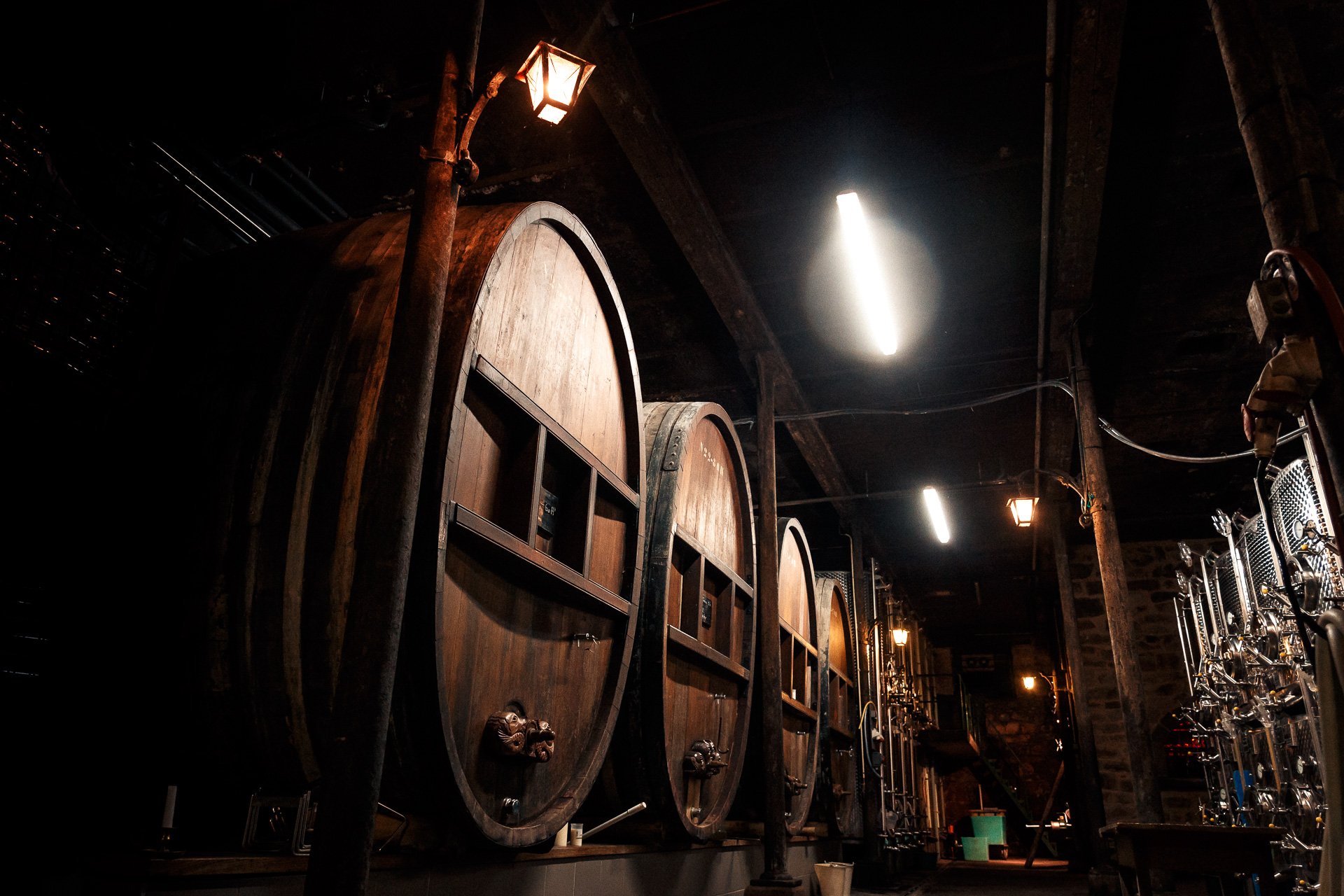
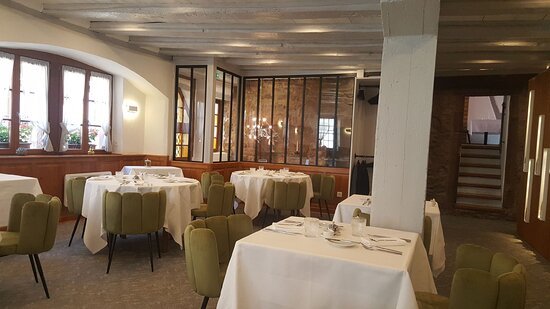
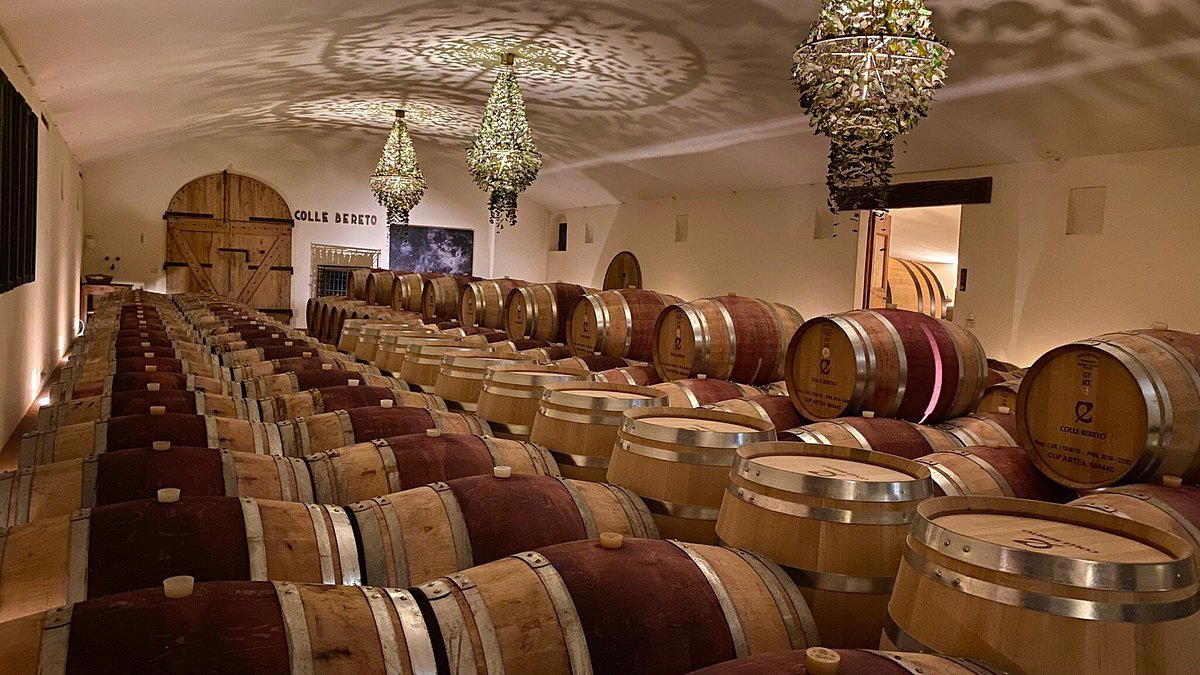
Classic and elegant with a focus on precise, mineral-driven wines in a historic family estate setting amid medieval village charm.
Tags
Vibe
Best For
Experience
Sourcing
View
At the Vineyard
- Appellation
- Alsace AOC
- Varietals
- Riesling, Gewurztraminer, Pinot Gris, Pinot Blanc, Sylvaner
- Tour Duration
- 60-90 minutes
- Tour Languages
- French, English
- Visits
- By appointment only
- Farming
- Organic
- Wine Styles
- Still White
- Wine Club
- Available
Know before you go
Know Before You Go
- Getting there
- 15 Rte de Bergheim, 68150 Ribeauvillé
Planning details
Location
Recognition and awards

Also consider
Also Consider
- Domaine Marcel Deiss, Notable alternative
- Hugel, Notable alternative
- Bestheim, Notable alternative
- Albert Boxler, Notable alternative
- Domaine Zind Humbrecht, Notable alternative
Winery context
How it compares in Ribeauvillé
Maison Trimbach is the choice for travelers who want a classic Ribeauvillé reference point and are willing to plan around access. Compared with Hugel, it sits in a similar serious-wine lane, so the decision is less about casual value and more about which producer you most want as your benchmark for the day.
Domaine Marcel Deiss is the stronger cross-shop for drinkers who want a more interpretive Alsace comparison, while Bestheim is the safer pick if the group needs less friction and a broader, easier-to-plan stop. For value-minded groups, Bestheim is the practical hedge; for a more focused wine itinerary, keep Trimbach higher on the list.
If the trip can stretch beyond Ribeauvillé, Albert Boxler and Domaine Zind Humbrecht make better sense for travelers who care more about producer comparison than staying in town. Book Trimbach when location and regional benchmarking matter; cross-shop the others when availability or stylistic range matters more.
Explore Ribeauvillé
Around this place
Discover more on Pearl
Unlock the full Maison Trimbach guide in Pearl, including awards, comparisons, FAQs, planning details, and nearby places.
Compare Maison Trimbach
| Venue | Location | Awards |
|---|---|---|
| Maison Trimbach | Ribeauvillé | 2026 Falstaff Winery Guide |
| Domaine Marcel Deiss | Bergheim | 2026 Falstaff Winery Guide2020 World's 50 Best Vineyards · #45 |
| Hugel | Riquewihr | 2026 Falstaff Winery Guide |
| Bestheim | Bennwihr | 2026 Falstaff Winery Guide2025 Decanter Winery Prestige |
| Albert Boxler | Niedermorschwihr | 2026 Falstaff Winery Guide |
| Domaine Zind Humbrecht | Turckheim | 2026 Falstaff Winery Guide |


How Maison Trimbach Ribeauvillé compares with similar nearby venues.
FAQ
Frequently Asked Questions
Is Maison Trimbach worth planning around?
Maison Trimbach in Ribeauvillé has Pearl 3 Star Prestige (2025), so it is worth noting for a premium itinerary. Confirm current visit details directly before making plans.
Can Maison Trimbach handle large groups?
What should I expect at Maison Trimbach?
Expect a Ribeauvillé venue with Pearl 3 Star Prestige (2025) and a smart casual dress code. For visitor format, offerings, prices, and timing, check current details directly with Maison Trimbach.
How long should I plan for a visit to Maison Trimbach?
Do I need a reservation at Maison Trimbach?
When is the best time to visit Maison Trimbach?
Choose timing after checking current hours and seasonal details directly with Maison Trimbach.
What is the dress code at Maison Trimbach?
The dress code for Maison Trimbach in Ribeauvillé is smart casual.