
Ashton Hills Vineyard
Piccadilly Valley, Adelaide Hills
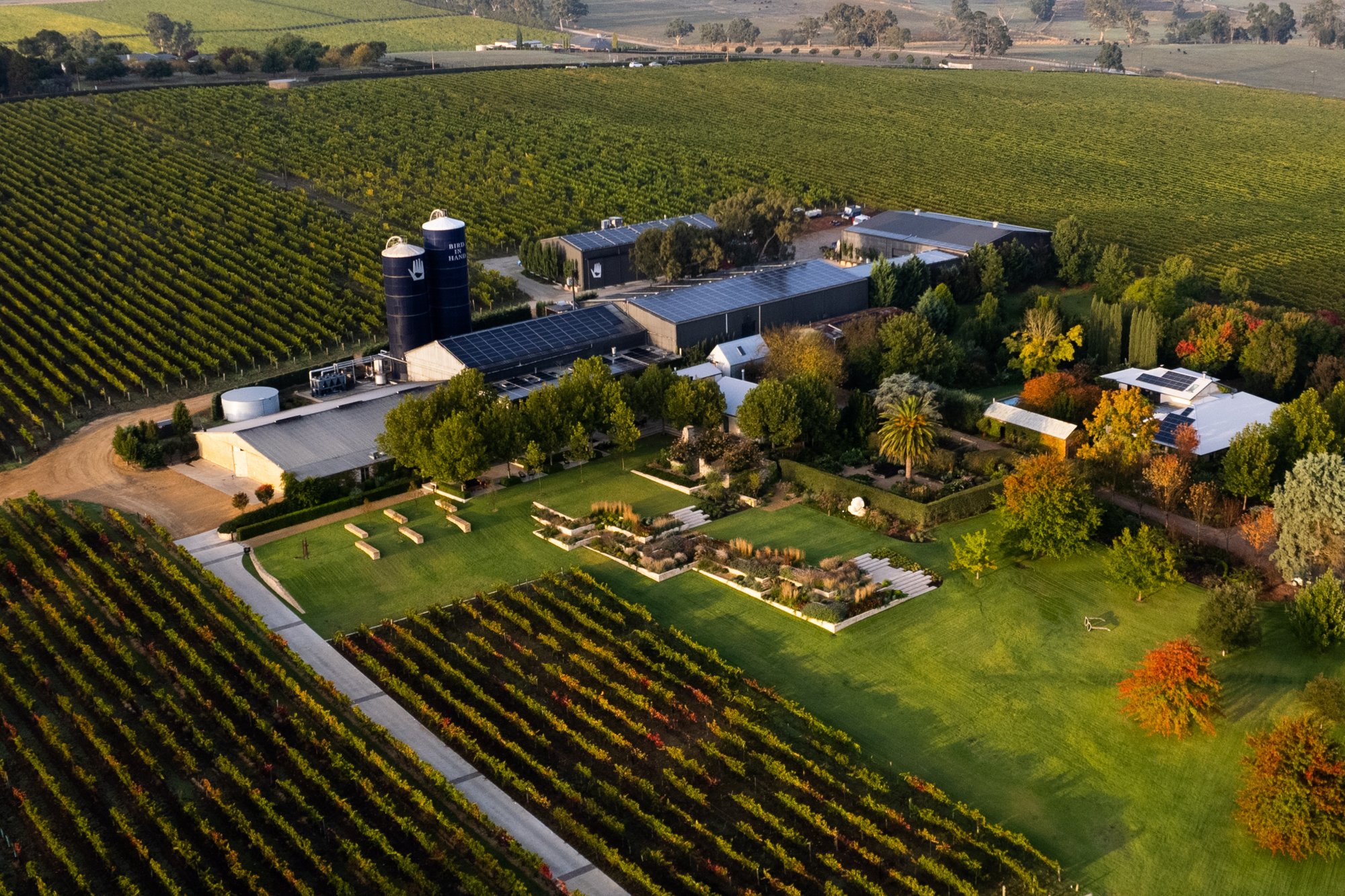
Winery in Adelaide Hills, Australia
 Book with Pearl
The Read
Cool-Climate Elevation Viticulture
Why go
Ashton Hills Vineyard is worth prioritising for Adelaide Hills visitors who care more about focused wine access than a broad hospitality setup. Treat it as an early-planning booking, especially if the wine club or allocation angle is the draw; keep a nearby backup in place if timing does not work.
About Ashton Hills Vineyard
Ashton Hills Vineyard is a venue in Adelaide Hills with a casual dress code and Pearl 2 Star Prestige recognition for 2025. Beyond those details, public-facing planning information should be treated carefully: do not assume a particular service format, food offer, booking model, or visitor setup unless you confirm it directly with the venue.
For readers, the most grounded way to assess Ashton Hills Vineyard is as a notable Adelaide Hills stop with recognition, rather than as a venue defined by undefined amenities. If your plans depend on specific hours, meals, accessibility, or other practical details, check the venue's official channels before building the day around it.
Worth prioritising if details fit your plans
The strongest reasons to keep Ashton Hills Vineyard on a shortlist are its Adelaide Hills location, casual dress code, and Pearl 2 Star Prestige recognition in 2025. Those facts support treating it as a serious consideration, but they do not detail how a visit works.
Because practical information is limited, avoid assuming restaurant service, walk-in flexibility, or a full-day hospitality setup. Build your plans around known arrangements, and use other Adelaide Hills options as backups if your schedule depends on unspecified details.
How to build the surrounding Adelaide Hills day
For comparison within a broader itinerary, Gentle Folk and Tapanappa are natural names to consider alongside Ashton Hills Vineyard. Penfolds Magill Estate and Penfolds may also be useful broader comparisons, depending on the style of visit you are planning.
The verdict: pursue Ashton Hills Vineyard if you want an Adelaide Hills venue with Pearl 2 Star Prestige recognition and a casual dress code. If your decision depends on food, access, or a specific service format, confirm those details directly before committing.
Planning details
- Location
- 126 Tregarthen Rd, Ashton SA 5137
- Website
- ashtonhills.com.au
- Phone
- +61 8 8390 1243
The take
The Take
The Vibe
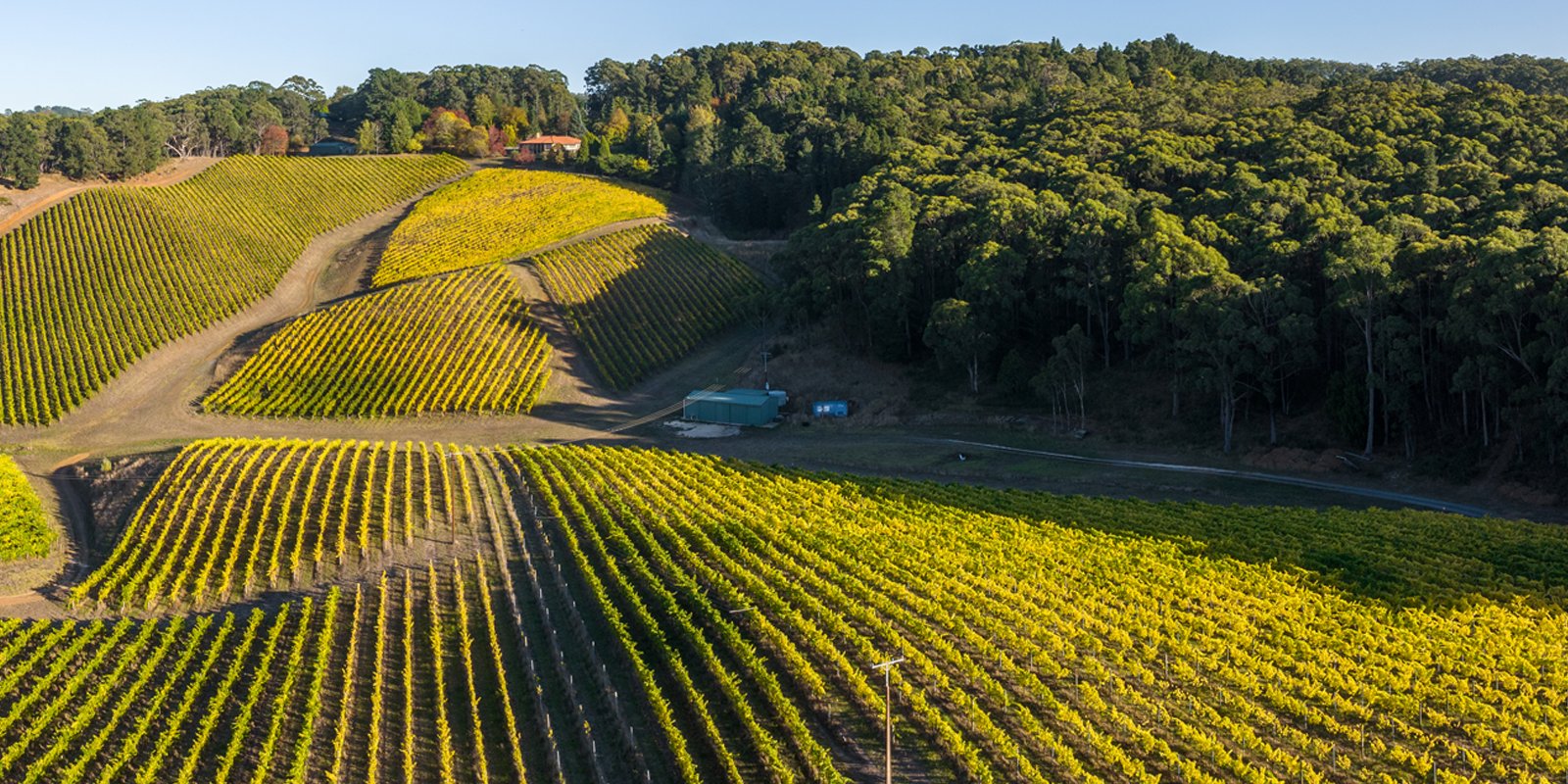
Ashton Hills Vineyard reads like a refined, site-driven estate. The copy emphasizes elevation, diurnal temperature shifts and a restrained winemaking philosophy that rewards attention to detail. A recent Pearl 2 Star Prestige rating places the property among upper-tier cool‑climate producers, and the prose frames its wines as the product of careful management rather than high volume. The overall impression is of a sophisticated, contemplative place: a vineyard where terroir, acidity and measured extraction are the priorities and where the wines reflect a deliberate, understated sense of place.
Best For
This estate is best for visitors who want to understand what cool‑climate South Australia does well. The text highlights Pinot Noir, Chardonnay and Riesling produced with an emphasis on site fidelity, so the cellar door suits tastings that are educational and focused rather than casual. The prestige rating also makes Ashton Hills appropriate for more considered visits—buying for special occasions or assembling cellar-worthy bottles. Enthusiasts who value restraint, acidity and provenance will get the most from a visit here.
Tasting Tips
When tasting at Ashton Hills, prioritize the Pinot Noir program—the profile is presented as a regionally defining statement. Also sample the Chardonnay and Riesling to understand how altitude and cooler growing conditions shape acid retention and flavor development. Ask the staff about single‑site expressions and recent vintages to hear how diurnal shifts influenced ripening in a given year. Look for examples that foreground balance and site expression rather than overt fruit sweetness or heavy extraction.
Venue details
Ambiance
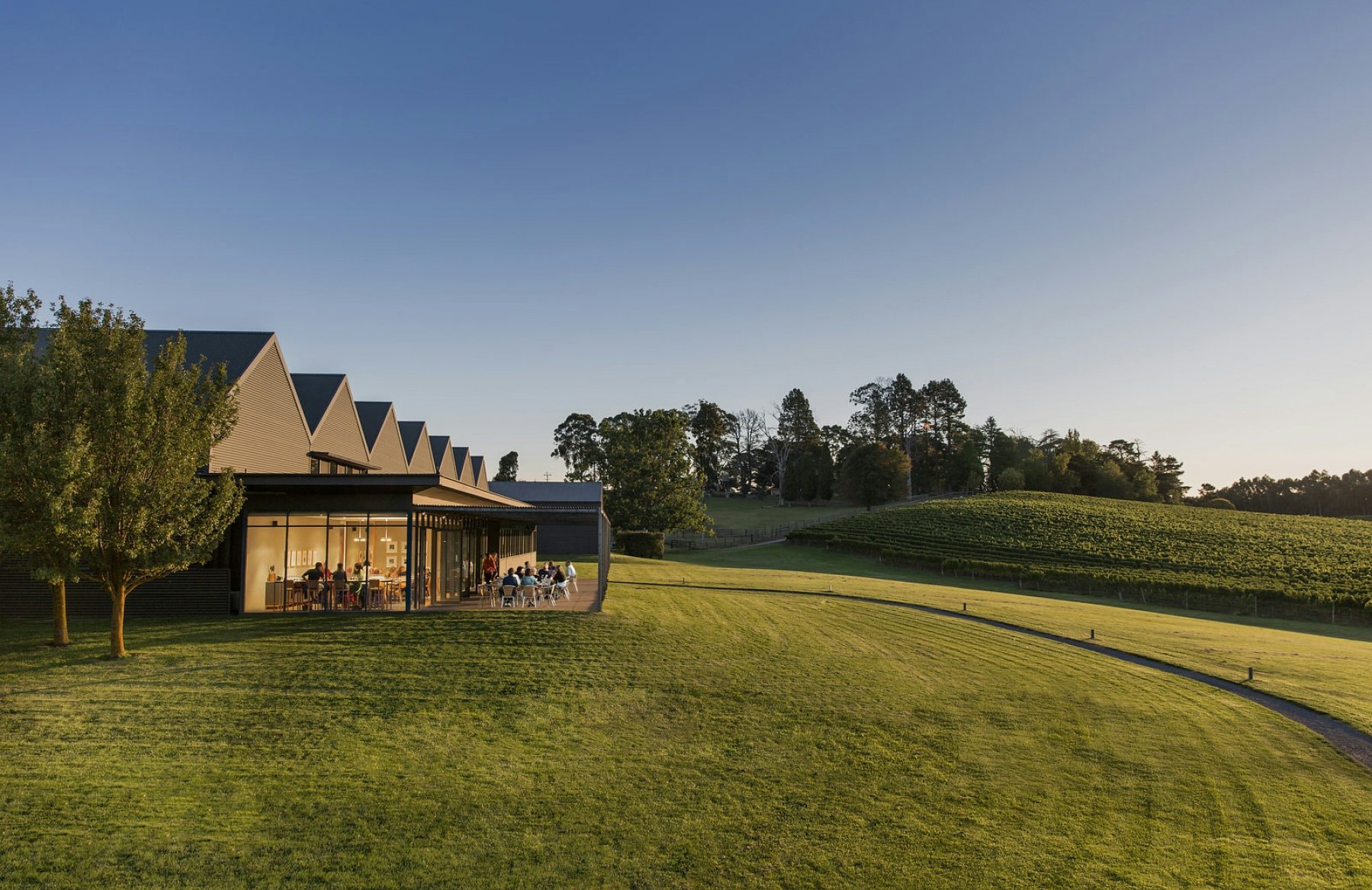
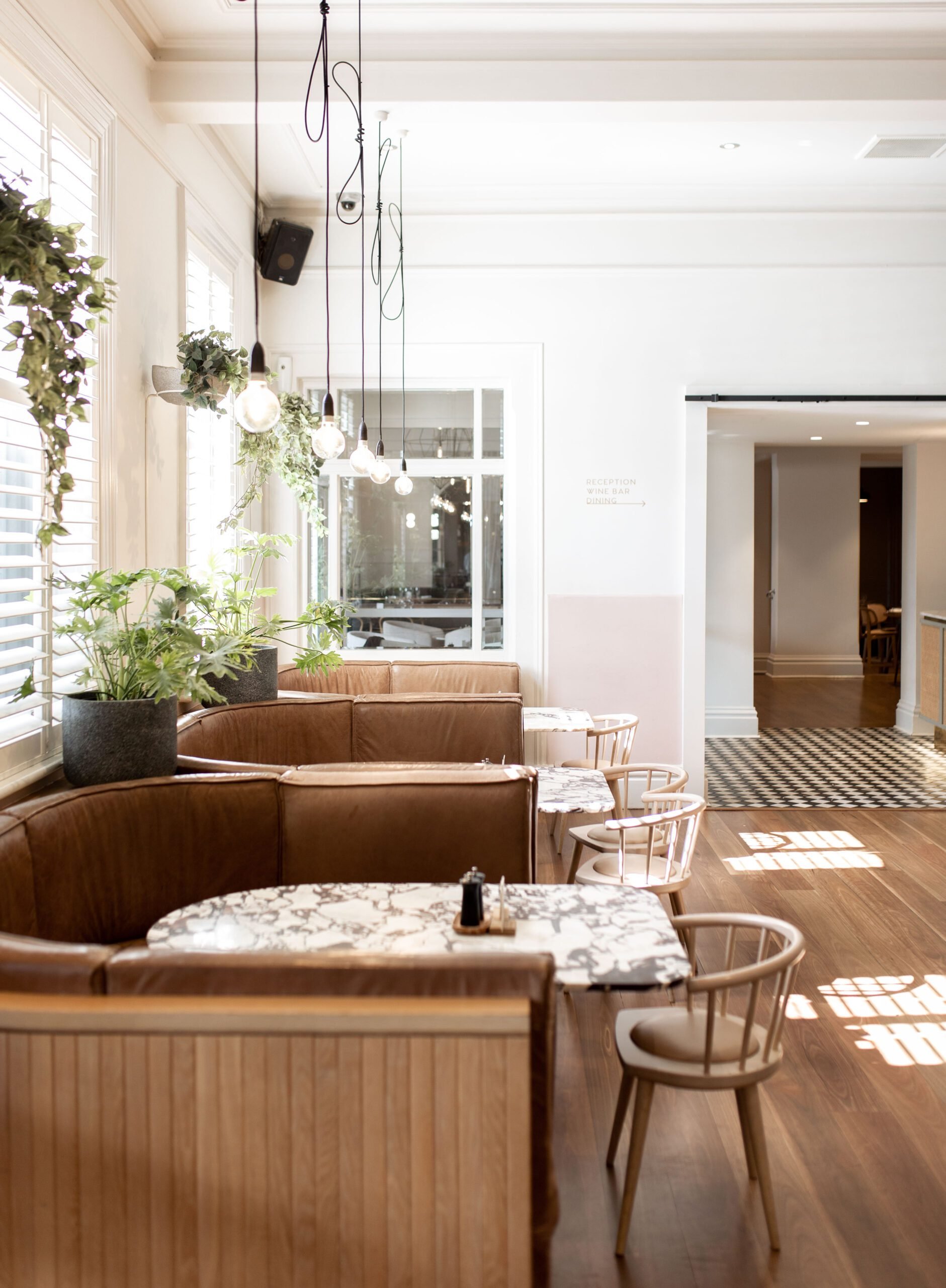
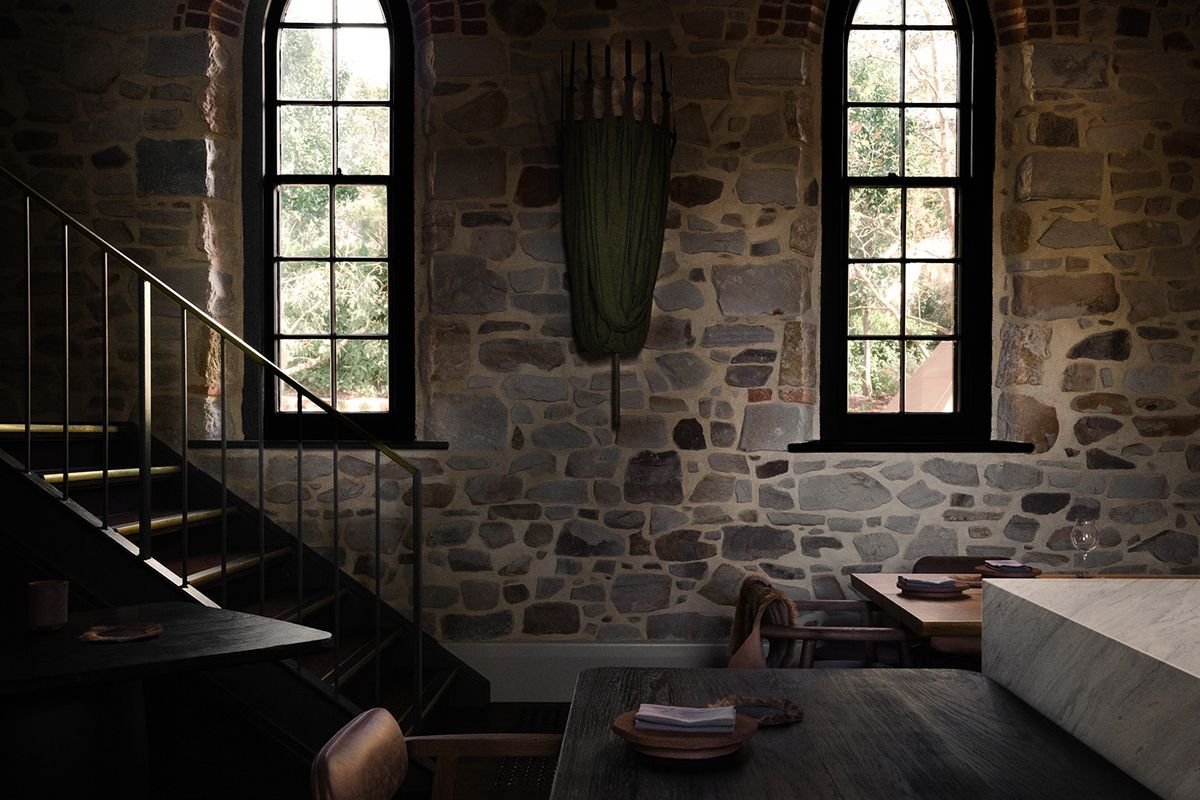
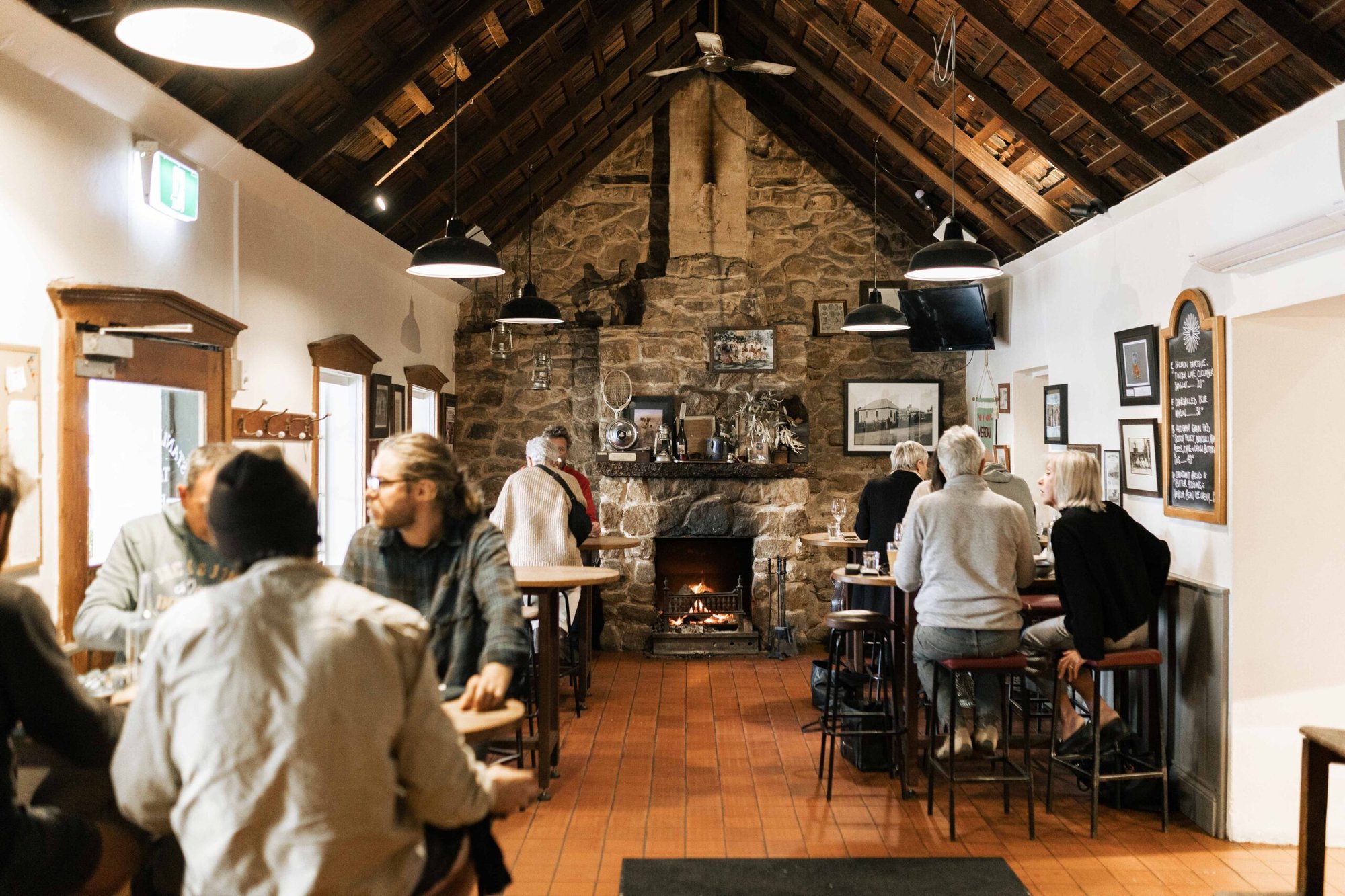
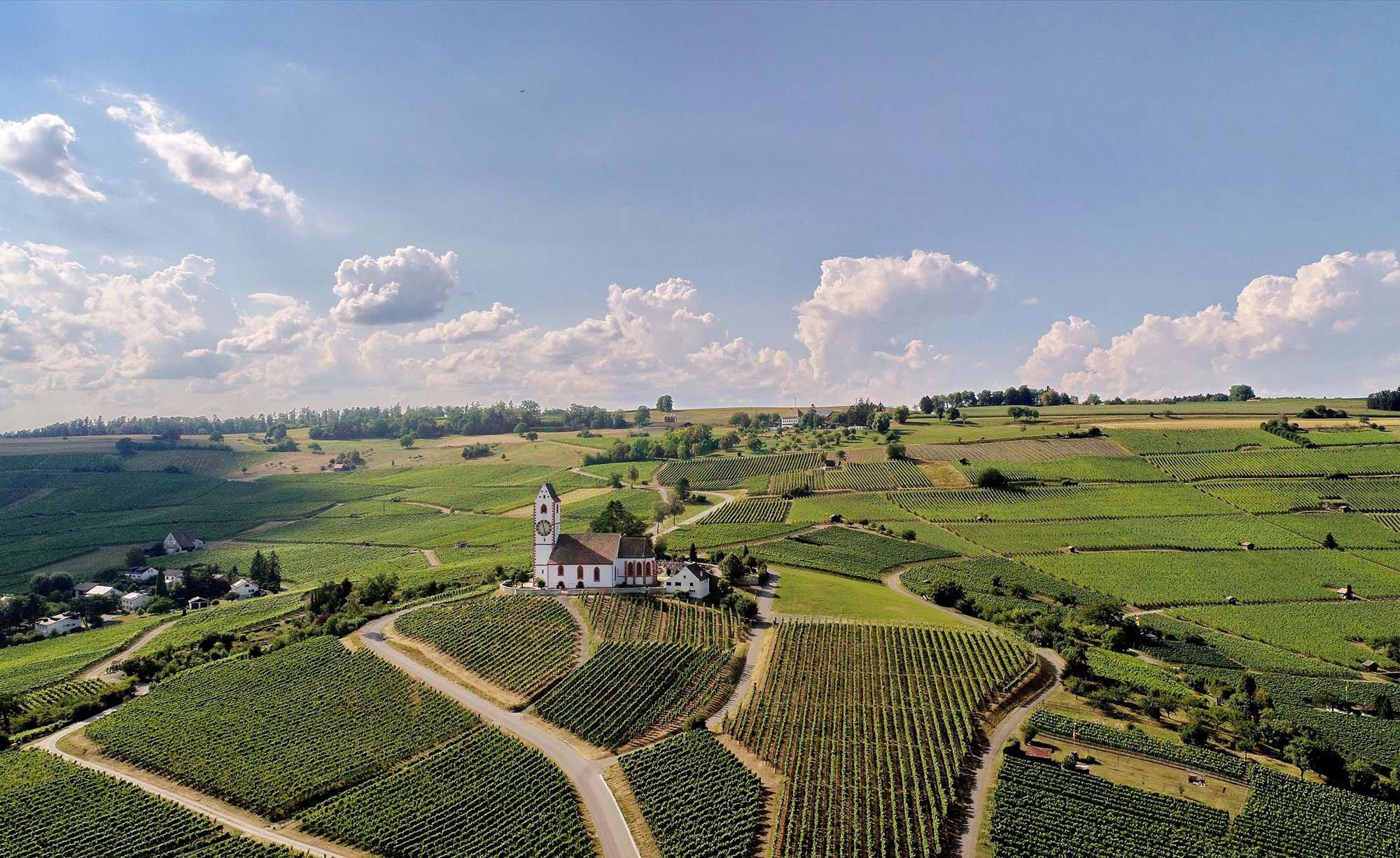
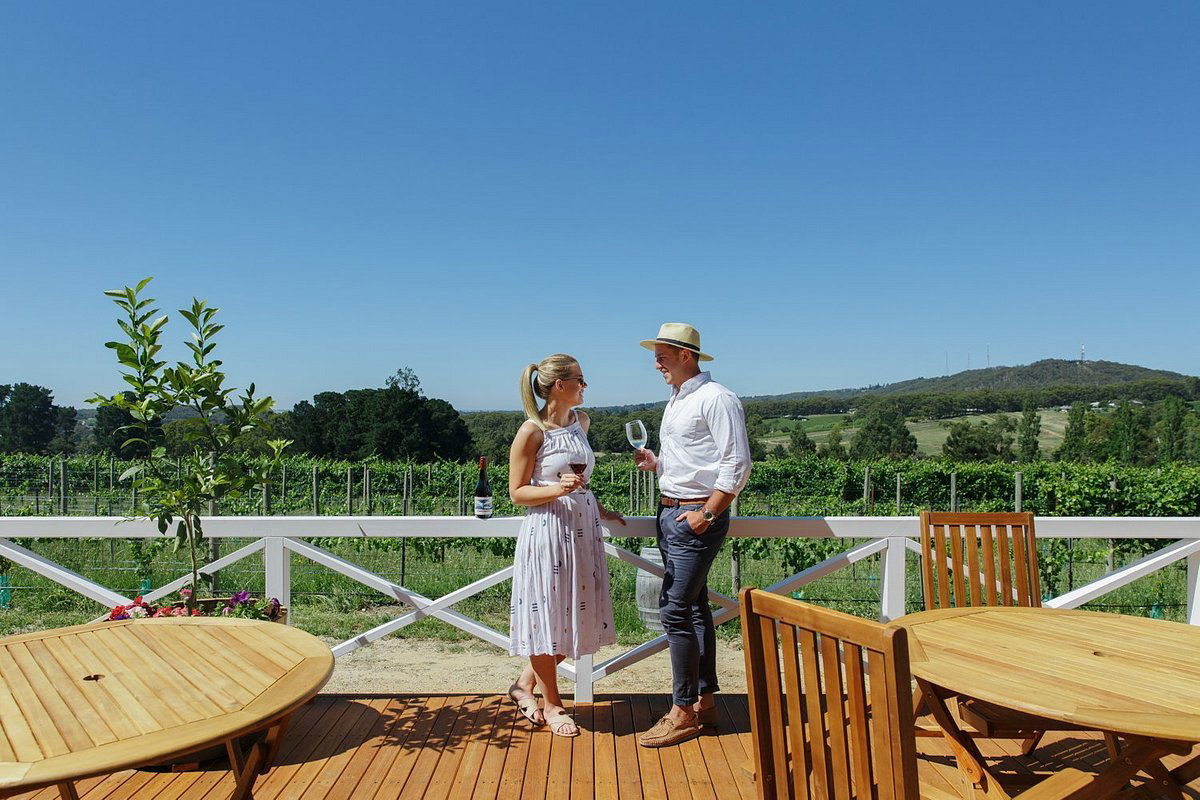
Cozy and rustic cellar door with fireplace, stunning vineyard views, and a relaxed, welcoming atmosphere.
Tags
Vibe
Best For
Experience
Sourcing
View
Accessibility
At the Vineyard
- Appellation
- Piccadilly Valley
- Varietals
- Pinot Noir, Chardonnay, Riesling
- Tour Duration
- 1 hour
- Visits
- By reservation
- Farming
- Sustainable
- Production
- Small producer
- Wine Styles
- Still Red, Still White, Sparkling, Still Rose
- Food Pairing
- Offered
- Wine Club
- Not available
Know before you go
Know Before You Go
- Getting there
- 126 Tregarthen Rd, Ashton SA 5137
Planning details
Location
Recognition and awards

Also consider
Where to Look If You Cannot Get In
Try Gentle Folk first if the Adelaide Hills location is the priority and the day needs to stay compact. Look at Tapanappa if the goal is a more structured regional wine comparison rather than a tight-access producer visit.
Winery context
How It Compares
Against Ochota Barrels and Gentle Folk, Ashton Hills Vineyard is the pick for drinkers who want a focused Adelaide Hills producer rather than a broader day-out format. Ochota Barrels and Gentle Folk are better cross-shops if the priority is natural-leaning energy, easier itinerary building, or a looser visit structure.
Tapanappa is the better fit for visitors who want a more benchmark-driven, regional-context tasting, while Ashton Hills is better for those chasing tighter access and a more targeted hills stop. If availability is the concern, build the day around whichever appointment confirms first rather than assuming flexibility.
Penfolds Magill Estate and Penfolds make more sense for polished infrastructure, brand recognition, and a lower-risk visitor experience. Ashton Hills is the sharper choice for enthusiasts who value smaller-producer access and are willing to plan harder for it.
Explore Adelaide Hills
Around this place
Discover more on Pearl
Unlock the full Ashton Hills Vineyard guide in Pearl, including awards, comparisons, FAQs, planning details, and nearby places.
Compare Ashton Hills Vineyard
| Venue | Location | Awards |
|---|---|---|
| Ashton Hills Vineyard | Adelaide Hills | 2026 Falstaff Winery Guide |
| Ochota Barrels | Adelaide Hills | 2026 Falstaff Winery Guide |
| Tapanappa | Piccadilly Valley | 2026 Falstaff Winery Guide |
| Penfolds Magill Estate | Magill | Star Wine Lists 20262026 Falstaff Winery Guide2026 La Liste Top Restaurants2025 Pearl 5 Star Prestige2025 La Liste Top Restaurants2024 World's 50 Best Vineyards · #372023 World's 50 Best Vineyards · #442022 World's 50 Best Vineyards · #492021 World's 50 Best Vineyards · #37 |
| Penfolds | Adelaide | No published awards |
| Gentle Folk | Adelaide Hills | No published awards |




How Ashton Hills Vineyard Adelaide Hills compares with similar nearby venues.
FAQ
Frequently Asked Questions
What other venues can I compare with Ashton Hills Vineyard?
Gentle Folk, Tapanappa, and Penfolds Magill Estate are useful comparisons when planning around Ashton Hills Vineyard and a broader itinerary.
What recognition does Ashton Hills Vineyard have?
Ashton Hills Vineyard has Pearl 2 Star Prestige recognition for 2025.
When is the best time to visit Ashton Hills Vineyard?
Specific visiting hours are not available. Plan only around information from the venue's official channels.