
Mollydooker
McLaren Vale
Winery in McLaren Vale, Australia
 Book with Pearl
The Read
High-Octane Vale Shiraz
Price
$20–30tasting
Why go
Book Mollydooker if the priority is a serious McLaren Vale wine visit and potential allocation value, not a food-led stop. Access is difficult enough that it should anchor the day rather than sit as a flexible extra, with d'Arenberg, Dandelion Vineyards, and Bondar Wines working as useful alternatives if plans need to stay easier.
About Mollydooker
Mollydooker is a McLaren Vale venue with a casual dress code and Pearl 2 Star Prestige recognition for 2025. Details regarding menus, tasting formats, pricing, hours, access, or services are not available.
For planning, keep the decision simple. If Mollydooker is a priority, check directly before arranging the rest of the day. If you are comparing options, Dandelion Vineyards, Kay Brothers, Oliver's Taranga, Rosemount Estate, and d'Arenberg are natural reference points, while other dining in McLaren Vale can be considered generically.
Worth it for visitors prioritizing recognition
The strongest reason to place Mollydooker on a shortlist is its Pearl 2 Star Prestige recognition in 2025. The dress code is casual, so visitors do not need to plan around formal attire.
Details for cuisine, specific dishes, tasting format, pricing, hours, seat count, take-out, delivery, dietary handling, or group capacity are not available. Visitors should confirm these details directly with Mollydooker if their plans depend on specific offerings.
How to build the day around it
Use McLaren Vale as the location reference and confirm address-level or service details directly with the venue. For meals, accommodation, or additional stops, use broader McLaren Vale planning resources and confirm current information directly with each venue. For comparison, Dandelion Vineyards, Kay Brothers, Oliver's Taranga, Rosemount Estate, and d'Arenberg can help frame the wider set of options, while unnamed McLaren Vale dining rooms may be better suited if the priority is a meal.
Planning details
- Location
- 23 Coppermine Rd, McLaren Vale SA 5171
- Website
- mollydookerwines.com.au
- Phone
- +61 8 8323 6500
The take
The Take
The Vibe
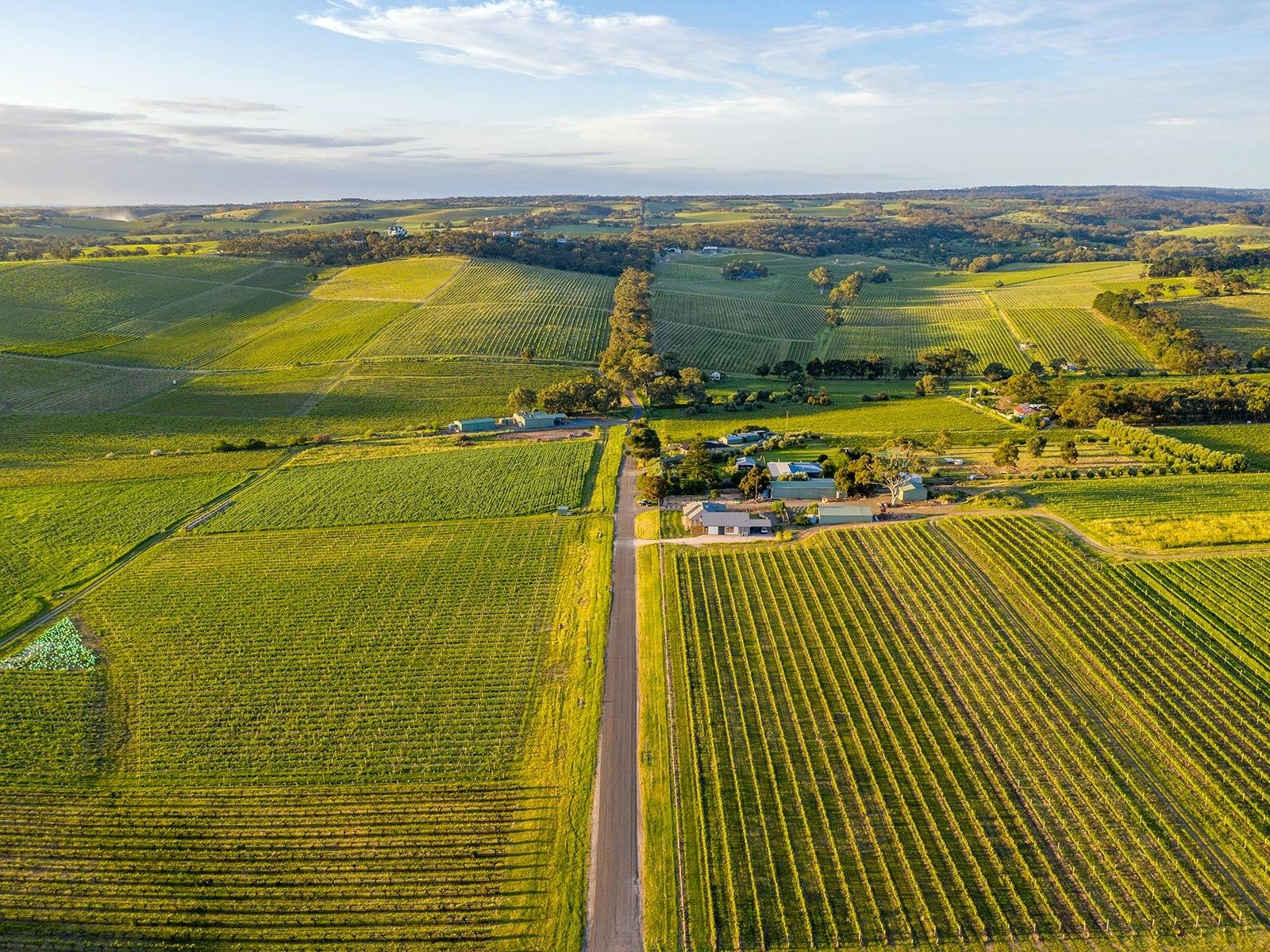
Mollydooker is presented as a refined expression of McLaren Vale’s terroir-forward winemaking. The writing emphasizes soil diversity, long-established vine training and a sourcing discipline that favors expression over intervention—traits that give the producer a deliberate, sophisticated air. Landscape details—red-brown ironstone flats, almond orchards and low canopies—anchor the winery in a classic rural setting, but the prestige recognition and talk of premium blocks also add a polished, upper-tier edge. The overall impression is of a winery rooted in tradition yet oriented toward serious, thoughtful wine production.
Best For
This is a stop for visitors interested in terroir and the craft of premium McLaren Vale wine. The profile highlights block-level sourcing, vine age and soil-driven Shiraz, so the estate works well for wine-education–minded travelers, small groups exploring regional differences and celebratory visits that seek higher-end bottles. It’s not pitched as a casual pit stop; rather, it suits people who want to understand where the fruit comes from and why specific blocks matter—visitors who prize context and quality over volume will get the most from a visit.
Venue details
Ambiance
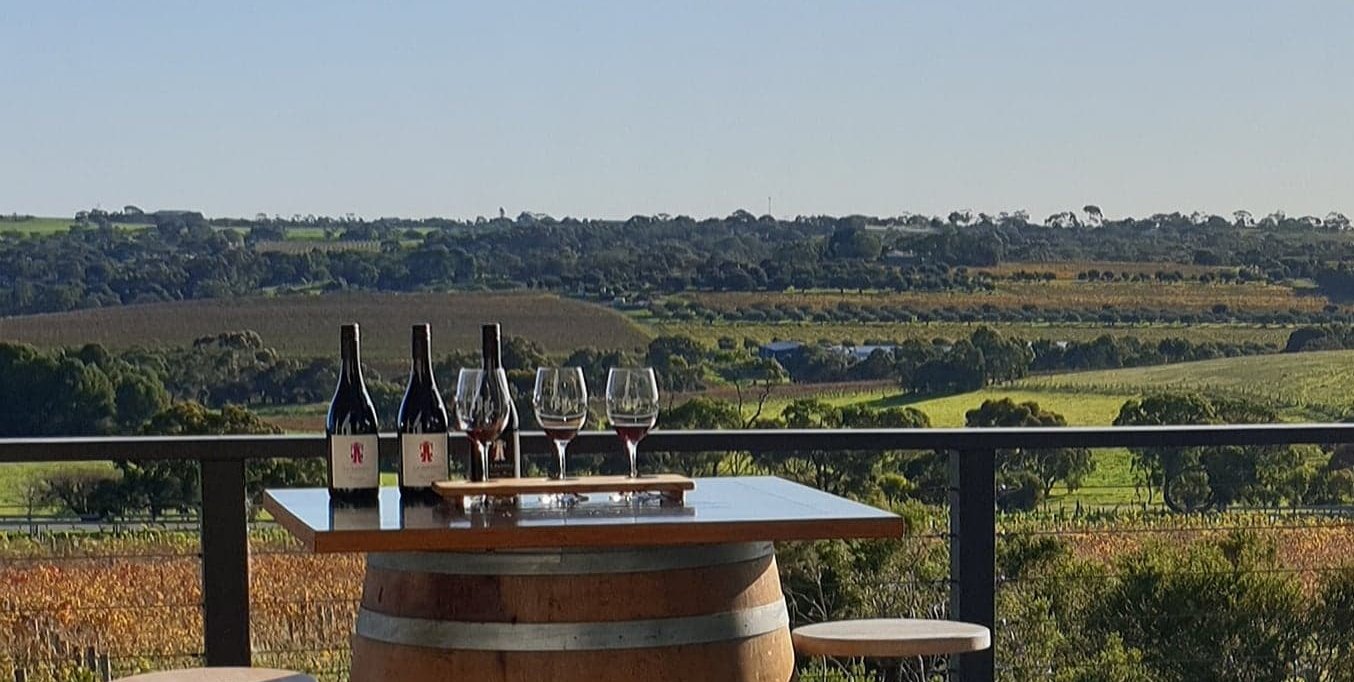
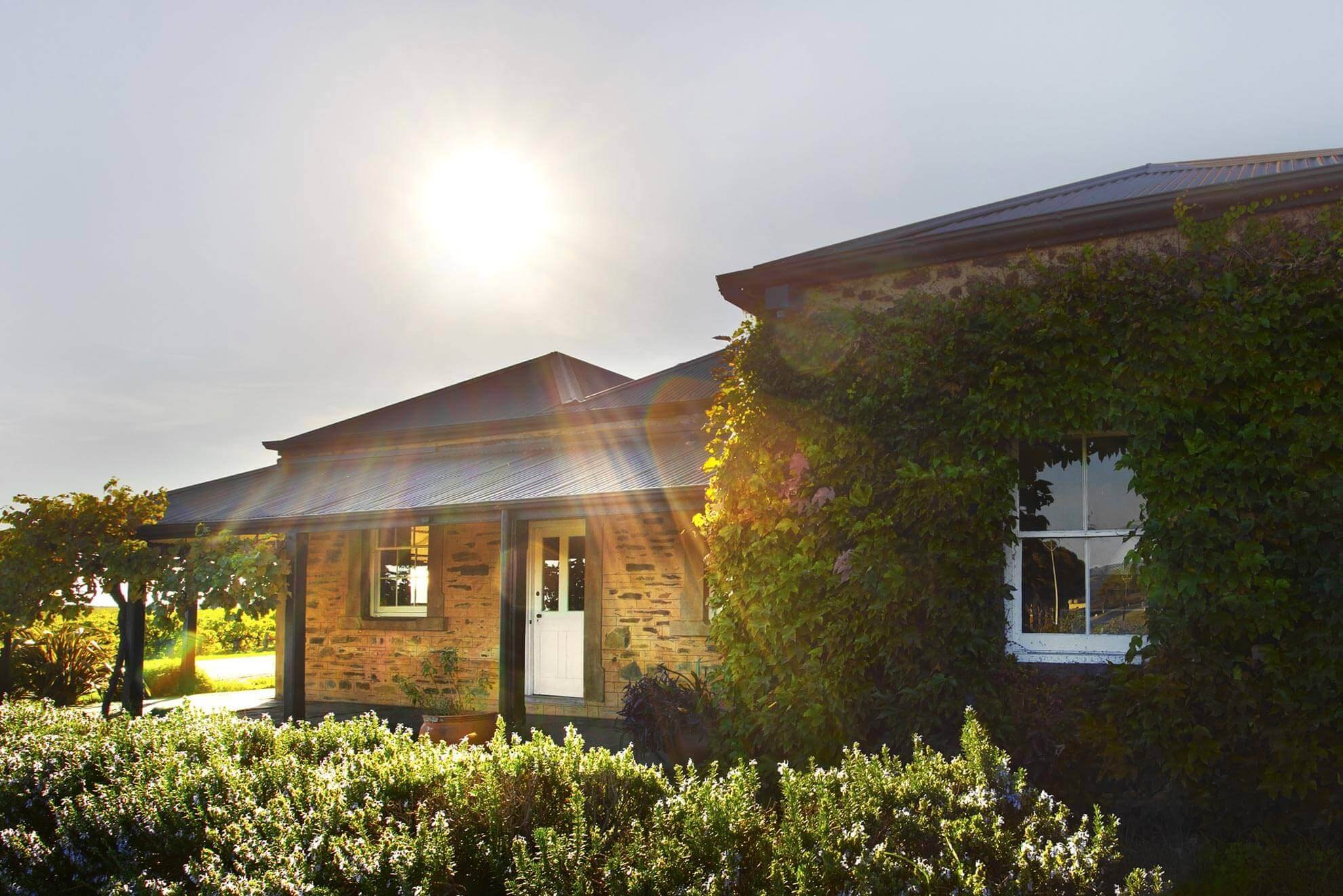
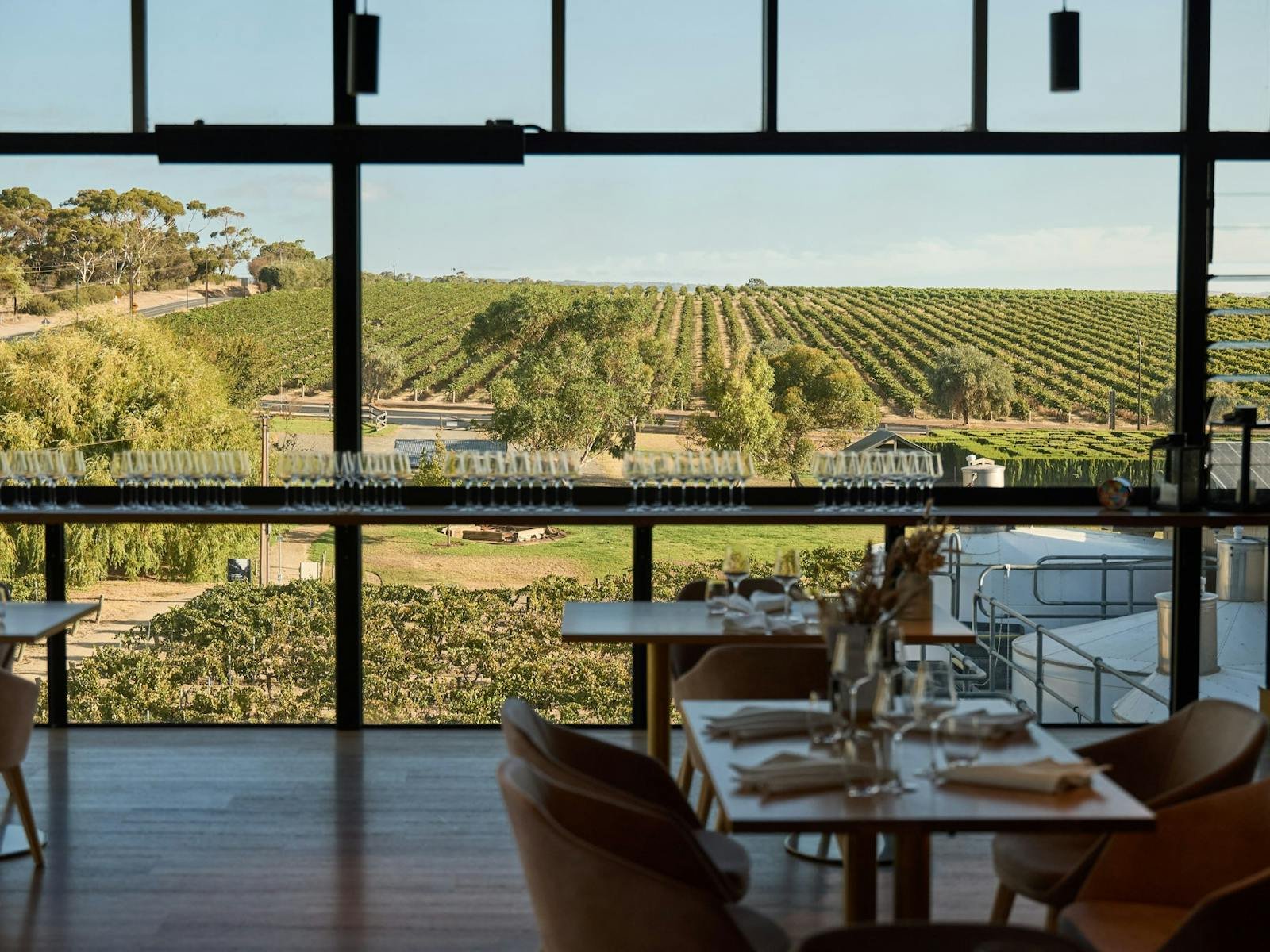
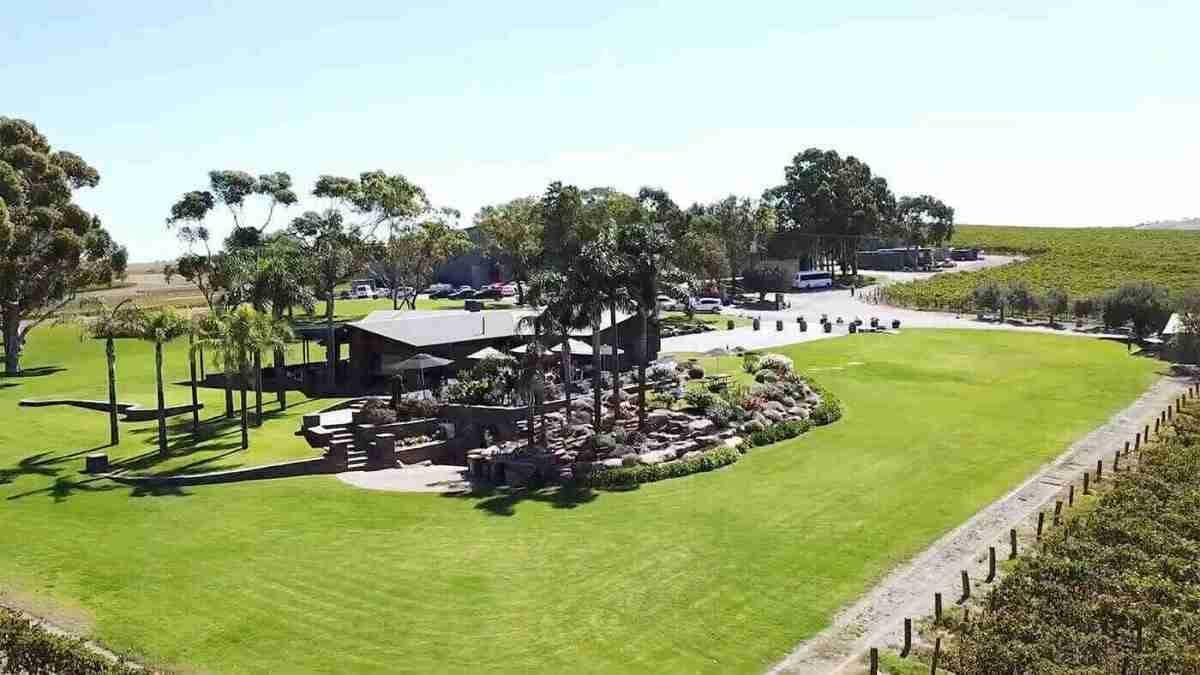
Beautifully designed cellar door with dark green walls, plants, wildflower murals, comfortable seating, and stunning vineyard views creating a fun, welcoming atmosphere.
Tags
Vibe
Best For
Experience
Sourcing
View
Accessibility
At the Vineyard
- Appellation
- McLaren Vale
- Varietals
- Shiraz, Cabernet Sauvignon, Merlot, Verdelho
- Tour Duration
- 75-120 minutes
- Visits
- By reservation
- Farming
- Sustainable
- Wine Styles
- Still Red, Still White, Sparkling
- Food Pairing
- Offered
- Shipping
- Available
- Wine Club
- Available
Know before you go
Know Before You Go
- Getting there
- 23 Coppermine Rd, McLaren Vale SA 5171
Planning details
Location
Recognition and awards

Also consider
If you cannot get in
Try Dandelion Vineyards if the plan needs to stay flexible, or d'Arenberg if the group wants a bigger McLaren Vale cellar-door experience. For a more traditional producer stop, Oliver's Taranga is the cleaner substitute.
Winery context
How Mollydooker compares in McLaren Vale
Mollydooker is the better pick for visitors weighing a deeper producer relationship or wine-club-style value, while d'Arenberg is the safer choice for a broader, more spectacle-led cellar door stop. If the group includes casual drinkers who care as much about the setting as the wines, d'Arenberg is easier to justify; if the goal is to decide whether the wines deserve repeat buying, Mollydooker is the sharper call.
Oliver's Taranga and Kay Brothers are better fits for visitors who want a more heritage-driven McLaren Vale itinerary, while Mollydooker suits drinkers who already know they want a producer-focused tasting. For value, the decision comes down to commitment: Mollydooker makes sense when access and allocation potential matter; Oliver's Taranga and Kay Brothers are easier to slot into a balanced day.
If booking pressure is the issue, cross-shop Dandelion Vineyards or Rosemount Estate. They are the more practical alternatives for visitors who want McLaren Vale context without building the whole day around one difficult booking.
Explore McLaren Vale
Around this place
Discover more on Pearl
Unlock the full Mollydooker guide in Pearl, including awards, comparisons, FAQs, planning details, and nearby places.
Compare Mollydooker
| Venue | Location | Awards |
|---|---|---|
| Mollydooker | McLaren Vale | 2026 Falstaff Winery Guide |
| Oliver's Taranga | McLaren Vale | No published awards |
| Rosemount Estate | McLaren Vale | No published awards |
| d'Arenberg | McLaren Vale | 2026 Falstaff Winery Guide2024 World's 50 Best Vineyards · #322023 World's 50 Best Vineyards · #172021 World's 50 Best Vineyards · #312020 World's 50 Best Vineyards · #342019 World's 50 Best Vineyards · #29 |
| Kay Brothers | McLaren Vale | No published awards |
| Dandelion Vineyards | McLaren Vale | No published awards |

How Mollydooker McLaren Vale compares with similar nearby venues.
FAQ
Frequently Asked Questions
Does Mollydooker serve food?
Food service details are not available. Visitors should confirm food service directly with Mollydooker before planning around a meal. Check directly for the latest details.
When is the best time to visit Mollydooker?
Specific hours and quieter visiting times are not available. If timing matters, confirm directly with Mollydooker before you go. The Pearl 2 Star Prestige (2025) recognition makes it a venue some visitors may want to prioritize in McLaren Vale.
How long should I plan for a visit to Mollydooker?
A specific visit length is not available. Plan only after checking current details directly with Mollydooker, especially if your schedule depends on a fixed appointment, tasting format, or onward booking.
Are memberships or special access options available at Mollydooker?
Details on memberships, special access options, and related terms are not available. If those details matter to you, confirm the current information directly with Mollydooker before making a decision.
Does Mollydooker offer shipping or delivery?
Shipping and delivery details are not available. If you want anything sent to you, ask Mollydooker directly before planning around that assumption.
What should I prioritize at Mollydooker?
Specific items, releases, dishes, or experiences are not detailed. If that matters to your visit, ask Mollydooker directly what currently best represents the venue. For broader comparison, d'Arenberg is another named option to consider, and other McLaren Vale venues can be researched separately.
Can Mollydooker handle large groups?
Large-group capacity is not available. Arrange directly with Mollydooker before planning for anything beyond a simple visit. For comparison research, Oliver's Taranga and d'Arenberg are other named venues to consider, but each venue's current group policies should be confirmed directly.