

2026 Falstaff Winery Guide: The Ultimate Wine Authority — Page 101
Falstaff's 2026 Wineries guide.

Venues on this list
Inserrata Organic Farm
San Miniato, Italy
Book Inserrata Organic Farm if the appeal is a small-group Tuscan winery visit with organic farming, art, and a concise tasting lineup. It is better for curious travelers who want context and visual character than for collectors looking for library bottles or a technical cellar deep dive.
Bottega
Bibano di Godega, Italy
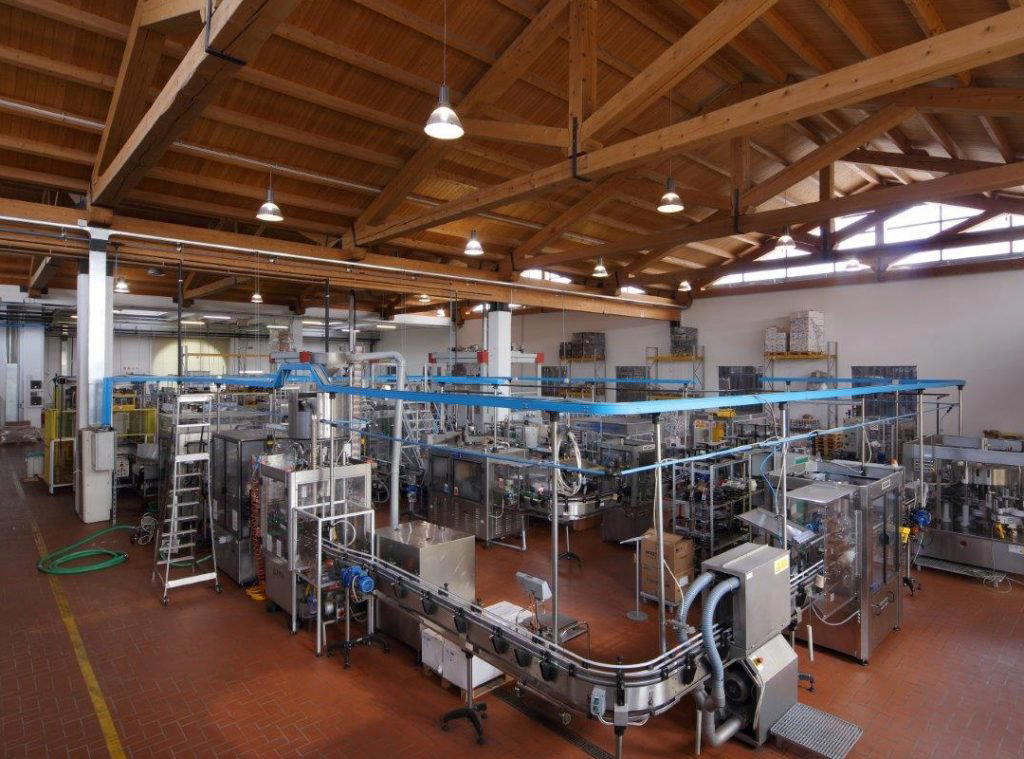
Bottega works for a first Veneto wine stop if the goal is a prestige-led visit and a focused buying decision. Treat it as a planned appointment, not a casual drop-in; food, group capacity, and tasting format should be settled before making it the anchor of the day.
Bodega Paco García
Murillo De Rio Leza, Spain
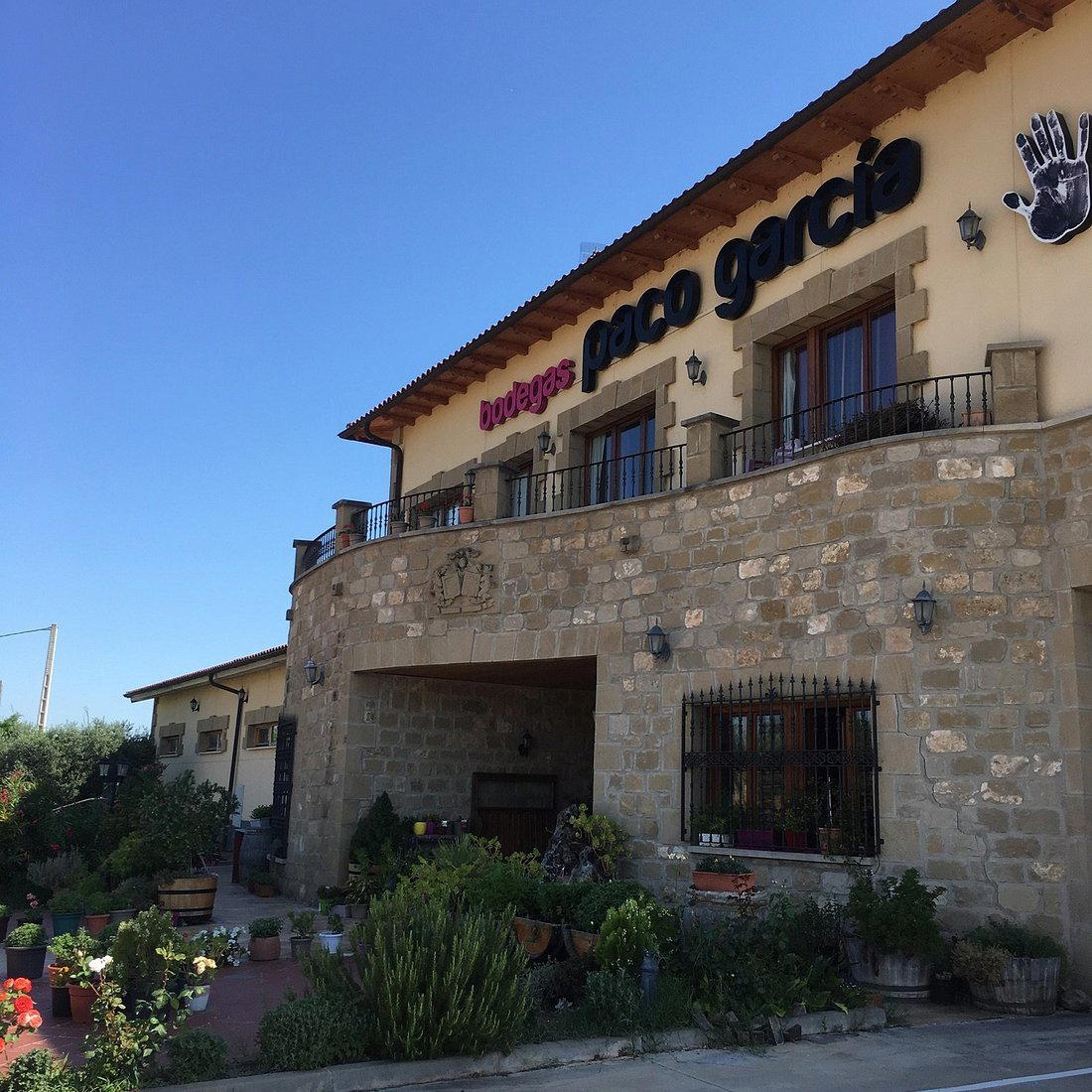
Bodega Paco García is a selective Rioja winery pick for travelers who want a quieter Murillo De Rio Leza stop rather than a heavily programmed estate day. Its Falstaff 2 Stars recognition gives it a credible quality signal, but plan ahead and confirm visit details before building a special-occasion itinerary around it.
Francis Ford Coppola Winery
Geyserville, United States
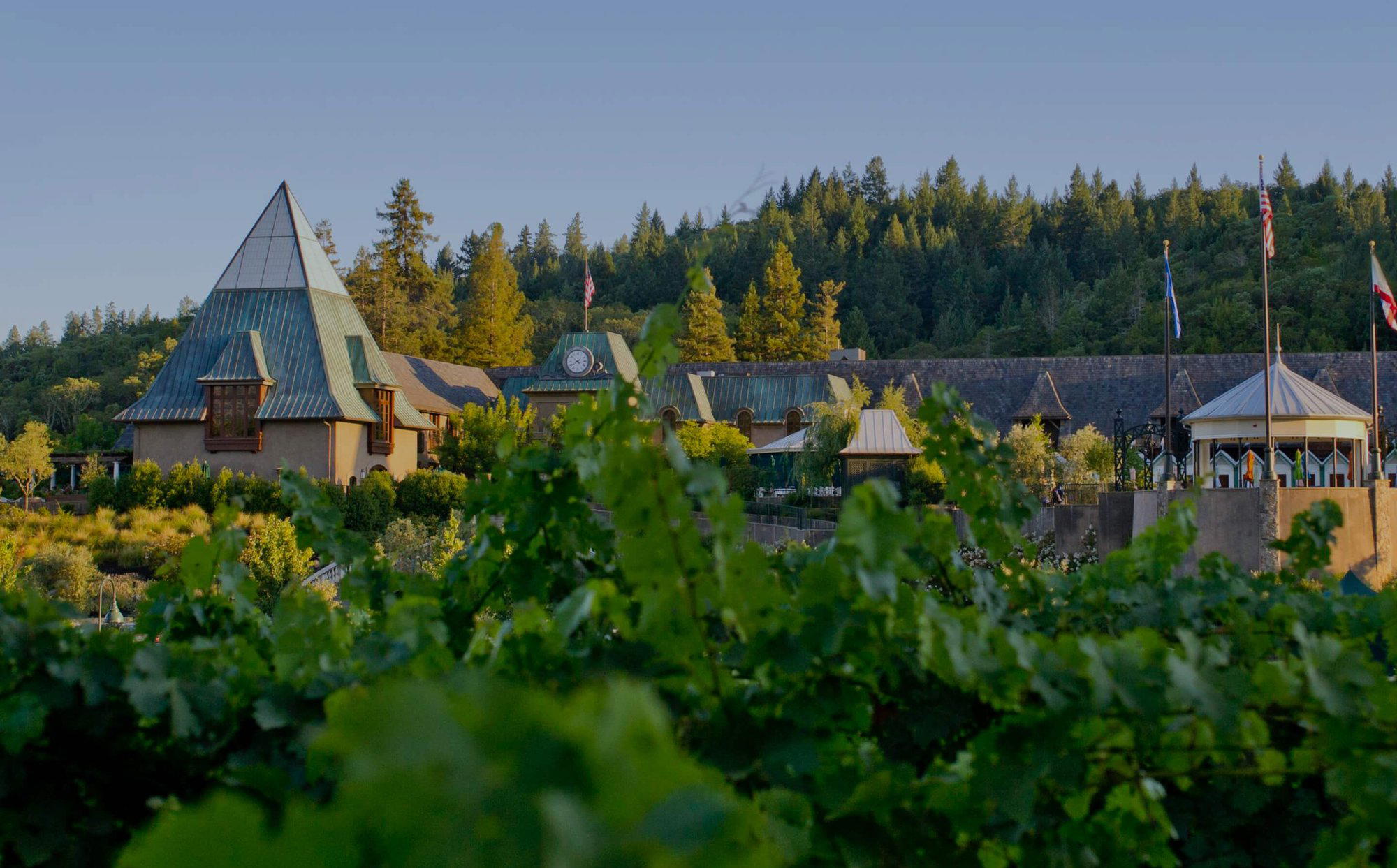
Book Francis Ford Coppola Winery when the goal is a longer Geyserville wine-country stop with food built into the plan. It is a stronger fit for mixed groups and repeat visitors than for anyone trying to keep a tight tasting schedule across Alexander Valley.
Ornellaia
Castagneto Carducci, Italy
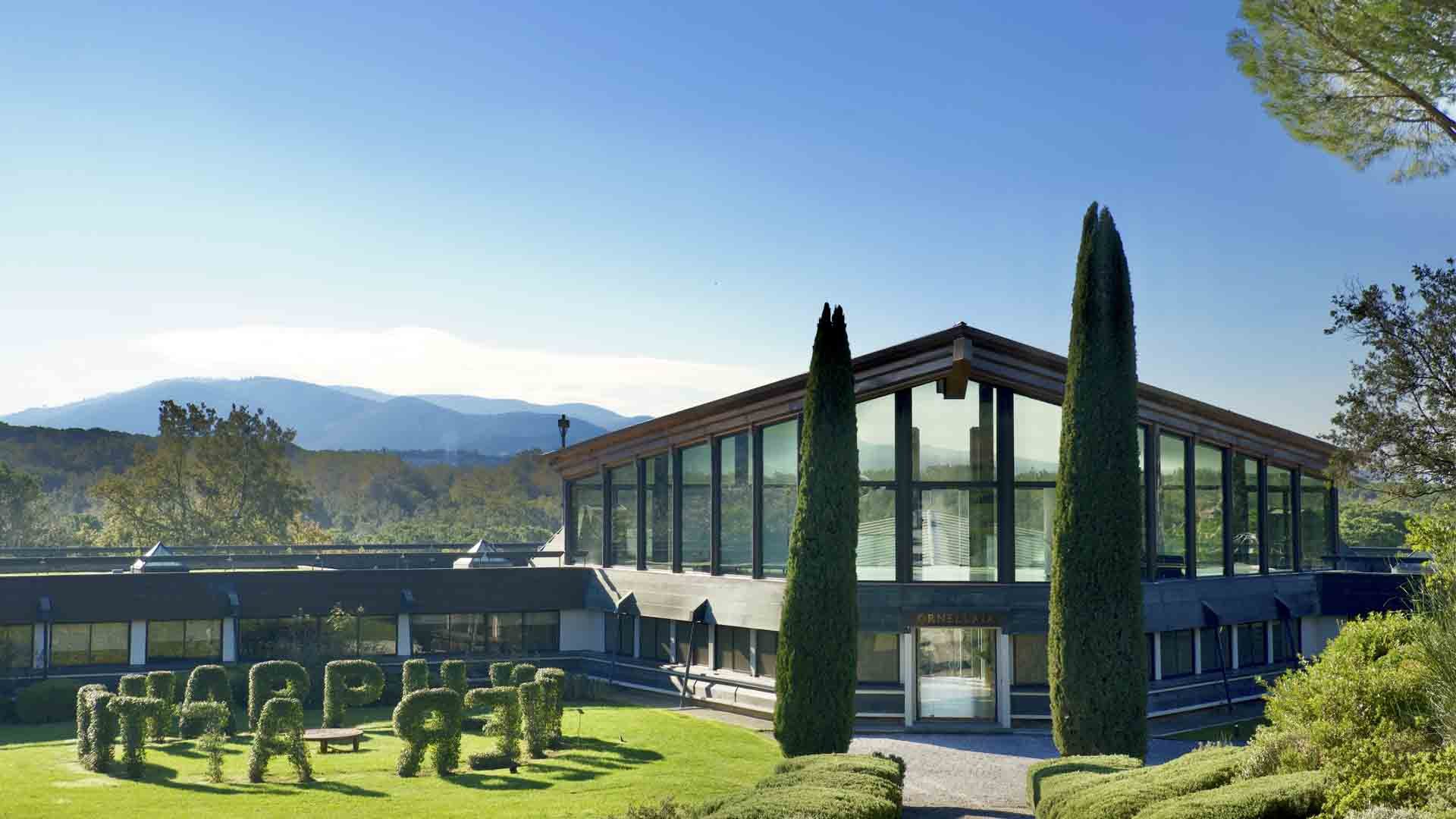
Ornellaia is a wine estate near Bolgheri on Tuscany's Mediterranean coast.
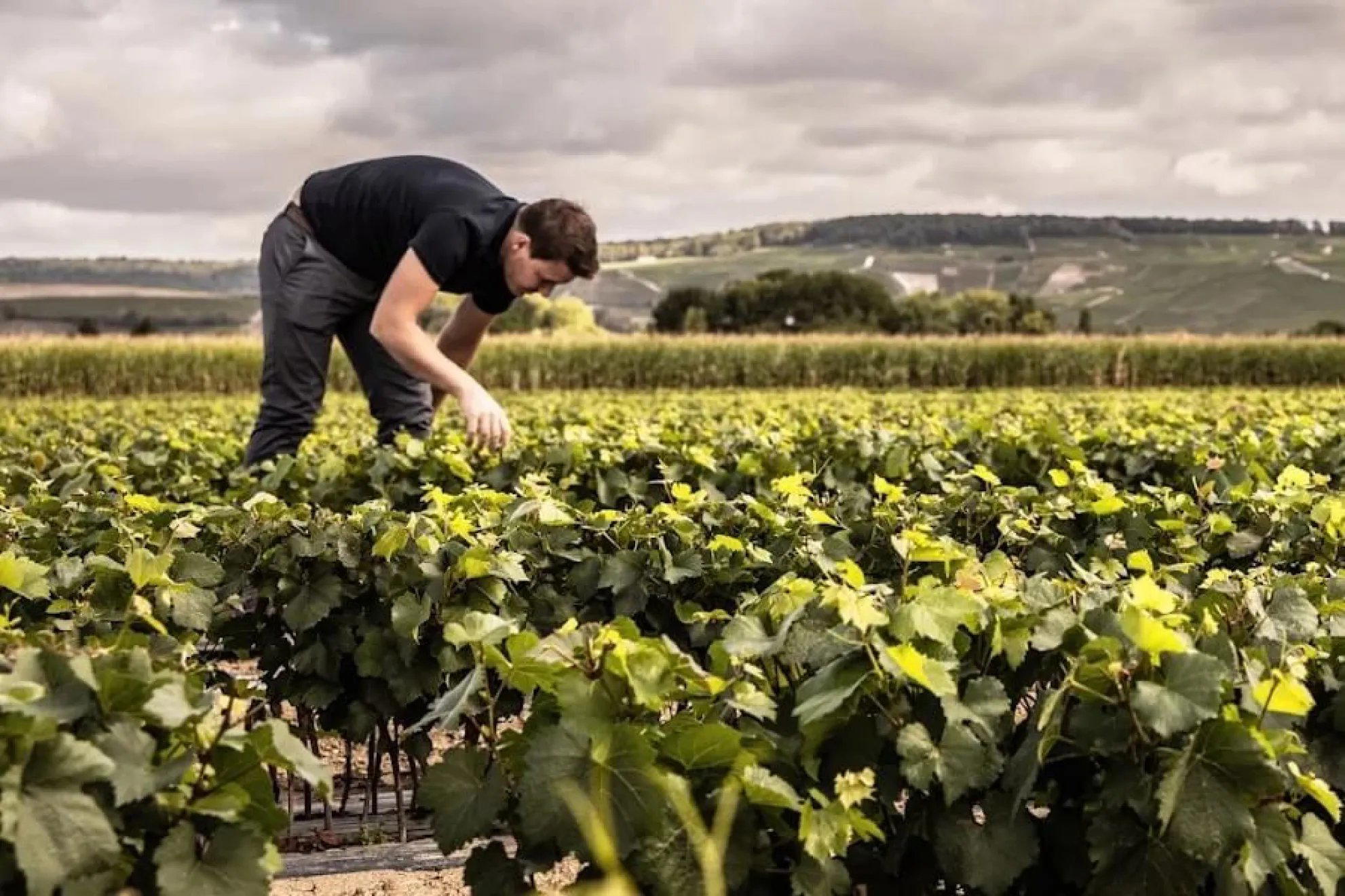
Champagne Augustin
Avenay Val D Or, France
Champagne Augustin is a lean, wine-first Avenay-Val-d’Or stop with a 2026 Falstaff listing, better suited to visitors evaluating Champagne access than travelers looking for a restaurant-like outing. Consider it for a focused tasting plan or cellar-allocation research, and confirm practical details before building a celebration around it.
BioDyn Weinhof Haider
Apetlon, Austria
Book BioDyn Weinhof Haider if biodynamic Austrian wine is the point of the trip, not if you need a fully built-out hospitality experience. Its Falstaff Listed 2026 recognition gives it a useful trust signal, but plan the visit as one focused stop around Apetlon rather than the entire occasion.
Cetena Rossa
Casole d'Elsa, Italy
Cetena Rossa works for a high-end Casole d’Elsa wine visit if Sangiovese, organic vineyards, and a quiet farmhouse estate setting are the priorities. The strongest case is the Toscana Rosso IGT, supported by Falstaff recognition, while the wider value comes from the 67-hectare Tuscan property and private-feeling atmosphere.
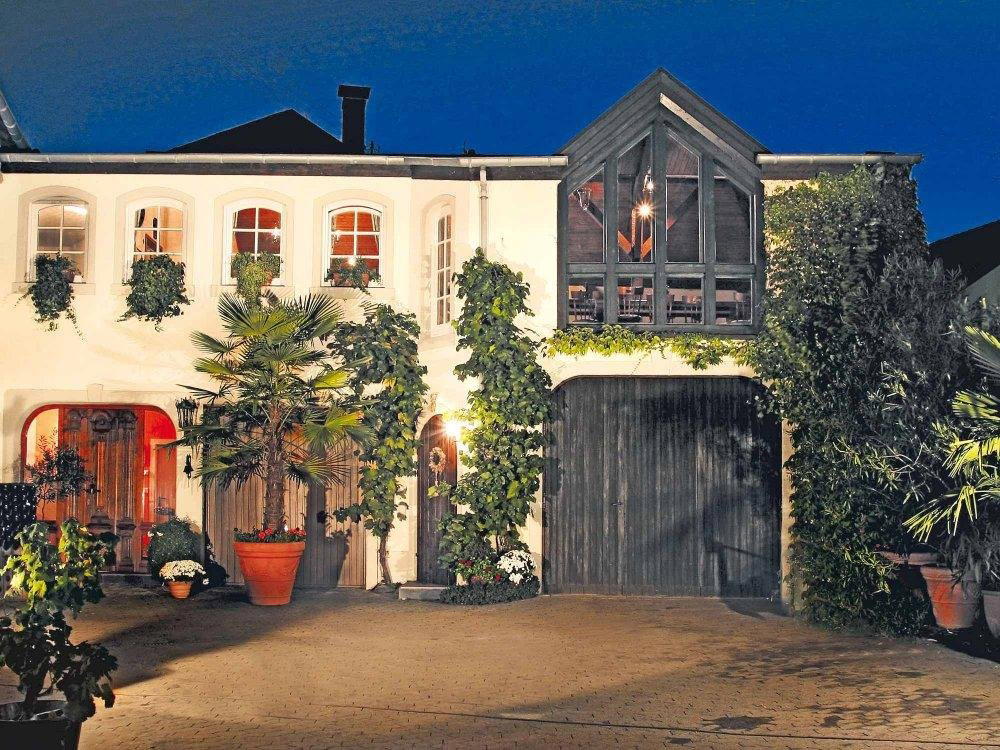
Classisches Weingut Hoffranzen
Mehring, Germany
Classisches Weingut Hoffranzen works if the goal is a quiet, family-run Mosel stay with wine heritage attached. The strongest case is the setting: a Mehring guesthouse linked to a family property dating to 1601, with Falstaff recognition in 2026. Skip it if the priority is a published tasting menu, clear cellar-tour structure, or group-friendly wine programming.
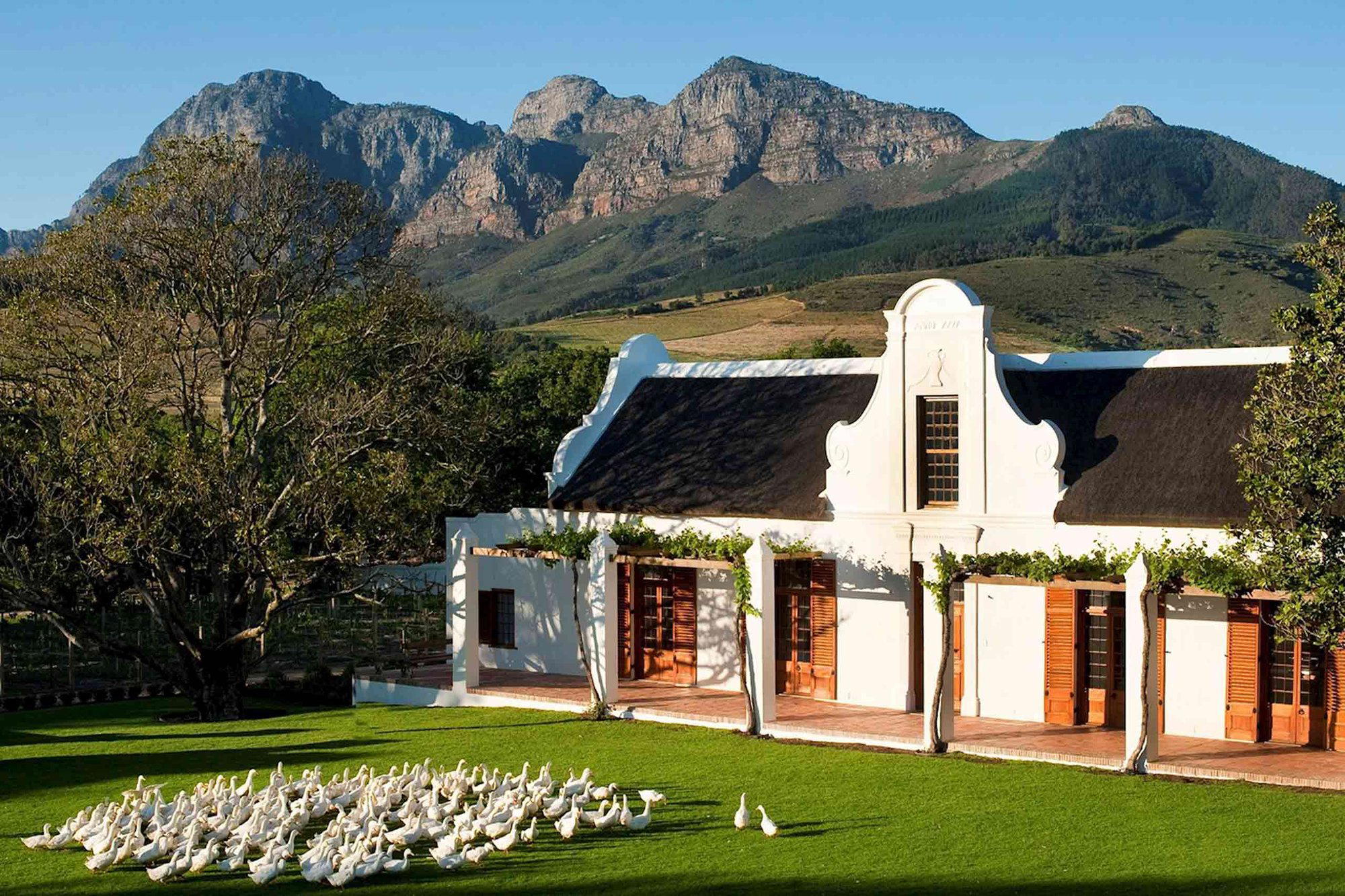
Babylonstoren
Franschhoek, South Africa
Prioritise Babylonstoren if the Franschhoek plan is built around a full estate experience rather than a fast tasting. Its 2025 Pearl 3 Star Prestige and Decanter-derived winery recognition strengthen the wine case, but the real value is for first-timers who want gardens, cellar-door polish, and enough time to make the visit the anchor of the day.

Château des Places
Arbanats, France
Book Château des Places if you want a relaxed Graves estate visit with real vineyard and cellar context, not a glossy Bordeaux showcase. The strongest value is the choice between a standard Graves tasting and a barrel-focused winery tour, backed by family ownership, HVE 3 certification, and Falstaff listing in 2026.
Davy's Wine Merchants
London, United Kingdom
Prioritise Davy's Wine Merchants if the goal is a serious London wine stop built around selection, Port, fine wine and guided context rather than a casual bar crawl. The higher-spend positioning is easier to justify for tastings, collector buying or gift-led browsing than for a quick glass.
Clos i Terrasses
Gratallops, Spain
Book Clos i Terrasses only if Priorat wine is a central reason for the trip, not a casual add-on. Falstaff 5 Stars in 2026 gives it a clear credibility signal, and the Gratallops setting makes advance planning essential for a focused visit.
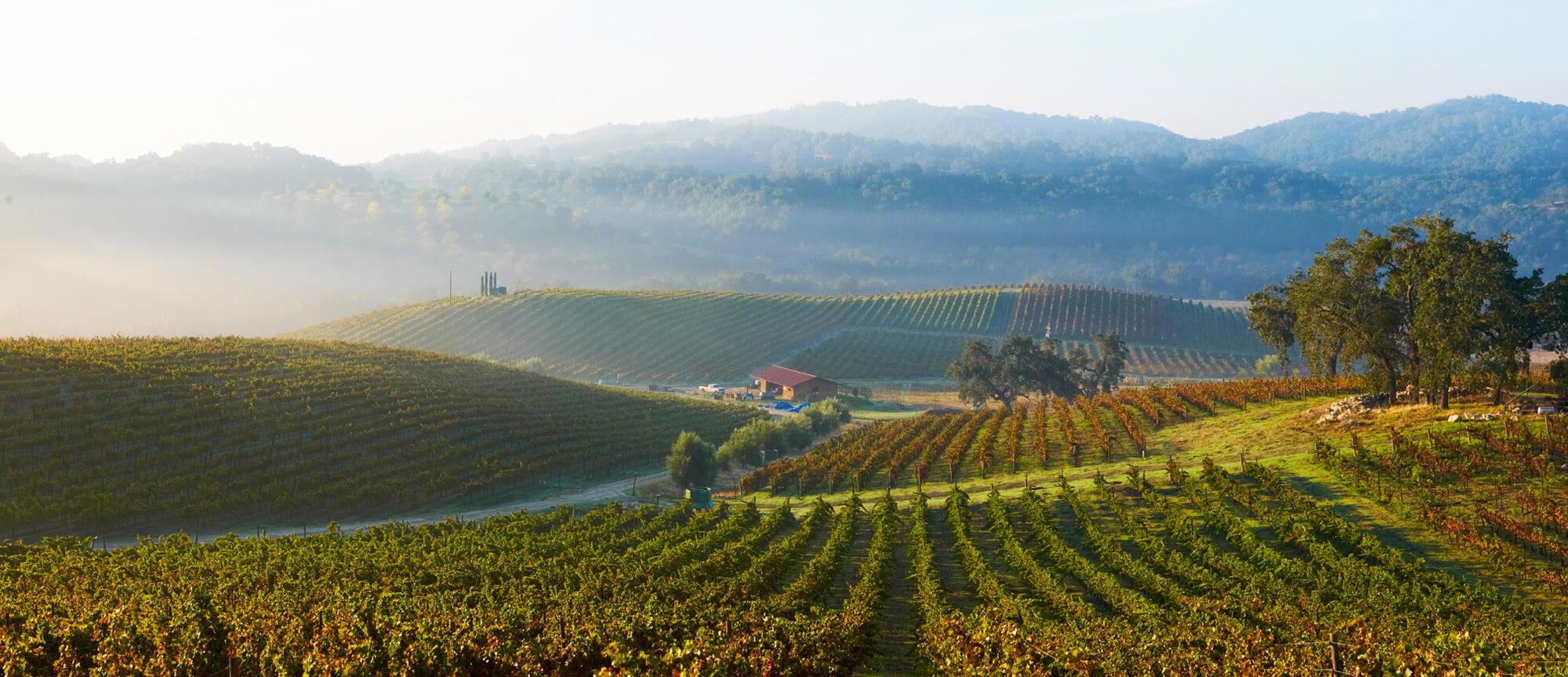
Tablas Creek Vineyard
Paso Robles, United States
Visit in spring or fall if the goal is a focused Paso Robles wine day rather than a packed tasting crawl. Tablas Creek Vineyard is worth prioritizing for Rhône-style wine drinkers considering an allocation relationship, especially with Neil Collins as winemaker and a first vintage dating to 1997.
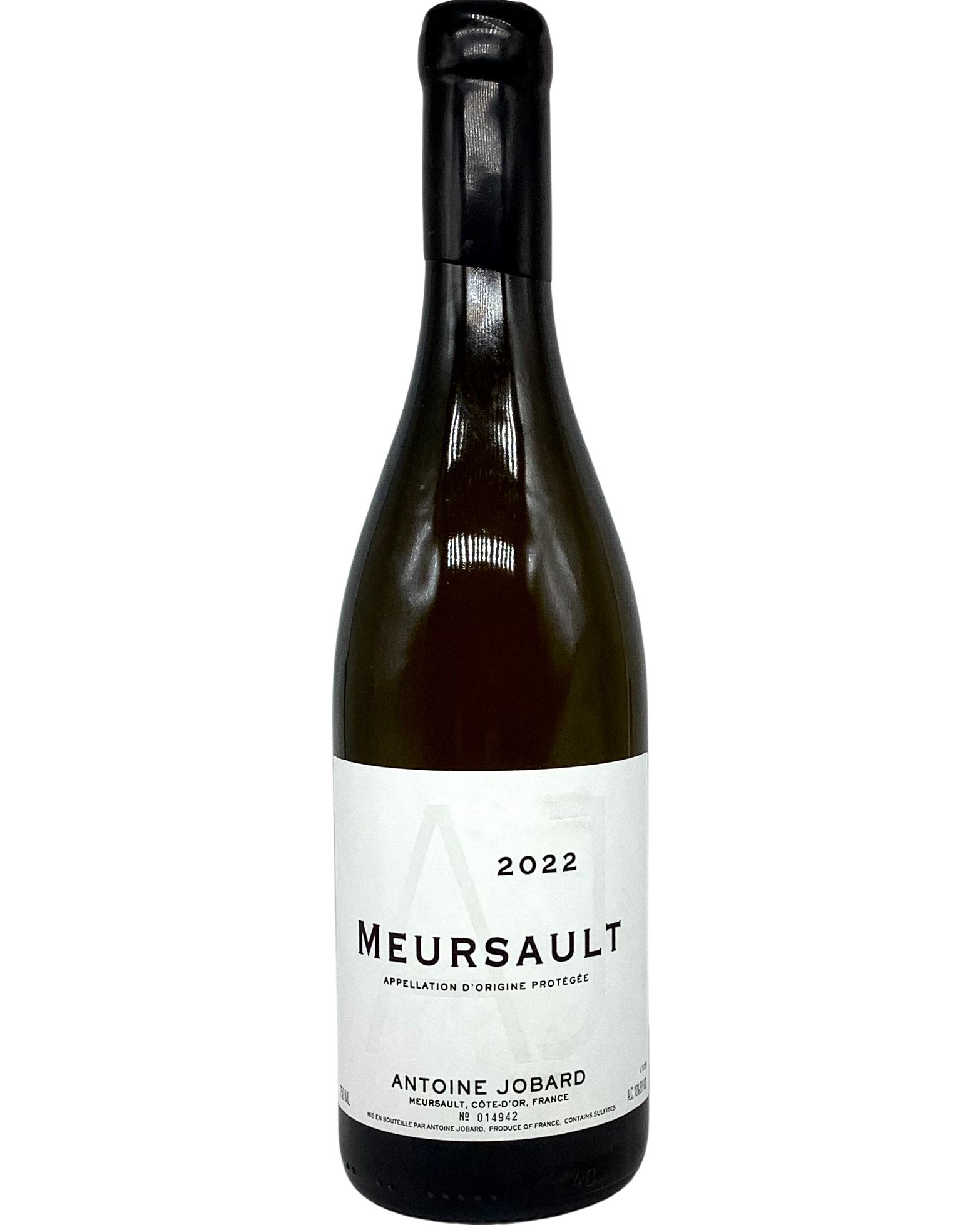
Domaine Antoine Jobard
Meursault, France
Domaine Antoine Jobard is worth targeting for a serious Meursault-focused trip, especially for couples, collectors, or special-occasion travelers who care more about producer credibility than visitor amenities. It is less suitable for larger groups or anyone needing flexible, clearly published logistics, so build the day with nearby backup options.
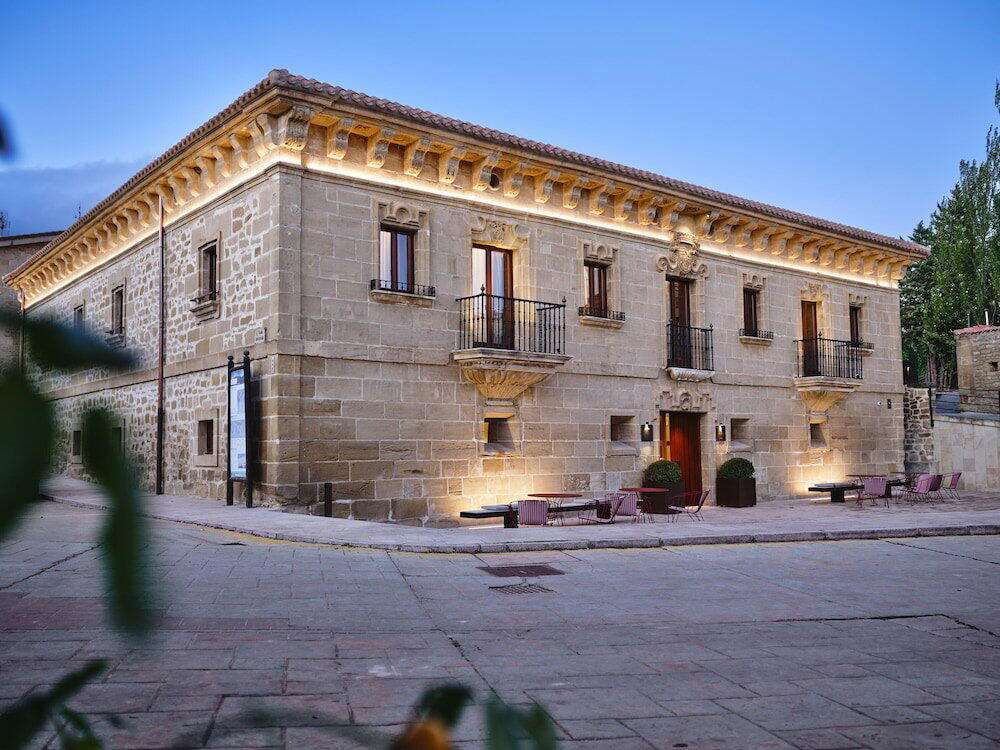
Bodegas Amaren
Samaniego, Spain
Prioritise Bodegas Amaren for a planned Rioja Alavesa wine stop in Samaniego, especially for a celebration or small-group itinerary where recognised wine quality matters. Falstaff 2 Stars (2026) gives it a clear trust signal, but confirm visit format, food, timing, and group logistics before building the day around it.
Clos Mon Vieux Moulin - Duhr-Frères
Wormeldange, Luxembourg
A strong choice for a quiet Moselle tasting when the goal is serious Luxembourg wine rather than a busy visitor-center experience. The draw is the range: Crémant de Luxembourg, Riesling, Pinot Gris, late-vintage wines and vin de paille, backed by a family estate dating to 1689 and Falstaff listing in 2026.
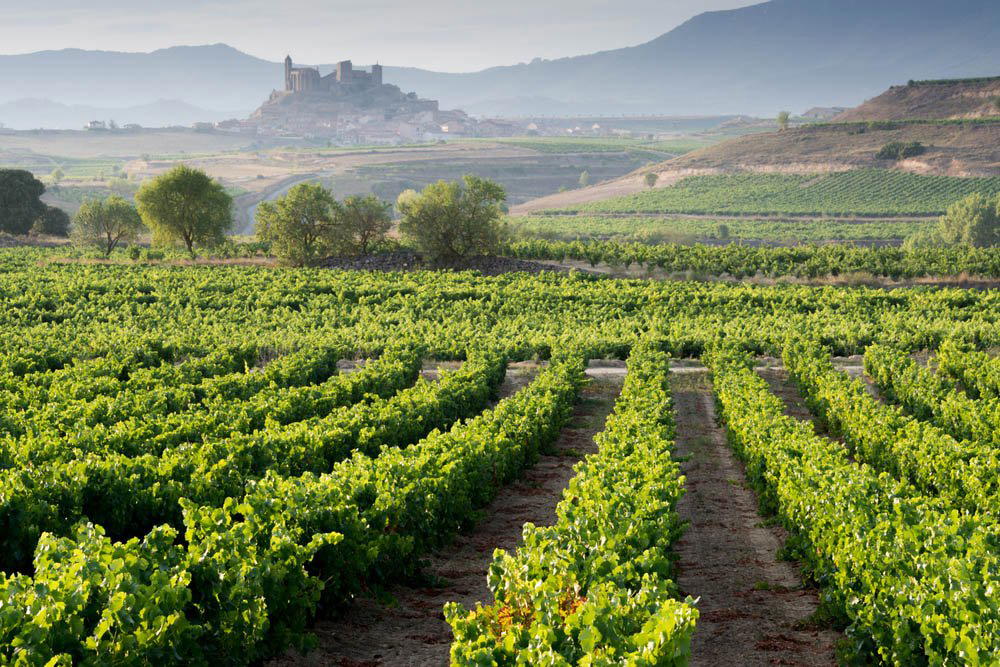
Bodegas Riovinsa
La Rioja, Spain
Book Bodegas Riovinsa if the goal is a classic, value-led Rioja winery stop rather than a polished visitor-center experience. The $$ positioning and Falstaff 1 Star recognition in 2026 make it worth considering, but wine-club decisions should wait until the house style and any terms are clear.
Copa Wines
Coquimbo, Chile
Copa Wines is a smart pick for drinkers looking beyond mainstream Chilean Cabernet into Itata Valley Torontel, País and Cinsault. The value is in the bottle craft, especially the raulí wood, concrete, old oak and stainless-steel approach behind the Cinsault, rather than in a polished visitor setup. Falstaff Listed in 2026, it suits curious wine travelers more than hospitality-first planners.
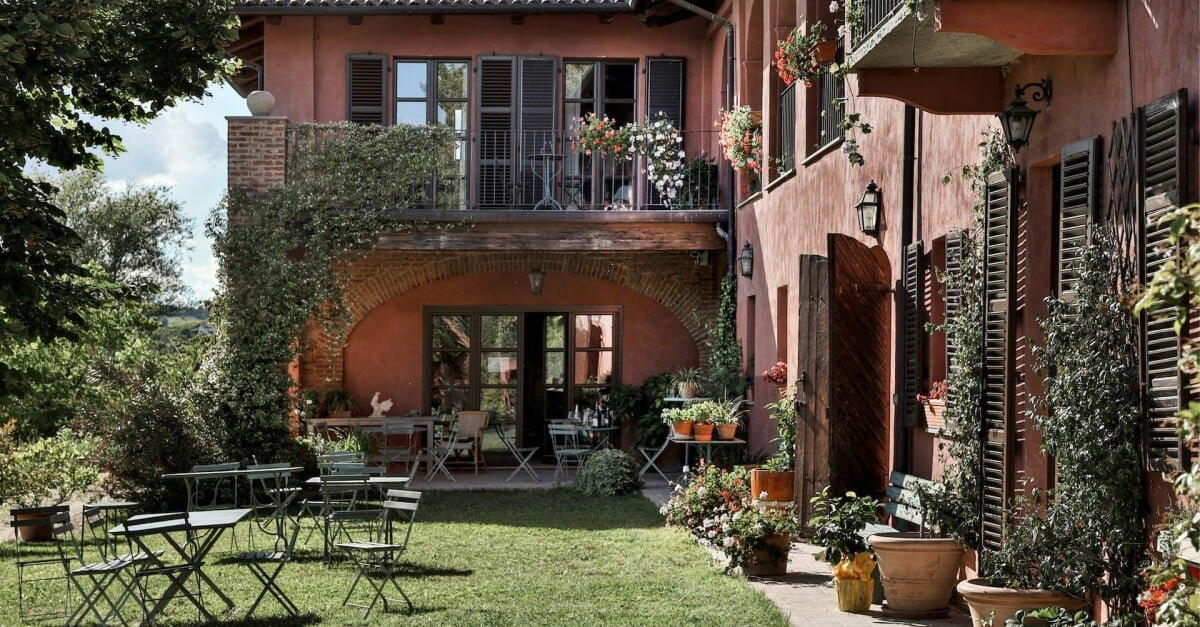
Cascina Gilli
Castelnuovo Don Bosco, Italy
Cascina Gilli works for a planned Piedmont winery stop near Castelnuovo Don Bosco, especially if Falstaff 3-star recognition helps justify the choice for a celebration or hosted tasting. Confirm the visit format in advance, since public details on food, hours, and group handling are not part of the core decision signal.
Grandes Vinos y Vinedos
Cariñena, Spain
Book Grandes Vinos y Vinedos if you want a production-led Cariñena winery visit with strong value signals, multiple label families, and a modern industrial setting. It is better for understanding a large regional wine operation than for a long food-led or luxury tasting experience.
Eigenbau Wein
Winterthur, Switzerland
Eigenbau Wein is worth keeping on a Winterthur wine shortlist because of its Falstaff Listed 2026 recognition, but it is not the safest anchor for a special-occasion tasting. Treat it as a flexible wine stop unless tasting format, food pairing, timing, and group capacity are confirmed before the day is planned.
Château Tour Bayard
Montagne, France
Château Tour Bayard works as an easy Montagne winery stop if the appeal is a calmer Libournais setting rather than a heavily structured visitor experience. Falstaff lists the winery in 2026, which gives it a useful credibility signal, but first-timers should keep plans flexible and compare nearby Montagne estates before building a day around it.
Château Rieussec
Fargues, France
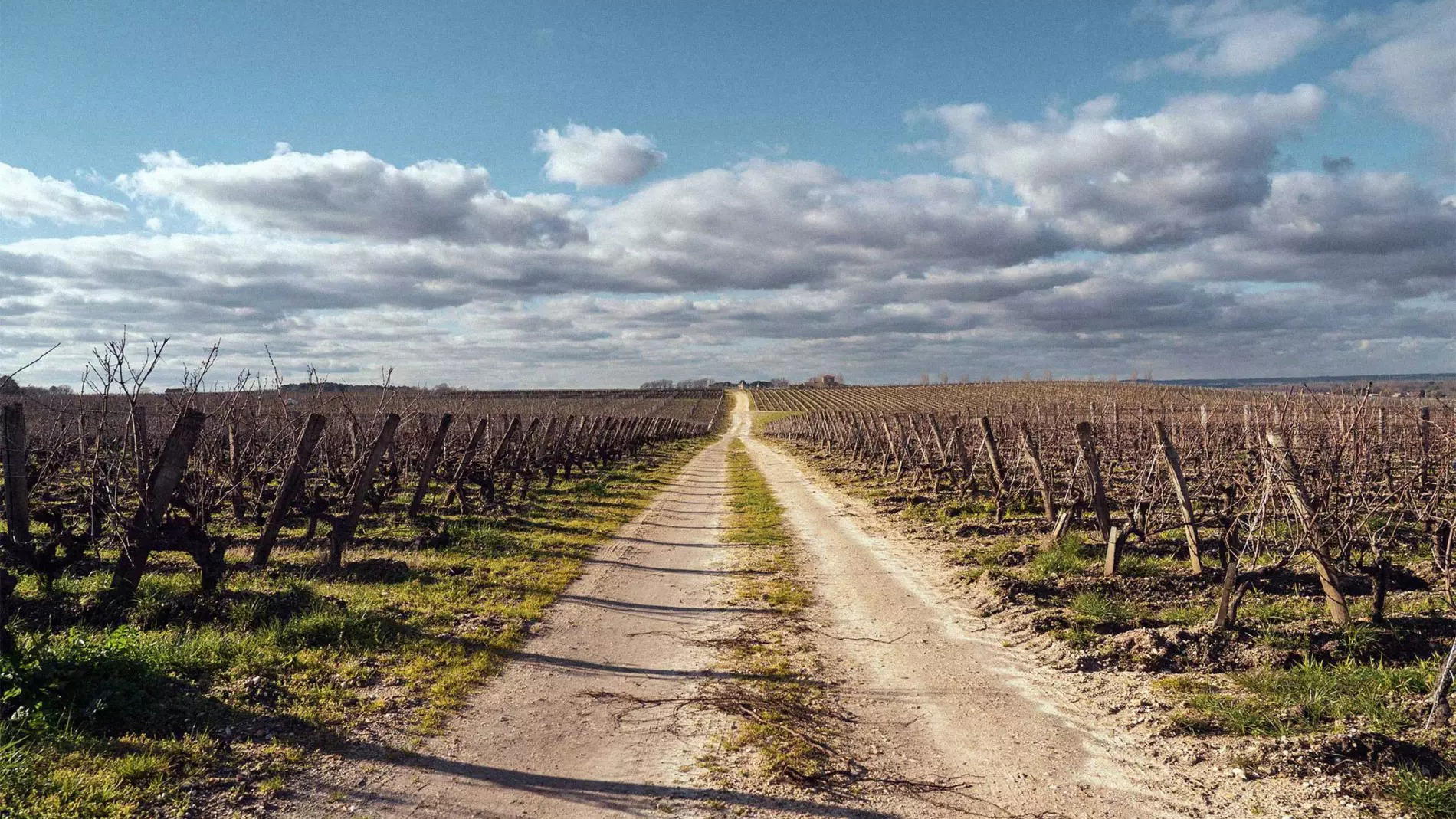
Château Rieussec is worth prioritizing for a serious Sauternes-focused itinerary, especially if the goal is to understand production choices rather than add a casual tasting stop. Access should be treated as difficult, so plan with confirmed timing and have nearby Fargues alternatives ready.
Bird in Hand
Adelaide Hills, Australia
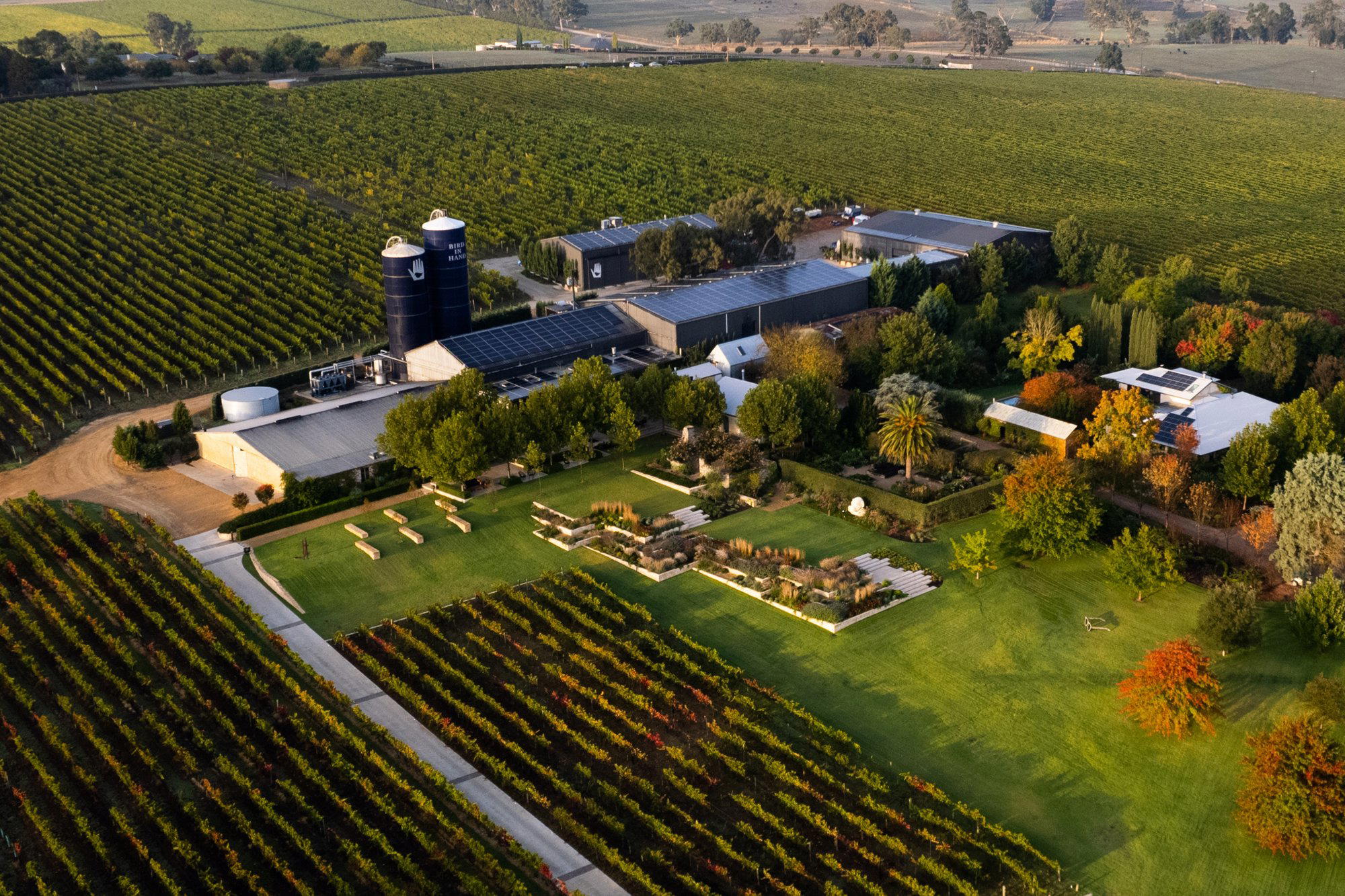
Bird in Hand is worth planning around if the Adelaide Hills trip needs one polished Woodside estate stop rather than a fast cellar-door crawl. It suits couples and wine-focused small groups who want depth; cross-shop Murdoch Hill, Gentle Folk, or Nepenthe if the priority is variety across the region.
Groebe
Westhofen, Germany
Groebe is worth shortlisting for a Westhofen wine-focused itinerary, mainly because its 2026 Falstaff listing gives it a credible quality signal. Book only if the visit format, tasting availability, and any wine-club terms are clear in advance; this is better for experienced wine travellers than groups needing a fully mapped hospitality setup.
Château Pauqué
Grevenmacher, Luxembourg
Book Château Pauqué if the goal is a serious, quiet Moselle tasting rather than a drop-in winery stop. The draw is small-estate depth: Auxerrois, Riesling, biodynamic farming, and a family-run cellar feel. It is strongest for wine-focused travelers who value context and are willing to plan ahead.
Finca Son Fortesa
Palma de Mallorca, Spain
Worth pursuing only for a private, scenery-led Mallorca estate visit, not for a standard winery tasting. Finca Son Fortesa’s draw is its historic rural setting, gardens, water features, and Salt de Son Fortesa waterfall, with Falstaff 3 Stars in 2026 adding a quality signal. Plan around permission-based access and keep expectations focused on place rather than a published wine program.
Matias Riccitelli
Distrito Las Compuertas, Argentina
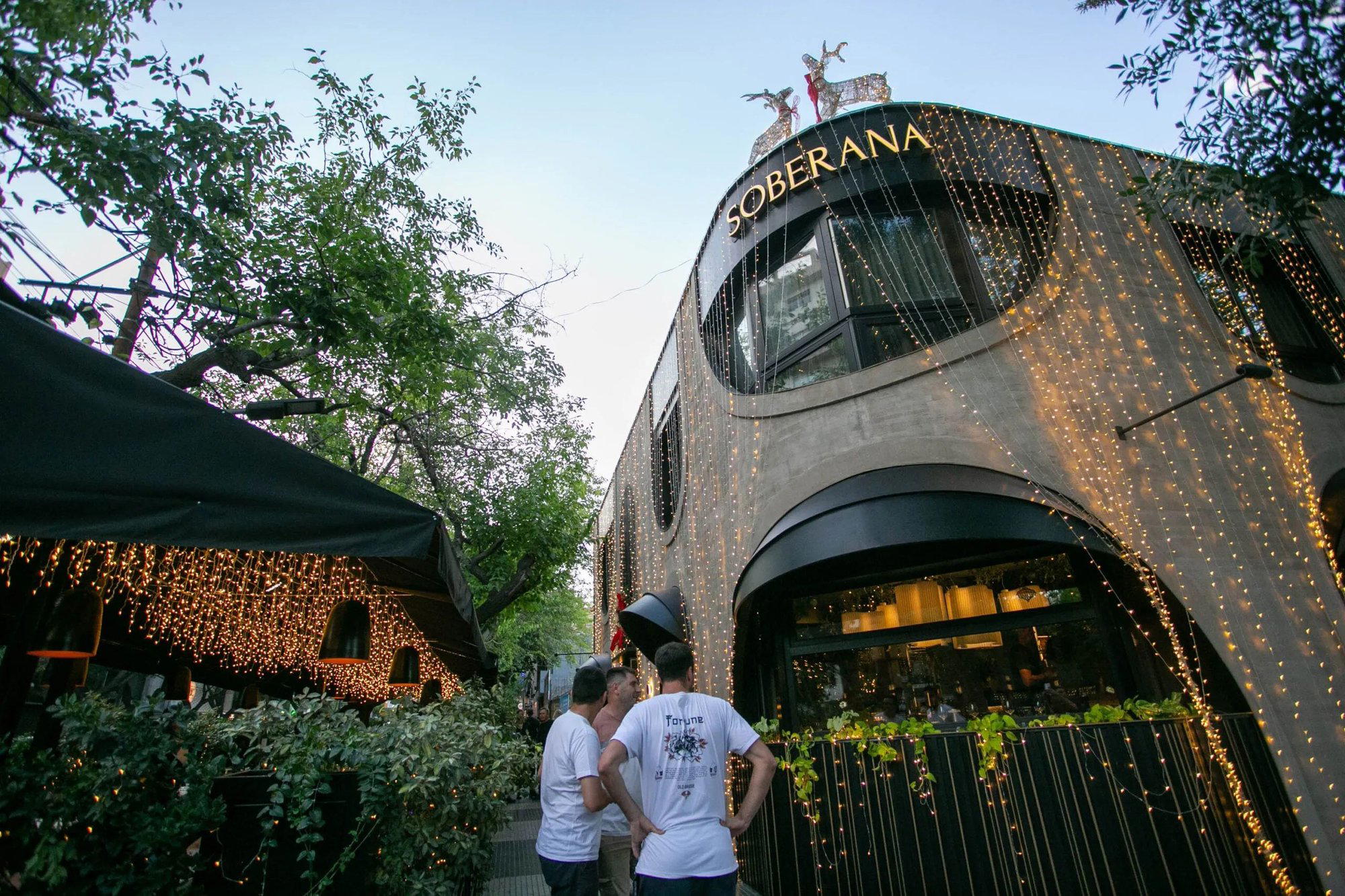
Matias Riccitelli is worth prioritizing for a Mendoza wine itinerary if setting and critical recognition matter more than easy access. The Las Compuertas location gives the visit more context than a simple tasting-room stop, but demand means it should be planned early rather than treated as a backup.
Château Laroze
Saint-Émilion, France
Château Laroze is worth planning for a serious, quiet Saint-Émilion visit focused on vineyard practice, cellar work, and Grand Cru Classé context. It suits collectors, couples, and business guests who care about Bordeaux production detail; skip it if the priority is casual drop-in tasting or a food-led winery experience.
Château Laffitte Carcasset
Saint-Estèphe, France
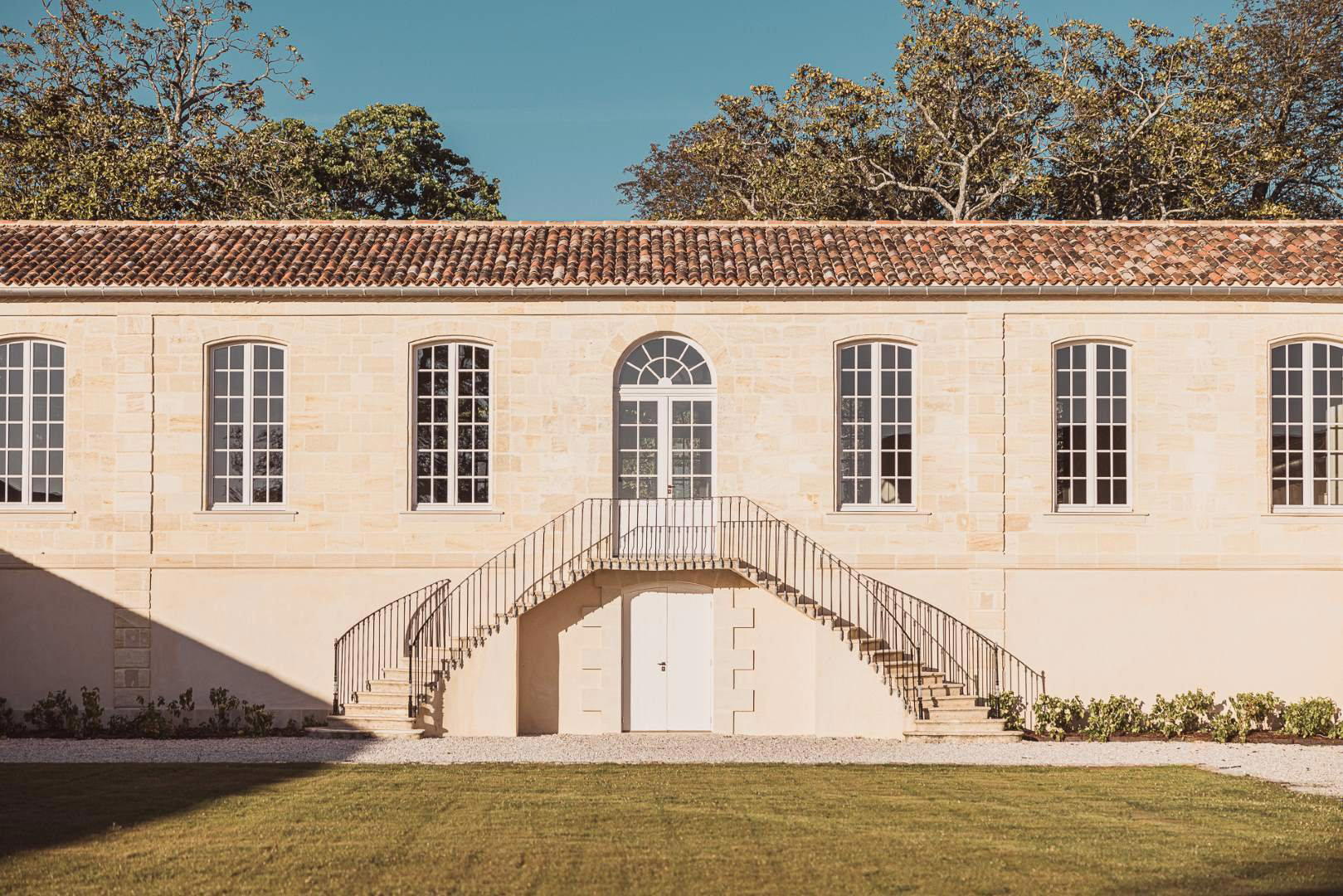
Château Laffitte Carcasset is a good Saint-Estèphe pick for travelers who want a focused Bordeaux red-wine tasting with real classification credibility. The 2025 Cru Bourgeois Exceptionnel status, historic chartreuse setting, and documented critic support make it especially appealing for Cabernet-led Left Bank drinkers and organized groups.
Verite
Healdsburg, United States
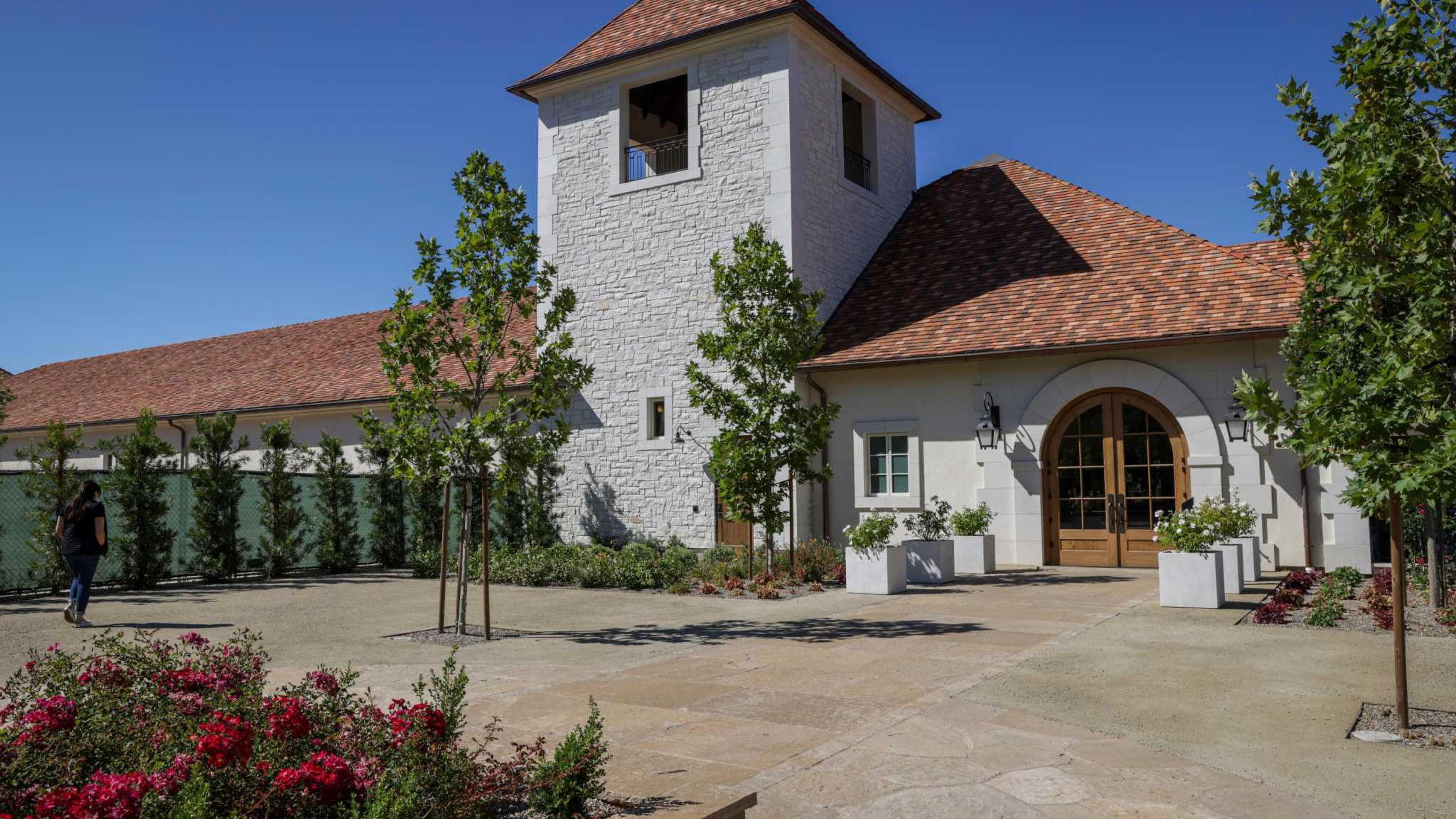
Verite is the Healdsburg choice for a serious wine occasion when the estate setting and collector appeal matter more than casual drop-in flexibility. Prioritize it for a celebration, business outing, or focused Sonoma wine day; choose a more casual Healdsburg stop if the group wants looser timing or an easier multi-winery route.
Château Doisy Dubroca
Barsac, France
Château Doisy Dubroca is a practical Barsac stop for travelers who care about appellation context and estate setting more than a heavily specified visitor program. Book it as part of a broader winery day, not as the sole anchor, and give yourself enough daylight to make the surrounding Barsac landscape part of the value.
Château Saint-Vincent
Gilly, Switzerland
A sensible Gilly wine stop for travelers using Vaud as a regional tasting base, especially if the goal is context rather than a polished destination visit. Plan ahead, keep the visit focused, and pair it with nearby wineries or Pearl’s Gilly guides for a fuller day.
Adrians Weingut
Oberflachs, Switzerland
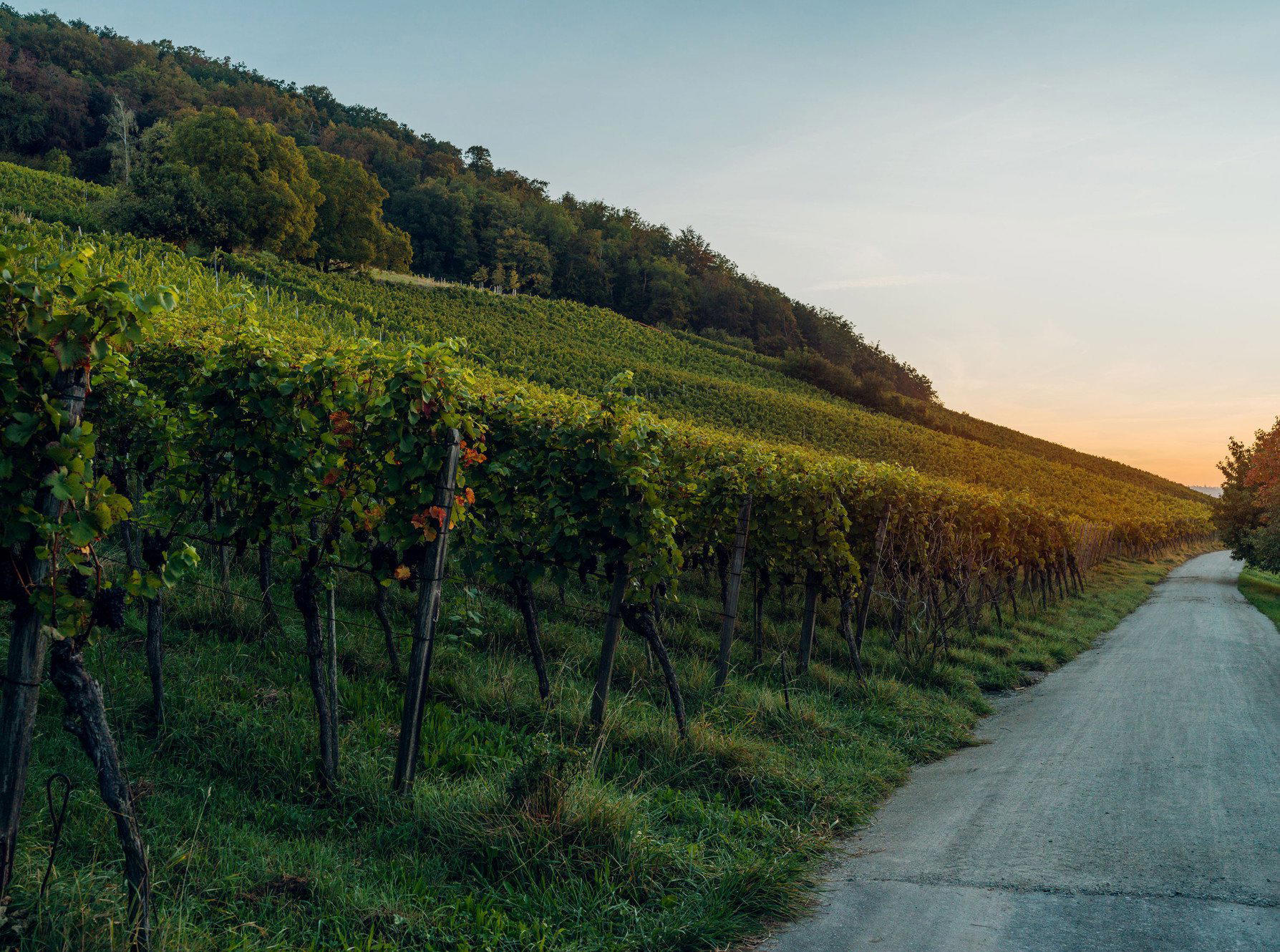
Adrians Weingut works if the goal is a wine-focused Aargau stop with 2026 Falstaff 3 Stars behind it. Do not plan it as a food-pairing or restaurant-style visit unless separate current details confirm that format; make the wine tasting the reason to go and arrange meals elsewhere in Oberflachs.
Cantina di Custoza
Sommacampagna, Italy
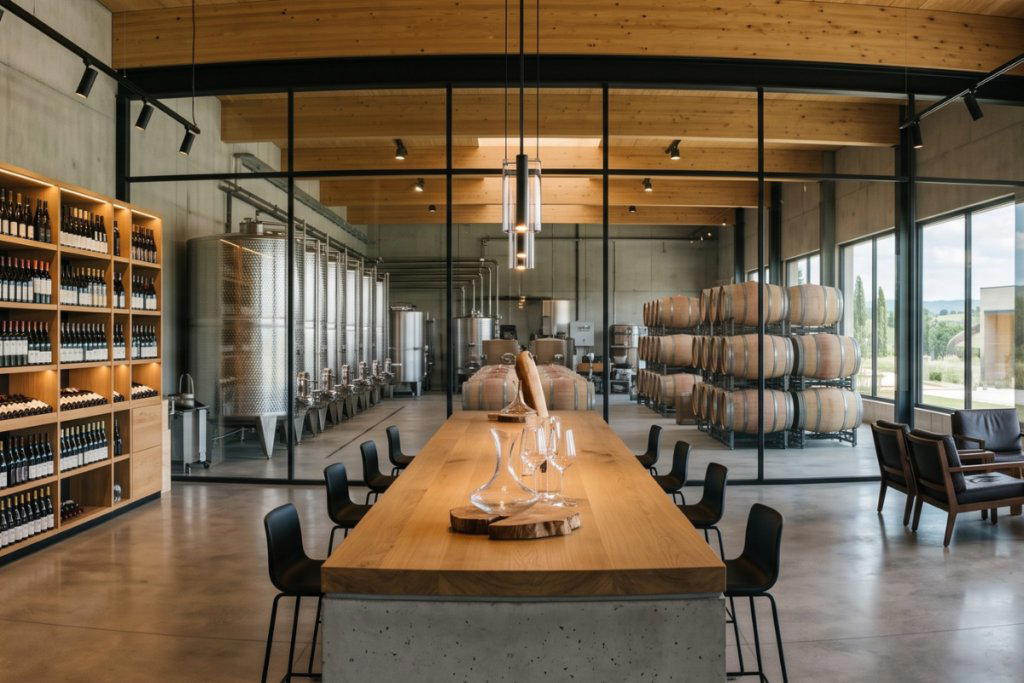
Easy to fit into a Sommacampagna wine day, Cantina di Custoza is a value-led cooperative winery rather than a luxury estate visit. The private tasting is the better pick if you want structure, with vineyard and company-space context, five wines, and local cold cuts. Falstaff Listed in 2026, it suits curious drinkers focused on Custoza DOC depth.
Gancia
Canelli, Italy
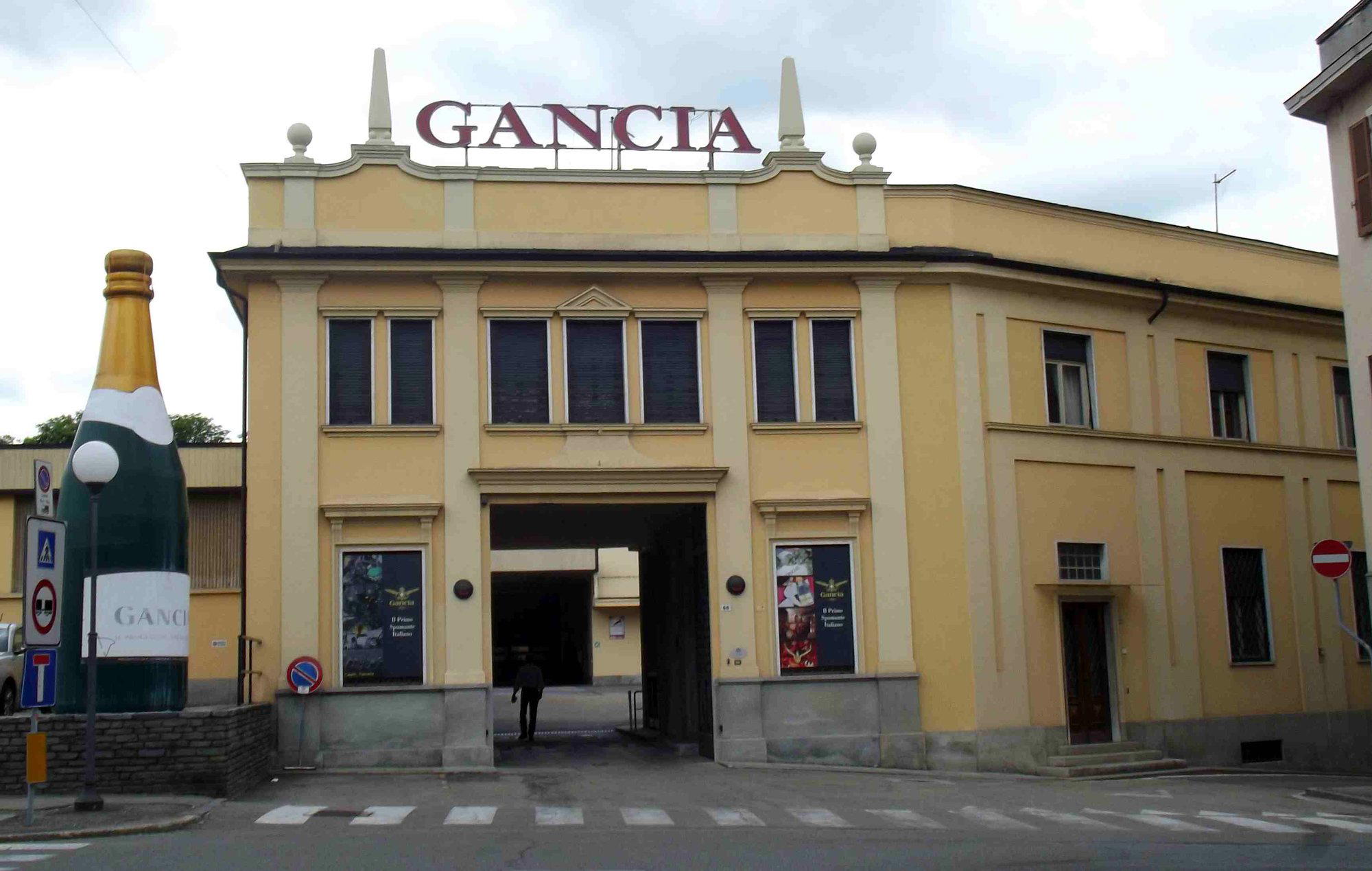
Gancia is the right Canelli pick when the occasion needs a recognized, centrally located flagship rather than a niche producer visit. Its 2025 Pearl 2 Star Prestige signal gives it credibility, but absent public pricing or club terms, it is smarter as an anchor stop than an automatic value buy.
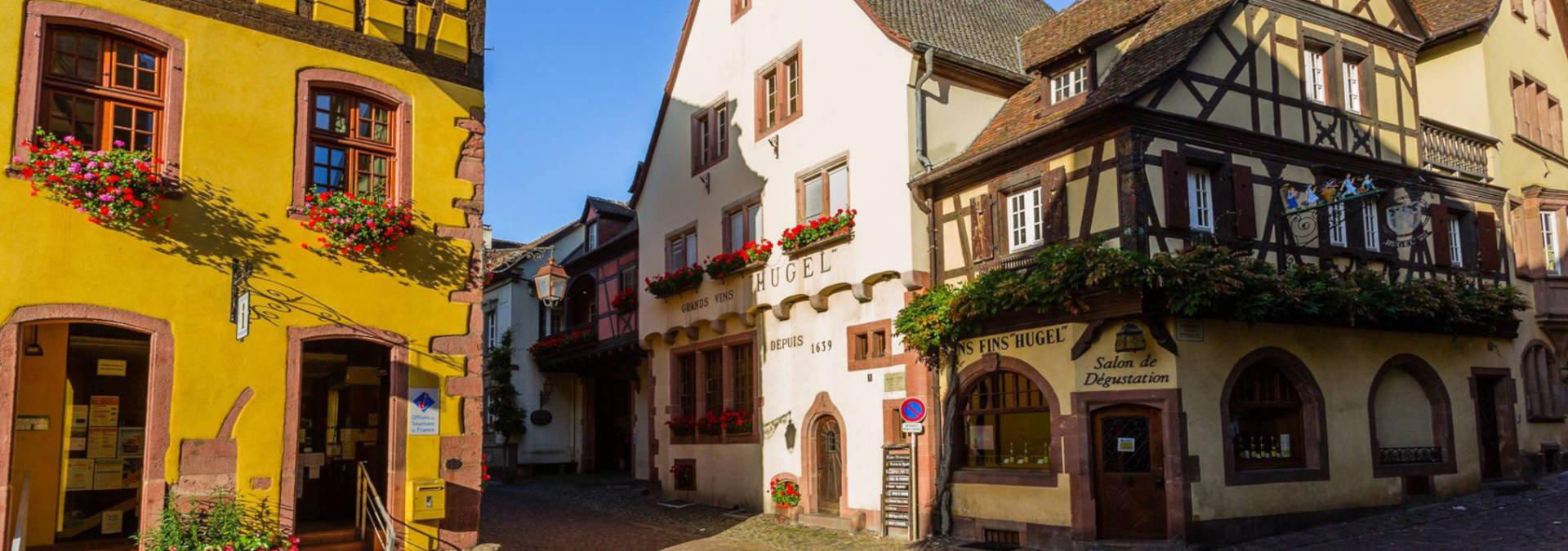
Hugel
Riquewihr, France
Hugel is worth prioritising if you want a serious Alsace winery stop inside Riquewihr rather than a broader village-to-village tasting day. Confirm access before building plans around it, especially for any upgraded or private-style experience, and keep a backup from the same regional.
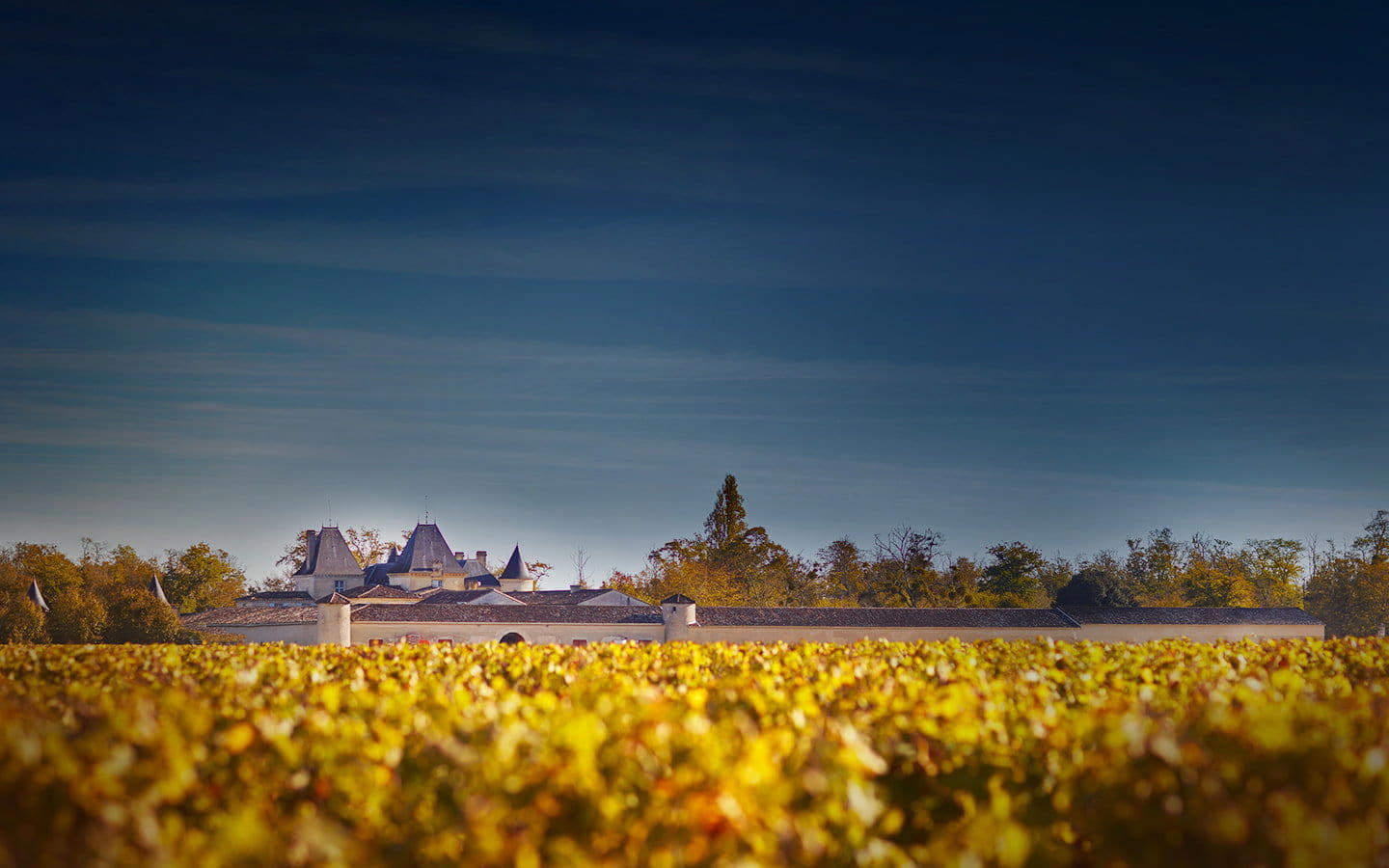
Château Suduiraut
Preignac, France
Château Suduiraut is worth pursuing if Sauternes is the reason for the trip, not just a side stop in Bordeaux. Expect a serious château-led wine experience anchored by winemaker Pierre Montégut, with planning required because access is difficult and casual drop-in assumptions are the wrong approach.
Francesco Brigatti
Suno, Italy
A sensible Suno pick for wine travelers who want Piedmont context without needing a highly packaged estate visit. Francesco Brigatti is Falstaff Listed for 2026, which gives it a useful external signal, but plan conservatively: available public details do not support assumptions about food, tours, group capacity, or shipping.
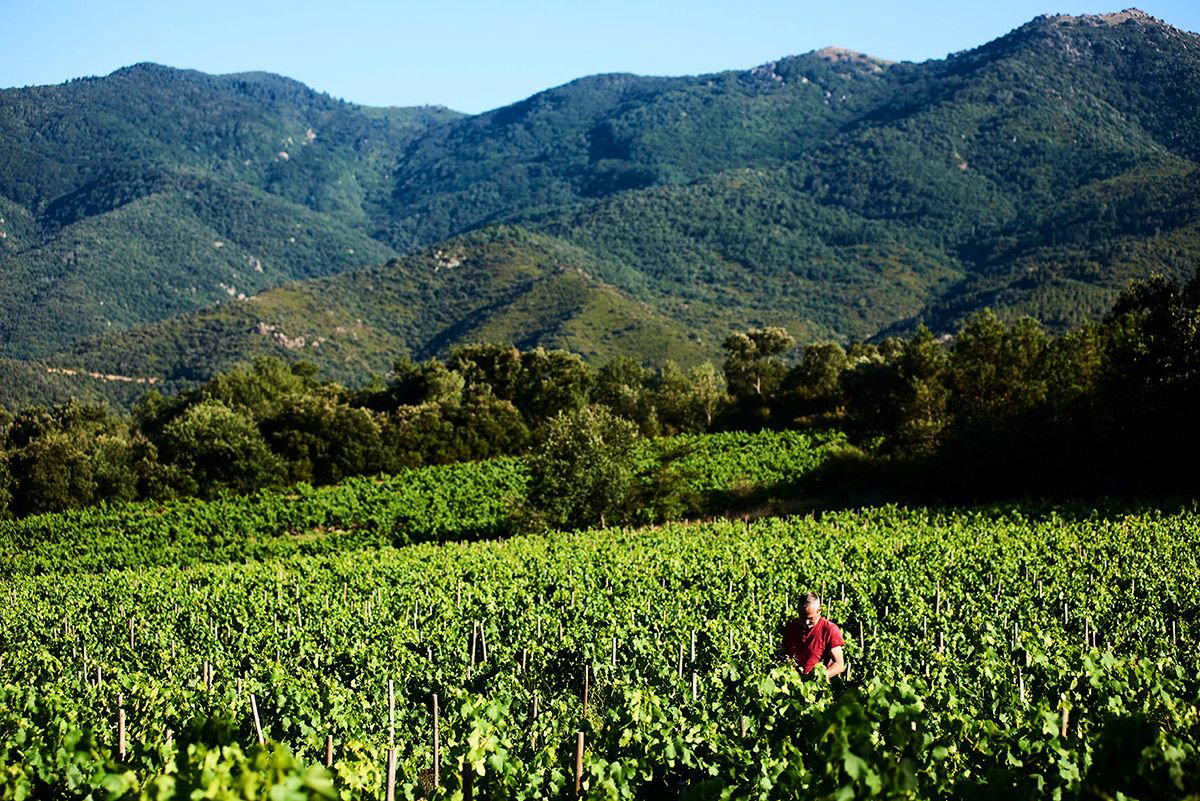
Domaine Les Foulards Rouges
Montesquieu Des Alberes, France
Domaine Les Foulards Rouges is a strong pick for natural-wine drinkers who want producer context over polished hospitality. The draw is organic farming, granite-soil Roussillon reds, no-added-sulfur cellar work, and a rural appointment-led format that rewards enthusiasts more than casual tasters.
Di Giovanna
Sambuca Di Sicilia, Italy
Di Giovanna is a sensible Sambuca di Sicilia winery pick for travelers who want a recognized Sicilian producer and are willing to arrange the visit carefully. The Falstaff 2026 listing is the key trust signal; book it for a planned wine-focused stop, not a casual walk-in day with uncertain logistics.
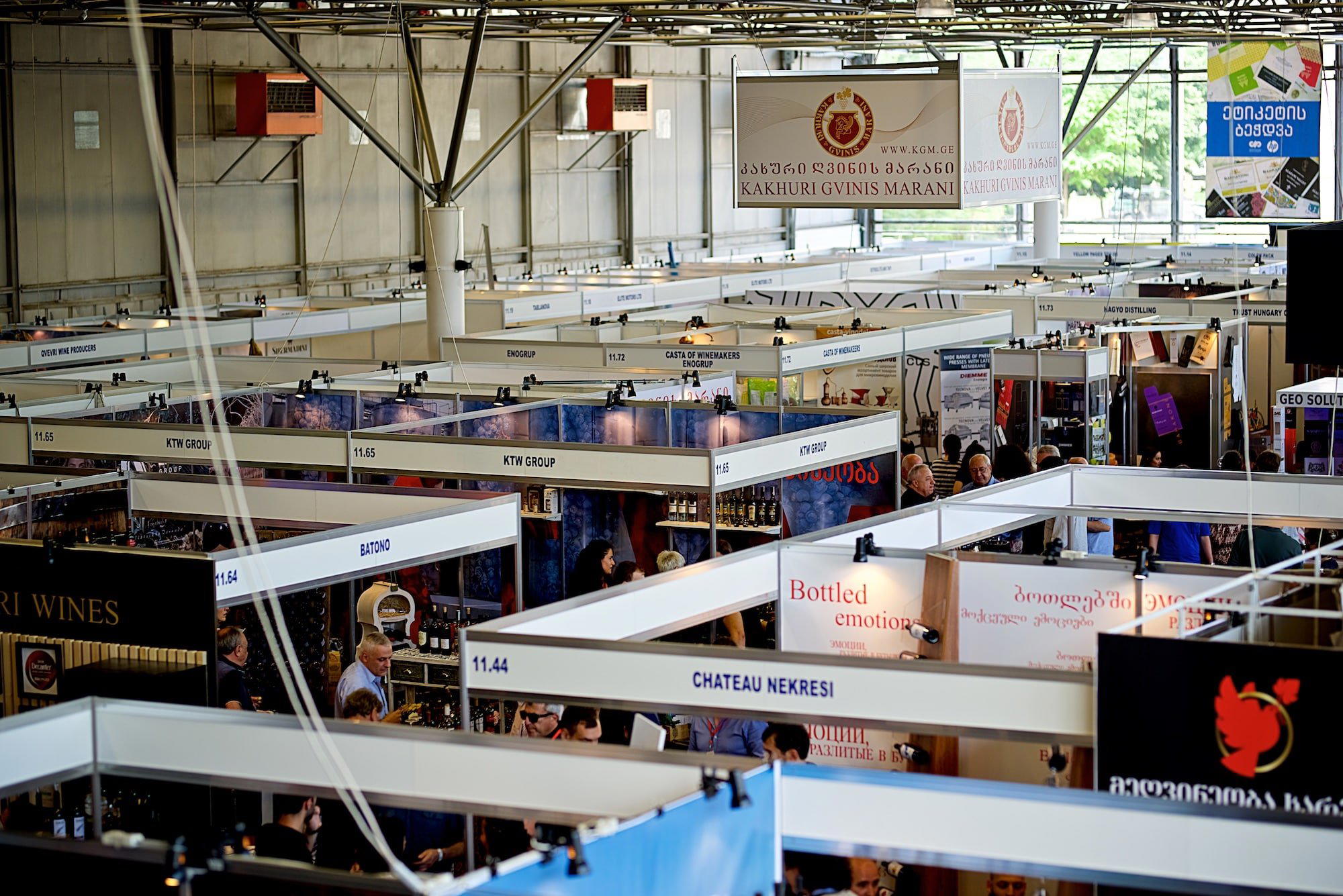
Bolero & Company
Tbilisi, Georgia
Bolero & Company works if the goal is Georgian wine production context rather than a relaxed tasting-room visit. The appeal is scale: modern machinery, qvevri heritage, large barrel cellars, and a broad wine-and-brandy portfolio. For casual sipping or a scenic estate afternoon, choose a more hospitality-led winery instead.
Cantina Canaio
Cortona, Italy
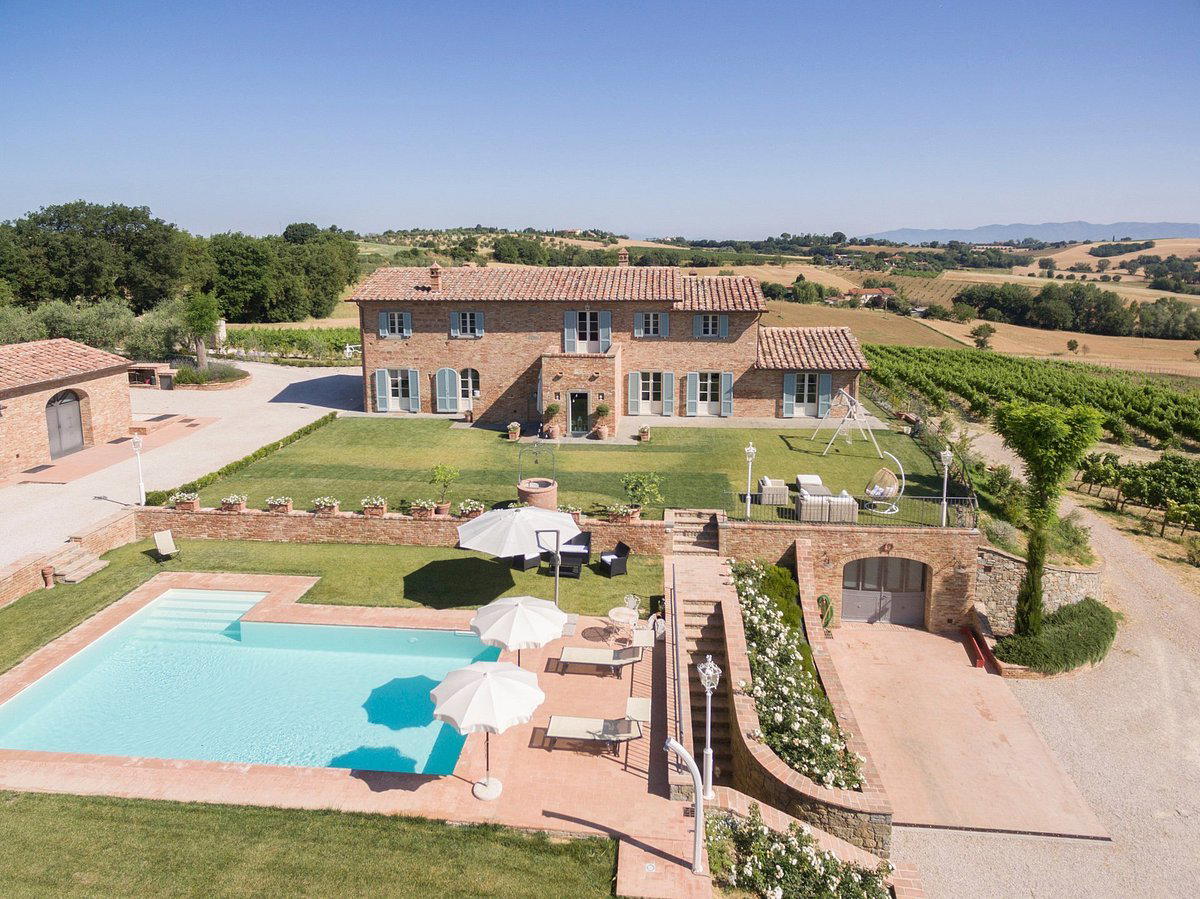
Cantina Canaio is a strong Cortona pick for a small-scale estate tasting built around Syrah, Merlot, vineyard context and a family-run cellar. Book it for a slower special-occasion visit with food and grounds as part of the experience, not for a quick drop-in tasting.
Château Haut-Lagrange
Léognan, France
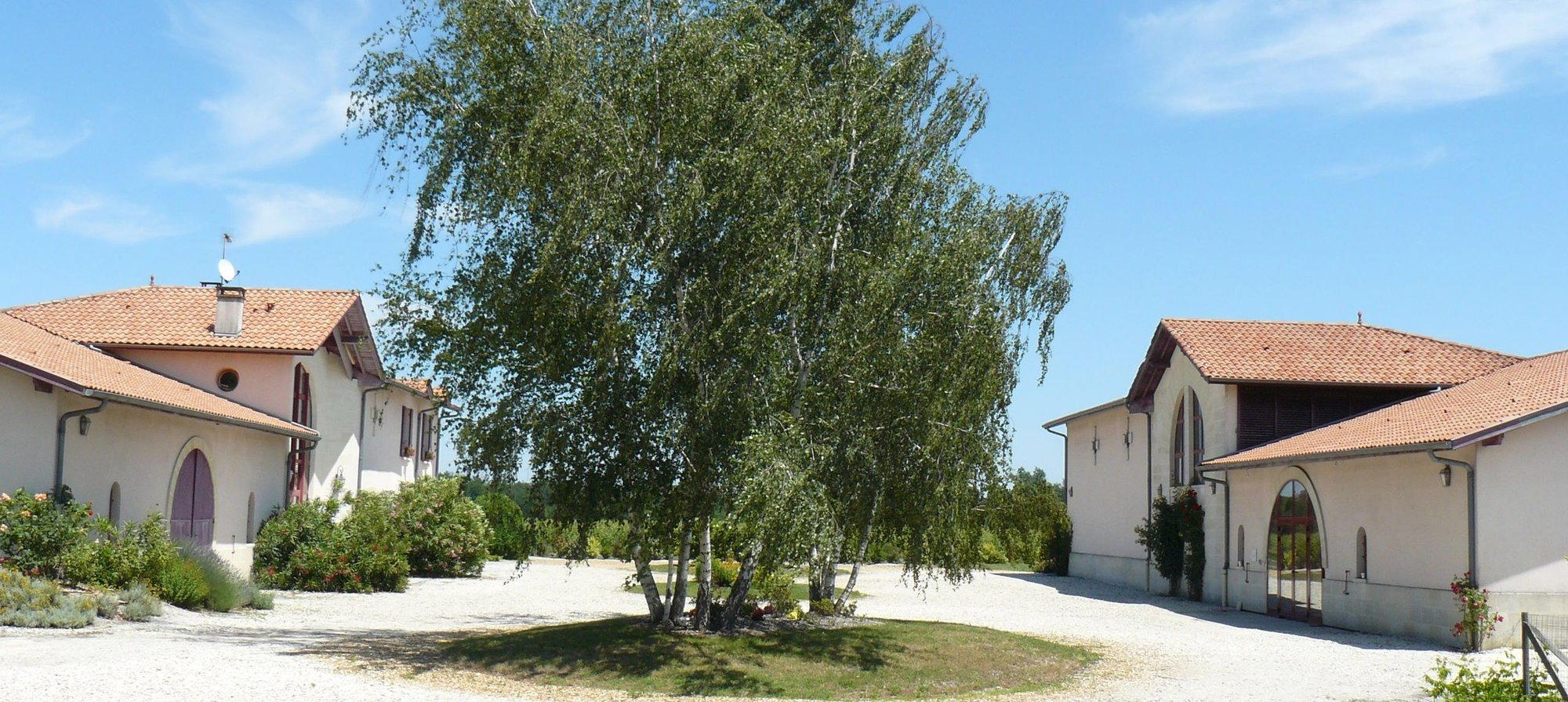
Château Haut-Lagrange is a good fit for a focused Léognan winery stop, especially if the plan is a calm Pessac-Léognan tasting day rather than a full hospitality production. Best for couples or small celebration trips that can build lunch, hotels, and drinks elsewhere in Léognan.
Antonio Facchin & Figli
San Polo di Piave, Italy
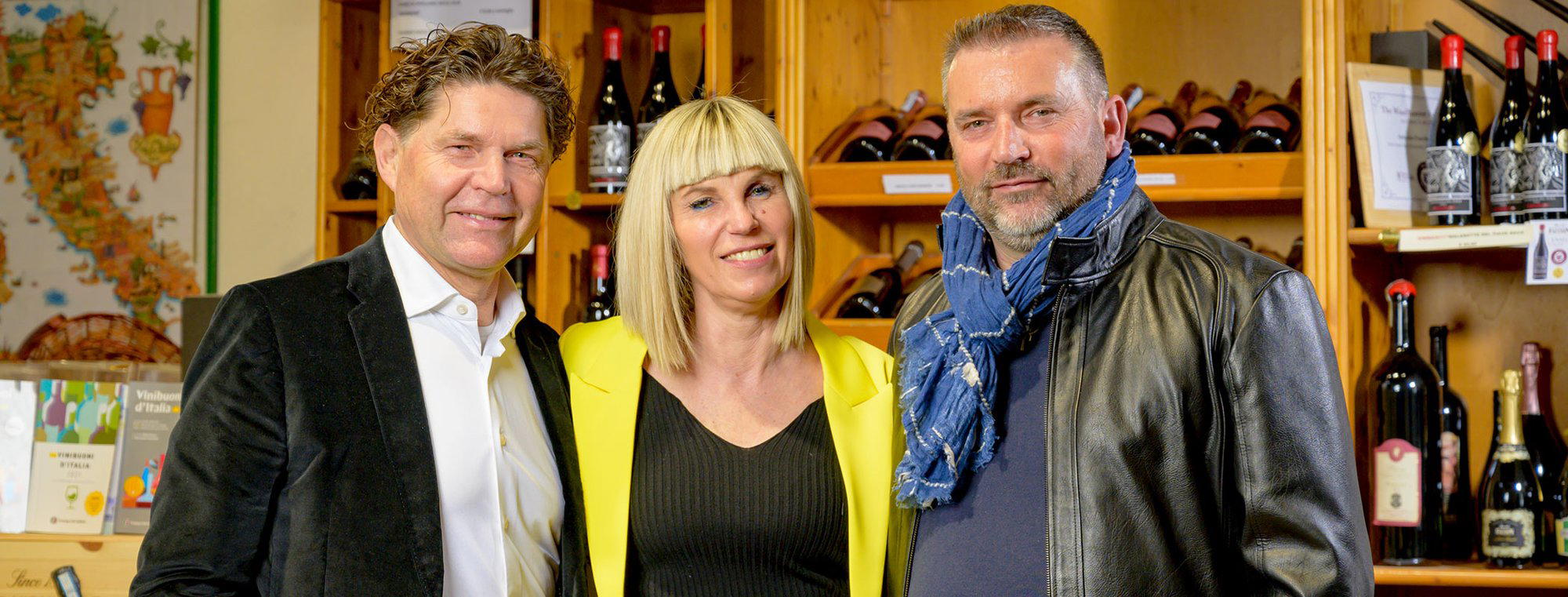
Worth booking for a relaxed, good-value Veneto winery visit with more range than a basic Prosecco stop. The draw is the 1870 family history, rustic farmhouse setting, Falstaff 2 Stars in 2026, and a portfolio that covers Prosecco, Raboso Piave, Cabernet, whites and grappa. Best for couples or small celebrations that want countryside charm without formal luxury staging.
Château Tanunda
Barossa Valley, Australia
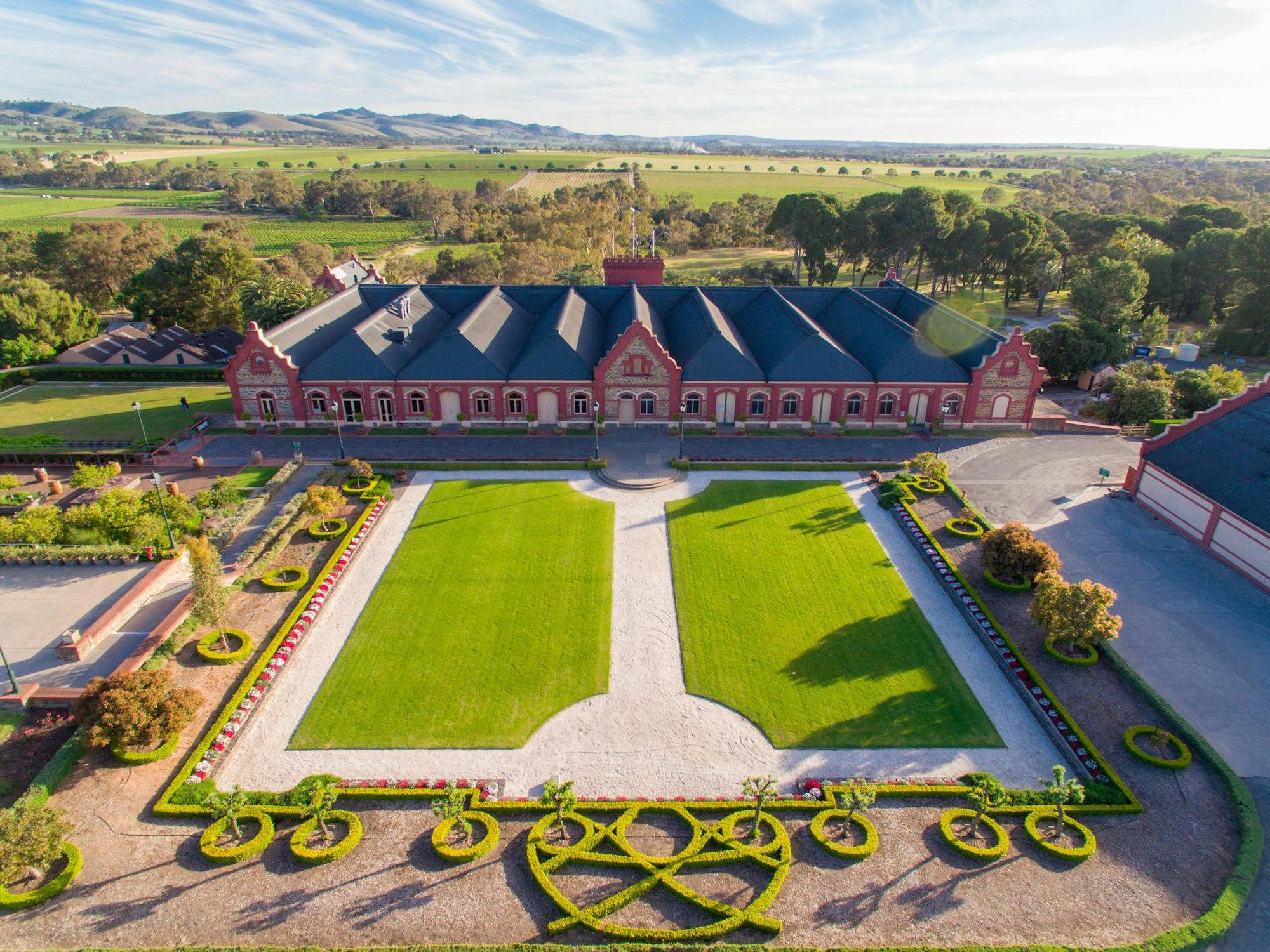
Château Tanunda is a strong Barossa Valley pick if you want a polished, established Tanunda winery stop rather than a small-producer detour. Plan ahead: booking difficulty is high, and it works better as an anchor visit than a casual add-on. Compare it with St Hallett, Turkey Flat, Langmeil, Peter Lehmann, and John Duval Wines before finalising a tasting day.
Château Lagrange à Pomerol
Libourne, France
Book Château Lagrange à Pomerol if the goal is a focused Pomerol stop in Libourne, especially for a couple’s wine day or quiet special occasion. It is better treated as one anchor in a wider itinerary than as a guaranteed full hospitality experience; confirm tasting format, group handling, and shipping before planning around it.
Claudio Quarta Vignaiolo
Guagnano, Italy
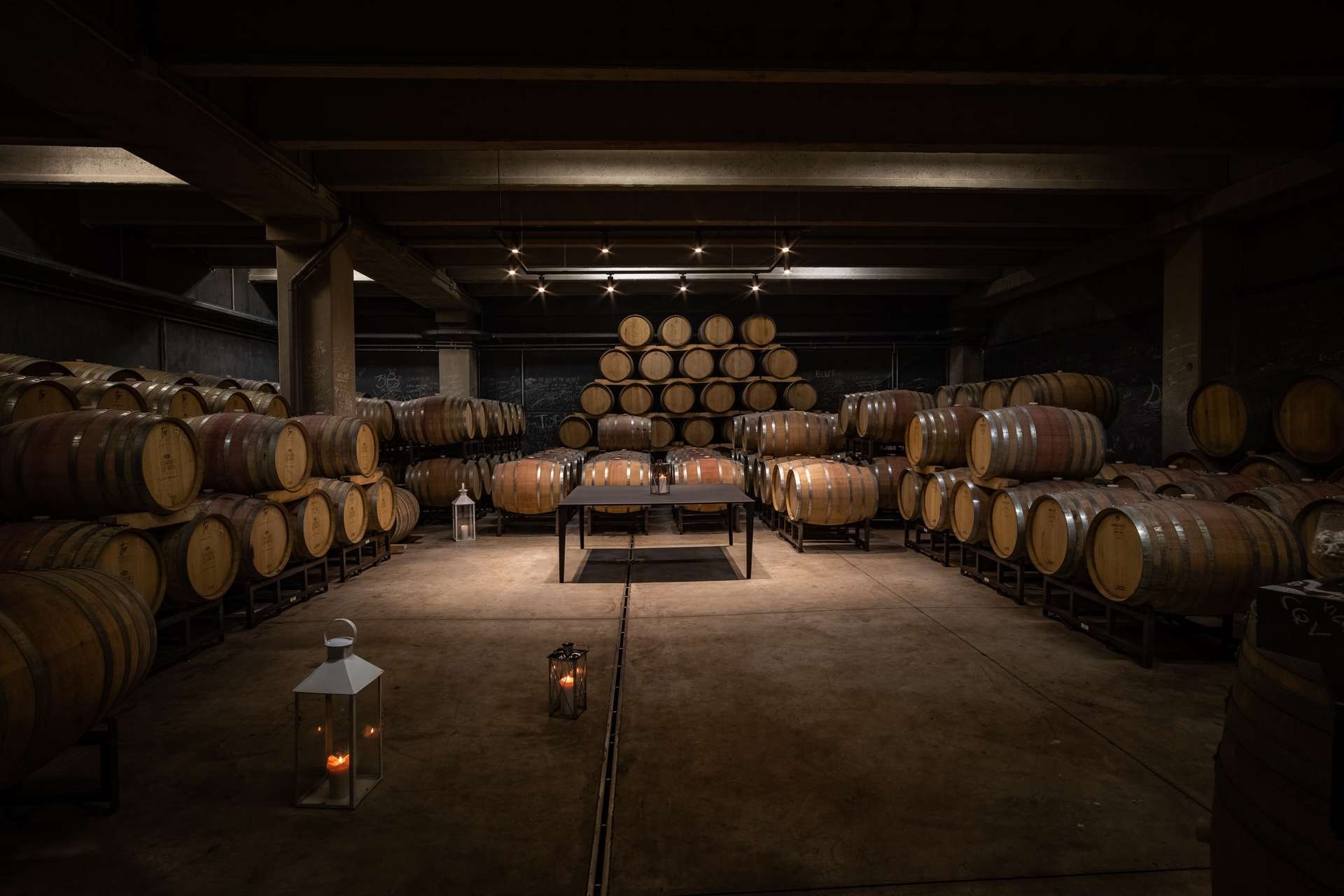
Worth booking if you want a winery visit with more context than a standard tasting. Claudio Quarta Vignaiolo is strongest for travelers interested in southern Italian grape varieties, cellar thinking, design, and the Magna Graecia museum setting, rather than a quick casual pour.
Domaine Moulin Tacussel
Châteauneuf-du-Pape, France
Domaine Moulin Tacussel works as a wine-led Châteauneuf-du-Pape stop, especially for travelers building a producer-focused Rhône itinerary in 2026. Falstaff listing adds a credible recognition signal, but plan food separately unless a dining format is confirmed before the visit.
Tenuta Sette Ponti
Castiglion Fibocchi, Italy
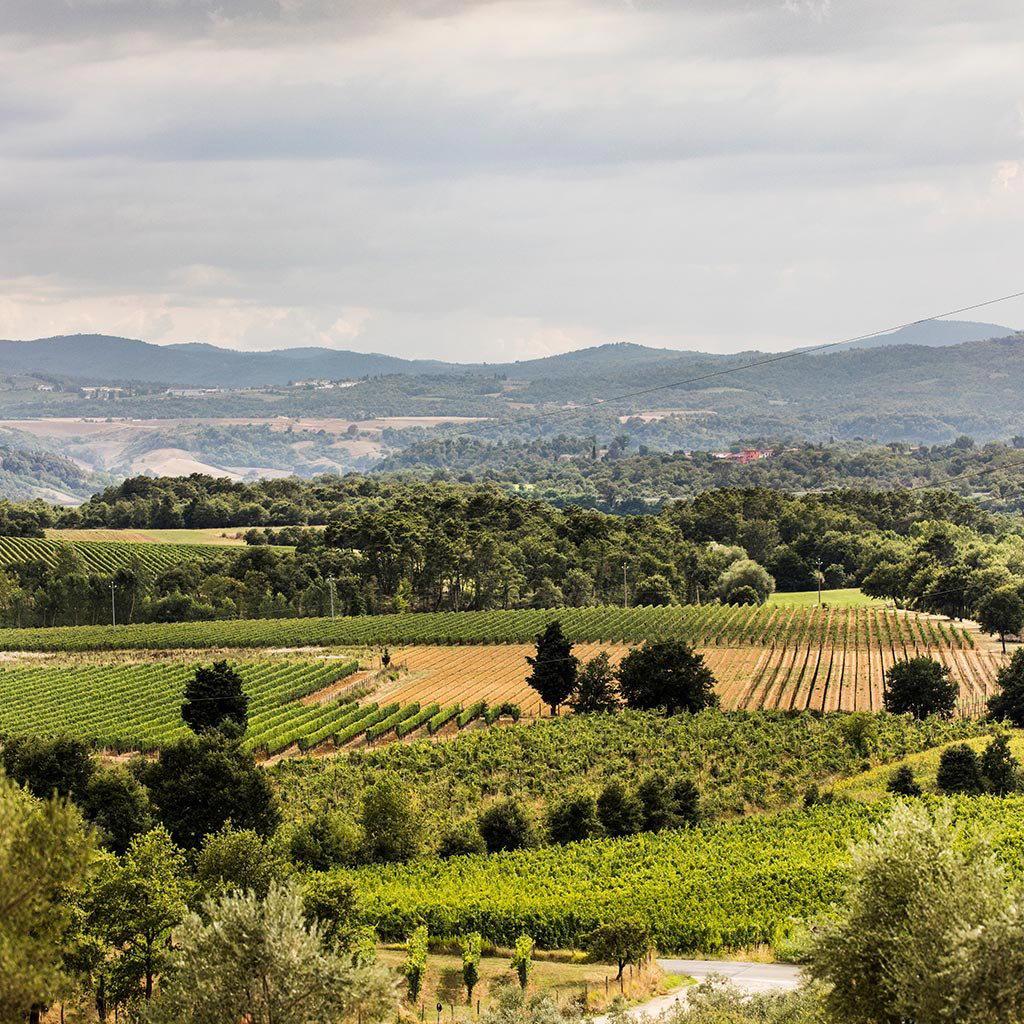
Tenuta Sette Ponti is worth prioritizing if the trip is built around serious Tuscan wine rather than casual cellar-door tourism. It is a stronger fit for repeat visitors who want an Arezzo-side producer stop; first-timers or larger groups may find Barone Ricasoli (Brolio) or Castello di Volpaia easier to plan around.
Château Crabitey
Portets, France
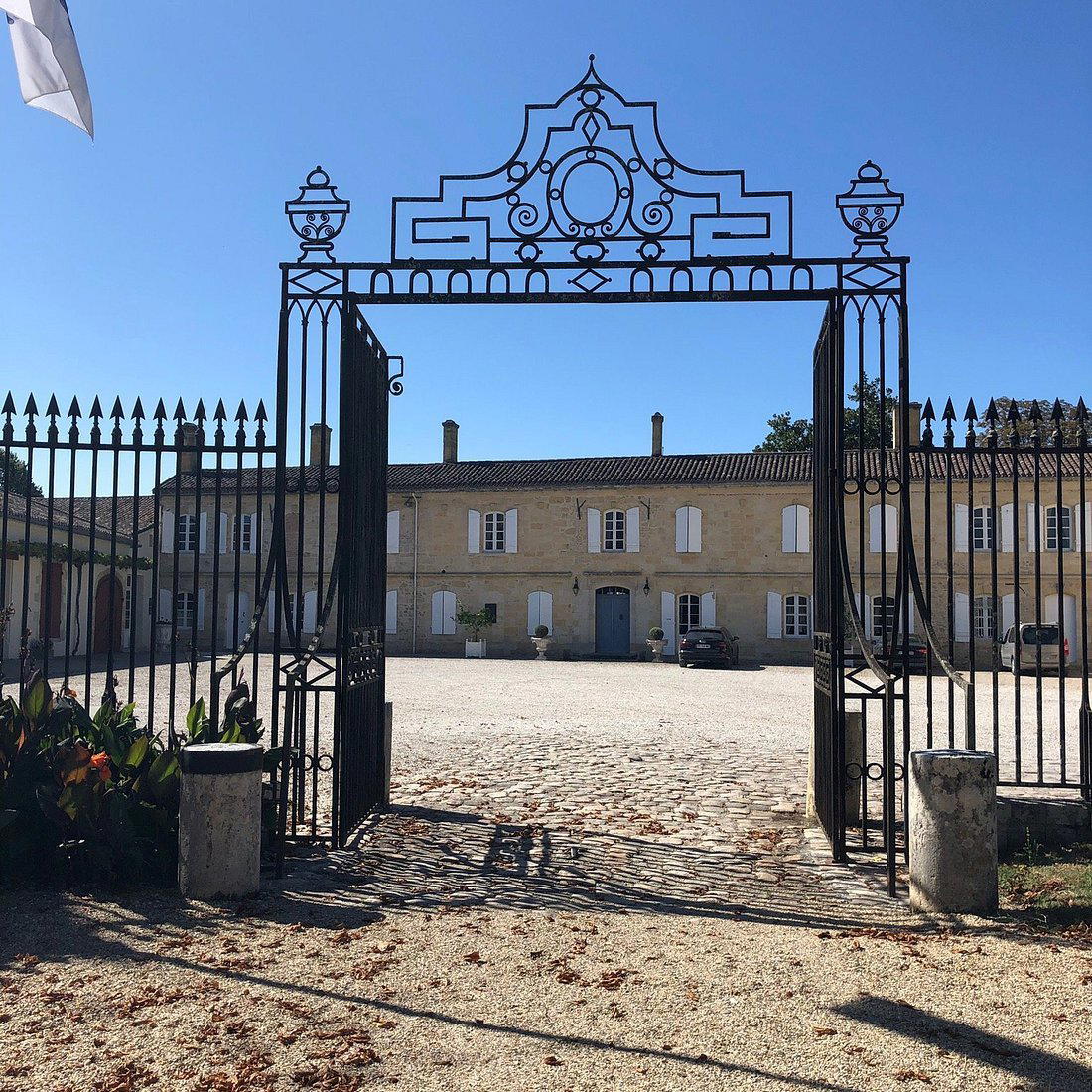
Château Crabitey is a strong Portets choice for wine travelers who want Graves context without a heavily touristic setup. Go for the estate’s Franciscan-orphanage heritage, gravel-soil red and white Bordeaux blends, HEV 3 sustainability signal, and $$ value positioning; skip it if the goal is a food-led visit or a casual drop-in tasting room.
Borgogno
Barolo, Italy
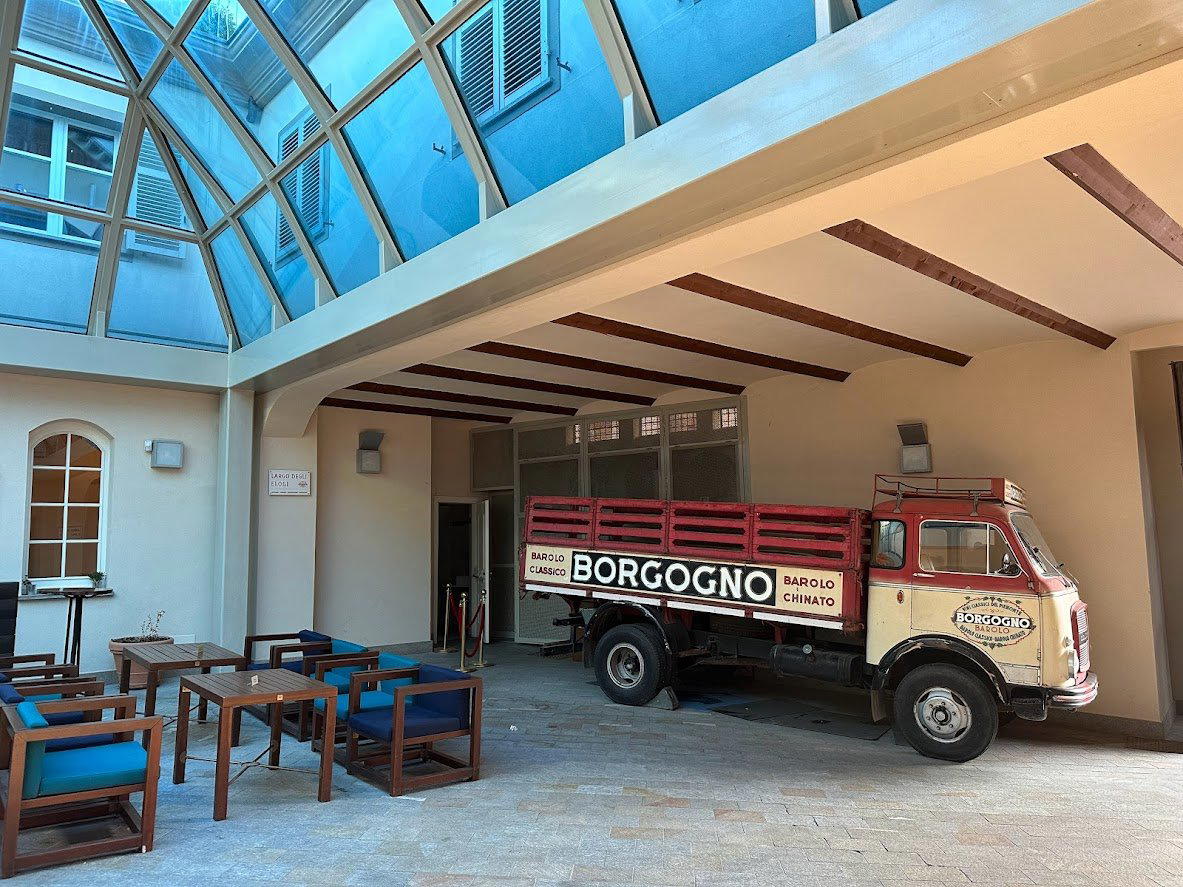
Borgogno is worth booking for a cellar-focused Barolo appointment built around traditional Nebbiolo production: cement vats, spontaneous fermentation, long maceration, large cask aging, and historic underground tunnels. It suits collectors, wine-focused couples, and special-occasion travelers who want substance over a casual tasting-bar format.
Benini
Lavagno, Italy
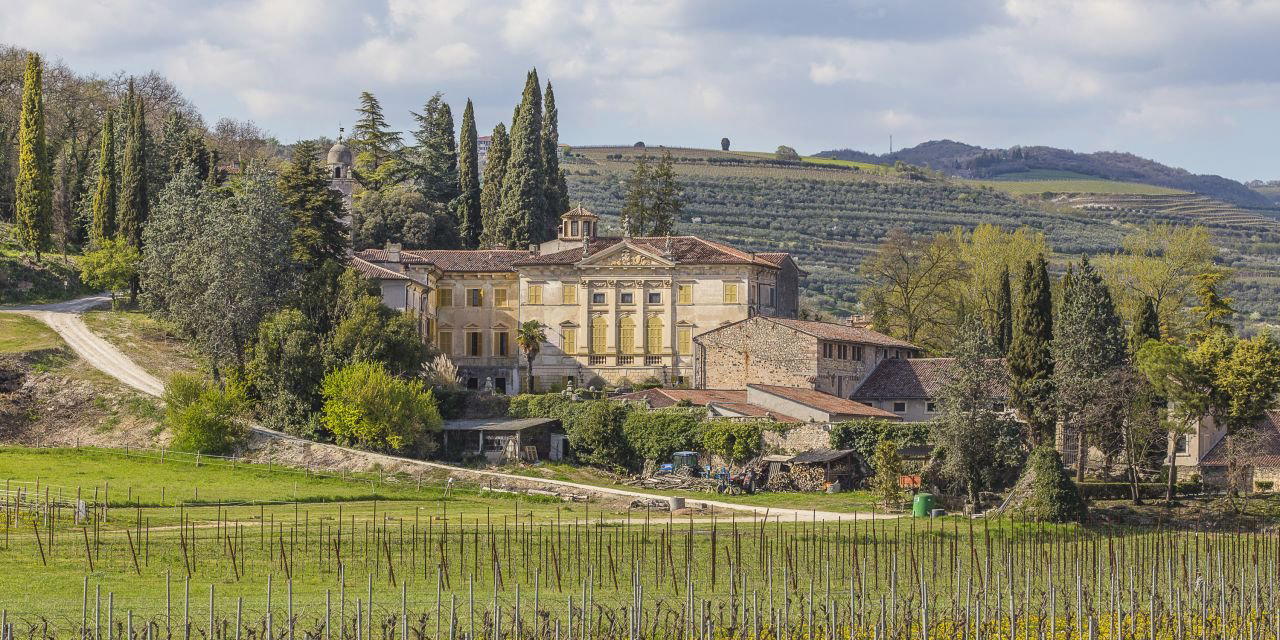
Benini works if you are already planning time in Lavagno and want a local winery stop with a 2026 Falstaff listing behind it. Do not treat it as a blind wine-club commitment: taste first, confirm practical terms, then decide whether repeat access is worth the spend.
Bodegas Habla
Trujillo, Spain
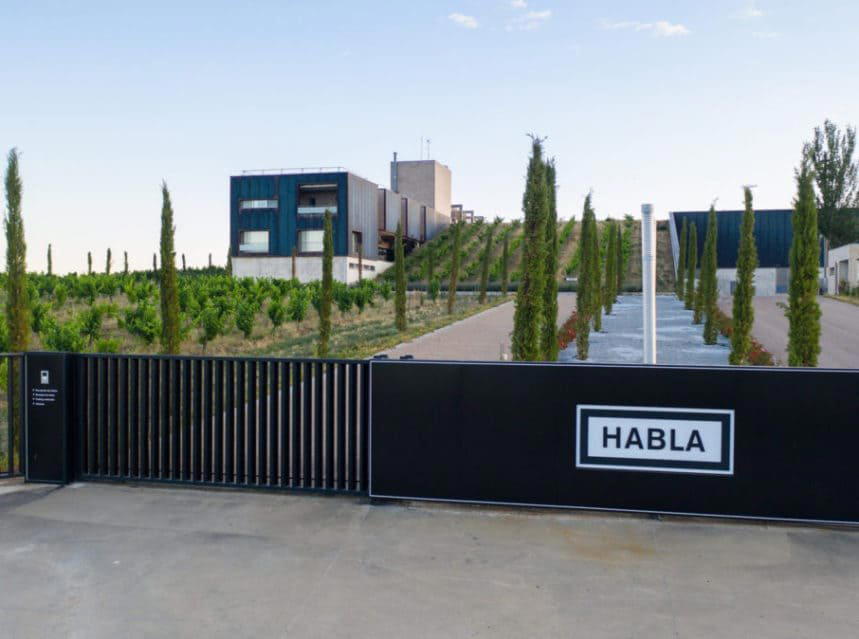
Book Bodegas Habla if you want a polished, design-forward winery visit that explains modern Extremadura wine through organic vineyards, slate soils, and a structured tasting. The value is strongest for first-timers who want context, not just a quick pour; the weekend Habla Selection format is the clearest way to understand the estate.
How many of these have you visited?
Find out on Pearl and keep score across every place in 2026 Falstaff Winery Guide.