

Matias Riccitelli
Distrito Las Compuertas
Winery in Distrito Las Compuertas, Argentina
 Book with Pearl
The Read
Compuertas Terroir Precision
Why go
Matias Riccitelli is worth prioritizing for a Mendoza wine itinerary if setting and critical recognition matter more than easy access. The Las Compuertas location gives the visit more context than a simple tasting-room stop, but demand means it should be planned early rather than treated as a backup.
About Matias Riccitelli
Matias Riccitelli is a venue in Distrito Las Compuertas with recognition from Pearl 2 Star Prestige in 2025 and World's 50 Best Vineyards #26 in 2024. Use it as a stop when you are building an itinerary around documented accolades, and check practical details with the venue before you go.
The location is Distrito Las Compuertas. Ask the venue directly about menu format, food service, tasting structure, hours, prices, booking rules, and group capacity before relying on any of those particulars.
A recognized Distrito Las Compuertas stop for travelers who plan around recognition
The strongest reasons to note Matias Riccitelli are its setting in Distrito Las Compuertas and its recent recognition: Pearl 2 Star Prestige in 2025 and World's 50 Best Vineyards #26 in 2024. Those facts make it relevant for travelers comparing recognized venues in a broader itinerary.
For travelers staying in or around Distrito Las Compuertas, it can be considered alongside other local options. If the trip also needs meals, hotels, bars, or additional stops nearby, use current local planning resources and confirm details directly with each venue.
The appeal is recognition and location
Matias Riccitelli is best framed as a recognized venue in Distrito Las Compuertas. The dress code is smart casual, and travelers should use that as practical guidance while checking any current visit details directly.
For comparison within a broader itinerary, consider names such as Bodega Cuvelier Los Andes, Bodega DiamAndes, Bodega Valentín Bianchi, Finca La Celia, Matias Riccitelli, and Zuccardi Valle de Uco. These references can help frame Matias Riccitelli among other established options without assuming identical location, service, or visit format.
Verdict: prioritize Matias Riccitelli if your trip is being planned around recognized venues in Distrito Las Compuertas. Confirm all operational details directly before treating it as a meal stop, drop-in visit, group venue, or shipping source.
Planning details
- Location
- Callejón Nicolás de la Reta 750, Las Compuertas, M5549 Luján de Cuyo, Mendoza, Argentina
- Website
- worldsbestvineyards.com/previous-list/2023
The take
The Take
The Vibe
Matias Riccitelli presents as a site-driven, sophisticated Mendoza bodega where geography does the heavy lifting. The narrative is all about high-altitude expression — a landscape that rises toward the Andean foothills, shifting soils and pronounced diurnal swings — and a winemaking approach that prizes restraint and precision. The description situates the producer within Mendoza’s premium tier and notes recognition on the World's Leading Vineyards list, which frames the estate as both regionally authentic and internationally regarded. Overall the tone is elegant and educated, with the land and climate presented as the primary collaborators in the cellar’s results.
Best For
This estate is best for visitors who want an education-first winery visit or a memorable special occasion among peers. The copy foregrounds terroir, altitude and phenolic development, so it suits groups and enthusiasts who are curious about how soils, elevation and diurnal temperature swings shape flavor and structure. Its placement in Mendoza’s premium tier and mention of industry recognition also make it a good pick for organized group outings or celebrations where a focused, terroir-forward conversation about the wine is the priority.
Venue details
Ambiance
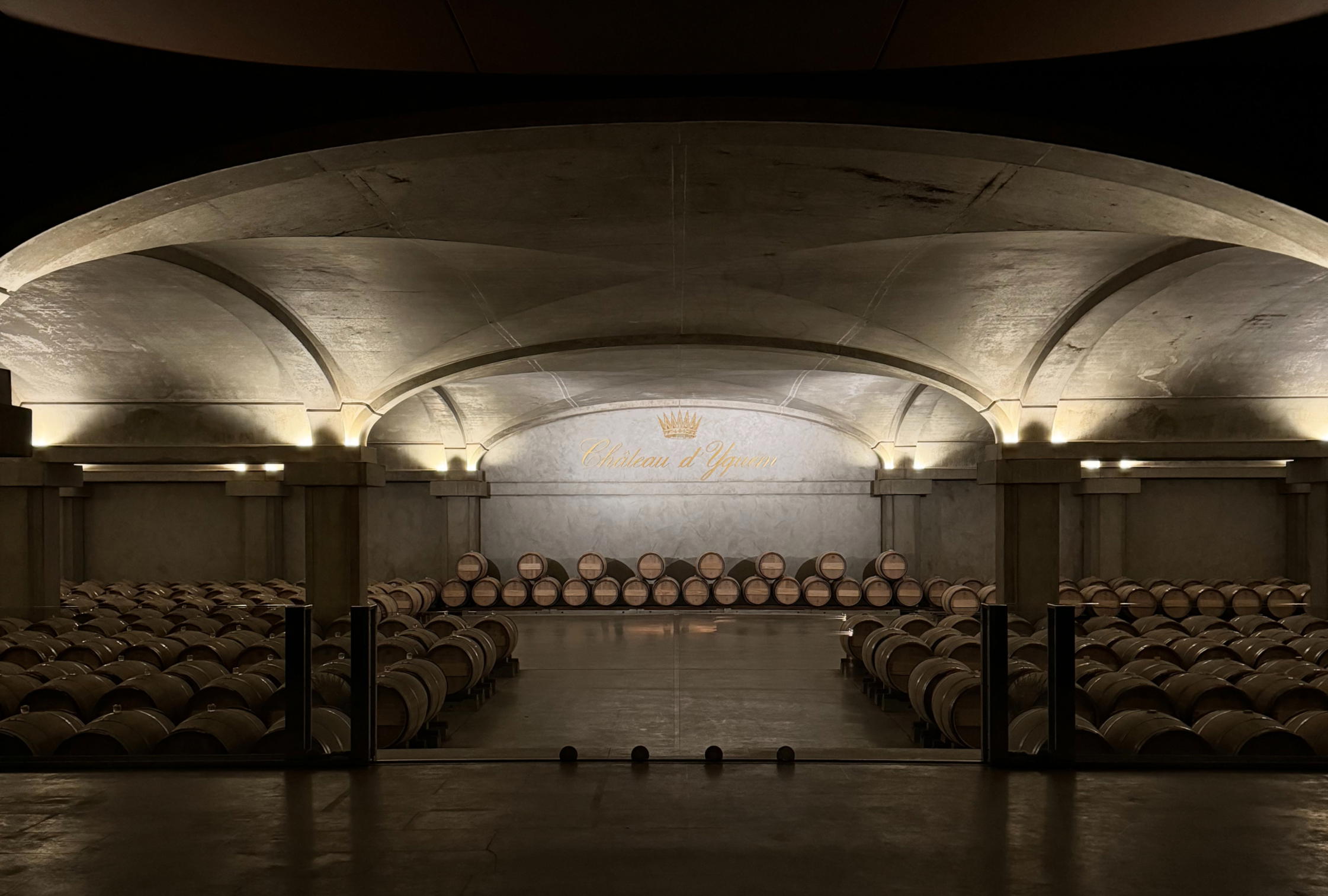
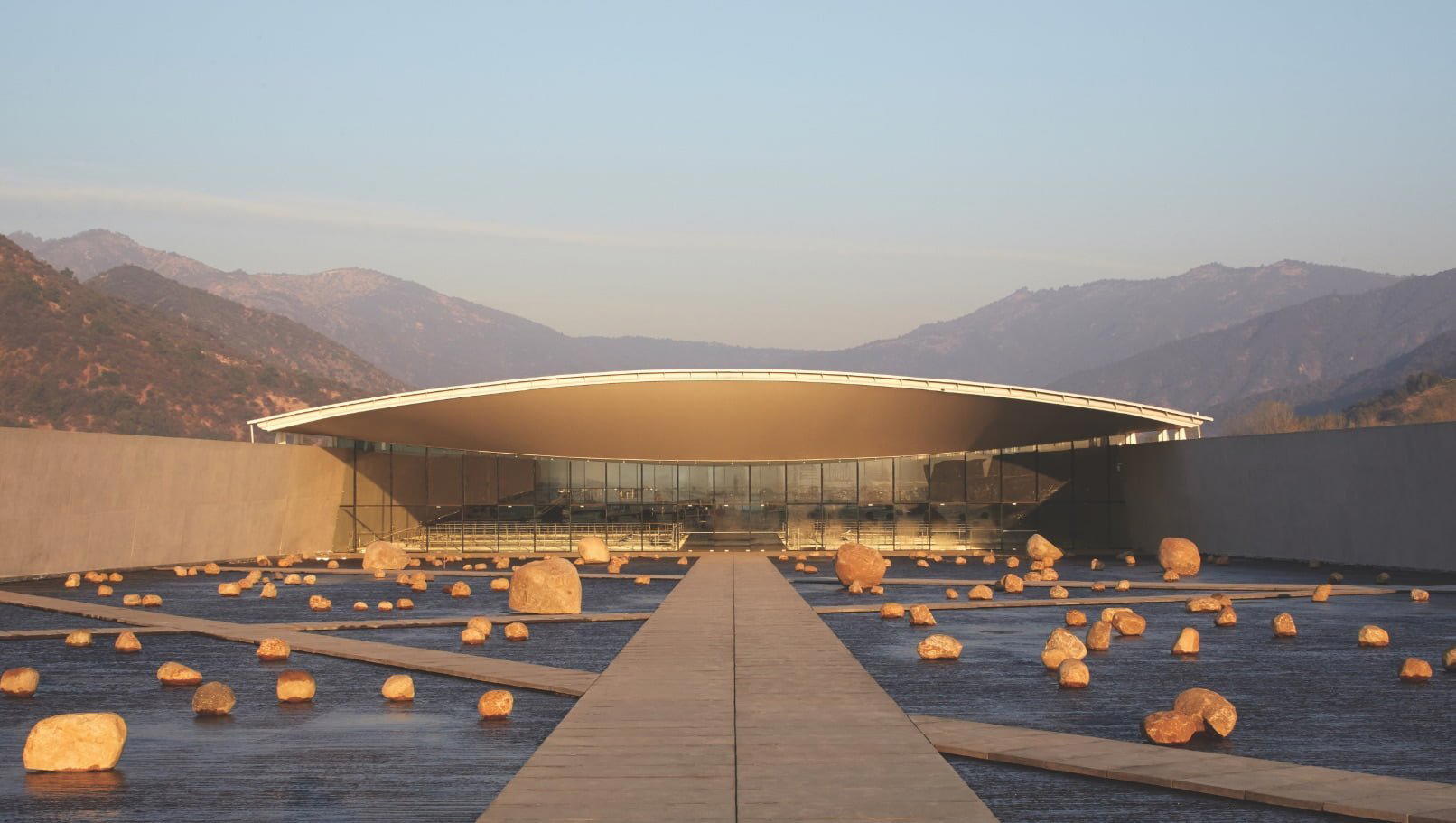
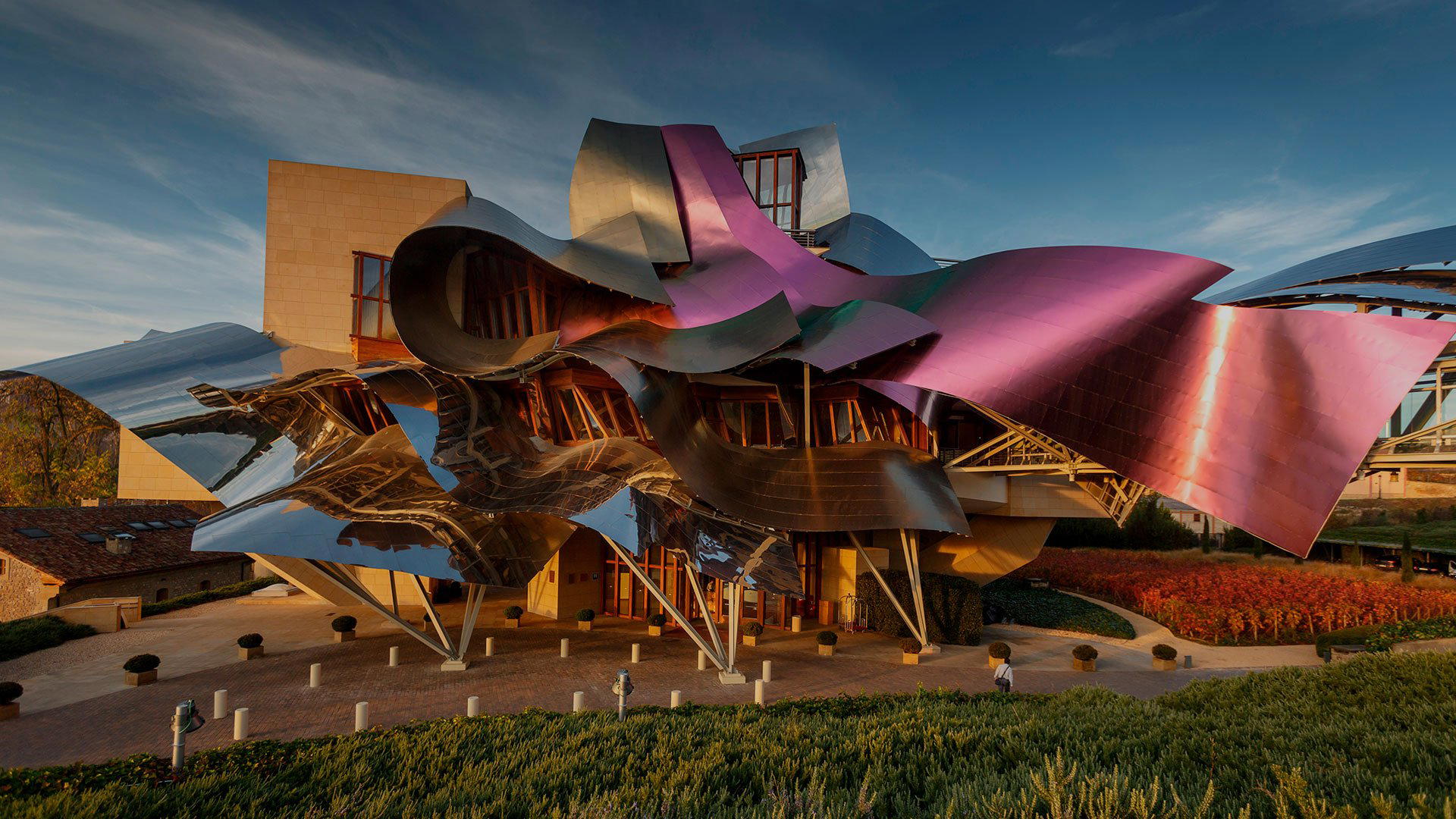
Contemporary and bold aesthetic amid century-old vineyards with sustainable architecture and high-end gastronomy.
Tags
Vibe
Best For
Experience
Sourcing
View
At the Vineyard
- Appellation
- Luján de Cuyo
- Varietals
- Malbec, Cabernet Franc, Semillon, Merlot, Bonarda
- Tour Duration
- 60-90 minutes
- Visits
- By reservation
- Farming
- Sustainable
- Production
- Boutique
- Wine Styles
- Still Red, Still White
- Food Pairing
- Offered
- Wine Club
- Not available
Know before you go
Know Before You Go
- Getting there
- Callejón Nicolás de la Reta 750, Las Compuertas, M5549 Luján de Cuyo, Mendoza, Argentina
Planning details
Location
Callejón Nicolás de la Reta 750, Las Compuertas, M5549 Luján de Cuyo, Mendoza, Argentina · Directions
Recognition and awards


Also consider
Where to look if this is booked
If availability is the issue, start with Zuccardi Valle de Uco for a larger destination-winery alternative, especially if the group is open to making a full day of Valle de Uco.
For a route with multiple Uco Valley stops, Bodega DiamAndes and Bodega Cuvelier Los Andes are the more logical cross-shops than forcing a last-minute Las Compuertas plan.
Winery context
How it compares in Mendoza winery planning
Choose Matias Riccitelli over Bodega Valentín Bianchi or Finca La Celia if the priority is a high-recognition winery stop with a stronger sense of place. Those peers can make sense for broader regional coverage, but this is the sharper choice for travelers who want one visit to anchor a wine-focused day.
Zuccardi Valle de Uco is the better fit for travelers who want the bigger destination-winery feel and are willing to center the day around Valle de Uco. Matias Riccitelli is more compelling if the itinerary is based around Las Compuertas or Luján de Cuyo and the group wants less transit friction.
For cross-shopping Uco Valley estates, Bodega DiamAndes and Bodega Cuvelier Los Andes suit travelers building a longer valley route. If the decision is one high-demand Mendoza booking with strong ambiance and less sprawl, Matias Riccitelli is the more targeted pick.
Explore Distrito Las Compuertas
Around this place
Discover more on Pearl
Unlock the full Matias Riccitelli guide in Pearl, including awards, comparisons, FAQs, planning details, and nearby places.
Compare Matias Riccitelli
| Venue | Location | Awards |
|---|---|---|
| Matias Riccitelli | Distrito Las Compuertas | 2026 Falstaff Winery Guide2024 World's 50 Best Vineyards · #26 |
| Bodega Valentín Bianchi | San Rafael | 2026 Falstaff Winery Guide |
| Finca La Celia | Tunuyán | No published awards |
| Zuccardi Valle de Uco | Tunuyán | 2026 Falstaff Winery Guide2021 World's 50 Best Vineyards · #12020 World's 50 Best Vineyards · #12019 World's 50 Best Vineyards · #1 |
| Bodega DiamAndes | Tunuyán | 2026 Falstaff Winery Guide2025 World's 50 Best Vineyards · #932024 World's 50 Best Vineyards · #392023 World's 50 Best Vineyards · #48 |
| Bodega Cuvelier Los Andes | Tunuyán | No published awards |
How Matias Riccitelli compares with similar nearby venues.
FAQ
Frequently Asked Questions
When is the best time to visit Matias Riccitelli?
What other venues can I compare with Matias Riccitelli?
Useful comparison references include Zuccardi Valle de Uco, Bodega DiamAndes, Bodega Cuvelier Los Andes, Bodega Valentín Bianchi, and Finca La Celia. Use them as comparison points when shaping a broader itinerary, and confirm each venue's exact location and visit details separately.
Are membership or repeat-visit benefits at Matias Riccitelli?
If ongoing access or purchasing is important, ask Matias Riccitelli directly before basing a decision on any membership or repeat-visit program.
Does Matias Riccitelli serve food?
Ask Matias Riccitelli directly about current dining options before planning it as a meal stop.
Are purchasing or shipping details for Matias Riccitelli?
If purchasing or shipping details matter, ask the venue directly before your visit and do not assume any specific availability or arrangement.
Do I need a reservation at Matias Riccitelli?
Because Matias Riccitelli has recognition including Pearl 2 Star Prestige in 2025 and World's 50 Best Vineyards #26 in 2024, it is sensible to confirm access directly with the venue before planning your day around it.