
Bottega
Bibano di Godega di Sant'Urbano, Bibano di Godega
Winery in Bibano di Godega, Italy
 Book with Pearl
The Read
Treviso Lowlands Hospitality
Why go
Bottega is worth considering for a first Veneto wine stop if the goal is a prestige-led visit and a focused buying decision. Treat it as a planned appointment, not a casual drop-in; food, group capacity, and tasting format should be settled before making it the anchor of the day.
About Bottega
Approach Bottega in Bibano di Godega with a simple, practical plan. The venue is listed with a smart casual dress code and 2 Star Prestige recognition for 2025. For format, pricing, food, drinks, timing, group capacity, and visitor arrangements, check with the venue before you go.
The case for considering Bottega is strongest if you are looking for a recognized stop in Bibano di Godega and are comfortable confirming the practical details directly before you go. Do not plan around a particular service style, menu, tasting structure, or hospitality offering until you have checked the details with the venue.
Book for the recognition, not an assumed format
For a first visit, the right question is whether Bottega's profile is enough to justify time in Bibano di Godega. The 2 Star Prestige recognition for 2025 is the clearest signal, while the smart casual dress code gives at least one practical planning cue. Details such as what is served, how long a visit takes, and whether any special experience is available should be checked with the venue directly.
Keep the rest of the day flexible. Pairing this with local dining research is sensible: start with other Bibano di Godega dining options, then confirm lodging or transport separately if staying nearby. For a broader itinerary, compare Bottega with other named stops using each venue's current official details.
Who should make the effort
This is a stronger choice for travelers who value a clearly recognized venue profile than for groups that need confirmed food service, a defined visit length, or a highly structured experience. If the stop is part of a wider itinerary, compare the practical fit against options such as Bonaventura Maschio, Distilleria Andrea Da Ponte, Distilleria Castagner, Distilleria Nardini, and Negroni Antica Distilleria without assuming that any of them offer the same format.
For trip planning, focus on the essentials: Bottega is in Bibano di Godega, the dress code is smart casual, and it holds 2 Star Prestige recognition for 2025. Anything more specific should be checked before you build the day around it.
Verdict: consider Bottega if a recognized Bibano di Godega venue with 2 Star Prestige recognition is enough reason to plan a stop. Skip building a full itinerary around it until you have confirmed any practical details that matter to you, including timing, service format, food, drinks, or group suitability.
Planning details
- Location
- Via S. Cristoforo, 1, 31010 Bibano TV
- Website
- bottegaspa.com
- Phone
- +39 0438 4067
The take
The Take
The Vibe
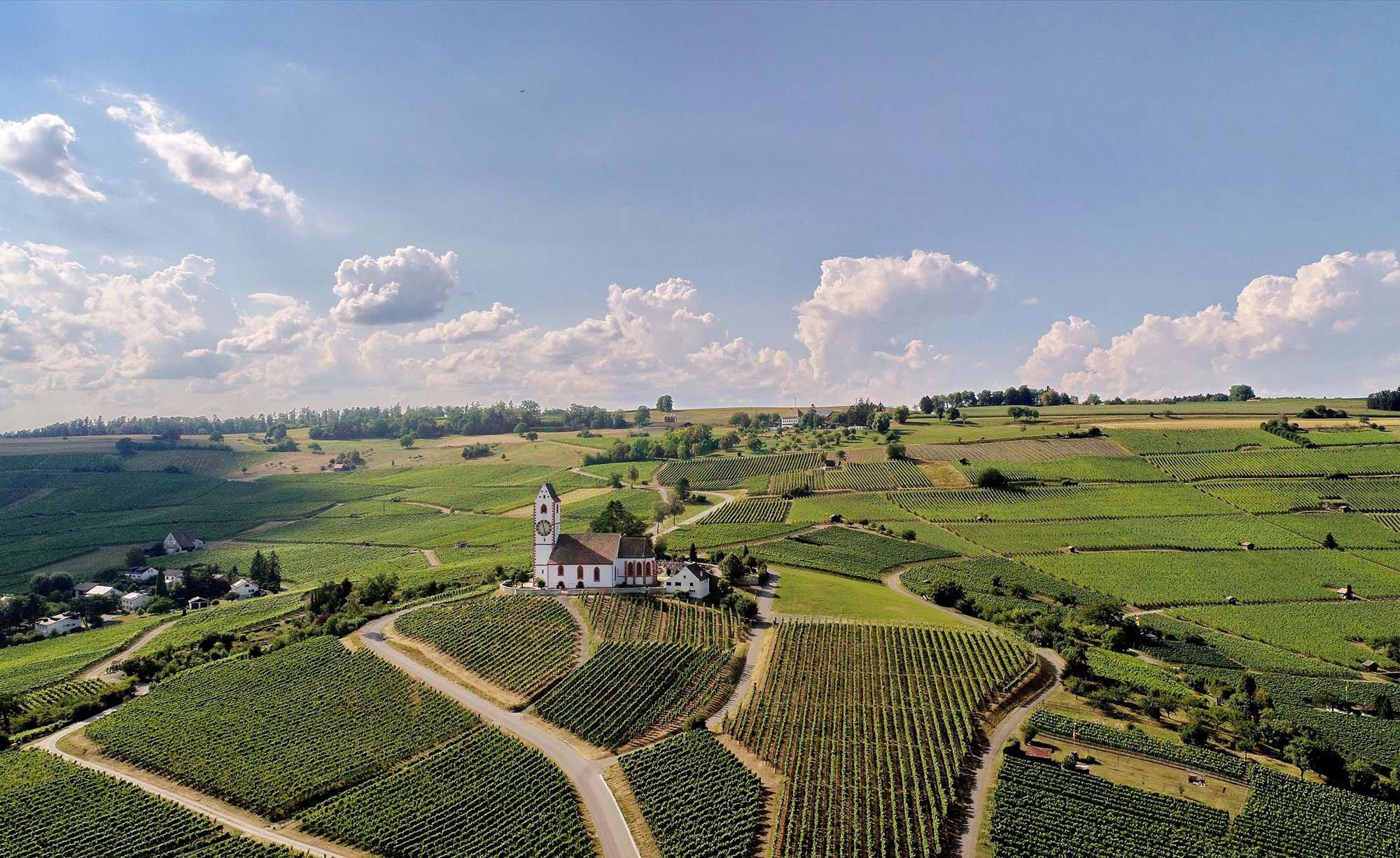
Bottega feels deliberately unflashy: it sits off the tourist circuit in the vine-striped Treviso plain, where agricultural seriousness sets the tone. The setting is calm and understated rather than theatrical, and the writing emphasises terroir — soils, diurnal ranges and appellation logic — so the experience reads as thoughtful and quietly sophisticated. Recognition with a Pearl 2 Star Prestige award underscores steady quality rather than seasonal hype. Expect a rural, contemplative winery visit that privileges landscape and provenance over spectacle.
Best For
This is a destination for people who want to read the land in a glass. The description focuses on appellations, soils and grape character, so the property is especially rewarding for wine‑focused visits and education. The formal recognition (Pearl 2 Star Prestige) also makes it a suitable stop when you want a reliably high‑quality tasting—the sort of place to visit when you care about regional nuance rather than busy tourist tasting rooms.
Tasting Tips
When tasting here, prioritise learning about provenance: ask how soils, microclimate and appellation differences shape the wines. The text highlights Glera alongside local reds such as Merlot, Cabernet Franc and Raboso, so sample both the white (Prosecco/Glera) expressions and the region’s reds to understand the site’s range. Framing your visit around terroir and appellation distinctions will best match the winery’s emphasis.
Venue details
Ambiance
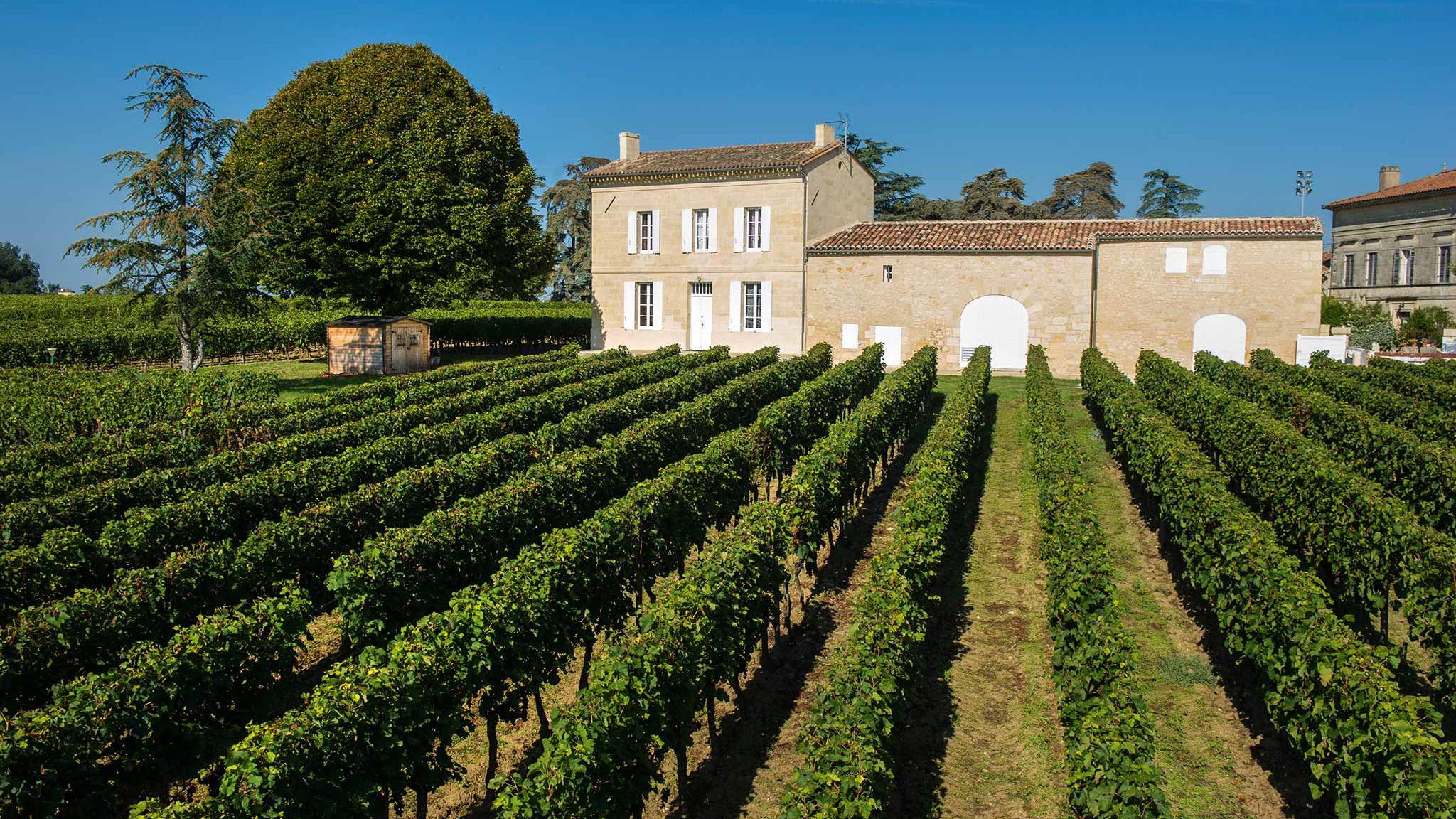
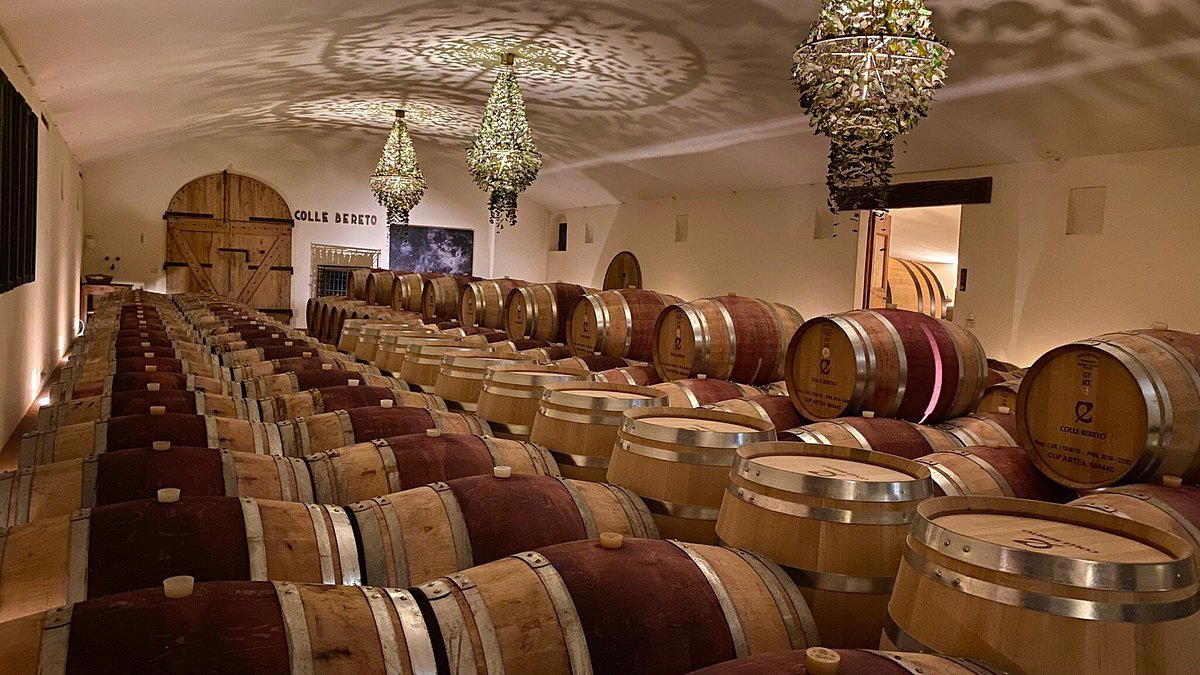
Charming historic manor house with fireplace room for welcome toasts, surrounded by vineyards, offering an elegant and scenic atmosphere.
Tags
Vibe
Best For
Experience
Sourcing
View
At the Vineyard
- Appellation
- Prosecco DOCG
- Varietals
- Glera, Pinot Grigio, Chardonnay
- Tour Duration
- 60-90 minutes
- Visits
- By appointment only
- Farming
- Sustainable
- Wine Styles
- Sparkling, Still White
- Food Pairing
- Offered
- Wine Club
- Not available
Know before you go
Know Before You Go
- Getting there
- Via S. Cristoforo, 1, 31010 Bibano TV
Planning details
Location
Recognition and awards

Also consider
Also Consider
- Bonaventura Maschio, Notable alternative
- Distilleria Castagner, Notable alternative
- Negroni Antica Distilleria, Notable alternative
- Distilleria Andrea Da Ponte, Notable alternative
- Distilleria Nardini, Notable alternative
Winery context
Against Bonaventura Maschio, Distilleria Castagner, Negroni Antica Distilleria, Distilleria Andrea Da Ponte, and Distilleria Nardini, Bottega is the pick when the decision is wine-led and the visit is meant to support bottle buying or shipping. The others skew more naturally toward distillery context, so they make more sense if the group wants spirits heritage rather than a Veneto wine stop.
For booking difficulty, treat Bottega as the least forgiving option in this set. If the schedule is tight or the group needs simpler logistics, start with Bonaventura Maschio or Distilleria Andrea Da Ponte instead. If the priority is a spirits-focused comparison, Distilleria Castagner and Distilleria Nardini are the more direct cross-shops.
Value depends on what the visitor needs from the stop. Bottega is the stronger choice for a focused flagship assessment; Negroni Antica Distilleria or Distilleria Nardini are better fits when ambiance and category history matter more than deciding which wines to buy.
Explore Bibano di Godega
Around this place
Discover more on Pearl
Unlock the full Bottega guide in Pearl, including awards, comparisons, FAQs, planning details, and nearby places.
Compare Bottega
| Venue | Location | Awards |
|---|---|---|
| Bottega | Bibano di Godega | 2026 Falstaff Winery Guide |
| Bonaventura Maschio | Gaiarine | No published awards |
| Distilleria Castagner | Vazzola | No published awards |
| Negroni Antica Distilleria | Mareno di Piave | No published awards |
| Distilleria Andrea Da Ponte | Conegliano | No published awards |
| Distilleria Nardini | Bassano del Grappa | No published awards |
How Bottega Bibano di Godega compares with similar nearby venues.
FAQ
Frequently Asked Questions
Is Bottega worth planning around?
It may be, if the profile is what matters to you: Bottega is in Bibano di Godega, has a smart casual dress code, and holds 2 Star Prestige recognition for 2025. If you need specific details about format, timing, food, drinks, or groups, confirm them directly before committing.
How long should I plan for a visit to Bottega?
What other venues can I compare with Bottega?
Useful named comparisons include Bonaventura Maschio, Distilleria Castagner, Negroni Antica Distilleria, Distilleria Andrea Da Ponte, and Distilleria Nardini. Compare them on their current details rather than assuming they offer the same type of visit as Bottega.
What is the main recognition for Bottega?
The main recognition is 2 Star Prestige for 2025. Check official sources before relying on other specific claims about awards, rankings, scores, products, or signature offerings.