Book with Pearl

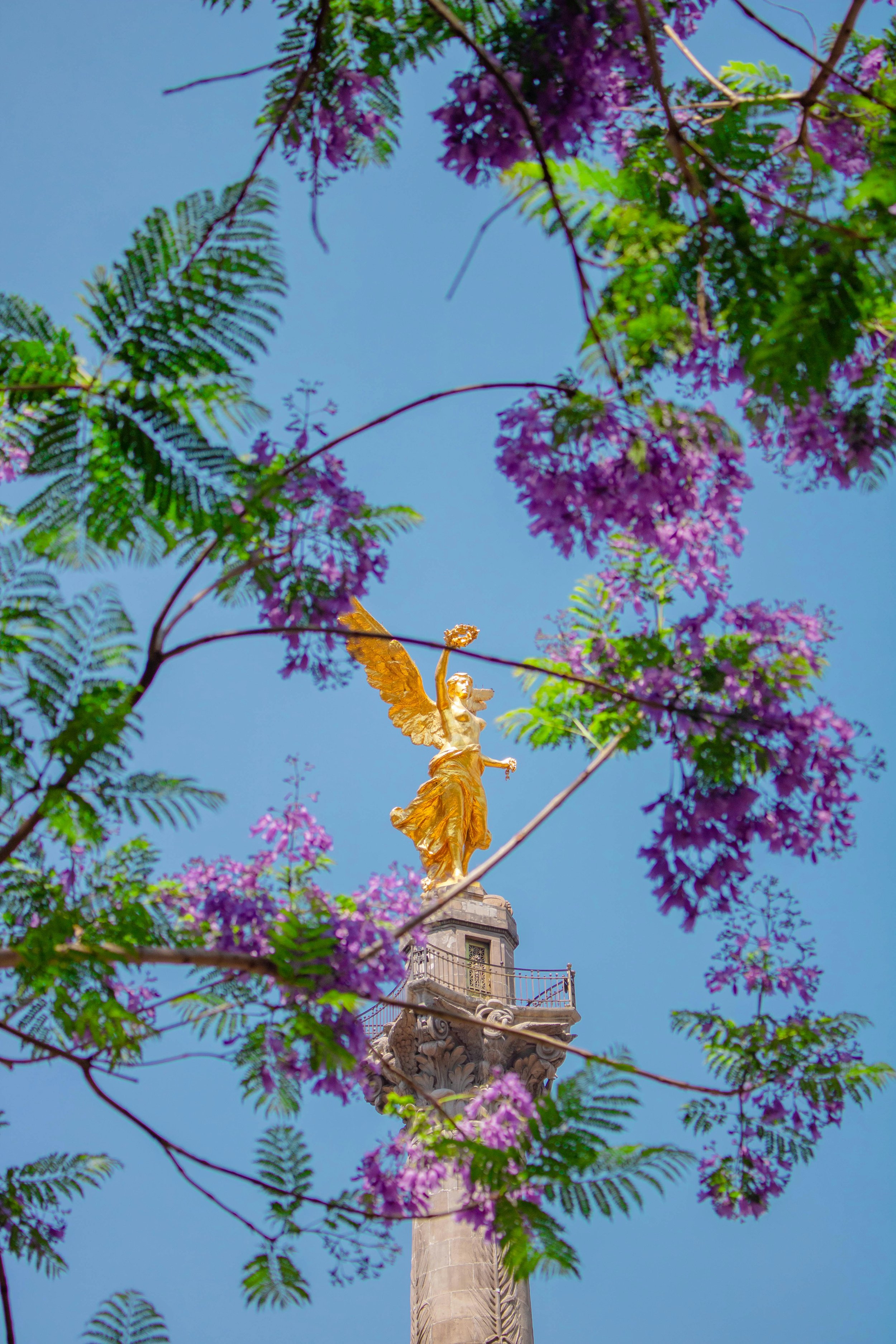
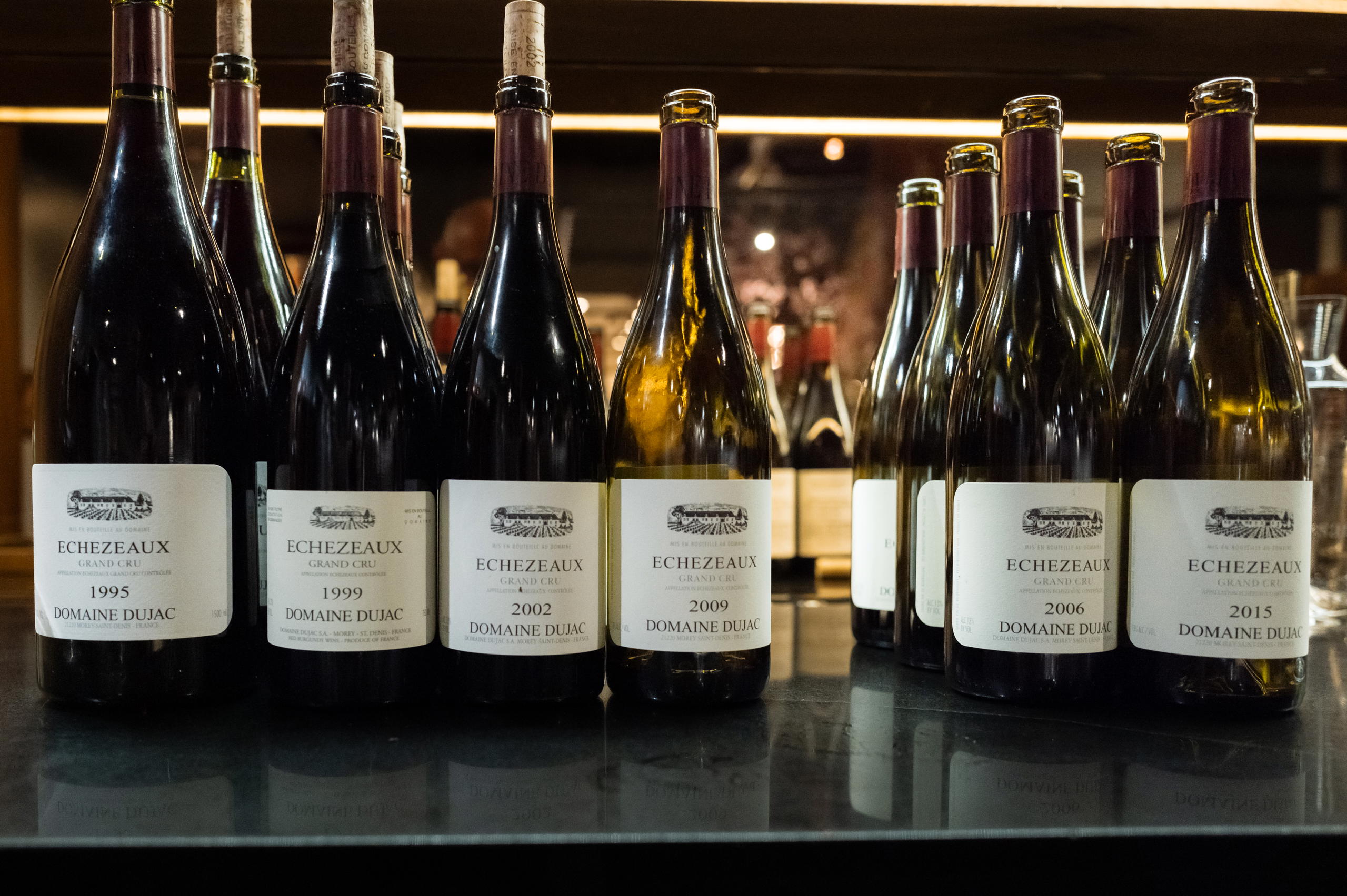
La Paulée Mexico Rare Wine Lunch 2026
An intimate rare-wine lunch at Lotti in Mexico City with Burgundy growers Antoine Jobard and Thibaud Clerget.
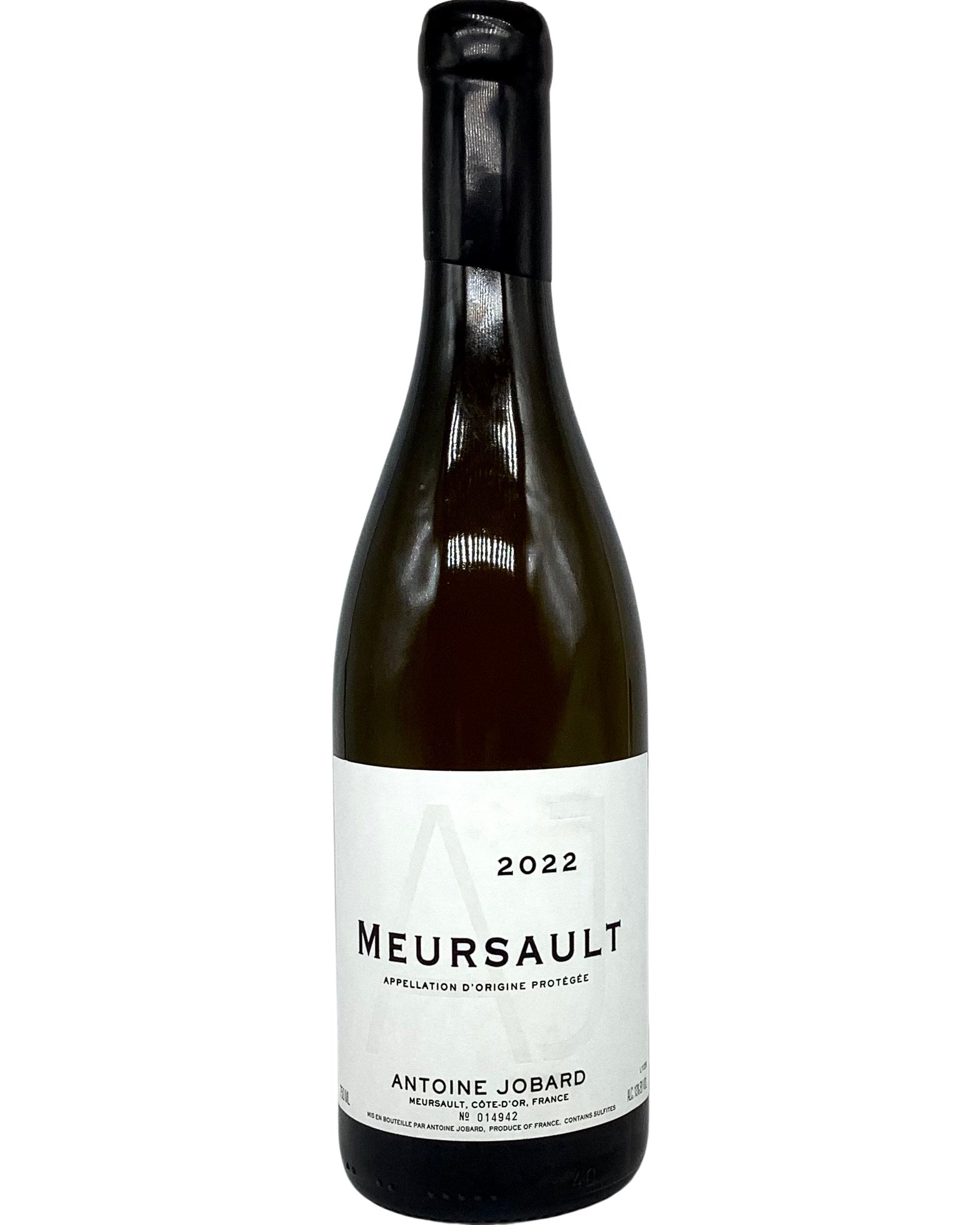

Meursault
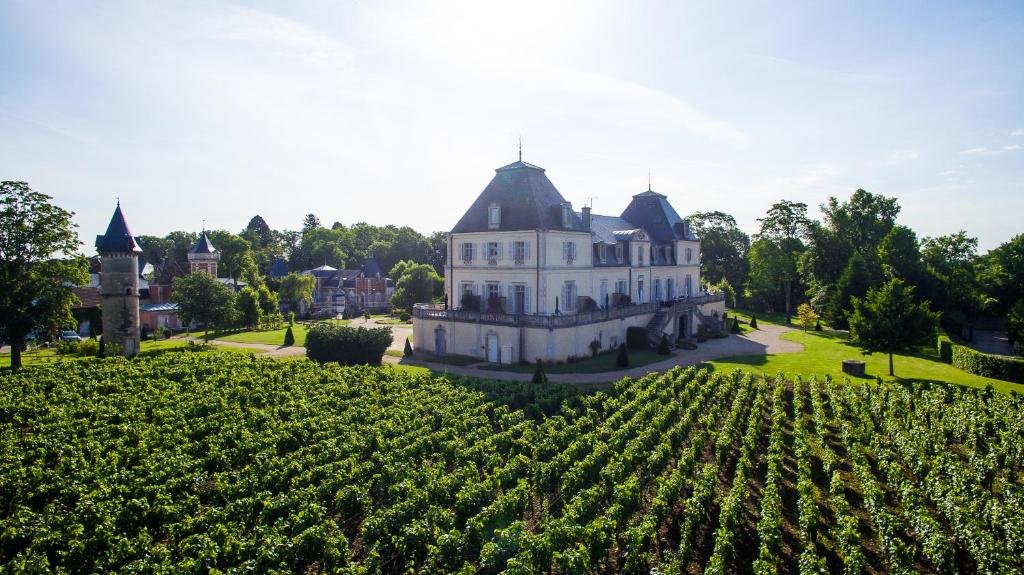
Winery in Meursault, France
Terroir-Disciplined Burgundy
Why go
Domaine Antoine Jobard is worth targeting for a serious Meursault-focused trip, especially for couples, collectors, or special-occasion travelers who care more about producer credibility than visitor amenities. It is less suitable for larger groups or anyone needing flexible, clearly published logistics, so build the day with nearby backup options.
Domaine Antoine Jobard is a Meursault venue with Pearl 3 Star Prestige recognition for 2025. That recognition makes it a meaningful name to consider when planning time in Meursault, but the practical approach should remain cautious and precise. Plan around the essentials rather than assuming a specific visit format, menu, service, pricing, or guest setup. In other words, the venue can belong on a serious shortlist, with practical details checked before plans are fixed.
The clearest recommendation is to treat Domaine Antoine Jobard as a researched Meursault target and confirm all practical details through official channels before building a schedule around it. That means using the recognition and location as a starting point, then checking the essentials directly rather than relying on inference. For a broader day in the area, use Our full Meursault restaurants guide and compare other options such as Domaine Génot-Boulanger, Domaine Jacques Prieur, Domaine Marthe Henry, Domaine Rougeot Père et Fils, and Domaine des Comtes Lafon. That comparison is especially useful if the group needs a more flexible plan, wants alternatives in reserve, or is still deciding how tightly to anchor the day around a single Meursault venue.
Domaine Antoine Jobard is best considered when Meursault itself is central to the trip and the group is comfortable verifying details in advance. The dress code is smart casual, which makes it a direct fit for a polished but not overly formal itinerary. That level of dress is helpful for planning because it suggests an approach that is tidy and considered without requiring guests to prepare for an especially formal setting. It also keeps the venue easy to fold into a day in Meursault, provided the practical details are confirmed before the schedule is fixed.
Avoid assuming specific amenities, access, hours, prices, or group arrangements. This is the key planning point: unresolved practical details should shape the itinerary just as much as the Pearl 3 Star Prestige recognition. Keep the rest of the day flexible, and consider other Meursault options generically if the plan needs backup choices. A flexible structure helps prevent one uncertain element from dictating the entire day, especially if timing, availability, or the expected format turns out to be different from what the group had imagined.
For travelers who like to build a day around a particular Meursault name, Domaine Antoine Jobard can still be a strong point of focus, but it should be handled as a confirmed-interest venue rather than a fully defined experience. The best approach is to identify it as relevant, dress appropriately, and then resolve the unknowns before committing transport, timing, or companion plans. That keeps expectations aligned with the final arrangements.
Choose Domaine Antoine Jobard when the venue name and Meursault setting are the main reasons for interest, and when the group is prepared to confirm logistics directly. It is a better fit for travelers who are comfortable doing that final layer of planning themselves than for those who want every element described in advance. If the priority is a predictable experience with clearly published details, compare it with other relevant venues before finalizing the itinerary. That comparison does not diminish Domaine Antoine Jobard; it simply helps match the stop to the right kind of trip, especially when certainty, scheduling, and practical ease are important.
Domaine Antoine Jobard reads as a quietly exacting village producer: compact and focused rather than demonstrative. Situated in Meursault’s centre, the domaine’s attention is on terroir expression and restraint in the cellar, producing Chardonnay that favors mid‑palate density and slow‑resolving acidity over overt power. The atmosphere implied by the write‑up is intimate and village‑rooted — the kind of small, technically rigorous domaine that appeals to drinkers who prize precision and site specificity rather than flash. It feels rooted to place, discreetly confident and inward‑looking rather than theatrical.
This domaine suits anyone intent on studying what makes Meursault distinctive: students of terroir, collectors assessing cellar development, and diners seeking wines for considered, special occasions. The EP Club Pearl 3 Star Prestige rating highlighted in the profile signals consistent quality across vintages, so tastings here reward comparative exploration — especially of bottlings that showcase the village’s premiers crus. It’s well matched to solo exploration or small‑group visits where conversation centers on texture, minerality and ageing potential rather than novelty.
Look for the domaine’s expressions of Meursault and, where available, its premiers crus: the profile singles out Perrières, Genevrières and Charmes as reference sites in the village. The write‑up emphasizes restraint and site specificity, so choose bottles that promise mid‑palate density and a measured acidity rather than overt oak or extraction. Given the domaine’s reputation for consistent performance (EP Club Pearl 3 Star Prestige, 2025), consider acquiring examples across vintages to judge how the wines evolve; older bottles will illustrate the slow resolution of acidity described in the tasting notes.
Understated, traditional Burgundian cellar environment with reductive, mineral-focused character; austere and refined in youth, developing complexity with age.
2 Rue du Leignon, 21190 Meursault · Directions
If the goal is another serious Meursault target, try Domaine des Comtes Lafon, though it should not be treated as an easy fallback. For a more practical alternative, Domaine Rougeot Père et Fils is the better cross-shop when value and flexibility matter more than prestige.
Domaine Antoine Jobard is the higher-conviction pick if the trip is about serious Meursault rather than easy winery tourism. Domaine Marthe Henry is the softer cross-shop for readers who want a Meursault name without making the whole itinerary depend on one difficult target, while Domaine des Comtes Lafon sits in the same collector-minded lane and should be treated as another hard-plan-ahead option rather than a backup.
For ambiance and breadth, Domaine Jacques Prieur is the better comparison if the group wants a more established-feeling visit around a major Burgundy name. Domaine Génot-Boulanger is the practical alternative for readers who want quality without aiming only at the hardest targets in the village.
If value and approachability matter more than prestige, put Domaine Rougeot Père et Fils higher on the list. Domaine Antoine Jobard is the sharper choice for a serious special occasion; Rougeot is the smarter cross-shop when the group needs a more forgiving plan.
Unlock the full Domaine Antoine Jobard guide in Pearl, including awards, comparisons, FAQs, planning details, and nearby places.
| Venue | Location | Awards |
|---|---|---|
| Domaine Antoine Jobard | Meursault | 2026 Falstaff Winery Guide |
| Domaine Marthe Henry | Meursault | No published awards |
| Domaine des Comtes Lafon | Meursault | 2026 Michelin 2 Grapes - Burgundy2026 Falstaff Winery Guide2025 Pearl 5 Star Prestige |
| Domaine Jacques Prieur | Meursault | 2026 Falstaff Winery Guide2025 Pearl 3 Star Prestige |
| Domaine Génot-Boulanger | Meursault | 2026 Falstaff Winery Guide |
| Domaine Rougeot Père et Fils | Meursault | No published awards |
How Domaine Antoine Jobard Meursault compares with similar nearby venues.
Visit when your trip is centered on Meursault and you have confirmed the practical details directly. Domaine Antoine Jobard holds Pearl 3 Star Prestige recognition for 2025, and the dress code is smart casual. For a broader route, compare options such as Domaine Génot-Boulanger or Domaine Rougeot Père et Fils.
Domaine Antoine Jobard is a Meursault venue recognized with Pearl 3 Star Prestige in 2025.
Domaine Antoine Jobard is located in Meursault.
Use Domaine Antoine Jobard's official channels to confirm practical details before visiting.
Pearl events
Public events currently associated with this Pearl venue.
An intimate rare-wine lunch at Lotti in Mexico City with Burgundy growers Antoine Jobard and Thibaud Clerget.
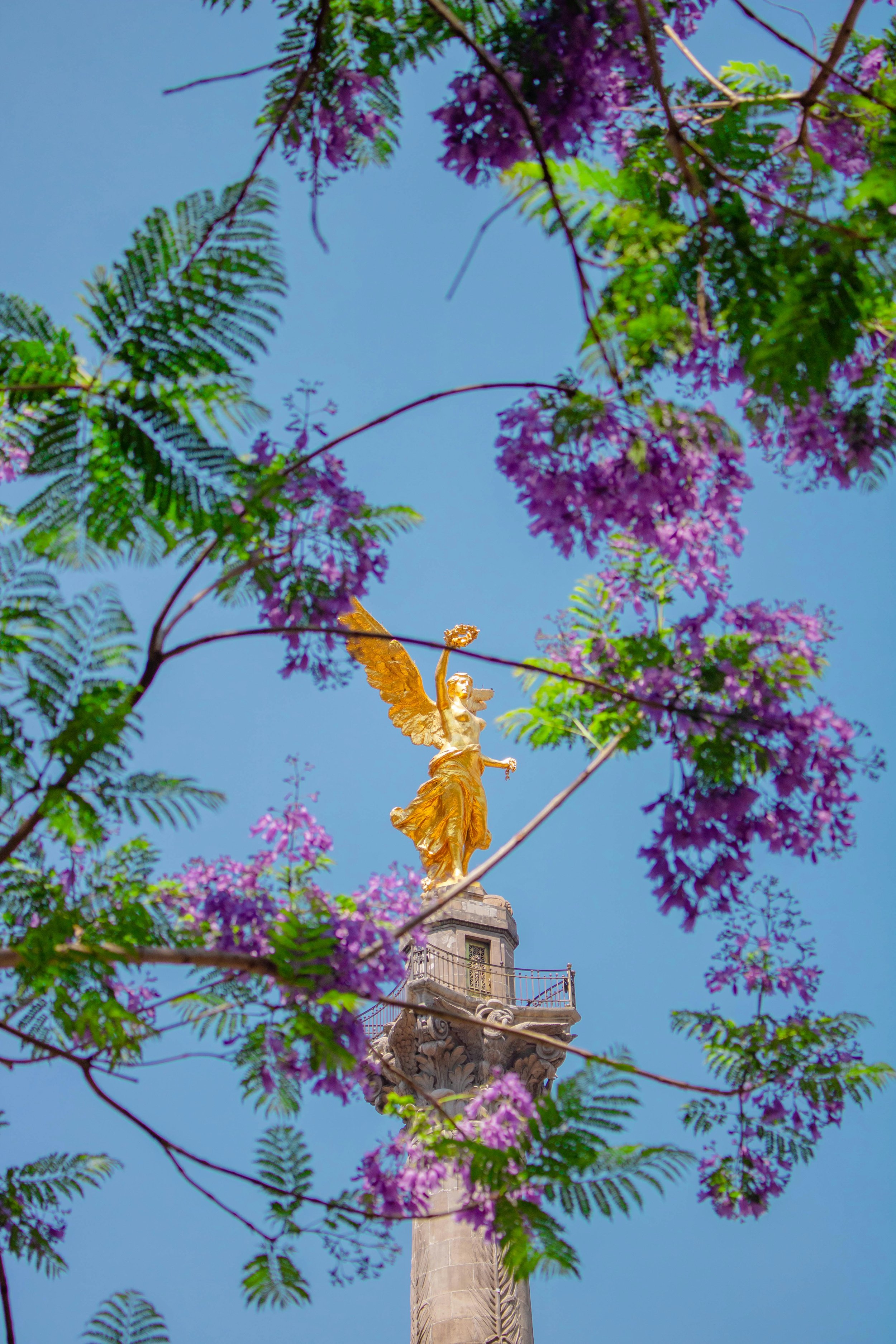
La Paulée’s BYO Burgundy lunch comes to Mexico City with Antoine Jobard, Thibaud Clerget, and Champagne Delamotte.
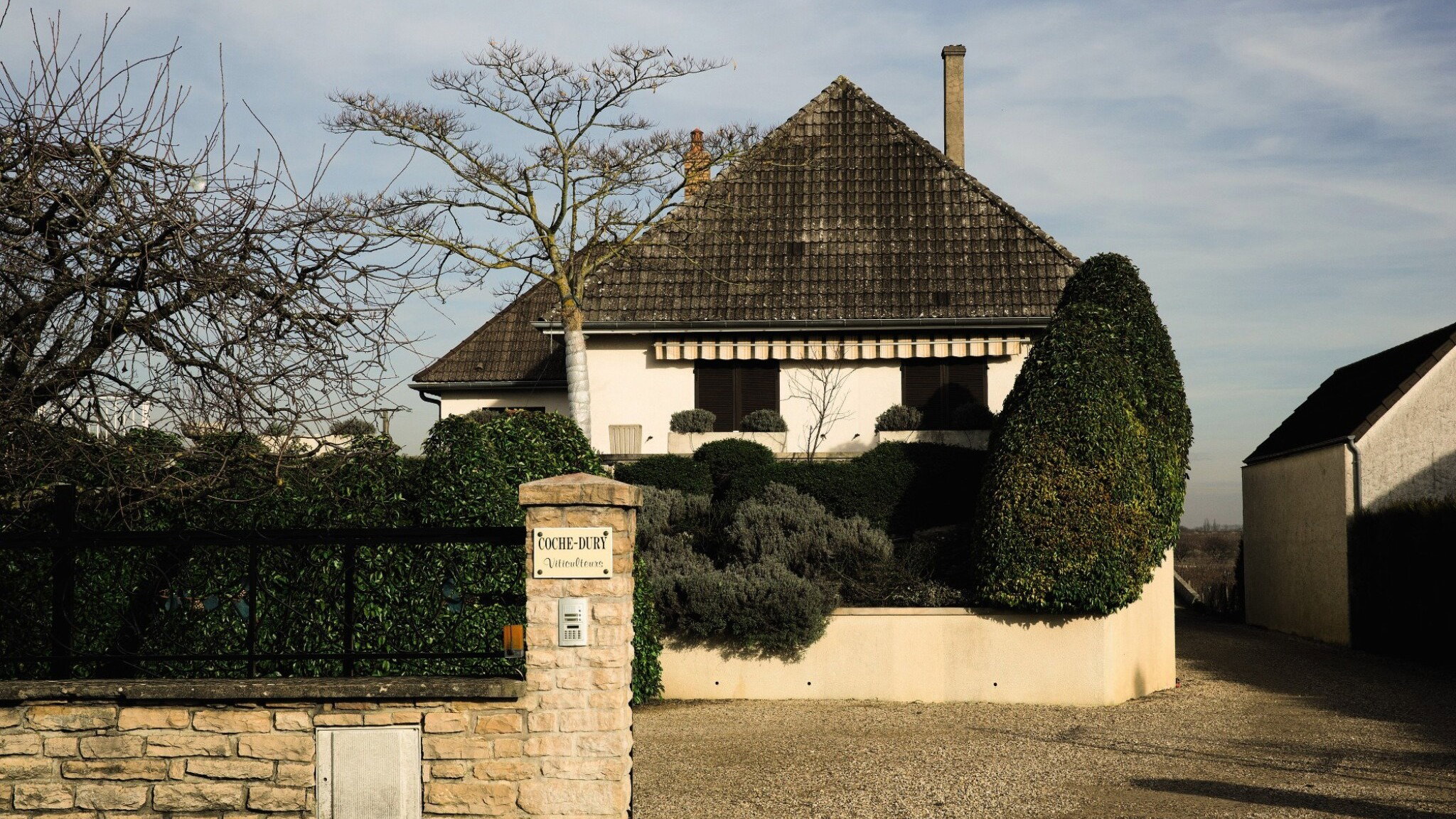 Domaine Coche-DuryMeursaultDomaine Coche-Dury is a wine estate in Meursault, Burgundy.
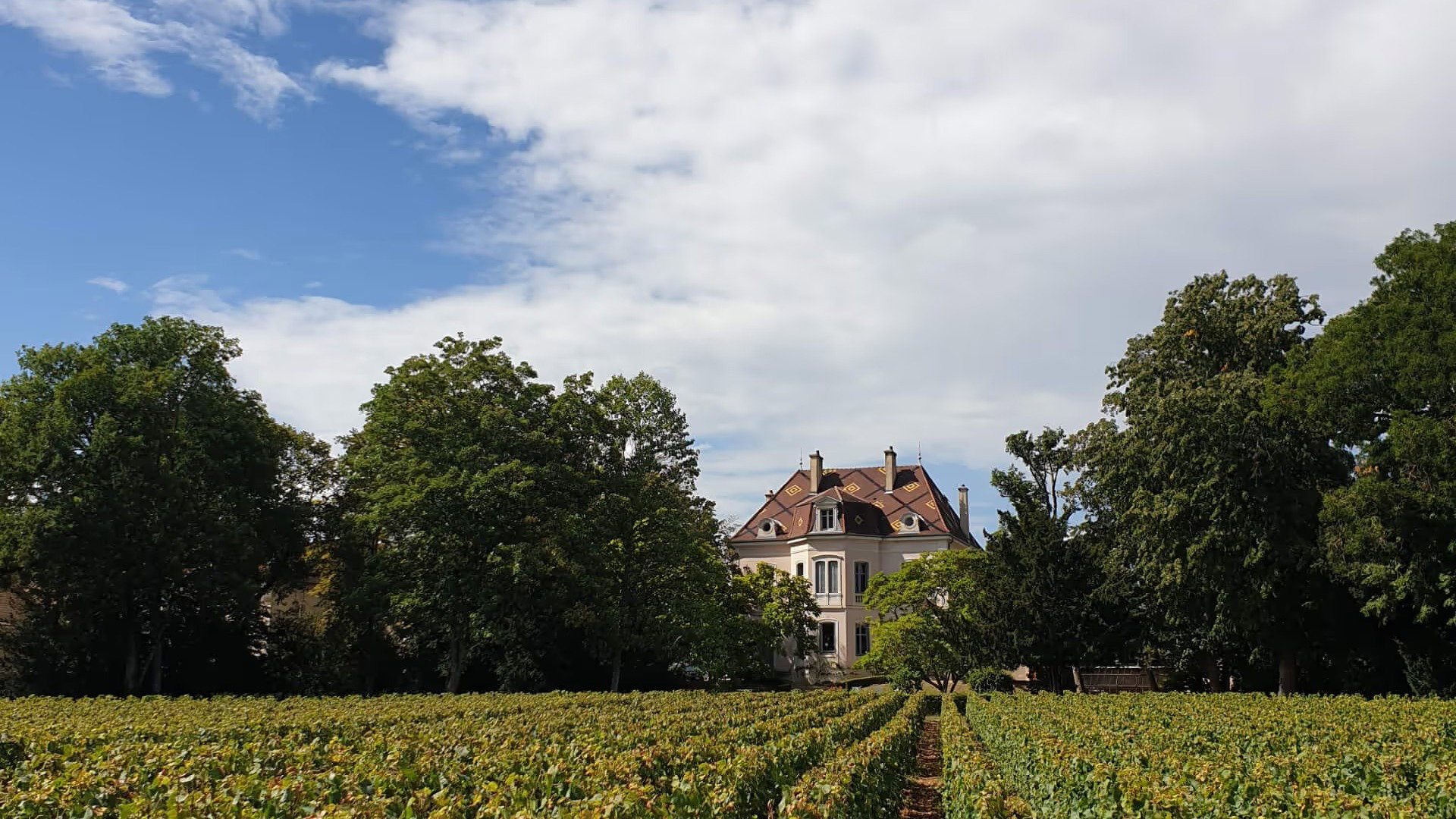 Domaine des Comtes LafonMeursaultDomaine des Comtes Lafon is a wine estate in Meursault, Burgundy.
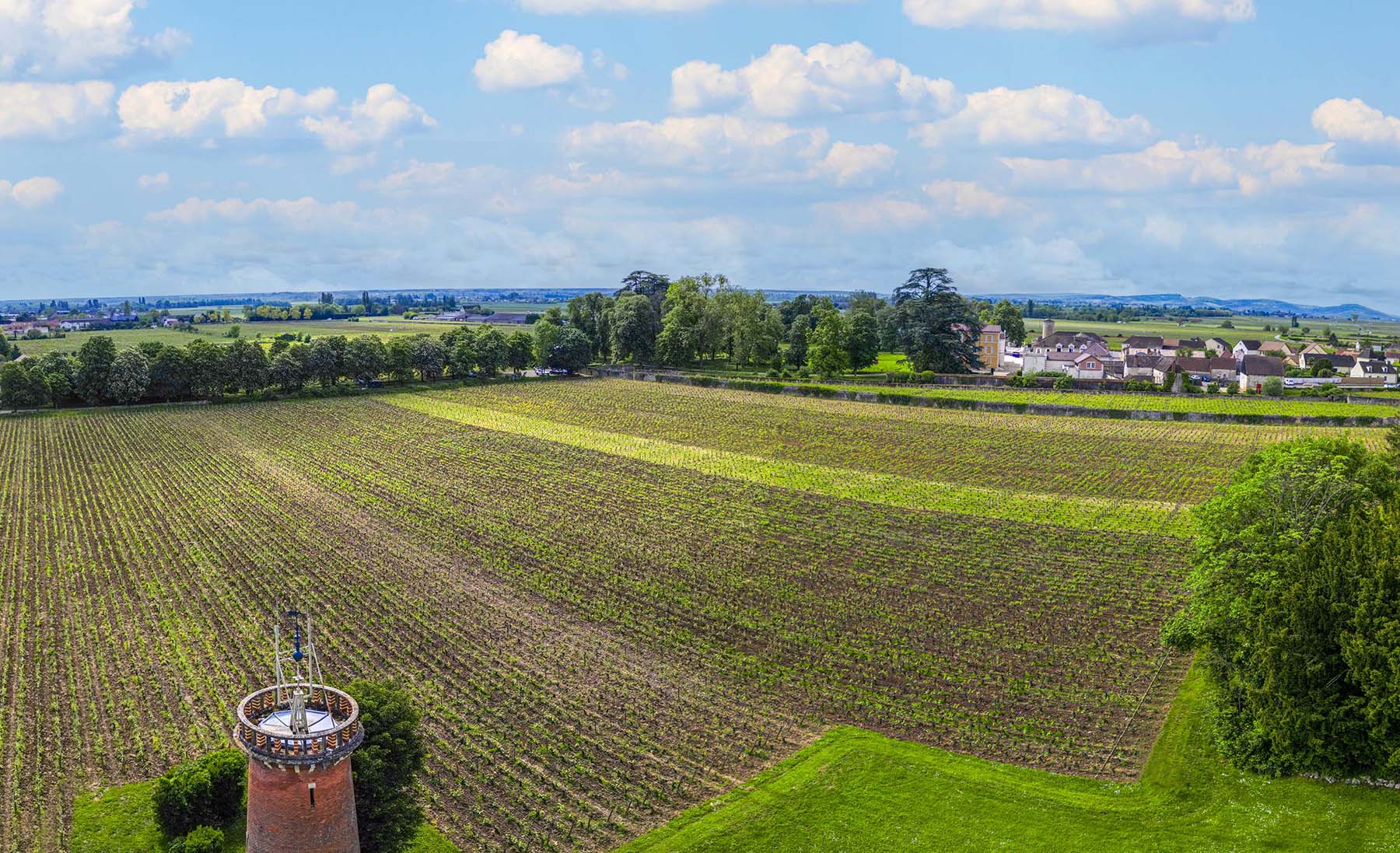 Domaine Arnaud EnteMeursaultDomaine Arnaud Ente is a wine estate in Meursault, Burgundy.
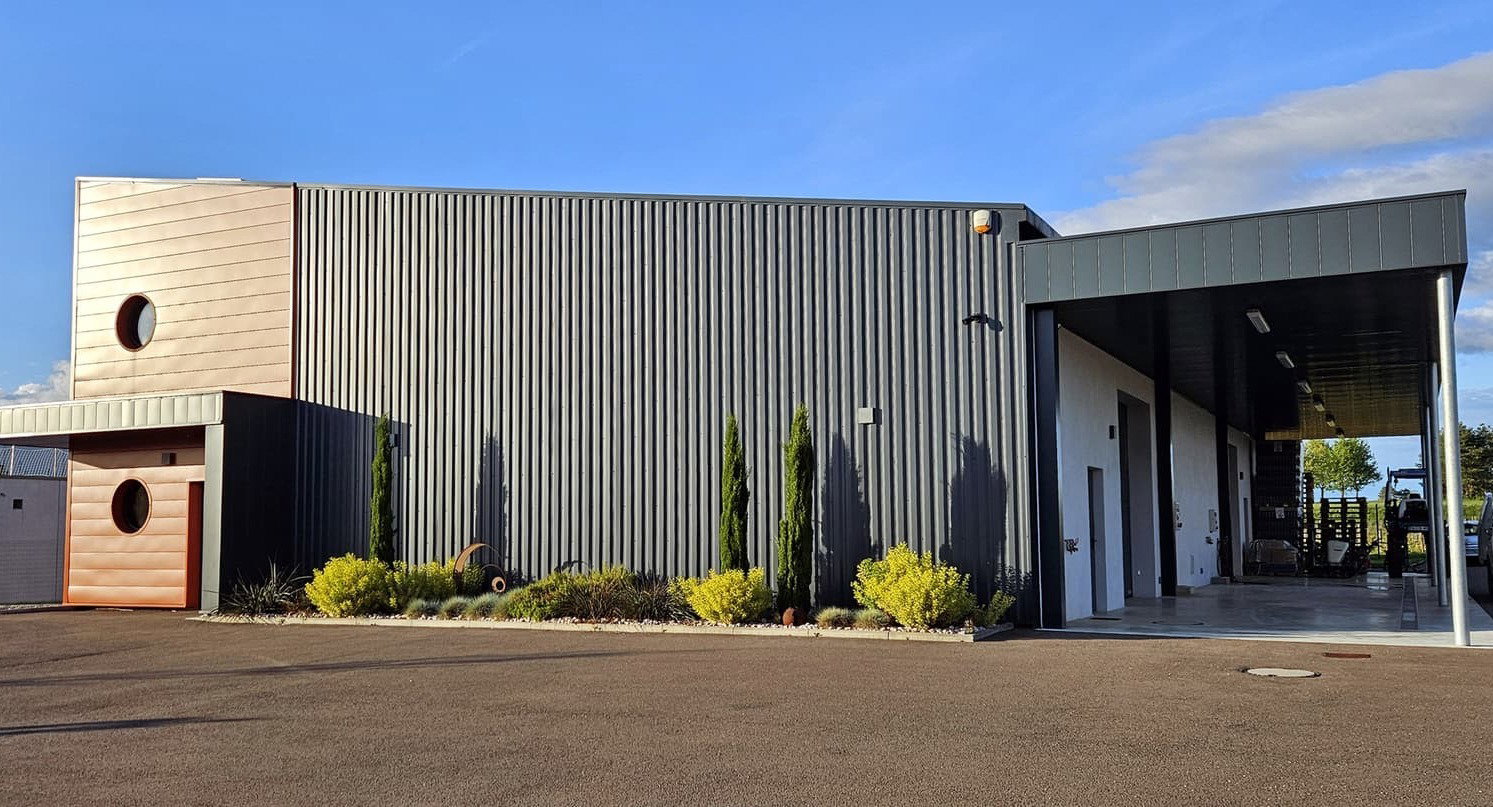 Domaine RoulotMeursaultDomaine Roulot is a wine estate in Meursault, Burgundy.
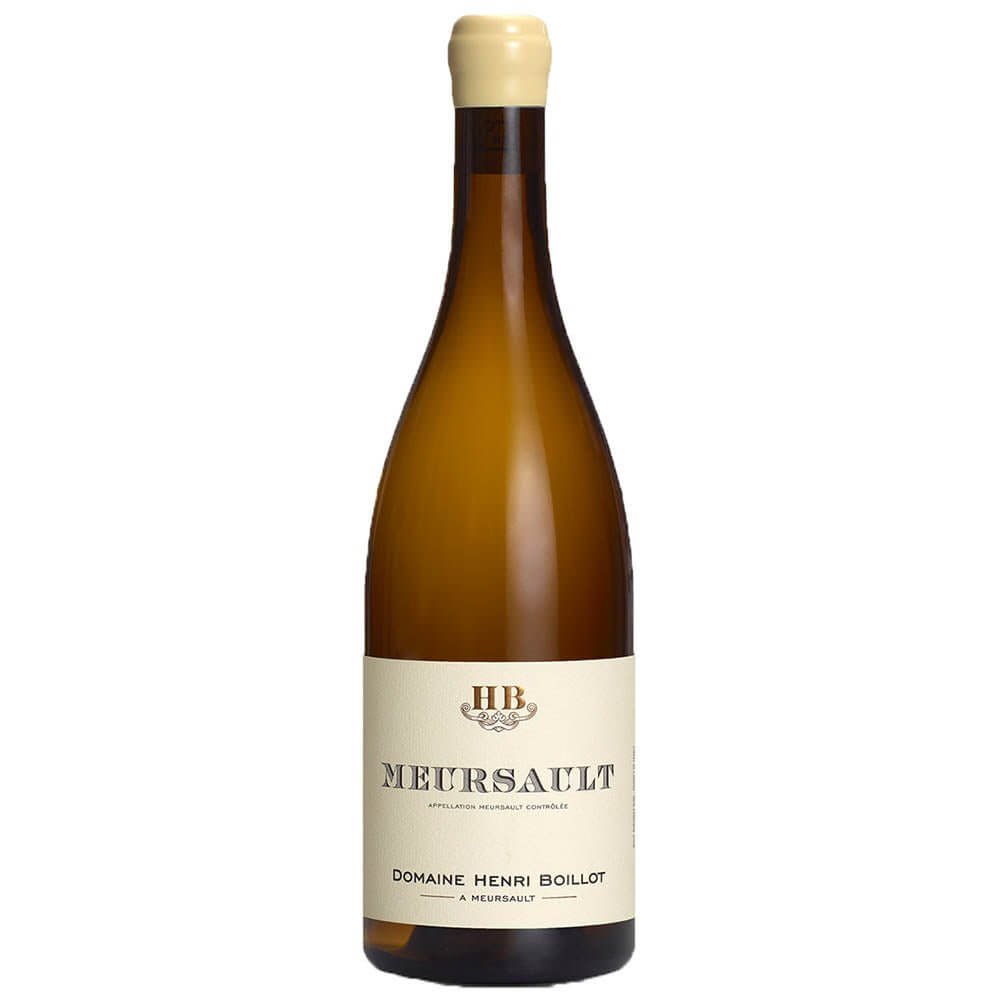 Domaine Henri BoillotMeursaultDomaine Henri Boillot is worth targeting if the trip is built around serious Meursault producers rather than easy…
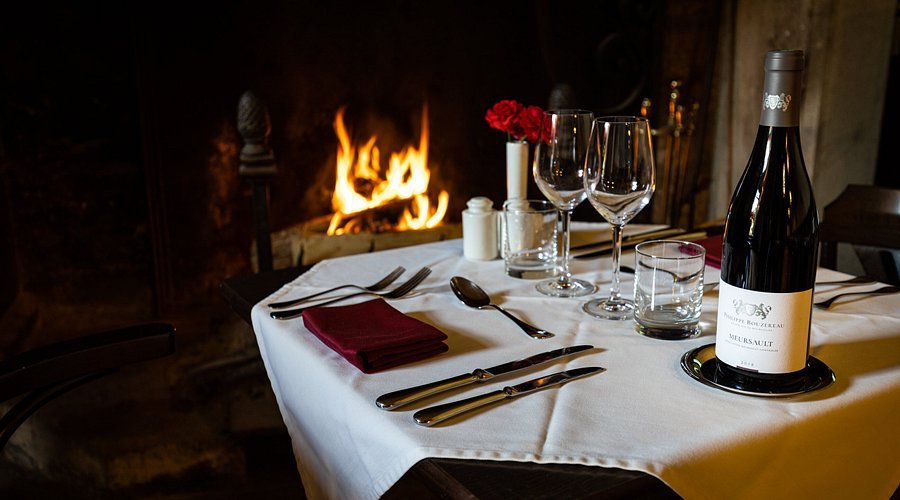 Le Bistrot de La CueilletteMeursaultLe Bistrot de La Cueillette is worth shortlisting for a traditional Meursault meal at €€ level, especially if the day…
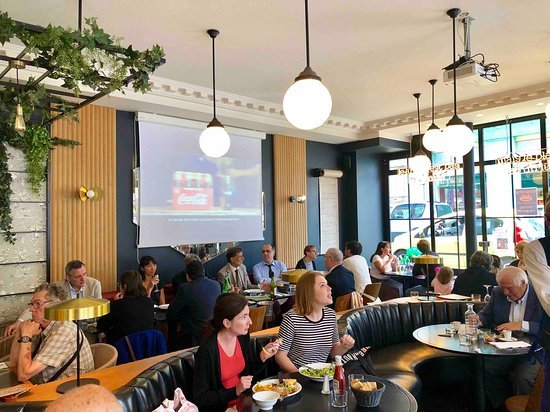 Le SoufflotMeursaultLe Soufflot is the anchor dining address in Meursault: Michelin Plate cooking from chef Jérémy Pèze, an OAD Classical…
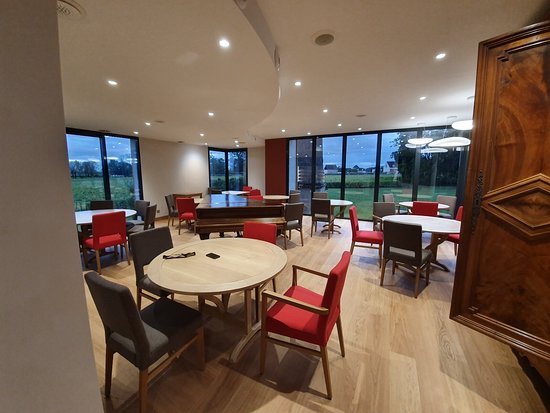 Au Fil du ClosMeursaultAu Fil du Clos is Meursault's most credentialed modern cuisine address, holding Michelin Plates in both 2024 and 2025…
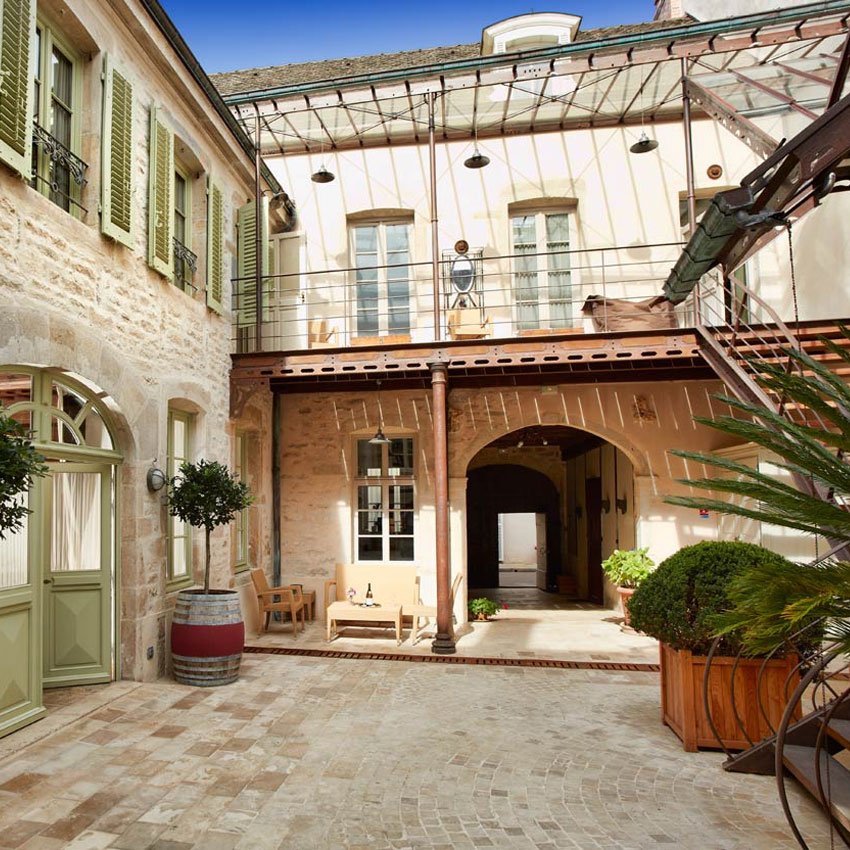 Les MurisaltiensMeursaultA practical Meursault booking for wine-focused diners who want a grounded village meal rather than a high-ceremony…
 CélestineMeursaultCélestine is a cautious yes for a flexible regional French meal in Meursault, especially when convenience matters more…
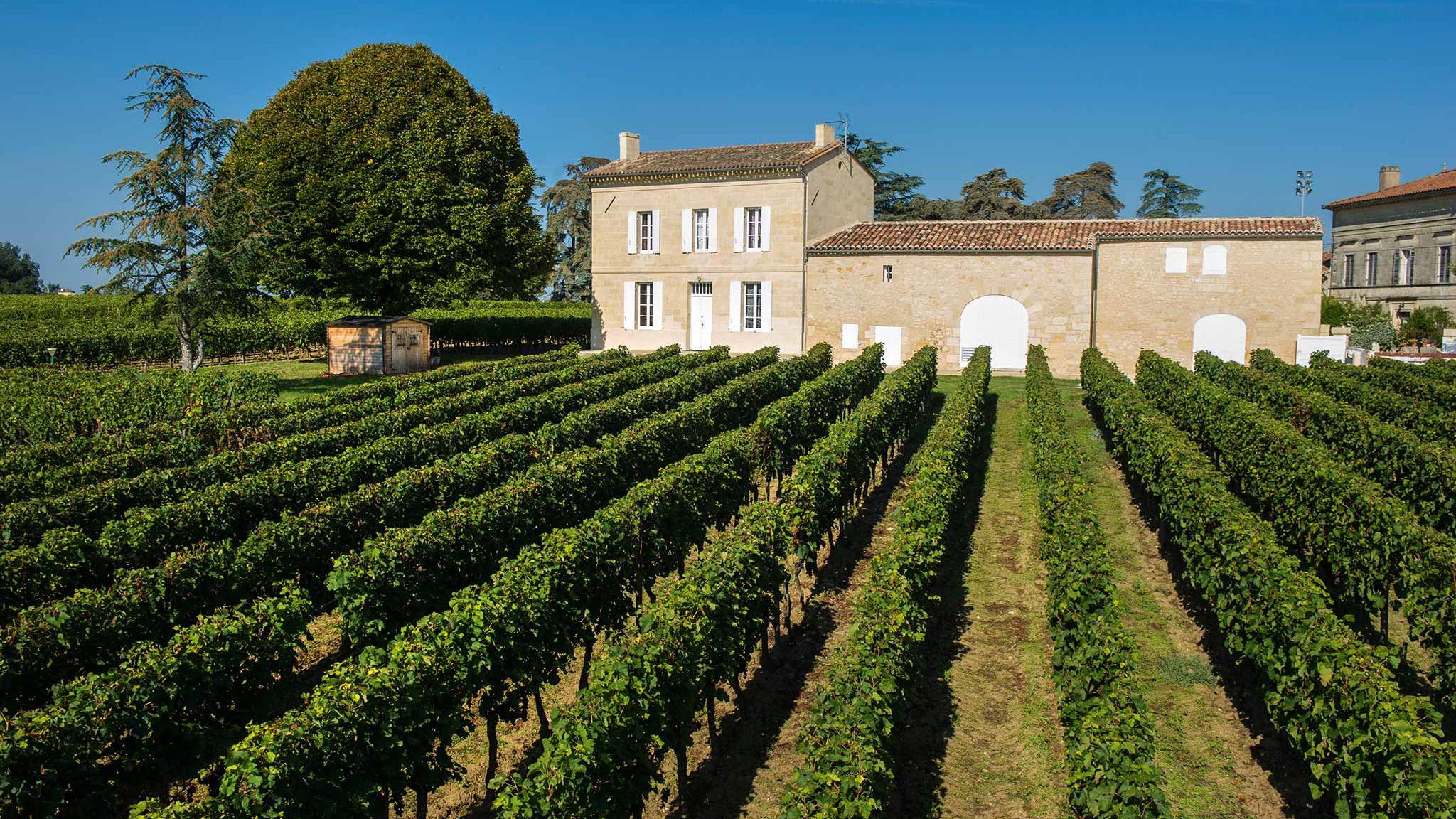 PingusRibera del DueroPingus is for serious Ribera del Duero collectors, not casual winery browsing. Book the pursuit if Peter Sisseck's producer name is the point of the trip; otherwise, use Arzuaga Navarro, Abadía Retuerta, or Vega Sicilia for a more rounded wine-day experience.
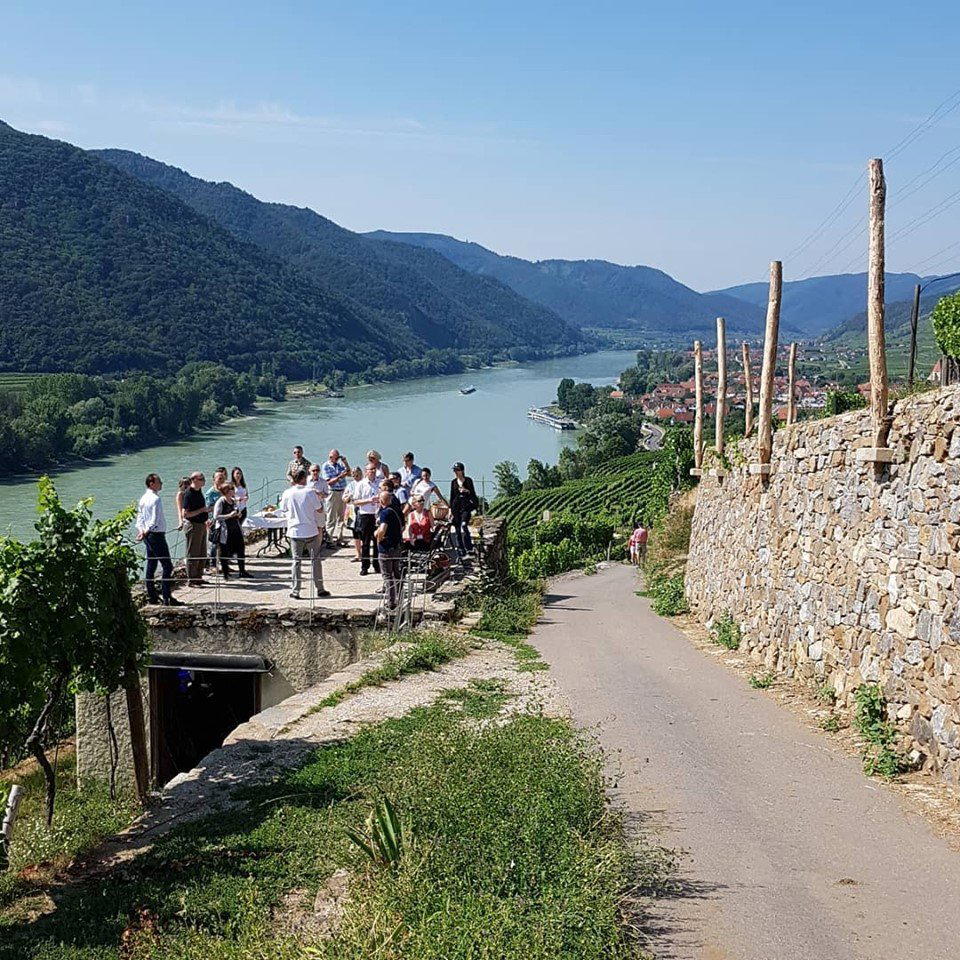 Weingut JamekJochingPrioritise Weingut Jamek if the trip is built around serious Wachau wine and selective bottle buying, not a casual tasting stop. Booking pressure makes it a risky anchor without a backup, but the value case is strong for visitors who want a quieter, credibility-led Joching winery experience.
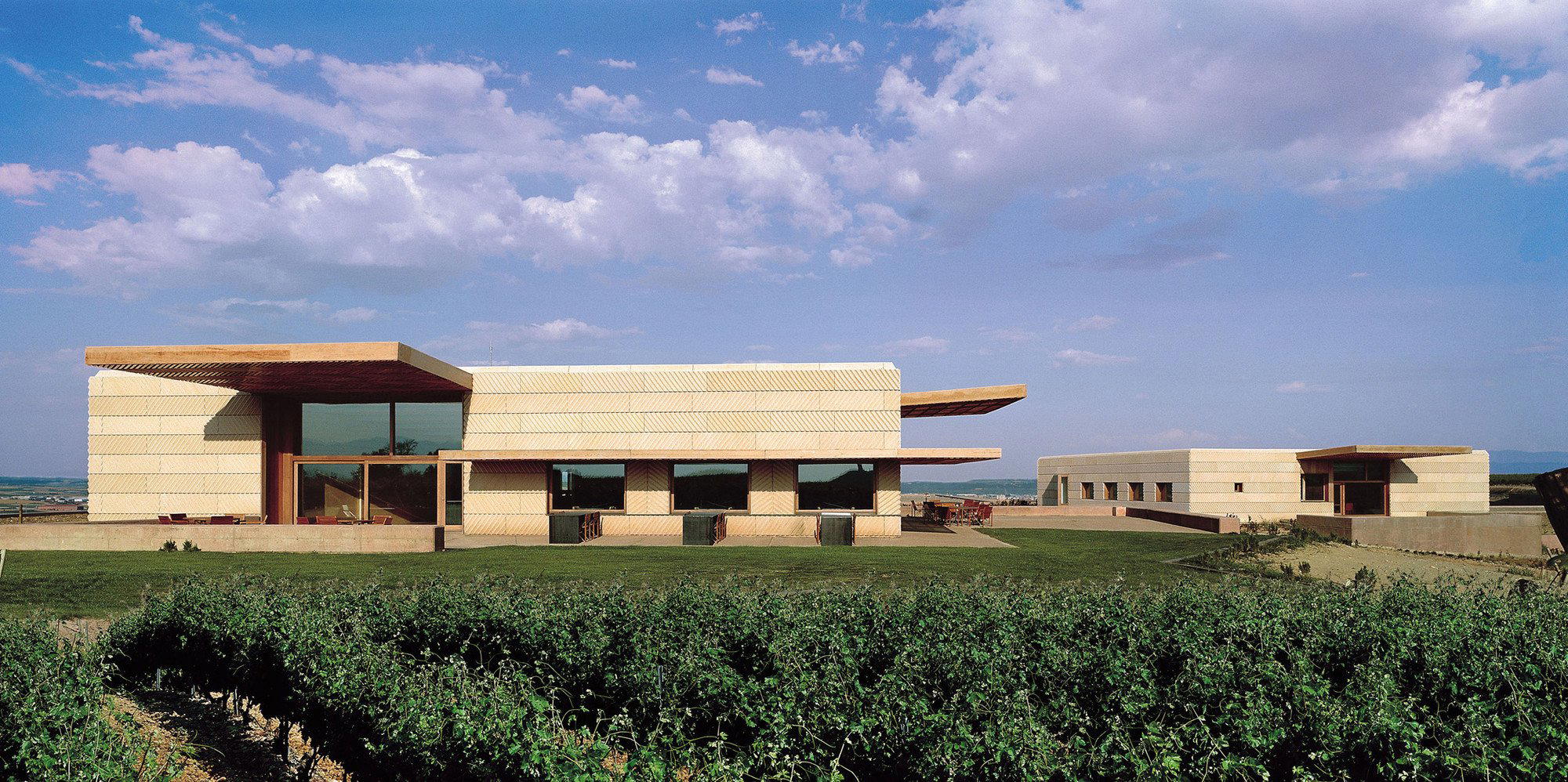 Campo ViejoLogroñoCampo Viejo is worth prioritizing if the aim is a structured Rioja winery stop in Logroño, especially as part of a food-and-wine weekend rather than a standalone meal plan. Treat the wine visit as the anchor and arrange restaurants, bars, and hotels around it; travelers wanting easier spontaneity should cross-shop Bodegas Franco-Españolas or Marqués de Murrieta.
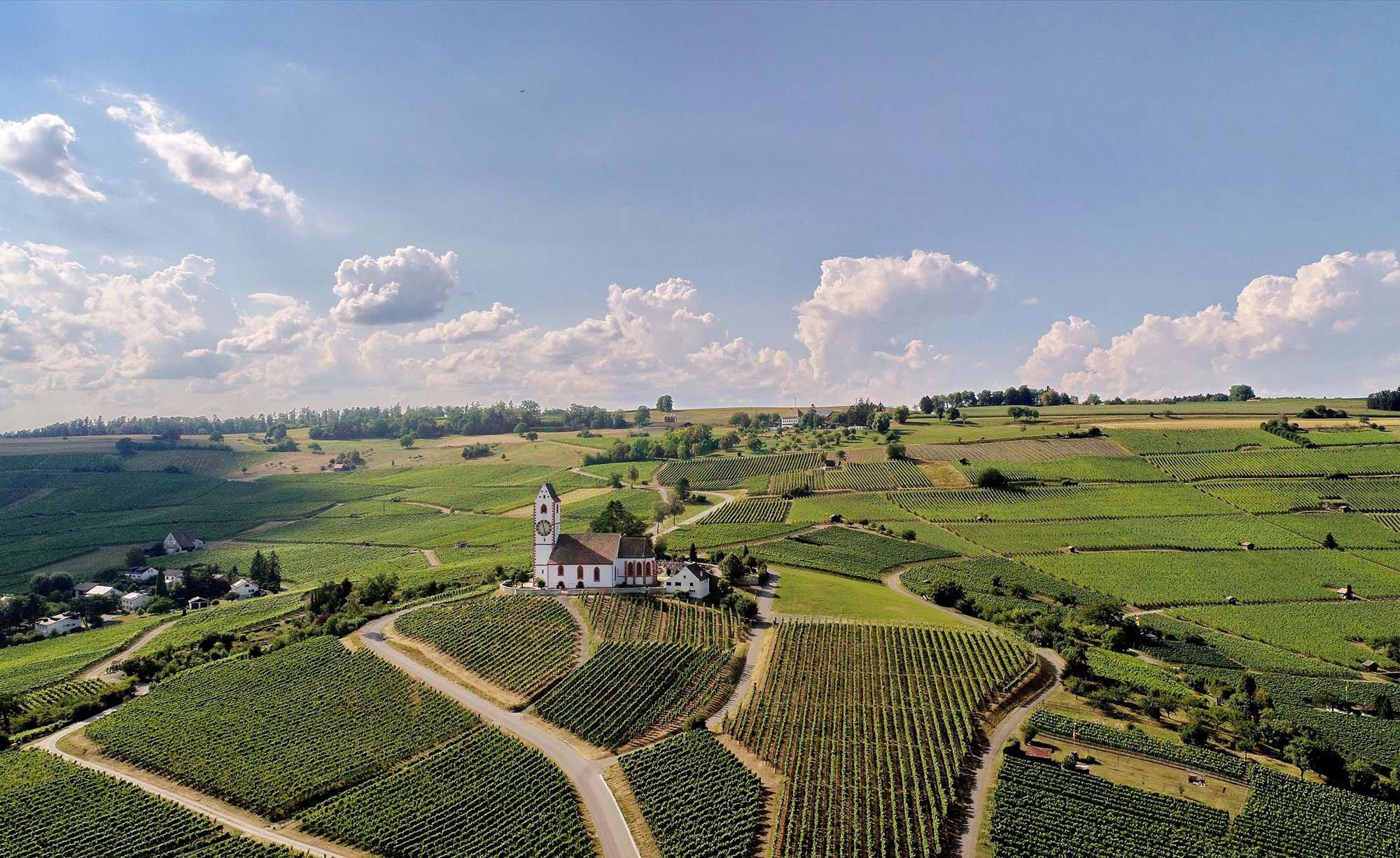 aagne weingutHallauBook aagne weingut only if wine is the main reason for the Hallau stop. The case for visiting is strongest for serious Swiss-wine buyers and celebration trips built around a focused tasting, with Falstaff 3 Stars in 2026 giving it a clear quality signal. Confirm logistics before planning around food, groups, or shipping.
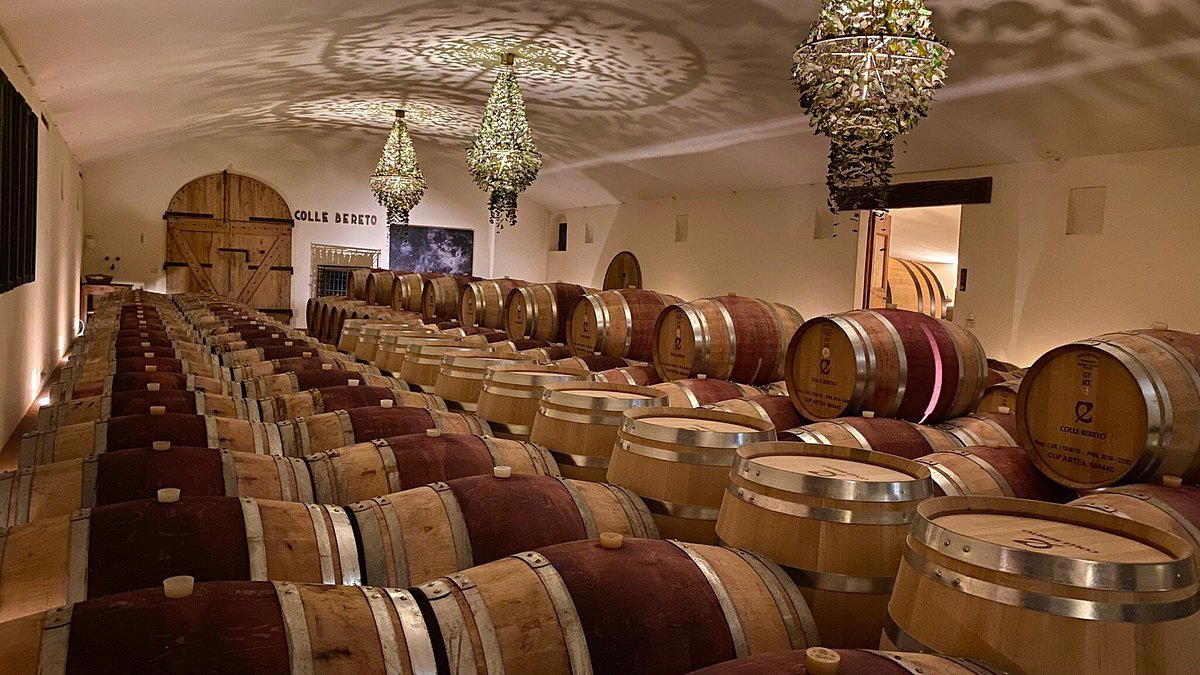 Azienda Agricola Colle BeretoRadda in ChiantiAzienda Agricola Colle Bereto is worth prioritizing in Radda if the goal is a polished Chianti Classico tasting rather than a quick cellar stop. The draw is the full portfolio, from Sangiovese-led labels to Pinot Noir, Merlot, Brut rosé, and white wine, plus historic brick cellars and quiet vineyard views that suit a special-occasion afternoon.