

2026 Falstaff Winery Guide: The Ultimate Wine Authority — Page 100
Falstaff's 2026 Wineries guide.

Venues on this list
Jean-Marc et Hugues Pavelot
Savigny-lès-Beaune, France
A wine-first Savigny-lès-Beaune address for Burgundy drinkers who care about Premier Cru vineyard names, especially Les Gravains and La Dominode Rouge. Worth prioritizing for bottle interest and appellation focus; less suited to travelers who need a clearly published tasting format, hospitality details, or a guided visitor experience.
Dusted Valley Vineyards
Walla Walla, United States
Dusted Valley Vineyards is worth booking for a relaxed Walla Walla tasting room with rustic vineyard-country atmosphere and an easy fit for families or groups. Choose it as an approachable afternoon stop rather than a formal food-pairing or collector-focused tasting.
Fattoria di Montechiari
Montecarlo, Italy
Fattoria di Montechiari is a sensible Montecarlo winery option if the goal is a relaxed Tuscan stop rather than a highly documented tasting with published pricing, named flagship bottles, or food details. Its Falstaff listing gives it a useful recognition signal, but first-timers should plan the wider day carefully and avoid relying on unverified visit formats.
Hideaway Vingård
Fej, Denmark
Book Hideaway Vingård for a quiet Fejø wine-and-food escape, especially if lunch, guided tasting and vineyard time matter more than a technical bottle lineup. The draw is the combined format: organic and regenerative vines, Italian-leaning country food, fig arboretum, cabins and a calm island setting suited to couples or low-key celebrations.
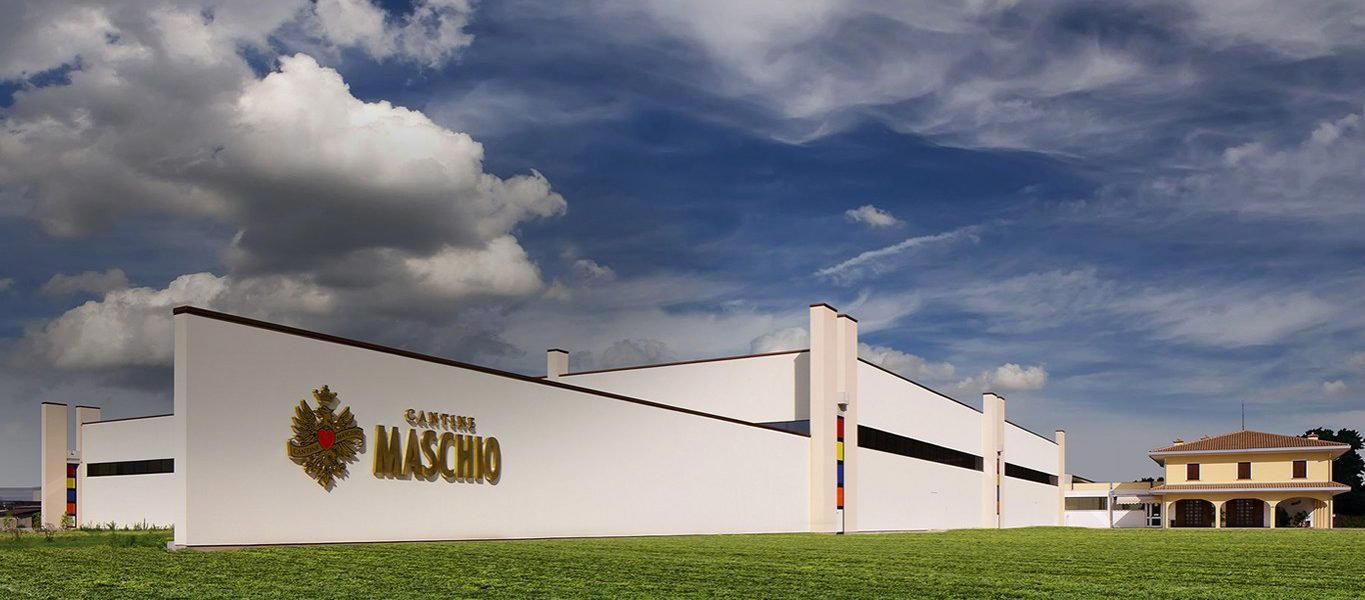
Cantine Maschio
Vazzola, Italy
Book Cantine Maschio if you want a practical look at modern Prosecco production rather than a tiny rustic cellar visit. The value is in comparing DOC, DOCG, rosé, and frizzante styles from a large Veneto sparkling-wine producer with a technical, freshness-led approach and Falstaff recognition in 2026.
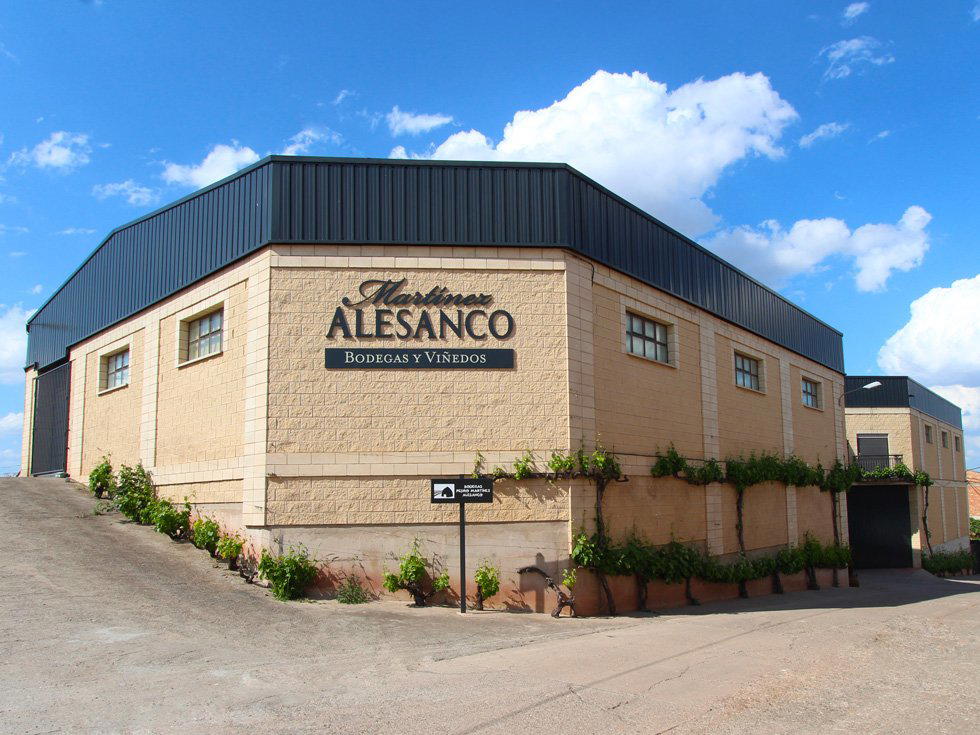
Bodegas Pedro Martínez Alesanco
Badaran, Spain
A strong-value Rioja Alta winery visit for travelers who want regional context and guided explanations rather than a glossy tasting-room experience. Book it for a relaxed special occasion, especially if Alto Najerilla, estate-grown fruit, and family-run hospitality matter more than luxury polish.
Dr. Armin Lassnig
Villach, Austria
A cautious yes for wine travelers already exploring Villach or Carinthia. Dr. Armin Lassnig works better as a relaxed, seasonal Burgwein-style stop than as a collector-focused tasting appointment; the 2026 Falstaff listing helps, but wine club value should be checked against actual release terms before joining.
Cave des Promesses
Gundis, Switzerland
Cave des Promesses is a focused Gundis winery pick for small groups who want an appointment-led Valais tasting rather than a busy visitor-center format. It is worth considering at the $$ level, with Falstaff listing recognition in 2026, but it is not the right choice if food service, walk-in timing, or published hours are essential.
Domaine d'Henri
Chablis, France
Domaine d'Henri works for a focused Chablis winery day, especially if the goal is appellation context rather than a polished luxury tasting circuit. Its Falstaff listing gives it an external credibility signal, but the better reason to go is practical: it fits neatly into a compact Chablis route built around producer comparison.
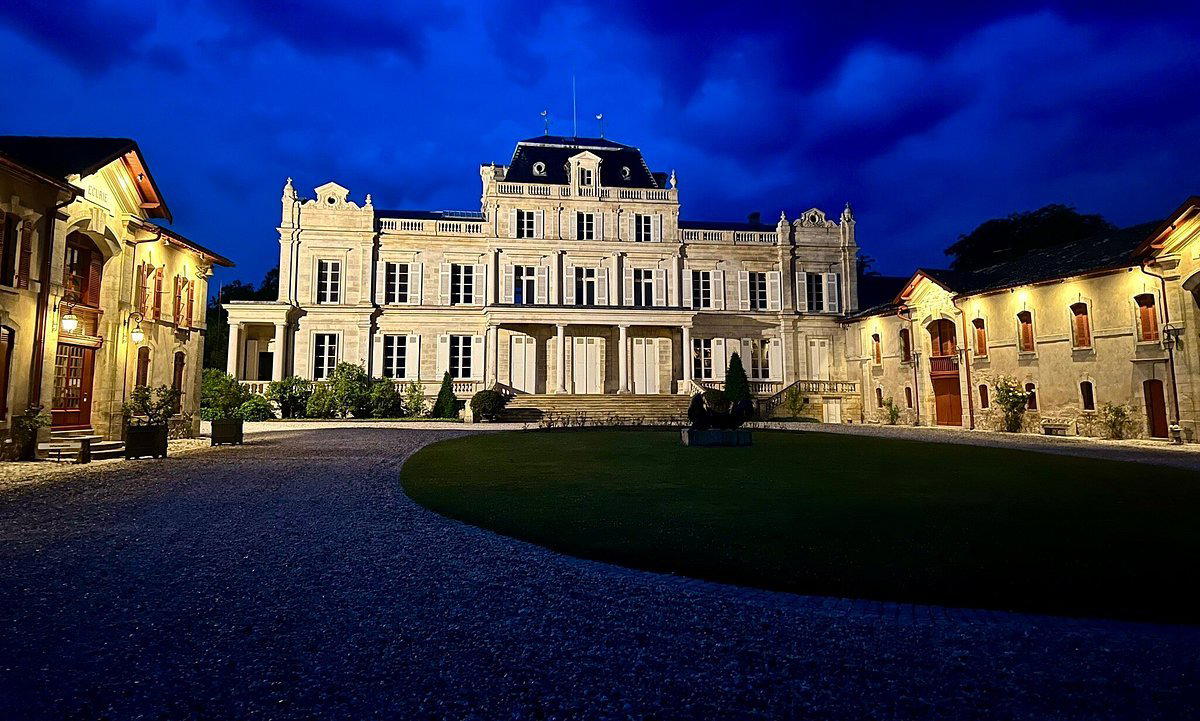
Château Giscours
Labarde, France
A strong Labarde choice for a planned Médoc winery visit, especially for couples, collectors, or business guests who want the estate appointment to anchor the day. It is less suited to spontaneous tasting plans or groups that need maximum flexibility, so keep a nearby alternative ready if timing is tight.
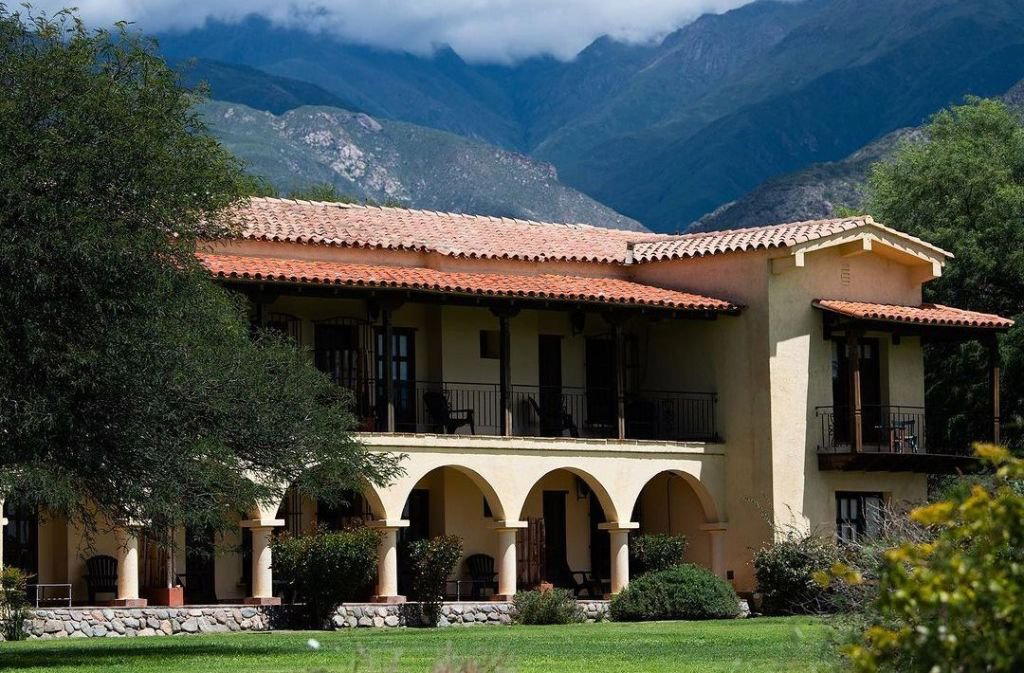
Bodega Tukma
Tolombon, Argentina
Book Bodega Tukma if you want a high-altitude Calchaquí Valley winery visit with more structure than a simple tasting. The draw is the combination of Malbec Reserva, Torrontés, guided vineyard time, private tastings, blending options, and food pairings through Altalaluna Hotel Boutique & Spa.
Château Tour Perruchon
Lussac, France
Château Tour Perruchon works for a quiet, traditional Lussac-Saint-Émilion stop centered on structured Right Bank reds. It suits small groups and first-timers who want appellation context more than a polished visitor-center experience. Treat any private tasting as worth paying for only if it adds vintage depth, vineyard explanation, or cellar context.
Bodegas Langa
Calatayud, Spain
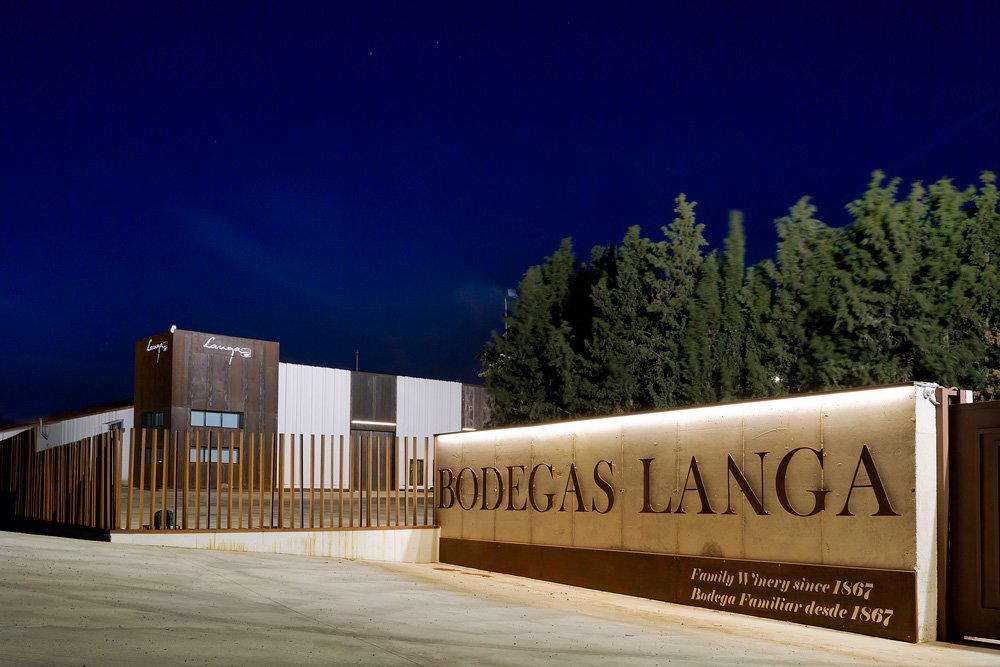
Dark-fruited old-vine Garnacha is the hook here, especially La Gavacha from vines averaging 90 years of age. Book Bodegas Langa if you want a historic Calatayud estate with family roots, cava production, and a serious regional point of view; skip it if you want an easy drop-in tasting. Falstaff 2 Stars in 2026 adds a useful external signal.
Château d’Arche
Sauternes, France
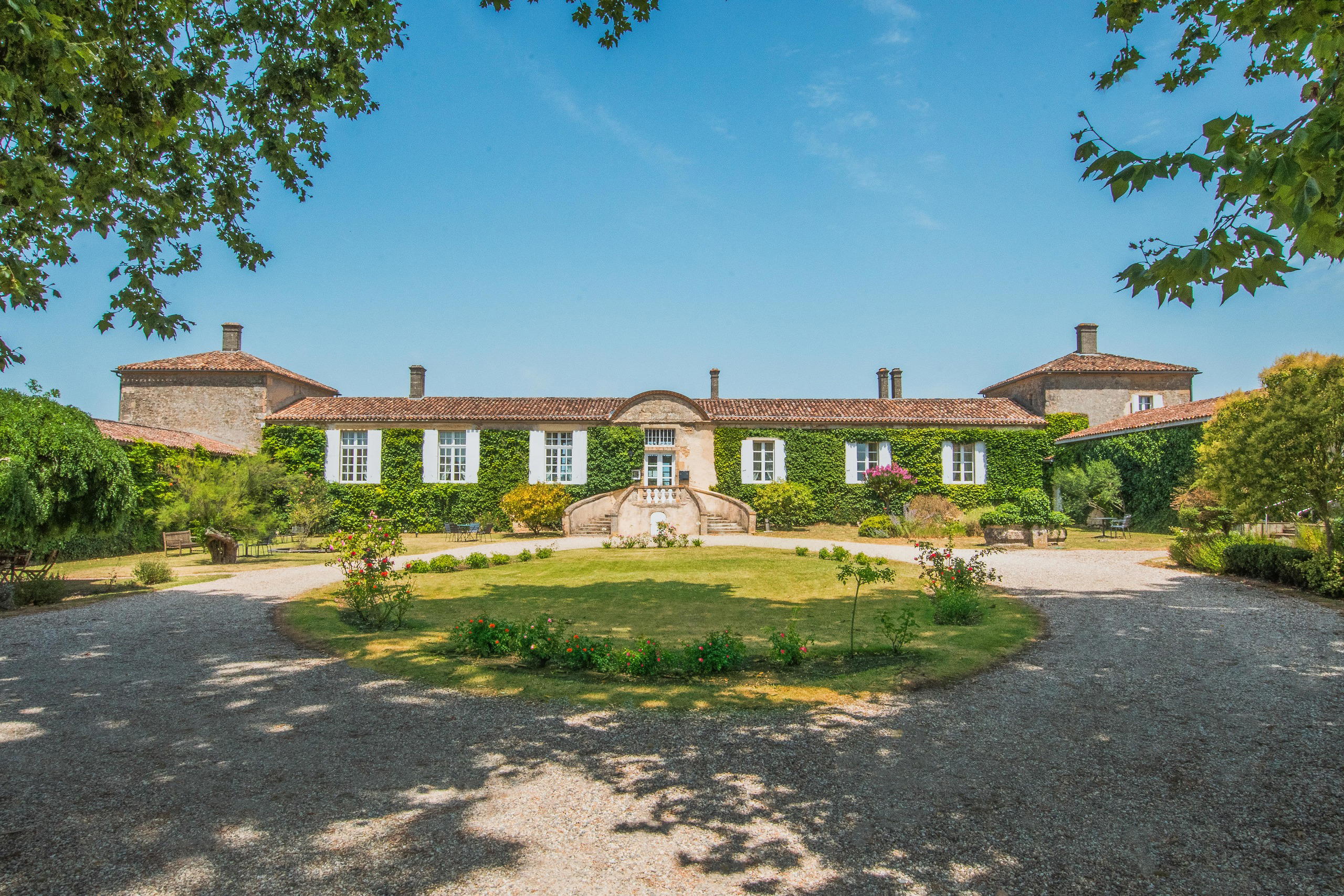
Château d'Arche is a strong Sauternes pick for travellers who want a wine-first château visit in the village, backed by Pearl 3 Star Prestige recognition in 2025. Treat booking as difficult and confirm any food or pairing component in advance; it is a better fit for focused wine travellers than for visitors expecting a full meal format.
Cantina Sant'Evasio
Nizza Monferrato, Italy
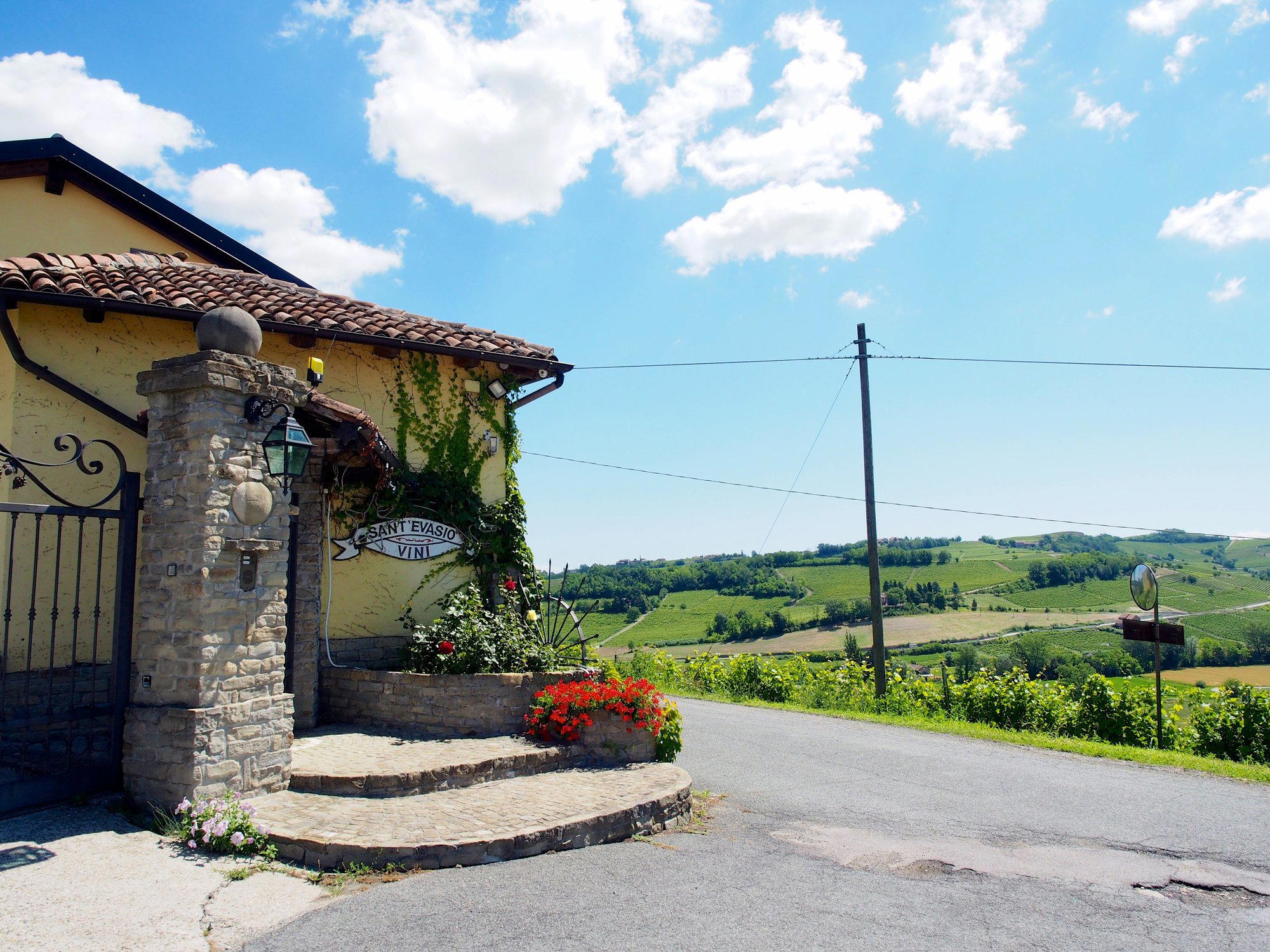
Cantina Sant'Evasio is a strong pick for a low-key Nizza Monferrato winery visit centered on Barbera rather than design-led hospitality. Prioritize it if the Barbera d'Asti DOCG Superiore, San Nicolao hillside site, and family-run production matter more than a restaurant-style tasting experience.
Château Malartic-Lagravière
Léognan, France
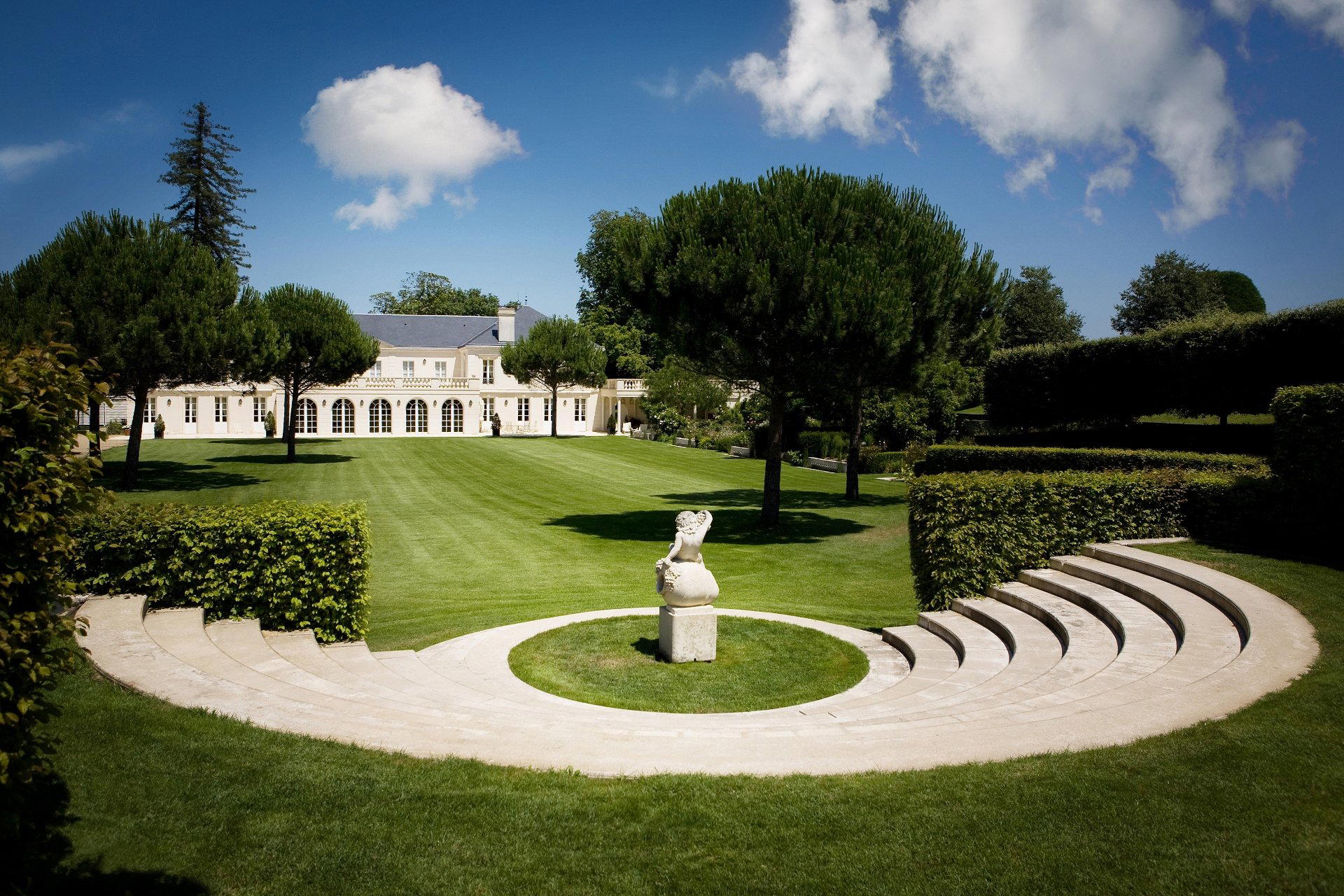
Book Château Malartic-Lagravière if you want a polished Pessac-Léognan visit with more depth than a simple tasting. The draw is the combination of red and white Grand Cru Classé wines, cellar context, sustainability detail and a refined food-and-wine pairing format that helps explain what belongs at the table.
Gozzelino Sergio
Costigliole d'Asti, Italy
Gozzelino Sergio is a low-key Costigliole d’Asti winery to consider when the goal is Asti DOCG and Moscato d’Asti DOCG context rather than a polished destination tasting. It suits curious wine travelers building a Piedmont day around local producers, casual pacing, and regional specificity.
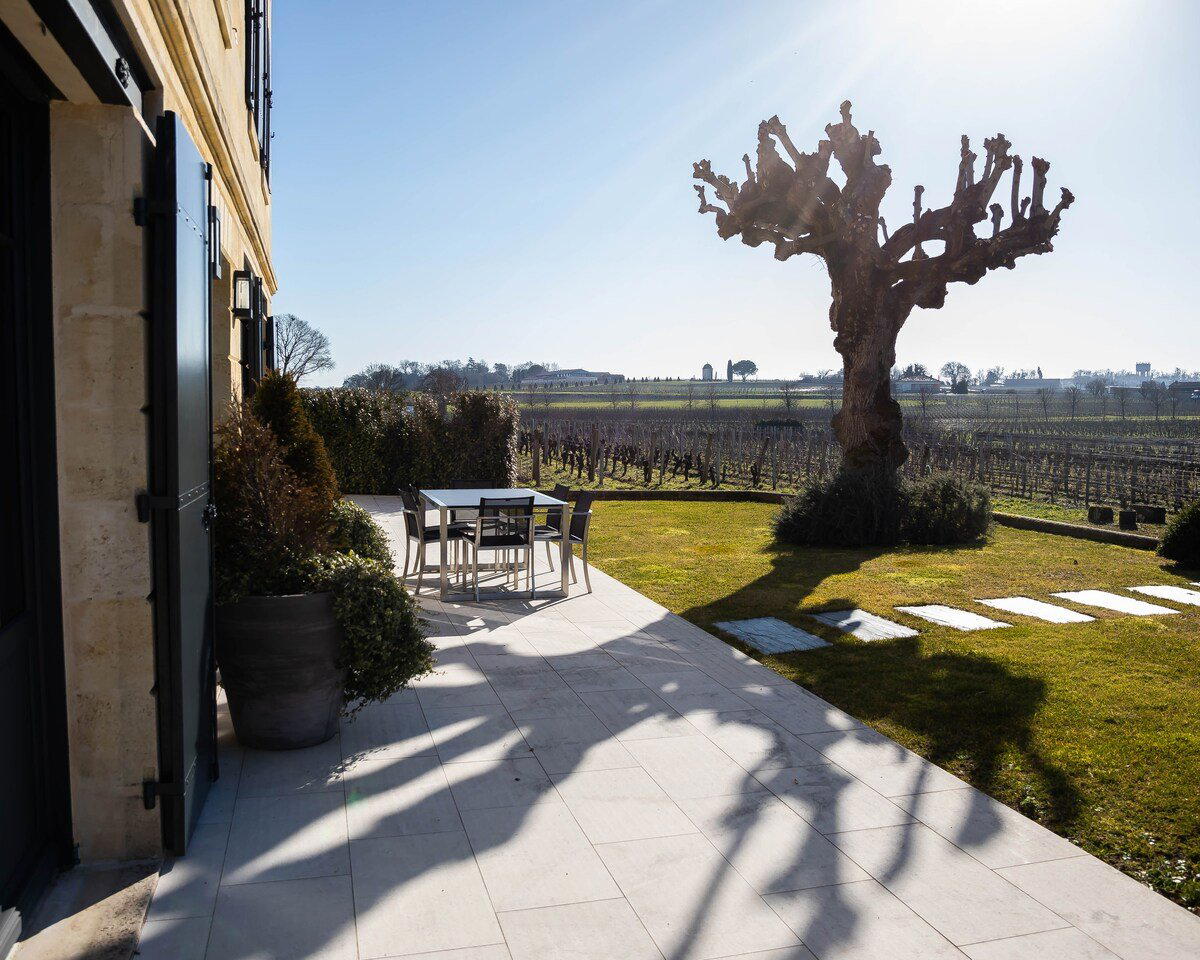
Château Soutard-Cadet
Saint-Émilion, France
Château Soutard-Cadet is worth pursuing if the priority is small-production Saint-Émilion Grand Cru rather than a full-service winery visit. The draw is a Merlot-led, estate-grown red from a 2.85-hectare micro-estate with old vines and serious cellar potential; skip it if the main goal is a polished tasting-room experience or wine-club perks.
Domaine Lafarge-Vial
Fleurie, France
Domaine Lafarge-Vial is worth planning around if the goal is serious Fleurie Gamay in a quiet, appointment-only format. Book it for biodynamic credentials, the Clos Vernay single-vineyard focus, and a restrained Burgundy-influenced approach; skip it if the group wants a food-led tasting, posted walk-in hours, or a more social visitor setup.
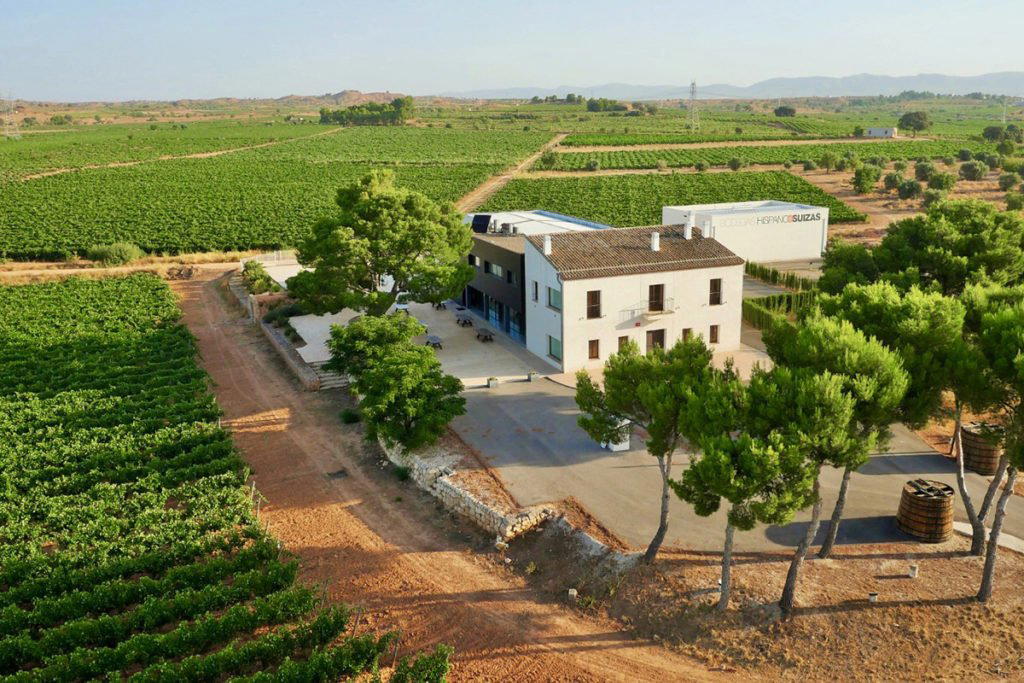
Bodegas Hispano+Suizas
El Ponton, Spain
A stronger choice for a planned wine-country occasion than a casual drop-in. Bodegas Hispano+Suizas suits guests who want an estate-led visit near El Ponton and are willing to plan around hard booking conditions; Falstaff 1 Star recognition in 2026 gives it a clear quality signal, but food, shipping, and group logistics should be confirmed before committing.
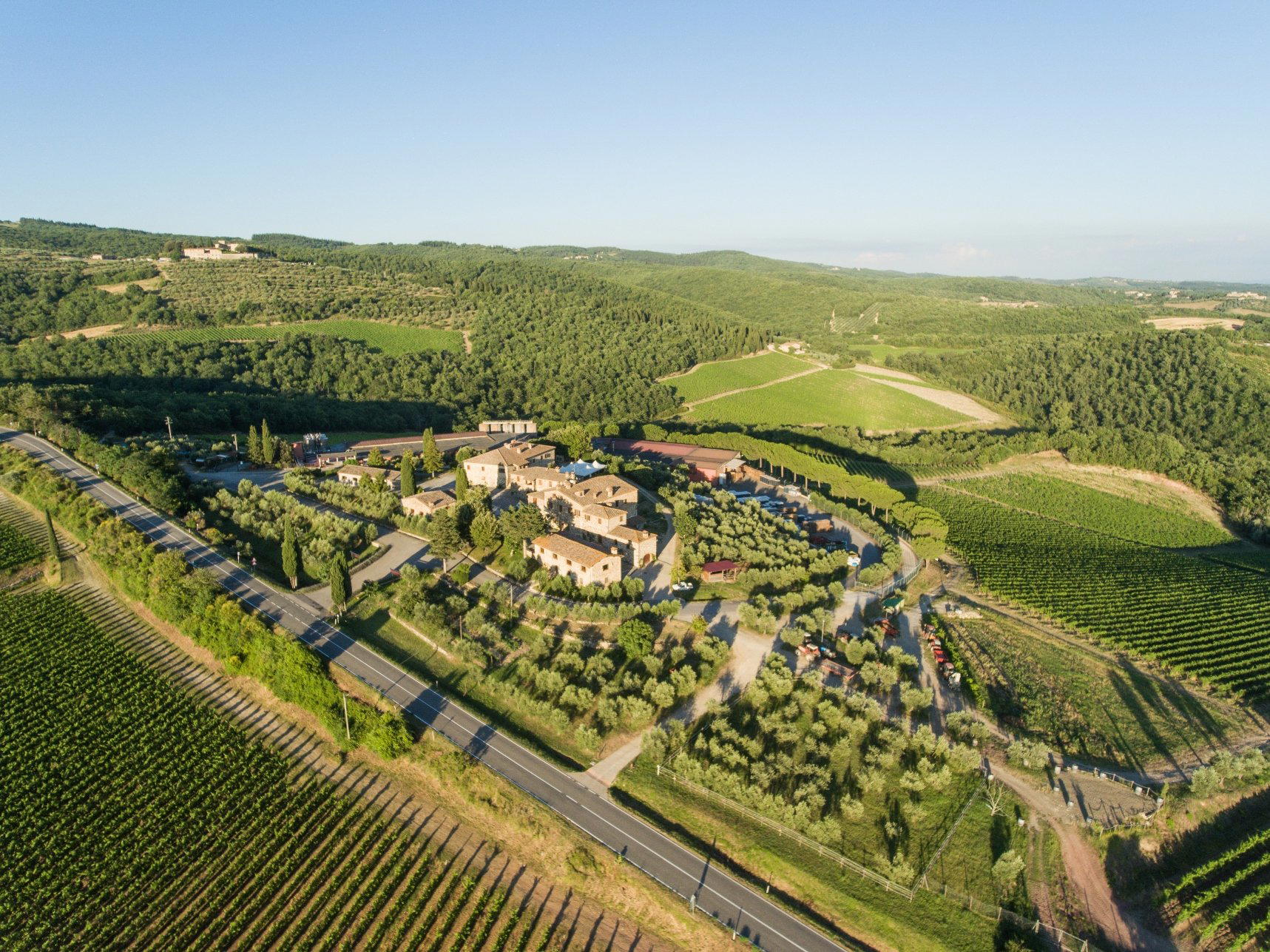
Balan
Sant Ambrogio, Italy
Book Balan if you want a grounded Veneto wine-estate visit with clear varietal focus rather than a high-gloss tasting production. The private format is the smarter choice for a celebration or business outing because the estate’s value is in connecting its whites, reds and vineyard context, not just quick pours.
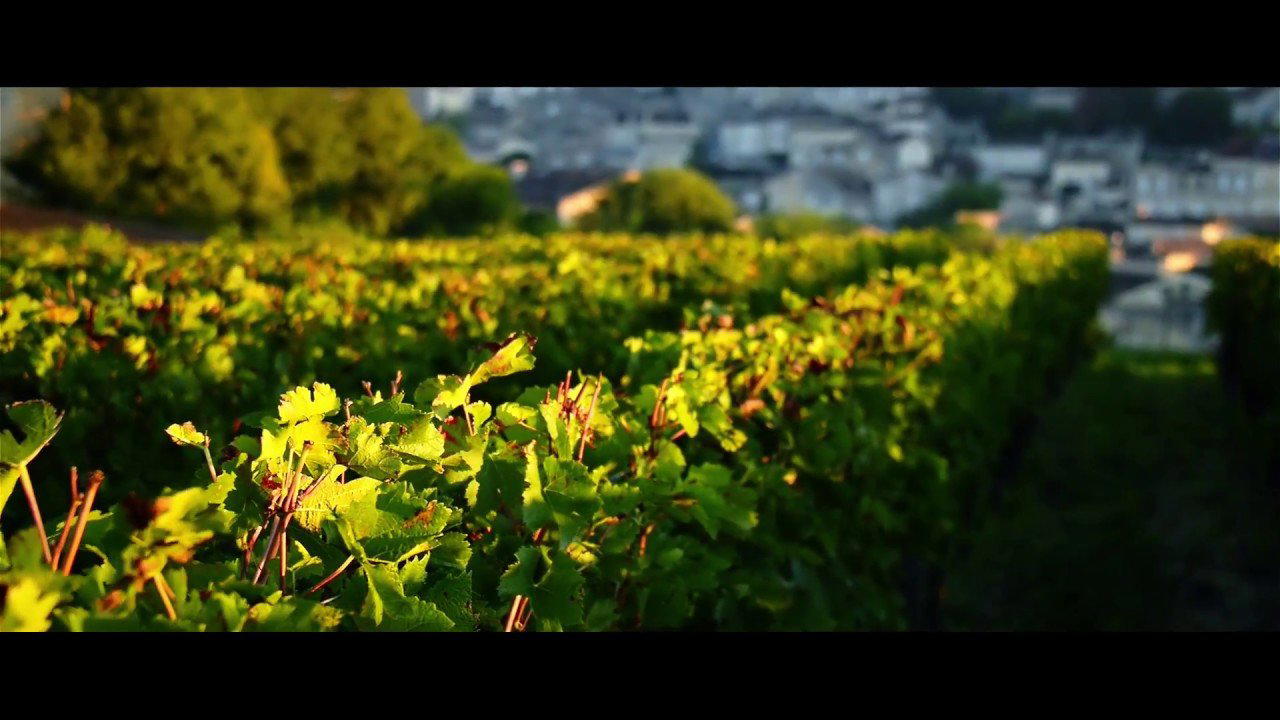
Château du Courlat
Lussac, France
Château du Courlat is a sensible Lussac pick for a quiet, wine-first visit rather than a full-service château outing. Falstaff listing in 2026 gives it a useful credibility signal, but plan carefully if food, a private tasting setup, or large-group handling is essential.
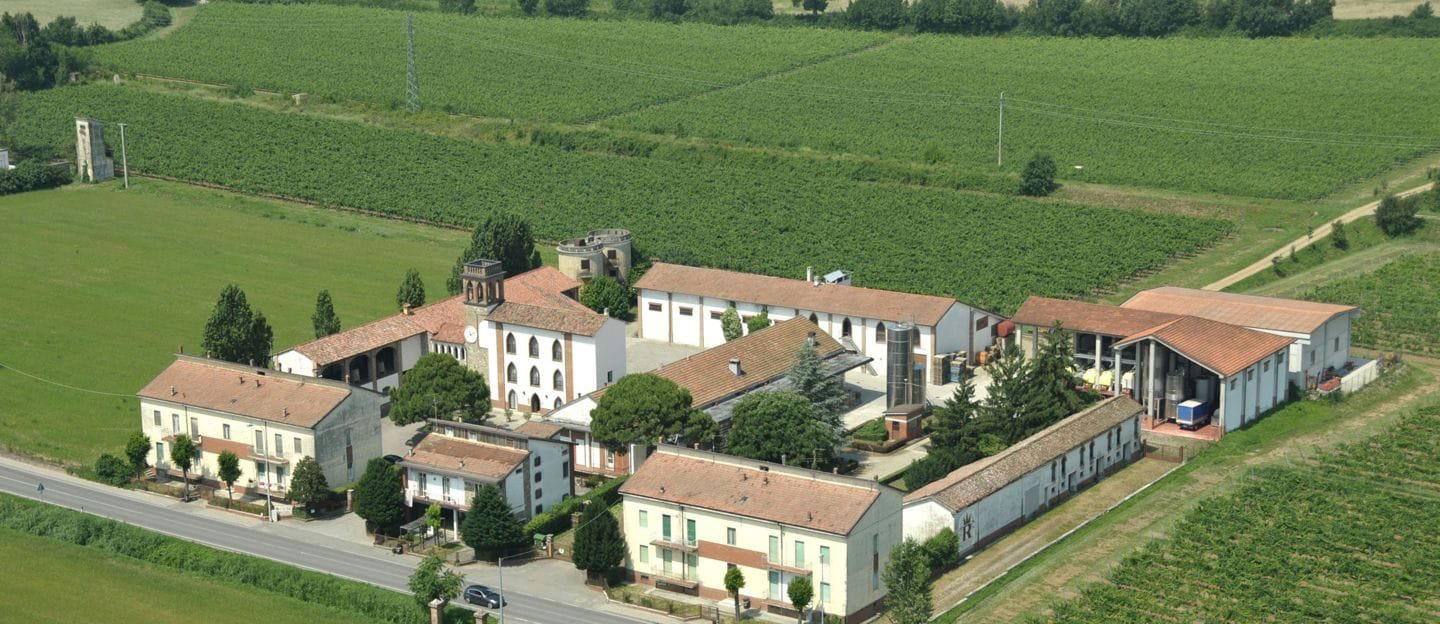
Cantine Romagnoli
Vigolzone, Italy
Against more generic countryside tastings, Cantine Romagnoli is the smarter choice for travellers who want Colli Piacentini context: Gutturnio, local grapes, Metodo Classico, and a modern wine shop set against historic agricultural courtyards. Go for production depth and regional perspective, not a restaurant-style visit.
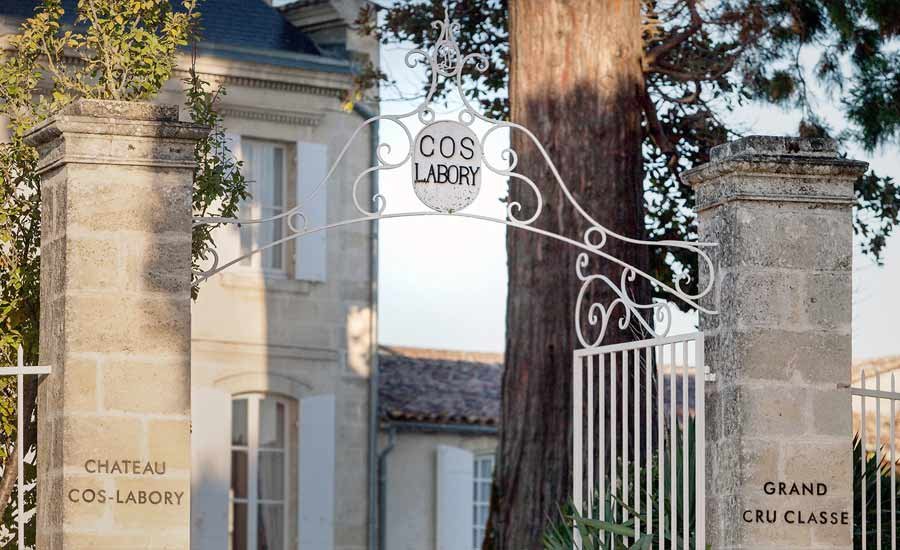
Château Cos Labory
Saint-Estèphe, France
A calm, serious Saint-Estèphe château visit for readers who care about Médoc heritage, classified-growth context, and estate setting. Château Cos Labory is worth booking for a composed tasting around the Cos hill and cellar, but it is better as a focused wine appointment than as a food or social tasting stop.
Karo Gut am See
Morbisch Am See, Austria
Worth booking if the goal is an intimate Burgenland winery visit with an organic and natural-wine focus. The strongest pull is the skin-fermented white and natural-wine side of the portfolio, supported by classic white, red, frizzante, and sweet styles. Better for small celebrations or wine-curious couples than for groups expecting food service or a grand estate format.
Frei Brothers
Healdsburg, United States
Frei Brothers works for a flexible Healdsburg tasting built around familiar premium Sonoma varietals rather than rare-bottle theatrics. It works especially well for first-timers and mixed-palate groups who want Chardonnay, Sauvignon Blanc, Pinot Noir, Cabernet Sauvignon, and Merlot tied to several major Sonoma growing areas.
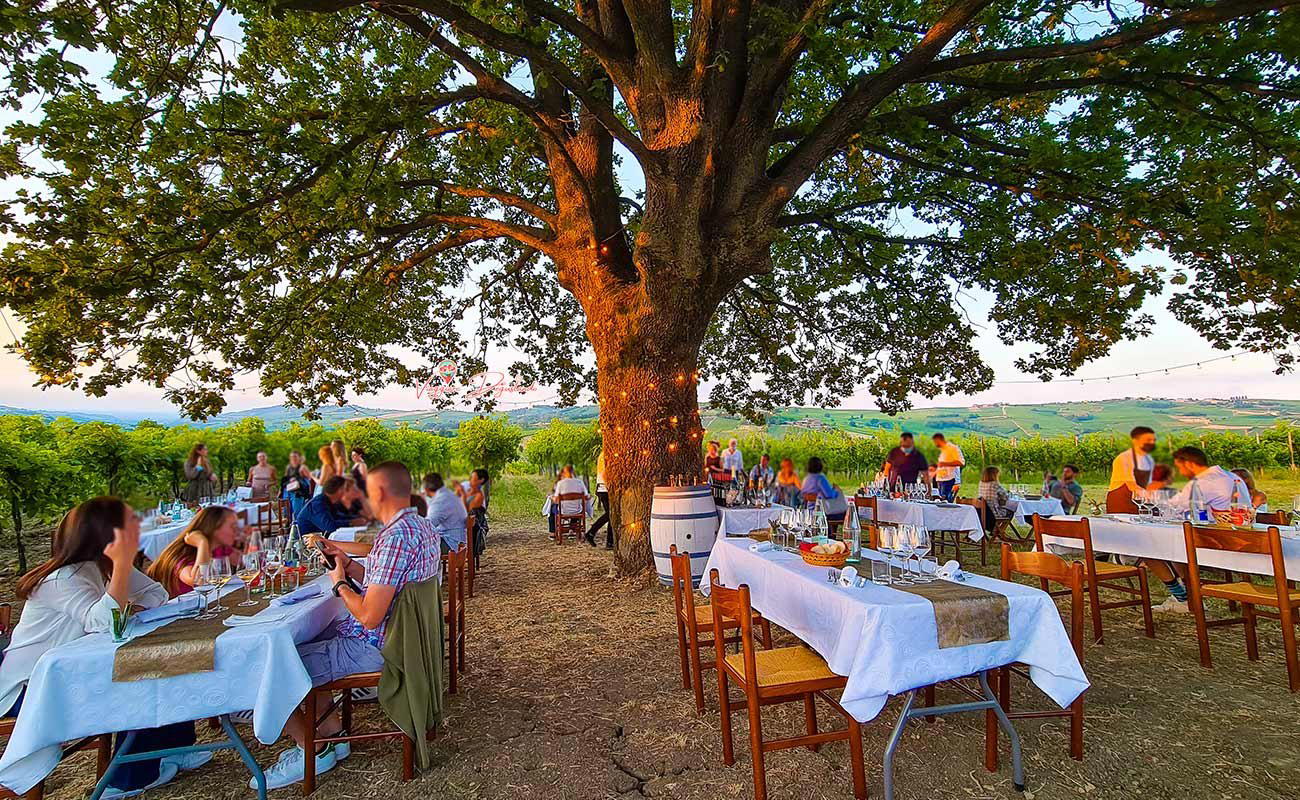
Calatroni Vini
Montecalvo Versiggia, Italy
Calatroni Vini is worth booking for a relaxed Oltrepò Pavese tasting built around Metodo Classico sparkling wine, hillside views, and an approachable agriturismo feel. It is a strong fit for couples, families, or small celebration groups who want substance without formality; skip it if the goal is a polished luxury tasting room.
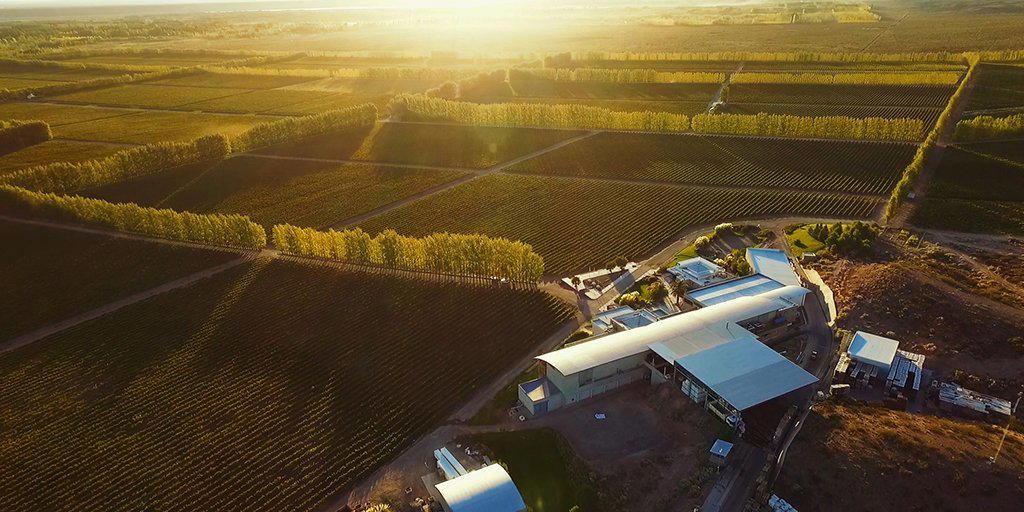
Familia Schroeder
San Patricio del Chañar, Argentina
Familia Schroeder is worth prioritising if San Patricio del Chañar is the point of the trip, especially for travelers who want a serious Patagonian winery stop rather than a casual tasting-room add-on. Treat it as a scarce booking and confirm details early; for easier local comparison, cross-shop Bodega Malma (NQN).
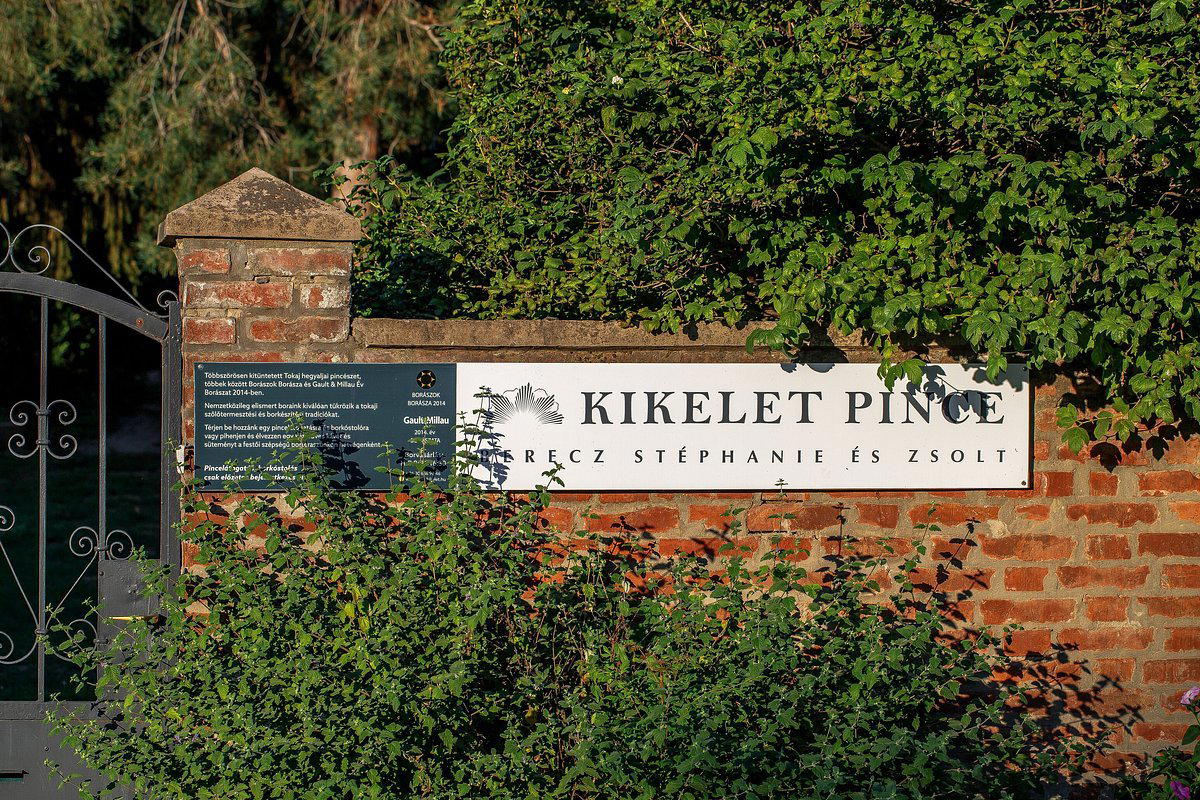
Tokaj Kikelet Winery
Tarcal, Hungary
Tokaj Kikelet Winery is worth pursuing for serious Tokaj travelers, especially those who value access and allocation potential over casual drop-in convenience. The 2025 Pearl 2 Star Prestige recognition is the trust signal, but booking looks difficult enough that it should be planned as an anchor visit, not a flexible stop.
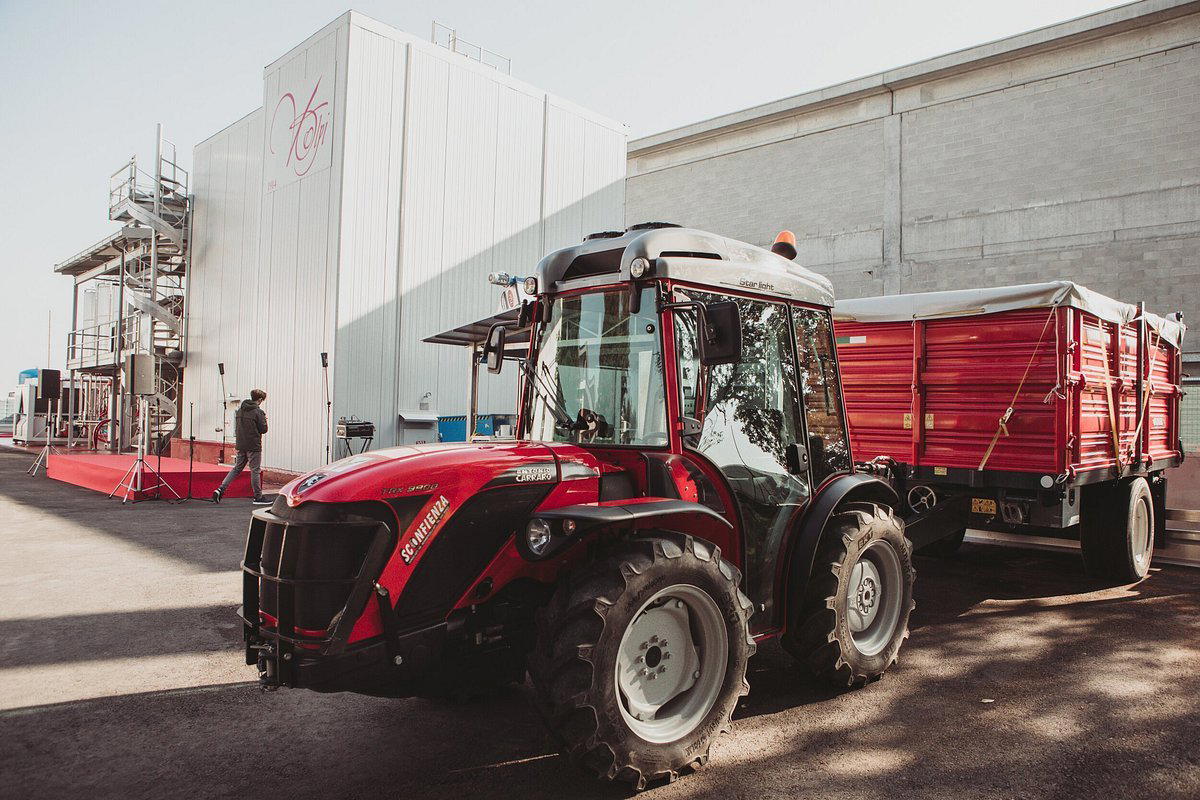
Cantine Volpi
Tortona, Italy
Cantine Volpi is worth shortlisting if Tortona wine is already on the itinerary, especially with Falstaff listing recognition for 2026. Treat it as a focused winery stop rather than the whole plan, since visitor format, pricing, food, and flagship wine details are not clearly specified.
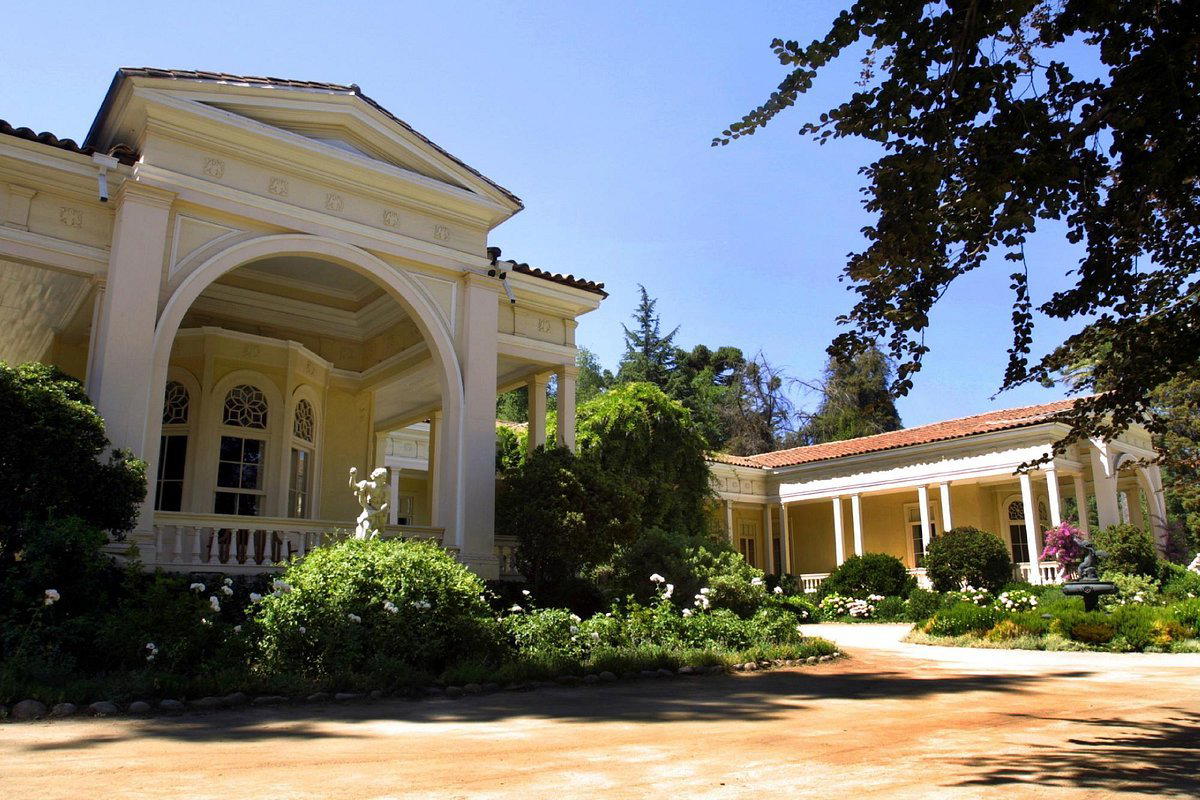
Viña Concha y Toro
Pirque, Chile
Prioritize Viña Concha y Toro if you want a polished Pirque wine visit with strong name recognition and an easy anchor for a Santiago-area wine day. It is better for first-time Chile wine travelers and mixed-experience groups than for collectors seeking a quiet, boutique tasting.
Château L’Enclos
Pomerol, France
A focused Pomerol winery pick for travelers who care more about producer context than hospitality extras. Château L’Enclos works as part of a Right Bank wine day, especially if the plan is to understand the appellation through smaller estate visits rather than food, hotel-style service, or a broad public tasting program.
Château Les Cruzelles
Lalande De Pomerol, France
Château Les Cruzelles works for a Lalande-de-Pomerol itinerary if the goal is focused Right Bank Bordeaux context rather than a casual walk-in winery stop. Plan ahead, use it as one serious appointment within a broader wine day, and compare nearby appellation options if timing is tight.
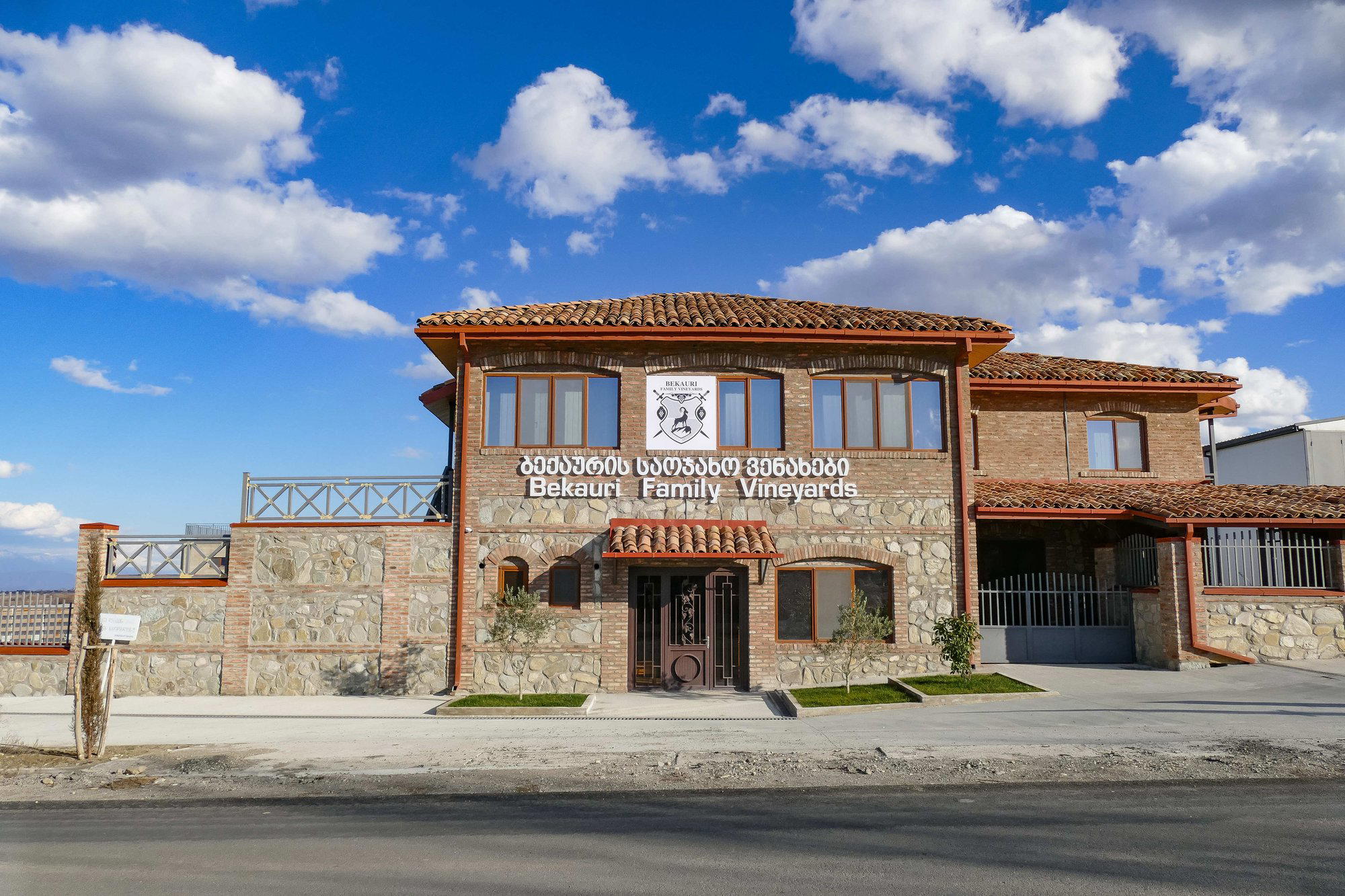
Bekauri Family Vineyards
Kakheti, Georgia
Bekauri Family Vineyards is worth targeting if you want a Kakheti producer with estate-grown grapes, qvevri methods, and credible recognition rather than a glossy tourism setup. The $$ price tier looks fair given the Falstaff-listed profile and Mukuzani recognition, but plan ahead because hospitality details are not the main draw.
Château Maurac
Saint Seurin De Cadourne, France
Château Maurac is a practical Saint Seurin De Cadourne winery pick for travelers who want a focused Haut-Médoc stop without overcommitting the day. Falstaff Winery listed it for 2026, which gives it a useful recognition signal, but treat the visit as a local wine-country add-on rather than a heavily structured private tasting unless specific arrangements are confirmed separately.
Ivaldi Dario
Nizza Monferrato, Italy
Book Ivaldi Dario if you want a small, family-run Monferrato winery rather than a high-gloss tasting room. The draw is a century-scale family story, SQNPI-certified sustainable farming, native-yeast wines, and a portfolio that moves from Nizza Barbera to Alta Langa, Moscato, and Brachetto. Falstaff listing adds a useful outside trust signal.
Arthur Metz
Marlenheim, France
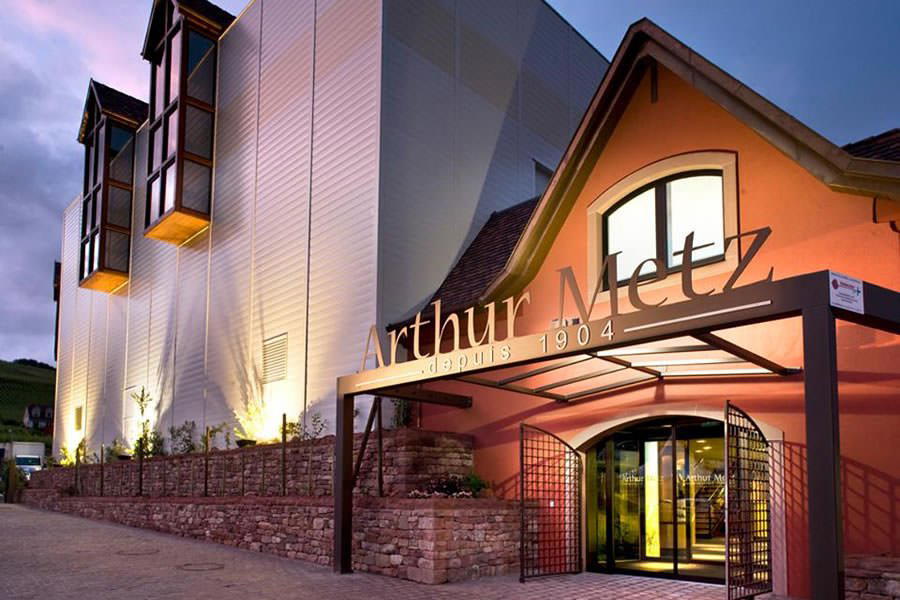
Book Arthur Metz if you want a polished, educational Alsace winery stop with food pairing rather than a rustic grower visit. It is strongest for first-time Wine Route travelers, groups, and anyone trying to understand Crémant d’Alsace alongside classic regional whites in one organized appointment.
Grampians Estate
Willaura, Australia
Book Grampians Estate for an easygoing Grampians cellar-door visit with serious shiraz credentials behind the casual format. The draw is cool-climate shiraz, sparkling shiraz, a café-style setting, and recognition that includes Falstaff Listed 2026, a James Halliday 5-star rating, and 78 trophies since 2002.
Domaine de la Loge
Saint-Andelain, France
Domaine de la Loge works as a focused Saint-Andelain winery stop, especially if the day is built around wine discovery rather than a full food-pairing experience. Its 2026 Falstaff listing is the main trust signal; plan around the tasting itself and arrange meals separately.
Bossi Fedrigotti
Rovereto, Italy
Worth considering for wine travelers who care about Trentino history, Fojaneghe, and classic-method sparkling rather than a casual walk-in tasting. Bossi Fedrigotti is strongest as a focused appointment for context seekers and collectors; if the appeal is mainly a quick glass, choose a more flexible Rovereto stop instead.
Château Chantalouette
Saint-Émilion, France
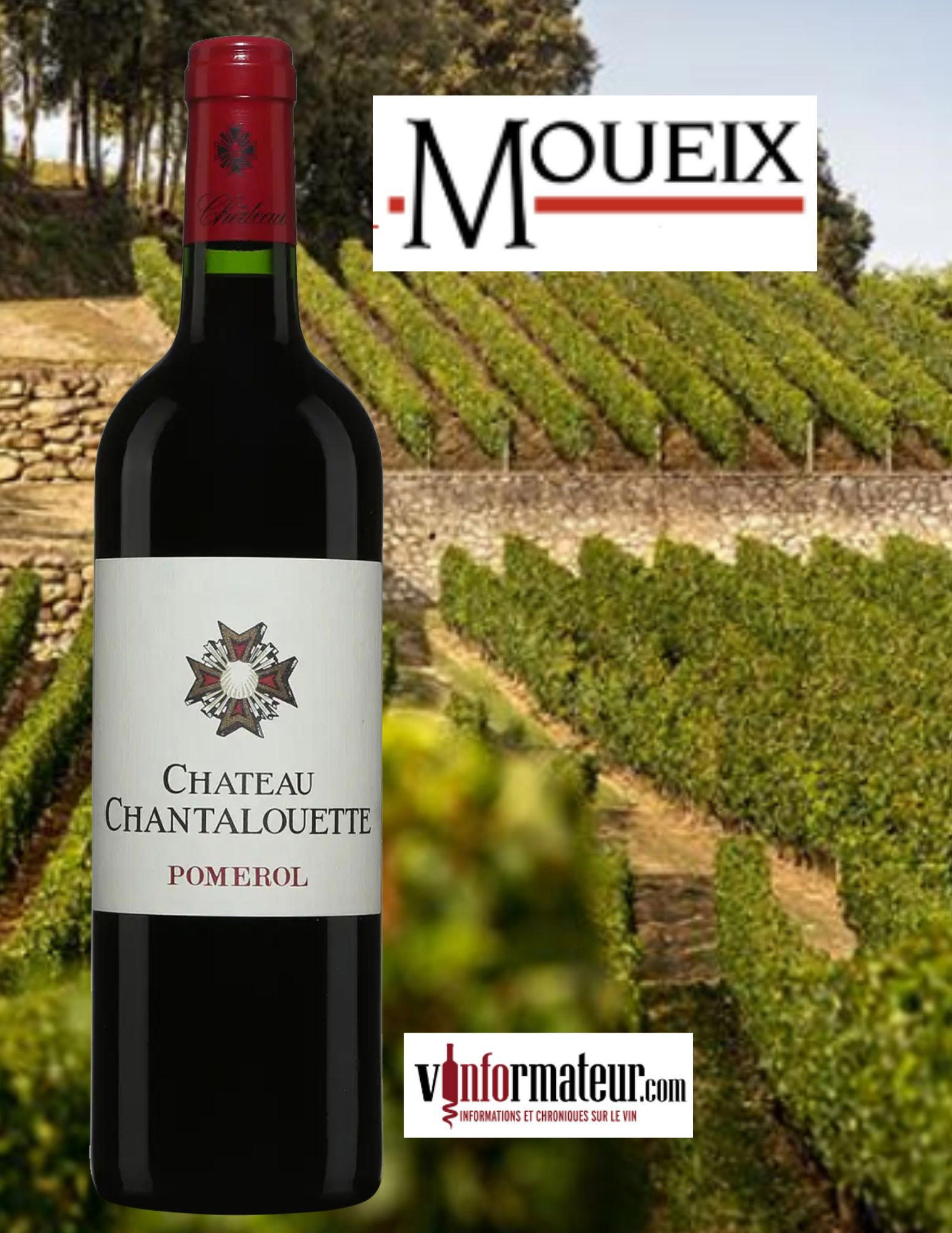
Château Chantalouette works for a polished, wine-led Pomerol stop tied to the Château de Sales family estate. Book it for a date, celebration, or business tasting where classic Right Bank Bordeaux matters more than a food program or casual cellar-door format.
Bodegas Agronavarra
Murchante, Spain
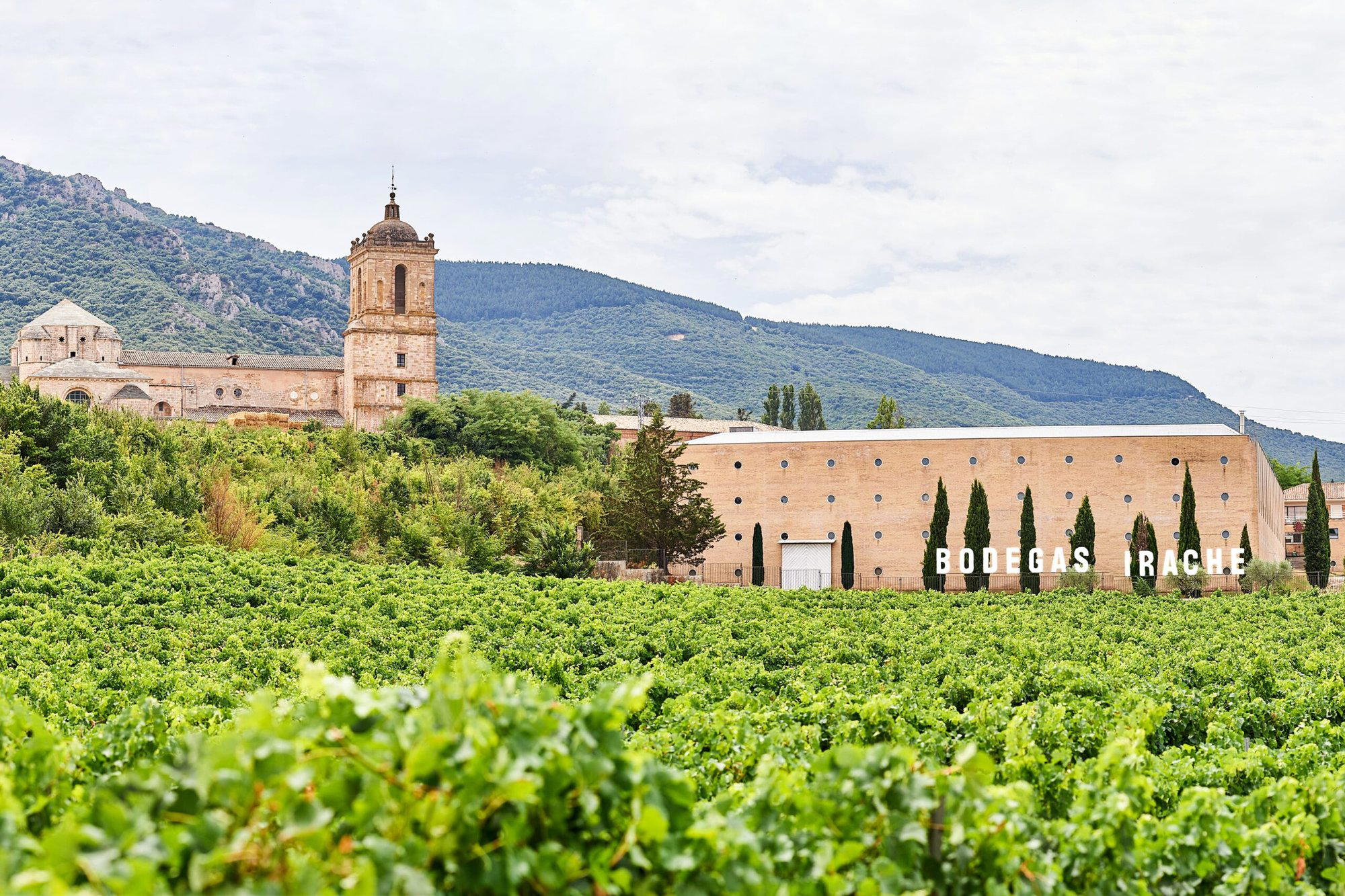
A practical choice for a Navarra winery stop if value, scale, and production style matter more than an intimate tasting-room feel. Prioritize the Graciano side of the portfolio, especially given the Decanter-recognized Agramont bottling, and treat the visit as a focused wine-learning stop rather than a full special-occasion centerpiece.
Domaine Hoffmann-Jayer
Magny Les Villers, France
A focused Burgundy winery stop in Magny-les-Villers for travellers planning a Hautes-Côtes-de-Nuits day rather than a casual drop-in tasting. Worth prioritising if the trip is wine-led and schedule flexibility matters; less useful for visitors who need published tasting formats, prices, or a broader hospitality setup before committing.
Château Caillou
Barsac, France
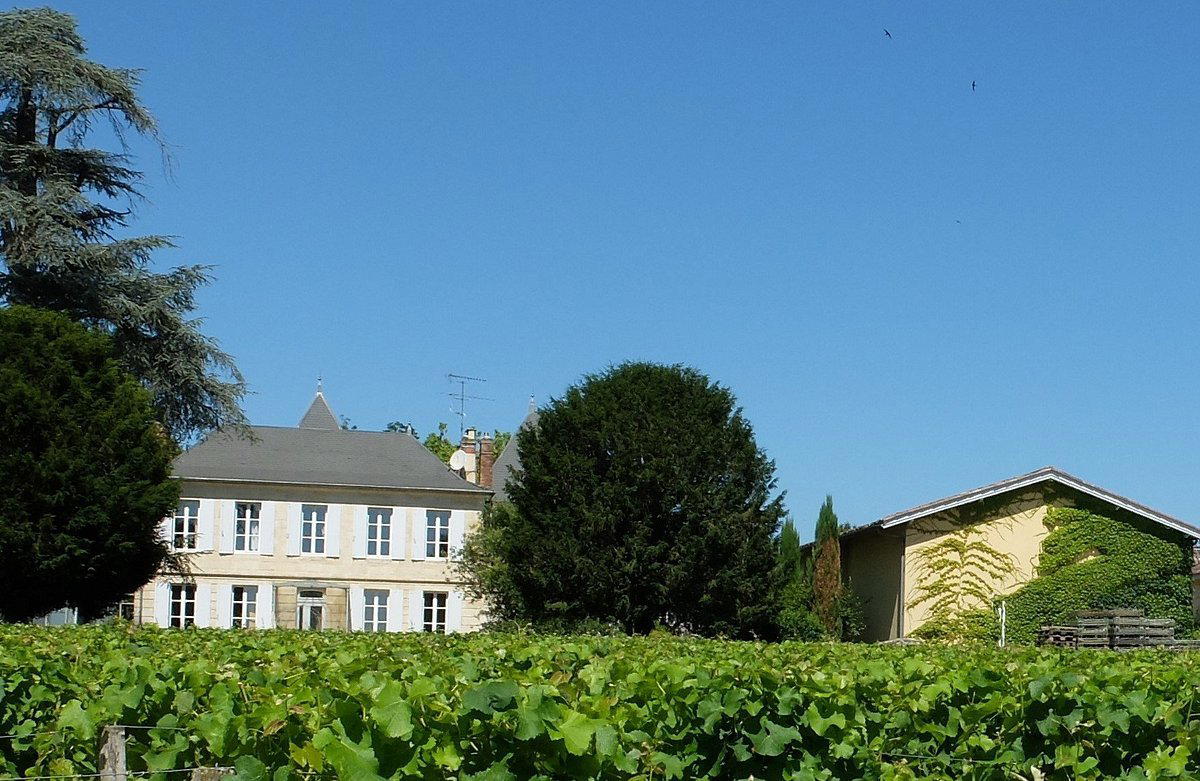
Château Caillou is a smart Barsac pick for travellers who want classic Sauternes without the heavy, syrupy stereotype. The draw is its fresher, elegant sweet-wine style, historic 1855 classification context, and family stewardship dating to 1909. Plan it as a focused wine visit rather than a casual stop, especially if sweet Bordeaux is the point of the trip.
Caves Carod
Vercheny, France
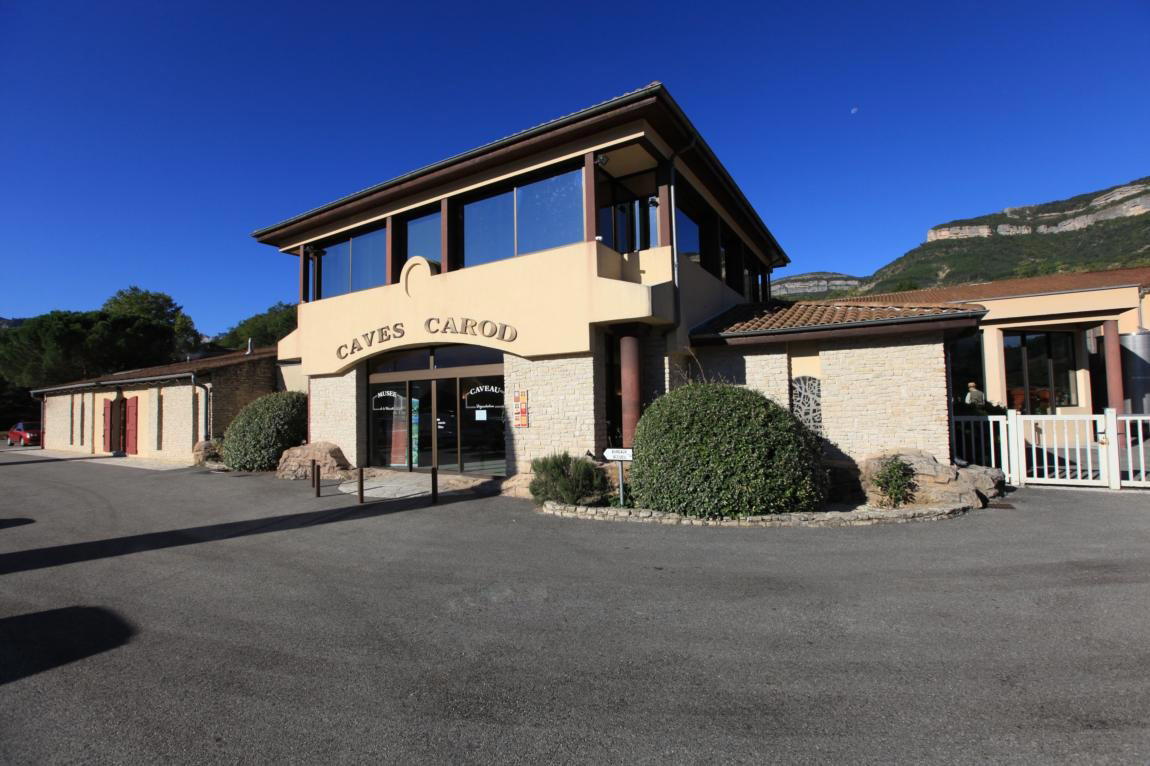
Caves Carod is worth a stop if the goal is to understand Clairette de Die, not just taste it. The draw is the educational visitor format, French and English audio commentary, and production view, with a low-pressure price signal and Falstaff Listed recognition for 2026.
Domaine Francois Mikulski
Meursault, France
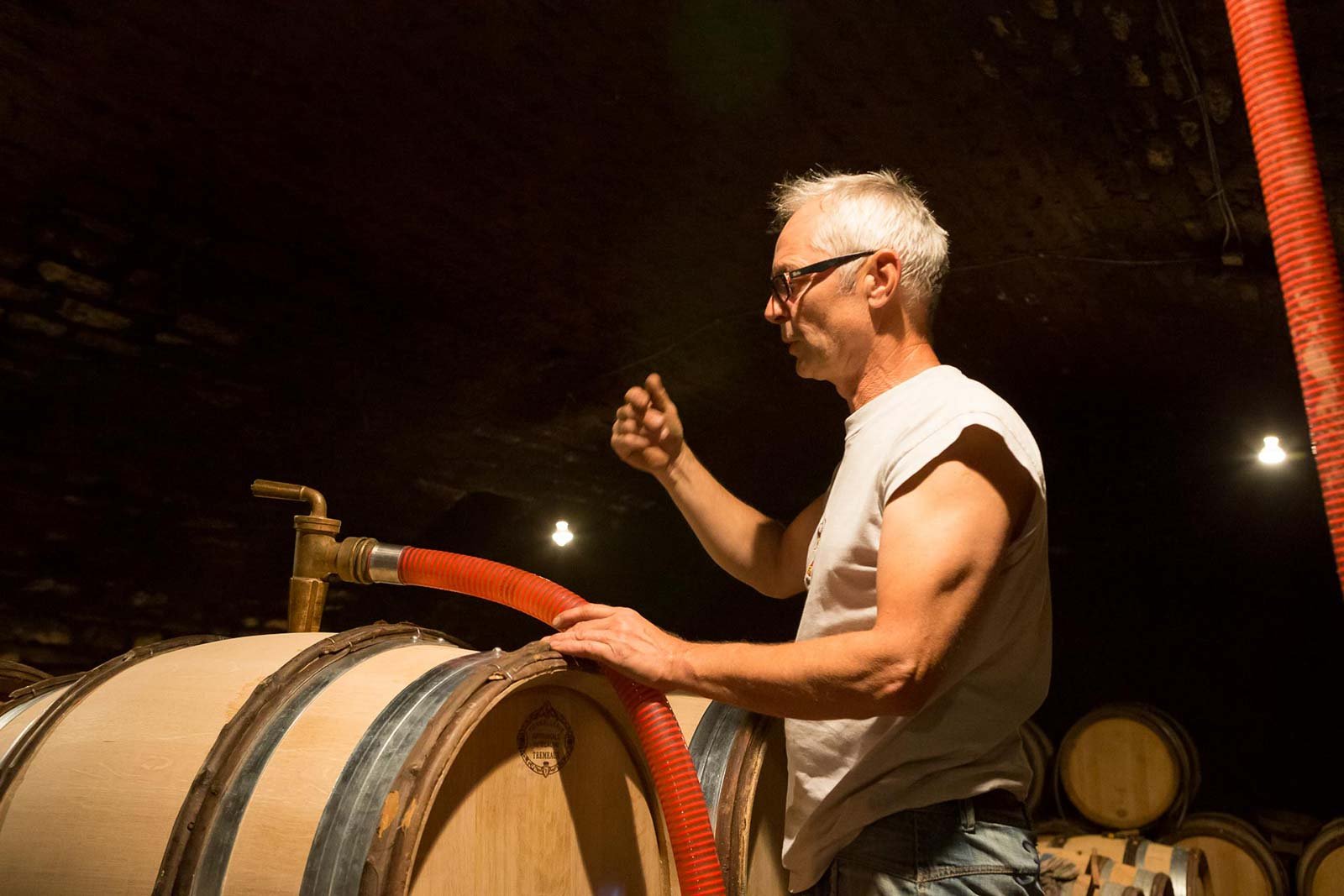
Domaine Francois Mikulski is worth prioritising for serious Burgundy drinkers because its 2026 Falstaff 3 Stars signal real critical weight. Treat it as an allocation-first Meursault target rather than an easy visitor stop, and build backup winery plans if the trip needs predictable group logistics or casual tasting access.
Duca di Salaparuta
Casteldaccia, Italy
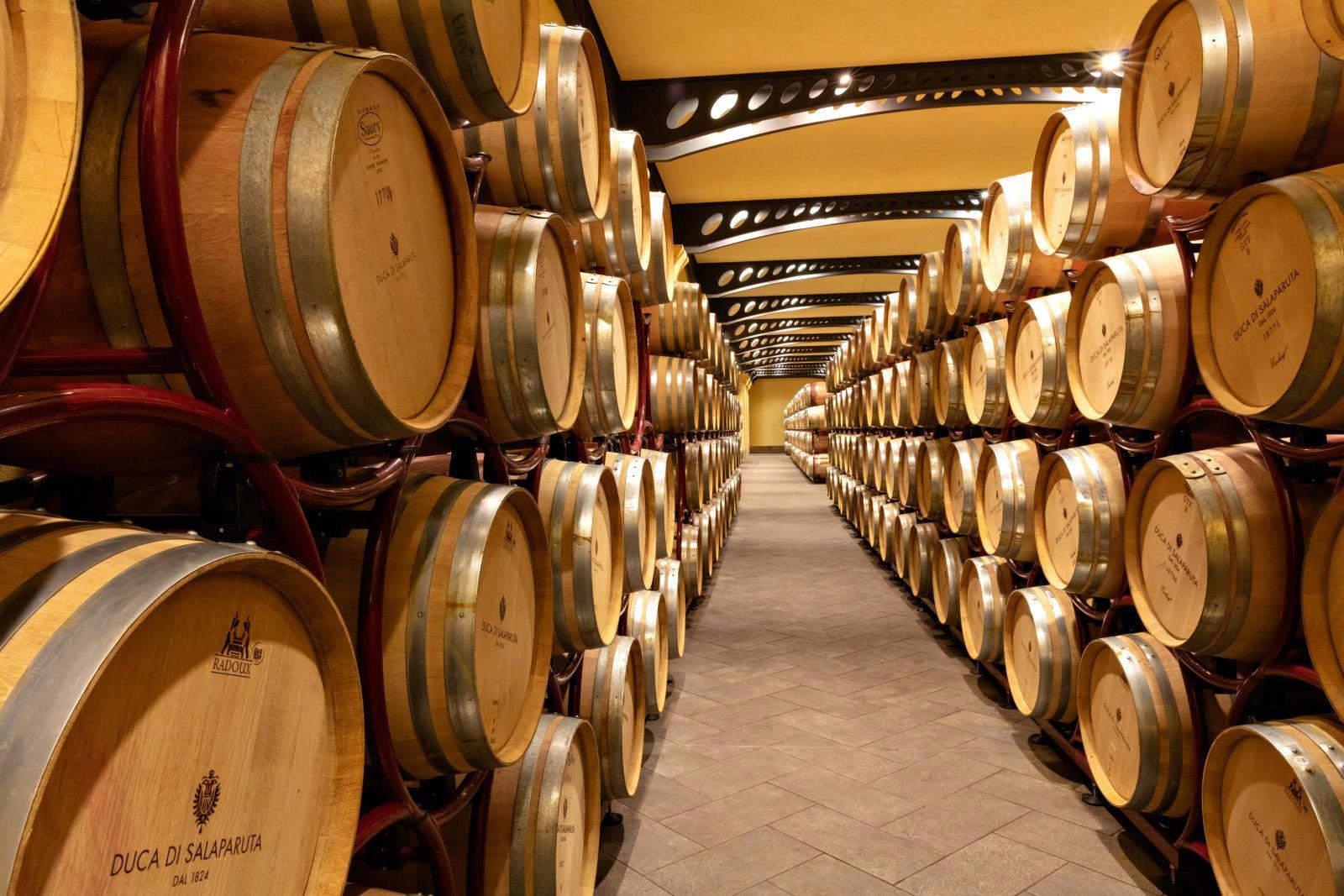
Book Duca di Salaparuta if the goal is a polished Sicilian winery visit built around heritage, cellar context, and flagship bottles rather than a casual vineyard wander. It is strongest for Nero d’Avola-focused drinkers, special occasions, and visitors who want a guided read on Sicily through an established Casteldaccia producer with Falstaff 4 Stars recognition in 2026.
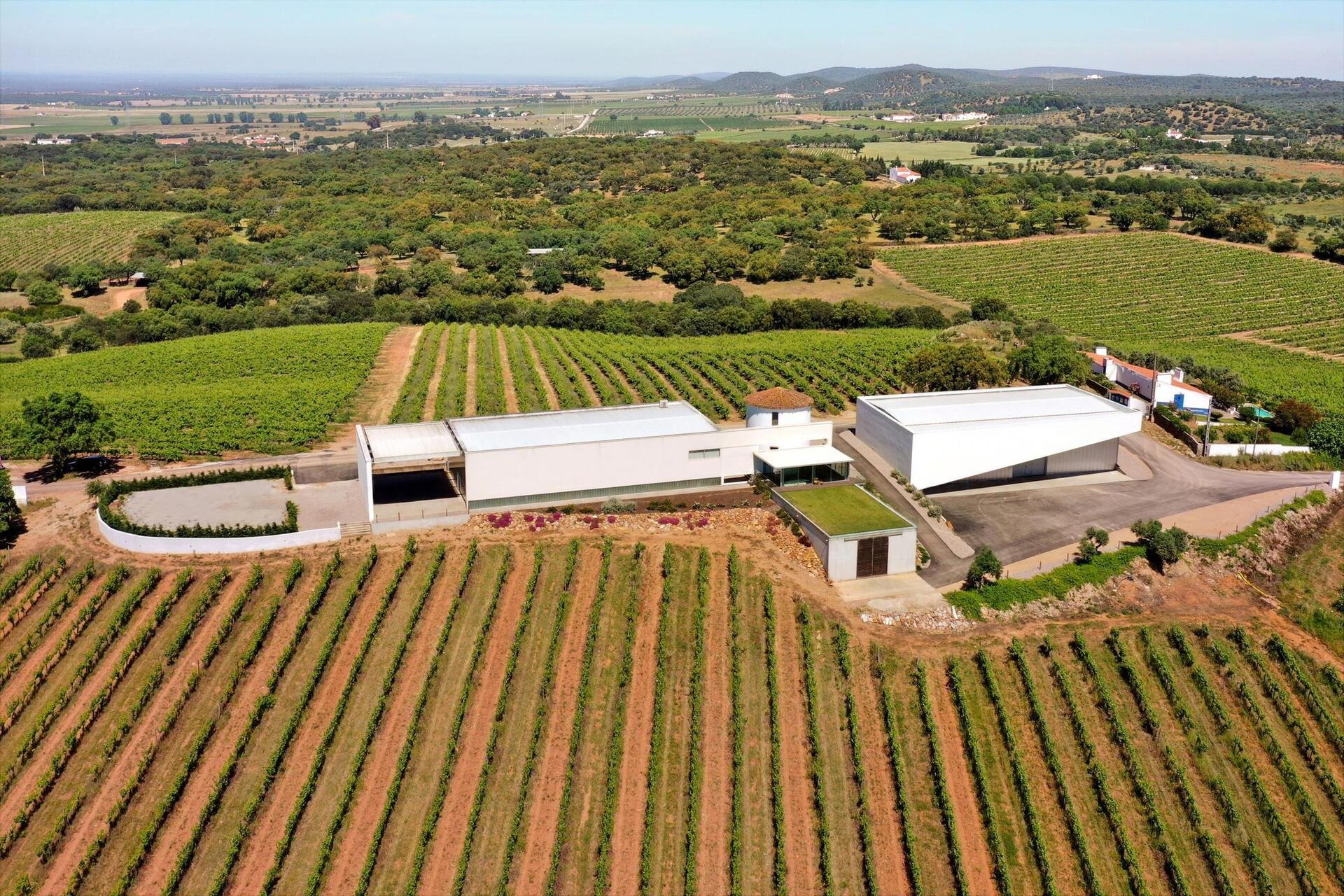
Adega do Monte Branco
Estremoz, Portugal
Adega do Monte Branco is a practical Estremoz winery choice for travelers who want an easy weekday stop with Falstaff recognition. It is less suitable as the only anchor of a wine day if clear tasting prices, a named flagship bottle, or food service are essential.
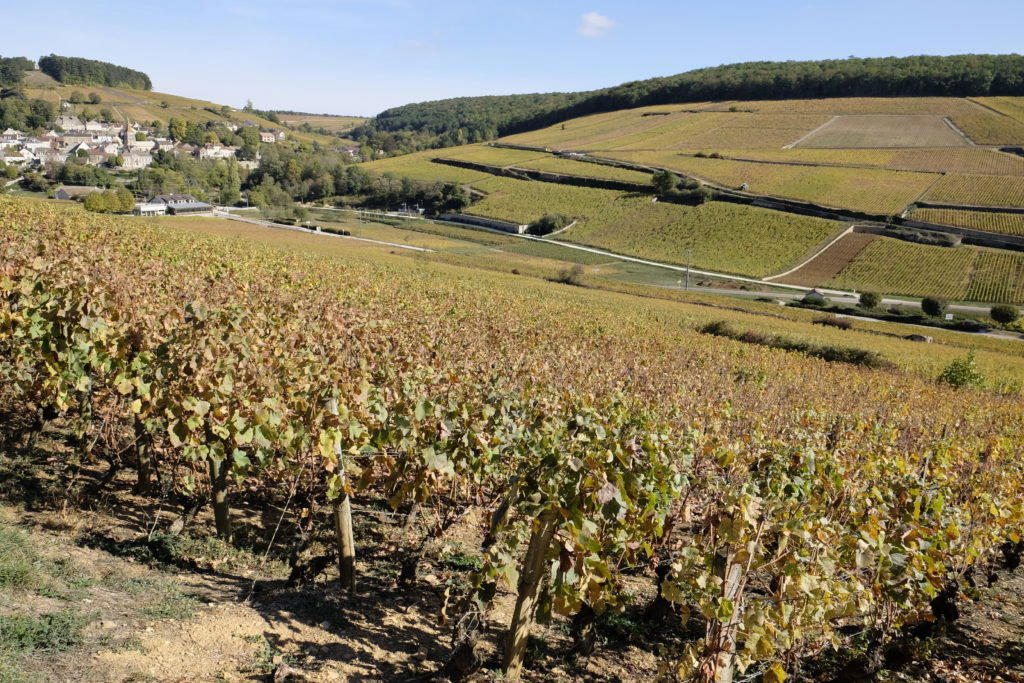
Domaine Follin-Arbelet
Aloxe Corton, France
Book Domaine Follin-Arbelet if the goal is a quiet, serious Aloxe-Corton tasting rather than a polished cellar-tour experience. Its appeal is strongest for Burgundy drinkers who care about site-specific Pinot Noir, especially Clos du Chapitre, and want a focused visit for a special occasion or wine-led itinerary.
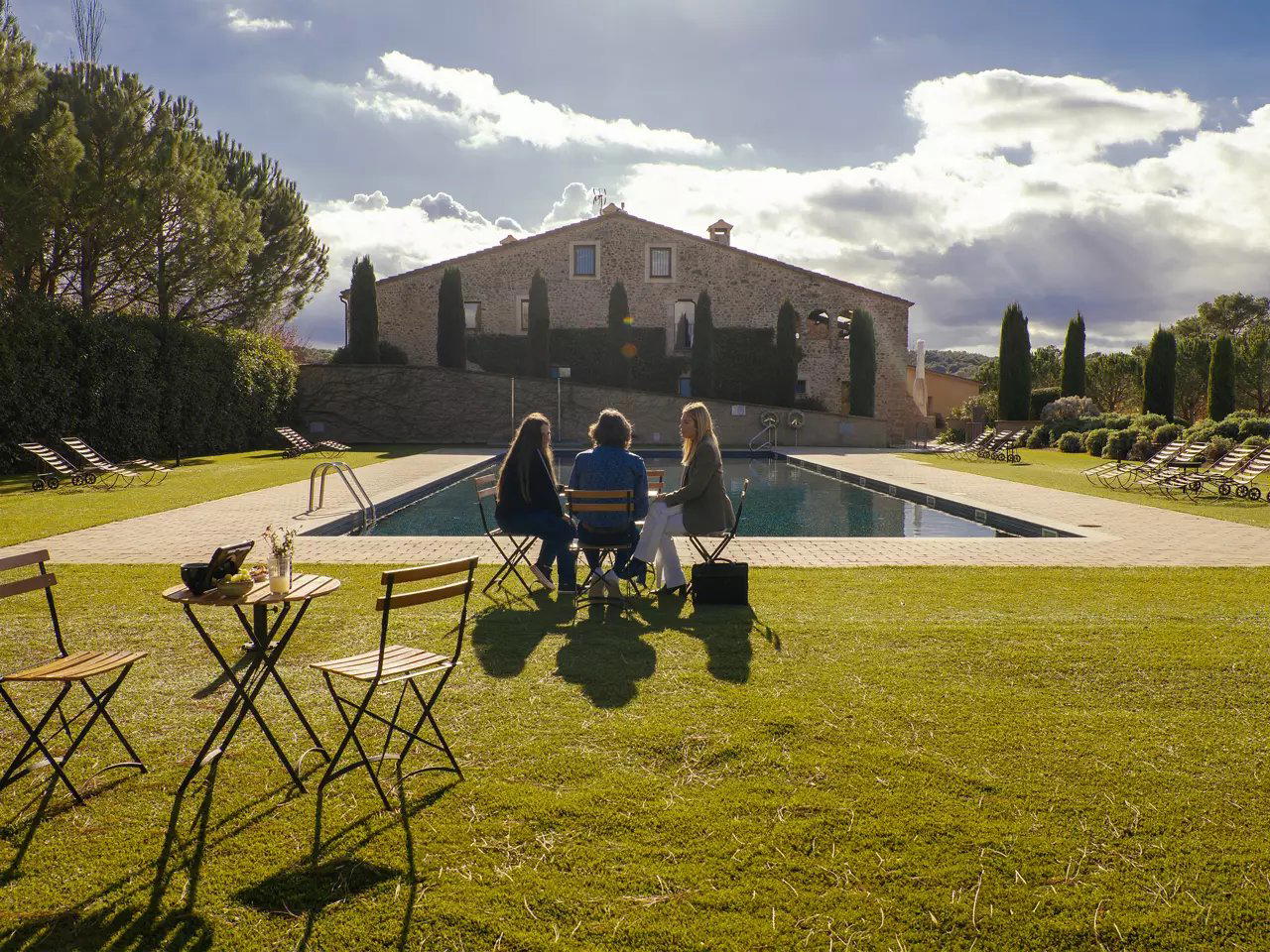
Cava Torreblanca
Barcelona, Spain
Book Cava Torreblanca if the goal is a calm Penedès cava visit with countryside atmosphere, vineyard views, and a traditional family-estate feel. It is better for couples, small groups, and special occasions than for visitors trying to squeeze in a quick Barcelona tasting between city plans.
Cesarini Sartori
Gualdo Cattaneo, Italy
A good choice for a polished, education-led Umbrian winery visit in Gualdo Cattaneo, especially if the group wants context around Sagrantino, Grechetto, and modern cellar work. Better for couples, small celebrations, and business guests than for a quick casual pour. Treat any wine-club decision as something to assess after tasting the bottles, not as the main reason to go.
Domaine Clos des Rochers
Gevenmacher, Luxembourg
Domaine Clos des Rochers is worth booking for a serious Moselle tasting with a polished cellar setting and a strong estate-grown focus. The draw is depth over flash: limestone-driven vineyards, Crémant, dry wines, and a family-run atmosphere. Falstaff Listed in 2026, it suits wine travelers who want context and a composed tasting rather than a casual drop-in.
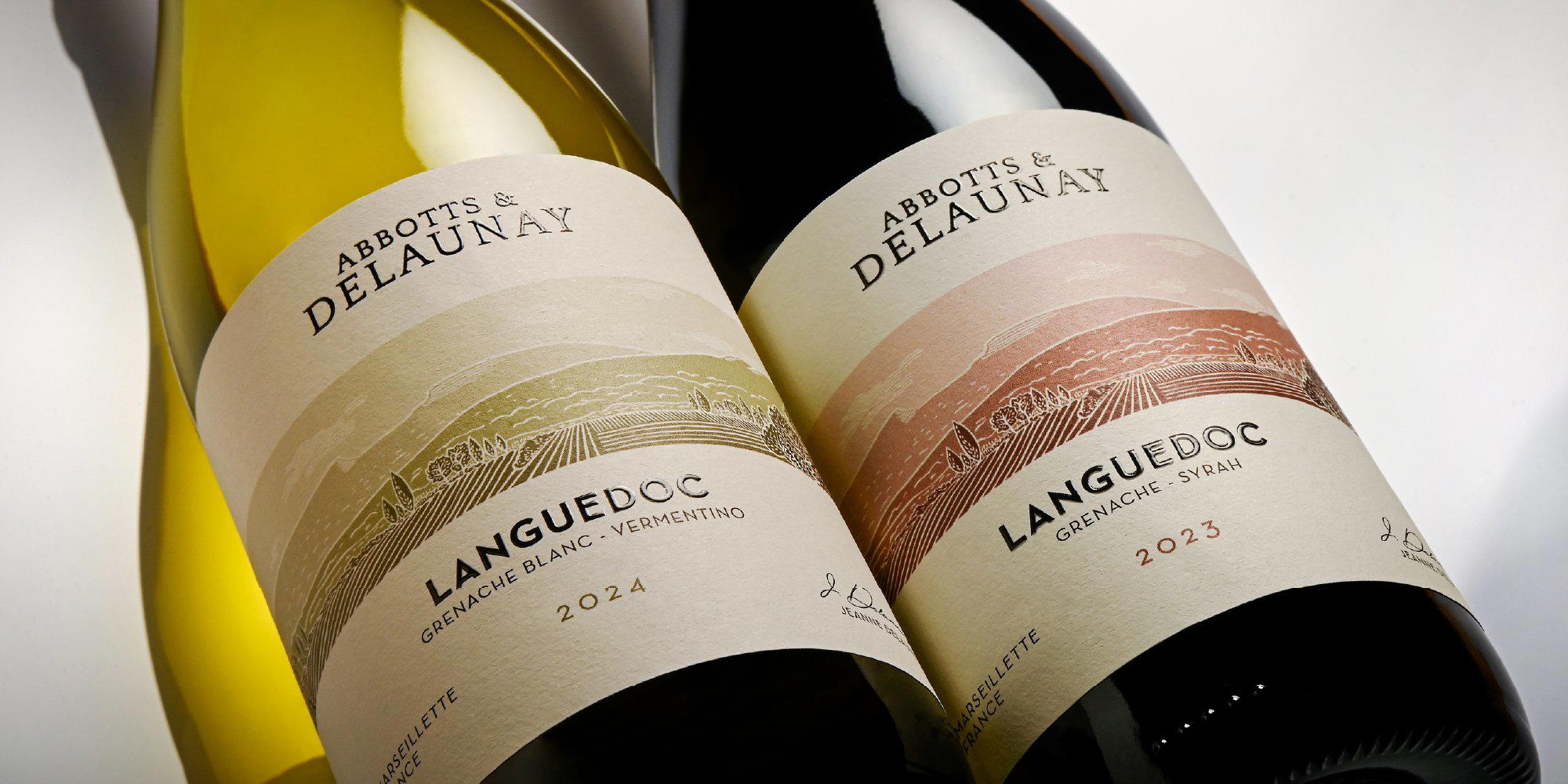
Abbotts & Delaunay
Marseillette, France
Abbotts & Delaunay is a sensible Marseillette stop for wine-focused travelers building a flexible Occitanie itinerary, not a venue to plan around without backup options. Its Falstaff Listed 2026 recognition gives it a useful quality signal, but absent public details on food, pricing, hours, and booking mean it suits explorers more than tightly scheduled groups.
How many of these have you visited?
Find out on Pearl and keep score across every place in 2026 Falstaff Winery Guide.