
Tokaj Kikelet Winery
Tarcal
Winery in Tarcal, Hungary
 Book with Pearl
The Read
Appellation-Rooted Tokaj Tasting
Why go
Tokaj Kikelet Winery is worth pursuing for serious Tokaj travelers, especially those who value access and allocation potential over casual drop-in convenience. The 2025 Pearl 2 Star Prestige recognition is the trust signal, but booking looks difficult enough that it should be planned as an anchor visit, not a flexible stop.
About Tokaj Kikelet Winery
Tokaj Kikelet Winery is a winery in Tarcal with a casual dress code and Pearl 2 Star Prestige recognition in 2025. For travelers comparing wine-focused stops, the venue, its location in Tarcal, its casual dress expectation, and its 2025 recognition are key details for planning.
Hours, pricing, reservations, tastings, food service, membership terms, or a broader hospitality format are not specified. It is best to confirm these details directly before building a schedule around a visit. The winery's accolade may make Tokaj Kikelet Winery worth considering, but practical details should be checked with the venue.
A Tarcal winery with a notable distinction
The clearest reason to keep Tokaj Kikelet Winery on a Tarcal shortlist is its Pearl 2 Star Prestige recognition in 2025. Details about the style of visit, the menu or tasting format, or the scale of the hospitality experience are not available.
For planning, use the location and recognition as a starting point, then fill out the rest of the trip with broader Tarcal research. Dining in Tarcal can be researched separately through Our full Tarcal restaurants guide, while other winery options can be compared by name where relevant.
Worth pursuing if the recognition matters to you
The case for prioritizing Tokaj Kikelet Winery rests on its Pearl 2 Star Prestige recognition in 2025. If that distinction matters to your itinerary, it is a reasonable Tarcal winery to investigate further. If you need details on price, hours, food, tastings, or membership, confirm those directly before committing plans.
For a broader comparison set, consider Királyudvar, Gróf Degenfeld Winery, Gizella Pince, Tokaj Hétszőlő, and Tokaj Nobilis alongside Tokaj Kikelet Winery. Use those names as context for planning a wine itinerary without assuming that every practical detail is the same from one venue to another.
Planning details
- Location
- Tarcal, Könyves Kálmán u. 62, 3915
- Website
- tokajkikelet.hu
- Phone
- +36306369046
The take
The Take
The Vibe
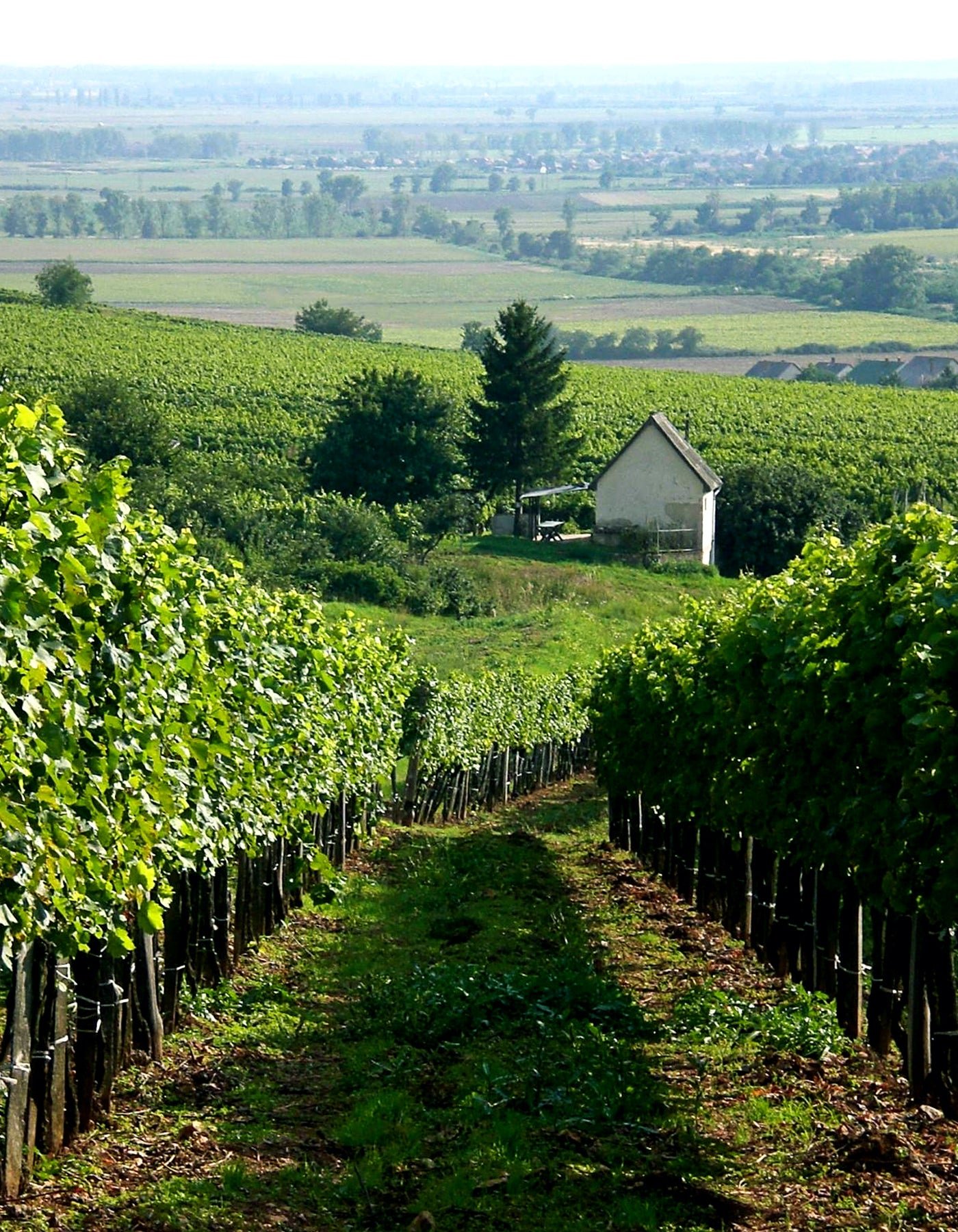
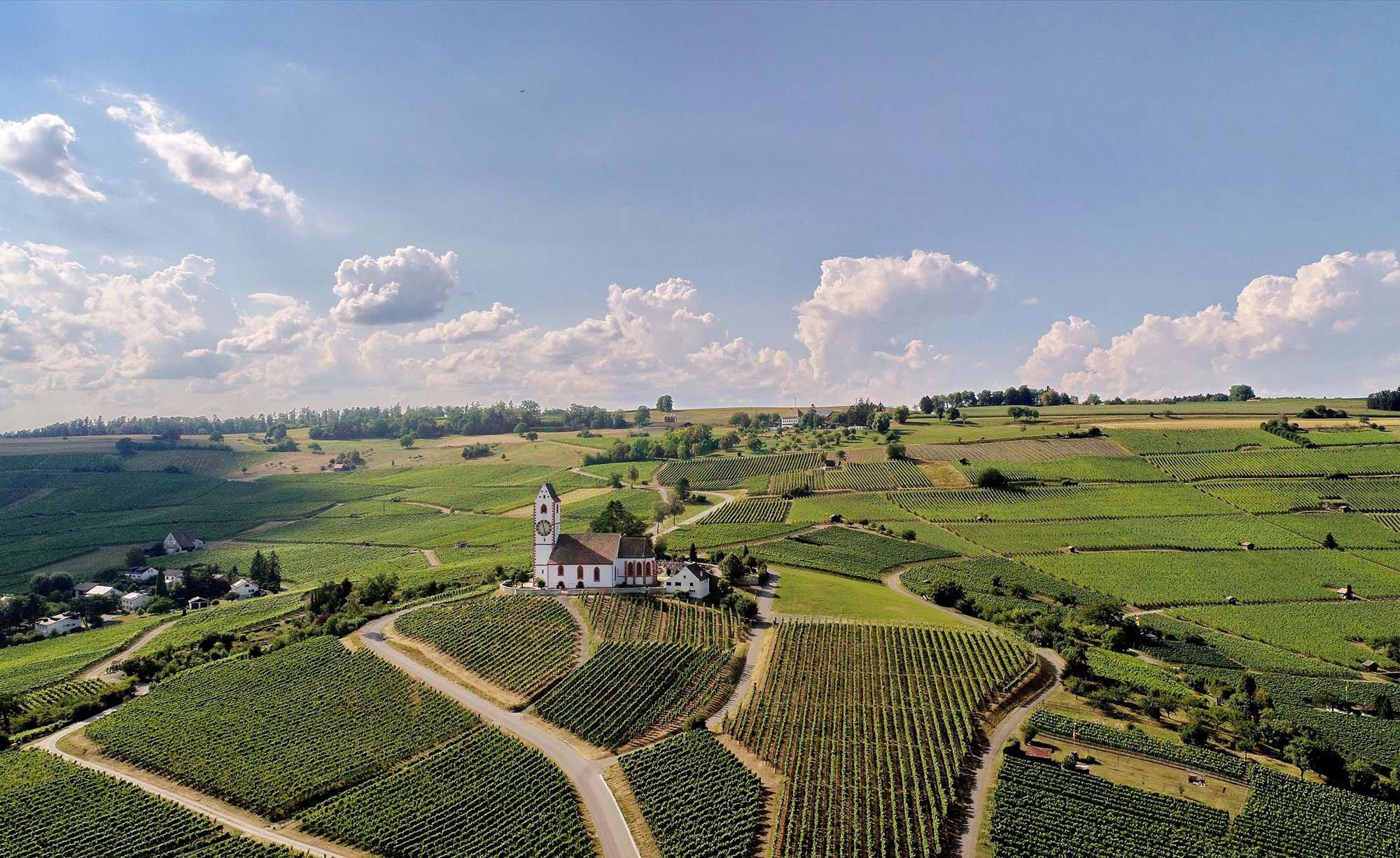
Tokaj Kikelet sits within Tarcal’s storied foothills and leans into the region’s centuries-old identity. The copy emphasizes the climatic mechanics — morning river mists and botrytis — that define Tokaj’s sweet wines, so the estate reads as rooted in tradition and technical exactitude. References to protected designation, puttonyos classifications and a distinct “cellar philosophy” convey a sober, refined character: this is a place where history and regulation shape the tasting room conversation. Visitors should expect a quietly authoritative winery experience that foregrounds lineage and the terroir-driven subtleties of Furmint and Hárslevelű.
Best For
This estate is particularly well suited to curious wine travelers and couples seeking an immersive, instructive visit. The profile stresses regional differences in soil and aspect and recommends systematic exploration, so it naturally fits wine-education minded visitors and solo explorers who want to compare Furmint expressions. Its setting amid Tarcal’s cluster of producers also makes it an easy stop for a deliberate day of estate visits. Romantic getaways benefit from the evocative mist-and-vineyard landscape and the deliberate, heritage-focused tasting experience that privileges slow learning over flash.
Tasting Tips
When you visit, focus tasting time on Tokaj’s defining specialties and ask about the technical details referenced in the copy. Specifically, request explanations of Tokaj Aszú’s puttonyos classification and how botrytis affects Furmint and Hárslevelű across different soils. Probe the estate’s “cellar philosophy” to understand production choices, and consider organizing a comparative tasting if possible — the text highlights nearby producers and suggests visitors can cover multiple estates in a single day. Leave room in your itinerary for discussion rather than rushing through pours.
Venue details
Ambiance
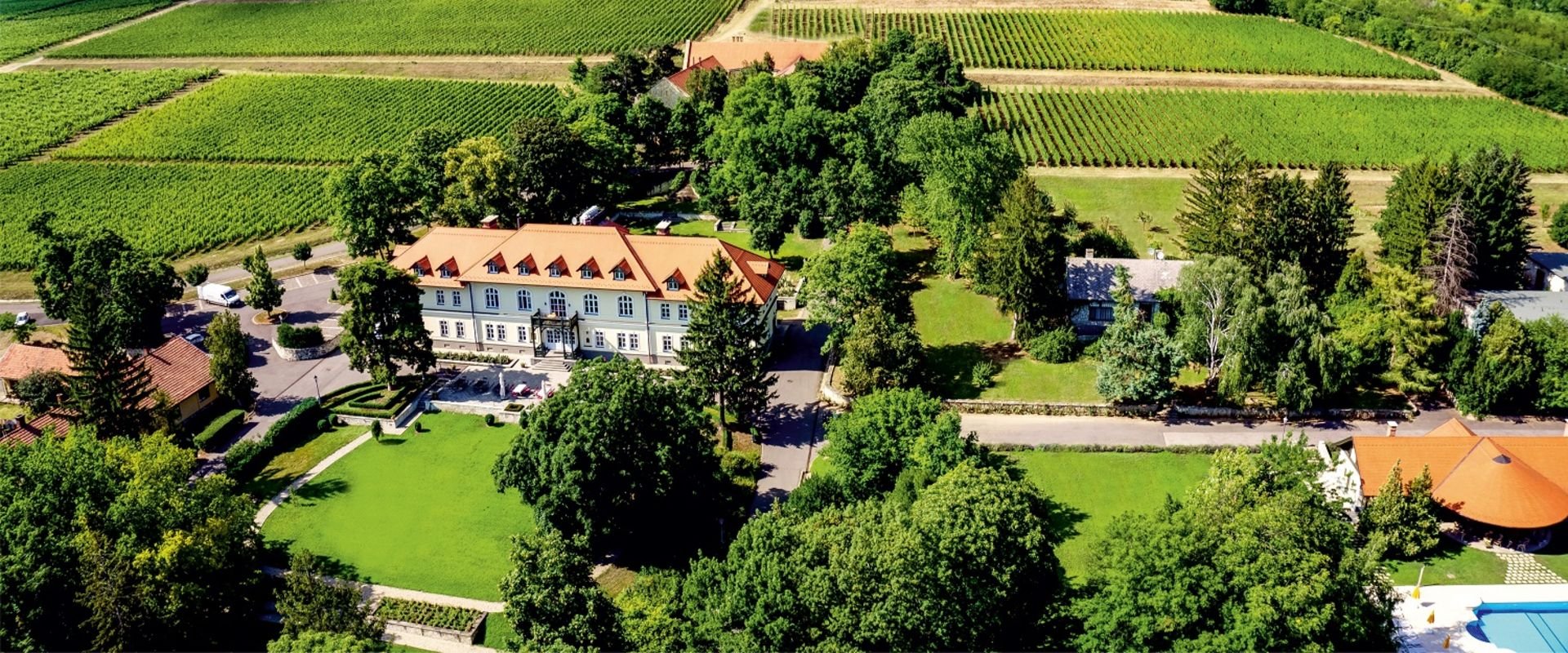
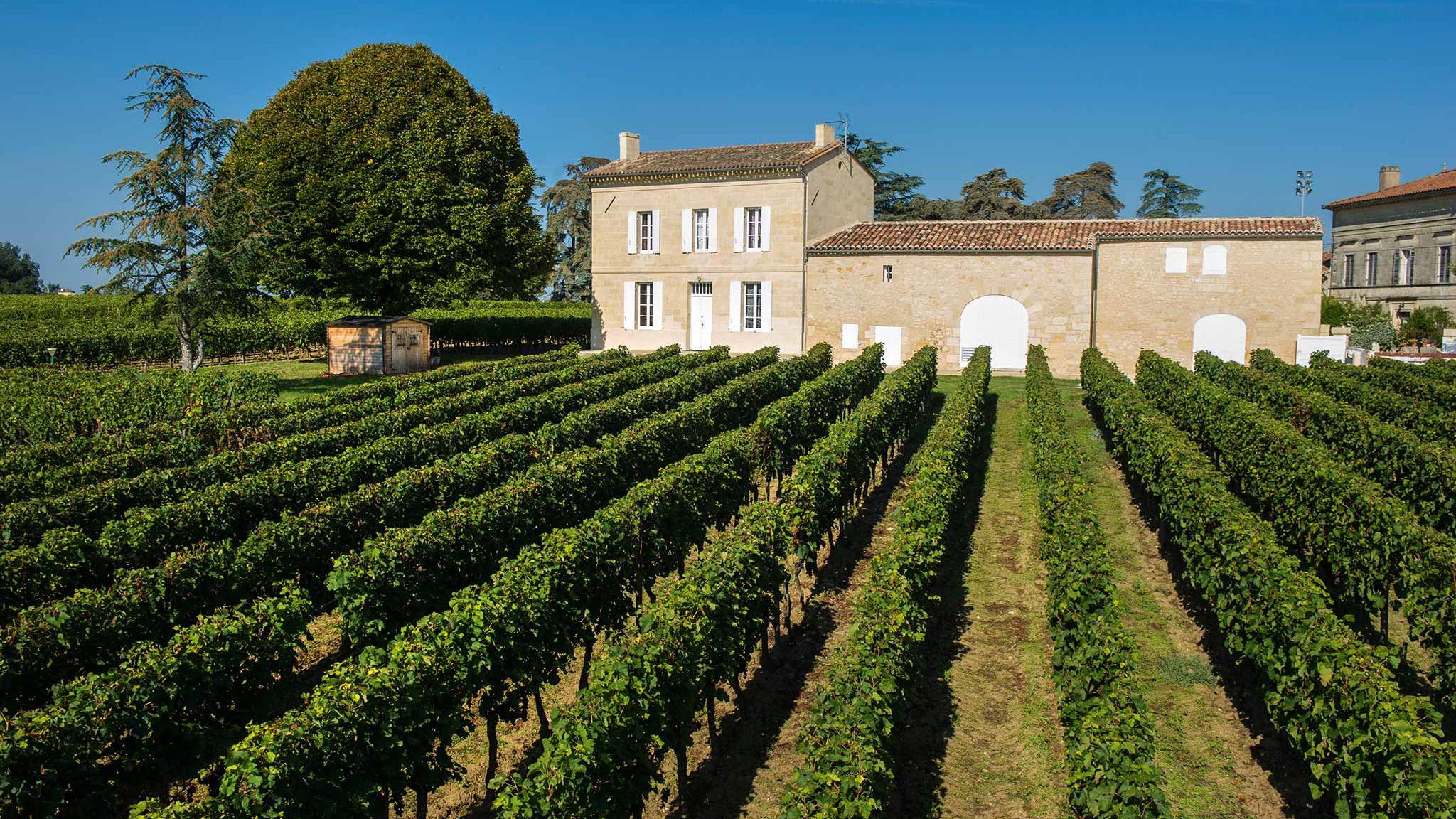
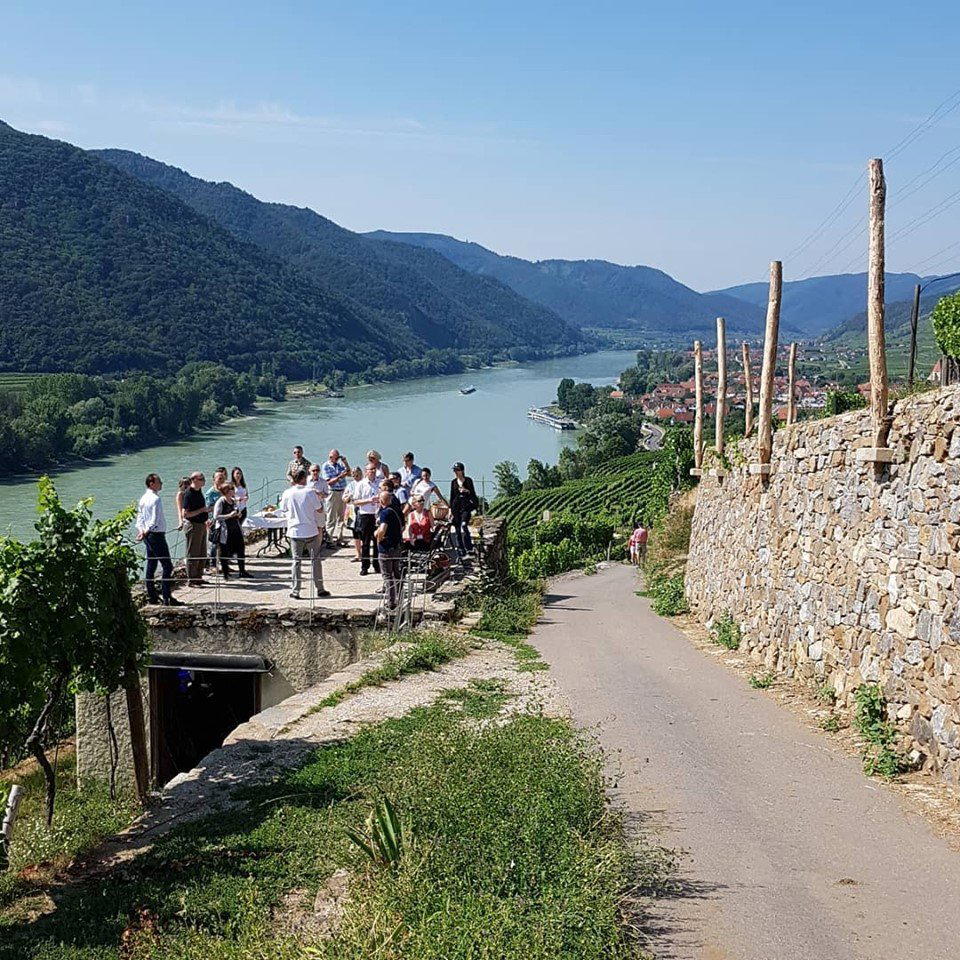
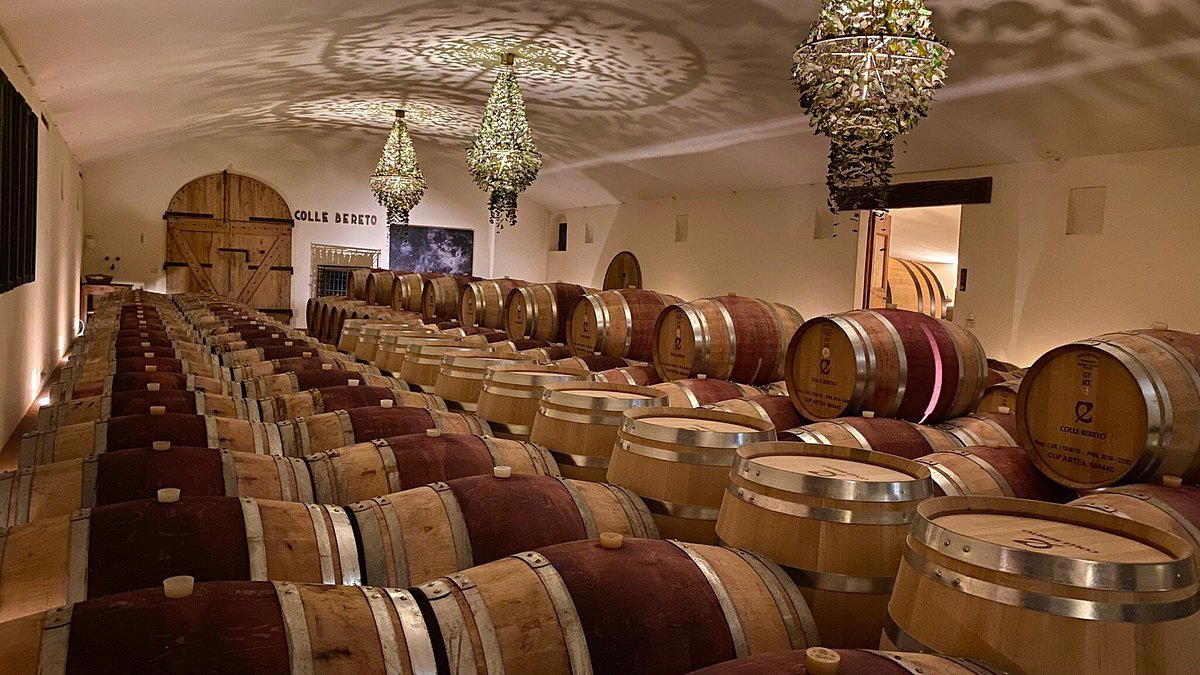
Elegant and graceful atmosphere in a historic volcanic cellar and sunlit tasting room with panoramic vineyard terrace views.
Tags
Vibe
Best For
Experience
Sourcing
View
At the Vineyard
- Appellation
- Tokaj
- Varietals
- Furmint, Hárslevelű, Zéta, Yellow Muscat
- Tour Duration
- 60 minutes
- Tour Languages
- English, Hungarian, French
- Visits
- By appointment only
- Farming
- Organic
- Wine Styles
- Still White, Dessert, Sparkling
- Shipping
- Available
- Wine Club
- Not available
Know before you go
Know Before You Go
- Getting there
- Tarcal, Könyves Kálmán u. 62, 3915
Planning details
Location
Recognition and awards

Also consider
Where to Try If This Is Full
If Tokaj Kikelet Winery cannot be arranged, start with Királyudvar for another Tarcal-based Tokaj option. For a more logistics-friendly fallback in the same town, check Gróf Degenfeld Winery before widening the search to the broader region.
Winery context
How It Compares
Among Tarcal options, Tokaj Kikelet Winery is the higher-friction choice: better for travelers who prize focused wine access and are willing to work around availability. Királyudvar is the cleaner cross-shop if the priority is a major Tokaj name in the same town, while Gróf Degenfeld Winery is the more practical fallback for visitors who want a Tarcal wine stop with less uncertainty.
Gizella Pince, Tokaj Nobilis, and Tokaj Hétszőlő broaden the Tokaj comparison set beyond Tarcal. Use them when the trip is more region-wide than town-specific. For value, the safer move is to compare confirmed tasting access before committing; for depth, Tokaj Kikelet Winery remains the more compelling pursuit if availability lines up.
Explore Tarcal
Around this place
Discover more on Pearl
Unlock the full Tokaj Kikelet Winery guide in Pearl, including awards, comparisons, FAQs, planning details, and nearby places.
Compare Tokaj Kikelet Winery
| Venue | Location | Awards |
|---|---|---|
| Tokaj Kikelet Winery | Tarcal | 2026 Falstaff Winery Guide |
| Királyudvar | Tarcal | 2026 Falstaff Winery Guide |
| Gróf Degenfeld Winery | Tarcal | No published awards |
| Gizella Pince | Tokaj | 2026 Falstaff Winery Guide |
| Tokaj Nobilis | Bodrogkeresztúr | No published awards |
| Tokaj Hétszőlő | Tokaj | 2026 Falstaff Winery Guide2025 World's 50 Best Vineyards · #58 |

How Tokaj Kikelet Winery Tarcal compares with similar nearby venues.
FAQ
Frequently Asked Questions
What other wineries can I compare with Tokaj Kikelet Winery?
Useful names to compare with Tokaj Kikelet Winery include Királyudvar, Tokaj Hétszőlő, Gróf Degenfeld Winery, Gizella Pince, and Tokaj Nobilis. Check each venue directly for its current visitor information before planning around it.
Does Tokaj Kikelet Winery serve food?
Food service is not specified. Treat Tokaj Kikelet Winery as a winery in Tarcal, and confirm any dining or snack options directly with the venue before going.
Are membership details available for Tokaj Kikelet Winery?
Membership terms are not specified. The key planning signal is Pearl 2 Star Prestige recognition in 2025; ask the venue directly for any current membership, allocation, or purchase details.
Do I need a reservation at Tokaj Kikelet Winery?
How long should I plan for a visit to Tokaj Kikelet Winery?
A specific visit length is not specified. Plan only after confirming the current format of any visit, tasting, or appointment directly with Tokaj Kikelet Winery.