
Château d’Arche
Sauternes
Winery in Sauternes, France
 Book with Pearl
The Read
Botrytis-Driven Second Growth
Why go
Château d'Arche is a strong Sauternes pick for travellers who want a wine-first château visit in the village, backed by Pearl 3 Star Prestige recognition in 2025. Treat booking as difficult and confirm any food or pairing component in advance; it is a better fit for focused wine travellers than for visitors expecting a full meal format.
About Château d’Arche
Château d'Arche is a Sauternes venue with Pearl 3 Star Prestige (2025). For travellers comparing Sauternes venues, that recognition is the main reason to put it on a shortlist.
Keep expectations precise. Confirm the restaurant, menu, tasting format, pairing offer, pricing, hours, capacity, and booking difficulty directly with the venue, and use the smart casual dress code as the practical guidance.
Plan this as a Sauternes venue with limited visit details
The strongest case for Château d'Arche is simple: it is in Sauternes and holds Pearl 3 Star Prestige recognition for 2025. Beyond that, there are no specific claims here about food service, guided tastings, group formats, or how long a visit should take.
If food is central to the day, plan it separately rather than assuming an on-site dining component. For broader meal planning, use Our full Sauternes restaurants guide and keep Château d'Arche in the itinerary only on the basis of details you confirm directly.
Who should choose it among Sauternes addresses
Choose Château d'Arche if you want a Sauternes stop with Pearl 3 Star Prestige recognition. If you are comparing it with Château d'Yquem, Château Guiraud, Château La Tour Blanche, Château Rayne-Vigneau, or Clos Haut-Peyraguey, keep the comparison focused on your own itinerary needs. For a broader sweep, use Our full Sauternes wineries guide to build a route.
Before arranging the day, confirm current visitor details directly with Château d'Arche. The practical guidance here is Sauternes as the location, smart casual dress, and Pearl 3 Star Prestige (2025).
Planning details
- Location
- Château d'Arche, 33210 Sauternes
- Website
- chateau-arche.fr
- Phone
- +33556767630
The take
The Take
The Vibe
Château d'Arche reads as a sober, sophisticated Sauternes domaine where geology and climate dictate the drama. The narrative in the text is less about froufrou and more about process — morning fog from the Ciron, afternoon sun, and the patient, selective harvest that yields noble rot. The estate's Deuxième Cru Classé standing and recent Pearl 3 Star Prestige recognition frame it as a serious, measured producer: a place for contemplative tasting rather than flash. Overall the tone is refined and serene, oriented toward the slow accumulation of complexity rather than immediate spectacle.
Best For
This property is best encountered by visitors interested in learning — whether professionally or as curious wine lovers. The description foregrounds the meteorology of Sauternes and the fragile mechanics of Botrytis-driven sweetness, which makes Château d'Arche a strong stop for wine education and guided conversation about vintage variation. Its classified status and recognition in 2025 also make it suitable for special occasions when guests look for bottles with pedigree and age-worthiness. In short, it suits visitors who prize terroir narratives, provenance, and wines meant to be contemplated or cellared.
Tasting Tips
When engaging with Château d'Arche, center questions on vintage conditions and the role of noble rot: the text emphasizes how a poor autumn can turn noble rot into grey rot, and how great vintages compress years of anticipation. Ask which years showed the best balance of morning fog and afternoon sun and which cuvées lean more on Sémillon or Sauvignon Blanc. Given the estate's recent Pearl 3 Star Prestige recognition, inquire about bottles that exemplify that evolution and consider prioritizing vintages noted for concentrated, oxidative depth.
Venue details
Ambiance
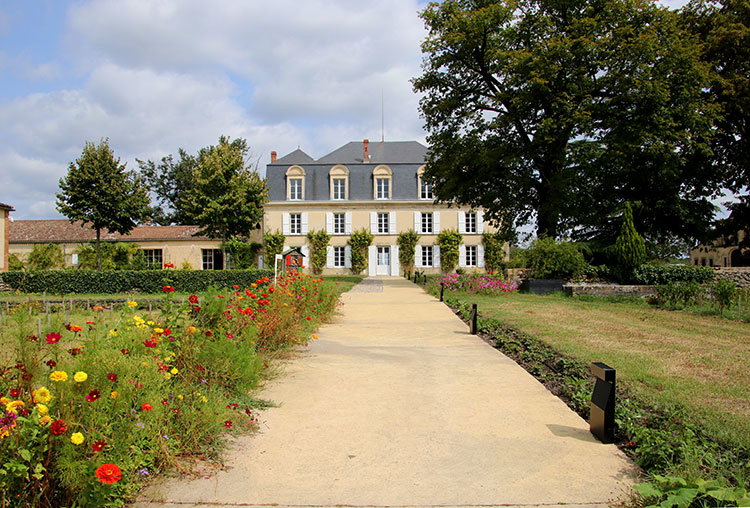
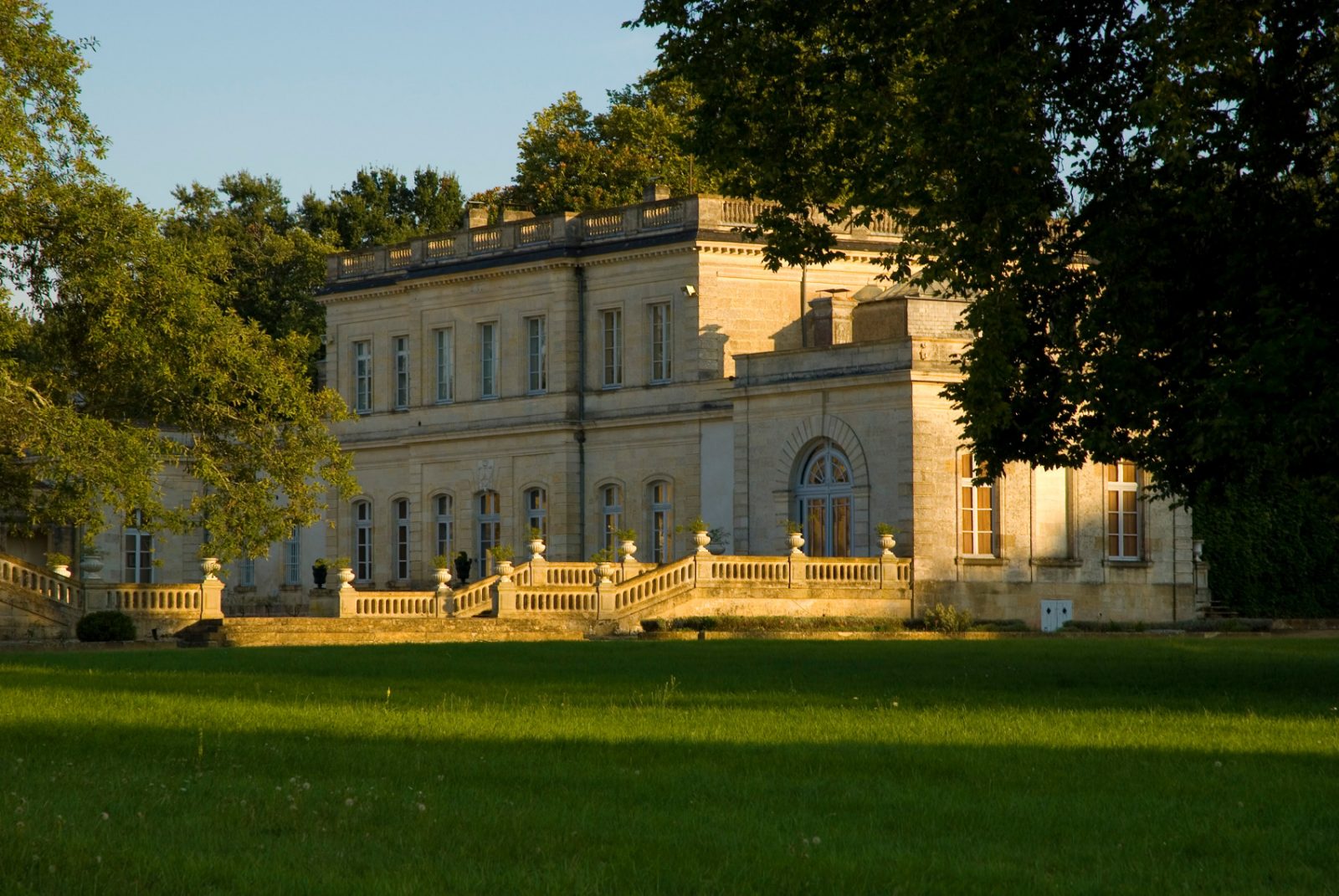
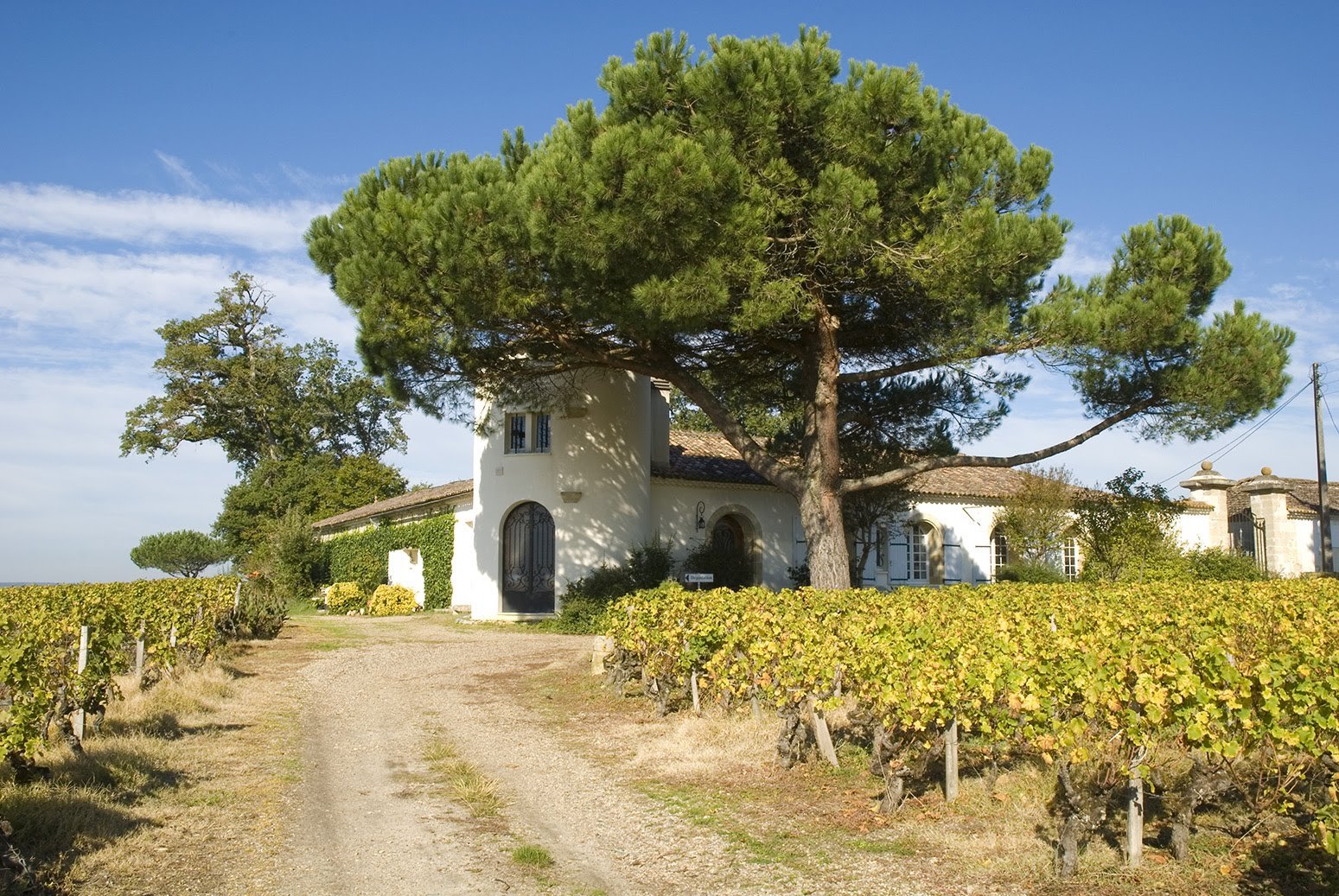
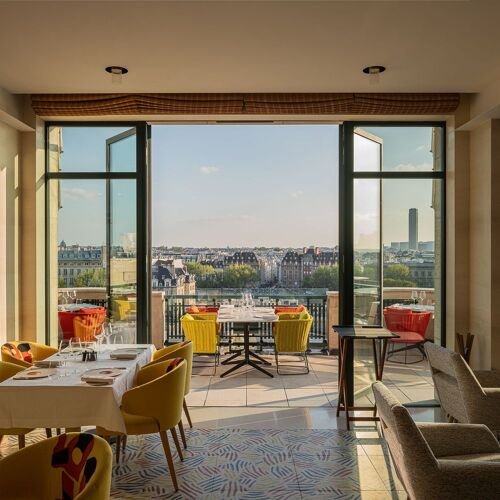
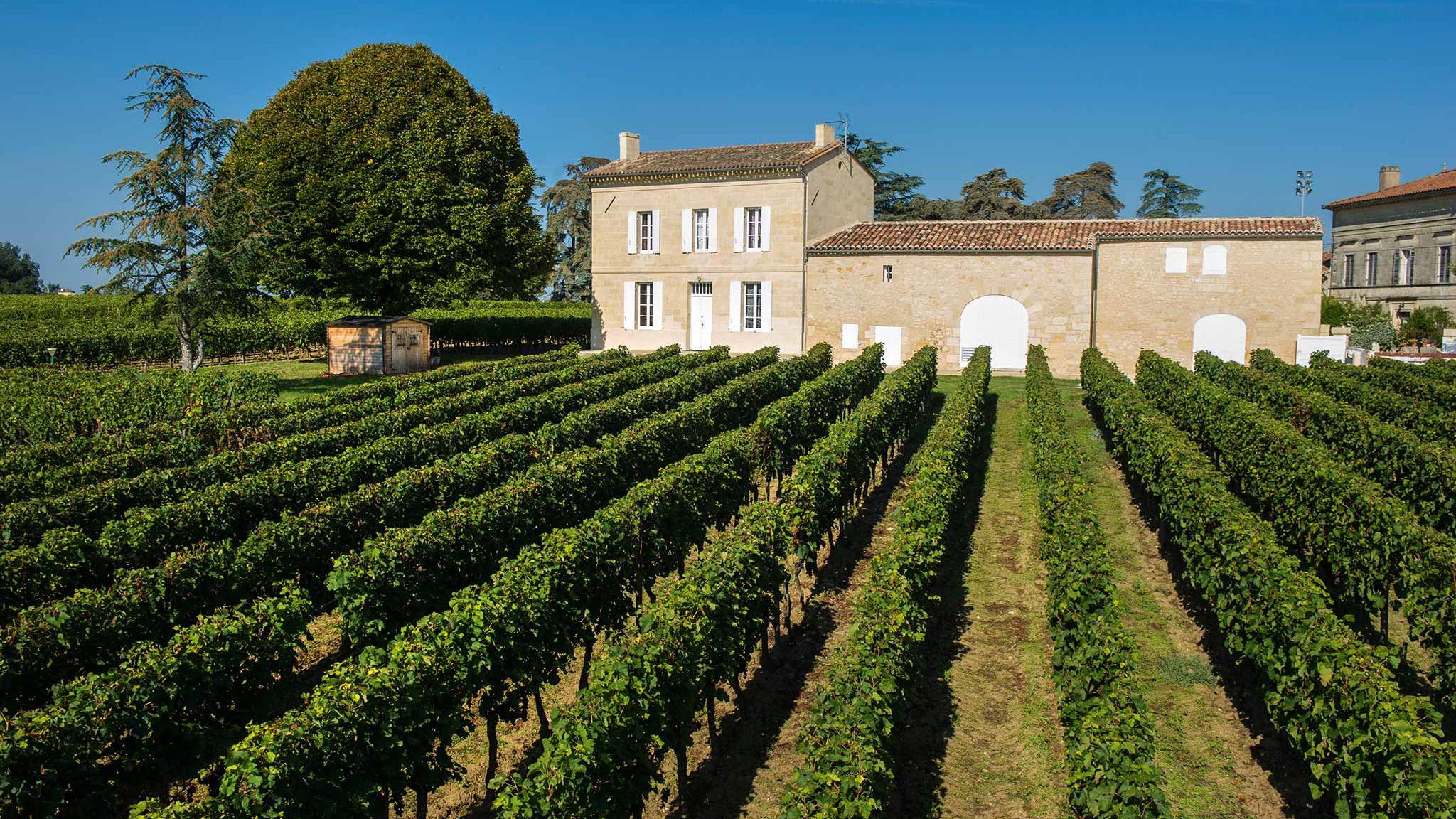
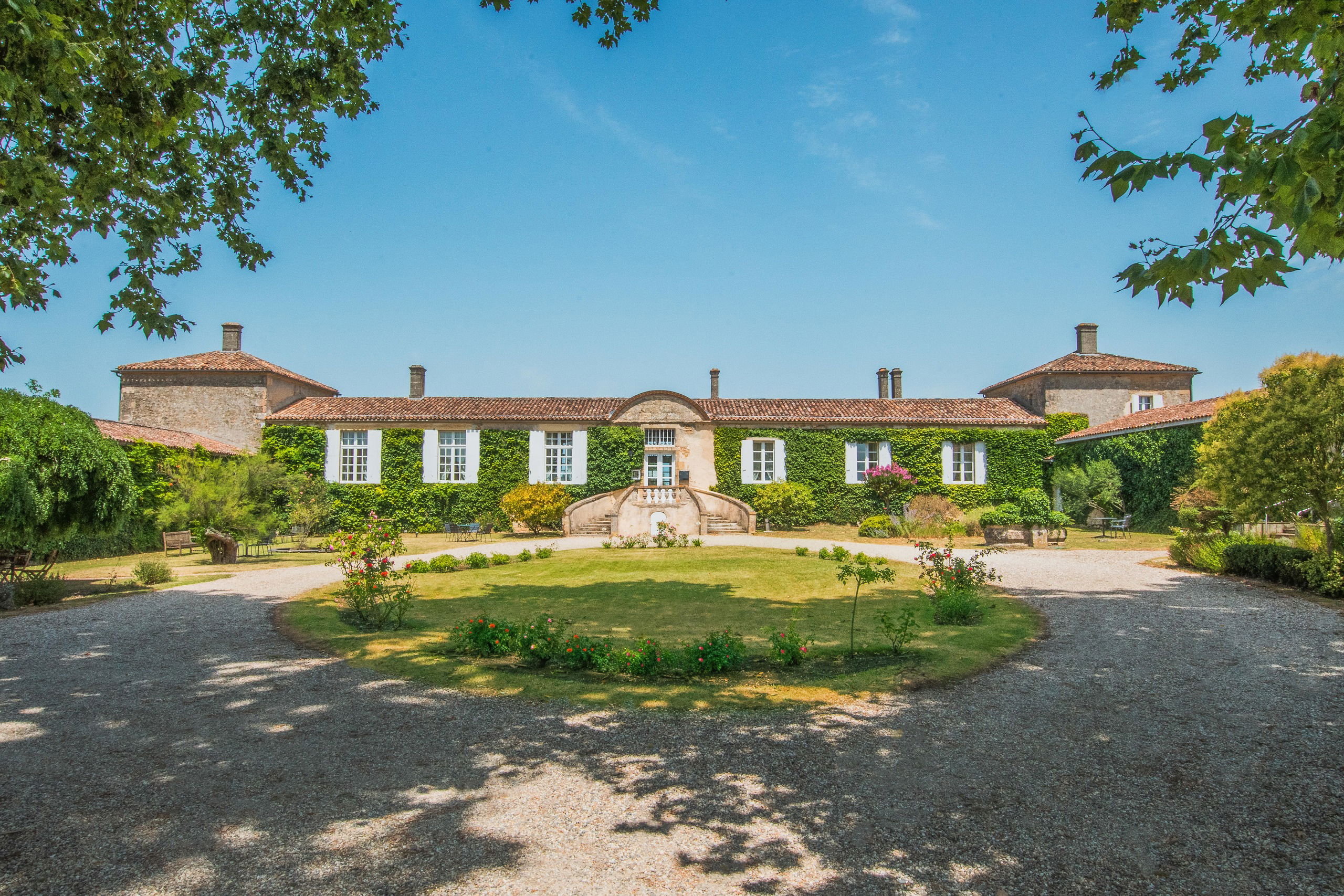
Elegant historic setting in a 17th-century former monastery with sophisticated, serene atmosphere amid rolling vineyards.
Tags
Vibe
Best For
Experience
Sourcing
View
At the Vineyard
- Appellation
- Sauternes AOC
- Varietals
- Semillon, Sauvignon Blanc
- Tour Duration
- 60-90 minutes
- Visits
- By appointment only
- Farming
- Sustainable
- Wine Styles
- Dessert
- Food Pairing
- Offered
- Wine Club
- Not available
Know before you go
Know Before You Go
- Getting there
- Château d'Arche, 33210 Sauternes
Planning details
Location
Recognition and awards

Also consider
Where to look if Château d'Arche is unavailable
Try Château Guiraud first if staying in Sauternes matters. For a higher-prestige but harder-to-plan alternative, consider Château d'Yquem.
Winery context
How Château d'Arche compares in Sauternes
Choose Château d'Arche if the brief is a serious Sauternes stop in the village without making the whole day about trophy access. Château d'Yquem is the obvious prestige comparison, but it is the harder choice for travellers who need flexible planning. Château d'Arche is the more practical target when the goal is depth in Sauternes rather than a single status appointment.
Château Guiraud is the safer cross-shop for visitors who want a better-known name in the same commune and a fallback with broader recognition. Château La Tour Blanche and Clos Haut-Peyraguey make more sense for travellers building a wider Sauternes comparison rather than staying tightly centred on one address.
Château Rayne-Vigneau is another useful alternative if Château d'Arche is unavailable and the priority is keeping the itinerary appellation-focused. For value, the better answer depends on confirmed tasting format and any food component; for booking practicality, do not rely on same-day availability at any of these names.
Explore Sauternes
Around this place
Discover more on Pearl
Unlock the full Château d’Arche guide in Pearl, including awards, comparisons, FAQs, planning details, and nearby places.
Compare Château d’Arche
| Venue | Location | Awards |
|---|---|---|
| Château d’Arche | Sauternes | 2026 Falstaff Winery Guide |
| Château La Tour Blanche | Bommes | 2026 Michelin Grape Main Selection - Bordeaux2026 Falstaff Winery Guide2025 Pearl 4 Star Prestige |
| Clos Haut-Peyraguey | Bommes | 2026 Falstaff Winery Guide |
| Château Rayne-Vigneau | Bommes | 2026 Falstaff Winery Guide |
| Château Guiraud | Sauternes | 2026 Michelin Grape Main Selection - Bordeaux2026 Falstaff Winery Guide2025 Pearl 4 Star Prestige |
| Château d'Yquem | Sauternes | 2026 Michelin 3 Grapes - Bordeaux2026 Falstaff Winery Guide2025 World's 50 Best Vineyards · #92025 Pearl 5 Star Prestige2024 World's 50 Best Vineyards · #132023 World's 50 Best Vineyards · #182022 World's 50 Best Vineyards · #232020 World's 50 Best Vineyards · #31 |



How Château d'Arche Sauternes compares with similar nearby venues.
FAQ
Frequently Asked Questions
Does Château d'Arche serve food?
Food service is not listed here. Treat Château d'Arche as a Sauternes venue and confirm any dining, pairing, or tasting details directly before planning a meal around it.
What is Château d'Arche known for in this guide?
Château d'Arche is presented as a Sauternes venue with Pearl 3 Star Prestige (2025) recognition and a smart casual dress code.
Is there a membership or buying program at Château d'Arche?
What other venues can I compare with Château d'Arche?
Useful comparison names include Château La Tour Blanche, Clos Haut-Peyraguey, Château Rayne-Vigneau, Château Guiraud, and Château d'Yquem. Château d'Arche is a Sauternes venue to consider when building a focused itinerary.
How long should I plan for a visit to Château d'Arche?
Can Château d'Arche handle large groups?
If you are planning a larger Sauternes itinerary, contact Château d'Arche directly before arranging transport or timing.