


Babylonstoren
Franschhoek
Winery in Franschhoek, South Africa
 Book with Pearl
The Read
Farm-to-Cellar Estate Logic
Price
$50–100tasting
Why go
Prioritise Babylonstoren if the Franschhoek plan is built around a full estate experience rather than a fast tasting. Its 2025 Pearl 3 Star Prestige and Decanter-derived winery recognition strengthen the wine case, but the real value is for first-timers who want gardens, cellar-door polish, and enough time to make the visit the anchor of the day.
About Babylonstoren
Babylonstoren is a Franschhoek venue with 2025 recognition: Pearl 3 Star Prestige and Decanter World Wine Awards Derived Winery Prestige. The dress code is smart casual, so visitors should plan for a polished but not overly formal visit.
For travellers comparing premium stops, Babylonstoren can be considered alongside other named options such as Glen Carlou, Plaisir de Merle, Rupert & Rothschild Vignerons, Vrede en Lust Wine Estate, and Wilderer Distillery. For other Franschhoek dining options, check current details directly.
Worth considering for its recognition
A strong reason to prioritise Babylonstoren is its recognition: Pearl 3 Star Prestige in 2025 and Decanter World Wine Awards Derived Winery Prestige in 2025. Those accolades support its standing as a premium Franschhoek venue.
If you are deciding whether to make Babylonstoren a key stop, compare it with the kind of visit you want. Names such as Glen Carlou, Plaisir de Merle, Rupert & Rothschild Vignerons, and Vrede en Lust Wine Estate may also be relevant for comparison, while Wilderer Distillery offers another comparison point.
First-timers should plan ahead
Babylonstoren is in Franschhoek, so plan the visit with enough flexibility for the wider itinerary rather than treating it as a quick-stop format. For dining context in the area, use Our full Franschhoek restaurants guide.
Visitors should check current hours, reservation rules, menus, group capacity, shipping, and specific services directly before building a schedule around Babylonstoren. Key planning points include its Franschhoek location, smart-casual dress code, and 2025 recognition.
Planning details
- Location
- Klapmuts - Simondium Rd, Simondium, 7670
- Website
- babylonstoren.com
- Phone
- +27 21 863 3852
The take
The Take
The Vibe
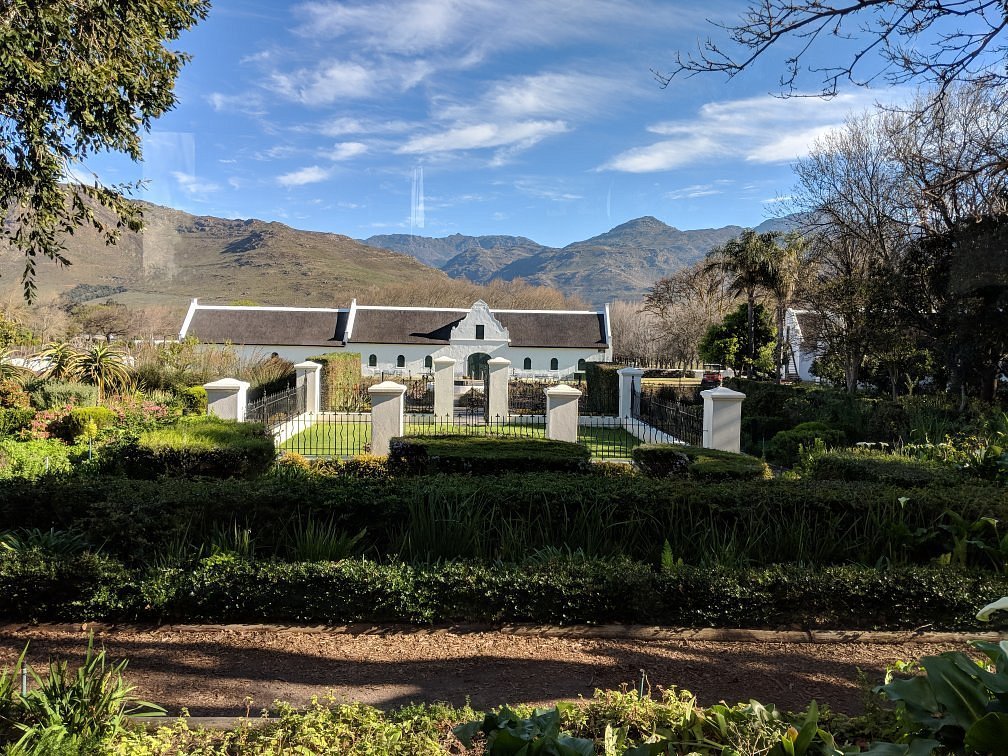
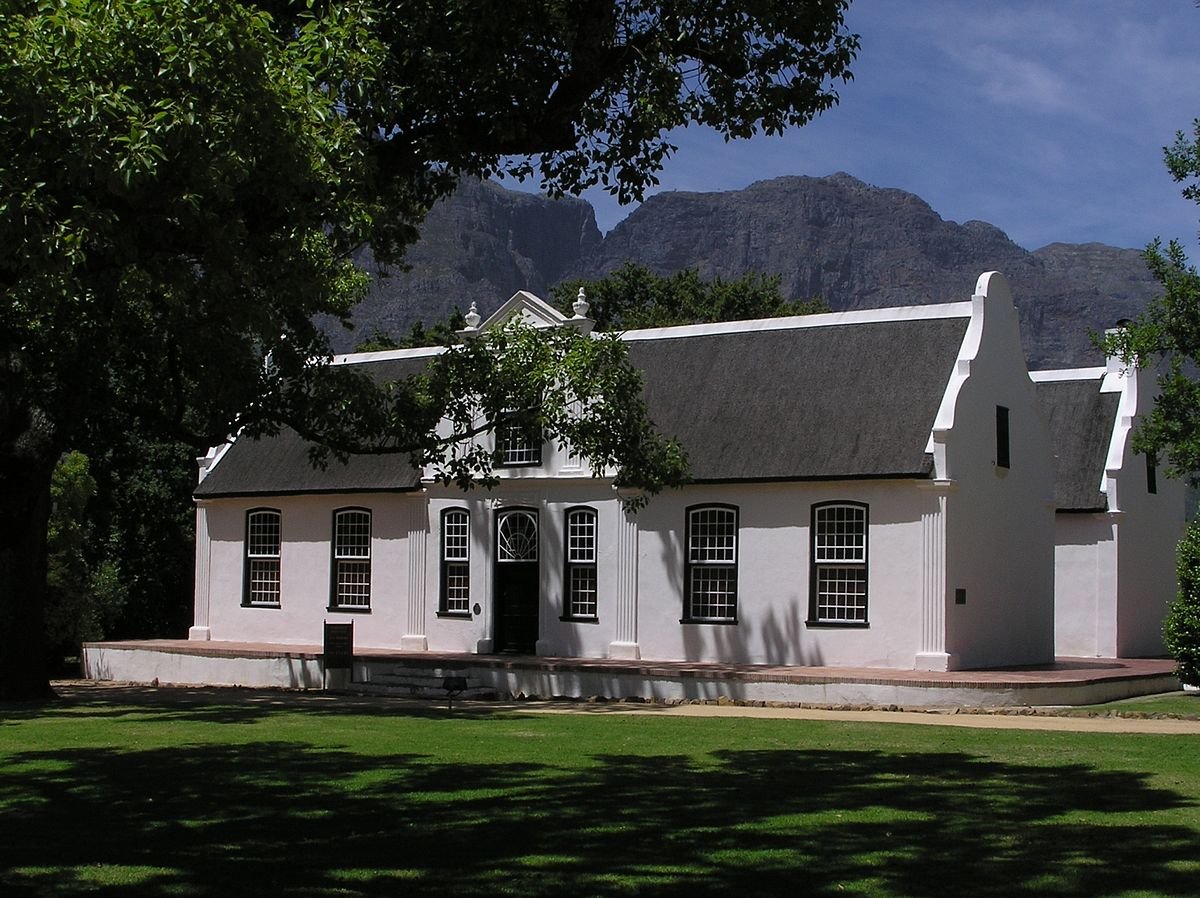
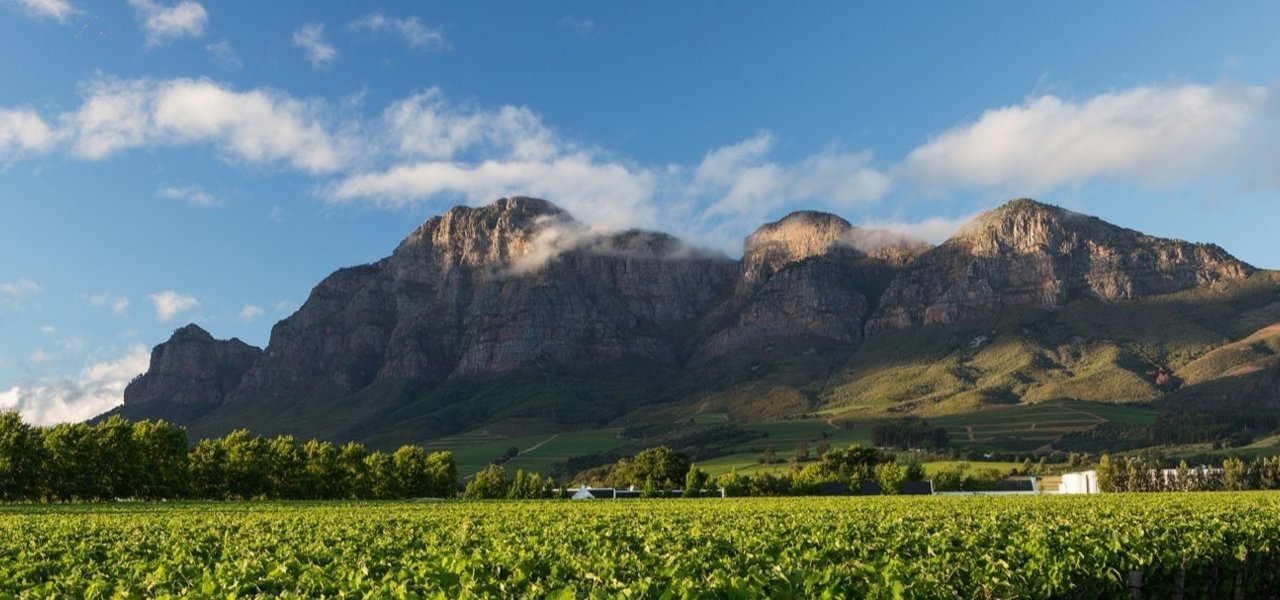
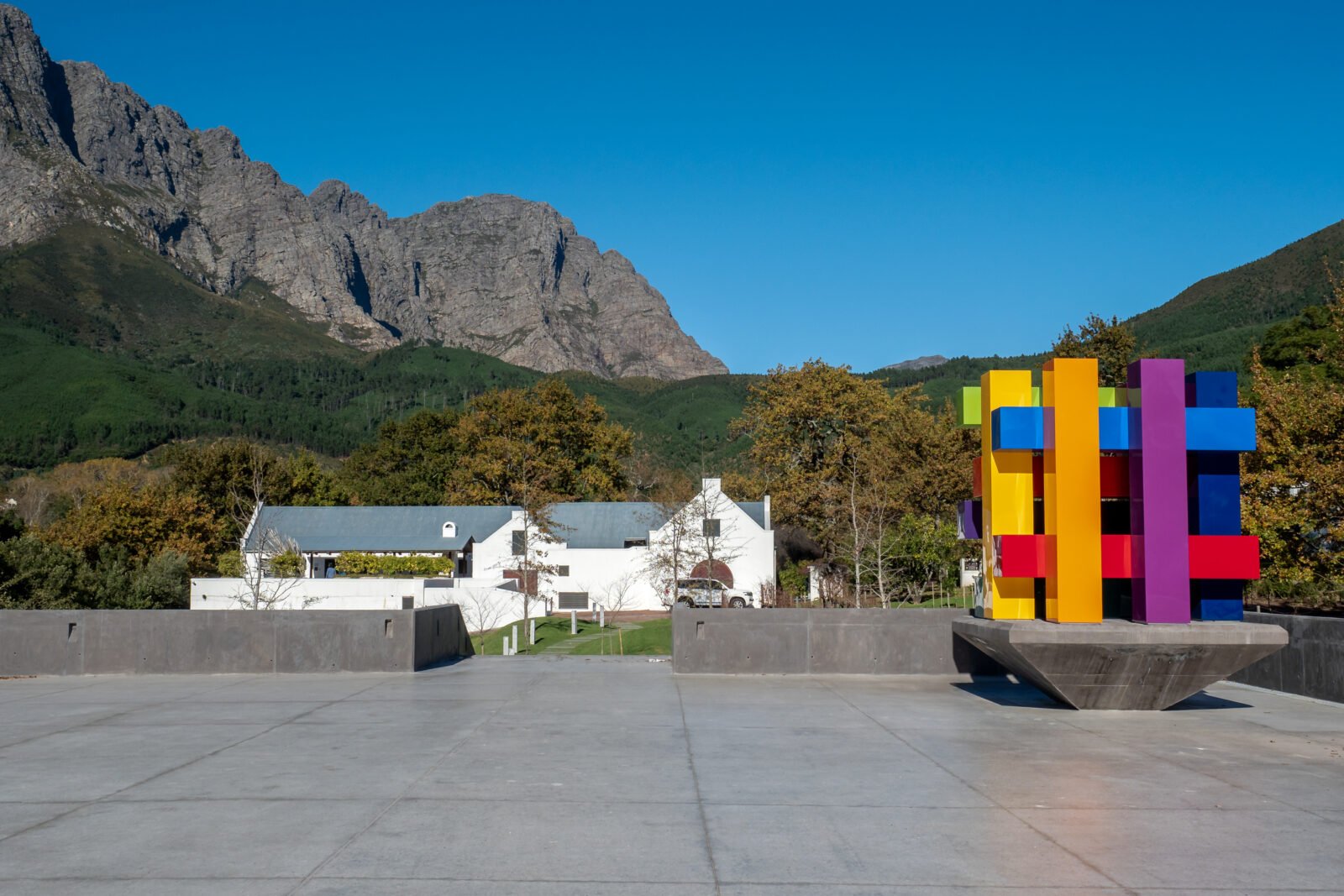
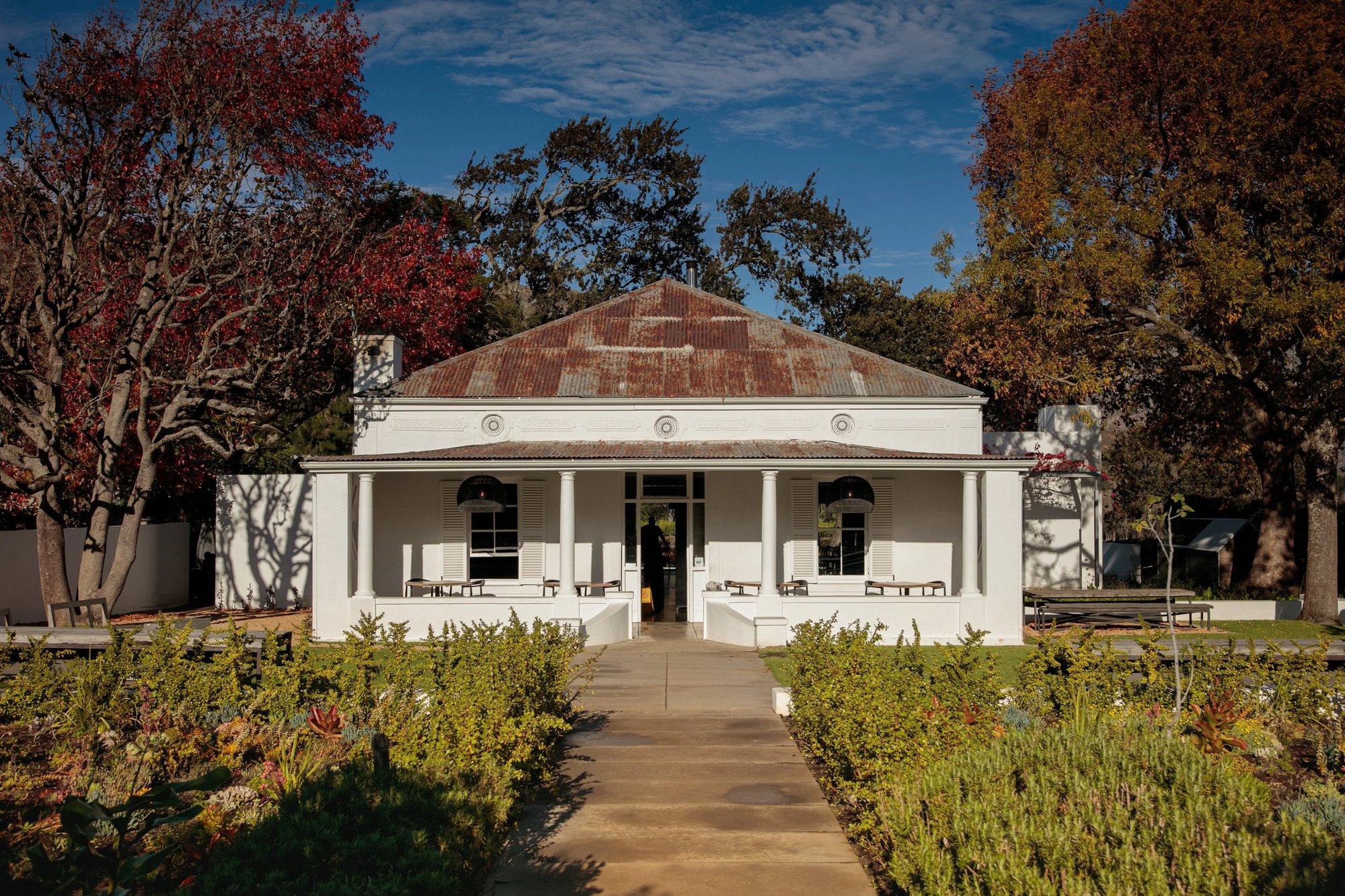
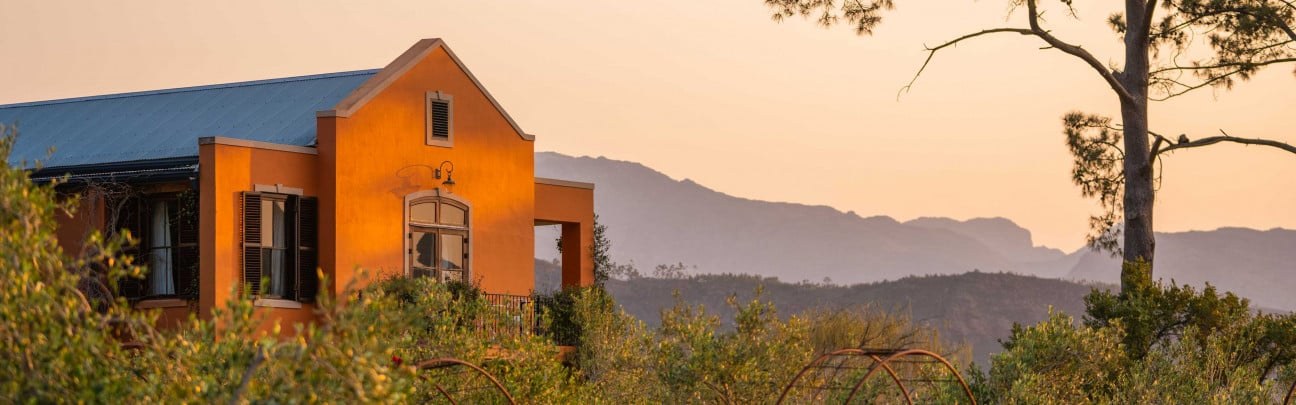
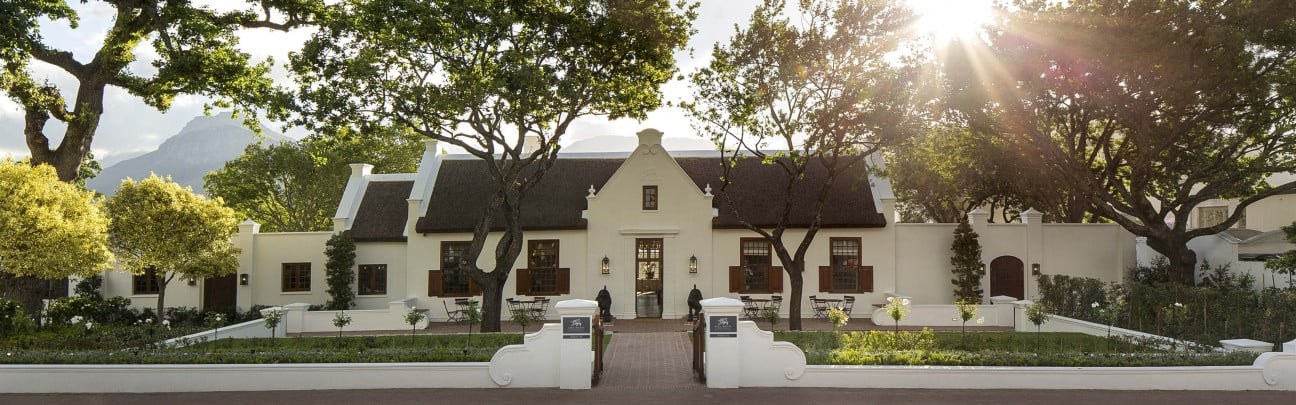
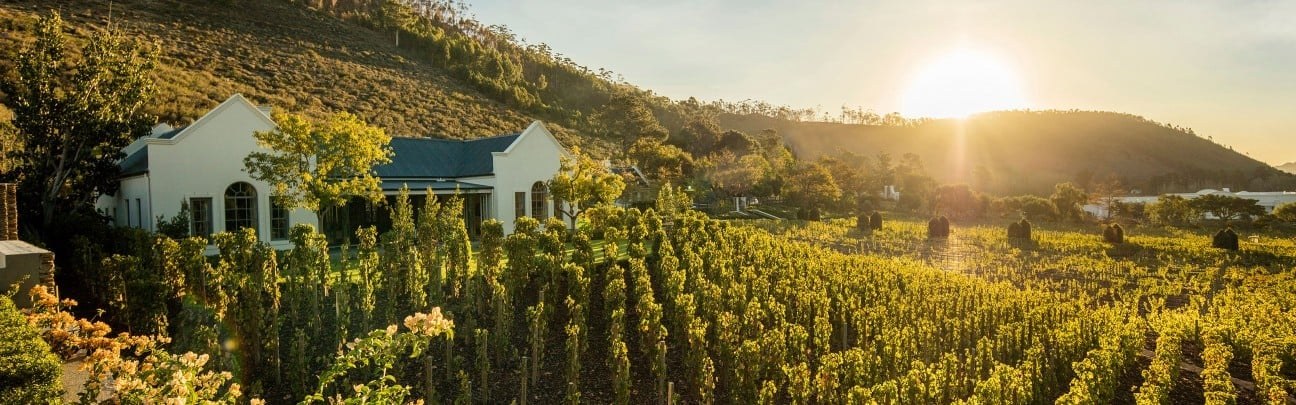
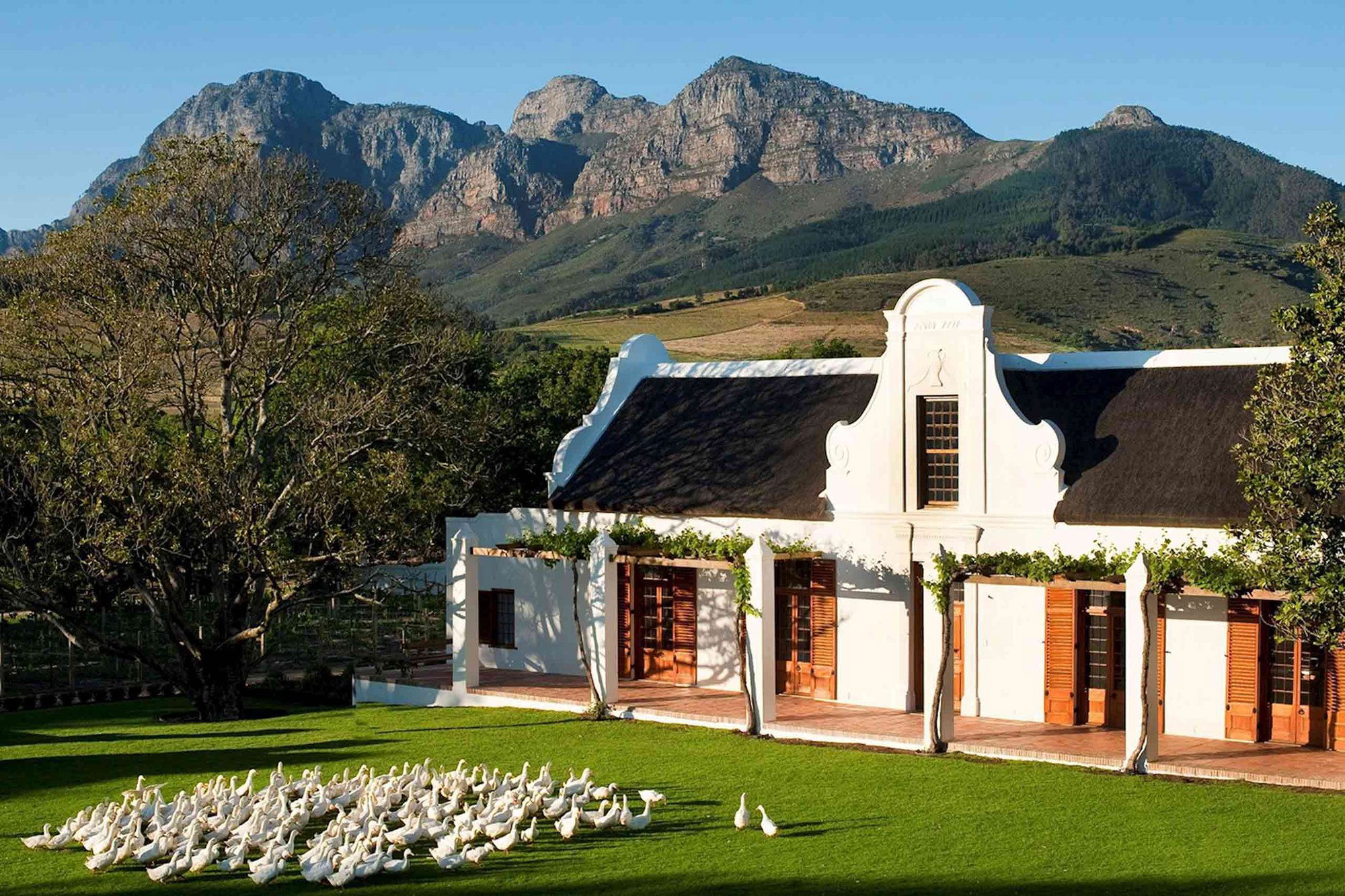
Babylonstoren reads like a classic Cape Winelands estate—historic Cape Dutch architecture, oak-lined drives, and working farm buildings give the property tangible roots in regional history. The narrative leans into a cultivated charm rather than tourist bustle: visitors arrive intentionally, drawn to the agricultural landscape and heritage structures. The tone is relaxed and refined, with cultivated gardens and estate grounds framing the experience. Awards and serious wine production add a layer of credibility and quiet prestige, so the overall impression is of a storied, well tended estate where architecture and vocation feel inseparable.
Best For
Babylonstoren suits travelers looking for an immersive Winelands stop rather than a quick tasting. It is well matched to weekend getaways, small group outings, and anyone interested in structured visitor programs or wine-focused learning. The estate’s size and facilities—positioned among larger operations with restaurants and accommodation—make it appropriate for multi-hour visits that combine tastings, walks across the grounds, and dining. Its location in the Franschhoek–Paarl corridor invites deliberate planning rather than spontaneous drive-by visits.
Tasting Tips
Plan ahead and allow time: Babylonstoren functions as a working farm with full visitor programs, so booking tastings or tours in advance is advisable. Treat the visit as a destination—build in time for a tasting, a stroll of the estate grounds, and a meal if you want a more complete experience. Expect well-regarded wines (recent Decanter medals underline quality), and prioritize structured visitor options if you’re seeking educational context about winemaking rather than a brief sample at the bar.
Venue details
Ambiance
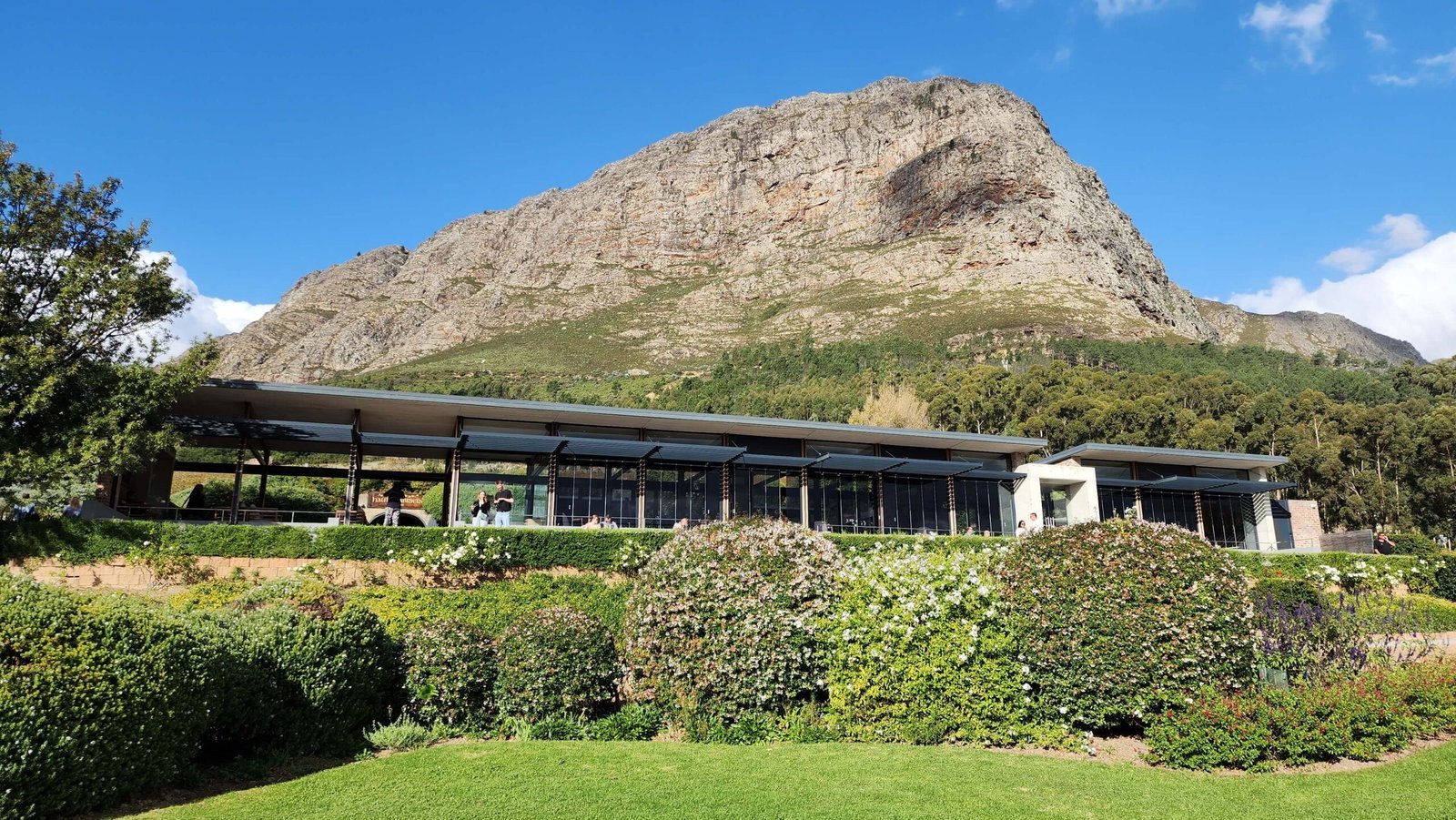
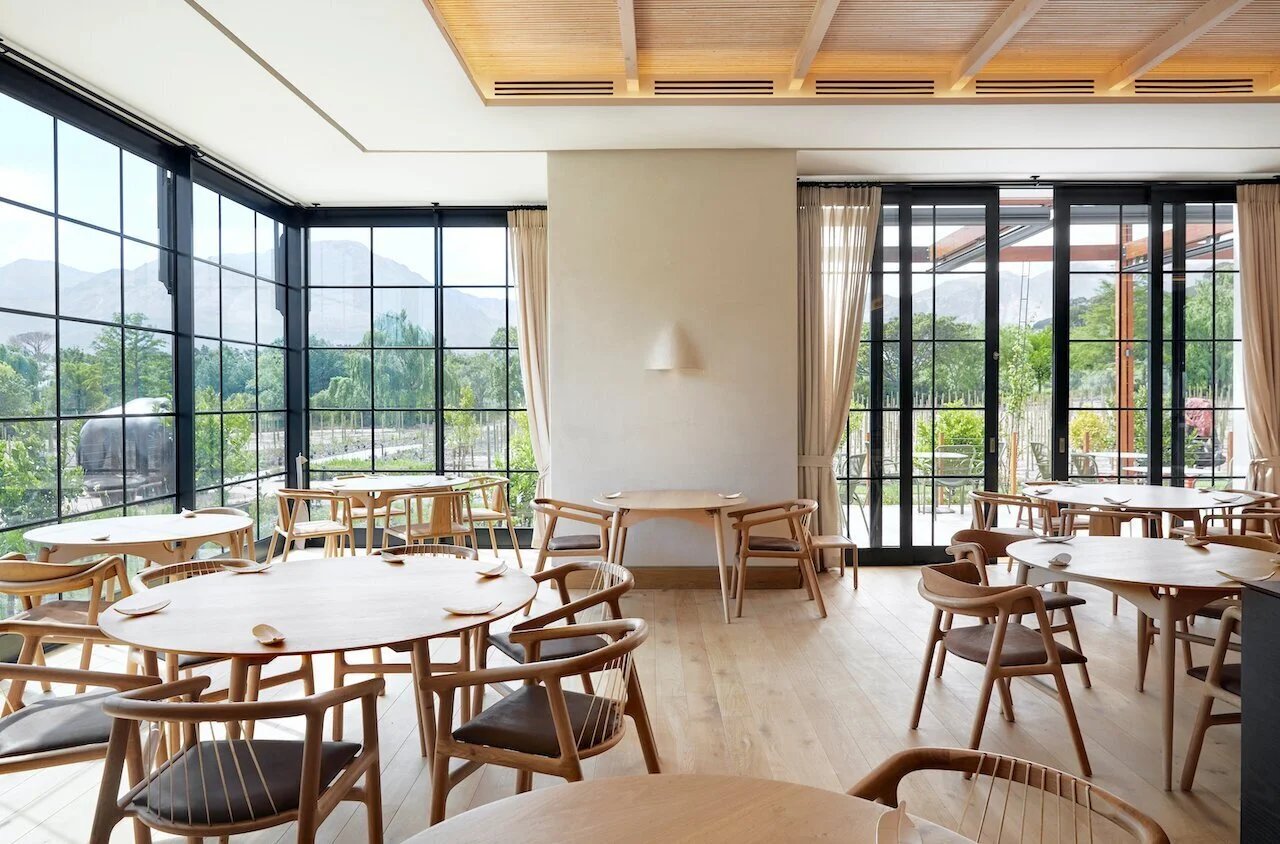
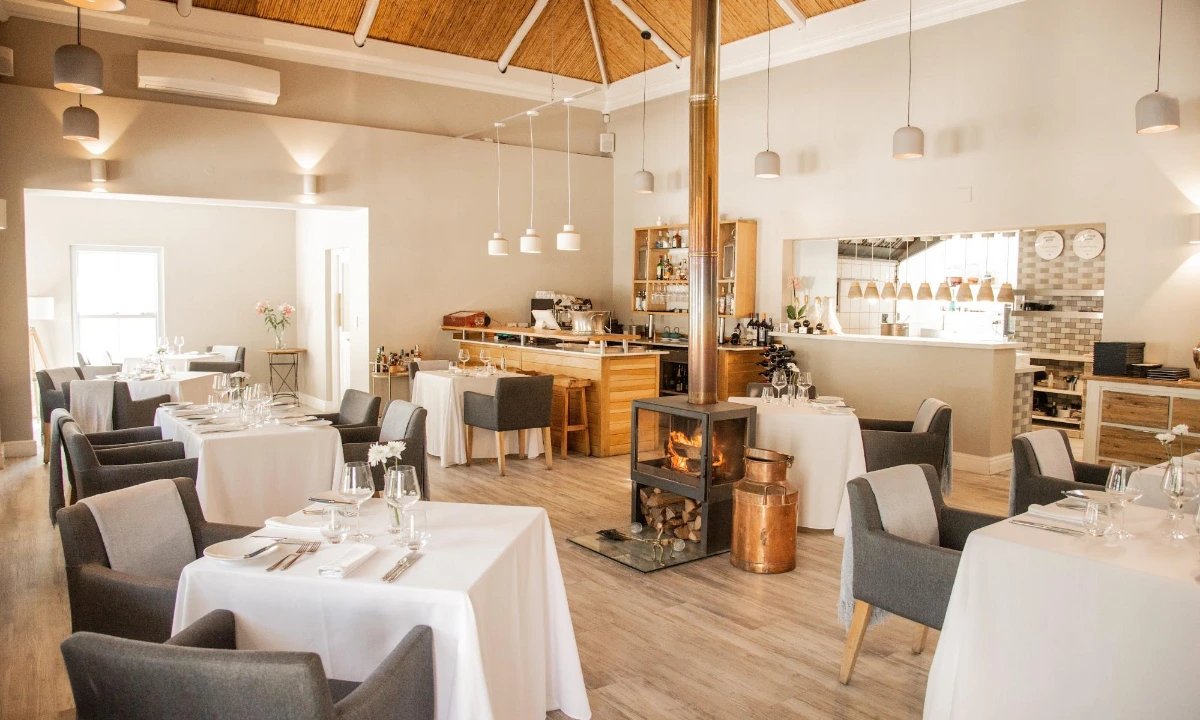
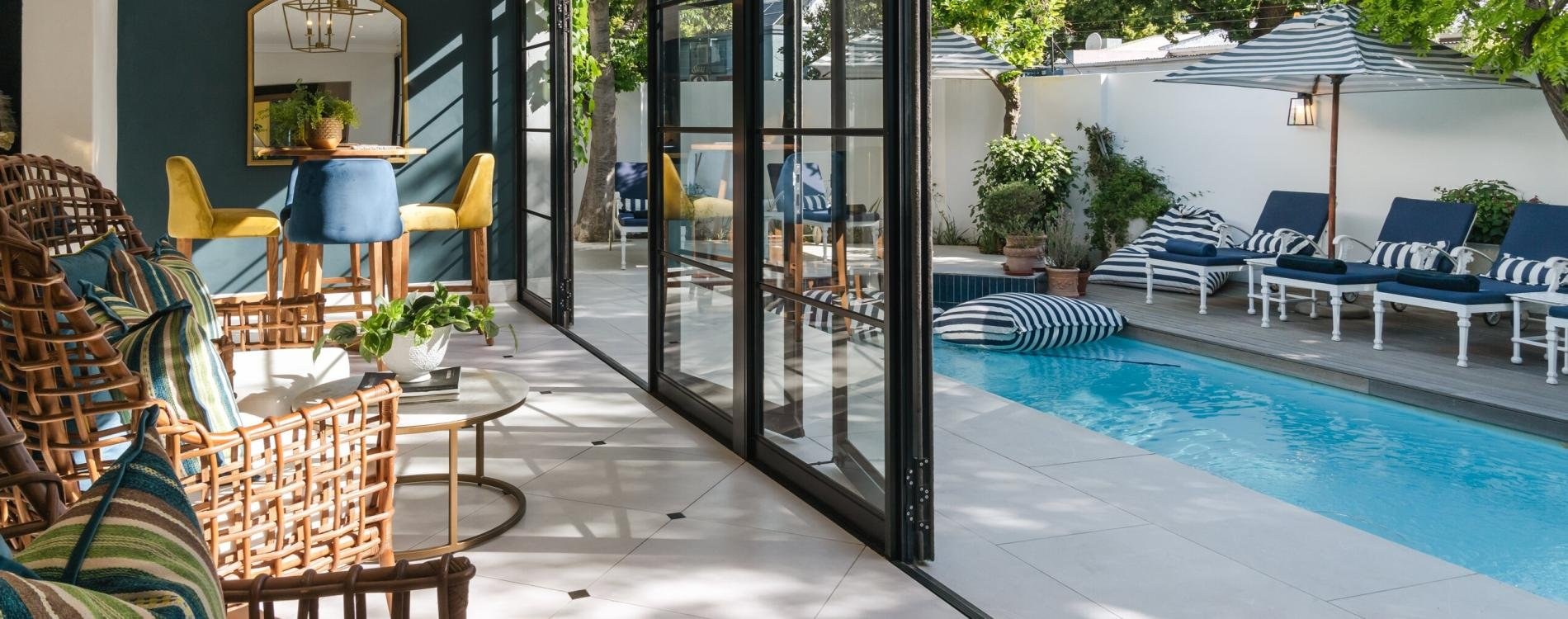
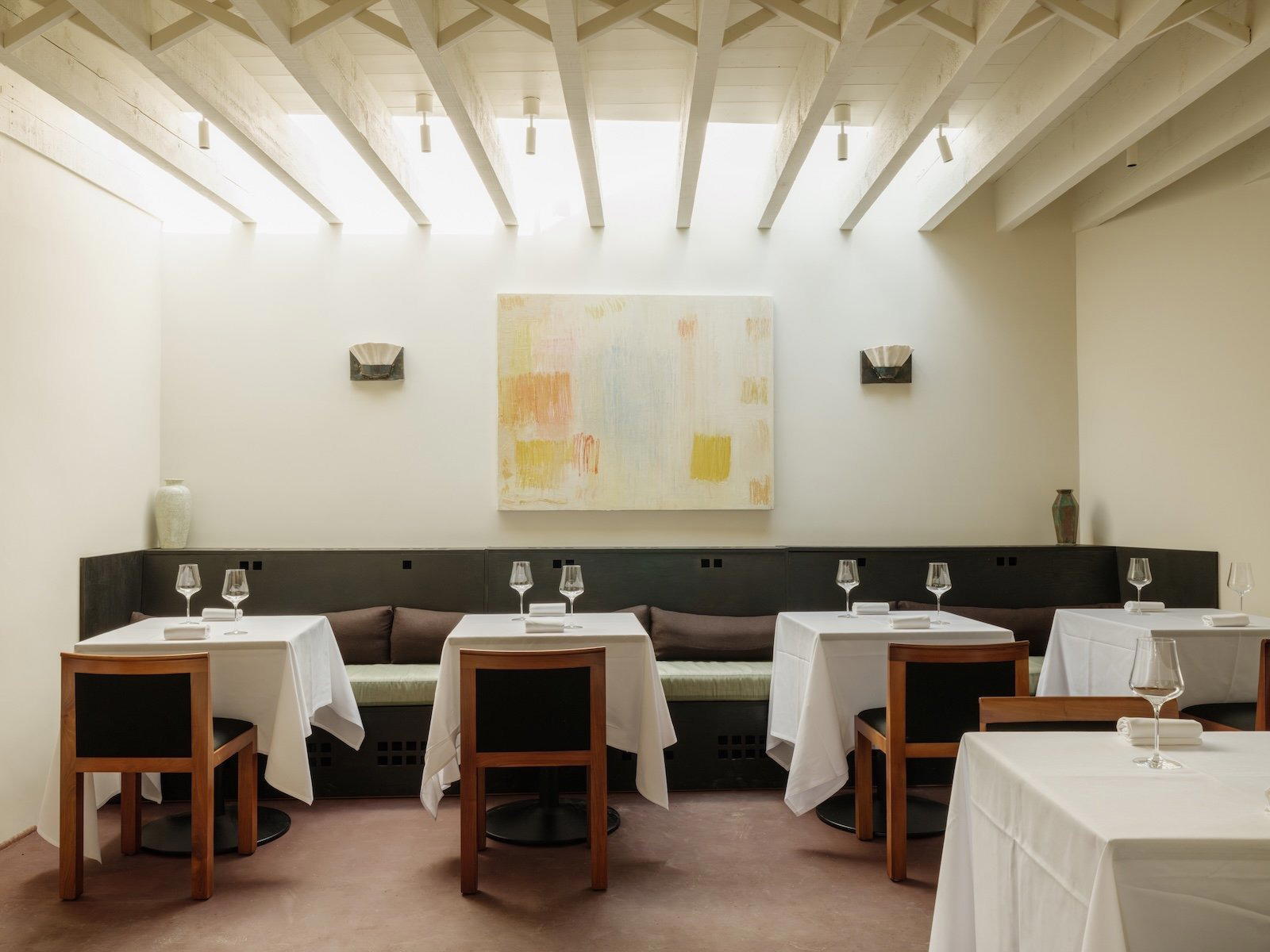
Rustic yet refined with whitewashed walls, polished concrete floors, and abundant natural light from floor-to-ceiling glass in the tasting room; peaceful and grounded with a sense of timeless elegance.
Tags
Vibe
Best For
Experience
Sourcing
View
At the Vineyard
- Appellation
- Franschhoek Valley
- Varietals
- Cabernet Sauvignon, Merlot, Cabernet Franc, Petit Verdot, Malbec
- Tour Duration
- 4 hours
- Tour Languages
- English
- Visits
- Walk-ins welcome
- Farming
- Sustainable
- Wine Styles
- Still Red, Still White, Sparkling
- Food Pairing
- Offered
- Wine Club
- Not available
Know before you go
Know Before You Go
- Getting there
- Klapmuts - Simondium Rd, Simondium, 7670
Planning details
Location
Recognition and awards

Also consider
Where to go if Babylonstoren is full
Try Rupert & Rothschild Vignerons if the priority is wine over estate theatre. Try Vrede en Lust Wine Estate if the group wants a softer, easier-paced estate stop in Franschhoek.
Winery context
How It Compares
Babylonstoren is the more complete estate choice if atmosphere and a longer visit matter. Rupert & Rothschild Vignerons is the sharper cross-shop for a focused wine-led stop in Franschhoek, while Vrede en Lust Wine Estate works better for travellers who want an easier estate rhythm without making the whole day revolve around one property.
For value, Babylonstoren makes sense when the garden-and-estate setting is part of what you are paying time for. If the priority is a simpler tasting route, Glen Carlou and Plaisir de Merle are cleaner alternatives to compare, especially for visitors building a multi-stop wine day outside the village core.
Wilderer Distillery is the better detour for groups that want a spirits break rather than another wine estate. Choose Babylonstoren for visual impact and a slower first-timer experience; choose Rupert & Rothschild Vignerons for a tighter wine agenda; choose Vrede en Lust Wine Estate when the group needs a less demanding stop.
Explore Franschhoek
Around this place
Discover more on Pearl
Unlock the full Babylonstoren guide in Pearl, including awards, comparisons, FAQs, planning details, and nearby places.
Compare Babylonstoren
| Venue | Location | Awards |
|---|---|---|
| Babylonstoren | Franschhoek | 2026 Falstaff Winery Guide2025 Decanter Winery PrestigeWe're Smart World Top Restaurants 2025 |
| Glen Carlou | Paarl | 2026 Falstaff Winery Guide |
| Rupert & Rothschild Vignerons | Franschhoek | 2026 Falstaff Winery GuideWe're Smart World Top Restaurants 2025 |
| Vrede en Lust Wine Estate | Franschhoek | No published awards |
| Wilderer Distillery | Paarl | No published awards |
| Plaisir de Merle | Paarl | No published awards |
How Babylonstoren Franschhoek compares with similar nearby venues.
FAQ
Frequently Asked Questions
Does Babylonstoren ship products?
Can Babylonstoren handle large groups?
Do I need a reservation at Babylonstoren?
Because Babylonstoren is a recognised Franschhoek venue, checking directly before visiting is the safest approach.
Is membership or repeat buying at Babylonstoren worth considering?
If membership or repeat buying is important, compare current terms directly with Babylonstoren and with other options such as Rupert & Rothschild Vignerons.
What other venues can I compare with Babylonstoren?
Relevant comparison names include Vrede en Lust Wine Estate, Plaisir de Merle, Glen Carlou, and Rupert & Rothschild Vignerons. Babylonstoren is in Franschhoek.