
Hugel
Riquewihr
Winery in Riquewihr, France
 Book with Pearl
The Read
Alsatian Cellar Authority
Price
$20–30tasting
Why go
Hugel is worth prioritising if you want a serious Alsace winery stop inside Riquewihr rather than a broader village-to-village tasting day. Confirm access before building plans around it, especially for any upgraded or private-style experience, and keep a backup from the same regional.
About Hugel
Hugel is a Riquewihr venue with a 3 Star Prestige distinction for 2025 and a smart casual dress code.
If Hugel is important to your Riquewihr itinerary, confirm the practical details directly before building the day around it. Do not assume a particular format, availability pattern, group setup, purchase option, or visitor service unless Hugel has confirmed it for your date.
Worth prioritising if you want a Riquewihr-first stop
The grounded reason to keep Hugel on the shortlist is simple: it is a recognised Riquewihr venue, with 3 Star Prestige noted for 2025. For planning around the rest of the day, use our full Riquewihr guide resources, including the nearby Riquewihr restaurants guide.
For a return visit, make the plan more intentional: confirm the current details first, decide how much time you want to leave around the stop, and avoid relying on assumptions. The dress code is smart casual.
Build a backup plan before committing the day
If your plans with Hugel do not line up, compare the day against Bestheim, Maison Trimbach, Domaine Marcel Deiss, Albert Boxler, and Domaine Zind Humbrecht. The better move is to keep one set plan and one flexible alternative.
Quick reference: choose Hugel for a Riquewihr stop with 3 Star Prestige recognition in 2025; dress smart casual and confirm any practical details directly before shaping the rest of the day.
Planning details
- Location
- 3 Rue de la 1E Armée, 68340 Riquewihr
- Website
- m.hugel.com/598DGMB3C4?l=fr
- Phone
- +33 3 89 47 92 15
The take
The Take
The Vibe
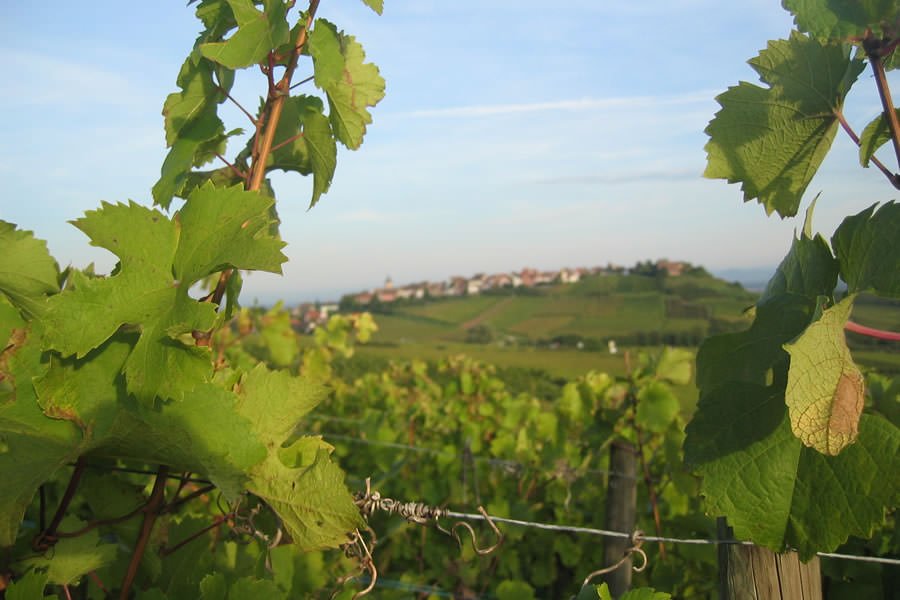
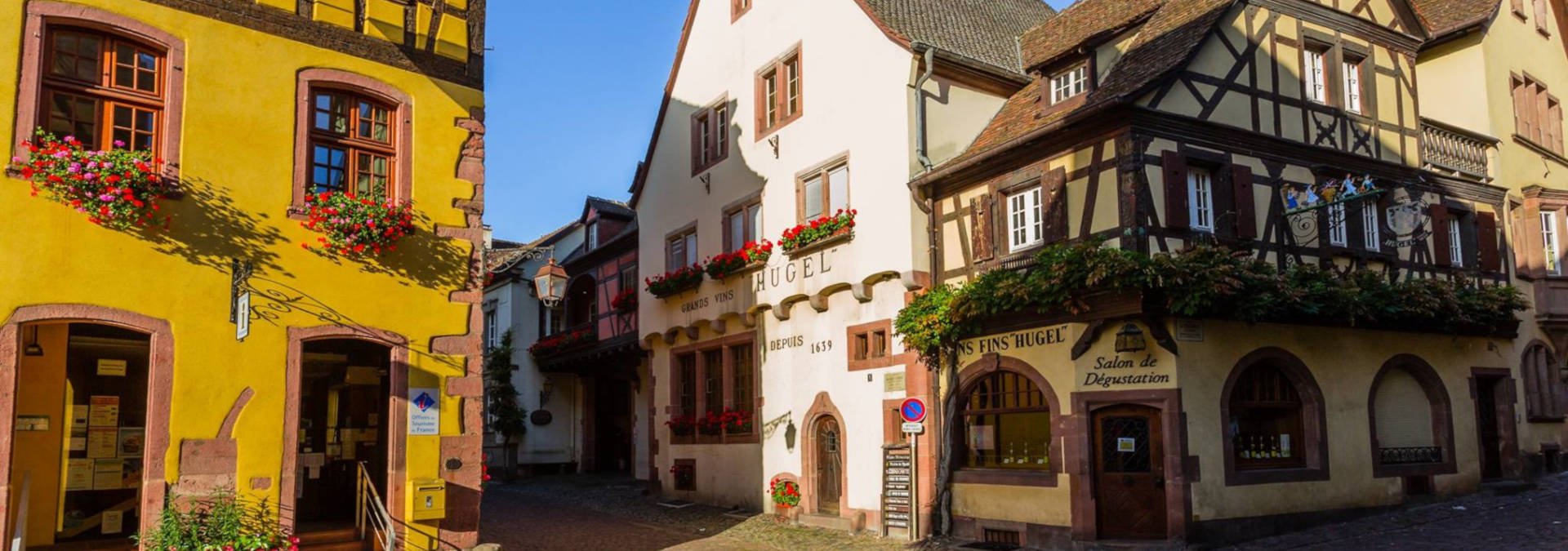
Hugel sits within Riquewihr's compact, storied village and leans on the weight of Alsatian stone and timber to define its personality. The writing emphasizes intact walls, centuries of layered occupation and vineyards that crowd the rooftops, so the house reads less like a tourist stop and more like a custodian of place. Discussion of soils, Grand Cru parcels and "terroir as argument" gives the estate an intellectual elegance: tasting here feels like stepping into a disciplined conversation about site, variety and climate rather than a mere product showcase.
Best For
This house is best for serious tasting and learning. The copy foregrounds grape varieties, Grand Cru plots and the Vosges rain shadow as drivers of style, so visitors who want to parse soil-driven differences and stylistic range get the most out of a visit. The setting — village streets, visible slopes and historic cellars — supports slow, attentive tasting and is particularly well suited to people seeking context as much as flavor: students of terroir, committed Riesling lovers and small groups focused on comparative tasting.
Tasting Tips
Approach a tasting here with terroir in mind: start with the dry Rieslings to sense minerality and tension, then move to Pinot Gris and Gewurztraminer to track aromatics and weight. Ask specifically which Grand Cru or parcel supplies a bottle; the notes single out Schlossberg (granite influence) and Sporen among named sites, and those comparisons illustrate how soils shape profile. Inquire about vintage conditions and the Vosges rain shadow when selecting bottles to bring home—those details clarify why Hugel’s lines read the way they do.
Venue details
Ambiance
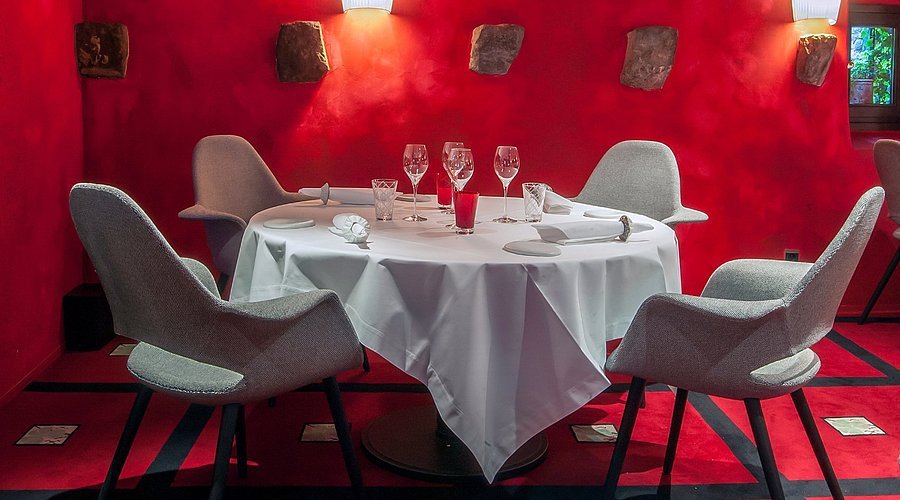
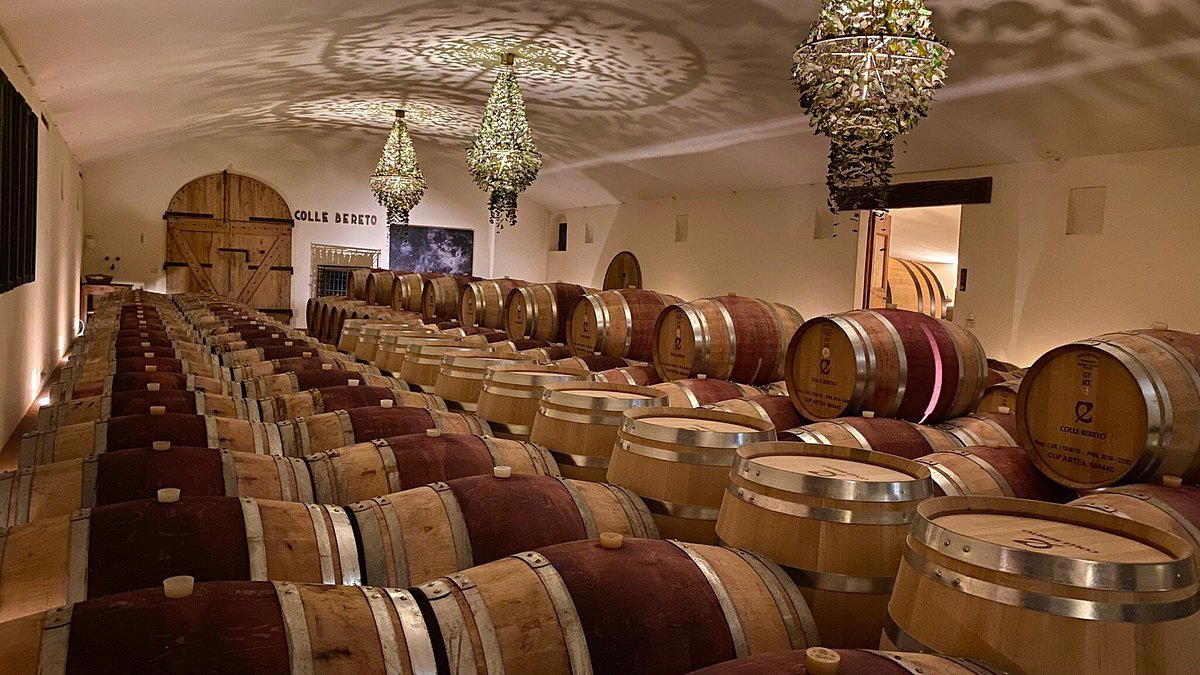
Elegant and refined atmosphere in medieval cellars under XVIth century buildings with precise, sophisticated wines.
Tags
Vibe
Best For
Experience
View
At the Vineyard
- Appellation
- Alsace AOC
- Varietals
- Riesling, Gewurztraminer, Pinot Gris, Pinot Blanc, Muscat
- Tour Duration
- 60 minutes
- Visits
- By reservation
- Production
- Mid-size producer
- Wine Styles
- Still White
- Wine Club
- Not available
Know before you go
Know Before You Go
- Getting there
- 3 Rue de la 1E Armée, 68340 Riquewihr
Planning details
Location
Recognition and awards

Also consider
Also Consider
- Bestheim, Notable alternative
- Maison Trimbach, Notable alternative
- Domaine Marcel Deiss, Notable alternative
- Albert Boxler, Notable alternative
- Domaine Zind Humbrecht, Notable alternative
Winery context
How it compares with nearby Alsace winery options
Choose Hugel if location in Riquewihr matters. Against Bestheim and Maison Trimbach, it is the stronger fit for a town-centered itinerary where the winery visit needs to sit cleanly inside the day rather than pull the schedule elsewhere. The tradeoff is planning pressure: do not treat it as the easy fallback unless availability is already confirmed.
Domaine Marcel Deiss, Albert Boxler, and Domaine Zind Humbrecht make more sense when the trip is built around producer comparison across Alsace rather than staying anchored in Riquewihr. For a private or upgraded tasting request, compare confirmation speed and group fit before choosing; the better experience is the one with a clearly agreed format, not the one that sounds more ambitious on paper.
If the goal is value for time, Hugel works when it reduces transfers and keeps the day compact. If the goal is a deeper regional wine circuit, cross-shop the other producers first and let confirmed availability decide the route.
Explore Riquewihr
Around this place
Discover more on Pearl
Unlock the full Hugel guide in Pearl, including awards, comparisons, FAQs, planning details, and nearby places.
Compare Hugel
| Venue | Location | Awards |
|---|---|---|
| Hugel | Riquewihr | 2026 Falstaff Winery Guide |
| Bestheim | Bennwihr | 2026 Falstaff Winery Guide2025 Decanter Winery Prestige |
| Maison Trimbach | Ribeauvillé | 2026 Falstaff Winery Guide |
| Domaine Marcel Deiss | Bergheim | 2026 Falstaff Winery Guide2020 World's 50 Best Vineyards · #45 |
| Albert Boxler | Niedermorschwihr | 2026 Falstaff Winery Guide |
| Domaine Zind Humbrecht | Turckheim | 2026 Falstaff Winery Guide |


How Hugel Riquewihr compares with similar nearby venues.
FAQ
Frequently Asked Questions
Do I need a reservation at Hugel?
If Hugel is a fixed stop on a Riquewihr day, confirm the current reservation process directly before you go. If you are comparing options, Maison Trimbach or Bestheim can be considered as part of a broader regional plan.
How long should I plan for a visit to Hugel?
Treat Hugel as a Riquewihr venue with 3 Star Prestige recognition for 2025, then confirm timing directly before finalising your schedule. If your day is tight, keep Domaine Marcel Deiss or Albert Boxler in mind as alternatives to compare.
Are membership or repeat-visit details available for Hugel?
If any membership or repeat-visit arrangement is part of your plan, confirm the current terms directly with Hugel before making the visit central to your itinerary. For broader comparison, you can also look at Domaine Zind Humbrecht or Maison Trimbach.
Can Hugel handle large groups?
Check directly with Hugel before assuming a group visit will work, especially if the stop is central to your Riquewihr plans. For bigger parties, Bestheim may be another regional option to compare for logistics.
Are purchase or delivery details available for Hugel?
If purchase or delivery matters to your plans, confirm the current policy directly before you travel. You can also compare practical terms with Maison Trimbach and Bestheim if logistics are a deciding factor.
When is the best time to visit Hugel?
What other venues can I compare with Hugel?
Bestheim, Maison Trimbach, Domaine Marcel Deiss, Albert Boxler, and Domaine Zind Humbrecht are useful comparison names for a Riquewihr and wider Alsace plan. Check each venue directly before relying on a specific route, schedule, or visit format.